

Modulation of Phagosomal pH by Candida albicans Promotes Hyphal Morphogenesis and Requires Stp2p, a Regulator of Amino Acid Transport
Open accessThe DOI matches its Crossref record; 67 of the 68 references it cites were found in a registry or an index.
Abstract
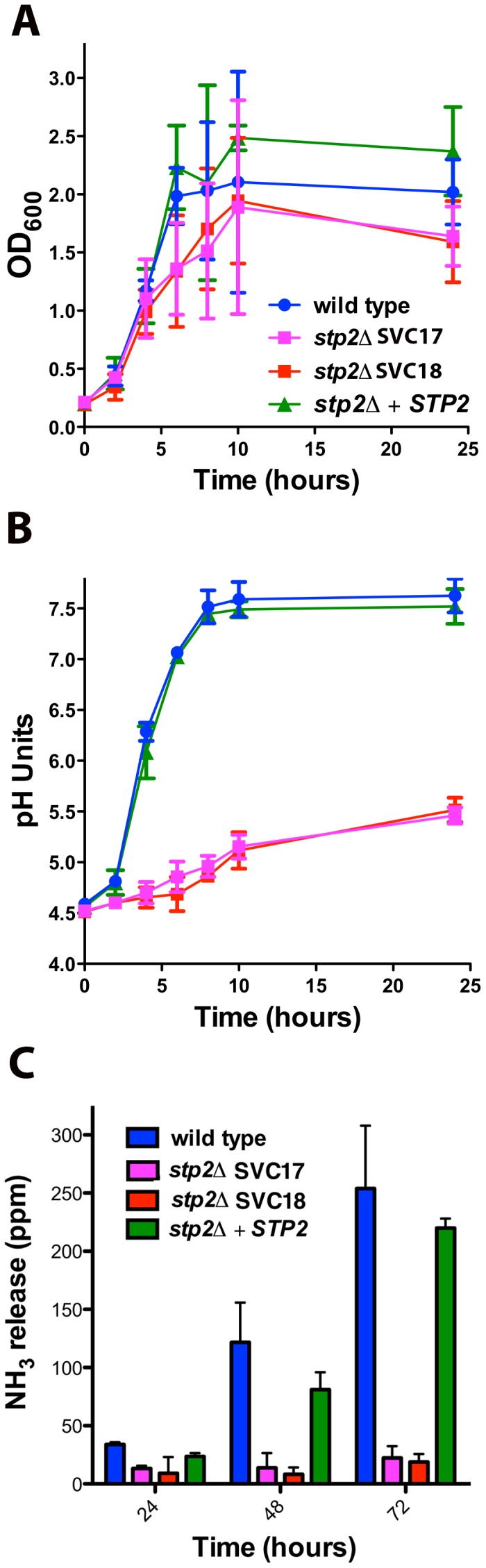
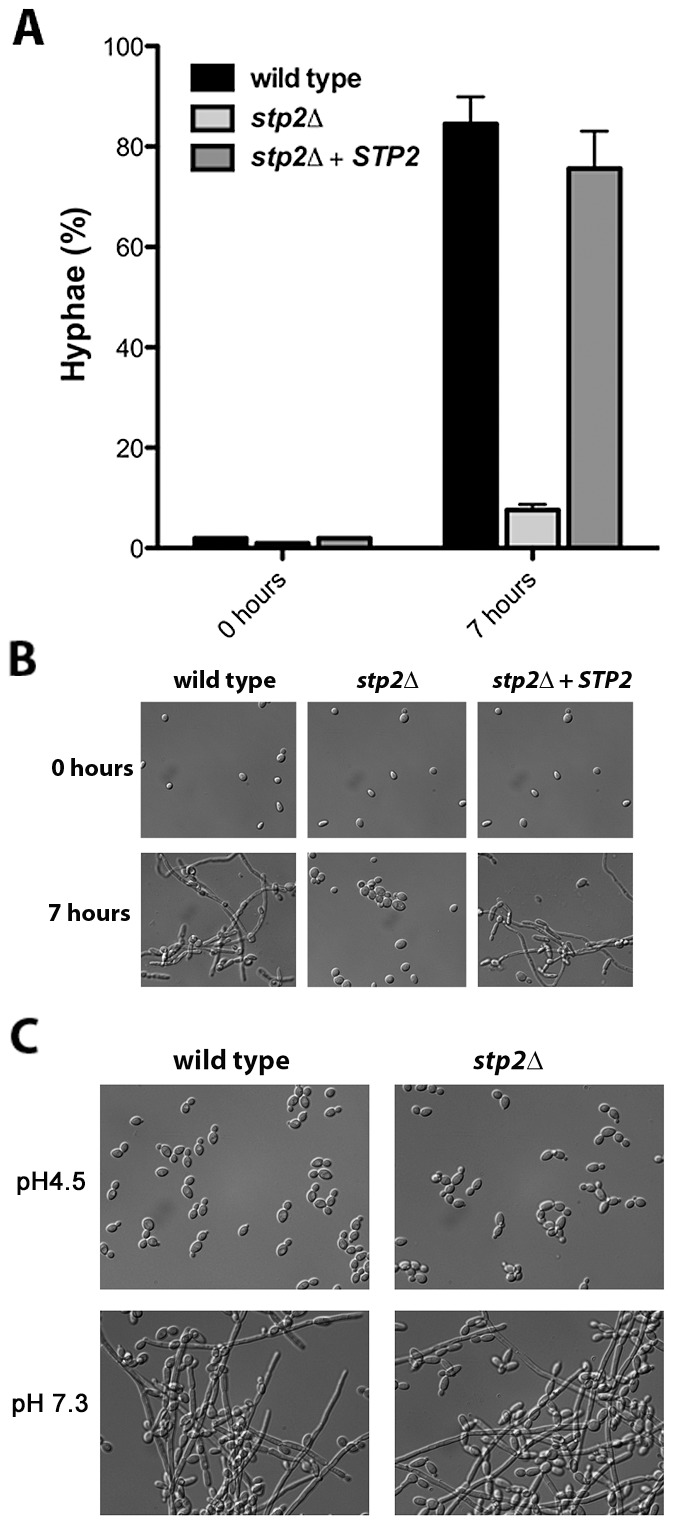
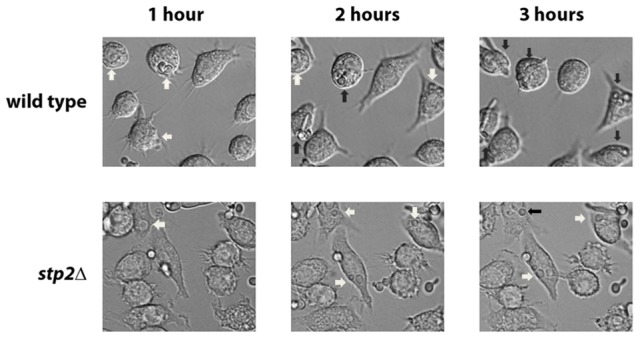
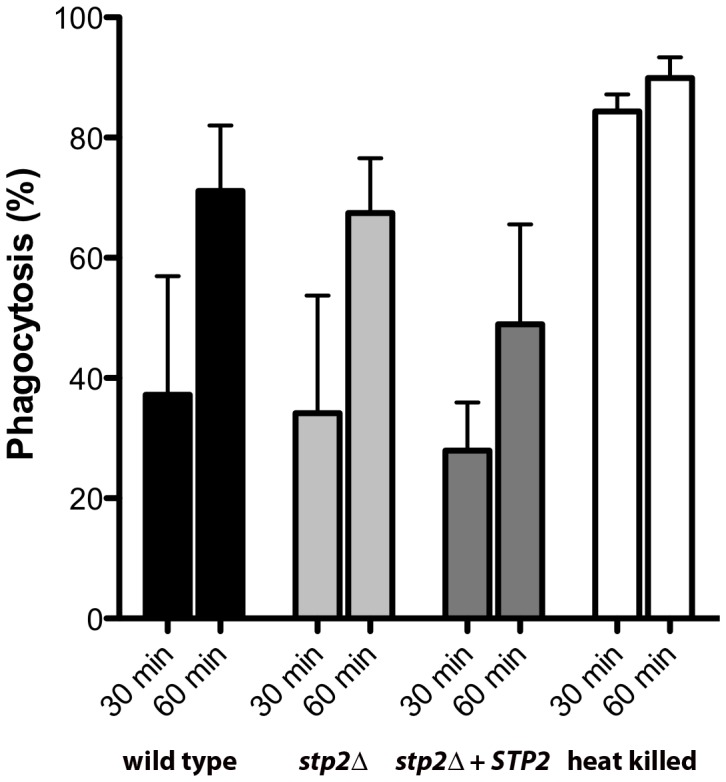
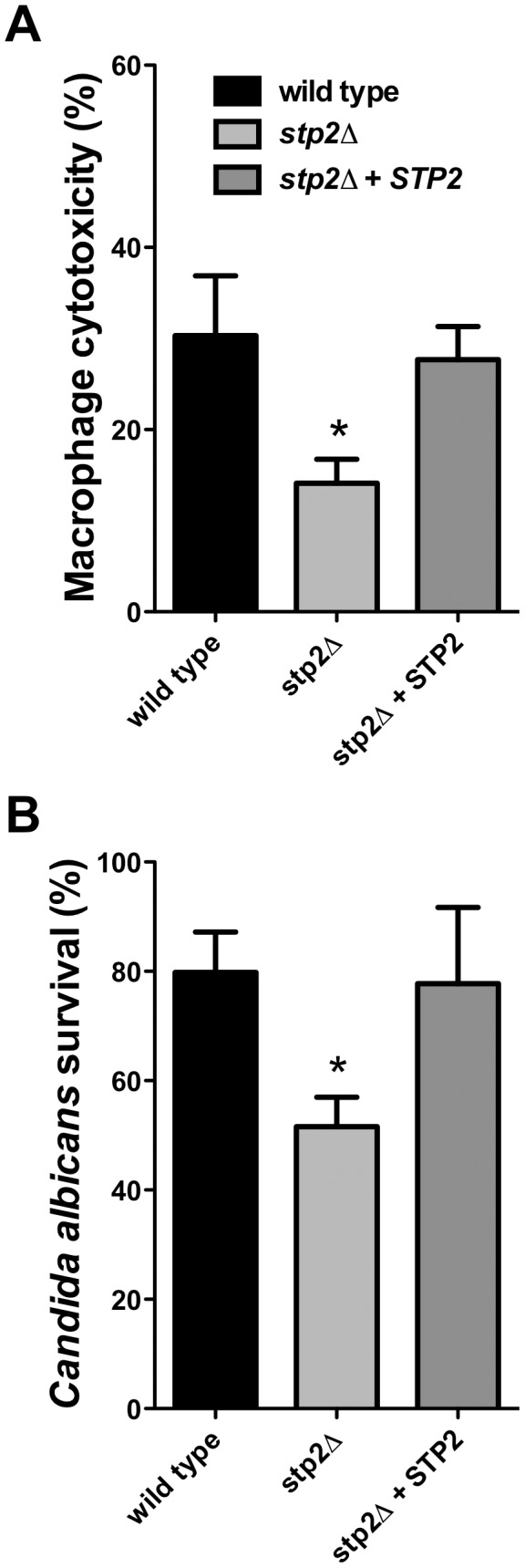
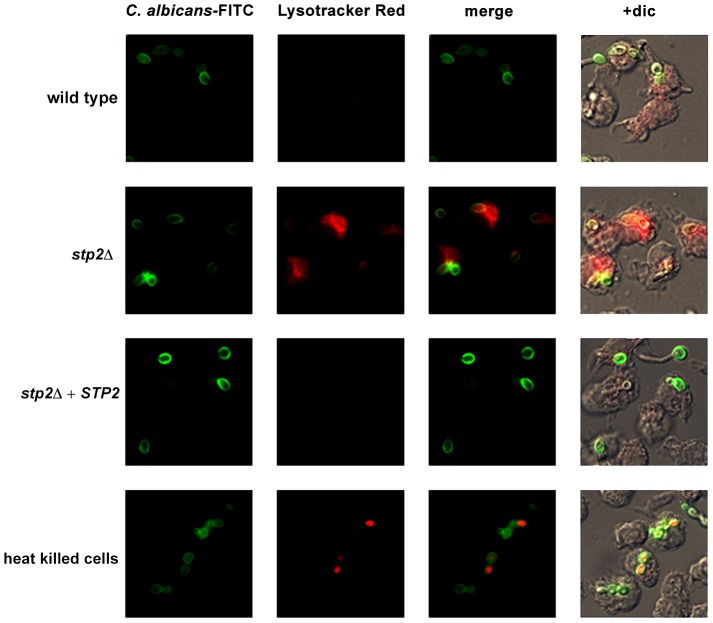
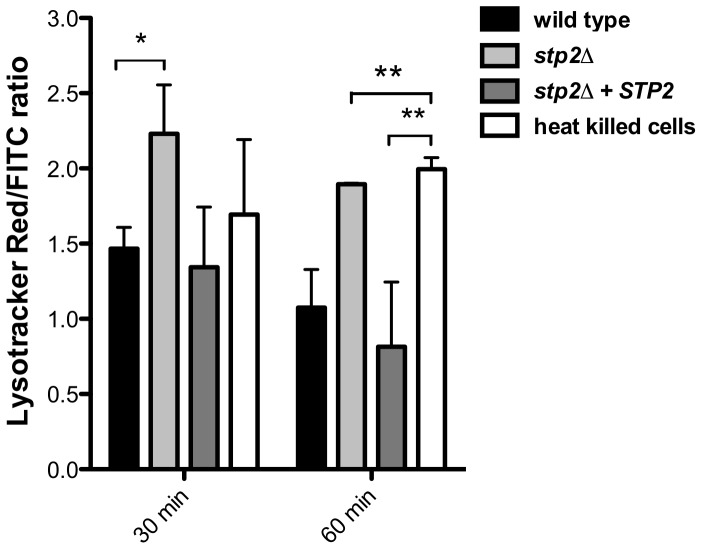
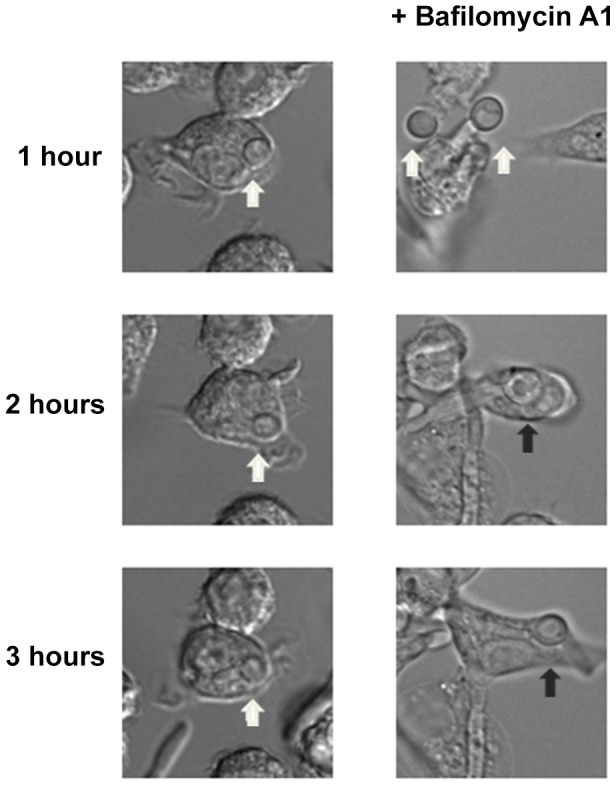
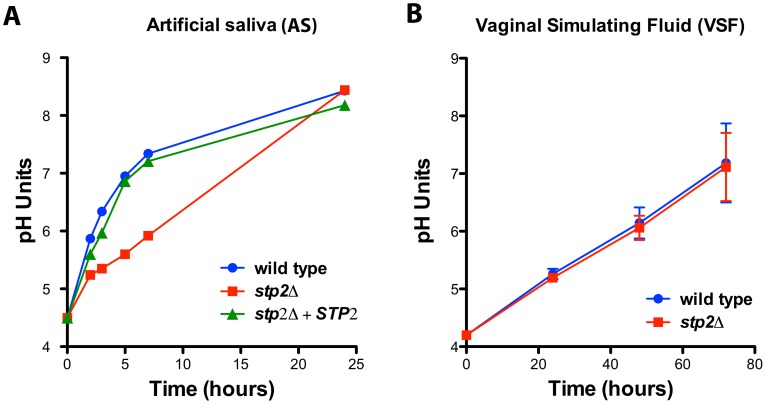
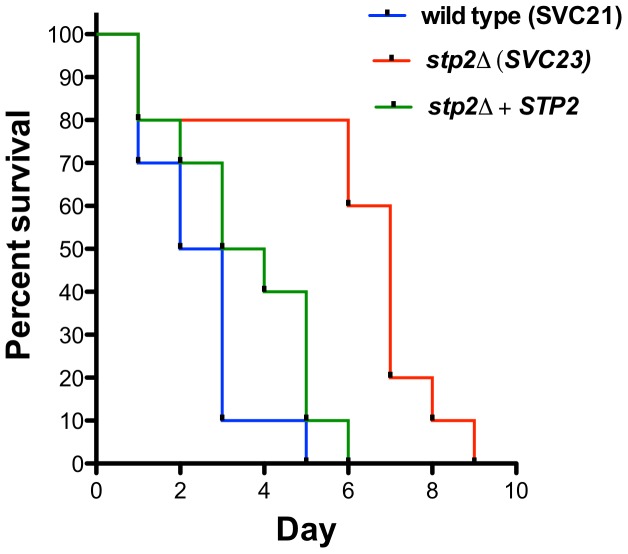
Candida albicans, the most important fungal pathogen of humans, has a unique interaction with macrophages in which phagocytosis induces a switch from the yeast to hyphal form, allowing it to escape by rupturing the immune cell. While a variety of factors induce this switch in vitro, including neutral pH, it is not clear what triggers morphogenesis within the macrophage where the acidic environment should inhibit this transition. In vitro, C. albicans grown in similar conditions in which amino acids are the primary carbon source generate large quantities of ammonia to raise the extracellular pH and induce the hyphal switch. We show here that C. albicans cells neutralize the macrophage phagosome and that neutral pH is a key inducer of germination in phagocytosed cells by using a mutant lacking STP2, a transcription factor that regulates the expression of multiple amino acid permeases, that is completely deficient in alkalinization in vitro. Phagocytosed stp2Δ mutant cells showed significant reduction in hypha formation and escaped from macrophages less readily compared to wild type cells; as a result stp2Δ mutant cells were killed at a higher rate and caused less damage to RAW264.7 macrophages. Stp2p-regulated import leads to alkalinization of the phagosome, since the majority of the wild type cells fail to co-localize with acidophilic dyes, whereas the stp2Δ mutant cells were located in acidic phagosomes. Furthermore, stp2Δ mutant cells were able to form hyphae and escape from neutral phagosomes, indicating that the survival defect in these cells was pH dependent. Finally, these defects are reflected in an attenuation of virulence in a mouse model of disseminated candidiasis. Altogether our results suggest that C. albicans utilizes amino acids to promote neutralization of the phagosomal pH, hyphal morphogenesis, and escape from macrophages.
Overview
The claims and statistics of this paper haven’t been checked yet.
Free: it reads the open-access text and checks the first 5 claims that cite a source we can check. Create a free account to check every claim.
Integrity signals
Registry
Cites
Statistics
Figures
Verification
Claims the paper makes
The claims and statistics of this paper haven’t been checked yet.
Free: it reads the open-access text and checks the first 5 claims that cite a source we can check. Create a free account to check every claim.
Claims other papers make about this one
Each is checked against this paper’s own text: does it say what the citing paper says it does?
The source backs part of the claim, not all of it — or backs it for a different population, condition or comparison.
In the citing paper
“amino acids, which are abundant inside macrophages are an important alternative carbon source for the immune evasion of C. albicans [24–28].”
From The F 1 F o -ATP synthase α subunit of Candida albicans induces inflammatory responses by controlling amino acid catabolism (2023) · cites this paper as [26]
Experimental — accuracy not yet measuredThe source backs part of the claim, not all of it — or backs it for a different population, condition or comparison.
In the citing paper
“However, amino acids, which are abundant inside macrophages, are an important alternative carbon source for C. albicans to escape macrophage killing [24–26].”
From The F 1 F o -ATP synthase α subunit of Candida albicans induces inflammatory responses by controlling amino acid catabolism (2023) · cites this paper as [26]
Experimental — accuracy not yet measuredThe source backs part of the claim, not all of it — or backs it for a different population, condition or comparison.
In the citing paper
“Phagocytized C. albicans produces NH3 through amino acid catabolism to neutralize the acidity of phagosomes, thereby inducing filamentation to destroy and escape from macrophages [26,27].”
From The F 1 F o -ATP synthase α subunit of Candida albicans induces inflammatory responses by controlling amino acid catabolism (2023) · cites this paper as [26]
Experimental — accuracy not yet measuredThe cited source says what the claim attributes to it.
In the citing paper
“Phagocytized C. albicans catabolizes amino acids to produce NH3 to neutralize the acidity of phagosomes [26,27], which induces filamentation for macrophage killing and escape [26,29], thus leading to host inflammatory responses [14].”
From The F 1 F o -ATP synthase α subunit of Candida albicans induces inflammatory responses by controlling amino acid catabolism (2023) · cites this paper as [26]
The cited source says what the claim attributes to it.
In the citing paper
“C. albicans induces filamentation by neutralizing the acidity of phagosomes through amino acid catabolism [26,27].”
From The F 1 F o -ATP synthase α subunit of Candida albicans induces inflammatory responses by controlling amino acid catabolism (2023) · cites this paper as [26]
Self-check
Percentages, sums and reported differences re-computed from the paper’s own numbers.
The self-check needs the paper’s full text.
Citations
Cites
Wisplinghoff, H., Bischoff, T., Tallent, S. M., Seifert, H., Wenzel, R. P., & Edmond, M. B. (2004) · Clinical Infectious Diseases · doi:10.1086/421946 · Cited by 4,496 · cited 1×
“rate of about 40% [3,4].”
Nonfilamentous C. albicans Mutants Are Avirulent
Lo, H.-J., Köhler, J. R., DiDomenico, B., Loebenberg, D., Cacciapuoti, A., & Fink, G. R. (1997) · Cell · doi:10.1016/s0092-8674(00)80358-x · Cited by 1,809 · cited 1×
“netic switch is required for virulence and has therefore been well studied [13,14].”
BackgroundOdds, F. C. (1979) · Medical Entomology and Zoology · Cited by 1,297
The glyoxylate cycle is required for fungal virulence
Lorenz, M. C., & Fink, G. R. (2001) · Nature · doi:10.1038/35083594 · Cited by 745 · cited 3×
“Our data suggests that this alkalinization phenomenon is driven by metabolic changes resulting from nutrient starvation imposed by the phagocyte; metabolism of non-fermentable carbon sources appears to be important during infection as disruption of some these carbon metabolic pathways impairs virulence [19,21–23].”
BackgroundSelf-citationThe SAT1 flipper, an optimized tool for gene disruption in Candida albicans
Reuß, O., Vik, Å., Kolter, R., & Morschhäuser, J. (2004) · Gene · doi:10.1016/j.gene.2004.06.021 · Cited by 742
Transcriptional Response of Candida albicans upon Internalization by Macrophages
Lorenz, M. C., Bender, J. A., & Fink, G. R. (2004) · Eukaryotic Cell · doi:10.1128/ec.3.5.1076-1087.2004 · Cited by 712 · cited 4×
“albicans within macrophages is broadly similar to that seen after nutrient starvation, including repression of translation and glycolysis and activation of metabolic pathways required to use less favored carbon sources, including the glyoxylate cycle, b-oxidation, and gluconeogenesis [17,18,21].”
BackgroundInfluentialSelf-citationSaville, S. P., Lazzell, A. L., Monteagudo, C., & Lopez-Ribot, J. L. (2003) · Eukaryotic Cell · doi:10.1128/ec.2.5.1053-1060.2003 · Cited by 655 · cited 1×
“netic switch is required for virulence and has therefore been well studied [13,14].”
BackgroundHajjeh, R. A., Sofair, A. N., Harrison, L. H., Lyon, G. M., Arthington-Skaggs, B. A., Mirza, S. A., Phelan, M., Morgan, J., Lee-Yang, W., Ciblak, M. A., et al. (2004) · Journal of Clinical Microbiology · doi:10.1128/jcm.42.4.1519-1527.2004 · Cited by 649
Noble, S. M., & Johnson, A. D. (2005) · Eukaryotic Cell · doi:10.1128/ec.4.2.298-309.2005 · Cited by 592 · cited 2×
“Numerous amino acid auxotrophic mutants retain full virulence in the mouse model, including those for leucine, arginine, trypto- phan, and histidine [57–60]; this is the basis for the genetic methodology developed by Noble and Johnson [61].”
BackgroundFradin, C., De Groot, P., MacCallum, D., Schaller, M., Klis, F., Odds, F. C., & Hube, B. (2005) · Molecular Microbiology · doi:10.1111/j.1365-2958.2005.04557.x · Cited by 455 · cited 1×
“albicans within macrophages is broadly similar to that seen after nutrient starvation, including repression of translation and glycolysis and activation of metabolic pathways required to use less favored carbon sources, including the glyoxylate cycle, b-oxidation, and gluconeogenesis [17,18,21].”
Background
Research works printed but not linked: 1
- Brown AJ (2002) Morphogenetic signaling pathways in Candida albicans In: Calderone R, editor. Candida and candidiasis. Washington: ASM Press.
Cited by
Bacterial–fungal interactions: ecology, mechanisms and challenges
Deveau, A., Bonito, G., Uehling, J., Paoletti, M., Becker, M., Bindschedler, S., Hacquard, S., Hervé, V., Labbé, J., Lastovetsky, O. A., et al. (2018) · FEMS Microbiology Reviews · doi:10.1093/femsre/fuy008 · Cited by 794
“Also, C. albicans has been shown to influence the pH of the phagolysosome to increase its chances of survival in phagocytic cells of the immune system (Vylkova and Lorenz 2014; Vylkova 2017).”
BackgroundInteractions of fungal pathogens with phagocytes
Erwig, L. P., & Gow, N. A. R. (2016) · Nature Reviews Microbiology · doi:10.1038/nrmicro.2015.21 · Cited by 626
Pathogenesis and virulence of Candida albicans
Lopes, J. P., & Lionakis, M. S. (2022) · Virulence · doi:10.1080/21505594.2021.2019950 · Cited by 477
“neutralization of the acidic phagosomal pH and yeastto-hyphae transition [102,103].”
Backgroundd'Enfert, C., Kaune, A.-K., Alaban, L.-R., Chakraborty, S., Cole, N., Delavy, M., Kosmala, D., Marsaux, B., Fróis-Martins, R., Morelli, M., et al. (2021) · FEMS Microbiology Reviews · doi:10.1093/femsre/fuaa060 · Cited by 347
Candida parapsilosis: from genes to the bedside
Tóth, R., Nosek, J., Mora-Montes, H. M., Gabaldon, T., Bliss, J. M., Nosanchuk, J. D., Turner, S. A., Butler, G., Vágvölgyi, C., & Gácser, A. (2019) · Clinical Microbiology Reviews · doi:10.1128/cmr.00111-18 · Cited by 327
Köhler, J. R., Hube, B., Puccia, R., Casadevall, A., & Perfect, J. R. (2017) · Microbiology Spectrum · doi:10.1128/microbiolspec.funk-0014-2016 · Cited by 297
“The latter includes not only cellular adaptation, but also active manipulation of the environmental pH (288).”
BackgroundKasper, L., König, A., Koenig, P.-A., Gresnigt, M. S., Westman, J., Drummond, R. A., Lionakis, M. S., Groß, O., Ruland, J., Naglik, J. R., et al. (2018) · Nature Communications · doi:10.1038/s41467-018-06607-1 · Cited by 297
Nanotechnology-based drug delivery systems for control of microbial biofilms: a review
Dos Santos Ramos, M. A., Da Silva, P., Spósito, L., De Toledo, L., Bonifácio, B., Rodero, C. F., Dos Santos, K., Chorilli, M., & Bauab, T. M. (2018) · International Journal of Nanomedicine · doi:10.2147/ijn.s146195 · Cited by 277
“84 The models for the formation of fungal biofilms have been described by Douglas 69 and Harding et al 85 that can be studied to understand the characteristics of fungal biofilms as well.”
The regulation of hyphae growth in Candida albicans
Chen, H., Zhou, X., Ren, B., & Cheng, L. (2020) · Virulence · doi:10.1080/21505594.2020.1748930 · Cited by 277
Graham, C. E., Cruz, M. R., Garsin, D. A., & Lorenz, M. C. (2017) · Proceedings of the National Academy of Sciences · doi:10.1073/pnas.1620432114 · Cited by 239
“7 murine macrophage-like cells as described (32).”
MethodSelf-citationEnvironmental pH modulation by pathogenic fungi as a strategy to conquer the host
Vylkova, S. (2017) · PLOS Pathogens · doi:10.1371/journal.ppat.1006149 · Cited by 211
Self-citationPolke, M., Hube, B., & Jacobsen, I. D. (2015) · Advances in Applied Microbiology · doi:10.1016/bs.aambs.2014.12.002 · Cited by 184
Cell biology of Candida albicans–host interactions
da Silva Dantas, A., Lee, K. K., Raziunaite, I., Schaefer, K., Wagener, J., Yadav, B., & Gow, N. A. (2016) · Current Opinion in Microbiology · doi:10.1016/j.mib.2016.08.006 · Cited by 169
“The subsequent neutralization of the acidic environment of the phagolysosome allows C. albicans hyphal morphogenesis to occur hence facilitating its escape from macrophages [55,56 (cid:2) ].”
Fungal Strategies to Evade the Host Immune Recognition
Hernández-Chávez, M., Pérez-García, L., Niño-Vega, G., & Mora-Montes, H. (2017) · Journal of Fungi · doi:10.3390/jof3040051 · Cited by 173
“This would be reached via STP2, a transcriptional regulator of amino acid permease genes, and therefore of amino acid transport [141].”
InfluentialCandida albicans–epithelial interactions and induction of mucosal innate immunity
Naglik, J. R., König, A., Hube, B., & Gaffen, S. L. (2017) · Current Opinion in Microbiology · doi:10.1016/j.mib.2017.10.030 · Cited by 163
Bain, J. M., Louw, J., Lewis, L. E., Okai, B., Walls, C. A., Ballou, E. R., Walker, L. A., Reid, D., Munro, C. A., Brown, A. J. P., et al. (2014) · mBio · doi:10.1128/mbio.01874-14 · Cited by 160
“albicans is exposed to an acidic intraphagosomal environment but is able to neutralize this compartment by extrusion of ammonia (22), leading to transcriptional reprogramming of phagocytosed C.”
BackgroundAdapting to survive: How Candida overcomes host-imposed constraints during human colonization
Alves, R., Barata-Antunes, C., Casal, M., Brown, A. J. P., Van Dijck, P., & Paiva, S. (2020) · PLOS Pathogens · doi:10.1371/journal.ppat.1008478 · Cited by 122
“Along with GlcNAc and carboxylic acids, the catabolism of amino acids represents a third independent mechanism by which Candida rapidly neutralizes acidic microenvironments [52,69].”
BackgroundIntracellular survival of Candida glabrata in macrophages: immune evasion and persistence
Kasper, L., Seider, K., & Hube, B. (2015) · FEMS Yeast Research · doi:10.1093/femsyr/fov042 · Cited by 113
Candida albicans Hyphal Expansion Causes Phagosomal Membrane Damage and Luminal Alkalinization
Westman, J., Moran, G., Mogavero, S., Hube, B., & Grinstein, S. (2018) · mBio · doi:10.1128/mbio.01226-18 · Cited by 112
“Vylkova and Lorenz (15) reported a production of ≈35 ppm over 24 hrs, which is equivalent to 1.28 * 10−8 nmoles/yeast/min.”
BackgroundInfluentialHow alkalinization drives fungal pathogenicity
Fernandes, T. R., Segorbe, D., Prusky, D., & Pietro, A. D. (2017) · PLoS Pathogens · doi:10.1371/journal.ppat.1006621 · Cited by 123
Dühring, S., Germerodt, S., Skerka, C., Zipfel, P. F., Dandekar, T., & Schuster, S. (2015) · Frontiers in Microbiology · doi:10.3389/fmicb.2015.00625 · Cited by 102
“When facing nutrient starvation or phagocytosis C. albicans shows responses that are similar in the two cases, switching from the glycolytic pathway to the glyoxylate cycle and gluconeogenesis (Faro-Trindade and Brown, 2009; Lopez, 2013; Vylkova and Lorenz, 2014) which is absent from humans.”
BackgroundInfluentialA feast for Candida: Metabolic plasticity confers an edge for virulence
Miramón, P., & Lorenz, M. C. (2017) · PLOS Pathogens · doi:10.1371/journal.ppat.1006144 · Cited by 106
Self-citationDivergent Approaches to Virulence in C. albicans and C. glabrata: Two Sides of the Same Coin
Galocha, M., Pais, P., Cavalheiro, M., Pereira, D., Viana, R., & Teixeira, M. C. (2019) · International Journal of Molecular Sciences · doi:10.3390/ijms20092345 · Cited by 105
“Environmental alkalinization by amino acid use as carbon sources, which results in ammonia extrusion, has been acknowledged as a strategy of these pathogens to actively raise phagosome pH [199,203,204].”
BackgroundSmith, L. M., Dixon, E. F., & May, R. C. (2015) · Cellular Microbiology · doi:10.1111/cmi.12394 · Cited by 99
“, 2004), in a way that is pH dependent and requires the amino acid permease Stp2p (Vylkova and Lorenz, 2014).”
BackgroundOverview of carbon and nitrogen catabolite metabolism in the virulence of human pathogenic fungi
Ries, L. N. A., Beattie, S., Cramer, R. A., & Goldman, G. H. (2018) · Molecular Microbiology · doi:10.1111/mmi.13887 · Cited by 103
“…several amino acids, including glutamine, promote alkalinization of the extracellular environment, triggering hyphal morphogenesis and ensuring fungal survival in environments with a range of different pHs which is predicted to be important during infection establishment (Vylkova et al., 2014).”
BackgroundTranscriptional control of hyphal morphogenesis in Candida albicans
Villa, S., Hamideh, M., Weinstock, A., Qasim, M. N., Hazbun, T. R., Sellam, A., Hernday, A. D., & Thangamani, S. (2020) · FEMS Yeast Research · doi:10.1093/femsyr/foaa005 · Cited by 117
Pellón, A., Nasab, S. D. S., & Moyes, D. L. (2020) · Frontiers in Cellular and Infection Microbiology · doi:10.3389/fcimb.2020.00081 · Cited by 113
Immune Sensing of Candida albicans
Bojang, E., Ghuman, H., Kumwenda, P., & Hall, R. A. (2021) · Journal of Fungi · doi:10.3390/jof7020119 · Cited by 96
Mitochondrial proline catabolism activates Ras1/cAMP/PKA-induced filamentation in Candida albicans
Silao, F. G. S., Ward, M., Ryman, K., Wallström, A., Brindefalk, B., Udekwu, K., & Ljungdahl, P. O. (2019) · PLOS Genetics · doi:10.1371/journal.pgen.1007976 · Cited by 93
Lee, S. C., Li, A., Calo, S., Inoue, M., Tonthat, N. K., Bain, J. M., Louw, J., Shinohara, M. L., Erwig, L. P., Schumacher, M. A., et al. (2015) · Molecular Microbiology · doi:10.1111/mmi.13071 · Cited by 89
“The fungal pathogen C. albicans increases the internal pH of phagolysosomes to reach neutral conditions, which promotes C. albicans hyphal growth inside of macrophages (Vylkova et al., 2011; Vylkova and Lorenz, 2014).”
BackgroundMethodResultInfluentialWilliams, R. B., & Lorenz, M. C. (2020) · mBio · doi:10.1128/mbio.03070-19 · Cited by 87
“Hyphal length and phagosomal pH are correlated, though it is not clear whether neutral pH induces germination or whether hyphal growth neutralizes the phagosome through membrane disruption (14, 51).”
BackgroundMethodInfluentialSelf-citationTodd, O. A., & Peters, B. M. (2019) · Journal of Fungi · doi:10.3390/jof5030081 · Cited by 82
“albicans can alkalinize the external environment through amino acid catabolism via secretion of ammonia into the extracellular space as waste [74,75].”
BackgroundPhagosomal Neutralization by the Fungal Pathogen Candida albicans Induces Macrophage Pyroptosis
Vylkova, S., & Lorenz, M. C. (2017) · Infection and Immunity · doi:10.1128/iai.00832-16 · Cited by 75
“albicans to utilize amino acids and modulate the phagosomal pH was also critical for escape from the immune cells, since mutants defective in environmental alkalinization remain in acidic phagosomes, fail to damage the host cells, and do not switch to the hyphal form, a process restored upon pharmacological neutraliza…”
BackgroundMethodInfluentialSelf-citationFungal biofilm formation and its regulatory mechanism
Wang, D., Zeng, N., Li, C., Li, Z., Zhang, N., & Li, B. (2024) · Heliyon · doi:10.1016/j.heliyon.2024.e32766 · Cited by 90
“Recent studies have shown that Hst7 may be located between Cst20 and Cek1, Cek2 [105].”
BackgroundRobust Extracellular pH Modulation by Candida albicans during Growth in Carboxylic Acids
Danhof, H. A., Vylkova, S., Vesely, E. M., Ford, A. E., Gonzalez-Garay, M., & Lorenz, M. C. (2016) · mBio · doi:10.1128/mbio.01646-16 · Cited by 72
“…of raising the extracellular pH, both in vitro and in the macrophage phago-some (14); this pH manipulation induces the hyphal morphogenesis that characterizes the C. albicans -macrophage interaction and is essential for fungal fitness in both tissue culture and whole-animal models (14, 25–27).”
InfluentialSelf-citationO’Meara, T. R., Duah, K., Guo, C. X., Maxson, M. E., Gaudet, R. G., Koselny, K., Wellington, M., Powers, M. E., MacAlpine, J., O’Meara, M. J., et al. (2018) · mBio · doi:10.1128/mbio.01581-18 · Cited by 70
“albicans survival during interaction with macrophages was determined as previously described (75).”
MethodMetabolic Adaptations During Staphylococcus aureus and Candida albicans Co-Infection
Eichelberger, K. R., & Cassat, J. E. (2021) · Frontiers in Immunology · doi:10.3389/fimmu.2021.797550 · Cited by 67
“albicans stp2D/D is defective in the alkalinization of the extracellular environment and is more efficiently killed during macrophage infection (30).”
BackgroundTucey, T. M., Verma-Gaur, J., Nguyen, J., Hewitt, V. L., Lo, T. L., Shingu-Vazquez, M., Robertson, A. A. B., Hill, J. R., Pettolino, F. A., Beddoe, T., et al. (2016) · mSphere · doi:10.1128/msphere.00074-16 · Cited by 66
Determinants of Phagosomal pH During Host-Pathogen Interactions
Westman, J., & Grinstein, S. (2021) · Frontiers in Cell and Developmental Biology · doi:10.3389/fcell.2020.624958 · Cited by 70
“…and secrete NH3, which in principle can Frontiers in Cell and Developmental Biology | www.frontiersin.org 6 January 2021 | Volume 8 | Article 624958 bind to and buffer phagolysosomal H+, leading to phagosomal alkalinization (Schwartz and Allen, 2006; Song et al., 2011; Vylkova and Lorenz, 2014).”
BackgroundNutrient and Stress Sensing in Pathogenic Yeasts
Rutherford, J. C., Bahn, Y., van den Berg, B., Heitman, J., & Xue, C. (2019) · Frontiers in Microbiology · doi:10.3389/fmicb.2019.00442 · Cited by 64
“albicans secrets ammonium to raise external pH and induce its filamentous form (Vylkova and Lorenz, 2014).”
BackgroundThe Candida albicans ATO Gene Family Promotes Neutralization of the Macrophage Phagolysosome
Danhof, H. A., & Lorenz, M. C. (2015) · Infection and Immunity · doi:10.1128/iai.00984-15 · Cited by 57
“Briefly, 1,000 bp of the ACT1 promoter from pAU34 (32) was subcloned between the KpnI and XhoI sites in CIp10 to generate pHZ116.”
BackgroundMethodInfluentialSelf-citationInterleukin 1α Is Critical for Resistance against Highly Virulent Aspergillus fumigatus Isolates
Caffrey-Carr, A. K., Kowalski, C. H., Beattie, S. R., Blaseg, N. A., Upshaw, C. R., Thammahong, A., Lust, H. E., Tang, Y., Hohl, T. M., Cramer, R. A., et al. (2017) · Infection and Immunity · doi:10.1128/iai.00661-17 · Cited by 65
“albicans, amino acid catabolism is essential for the continued growth necessary for phagosome escape and the induction of pyroptosis (80, 81).”
BackgroundDuggan, S., Essig, F., Hünniger, K., Mokhtari, Z., Bauer, L., Lehnert, T., Brandes, S., Häder, A., Jacobsen, I. D., Martin, R., et al. (2015) · Cellular Microbiology · doi:10.1111/cmi.12443 · Cited by 60
“Inside host cells, C. albicans differentiates into the filamentous form, which penetrates the host cell and enables escape and continuous proliferation of the fungus (Kurzai et al., 2005; Vylkova and Lorenz, 2014).”
BackgroundRole of Amino Acid Metabolism in the Virulence of Human Pathogenic Fungi
Garbe, E., & Vylkova, S. (2019) · Current Clinical Microbiology Reports · doi:10.1007/s40588-019-00124-5 · Cited by 59
Self-citationKasper, L., Seider, K., Gerwien, F., Allert, S., Brunke, S., Schwarzmüller, T., Ames, L., Zubiria-Barrera, C., Mansour, M. K., Becken, U., et al. (2014) · PLoS ONE · doi:10.1371/journal.pone.0096015 · Cited by 59
“albicans has recently been shown to neutralize the macrophage phagosome [63].”
BackgroundFungal Pathogens: Shape-Shifting Invaders
Min, K., Neiman, A. M., & Konopka, J. B. (2020) · Trends in Microbiology · doi:10.1016/j.tim.2020.05.001 · Cited by 64
“Budding cells that are phagocytosed by macrophages respond to signals in this environment that cause a shift to filamentous hyphal growth [54].”
BackgroundLagree, K., Woolford, C. A., Huang, M. Y., May, G., McManus, C. J., Solis, N. V., Filler, S. G., & Mitchell, A. P. (2020) · PLOS Genetics · doi:10.1371/journal.pgen.1008582 · Cited by 51
“The macrophage cytotoxicity protocol was performed as described previously [62].”
MethodMiramón, P., & Lorenz, M. C. (2016) · Cellular Microbiology · doi:10.1111/cmi.12600 · Cited by 53
“…acid metabolism has been adapted in this species to promote survival during contact with phagocytes and virulence and that Stp2, a TF with a known role in amino acid metabolism, compromises interactions with the host (Martínez and Ljungdahl, 2005; Vylkova and Lorenz, 2014; Vylkova et al., 2011).”
BackgroundMethodResultInfluentialSelf-citationKönig, A., Hube, B., & Kasper, L. (2020) · Toxins · doi:10.3390/toxins12080469 · Cited by 49
“by fungal activities such as the production of neutralizing metabolites [46] or phagosome damage by extending fungal hyphae, which leads to proton leakage [45].”
BackgroundRies, L. N. A., Steenwyk, J. L., de Castro, P. A., de Lima, P. B. A., Almeida, F. B. D. R., de Assis, L. J., Manfiolli, A. O., Takahashi‐Nakaguchi, A., Kusuya, Y., Hagiwara, D., et al. (2019) · Frontiers in Microbiology · doi:10.3389/fmicb.2019.00854 · Cited by 61
“…sources have been shown to influence virulence determinants such as cellular morphogenesis and the ability to modify the pH of the extracellular environment, therefore ensuring successful infection and survival within the host environment (Biswas and Morschhäuser, 2005; Vylkova and Lorenz, 2014).”
Characterization of Virulence-Related Phenotypes in Candida Species of the CUG Clade
Priest, S. J., & Lorenz, M. C. (2015) · Eukaryotic Cell · doi:10.1128/ec.00062-15 · Cited by 48
“culture supernatant using the CytoTox 96 kit (Promega) as described previously (22).”
MethodSelf-citationMorphology Changes in Human Fungal Pathogens upon Interaction with the Host
Li, Z., & Nielsen, K. (2017) · Journal of Fungi · doi:10.3390/jof3040066 · Cited by 53
“Stp2 upregulates expression of multiple amino acid permeases that are required for alkalinization of the phagosome [39].”
Functional Characterization of Secreted Aspartyl Proteases in Candida parapsilosis
Singh, D. K., Németh, T., Papp, A., Tóth, R., Lukácsi, S., Hrušková‐Heidingsfeldová, O., Dostál, J., Vágvölgyi, C., Bajtay, Z., Józsi, M., et al. (2019) · mSphere · doi:10.1128/msphere.00484-19 · Cited by 60
“environment of the mature phagosome-lysosome (30).”
Łukowska‐Chojnacka, E., Kowalkowska, A., Gizińska, M., Koronkiewicz, M., & Staniszewska, M. (2018) · European Journal of Medicinal Chemistry · doi:10.1016/j.ejmech.2018.12.044 · Cited by 56
Candida albicans in Multispecies Oral Communities; A Keystone Commensal?
Janus, M. M., Willems, H. M. E., & Krom, B. P. (2016) · Advances in experimental medicine and biology · doi:10.1007/5584_2016_5 · Cited by 65
Ene, I. V., Lohse, M. B., Vladu, A., Morschhäuser, J., Johnson, A. D., & Bennett, R. J. (2016) · mBio · doi:10.1128/mbio.01269-16 · Cited by 59
Vacuolar ATPase in phago(lyso)some biology
Kissing, S., Säftig, P., & Haas, A. (2017) · International Journal of Medical Microbiology · doi:10.1016/j.ijmm.2017.08.007 · Cited by 53
Smith, D. F. Q., & Casadevall, A. (2021) · Pathogens and Disease · doi:10.1093/femspd/ftab013 · Cited by 57
Candida albicans Suppresses Nitric Oxide Generation from Macrophages via a Secreted Molecule
Collette, J. R., Zhou, H., & Lorenz, M. C. (2014) · PLoS ONE · doi:10.1371/journal.pone.0096203 · Cited by 47
“They also actively modulate the pH of the phagolysosome, potentially through the excretion of ammonia generated from amino acid catabolism, creating a neutral pH compartment conducive to hyphal morphogenesis [9,10].”
BackgroundSelf-citationCandida albicans morphology: still in focus
Jacobsen, I. D., & Hube, B. (2017) · Expert Review of Anti-infective Therapy · doi:10.1080/14787210.2017.1290524 · Cited by 45
“This modulation of phagosomal pH requires Stp2p [59], a regulator of amino acid transport, and members of the ATO gene family for trans-”
BackgroundMin, K., Biermann, A., Hogan, D. A., & Konopka, J. B. (2018) · mSphere · doi:10.1128/msphere.00545-18 · Cited by 46
“The DNA fragments were then inserted at EcoRI restriction site of the CIp10-SAT1 plasmid using Gibson assembly master mix (New England Biolabs, Inc.).”
BackgroundN -Acetylglucosamine Metabolism Promotes Survival of Candida albicans in the Phagosome
Vesely, E. M., Williams, R. B., Konopka, J. B., & Lorenz, M. C. (2017) · mSphere · doi:10.1128/msphere.00357-17 · Cited by 41
“albicans cells inhabit a compartment (phagosome or phagolysosome) of neutral rather than the expected acidic pH and that the SPS amino acid sensor, Stp2, Ato1, and Ato5 are required to maintain neutrality (21, 24, 39).”
InfluentialSelf-citationFungal diseases: Oral dysbiosis in susceptible hosts
Villar, C. C., & Dongari‐Bagtzoglou, A. I. (2021) · Periodontology 2000 · doi:10.1111/prd.12378 · Cited by 45
Fungal resilience and host–pathogen interactions: Future perspectives and opportunities
Brown, A. J. P. (2022) · Parasite Immunology · doi:10.1111/pim.12946 · Cited by 46
Fungal morphogenetic changes inside the mammalian host
Trevijano‐Contador, N., Rueda, C., & Zaragoza, Ó. (2016) · Seminars in Cell and Developmental Biology · doi:10.1016/j.semcdb.2016.04.008 · Cited by 46
Methionine is required for cAMP‐PKA‐mediated morphogenesis and virulence of Candida albicans
Schrevens, S., Van Zeebroeck, G., Riedelberger, M., Tournu, H., Kuchler, K., & Van Dijck, P. (2018) · Molecular Microbiology · doi:10.1111/mmi.13933 · Cited by 39
“The transcription factor Stp2 controls amino acid uptake and is required for this morphogenetic switching inside macrophages (Vylkova and Lorenz, 2014).”
BackgroundAnticipatory Stress Responses and Immune Evasion in Fungal Pathogens
Pradhan, A., Ma, Q., de Assis, L. J., Leaves, I., Larcombe, D. E., Rondon, A. V. R., Nev, O. A., & Brown, A. J. P. (2020) · Trends in Microbiology · doi:10.1016/j.tim.2020.09.010 · Cited by 46
Todd, O. A., Noverr, M. C., & Peters, B. M. (2019) · mSphere · doi:10.1128/msphere.00780-19 · Cited by 41
“albicans can raise the pH of macrophage phagosomes, allowing for hyphal growth that damages the phagosomal membrane, aiding in escape and continued proliferation (21, 22).”
BackgroundMethodInfluentialHan, Q., Wang, N., Yao, G., Mu, C., Wang, Y., & Sang, J. (2019) · Molecular Microbiology · doi:10.1111/mmi.14176 · Cited by 38
“(Vylkova and Lorenz, 2014) which is a SAT1-marked version of CIp10 and used to integrate a gene into the RP10 locus by linearizing with StuI.”
MethodInfluentialNi, Q., Wang, C., Tian, Y., Dong, D., Jiang, C., Mao, E., & Peng, Y. (2018) · Mycoses · doi:10.1111/myc.12756 · Cited by 37
Amino Acid Sensing and Assimilation by the Fungal Pathogen Candida albicans in the Human Host
Silao, F. G. S., & Ljungdahl, P. O. (2021) · Pathogens · doi:10.3390/pathogens11010005 · Cited by 40
“morphologies, resulting in hyphal growth, thus facilitating macrophage evasion [31].”
BackgroundMethodInfluentialTóth, R., Tóth, A., Papp, C., Jankovics, F., Vágvölgyi, C., Alonso, M. F., Bain, J. M., Erwig, L.-P., & Gácser, A. (2014) · Frontiers in Microbiology · doi:10.3389/fmicb.2014.00633 · Cited by 35
Allison, D. L., Scheres, N., Willems, H. M. E., Bode, C. S., Krom, B. P., & Shirtliff, M. E. (2019) · Infection and Immunity · doi:10.1128/iai.00137-19 · Cited by 40
“albicans in the presence of macrophages through in vitro experiments; these studies focused on how yeast cells within a macrophage rely on transcription factors encoding amino acid metabolism to sense the phagosome environment and, in turn, induce hyphal formation (42, 48).”
BackgroundSiscar-Lewin, S., Gabaldón, T., Aldejohann, A. M., Kurzai, O., Hube, B., & Brunke, S. (2021) · mBio · doi:10.1128/mbio.01128-21 · Cited by 36
“Under Pressure” – How fungi evade, exploit, and modulate cells of the innate immune system
Lange, T., Kasper, L., Gresnigt, M. S., Brunke, S., & Hube, B. (2023) · Seminars in Immunology · doi:10.1016/j.smim.2023.101738 · Cited by 36
Sprenger, M., Hartung, T. S., Allert, S., Wisgott, S., Niemiec, M. J., Graf, K., Jacobsen, I. D., Kasper, L., & Hube, B. (2020) · Cellular Microbiology · doi:10.1111/cmi.13197 · Cited by 35
“Phagocytosed C. albicans yeast cells rapidly start to form hyphae, damage macrophage membranes, and escape after host cell death and via hyphal outgrowth (Kasper et al., 2018; McKenzie et al., 2010; Vylkova & Lorenz, 2014; Westman, Moran, Mogavero, Hube, & Grinstein, 2018).”
BackgroundERG11 couples oxidative stress adaptation, hyphal elongation and virulence in Candida albicans
Wu, Y., Wu, M., Wang, Y., Chen, Y., Gao, J. Q., & Ying, C. (2018) · FEMS Yeast Research · doi:10.1093/femsyr/foy057 · Cited by 36
Metabolic adaptation of intracellular bacteria and fungi to macrophages
Sprenger, M., Kasper, L., Hensel, M., & Hube, B. (2017) · International Journal of Medical Microbiology · doi:10.1016/j.ijmm.2017.11.001 · Cited by 39
“A similar neutralization strategy of the phagosomal compartment has been observed in C. albicans (Vylkova and Lorenz, 2014).”
Haider, M. J. A., Dambuza, I. M., Asamaphan, P., Stappers, M. H. T., Reid, D. M., Yamasaki, S., Brown, G. D., Gow, N. A. R., & Erwig, L. P. (2019) · PLoS ONE · doi:10.1371/journal.pone.0220867 · Cited by 35
Liu, K.-W., Grau, M. S., Jones, J. T., Wang, X., Vesely, E. M., James, M. R., Gutierrez-Perez, C., Cramer, R. A., & Obar, J. J. (2022) · mBio · doi:10.1128/mbio.02854-22 · Cited by 35
In Fungal Intracellular Pathogenesis, Form Determines Fate
May, R. C., & Casadevall, A. (2018) · mBio · doi:10.1128/mbio.02092-18 · Cited by 33
Silao, F. G. S., Ryman, K., Jiang, T., Ward, M., Hansmann, N., Molenaar, C., Liu, N.-N., Chen, C., & Ljungdahl, P. O. (2020) · PLOS Pathogens · doi:10.1371/journal.ppat.1008328 · Cited by 32
Shen, Q., Ray, S. C., Evans, H. M., Deepe, G. S., & Rappleye, C. A. (2020) · mBio · doi:10.1128/mbio.02712-19 · Cited by 34
“…within the phagosome exists; Legionella uses host amino acids derived from proteasome proteolysis to support growth in the phagosome (14), and C. albicans can use amino acid metabolism to generate ammonia, thereby alkalin-izing the environment to signal the transition to hyphal growth (16, 35).”
Carboxylic Acid Transporters in Candida Pathogenesis
Alves, R. M. A., Sousa-Silva, M., Vieira, D., Soares, P. A., Chebaro, Y., Lorenz, M. C., Casal, M., Soares‐Silva, I., & Paiva, S. (2020) · mBio · doi:10.1128/mbio.00156-20 · Cited by 32
Self-citationCandida auris —macrophage cellular interactions and transcriptional response
Miramón, P., Pountain, A. W., & Lorenz, M. C. (2023) · Infection and Immunity · doi:10.1128/iai.00274-23 · Cited by 29
“This allows C. albicans to undergo the yeast-to-hypha transition that allows escaping from the phagocyte (62, 63).”
BackgroundSelf-citationMelanization of Candida auris Is Associated with Alteration of Extracellular pH
Smith, D. F. Q., Mudrak, N. J., Zamith‐Miranda, D., Honorato, L., Nimrichter, L., Chrissian, C., Smith, B., Gerfen, G. J., Stark, R. E., Nosanchuk, J. D., et al. (2022) · Journal of Fungi · doi:10.3390/jof8101068 · Cited by 30
“neoformans, are 442 known to produce ammonia to help persist under pH stress (46,55,56).”
BackgroundGerwien, F., Dunker, C., Brandt, P., Garbe, E., Jacobsen, I. D., & Vylkova, S. (2020) · mSphere · doi:10.1128/msphere.00393-20 · Cited by 29
“Fungal cells were cultivated in either YPD (1 liter: 20 g peptone, 10 g yeast extract, 20 g glucose) or vaginal simulating media (1 liter: 2 g glucose, 0.16 g glycerol, 2 g lactic acid, 1 g acetic acid, 0.018 g bovine serum albumin [BSA], 0.4 g urea, 1.4 g KOH, 0.222 g CaCl2, 3.51 g NaCl [pH 4.2]), adapted from Vylkov…”
MethodSelf-citationPadder, S. A., Ramzan, A., Tahir, I., Rehman, R. U., & Shah, A. H. (2022) · Critical Reviews in Microbiology · doi:10.1080/1040841x.2021.1935447 · Cited by 27
Tournu, H., Luna-Tapia, A., Peters, B. M., & Palmer, G. E. (2017) · mSphere · doi:10.1128/msphere.00276-17 · Cited by 27
“to neutralize the phagolysosome of macrophages, which leads to pyroptosis (27).”
BackgroundLi, T., Wang, M., Guan, G., Zhang, Y., Hao, T., Li, C., Li, S., Chen, Y., & Huang, G. (2022) · Virulence · doi:10.1080/21505594.2022.2046952 · Cited by 26
“actively penetrate and rupture the macrophages, thereby conferring the pathogen cells greater resistance to the host immune system [56].”
BackgroundPhagocytes as central players in the defence against invasive fungal infection
Hünniger, K., & Kurzai, O. (2018) · Seminars in Cell and Developmental Biology · doi:10.1016/j.semcdb.2018.03.021 · Cited by 28
Antivirulence and avirulence genes in human pathogenic fungi
Siscar-Lewin, S., Hube, B., & Brunke, S. (2019) · Virulence · doi:10.1080/21505594.2019.1688753 · Cited by 30
Candida spp. and phagocytosis: multiple evasion mechanisms
Oliver, J. C., Ferreira, C. B. R. J., Silva, N. C., & Dias, A. L. T. (2019) · Antonie van Leeuwenhoek · doi:10.1007/s10482-019-01271-x · Cited by 29
“Another gene related to morphological changes and C. albicans escape from the phagocytes is STP2, this transcription factor regulates the expression of multiple amino acid permeases in C. albicans and it is related to the modulation of phagosomal pH (Vylkova and Lorenz 2014).”
BackgroundKitahara, N., Morisaka, H., Aoki, W., Takeda, Y., Shibasaki, S., Kuroda, K., & Ueda, M. (2015) · AMB Express · doi:10.1186/s13568-015-0127-2 · Cited by 25
“Moreover, the gene encoding the ammonia transporter (Frp3) was also upregulated (Figure 4), and this transporter could contribute to ammonia release (Vylkova and Lorenz 2014).”
BackgroundDühring, S., Ewald, J., Germerodt, S., Kaleta, C., Dandekar, T., & Schuster, S. (2017) · Journal of The Royal Society Interface · doi:10.1098/rsif.2017.0095 · Cited by 25
“albicans yeast cells and hyphae formation within the macrophage [7,9,22].”
Salvatori, O., Kumar, R., Metcalfe, S., Vickerman, M. M., Kay, J. G., & Edgerton, M. (2020) · mSphere · doi:10.1128/msphere.00689-20 · Cited by 27
“macrophages in order to escape killing (37), we next examined whether the presence of bacteria altered C.”
BackgroundGlobal Role of Cyclic AMP Signaling in pH-Dependent Responses in Candida albicans
Hollomon, J. M., Grahl, N., Willger, S. D., Koeppen, K., & Hogan, D. A. (2016) · mSphere · doi:10.1128/msphere.00283-16 · Cited by 22
“albicans metabolism is thought to facilitate survival of the fungus through the autoinduction of hyphal growth (35, 36, 55).”
BackgroundHan, Q., Wang, N., Pan, C., Wang, Y., & Sang, J. (2019) · Molecular Microbiology · doi:10.1111/mmi.14335 · Cited by 24
“The plasmid pAG6 was constructed by Vylkova and Lorenz (2014) which is a SAT1-marked version of CIp10 and used to integrate a gene into the RP10 locus by linearizing with StuI.”
MethodPountain, A. W., Collette, J. R., Farrell, W. M., & Lorenz, M. C. (2021) · mBio · doi:10.1128/mbio.03317-21 · Cited by 21
Self-citationImpaired amino acid uptake leads to global metabolic imbalance of Candida albicans biofilms
Böttcher, B., Driesch, D., Krüger, T., Garbe, E., Gerwien, F., Kniemeyer, O., Brakhage, A. A., & Vylkova, S. (2022) · npj Biofilms and Microbiomes · doi:10.1038/s41522-022-00341-9 · Cited by 22
Self-citation
Metadata
- Authors
- Vylkova, S., & Lorenz, M. C.
- Affiliations
- The University of Texas Health Science Center at Houston (US)
- Corresponding author
- Lorenz, Michael C.
- ORCID
- Vylkova, Slavena
- Venue
- PLoS Pathogens
- Publisher
- Public Library of Science (PLoS)
- Published
- 2014-03-13
- Volume
- 10
- Issue
- 3
- Pages
- e1003995
- ISSN
- 1553-7366 (ISSN-L)
- 1553-7374
- PMC
- PMC3953444
- OpenAlex
- W2022323546
- Cited by
- 174
- References
- 68
- Citations by year
- 2026: 8 · 2025: 7 · 2024: 10 · 2023: 11 · 2022: 13 · 2021: 19 · 2020: 22 · 2019: 18 · 2018: 16 · 2017: 21 · 2016: 13 · 2015: 11 · 2014: 5
- FWCI
- 6.84
- Type
- journal article
- Language
- en
- Open access
- gold
- doi.org
- Locations
- PLoS Pathogens (publishedVersion, cc-by)
- Europe PMC (PubMed Central) (publishedVersion, cc-by)
- PubMed Central (publishedVersion, cc-by)
- PubMed (publishedVersion)
- DOAJ (DOAJ: Directory of Open Access Journals) (submittedVersion)
- Figshare (submittedVersion, cc-by)
- Funders
- National Institute of Allergy and Infectious Diseases (R01AI075091)
- Topics
- Life Sciences › Biochemistry, Genetics and Molecular Biology › Molecular Biology › Fungal and yeast genetics research
- Health Sciences › Medicine › Infectious Diseases › Antifungal resistance and susceptibility
- Health Sciences › Medicine › Infectious Diseases › Fungal Infections and Studies
- Keywords
- Candida albicans, phagosomal pH, hyphal morphogenesis, amino acid transport, macrophage escape, phagocytosis, yeast-to-hypha transition, virulence attenuation, systemic candidiasis, RAW 264.7 macrophages, ammonia
- MeSH terms
- Amino Acids, Animals, Biological Transport, Candida albicans, Candidiasis, Cell Line, Female, Fungal Proteins, Hydrogen-Ion Concentration, Macrophages, Mice, Inbred ICR, Morphogenesis, Phagosomes, Virulence, Hyphae, Mice
About these checks
Registry, retraction, Cites and statistics results are computed, not judged, with one exception: a printed reference that no index lists is read once by a model before it counts as a citation error. Claims are extracted by a model and kept only when their quote appears verbatim in the text; each cited source is then checked, with a model’s help, for whether it says what the claim relies on. Those verdicts can be wrong — read the claim’s quote and the cited source before relying on one.
Statistics and arithmetic are recomputed, not judged.
Confidence bands are shown only for fields calibrated on our annotated test set. None is calibrated yet, so no band is shown.
What counts as a claim ›How we measure confidence ›How we check this ›
Are you an author, or do you see a problem with this page? Request a review
Data sources
Bibliographic data: Semantic Scholar, OpenAlex, Crossref.
Contains information from the Semantic Scholar Academic Graph Datasets, made available under the ODC Attribution License (ODC-BY 1.0).
Semantic Scholar’s data is described in: Kinney, R., et al. (2023). The Semantic Scholar Open Data Platform. arXiv:2301.10140.
