

The DOI matches its Crossref record; 53 of the 55 references it cites were found in a registry or an index.
Chronic Interleukin-1β Expression in Mouse Brain Leads to Leukocyte Infiltration and Neutrophil-Independent Blood–Brain Barrier Permeability without Overt Neurodegeneration
Open accessAbstract
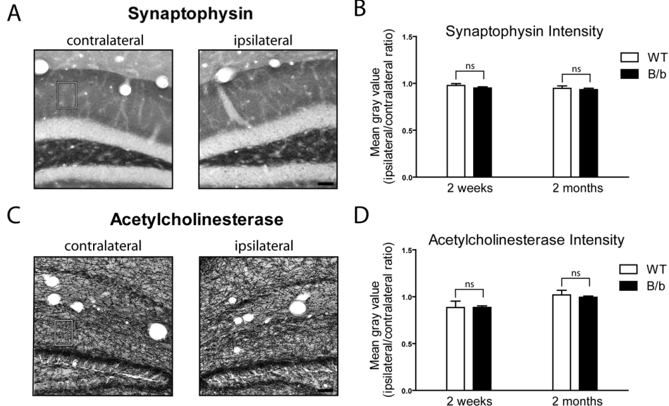
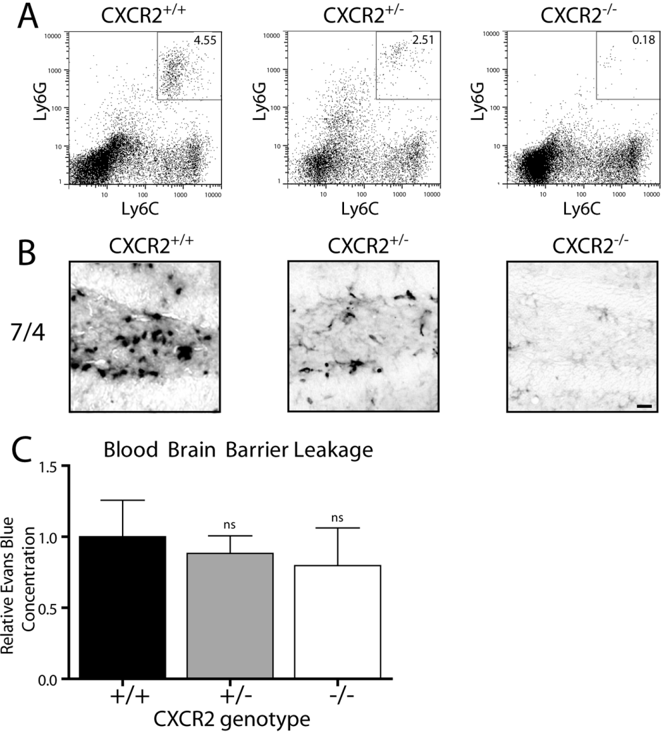
The proinflammatory cytokine interleukin-1beta (IL-1beta) plays a significant role in leukocyte recruitment to the CNS. Although acute effects of IL-1beta signaling in the mouse brain have been well described, studies elucidating the downstream effects of sustained upregulation have been lacking. Using the recently described IL-1beta(XAT) transgenic mouse model, we triggered sustained unilateral hippocampal overexpression of IL-1beta. Transgene induction led to blood-brain barrier leakage, induction of MCP-1 (monocyte chemoattractant protein 1) (CCL2), ICAM-1 (intercellular adhesion molecule 1), and dramatic infiltration of CD45-positive leukocytes comprised of neutrophils, T-cells, macrophages, and dendritic cells. Despite prolonged cellular infiltration of the hippocampus, there was no evidence of neuronal degeneration. Surprisingly, neutrophils were observed in the hippocampal parenchyma as late as 1 year after transgene induction. Their presence was coincident with upregulation of the potent neutrophil chemotactic chemokines KC (keratinocyte-derived chemokine) (CXCL1) and MIP-2 (macrophage inflammatory protein 2) (CXCL2). Knock-out of their sole receptor CXCR2 abrogated neutrophil infiltration but failed to reduce leakage of the blood-brain barrier.
Overview
The claims and statistics of this paper haven’t been checked yet.
Run the check — free, no account needed. It reads the open-access text and checks the sources it cites.
Integrity signals
Registry
Cites
Statistics
Figures
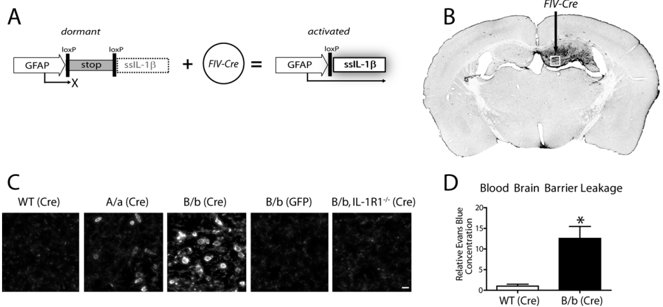
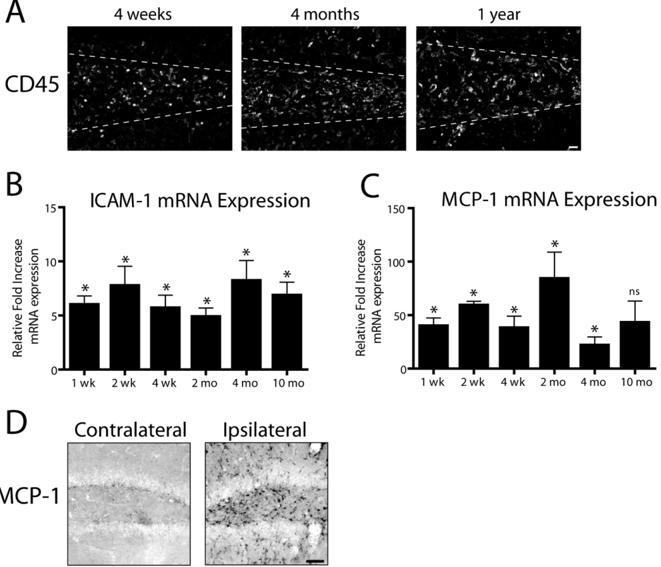
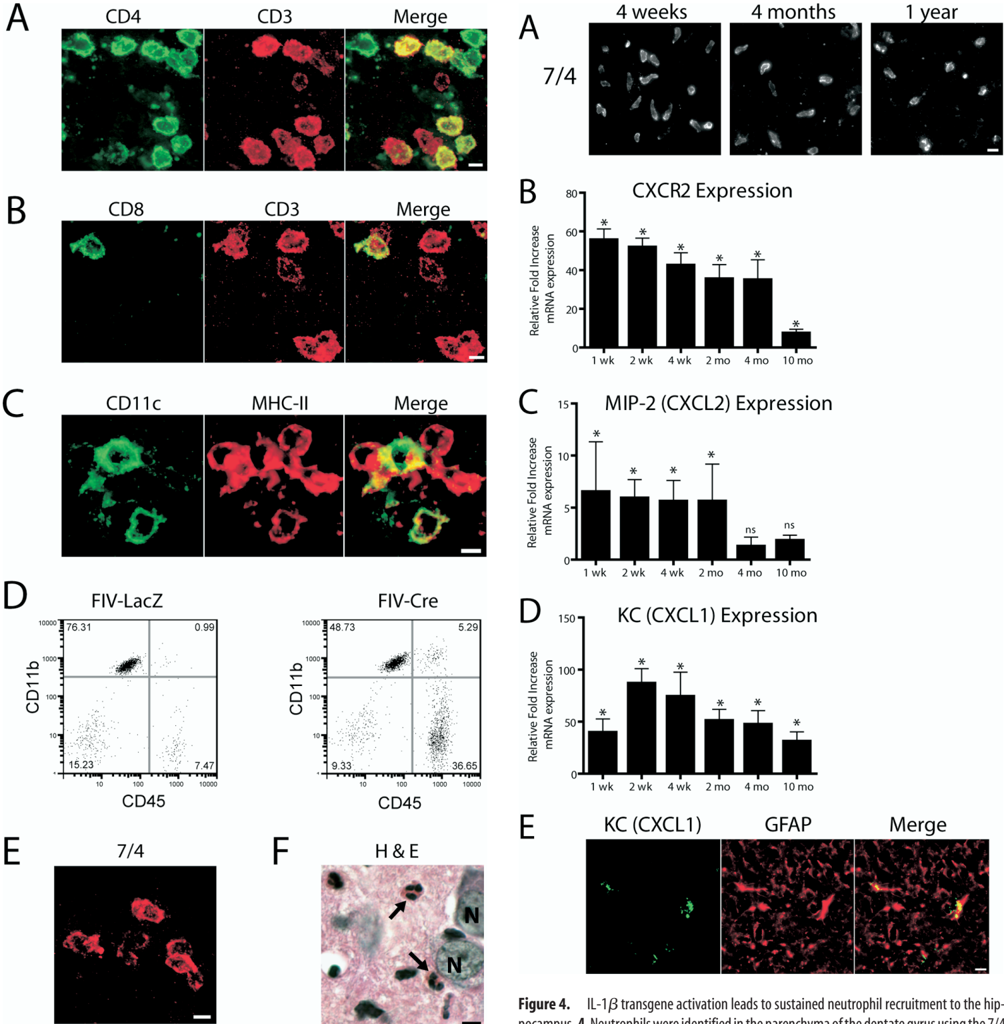
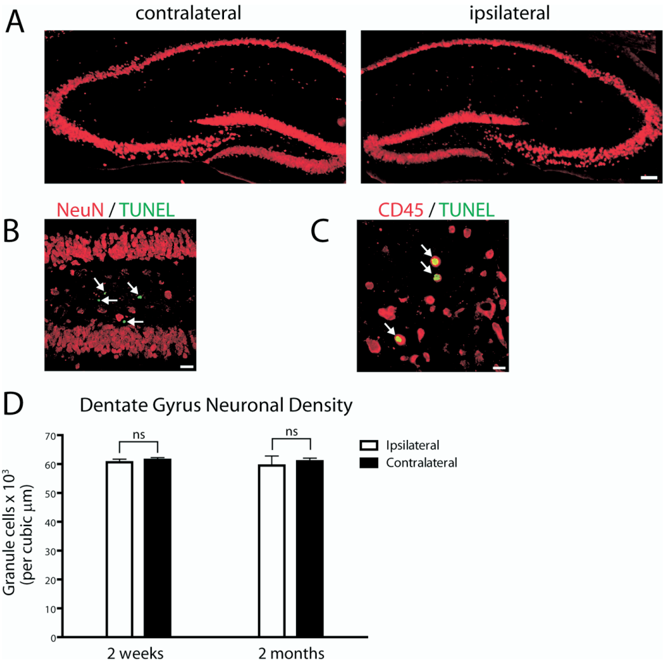
Verification
Claims the paper makes
The claims and statistics of this paper haven’t been checked yet.
Run the check — free, no account needed. It reads the open-access text and checks the sources it cites.
Claims other papers make about this one
Each is checked against this paper’s own text: does it say what the citing paper says it does?
The cited source says what the claim attributes to it.
In the citing paper
“Previous work from our lab has shown that IL-1β induces significant recruitment of neutrophils [30]”
From IL-1β-driven amyloid plaque clearance is associated with an expansion of transcriptionally reprogrammed microglia (2019) · cites this paper as [30]
The cited source says what the claim attributes to it.
In the citing paper
“we have previously shown that IL-1β induces recruitment of CD4+ and CD8+ T cells [30].”
From IL-1β-driven amyloid plaque clearance is associated with an expansion of transcriptionally reprogrammed microglia (2019) · cites this paper as [30]
The check wasn’t confident either way, so it gives no verdict — never disputed.
In the citing paper
“In agreement with our previous observations [28, 30] there was minimal recruitment of CD45hi peripheral immune cells (CD11b+ and CD11b−) in APP/PS1-Phe mice”
From IL-1β-driven amyloid plaque clearance is associated with an expansion of transcriptionally reprogrammed microglia (2019) · cites this paper as [30]
Experimental — accuracy not yet measured
Self-check
Percentages, sums and reported differences re-computed from the paper’s own numbers.
The self-check needs the paper’s full text.
Citations
Cites
Neutrophils and immunity: challenges and opportunities
Nathan, C. (2006) · Nature reviews. Immunology · doi:10.1038/nri1785 · Cited by 2,971
Mouse and human dendritic cell subtypes
Shortman, K., & Liu, Y.-J. (2002) · Nature reviews. Immunology · doi:10.1038/nri746 · Cited by 2,289
Monocyte chemoattractant protein 1 acts as a T-lymphocyte chemoattractant.
Carr, M. W., Roth, S. J., Luther, E., Rose, S. S., & Springer, T. A. (1994) · Proceedings of the National Academy of Sciences · doi:10.1073/pnas.91.9.3652 · Cited by 1,198
Three or more routes for leukocyte migration into the central nervous system
Ransohoff, R. M., Kivisäkk, P., & Kidd, G. (2003) · Nature Reviews Immunology · doi:10.1038/nri1130 · Cited by 1,052
Interleukin-1 and neuronal injury
Allan, S. M., Tyrrell, P. J., & Rothwell, N. J. (2005) · Nature Reviews Immunology · doi:10.1038/nri1664 · Cited by 992
Inflammatory response in acute traumatic brain injury: a double-edged sword
Morganti-Kossmann, M., Rancan, M., Stahel, P., & Kossmann, T. (2002) · Current Opinion in Critical Care · doi:10.1097/00075198-200204000-00002 · Cited by 702
Neutrophil and B Cell Expansion in Mice That Lack the Murine IL-8 Receptor Homolog
Cacalano, G., Lee, J., Kikly, K. K., Ryan, A. M., Pitts-Meek, S., Hultgren, B., Wood, W. I., & Moore, M. W. (1994) · Science · doi:10.1126/science.8036519 · Cited by 663
Ford, A. L., Goodsall, A. L., Hickey, W. F., & Sedgwick, J. D. (1995) · The Journal of Immunology · doi:10.4049/jimmunol.154.9.4309 · Cited by 631
Izikson, L., Klein, R. S., Charo, I. F., Weiner, H. L., & Luster, A. D. (2000) · The Journal of Experimental Medicine · doi:10.1084/jem.192.7.1075 · Cited by 584
Huang, D., Wang, J., Kivisäkk, P., Rollins, B. J., & Ransohoff, R. M. (2001) · The Journal of Experimental Medicine · doi:10.1084/jem.193.6.713 · Cited by 576
A modified histochemical technique to visualize acetylcholinesterase-containing axons.
Hedreen, J. C., Bacon, S. J., & Price, D. L. (1985) · Journal of Histochemistry & Cytochemistry · doi:10.1177/33.2.2578498 · Cited by 434
Shaftel, S. S., Kyrkanides, S., Olschowka, J. A., Miller, J.-N. H., Johnson, R. E., & O’Banion, M. K. (2007) · Journal of Clinical Investigation · doi:10.1172/jci31450 · Cited by 433
Self-citationLappalainen, U., Whitsett, J. A., Wert, S. E., Tichelaar, J. W., & Bry, K. (2005) · American Journal of Respiratory Cell and Molecular Biology · doi:10.1165/rcmb.2004-0309oc · Cited by 430
Fuentes, M. E., Durham, S. K., Swerdel, M. R., Lewin, A. C., Barton, D. S., Megill, J. R., Bravo, R., & Lira, S. A. (1995) · The Journal of Immunology · doi:10.4049/jimmunol.155.12.5769 · Cited by 384
Neutrophil apoptosis pathways and their modifications in inflammation
Simon, H. (2003) · Immunological Reviews · doi:10.1034/j.1600-065x.2003.00038.x · Cited by 350
Chemokine binding and activities mediated by the mouse IL-8 receptor
Lee, J., Cacalano, G., Camerato, T. R., Toy, K. J., Moore, M. W., & Wood, W. I. (1995) · The Journal of Immunology · doi:10.4049/jimmunol.155.4.2158 · Cited by 348
Dendritic cell biology and regulation of dendritic cell trafficking by chemokines
Caux, C., Aït‐Yahia, S., Chemin, K., de Bouteiller, O., Dieu‐Nosjean, M., Homey, B., Massacrier, C., Vanbervliet, B., Zlotnik, A., & Vicari, A. P. (2000) · Springer Seminars in Immunopathology · doi:10.1007/s002810000053 · Cited by 312
Interleukin-1 and neuronal injury: mechanisms, modification, and therapeutic potential
Rothwell, N. J. (2003) · Brain Behavior and Immunity · doi:10.1016/s0889-1591(02)00098-3 · Cited by 291
Cytokine accumulations in CSF of multiple sclerosis patients
Hauser, S. L., Doolittle, T. H., Lincoln, R., Brown, R. H., & Dinarello, C. A. (1990) · Neurology · doi:10.1212/wnl.40.11.1735 · Cited by 264
Malo, D., Vogan, K. J., Vidal, S. M., Hu, J., Cellier, M. F., Schurr, E., Fuks, A., Bumstead, N., Morgan, K. W., & Gros, P. (1994) · Genomics · doi:10.1006/geno.1994.1458 · Cited by 259
Anthony, D. C. (1997) · Brain · doi:10.1093/brain/120.3.435 · Cited by 252
Flow Cytometric Analysis of Inflammatory Cells in Ischemic Rat Brain
Campanella, M., Sciorati, C., Tarozzo, G., & Beltramo, M. (2002) · Stroke · doi:10.1161/hs0202.103399 · Cited by 250
García, J. H., Liu, K. F., & Relton, J. K. (1995) · PubMed · Cited by 244
Tessier, P. A., Naccache, P. H., Clark‐Lewis, I., Gladue, R. P., Neote, K. S., & McColl, S. R. (1997) · The Journal of Immunology · doi:10.4049/jimmunol.159.7.3595 · Cited by 233
Mehrad, B., Strieter, R. M., Moore, T. A., Tsai, W. C., Lira, S. A., & Standiford, T. J. (1999) · The Journal of Immunology · doi:10.4049/jimmunol.163.11.6086 · Cited by 232
Rı́o, L. D., Bennouna, S., Salinas, J., & Denkers, E. (2001) · The Journal of Immunology · doi:10.4049/jimmunol.167.11.6503 · Cited by 217
Kielian, T., Barry, B. J., & Hickey, W. F. (2001) · The Journal of Immunology · doi:10.4049/jimmunol.166.7.4634 · Cited by 208
Ferrari, C. C., Depino, A. M., Prada, F., Muraro, N. I., Campbell, S. J., Podhajcer, O. L., Perry, V. H., Anthony, D. C., & Pitossi, F. J. (2004) · American Journal Of Pathology · doi:10.1016/s0002-9440(10)63438-4 · Cited by 204
Bell, M. D., Taub, D. D., & Perry, V. H. (1996) · Neuroscience · doi:10.1016/0306-4522(96)00083-8 · Cited by 178
Emerich, D. F., Dean, R. L., & Bartus, R. T. (2002) · Experimental Neurology · doi:10.1006/exnr.2001.7835 · Cited by 174
Anthony, D. C., Dempster, R., Fearn, S., Clements, J. M., Wells, G., Perry, V. H., & Walker, K. M. (1998) · Current Biology · doi:10.1016/s0960-9822(07)00373-9 · Cited by 161
Tani, M., Fuentes, M. E., Peterson, J. W., Trapp, B. D., Durham, S. K., Loy, J. K., Bravo, R., Ransohoff, R. M., & Lira, S. A. (1996) · Journal of Clinical Investigation · doi:10.1172/jci118821 · Cited by 153
Tateda, K., Moore, T. A., Newstead, M. W., Tsai, W. C., Zeng, X., Deng, J. C., Chen, G., Reddy, R. C., Yamaguchi, K., & Standiford, T. J. (2001) · Infection and Immunity · doi:10.1128/iai.69.4.2017-2024.2001 · Cited by 150
Polymorphic expression of a neutrophil differentiation antigen revealed by monoclonal antibody 7/4
Hirsch, S. A., & Gordon, S. (1983) · Immunogenetics · doi:10.1007/bf00952962 · Cited by 138
Neurotoxic effects of polymorphonuclear granulocytes on hippocampal primary cultures
Dinkel, K., Dhabhar, F. S., & Sapolsky, R. M. (2003) · Proceedings of the National Academy of Sciences · doi:10.1073/pnas.0303510101 · Cited by 123
Stalder, A. K., Carson, M. J., Pagenstecher, A., Asensio, V. C., Kincaid, C., Benedict, M., Powell, H. C., Masliah, E., & Campbell, I. L. (1998) · American Journal Of Pathology · doi:10.1016/s0002-9440(10)65620-9 · Cited by 105
Proescholdt, M. G., Chakravarty, S., Foster, J. A., Foti, S., Briley, E. M., & Herkenham, M. A. (2002) · Neuroscience · doi:10.1016/s0306-4522(02)00048-9 · Cited by 96
Hailer, N. P., Vogt, C., Korf, H., & Dehghani, F. (2005) · European Journal of Neuroscience · doi:10.1111/j.1460-9568.2005.04067.x · Cited by 90
McGuinness, M. C., Powers, J. M., Bias, W. B., Schmeckpeper, B. J., Segal, A. H., Gowda, V. C., Wesselingh, S. L., Berger, J., Griffin, D. E., & Smith, K. D. (1997) · Journal of Neuroimmunology · doi:10.1016/s0165-5728(97)00020-9 · Cited by 89
Yang, G., Liu, X.-H., Kadoya, C., Zhao, Y., Mao, Y. Q., Davidson, B. L., & Betz, A. L. (1998) · Journal of Cerebral Blood Flow & Metabolism · doi:10.1097/00004647-199808000-00004 · Cited by 79
CNS injury: the role of the cytokine IL-1
Gibson, R. M., Rothwell, N. J., & Feuvre, R. A. L. (2004) · The Veterinary Journal · doi:10.1016/j.tvjl.2003.10.016 · Cited by 78
Ching, S., He, L., Lai, W., & Quan, N. (2004) · Brain Behavior and Immunity · doi:10.1016/j.bbi.2004.06.001 · Cited by 70
Depino, A. M., Ferrari, C. C., Godoy, M. C. P., Tarelli, R., & Pitossi, F. J. (2005) · Journal of Neuroimmunology · doi:10.1016/j.jneuroim.2005.07.009 · Cited by 66
Busch‐Petersen, J. (2006) · Current Topics in Medicinal Chemistry · doi:10.2174/15680266106061345 · Cited by 60
Cerretti, D. P., Nelson, N., Kozlosky, C. J., Morrissey, P., Copeland, N. G., Gilbert, D. J., Jenkins, N. A., Dosik, J. K., & Mock, B. A. (1993) · Genomics · doi:10.1006/geno.1993.1486 · Cited by 57
Lai, Y., Shaftel, S. S., Miller, J. H., Tallents, R. H., Chang, Y. S., Pinkert, C. A., Olschowka, J. A., Dickerson, I. M., Puzas, J. E., O’Banion, M. K., et al. (2006) · Arthritis & Rheumatism · doi:10.1002/art.21771 · Cited by 52
Self-citationEDINA, E. M., Rogerson, B. J., & North, R. J. (1996) · Immunology · doi:10.1046/j.1365-2567.1996.d01-700.x · Cited by 46
Wingren, A. G., Björkdahl, O., Labuda, T., Björk, L., Andersson, U., Gullberg, U., Hedlund, G., Sjögren, H. O., Kalland, T., Widegren, B., et al. (1996) · Cellular Immunology · doi:10.1006/cimm.1996.0113 · Cited by 39
Human CXCR2 (hCXCR2) takes over functionalities of its murine homolog in hCXCR2 knockin mice
Mihara, K., Smit, M., Krajnc-Franken, M. A. M., Gossen, J. A., Rooseboom, M., & Dokter, W. H. A. (2005) · European Journal of Immunology · doi:10.1002/eji.200526021 · Cited by 36
Bennett, J. L., Elhofy, A., Canto, M. C. D., Tani, M., Ransohoff, R. M., & Karpus, W. J. (2003) · Journal of NeuroVirology · doi:10.1080/714044484 · Cited by 35
Analysis of leukocyte extravasation across the blood-brain barrier: Conceptual and technical aspects
Callahan, M. K., & Ransohoff, R. M. (2004) · Current Allergy and Asthma Reports · doi:10.1007/s11882-004-0046-9 · Cited by 31
Patel, H. C., Ross, F. M., Heenan, L., Davies, R., Rothwell, N. J., & Allan, S. M. (2005) · Journal of Neuroscience Research · doi:10.1002/jnr.20735 · Cited by 27
Warnick, R. E., Fike, J. R., Chan, P. H., Anderson, D. K., Ross, G. Y., & Gutin, P. H. (1995) · Journal of Neuroscience Methods · doi:10.1016/0165-0270(94)00172-d · Cited by 27
Cited by
Sorted by citations
Neuroinflammation in Alzheimer's disease
Heneka, M. T., Carson, M. J., Khoury, J. E., Landreth, G. E., Brosseron, F., Feinstein, D. L., Jacobs, A. H., Wyss-Coray, T., Vitorica, J., Ransohoff, R. M., et al. (2015) · The Lancet Neurology · doi:10.1016/s1474-4422(15)70016-5 · Cited by 6,226
NLRP3 is activated in Alzheimer’s disease and contributes to pathology in APP/PS1 mice
Heneka, M. T., Kummer, M. P., Stutz, A., Delekate, A., Schwartz, S., Vieira-Saecker, A., Griep, A., Axt, D., Remus, A., Tzeng, T.-C., et al. (2013) · Nature · doi:10.1038/nature11729 · Cited by 2,898
Inflammatory cytokines in depression: neurobiological mechanisms and therapeutic implications
Felger, J. C., & Lotrich, F. E. (2013) · Neuroscience · doi:10.1016/j.neuroscience.2013.04.060 · Cited by 1,180
Neuroinflammatory mechanisms of blood-brain barrier damage in ischemic stroke
Yang, C., Hawkins, K. E., Doré, S., & Candelario-Jalil, E. (2019) · American Journal of Physiology-Cell Physiology · doi:10.1152/ajpcell.00136.2018 · Cited by 871
Cytokine networks in neuroinflammation
Becher, B., Spath, S., & Goverman, J. M. (2016) · Nature reviews. Immunology · doi:10.1038/nri.2016.123 · Cited by 707
Metadata
- Authors
- Shaftel, S. S., Carlson, T. J., Olschowka, J. A., Kyrkanides, S., Matousek, S. B., & O'Banion, M. K.
- Affiliations
- University of Rochester Medicine (US)
- Venue
- The Journal of Neuroscience
- Publisher
- Society for Neuroscience
- Published
- 2007-08-29
- Volume
- 27
- Issue
- 35
- Pages
- 9301-9309
- ISSN
- 0270-6474 (ISSN-L)
- 1529-2401
- PMC
- PMC6673122
- OpenAlex
- W2094676206
- Cited by
- 243
- References
- 55
- Citations by year
- 2026: 6 · 2025: 7 · 2024: 5 · 2023: 9 · 2022: 14 · 2021: 13 · 2020: 10 · 2019: 18 · 2018: 22 · 2017: 9 · 2016: 15 · 2015: 13 · 2014: 19 · 2013: 19 · 2012: 10
- FWCI
- 8.68
- Type
- journal article
- Language
- en
- Open access
- hybrid
- doi.org
- Licence
- Locations
- Journal of Neuroscience (publishedVersion, cc-by-nc-sa)
- PubMed Central (publishedVersion)
- PubMed (publishedVersion)
- Funders
- University of Rochester
- National Institutes of Health
- National Institute of General Medical Sciences (GM 07356, T32GM007356)
- National Institute of Neurological Disorders and Stroke (NS048522, R29NS033553, NS 33553, R21NS048522, R01NS033553)
- Topics
- Life Sciences › Neuroscience › Neurology › Neuroinflammation and Neurodegeneration Mechanisms
- Life Sciences › Neuroscience › Neurology › Barrier Structure and Function Studies
- Life Sciences › Neuroscience › Biological Psychiatry › Tryptophan and brain disorders
- Keywords
- IL-1β, chronic neuroinflammation, blood-brain barrier permeability, leukocyte infiltration, neutrophils, CXCR2, CXCL1, CXCL2, MCP-1, ICAM-1, hippocampus, transgenic mouse model, neurodegeneration, chemokines
- MeSH terms
- Animals, Blood-Brain Barrier, Hippocampus, Leukocytes, Mice, Inbred C57BL, Mice, Transgenic, Neutrophils, Monokines, Up-Regulation, Leukocyte Common Antigens, Intercellular Adhesion Molecule-1, Chemokine CCL2, Mice, Interleukin-1beta, Chemokine CXCL2
About these checks
Registry, retraction, Cites and statistics results are computed, not judged, with one exception: a printed reference that no index lists is read once by a model before it counts as a citation error. Claims are extracted by a model and kept only when their quote appears verbatim in the text; each cited source is then checked, with a model’s help, for whether it says what the claim relies on. Those verdicts can be wrong — read the claim’s quote and the cited source before relying on one.
Statistics and arithmetic are recomputed, not judged.
Confidence bands are shown only for fields calibrated on our annotated test set. None is calibrated yet, so no band is shown.
What counts as a claim ›How we measure confidence ›How we check this ›
Are you an author, or do you see a problem with this page? Request a review
