

The DOI matches its Crossref record; 113 of the 114 references it cites were found in a registry or an index.
Physical Activity and Exercise in Lung Cancer Care: Will Promises Be Fulfilled?
Open accessAbstract
Lung cancer remains the leading cause of cancer-related death worldwide. Affected patients frequently experience debilitating disease-related symptoms, including dyspnea, cough, fatigue, anxiety, depression, insomnia, and pain, despite the progresses achieved in term of treatment efficacy. Physical activity and exercise are nonpharmacological interventions that have been shown to improve fatigue, quality of life, cardiorespiratory fitness, pulmonary function, muscle mass and strength, and psychological status in patients with lung cancer. Moreover, physical fitness levels, especially cardiorespiratory endurance and muscular strength, are demonstrated to be independent predictors of survival. Nevertheless, patients with lung cancer frequently present insufficient levels of physical activity and exercise, and these may contribute to quality of life impairment, reduction in functional capacity with skeletal muscle atrophy or weakness, and worsening of symptoms, particularly dyspnea. The molecular bases underlying the potential impact of exercise on the fitness and treatment outcome of patients with lung cancer are still elusive. Counteracting specific cancer cells' acquired capabilities (hallmarks of cancer), together with preventing treatment-induced adverse events, represent main candidate mechanisms. To date, the potential impact of physical activity and exercise in lung cancer remains to be fully appreciated, and no specific exercise guidelines for patients with lung cancer are available. In this article, we perform an in-depth review of the evidence supporting physical activity and exercise in lung cancer and suggest that integrating this kind of intervention within the framework of a global, multidimensional approach, taking into account also nutritional and psychological aspects, might be the most effective strategy. IMPLICATIONS FOR PRACTICE: Although growing evidence supports the safety and efficacy of exercise in lung cancer, both after surgery and during and after medical treatments, most patients are insufficiently active or sedentary. Engaging in exercise programs is particularly arduous for patients with lung cancer, mainly because of a series of physical and psychosocial disease-related barriers (including the smoking stigma). A continuous collaboration among oncologists and cancer exercise specialists is urgently needed in order to develop tailored programs based on patients' needs, preferences, and physical and psychological status. In this regard, benefit of exercise appears to be potentially enhanced when administered as a multidimensional, comprehensive approach to patients' well-being.
Overview
The claims and statistics of this paper haven’t been checked yet.
Run the check — free, no account needed. It reads the open-access text and checks the sources it cites.
Integrity signals
Registry
Cites
Statistics
Figures
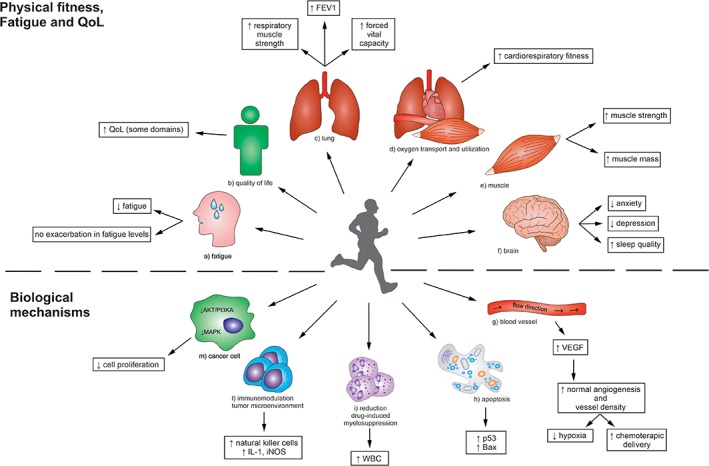
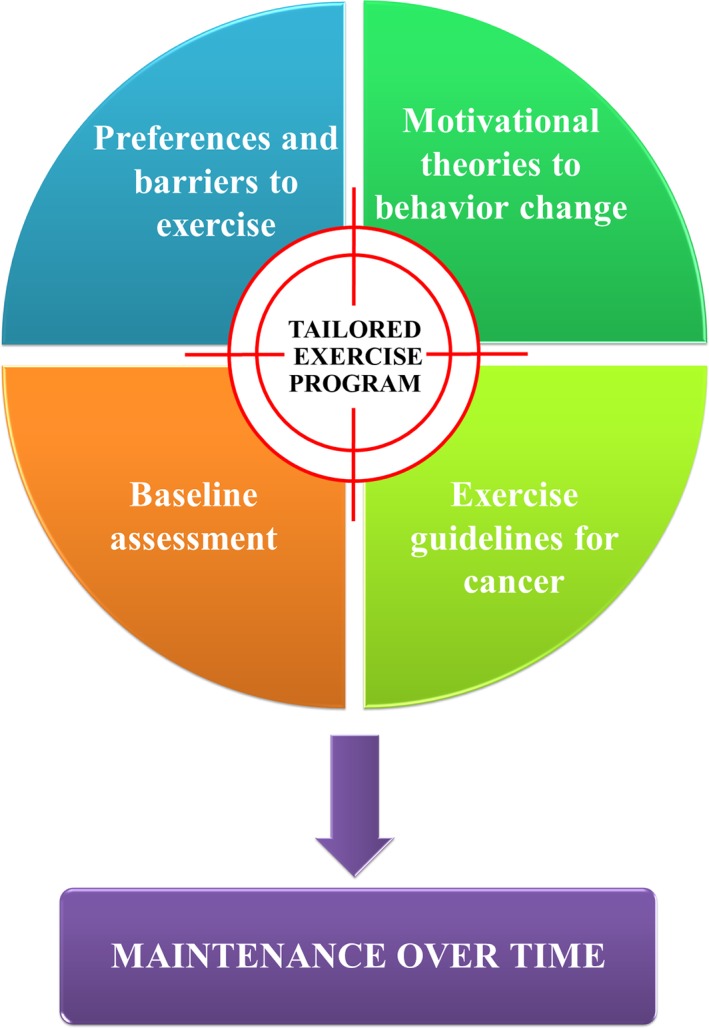
Verification
Claims the paper makes
The claims and statistics of this paper haven’t been checked yet.
Run the check — free, no account needed. It reads the open-access text and checks the sources it cites.
Claims other papers make about this one
Each is checked against this paper’s own text: does it say what the citing paper says it does?
The cited source says what the claim attributes to it.
In the citing paper
“The importance of physical activity in the prevention [6] and supportive treatment [7,8] of oncological diseases is increasingly emphasized.”
From The Effect of Vinyasa Yoga Practice on the Well-Being of Breast-Cancer Patients during COVID-19 Pandemic (2023) · cites this paper as [8]
Self-check
Percentages, sums and reported differences re-computed from the paper’s own numbers.
The self-check needs the paper’s full text.
Citations
Cites
Bray, F., Ferlay, J., Soerjomataram, I., Siegel, R. L., Torre, L. A., & Jemal, A. (2018) · CA: A Cancer Journal for Clinicians · doi:10.3322/caac.21492 · Cited by 84,109
Hallmarks of Cancer: The Next Generation
Hanahan, D., & Weinberg, R. A. (2011) · Cell · doi:10.1016/j.cell.2011.02.013 · Cited by 66,590
(1995) · Social Science & Medicine · doi:10.1016/0277-9536(95)00112-k · Cited by 7,643
Goldstraw, P. G., Chansky, K., Crowley, J. J., Rami–Porta, R., Asamura, H., Eberhardt, W., Nicholson, A. G., Groome, P. A., Mitchell, A., Bolejack, V., et al. (2016) · Journal of Thoracic Oncology · doi:10.1016/j.jtho.2015.09.009 · Cited by 4,616
American College of Sports Medicine Roundtable on Exercise Guidelines for Cancer Survivors
Schmitz, K. H., Courneya, K. S., Matthews, C., Demark-Wahnefried, W., GALVÃO, D. A., Pinto, B. M., IRWIN, M. L., WOLIN, K. Y., SEGAL, R. J., LUCIA, A., et al. (2010) · Medicine & Science in Sports & Exercise · doi:10.1249/mss.0b013e3181e0c112 · Cited by 2,781
Nutrition and physical activity guidelines for cancer survivors
Rock, C. L., Doyle, C., Demark‐Wahnefried, W., Meyerhardt, J., Courneya, K. S., Schwartz, A. L., Bandera, E. V., Hamilton, K. K., Grant, B., McCullough, M., et al. (2012) · CA: A Cancer Journal for Clinicians · doi:10.3322/caac.21142 · Cited by 1,995
Physical activity and survival after breast cancer diagnosis
Holmes, M. D. (2005) · JAMA · doi:10.1001/jama.293.20.2479 · Cited by 1,772
Cancer-related fatigue—mechanisms, risk factors, and treatments
Bower, J. E. (2014) · Nature Reviews Clinical Oncology · doi:10.1038/nrclinonc.2014.127 · Cited by 1,666
Rebar, A. L., Stanton, R., Geard, D., Short, C., Duncan, M. J., & Vandelanotte, C. (2015) · Health Psychology Review · doi:10.1080/17437199.2015.1022901 · Cited by 1,323
Exercise for the management of cancer-related fatigue in adults
Cramp, F., & Byron-Daniel, J. (2012) · Cochrane Database of Systematic Reviews · doi:10.1002/14651858.cd006145.pub3 · Cited by 1,096
Physiologic Evaluation of the Patient With Lung Cancer Being Considered for Resectional Surgery
Brunelli, A., Kim, A. W., Berger, K. I., & Addrizzo-Harris, D. J. (2013) · CHEST Journal · doi:10.1378/chest.12-2395 · Cited by 932
Mustian, K. M., Alfano, C. M., Heckler, C., Kleckner, A. S., Kleckner, I. R., Leach, C. R., Mohr, D., Palesh, O. G., Peppone, L. J., Piper, B. F., et al. (2017) · JAMA Oncology · doi:10.1001/jamaoncol.2016.6914 · Cited by 932
Pedersen, L., Idorn, M., Olofsson, G. H., Lauenborg, B., Nookaew, I., Hansen, R. H., Johannesen, H. H., Becker, J. C., Pedersen, K. S., Dethlefsen, C., et al. (2016) · Cell Metabolism · doi:10.1016/j.cmet.2016.01.011 · Cited by 888
Brognard, J., Clark, A. S., Ni, Y., & Dennis, P. A. (2001) · PubMed · Cited by 885
Exercise as a treatment for depression: A meta-analysis
Kvam, S., Kleppe, C. L., Nordhus, I. H., & Hovland, A. (2016) · Journal of Affective Disorders · doi:10.1016/j.jad.2016.03.063 · Cited by 837
Meyerhardt, J. A., Heseltine, D., Niedzwiecki, D., Hollis, D. R., Saltz, L. B., Mayer, R. J., Thomas, J. P., Nelson, H., Whittom, R., Hantel, A., et al. (2006) · Journal of Clinical Oncology · doi:10.1200/jco.2006.06.0863 · Cited by 774
The Impact of Exercise on Cancer Mortality, Recurrence, and Treatment-Related Adverse Effects
Cormie, P., Zopf, E. M., Zhang, X., & Schmitz, K. H. (2017) · Epidemiologic Reviews · doi:10.1093/epirev/mxx007 · Cited by 730
Bower, J. E., Bak, K., Berger, A., Breitbart, W., Escalante, C. P., Ganz, P. A., Schnipper, H. H., Lacchetti, C., Ligibel, J. A., Lyman, G. H., et al. (2014) · Journal of Clinical Oncology · doi:10.1200/jco.2013.53.4495 · Cited by 671
García-Hermoso, A., Cavero-Redondo, I., Ramírez-Vélez, R., Ruiz, J. R., Ortega, F. B., Lee, D.-C., & Martínez-Vizcaíno, V. (2018) · Archives of Physical Medicine and Rehabilitation · doi:10.1016/j.apmr.2018.01.008 · Cited by 609
Hopwood, P., & Stephens, R. J. (2000) · Journal of Clinical Oncology · doi:10.1200/jco.2000.18.4.893 · Cited by 566
Wegner, M., Helmich, I., Machado, S., Nardi, A., Arias-Carrion, O., & Budde, H. (2014) · CNS & Neurological Disorders - Drug Targets · doi:10.2174/1871527313666140612102841 · Cited by 446 · cited 1×
“The beneficial role of PA and EX in anxiety and depression is well established [90, 91] through the modulation of monoamine and cortisol levels, leading to adaptation in limbic structures [92].”
BackgroundHilfiker, R., Meichtry, A., Eicher, M., Nilsson Balfe, L., Knols, R. H., Verra, M. L., & Taeymans, J. (2018) · British Journal of Sports Medicine · doi:10.1136/bjsports-2016-096422 · Cited by 396
Scott, J. M., Zabor, E. C., Schwitzer, E., Koelwyn, G. J., Adams, S. C., Nilsen, T. S., Moskowitz, C. S., Matsoukas, K., Iyengar, N. M., Dang, C. T., et al. (2018) · Journal of Clinical Oncology · doi:10.1200/jco.2017.77.5809 · Cited by 345
Solheim, T. S., Laird, B. J. A., Balstad, T. R., Stene, G. B., Bye, A., Johns, N., Pettersen, C. H. H., Fallon, M., Fayers, P. M., Fearon, K. C. H., et al. (2017) · Journal of Cachexia Sarcopenia and Muscle · doi:10.1002/jcsm.12201 · Cited by 311
Quality of life of patients with lung cancer
Chabowski, M., Polański, J., Jankowska‐Polańska, B., Rosińćzuk, J., & Szymańska–Chabowska, A. (2016) · OncoTargets and Therapy · doi:10.2147/ott.s100685 · Cited by 301
Cheville, A. L., Kollasch, J., Vandenberg, J., Shen, T., Grothey, A., Gamble, G., & Basford, J. R. (2013) · Journal of Pain and Symptom Management · doi:10.1016/j.jpainsymman.2012.05.006 · Cited by 299
Kilgour, R. D., Vigano, A. A. L., Trutschnigg, B., Lucar, E., Borod, M., & Morais, J. A. (2013) · Supportive Care in Cancer · doi:10.1007/s00520-013-1894-4 · Cited by 266
Is the lung built for exercise?
Dempsey, J. A. (1986) · Medicine & Science in Sports & Exercise · doi:10.1249/00005768-198604000-00001 · Cited by 252
Exercise can improve sleep quality: A systematic review and meta-analysis
Banno, M., Harada, Y., Taniguchi, M., Tobita, R., Tsujimoto, H., Tsujimoto, Y., Kataoka, Y., & Noda, A. (2018) · PeerJ · doi:10.7717/peerj.5172 · Cited by 246
Gerritsen, J. K. W., & Vincent, A. J. P. E. (2016) · British Journal of Sports Medicine · doi:10.1136/bjsports-2015-094787 · Cited by 246
Jones, L. W., Hornsby, W., Goetzinger, A. M., Forbes, L. M., Sherrard, E. L., Quist, M., Lane, A. T., West, M. J., Eves, N. D., Gradison, M., et al. (2011) · Lung Cancer · doi:10.1016/j.lungcan.2011.10.009 · Cited by 230
Chen, H.-M., Tsai, C.-M., Wu, Y.-C., Lin, K.-C., & Lin, C.-C. (2015) · British Journal of Cancer · doi:10.1038/bjc.2014.612 · Cited by 224
Ashcraft, K. A., Peace, R. M., Betof, A. S., Dewhirst, M. W., & Jones, L. W. (2016) · Cancer Research · doi:10.1158/0008-5472.can-16-0887 · Cited by 217
Stene, G. B., Helbostad, J. L., Balstad, T. R., Riphagen, I. I., Kaasa, S., & Oldervoll, L. M. (2013) · Critical Reviews in Oncology/Hematology · doi:10.1016/j.critrevonc.2013.07.001 · Cited by 210
Peak oxygen consumption and long‐term all‐cause mortality in nonsmall cell lung cancer
Jones, L. W., Watson, D. M., Herndon, J. E., Eves, N. D., Haithcock, B. E., Loewen, G., & Kohman, L. J. (2010) · Cancer · doi:10.1002/cncr.25396 · Cited by 201
Arbane, G., Tropman, D., Jackson, D., & Garrod, R. (2010) · Lung Cancer · doi:10.1016/j.lungcan.2010.04.025 · Cited by 200
High-intensity training following lung cancer surgery: a randomised controlled trial
Edvardsen, E., Skjønsberg, O. H., Holme, I., Nordsletten, L., Borchsenius, F., & Anderssen, S. A. (2014) · Thorax · doi:10.1136/thoraxjnl-2014-205944 · Cited by 198
Spruit, M. A., Janssen, P. P., Willemsen, S. C. P., Hochstenbag, M. M. H., & Wouters, E. F. �. (2006) · Lung Cancer · doi:10.1016/j.lungcan.2006.01.003 · Cited by 191
A Structured Exercise Program for Patients with Advanced Non-small Cell Lung Cancer
Temel, J. S., Greer, J. A., Goldberg, S. B., Vogel, P. D., Sullivan, M., Pirl, W. F., Lynch, T. J., Christiani, D. C., & Smith, M. R. (2009) · Journal of Thoracic Oncology · doi:10.1097/jto.0b013e31819d18e5 · Cited by 190
Strength and endurance training in the treatment of lung cancer patients in stages IIIA/IIIB/IV
Henke, C., Cabri, J., Fricke, L., Pankow, W., Kandilakis, G., Feyer, P., & de Wit, M. (2013) · Supportive Care in Cancer · doi:10.1007/s00520-013-1925-1 · Cited by 188
Low physical activity levels and functional decline in individuals with lung cancer
Granger, C. L., McDonald, C. F., Irving, L. B., Clark, R. A., Gough, K., Murnane, A., Mileshkin, L., Krishnasamy, M., & Denehy, L. (2013) · Lung Cancer · doi:10.1016/j.lungcan.2013.11.014 · Cited by 178
McCubrey, J. A., Steelman, L. S., Kempf, C., Chappell, W. H., Abrams, S. L., Stivala, F., Malaponte, G., Nicoletti, F., Libra, M., Bäsecke, J., et al. (2011) · Journal of Cellular Physiology · doi:10.1002/jcp.22647 · Cited by 177
Prognostic impact of cancer cachexia in patients with advanced non-small cell lung cancer
Kimura, M., Naito, T., Kenmotsu, H., Taira, T., Wakuda, K., Oyakawa, T., Hisamatsu, Y., Tokito, T., Imai, H., Akamatsu, H., et al. (2014) · Supportive Care in Cancer · doi:10.1007/s00520-014-2534-3 · Cited by 176
Shiroyama, T., Nagatomo, I., Koyama, S., Hirata, H., Nishida, S., Miyake, K., Fukushima, K., Shirai, Y., Mitsui, Y., Takata, S., et al. (2019) · Scientific Reports · doi:10.1038/s41598-019-39120-6 · Cited by 167
Exercise rehabilitation in patients with cancer
Lakoski, S. G., Eves, N. D., Douglas, P. S., & Jones, L. W. (2012) · Nature Reviews Clinical Oncology · doi:10.1038/nrclinonc.2012.27 · Cited by 165
Self-citationHwang, C., Yu, C., Shih, J.-Y., Yang, P., & Wu, Y. (2012) · Supportive Care in Cancer · doi:10.1007/s00520-012-1452-5 · Cited by 162
Prognostic Value of the Six-Minute Walk in Advanced Non-small Cell Lung Cancer
Kasymjanova, G., Correa, J. A., Kreisman, H., Dajczman, E., Pepe, C., Dobson, S., Lajeunesse, L., Sharma, R., & Small, D. I. (2009) · Journal of Thoracic Oncology · doi:10.1097/jto.0b013e31819e77e8 · Cited by 155
Jones, L. W., Eves, N. D., Peterson, B. L., Garst, J. L., Crawford, J., West, M. J., Mabe, S., Harpole, D. H., Kraus, W. E., & Douglas, P. S. (2008) · Cancer · doi:10.1002/cncr.23967 · Cited by 154
Sleep disturbances and quality of life in lung cancer patients undergoing chemotherapy
Chen, M., Yu, C., & Yang, C. (2008) · Lung Cancer · doi:10.1016/j.lungcan.2008.03.016 · Cited by 152
Pathophysiology of Cancer-Related Fatigue
Wang, X. S. (2008) · Clinical journal of oncology nursing · doi:10.1188/08.cjon.s2.11-20 · Cited by 151
Quist, M., Rørth, M. R., Langer, S. W., Jones, L. W., Laursen, J. H., Pappot, H., Christensen, K. B., & Adamsen, L. (2011) · Lung Cancer · doi:10.1016/j.lungcan.2011.07.006 · Cited by 147
Physical Activity Motivation and Cancer Survivorship
Pinto, B. M., & Ciccolo, J. T. (2010) · Recent results in cancer research/Recent Results in Cancer Research · doi:10.1007/978-3-642-04231-7_16 · Cited by 133
Quist, M., Adamsen, L., Rørth, M. R., Laursen, J. H., Christensen, K. B., & Langer, S. W. (2015) · Integrative Cancer Therapies · doi:10.1177/1534735415572887 · Cited by 131
Understanding factors influencing physical activity and exercise in lung cancer: a systematic review
Granger, C. L., Connolly, B. A., Denehy, L., Hart, N., Antippa, P. N., Lin, K., & Parry, S. M. (2016) · Supportive Care in Cancer · doi:10.1007/s00520-016-3484-8 · Cited by 130
Messaggi-Sartor, M., Marco, E., Martínez-Téllez, E., Rodríguez-Fuster, A., Palomares, C., Chiarella, S., Muniesa, J. M., Orozco‐Levi, M., Barreiro, E., & Güell, M. R. (2019) · European Journal of Physical and Rehabilitation Medicine · doi:10.23736/s1973-9087.18.05156-0 · Cited by 130
Dhillon, H. M., Bell, M. L., van der Ploeg, H. P., Turner, J. D., Kabourakis, M., Spencer, L. M., Lewis, C. R., Hui, R., Blinman, P. L., Clarke, S. J., et al. (2017) · Annals of Oncology · doi:10.1093/annonc/mdx205 · Cited by 126
Nattenmüller, J., Wochner, R., Muley, T., Steins, M. B., Hummler, S., Teucher, B., Wiskemann, J., Kauczor, H., Wielpütz, M. O., & Heußel, C. P. (2017) · PLoS ONE · doi:10.1371/journal.pone.0169136 · Cited by 122
Zhang, L., Wang, S., Chen, H., & A-zhen, Y. (2015) · Journal of Pain and Symptom Management · doi:10.1016/j.jpainsymman.2015.11.020 · Cited by 119
Srdić, D., Pleština, S., Peternac, A. Š., Nikolac, N., Šimundić, A.-M., & Samaržija, M. (2016) · Supportive Care in Cancer · doi:10.1007/s00520-016-3287-y · Cited by 112
Stigt, J. A., Uil, S. M., van Riesen, S. J. H., Simons, F. J. N. A., Denekamp, M., Shahin, G. M. M., & Groen, H. J. M. (2012) · Journal of Thoracic Oncology · doi:10.1097/jto.0b013e318279d52a · Cited by 106
Arbane, G., Douiri, A., Hart, N., Hopkinson, N. S., Singh, S. J., Speed, C., Valladares, B., & Garrod, R. (2014) · Physiotherapy · doi:10.1016/j.physio.2013.12.002 · Cited by 104
Fatigue and Functional Impairment in Early-Stage Non-Small Cell Lung Cancer Survivors
Hung, R., Krebs, P. M., Coups, E. J., Feinstein, M. B., Park, B. J., Burkhalter, J. E., & Ostroff, J. S. (2011) · Journal of Pain and Symptom Management · doi:10.1016/j.jpainsymman.2010.05.017 · Cited by 104
Exercise‐induced lung cancer regression: Mechanistic findings from a mouse model
Higgins, K. A., Park, D., Lee, G. Y., Curran, W. J., & Deng, X. (2014) · Cancer · doi:10.1002/cncr.28878 · Cited by 98
Jager, A., Sleijfer, S., & van der Rijt, C. C. D. (2008) · European Journal of Cancer · doi:10.1016/j.ejca.2007.11.023 · Cited by 96
Health-related quality of life among early-stage, non-small cell, lung cancer survivors
Ostroff, J. S., Krebs, P. M., Coups, E. J., Burkhalter, J. E., Feinstein, M. B., Steingart, R. M., Logue, A. E., & Park, B. J. (2010) · Lung Cancer · doi:10.1016/j.lungcan.2010.04.011 · Cited by 94
Brocki, B. C., Andreasen, J., Nielsen, L. R., Nekrasas, V., Gorst‐Rasmussen, A., & Westerdahl, E. (2013) · Lung Cancer · doi:10.1016/j.lungcan.2013.10.015 · Cited by 90
Exercise in Patients with Non–Small Cell Lung Cancer
Kühr, L., Wiskemann, J., Abel, U. R., Ulrich, C. M., Hummler, S., & Thomas, M. (2013) · Medicine & Science in Sports & Exercise · doi:10.1249/mss.0000000000000158 · Cited by 90
Chen, H.-M., Tsai, C.-M., Wu, Y.-C., Lin, K.-C., & Lin, C.-C. (2016) · British Journal of Cancer · doi:10.1038/bjc.2016.356 · Cited by 89
Cavalheri, V., JENKINS, S. C., Cecins, N. M., Gain, K. R., Phillips, M. J., Sanders, L. H. A., & Hill, K. (2017) · Brazilian Journal of Physical Therapy · doi:10.1016/j.bjpt.2016.12.005 · Cited by 85
Exercise for Cancer Patients: Guidelines and Precautions
Winningham, M. L., MacVicar, M. G., & Burke, C. A. (1986) · The Physician and Sportsmedicine · doi:10.1080/00913847.1986.11709201 · Cited by 82
Exercise training as treatment in cancer cachexia
Lira, F. S., Neto, J. C. R., & Seelaender, M. C. L. (2014) · Applied Physiology, Nutrition, and Metabolism · doi:10.1139/apnm-2013-0554 · Cited by 82
Changes in Pulmonary Function in Lung Cancer Patients After Video-Assisted Thoracic Surgery
Kim, S. J., Lee, Y. J., Park, J. S., Cho, Y., Cho, S., Yoon, H. I., Kim, K., Lee, J. H., Jheon, S., & Lee, C. (2014) · The Annals of Thoracic Surgery · doi:10.1016/j.athoracsur.2014.07.066 · Cited by 80
Hoffman, A. J., Brintnall, R. A., Brown, J. K., von Eye, A., Jones, L. W., Alderink, G., Ritz-Holland, D., Enter, M., Patzelt, L. H., & VanOtteren, G. M. (2013) · Cancer Nursing · doi:10.1097/ncc.0b013e31826c7763 · Cited by 72
Self-citationAkin, S., & Kas Guner, C. (2019) · European Journal of Cancer Care · doi:10.1111/ecc.12898 · Cited by 70
Safety and Feasibility of an Exercise Intervention for Patients Following Lung Resection
Granger, C. L., Chao, C., McDonald, C. F., Berney, S. C., & Denehy, L. (2012) · Integrative Cancer Therapies · doi:10.1177/1534735412450461 · Cited by 68
Kurgan, N., Tsakiridis, E. E., Kouvelioti, R., Moore, J., Klentrou, P., & Tsiani, E. (2017) · Cancers · doi:10.3390/cancers9050046 · Cited by 62
Quist, M., Sommer, M. S., Vibe-Petersen, J., Stærkind, M. B., Langer, S. W., Larsen, K. R., Trier, K., Christensen, M., Clementsen, P. F., Missel, M., et al. (2018) · Lung Cancer · doi:10.1016/j.lungcan.2018.10.025 · Cited by 61
Salhi, B., Haenebalcke, C., Pérez-Bogerd, S., Nguyen, M. D., Ninane, V., Malfait, T. L. A., Vermaelen, K. Y., Surmont, V. F. M., Maele, G. V., Colman, R., et al. (2015) · Lung Cancer · doi:10.1016/j.lungcan.2015.05.013 · Cited by 60
Long-term lung cancer survivors have permanently decreased quality of life after surgery
Rauma, V., Sintonen, H., Räsänen, J. V., Salo, J. A., & Ilonen, I. K. (2015) · Clinical Lung Cancer · doi:10.1016/j.cllc.2014.08.004 · Cited by 57
Lung Cancer Stigma across the Social Network: Patient and Caregiver Perspectives
Occhipinti, S., Dunn, J. C., O’Connell, D. L., Garvey, G., Valery, P. C., Ball, D., Fong, K. M., Vinod, S. K., & Chambers, S. K. (2018) · Journal of Thoracic Oncology · doi:10.1016/j.jtho.2018.06.015 · Cited by 57
Tarumi, S., Yokomise, H., Gotoh, M., Kasai, Y., Matsuura, N., Chang, S. S., & Go, T. (2014) · Journal of Thoracic and Cardiovascular Surgery · doi:10.1016/j.jtcvs.2014.09.123 · Cited by 55
PGC-1β regulates angiogenesis in skeletal muscle
Rowe, G. C., Jang, C., Patten, I. S., & Arany, Z. P. (2011) · American Journal of Physiology-Endocrinology and Metabolism · doi:10.1152/ajpendo.00681.2010 · Cited by 54
Berry, M. F., Yang, C. J., Hartwig, M. G., Tong, B. C., Harpole, D. H., D’Amico, T. A., & Onaitis, M. W. (2015) · The Annals of Thoracic Surgery · doi:10.1016/j.athoracsur.2015.02.076 · Cited by 53
Quality of life after lung resection for lung cancer.
Pompili, C. (2015) · PubMed · doi:10.3978/j.issn.2072-1439.2015.04.40 · Cited by 52
Guerra, J. L. L., Gomez, D. R., Zhuang, Y., Levy, L. B., Eapen, G. A., Liu, H., Mohan, R., Komaki, R. U., Cox, J. D., & Liao, Z. X. (2012) · International Journal of Radiation Oncology*Biology*Physics · doi:10.1016/j.ijrobp.2012.01.019 · Cited by 51
Cavalheri, V., JENKINS, S. C., Cecins, N. M., Gain, K. R., Phillips, M., Sanders, L. H. A., & Hill, K. (2015) · Respiratory Medicine · doi:10.1016/j.rmed.2015.08.015 · Cited by 47
Wang, R., Liu, J., Chen, P., & Yu, D. (2012) · Cancer Nursing · doi:10.1097/ncc.0b013e318268f7d5 · Cited by 47
Lemonnier, I., Guillemin, F., Arveux, P., Clément-Duchêne, C., Velten, M., Woronoff-Lemsi, M.-C., Jolly, D., & Baumann, C. (2014) · Health and Quality of Life Outcomes · doi:10.1186/1477-7525-12-73 · Cited by 46
Perioperative Rehabilitation in Operable Lung Cancer Patients (PROLUCA)
Sommer, M. S., Trier, K., Vibe-Petersen, J., Missel, M., Christensen, M., Larsen, K. R., Langer, S. W., Hendriksen, C., Clementsen, P. F., Pedersen, J. H., et al. (2016) · Integrative Cancer Therapies · doi:10.1177/1534735416635741 · Cited by 46
D’Silva, A., Gardiner, P. A., Boyle, T., Bebb, D. G., Johnson, S. T., & Vallance, J. K. (2018) · Lung Cancer · doi:10.1016/j.lungcan.2018.03.010 · Cited by 46
Rivera, M. P., Detterbeck, F. C., Socinski, M. A., Moore, D. T., Edelman, M. J., Jahan, T. M., Ansari, R., Luketich, J. D., Peng, G., Monberg, M., et al. (2009) · CHEST Journal · doi:10.1378/chest.08-1430 · Cited by 45
Effect of Tai Chi on mononuclear cell functions in patients with non-small cell lung cancer
Liu, J., Chen, P., Wang, R., Yuan, Y., Wang, X., & Li, C. (2015) · BMC Complementary and Alternative Medicine · doi:10.1186/s12906-015-0517-7 · Cited by 43
Exercise preferences, levels and quality of life in lung cancer survivors
Leach, H. J., Devonish, J. A., Bebb, D. G., Krenz, K. A., & Culos-Reed, S. N. (2015) · Supportive Care in Cancer · doi:10.1007/s00520-015-2717-6 · Cited by 40
Missel, M., Pedersen, J. H., Hendriksen, C., Tewes, M., & Adamsen, L. (2015) · Supportive Care in Cancer · doi:10.1007/s00520-014-2579-3 · Cited by 39
Chang, N., Lin, K., Lee, S., Chan, J. Y., Lee, Y., & Wang, K. (2014) · Journal of Clinical Nursing · doi:10.1111/jocn.12584 · Cited by 36
Salhi, B., Huysse, W. C. J., Maele, G. V., Surmont, V. F. M., Derom, E., & van Meerbeeck, J. P. (2014) · Lung Cancer · doi:10.1016/j.lungcan.2014.01.011 · Cited by 33
Forced Expiratory Volume in One Second as a Prognostic Factor in Advanced Non-small Cell Lung Cancer
Lee, J. H., Song, E. M., Sim, Y. S., Ryu, Y. J., & Chang, J. H. (2010) · Journal of Thoracic Oncology · doi:10.1097/jto.0b013e318201884b · Cited by 32
Jee, H., Chang, J., & Yang, E. J. (2016) · Journal of Cancer · doi:10.7150/jca.17162 · Cited by 31
Outcomes of Pulmonary Rehabilitation After Treatment for Non-Small Cell Lung Cancer Stages I to IIIa
Janssen, S. M. J., Abbink, J. J., Lindeboom, R., & Vlieland, T. P. M. V. (2016) · Journal of Cardiopulmonary Rehabilitation and Prevention · doi:10.1097/hcr.0000000000000227 · Cited by 30
Salcedo, P. A., Lindheimer, J. B., Klein‐Adams, J. C., Sotolongo, A. M., & Falvo, M. J. (2018) · Archives of Physical Medicine and Rehabilitation · doi:10.1016/j.apmr.2018.03.014 · Cited by 30
Biomarkers for cancer-related fatigue and adverse reactions to chemotherapy in lung cancer patients
Sha, F., Zhuang, S., Zhou, L., ZHANG, L., Yang, Y., ZHANG, S., Jiang, Y., Qiu, G., Chen, C., Zheng, J., et al. (2014) · Molecular and Clinical Oncology · doi:10.3892/mco.2014.439 · Cited by 29
Pulmonary Function Changes Over 1 Year After Lobectomy in Lung Cancer
Kim, H. K., Lee, Y. J., Han, K. N., & Choi, Y. H. (2015) · Respiratory Care · doi:10.4187/respcare.04284 · Cited by 28
Sommer, M. S., Trier, K., Vibe-Petersen, J., Christensen, K. B., Missel, M., Christensen, M., Larsen, K. R., Langer, S. W., Hendriksen, C., Clementsen, P. F., et al. (2016) · Integrative Cancer Therapies · doi:10.1177/1534735416668258 · Cited by 28
Longitudinal study on the impact of physical activity on the symptoms of lung cancer survivors
Lin, Y.-Y., Rau, K.-M., & Lin, C. (2015) · Supportive Care in Cancer · doi:10.1007/s00520-015-2724-7 · Cited by 27
Tsai, M.-S., Kuo, M., Chang, C.-C., & Wu, Y. (2013) · Cancer Biomarkers · doi:10.3233/cbm-130359 · Cited by 24
Karvinen, K. H., Esposito, D., Raedeke, T. D., Vick, J. R., & Walker, P. R. (2014) · SpringerPlus · doi:10.1186/2193-1801-3-15 · Cited by 24
Effects of Walking on Quality of Life Among Lung Cancer Patients
Lin, Y.-Y., Liu, M. F., Tzeng, J.-I., & Lin, C. (2014) · Cancer Nursing · doi:10.1097/ncc.0000000000000176 · Cited by 24
Preoperative Evaluation of Lung Cancer Patients
Licker, M. J., Triponez, F., Diaper, J., Karenovicŝ, W., & Bridevaux, P. (2014) · Current anesthesiology reports · doi:10.1007/s40140-014-0049-6 · Cited by 23
Andersen, A. H., Vinther, A., Poulsen, L.-L., & Mellemgaard, A. (2013) · Supportive Care in Cancer · doi:10.1007/s00520-013-1781-z · Cited by 23
Limitations in Exercise and Functional Capacity in Long-term Postpneumonectomy Patients
Vainshelboim, B., Fox, B. D., Saute, M., Sagie, A., Yehoshua, L., Fuks, L., Schneer, S., & Kramer, M. R. (2014) · Journal of Cardiopulmonary Rehabilitation and Prevention · doi:10.1097/hcr.0000000000000085 · Cited by 23
Peddle‐McIntyre, C. J., Baker, M. K., Lee, G., Galvao, D. A., Cormie, P., Graham, V., & Newton, R. U. (2017) · European Journal of Cancer Care · doi:10.1111/ecc.12722 · Cited by 21
A rehabilitation program for lung cancer patients during postthoracotomy chemotherapy
Hoffman, A. J., Brintnall, R. A., von Eye, A., Jones, L. W., Patzelt, L. H., Alderink, G. J., & Brown, J. K. (2014) · OncoTargets and Therapy · doi:10.2147/ott.s57262 · Cited by 19
P1.04-027 Changes in Pulmonary Function in Lung Cancer Patients after Thoracic Surgery
Linhas, R., Campainha, S., Conde, S., & Barroso, A. (2017) · Journal of Thoracic Oncology · doi:10.1016/j.jtho.2016.11.783 · Cited by 1
Research works printed but not linked: 1
- Alves, 2018, das Neves W, Tobias GC et al. High intensity interval training slows down tumor progression in mice bearing Lewis lung carcinoma, J Cachexia Sarcopenia Muscle, 1, 60
Cited by
Sorted by citations
Benchmarking modern multiprocessors
Li, K., & Bienia, C. (2011) · Cited by 987
Current approaches of nanomedicines in the market and various stage of clinical translation
Shan, X., Gong, X., Li, J., Wen, J., Li, Y., & Zhang, Z. (2022) · Acta Pharmaceutica Sinica B · doi:10.1016/j.apsb.2022.02.025 · Cited by 354
Lung Cancer Risk Prediction with Machine Learning Models
Dritsas, E., & Τρίγκα, Μ. (2022) · Big Data and Cognitive Computing · doi:10.3390/bdcc6040139 · Cited by 162
Circadian rhythms and cancers: the intrinsic links and therapeutic potentials
Zhou, L., Zhang, Z., Nice, E. C., Huang, C., Zhang, W., & Tang, Y. C. (2022) · Journal of Hematology & Oncology · doi:10.1186/s13045-022-01238-y · Cited by 163
Physical Activity and Cancer Care—A Review
Misiąg, W., Piszczyk, A., Szymańska–Chabowska, A., & Chabowski, M. (2022) · Cancers · doi:10.3390/cancers14174154 · Cited by 139
Metadata
- Authors
- Avancini, A., Sartori, G., Gkountakos, A., Casali, M., Trestini, I., Tregnago, D., Bria, E., Jones, L. W., Milella, M., Lanza, M., & Pilotto, S.
- Affiliations
- University of Verona (IT)
- Department of Diagnostics and Public Health, University and Hospital Trust of Verona, Verona, Italy
- Università Cattolica del Sacro Cuore (IT)
- Memorial Sloan Kettering Cancer Center (US)
- Section of Medical Oncology, Department of Medicine, University of Verona, Italy
- Corresponding author
- Pilotto, Sara
- ORCID
- Venue
- The Oncologist
- Publisher
- Oxford University Press (OUP)
- Published
- 2019-11-26
- Volume
- 25
- Issue
- 3
- Pages
- e555-e569
- ISSN
- 1083-7159 (ISSN-L)
- 1549-490X
- PMC
- PMC7066706
- OpenAlex
- W2989969892
- Cited by
- 207
- References
- 114
- Citations by year
- 2026: 33 · 2025: 37 · 2024: 41 · 2023: 31 · 2022: 33 · 2021: 20 · 2020: 10
- FWCI
- 1.49
- Type
- journal article
- Language
- en
- Open access
- hybrid
- doi.org
- Licence
- Locations
- The Oncologist (publishedVersion, cc-by-nc-nd)
- Europe PMC (PubMed Central) (publishedVersion, cc-by-nc-nd)
- PubMed Central (publishedVersion, cc-by-nc-nd)
- PubMed (publishedVersion)
- PubliCatt (Università Cattolica del Sacro Cuore) (submittedVersion, other-oa)
- Funders
- International Association for the Study of Lung Cancer
- Memorial Sloan-Kettering Cancer Center (CA008748, P30 CA008748)
- Associazione Italiana per la Ricerca sul Cancro (20583, AIRC IG 20583, IG 20583)
- National Cancer Institute (CA008748, P30CA008748)
- Topics
- Health Sciences › Medicine › Oncology › Cancer survivorship and care
- Health Sciences › Medicine › Pulmonary and Respiratory Medicine › Lung Cancer Diagnosis and Treatment
- Health Sciences › Medicine › Public Health, Environmental and Occupational Health › Physical Activity and Health
- Keywords
- lung cancer, physical activity, cancer-related fatigue, dyspnea, quality of life, cardiorespiratory fitness, muscle strength, skeletal muscle atrophy, smoking stigma, exercise recommendations
- MeSH terms
- Exercise Therapy, Humans, Lung Neoplasms, Physical Fitness, Quality of Life, Exercise, Muscle Strength
About these checks
Registry, retraction, Cites and statistics results are computed, not judged, with one exception: a printed reference that no index lists is read once by a model before it counts as a citation error. Claims are extracted by a model and kept only when their quote appears verbatim in the text; each cited source is then checked, with a model’s help, for whether it says what the claim relies on. Those verdicts can be wrong — read the claim’s quote and the cited source before relying on one.
Statistics and arithmetic are recomputed, not judged.
Confidence bands are shown only for fields calibrated on our annotated test set. None is calibrated yet, so no band is shown.
What counts as a claim ›How we measure confidence ›How we check this ›
Are you an author, or do you see a problem with this page? Request a review
