

The DOI matches its Crossref record; 58 of the 58 references it cites were found in a registry or an index.
New hallmarks of ageing: a 2022 Copenhagen ageing meeting summary
Open accessAbstract
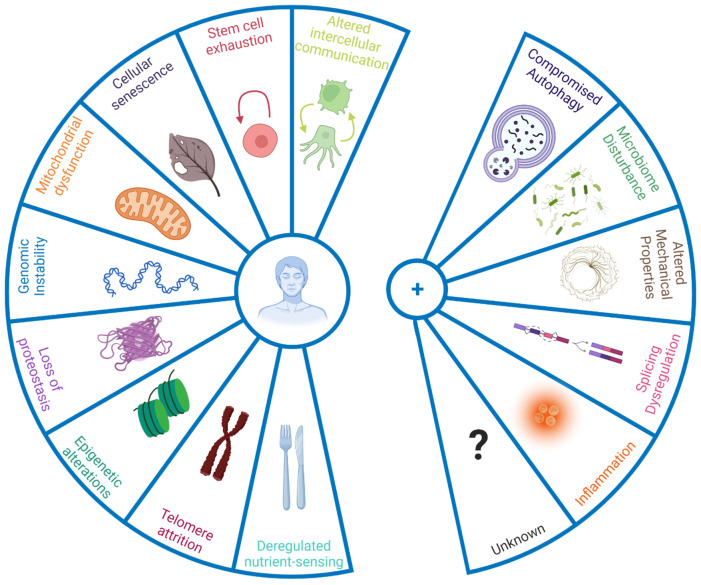
Genomic instability, telomere attrition, epigenetic alterations, mitochondrial dysfunction, loss of proteostasis, deregulated nutrient-sensing, cellular senescence, stem cell exhaustion, and altered intercellular communication were the original nine hallmarks of ageing proposed by López-Otín and colleagues in 2013. The proposal of these hallmarks of ageing has been instrumental in guiding and pushing forward research on the biology of ageing. In the nearly past 10 years, our in-depth exploration on ageing research has enabled us to formulate new hallmarks of ageing which are compromised autophagy, microbiome disturbance, altered mechanical properties, splicing dysregulation, and inflammation, among other emerging ones. Amalgamation of the 'old' and 'new' hallmarks of ageing may provide a more comprehensive explanation of ageing and age-related diseases, shedding light on interventional and therapeutic studies to achieve healthy, happy, and productive lives in the elderly.
Overview
The claims and statistics of this paper haven’t been checked yet.
Run the check — free, no account needed. It reads the open-access text and checks the sources it cites.
Integrity signals
Registry
Cites
Statistics
Figures
Verification
Claims the paper makes
The claims and statistics of this paper haven’t been checked yet.
Run the check — free, no account needed. It reads the open-access text and checks the sources it cites.
Claims other papers make about this one
Each is checked against this paper’s own text: does it say what the citing paper says it does?
The source backs part of the claim, not all of it — or backs it for a different population, condition or comparison.
In the citing paper
“Maintenance of organizational spatial compartmentalization is a hallmark of organismal health, while aging is associated with a decline in this capacity.56”
From Spatial transcriptomic landscape unveils immunoglobin-associated senescence as a hallmark of aging (2024) · cites this paper as [56]
Experimental — accuracy not yet measuredThe cited source says what the claim attributes to it.
In the citing paper
“The accumulation of senescent cells contributes to tissue and organismal aging and is a well-known aging hallmark.56”
From Spatial transcriptomic landscape unveils immunoglobin-associated senescence as a hallmark of aging (2024) · cites this paper as [56]
Self-check
Percentages, sums and reported differences re-computed from the paper’s own numbers.
The self-check needs the paper’s full text.
Citations
Cites
López-Otín, C., Blasco, M. A., Partridge, L., Serrano, M., & Kroemer, G. (2013) · Cell · doi:10.1016/j.cell.2013.05.039 · Cited by 14,982
Pleiotropy, natural selection, and the evolution of senescence.
Williams, G. C. (1957) · Evolution · doi:10.1111/j.1558-5646.1957.tb02911.x · Cited by 4,279 · cited 1×
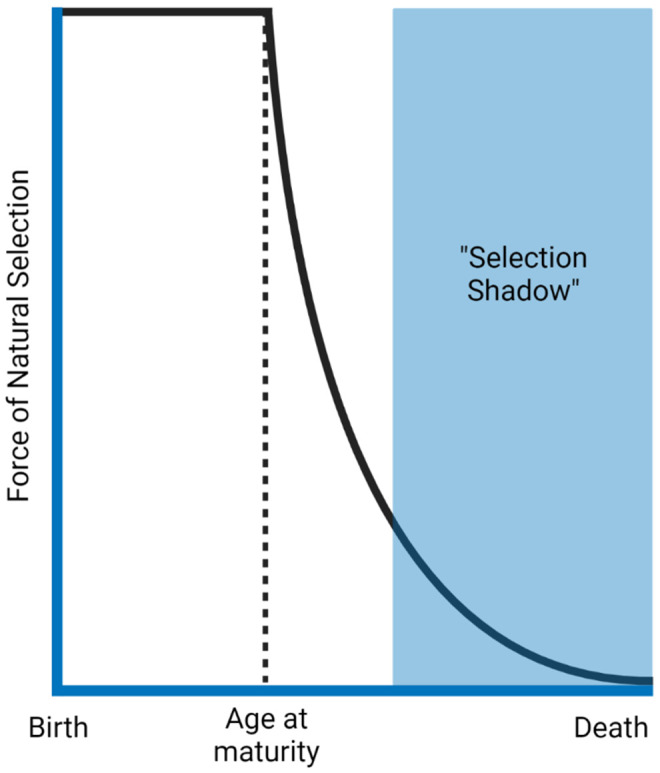
“Secondly, he highlighted the antagonistic pleiotropy hypothesis [30], which outlines that genes leading to harmful effects in old age might not be selected against due to an advantage in early life.”
BackgroundRapamycin fed late in life extends lifespan in genetically heterogeneous mice
Harrison, D. E., Strong, R., Sharp, Z. D., Nelson, J. F., Astle, C. M., Flurkey, K., Nadon, N. L., Wilkinson, J. E., Frenkel, K., Carter, C. S., et al. (2009) · Nature · doi:10.1038/nature08221 · Cited by 3,766 · cited 1×
“Finally, mTOR inhibition also alleviated markers of genomic instability and telomere attrition in senescent cells, demonstrating the value of mTOR inhibitors as geroprotectors, consistent with numerous findings from preclinical model organisms [36]; new studies in dogs (DogAgeing Project) and Humans (PEARL Trial) will…”
BackgroundInflammageing: chronic inflammation in ageing, cardiovascular disease, and frailty
Ferrucci, L., & Fabbri, E. (2018) · Nature Reviews Cardiology · doi:10.1038/s41569-018-0064-2 · Cited by 3,690
Clearance of p16Ink4a-positive senescent cells delays ageing-associated disorders
Baker, D. J., Wijshake, T., Tchkonia, T., LeBrasseur, N. K., Childs, B. G., van de Sluis, B., Kirkland, J. L., & van Deursen, J. M. (2011) · Nature · doi:10.1038/nature10600 · Cited by 3,670
Inflammaging: a new immune–metabolic viewpoint for age-related diseases
Franceschi, C., Garagnani, P., Parini, P., Giuliani, C., & Santoro, A. (2018) · Nature Reviews Endocrinology · doi:10.1038/s41574-018-0059-4 · Cited by 3,586
The role of senescent cells in ageing
van Deursen, J. M. (2014) · Nature · doi:10.1038/nature13193 · Cited by 2,623
Senolytics improve physical function and increase lifespan in old age
Xu, M., Pirtskhalava, T., Farr, J. N., Weigand, B. M., Palmer, A. K., Weivoda, M. M., Inman, C. L., Ogrodnik, M. B., Hachfeld, C. M., Fraser, D. G., et al. (2018) · Nature Medicine · doi:10.1038/s41591-018-0092-9 · Cited by 2,287
An Essential Role for Senescent Cells in Optimal Wound Healing through Secretion of PDGF-AA
Demaria, M., Ohtani, N., Youssef, S. A., Rodier, F., Toussaint, W., Mitchell, J. R., Laberge, R.-M., Vijg, J., Van Steeg, H., Dollé, M. E. T., et al. (2014) · Developmental Cell · doi:10.1016/j.devcel.2014.11.012 · Cited by 2,045
NAD+ metabolism and its roles in cellular processes during ageing
Covarrubias, A. J., Perrone, R., Grozio, A., & Verdin, E. (2021) · Nature Reviews Molecular Cell Biology · doi:10.1038/s41580-020-00313-x · Cited by 1,617
Self-citation
Research works printed but not linked: 1
- Flat, 2011, The Evolution of Aging., Nature Education Knowledge, 3
Cited by
Sorted by citations
Chronic inflammation and the hallmarks of aging
Baechle, J. J., Chen, N., Makhijani, P., Winer, S., Furman, D., & Winer, D. A. (2023) · Molecular Metabolism · doi:10.1016/j.molmet.2023.101755 · Cited by 471
“[415] Schmauck-Medina T, Molière A, Lautrup S, Zhang J, Chlopicki S, Madsen HB,”
Sayer, A. A., Cooper, R., Arai, H., Cawthon, P. M., Essomba, M.-J. N., Fielding, R. A., Grounds, M. D., Witham, M. D., & Cruz-Jentoft, A. J. (2024) · Nature Reviews Disease Primers · doi:10.1038/s41572-024-00550-w · Cited by 426
Mitophagy curtails cytosolic mtDNA-dependent activation of cGAS/STING inflammation during aging
Jiménez‐Loygorri, J. I., Villarejo‐Zori, B., Viedma-Poyatos, Á., Zapata‐Muñoz, J., Benítez‐Fernández, R., Frutos-Lisón, M. D., Tomás-Barberán, F. A., Espı́n, J. C., Área-Gómez, E., Gómez-Durán, A., et al. (2024) · Nature Communications · doi:10.1038/s41467-024-45044-1 · Cited by 394
“Major: The authors show that that the age-associated increase in mitophagy is driven by the PINK1/Parkin pathway by looking into the levels of p-Ub (S65).”
InfluentialMa, Z., Zuo, T., Frey, N., & Rangrez, A. Y. (2024) · Signal Transduction and Targeted Therapy · doi:10.1038/s41392-024-01946-6 · Cited by 322
Aging Hallmarks and Progression and Age-Related Diseases: A Landscape View of Research Advancement
Tenchov, R., Sasso, J. M., Wang, X., & Zhou, Q. A. (2024) · ACS Chemical Neuroscience · doi:10.1021/acschemneuro.3c00531 · Cited by 276
Sarcopenia and Cognitive Decline in Older Adults: Targeting the Muscle–Brain Axis
Arosio, B., Calvani, R., Ferri, E., Coelho-Junior, H. J., Carandina, A., Campanelli, F., Ghiglieri, V., Marzetti, E., & Picca, A. (2023) · Nutrients · doi:10.3390/nu15081853 · Cited by 165
Spatial transcriptomic landscape unveils immunoglobin-associated senescence as a hallmark of aging
Ma, S., Ji, Z., Zhang, B., Geng, L., Cai, Y., Nie, C., Li, J., Zuo, Y., Sun, Y., Xu, G., et al. (2024) · Cell · doi:10.1016/j.cell.2024.10.019 · Cited by 162
Self-citationThe Safety and Antiaging Effects of Nicotinamide Mononucleotide in Human Clinical Trials: an Update
Song, Q., Zhou, X., Xu, K., Liu, S., Zhu, X., & Yang, J. J. (2023) · Advances in Nutrition · doi:10.1016/j.advnut.2023.08.008 · Cited by 126
Granic, A., Suetterlin, K., Shavlakadze, T., Grounds, M. D., & Sayer, A. A. (2023) · Clinical Science · doi:10.1042/cs20230319 · Cited by 122
The autophagy–NAD axis in longevity and disease
Wilson, N., Kataura, T., Korsgen, M. E., Sun, C., Sarkar, S., & Korolchuk, V. I. (2023) · Trends in Cell Biology · doi:10.1016/j.tcb.2023.02.004 · Cited by 108
Olivieri, F., Biscetti, L., Pimpini, L., Pelliccioni, G., Sabbatinelli, J., & Giunta, S. (2024) · Ageing Research Reviews · doi:10.1016/j.arr.2024.102521 · Cited by 132
Epigenetic reprogramming as a key to reverse ageing and increase longevity
Pereira, B., Correia, F. P., Alves, I. A., Costa, M., Gameiro, M. D., Martins, A. P., & Saraiva, J. A. (2024) · Ageing Research Reviews · doi:10.1016/j.arr.2024.102204 · Cited by 111
“Notably, according to the ITOA, the loss of epigenetic information throughout someone ’ s life is driven by DNA breakage and repair-induced changes and this is a reversible cause of ageing (Lu et al., 2023; Yang et al., 2023).”
BackgroundExtracellular Matrix Dynamics as an Emerging yet Understudied Hallmark of Aging and Longevity
Statzer, C., Park, J. Y. C., & Ewald, C. Y. (2023) · Aging and Disease · doi:10.14336/ad.2022.1116 · Cited by 104
“Furthermore, the 2022 proposal of the new hallmarks of aging worked out by the scientific community at the Copenhagen aging meeting suggested including “altered mechanical properties” [285].”
BackgroundLasoń, W., Jantas, D., Leśkiewicz, M., Regulska, M., & Basta‐Kaim, A. (2023) · Cells · doi:10.3390/cells12040660 · Cited by 102
The role of tourism in healthy aging: An interdisciplinary literature review and conceptual model
Hu, F., Wen, J., Phau, I., Ying, T., Aston, J. N., & Wang, W. (2023) · Journal of Hospitality and Tourism Management · doi:10.1016/j.jhtm.2023.07.013 · Cited by 105
Harmful Free Radicals in Aging: A Narrative Review of Their Detrimental Effects on Health
Mustafa, Y. F. (2023) · Indian Journal of Clinical Biochemistry · doi:10.1007/s12291-023-01147-y · Cited by 92
“Based on the above-mentioned findings that are supported by others [71, 72], OS and chronic inflammatory conditions can be regarded as high-risk variables for the beginning and development of carcinogenesis in older populations.”
IgG glycans in health and disease: Prediction, intervention, prognosis, and therapy
Shkunnikova, S., Mijakovac, A., Sironić, L., Hanić, M., Lauc, G., & Kavur, M. M. (2023) · Biotechnology Advances · doi:10.1016/j.biotechadv.2023.108169 · Cited by 86
The hallmarks of aging as a conceptual framework for health and longevity research
Tartiere, A. G., Freije, J. M. P., & López-Otín, C. (2024) · Frontiers in Aging · doi:10.3389/fragi.2024.1334261 · Cited by 108
Molecular insights of exercise therapy in disease prevention and treatment
Walzik, D., Chirino, T. Y. W., Zimmer, P., & Joisten, N. (2024) · Signal Transduction and Targeted Therapy · doi:10.1038/s41392-024-01841-0 · Cited by 94
AMPK: The energy sensor at the crossroads of aging and cancer
Penugurti, V., Manne, R., Bai, L., Kant, R., & Lin, H. (2024) · Seminars in Cancer Biology · doi:10.1016/j.semcancer.2024.08.002 · Cited by 86
Aging and Mesenchymal Stem Cells: Basic Concepts, Challenges and Strategies
Fraile, M., Eiró, N., Costa, L. A., Martín, A., & Vizoso, F. J. (2022) · Biology · doi:10.3390/biology11111678 · Cited by 77
Magnesium and the Hallmarks of Aging
Dominguez, L. J., Veronese, N., & Barbagallo, M. (2024) · Nutrients · doi:10.3390/nu16040496 · Cited by 78
Picca, A., Calvani, R., Coelho‐Júnior, H. J., Marini, F., Landi, F., & Marzetti, E. (2022) · International Journal of Molecular Sciences · doi:10.3390/ijms232214006 · Cited by 65
“cellular and extracellular mechanical properties, splicing regulation, inflammation) that become impaired during aging [6,7].”
BackgroundGiunta, S., Xia, S., Pelliccioni, G., & Olivieri, F. (2023) · GeroScience · doi:10.1007/s11357-023-00947-7 · Cited by 75
“…“ger-oscience theory,” assuming that aging process is the main culprit of the development of the most common age-related diseases, inflammaging can be defined as a “hallmark of aging” and, at the same time, as the most clinically relevant risk factors for the most common age-related diseases [33].”
BackgroundExtracellular Vesicles in Aging: An Emerging Hallmark?
Manni, G., Buratta, S., Pallotta, M. T., Chiasserini, D., Michele, A. D., Emiliani, C., Giovagnoli, S., Pascucci, L., Romani, R., Bellezza, I., et al. (2023) · Cells · doi:10.3390/cells12040527 · Cited by 63
“These observations led to the inclusion of microbiome dysfunction among the new hallmarks of aging [35].”
BackgroundInfluentialTFEB is a central regulator of the aging process and age-related diseases
Abokyi, S., Ghartey‐Kwansah, G., & Tse, D. Y. (2023) · Ageing Research Reviews · doi:10.1016/j.arr.2023.101985 · Cited by 61
“5 altered proteostasis, deregulated nutrient-sensing, DNA damage, and mitochondrial dysfunction (López-Otín et al., 2023; Schmauck-Medina et al., 2022).”
Age-associated inflammation and implications for skeletal muscle responses to exercise
Kunz, H. E., & Lanza, I. R. (2023) · Experimental Gerontology · doi:10.1016/j.exger.2023.112177 · Cited by 56
Calabrò, A., Accardi, G., Aiello, A., Caruso, C., Galimberti, D., & Candore, G. (2024) · International Journal of Molecular Sciences · doi:10.3390/ijms25031792 · Cited by 57
Lawrence, M., Goyal, A., Pathak, S., & Ganguly, P. (2024) · International Journal of Molecular Sciences · doi:10.3390/ijms25137411 · Cited by 59
“Cellular senescence can be defined as an irreversible loss of a cell’s proliferative capacity [11] and often results from or into one of the hallmarks of aging including DNA damage, mitochondrial dysfunction and stem cell exhaustion [12,13].”
BackgroundMitochondria break free: Mitochondria-derived vesicles in aging and associated conditions
Ferrucci, L., Guerra, F., Bucci, C., Marzetti, E., & Picca, A. (2024) · Ageing Research Reviews · doi:10.1016/j.arr.2024.102549 · Cited by 58
Metabolic syndrome and epigenetic aging: a twin study
Föhr, T., Hendrix, A., Kankaanpää, A., Laakkonen, E. K., Kujala, U. M., Pietiläinen, K. H., Lehtimäki, T. J., Kähönen, M. A. P., Raitakari, O. T., Wang, X., et al. (2024) · International Journal of Obesity · doi:10.1038/s41366-024-01466-x · Cited by 56
“Epigenetics, particularly age-related changes in DNA methylation (DNAm), constitute the primary hallmark of biological aging [10, 11].”
BackgroundMarti-Garcia, D., Martinez-Martinez, A., Sanz, F. J., Devesa-Peiró, A., Sebastián-León, P., del Aguila, N., Pellicer, A., & Díaz-Gimeno, P. (2024) · Reproductive Biology and Endocrinology · doi:10.1186/s12958-024-01323-6 · Cited by 61
“Taken together, epigenetic alterations, mitochondrial dysfunction, deregulated nutrient sensing, cellular senescence, and microbial dysbiosis–which are all established hallmarks of human aging– reinforce the concept of endometrial aging [19, 159, 160].”
Steering research on mRNA splicing in cancer towards clinical translation
Anczuków, O., Allain, F. H. ‐., Angarola, B. L., Black, D. L., Brooks, A. N., Cheng, C., Conesa, A., Crosse, E. I., Eyras, E., Guccione, E., et al. (2024) · Nature reviews. Cancer · doi:10.1038/s41568-024-00750-2 · Cited by 50
The intersection of aging and estrogen in osteoarthritis
Atasoy‐Zeybek, A., Showel, K. K., Nagelli, C. V., Westendorf, J. J., & Evans, C. H. (2025) · npj Women s Health · doi:10.1038/s44294-025-00063-1 · Cited by 61
“Recent scienti fi c advances have identi fi ed fi ve additional aging characteristics that complement the original hallmarks: compromised autophagy, dysbiosis (microbiome disturbances), splicing dysregulation, in fl ammaging (chronic low-grade in fl ammation) and altered mechanical properties 38,39 .”
Aging, cellular senescence and Parkinson's disease
Ma, Y., Erb, M. L., & Moore, D. J. (2025) · Journal of Parkinson s Disease · doi:10.1177/1877718x251316552 · Cited by 48
“20,21 The antagonistic hallmarks of aging are cellular senescence, deregulated nutrient sensing and mitochondrial dysfunction.”
InfluentialMeasuring healthy ageing: current and future tools
Silva, N., Rajado, A. T., Esteves, F., Brito, D. V. C., Apolónio, J. D., Roberto, V. P., Binnie, A., Araújo, I. M., Nóbrega, C., Bragança, J., et al. (2023) · Biogerontology · doi:10.1007/s10522-023-10041-2 · Cited by 51
“These cellular effects lead to systemic age-related pathologies that are accompanied by loss of function and, ultimately, death (López–Otín et al. 2013; Schmauck-Medina et al. 2022; Singh et al. 2019a, b).”
BackgroundPun, F. W., Leung, G. H. D., Leung, H.-W., Rice, J., Schmauck‐Medina, T., Lautrup, S., Long, X., Liu, B. H. M., Wong, C. W., Ozerov, I. V., et al. (2023) · Aging Cell · doi:10.1111/acel.14017 · Cited by 44
“…Leung, et al., 2022 ), as well as compromised autophagy, microbiome disturbance, altered mechanical properties, splicing dysregulation, processes associ - ated with extracellular matrix (ECM) stiffness, inflammation, and retrotransposition (Pun, Leung, et al., 2022 ; Schmauck-Medina et al., 2022 ).”
BackgroundSelf-citationPalikaras, K., Mari, M., Ploumi, C., Princz, A., Filippidis, G., & Tavernarakis, N. (2023) · Aging Cell · doi:10.1111/acel.13788 · Cited by 42
“Several hallmarks of aging are tightly associated with nuclear homeostasis (Hou et al., 2019; Lopez-Otin et al., 2013; Schmauck-Medina et al., 2022).”
BackgroundSoto, M. E., Pérez-Torres, I., Rubio-Ruiz, M. E., Cano-Martı́nez, A., Manzano-Pech, L., & Guarner‐Lans, V. (2023) · International Journal of Molecular Sciences · doi:10.3390/ijms24054534 · Cited by 42
Chaudhari, D. S., Jain, S., Yata, V. K., Mishra, S. P., Kumar, A., Fraser, A., Kociolek, J., Dangiolo, M. B., Smith, A., Golden, A. G., et al. (2023) · GeroScience · doi:10.1007/s11357-023-00799-1 · Cited by 45
“Emerging evidence suggests that abnormalities in gut microbiome may contribute to aging biology mechanisms [45].”
BackgroundTravagli, V., & Iorio, E. L. (2023) · International Journal of Molecular Sciences · doi:10.3390/ijms24108465 · Cited by 50
Aya, V., Jiménez, P., Muñoz, E., & Ramírez, J. D. (2023) · BMC Geriatrics · doi:10.1186/s12877-023-04066-y · Cited by 48
“However, recent studies of aging have planned new hallmarks compromising inflammation and microbiome disturbance, among others [5].”
BackgroundCross‐tissue comparison of epigenetic aging clocks in humans
Apsley, A. T., Ye, Q., Caspi, A., Chiaro, C. R., Etzel, L. C., Hastings, W. J., Heim, C. C., Kozlosky, J. T., Noll, J. G., Schreier, H. M. C., et al. (2025) · Aging Cell · doi:10.1111/acel.14451 · Cited by 44
“Measurements of biological age aim to capture the progressive deterioration of cells, tissues, and organs (López-Otín et al., 2013 ; Schmauck-Medina et al., 2022 ).”
Quan, J., Liu, Q., Li, P., Yang, Z., Zhang, Y., Zhao, F., & Zhu, G. (2025) · Stem Cell Research & Therapy · doi:10.1186/s13287-025-04160-5 · Cited by 47
“Consequently, researchers have explored new hallmarks of aging [4]: impaired autophagy [5], dysregulated microbiome, altered mechanical properties, splicing dysregulation, and chronic inflammation [6], integrating them with the original hallmarks for a more comprehensive understanding of aging…”
The contribution of mitochondrial DNA alterations to aging, cancer, and neurodegeneration
Picca, A., Guerra, F., Calvani, R., Coelho‐Júnior, H. J., Leeuwenburgh, C., Bucci, C., & Marzetti, E. (2023) · Experimental Gerontology · doi:10.1016/j.exger.2023.112203 · Cited by 39
Biological Aging in People Living with HIV on Successful Antiretroviral Therapy: Do They Age Faster?
Akusjärvi, S. S., & Neogi, U. (2023) · Current HIV/AIDS Reports · doi:10.1007/s11904-023-00646-0 · Cited by 38
The central role of DNA damage in immunosenescence
Kell, L., Simon, A. K., Alsaleh, G., & Cox, L. S. (2023) · Frontiers in Aging · doi:10.3389/fragi.2023.1202152 · Cited by 44
“Autophagy is a process by which cells degrade excess or damaged intracellular proteins and larger cargo such as organelles; altered autophagy is recognised as a hallmark of ageing (Schmauck-Medina et al., 2022; Lopez-Otin et al., 2023).”
BackgroundSelf-citationRoig‐Rosello, E., Dayan, G., Bovio, S., Manissier, P., Errazuriz-Cerda, E., & Rousselle, P. (2024) · Aging Cell · doi:10.1111/acel.14096 · Cited by 38
Mitochondrion: A bridge linking aging and degenerative diseases
Zhang, L., Wu, J., Zhu, Z., He, Y., & Fang, R. (2023) · Life Sciences · doi:10.1016/j.lfs.2023.121666 · Cited by 38
The influence of inflammation and frailty in the aging continuum
Arosio, B., Ferri, E., Mari, D., Tobaldini, E., Vitale, G., & Montano, N. (2023) · Mechanisms of Ageing and Development · doi:10.1016/j.mad.2023.111872 · Cited by 42
Kritchevsky, S. B., & Cummings, S. R. (2025) · JAMA · doi:10.1001/jama.2025.11289 · Cited by 40
Hurvitz, N., Elkhateeb, N., Sigawi, T., Rinsky‐Halivni, L., & Ilan, Y. (2022) · Frontiers in Aging · doi:10.3389/fragi.2022.1044038 · Cited by 38
“Variability characterizes many of these processes (Lemoine, 2021; Schmauck-Medina et al., 2022).”
BackgroundGranic, A., Sayer, A. A., Cooper, R., & Robinson, S. M. (2024) · Proceedings of The Nutrition Society · doi:10.1017/s0029665124007432 · Cited by 40
“Chronic inflammation is an established hallmark of ageing (111,112) that, in connection with other hallmarks such as altered nutrient sensing (113) , drives many age-related processes and diseases (114) , including the inflammatory response in ageing muscle and sarcopenia (7,30,115,116) .”
Hoseinpour, A. N., Bassami, M., Ahmadizad, S., Donath, L., Setayesh, S., Mirzaei, M., & Rahimi, G. R. M. (2024) · Archives of Gerontology and Geriatrics · doi:10.1016/j.archger.2024.105731 · Cited by 36
Impacts of gut microbiota alteration on age-related chronic liver diseases
Adhikary, S., Esmeeta, A., Dey, A., Banerjee, A., Saha, B., Gopan, P., Duttaroy, A. K., & Pathak, S. (2023) · Digestive and Liver Disease · doi:10.1016/j.dld.2023.06.017 · Cited by 36
Młynarska, E., Kowalik, A., Krajewska, A., Krupińska, N., Marcinkowska, W., Motor, J., Przybylak, A., Tłustochowicz, K., Rysz, J., & Franczyk, B. (2025) · Biomolecules · doi:10.3390/biom15101452 · Cited by 36
“Hallmarks of aging [14–16].”
Aging and Oral Health: Biological and Sociobehavioral Perspectives
Colombo, A. P. V., & Wu, B. (2023) · Journal of Dental Research · doi:10.1177/00220345231181885 · Cited by 34
“Compromised autophagy was recently listed as a new integrative hallmark of aging (Schmauck-Medina et al. 2022).”
Cellular senescence and premature aging in Down Syndrome
Peng, L., Baradar, A. A., Aguado, J., & Wolvetang, E. J. (2023) · Mechanisms of Ageing and Development · doi:10.1016/j.mad.2023.111824 · Cited by 36
Jiménez, A. G. (2023) · Biogerontology · doi:10.1007/s10522-023-10037-y · Cited by 35
Targeting the hallmarks of aging to improve influenza vaccine responses in older adults
Cadar, A. N., Martin, D. E., & Bartley, J. M. (2023) · Immunity & Ageing · doi:10.1186/s12979-023-00348-6 · Cited by 34
“Importantly, in 2022, 5 new proposed hallmarks were discussed among leaders in the aging research field including compromised autophagy, dysregulation in RNA splicing, inflammation, loss of cytoskeleton integrity and disturbance of the microbiome [85].”
BackgroundTargeting estrogen signaling and biosynthesis for aged skin repair
Zomer, H. D., & Cooke, P. S. (2023) · Frontiers in Physiology · doi:10.3389/fphys.2023.1281071 · Cited by 36
Primary cilia shape hallmarks of health and aging
Silva, D. F., & Cavadas, C. (2023) · Trends in Molecular Medicine · doi:10.1016/j.molmed.2023.04.001 · Cited by 32
Walzik, D., Jonas, W., Joisten, N., Belen, S., Wüst, R. C. I., Guillemin, G. J., & Zimmer, P. (2023) · Acta Physiologica · doi:10.1111/apha.13921 · Cited by 33
Endothelial Senescence and Its Impact on Angiogenesis in Alzheimer’s Disease
Georgieva, I., Tchekalarova, J. D., Iliev, D. B., & Tzoneva, R. (2023) · International Journal of Molecular Sciences · doi:10.3390/ijms241411344 · Cited by 29
Vun, J. S. H., Iqbal, N., Jones, E., & Ganguly, P. (2023) · Bioengineering · doi:10.3390/bioengineering10080987 · Cited by 30
Kadyan, S., Park, G., Wang, B., Singh, P. R., Arjmandi, B. H., & Nagpal, R. (2023) · Scientific Reports · doi:10.1038/s41598-023-37036-w · Cited by 27
Complexity of Sex Differences and Their Impact on Alzheimer’s Disease
Kadlecová, M., Freude, K., & Haukedal, H. (2023) · Biomedicines · doi:10.3390/biomedicines11051261 · Cited by 27
Cellular senescence and frailty: a comprehensive insight into the causal links
Marcozzi, S., Bigossi, G., Giuliani, M. E., Giacconi, R., Piacenza, F., Cardelli, M., Brunetti, D., Segala, A., Valerio, A., Nisoli, E., et al. (2023) · GeroScience · doi:10.1007/s11357-023-00960-w · Cited by 24
“Although cellular senescence is not a primary hallmark of aging [61] [15], senescent cells can represent a source of damage that is able to rapidly propagate resembling a contagious process [62].”
BackgroundBody-wide multi-omic counteraction of aging with GLP-1R agonism
Huang, J., Kwok, A. J., Li, J. C. Y., Chiu, C. L. H., Ip, B. Y. M., Tung, L. Y., Chan, R. C. H., Chan, D. T.-M., Wang, Z., Zheng, X., et al. (2025) · Cell Metabolism · doi:10.1016/j.cmet.2025.10.014 · Cited by 31
Self-citationDifferent Aspects of Aging in Migraine
Fila, M., Pawłowska, E., Szczepańska, J., & Błasiak, J. (2023) · Aging and Disease · doi:10.14336/ad.2023.0313 · Cited by 24
“Stem cells play an important role in organismal aging and stem cell exhaustion is a well-established molecular marker of aging [10].”
BackgroundInfluentialMitochondrial transplantation as a possible therapeutic option for sarcopenia
Türkel, İ., Özerkliğ, B., Yılmaz, M., Ülger, Ö., Kubat, G. B., & Tuncer, M. (2023) · Journal of Molecular Medicine · doi:10.1007/s00109-023-02326-3 · Cited by 25
Exploring the Prospective Role of Propolis in Modifying Aging Hallmarks
Scorza, C. A., Gonçalves, V., Finsterer, J., Scorza, F. A., & Fonseca, F. L. A. (2024) · Cells · doi:10.3390/cells13050390 · Cited by 29
Cerantonio, A., Citrigno, L., Greco, B. M., Benedittis, S. D., Passarino, G., Maletta, R., Qualtieri, A., Montesanto, A., Spadafora, P., & Cavalcanti, F. (2024) · International Journal of Molecular Sciences · doi:10.3390/ijms25116062 · Cited by 25
Picca, A., Triolo, M., Wohlgemuth, S. E., Martenson, M. S., Mankowski, R. T., Anton, S. D., Marzetti, E., Leeuwenburgh, C., & Hood, D. A. (2023) · Cells · doi:10.3390/cells12010183 · Cited by 23
“Notably, mitochondrial dysfunction and mitophagy alterations are acknowledged as hallmarks of aging [36].”
BackgroundThe Double-Edged Role of Extracellular Vesicles in the Hallmarks of Aging
Romero-García, N., Huete-Acevedo, J., Mas‐Bargues, C., Sanz‐Ros, J., Dromant, M., & Borrás, C. (2023) · Biomolecules · doi:10.3390/biom13010165 · Cited by 25
New insight into the causes, consequences, and correction of hematopoietic stem cell aging
Mansell, E., Lin, D. S. Y., Loughran, S. J., Milsom, M. D., & Trowbridge, J. J. (2023) · Experimental Hematology · doi:10.1016/j.exphem.2023.07.002 · Cited by 21
Self-citationSenescent endothelial cells promote pathogenic neutrophil trafficking in inflamed tissues
Rolas, L., Stein, M., Barkaway, A., Reglero-Real, N., Sciacca, E., Yaseen, M., Wang, H., Vázquez-Martínez, L., Golding, M., Blacksell, I. A., et al. (2024) · EMBO Reports · doi:10.1038/s44319-024-00182-x · Cited by 22
“Of relevance, we have previously shown that compromised EC autophagy, a hallmark of aging (Schmauck-Medina et al, 2022), induces excessive neutrophil in fi ltration in multiple models of acute in fl ammation (Reglero-Real et al, 2021).”
BackgroundVučić, V., Ristić-Medić, D., Arsić, A., Petrović, S., Paunović, M., Vasiljević, N., & Ilich, J. Z. (2023) · Nutrients · doi:10.3390/nu15071619 · Cited by 20
The role of cannabidiol in aging
Ni, B., Liu, Y., Dai, M., Zhao, J., Yu, L., Yang, X. C., Han, B., & Jiang, M. (2023) · Biomedicine & Pharmacotherapy · doi:10.1016/j.biopha.2023.115074 · Cited by 21
The link between obesity and aging - insights into cardiac energy metabolism
Owesny, P., & Grune, T. (2023) · Mechanisms of Ageing and Development · doi:10.1016/j.mad.2023.111870 · Cited by 24
“All these hallmarks represent essential factors in the aging process, and the interplay between them can ultimately determine the health outcomes of older individuals (L ´ opez-Otín et al., 2013; Calabrese et al., 2015; Schmauck-Medina et al., 2022).”
BackgroundComparative lifespan and healthspan of nonhuman primate species common to biomedical research
Huber, H. F., Ainsworth, H. C., Quillen, E. E., Salmon, A., Ross, C. N., Azhar, A. D., Bales, K. L., Basso, M. A., Coleman, K., Colman, R. J., et al. (2024) · GeroScience · doi:10.1007/s11357-024-01421-8 · Cited by 24
“Five new hallmarks have been recently proposed: autophagy, micro-biome disturbance, altered mechanical properties, splicing dysregulation, and inflammation [48].”
Self-citationFunctional Aging: Integrating Functionality to a Multidimensional Assessment of Healthy Aging
Frangos, E., Graf, C. E., & Samaras, N. (2023) · Current Gerontology and Geriatrics Research · doi:10.1155/2023/9409918 · Cited by 27
“Indeed, the hallmarks of aging, which include genomic instability, telomere attrition, epigenetic alterations, loss of proteostasis, deregulated nutrient sensing, mitochondrial dysfunction, cellular senescence, stem cell exhaustion, altered intercellular communication, compromised autophagy, microbiome disturbance, al…”
BackgroundAortic Stiffness: A Major Risk Factor for Multimorbidity in the Elderly
Triposkiadis, F. K., Xanthopoulos, A. V., Lampropoulos, K. M., Briasoulis, Α., Sarafidis, P. A., Skoularigis, J. S., & Boudoulas, H. K. (2023) · Journal of Clinical Medicine · doi:10.3390/jcm12062321 · Cited by 25
Kumar, P., Osahon, O. W., & Sekhar, R. V. (2023) · Antioxidants · doi:10.3390/antiox12051042 · Cited by 22
A revisiting of “the hallmarks of aging” in domestic dogs: current status of the literature
Jiménez, A. G. (2023) · GeroScience · doi:10.1007/s11357-023-00911-5 · Cited by 24
“Each of the biomarkers of the hallmarks of aging described in López-Otín et al. [93] and Schmauck-Medina et al. [124] was searched, in turn, with “and dogs” and “and canines” using googlescholar.com.”
InfluentialRepurposing digoxin for geroprotection in patients with frailty and multimorbidity
Lee, H., Wilson, D. V., Bunting, K. V., Kotecha, D., & Jackson, T. (2023) · Ageing Research Reviews · doi:10.1016/j.arr.2023.101860 · Cited by 19
Bensalem, J., Teong, X. T., Hattersley, K. J., Hein, L. K., Fourrier, C., Liu, K., Hutchison, A. T., Heilbronn, L. K., & Sargeant, T. J. (2023) · GeroScience · doi:10.1007/s11357-023-00884-5 · Cited by 21
“In this way, autophagy limits cell damage and slows biological aging [1], and autophagic dysfunction itself has recently been discussed as a hallmark of aging [2].”
BackgroundCardiac iron metabolism during aging – Role of inflammation and proteolysis
Walter, S., Mertens, C., Muckenthaler, M. U., & Ott, C. (2023) · Mechanisms of Ageing and Development · doi:10.1016/j.mad.2023.111869 · Cited by 19
The Use of Gut Microbial Modulation Strategies as Interventional Strategies for Ageing
Siddiqui, R., Mungroo, M. R., Alharbi, A. M., Alfahemi, H. H., & Khan, N. A. (2022) · Microorganisms · doi:10.3390/microorganisms10091869 · Cited by 19
“In this regard, the disturbance of the microbiome has been suggested as a new hallmark of ageing in the recent meeting held in Copenhagen on March 2022, in addition to the original nine hallmarks of ageing proposed by López-Otín and colleagues in 2013 [13].”
BackgroundTargeting multiple hallmarks of mammalian aging with combinations of interventions
Panchin, A. Y., Ogmen, A., Blagodatski, A. S., Egorova, A., Batin, M., & Glinin, T. S. (2024) · Aging · doi:10.18632/aging.206078 · Cited by 21
The Immune System and Cellular Senescence: A Complex Interplay in Aging and Disease
Ayoub, M., Jaoude, C. A., Ayoub, M., Hamadé, A., & Rima, M. (2025) · Immunology · doi:10.1111/imm.70036 · Cited by 24
Xiong, W., Li, R., Li, B., Wang, X., Wang, H. H., Sun, Y., Wang, X., Li, Y., & Ren, F. (2023) · Nutrients · doi:10.3390/nu15092228 · Cited by 20
Autophagy and metabolic aging: Current understanding and future applications
Raza, S. (2024) · Biochimica et Biophysica Acta (BBA) - Molecular Cell Research · doi:10.1016/j.bbamcr.2024.119753 · Cited by 19
Suppression of thrombospondin-1–mediated inflammaging prolongs hematopoietic health span
Ramalingam, P., Gutkin, M. C., Poulos, M. G., Winiarski, A., Smith, A., Carter, C., Doughty, C., Tillery, T., Redmond, D., Freire, A. G., et al. (2025) · Science Immunology · doi:10.1126/sciimmunol.ads1556 · Cited by 17
Preconditioned Mesenchymal Stromal Cell-Derived Extracellular Vesicles (EVs) Counteract Inflammaging
Görgün, C., Africano, C., Ciferri, M. C., Bertola, N., Reverberi, D., Quarto, R., Ravera, S., & Tasso, R. (2022) · Cells · doi:10.3390/cells11223695 · Cited by 18
Relationships between circulating metabolites and facial skin aging: a Mendelian randomization study
Liu, Z., Mi, J., & Wu, H. (2023) · Human Genomics · doi:10.1186/s40246-023-00470-y · Cited by 18
“The process of skin aging is affected by circulating metabolites which are involved in a variety of cellular processes including cellular organization, post-translational modification as well as epigenetic changes [4, 5].”
BackgroundNurturing longevity through natural compounds: Where do we stand, and where do we go?
Todorova, M. N., Savova, M. S., Mihaylova, L. V., & Georgiev, M. I. (2024) · Food Frontiers · doi:10.1002/fft2.350 · Cited by 17
Aryl hydrocarbon receptor: Linking environment to aging process in elderly patients with asthma
Yang, T., Wan, R., Tu, W., Avvaru, S. N., & Gao, P. (2024) · Chinese Medical Journal · doi:10.1097/cm9.0000000000002960 · Cited by 18
“[13,14] The updated hallmarks of aging may provide a better guide and advanced research on the biology of aging, as illustrated in Figure 1.”
BackgroundParticulate matter 2.5 accelerates aging: Exploring cellular senescence and age-related diseases
Wang, S., Shi, Y., Lin, S., & He, H.-F. (2024) · Ecotoxicology and Environmental Safety · doi:10.1016/j.ecoenv.2024.116920 · Cited by 20
Ai, R., Mao, L., Jin, X., Campos‐Marques, C., Zhang, S., Pan, J., Lagartos-Donate, M. J., Cao, S., Barros‐Santos, B., Nóbrega‐Martins, R., et al. (2025) · Science Advances · doi:10.1126/sciadv.ady9811 · Cited by 19
“We found that ASEs in genes involved in RNA splicing are disproportionately dysregulated in tauopathies and aging worms, which is in line with the publications showing that ASE is a mark of aging and neurodegenerative disease ( 117–120 ).”
Self-citation
Metadata
- Authors
- Schmauck-Medina, T., Molière, A., Lautrup, S., Zhang, J., Chlopicki, S., Madsen, H. B., Cao, S., Soendenbroe, C., Mansell, E., Vestergaard, M. B., Li, Z., Shiloh, Y., Opresko, P. L., Egly, J.-M., Kirkwood, T., Verdin, E., Bohr, V. A., Cox, L. S., Stevnsner, T., Rasmussen, L. J., & Fang, E. F.
- Affiliations
- Department of Clinical Molecular Biology, University of Oslo and Akershus University Hospital, Lørenskog 1478, Norway
- University of Oslo (NO)
- Jagiellonian Centre for Experimental Therapeutics (JCET), Jagiellonian University, Krakow 30-348, Poland
- University of Copenhagen (DK)
- Bispebjerg Hospital (DK)
- Lund University (SE)
- Copenhagen University Hospital (DK)
- Tel Aviv University (IL)
- University of Pittsburgh (US)
- Centre National de la Recherche Scientifique (FR)
- Buck Institute for Research on Aging (US)
- University of Oxford (GB)
- Aarhus University (DK)
- Corresponding author
- Stevnsner, Tinna
- Rasmussen, Lene Juel
- Fang, Evandro F.
- ORCID
- Molière, Adrian
- Lautrup, Sofie
- Zhang, Jianying
- Madsen, Helena Borland
- Cao, Shuqin
- Soendenbroe, Casper
- Mansell, Els
- Vestergaard, Mark Bitsch
- Li, Zhiquan
- Shiloh, Yosef
- Opresko, Patricia L.
- Egly, Jean-Marc
- Kirkwood, Thomas
- Verdin, Eric
- Bohr, Vilhelm A.
- Cox, Lynne S.
- Stevnsner, Tinna
- Rasmussen, Lene Juel
- Fang, Evandro F.
- Venue
- Aging
- Publisher
- Impact Journals, LLC
- Published
- 2022-08-29
- Volume
- 14
- Issue
- 16
- Pages
- 6829-6839
- ISSN
- 1945-4589 (ISSN-L)
- PMC
- PMC9467401
- OpenAlex
- W4293462467
- Cited by
- 319
- References
- 58
- Citations by year
- 2026: 42 · 2025: 67 · 2024: 100 · 2023: 102 · 2022: 8
- FWCI
- 23.38
- Type
- journal article
- Language
- en
- Open access
- hybrid
- doi.org
- Licence
- cc-by
- Locations
- Aging (publishedVersion, cc-by)
- PubMed Central (publishedVersion, cc-by)
- PubMed (publishedVersion)
- Research at the University of Copenhagen (University of Copenhagen) (publishedVersion, cc-by)
- Jagiellonian University Repository (Jagiellonian University) (submittedVersion, cc-by-nc-nd)
- HAL (submittedVersion, other-oa)
- Lund University Publications (Lund University) (submittedVersion)
- NORA - Norwegian Open Research Archives (submittedVersion, cc-by)
- Newcastle University ePrints (Newcastle Univesity) (cc-by)
- Funders
- Lundbeckfonden (R347-2020-2176)
- Novo Nordisk
- Biotechnology and Biological Sciences Research Council (BB/W01825X/1)
- Topics
- Life Sciences › Biochemistry, Genetics and Molecular Biology › Aging › Genetics, Aging, and Longevity in Model Organisms
- Life Sciences › Biochemistry, Genetics and Molecular Biology › Cell Biology › Telomeres, Telomerase, and Senescence
- Life Sciences › Biochemistry, Genetics and Molecular Biology › Cell Biology › Autophagy in Disease and Therapy
- Keywords
- hallmarks of aging, aging, autophagy, microbiome, mechanical properties, splicing dysregulation, inflammation, age-related diseases, cellular senescence, stem cell exhaustion, intercellular communication, proteostasis, nutrient sensing, telomere shortening, epigenetic modifications, mitochondrial dysfunction, genomic instability
- MeSH terms
- Aged, Aging, Humans, Telomere, Cellular Senescence, Genomic Instability, Epigenesis, Genetic
About these checks
Registry, retraction, Cites and statistics results are computed, not judged, with one exception: a printed reference that no index lists is read once by a model before it counts as a citation error. Claims are extracted by a model and kept only when their quote appears verbatim in the text; each cited source is then checked, with a model’s help, for whether it says what the claim relies on. Those verdicts can be wrong — read the claim’s quote and the cited source before relying on one.
Statistics and arithmetic are recomputed, not judged.
Confidence bands are shown only for fields calibrated on our annotated test set. None is calibrated yet, so no band is shown.
What counts as a claim ›How we measure confidence ›How we check this ›
Are you an author, or do you see a problem with this page? Request a review
