

Recent Development of Multifunctional Agents as Potential Drug Candidates for the Treatment of Alzheimer’s Disease
Open accessThe DOI matches its Crossref record; 240 of the 240 references it cites were found in a registry or an index.
Abstract
Alzheimer's disease (AD) is a complex and progressive neurodegenerative disorder. The available therapy is limited to the symptomatic treatment and its efficacy remains unsatisfactory. In view of the prevalence and expected increase in the incidence of AD, the development of an effective therapy is crucial for public health. Due to the multifactorial aetiology of this disease, the multi-target-directed ligand (MTDL) approach is a promising method in search for new drugs for AD. This review updates information on the development of multifunctional potential anti-AD agents published within the last three years. The majority of the recently reported structures are acetylcholinesterase inhibitors, often endowed with some additional properties. These properties enrich the pharmacological profile of the compounds giving hope for not only symptomatic but also causal treatment of the disease. Among these advantageous properties, the most often reported are an amyloid-β antiaggregation activity, inhibition of β-secretase and monoamine oxidase, an antioxidant and metal chelating activity, NOreleasing ability and interaction with cannabinoid, NMDA or histamine H3 receptors. The majority of novel molecules possess heterodimeric structures, able to interact with multiple targets by combining different pharmacophores, original or derived from natural products or existing therapeutics (tacrine, donepezil, galantamine, memantine). Among the described compounds, several seem to be promising drug candidates, while others may serve as a valuable inspiration in the search for new effective therapies for AD.
Overview
The claims and statistics of this paper haven’t been checked yet.
Free: it reads the open-access text and checks the first 5 claims that cite a source we can check. Create a free account to check every claim.
Integrity signals
Registry
Cites
Statistics
Figures
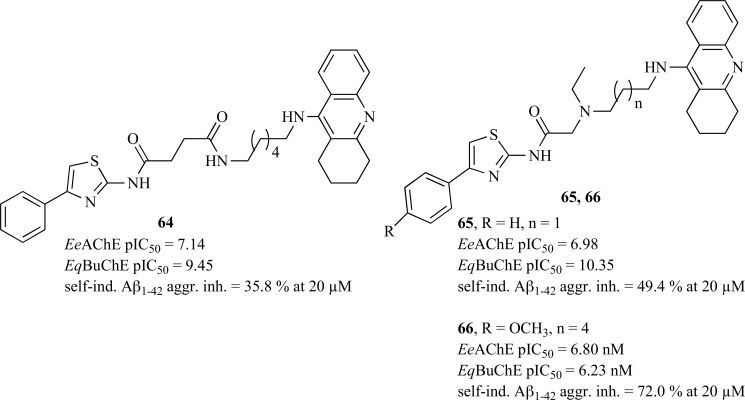
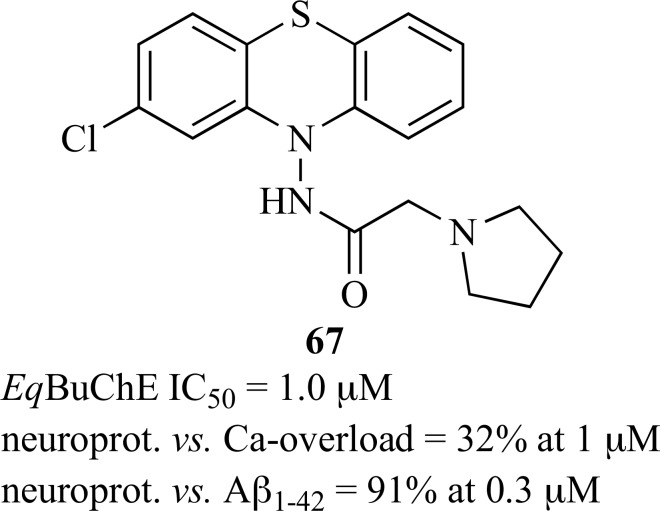
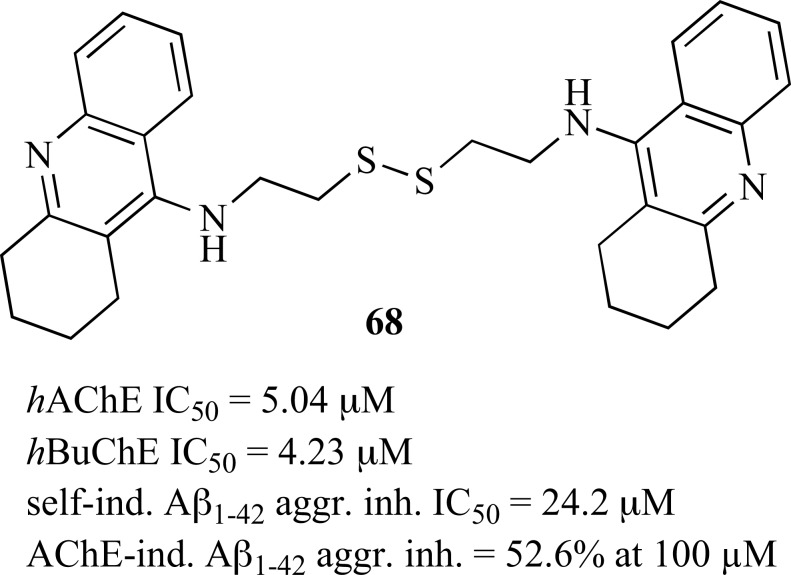
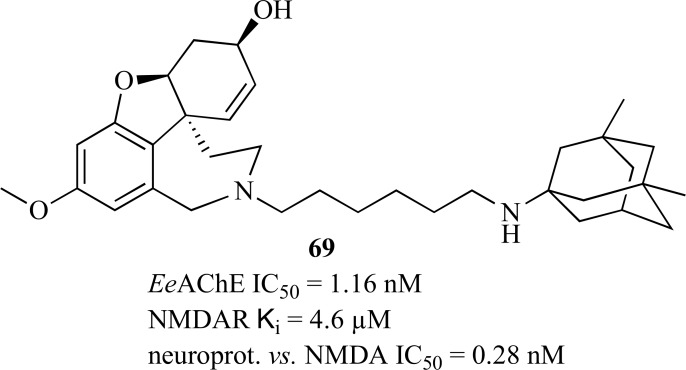
Verification
Claims the paper makes
The claims and statistics of this paper haven’t been checked yet.
Free: it reads the open-access text and checks the first 5 claims that cite a source we can check. Create a free account to check every claim.
Self-check
Percentages, sums and reported differences re-computed from the paper’s own numbers.
The self-check needs the paper’s full text.
Citations
Cites
1 retracted
Chu, J., & Praticò, D. (2011) · American Journal Of Pathology · doi:10.1016/j.ajpath.2010.12.032 · Cited by 84 · cited 1×
“It has been proven that 5-lipoxygenase (5-LO) is connected with A aggregation [228, 229] and its inhibition can reduce the formation of amyloid plaques in the brain [230].”
BackgroundRetractedA new and rapid colorimetric determination of acetylcholinesterase activity
Ellman, G. L., Courtney, K. D., Andres, V., & Featherstone, R. M. (1961) · Biochemical Pharmacology · doi:10.1016/0006-2952(61)90145-9 · Cited by 27,126 · cited 1×
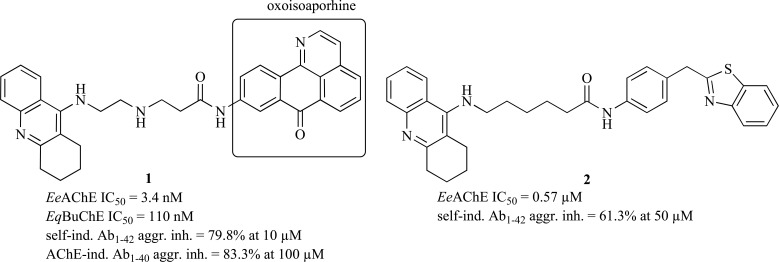
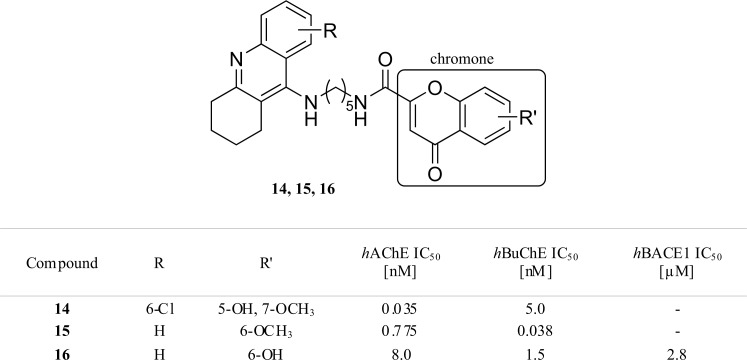
“The results of Ellman’s test [80] showed that the newly synthesized hybrids were EeAChE inhibitors with IC50 values in the nanomolar range, from 3.”
BackgroundThe cholinergic hypothesis of geriatric memory dysfunction
Bartus, R. T., Dean, R. L., Beer, B., & Lippa, A. S. (1982) · Science · doi:10.1126/science.7046051 · Cited by 5,545 · cited 1×
“This hypothesis assumes that in AD the level of acetylcholine (ACh) is reduced due to the loss of the cholinergic neurons and decreased synthesis of ACh [5, 6].”
BackgroundQuerfurth, H. W., & LaFerla, F. M. (2010) · New England Journal of Medicine · doi:10.1056/nejmra0909142 · Cited by 4,569
Hearing loss and cognitive decline in older adults
Lin, F. R., Yaffe, K., Xia, J., Xue, Q.-L., Harris, T. B., Purchase-Helzner, E., Satterfield, S., Ayonayon, H. N., Ferrucci, L., Simonsick, E. M., et al. (2013) · JAMA Internal Medicine · doi:10.1001/jamainternmed.2013.1868 · Cited by 4,017
Therapeutic potential of resveratrol: the in vivo evidence
Baur, J. A., & Sinclair, D. A. (2006) · Nature Reviews Drug Discovery · doi:10.1038/nrd2060 · Cited by 3,958 · cited 1×
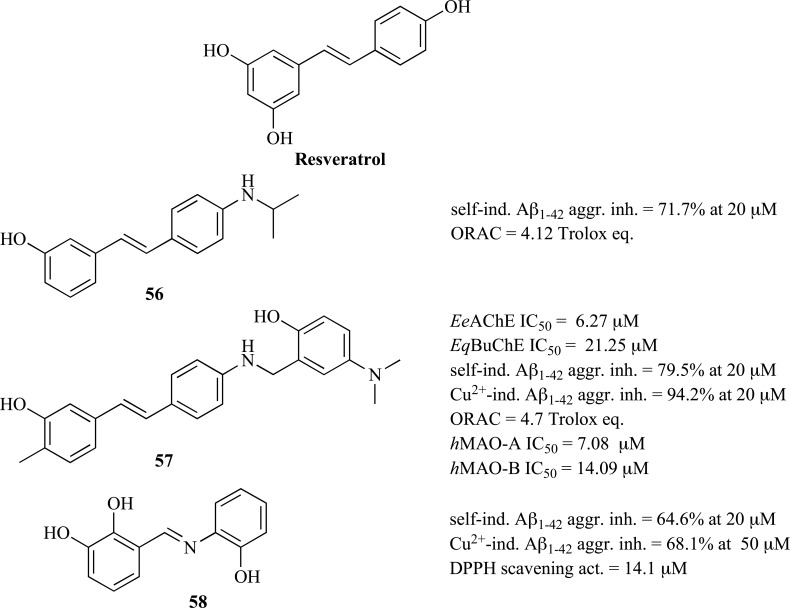
“In recent years, resveratrol (3,5,4’-trihydroxystilbene) has been extensively investigated as a cardioprotective, anticancer and anti-aging compound [185-187].”
BackgroundAmyloid deposition as the central event in the aetiology of Alzheimer’s disease
Hardy, J., & Allsop, D. (1991) · Trends in Pharmacological Sciences · doi:10.1016/0165-6147(91)90609-v · Cited by 2,538 · cited 1×
“The symptomatic therapeutic targets include mostly receptors whereas the disease-modifying targets are closely connected to A , tau production and neuroprotection [15, 16].”
BackgroundOxidative stress hypothesis in Alzheimer’s disease
Markesbery, W. R. (1997) · Free Radical Biology and Medicine · doi:10.1016/s0891-5849(96)00629-6 · Cited by 2,383
Levine, H. (1993) · Protein Science · doi:10.1002/pro.5560020312 · Cited by 2,264
DPPH antioxidant assay revisited
Sharma, O. P., & Bhat, T. K. (2009) · Food Chemistry · doi:10.1016/j.foodchem.2008.08.008 · Cited by 1,969 · cited 1×
“Interestingly, these two compounds showed an antioxidant activity in the (di(phenyl)-(2,4,6trinitrophenyl)iminoazanium) (DPPH) free radical scavenging assay [121] with IC50 values of 42.”
Background
Cited by
Items 101–200 of 364
A review on α-mangostin as a potential multi-target-directed ligand for Alzheimer's disease
Yang, A., Liu, C., Wu, J., Kou, X., & Shen, R. (2021) · European Journal of Pharmacology · doi:10.1016/j.ejphar.2021.173950 · Cited by 42
Jiang, C., Ge, Y.-X., Cheng, Z., Song, J.-L., Wang, Y., Zhu, K., & Zhang, H. (2019) · Journal of Computer-Aided Molecular Design · doi:10.1007/s10822-019-00202-2 · Cited by 40
Махаева, Г. Ф., Ковалева, Н. В., Рудакова, Е. В., Boltneva, N. P., Grishchenko, M. V., Lushchekina, S. V., Astakhova, T. Y., Serebryakova, O. G., Timokhina, E. N., Zhilina, E. F., et al. (2023) · International Journal of Molecular Sciences · doi:10.3390/ijms24032285 · Cited by 41
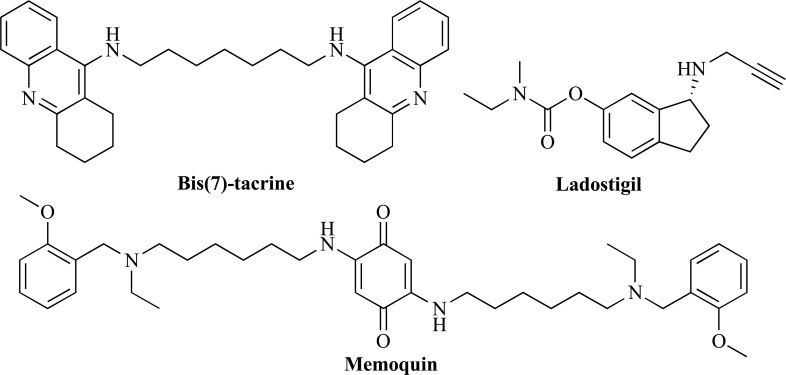
“In order to produce hybrids capable of interacting with both the CAS and PAS of AChE, a second pharmacophore is joined to the tacrine moiety through a spacer of appropriate length [47,48].”
BackgroundDrug Development for Alzheimer’s and Parkinson’s Disease: Where Do We Go Now?
Sequeira, L., Benfeito, S., Fernandes, C., Gaspar, A., Lima, I., Peixoto, J., Alves, C., Machado, C. S., Borges, F., & Chavarria, D. (2024) · Pharmaceutics · doi:10.3390/pharmaceutics16060708 · Cited by 43
“Traditionally, the “one-drug, one-target” paradigm is the mainstay drug discovery concept in the pharmaceutical industry [91].”
BackgroundCuproptosis and Cu: a new paradigm in cellular death and their role in non-cancerous diseases
Yang, Z., Feng, R., & Hai, Z. (2024) · APOPTOSIS · doi:10.1007/s10495-024-01993-y · Cited by 40
“This is because Cu can interact with critical pathogenic elements like Aβ and tau [ 227].”
Shen, Y., Liu, F., & Zhang, M. (2024) · Biomedicine & Pharmacotherapy · doi:10.1016/j.biopha.2024.117235 · Cited by 41
Rabal, O., Sánchez-Arias, J. A., Cuadrado‐Tejedor, M., de Miguel, I., Pérez-González, M., García, C., Ugarte, A., de Mendoza, A. E., Sáez, E., Espelosin, M., et al. (2018) · ACS Chemical Neuroscience · doi:10.1021/acschemneuro.8b00648 · Cited by 38
Ismaïli, L., Monnin, J., Etiévant, A., Arribas, R. L., Viejo, L., Refouvelet, B., Soukup, O., Janočková, J., Hepnarová, V., Korábečný, J., et al. (2021) · ACS Chemical Neuroscience · doi:10.1021/acschemneuro.0c00803 · Cited by 38
Hebda, M., Bajda, M., Więckowska, A., Szałaj, N., Pasieka, A., Panek, D., Godyń, J., Wichur, T., Knez, D., Gobec, S., et al. (2016) · Molecules · doi:10.3390/molecules21040410 · Cited by 38
“80% at 10 μM) comparable with other multifunctional agents described recently [22] and a more potent inhibitor than donepezil (11.”
BackgroundSelf-citationБачурин, С. О., Махаева, Г. Ф., Shevtsova, E. F., Boltneva, N. P., Ковалева, Н. В., Lushchekina, S. V., Рудакова, Е. В., Dubova, L. G., Vinogradova, D. V., Sokolov, V. B., et al. (2019) · Scientific Reports · doi:10.1038/s41598-019-41272-4 · Cited by 37
Elghazawy, N. H., Zaafar, D. K., Hassan, R. R., Mahmoud, M. Y., Bedda, L., Bakr, A. F., & Arafa, R. K. (2022) · ACS Chemical Neuroscience · doi:10.1021/acschemneuro.1c00766 · Cited by 39
Carthamus tinctorius L.: A natural neuroprotective source for anti-Alzheimer's disease drugs
Liang, Y., & Wang, L. (2022) · Journal of Ethnopharmacology · doi:10.1016/j.jep.2022.115656 · Cited by 39
Dual/Multitargeted Xanthone Derivatives for Alzheimer'S Disease: Where Do We Stand?
Cruz, M. I., Cidade, H. M., & Pinto, M. M. M. (2017) · Future Medicinal Chemistry · doi:10.4155/fmc-2017-0086 · Cited by 37
NO inhibitory constituents as potential anti-neuroinflammatory agents for AD from Blumea balsamifera
Ma, J., Ren, Q., Dong, B., Shi, Z., Zhang, J., Jin, D., Xu, J., Ohizumi, Y., Lee, D., & Guo, Y. (2017) · Bioorganic Chemistry · doi:10.1016/j.bioorg.2017.12.008 · Cited by 34
Yeliseev, A., Zoubak, L., & Schmidt, T. G. M. (2016) · Protein Expression and Purification · doi:10.1016/j.pep.2016.11.006 · Cited by 34
MH84 improves mitochondrial dysfunction in a mouse model of early Alzheimer’s disease
Pohland, M., Pellowska, M., Asseburg, H., Hagl, S., Reutzel, M., Joppe, A., Berressem, D., Eckert, S. H., Wurglics, M., Schubert‐Zsilavecz, M., et al. (2018) · Alzheimer's Research & Therapy · doi:10.1186/s13195-018-0342-6 · Cited by 33
“egies are in the focus of drug discovery programs [5, 6].”
BackgroundAdvances Toward Multifunctional Cholinesterase and β-Amyloid Aggregation Inhibitors
Panek, D., Wichur, T., Godyń, J., Pasieka, A., & Malawska, B. (2017) · Future Medicinal Chemistry · doi:10.4155/fmc-2017-0094 · Cited by 34
Self-citationPugazhendhi, A., Shafreen, R. B., Devi, K. P., & Suganthy, N. (2018) · Journal of Molecular Liquids · doi:10.1016/j.molliq.2018.02.081 · Cited by 35
Volkova, Т. V., Terekhova, I. V., Silyukov, O. I., Proshin, A. N., Bauer‐Brandl, A., & Perlovich, G. L. (2016) · MedChemComm · doi:10.1039/c6md00545d · Cited by 33
Cholinesterase as a Target for Drug Development in Alzheimer’s Disease
Sharma, P. A., Tripathi, M. K., & Shrivastava, S. K. (2019) · Methods in molecular biology · doi:10.1007/978-1-0716-0163-1_18 · Cited by 33
Махаева, Г. Ф., Boltneva, N. P., Lushchekina, S. V., Рудакова, Е. В., Serebryakova, O. G., Kulikova, L. N., Beloglazkin, A. A., Борисов, Р. С., & Richardson, R. J. (2018) · Bioorganic & Medicinal Chemistry · doi:10.1016/j.bmc.2018.08.010 · Cited by 33
Meng, J., Li, Y., Zhang, M., Li, W., Zhou, L., Wang, Q., Lin, L., Jiang, L., & Zhu, W. (2019) · PeerJ · doi:10.7717/peerj.6716 · Cited by 32
Li, W., Dai, S., Liu, J., Wang, Q., Li, G., & Huang, J. (2016) · Journal of Alzheimer s Disease · doi:10.3233/jad-150807 · Cited by 31
“5-HT is a major neurotransmitter and is known to interact with multiple receptors in both the central and peripheral nervous system [15].”
BackgroundLajarín-Cuesta, R., Nanclares, C., Arranz-Tagarro, J.-A., González‐Lafuente, L., Arribas, R. L., de Brito, M. A., Gandía, L., & Ríos, C. D. L. (2016) · Journal of Medicinal Chemistry · doi:10.1021/acs.jmedchem.6b00478 · Cited by 33
Rajeshwari, R., Chand, K., Candeias, E., Cardoso, S. M., Chaves, S., & Santos, M. A. (2019) · Molecules · doi:10.3390/molecules24030587 · Cited by 31
“Thus, to address the multifactorial origin and inherent complexity of AD, the search for new drugs has been based on the multi-target-directed ligand (MTDL) approach, by combining in the same molecular entity, different pharmacophores able to interact with different targets [6,7].”
BackgroundBoaru, D. L., León-Oliva, D. D., Castro-Martinez, P. D., Montero, C. G., Fraile‐Μartinez, O., García-González, B., Pérez-González, I., Alhaddadin, M. N. M., Barrena-Blázquez, S., López-González, L., et al. (2025) · Biomedicine & Pharmacotherapy · doi:10.1016/j.biopha.2025.118422 · Cited by 37
Conte‐Daban, A., Boff, B., Matias, A. C., Aparicio, C. N. M., Gateau, C., Lebrun, C., Cerchiaro, G., Kieffer, I., Sayen, S., Guillon, E., et al. (2017) · Chemistry - A European Journal · doi:10.1002/chem.201703429 · Cited by 31
Akushevich, I. V., Yashkin, A. P., Kravchenko, J. S., Ukraintseva, S. V., Stallard, E., & Yashin, A. I. (2018) · Journal of Alzheimer s Disease · doi:10.3233/jad-180060 · Cited by 32
“However, numerous strategies for pharmacologic [43, 44] treatment of AD have been shown to be of limited effectiveness in reducing cognitive impairment in AD/ADRD patients.”
Singh, R., Kaur, N., Dhingra, N., & Kaur, T. (2022) · International Journal of Neuroscience · doi:10.1080/00207454.2021.1968859 · Cited by 31
Tripathi, R. K. P., Rai, G. K., & Ayyannan, S. R. (2016) · ChemMedChem · doi:10.1002/cmdc.201600128 · Cited by 30
Pietro, O. D., Alencar, N., Esteban, G., Viayna, E., Szałaj, N., Vázquez, J., Juárez‐Jiménez, J., Sola, I., Pérez, B., Solé, M., et al. (2016) · Bioorganic & Medicinal Chemistry · doi:10.1016/j.bmc.2016.06.045 · Cited by 37
“progressive loss of memory and cognitive functions, often in association with behavioral disturbances and depression.(3) Its complex and multifaceted etiopathology, which involves massive loss of cholinergic neurons,(4) oxidative stress,(5-7) metal dyshomeostasis,(8) excitotoxicity,(9) neurofibrillary tangles and β-am…”
BackgroundSaini, R. K., Shuaib, S., & Goyal, B. (2017) · Journal of Molecular Recognition · doi:10.1002/jmr.2656 · Cited by 30
Resveratrol-maltol hybrids as multi-target-directed agents for Alzheimer’s disease
Cheng, G., Xu, P., Zhang, M., Chen, J., Sheng, R., & Ma, Y. (2018) · Bioorganic & Medicinal Chemistry · doi:10.1016/j.bmc.2018.08.011 · Cited by 32
Махаева, Г. Ф., Sokolov, V. B., Shevtsova, E. F., Ковалева, Н. В., Lushchekina, S. V., Boltneva, N. P., Рудакова, Е. В., Aksinenko, A. Y., Shevtsov, P. N., Неганова, М. Е., et al. (2017) · Pure and Applied Chemistry · doi:10.1515/pac-2017-0308 · Cited by 29
Bajda, M., Jończyk, J., Malawska, B., Czarnecka, K., Girek, M. K., Olszewska, P., Sikora, J., Mikiciuk‐Olasik, E., Skibiński, R., Gumieniczek, A., et al. (2015) · Bioorganic & Medicinal Chemistry · doi:10.1016/j.bmc.2015.07.029 · Cited by 29
Self-citationMonjas, L., Arce, M. P., Leon, R. M., Egea, J., Pérez, C., Villarroya, M., López, M. G., Gil, C., Conde, S., & Rodríguez-Franco, M. I. (2017) · European Journal of Medicinal Chemistry · doi:10.1016/j.ejmech.2017.02.034 · Cited by 31
Dorababu, A. (2019) · Bioorganic Chemistry · doi:10.1016/j.bioorg.2019.103299 · Cited by 28
“The current research based on MTDLs has become potential approach to counter AD [12,13].”
MethodNitric Oxide Releasing Polyamide Dendrimer with Anti-inflammatory Activity
Porras, A. M. G., Bertuzzi, D. L., Lucas, K., da Silva, L. C. E., de Oliveira, M. G., & Ornelas, C. (2020) · ACS Applied Polymer Materials · doi:10.1021/acsapm.0c00203 · Cited by 29
Multi-Target-Directed Cinnamic Acid Hybrids Targeting Alzheimer’s Disease
Drakontaeidi, A., & Pontiki, E. A. (2024) · International Journal of Molecular Sciences · doi:10.3390/ijms25010582 · Cited by 32
“They evaluated the efficacy of the compounds in inhibiting A accumulation using the thioflavin T (ThT) fluorescence method [112].”
MethodCharacterization and Biological Evaluation of Diterpenoids from Casearia graveolens
Xu, J., Ji, F., Sun, X., Cao, X., Li, S., Ohizumi, Y., & Guo, Y. (2015) · Journal of Natural Products · doi:10.1021/acs.jnatprod.5b00583 · Cited by 27
Nesi, G., Chen, Q., Sestito, S., Digiacomo, M., Yang, X., Wang, S., Pi, R., & Rapposelli, S. (2017) · European Journal of Medicinal Chemistry · doi:10.1016/j.ejmech.2017.10.006 · Cited by 27
Piemontese, L., Sergio, R., Rinaldo, F., Brunetti, L., Perna, F. M., Santos, M. A., & Capriati, V. (2020) · Molecules · doi:10.3390/molecules25030574 · Cited by 28
Thioxanthenone-based derivatives as multitarget therapeutic leads for Alzheimer's disease
Tonelli, M., Catto, M., Sabaté, R., Francesconi, V., Laurini, E., Pricl, S., Pisani, L., Miniero, D. V., Liuzzi, G. M., Gatta, E., et al. (2023) · European Journal of Medicinal Chemistry · doi:10.1016/j.ejmech.2023.115169 · Cited by 26
Phytochemical constituents from Melicope pteleifolia that promote neurite outgrowth in PC12 cells
Xu, J., Sun, X., Liu, X., Peng, M., Li, S., Jin, D., Lee, D., Bartlam, M. G., & Guo, Y. (2016) · Journal of Functional Foods · doi:10.1016/j.jff.2016.03.011 · Cited by 26
Maryamabadi, A., Hasaninejad, A., Nowrouzi, N., & Mohebbi, G. (2017) · Bioorganic & Medicinal Chemistry · doi:10.1016/j.bmc.2017.02.017 · Cited by 26
Xia, C., Wang, N., Guo, Q.-L., Liu, Z.-Q., Wu, J., Huang, S., Ou, T., Tan, J., Wang, H., Li, D., et al. (2017) · European Journal of Medicinal Chemistry · doi:10.1016/j.ejmech.2017.02.042 · Cited by 26
Dreaming of a New World Where Alzheimer’s Is a Treatable Disorder
Catania, M., Giaccone, G., Salmona, M., Tagliavini, F., & Fede, G. D. (2019) · Frontiers in Aging Neuroscience · doi:10.3389/fnagi.2019.00317 · Cited by 29
“(Viegas et al., 2005; Guzior et al., 2015; Romero and MarcoContelles, 2017; Umar and Hoda, 2017; Zhang P. et al., 2019) retaining at the same time anti-aggregation properties against Aβ and cholinesterase inhibition activity or coupling modulation of serotonin and ACh pathways with the release of soluble forms of APP…”
BackgroundAshrafizadeh, M., Zarrabi, A., Najafi, M., Samarghandian, S., Mohammadinejad, R., & Ahn, K. S. (2020) · Phytotherapy Research · doi:10.1002/ptr.6732 · Cited by 29
Derrick, J. S., Kerr, R. A., Korshavn, K. J., McLane, M. J., Kang, J., Nam, E., Ramamoorthy, A., Ruotolo, B. T., & Lim, M. H. (2016) · Inorganic Chemistry · doi:10.1021/acs.inorgchem.6b00525 · Cited by 32
Andrade‐Jorge, E., Sánchez‐Labastida, L. A., Soriano-Ursua, M. A., Guevara‐Salazar, J. A., & Trujillo-Ferrara, J. G. (2018) · Medicinal Chemistry Research · doi:10.1007/s00044-018-2226-5 · Cited by 26
The Impact of CRISPR-Cas9 on Age-related Disorders: From Pathology to Therapy
Caobi, A., Dutta, R. K., Garbinski, L. D., Esteban-López, M., Ceyhan, Y., Andre, M., Manevski, M., Ojha, C. R., Lapierre, J., Tiwari, S., et al. (2020) · Aging and Disease · doi:10.14336/ad.2019.0927 · Cited by 28
“Today there are over 35 million people worldwide living with dementia and AD-like disorders and this number is projected to reach 114 million by 2050 [60, 61].”
BackgroundComparing different algorithms for the course of Alzheimer’s disease using machine learning
Tang, X., & Liu, J. (2021) · Annals of Palliative Medicine · doi:10.21037/apm-21-2013 · Cited by 29
“The inferior horn of the lateral ventricle has a particular anatomical structure, extending forwards and downwards into the temporal lobe (20).”
BackgroundSharma, P., & Singh, M. (2023) · Life Sciences · doi:10.1016/j.lfs.2023.121568 · Cited by 26
Shi, Y., Huang, W., Wang, Y., Zhang, R., Hou, L., Xu, J., Qiu, Z., Xie, Q., Chen, H., Zhang, Y., et al. (2018) · Translational Neurodegeneration · doi:10.1186/s40035-018-0126-8 · Cited by 28
das Neves, A. M., Berwaldt, G. A., de Ávila, C. T., Goulart, T. B., Moreira, B. S. D. S., Ferreira, T. P., Soares, M. S. P., Pedra, N. S., Spohr, L., Souza, A. A. A. D., et al. (2019) · Journal of Enzyme Inhibition and Medicinal Chemistry · doi:10.1080/14756366.2019.1680659 · Cited by 25
Chowdhury, S., & Kumar, S. (2020) · Journal of Food Biochemistry · doi:10.1111/jfbc.13571 · Cited by 25
Saeedi, M., Golipoor, M., Mahdavi, M. R., Moradi, A., Nadri, H., Emami, S., Foroumadi, A., & Shafiee, A. (2016) · Archiv der Pharmazie · doi:10.1002/ardp.201500425 · Cited by 24
Bialternacins A–F, Aromatic Polyketide Dimers from an Endophytic Alternaria sp.
Yang, C. L., Wu, H., Liu, C.-L., Zhang, X., Guo, Z. K., Chen, Y., Liu, F., Liang, Y. F., Jiao, R., Tan, R. X., et al. (2019) · Journal of Natural Products · doi:10.1021/acs.jnatprod.8b00705 · Cited by 24
Ślusarczyk, S., Şenol, F. S., Abel, R., Pecio, Ł., Pérez‐Sánchez, H., Cerón‐Carrasco, J. P., den-Haan, H., Banerjee, P., Preißner, R., Krzyżak, E., et al. (2020) · International Journal of Molecular Sciences · doi:10.3390/ijms21124475 · Cited by 24
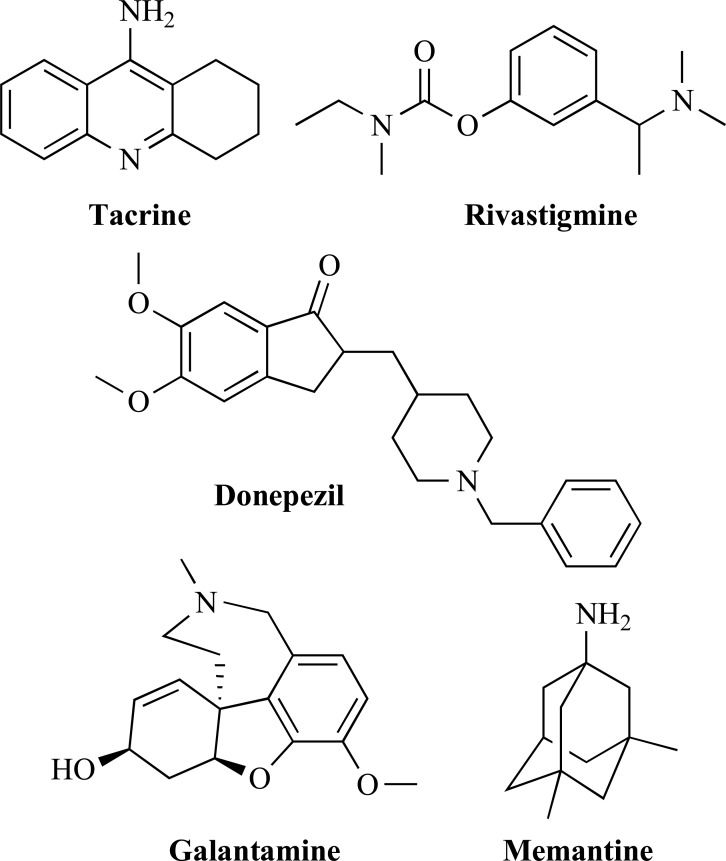
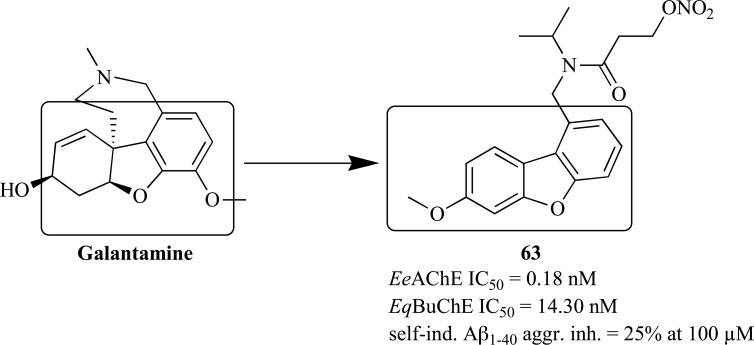
“Three other AChE inhibitors used in Alzheimer’s disease therapy are rivastigmine, donepezil and galantamine [31].”
Backgroundde Sousa, N. F., Scotti, L., de Moura, É. P., Maia, M. D. S., Rodrigues, G. C. S., de Medeiros, H. I. R., Lopes, S. M., & Scotti, M. T. (2021) · Current Neuropharmacology · doi:10.2174/1570159x19666211005145952 · Cited by 25
“Guzior et al. , (2015) [35] defends multi-targets mechanisms against AD and report 696 multifunctional natural and synthetic substances found in the last three years, between them the natural flavonoids, alkaloids and coumarins compounds.”
Mishra, C. B., Shalini, S., Gusain, S., Prakash, A., Kumari, J., Kumari, S., Yadav, A. K., Lynn, A. M., & Tiwari, M. (2020) · RSC Advances · doi:10.1039/d0ra00663g · Cited by 29
Iraji, A., Nikfar, P., Montazer, M. N., Karimi, M., Edraki, N., Saeedi, M., & Mirfazli, S. S. (2024) · Scientific Reports · doi:10.1038/s41598-024-71729-0 · Cited by 22
Simoni, E., Bartolini, M., Abu, I. F., Blockley, A., Gotti, C., Bottegoni, G., Caporaso, R., Bergamini, C., Andrisano, V., Cavalli, A., et al. (2017) · Future Medicinal Chemistry · doi:10.4155/fmc-2017-0039 · Cited by 22
Lopes, F. B., Aranha, C. M. S. Q., & Fernandes, J. P. S. (2021) · Chemical Biology & Drug Design · doi:10.1111/cbdd.13866 · Cited by 22
Multigram Synthesis and in Vivo Efficacy Studies of a Novel Multitarget Anti-Alzheimer’s Compound
Sola, I., Viayna, E., Gómez, T., Galdeano, C., Cassina, M., Camps, P., Romeo, M., Diomede, L., Salmona, M., Franco, P., et al. (2015) · Molecules · doi:10.3390/molecules20034492 · Cited by 24
“, the simultaneous modulation of several important targets of the disease network seems to be a more realistic option for tackling the neurodegenerative process of AD [5–9].”
The Evolution of AChE Inhibitors in Alzheimer's Disease: From Single‐Target to Multi‐Target Ligands
Mehta, N. V., Kapadia, A., Khambete, M., & Abhyankar, A. N. (2025) · ChemBioChem · doi:10.1002/cbic.202500053 · Cited by 22
Elkina, N. А., Grishchenko, M. V., Shchegolkov, E. V., Махаева, Г. Ф., Ковалева, Н. В., Рудакова, Е. В., Boltneva, N. P., Lushchekina, S. V., Astakhova, T. Y., Radchenko, E. V., et al. (2022) · Biomolecules · doi:10.3390/biom12111551 · Cited by 23
“Many studies have been aimed at modifying tacrine by creating hybrid conjugate compounds linked through a spacer with various pharmacophores that promote the interaction of the conjugate inhibitor with both the catalytic active site (CAS) of AChE and its PAS, thus blocking AChE-induced Aβ aggregation [41,67,68].”
BackgroundAlzhCPI: A knowledge base for predicting chemical-protein interactions towards Alzheimer’s disease
Fang, J., Wang, L., Li, Y., Lian, W., Pang, X., Wang, H., Yuan, D., Wang, Q., Liu, A., & Du, G. (2017) · PLoS ONE · doi:10.1371/journal.pone.0178347 · Cited by 21
Mahdavi, M. R., Hariri, R., Mirfazli, S. S., Lotfian, H., Rastergari, A., Firuzi, O., Edraki, N., Larijani, B. A., Akbarzadeh, T., & Saeedi, M. (2019) · Chemistry & Biodiversity · doi:10.1002/cbdv.201800488 · Cited by 21
Leuci, R., Brunetti, L., Laghezza, A., Piemontese, L., Carrieri, A., Pisani, L., Tortorella, P., Catto, M., & Loiodice, F. (2022) · Molecules · doi:10.3390/molecules27030958 · Cited by 21
“For this reason, multi-target agents are currently one of the main lines of research for the therapy and prevention of AD [37,38].”
BackgroundIndazolylketones as new multitarget cannabinoid drugs
González-Naranjo, P., Pérez-Macías, N., Pérez, C., Roca, C., Vaca, G., Girón, R., Sánchez-Robles, E., Martín, M. I., CEBALLOS, M. L. D., Martín‐Requero, Á., et al. (2019) · European Journal of Medicinal Chemistry · doi:10.1016/j.ejmech.2019.01.030 · Cited by 21
Conjugates of Tacrine with Salicylamide as Promising Multitarget Agents for Alzheimer's Disease
Grishchenko, M. V., Махаева, Г. Ф., Burgart, Y. V., Рудакова, Е. В., Boltneva, N. P., Ковалева, Н. В., Serebryakova, O. G., Lushchekina, S. V., Astakhova, T. Y., Zhilina, E. F., et al. (2022) · ChemMedChem · doi:10.1002/cmdc.202200080 · Cited by 20
Chun, Y. S., Kim, J., Chung, S., Khorombi, E., Naidoo, D., Nthambeleni, R., Harding, N., Maharaj, V. J., Fouché, G., & Yang, H. O. (2017) · Journal of Agricultural and Food Chemistry · doi:10.1021/acs.jafc.6b04451 · Cited by 22
Paez, J. A., & Campillo, N. E. (2018) · Current Medicinal Chemistry · doi:10.2174/0929867325666180226095132 · Cited by 20
Cieslikiewicz‐Bouet, M., Naldi, M., Bartolini, M., Pérez, B., Servent, D., Jean, L., Aráoz, R., & Renard, P. (2020) · Biochemical Pharmacology · doi:10.1016/j.bcp.2020.114010 · Cited by 20
Benfeito, S., Fernandes, C., Vilar, S., Remião, F., Uriarte, E., & Borges, F. (2020) · Molecules · doi:10.3390/molecules25020276 · Cited by 20
“In the healthy brain, AChE is more hydrolytic-specific than BChE [9,13].”
BackgroundChavarria, D., da Silva, O., Benfeito, S., Barreiro, S., Garrido, J. M. P. J., Cagide, F., Soares, P., Remião, F., Brazzolotto, X., Nachon, F., et al. (2021) · Antioxidants · doi:10.3390/antiox10020329 · Cited by 19
“(AD) and Parkinson’s Disease (PD) are the neuronal loss with consequent decrease of neurotransmitter levels, and the formation of protein aggregates [2,3].”
BackgroundNatural Products Targeting Inflammation Processes and Multiple Mediators
Lin, G. D., & Li, R. (2018) · Elsevier eBooks · doi:10.1016/b978-0-08-102081-4.00010-1 · Cited by 21
Eckert, G. P., Eckert, S. H., Eckmann, J., Hagl, S., Muller, W. E., & Friedland, K. (2020) · Experimental Neurology · doi:10.1016/j.expneurol.2020.113286 · Cited by 21
de Almeida, J. R., Figueiró, M., Almeida, W. P., & da Silva, C. H. T. D. P. (2018) · Future Medicinal Chemistry · doi:10.4155/fmc-2017-0201 · Cited by 17
Temel, H. E., Altıntop, M. D., & Özdemır, A. (2018) · Turkish Journal of Pharmaceutical Sciences · doi:10.4274/tjps.20982 · Cited by 22
“5-yl)-1-thiocarbamoyl-4,5-dihydro-1H-pyrazole (2).”
BackgroundSingh, A., & Singh, N. K. (2023) · Current Pharmaceutical Biotechnology · doi:10.2174/1389201024666230801095526 · Cited by 18
AL-Sharabi, A. A., Evren, A. E., Sağlık, B. N., & Yurttaş, L. (2023) · Journal of Biomolecular Structure and Dynamics · doi:10.1080/07391102.2023.2274967 · Cited by 16
“…species (ROS), increases, leading to exaggerated neuro-inflammation, oxidative stress, A b deposition, neuronal damage and neuronal death, thus inhibiting MAOs has a neuroprotective effect and is being invistigated as a potential treatment for AD (Guzior et al., 2015; Manzoor and Hoda, 2020).”
Habash, M., Abuhamdah, S. M. A., Younis, K. S., & Taha, M. O. (2017) · Medicinal Chemistry Research · doi:10.1007/s00044-017-1976-9 · Cited by 16
“Still, reversible inhibitors are most desirable for treating AD as they exhibit minimal side effects (Guzior et al. 2015).”
BackgroundRitacca, A. G., Ritacco, I., Dabbish, E., Russo, N., Mazzone, G., & Sicilia, E. (2021) · Journal of Chemical Information and Modeling · doi:10.1021/acs.jcim.1c00262 · Cited by 17
Multifunctional Inhibitors of Cholinesterases for the Therapy of Alzheimer’s Disease (A Review)
Махаева, Г. Ф., & Бачурин, С. О. (2023) · Russian Journal of General Chemistry · doi:10.1134/s1070363223150161 · Cited by 16
1,2,4-Thiadiazoles as promising multifunctional agents for treatment of neurodegenerative diseases
Махаева, Г. Ф., Proshin, A. N., Boltneva, N. P., Рудакова, Е. В., Ковалева, Н. В., Serebryakova, O. G., Serkov, I. V., & Бачурин, С. О. (2016) · Russian Chemical Bulletin · doi:10.1007/s11172-016-1486-9 · Cited by 16
Devi, M., & Paul, S. (2024) · ACS Chemical Neuroscience · doi:10.1021/acschemneuro.4c00387 · Cited by 15
Liu, S., Dai, H., Wang, R., & Zhang, X. (2024) · Food Bioscience · doi:10.1016/j.fbio.2024.104965 · Cited by 16
Neurodegeneration, Neuroregeneration, and Neuroprotection in Psychiatric Disorders
Tang, S. W., Helmeste, D. M., & Leonard, B. E. (2017) · Modern trends in psychiatry · doi:10.1159/000470811 · Cited by 15
Skibiński, R., Czarnecka, K., Girek, M. K., Bilichowski, I., Chufarova, N. V., Mikiciuk‐Olasik, E., & Szymański, P. (2017) · Chemical Biology & Drug Design · doi:10.1111/cbdd.13111 · Cited by 15
Jani, V., Sonavane, U., & Joshi, R. (2021) · RSC Advances · doi:10.1039/d1ra03609b · Cited by 15
Mlakić, M., Fodor, L., Odak, I., Horváth, O., Štefiček, M. J. L., Barić, D., Milašinović, V., Molčanov, K., Marinić, Ž., Lasić, Z., et al. (2022) · Molecules · doi:10.3390/molecules27196379 · Cited by 15
“Hence, developing cholinesterase inhibitors with antioxidant capabilities may benefit the neurotransmitter action in AD patients [24,25].”
BackgroundPohland, M., Hagl, S., Pellowska, M., Wurglics, M., Schubert‐Zsilavecz, M., & Eckert, G. P. (2015) · Neurochemical Research · doi:10.1007/s11064-015-1765-0 · Cited by 16
“Treatment options with multifunctional-agents might be more effective to avoid the onset of clinical symptoms in AD [13].”
BackgroundMultitarget Anti-Alzheimer Hybrid Compounds
Muñoz‐Torrero, D. (2017) · Elsevier eBooks · doi:10.1016/b978-0-08-101011-2.00006-4 · Cited by 19
Volkova, Т. V., Domanina, E. N., Kumeev, R. S., Proshin, A. N., & Terekhova, I. V. (2018) · Journal of Molecular Liquids · doi:10.1016/j.molliq.2018.08.062 · Cited by 15
Худина, О. Г., Grishchenko, M. V., Махаева, Г. Ф., Ковалева, Н. В., Boltneva, N. P., Рудакова, Е. В., Lushchekina, S. V., Shchegolkov, E. V., Borisevich, S. S., Burgart, Y. V., et al. (2023) · Archiv der Pharmazie · doi:10.1002/ardp.202300447 · Cited by 15
Malek, R. S., Simakov, A., Davis, A., Maj, M., Bernard, P. J., Wnorowski, A., Martin, H., Marco, J. L., Chabchoub, F., Dallemagne, P., et al. (2022) · Molecules · doi:10.3390/molecules28010071 · Cited by 15
Sabolová, D., Kristián, P., & Kožurková, M. (2018) · Journal of Applied Toxicology · doi:10.1002/jat.3622 · Cited by 14
Kandasamy, S., Karthikeyan, S., Sugarthi, S., & Stephen, A. D. (2021) · Spectrochimica Acta Part A Molecular and Biomolecular Spectroscopy · doi:10.1016/j.saa.2021.119856 · Cited by 13
Metadata
- Authors
- Guzior, N., Wi.eckowska, A., Panek, D., & Malawska, B.
- Affiliations
- Jagiellonian University (PL)
- Corresponding author
- Malawska, Barbara
- Venue
- Current Medicinal Chemistry
- Publisher
- Bentham Science Publishers Ltd.
- Published
- 2014-12-19
- Volume
- 22
- Issue
- 3
- Pages
- 373-404
- ISSN
- 0929-8673 (ISSN-L)
- PMC
- PMC4435057
- OpenAlex
- W2160250661
- Cited by
- 323
- References
- 239
- Citations by year
- 2026: 10 · 2025: 10 · 2024: 20 · 2023: 24 · 2022: 28 · 2021: 29 · 2020: 26 · 2019: 40 · 2018: 46 · 2017: 41 · 2016: 36 · 2015: 12
- FWCI
- 4.00
- Type
- journal article
- Language
- en
- Open access
- bronze
- doi.org
- Locations
- Current Medicinal Chemistry (publishedVersion)
- PubMed Central (publishedVersion, cc-by-nc)
- PubMed (publishedVersion)
- Homo Politicus (Academy of Humanities and Economics in Lodz) (submittedVersion)
- Jagiellonian University Repository (Jagiellonian University) (submittedVersion, other-oa)
- Jagiellonian University Repository (Jagiellonian University) (submittedVersion, cc-by-nc-nd)
- Homo Politicus (Academy of Humanities and Economics in Lodz) (submittedVersion, cc-by-nc-nd)
- Funders
- Narodowym Centrum Nauki
- Topics
- Health Sciences › Medicine › Pharmacology (medical) › Cholinesterase and Neurodegenerative Diseases
- Life Sciences › Neuroscience › Cellular and Molecular Neuroscience › Alzheimer's disease research and treatments
- Health Sciences › Medicine › Psychiatry and Mental health › Dementia and Cognitive Impairment Research
- Keywords
- Alzheimer's disease, multi-target-directed ligands, acetylcholinesterase inhibitors, beta-secretase inhibition, monoamine oxidase inhibition, antioxidant activity, metal chelation, nitric oxide release, cannabinoid receptors, NMDA receptor, histamine H3 receptor, tacrine, donepezil, galantamine, memantine, drug candidates
- MeSH terms
- Alzheimer Disease, Animals, Enzyme Inhibitors, Humans, Amyloid beta-Peptides, Neuroprotective Agents, Drug Discovery, Protein Aggregates
About these checks
Registry, retraction, Cites and statistics results are computed, not judged, with one exception: a printed reference that no index lists is read once by a model before it counts as a citation error. Claims are extracted by a model and kept only when their quote appears verbatim in the text; each cited source is then checked, with a model’s help, for whether it says what the claim relies on. Those verdicts can be wrong — read the claim’s quote and the cited source before relying on one.
Statistics and arithmetic are recomputed, not judged.
Confidence bands are shown only for fields calibrated on our annotated test set. None is calibrated yet, so no band is shown.
What counts as a claim ›How we measure confidence ›How we check this ›
Are you an author, or do you see a problem with this page? Request a review
Data sources
Bibliographic data: Semantic Scholar, OpenAlex, Crossref.
Contains information from the Semantic Scholar Academic Graph Datasets, made available under the ODC Attribution License (ODC-BY 1.0).
Semantic Scholar’s data is described in: Kinney, R., et al. (2023). The Semantic Scholar Open Data Platform. arXiv:2301.10140.
