

Recent Development of Multifunctional Agents as Potential Drug Candidates for the Treatment of Alzheimer’s Disease
Open accessThe DOI matches its Crossref record; 240 of the 240 references it cites were found in a registry or an index.
Abstract
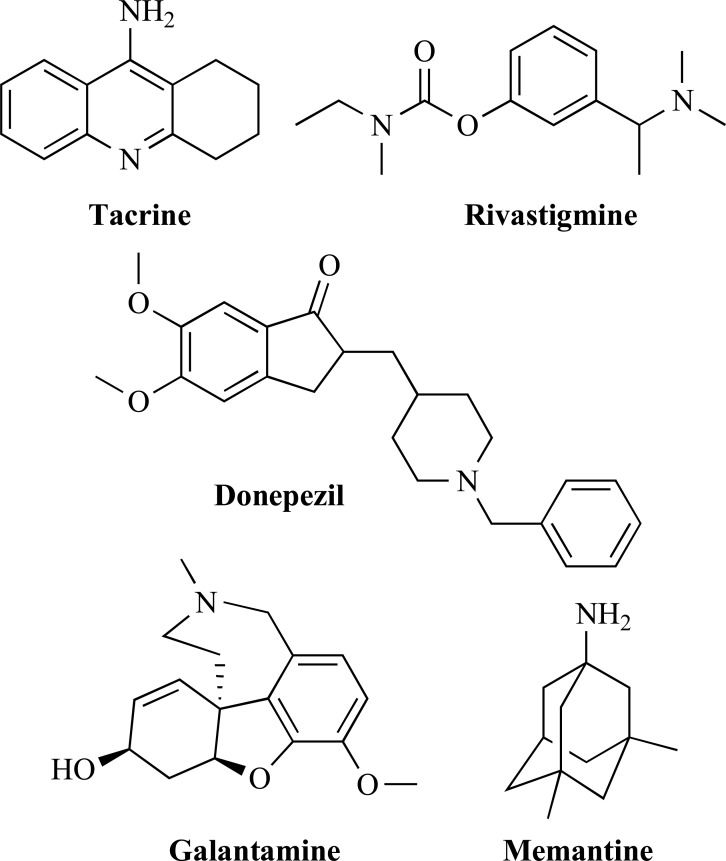
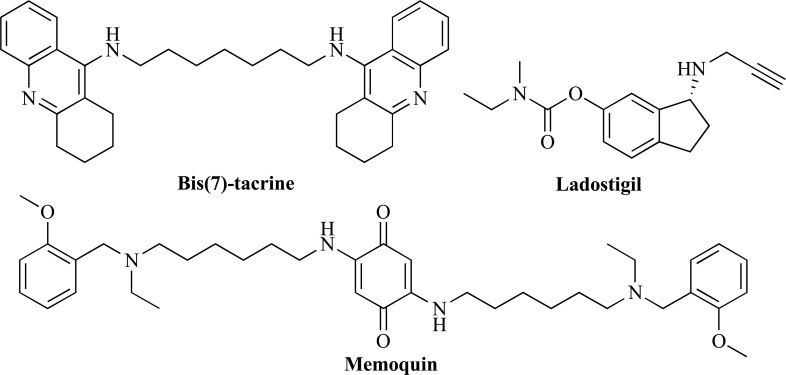
Alzheimer's disease (AD) is a complex and progressive neurodegenerative disorder. The available therapy is limited to the symptomatic treatment and its efficacy remains unsatisfactory. In view of the prevalence and expected increase in the incidence of AD, the development of an effective therapy is crucial for public health. Due to the multifactorial aetiology of this disease, the multi-target-directed ligand (MTDL) approach is a promising method in search for new drugs for AD. This review updates information on the development of multifunctional potential anti-AD agents published within the last three years. The majority of the recently reported structures are acetylcholinesterase inhibitors, often endowed with some additional properties. These properties enrich the pharmacological profile of the compounds giving hope for not only symptomatic but also causal treatment of the disease. Among these advantageous properties, the most often reported are an amyloid-β antiaggregation activity, inhibition of β-secretase and monoamine oxidase, an antioxidant and metal chelating activity, NOreleasing ability and interaction with cannabinoid, NMDA or histamine H3 receptors. The majority of novel molecules possess heterodimeric structures, able to interact with multiple targets by combining different pharmacophores, original or derived from natural products or existing therapeutics (tacrine, donepezil, galantamine, memantine). Among the described compounds, several seem to be promising drug candidates, while others may serve as a valuable inspiration in the search for new effective therapies for AD.
Overview
The claims and statistics of this paper haven’t been checked yet.
Free: it reads the open-access text and checks the first 5 claims that cite a source we can check. Create a free account to check every claim.
Integrity signals
Registry
Cites
Statistics
Figures
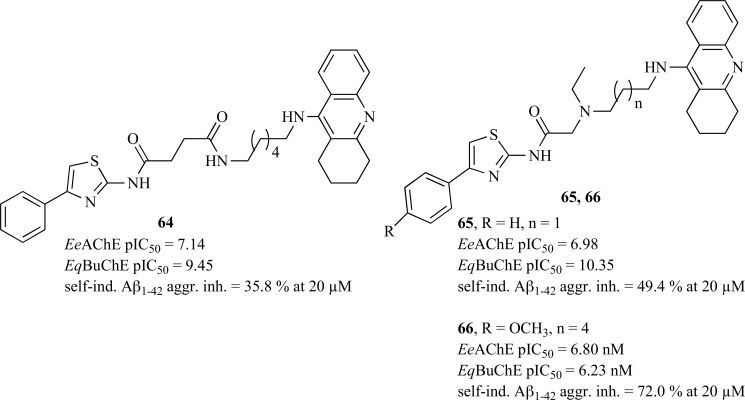
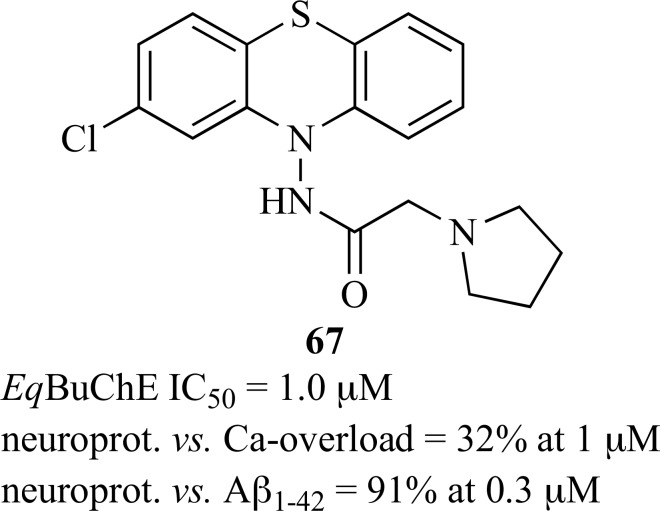
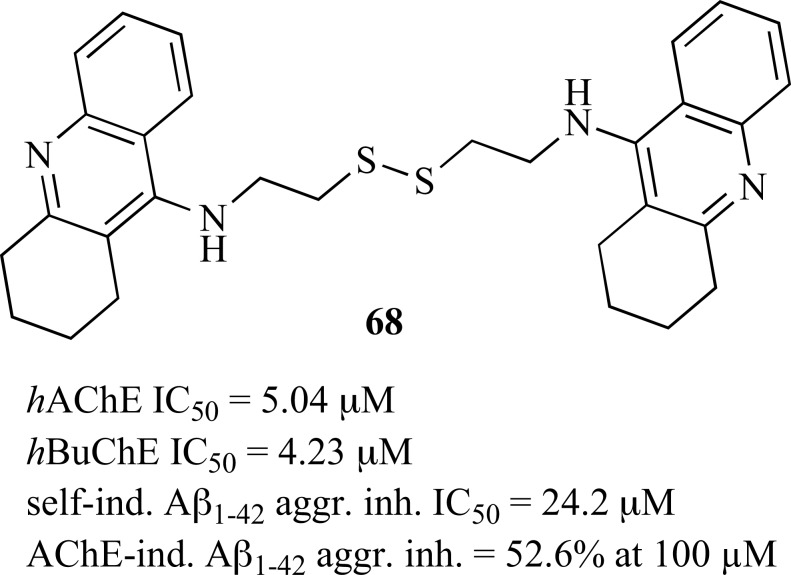
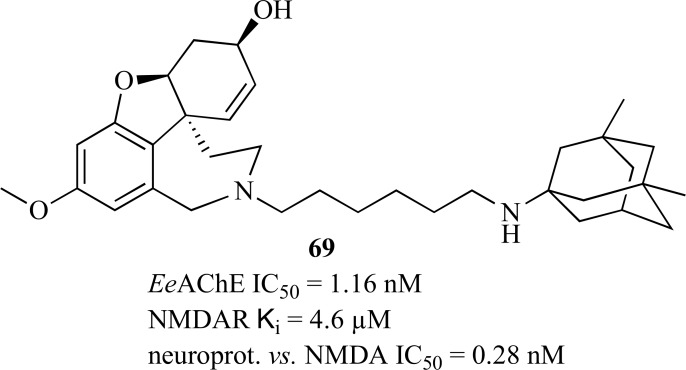
Verification
Claims the paper makes
The claims and statistics of this paper haven’t been checked yet.
Free: it reads the open-access text and checks the first 5 claims that cite a source we can check. Create a free account to check every claim.
Self-check
Percentages, sums and reported differences re-computed from the paper’s own numbers.
The self-check needs the paper’s full text.
Citations
Cites
1 retracted
Chu, J., & Praticò, D. (2011) · American Journal Of Pathology · doi:10.1016/j.ajpath.2010.12.032 · Cited by 84 · cited 1×
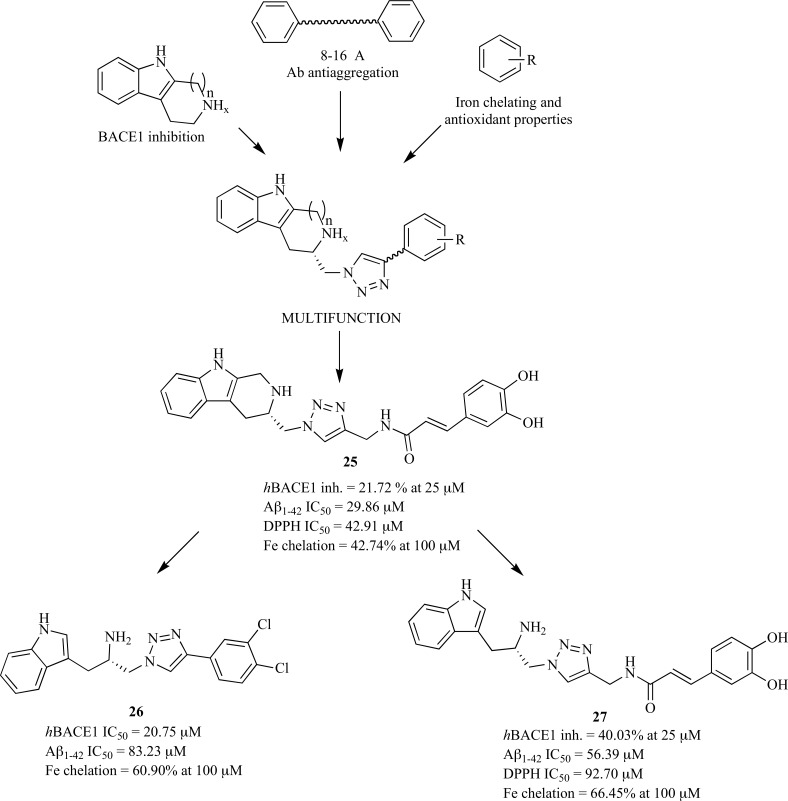
“It has been proven that 5-lipoxygenase (5-LO) is connected with A aggregation [228, 229] and its inhibition can reduce the formation of amyloid plaques in the brain [230].”
BackgroundRetractedA new and rapid colorimetric determination of acetylcholinesterase activity
Ellman, G. L., Courtney, K. D., Andres, V., & Featherstone, R. M. (1961) · Biochemical Pharmacology · doi:10.1016/0006-2952(61)90145-9 · Cited by 27,126 · cited 1×
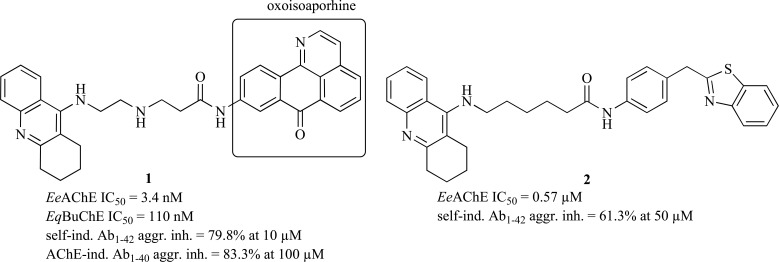
“The results of Ellman’s test [80] showed that the newly synthesized hybrids were EeAChE inhibitors with IC50 values in the nanomolar range, from 3.”
BackgroundThe cholinergic hypothesis of geriatric memory dysfunction
Bartus, R. T., Dean, R. L., Beer, B., & Lippa, A. S. (1982) · Science · doi:10.1126/science.7046051 · Cited by 5,545 · cited 1×
“This hypothesis assumes that in AD the level of acetylcholine (ACh) is reduced due to the loss of the cholinergic neurons and decreased synthesis of ACh [5, 6].”
BackgroundQuerfurth, H. W., & LaFerla, F. M. (2010) · New England Journal of Medicine · doi:10.1056/nejmra0909142 · Cited by 4,569
Hearing loss and cognitive decline in older adults
Lin, F. R., Yaffe, K., Xia, J., Xue, Q.-L., Harris, T. B., Purchase-Helzner, E., Satterfield, S., Ayonayon, H. N., Ferrucci, L., Simonsick, E. M., et al. (2013) · JAMA Internal Medicine · doi:10.1001/jamainternmed.2013.1868 · Cited by 4,017
Therapeutic potential of resveratrol: the in vivo evidence
Baur, J. A., & Sinclair, D. A. (2006) · Nature Reviews Drug Discovery · doi:10.1038/nrd2060 · Cited by 3,958 · cited 1×
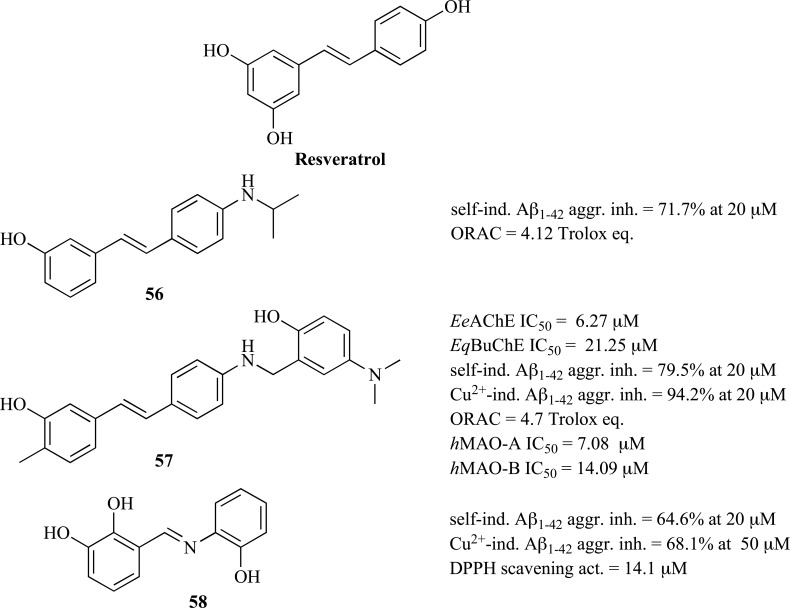
“In recent years, resveratrol (3,5,4’-trihydroxystilbene) has been extensively investigated as a cardioprotective, anticancer and anti-aging compound [185-187].”
BackgroundAmyloid deposition as the central event in the aetiology of Alzheimer’s disease
Hardy, J., & Allsop, D. (1991) · Trends in Pharmacological Sciences · doi:10.1016/0165-6147(91)90609-v · Cited by 2,538 · cited 1×
“The symptomatic therapeutic targets include mostly receptors whereas the disease-modifying targets are closely connected to A , tau production and neuroprotection [15, 16].”
BackgroundOxidative stress hypothesis in Alzheimer’s disease
Markesbery, W. R. (1997) · Free Radical Biology and Medicine · doi:10.1016/s0891-5849(96)00629-6 · Cited by 2,383
Levine, H. (1993) · Protein Science · doi:10.1002/pro.5560020312 · Cited by 2,264
DPPH antioxidant assay revisited
Sharma, O. P., & Bhat, T. K. (2009) · Food Chemistry · doi:10.1016/j.foodchem.2008.08.008 · Cited by 1,969 · cited 1×
“Interestingly, these two compounds showed an antioxidant activity in the (di(phenyl)-(2,4,6trinitrophenyl)iminoazanium) (DPPH) free radical scavenging assay [121] with IC50 values of 42.”
Background
Cited by
Copper homeostasis and cuproptosis in health and disease
Chen, L., Min, J., & Wang, F. (2022) · Signal Transduction and Targeted Therapy · doi:10.1038/s41392-022-01229-y · Cited by 1,493
“The pathological hallmark of AD is the deposition of amyloid plaques and neurofibrillary tangles in the gray matter due to aberrant processing of amyloid precursor protein (APP) leading to the aggregation of amyloid-β (Aβ) peptides and tau protein, respectively.(91) Mounting evidence has implicated that altered Cu hom…”
BackgroundSavelieff, M. G., Nam, G., Kang, J., Lee, H. J., Lee, M., & Lim, M. H. (2019) · Chemical Reviews · doi:10.1021/acs.chemrev.8b00138 · Cited by 581
Therapeutic strategies for Alzheimer's disease in clinical trials
Godyń, J., Jończyk, J., Panek, D., & Malawska, B. (2016) · Pharmacological Reports · doi:10.1016/j.pharep.2015.07.006 · Cited by 452
“New alternative approaches involve multi-target-directed ligands where a specially designed compound is able to interact with more than one biological target involved in the pathogenesis of AD [103].”
BackgroundSelf-citationSharma, P., Srivastava, P., Seth, A., Tripathi, P. N., Banerjee, A. G., & Shrivastava, S. K. (2019) · Progress in Neurobiology · doi:10.1016/j.pneurobio.2018.12.006 · Cited by 331
VDAC1, mitochondrial dysfunction, and Alzheimer’s disease
Shoshan-Barmatz, V., Nahon-Crystal, E., Shteinfer-Kuzmine, A., & Gupta, R. (2018) · Pharmacological Research · doi:10.1016/j.phrs.2018.03.010 · Cited by 286
Sulfonamide derivatives as multi-target agents for complex diseases
Apaydın, S., & Török, M. (2019) · Bioorganic & Medicinal Chemistry Letters · doi:10.1016/j.bmcl.2019.06.041 · Cited by 256
A molecular approach in drug development for Alzheimer’s disease
Agatonovic-Kustrin, S., Kettle, C., & Morton, D. W. (2018) · Biomedicine & Pharmacotherapy · doi:10.1016/j.biopha.2018.06.147 · Cited by 233
Multifactorial Hypothesis and Multi-Targets for Alzheimer’s Disease
Gong, C.-X., Liu, F., & Iqbal, K. (2018) · Journal of Alzheimer's Disease · doi:10.3233/jad-179921 · Cited by 182
“The pharmacologies and initial evaluations of these compounds have been recently reviewed by Guzior et al. [42] and Ismaili et al. [43] and thus are not discussed here in detail.”
Target Enzyme in Alzheimer’s Disease: Acetylcholinesterase Inhibitors
Saxena, M., & Dubey, R. (2019) · Current Topics in Medicinal Chemistry · doi:10.2174/1568026619666190128125912 · Cited by 162
Yamalı, C., Gul, H. I., Ece, A., Taslımı, P., & Gülçın, İ. (2017) · Chemical Biology & Drug Design · doi:10.1111/cbdd.13149 · Cited by 147
90 years of monoamine oxidase: some progress and some confusion
Tipton, K. F. (2018) · Journal of Neural Transmission · doi:10.1007/s00702-018-1881-5 · Cited by 150
Pathophysiology and management of alzheimer’s disease: an overview
Kumar Thakur, A., Kamboj, P., Goswami, K., & Ahuja, K. (2018) · Journal of Analytical & Pharmaceutical Research · doi:10.15406/japlr.2018.07.00230 · Cited by 137
Monoterpenes as a renewable source of biologically active compounds
Salakhutdinov, N. F., Volcho, K. P., & Yarovaya, О. I. (2017) · Pure and Applied Chemistry · doi:10.1515/pac-2017-0109 · Cited by 154
Anti-cholinesterase hybrids as multi-target-directed ligands against Alzheimer’s disease (1998–2018)
Mishra, P., Kumar, A., & Panda, G. (2019) · Bioorganic & Medicinal Chemistry · doi:10.1016/j.bmc.2019.01.025 · Cited by 128
Chalupova, K., Korabecny, J., Bartolini, M., Monti, B., Lamba, D., Caliandro, R., Pesaresi, A., Brazzolotto, X., Gastellier, A.-J., Nachon, F., et al. (2019) · European Journal of Medicinal Chemistry · doi:10.1016/j.ejmech.2019.02.021 · Cited by 118
Shidore, M., Machhi, J., Shingala, K., Murumkar, P., Sharma, M. K., Agrawal, N., Tripathi, A., Parikh, Z., Pillai, P., & Yadav, M. R. (2016) · Journal of Medicinal Chemistry · doi:10.1021/acs.jmedchem.6b00426 · Cited by 110
“(16, 17, 19, 21, 26, 29, 30, 32, 34, 35, 39) (42-52)”
BackgroundInfluentialKinetics, mechanism, and inhibition of monoamine oxidase
Ramsay, R. R., & Albreht, A. (2018) · Journal of Neural Transmission · doi:10.1007/s00702-018-1861-9 · Cited by 114
“Many reports of compounds combining MAO inhibition with activity at various other targets have appeared in the last 5 years, for example, (Pisani et al. 2011; Kupershmidt et al. 2012; Guzior et al. 2015; Unzeta et al. 2016; Bautista-Aguilera et al. 2017).”
BackgroundPrati, F., Cavalli, A., & Bolognesi, M. (2016) · Molecules · doi:10.3390/molecules21040466 · Cited by 110
Makhaeva, G. F., Lushchekina, S. V., Boltneva, N. P., Sokolov, V. B., Grigoriev, V. V., Serebryakova, O. G., Vikhareva, E. A., Aksinenko, A. Y., Barreto, G. E., Aliev, G., et al. (2015) · Scientific Reports · doi:10.1038/srep13164 · Cited by 95
Modulation of learning and memory by natural polyamines
Guerra, G. P., Rubin, M. A., & Mello, C. F. (2016) · Pharmacological Research · doi:10.1016/j.phrs.2016.03.023 · Cited by 108
Neuronal histamine and cognitive symptoms in Alzheimer's disease
Zlomuzica, A., Dere, D., Binder, S., Silva, M. A. D. S., Huston, J. P., & Dere, E. (2015) · Neuropharmacology · doi:10.1016/j.neuropharm.2015.05.007 · Cited by 108
“Similarly, two recent reviews suggest that histaminergic drugs that interact with multiple targets could be useful in the treatment of Alzheimer's disease (Guzior et al., 2015; Lepailleur et al., 2014).”
Panek, D., Więckowska, A., Wichur, T., Bajda, M., Godyń, J., Jończyk, J., Mika, K., Janočková, J., Soukup, O., Knez, D., et al. (2016) · European Journal of Medicinal Chemistry · doi:10.1016/j.ejmech.2016.09.078 · Cited by 103
Self-citationShaikh, S., Dhavan, P. P., Pavale, G., Ramana, M. M. V., & Jadhav, B. L. (2020) · Bioorganic Chemistry · doi:10.1016/j.bioorg.2020.103589 · Cited by 102
A review on ferulic acid and analogs based scaffolds for the management of Alzheimer’s disease
Singh, Y. P., Rai, H., Singh, G., Singh, G. K., Mishra, S. K., Kumar, S., Srikrishna, S., & Modi, G. P. (2021) · European Journal of Medicinal Chemistry · doi:10.1016/j.ejmech.2021.113278 · Cited by 100
Treatment of Alzheimer’s Disease: Beyond Symptomatic Therapies
Buccellato, F. R., D’Anca, M., Tartaglia, G. M., Del Fabbro, M., Scarpini, E., & Galimberti, D. (2023) · International Journal of Molecular Sciences · doi:10.3390/ijms241813900 · Cited by 94
“In particular, out of only five drugs approved, four of them are AchEI to stimulate cholinergic neurotransmission (Tacrine, retired due to hepatoxicity, Donepezil, Galantamine, Rivastigmine), while Memantine acts as the antagonist of NMDA receptors in order to activate them [99,100].”
BackgroundŠtrac, D. Š., Pivac, N., Smolders, I. J., Fogel, W. A., Deurwaerdère, P. D., & Giovanni, G. D. (2016) · Frontiers in Neuroscience · doi:10.3389/fnins.2016.00492 · Cited by 108
Więckowska, A., Kołaczkowski, M., Bucki, A., Godyń, J., Marcinkowska, M., Więckowski, K., Zaręba, P., Siwek, A., Kazek, G., Głuch-Lutwin, M., et al. (2016) · European Journal of Medicinal Chemistry · doi:10.1016/j.ejmech.2016.08.016 · Cited by 91
Self-citationWang, S.-N., Li, Q., Jing, M.-H., Espargaró, A., Yang, X.-H., Sabaté, R., Han, Y., Pi, R., Lan, W., Yang, X.-B., et al. (2016) · Neurochemical Research · doi:10.1007/s11064-016-1896-y · Cited by 93
“These compounds are characterized by increased potency against acetylcholinesterase (AChE), bamyloid (Ab) and the hyperphosphorylated tau protein aggregation, with additional properties such as antioxidant activity, neuroprotection and metal-complexing property, N-methyl-d-aspartate (NMDA) receptors antagonism, bsite…”
BackgroundSingh, Y. P., Tej, G. N. V. C., Pandey, A., Priya, K., Pandey, P., Shankar, G., Nayak, P. K., Rai, G., Chittiboyina, A. G., Doerksen, R. J., et al. (2020) · European Journal of Medicinal Chemistry · doi:10.1016/j.ejmech.2020.112257 · Cited by 89
β-Carboline as a Privileged Scaffold for Multitarget Strategies in Alzheimer’s Disease Therapy
Beato, A., Gori, A., Boucherle, B., Peuchmaur, M., & Haudecoeur, R. (2021) · Journal of Medicinal Chemistry · doi:10.1021/acs.jmedchem.0c01887 · Cited by 88
Arylidene indanone scaffold: medicinal chemistry and structure–activity relationship view
Menezes, J. C. J. M. D. S. (2017) · RSC Advances · doi:10.1039/c6ra28613e · Cited by 86
Donepezil structure-based hybrids as potential multifunctional anti-Alzheimer’s drug candidates
Piemontese, L., Tomás, D., Hiremathad, A., Capriati, V., Candeias, E., Cardoso, S. M., Chaves, S., & Santos, M. A. (2018) · Journal of Enzyme Inhibition and Medicinal Chemistry · doi:10.1080/14756366.2018.1491564 · Cited by 83
“(1-benzylpiperidin-4-yl)methanamine (13) Starting from 2-((1-benzylpiperidin-4-yl)methyl)isoindoline-1,3dione (335mg, 13a), yield 37%.”
InfluentialFan, D., Liu, L., Wu, Z., & Cao, M. (2018) · Current Neuropharmacology · doi:10.2174/1570159x16666180419141613 · Cited by 85
Multitarget Strategies in Alzheimer’S Disease: Benefits and Challenges on the Road to Therapeutics
Rosini, M., Simoni, E., Caporaso, R., & Minarini, A. (2016) · Future Medicinal Chemistry · doi:10.4155/fmc-2016-0003 · Cited by 89
Recent Progress in Repositioning Alzheimer'S Disease Drugs Based on a Multitarget Strategy
Santos, M. A., Chand, K., & Chaves, S. (2016) · Future Medicinal Chemistry · doi:10.4155/fmc-2016-0103 · Cited by 78
Alzheimer Disease: Clues from traditional and complementary medicine
Cooper, E. L., & Ma, M. J. (2017) · Journal of Traditional and Complementary Medicine · doi:10.1016/j.jtcme.2016.12.003 · Cited by 75
“Guzior et al (2015) review current development of multifunctional potential of anti-AD agents, most of which are acetylcholinesterase inhibitors that extend the pharmacological profile.”
BackgroundKey Targets for Multi-Target Ligands Designed to Combat Neurodegeneration
Ramsay, R. R., Májeková, M., Medina, M., & Valoti, M. (2016) · Frontiers in Neuroscience · doi:10.3389/fnins.2016.00375 · Cited by 80
“REVIEW published: 22 August 2016 doi: 10.3389/fnins.2016.00375 Frontiers in Neuroscience | www.frontiersin.org 1 August 2016 | Volume 10 | Article 375 Edited by: Ashok Kumar, University of Florida, USA Reviewed by: Raja S. Settivari,”
BackgroundInfluentialWu, W., Dai, Y.-C., Li, N., Dong, Z., Gu, T., Shi, Z., Xue, X., Tang, Y., & Duan, J. (2017) · Journal of Enzyme Inhibition and Medicinal Chemistry · doi:10.1080/14756366.2016.1210139 · Cited by 82
Fancellu, G., Chand, K., Tomás, D., Orlandini, E., Piemontese, L., Silva, D. F., Cardoso, S. M., Chaves, S., & Santos, M. A. (2020) · Journal of Enzyme Inhibition and Medicinal Chemistry · doi:10.1080/14756366.2019.1689237 · Cited by 69
“Ethyl 7-methoxybenzofuran-2-carboxylate (8) Yield 75%, mp 56 57 C; (1)H NMR (CDCl3, 300MHz) d: 7.”
MethodМахаева, Г. Ф., Ковалева, Н. В., Boltneva, N. P., Lushchekina, S. V., Рудакова, Е. В., Stupina, T. S., Terentiev, A. A., Serkov, I. V., Proshin, A. N., Radchenko, E. V., et al. (2019) · Bioorganic Chemistry · doi:10.1016/j.bioorg.2019.103387 · Cited by 75
Have there been improvements in Alzheimer’s disease drug discovery over the past 5 years?
Cacabelos, R. (2018) · Expert Opinion on Drug Discovery · doi:10.1080/17460441.2018.1457645 · Cited by 70
Oukoloff, K., Coquelle, N., Bartolini, M., Naldi, M., Le Guevel, R., Bach, S., Josselin, B., Ruchaud, S., Catto, M., Pisani, L., et al. (2019) · European Journal of Medicinal Chemistry · doi:10.1016/j.ejmech.2018.12.063 · Cited by 65
Zhang, C., Yang, K., Yu, S., Su, J., Yuan, S., Han, J., Chen, Y., Gu, J., Zhou, T., Bai, R., et al. (2019) · European Journal of Medicinal Chemistry · doi:10.1016/j.ejmech.2019.07.031 · Cited by 70
Plazas, E., Hagenow, S., Murillo, M. C. Á., Stark, H., & Suárez, L. E. C. (2020) · Bioorganic Chemistry · doi:10.1016/j.bioorg.2020.103722 · Cited by 72
Sola, I., Aso, E., Frattini, D., López-González, I., Espargaró, A., Sabaté, R., Di Pietro, O., Luque, F. J., Clos, M. V., Ferrer, I., et al. (2015) · Journal of Medicinal Chemistry · doi:10.1021/acs.jmedchem.5b00624 · Cited by 66
Cao, Z., Yang, J., Xu, R., Song, Q., Zhang, X., Liu, H., Qiang, X., Li, Y., Tan, Z., & Deng, Y. (2018) · Bioorganic & Medicinal Chemistry · doi:10.1016/j.bmc.2018.01.030 · Cited by 69
Şenol, F. S., Ślusarczyk, S., Matkowski, A., Pérez, A., Girón, F., Cerón‐Carrasco, J. P., den-Haan, H., Peña-García, J. J., Pérez‐Sánchez, H., Domaradzki, K., et al. (2016) · Phytochemistry · doi:10.1016/j.phytochem.2016.10.012 · Cited by 65
“Pathogenesis of the disease still remains indistinct in most parts due to its multifactorial etiology (Guzior et al., 2015).”
BackgroundKumar, A., Tiwari, A. K., & Sharma, A. K. (2018) · Current Neuropharmacology · doi:10.2174/1570159x16666180315141643 · Cited by 71
Natural Peptides in Drug Discovery Targeting Acetylcholinesterase
Prasasty, V. D., Radifar, M., & Istyastono, E. P. (2018) · Molecules · doi:10.3390/molecules23092344 · Cited by 69
Yu, Z., Ji, H., Shen, J., Kan, R., Zhao, W., Li, J., Ding, L., & Liu, J. (2020) · Food & Function · doi:10.1039/d0fo00971g · Cited by 65
Wichur, T., Więckowska, A., Więckowski, K., Godyń, J., Jończyk, J., Valdivieso, Á. D. R., Panek, D., Pasieka, A., Sabaté, R., Knez, D., et al. (2019) · European Journal of Medicinal Chemistry · doi:10.1016/j.ejmech.2019.111916 · Cited by 64
Self-citationTisato, V., Zuliani, G., Vigliano, M., Longo, G., Franchini, E., Secchiero, P., Zauli, G., Paraboschi, E. M., Singh, A. V., Serino, M. L., et al. (2018) · PLoS ONE · doi:10.1371/journal.pone.0193867 · Cited by 61
Knez, D., Brus, B., Coquelle, N., Sosič, I., Šink, R., Brazzolotto, X., Mravljak, J., Colletier, J., & Gobec, S. (2015) · Bioorganic & Medicinal Chemistry · doi:10.1016/j.bmc.2015.06.010 · Cited by 63
Cholinesterase and carboxylesterase inhibitors as pharmacological agents
Махаева, Г. Ф., Рудакова, Е. В., Ковалева, Н. В., Lushchekina, S. V., Boltneva, N. P., Proshin, A. N., Shchegolkov, E. V., Burgart, Y. V., & Салоутин, В. И. (2019) · Russian Chemical Bulletin · doi:10.1007/s11172-019-2507-2 · Cited by 61
Kamli, M. R., Sharaf, A. A. M., Sabir, J. S. M., & Rather, I. A. (2022) · Plants · doi:10.3390/plants11040514 · Cited by 67
“The FDA has approved a few AChE inhibitors, such as Tacrine, donepezil, and rivastigmine [33].”
BackgroundМахаева, Г. Ф., Lushchekina, S. V., Boltneva, N. P., Serebryakova, O. G., Рудакова, Е. В., Ustyugov, A. A., Бачурин, С. О., Shchepochkin, A. V., Чупахин, О. Н., Чарушин, В. Н., et al. (2017) · Bioorganic & Medicinal Chemistry · doi:10.1016/j.bmc.2017.09.028 · Cited by 61
Panek, D., Więckowska, A., Jończyk, J., Godyń, J., Bajda, M., Wichur, T., Pasieka, A., Knez, D., Pišlar, A. H., Korábečný, J., et al. (2018) · ACS Chemical Neuroscience · doi:10.1021/acschemneuro.7b00461 · Cited by 59
Self-citationThe Potential Roles of Aquaporin 4 in Alzheimer’s Disease
Lan, Y., Zhao, J., Ma, T., & Li, S. (2015) · Molecular Neurobiology · doi:10.1007/s12035-015-9446-1 · Cited by 62
Progress in Target Drug Molecules for Alzheimer's Disease
Xie, J., Liang, R., Wang, Y., Huang, J., Cao, X., & Niu, B. (2019) · Current Topics in Medicinal Chemistry · doi:10.2174/1568026619666191203113745 · Cited by 60
Zhou, X., Li, Y., Shi, X., & Ma, C. (2016) · PubMed Central · Cited by 75
Tseng, H.-J., Lin, M.-H., Shiao, Y.-J., Yang, Y.-C., Chu, J.-C., Chen, C.-Y., Chen, Y.-Y., Lin, T. E., Su, C.-J., Pan, S.-L., et al. (2020) · European Journal of Medicinal Chemistry · doi:10.1016/j.ejmech.2020.112193 · Cited by 53
Recent Advances in the Rational Drug Design Based on Multi-target Ligands
Yang, T., Sui, X., Yu, B., Shen, Y., & Cong, H. (2020) · Current Medicinal Chemistry · doi:10.2174/0929867327666200102120652 · Cited by 62
Novel Multitarget-Directed Ligands Aiming at Symptoms and Causes of Alzheimer’s Disease
Więckowska, A., Wichur, T., Godyń, J., Bucki, A., Marcinkowska, M., Siwek, A., Więckowski, K., Zaręba, P., Knez, D., Głuch‐Lutwin, M., et al. (2018) · ACS Chemical Neuroscience · doi:10.1021/acschemneuro.8b00024 · Cited by 55
Self-citationMeng, X., Fu, M., Wang, S., Chen, W., Wang, J., & Zhang, N. (2021) · Molecular Medicine Reports · doi:10.3892/mmr.2021.11971 · Cited by 57
“Natural compounds and their derivatives have attracted increasing attention due to their inherent chemical diversity, and a number of them have become potential drug candi‐ dates (11).”
BackgroundSmall-molecule drugs development for Alzheimer's disease
Yao, W., Yang, H., & Yang, J. (2022) · Frontiers in Aging Neuroscience · doi:10.3389/fnagi.2022.1019412 · Cited by 58
“, 2011), as approved by the Food and Drug Administration (FDA) to treat AD (Guzior et al., 2015).”
BackgroundCheng, Z., Zhu, K., Zhang, J., Song, J.-L., Muehlmann, L. A., Jiang, C., Liu, C., & Zhang, H. (2018) · Bioorganic Chemistry · doi:10.1016/j.bioorg.2018.10.057 · Cited by 56
Multiple Targeting Approaches on Histamine H3 Receptor Antagonists
Khanfar, M. A., Affini, A., Lutsenko, K., Nikolic, K., Butini, S., & Stark, H. (2016) · Frontiers in Neuroscience · doi:10.3389/fnins.2016.00201 · Cited by 52
“Therefore, the combination of both activities in a single molecule may offer the desired therapeutic effect with fewer unpleasant side effects considering acetylcholine release in the periphery (Fang et al., 2015; Guzior et al., 2015).”
BackgroundIron in Alzheimer’s Disease: From Physiology to Disease Disabilities
Pal, A., Cerchiaro, G., Rani, I., Ventriglia, M., Rongioletti, M. C. A., Longobardi, A., & Squitti, R. (2022) · Biomolecules · doi:10.3390/biom12091248 · Cited by 53
“Multifunctional compounds (MCs) are classified based on their chelating group moieties as bidentate chelators or tridentate chelators [174].”
BackgroundFat-soluble vitamins in patients with chronic pancreatitis (pancreatic insufficiency).
Nakamura, T., Takebe, K., Imamura, K., Tando, Y., Yamada, N., Arai, Y., Terada, A., Ishii, M., Kikuchi, H., & Suda, T. (1996) · PubMed · Cited by 60
The Brilliance of the Zebrafish Model: Perception on Behavior and Alzheimer’s Disease
Shenoy, A., Banerjee, M., Upadhya, A., Bagwe‐Parab, S., & Kaur, G. (2022) · Frontiers in Behavioral Neuroscience · doi:10.3389/fnbeh.2022.861155 · Cited by 65
Sultana, N., Sarfraz, M., Tahir, S., Akram, M. S., Sadiq, A., Rashid, U., & Tariq, M. I. (2017) · Bioorganic Chemistry · doi:10.1016/j.bioorg.2017.04.009 · Cited by 55
Więckowska, A., Więckowski, K., Bajda, M., Brus, B., Sałat, K., Czerwińska, P., Gobec, S., Filipek, B., & Malawska, B. (2015) · Bioorganic & Medicinal Chemistry · doi:10.1016/j.bmc.2015.03.051 · Cited by 48
Self-citationLi, X., Cui, J., Yu, Y., Li, W., Hou, Y., Wang, X., Qin, D.-P., Zhao, C., Yao, X., Zhao, J., et al. (2016) · PLoS ONE · doi:10.1371/journal.pone.0151147 · Cited by 60
Cruz, I., Puthongking, P., Cravo, S. M. M., Palmeira, A., Cidade, H. M., Pinto, M. M. M., & Sousa, E. (2017) · Journal of Chemistry · doi:10.1155/2017/8587260 · Cited by 54
“However, this therapeutic strategy only is capable of treating the symptoms of AD resulting in favoring of behavioral and cognitive improvements on AD patients [2].”
BackgroundInfluentialChioua, M., Buzzi, E., Moraleda, I., Iriepa, I., Maj, M., Wnorowski, A., Giovannini, C., Tramarin, A., Portali, F., Ismaïli, L., et al. (2018) · European Journal of Medicinal Chemistry · doi:10.1016/j.ejmech.2018.06.044 · Cited by 51
Pourabdi, L., Khoobi, M., Nadri, H., Moradi, A., Moghadam, F. H., Emami, S., Mojtahedi, M. M., Haririan, I., Forootanfar, H., Ameri, A., et al. (2016) · European Journal of Medicinal Chemistry · doi:10.1016/j.ejmech.2016.07.043 · Cited by 49
Špilovská, K., Korábečný, J., Šepsová, V., Jun, D., Hrabinová, M., Jošt, P., Múčková, Ľ., Soukup, O., Janočková, J., Kucera, T., et al. (2017) · Molecules · doi:10.3390/molecules22061006 · Cited by 50
Reddy, M. V. K., Rao, K. Y., Anusha, G., Kumar, G. M., Damu, A. G., Reddy, K. R., Shetti, N. P., Aminabhavi, T. M., & Reddy, P. V. G. (2021) · Environmental Research · doi:10.1016/j.envres.2021.111320 · Cited by 49
Li, G., Hong, G., Li, X., Zhang, Y., Xu, Z., Mao, L., Feng, X., & Liu, T. (2018) · European Journal of Medicinal Chemistry · doi:10.1016/j.ejmech.2018.01.028 · Cited by 49
Wu, T., Jiang, C., Wang, L., Morris-Natschke, S. L., Miao, H., Gu, L., Xu, J., Lee, K., & Gu, Q. (2015) · Journal of Natural Products · doi:10.1021/acs.jnatprod.5b00156 · Cited by 49
Deora, G. S., Kantham, S., Chan, S., Dighe, S. N., Veliyath, S. K., McColl, G., Parat, M., McGeary, R. P., & Ross, B. P. (2017) · ACS Chemical Neuroscience · doi:10.1021/acschemneuro.7b00229 · Cited by 48
Yang, W., Zhou, K., Zhou, Y., An, Y., Hu, T., Lu, J. N., Huang, S., & Pei, G. (2018) · Frontiers in Aging Neuroscience · doi:10.3389/fnagi.2018.00169 · Cited by 48
“Natural compounds and their derivatives have gained increasing attention due to their inherently enormous chemical diversity and many of them have turned into drug candidates (Lahlou, 2013; Guzior et al., 2015).”
BackgroundKaur, S., DasGupta, G., & Singh, S. (2019) · Neurophysiology · doi:10.1007/s11062-019-09823-7 · Cited by 48
Liu, F., Yang, X., Ma, J., Yang, Y., Xie, C., Tuerhong, M., Jin, D., Xu, J., Lee, D., Ohizumi, Y., et al. (2017) · Bioorganic Chemistry · doi:10.1016/j.bioorg.2017.09.007 · Cited by 46
Plazas, E., Casoti, R., Murillo, M. C. Á., Costa, F. B. D., & Suárez, L. E. C. (2019) · Phytochemistry · doi:10.1016/j.phytochem.2019.112128 · Cited by 49
Sheng, J., Zhang, S., Wu, L., Kumar, G., Liao, Y., K., P. G., & Fan, H. (2022) · Frontiers in Aging Neuroscience · doi:10.3389/fnagi.2022.1019187 · Cited by 50
“, 2021) and expected to improve the clinical efficacy by enhancing PDE inhibitory activity in the brain, increasing the β- and α-secretase, and kinase activity (Guzior et al., 2015).”
BackgroundRecent Advances in Multi-target Anti-Alzheimer Disease Compounds (2013 Up to the Present)
Wang, N., Qiu, P., Cui, W., Yan, X., Zhang, B., & He, S. (2018) · Current Medicinal Chemistry · doi:10.2174/0929867326666181203124102 · Cited by 49
Venkatesh, R., Shankar, G., Narayanan, A. C., Modi, G. P., Sabiah, S., & Kandasamy, J. (2022) · The Journal of Organic Chemistry · doi:10.1021/acs.joc.2c00423 · Cited by 45
Yang, T., Massa, S. M., Tran, K. C., Simmons, D. A., Rajadas, J., Zeng, A. Y., Jang, T., Carsanaro, S., & Longo, F. M. (2016) · Neuropharmacology · doi:10.1016/j.neuropharm.2016.06.015 · Cited by 47
Privileged Structures in the Design of Potential Drug Candidates for Neglected Diseases
Leite, A. C. L., Espíndola, J. W. P., Cardoso, M. V. D. O., & Filho, G. B. D. O. (2019) · Current Medicinal Chemistry · doi:10.2174/0929867324666171023163752 · Cited by 43
Liu, F., Dong, B., Yang, X., Yang, Y., Zhang, J., Jin, D., Ohizumi, Y., Lee, D., Xu, J., & Guo, Y. (2018) · Bioorganic Chemistry · doi:10.1016/j.bioorg.2018.01.009 · Cited by 43
Saini, R. K., Shuaib, S., Goyal, D., & Goyal, B. (2018) · Journal of Biomolecular Structure and Dynamics · doi:10.1080/07391102.2018.1511475 · Cited by 46
Gupta, S., & Dasmahapatra, A. K. (2019) · Physical Chemistry Chemical Physics · doi:10.1039/c9cp04162a · Cited by 44
Wu, J., Kou, X., Ju, H., Zhang, H., Yang, A., & Shen, R. (2021) · Bioorganic & Medicinal Chemistry Letters · doi:10.1016/j.bmcl.2021.128316 · Cited by 44
Feng, B., Li, X., Xia, J., & Wu, S. (2017) · Journal of Enzyme Inhibition and Medicinal Chemistry · doi:10.1080/14756366.2017.1347163 · Cited by 43
“dine-1-carboxylate (19) Intermediate a1 (0.”
Modulating Neurotrophin Receptor Signaling as a Therapeutic Strategy for Huntington’s Disease
Simmons, D. A. (2017) · Journal of Huntington s Disease · doi:10.3233/jhd-170275 · Cited by 43
Chaves, S., Resta, S., Rinaldo, F., Costa, M., Josselin, R., Gwizdała, K., Piemontese, L., Capriati, V., Pereira-Santos, A. R., Cardoso, S. M., et al. (2020) · Molecules · doi:10.3390/molecules25040985 · Cited by 44
Zhang, C., Lv, Y., Bai, R., & Xie, Y. (2021) · Bioorganic Chemistry · doi:10.1016/j.bioorg.2021.105070 · Cited by 42
Remya, C., Dileep, K. V., Reddy, E. K., Mantosh, K., Kesavan, L., Jacob, R. S., Sajith, A. M., Variyar, E. J., Anwar, S., Zhang, K. Y. J., et al. (2021) · Computational and Structural Biotechnology Journal · doi:10.1016/j.csbj.2021.07.041 · Cited by 45
Shaikh, S., Dhavan, P. P., Ramana, M. M. V., & Jadhav, B. L. (2020) · Molecular Diversity · doi:10.1007/s11030-020-10060-y · Cited by 41
Metadata
- Authors
- Guzior, N., Wi.eckowska, A., Panek, D., & Malawska, B.
- Affiliations
- Jagiellonian University (PL)
- Corresponding author
- Malawska, Barbara
- Venue
- Current Medicinal Chemistry
- Publisher
- Bentham Science Publishers Ltd.
- Published
- 2014-12-19
- Volume
- 22
- Issue
- 3
- Pages
- 373-404
- ISSN
- 0929-8673 (ISSN-L)
- PMC
- PMC4435057
- OpenAlex
- W2160250661
- Cited by
- 323
- References
- 239
- Citations by year
- 2026: 10 · 2025: 10 · 2024: 20 · 2023: 24 · 2022: 28 · 2021: 29 · 2020: 26 · 2019: 40 · 2018: 46 · 2017: 41 · 2016: 36 · 2015: 12
- FWCI
- 4.00
- Type
- journal article
- Language
- en
- Open access
- bronze
- doi.org
- Locations
- Current Medicinal Chemistry (publishedVersion)
- PubMed Central (publishedVersion, cc-by-nc)
- PubMed (publishedVersion)
- Homo Politicus (Academy of Humanities and Economics in Lodz) (submittedVersion)
- Jagiellonian University Repository (Jagiellonian University) (submittedVersion, other-oa)
- Jagiellonian University Repository (Jagiellonian University) (submittedVersion, cc-by-nc-nd)
- Homo Politicus (Academy of Humanities and Economics in Lodz) (submittedVersion, cc-by-nc-nd)
- Funders
- Narodowym Centrum Nauki
- Topics
- Health Sciences › Medicine › Pharmacology (medical) › Cholinesterase and Neurodegenerative Diseases
- Life Sciences › Neuroscience › Cellular and Molecular Neuroscience › Alzheimer's disease research and treatments
- Health Sciences › Medicine › Psychiatry and Mental health › Dementia and Cognitive Impairment Research
- Keywords
- Alzheimer's disease, multi-target-directed ligands, acetylcholinesterase inhibitors, beta-secretase inhibition, monoamine oxidase inhibition, antioxidant activity, metal chelation, nitric oxide release, cannabinoid receptors, NMDA receptor, histamine H3 receptor, tacrine, donepezil, galantamine, memantine, drug candidates
- MeSH terms
- Alzheimer Disease, Animals, Enzyme Inhibitors, Humans, Amyloid beta-Peptides, Neuroprotective Agents, Drug Discovery, Protein Aggregates
About these checks
Registry, retraction, Cites and statistics results are computed, not judged, with one exception: a printed reference that no index lists is read once by a model before it counts as a citation error. Claims are extracted by a model and kept only when their quote appears verbatim in the text; each cited source is then checked, with a model’s help, for whether it says what the claim relies on. Those verdicts can be wrong — read the claim’s quote and the cited source before relying on one.
Statistics and arithmetic are recomputed, not judged.
Confidence bands are shown only for fields calibrated on our annotated test set. None is calibrated yet, so no band is shown.
What counts as a claim ›How we measure confidence ›How we check this ›
Are you an author, or do you see a problem with this page? Request a review
Data sources
Bibliographic data: Semantic Scholar, OpenAlex, Crossref.
Contains information from the Semantic Scholar Academic Graph Datasets, made available under the ODC Attribution License (ODC-BY 1.0).
Semantic Scholar’s data is described in: Kinney, R., et al. (2023). The Semantic Scholar Open Data Platform. arXiv:2301.10140.
