

Live Video Mind-Body Program for Patients With Knee Osteoarthritis, Comorbid Depression, and Obesity: Development and Feasibility Pilot Study
Open accessPublished version of a preprint
The DOI matches its Crossref record; 112 of the 112 references it cites were found in a registry or an index.
Abstract
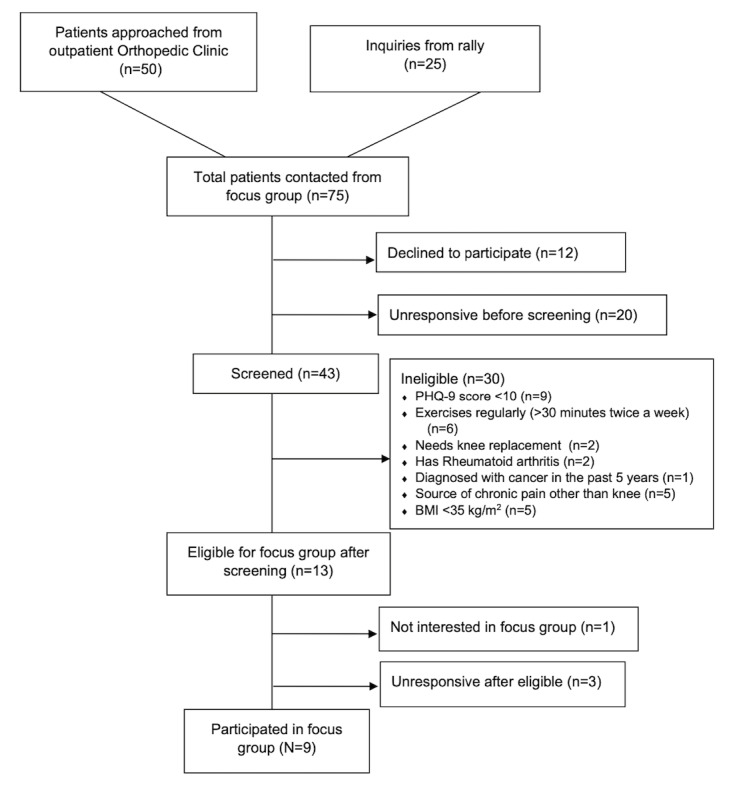
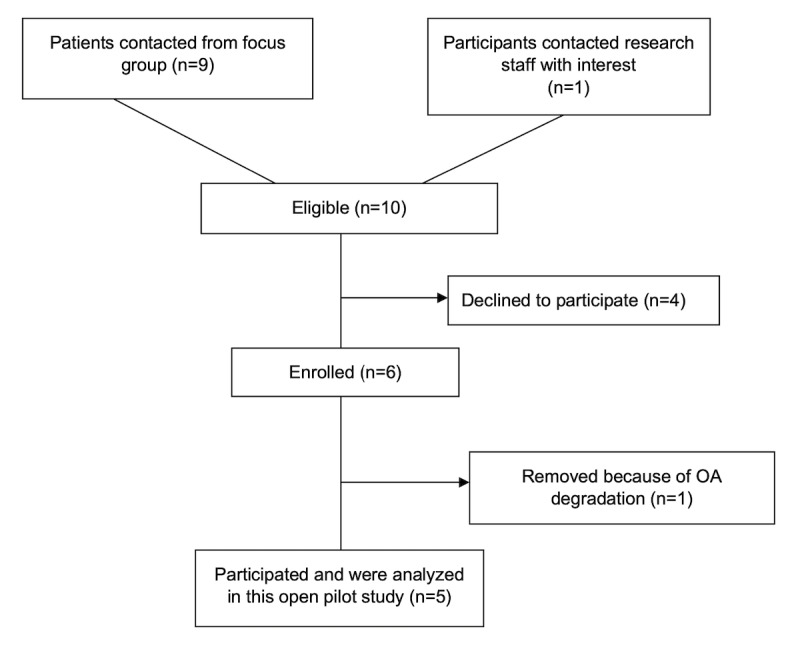
Background: Knee osteoarthritis (KOA) is the most common joint disorder in the United States and a leading cause of disability. Depression and obesity are highly comorbid with KOA and accelerate knee degeneration and disability through biopsychosocial mechanisms. Mind-body physical activity programs can engage biological, mechanical, and psychological mechanisms to improve outcomes in KOA, but such programs are not currently available. Objective: This mixed methods study aims to adapt a mind-body activity program for the unique needs of patients with KOA, depression, and obesity (GetActive-OA) delivered via live video. Methods: Participants were adults (aged ≥45 years) from rural Kentucky with obesity (BMI≥30 kg/m2), idiopathic KOA with mild to moderate radiographic changes, and elevated depressive symptoms (9-item Patient Health Questionnaire ≥10) recruited from 2 orthopedic centers. In phase 1, we developed GetActive-OA and the study protocol using qualitative focus group feedback from the study population (N=9; 2 focus groups, 90 minutes) and multidisciplinary expertise from clinical psychologists and orthopedic researchers. In phase 2, we explored the initial feasibility, credibility, and acceptability of GetActive-OA, live video delivery, and study procedures via an open pilot with exit interviews (N=5; 1 group). This research was guided by National Institutes of Health (NIH) model stage IA. Results: Phase 1 qualitative analyses revealed nuanced information about challenges with coping and increasing activity, high interest in a mind-body activity program, program participation facilitators (flexibility with technology) and barriers (amotivation and forgetfulness), and perceived challenges with data collection procedures (blood and urine samples and homework). Phase 2 quantitative analyses showed that GetActive-OA met most a priori feasibility markers: acceptability (80%), expectancy (100%), credibility (100%), clinician adherence (90%), homework adherence (80%), questionnaire data collection (100%), program satisfaction (100%), and safety (100%). Adherence to ActiGraph wear (80% baseline, 20% posttest) and collection of blood samples (60%) were low. Participation in GetActive-OA was associated with signals of improvements in general coping (Cohen d=2.41), pain catastrophizing (Cohen d=1.24), depression (Cohen d=0.88), anxiety (Cohen d=0.78), self-efficacy (Cohen d=0.73), pain (Cohen d=0.39), and KOA symptoms (Cohen d=0.36). Qualitative exit interviews confirmed quantitative findings and provided valuable information to optimize the program and protocol. Conclusions: Patients with KOA, depression, and obesity from rural Kentucky were interested in a live video mind-body activity program. GetActive-OA shows promise; however, the program and protocol require further NIH stage I refinement before formal efficacy testing (NIH model stage II). International Registered Report Identifier (IRRID): RR2-10.1016/j.conctc.2021.100720
Overview
The claims and statistics of this paper haven’t been checked yet.
Free: it reads the open-access text and checks the first 5 claims that cite a source we can check. Create a free account to check every claim.
Integrity signals
Registry
Cites
Statistics
Figures
Verification
Claims the paper makes
The claims and statistics of this paper haven’t been checked yet.
Free: it reads the open-access text and checks the first 5 claims that cite a source we can check. Create a free account to check every claim.
Claims other papers make about this one
Each is checked against this paper’s own text: does it say what the citing paper says it does?
The cited source says what the claim attributes to it.
In the citing paper
“The prespecified thresholds (criteria for success), as outlined in Table 2 for the feasibility, are based on established benchmarks of previous feasibility trials [47,48] and our previous experience in recruiting pediatric patients with concussion from an ED [49].”
Self-check
Percentages, sums and reported differences re-computed from the paper’s own numbers.
The self-check needs the paper’s full text.
Citations
Cites
The PHQ-9: Validity of a brief depression severity measure
Kroenke, K., Spitzer, R. L., & Williams, J. B. W. (2001) · Journal of General Internal Medicine · doi:10.1046/j.1525-1497.2001.016009606.x · Cited by 44,910
Radiological Assessment of Osteo-Arthrosis
Kellgren, J. H., & Lawrence, J. S. (1957) · Annals of the Rheumatic Diseases · doi:10.1136/ard.16.4.494 · Cited by 12,422 · cited 1×
“The inclusion criteria were as follows: (1) obesity (BMI ≥30 kg/m(2)), (2) idiopathic KOA [49] with mild to moderate radiographic changes (Kellgren or Lawrence grade 2 or 3 [50]) or Knee Injury and Osteoarthritis Outcome Scores (KOOSs) consistent with KOA [51], (3) elevated depressive symptoms with a 9-item Patient He…”
BackgroundSpitzer, R. L. (1999) · JAMA · doi:10.1001/jama.282.18.1737 · Cited by 9,802 · cited 1×
“The inclusion criteria were as follows: (1) obesity (BMI ≥30 kg/m(2)), (2) idiopathic KOA [49] with mild to moderate radiographic changes (Kellgren or Lawrence grade 2 or 3 [50]) or Knee Injury and Osteoarthritis Outcome Scores (KOOSs) consistent with KOA [51], (3) elevated depressive symptoms with a 9-item Patient He…”
BackgroundMolecular Mechanisms of Depression: Perspectives on New Treatment Strategies
Lang, U. E., & Borgwardt, S. (2013) · Cellular Physiology and Biochemistry · doi:10.1159/000350094 · Cited by 8,475
The Pain Catastrophizing Scale: Development and validation.
Sullivan, M. J. L., Bishop, S. R., & Pivik, J. (1995) · Psychological Assessment · doi:10.1037//1040-3590.7.4.524 · Cited by 8,227 · cited 6×
“In addition, mind-body programs, which incorporate a range of complementary practices (eg, meditation, relaxation, breathing, and body movement) [33], can decrease depression, obesity, and pain in osteoarthritis (OA) [34-36], which are additional barriers to engagement in activity in this population.”
BackgroundMethodInfluentialAltman, R., Asch, E., Bloch, D., Bole, G., Borenstein, D., Brandt, K., Christy, W., Cooke, T. D., Greenwald, R., Hochberg, M., et al. (1986) · Arthritis & Rheumatism · doi:10.1002/art.1780290816 · Cited by 6,777 · cited 1×
“The inclusion criteria were as follows: (1) obesity (BMI ≥30 kg/m(2)), (2) idiopathic KOA [49] with mild to moderate radiographic changes (Kellgren or Lawrence grade 2 or 3 [50]) or Knee Injury and Osteoarthritis Outcome Scores (KOOSs) consistent with KOA [51], (3) elevated depressive symptoms with a 9-item Patient He…”
BackgroundFarrar, J. T., Young, J. P., LaMoreaux, L., Werth, J. L., & Poole, M. R. (2001) · Pain · doi:10.1016/s0304-3959(01)00349-9 · Cited by 5,808
Fear-avoidance and its consequences in chronic musculoskeletal pain: a state of the art.
Vlaeyen, J. W. S., & Linton, S. J. (2000) · Pain · doi:10.1016/s0304-3959(99)00242-0 · Cited by 4,931 · cited 2×
“Participants learn that inflammation is the biological tie among the 3 conditions and physical activity is a modifiable factor that can decrease inflammation, improve the biology and function of the knee, and decrease both depression and obesity [7-9,16,38-40,65-67].”
BackgroundA Meta-Analysis of Cytokines in Major Depression
Dowlati, Y., Herrmann, N., Swardfager, W., Liu, H., Sham, L., Reim, E. K., & Lanctôt, K. L. (2010) · Biological Psychiatry · doi:10.1016/j.biopsych.2009.09.033 · Cited by 4,729 · cited 2×
“Participants learn that inflammation is the biological tie among the 3 conditions and physical activity is a modifiable factor that can decrease inflammation, improve the biology and function of the knee, and decrease both depression and obesity [7-9,16,38-40,65-67].”
BackgroundDesign and analysis of pilot studies: recommendations for good practice
Lancaster, G. A., Dodd, S., & Williamson, P. R. (2004) · Journal of Evaluation in Clinical Practice · doi:10.1111/j..2002.384.doc.x · Cited by 2,572 · cited 2×
“The phase 2 quantitative results offer preliminary evidence that GetActive-OA is sensitive to population-specific needs and that the measures are sensitive to changes in key outcomes [98,99].”
BackgroundMethodThe Knee injury and Osteoarthritis Outcome Score (KOOS): from joint injury to osteoarthritis.
Roos, E. M., & Lohmander, S. L. (2003) · Health and Quality of Life Outcomes · doi:10.1186/1477-7525-1-64 · Cited by 2,525
Epidemiology of Osteoarthritis
Zhang, Y., & Jordan, J. M. (2010) · Clinics in Geriatric Medicine · doi:10.1016/j.cger.2010.03.001 · Cited by 2,316
Psychometric properties of the credibility/expectancy questionnaire
Devilly, G. J., & Borkovec, T. D. (2000) · Journal of Behavior Therapy and Experimental Psychiatry · doi:10.1016/s0005-7916(00)00012-4 · Cited by 2,295 · cited 2×
“• Program credibility and expectancy were determined by the percentage of participants with Credibility and Expectancy Questionnaire–6 [71] scores above the scale’s midpoint.”
BackgroundKessler, R. (1993) · Journal of Affective Disorders · doi:10.1016/0165-0327(93)90026-g · Cited by 2,207 · cited 1×
“This may have been due to several factors, including the risk of sampling bias in small samples, higher prevalence of both KOA and depression among women than among men in the United States, and stigma surrounding depression and other mental health problems [1,105].”
BackgroundPilkonis, P. A., Choi, S. W., Reise, S. P., Stover, A. M., Riley, W. T., Cella, D., & PROMIS Cooperative Group (2011) · Assessment · doi:10.1177/1073191111411667 · Cited by 2,132
The role and interpretation of pilot studies in clinical research
Leon, A. C., Davis, L. L., & Kraemer, H. C. (2011) · Journal of Psychiatric Research · doi:10.1016/j.jpsychires.2010.10.008 · Cited by 1,917 · cited 2×
“The phase 2 quantitative results offer preliminary evidence that GetActive-OA is sensitive to population-specific needs and that the measures are sensitive to changes in key outcomes [98,99].”
BackgroundMethodThe client satisfaction questionnaire
Attkisson, C. C., & Zwick, R. (1982) · Evaluation and Program Planning · doi:10.1016/0149-7189(82)90074-x · Cited by 1,743 · cited 2×
“• Program satisfaction was determined by the percentage of participants with Client Satisfaction Questionnaire–3 [72] scores above the scale’s midpoint.”
MethodSalaffi, F., Stancati, A., Silvestri, C. A., Ciapetti, A., & Grassi, W. (2004) · European Journal of Pain · doi:10.1016/j.ejpain.2003.09.004 · Cited by 1,724 · cited 1×
“The minimum clinically important difference (MCID) for the NRS was 1 [78].”
BackgroundDevelopment and evaluation of a scale to measure perceived self‐efficacy in people with arthritis
Lorig, K., Chastain, R. L., Ung, E., Shoor, S., & Holman, H. R. (1989) · Arthritis & Rheumatism · doi:10.1002/anr.1780320107 · Cited by 1,590 · cited 6×
“The MCID for the ASES was not available.”
MethodInfluentialThree techniques for integrating data in mixed methods studies
O'Cathain, A., Murphy, E., & Nicholl, J. (2010) · BMJ · doi:10.1136/bmj.c4587 · Cited by 1,584 · cited 1×
“Integrating the qualitative exit interviews with the quantitative results also allowed us to corroborate the feasibility markers, contextualize the findings at both the group and individual participant levels, and begin to understand why changes in outcomes may have occurred [101].”
ResultQualitative methods in implementation research: An introduction
Hamilton, A. B., & Finley, E. P. (2019) · Psychiatry Research · doi:10.1016/j.psychres.2019.112516 · Cited by 1,315 · cited 1×
“Rapid assessment is a valid alternative to in-depth qualitative methods and is ideal for delivering timely results to guide multiple phases of intervention development [62,63].”
BackgroundMoltu, C., Stefansen, J., Svisdahl, M., & Veseth, M. (2012) · Disability and Rehabilitation · doi:10.3109/09638288.2012.656792 · Cited by 1,247
From ideas to efficacy: The ORBIT model for developing behavioral treatments for chronic diseases
Czajkowski, S. M., Powell, L. H., Adler, N., Naar-King, S., Reynolds, K. D., Hunter, C. M., Laraia, B., Olster, D. H., Perna, F. M., Peterson, J. C., et al. (2015) · Health Psychology · doi:10.1037/hea0000161 · Cited by 1,161 · cited 1×
“Our assessments aligned with the Initiative on Methods, Measurement, and Pain Assessment in Clinical Trials, Osteoarthritis Research Society International, and Outcome Measures in Rheumatology recommendations [73,74]; our conceptual model [48]; and recommendations for feasibility trials [75,76].”
MethodMessier, S. P., Loeser, R. F., Miller, G. D., Morgan, T. M., Rejeski, W. J., Sevick, M. A., Ettinger, W. H., Pahor, M., & Williamson, J. D. (2004) · Arthritis & Rheumatism · doi:10.1002/art.20256 · Cited by 1,065 · cited 1×
“Physical activity can improve depression, obesity, KOA pain, and cartilage breakdown [19]; however, uptake and adherence are challenging [20,21].”
BackgroundProjections of US prevalence of arthritis and associated activity limitations
Hootman, J. M., & Helmick, C. G. (2006) · Arthritis & Rheumatism · doi:10.1002/art.21562 · Cited by 886 · cited 1×
“Symptomatic knee osteoarthritis (KOA) is the most common joint disorder in the United States and is projected to affect >67 million Americans by 2030 [1,2].”
BackgroundReenvisioning Clinical Science: Unifying the Discipline to Improve the Public Health
Onken, L. S., Carroll, K. M., Shoham, V., Cuthbert, B. N., & Riddle, M. (2014) · Clinical Psychological Science · doi:10.1177/2167702613497932 · Cited by 872 · cited 3×
“Here, we followed the National Institutes of Health (NIH) stage model [47] and conducted a mixed methods study aimed at adapting the original GetActive program for live video delivery and meeting the unique needs of patients with KOA, depression, and obesity (GetActive-OA) from rural Kentucky (NIH stage IA).”
Pham, T., van der Heijde, D., Altman, R. D., Anderson, J. J., Bellamy, N., Hochberg, M., Simon, L., Strand, V, Woodworth, T., & Dougados, M. (2004) · Osteoarthritis and Cartilage · doi:10.1016/j.joca.2004.02.001 · Cited by 849
Gale, R. C., Wu, J., Erhardt, T., Bounthavong, M., Reardon, C. M., Damschroder, L. J., & Midboe, A. M. (2019) · Implementation Science · doi:10.1186/s13012-019-0853-y · Cited by 846 · cited 13×
“Rather, it aims to refine study procedures (eg, screening, recruitment, and assessment), identify participants’ perceptions of the study or intervention (eg, acceptability, credibility, and barriers and facilitators to participation), and iteratively refine the program in preparation for a resource-intensive, fully po…”
MethodInfluentialMatrix Analysis as a Complementary Analytic Strategy in Qualitative Inquiry
Averill, J. B. (2002) · Qualitative Health Research · doi:10.1177/10432302012006011 · Cited by 839 · cited 1×
“Finally, we consolidated the summaries with a matrix to compare the focus groups, identified common themes, and reported the results in the next section [64].”
MethodWearable Devices as Facilitators, Not Drivers, of Health Behavior Change
Patel, M. S., Asch, D. A., & Volpp, K. G. (2015) · JAMA · doi:10.1001/jama.2014.14781 · Cited by 808 · cited 1×
“Participants who achieved their activity goal from the previous week were encouraged to increase their goal by 10% to 20%, according to the guidelines for quota-based pacing [69].”
MethodCollins, N. J., Prinsen, C. A. C., Christensen, R., Bartels, E. M., Terwee, C. B., & Roos, E. M. (2016) · Osteoarthritis and Cartilage · doi:10.1016/j.joca.2016.03.010 · Cited by 723
Taylor, B., Henshall, C., Kenyon, S., Litchfield, I., & Greenfield, S. (2018) · BMJ Open · doi:10.1136/bmjopen-2017-019993 · Cited by 659 · cited 1×
“Rapid assessment is a valid alternative to in-depth qualitative methods and is ideal for delivering timely results to guide multiple phases of intervention development [62,63].”
BackgroundBoonstra, A. M., Stewart, R. E., Köke, A. J. A., Oosterwijk, R. F. A., Swaan, J. L., Schreurs, K. M. G., & Schiphorst Preuper, H. R. (2016) · Frontiers in Psychology · doi:10.3389/fpsyg.2016.01466 · Cited by 626
Englund, M., Roos, E. M., & Lohmander, L. S. (2003) · Arthritis & Rheumatism · doi:10.1002/art.11088 · Cited by 624 · cited 1×
“The inclusion criteria were as follows: (1) obesity (BMI ≥30 kg/m(2)), (2) idiopathic KOA [49] with mild to moderate radiographic changes (Kellgren or Lawrence grade 2 or 3 [50]) or Knee Injury and Osteoarthritis Outcome Scores (KOOSs) consistent with KOA [51], (3) elevated depressive symptoms with a 9-item Patient He…”
BackgroundPhysical exercise as non-pharmacological treatment of chronic pain: Why and when
Ambrose, K. R., & Golightly, Y. M. (2015) · Best Practice & Research Clinical Rheumatology · doi:10.1016/j.berh.2015.04.022 · Cited by 516 · cited 1×
“Indeed, there are barriers to engaging in physical activity in this population, including pain intensity, misinterpretation of pain signals as threats, and programs that are too challenging or incompatible with patients’ lives [22-25].”
BackgroundThe physical activity scale for individuals with physical disabilities: Development and evaluation
Washburn, R. A., Zhu, W., McAuley, E., Frogley, M., & Figoni, S. F. (2002) · Archives of Physical Medicine and Rehabilitation · doi:10.1053/apmr.2002.27467 · Cited by 458 · cited 5×
“The Physical Activity Scale for Individuals With Physical Disabilities (PASIPD) [86] assessed self-report of disability on a 13-item scale.”
MethodInfluentialZheng, H., & Chen, C. (2015) · BMJ Open · doi:10.1136/bmjopen-2014-007568 · Cited by 396 · cited 2×
“Participants learn that inflammation is the biological tie among the 3 conditions and physical activity is a modifiable factor that can decrease inflammation, improve the biology and function of the knee, and decrease both depression and obesity [7-9,16,38-40,65-67].”
BackgroundNegeri, Z. F., Levis, B., Sun, Y., He, C., Krishnan, A., Wu, Y., Bhandari, P. M., Neupane, D., Brehaut, E., Benedetti, A., et al. (2021) · BMJ · doi:10.1136/bmj.n2183 · Cited by 364
How stress management improves quality of life after treatment for breast cancer.
Antoni, M. H., Lechner, S. C., Kazi, A., Wimberly, S. R., Sifre, T., Urcuyo, K. R., Phillips, K., Glück, S., & Carver, C. S. (2006) · Journal of Consulting and Clinical Psychology · doi:10.1037/0022-006x.74.6.1143 · Cited by 345
Exercise as a treatment for chronic low back pain
Rainville, J., Hartigan, C., Martinez, E., Limke, J., Jouve, C., & Finno, M. (2004) · The Spine Journal · doi:10.1016/s1529-9430(03)00174-8 · Cited by 335 · cited 1×
“Walking is a promising, safe, and patient-preferred method for improving physical function in populations with chronic pain, particularly when it is gradually and strategically increased (ie, quota-based pacing regardless of symptoms) [22,26-32].”
Osteoarthritis joint pain: The cytokine connection
Miller, R. E., Miller, R. J., & Malfait, A.-M. (2014) · Cytokine · doi:10.1016/j.cyto.2014.06.019 · Cited by 314 · cited 1×
“Specifically, these conditions share a common pathophysiology [9-11] that involves a cycle of increased proinflammatory cytokine interleukin 1-beta (IL-1β) and Toll-like receptor 4 (TLR4) [3,12,13] activity, which, in turn, leads to inflammation-induced knee cartilage degradation [14].”
BackgroundReliability of the Actigraph GT3X+ Accelerometer in Adults under Free-Living Conditions
Aadland, E., & Ylvisåker, E. (2015) · PLOS ONE · doi:10.1371/journal.pone.0134606 · Cited by 313 · cited 1×
“We processed the accelerometer data using the ActiLife software [81] according to established guidelines [82-84].”
MethodStubbs, B., Aluko, Y., Myint, P. K., & Smith, T. O. (2016) · Age and Ageing · doi:10.1093/ageing/afw001 · Cited by 311
Nijs, J. (2012) · Pain Physician · doi:10.36076/ppj.2012/15/es205 · Cited by 291
Kraus, V. B., Collins, J. E., Hargrove, D., Losina, E., Nevitt, M., Katz, J. N., Wang, S. X., Sandell, L. J., Hoffmann, S. C., & Hunter, D. J. (2017) · Annals of the Rheumatic Diseases · doi:10.1136/annrheumdis-2016-209252 · Cited by 288
Andersen, F. A. (1999) · International Journal of Toxicology · doi:10.1177/109158189901800306 · Cited by 258
Anxiety and depression in patients with osteoarthritis: impact and management challenges
Sharma, A., Kudesia, P., Shi, Q., & Gandhi, R. (2016) · Open Access Rheumatology: Research and Reviews · doi:10.2147/oarrr.s93516 · Cited by 239
Walking Exercise for Chronic Musculoskeletal Pain: Systematic Review and Meta-Analysis
O'Connor, S. R., Tully, M. A., Ryan, B., Bleakley, C. M., Baxter, G. D., Bradley, J. M., & McDonough, S. M. (2015) · Archives of Physical Medicine and Rehabilitation · doi:10.1016/j.apmr.2014.12.003 · Cited by 234 · cited 2×
“Walking is a promising, safe, and patient-preferred method for improving physical function in populations with chronic pain, particularly when it is gradually and strategically increased (ie, quota-based pacing regardless of symptoms) [22,26-32].”
BackgroundTLR4 signalling in osteoarthritis—finding targets for candidate DMOADs
Gómez, R., Villalvilla, A., Largo, R., Gualillo, O., & Herrero-Beaumont, G. (2015) · Nature Reviews Rheumatology · doi:10.1038/nrrheum.2014.209 · Cited by 230 · cited 6×
“Enzyme-linked immunosorbent assays were used to assess the proinflammatory cytokines IL-1β and interleukin 6 (IL-6; Proinflammatory Multiplex 1; Meso Scale Diagnostics) as well as TLR4 (Invitrogen Human TLR4, Life Technologies Corporation).”
BackgroundInfluentialTaylor, A. M., Phillips, K., Patel, K. V., Turk, D. C., Dworkin, R. H., Beaton, D., Clauw, D. J., Gignac, M. A. M., Markman, J. D., Williams, D. A., et al. (2016) · Pain · doi:10.1097/j.pain.0000000000000577 · Cited by 208
Park, E. R., Traeger, L., Vranceanu, A.-M., Scult, M., Lerner, J. A., Benson, H., Denninger, J., & Fricchione, G. L. (2013) · Psychosomatics · doi:10.1016/j.psym.2012.09.001 · Cited by 200 · cited 2×
“We reported the frequency and percentage of each a priori benchmark set in our previously published protocol [46].”
BackgroundSelf-citationAttur, M., Belitskaya-Lévy, I., Oh, C., Krasnokutsky, S., Greenberg, J., Samuels, J., Smiles, S., Lee, S., Patel, J., Al-Mussawir, H., et al. (2011) · Arthritis & Rheumatism · doi:10.1002/art.30360 · Cited by 187 · cited 7×
“Approximately one-third of patients with KOA experience rapid progression of cartilage degradation, knee pain, and disability [3], leading to greater health care use [4,5].”
BackgroundInfluentialSelf-citationSlade, S. C., Patel, S., Underwood, M., & Keating, J. L. (2014) · The Clinical Journal of Pain · doi:10.1097/ajp.0000000000000044 · Cited by 173 · cited 1×
“Indeed, there are barriers to engaging in physical activity in this population, including pain intensity, misinterpretation of pain signals as threats, and programs that are too challenging or incompatible with patients’ lives [22-25].”
BackgroundAckerman, I. N., Bennell, K. L., & Osborne, R. H. (2011) · BMC Musculoskeletal Disorders · doi:10.1186/1471-2474-12-108 · Cited by 155 · cited 1×
“Approximately one-third of patients with KOA experience rapid progression of cartilage degradation, knee pain, and disability [3], leading to greater health care use [4,5].”
BackgroundStewart, H., Jameson, J. P., & Curtin, L. (2015) · Psychological Services · doi:10.1037/a0038651 · Cited by 144 · cited 1×
“The data suggest that men and individuals from rural areas have higher levels of internalized mental health or depression stigma (ie, the tendency to agree with and internalize negative stereotypes that apply to oneself) [106,107] and thus may have been unwilling to participate.”
BackgroundKnee Osteoarthritis and Exercise Adherence: A Review
Marks, R. (2012) · Current Aging Science · doi:10.2174/1874609811205010072 · Cited by 138 · cited 1×
“Participants learn that inflammation is the biological tie among the 3 conditions and physical activity is a modifiable factor that can decrease inflammation, improve the biology and function of the knee, and decrease both depression and obesity [7-9,16,38-40,65-67].”
BackgroundDepression in patients with knee osteoarthritis: risk factors and associations with joint symptoms
Zheng, S., Tu, L., Cicuttini, F., Zhu, Z., Han, W., Antony, B., Wluka, A. E., Winzenberg, T. M., Aitken, D. A., Blizzard, L., et al. (2021) · BMC Musculoskeletal Disorders · doi:10.1186/s12891-020-03875-1 · Cited by 135 · cited 1×
“We selected the PHQ-9 because it is widely used and validated as a screener in health care settings [56], including orthopedic clinics [57], and for patients with KOA [58].”
MethodNijs, J., Kosek, E., Oosterwijck, J. V., & Meeus, M. (2012) · PubMed · Cited by 129
Geisser, M. E., Clauw, D. J., Strand, V., Gendreau, M. R., Palmer, R., & Williams, D. A. (2010) · Pain · doi:10.1016/j.pain.2010.02.043 · Cited by 126 · cited 6×
“Only 1 participant reported that their emotional functioning had improved on the MPGIC.”
MethodInfluentialLattermann, C. M., Jacobs, C. A., Proffitt, M. K., Huston, L. J., Gammon, L. G., Johnson, D. L., Reinke, E. K., Huebner, J. L., Kraus, V. B., & Spindler, K. P. (2016) · The American Journal of Sports Medicine · doi:10.1177/0363546516666818 · Cited by 125 · cited 1×
“The selected biomarkers have been shown to predict inferior clinical outcomes and cartilage thinning [93,94] and are responsive to changes over a 3-month follow-up [95-97].”
BackgroundSelf-citationO'moore, K. A., Newby, J. M., Andrews, G., Hunter, D. J., Bennell, K., Smith, J., & Williams, A. D. (2018) · Arthritis Care & Research · doi:10.1002/acr.23257 · Cited by 117 · cited 1×
“The inclusion criteria were as follows: (1) obesity (BMI ≥30 kg/m(2)), (2) idiopathic KOA [49] with mild to moderate radiographic changes (Kellgren or Lawrence grade 2 or 3 [50]) or Knee Injury and Osteoarthritis Outcome Scores (KOOSs) consistent with KOA [51], (3) elevated depressive symptoms with a 9-item Patient He…”
BackgroundLi, H., George, D. M., Jaarsma, R. L., & Mao, X. (2016) · Annals of Translational Medicine · doi:10.21037/atm.2016.03.48 · Cited by 114 · cited 1×
“Participants learn that inflammation is the biological tie among the 3 conditions and physical activity is a modifiable factor that can decrease inflammation, improve the biology and function of the knee, and decrease both depression and obesity [7-9,16,38-40,65-67].”
BackgroundExercise Therapy for Chronic Pain
Kroll, H. R. (2015) · Physical Medicine and Rehabilitation Clinics of North America · doi:10.1016/j.pmr.2014.12.007 · Cited by 101 · cited 1×
“Physical activity can improve depression, obesity, KOA pain, and cartilage breakdown [19]; however, uptake and adherence are challenging [20,21].”
BackgroundBedenbaugh, A. V., Bonafede, M., Marchlewicz, E. H., Lee, V., & Tambiah, J. R. S. (2021) · ClinicoEconomics and Outcomes Research · doi:10.2147/ceor.s302289 · Cited by 89 · cited 1×
“Current treatments (eg, medications, injections, and knee arthroscopy) are costly [17] and have limited efficacy [18], likely because they do not address the aforementioned biopsychosocial pathways that reinforce knee cartilage degradation, disability, and obesity.”
BackgroundAge and sex differences in self-stigma and public stigma concerning depression and suicide in men.
Mackenzie, C. S., Visperas, A., Ogrodniczuk, J. S., Oliffe, J. L., & Nurmi, M. A. (2018) · Stigma and Health · doi:10.1037/sah0000138 · Cited by 87 · cited 1×
“The data suggest that men and individuals from rural areas have higher levels of internalized mental health or depression stigma (ie, the tendency to agree with and internalize negative stereotypes that apply to oneself) [106,107] and thus may have been unwilling to participate.”
BackgroundLoukov, D., Karampatos, S., Maly, M. R., & Bowdish, D. M. E. (2017) · Osteoarthritis and Cartilage · doi:10.1016/j.joca.2017.10.018 · Cited by 86 · cited 1×
“Specifically, these conditions share a common pathophysiology [9-11] that involves a cycle of increased proinflammatory cytokine interleukin 1-beta (IL-1β) and Toll-like receptor 4 (TLR4) [3,12,13] activity, which, in turn, leads to inflammation-induced knee cartilage degradation [14].”
BackgroundMind–body therapy via videoconferencing in patients with neurofibromatosis: An RCT
Vranceanu, A.-M., Riklin, E., Merker, V. L., Macklin, E. A., Park, E. R., & Plotkin, S. R. (2016) · Neurology · doi:10.1212/wnl.0000000000003005 · Cited by 85 · cited 2×
“We have previously developed a multimodal, evidence-based program [43-46] for adults with chronic pain (GetActive) that combines mind-body skills with walking.”
BackgroundMethodSelf-citationBrand, E. J., Nyland, J. A., Henzman, C., & McGinnis, M. D. (2013) · Journal of Orthopaedic and Sports Physical Therapy · doi:10.2519/jospt.2013.4471 · Cited by 84 · cited 6×
“The MCID for the ASES was not available.”
MethodInfluentialClinical Importance of Steps Taken per Day among Persons with Multiple Sclerosis
Motl, R. W., Pilutti, L. A., Learmonth, Y. C., Goldman, M. D., & Brown, T. (2013) · PLoS ONE · doi:10.1371/journal.pone.0073247 · Cited by 82
Vincent, H. K., Adams, M. C. B., Vincent, K. R., & Hurley, R. W. (2013) · Regional Anesthesia and Pain Medicine · doi:10.1097/aap.0000000000000013 · Cited by 77 · cited 1×
“Multimodal programs that teach a variety of mind-body, walking, cognitive behavioral, and resiliency skills are needed to address depression, obesity, and pain as barriers to physical activity in OA and to target the biopsychosocial pathways of this comorbidity [37-42].”
BackgroundIs peripheral line placement more difficult in obese than in lean patients?
Juvin, P., Blarel, A., Bruno, F., & Desmonts, J.-M. (2003) · Anesthesia & Analgesia · doi:10.1213/01.ane.0000050570.85195.29 · Cited by 73 · cited 1×
“This was likely due to two factors: (1) a trained clinical research coordinator who completed a phlebotomy course collected blood specimens at baseline rather than expert phlebotomists and (2) consistent with the focus group results, blood draws can be more challenging in patients with obesity [108].”
BackgroundUsing Scribes in Qualitative Research as an Alternative to Transcription
Eaton, K., Stritzke, W. G. K., & Ohan, J. L. (2019) · The Qualitative Report · doi:10.46743/2160-3715/2019.3473 · Cited by 70 · cited 1×
“We used rapid assessment procedures to analyze the focus group data, consistent with established qualitative frameworks [59-61].”
MethodBedard, N. A., Dowdle, S. B., Anthony, C. A., DeMik, D. E., McHugh, M. A., Bozic, K. J., & Callaghan, J. J. (2017) · The Journal of Arthroplasty · doi:10.1016/j.arth.2017.01.011 · Cited by 68 · cited 1×
“Approximately one-third of patients with KOA experience rapid progression of cartilage degradation, knee pain, and disability [3], leading to greater health care use [4,5].”
BackgroundBoffa, A., Andriolo, L., Franceschini, M., Martino, A. D., Asunis, E., Grassi, A., Zaffagnini, S., & Filardo, G. (2021) · Orthopaedic Journal of Sports Medicine · doi:10.1177/23259671211026242 · Cited by 64
Objectively Measured Physical Activity and Changes in Life-Space Mobility Among Older People
Tsai, L., Rantakokko, M., Rantanen, T., Viljanen, A., Kauppinen, M., & Portegijs, E. (2016) · The Journals of Gerontology Series A · doi:10.1093/gerona/glw042 · Cited by 60 · cited 1×
“We processed the accelerometer data using the ActiLife software [81] according to established guidelines [82-84].”
MethodHuang, Z., Perry, E., Huebner, J. L., Katz, B. P., Li, Y., & Kraus, V. B. (2018) · Osteoarthritis and Cartilage · doi:10.1016/j.joca.2018.08.005 · Cited by 60 · cited 6×
“Enzyme-linked immunosorbent assays were used to assess the proinflammatory cytokines IL-1β and interleukin 6 (IL-6; Proinflammatory Multiplex 1; Meso Scale Diagnostics) as well as TLR4 (Invitrogen Human TLR4, Life Technologies Corporation).”
BackgroundInfluentialTesting a Positive Psychological Intervention for Osteoarthritis
Hausmann, L. R. M., Youk, A., Kwoh, C. K., Ibrahim, S. A., Hannon, M. J., Weiner, D. K., Gallagher, R. M., & Parks, A. (2017) · Pain Medicine · doi:10.1093/pm/pnx141 · Cited by 59 · cited 2×
“In addition, mind-body programs, which incorporate a range of complementary practices (eg, meditation, relaxation, breathing, and body movement) [33], can decrease depression, obesity, and pain in osteoarthritis (OA) [34-36], which are additional barriers to engagement in activity in this population.”
BackgroundLattermann, C. M., Conley, C., Johnson, D. L., Reinke, E. K., Huston, L. J., Huebner, J. L., Chou, C., Kraus, V. B., Spindler, K. P., & Jacobs, C. A. (2018) · BioMed Research International · doi:10.1155/2018/9387809 · Cited by 58 · cited 1×
“The selected biomarkers have been shown to predict inferior clinical outcomes and cartilage thinning [93,94] and are responsive to changes over a 3-month follow-up [95-97].”
BackgroundSelf-citationGreenberg, J., Popok, P. J., Lin, A., Kulich, R. J., James, P., Macklin, E. A., Millstein, R. A., Edwards, R. R., & Vranceanu, A.-M. (2020) · JMIR Formative Research · doi:10.2196/18703 · Cited by 58 · cited 2×
“Walking is a promising, safe, and patient-preferred method for improving physical function in populations with chronic pain, particularly when it is gradually and strategically increased (ie, quota-based pacing regardless of symptoms) [22,26-32].”
BackgroundSelf-citationBindawas, S. M. (2016) · Clinical Interventions in Aging · doi:10.2147/cia.s100546 · Cited by 57
Mindfulness is associated with psychological health and moderates pain in knee osteoarthritis
Lee, A. C., Harvey, W. F., Price, L. L., Morgan, L. P. K., Morgan, N. L., & Wang, C. (2017) · Osteoarthritis and Cartilage · doi:10.1016/j.joca.2016.06.017 · Cited by 57 · cited 3×
“Combining mindfulness with walking is promising for improving mood and coping with KOA [35], and trials of this approach are ongoing (eg, NCT03064139).”
BackgroundKent, P. M., & Kjær, P. (2012) · Manual Therapy · doi:10.1016/j.math.2012.02.008 · Cited by 55 · cited 1×
“Walking is a promising, safe, and patient-preferred method for improving physical function in populations with chronic pain, particularly when it is gradually and strategically increased (ie, quota-based pacing regardless of symptoms) [22,26-32].”
Greenberg, J., Lin, A., Zale, E., Kulich, R. J., James, P., Millstein, R., Shapiro, H., Schatman, M., Edwards, R., & Vranceanu, A.-M. (2019) · Journal of Pain Research · doi:10.2147/jpr.s222448 · Cited by 54 · cited 5×
“Walking is a promising, safe, and patient-preferred method for improving physical function in populations with chronic pain, particularly when it is gradually and strategically increased (ie, quota-based pacing regardless of symptoms) [22,26-32].”
BackgroundMethodInfluentialSelf-citationYe, J., Zheng, Q., Zou, L., Yu, Q., Veronese, N., Grabovac, I., Štefanac, S., Tzeng, H., & Yu, J. J. (2020) · Evidence-based Complementary and Alternative Medicine · doi:10.1155/2020/9869161 · Cited by 54 · cited 2×
“In addition, mind-body programs, which incorporate a range of complementary practices (eg, meditation, relaxation, breathing, and body movement) [33], can decrease depression, obesity, and pain in osteoarthritis (OA) [34-36], which are additional barriers to engagement in activity in this population.”
BackgroundJacobs, C. A., Vranceanu, A., Thompson, K. L., & Lattermann, C. M. (2018) · Cartilage · doi:10.1177/1947603518777577 · Cited by 52 · cited 1×
“Specifically, these conditions share a common pathophysiology [9-11] that involves a cycle of increased proinflammatory cytokine interleukin 1-beta (IL-1β) and Toll-like receptor 4 (TLR4) [3,12,13] activity, which, in turn, leads to inflammation-induced knee cartilage degradation [14].”
BackgroundSelf-citationUse of Rapid Assessment Procedures when analyzing qualitative data in pharmacy research
Renfro, C. P., Rome, Z., Gatwood, J., & Hohmeier, K. C. (2022) · Research in Social and Administrative Pharmacy · doi:10.1016/j.sapharm.2021.05.013 · Cited by 45 · cited 1×
“We used rapid assessment procedures to analyze the focus group data, consistent with established qualitative frameworks [59-61].”
MethodNeto, M. G., Araújo, A. D., Junqueira, I. D. A., Oliveira, D., Brasileiro, A. J. A. D. L., & Arcanjo, F. L. (2015) · Revista Brasileira de Reumatologia (English Edition) · doi:10.1016/j.rbre.2015.08.014 · Cited by 42 · cited 2×
“Participants learn that inflammation is the biological tie among the 3 conditions and physical activity is a modifiable factor that can decrease inflammation, improve the biology and function of the knee, and decrease both depression and obesity [7-9,16,38-40,65-67].”
BackgroundChu, C. R., Sheth, S., Erhart‐Hledik, J. C., Do, B. H., Titchenal, M. R., & Andriacchi, T. P. (2017) · Journal of Orthopaedic Research® · doi:10.1002/jor.23720 · Cited by 41 · cited 1×
“As such, the subsequent RCT will assess the relative ratio of cartilage catabolism and synthesis by measuring CTX-II as well as CS846, which is a biomarker of cartilage synthesis [104].”
BackgroundMarks, R. (2007) · Canadian Journal on Aging / La Revue canadienne du vieillissement · doi:10.3138/cja.26.4.367 · Cited by 37 · cited 1×
“Participants learn that inflammation is the biological tie among the 3 conditions and physical activity is a modifiable factor that can decrease inflammation, improve the biology and function of the knee, and decrease both depression and obesity [7-9,16,38-40,65-67].”
BackgroundAssessment of physical activity of patients with chronic pain
Perruchoud, C., Buchser, E., Johanek, L. M., Aminian, K., Paraschiv-Ionescu, A., & Taylor, R. S. (2014) · Neuromodulation: Technology at the Neural Interface · doi:10.1111/ner.12036 · Cited by 35 · cited 1×
“Indeed, there are barriers to engaging in physical activity in this population, including pain intensity, misinterpretation of pain signals as threats, and programs that are too challenging or incompatible with patients’ lives [22-25].”
BackgroundRogers, J. C., & Irrgang, J. J. (2003) · Arthritis & Rheumatism · doi:10.1002/art.11401 · Cited by 34
Tuck, A. N., Scribani, M., Grainger, S. D., Johns, C. A., & Knight, R. Q. (2018) · The Spine Journal · doi:10.1016/j.spinee.2018.01.004 · Cited by 34 · cited 1×
“We selected the PHQ-9 because it is widely used and validated as a screener in health care settings [56], including orthopedic clinics [57], and for patients with KOA [58].”
MethodLattermann, C. M., Jacobs, C. A., Proffitt, M. K., Jochimsen, K. N., Abt, J. P., Reinke, E. K., Gammon, L. G., Huebner, J. L., Kraus, V. B., & Spindler, K. P. (2016) · Journal of Orthopaedic Research® · doi:10.1002/jor.23329 · Cited by 33 · cited 1×
“The selected biomarkers have been shown to predict inferior clinical outcomes and cartilage thinning [93,94] and are responsive to changes over a 3-month follow-up [95-97].”
BackgroundSelf-citationVranceanu, A., Zale, E. L., Funes, C. J., Macklin, E. A., McCurley, J. L., Park, E. R., Jordan, J. T., Lin, A. C., & Plotkin, S. R. (2018) · JMIR Research Protocols · doi:10.2196/11008 · Cited by 33 · cited 2×
“We evaluated a priori appropriateness, acceptability, feasibility, and fidelity based on established benchmarks, consistent with our prior feasibility pilot studies [31,32,70] and protocol for GetActive-OA [48].”
BackgroundMethodSelf-citationWhite, D. K., Tudor‐Locke, C., Zhang, Y., Niu, J., Felson, D. T., Gross, K. D., Nevitt, M. C., Lewis, C. E., Torner, J. C., & Neogi, T. (2015) · Osteoarthritis and Cartilage · doi:10.1016/j.joca.2015.08.004 · Cited by 32 · cited 1×
“KOA, depression, and obesity also exacerbate one another though a disability spiral that involves reduced physical activity [15], more pain, low mood, higher weight, and further knee cartilage degradation [16].”
BackgroundEvenson, K. R., & Wen, F. (2015) · BMC Research Notes · doi:10.1186/s13104-014-0970-2 · Cited by 32 · cited 1×
“We processed the accelerometer data using the ActiLife software [81] according to established guidelines [82-84].”
MethodDoorley, J. D., Mace, R. A., Popok, P., Grunberg, V. A., Ragnhildstveit, A., & Vranceanu, A. (2021) · The Gerontologist · doi:10.1093/geront/gnab135 · Cited by 28 · cited 2×
“The next phase will involve a live video pilot RCT (N=60 participants) of the GetHealthy-OA program with a time- and attention-matched health enhancement control (Health Enhancement Program) [68,109].”
MethodSelf-citationAlert, M. D., Rastegar, S., Foret, M., Slipp, L. E., Jacquart, J., Macklin, E. A., Baim, M. A., Fricchione, G. L., Benson, H., Denninger, J. W., et al. (2013) · Complementary Therapies in Medicine · doi:10.1016/j.ctim.2013.05.005 · Cited by 26 · cited 2×
“Our eligibility criteria are consistent with those of other clinical trials in KOA or mind-body interventions [43,47].”
BackgroundResultPossley, D. R., Budiman‐Mak, E., O'Connell, S. M., Jelinek, C. S., & Collins, E. G. (2009) · The Journal of Rehabilitation Research and Development · doi:10.1682/jrrd.2009.03.0024 · Cited by 25 · cited 2×
“Participants learn that inflammation is the biological tie among the 3 conditions and physical activity is a modifiable factor that can decrease inflammation, improve the biology and function of the knee, and decrease both depression and obesity [7-9,16,38-40,65-67].”
BackgroundMace, R. A., Gates, M. V., Popok, P., Kulich, R. J., Quiroz, Y. T., & Vranceanu, A. (2020) · The Gerontologist · doi:10.1093/geront/gnaa179 · Cited by 25 · cited 1×
“Walking is a promising, safe, and patient-preferred method for improving physical function in populations with chronic pain, particularly when it is gradually and strategically increased (ie, quota-based pacing regardless of symptoms) [22,26-32].”
Self-citationRichards, M. C., Ford, J. J., Slater, S. L., Hahne, A. J., Surkitt, L. D., Davidson, M., & McMeeken, J. M. (2013) · Manual Therapy · doi:10.1016/j.math.2012.06.005 · Cited by 24 · cited 1×
“Walking is a promising, safe, and patient-preferred method for improving physical function in populations with chronic pain, particularly when it is gradually and strategically increased (ie, quota-based pacing regardless of symptoms) [22,26-32].”
Mahaffey, B., Mackin, D. M., Vranceanu, A., Lofaro, L., Bromet, E. J., Luft, B. J., & Gonzalez, A. (2018) · Journal of Health Psychology · doi:10.1177/1359105318787024 · Cited by 23
Self-citationMace, R. A., Gates, M. V., Bullard, B., Lester, E. G., Silverman, I. H., Quiroz, Y. T., & Vranceanu, A. (2020) · The Gerontologist · doi:10.1093/geront/gnaa084 · Cited by 22 · cited 3×
“Walking is a promising, safe, and patient-preferred method for improving physical function in populations with chronic pain, particularly when it is gradually and strategically increased (ie, quota-based pacing regardless of symptoms) [22,26-32].”
BackgroundMethodSelf-citationDevelopment of a mind body program for obese knee osteoarthritis patients with comorbid depression
Jacobs, C. A., Mace, R. A., Greenberg, J., Popok, P., Reichman, M., Lattermann, C. M., Burris, J. L., Macklin, E. A., & Vranceanu, A. (2021) · Contemporary Clinical Trials Communications · doi:10.1016/j.conctc.2021.100720 · Cited by 20 · cited 8×
“GetActive-OA had good feasibility on nearly all of the a priori benchmarks (Table 3) [31,32,48,70].”
BackgroundMethodInfluentialSelf-citationGeusens, P., Pavelká, K., Rovenský, J., Vanhoof, J., Demeester, N., Calomme, M. R., & Berghe, D. V. (2017) · BMC Musculoskeletal Disorders · doi:10.1186/s12891-016-1370-7 · Cited by 18 · cited 1×
“The selected biomarkers have been shown to predict inferior clinical outcomes and cartilage thinning [93,94] and are responsive to changes over a 3-month follow-up [95-97].”
BackgroundPerspectives on the future of bone and joint diseases.
McGowan, J. (2003) · PubMed · Cited by 16
Marks, R. (2013) · American journal of medicine studies · doi:10.12691/ajms-1-3-1 · Cited by 15 · cited 2×
“Participants learn that inflammation is the biological tie among the 3 conditions and physical activity is a modifiable factor that can decrease inflammation, improve the biology and function of the knee, and decrease both depression and obesity [7-9,16,38-40,65-67].”
BackgroundVranceanu, A., Shaefer, J. R., Saadi, A., Slawsby, E. A., Sarin, J., Scult, M. A., Benson, H., & Denninger, J. W. (2013) · Journal of Musculoskeletal Pain · doi:10.3109/10582452.2013.827289 · Cited by 13 · cited 1×
“We have previously developed a multimodal, evidence-based program [43-46] for adults with chronic pain (GetActive) that combines mind-body skills with walking.”
BackgroundSelf-citationAn update on the treatment of osteoarthritis in obese patients
Deveza, L. A., & Hunter, D. J. (2016) · Expert Opinion on Pharmacotherapy · doi:10.1517/14656566.2016.1165208 · Cited by 7 · cited 1×
“Current treatments (eg, medications, injections, and knee arthroscopy) are costly [17] and have limited efficacy [18], likely because they do not address the aforementioned biopsychosocial pathways that reinforce knee cartilage degradation, disability, and obesity.”
BackgroundSelvarajah, S., Neuman, B. J., & Skolasky, R. L. (2016) · The Spine Journal · doi:10.1016/j.spinee.2016.07.304 · Cited by 5
(2018) · CRC Press eBooks · doi:10.1201/9781315274508-251 · Cited by 2
(2018) · Harvard University Press eBooks · doi:10.2307/j.ctvqht4w.11 · Cited by 1
Research works printed but not linked: 2
- Marks R Knee osteoarthritis psychological complications: an important overlooked disease correlate Nov Tech Arthritis Bone Res 2017 08 02 1 4 555568
- Cohen J Statistical Power Analysis for the Behavioral Sciences 2nd Edition 1988 Hillside, NJ Lawrence Erlbaum Associates
Cited by
Ledoux, A.-A., Zemek, R., Cairncross, M., Silverberg, N., Sicard, V., Barrowman, N., Goldfield, G., Gray, C., Harris, A. D., Jaworska, N., et al. (2024) · JMIR Research Protocols · doi:10.2196/57226 · Cited by 15
“The prespecified thresholds (criteria for success), as outlined in Table 2 for the feasibility, are based on established benchmarks of previous feasibility trials [47,48] and our previous experience in recruiting pediatric patients with concussion from an ED [49].”
Background(2024) · doi:10.2196/preprints.57226 · Cited by 14
Mace, R. A., Law, M. E., Cohen, J. E., Ritchie, C. S., Okereke, O. I., Hoeppner, B. B., Brewer, J. A., Bartels, S. J., Vranceanu, A., & My Healthy Brain Team (2024) · JMIR Research Protocols · doi:10.2196/64149 · Cited by 6
Self-citationZhang, Y., Zhang, B., Li, W., Yang, Z., & Bai, M. (2023) · PubMed Central · Cited by 4
Becker, M. E., Levey, N., Yeh, G. Y., Giacino, J. T., Iverson, G. L., Silverberg, N. D., Parker, R. A., McKinnon, E., Siravo, C., Shah, P., et al. (2024) · JMIR Formative Research · doi:10.2196/64540 · Cited by 5
“We used proportions and descriptive statistics to calculate preliminary a priori feasibility benchmarks (Table 2), consistent with Greenberg et al [25], Mace et al [27], and Vranceanu et al [17].”
Self-citation
Metadata
- Authors
- Mace, R. A., Greenberg, J., Lemaster, N., Duarte, B., Penn, T., Kanaya, M., Doorley, J. D., Burris, J. L., Jacobs, C. A., & Vranceanu, A.-M.
- Affiliations
- Harvard University (US)
- University of Kentucky (US)
- Massachusetts General Hospital (US)
- Corresponding author
- Jacobs, Cale A
- ORCID
- Venue
- JMIR Formative Research
- Publisher
- JMIR Publications Inc.
- Published
- 2022-04-27
- Volume
- 6
- Issue
- 4
- Pages
- e34654
- ISSN
- 2561-326X (ISSN-L)
- PMC
- PMC9096632
- OpenAlex
- W4224997229
- Cited by
- 15
- References
- 112
- Citations by year
- 2026: 4 · 2025: 5 · 2024: 4 · 2023: 2
- FWCI
- 1.65
- Type
- journal article
- Language
- en
- Open access
- gold
- doi.org
- Licence
- cc-by
- Locations
- JMIR Formative Research (publishedVersion, cc-by)
- PubMed Central (publishedVersion, cc-by)
- PubMed (publishedVersion)
- DOAJ (DOAJ: Directory of Open Access Journals) (submittedVersion)
- Funders
- National Institutes of Health (UL1TR001998)
- National Center for Advancing Translational Sciences
- National Center for Complementary and Integrative Health (K23AT010653, R34AT010370)
- Topics
- Health Sciences › Health Professions › Physical Therapy, Sports Therapy and Rehabilitation › Musculoskeletal pain and rehabilitation
- Health Sciences › Medicine › Public Health, Environmental and Occupational Health › Physical Activity and Health
- Social Sciences › Psychology › Clinical Psychology › Mindfulness and Compassion Interventions
- Keywords
- knee osteoarthritis, depression, obesity, feasibility, acceptability, coping, pain catastrophizing, self-efficacy, anxiety, physical activity adherence, wearable activity trackers, comorbidities, program development, biopsychosocial model, orthopedic patients, patient-reported outcomes
About these checks
Registry, retraction, Cites and statistics results are computed, not judged, with one exception: a printed reference that no index lists is read once by a model before it counts as a citation error. Claims are extracted by a model and kept only when their quote appears verbatim in the text; each cited source is then checked, with a model’s help, for whether it says what the claim relies on. Those verdicts can be wrong — read the claim’s quote and the cited source before relying on one.
Statistics and arithmetic are recomputed, not judged.
Confidence bands are shown only for fields calibrated on our annotated test set. None is calibrated yet, so no band is shown.
What counts as a claim ›How we measure confidence ›How we check this ›
Are you an author, or do you see a problem with this page? Request a review
Data sources
Bibliographic data: Semantic Scholar, OpenAlex, Crossref.
Contains information from the Semantic Scholar Academic Graph Datasets, made available under the ODC Attribution License (ODC-BY 1.0).
Semantic Scholar’s data is described in: Kinney, R., et al. (2023). The Semantic Scholar Open Data Platform. arXiv:2301.10140.
