

Toxicity, mechanism and health effects of some heavy metals
Open accessThe DOI matches its Crossref record; 91 of the 95 references it cites were found in a registry or an index.
Abstract
Heavy metal toxicity has proven to be a major threat and there are several health risks associated with it. The toxic effects of these metals, even though they do not have any biological role, remain present in some or the other form harmful for the human body and its proper functioning. They sometimes act as a pseudo element of the body while at certain times they may even interfere with metabolic processes. Few metals, such as aluminium, can be removed through elimination activities, while some metals get accumulated in the body and food chain, exhibiting a chronic nature. Various public health measures have been undertaken to control, prevent and treat metal toxicity occurring at various levels, such as occupational exposure, accidents and environmental factors. Metal toxicity depends upon the absorbed dose, the route of exposure and duration of exposure, i.e. acute or chronic. This can lead to various disorders and can also result in excessive damage due to oxidative stress induced by free radical formation. This review gives details about some heavy metals and their toxicity mechanisms, along with their health effects
Overview
The claims and statistics of this paper haven’t been checked yet.
Free: it reads the open-access text and checks the first 5 claims that cite a source we can check. Create a free account to check every claim.
Integrity signals
Registry
Cites
Statistics
Figures
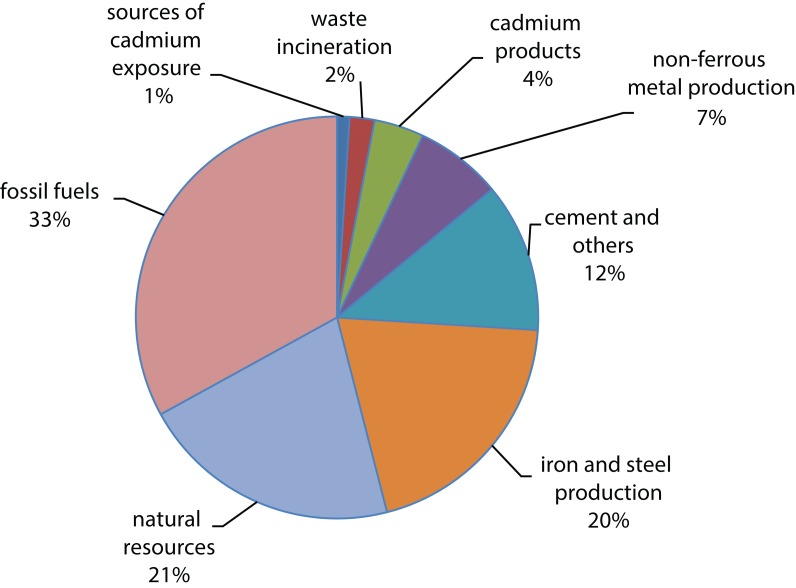
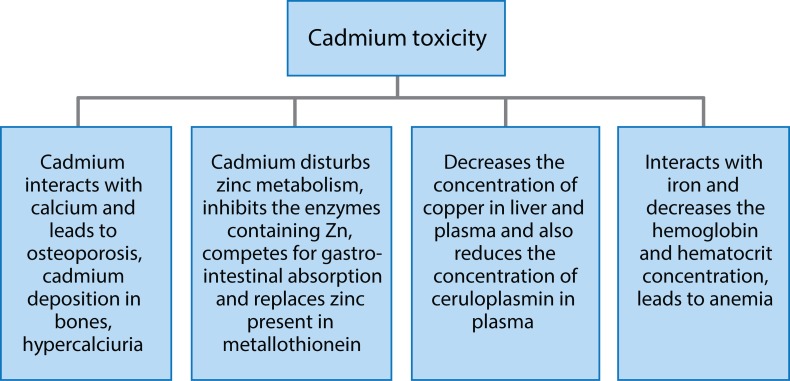
Verification
Claims the paper makes
The claims and statistics of this paper haven’t been checked yet.
Free: it reads the open-access text and checks the first 5 claims that cite a source we can check. Create a free account to check every claim.
Self-check
Percentages, sums and reported differences re-computed from the paper’s own numbers.
The self-check needs the paper’s full text.
Citations
Cites
Standard methods: For the examination of water and waste water
(1990) · Analytical Biochemistry · doi:10.1016/0003-2697(90)90598-4 · Cited by 72,091
A review of the source, behaviour and distribution of arsenic in natural waters
Smedley, P. L., & Kinniburgh, D. G. (2002) · Applied Geochemistry · doi:10.1016/s0883-2927(02)00018-5 · Cited by 7,691 · cited 1×
“Chromium (III), on the other hand, is an essential nutritional supplement for animals and humans and has an important role in glucose metabolism.”
BackgroundHazards of heavy metal contamination
Järup, L. (2003) · British Medical Bulletin · doi:10.1093/bmb/ldg032 · Cited by 6,508
Metals, Toxicity and Oxidative Stress
Valko, M., Morris, H., & Cronin, M. (2005) · Current Medicinal Chemistry · doi:10.2174/0929867053764635 · Cited by 5,018
Oxidative mechanisms in the toxicity of metal ions
Stohs, S. J., & Bagchi, D. (1995) · Free Radical Biology and Medicine · doi:10.1016/0891-5849(94)00159-h · Cited by 4,219 · cited 1×
“…between Cr(VI) and biological reductants like thiols and ascorbate result in the production of reactive oxygen species such as superoxide ion, hydrogen peroxide, and hydroxyl radical, ultimately leading to oxidative stress in the cell causing damage to DNA and proteins (Stohs & Bagchi, 1995).”
BackgroundHeavy metals, occurrence and toxicity for plants: a review
Nagajyoti, P. C., Lee, K. D., & Sreekanth, T. V. M. (2010) · Environmental Chemistry Letters · doi:10.1007/s10311-010-0297-8 · Cited by 3,962 · cited 1×
“Heavy metals are significant environmental pollutants and their toxicity is a problem of increasing significance for ecological, evolutionary, nutritional and environmental reasons (Jaishankar et al., 2013; Nagajyoti et al., 2010).”
BackgroundContamination of drinking-water by arsenic in Bangladesh: a public health emergency.
Smith, A. H., Lingas, E. O., & Rahman, M. (2000) · Europe PMC (PubMed Central) · Cited by 2,406
Sharma, P., & Dubey, R. S. (2005) · Brazilian Journal of Plant Physiology · doi:10.1590/s1677-04202005000100004 · Cited by 1,600
Interactions of chromium with microorganisms and plants
Cervantes, C., Campos‐García, J., Devars, S., Gutiérrez‐Corona, F., Loza‐Tavera, H., Guzmán, J. C. T., & Moreno‐Sánchez, R. (2001) · FEMS Microbiology Reviews · doi:10.1016/s0168-6445(01)00057-2 · Cited by 1,266 · cited 2×
“Due to the presence of excess oxygen in the environment, Cr (III) is oxidized to Cr (VI), which is extremely toxic and highly soluble in water (Cervantes et al., 2001).”
BackgroundAgency for toxic substances and disease registry
(1988) · doi:10.2172/5400458 · Cited by 1,258
Research works printed but not linked: 3
- Hillman RS Hardman JG Limbird LE Gilman AG Chapter 54. Hematopoietic agents: growth factors, minerals, and vitamins Goodman & Gilman's The Pharmacological Basis of Therapeutics 2001 10th Edition New York McGraw-Hill 1487 1518
- Mathew BB Tiwari A Jatawa SK Free radicals and antioxidants: A review Journal of Pharmacy Research 2011 4 12 4340 4343
- Mosby CV Glanze WD Anderson KN Mosby Medical Encyclopedia, The Signet: Revised Edition 1996 St. Louis
Cited by
Items 501–600 of 1,015
Chen, Z., Osman, A. I., Rooney, D. W., Oh, W., & Yap, P. (2023) · Sustainability · doi:10.3390/su15065128 · Cited by 84
Ecological and health implications of heavy metal bioaccumulation in Thai Fauna: A systematic review
Phaenark, C., Phankamolsil, Y., & Sawangproh, W. (2024) · Ecotoxicology and Environmental Safety · doi:10.1016/j.ecoenv.2024.117086 · Cited by 89
Barakat, A., Ennaji, W., Krimissa, S., & Bouzaid, M. (2019) · International Journal of Environmental Health Research · doi:10.1080/09603123.2019.1595540 · Cited by 84
Application of metabolomics to characterize environmental pollutant toxicity and disease risks
Deng, P., Li, X., Petriello, M. C., Wang, C., Morris, A. J., & Hennig, B. (2019) · Reviews on Environmental Health · doi:10.1515/reveh-2019-0030 · Cited by 84
Bello, S., Nasiru, R., Garba, N. N., & Adeyemo, D. J. (2019) · Scientific African · doi:10.1016/j.sciaf.2019.e00197 · Cited by 83
Brandès, R., Belosinschi, D., Brouillette, F., & Chabot, B. (2019) · Journal of environmental chemical engineering · doi:10.1016/j.jece.2019.103477 · Cited by 83
Cheng, I., Mamun, A. A., & Zhang, L. (2021) · Environmental Reviews · doi:10.1139/er-2020-0118 · Cited by 84
Water resources pollution associated with risks of heavy metals from Vatukoula Goldmine region, Fiji
Kumar, S., Islam, A. R. M. T., Islam, H. M. T., Hasanuzzaman, M., Ongoma, V., Khan, R., & Mallick, J. (2021) · Journal of Environmental Management · doi:10.1016/j.jenvman.2021.112868 · Cited by 83
Phenothiazine functional materials for organic optoelectronic applications
Gangadhar, P. S., Reddy, G., Prasanthkumar, S., & Giribabu, L. (2021) · Physical Chemistry Chemical Physics · doi:10.1039/d1cp01185e · Cited by 83
Heavy Metals Size Distribution in PM10 and Environmental-Sanitary Risk Analysis in Acerra (Italy)
Vaio, P. D., Magli, E., Caliendo, G., Corvino, A., Fiorino, F., Frecentese, F., Saccone, I., Santagada, V., Severino, B. U., Onorati, G., et al. (2018) · Atmosphere · doi:10.3390/atmos9020058 · Cited by 83
“• Lead (Pb), underrepresented in the Earth’s crust, determinates pathological effects in the nervous and vascular systems and in the porphyrin and heme synthesis [12].”
BackgroundSirviö, J. A., & Visanko, M. (2019) · Journal of Hazardous Materials · doi:10.1016/j.jhazmat.2019.121174 · Cited by 84
“heavy metals already exist in natural processes and are essential for most organisms, they generally have a very low toxic threshold, indicating that only a small excess can lead to a severe hazard (Jaishankar et al., 2014).”
BackgroundZuo, T., Jin, H., Zhang, L., Liu, Y., Nie, J., Chen, B., Fang, C., Xue, J., Bi, X.-Y., Zhou, L. M., et al. (2020) · Pharmacological Research · doi:10.1016/j.phrs.2020.104987 · Cited by 83
Hwang, K., Mou, Q., Lake, R. J., Xiong, M., Holland, B., & Lu, Y. (2019) · Inorganic Chemistry · doi:10.1021/acs.inorgchem.9b01280 · Cited by 82
Gourji, F. H., & Velauthapillai, D. (2021) · Molecules · doi:10.3390/molecules26072010 · Cited by 82
“Acute exposure to Pb can result in kidney damages, brain damages, and gastrointestinal disease, and chronic exposure to lead may induce adverse effects on the blood pressure, kidneys, central nervous system, and vitamin D metabolism [18,19].”
BackgroundEswaran, M., Tsai, P., Wu, M., & Ponnusamy, V. K. (2021) · Journal of Hazardous Materials · doi:10.1016/j.jhazmat.2021.126267 · Cited by 82
Exposure to multiple trace elements and miscarriage during early pregnancy: A mixtures approach
Lü, Y., Zhang, Y., Guan, Q., Xu, L., Zhao, S., Duan, J., Wang, Y., Xia, Y., & Xu, Q. (2022) · Environment International · doi:10.1016/j.envint.2022.107161 · Cited by 82
Comparative Review of Different Adsorption Techniques Used in Heavy Metals Removal in Water
Maftouh, A., Fatni, O. E., Hajjaji, S. E., Jawish, M. W., & Sillanpää, M. E. T. (2022) · Biointerface Research in Applied Chemistry · doi:10.33263/briac134.397 · Cited by 82
Osae, R., Nukpezah, D., Darko, D. A., Koranteng, S. S., & Mensah, A. M. (2023) · Heliyon · doi:10.1016/j.heliyon.2023.e16005 · Cited by 84
Polysaccharide nanocomposites in wastewater treatment: A review
Al-Hazmi, H. E., Łuczak, J., Habibzadeh, S., Hasanin, M. S., Mohammadi, A., Esmaeili, A., Kim, S., Yazdi, M. K., Rabiee, N., Badawi, M., et al. (2023) · Chemosphere · doi:10.1016/j.chemosphere.2023.140578 · Cited by 83
First principles study of the adsorption of hydrated heavy metals on graphene quantum dots
Abdelsalam, H., Teleb, N. H., Yahia, I. S., Zahran, H. Y., Elhaes, H., & Ibrahim, M. (2019) · Journal of Physics and Chemistry of Solids · doi:10.1016/j.jpcs.2019.02.014 · Cited by 82
Prajapati, A. K., Das, S., & Mondal, M. K. (2020) · Journal of Molecular Liquids · doi:10.1016/j.molliq.2020.112956 · Cited by 82
Zhuang, W., Ying, S. C., Frie, A. L., Wang, Q., Song, J., Liu, Y., Chen, Q., & Lai, X. (2019) · The Science of The Total Environment · doi:10.1016/j.scitotenv.2019.03.306 · Cited by 81
HEAVY METAL TOXICITY AND THEIR HARMFUL EFFECTS ON LIVING ORGANISMS – A REVIEW
Bhat, S. A. (2019) · International Journal of Medical Science and Diagnosis Research · Cited by 81
Lead (Pb) induced Oxidative Stress as a Mechanism to Cause Neurotoxicity in Drosophila melanogaster
Olakkaran, S., Anupama, K. P., Antony, A., & Gurushankara, H. P. (2021) · Toxicology · doi:10.1016/j.tox.2021.152959 · Cited by 82
Kassim, N. S. A., Ghazali, S. A. I. S. M., Bohari, F. L., & Abidin, N. A. Z. (2022) · Materials Today Proceedings · doi:10.1016/j.matpr.2022.04.671 · Cited by 81
Pulmonary effects of e-liquid flavors: a systematic review
Effah, F., Taiwo, B., Baines, D. L., Bailey, A., & Marczylo, T. H. (2022) · Journal of Toxicology and Environmental Health Part B · doi:10.1080/10937404.2022.2124563 · Cited by 82
“Exposure to these metals is known to induce nasal and lung cancers and developmental defects (Hsueh et al. 2017; Jaishankar et al. 2014; Son 2020).”
BackgroundOkoro, H. K., Orosun, M. M., Oriade, F. A., Momoh-Salami, T. M., Ogunkunle, C. O., Adeniyi, A. G., Zvinowanda, C. M., & Ngila, J. C. (2023) · Sustainability · doi:10.3390/su15086974 · Cited by 81
Mohammad, S. J., Ling, Y. E., Halim, K. A., Sani, B. S., & Abdullahi, N. I. (2025) · Journal of Umm Al-Qura University for Applied Sciences · doi:10.1007/s43994-025-00241-6 · Cited by 83
“Exposure to heavy metals through soil, water, and food chains can lead to severe physiological and toxicological effects in humans [17, 18].”
Mwakalapa, E. B., Simukoko, C. K., Mmochi, A. J., Mdegela, R. H., Berg, V., Müller, M. H. B., Lyche, J. L., & Polder, A. (2019) · Chemosphere · doi:10.1016/j.chemosphere.2019.02.063 · Cited by 81
Reis, D. T., Ribeiro, I. H. S., & Pereira, D. H. (2019) · Polymer Bulletin · doi:10.1007/s00289-019-02926-5 · Cited by 80
Recent Advances in Sensor-Based Detection of Toxic Dyes for Bioremediation Application: a Review
Bhattacharjee, J., Mishra, S., & Das, A. P. (2021) · Applied Biochemistry and Biotechnology · doi:10.1007/s12010-021-03767-7 · Cited by 80
Moghaddam, V. K., Latifi, P., Darrudi, R., askari, S. G., Mohammadi, A. A., Marufi, N., & Javan, S. (2021) · Journal of Environmental Health Science and Engineering · doi:10.1007/s40201-021-00756-0 · Cited by 80
MOF magic: zirconium-based frameworks in theranostic and bio-imaging applications
Gupta, D. K., Kumar, S., & Wani, M. Y. (2024) · Journal of Materials Chemistry B · doi:10.1039/d3tb02562d · Cited by 80
Fungal melanin-based electrospun membranes for heavy metal detoxification of water
Tran-Ly, A. N., Ribera, J., Schwarze, F. W. M. R., Brunelli, M., & Fortunato, G. (2020) · Sustainable Materials and Technologies · doi:10.1016/j.susmat.2019.e00146 · Cited by 63
Singh, D. P., Prabha, R., Shukla, R., Sahu, P. K., & Singh, V. (2019) · International Journal Of Recycling of Organic Waste in Agriculture · doi:10.1007/s40093-019-0243-0 · Cited by 80
Barbero-López, A., Akkanen, J., Lappalainen, R., Peräniemi, S., & Haapala, A. (2020) · The Science of The Total Environment · doi:10.1016/j.scitotenv.2020.142013 · Cited by 79
Manganese and Movement Disorders: A Review
Kulshreshtha, D., Ganguly, J., & Jog, M. (2021) · Journal of Movement Disorders · doi:10.14802/jmd.20123 · Cited by 79
Rakib, M. R. J., Jolly, Y. N., Begum, B. A., Choudhury, T. R., Fatema, K. J., Islam, M. S., Ali, M. M., & Idris, A. M. (2021) · Toxin Reviews · doi:10.1080/15569543.2021.1891936 · Cited by 79
Electro-deionization (EDI) technology for enhanced water treatment and desalination: A review
Khan, Z. U., Moronshing, M., Shestakova, M. V., Al-Othman, A. A. S., Sillanpää, M. E. T., Zhan, Z., Song, B., & Lei, Y. (2022) · Desalination · doi:10.1016/j.desal.2022.116254 · Cited by 80
Teffera, M., Veith, A. C., Ronnekleiv‐Kelly, S. M., Bradfield, C. A., Nikodémová, M., Tussing-Humphreys, L. M., & Malecki, K. M. C. (2024) · Environment International · doi:10.1016/j.envint.2024.108805 · Cited by 79
Yarahmadi, A., Heidari, S., Sepahvand, P., Afkhami, H., & Kheradjoo, H. (2024) · Frontiers in Public Health · doi:10.3389/fpubh.2024.1411389 · Cited by 81
“ey may release harmful chemicals into the body, which may result in a variety of health concerns, including cancer, developmental disorders, and problems with reproduction (154, 155).”
BackgroundThe Occurrence of Micropollutants in the Aquatic Environment and Technologies for Their Removal
Tarigan, M., Raji, S., Al-Fatesh, H., Czermak, P., & Ebrahimi, M. (2025) · Processes · doi:10.3390/pr13030843 · Cited by 80
Yazman, M. M., Ustaoğlu, F., & Yüksel, B. (2025) · Process Safety and Environmental Protection · doi:10.1016/j.psep.2025.107172 · Cited by 79
Shao, W., Li, M., Teng, Z., Qiu, B., Huo, Y., & Zhang, K. (2019) · International Journal of Environmental Research and Public Health · doi:10.3390/ijerph16122172 · Cited by 79
“Lead (Pb), which is an extremely toxic heavy metal with its primarily present as Pb(II), disturbs various organism physiological processes and does not play any biological functions [7].”
Biosorption of Heavy Metals by the Bacterial Exopolysaccharide FucoPol
Concórdio‐Reis, P., Reis, M. A. M., & Freitas, F. (2020) · Applied Sciences · doi:10.3390/app10196708 · Cited by 78
“, ammunitions and pipes), cosmetics, electronic equipment, ceramics, fertilizers, pesticides, and wood preservatives [3,4].”
BackgroundInfluentialQuality and Health Risk Assessment Associated with Water Consumption—A Case Study on Karstic Springs
Moldovan, A., Hoaghia, M.-A., Kovács, E., Mirea, I. C., Kenesz, M., Arghir, R. A., Petculescu, A., Levei, E. A., & Moldovan, O. T. (2020) · Water · doi:10.3390/w12123510 · Cited by 78
“For instance, Cd affects the kidney, skeleton, skin, muscles, and can cause cancer [14,15].”
BackgroundBhattacharya, S., Sharma, P., Mitra, S., Mallick, I., & Ghosh, A. (2021) · Environmental Nanotechnology Monitoring & Management · doi:10.1016/j.enmm.2021.100430 · Cited by 79
Contamination of Stream Sediment With Heavy Metals in the Awetu Watershed of Southwestern Ethiopia
Astatkie, H., Ambelu, A., & Mengistie, E. (2021) · Frontiers in Earth Science · doi:10.3389/feart.2021.658737 · Cited by 78
Miao, Y., Peng, W., Wang, W., Cao, Y., Li, H., Chang, L., Huang, Y., Fan, G., Yi, H., Zhao, Y., et al. (2021) · Separation and Purification Technology · doi:10.1016/j.seppur.2021.120176 · Cited by 78
Medykowska, M., Wisniewska, M. A., Szewczuk‐Karpisz, K., & Panek, R. (2022) · Journal of Molecular Liquids · doi:10.1016/j.molliq.2022.119144 · Cited by 78
Multivariate statistical approach for the assessment of water quality of Mahanadi basin, Odisha
Das, A. (2022) · Materials Today Proceedings · doi:10.1016/j.matpr.2022.08.146 · Cited by 78
Gudeta, K., Kumar, V., Bhagat, A., JULKA, J. M., Bhat, S. A., Ameén, F., Qadri, H., Singh, S., & Amarowicz, R. (2023) · Heliyon · doi:10.1016/j.heliyon.2023.e14572 · Cited by 78
Azad, A., Sheikh, M. N., & Hai, F. I. (2024) · Water Research · doi:10.1016/j.watres.2024.121101 · Cited by 80
Ayoubi, M., Naserzadeh, P., Hashemi, M. T., Rostami, M. R., Tamjid, E., Tavakoli, M. M., & Simchi, A. (2017) · Scientific Reports · doi:10.1038/s41598-017-13396-y · Cited by 79
Savassi, L. A., Paschoalini, A. L., Arantes, F. P., Rizzo, E., & Bazzoli, N. (2020) · Environmental Monitoring and Assessment · doi:10.1007/s10661-020-08515-8 · Cited by 77
Electrochemical sensors modified with ion-imprinted polymers for metal ion detection
Sala, A., Brisset, H., Margaillan, A., Mullot, J., & Branger, C. (2022) · TrAC Trends in Analytical Chemistry · doi:10.1016/j.trac.2022.116536 · Cited by 77
Review of Clay-Based Nanocomposites as Adsorbents for the Removal of Heavy Metals
Kinoti, I. K., Karanja, E. M., Nthiga, E. W., M’Thiruaine, C. M., & Marangu, J. M. (2022) · Journal of Chemistry · doi:10.1155/2022/7504626 · Cited by 77
“Storage batteries, gasoline, paints, and some plumbing pipes have been documented as some major sources of lead contamination [17].”
BackgroundPatel, M., Bisht, N., Prabhakar, P., Sen, R. K., Kumar, P., Dwivedi, N., Ashiq, M., Mondal, D. P., Srivastava, A. K., & Dhand, C. (2023) · Environmental Research · doi:10.1016/j.envres.2023.115317 · Cited by 77
Sayed, A. E. H., El-Sayed, Y. S., & El‐Far, A. H. (2017) · Ecotoxicology and Environmental Safety · doi:10.1016/j.ecoenv.2017.05.013 · Cited by 77
Maurya, P. K., & Malik, D. S. (2018) · Human and Ecological Risk Assessment An International Journal · doi:10.1080/10807039.2018.1456897 · Cited by 77
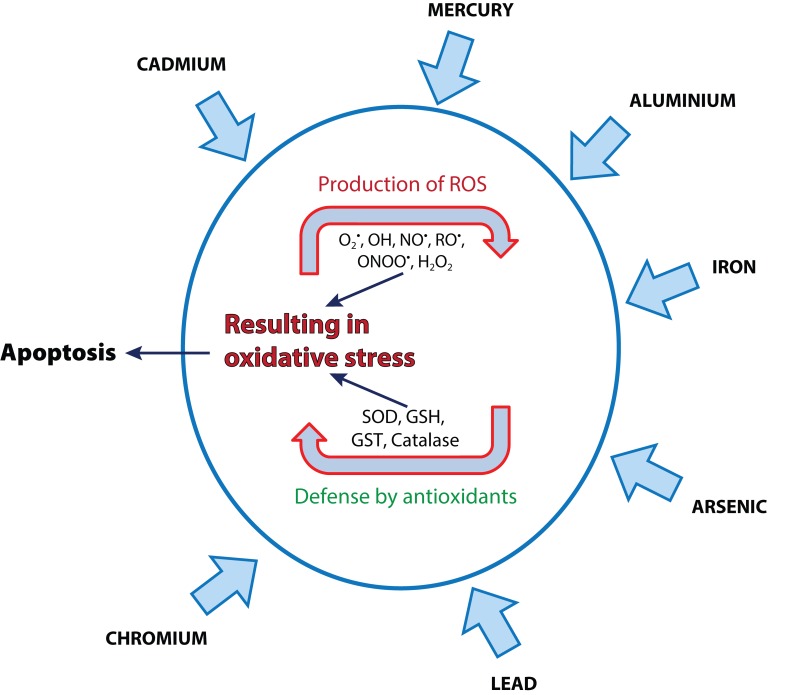
“This can lead to various disorders and can also result in excessive damage due to oxidative stress induced by free radical formation (Jaishankar et al. 2014).”
BackgroundThamer, B. M., Aldalbahi, A. K., Abdulhameed, M. M., Al‐Enizi, A. M., El‐Hamshary, H., & El-Newehy, M. H. (2019) · Scientific Reports · doi:10.1038/s41598-019-55679-6 · Cited by 77
Souza, L. R. R., Pomarolli, L. C., & da Veiga, M. A. M. S. (2020) · Environmental Science and Pollution Research · doi:10.1007/s11356-020-08032-8 · Cited by 77
“This conversion can be represented by the following equation (Jaishankar et al. 2014):”
BackgroundPaul, V. G., Sankar, M. S., Vattikuti, S., Dash, P., & Arslan, Z. (2020) · Chemosphere · doi:10.1016/j.chemosphere.2020.128243 · Cited by 78
Heavy Metals Contamination of Urban Soils—A Decade Study in the City of Lisbon, Portugal
Silva, H. F., Silva, N., Oliveira, C., & Matos, M. (2021) · Soil Systems · doi:10.3390/soilsystems5020027 · Cited by 77
Islam, M. S., Islam, M. T., Sarker, S., Jame, H. A., Nishat, S. S., Jani, M. R., Rauf, A., Ahsan, S., Shorowordi, K. M., Efstathiadis, H., et al. (2022) · ACS Omega · doi:10.1021/acsomega.2c01076 · Cited by 76
Organic and Inorganic Pollutants in Industrial Wastes
Saxena, G., & Bharagava, R. N. (2017) · CRC Press eBooks · doi:10.1201/b22171-2 · Cited by 77
Bui, V. K. H., Moon, J., Chae, M., Park, D., & Lee, Y. (2020) · Atmosphere · doi:10.3390/atmos11020137 · Cited by 76
“Regarding chemical composition, PMPb can lead to renal damage, neurological dysfunction, and anemia [20]; PMAs and PMCd can lead to carcinogenic effects [21]; and PMMn can induce severe neurotoxic impairments [22].”
BackgroundCurrent mechanistic perspectives on male reproductive toxicity induced by heavy metals
Anyanwu, B. O., & Orisakwe, O. E. (2020) · Journal of Environmental Science and Health Part C · doi:10.1080/26896583.2020.1782116 · Cited by 79
A critical review on clay-based nanocomposite particles for application of wastewater treatment
Ayalew, A. A. (2022) · Water Science & Technology · doi:10.2166/wst.2022.150 · Cited by 76
Heavy Metal Exposure and its Health Implications: A Comprehensive Review
Fatima, G., Fedacko, J., Dhole, P., & Raza, A. M. (2025) · Indian Journal of Clinical Biochemistry · doi:10.1007/s12291-025-01322-3 · Cited by 76
Shahraki, S., Delarami, H. S., & Khosravi, F. (2019) · International Journal of Biological Macromolecules · doi:10.1016/j.ijbiomac.2019.07.223 · Cited by 76
Dell’Anno, F., Brunet, C., van Zyl, L. J., Trindade, M., Golyshin, P. N., Dell’Anno, A., Ianora, A., & Sansone, C. (2020) · Microorganisms · doi:10.3390/microorganisms8091402 · Cited by 76
“Metals and metalloids were selected since As and Cd [22,23] are among the most toxic compounds and, along with Pb, are highly distributed in the studied area [20].”
BackgroundBakar, N. A., Othman, N., Yunus, Z. M., Altowayti, W. A. H., Tahir, M. B., Fitriani, N., & Salleh, S. N. A. M. (2021) · Environmental Technology & Innovation · doi:10.1016/j.eti.2021.101445 · Cited by 76
Geochemical phase and particle size relationships of metals in urban road dust
Jayarathne, A., Egodawatta, P., Ayoko, G. A., & Goonetilleke, A. (2017) · Environmental Pollution · doi:10.1016/j.envpol.2017.06.059 · Cited by 75
“Elevated concentrations of metals in receiving water bodies impose toxic effects on aquatic organisms, while their accumulation along food chains can cause chronic toxic impacts on human health (Jaishankar et al., 2014; Martin and Griswold, 2009).”
BackgroundCruvinel, V. R. N., Zolnikov, T. R., Bashash, M., Marques, C. P., & Scott, J. A. (2019) · Waste Management · doi:10.1016/j.wasman.2019.08.035 · Cited by 75
Lead: A concise review of its toxicity, mechanism and health effect
Sani, A. H., & Musa, A. (2021) · GSC Biological and Pharmaceutical Sciences · doi:10.30574/gscbps.2021.15.1.0096 · Cited by 75
“Heavy metals in low concentrations, play an integral biochemical and physiological functions like homeostasis, transport, compartmentalization and binding to required cell constituents thou when their concentrations exceed certain threshold concentrations, they become noxious [2].”
BackgroundInteractions between heavy metals and bacteria in mangroves
Meng, S., Peng, T., Pratush, A., Huang, T., & Hu, Z. (2021) · Marine Pollution Bulletin · doi:10.1016/j.marpolbul.2021.112846 · Cited by 75
Hasan, G. M. M. A., Das, A. K., & Satter, M. A. (2022) · Journal of Environmental and Public Health · doi:10.1155/2022/1836597 · Cited by 75
“-e harmful effects of Cd, Pb, As, Zn, and Cu have also been reported [72].”
BackgroundSiyar, R., Ardejani, F. D., Norouzi, P., Maghsoudy, S., Yavarzadeh, M., Taherdangkoo, R., & Butscher, C. (2022) · Water · doi:10.3390/w14223597 · Cited by 76
“…level of heavy metals in the environment is the consequence of natural processes and human activities such as rock weathering, soil erosion, volcanic eruptions, industrial emissions, urban runoff, metallurgical processes, mining activities, industrial effluents, insecticides, and fertilizers [2].”
BackgroundModified chitosan: Insight on biomedical and industrial applications
Edo, G. I., Yousif, E. A., & Al-Mashhadani, M. H. (2024) · International Journal of Biological Macromolecules · doi:10.1016/j.ijbiomac.2024.133526 · Cited by 77
Igwegbe, C. A., López‐Maldonado, E. A., Landázuri, A. C., Ovuoraye, P. E., Ogbu, A. I., Vela-García, N., & Białowiec, A. (2024) · Desalination and Water Treatment · doi:10.1016/j.dwt.2024.100709 · Cited by 75
Shaikh, R. B., Saifullah, B., & Rehman, F. U. (2018) · Water · doi:10.3390/w10101316 · Cited by 75
“The removal of toxic metals from wastewater is necessary because they disrupt the human organelles, consumed through the food cycle as non-biodegradable contaminants [7].”
BackgroundEnvironmental contaminants and preeclampsia: a systematic literature review
Rosen, E. M., Muñoz, M. I., McElrath, T., Cantonwine, D. E., & Ferguson, K. K. (2018) · Journal of Toxicology and Environmental Health, Part B · doi:10.1080/10937404.2018.1554515 · Cited by 74
“Most human exposure is from anthropogenic sources such as mining and smelting operations, industrial production, agricultural use of metals, and from consumption of water or food contaminated by such processes (Barbosa 2017; Branco et al. 2017; Jaishankar et al. 2014; Tchounwou et al. 2012).”
BackgroundBioremediation of Industrial Wastewater: A Review
Ojha, N., Karn, R., Abbas, S., & Bhugra, S. (2021) · IOP Conference Series Earth and Environmental Science · doi:10.1088/1755-1315/796/1/012012 · Cited by 74
“It can also trigger nerve, kidney, and muscle dysfunction [30, 31].”
BackgroundPhytotoxic Responses and Plant Tolerance Mechanisms to Cadmium Toxicity
Baruah, N., Gogoi, N., Roy, S., Bora, P., Chetia, J., Noreen, Z., Ali, N., Gogoi, P., & Farooq, M. (2023) · Journal of soil science and plant nutrition · doi:10.1007/s42729-023-01525-8 · Cited by 75
“Cadmium toxicity affects human organs like the liver, lungs, and kidneys apart from damage to bones, skeleton, and cardiovascular and nervous systems (Jaishankar et al. 2014; Egger et al. 2019; Balali-Mood et al. 2021).”
Recent trends in Ni(II) sorption from aqueous solutions using natural materials
Charazińska, S., Burszta‐Adamiak, E., & Lochyński, P. (2021) · Reviews in Environmental Science and Bio/Technology · doi:10.1007/s11157-021-09599-5 · Cited by 74
“The first literature reports on the application of biosorption focused on metal removal (Tsezos and Volesky 1982; Volesky and Holan 1995) due to the fact that metals have been a major environmental problem as a result of human activities for decades (Tchounwou et al. 2012; Jaishankar et al. 2014; Fisher and Gupta 2020…”
BackgroundZhang, S., Sun, L., Zhang, J., Liu, S., Han, J., & Liu, Y. (2020) · Advanced Science · doi:10.1002/advs.202000383 · Cited by 73
Separation of pollutants from aqueous solution using nanoclay and its nanocomposites: A review
Manna, S., Das, P., Basak, P., Sharma, A. K., Singh, V. K., Patel, R. K., Pandey, J. K., Ashokkumar, V., & Pugazhendhi, A. (2021) · Chemosphere · doi:10.1016/j.chemosphere.2021.130961 · Cited by 73
Life Cycle Assessment on Different Synthetic Routes of ZIF-8 Nanomaterials
Ntouros, V., Kousis, I., Papadaki, D., Pisello, A. L., & Assimakopoulos, M.-N. (2021) · Energies · doi:10.3390/en14164998 · Cited by 75
“Apart from the toxicity of some heavy metals such as lead or mercury emitted from fossil fuel combustion [73], chemicals used in the production of ZIF-8 are also characterised as toxic and corrosive.”
BackgroundSchiff Bases: A Versatile Fluorescence Probe in Sensing Cations
Kumari, N., Singh, S. T., Baral, M., & Kanungo, B. K. (2023) · Journal of Fluorescence · doi:10.1007/s10895-022-03135-6 · Cited by 73
Wang, L., Ma, Y., & Lin, W. (2023) · Journal of Hazardous Materials · doi:10.1016/j.jhazmat.2023.132604 · Cited by 73
Source and Distribution of Heavy Metal and Their Effects on Human Health
Chowdhury, F. N., & Rahman, M. M. (2024) · Environmental science and engineering · doi:10.1007/978-3-031-56642-4_3 · Cited by 73
Pylypchuk, I. V., Kessler, V. G., & Seisenbaeva, G. A. (2018) · ACS Sustainable Chemistry & Engineering · doi:10.1021/acssuschemeng.8b01207 · Cited by 73
An overview of nanoscale materials on the removal of wastewater contaminants
Soni, R., Pal, A. K., Tripathi, P., Lal, J. A., Kesari, K. K., & Tripathi, V. S. (2020) · Applied Water Science · doi:10.1007/s13201-020-01275-3 · Cited by 72
Cleaner technologies to combat heavy metal toxicity
Rebello, S., Prasad, M. S., Anoopkumar, A. N., Jayakrishnan, L., Aneesh, E. M., Narisetty, V., Sindhu, R., Binod, P., Pugazhendhi, A., & Pandey, A. (2021) · Journal of Environmental Management · doi:10.1016/j.jenvman.2021.113231 · Cited by 72
Güzel, B., Canlı, O., & Aslan, E. (2021) · Marine Pollution Bulletin · doi:10.1016/j.marpolbul.2021.113172 · Cited by 72
A review on the industrial wastewater with the efficient treatment techniques
Kumar, A., Thakur, A., & Panesar, P. S. (2023) · Chemical Papers · doi:10.1007/s11696-023-02779-3 · Cited by 72
3D printed electrochemical devices for bio-chemical sensing: A review
Sharma, A., Faber, H. A., Khosla, A., & Anthopoulos, T. D. (2023) · Materials Science and Engineering R Reports · doi:10.1016/j.mser.2023.100754 · Cited by 73
Popoola, L. T., Ogunwumi, O. T., & Salami, L. (2023) · Heliyon · doi:10.1016/j.heliyon.2023.e19788 · Cited by 72
Xu, Y. S., Xie, X., Feng, Y., Ashraf, M. A., Liu, Y., Su, C., Qian, K., & Liu, P. (2020) · Bioresource Technology · doi:10.1016/j.biortech.2020.122978 · Cited by 72
Metadata
- Authors
- Jaishankar, M., Tseten, T., Anbalagan, N., Mathew, B. B., & Beeregowda, K. N.
- Affiliations
- Department of Biotechnology, Sapthagiri College of Engineering, Bangalore-57, Karnataka, India
- Corresponding author
- Mathew, Blessy B.
- Venue
- Interdisciplinary Toxicology
- Publisher
- Walter de Gruyter GmbH
- Published
- 2014-06-01
- Volume
- 7
- Issue
- 2
- Pages
- 60-72
- ISSN
- 1337-6853 (ISSN-L)
- 1337-9569
- PMC
- PMC4427717
- OpenAlex
- W2159727241
- Semantic Scholar
- e1dd844e81d7344a1f2f0a7b9b63d431f3aa3e25
- Cited by
- 6,402
- References
- 95
- Citations by year
- 2026: 497 · 2025: 721 · 2024: 856 · 2023: 875 · 2022: 843 · 2021: 824 · 2020: 683 · 2019: 534 · 2018: 341 · 2017: 150 · 2016: 54 · 2015: 10
- FWCI
- 7.34
- Type
- journal article
- Language
- en
- Open access
- diamond
- doi.org
- Licence
- Locations
- Interdisciplinary Toxicology (publishedVersion, cc-by-nc-nd)
- PubMed Central (publishedVersion, cc-by)
- PubMed (publishedVersion)
- DOAJ (DOAJ: Directory of Open Access Journals) (submittedVersion)
- Topics
- Physical Sciences › Environmental Science › Health, Toxicology and Mutagenesis › Heavy Metal Exposure and Toxicity
- Health Sciences › Nursing › Nutrition and Dietetics › Trace Elements in Health
- Physical Sciences › Environmental Science › Pollution › Heavy metals in environment
- Keywords
- heavy metal toxicity, toxicity mechanisms, health effects, aluminum, occupational exposure, environmental exposure, acute and chronic exposure, oxidative stress, free radicals
About these checks
Registry, retraction, Cites and statistics results are computed, not judged, with one exception: a printed reference that no index lists is read once by a model before it counts as a citation error. Claims are extracted by a model and kept only when their quote appears verbatim in the text; each cited source is then checked, with a model’s help, for whether it says what the claim relies on. Those verdicts can be wrong — read the claim’s quote and the cited source before relying on one.
Statistics and arithmetic are recomputed, not judged.
Confidence bands are shown only for fields calibrated on our annotated test set. None is calibrated yet, so no band is shown.
What counts as a claim ›How we measure confidence ›How we check this ›
Are you an author, or do you see a problem with this page? Request a review
Data sources
Bibliographic data: Semantic Scholar, OpenAlex, Crossref.
Contains information from the Semantic Scholar Academic Graph Datasets, made available under the ODC Attribution License (ODC-BY 1.0).
Semantic Scholar’s data is described in: Kinney, R., et al. (2023). The Semantic Scholar Open Data Platform. arXiv:2301.10140.
