

Toxicity, mechanism and health effects of some heavy metals
Open accessThe DOI matches its Crossref record; 91 of the 95 references it cites were found in a registry or an index.
Abstract
Heavy metal toxicity has proven to be a major threat and there are several health risks associated with it. The toxic effects of these metals, even though they do not have any biological role, remain present in some or the other form harmful for the human body and its proper functioning. They sometimes act as a pseudo element of the body while at certain times they may even interfere with metabolic processes. Few metals, such as aluminium, can be removed through elimination activities, while some metals get accumulated in the body and food chain, exhibiting a chronic nature. Various public health measures have been undertaken to control, prevent and treat metal toxicity occurring at various levels, such as occupational exposure, accidents and environmental factors. Metal toxicity depends upon the absorbed dose, the route of exposure and duration of exposure, i.e. acute or chronic. This can lead to various disorders and can also result in excessive damage due to oxidative stress induced by free radical formation. This review gives details about some heavy metals and their toxicity mechanisms, along with their health effects
Overview
The claims and statistics of this paper haven’t been checked yet.
Free: it reads the open-access text and checks the first 5 claims that cite a source we can check. Create a free account to check every claim.
Integrity signals
Registry
Cites
Statistics
Figures
Verification
Claims the paper makes
The claims and statistics of this paper haven’t been checked yet.
Free: it reads the open-access text and checks the first 5 claims that cite a source we can check. Create a free account to check every claim.
Self-check
Percentages, sums and reported differences re-computed from the paper’s own numbers.
The self-check needs the paper’s full text.
Citations
Cites
Standard methods: For the examination of water and waste water
(1990) · Analytical Biochemistry · doi:10.1016/0003-2697(90)90598-4 · Cited by 72,091
A review of the source, behaviour and distribution of arsenic in natural waters
Smedley, P. L., & Kinniburgh, D. G. (2002) · Applied Geochemistry · doi:10.1016/s0883-2927(02)00018-5 · Cited by 7,691 · cited 1×
“Chromium (III), on the other hand, is an essential nutritional supplement for animals and humans and has an important role in glucose metabolism.”
BackgroundHazards of heavy metal contamination
Järup, L. (2003) · British Medical Bulletin · doi:10.1093/bmb/ldg032 · Cited by 6,508
Metals, Toxicity and Oxidative Stress
Valko, M., Morris, H., & Cronin, M. (2005) · Current Medicinal Chemistry · doi:10.2174/0929867053764635 · Cited by 5,018
Oxidative mechanisms in the toxicity of metal ions
Stohs, S. J., & Bagchi, D. (1995) · Free Radical Biology and Medicine · doi:10.1016/0891-5849(94)00159-h · Cited by 4,219 · cited 1×
“…between Cr(VI) and biological reductants like thiols and ascorbate result in the production of reactive oxygen species such as superoxide ion, hydrogen peroxide, and hydroxyl radical, ultimately leading to oxidative stress in the cell causing damage to DNA and proteins (Stohs & Bagchi, 1995).”
BackgroundHeavy metals, occurrence and toxicity for plants: a review
Nagajyoti, P. C., Lee, K. D., & Sreekanth, T. V. M. (2010) · Environmental Chemistry Letters · doi:10.1007/s10311-010-0297-8 · Cited by 3,962 · cited 1×
“Heavy metals are significant environmental pollutants and their toxicity is a problem of increasing significance for ecological, evolutionary, nutritional and environmental reasons (Jaishankar et al., 2013; Nagajyoti et al., 2010).”
BackgroundContamination of drinking-water by arsenic in Bangladesh: a public health emergency.
Smith, A. H., Lingas, E. O., & Rahman, M. (2000) · Europe PMC (PubMed Central) · Cited by 2,406
Sharma, P., & Dubey, R. S. (2005) · Brazilian Journal of Plant Physiology · doi:10.1590/s1677-04202005000100004 · Cited by 1,600
Interactions of chromium with microorganisms and plants
Cervantes, C., Campos‐García, J., Devars, S., Gutiérrez‐Corona, F., Loza‐Tavera, H., Guzmán, J. C. T., & Moreno‐Sánchez, R. (2001) · FEMS Microbiology Reviews · doi:10.1016/s0168-6445(01)00057-2 · Cited by 1,266 · cited 2×
“Due to the presence of excess oxygen in the environment, Cr (III) is oxidized to Cr (VI), which is extremely toxic and highly soluble in water (Cervantes et al., 2001).”
BackgroundAgency for toxic substances and disease registry
(1988) · doi:10.2172/5400458 · Cited by 1,258
Research works printed but not linked: 3
- Hillman RS Hardman JG Limbird LE Gilman AG Chapter 54. Hematopoietic agents: growth factors, minerals, and vitamins Goodman & Gilman's The Pharmacological Basis of Therapeutics 2001 10th Edition New York McGraw-Hill 1487 1518
- Mathew BB Tiwari A Jatawa SK Free radicals and antioxidants: A review Journal of Pharmacy Research 2011 4 12 4340 4343
- Mosby CV Glanze WD Anderson KN Mosby Medical Encyclopedia, The Signet: Revised Edition 1996 St. Louis
Cited by
Items 601–700 of 1,015
Microbial Remediation of Heavy Metals
Kumar, L., & Bharadvaja, N. (2020) · Springer eBooks · doi:10.1007/978-981-15-1812-6_2 · Cited by 72
Vázquez-Guerrero, A., Cortés‐Martínez, R., Alfaro‐Cuevas‐Villanueva, R., Rivera-Muñoz, E. M., & Huirache-Acuña, R. (2021) · Water · doi:10.3390/w13010089 · Cited by 74
A review on heavy metal contamination at mining sites and remedial techniques
Karn, R., Ojha, N., Abbas, S., & Bhugra, S. (2021) · IOP Conference Series Earth and Environmental Science · doi:10.1088/1755-1315/796/1/012013 · Cited by 71
“As described by [4, 6, 18, 25, 47, 69, 86-88, 95, 96] some important heavy metals are discussed below.”
MethodUngureanu, E. L., & Mustăţea, G. (2022) · IntechOpen eBooks · doi:10.5772/intechopen.102441 · Cited by 72
Gómez, A. M. U., Lucas, A., Koneru, A., Barui, A. K., & Stanciu, L. (2022) · Biosensors and Bioelectronics · doi:10.1016/j.bios.2022.114419 · Cited by 72
Toxicity and bioremediation of the lead: a critical review
Kumar, K., & Singh, D. (2023) · International Journal of Environmental Health Research · doi:10.1080/09603123.2023.2165047 · Cited by 73
Zohrabi, Y. (2023) · Materials Science and Engineering B · doi:10.1016/j.mseb.2023.117024 · Cited by 71
Abbas, A., Hussain, M. A., Sher, M., Irfan, M. I., Tahir, M. N., Tremel, W., Hussain, S. Z., & Hussaın, I. (2017) · International Journal of Biological Macromolecules · doi:10.1016/j.ijbiomac.2017.04.024 · Cited by 71
Consumption of heavy metal contaminated foods and associated risks in Bangladesh
Real, M. I. H., Azam, H. M., & Majed, N. (2017) · Environmental Monitoring and Assessment · doi:10.1007/s10661-017-6362-z · Cited by 71
Plasmonic Sensor Based on Interaction between Silver Nanoparticles and Ni2+ or Co2+ in Water
Mochi, F., Burratti, L., Fratoddi, I., Venditti, I., Battocchio, C., Carlini, L., Iucci, G., Casalboni, M., Matteis, F. D., Casciardi, S., et al. (2018) · Nanomaterials · doi:10.3390/nano8070488 · Cited by 71
Uddandarao, P., Balakrishnan, R. M., Ashok, A., Swarup, S., & Sinha, P. (2019) · Biomimetics · doi:10.3390/biomimetics4010011 · Cited by 71
Singh, S., & Kumar, V. (2019) · Environmental Science and Pollution Research · doi:10.1007/s11356-019-04974-w · Cited by 71
Characterization of Ugandan biomass wastes as the potential candidates towards bioenergy production
Yusuf, A. A., & Inambao, F. L. (2019) · Renewable and Sustainable Energy Reviews · doi:10.1016/j.rser.2019.109477 · Cited by 71
Zhang, Q., Zhang, S., Zhao, Z., Liu, M., Yin, X., Zhou, Y., Wu, Y. N., & Peng, Q. (2020) · Journal of Cleaner Production · doi:10.1016/j.jclepro.2020.120297 · Cited by 70
Metal mixtures and kidney function: An application of machine learning to NHANES data
Luo, J., & HENDRYX, M. S. (2020) · Environmental Research · doi:10.1016/j.envres.2020.110126 · Cited by 70
Shaban, N. Z., El-Kader, S. E. A., Mogahed, F. A. K., Elkersh, M. A., & Habashy, N. H. (2021) · Scientific Reports · doi:10.1038/s41598-020-80669-4 · Cited by 70
Removal of Toxic Heavy Metals from Contaminated Aqueous Solutions Using Seaweeds: A Review
Foday, E. H., Bai, B., & Xu, X. (2021) · Sustainability · doi:10.3390/su132112311 · Cited by 70
Heavy metals in vegetables: a review of status, human health concerns, and management options
Manwani, S., Devi, P., Singh, T., Yadav, C. S., Awasthi, K. K., Bhoot, N., & Awasthi, G. (2022) · Environmental Science and Pollution Research · doi:10.1007/s11356-022-22210-w · Cited by 71
Assessment of the Enrichment of Heavy Metals in Coal and Its Combustion Residues
Altıkulaç, A., Turhan, Ş., Kurnaz, A., Gören, E., Duran, C., Hançerlioğulları, A., & Uğur, F. A. (2022) · ACS Omega · doi:10.1021/acsomega.2c02308 · Cited by 70
Ahmed, I., Zakiya, A., & Fazio, F. (2022) · Frontiers in Environmental Science · doi:10.3389/fenvs.2022.919204 · Cited by 72
“The various impacts of heavy metals on the above-selected blood parameters of fish have been documented by several authors in different countries around the world in the past several decades (Jaishankar et al., 2014; Authman et al., 2015; Rajeshkumar and Li, 2018; Hong et al., 2020; Naz et al., 2021).”
BackgroundPrabhu, S. M., Rane, N. R., Li, X., Otari, S. V., Girawale, S. D., Palake, A. R., Kodam, K. M., Park, Y.-K., Ha, Y., Yadav, K. K., et al. (2023) · Chemical Engineering Journal · doi:10.1016/j.cej.2023.143474 · Cited by 70
Moukadiri, H., Noukrati, H., Youcef, H. B., Iraola‐Arregui, I., Trabadelo, V., Oukarroum, A., Malka, G., & Barroug, A. (2023) · International Journal of Environmental Science and Technology · doi:10.1007/s13762-023-05275-z · Cited by 71
“Lead metal exerts its toxicity following oxidative stress and ionic mechanisms (Jaishankar et al. 2014).”
InfluentialAgbasi, J. C., Egbueri, J. C., Pande, C. B., Khan, M. Y. A., Ighalo, J. O., Uwajingba, H. C., & Abba, S. I. (2024) · Analytical Letters · doi:10.1080/00032719.2024.2343366 · Cited by 72
Cellulose-Based Hydrogels for Wastewater Treatment: A Focus on Metal Ions Removal
Persano, F., Malitesta, C., & Mazzotta, E. (2024) · Polymers · doi:10.3390/polym16091292 · Cited by 70
“…derivatives have increasingly a tt racted research interest for their possible application as heavy metal absorbents in wastewater decontamination processes, thanks to several advantageous characteristics such as a porous structure, numerous functional groups, and high absorption capacity [73–81].”
BackgroundAn insight into impact of nanomaterials toxicity on human health
Qamar, W., Gulia, S., Athar, M., Ahmad, R., Imam, M. T., Chandra, P., Singh, B. P., Haque, R., Hassan, M. I., & Rahman, S. (2024) · PeerJ · doi:10.7717/peerj.17807 · Cited by 74
“Many chemicals have been studied, and their toxicity and impact mechanisms have been published over several decades ( Carlin et al., 2015 ; Genuis & Kyrillos, 2017 ; Jaishankar et al., 2014 ; Lanphear, 2017 ).”
BackgroundHeavy Metals in Particulate Matter—Trends and Impacts on Environment
Matei, E., Râpă, M., Mateș, I. M., Popescu, A.-F., Bădiceanu, A., Balint, A. I., & Covaliu-Mierlă, C. I. (2025) · Molecules · doi:10.3390/molecules30071455 · Cited by 70
Sorption of indium (III) onto carbon nanotubes
Alguacil, F. J., López, F. A., Rodríguez, O., Martínez-Ramírez, S., & García-Díaz, I. (2016) · Ecotoxicology and Environmental Safety · doi:10.1016/j.ecoenv.2016.04.008 · Cited by 72
The Bacterial and Fungal Microbiota of Hyperaccumulator Plants
Thijs, S., Langill, T., & Vangronsveld, J. (2017) · Advances in botanical research · doi:10.1016/bs.abr.2016.12.003 · Cited by 71
A SERS-based molecular sensor for selective detection and quantification of copper(II) ions
Dugandžić, V., Kupfer, S., Jahn, M., Henkel, T., Weber, K., Cialla‐May, D., & Popp, J. (2018) · Sensors and Actuators B Chemical · doi:10.1016/j.snb.2018.09.098 · Cited by 70
Salicylic Acid–Mediated Defense Mechanisms to Abiotic Stress Tolerance
Ahmad, F. J., Singh, A., & Kamal, A. (2019) · Elsevier eBooks · doi:10.1016/b978-0-12-816451-8.00022-8 · Cited by 70
Çelebioğlu, A., Topuz, F., Yıldız, Z. İ., & Uyar, T. (2019) · ACS Omega · doi:10.1021/acsomega.9b00279 · Cited by 70
Combined toxicity of pyrethroid insecticides and heavy metals: a review
Wang, C., Yang, Y., Wu, N., Gao, M. J., & Tan, Y. (2019) · Environmental Chemistry Letters · doi:10.1007/s10311-019-00905-w · Cited by 70
Miao, X., Hao, Y., Zhang, F., Zou, S., Ye, S., & Xie, Z. (2019) · Environmental Geochemistry and Health · doi:10.1007/s10653-018-0234-5 · Cited by 70
Alsherif, E. A., Al-Shaikh, T. M., & AbdElgawad, H. (2022) · Biology · doi:10.3390/biology11020164 · Cited by 70
“Since soil health is fundamental for food crop production, hazardous metals released into the soil significantly reduce plant quality and yield, which poses a severe threat to humans and animals via their bio-magnification in food chains [7,8].”
BackgroundNabil, M. M., & Megahed, F. A. K. (2023) · Journal of Fluorescence · doi:10.1007/s10895-023-03472-0 · Cited by 69
Deng, M., Kuo, D. T. F., Wu, Q., Zhang, Y., Liu, X., Liu, S., Hu, X., Mai, B., Liu, Z., & Zhang, H. (2018) · Environmental Pollution · doi:10.1016/j.envpol.2018.01.042 · Cited by 69
Mohanta, V. L., Naz, A., & Mishra, B. K. (2019) · Human and Ecological Risk Assessment An International Journal · doi:10.1080/10807039.2018.1511968 · Cited by 70
“They can enter in cell membrane through passages for isoelectric and isostructural anions such as sulfate and phosphate channels and are taken up by phagocytosis (Jaishankar et al. 2014).”
BackgroundLuo, T., Bu, L., Peng, S., Zhang, Y., Zhou, Z., Li, G., & Huang, J. (2019) · Talanta · doi:10.1016/j.talanta.2019.120117 · Cited by 69
Bahaloo-Horeh, N., & Mousavi, S. M. (2020) · Journal of Hazardous Materials · doi:10.1016/j.jhazmat.2020.123186 · Cited by 70
“, 2017); Al has adverse effects on the nervous system and resulted in Alzheimer disease, problems with balance and coordination loss (Jaishankar et al., 2014); rare earth elements (REEs) cause renal fibrosis, peritoneal adhesion, bloody ascites, disseminated peritonitis, opacification, and swelling of the liver (Wang…”
BackgroundGuo, G., Zhang, D., Yun-tao, & Wang (2020) · Environmental Science and Pollution Research · doi:10.1007/s11356-020-11312-y · Cited by 68
“Particularly, some heavy metals, such as Cd, Cr, Pb, Zn, and Ni, can cause respiratory, cardiovascular, and skin diseases (Jaishankar et al. 2014).”
BackgroundRavalli, F., Yu, Y., Bostick, B. C., Chillrud, S. N., Schilling, K., Basu, A., Navas-Acien, A., & Nigra, A. E. (2022) · The Lancet Planetary Health · doi:10.1016/s2542-5196(22)00043-2 · Cited by 68
Dhandapani, E., Maadeswaran, P., Raj, R. M., Raj, V., Kandiah, K., & Duraisamy, N. (2022) · Materials Science and Engineering B · doi:10.1016/j.mseb.2022.116098 · Cited by 68
Rasheed, T. (2022) · TrAC Trends in Analytical Chemistry · doi:10.1016/j.trac.2022.116841 · Cited by 68
du Plessis, M., Fourie, C., Stone, W., & Engelbrecht, A. (2023) · Biochimie · doi:10.1016/j.biochi.2023.02.006 · Cited by 70
Gakis, G. P., Aviziotis, I. G., & Charitidis, C. A. (2023) · Environmental Science Nano · doi:10.1039/d2en00897a · Cited by 68
Recent insights into the hepatoprotective potential of medicinal plants and plant‐derived compounds
Thilagavathi, R., Begum, S. S., Varatharaj, S. D., Balasubramaniam, A. K., George, J. S., & Selvam, C. (2023) · Phytotherapy Research · doi:10.1002/ptr.7821 · Cited by 69
“Tobacco use, obesity, diabetes, and smoking can all increase the risk of developing liver cancer (El-Zayadi, 2006) Heavy metal exposure through portable water can also increase the chance of developing certain types of liver cancer (Jaishankar et al., 2014; Rapisarda et al., 2016).”
BackgroundAdsorption of Heavy Metals from Contaminated Water using Leachate Modular Tower
Aneke, F., & Adu, J. T. (2023) · Civil Engineering Journal · doi:10.28991/cej-2023-09-06-017 · Cited by 68
“The results obtained in this study are in line with research work published [53-57].”
ResultSimionov, I.-A., Călmuc, M., Iticescu, C., Calmuc, V. A., Georgescu, L., Faggio, C., & Petrea, Ș. M. (2023) · Environmental Toxicology and Pharmacology · doi:10.1016/j.etap.2023.104307 · Cited by 68
Habibiyan, A., Ezoddin, M., Lamei, N., Abdi, K., Amini, M., & Ghazi‐Khansari, M. (2017) · Journal of Molecular Liquids · doi:10.1016/j.molliq.2017.07.043 · Cited by 69
Maitre, L., Robinson, O., Martinez, D., Toledano, M. B., Ibarluzea, J., Marina, L. S., Sunyer, J., Villanueva, C. M., Keun, H. C., Vrijheid, M., et al. (2018) · Environmental Science & Technology · doi:10.1021/acs.est.8b02215 · Cited by 67
Halkare, P., Punjabi, N., Wangchuk, J., Nair, A. M., Kondabagil, K. R., & Mukherji, S. (2018) · Sensors and Actuators B Chemical · doi:10.1016/j.snb.2018.10.119 · Cited by 68
Carbon-Based Nanostructured Materials for Energy and Environmental Remediation Applications
Afreen, S., Omar, R. A., Talreja, N., Chauhan, D., & Ashfaq, M. (2018) · Nanotechnology in the life sciences · doi:10.1007/978-3-030-02369-0_17 · Cited by 68
A Short Review on Recent Advances of Hydrogel-Based Adsorbents for Heavy Metal Ions
Perumal, S., Atchudan, R., Edison, T. N. J. I., Babu, R. S., Karpagavinayagam, P., & Vedhi, C. (2021) · Metals · doi:10.3390/met11060864 · Cited by 68
Sharma, P., Ngo, H. H., Khanal, S., Larroche, C., Kim, S.-H., & Pandey, A. (2021) · Environmental Technology & Innovation · doi:10.1016/j.eti.2021.101725 · Cited by 63
Environmental valorisation of bagasse fly ash: a review
Patel, H. J. (2020) · RSC Advances · doi:10.1039/d0ra06422j · Cited by 68
Biswas, C., Soma, S. S., Rohani, M. F., Rahman, M. H., Bashar, A., & Hossain, M. S. (2021) · Heliyon · doi:10.1016/j.heliyon.2021.e06587 · Cited by 67
Chen, X., Zhao, J., Wang, J.-W., Liu, Y., Wang, L.-C., Weerasooriya, R., & Wu, Y. (2021) · Electrochimica Acta · doi:10.1016/j.electacta.2021.138539 · Cited by 67
Essential and non-essential heavy metals sources and impacts on human health and plants
Bibi, M. (2023) · Pure and Applied Biology · doi:10.19045/bspab.2023.120083 · Cited by 70
Ma, Q., Li, Y., Tan, Y., Xu, B., Cai, J., Zhang, Y., Wang, Q., Wu, Q., Yang, B., & Huang, J. T. (2023) · Molecules · doi:10.3390/molecules28186681 · Cited by 67
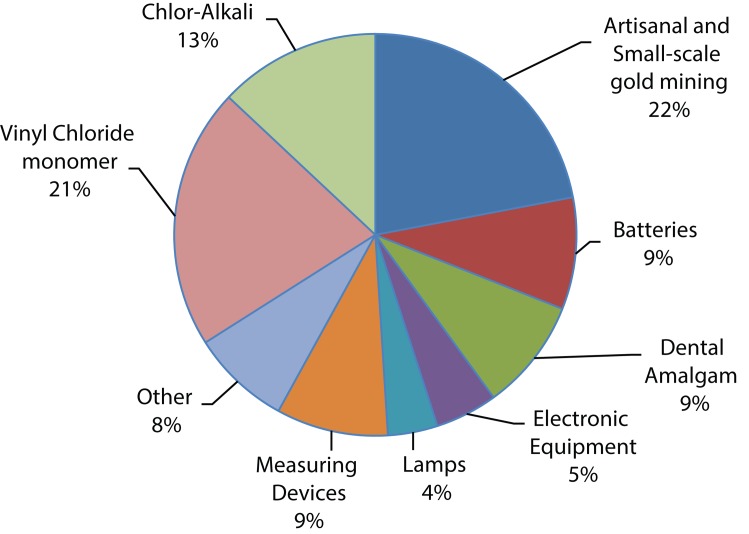
“Mercury, Mercury, employed extensively in activities such as artisanal gold mining, dental amalgamations, and thermometer production, is often discharged into water bodies through industrial e ffl uents. employed extensively in activities such as artisanal gold mining, dental amalgamations, and…”
BackgroundKhusniati, M., Heriyanti, A. P., Aryani, N. P., Fariz, T. R., & Harjunowibowo, D. (2023) · Journal of Turkish Science Education · doi:10.36681/tused.2023.031 · Cited by 67
“The liquid waste also has the potential to damage river water quality and disrupt and even damage water ecosystems which can have an impact on the death of living things in the river environment (Hong et al., 2020; Jaishankar et al., 2014).”
BackgroundShomali, A., Das, S., Sarraf, M., Johnson, R., Janeeshma, E., Kumar, V., Aliniaeifard, S., Puthur, J. T., & Hasanuzzaman, M. (2023) · Plant Physiology and Biochemistry · doi:10.1016/j.plaphy.2023.108211 · Cited by 67
Kachoueiyan, F., Karbassi, A., Nasrabadi, T., Rashidiyan, M., & De-la-Torre, G. E. (2023) · Marine Pollution Bulletin · doi:10.1016/j.marpolbul.2023.115835 · Cited by 67
Aminuddin, M. S., Bustam, M. A., & Johari, K. (2024) · RSC Sustainability · doi:10.1039/d3su00484h · Cited by 71
Risk assessment of environmental exposure to heavy metals in mothers and their respective infants
Al‐Saleh, I., Al-Rouqi, R., Elkhatib, R., Abduljabbar, M., & Al-Rajudi, T. (2017) · International Journal of Hygiene and Environmental Health · doi:10.1016/j.ijheh.2017.07.010 · Cited by 67
“Heavy-metal accumulation in body organs over a long period can pose a serious health problem (Jaishankar et al., 2014).”
Murali, M., Gowtham, H. G., Singh, S. B., Shilpa, N. C., Aiyaz, M., Niranjana, S. R., & Amruthesh, K. N. (2021) · Applied Soil Ecology · doi:10.1016/j.apsoil.2021.104142 · Cited by 67
Babakhani, A., & Sartaj, M. (2022) · Journal of environmental chemical engineering · doi:10.1016/j.jece.2022.107147 · Cited by 68
Study on the relationship between age and the concentrations of heavy metal elements in human bone
Chang, L., Shen, S., Zhang, Z., Song, X., & Jiang, Q. Y. (2018) · Annals of Translational Medicine · doi:10.21037/atm.2018.08.09 · Cited by 66
“Excessive amounts of either essential heavy metals or non-essential heavy metals are extremely harmful to the human body (1).”
Backgrounddivya, D. D., Mahapatra, S., Srivastava, V. R., & Chandra, P. (2021) · Biosensors · doi:10.3390/bios11060168 · Cited by 66
“Heavy metals are detrimental to living beings beyond a particular concentration as they are not biodegradable and can accumulate in the body [71].”
BackgroundXu, Y., Zhao, H., Wang, Z., Gao, H., Liu, J., Li, K., Song, Z., Yuan, C., Lan, X., Pan, C., et al. (2021) · Chemosphere · doi:10.1016/j.chemosphere.2021.132802 · Cited by 66
Racial Disparities in the Heavy Metal Contamination of Urban Soil in the Southeastern United States
Jones, D. H., Yu, X., Guo, Q., Duan, X., & Jia, C. (2022) · International Journal of Environmental Research and Public Health · doi:10.3390/ijerph19031105 · Cited by 66
“Heavy metals are known to lower energy levels and damage the functioning of the brain, lungs, kidney, liver, blood composition, and other important organs [16].”
BackgroundRaeeszadeh, M., Gravandi, H., & Akbari, A. (2022) · Environmental Science and Pollution Research · doi:10.1007/s11356-022-19589-x · Cited by 67
“Several epidemiological studies suggested that heavy metals such as lead, arsenic, and cadmium led to metabolic and cardiovascular diseases (Alissa and Ferns 2011; Jennrich 2013) due to the disability of different tissues to metabolize them (Jaishankar et al. 2014; Raikwar et al. 2008).”
BackgroundRizvi, A., Ahmed, B., Khan, M. S., Rajput, V. D., Umar, S., Minkina, T., & Lee, J. (2022) · Environmental and Experimental Botany · doi:10.1016/j.envexpbot.2022.104911 · Cited by 66
Antioxidant and neuroprotective actions of resveratrol in cerebrovascular diseases
Wang, Q., Yu, Q., & Wu, M. (2022) · Frontiers in Pharmacology · doi:10.3389/fphar.2022.948889 · Cited by 66
“Al and As are also considered to induce oxidative stress (Good et al., 1992; Miller et al., 2002; Cohen et al., 2006; Jomova and Valko 2011; Jaishankar et al., 2014).”
BackgroundSahoo, K., & Sharma, A. (2023) · APOPTOSIS · doi:10.1007/s10495-022-01806-0 · Cited by 67
“The collected groundwater in countries like Lithuania surpassed the allowed level set by the European Union Directive 98/83/ EC in drinking water, exposing many people to the harmful effects of iron toxicity [57].”
BackgroundMicrobial strategies for copper pollution remediation: Mechanistic insights and recent advances
Alkhanjaf, A. A. M., Sharma, S., Sharma, M., Kumar, R., Arora, N. K., Kumar, B., Umar, A., Baskoutas, S., & Mukherjee, T. K. (2024) · Environmental Pollution · doi:10.1016/j.envpol.2024.123588 · Cited by 66
Nazneen, S., Singh, S., & Raju, N. J. (2018) · Quaternary International · doi:10.1016/j.quaint.2018.05.011 · Cited by 66
The influence of Arsenic on the toxicity of carbon nanoparticles in bivalves
Freitas, R., Coppola, F., Marchi, L. D., Codella, V., Pretti, C., Chiellini, E., Morelli, A., Polese, G., Soares, A. M. V. M., & Figueira, E. M. D. A. P. (2018) · Journal of Hazardous Materials · doi:10.1016/j.jhazmat.2018.05.056 · Cited by 66
Mortazavian, S., Saber, A., Hong, J., Bae, J., Chun, D. W., Wong, N. K., Gerrity, D. W., Batista, J. R., Kim, K. J., & Moon, J. (2018) · Journal of Industrial and Engineering Chemistry · doi:10.1016/j.jiec.2018.09.028 · Cited by 66
Kim, H.-T., Loftus, J. P., Mann, S., & Wakshlag, J. J. (2018) · Frontiers in Veterinary Science · doi:10.3389/fvets.2018.00264 · Cited by 66
“All of the trace minerals and heavy metals noted are not intended to be included in pet foods and higher consumption than environmentally normal likely originates from ingredients that were grown/exposed to environmental pollution and bioaccumulation over time (6, 7).”
BackgroundSamson, R., Shah, M., Yadav, R., Sarode, P., Rajput, V., Dastager, S. G., Dharne, M. S., & Khairnar, K. (2019) · The Science of The Total Environment · doi:10.1016/j.scitotenv.2019.04.166 · Cited by 68
Hu, X., Cao, J., Yang, H., Li, D., Qiao, Y., Zhao, J., Zhang, Z., & Huang, L. (2020) · PLoS ONE · doi:10.1371/journal.pone.0226557 · Cited by 66
Hamouda, R. A., El‐Naggar, N. E., Doleib, N. M., & Saddiq, A. A. (2020) · Scientific Reports · doi:10.1038/s41598-020-70251-3 · Cited by 66
Corral-Bobadilla, M., Lostado-Lorza, R., Gómez, F. S., & Escribano-García, R. (2021) · Journal of Cleaner Production · doi:10.1016/j.jclepro.2021.126332 · Cited by 66
Kumar, A., Bhattacharya, T., Shaikh, W. A., Roy, A., Mukherjee, S., & Kumar, M. (2021) · Environmental Research · doi:10.1016/j.envres.2021.111758 · Cited by 66
Expósito, N., Carafa, R., Kumar, V., Sierra, J., Schuhmacher, M., & Papiol, G. G. (2021) · International Journal of Environmental Research and Public Health · doi:10.3390/ijerph18031037 · Cited by 65
“Lead (Pb) metal ions are able to replace other bivalent cations such as calcium, magnesium, and iron, and mo ovalent cations such as sodium, which ultimately disturbs the biological metabolism of the cell [55].”
BackgroundZheng, J., Wai, J. L., Lake, R. J., New, S. Y., He, Z., & Lu, Y. (2021) · Analytical Chemistry · doi:10.1021/acs.analchem.1c01077 · Cited by 65
Mengistu, D. A. (2021) · BMC Public Health · doi:10.1186/s12889-021-12189-3 · Cited by 65
“These disorders are characterized by gastrointestinal disorders, stomatitis, tremors, diarrhea, hemoglobinuria, paralysis, vomiting, convulsions, and depression [8].”
BackgroundBhat, M. A., Eraslan, F. N., Gedik, K., & Gaga, E. O. (2021) · Springer eBooks · doi:10.1007/978-3-030-76073-1_27 · Cited by 64
Environmental and public health effects of spent drilling fluid: An updated systematic review
Antia, M., Ezejiofor, A. N., Amadi, C. N., & Orisakwe, O. E. (2022) · Journal of Hazardous Materials Advances · doi:10.1016/j.hazadv.2022.100120 · Cited by 65
Khalaf, E. M., Taherian, M., Almalki, S. G., Asban, P., Kareem, A. K., Alhachami, F. R., Almulla, A. F., Romero‐Parra, R. M., Jawhar, Z. H., Kiani, F., et al. (2023) · Reviews on Environmental Health · doi:10.1515/reveh-2022-0245 · Cited by 67
Aquifers and Groundwater: Challenges and Opportunities in Water Resource Management in Colombia
Aranguren, Y., Galán‐Freyle, N. J., Guerra, A., Manares-Romero, A., Pacheco‐Londoño, L. C., Romero-Coronado, A., Vidal-Figueroa, N., & Sierra, E. G. M. (2024) · Water · doi:10.3390/w16050685 · Cited by 65
Alshareef, F. M., Algethami, J. S., Alhamami, M. A. M., Alosaimi, E. H., Al‐Saidi, H. M., & Khan, S. (2024) · Journal of environmental chemical engineering · doi:10.1016/j.jece.2024.114110 · Cited by 65
A review of hydroxyapatite synthesis for heavy metal adsorption assisted by machine learning
He, M. S., Zhang, Z., Wang, M., Liang, C., Wang, H., Cheng, C., Li, Y., Wang, Y., & Zhang, Z. (2024) · Journal of Hazardous Materials · doi:10.1016/j.jhazmat.2024.136525 · Cited by 65
Potentiality of agricultural adsorbent for the sequestering of metal ions from wastewater
Emenike, P. C., Omole, D. O., Ngene, B. U., & Tenebe, I. T. (2016) · Global journal of environmental science and management · doi:10.22034/gjesm.2016.02.04.010 · Cited by 65
“(Jaishankar et al., 2014; Okoro and Ejike, 2007) buttressed that the toxicity of lead is extremely high unlike other metals because it alters the physiological process of various living organisms and it does not take part in any biological function.”
BackgroundYasin, N. A., Zaheer, M. M., Khan, W. U., Ahmad, S. R., Ahmad, A., Ali, A., & Akram, W. (2018) · International Journal of Phytoremediation · doi:10.1080/15226514.2017.1374337 · Cited by 65
“The polluted food items may cause cancer, gastrointestinal trouble and mutation in living organisms (Jaishankar et al. 2014).”
BackgroundHaas, I. C. D. S., Toaldo, I. M., Gomes, T. M., Luna, A. S., de Gois, J. S., & Bordignon-Luiz, M. T. (2018) · Food Bioscience · doi:10.1016/j.fbio.2018.11.002 · Cited by 65
Haddad, M. Y., & Alharbi, H. F. (2018) · Journal of Applied Polymer Science · doi:10.1002/app.47209 · Cited by 65
The small members of the JMJD protein family: Enzymatic jewels or jinxes?
Oh, S., Shin, S., & Janknecht, R. (2019) · Biochimica et Biophysica Acta (BBA) - Reviews on Cancer · doi:10.1016/j.bbcan.2019.04.002 · Cited by 65
Lee, M., Gao, Y., Huang, Y., McGee, E. E., Lam, T. K., Wang, B., Shen, M.-C., Rashid, A., Pfeiffer, R. M., Hsing, A. W., et al. (2019) · Hepatology · doi:10.1002/hep.30861 · Cited by 66
“Metals are quintessential to maintain various biochemical and physiological functions in humans.(12) However, metals become noxious when they exceed certain concentrations.”
BackgroundAmegah, A. K., Sewor, C., & Jaakkola, J. J. K. (2021) · Journal of Exposure Science & Environmental Epidemiology · doi:10.1038/s41370-021-00289-6 · Cited by 65
Metadata
- Authors
- Jaishankar, M., Tseten, T., Anbalagan, N., Mathew, B. B., & Beeregowda, K. N.
- Affiliations
- Department of Biotechnology, Sapthagiri College of Engineering, Bangalore-57, Karnataka, India
- Corresponding author
- Mathew, Blessy B.
- Venue
- Interdisciplinary Toxicology
- Publisher
- Walter de Gruyter GmbH
- Published
- 2014-06-01
- Volume
- 7
- Issue
- 2
- Pages
- 60-72
- ISSN
- 1337-6853 (ISSN-L)
- 1337-9569
- PMC
- PMC4427717
- OpenAlex
- W2159727241
- Semantic Scholar
- e1dd844e81d7344a1f2f0a7b9b63d431f3aa3e25
- Cited by
- 6,402
- References
- 95
- Citations by year
- 2026: 497 · 2025: 721 · 2024: 856 · 2023: 875 · 2022: 843 · 2021: 824 · 2020: 683 · 2019: 534 · 2018: 341 · 2017: 150 · 2016: 54 · 2015: 10
- FWCI
- 7.34
- Type
- journal article
- Language
- en
- Open access
- diamond
- doi.org
- Licence
- Locations
- Interdisciplinary Toxicology (publishedVersion, cc-by-nc-nd)
- PubMed Central (publishedVersion, cc-by)
- PubMed (publishedVersion)
- DOAJ (DOAJ: Directory of Open Access Journals) (submittedVersion)
- Topics
- Physical Sciences › Environmental Science › Health, Toxicology and Mutagenesis › Heavy Metal Exposure and Toxicity
- Health Sciences › Nursing › Nutrition and Dietetics › Trace Elements in Health
- Physical Sciences › Environmental Science › Pollution › Heavy metals in environment
- Keywords
- heavy metal toxicity, toxicity mechanisms, health effects, aluminum, occupational exposure, environmental exposure, acute and chronic exposure, oxidative stress, free radicals
About these checks
Registry, retraction, Cites and statistics results are computed, not judged, with one exception: a printed reference that no index lists is read once by a model before it counts as a citation error. Claims are extracted by a model and kept only when their quote appears verbatim in the text; each cited source is then checked, with a model’s help, for whether it says what the claim relies on. Those verdicts can be wrong — read the claim’s quote and the cited source before relying on one.
Statistics and arithmetic are recomputed, not judged.
Confidence bands are shown only for fields calibrated on our annotated test set. None is calibrated yet, so no band is shown.
What counts as a claim ›How we measure confidence ›How we check this ›
Are you an author, or do you see a problem with this page? Request a review
Data sources
Bibliographic data: Semantic Scholar, OpenAlex, Crossref.
Contains information from the Semantic Scholar Academic Graph Datasets, made available under the ODC Attribution License (ODC-BY 1.0).
Semantic Scholar’s data is described in: Kinney, R., et al. (2023). The Semantic Scholar Open Data Platform. arXiv:2301.10140.
