

Toxicity, mechanism and health effects of some heavy metals
Open accessThe DOI matches its Crossref record; 91 of the 95 references it cites were found in a registry or an index.
Abstract
Heavy metal toxicity has proven to be a major threat and there are several health risks associated with it. The toxic effects of these metals, even though they do not have any biological role, remain present in some or the other form harmful for the human body and its proper functioning. They sometimes act as a pseudo element of the body while at certain times they may even interfere with metabolic processes. Few metals, such as aluminium, can be removed through elimination activities, while some metals get accumulated in the body and food chain, exhibiting a chronic nature. Various public health measures have been undertaken to control, prevent and treat metal toxicity occurring at various levels, such as occupational exposure, accidents and environmental factors. Metal toxicity depends upon the absorbed dose, the route of exposure and duration of exposure, i.e. acute or chronic. This can lead to various disorders and can also result in excessive damage due to oxidative stress induced by free radical formation. This review gives details about some heavy metals and their toxicity mechanisms, along with their health effects
Overview
The claims and statistics of this paper haven’t been checked yet.
Free: it reads the open-access text and checks the first 5 claims that cite a source we can check. Create a free account to check every claim.
Integrity signals
Registry
Cites
Statistics
Figures
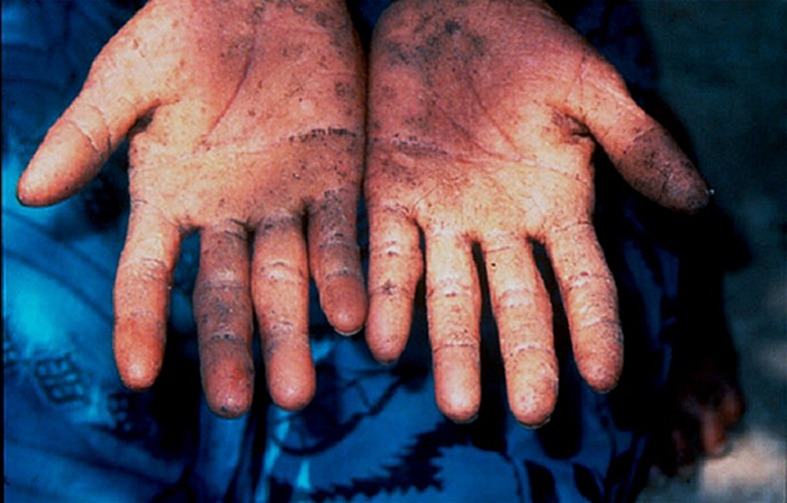
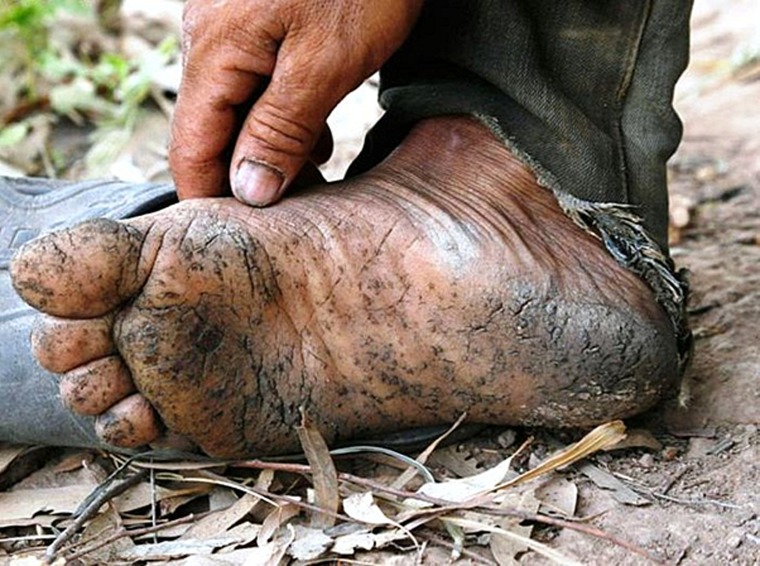
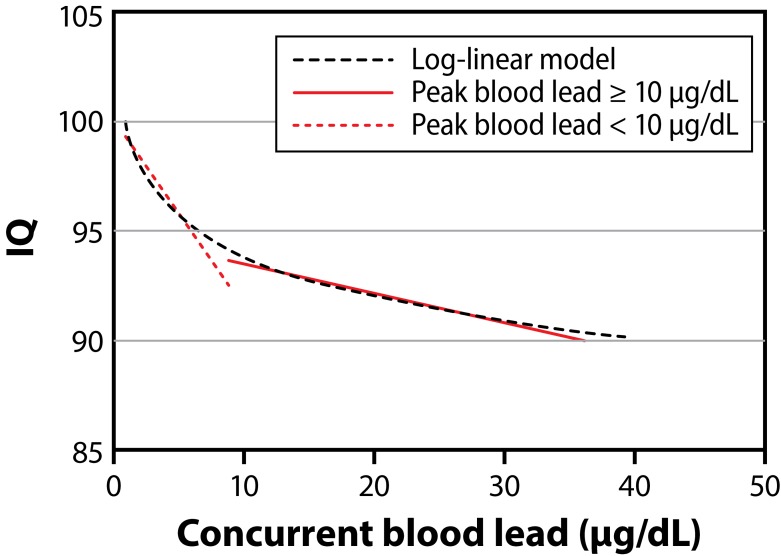
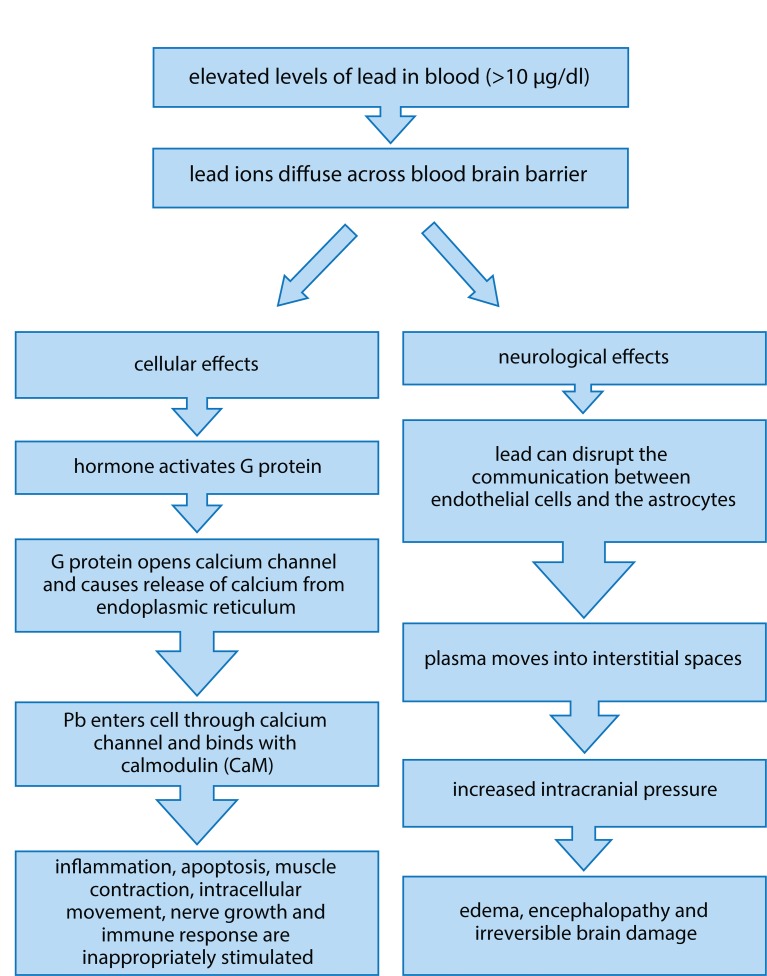
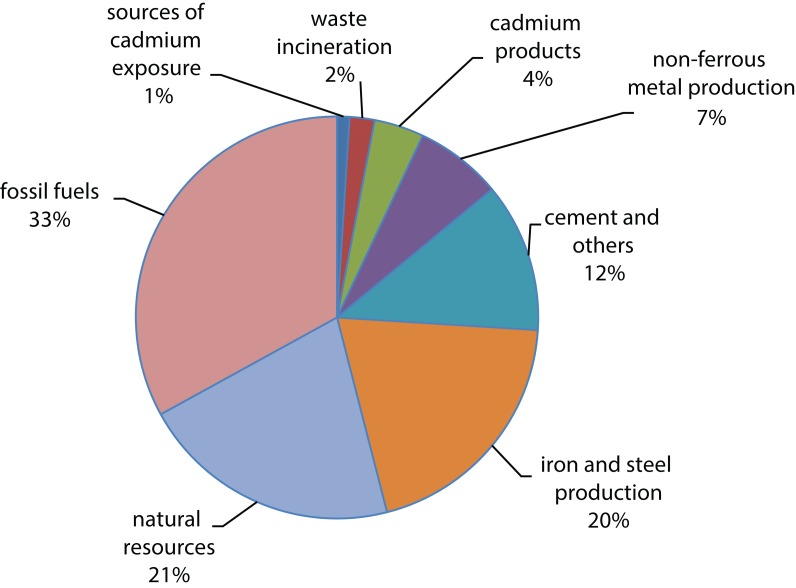
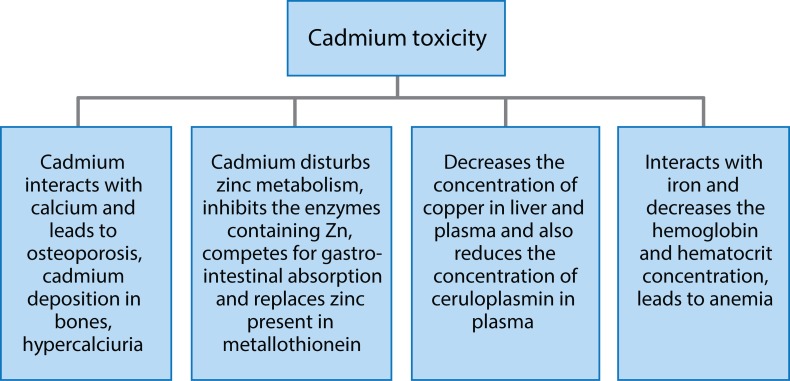
Verification
Claims the paper makes
The claims and statistics of this paper haven’t been checked yet.
Free: it reads the open-access text and checks the first 5 claims that cite a source we can check. Create a free account to check every claim.
Self-check
Percentages, sums and reported differences re-computed from the paper’s own numbers.
The self-check needs the paper’s full text.
Citations
Cites
Standard methods: For the examination of water and waste water
(1990) · Analytical Biochemistry · doi:10.1016/0003-2697(90)90598-4 · Cited by 72,091
A review of the source, behaviour and distribution of arsenic in natural waters
Smedley, P. L., & Kinniburgh, D. G. (2002) · Applied Geochemistry · doi:10.1016/s0883-2927(02)00018-5 · Cited by 7,691 · cited 1×
“Chromium (III), on the other hand, is an essential nutritional supplement for animals and humans and has an important role in glucose metabolism.”
BackgroundHazards of heavy metal contamination
Järup, L. (2003) · British Medical Bulletin · doi:10.1093/bmb/ldg032 · Cited by 6,508
Metals, Toxicity and Oxidative Stress
Valko, M., Morris, H., & Cronin, M. (2005) · Current Medicinal Chemistry · doi:10.2174/0929867053764635 · Cited by 5,018
Oxidative mechanisms in the toxicity of metal ions
Stohs, S. J., & Bagchi, D. (1995) · Free Radical Biology and Medicine · doi:10.1016/0891-5849(94)00159-h · Cited by 4,219 · cited 1×
“…between Cr(VI) and biological reductants like thiols and ascorbate result in the production of reactive oxygen species such as superoxide ion, hydrogen peroxide, and hydroxyl radical, ultimately leading to oxidative stress in the cell causing damage to DNA and proteins (Stohs & Bagchi, 1995).”
BackgroundHeavy metals, occurrence and toxicity for plants: a review
Nagajyoti, P. C., Lee, K. D., & Sreekanth, T. V. M. (2010) · Environmental Chemistry Letters · doi:10.1007/s10311-010-0297-8 · Cited by 3,962 · cited 1×
“Heavy metals are significant environmental pollutants and their toxicity is a problem of increasing significance for ecological, evolutionary, nutritional and environmental reasons (Jaishankar et al., 2013; Nagajyoti et al., 2010).”
BackgroundContamination of drinking-water by arsenic in Bangladesh: a public health emergency.
Smith, A. H., Lingas, E. O., & Rahman, M. (2000) · Europe PMC (PubMed Central) · Cited by 2,406
Sharma, P., & Dubey, R. S. (2005) · Brazilian Journal of Plant Physiology · doi:10.1590/s1677-04202005000100004 · Cited by 1,600
Interactions of chromium with microorganisms and plants
Cervantes, C., Campos‐García, J., Devars, S., Gutiérrez‐Corona, F., Loza‐Tavera, H., Guzmán, J. C. T., & Moreno‐Sánchez, R. (2001) · FEMS Microbiology Reviews · doi:10.1016/s0168-6445(01)00057-2 · Cited by 1,266 · cited 2×
“Due to the presence of excess oxygen in the environment, Cr (III) is oxidized to Cr (VI), which is extremely toxic and highly soluble in water (Cervantes et al., 2001).”
BackgroundAgency for toxic substances and disease registry
(1988) · doi:10.2172/5400458 · Cited by 1,258
Research works printed but not linked: 3
- Hillman RS Hardman JG Limbird LE Gilman AG Chapter 54. Hematopoietic agents: growth factors, minerals, and vitamins Goodman & Gilman's The Pharmacological Basis of Therapeutics 2001 10th Edition New York McGraw-Hill 1487 1518
- Mathew BB Tiwari A Jatawa SK Free radicals and antioxidants: A review Journal of Pharmacy Research 2011 4 12 4340 4343
- Mosby CV Glanze WD Anderson KN Mosby Medical Encyclopedia, The Signet: Revised Edition 1996 St. Louis
Cited by
Items 201–300 of 1,015
Hettick, B. E., Cañas-Carrell, J. E., French, A. D., & Klein, D. M. (2015) · Journal of Agricultural and Food Chemistry · doi:10.1021/acs.jafc.5b02487 · Cited by 164
Heavy metals and their general toxicity for plants
Gjorgieva Ackova, D. (2018) · Plant Science Today · doi:10.14719/pst.2018.5.1.355 · Cited by 135
A Review on Schiff Base Fluorescent Chemosensors for Cell Imaging Applications
Udhayakumari, D., & Inbaraj, V. (2020) · Journal of Fluorescence · doi:10.1007/s10895-020-02570-7 · Cited by 164
Clay-Polymer Nanocomposites: Preparations and Utilization for Pollutants Removal
Amari, A., Alzahrani, F. M. A., Katubi, K. M., Alsaiari, N. S., Tahoon, M. A., & Rebah, F. B. (2021) · Materials · doi:10.3390/ma14061365 · Cited by 164
“Clean water is a crucial factor of our world and shows a vital role to perform all aspects of life and continuous development [1,2].”
BackgroundWang, K., Meng, X., Yan, X., & Fan, K. (2024) · Nano Today · doi:10.1016/j.nantod.2023.102145 · Cited by 164
Yadav, V. K., Ali, D., Khan, S. H., Gnanamoorthy, G., Choudhary, N., Yadav, K. K., Thai, V. N., Hussain, S. A., & Manhrdas, S. (2020) · Nanomaterials · doi:10.3390/nano10081551 · Cited by 163
“This will cause severe diseases in human beings like neurological disorders, vomiting, diarrhea, numbness, and in chronic cases may lead to death [10].”
BackgroundМоисеенко, Т. И., & Gashkina, N. A. (2020) · Environmental Research Letters · doi:10.1088/1748-9326/abbf7c · Cited by 168
“Even though the Hg sulfhydryl bond is stable and divided to surrounding sulfhydryl consisting ligands, it also contributes free sulfhydryl groups to promote metal mobility within the ligands (Bernhoft 2012; Wood et al 2012, Jaishankar et al 2014).”
BackgroundAntimicrobial Agents Based on Metal Complexes: Present Situation and Future Prospects
Sharma, B., Shukla, S., Rattan, R., Fatima, M., Goel, M., Bhat, M., Dutta, S., Ranjan, R. K., & Sharma, M. (2022) · International Journal of Biomaterials · doi:10.1155/2022/6819080 · Cited by 166
Zhang, J., Martinoia, E., & Lee, Y. (2018) · Plant and Cell Physiology · doi:10.1093/pcp/pcy006 · Cited by 164
“Many cases have been reported where toxic pollutants in the environment have been shown to have a serious negative impact on various living organisms (Bartrons et al. 2016; Jaishankar et al. 2014).”
BackgroundSingh, H., Bamrah, A., Bhardwaj, S. K., Deep, A., Khatri, M., Brown, R. J. C., Bhardwaj, N., & Kim, K. (2021) · Environmental Science Nano · doi:10.1039/d0en00963f · Cited by 164
Anae, J., Ahmad, N., Kumar, V., Thakur, V. K., Gutiérrez, T., Yang, X. J., Cai, C., Yang, Z., & Coulon, F. (2020) · The Science of The Total Environment · doi:10.1016/j.scitotenv.2020.144351 · Cited by 162
“chronic or acute), which can lead to various effects and disorders (Jaishankar et al., 2014).”
BackgroundCellulose-based nanomaterials for water and wastewater treatments: A review
Sayyed, A. J., Pinjari, D. V., Sonawane, S. H., Bhanvase, B. A., Sheikh, J. N., & Sillanpää, M. E. T. (2021) · Journal of environmental chemical engineering · doi:10.1016/j.jece.2021.106626 · Cited by 162
Challenges of water contamination in urban areas
Singh, N., Poonia, T., Siwal, S. S., Srivastav, A. L., Sharma, H. K., & Mittal, S. K. (2022) · Current directions in water scarcity research · doi:10.1016/b978-0-323-91838-1.00008-7 · Cited by 163
Kolarova, N., & Napiórkowski, P. (2021) · Ecohydrology & Hydrobiology · doi:10.1016/j.ecohyd.2021.02.002 · Cited by 160
Recent progress in the removal of mercury ions from water based MOFs materials
Yan, X., Li, P., Song, X., Li, J., Ren, B., Gao, S., & Cao, R. (2021) · Coordination Chemistry Reviews · doi:10.1016/j.ccr.2021.214034 · Cited by 160
Rehman, Z. U., Junaid, M. F., Ijaz, N., Khalid, U., & Ijaz, Z. (2023) · The Science of The Total Environment · doi:10.1016/j.scitotenv.2023.161468 · Cited by 160
Sheraz, N., Shah, A., Haleem, A., & Iftikhar, F. J. (2024) · RSC Advances · doi:10.1039/d4ra00976b · Cited by 160
“31,32 However, the adsorbents eventually become saturated with metal ions, and hence developing e ffi cient regeneration methods is crucial.”
Manzoor, K., Ahmad, M., Ahmad, S., & Ikram, S. (2019) · RSC Advances · doi:10.1039/c9ra00356h · Cited by 159
Verma, S., Bhatt, P., Verma, A. K., Mudila, H., Prasher, P., & Rene, E. R. (2021) · Clean Technologies and Environmental Policy · doi:10.1007/s10098-021-02029-8 · Cited by 161
Ahmad, A., Khan, W. U., Ali Shah, A., Yasin, N. A., Naz, S., Ali, A., Tahir, A., & Iram Batool, A. (2021) · Chemosphere · doi:10.1016/j.chemosphere.2020.128384 · Cited by 158
Diamantis, S. A., Margariti, A., Pournara, A. D., Papaefstathiou, G. S., Manos, M. J., & Lazarides, T. (2018) · Inorganic Chemistry Frontiers · doi:10.1039/c8qi00090e · Cited by 158
Benchmarking Bioplastics: A Natural Step Towards a Sustainable Future
Bhagwat, G., Gray, K., Wilson, S. P., Muniyasamy, S., Vincent, S. G. T., Bush, R. T., & Thavamani, P. (2020) · Journal of Polymers and the Environment · doi:10.1007/s10924-020-01830-8 · Cited by 159
Zhang, J., Li, X., Guo, L., Deng, Z., Wang, D., & Liu, L. (2021) · The Science of The Total Environment · doi:10.1016/j.scitotenv.2021.149472 · Cited by 159
Nanoparticles and nanofiltration for wastewater treatment: From polluted to fresh water
Joseph, T. M., Al-Hazmi, H. E., Śniatała, B., Esmaeili, A., & Habibzadeh, S. (2023) · Environmental Research · doi:10.1016/j.envres.2023.117114 · Cited by 160
Shtepliuk, I., Caffrey, N. M., Iakimov, T., Khranovskyy, V., Abrikosov, I. A., & Yakimova, R. (2017) · Scientific Reports · doi:10.1038/s41598-017-04339-8 · Cited by 156
Saldarriaga-Hernández, S., Hernández‐Vargas, G., Iqbal, H. M. N., Barceló, ., & Parra‐Saldívar, R. (2020) · The Science of The Total Environment · doi:10.1016/j.scitotenv.2020.136978 · Cited by 156
Gupta, N., Yadav, K. K., Kumar, V., Prasad, S., Cabral-Pinto, M. M. S., Jeon, B., Kumar, S., Abdellattif, M. H., & Alsukaibi, A. K. D. (2022) · Frontiers in Environmental Science · doi:10.3389/fenvs.2022.791052 · Cited by 159
Nanobiochar for the remediation of contaminated soil and water: challenges and opportunities
Jiang, M., He, L., Niazi, N. K., Wang, H., Gustave, W., Vithanage, M. S., Geng, K., Shang, H., Zhang, X., & Wang, Z. (2023) · Biochar · doi:10.1007/s42773-022-00201-x · Cited by 158
Probiotics and gut microbiome − Prospects and challenges in remediating heavy metal toxicity
Arun, K. B., Madhavan, A., Sindhu, R., Emmanual, S., Binod, P., Pugazhendhi, A., Sirohi, R., Rajasekharan, R., Awasthi, M. K., Gnansounou, E., et al. (2021) · Journal of Hazardous Materials · doi:10.1016/j.jhazmat.2021.126676 · Cited by 154
Reddy, K. V., Ranjit, P., Erukulla, P., Maddela, N. R., & Prasad, R. (2024) · Environmental Chemistry and Ecotoxicology · doi:10.1016/j.enceco.2024.05.002 · Cited by 153
Omics approaches for understanding heavy metal responses and tolerance in plants
Jamla, M., Khare, T., Joshi, S., Patil, S., Penna, S., & Kumar, V. (2021) · Current Plant Biology · doi:10.1016/j.cpb.2021.100213 · Cited by 152
Deshmukh, S., Kandasamy, G., Upadhyay, R. K., Bhattacharya, G., Banerjee, D., Maity, D., Deshusses, M. A., & Roy, S. S. (2017) · Journal of Electroanalytical Chemistry · doi:10.1016/j.jelechem.2017.01.064 · Cited by 150
Lin, H., Zhou, M., Li, B., & Dong, Y. (2022) · International Biodeterioration & Biodegradation · doi:10.1016/j.ibiod.2022.105544 · Cited by 151
A nature-inspired hydrogen-bonded supramolecular complex for selective copper ion removal from water
Bui, N. T., Kang, H., Teat, S. J., Su, G. M., Pao, C., Liu, Y., Zaia, E. W., Guo, J., Chen, J., Meihaus, K. R., et al. (2020) · Nature Communications · doi:10.1038/s41467-020-17757-6 · Cited by 149
“…are essential for biological functions, they can also escape control mechanisms — such as transport, compartmentalization, and binding to designated cell constituents — via coordination chemistry and redox pathways, leading to mis-regulation of traf fi cking machinery and ion homeostasis 2,3 .”
Peivasteh-Roudsari, L., Barzegar-Bafrouei, R., Sharifi, K. A., Salim, S. A., Karami, M., Abedinzadeh, S., Asadinezhad, S., Tajdar‐oranj, B., Mahdavi, V., Alizadeh, A. M., et al. (2023) · Heliyon · doi:10.1016/j.heliyon.2023.e18140 · Cited by 154
Heavy Metal Stress and Its Consequences on Exopolysaccharide (EPS)-Producing Pantoea agglomerans
Mohite, B. V., Koli, S. H., & Patil, S. V. (2018) · Applied Biochemistry and Biotechnology · doi:10.1007/s12010-018-2727-1 · Cited by 148
Nanozymes-based biosensors for food quality and safety
Wang, W., & Gunasekaran, S. (2020) · TrAC Trends in Analytical Chemistry · doi:10.1016/j.trac.2020.115841 · Cited by 148
Orejuela-Escobar, L. M., Landázuri, A. C., & Goodell, B. (2021) · Journal of Bioresources and Bioproducts · doi:10.1016/j.jobab.2021.01.004 · Cited by 114
Occupation and Risk for Injuries
Abdalla, S. I. A., Apramian, S. S., Cantley, L. F., & Cullen, M. R. (2017) · World Bank, Washington, DC eBooks · doi:10.1596/978-1-4648-0522-6_ch6 · Cited by 151
Asim, M., & Rao, K. N. (2021) · Environmental Monitoring and Assessment · doi:10.1007/s10661-021-08886-6 · Cited by 147
Sharma, K., Raju, N. J., Singh, N., & Sreekesh, S. (2022) · Urban Climate · doi:10.1016/j.uclim.2022.101233 · Cited by 147
Shetty, B. R., Jagadeesha Pai, B., & Salmataj, S. A. (2025) · CyTA - Journal of Food · doi:10.1080/19476337.2024.2438726 · Cited by 148
“The variation of HM availability in different seasons, short-term (1–3 years) and long-term (3–10 years) (Patel et al., 2019) from various types of sources such as river water and wastewater (Jaishankar et al., 2014; Pandey & Pandey, 2009) has been studied.”
Evaluation of microplastics in beach sediments along the coast of Dubai, UAE
Aslam, H., Ali, T., Mortula, M. M., & Attaelmanan, A. G. (2019) · Marine Pollution Bulletin · doi:10.1016/j.marpolbul.2019.110739 · Cited by 147
Bist, P., & Choudhary, S. (2022) · Biological Trace Element Research · doi:10.1007/s12011-021-03092-4 · Cited by 147
“Hydrogen radicals generated by free Fe are considered to be responsible for DNA breaks, genotoxicity, protein abnormalities, and carcinogenic transformations, all of which are associated with diverse range of diseases [2].”
BackgroundInfluentialHuman health risk assessment of nitrate and heavy metals in urban groundwater in Southeast Nigeria
Ayejoto, D. A., & Egbueri, J. C. (2023) · Ecological Frontiers · doi:10.1016/j.chnaes.2023.06.008 · Cited by 146
Internet of Things‐Enabled Food and Plant Sensors to Empower Sustainability
Kachouei, M. A., Kaushik, A. K., & Ali, M. A. (2023) · Advanced Intelligent Systems · doi:10.1002/aisy.202300321 · Cited by 149
Rahmani, J., Fakhri, Y., Shahsavani, A., Bahmani, Z., Urbina, M. A., Chirumbolo, S., Keramati, H., Moradi, B., Bay, A., & Bjørklund, G. (2018) · Food and Chemical Toxicology · doi:10.1016/j.fct.2018.06.023 · Cited by 145
“, 2005), cognitive and neurological deficits in the case of Pb (Goyer, 1990); hair loss and mild nerve damage in the case of Se (Fraga, 2005); cramps and nausea in the case of Cu (Fraga, 2005); genetic and metabolic diseases in the case of Fe (Fraga, 2005); skin and eye irritation in the case of tin (Sn) (Winship, 198…”
BackgroundApplication of magnetic adsorbents for removal of heavy metals from wastewater: a review study
Tamjidi, S., Esmaeili, H., & Moghadas, B. K. (2019) · Materials Research Express · doi:10.1088/2053-1591/ab3ffb · Cited by 145
Chemoreactive Nanotherapeutics by Metal Peroxide Based Nanomedicine
Hu, H., Yu, L., Qian, X., Chen, Y., Chen, B., & Li, Y. (2020) · Advanced Science · doi:10.1002/advs.202000494 · Cited by 145
Jalili, C., Kazemi, M., Cheng, H., Mohammadi, H., Babaei, A., Taheri, E., & Moradi, S. (2021) · Critical Reviews in Toxicology · doi:10.1080/10408444.2021.1891196 · Cited by 145
“Exposure to these toxic HMs has been associated with a wide array of neurologic, renal, metabolic, cardiovascular, endocrine, and autoimmune complications and certain malignancies, such as lung, liver, pancreatic, and gastric cancers (Jaishankar et al. 2014; Zhao et al. 2014; Antwi et al. 2015; Jalili et al. 2020).”
BackgroundInfluentialLead pollution and bacterial bioremediation: a review
Sevak, P., Pushkar, B. K., & Kapadne, P. N. (2021) · Environmental Chemistry Letters · doi:10.1007/s10311-021-01296-7 · Cited by 145
“Heavy metals also possess the biomagnifying property and thus act as a potential environmental threat when present at elevated concentration (Jaishankar et al. 2014; Singare and Ferns 2014).”
BackgroundEmerging Contaminants in Soil and Water
Bayabil, H. K., Teshome, F. T., & Li, Y. C. (2022) · Frontiers in Environmental Science · doi:10.3389/fenvs.2022.873499 · Cited by 144
Nguyen, B. T., Do, D. D., Tòng, N. X., Nguyễn, V. N., Nguyen, D. T. P., Nguyen, M. H., Truong, H. T. T., Dong, H. P., Le, A. H., & Bach, Q. (2019) · Environmental Pollution · doi:10.1016/j.envpol.2019.113412 · Cited by 144
Boix, G., Troyano, J., Garzón-Tovar, L., Camur, C., Bermejo, N., Yazdi, A., Piella, J., Bastus, N. G., Puntes, V. F., Imaz, I., et al. (2020) · ACS Applied Materials & Interfaces · doi:10.1021/acsami.9b23206 · Cited by 133
Adsorption of Cu(II) and Ni(II) ions from wastewater onto bentonite and bentonite/GO composite
Chang, Y. S., Au, P., Mubarak, N. M., Khalid, M., Jagadish, P. R., Walvekar, R., & Abdullah, E. C. (2020) · Environmental Science and Pollution Research · doi:10.1007/s11356-020-09423-7 · Cited by 144
“Long-term accumulation of these heavy metals in the body may cause slowing in the progression of physical, muscular and neurological degenerative processes that mimic certain diseases such as Parkinson’s disease and Alzheimer’s disease (Jaishankar et al. 2014).”
BackgroundCo‐based Nanozymatic Profiling: Advances Spanning Chemistry, Biomedical, and Environmental Sciences
Li, J., Cai, X., Jiang, P., Wang, H., Zhang, S., Sun, T., Chen, C., & Fan, K. (2023) · Advanced Materials · doi:10.1002/adma.202307337 · Cited by 145
Optical fiber sensors for measurement of heavy metal ion concentration: A review
Zhang, Y., Sun, Y., Cai, L., Gao, Y., & Cai, Y. (2020) · Measurement · doi:10.1016/j.measurement.2020.107742 · Cited by 143
Blood pressure and kidney cancer risk: meta-analysis of prospective studies
Hidayat, K., Du, X., Zou, S., & Shi, B. (2017) · Journal of Hypertension · doi:10.1097/hjh.0000000000001286 · Cited by 142
“Furthermore, environmental factors such as heavy metals exposure have also been linked to increased risk of cancer and hypertension [57,58].”
Lal, S., Ratna, S., Saïd, O. B., & Kumar, R. (2018) · Environmental Technology & Innovation · doi:10.1016/j.eti.2018.02.011 · Cited by 144
Toxic effects of heavy metals on crustaceans and associated health risks in humans: a review
Waqas, W., Yuan, Y., Ali, S. M., Zhang, M., Shafiq, M., Ali, W., Chen, Y., Xiang, Z., Chen, R., Ikhwanuddin, M., et al. (2024) · Environmental Chemistry Letters · doi:10.1007/s10311-024-01717-3 · Cited by 142
“Reducing the number and level of heavy metals in water is vital to protecting human health, the environment, and the safety and quality of aquatic systems (Jaishankar et al. 2014).”
Rodrigues, P. D. A., Ferrari, R. G., Kato, L. S., Hauser‐Davis, R. A., & Conte‐Júnior, C. A. (2021) · Biological Trace Element Research · doi:10.1007/s12011-021-02685-3 · Cited by 143
Heavy Metals in the Marine Environment—An Overview
Shah, S. B. (2021) · SpringerBriefs in earth sciences · doi:10.1007/978-3-030-73613-2_1 · Cited by 142
Jais, N. M. B., Mohamed, R. M. S. R., Al-Gheethi, A. A. S., & Hashim, M. K. A. (2016) · Clean Technologies and Environmental Policy · doi:10.1007/s10098-016-1235-7 · Cited by 140
“Jaishankar et al. (2014) explained that the detoxification mechanisms for heavy metals are due to volatilization, putative entrapment in extracellular polymeric substance, and participation as observed using a scanning electron microscopy (SEM) and an energy dispersive X-ray spectroscopy (EDS).”
MethodBella, C. D., Traina, A., Giosuè, C., Carpintieri, D., Dico, G. M. L., Bellante, A., Core, M. D., Falco, F., Gherardi, S., Uccello, M. M., et al. (2020) · Frontiers in Public Health · doi:10.3389/fpubh.2020.00273 · Cited by 141
Deng, H., Tu, Y., Wang, H., Wang, Z., Li, Y., Chai, L., Zhang, W., & Lin, Z. (2022) · Eco-Environment & Health · doi:10.1016/j.eehl.2022.11.003 · Cited by 141
“The complex migration path will not only affect the atmospheric visibility but also result in easy entrance into organism and accumulation [37 – 39].”
BackgroundAdapted Water Quality Indices: Limitations and Potential for Water Quality Monitoring in Africa
Lukhabi, D. K., Mensah, P. K., Asare, N. K., Kamanga, T., & Ouma, K. O. (2023) · Water · doi:10.3390/w15091736 · Cited by 139
Kołtowski, M., Charmas, B., Skubiszewska-Zięba, J., & Oleszczuk, P. (2017) · Ecotoxicology and Environmental Safety · doi:10.1016/j.ecoenv.2016.10.033 · Cited by 138
Singh, S., Kumar, V., Kapoor, D., Kumar, S., Singh, S., Dhanjal, D. S., Datta, S., Samuel, J., Dey, P., Wang, S., et al. (2019) · Physiologia Plantarum · doi:10.1111/ppl.13002 · Cited by 138
Characteristics and applications of biochar for remediating Cr(VI)-contaminated soils and wastewater
Xia, S., Song, Z., Jeyakumar, P., Bolan, N. S., & Wang, H. (2019) · Environmental Geochemistry and Health · doi:10.1007/s10653-019-00445-w · Cited by 141
Lenzi, A., Orlandini, A., Bulgari, R., Ferrante, A., & Bruschi, P. (2019) · Foods · doi:10.3390/foods8100487 · Cited by 137
Adewumi, A. J., & Ogundele, O. D. (2023) · Sustainable Environment · doi:10.1080/27658511.2023.2293239 · Cited by 137
“Human health risk assessment (HHRA) is an evaluation of the type and likelihood of harmful health consequences for humans who may be exposed to chemicals in polluted environmental media, either now or in the future (Jaishankar et al., 2014).”
Alsafran, M. H. S. A., Saleem, M. H., Jabri, H. M. S. J. A., Rizwan, M., & Usman, K. (2022) · Journal of Plant Growth Regulation · doi:10.1007/s00344-022-10803-1 · Cited by 138
“tissues engaged in the growth, maintenance, and photosynthesis (Jaishankar et al. 2014).”
BackgroundZare, I., Chevrier, D. M., Cifuentes‐Rius, A., Moradi, N., Xianyu, Y., Ghosh, S., Trapiella‐Alfonso, L., Tian, Y., Shourangiz-Haghighi, A., Mukherjee, S., et al. (2021) · Materials Today · doi:10.1016/j.mattod.2020.10.027 · Cited by 135
Lignin-based adsorbent materials for metal ion removal from wastewater: A review
Santander, P., Butter, B., Oyarce, E., Yáñez‐S, M., Xiao, L., & Sánchez, J. (2021) · Industrial Crops and Products · doi:10.1016/j.indcrop.2021.113510 · Cited by 137
Neurotoxic effects of aluminium exposure as a potential risk factor for Alzheimer’s disease
Dey, M., & Singh, R. K. (2022) · Pharmacological Reports · doi:10.1007/s43440-022-00353-4 · Cited by 135
“Metals are naturally occurring elements, continuously released to the environment by natural events, that easily bioaccumulate in living organisms [1].”
BackgroundZhao, D., Navas‐Acién, A., Ilievski, V., Slavkovich, V. N., Olmedo, P., Adria-Mora, B., Domingo‐Relloso, A., Aherrera, A. D., Kleiman, N. J., Rule, A. M., et al. (2019) · Environmental Research · doi:10.1016/j.envres.2019.04.003 · Cited by 134
“These two metals have been associated with respiratory diseases and lung cancer (IARC 2012a, 2012b; Jaishankar et al. 2014).”
BackgroundSurgutskaia, N. S., Martino, A. D., Zedník, J., Özaltın, K., Lovecká, L., Bergerová, E. D., Kimmer, D., Svoboda, J., & Sedlařík, V. (2020) · Separation and Purification Technology · doi:10.1016/j.seppur.2020.116914 · Cited by 136
Satheesh, N. K., & Fanta, S. W. (2020) · Cogent Food & Agriculture · doi:10.1080/23311932.2020.1811048 · Cited by 133
“All these metals are toxic when they reach higher concentrations (Jaishankar et al., 2014) but kale is reported to have very low concentrations within safety levels (Fahey, 2003).”
BackgroundAyele, A., Haile, S., Alemu, D., & Kamaraj, M. (2021) · The Scientific World JOURNAL · doi:10.1155/2021/5588111 · Cited by 134
Mathew, M. M., Khatana, K., Vats, V., Dhanker, R., Kumar, R., Dahms, H.-U., & Hwang, J. (2022) · Frontiers in Microbiology · doi:10.3389/fmicb.2021.801051 · Cited by 139
Yadav, K. K., Gupta, N., Kumar, V., Choudhary, P., & Khan, S. A. (2018) · RSC Advances · doi:10.1039/c8ra00577j · Cited by 133
Adewumi, A. J., & Laniyan, T. A. (2020) · The Science of The Total Environment · doi:10.1016/j.scitotenv.2020.137235 · Cited by 133
Arsenic behavior in soil-plant system and its detoxification mechanisms in plants: A review
Khan, I., Awan, S. A., Rizwan, M., Ali, S., Zhang, X., & Huang, L. (2021) · Environmental Pollution · doi:10.1016/j.envpol.2021.117389 · Cited by 134
Nguyen, T. H., Won, S., Ha, M.-G., Nguyen, D. D., & Kang, H. Y. (2021) · Chemosphere · doi:10.1016/j.chemosphere.2021.131108 · Cited by 132
Ngọc, N. T., Chuyên, N. V., Thảo, N. T. T., Duc, N. Q., Trang, N. T. T., Bình, N. T. T., Sa, H. C., Tran, N. B., Ba, N. V., Khai, N. V., et al. (2020) · Environmental Health Insights · doi:10.1177/1178630220921410 · Cited by 133
Newsholme, E. A., Newsholme, P., & Curi, R. (1987) · PubMed · Cited by 133
Jayarathne, A., Egodawatta, P., Ayoko, G. A., & Goonetilleke, A. (2018) · The Science of The Total Environment · doi:10.1016/j.scitotenv.2018.04.098 · Cited by 131
The Complex Role of Lactic Acid Bacteria in Food Detoxification
Petrova, P. M., Arsov, A., Tsvetanova, F. V., Parvanova-Mancheva, T., Vasileva, E., Tsigoriyna, L., & Petrov, K. K. (2022) · Nutrients · doi:10.3390/nu14102038 · Cited by 130
Iftikhar, R., Parveen, I., Ayesha, A., Mazhar, A., Iqbal, M. S., Kamal, G. M., Hafeez, F., Pang, A. L., & Ahmadipour, M. (2022) · Journal of environmental chemical engineering · doi:10.1016/j.jece.2022.109030 · Cited by 130
Applications of screen-printed electrodes in current environmental analysis
Li, M., Li, D., Xiu, G., & Long, Y. (2017) · Current Opinion in Electrochemistry · doi:10.1016/j.coelec.2017.08.016 · Cited by 129
Namviriyachote, N., Lipipun, V., Akkhawattanangkul, Y., Charoonrut, P., & Ritthidej, G. C. (2018) · Asian Journal of Pharmaceutical Sciences · doi:10.1016/j.ajps.2018.09.001 · Cited by 130
A Comprehensive Review of Microfluidic Water Quality Monitoring Sensors
Jaywant, S. A., & Arif, K. M. (2019) · Sensors · doi:10.3390/s19214781 · Cited by 129
“Lead Internal Birth defects Autism, dyslexia, Haemoprotein, Natural deposits, mining, [58,60,61] (0.”
BackgroundInfluentialHydroxyapatite-based adsorbents: Applications in sequestering heavy metals and dyes
Amenaghawon, A. N., Anyalewechi, C. L., Darmokoesoemo, H., & Kusuma, H. S. (2021) · Journal of Environmental Management · doi:10.1016/j.jenvman.2021.113989 · Cited by 129
A comprehensive review on water pollution, South Asia Region: Pakistan
Noor, R., Maqsood, A., Baig, A., Pande, C. B., Zahra, S. M., Saad, A., Anwar, M., & Singh, S. K. (2023) · Urban Climate · doi:10.1016/j.uclim.2023.101413 · Cited by 129
Singh, D. V., Bhat, R. A., Upadhyay, A. K., Singh, R., & Singh, D. (2021) · Environmental Technology & Innovation · doi:10.1016/j.eti.2020.101340 · Cited by 128
Trace Metals in the Environment - New Approaches and Recent Advances
(2021) · IntechOpen eBooks · doi:10.5772/intechopen.83504 · Cited by 113
Obiri‐Nyarko, F., Duah, A. A., Karikari, A. Y., Agyekum, W. A., Manu, E., & Tagoe, R. (2021) · Chemosphere · doi:10.1016/j.chemosphere.2021.131007 · Cited by 129
Ayeni, E. A., Aldossary, A. M., Ayejoto, D. A., Gbadegesin, L. A., Alshehri, A. A., Alfassam, H. A., Afewerky, H. K., Almughem, F. A., Saidu, M. B., & Tawfik, E. A. (2022) · International Journal of Environmental Research and Public Health · doi:10.3390/ijerph191912495 · Cited by 129
Nano-Priming against Abiotic Stress: A Way Forward towards Sustainable Agriculture
Salam, A., Afridi, M. S., Javed, M. A., Saleem, A., Hafeez, A., Khan, A. R., Zeeshan, M., Ali, B., Azhar, W., Sumaira, S., et al. (2022) · Sustainability · doi:10.3390/su142214880 · Cited by 129
“their amalgams that enter the human body come from food [14].”
BackgroundTripathi, A. K., Liu, S., Singh, P. K., Kumar, N., Pandey, A. C., Tripathi, D. K., Chauhan, D. K., & Sahi, S. V. (2017) · Plant Gene · doi:10.1016/j.plgene.2017.07.005 · Cited by 128
Metadata
- Authors
- Jaishankar, M., Tseten, T., Anbalagan, N., Mathew, B. B., & Beeregowda, K. N.
- Affiliations
- Department of Biotechnology, Sapthagiri College of Engineering, Bangalore-57, Karnataka, India
- Corresponding author
- Mathew, Blessy B.
- Venue
- Interdisciplinary Toxicology
- Publisher
- Walter de Gruyter GmbH
- Published
- 2014-06-01
- Volume
- 7
- Issue
- 2
- Pages
- 60-72
- ISSN
- 1337-6853 (ISSN-L)
- 1337-9569
- PMC
- PMC4427717
- OpenAlex
- W2159727241
- Semantic Scholar
- e1dd844e81d7344a1f2f0a7b9b63d431f3aa3e25
- Cited by
- 6,402
- References
- 95
- Citations by year
- 2026: 497 · 2025: 721 · 2024: 856 · 2023: 875 · 2022: 843 · 2021: 824 · 2020: 683 · 2019: 534 · 2018: 341 · 2017: 150 · 2016: 54 · 2015: 10
- FWCI
- 7.34
- Type
- journal article
- Language
- en
- Open access
- diamond
- doi.org
- Licence
- Locations
- Interdisciplinary Toxicology (publishedVersion, cc-by-nc-nd)
- PubMed Central (publishedVersion, cc-by)
- PubMed (publishedVersion)
- DOAJ (DOAJ: Directory of Open Access Journals) (submittedVersion)
- Topics
- Physical Sciences › Environmental Science › Health, Toxicology and Mutagenesis › Heavy Metal Exposure and Toxicity
- Health Sciences › Nursing › Nutrition and Dietetics › Trace Elements in Health
- Physical Sciences › Environmental Science › Pollution › Heavy metals in environment
- Keywords
- heavy metal toxicity, toxicity mechanisms, health effects, aluminum, occupational exposure, environmental exposure, acute and chronic exposure, oxidative stress, free radicals
About these checks
Registry, retraction, Cites and statistics results are computed, not judged, with one exception: a printed reference that no index lists is read once by a model before it counts as a citation error. Claims are extracted by a model and kept only when their quote appears verbatim in the text; each cited source is then checked, with a model’s help, for whether it says what the claim relies on. Those verdicts can be wrong — read the claim’s quote and the cited source before relying on one.
Statistics and arithmetic are recomputed, not judged.
Confidence bands are shown only for fields calibrated on our annotated test set. None is calibrated yet, so no band is shown.
What counts as a claim ›How we measure confidence ›How we check this ›
Are you an author, or do you see a problem with this page? Request a review
Data sources
Bibliographic data: Semantic Scholar, OpenAlex, Crossref.
Contains information from the Semantic Scholar Academic Graph Datasets, made available under the ODC Attribution License (ODC-BY 1.0).
Semantic Scholar’s data is described in: Kinney, R., et al. (2023). The Semantic Scholar Open Data Platform. arXiv:2301.10140.
