

Toxicity, mechanism and health effects of some heavy metals
Open accessThe DOI matches its Crossref record; 91 of the 95 references it cites were found in a registry or an index.
Abstract
Heavy metal toxicity has proven to be a major threat and there are several health risks associated with it. The toxic effects of these metals, even though they do not have any biological role, remain present in some or the other form harmful for the human body and its proper functioning. They sometimes act as a pseudo element of the body while at certain times they may even interfere with metabolic processes. Few metals, such as aluminium, can be removed through elimination activities, while some metals get accumulated in the body and food chain, exhibiting a chronic nature. Various public health measures have been undertaken to control, prevent and treat metal toxicity occurring at various levels, such as occupational exposure, accidents and environmental factors. Metal toxicity depends upon the absorbed dose, the route of exposure and duration of exposure, i.e. acute or chronic. This can lead to various disorders and can also result in excessive damage due to oxidative stress induced by free radical formation. This review gives details about some heavy metals and their toxicity mechanisms, along with their health effects
Overview
The claims and statistics of this paper haven’t been checked yet.
Free: it reads the open-access text and checks the first 5 claims that cite a source we can check. Create a free account to check every claim.
Integrity signals
Registry
Cites
Statistics
Figures
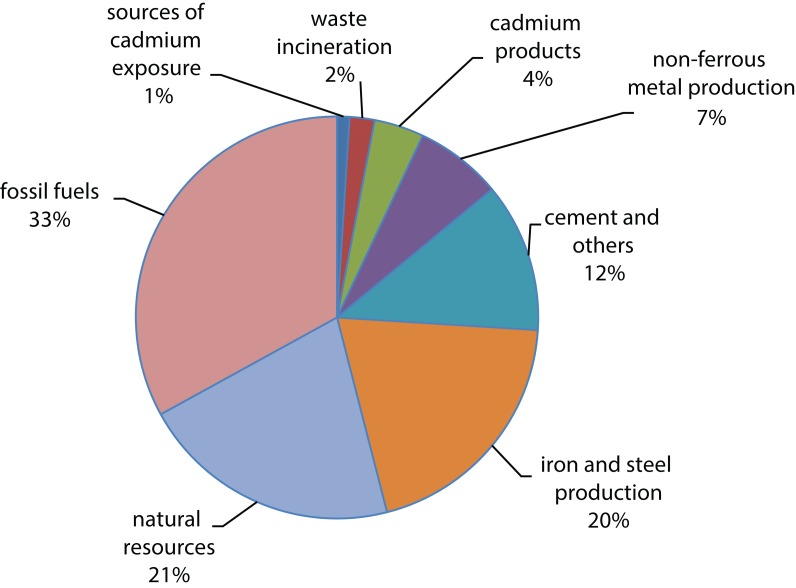
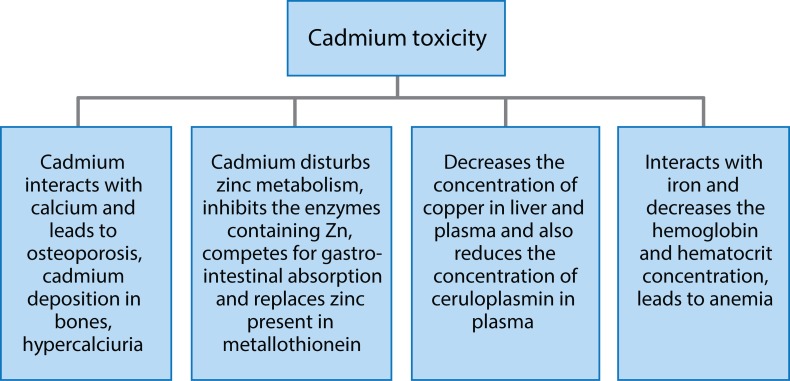
Verification
Claims the paper makes
The claims and statistics of this paper haven’t been checked yet.
Free: it reads the open-access text and checks the first 5 claims that cite a source we can check. Create a free account to check every claim.
Self-check
Percentages, sums and reported differences re-computed from the paper’s own numbers.
The self-check needs the paper’s full text.
Citations
Cites
Standard methods: For the examination of water and waste water
(1990) · Analytical Biochemistry · doi:10.1016/0003-2697(90)90598-4 · Cited by 72,091
A review of the source, behaviour and distribution of arsenic in natural waters
Smedley, P. L., & Kinniburgh, D. G. (2002) · Applied Geochemistry · doi:10.1016/s0883-2927(02)00018-5 · Cited by 7,691 · cited 1×
“Chromium (III), on the other hand, is an essential nutritional supplement for animals and humans and has an important role in glucose metabolism.”
BackgroundHazards of heavy metal contamination
Järup, L. (2003) · British Medical Bulletin · doi:10.1093/bmb/ldg032 · Cited by 6,508
Metals, Toxicity and Oxidative Stress
Valko, M., Morris, H., & Cronin, M. (2005) · Current Medicinal Chemistry · doi:10.2174/0929867053764635 · Cited by 5,018
Oxidative mechanisms in the toxicity of metal ions
Stohs, S. J., & Bagchi, D. (1995) · Free Radical Biology and Medicine · doi:10.1016/0891-5849(94)00159-h · Cited by 4,219 · cited 1×
“…between Cr(VI) and biological reductants like thiols and ascorbate result in the production of reactive oxygen species such as superoxide ion, hydrogen peroxide, and hydroxyl radical, ultimately leading to oxidative stress in the cell causing damage to DNA and proteins (Stohs & Bagchi, 1995).”
BackgroundHeavy metals, occurrence and toxicity for plants: a review
Nagajyoti, P. C., Lee, K. D., & Sreekanth, T. V. M. (2010) · Environmental Chemistry Letters · doi:10.1007/s10311-010-0297-8 · Cited by 3,962 · cited 1×
“Heavy metals are significant environmental pollutants and their toxicity is a problem of increasing significance for ecological, evolutionary, nutritional and environmental reasons (Jaishankar et al., 2013; Nagajyoti et al., 2010).”
BackgroundContamination of drinking-water by arsenic in Bangladesh: a public health emergency.
Smith, A. H., Lingas, E. O., & Rahman, M. (2000) · Europe PMC (PubMed Central) · Cited by 2,406
Sharma, P., & Dubey, R. S. (2005) · Brazilian Journal of Plant Physiology · doi:10.1590/s1677-04202005000100004 · Cited by 1,600
Interactions of chromium with microorganisms and plants
Cervantes, C., Campos‐García, J., Devars, S., Gutiérrez‐Corona, F., Loza‐Tavera, H., Guzmán, J. C. T., & Moreno‐Sánchez, R. (2001) · FEMS Microbiology Reviews · doi:10.1016/s0168-6445(01)00057-2 · Cited by 1,266 · cited 2×
“Due to the presence of excess oxygen in the environment, Cr (III) is oxidized to Cr (VI), which is extremely toxic and highly soluble in water (Cervantes et al., 2001).”
BackgroundAgency for toxic substances and disease registry
(1988) · doi:10.2172/5400458 · Cited by 1,258
Research works printed but not linked: 3
- Hillman RS Hardman JG Limbird LE Gilman AG Chapter 54. Hematopoietic agents: growth factors, minerals, and vitamins Goodman & Gilman's The Pharmacological Basis of Therapeutics 2001 10th Edition New York McGraw-Hill 1487 1518
- Mathew BB Tiwari A Jatawa SK Free radicals and antioxidants: A review Journal of Pharmacy Research 2011 4 12 4340 4343
- Mosby CV Glanze WD Anderson KN Mosby Medical Encyclopedia, The Signet: Revised Edition 1996 St. Louis
Cited by
Items 801–900 of 1,015
Wani, A. A., Shahadat, M., Ali, S. W., Ahammad, S. Z., & Uddin, M. K. (2022) · Journal of Molecular Liquids · doi:10.1016/j.molliq.2022.119976 · Cited by 58
Shahid, S., Sultana, T., Sultana, S., Hussain, B., Al‐Ghanim, K. A., Al-Bashir, F., Riaz, M. N., & Mahboob, S. (2022) · Toxics · doi:10.3390/toxics10100564 · Cited by 58
“Heavy metal accumulations in the tissues of aquatic animals produce cytotoxicity [14,26] and have serious health issues due to their persistent nature [27].”
BackgroundSingh, H., Kamal, Y. T., Mishra, A. K., Singh, M., Mohanto, S., Ghumra, S., Seelan, A., Mishra, A., Kumar, A., Pallavi, J., et al. (2024) · Discover Applied Sciences · doi:10.1007/s42452-024-05735-2 · Cited by 60
“Furthermore, various reports suggest that the presence of heavy metals causes cancer, mutagenesis, teratogenicity, and oxidative stress, which further leads to the prognosis of various diseases and idiosyncrasies [28].”
Mitigating toxic metals contamination in foods: Bridging knowledge gaps for addressing food safety
Srivastava, R., Singh, Y., White, J. C., & Dhankher, O. P. (2024) · Trends in Food Science & Technology · doi:10.1016/j.tifs.2024.104725 · Cited by 58
Toxicity, Irritation, and Allergy of Metal Implants: Historical Perspective and Modern Solutions
Szczęsny, G., Kopeć, M., & Kowalewski, Z. L. (2025) · Coatings · doi:10.3390/coatings15030361 · Cited by 58
Hira, M., Yadav, S., Morthekai, P., Linda, A., Kumar, S., & Sharma, A. (2017) · Journal of Hazardous Materials · doi:10.1016/j.jhazmat.2017.08.008 · Cited by 58
Khan, Z. I., Safdar, H., Ahmad, K., Wajid, K., Bashir, H., Uğulu, İ., & Doğan, Y. (2019) · Environmental Science and Pollution Research · doi:10.1007/s11356-019-04721-1 · Cited by 58
“Iron is essential for body growth, but when the concentration of iron exceeds from permissible limits, it may cause DNA strand breaks, sometimes results in cell death as well as injures the gastrointestinal tract in the body (Jaishankar et al. 2014).”
BackgroundSynthesis of polyamine-CNT composites for the removal of toxic cadmium metal ions from wastewater
Adelabu, I. O., Saleh, T. A., Garrison, T. F., & Hamouz, O. C. S. A. (2019) · Journal of Molecular Liquids · doi:10.1016/j.molliq.2019.111827 · Cited by 58
Sumaila, A. O., Ndamitso, M. M., Iyaka, Y. A., Abdulkareem, A. S., Tijani, J. O., & O., I. M. (2020) · Iraqi Journal of Science · doi:10.24996/ijs.2020.61.9.2 · Cited by 59
“The adverse health effects of these toxic metals in humans range from abdominal disorders to cancer, while sometimes causing death [5].”
BackgroundParastar, M., Sheshmani, S., & Shokrollahzadeh, S. (2020) · International Journal of Biological Macromolecules · doi:10.1016/j.ijbiomac.2020.10.160 · Cited by 58
Zokm, G. M. E., Ismail, M. M., & El‐Said, G. F. (2020) · Environmental Science and Pollution Research · doi:10.1007/s11356-020-11596-0 · Cited by 58
Hussin, F., Aroua, M. K., & Szlachta, M. (2021) · Chemosphere · doi:10.1016/j.chemosphere.2021.132250 · Cited by 58
Rauf, A. U., Mallongi, A., Lee, K., Daud, A., Hatta, M., Madhoun, W. A., & Astuti, R. D. P. (2021) · Toxics · doi:10.3390/toxics9120328 · Cited by 58
Paola, D. D., Capparucci, F., Lanteri, G., Cordaro, M., Crupi, R., Siracusa, R., D’Amico, R., Fusco, R., Impellizzeri, D., Cuzzocrea, S., et al. (2021) · Toxics · doi:10.3390/toxics9120344 · Cited by 58
RetractedAcharjee, A., Ahmed, Z., Kumar, P., Alam, R., Rahman, M. S., & Simal‐Gándara, J. (2022) · Water · doi:10.3390/w14020180 · Cited by 58
Wani, A. K., Akhtar, N., Naqash, N., Chopra, C., Singh, R., Kumar, V., Kumar, S., Mulla, S. I., & Américo‐Pinheiro, J. H. P. (2022) · Cleaner Chemical Engineering · doi:10.1016/j.clce.2022.100017 · Cited by 58
Jasu, A., & Ray, R. R. (2021) · Biocatalysis and Agricultural Biotechnology · doi:10.1016/j.bcab.2021.102183 · Cited by 58
Mokhtar, N. A. I. M., Zawawi, R. M., Khairul, W. M., & Yusof, N. A. (2022) · Environmental Chemistry Letters · doi:10.1007/s10311-022-01403-2 · Cited by 57
“The presence of heavy metal ions in excess can lead to various adverse health and environmental problems (Jaishankar et al. 2014).”
BackgroundVesković, J., Bulatović, S. S., Miletić, A., Tadić, T. T., Marković, B. M., Nastasović, A. B., & Onjia, A. E. (2024) · Stochastic Environmental Research and Risk Assessment · doi:10.1007/s00477-023-02643-6 · Cited by 57
“This exposure to PTEs can lead to various health problems, affecting the circulatory, nervous, and immune systems, causing hearing loss, attention problems, reading and learning disabilities, behavioral problems, and visual and motor dysfunction (Jaishankar et al. 2014).”
Fouda-Mbanga, B. G., Velempini, T., Pillay, K., & Tywabi-Ngeva, Z. (2024) · Hybrid Advances · doi:10.1016/j.hybadv.2024.100193 · Cited by 58
Health Effects Associated With Electronic Cigarette Use: Automated Mining of Online Forums
Hua, M., Sadah, S. A., Hristidis, V., & Talbot, P. (2020) · Journal of Medical Internet Research · doi:10.2196/15684 · Cited by 57
“[94] — [92,93] [91] Neurological Dizziness”
Shokri, N., Safavi, M. S., Etminanfar, M., Walsh, F. C., & Khalil‐Allafi, J. (2020) · Materials Chemistry and Physics · doi:10.1016/j.matchemphys.2020.124041 · Cited by 56
Sani, A., Idris, M. K., Abdullahi, B. A., & Darma, A. I. (2022) · Environmental Advances · doi:10.1016/j.envadv.2022.100172 · Cited by 58
Vanisree, C. R., Sankhla, M. S., Singh, P., Jadhav, E. B., Verma, R. K., Awasthi, K. K., Awasthi, G., & Nagar, V. (2022) · IntechOpen eBooks · doi:10.5772/intechopen.101938 · Cited by 56
“Stomach discomfort, desiring trouble, joint pain, pipedreams migraine, hypertension, fatigue, renal brokenness, restlessness, and vertigo are all symptoms of intense Pb openness [124].”
BackgroundDas, B., Ghosh, A., Dorairaj, D. P., Dolai, M., Karvembu, R., Mabhai, S., Im, H., Dey, S., Jana, A., & Misra, A. (2022) · Journal of Molecular Liquids · doi:10.1016/j.molliq.2022.118824 · Cited by 57
Agarwal, S., Albeshr, M. F., Mahboob, S., Atique, U., Pramanick, P., & Mitra, A. (2022) · Journal of King Saud University - Science · doi:10.1016/j.jksus.2022.102078 · Cited by 56
Microfluidic devices for the detection of contamination in water samples: A review
Rai, P. K., Islam, M., & Gupta, A. (2022) · Sensors and Actuators A Physical · doi:10.1016/j.sna.2022.113926 · Cited by 56
Phytoremediation of Potentially Toxic Elements: Role, Status and Concerns
Wani, Z. A., Ahmad, Z., Asgher, M., Bhat, J. A., Sharma, M., Kumar, A., Sharma, V., Kumar, A., Pant, S., Lukatkin, A. S., et al. (2023) · Plants · doi:10.3390/plants12030429 · Cited by 57
“Chromium (Cr) Mining, electroplating, textile, tanneries Carcinogen, nose ulcers, asthma, cough, skin problems, kidney and liver damage [28,29]”
BackgroundInfluentialComplementing compost with biochar for agriculture, soil remediation and climate mitigation
Khan, N., Bolan, N. S., Jospeh, S., Anh, M. T. L., Meier, S., Kookana, R. S., Borchard, N., Sanchez-Monedero, M. A., Jindo, K., Solaiman, Z. M., et al. (2023) · Advances in agronomy · doi:10.1016/bs.agron.2023.01.001 · Cited by 58
Unlocking New Applications for Thermally Activated Delayed Fluorescence Using Polymer Nanoparticles
Caine, J. R., Hu, P., Gogoulis, A. T., & Hudson, Z. M. (2023) · Accounts of Materials Research · doi:10.1021/accountsmr.3c00124 · Cited by 59
Singh, A., Mahapatra, S., Prasad, R., Singh, S. K., & Chandra, P. (2025) · Nanoscale · doi:10.1039/d5nr00854a · Cited by 56
Yazdi, M., Kolahi, M., Kazemi, E., & Goldson-Barnaby, A. (2019) · Ecotoxicology and Environmental Safety · doi:10.1016/j.ecoenv.2019.04.071 · Cited by 56
Jiao, D., Jiang, Q., Liu, Y., & Ji, L. (2019) · Human & Experimental Toxicology · doi:10.1177/0960327119842635 · Cited by 56
RetractedLanjwani, M. F., Khuhawar, M. Y., & Khuhawar, T. M. J. (2020) · International Journal of Environmental & Analytical Chemistry · doi:10.1080/03067319.2020.1780222 · Cited by 56
Review On Some Heavy Metals Toxicity On Freshwater Fishes
Taee, S. K. A., Karam, H., & Ismail, H. K. (2020) · Journal of Applied Veterinary Sciences/Journal of Applied Veterinary Sciences · doi:10.21608/javs.2020.100157 · Cited by 56
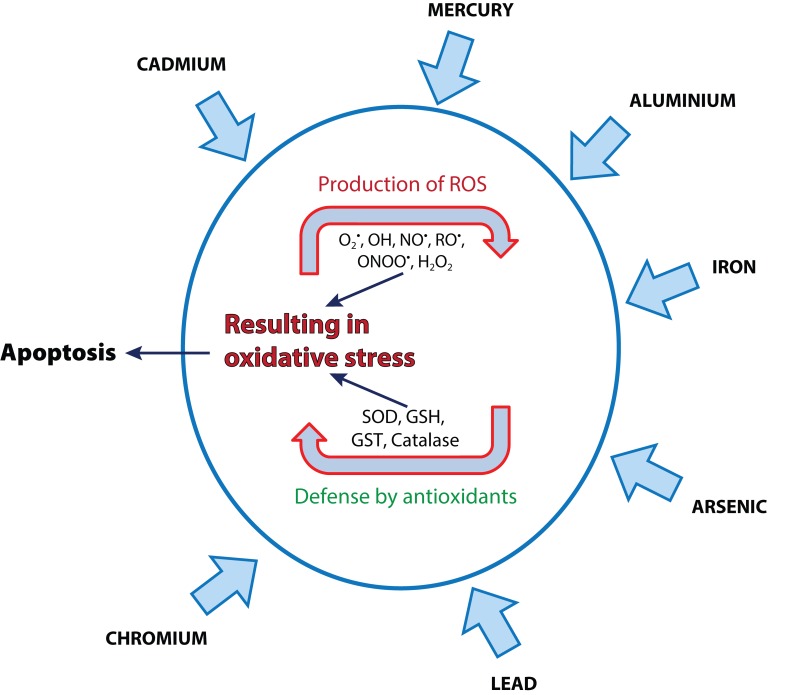
“Fig.1: The effect of heavy metals on a cell and the balance between ROS production and the subsequent defense presented by antioxidants (Jaishankar et al., 2014) Fig.2: Pathway of heavy metals in living organisms’ body (Engw et al.,2019) Aluminum (Al) Aluminum is the third most prevalent metal…”
BackgroundBio- and Biomimetic Receptors for Electrochemical Sensing of Heavy Metal Ions
Stortini, A. M., Baldo, M. A., Moro, G., Polo, F., & Moretto, L. M. (2020) · Sensors · doi:10.3390/s20236800 · Cited by 57
“HMI such as mercury, copper, lead, cadmium, chromium, thallium, zinc, among others, are considered environmental contaminants in every respect [14,15].”
BackgroundA Way to Membrane-Based Environmental Remediation for Heavy Metal Removal
Algieri, C., Chakraborty, S., & Candamano, S. (2021) · Environments · doi:10.3390/environments8060052 · Cited by 56
“Inorganic contaminants include diverse toxic heavy metals as cadmium (Cd), chromium (Cr), arsenic (As), lead (Pb), and mercury (Hg) [6].”
BackgroundRapid impedimetric detection of cadmium ions using Nanocellulose/ligand/nanocomposite (CNT/Co3O4)
Magar, H. S., Magd, E. E. A.-E., Hassan, R. Y. A., & Fahim, A. M. (2022) · Microchemical Journal · doi:10.1016/j.microc.2022.107885 · Cited by 56
Pathirana, C., Ziyath, A. M., Jinadasa, K. B. S. N., Egodawatta, P., Sarina, S., & Goonetilleke, A. (2019) · Chemosphere · doi:10.1016/j.chemosphere.2019.06.074 · Cited by 55
Yang, M., Chen, S.-C., Lin, Y., Lee, Y., Huang, M., Chen, K., Wu, H., Lin, P., Gozes, I., & Tyan, Y. (2019) · Journal of Food and Drug Analysis · doi:10.1016/j.jfda.2018.11.009 · Cited by 55
“[4] Jaishankar M, Tseten T, Anbalagan N, Mathew BB, Beeregowda KN.”
BackgroundHealth risks from consumption of medicinal plant dietary supplements
Ćwieląg‐Drabek, M., Piekut, A., Szymala, I., Oleksiuk, K., Razzaghi, M., Osmala-Kurpiewska, W., Grabowska, K., & Dziubanek, G. (2020) · Food Science & Nutrition · doi:10.1002/fsn3.1636 · Cited by 56
Nkinda, M., Rwiza, M. J., Ijumba, J. N., & Njau, K. N. (2021) · Discover Water · doi:10.1007/s43832-021-00003-5 · Cited by 55
Hyaluronic acid-based supramolecular hydrogels for biomedical applications
Mihajlovic, M., Fermin, L. A. S., Ito, K., van Nostrum, C. F., & Vermonden, T. (2021) · Multifunctional Materials · doi:10.1088/2399-7532/ac1c8a · Cited by 55
E-waste scenario in South-Asia: an emerging risk to environment and public health
Priyashantha, A. K. H., Pratheesh, N., & Pretheeba, P. (2022) · Environmental Analysis Health and Toxicology · doi:10.5620/eaht.2022022 · Cited by 55
The Baltic Sea under Anthropopressure—The Sea of Paradoxes
Dobrzycka-Krahel, A., & Bogalecka, M. (2022) · Water · doi:10.3390/w14223772 · Cited by 55
Formation of polyrotaxane crystals driven by dative boron–nitrogen bonds
Xiao, X., Xiao, D. Q., Sheng, G., Shan, T., Wang, J., Miao, X., Liu, Y., Li, G., Zhu, Y., Sessler, J. L., et al. (2023) · Science Advances · doi:10.1126/sciadv.adi1169 · Cited by 55
“However, the preparation of MIPs or MORFs generally requires the use of metal ions as the nodes, which can lead to high regeneration costs and a lack of biocompatibility ( 16 – 19 ).”
Niu, H., Ye, T., Yao, L., Lin, Y., Chen, K., Zeng, Y., Li, L., Guo, L., & Wang, J. (2024) · Journal of Hazardous Materials · doi:10.1016/j.jhazmat.2024.134914 · Cited by 55
Fernández-Cisnal, R., García-Sevillano, M. Á., García‐Barrera, T., Gómez‐Ariza, J. L., & Abril, N. (2018) · Aquatic Toxicology · doi:10.1016/j.aquatox.2018.10.005 · Cited by 55
Determination of the selected heavy metal and metalloid contents in various types of plastic bags
Alam, O., Li, Y., & Yanchun, X. (2019) · Journal of Environmental Health Science and Engineering · doi:10.1007/s40201-019-00337-2 · Cited by 55
Ninwong, B., Sangkaew, P., Hapa, P., Ratnarathorn, N., Menger, R. F., Henry, C. S., & Dungchai, W. (2020) · RSC Advances · doi:10.1039/d0ra00791a · Cited by 55
Amjad, M. N., Hussain, S., Javed, K., Khan, A. R., & Shahjahan, M. (2020) · World Journal of Applied Chemistry · doi:10.11648/j.wjac.20200502.14 · Cited by 55
“It also has a tendency to join with glutamate, histamine and aspartate ligands and as a result, iron deficiency occurred [13].”
BackgroundXie, N., Wang, H., & You, C. (2020) · Journal of Hazardous Materials · doi:10.1016/j.jhazmat.2020.124221 · Cited by 55
Taksitta, K., Sujarit, P., Ratanawimarnwong, N., Donpudsa, S., & Songsrirote, K. (2020) · Environmental Nanotechnology Monitoring & Management · doi:10.1016/j.enmm.2020.100389 · Cited by 55
Albals, D., Al-Momani, I. F., Issa, R. A., & Yehya, A. (2021) · Science Progress · doi:10.1177/00368504211026162 · Cited by 55
A review on enterosorbents and their application in clinical practice: Removal of toxic metals
Fatullayeva, S. S., Tagiyev, D. B., & Zeynalov, N. A. (2021) · Colloids and Interface Science Communications · doi:10.1016/j.colcom.2021.100545 · Cited by 55
Özyiğit, İ. İ., Karahan, F., Yalçın, İ. E., Hocaoğlu-Özyiğit, A., & İlçım, A. (2021) · Arabian Journal of Geosciences · doi:10.1007/s12517-021-09264-9 · Cited by 55
Water toxicants: a comprehension on their health concerns, detection, and remediation
Sarkar, S., Gill, S. S., Gupta, G. D., & Verma, S. K. (2022) · Environmental Science and Pollution Research · doi:10.1007/s11356-022-20384-x · Cited by 55
“Arsenic is a proto plastic poison because it affects mainly the sulfhydryl group of cells causing malfunctioning of cell respiration, cell enzymes, and mitosis (Jaishankar et al. 2014).”
BackgroundInfluentialArif, M., Qi, Y., Zhi, D., & Wei, H. (2022) · Journal of Cleaner Production · doi:10.1016/j.jclepro.2022.133922 · Cited by 56
Cd Phytoextraction Potential in Halophyte Salicornia fruticosa: Salinity Impact
SALAMA, F. M., AL‐Huqail, A. A., Ali, M., & Abeed, A. H. A. (2022) · Plants · doi:10.3390/plants11192556 · Cited by 56
“Cd is identified as a carcinogenic inducer; it ranks 7th among the top 10 toxicants [1].”
BackgroundHolt, N. M., Shiffman, S., Black, R. A., Goldenson, N. I., Sembower, M. A., & Oldham, M. J. (2023) · Scientific Reports · doi:10.1038/s41598-023-34427-x · Cited by 54
A Survey on Nanotechnology‐Based Bioremediation of Wastewater
Thangavelu, L., & Veeraragavan, G. R. (2022) · Bioinorganic Chemistry and Applications · doi:10.1155/2022/5063177 · Cited by 54
Avîrvarei, A.-C., Salanță, L. C., Pop, C. R., Mudura, E., Pasqualone, A., Anjos, O., Barboza, N., Usaga, J., Dărab, C. P., Burja-Udrea, C., et al. (2023) · Foods · doi:10.3390/foods12040838 · Cited by 54
Chen, D., Wang, G., Chen, C., Feng, Z., Jiang, Y., Yu, H., Li, M., Chao, Y., Tang, Y., Wang, S., et al. (2023) · Journal of Hazardous Materials · doi:10.1016/j.jhazmat.2023.131498 · Cited by 54
Metabolomics: a promising tool for deciphering metabolic impairment in heavy metal toxicities
Akash, M. S. H., Yaqoob, A., Rehman, K., Imran, M., Assiri, M. A., Al‐Rashed, F., Al‐Mulla, F., Ahmad, R., & Sindhu, S. T. A. K. (2023) · Frontiers in Molecular Biosciences · doi:10.3389/fmolb.2023.1218497 · Cited by 54
“The damages caused by heavy metals can become life threatening and irreversible (Jaishankar et al., 2014; Briffa et al., 2020; Balali-Mood et al., 2021; Mitra et al., 2022).”
BackgroundAdvancing biological investigations using portable sensors for detection of sensitive samples
Mir, T. U. G., Wani, A. K., Akhtar, N., Katoch, V., Shukla, S., Kadam, U. S., & Hong, J. C. (2023) · Heliyon · doi:10.1016/j.heliyon.2023.e22679 · Cited by 54
“Such contaminants are ingested and may devastate human health [64].”
BackgroundPiezoelectric dressings for advanced wound healing
Dai, J., Shao, J., Zhang, Y., Hang, R., Yao, X., Bai, L., & Hang, R. (2024) · Journal of Materials Chemistry B · doi:10.1039/d3tb02492j · Cited by 54
Kaur, N., Singh, J., Sharma, N. R., Natt, S. K., Mohan, A., Malik, T., & Girdhar, M. (2025) · Environmental Science Processes & Impacts · doi:10.1039/d4em00565a · Cited by 57
“30 HMs can be classi ed depending on their toxicity levels into low toxicity (Mo, Mn, and Fe), 31,32 average toxicity (Zn, Cr, Cu, W, Co, V, and Ni) 33 and high toxicity (As, U, Pb, Sb, Hg, Cd, and Ag).”
Zhao, G. H., & Liu, G. (2018) · IEEE Sensors Journal · doi:10.1109/jsen.2018.2845306 · Cited by 54
“accumulating in vital organs [1], [2].”
Ren, L., Qi, K., Zhang, L., Bai, Z., Ren, C., Xu, X.-Y., Zhang, Z., & Li, X. (2019) · Biological Trace Element Research · doi:10.1007/s12011-019-1641-x · Cited by 54
Thangaraj, S., Yuvaraj, P., Damotharan, P., Karthikeyan, V., Jha, D. K., Dharani, G., Balasubramanian, T., & Kirubagaran, R. (2019) · Marine Pollution Bulletin · doi:10.1016/j.marpolbul.2019.110499 · Cited by 54
Vatanpour, N., Feizy, J., Talouki, H. H., Es’haghi, Z., Scesi, L., & Malvandi, A. M. (2019) · Chemosphere · doi:10.1016/j.chemosphere.2019.125639 · Cited by 54
Lisiak, M., Borowiak, K., Budka, A., Kanclerz, J., Janicka, E., Kaczor, A., Żyromski, A., Biniak-Pieróg, M., Podawca, K., Mleczek, M., et al. (2020) · Chemosphere · doi:10.1016/j.chemosphere.2020.129113 · Cited by 54
He, M.-Y., Lin, Y., Kao, Y.-L., Kuo, P., Grauffel, C., Lim, C., Cheng, Y., & Chou, H.-H. D. (2021) · ACS Sensors · doi:10.1021/acssensors.0c02204 · Cited by 54
Phytomanagement of As-contaminated matrix: Physiological and molecular basis
Iftikhar, S., Turan, V., Tauqeer, H. M., Rasool, B., Zubaır, M., Rahman, M. U., Khan, M. A., Akhtar, S., Khan, S. A., Basharat, Z., et al. (2020) · Elsevier eBooks · doi:10.1016/b978-0-12-819382-2.00005-3 · Cited by 53
Hussein, A. M., Mahmoud, R., Sillanpää, M. E. T., & Wahed, M. A. (2020) · The Science of The Total Environment · doi:10.1016/j.scitotenv.2020.144333 · Cited by 53
3D printed zeolite-Y for removing heavy metals from water
Khalil, A., Hashaikeh, R., & Hilal, N. (2021) · Journal of Water Process Engineering · doi:10.1016/j.jwpe.2021.102187 · Cited by 54
Talukder, M. E., Pervez, M. N., Wang, J., Stylios, G. K., Hassan, M. M., Song, H., Naddeo, V., & Figoli, A. (2022) · Scientific Reports · doi:10.1038/s41598-022-09802-9 · Cited by 53
Ali, S., Javed, H. M. U., Ali, W., & Zahid, H. (2022) · Journal of Environmental Planning and Management · doi:10.1080/09640568.2022.2081137 · Cited by 54
Potential Application of Living Microorganisms in the Detoxification of Heavy Metals
Chen, R., Tu, H., & Chen, T. (2022) · Foods · doi:10.3390/foods11131905 · Cited by 53
“Inorganic As further leads to significant inhibition of protein kinase B (PKB), a well-known enzyme responsible for various cellular metabolic pathways, thus contributing to multiple clinical symptoms related to As intoxication [48].”
BackgroundBacterial second messenger c-di-GMP: Emerging functions in stress resistance
Wang, Z., Li, S., Liu, X., Shen, X., & Li, X. (2023) · Microbiological Research · doi:10.1016/j.micres.2023.127302 · Cited by 53
Environmental Toxicants and the Developing Brain
Wylie, A. C., & Short, S. J. (2023) · Biological Psychiatry · doi:10.1016/j.biopsych.2023.01.007 · Cited by 53
Ghaffar, I., Hussain, A., Hasan, A., & Deepanraj, B. (2023) · Chemosphere · doi:10.1016/j.chemosphere.2023.137921 · Cited by 53
Naïja, A., & Yalcin, H. C. (2023) · Toxicology Reports · doi:10.1016/j.toxrep.2023.04.009 · Cited by 53
Dathees, T. J., Narmatha, G., Prabakaran, G., Seenithurai, S., Chai, J., Kumar, R. S., Prabhu, J., & Nandhakumar, R. (2024) · Food Chemistry · doi:10.1016/j.foodchem.2024.138362 · Cited by 53
Salahshoori, I., Nobre, M. A. L., Yazdanbakhsh, A., Malekshah, R. E., Asghari, M., Khonakdar, H. A., & Mohammadi, A. H. (2024) · Journal of Molecular Liquids · doi:10.1016/j.molliq.2024.125592 · Cited by 53
Kim, J., Kim, S., Bae, M. A., Kim, J., & Cho, K. (2018) · Toxicology in Vitro · doi:10.1016/j.tiv.2017.11.007 · Cited by 53
Hayati, A., Wulansari, E., Armando, D. S., Sofiyanti, A., Amin, M. H. F., & Pramudya, M. (2019) · The Egyptian Journal of Aquatic Research · doi:10.1016/j.ejar.2019.06.005 · Cited by 53
Shooto, N. D., Thabede, P. M., & Naidoo, E. B. (2019) · South African Journal of Chemical Engineering · doi:10.1016/j.sajce.2019.07.002 · Cited by 53
Omar, S., Muhamad, M. S., Chuan, L. T., Hadibarata, T., & Teh, Z. C. (2019) · Water Air & Soil Pollution · doi:10.1007/s11270-019-4312-9 · Cited by 53
Microbial and plant-assisted heavy metal remediation in aquatic ecosystems: a comprehensive review
Haldar, S., & Ghosh, A. (2020) · 3 Biotech · doi:10.1007/s13205-020-02195-4 · Cited by 53
Coumarin‐based Chemosensors for Metal Ions Detection
Pooja, P., Pandey, H., Aggarwal, S., Vats, M., Rawat, V., & Pathak, S. R. (2022) · Asian Journal of Organic Chemistry · doi:10.1002/ajoc.202200455 · Cited by 54
Kumar, N., Kumar, V., Panwar, R., & Ram, C. (2016) · Environmental Science and Pollution Research · doi:10.1007/s11356-016-7779-6 · Cited by 53
Simple and low-cost production of magnetite/graphene nanocomposites for heavy metal ions adsorption
Yan, J., & Li, R. (2021) · The Science of The Total Environment · doi:10.1016/j.scitotenv.2021.152604 · Cited by 52
Fernandes, R. S., & Dey, N. (2023) · Materials Chemistry and Physics · doi:10.1016/j.matchemphys.2023.127637 · Cited by 52
Zhang, J., Li, X., Xu, H., Zhang, W., Feng, X., Yao, Y., Ma, Y., Su, L., Ren, S., & Li, S. (2023) · Journal of Cleaner Production · doi:10.1016/j.jclepro.2023.137237 · Cited by 52
A review: Engineered nanomaterials for photoreduction of Cr(VI) to Cr(III)
Lathe, A., & palve, A. M. (2023) · Journal of Hazardous Materials Advances · doi:10.1016/j.hazadv.2023.100333 · Cited by 52
Pilot and full scale applications of floating treatment wetlands for treating diffuse pollution
Vo, T., Vo, T.-D.-H., Ntagia, E., Amulya, K., Nguyen, N.-K.-Q., Tran, P.-Y.-N., Ninh, N.-T.-T., Le, S.-L., Le, L.-T., Tran, C., et al. (2023) · The Science of The Total Environment · doi:10.1016/j.scitotenv.2023.165595 · Cited by 52
Tailored ZnO nanostructures for efficient sensing of toxic metallic ions of drainage systems
Preeti, K., Kumar, A., Jain, N., Kaushik, A. K., Mishra, Y. K., & Sharma, S. K. (2023) · Materials Today Sustainability · doi:10.1016/j.mtsust.2023.100515 · Cited by 52
Utilisation of Natural Resources as a Source of Inspiration and Innovation in SME Development
Ausat, A. M. A., Velmurugan, R., Mazil, M. M., Mazher, M. A., & Okombo, M. O. (2023) · Apollo Journal of Tourism and Business · doi:10.58905/apollo.v1i3.103 · Cited by 52
“[32] have indicated that certain naturally occurring constituents may pose a health risk if not adequately processed.”
BackgroundImpact of Mercury and Its Toxicity on Health and Environment: A General Perspective
Basu, M. (2023) · Environmental science and engineering · doi:10.1007/978-981-99-7719-2_4 · Cited by 52
Metadata
- Authors
- Jaishankar, M., Tseten, T., Anbalagan, N., Mathew, B. B., & Beeregowda, K. N.
- Affiliations
- Department of Biotechnology, Sapthagiri College of Engineering, Bangalore-57, Karnataka, India
- Corresponding author
- Mathew, Blessy B.
- Venue
- Interdisciplinary Toxicology
- Publisher
- Walter de Gruyter GmbH
- Published
- 2014-06-01
- Volume
- 7
- Issue
- 2
- Pages
- 60-72
- ISSN
- 1337-6853 (ISSN-L)
- 1337-9569
- PMC
- PMC4427717
- OpenAlex
- W2159727241
- Semantic Scholar
- e1dd844e81d7344a1f2f0a7b9b63d431f3aa3e25
- Cited by
- 6,402
- References
- 95
- Citations by year
- 2026: 497 · 2025: 721 · 2024: 856 · 2023: 875 · 2022: 843 · 2021: 824 · 2020: 683 · 2019: 534 · 2018: 341 · 2017: 150 · 2016: 54 · 2015: 10
- FWCI
- 7.34
- Type
- journal article
- Language
- en
- Open access
- diamond
- doi.org
- Licence
- Locations
- Interdisciplinary Toxicology (publishedVersion, cc-by-nc-nd)
- PubMed Central (publishedVersion, cc-by)
- PubMed (publishedVersion)
- DOAJ (DOAJ: Directory of Open Access Journals) (submittedVersion)
- Topics
- Physical Sciences › Environmental Science › Health, Toxicology and Mutagenesis › Heavy Metal Exposure and Toxicity
- Health Sciences › Nursing › Nutrition and Dietetics › Trace Elements in Health
- Physical Sciences › Environmental Science › Pollution › Heavy metals in environment
- Keywords
- heavy metal toxicity, toxicity mechanisms, health effects, aluminum, occupational exposure, environmental exposure, acute and chronic exposure, oxidative stress, free radicals
About these checks
Registry, retraction, Cites and statistics results are computed, not judged, with one exception: a printed reference that no index lists is read once by a model before it counts as a citation error. Claims are extracted by a model and kept only when their quote appears verbatim in the text; each cited source is then checked, with a model’s help, for whether it says what the claim relies on. Those verdicts can be wrong — read the claim’s quote and the cited source before relying on one.
Statistics and arithmetic are recomputed, not judged.
Confidence bands are shown only for fields calibrated on our annotated test set. None is calibrated yet, so no band is shown.
What counts as a claim ›How we measure confidence ›How we check this ›
Are you an author, or do you see a problem with this page? Request a review
Data sources
Bibliographic data: Semantic Scholar, OpenAlex, Crossref.
Contains information from the Semantic Scholar Academic Graph Datasets, made available under the ODC Attribution License (ODC-BY 1.0).
Semantic Scholar’s data is described in: Kinney, R., et al. (2023). The Semantic Scholar Open Data Platform. arXiv:2301.10140.
