

Toxicity, mechanism and health effects of some heavy metals
Open accessThe DOI matches its Crossref record; 91 of the 95 references it cites were found in a registry or an index.
Abstract
Heavy metal toxicity has proven to be a major threat and there are several health risks associated with it. The toxic effects of these metals, even though they do not have any biological role, remain present in some or the other form harmful for the human body and its proper functioning. They sometimes act as a pseudo element of the body while at certain times they may even interfere with metabolic processes. Few metals, such as aluminium, can be removed through elimination activities, while some metals get accumulated in the body and food chain, exhibiting a chronic nature. Various public health measures have been undertaken to control, prevent and treat metal toxicity occurring at various levels, such as occupational exposure, accidents and environmental factors. Metal toxicity depends upon the absorbed dose, the route of exposure and duration of exposure, i.e. acute or chronic. This can lead to various disorders and can also result in excessive damage due to oxidative stress induced by free radical formation. This review gives details about some heavy metals and their toxicity mechanisms, along with their health effects
Overview
The claims and statistics of this paper haven’t been checked yet.
Free: it reads the open-access text and checks the first 5 claims that cite a source we can check. Create a free account to check every claim.
Integrity signals
Registry
Cites
Statistics
Figures
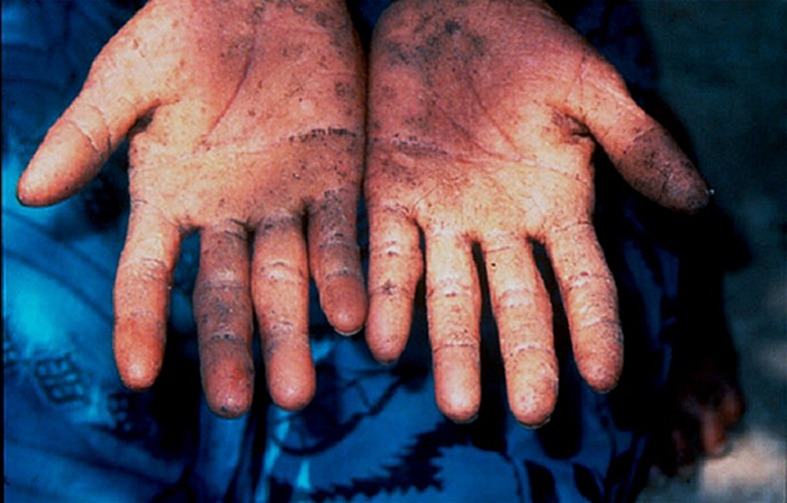
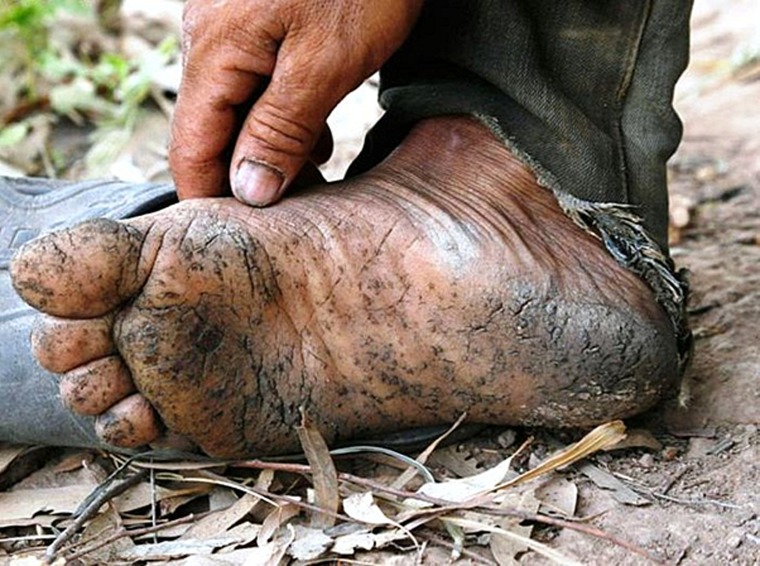
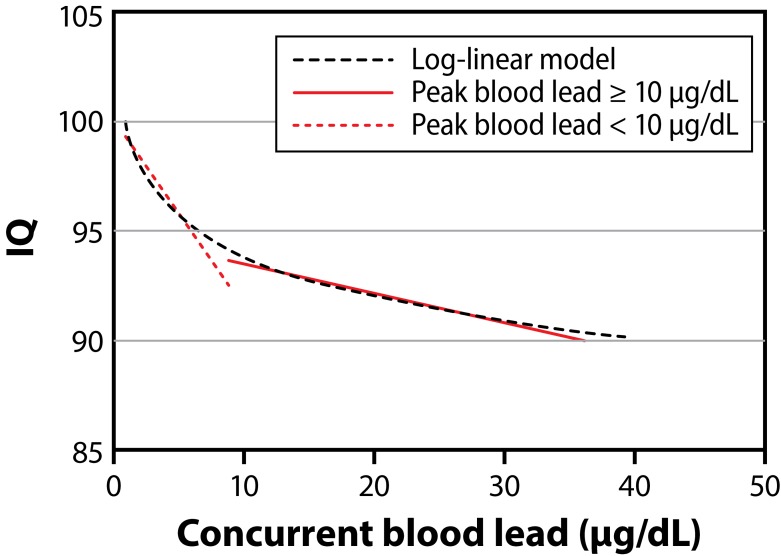
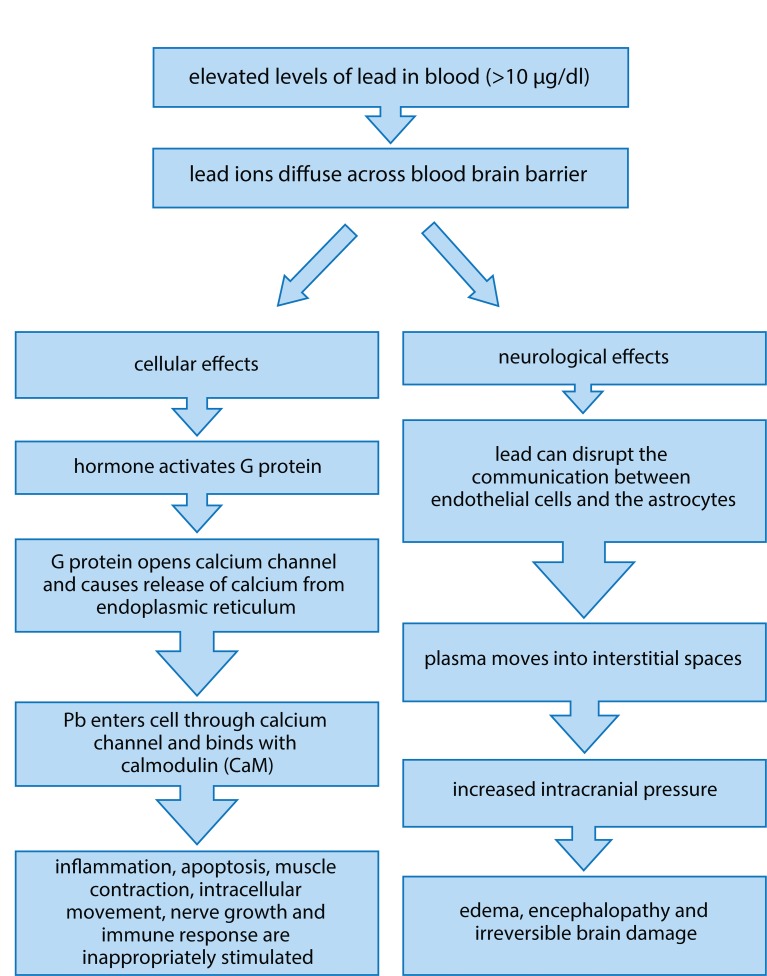
Verification
Claims the paper makes
The claims and statistics of this paper haven’t been checked yet.
Free: it reads the open-access text and checks the first 5 claims that cite a source we can check. Create a free account to check every claim.
Self-check
Percentages, sums and reported differences re-computed from the paper’s own numbers.
The self-check needs the paper’s full text.
Citations
Cites
Standard methods: For the examination of water and waste water
(1990) · Analytical Biochemistry · doi:10.1016/0003-2697(90)90598-4 · Cited by 72,091
A review of the source, behaviour and distribution of arsenic in natural waters
Smedley, P. L., & Kinniburgh, D. G. (2002) · Applied Geochemistry · doi:10.1016/s0883-2927(02)00018-5 · Cited by 7,691 · cited 1×
“Chromium (III), on the other hand, is an essential nutritional supplement for animals and humans and has an important role in glucose metabolism.”
BackgroundHazards of heavy metal contamination
Järup, L. (2003) · British Medical Bulletin · doi:10.1093/bmb/ldg032 · Cited by 6,508
Metals, Toxicity and Oxidative Stress
Valko, M., Morris, H., & Cronin, M. (2005) · Current Medicinal Chemistry · doi:10.2174/0929867053764635 · Cited by 5,018
Oxidative mechanisms in the toxicity of metal ions
Stohs, S. J., & Bagchi, D. (1995) · Free Radical Biology and Medicine · doi:10.1016/0891-5849(94)00159-h · Cited by 4,219 · cited 1×
“…between Cr(VI) and biological reductants like thiols and ascorbate result in the production of reactive oxygen species such as superoxide ion, hydrogen peroxide, and hydroxyl radical, ultimately leading to oxidative stress in the cell causing damage to DNA and proteins (Stohs & Bagchi, 1995).”
BackgroundHeavy metals, occurrence and toxicity for plants: a review
Nagajyoti, P. C., Lee, K. D., & Sreekanth, T. V. M. (2010) · Environmental Chemistry Letters · doi:10.1007/s10311-010-0297-8 · Cited by 3,962 · cited 1×
“Heavy metals are significant environmental pollutants and their toxicity is a problem of increasing significance for ecological, evolutionary, nutritional and environmental reasons (Jaishankar et al., 2013; Nagajyoti et al., 2010).”
BackgroundContamination of drinking-water by arsenic in Bangladesh: a public health emergency.
Smith, A. H., Lingas, E. O., & Rahman, M. (2000) · Europe PMC (PubMed Central) · Cited by 2,406
Sharma, P., & Dubey, R. S. (2005) · Brazilian Journal of Plant Physiology · doi:10.1590/s1677-04202005000100004 · Cited by 1,600
Interactions of chromium with microorganisms and plants
Cervantes, C., Campos‐García, J., Devars, S., Gutiérrez‐Corona, F., Loza‐Tavera, H., Guzmán, J. C. T., & Moreno‐Sánchez, R. (2001) · FEMS Microbiology Reviews · doi:10.1016/s0168-6445(01)00057-2 · Cited by 1,266 · cited 2×
“Due to the presence of excess oxygen in the environment, Cr (III) is oxidized to Cr (VI), which is extremely toxic and highly soluble in water (Cervantes et al., 2001).”
BackgroundAgency for toxic substances and disease registry
(1988) · doi:10.2172/5400458 · Cited by 1,258
Research works printed but not linked: 3
- Hillman RS Hardman JG Limbird LE Gilman AG Chapter 54. Hematopoietic agents: growth factors, minerals, and vitamins Goodman & Gilman's The Pharmacological Basis of Therapeutics 2001 10th Edition New York McGraw-Hill 1487 1518
- Mathew BB Tiwari A Jatawa SK Free radicals and antioxidants: A review Journal of Pharmacy Research 2011 4 12 4340 4343
- Mosby CV Glanze WD Anderson KN Mosby Medical Encyclopedia, The Signet: Revised Edition 1996 St. Louis
Cited by
Items 301–400 of 1,015
Prenatal Heavy Metal Exposure and Adverse Birth Outcomes in Myanmar: A Birth-Cohort Study
Wai, K., Mar, O., Kosaka, S., Umemura, M., & Watanabe, C. (2017) · International Journal of Environmental Research and Public Health · doi:10.3390/ijerph14111339 · Cited by 114
“The sensitivity of the population may also vary in response to exposure, as toxic effects depend on the variations in the metabolism of heavy metals across different populations [1,60].”
BackgroundLead absorption mechanisms in bacteria as strategies for lead bioremediation
Tiquia-Arashiro, S. M. (2018) · Applied Microbiology and Biotechnology · doi:10.1007/s00253-018-8969-6 · Cited by 127
Terron-Camero, L. C., Peláez‐Vico, M. Á., del Val, C., Sandalio, L. M., & Romero‐Puertas, M. C. (2019) · Journal of Experimental Botany · doi:10.1093/jxb/erz184 · Cited by 129
Ecological risk assessment of trace metals in soils affected by mine tailings
Buch, A. C., Niemeyer, J. C., Marques, E. D., & Silva-Filho, E. V. (2020) · Journal of Hazardous Materials · doi:10.1016/j.jhazmat.2020.123852 · Cited by 127
Zhang, J., Hamza, A., Xie, Z., Hussain, S., Brestič, M., Tahir, M. A., Ulhassan, Z., Yu, M., Allakhverdiev, S. I., & Shabala, S. N. (2021) · Environmental Pollution · doi:10.1016/j.envpol.2021.117987 · Cited by 128
Chemicals in Plastics - A Technical Report
United Nations Environment Programme (2023) · United Nations Environment Programme eBooks · doi:10.59117/20.500.11822/42366 · Cited by 129
Hashem, M. A., Nur‐A‐Tomal, M. S., Mondal, N. R., & Rahman, M. A. (2017) · Environmental Chemistry Letters · doi:10.1007/s10311-017-0634-2 · Cited by 126
“Iron poisoning has gastrointestinal effects such as gastrointestinal bleeding, vomiting and diarrhoea and promotes DNA damage and cell death (Jaishankar et al. 2014).”
BackgroundChandra, R., Kumar, V., Tripathi, S., & Sharma, P. (2017) · Ecological Engineering · doi:10.1016/j.ecoleng.2017.12.007 · Cited by 129
Luhar, I., Luhar, S., Abdullah, M. M. A. B., Razak, R. A., Vizureanu, P., Sandu, A. V., & Mătăsaru, P.-D. (2021) · Materials · doi:10.3390/ma14237456 · Cited by 127
Zein - a plant-based material of growing importance: New perspectives for innovative uses
Jaski, A. C., Schmitz, F., Horta, R. P., Cadorin, L., da Silva, B. J. G., Andreaus, J., Paes, M. C. D., Riegel-Vidotti, I. C., & Zimmermann, L. M. (2022) · Industrial Crops and Products · doi:10.1016/j.indcrop.2022.115250 · Cited by 126
Analysis and inorganic composition of microplastics in commercial Malaysian fish meals
Karbalaei, S., Golieskardi, A., Watt, D. U., Boiret, M., Hanachi, P., Walker, T. R., & Karami, A. (2020) · Marine Pollution Bulletin · doi:10.1016/j.marpolbul.2019.110687 · Cited by 119
Bioremediation of heavy metals from wastewater using nanomaterials
Kaur, S., & Roy, A. (2020) · Environment Development and Sustainability · doi:10.1007/s10668-020-01078-1 · Cited by 123
Ahmed, M. A., & Mohamed, A. A. (2022) · Inorganic Chemistry Communications · doi:10.1016/j.inoche.2022.110325 · Cited by 124
Elementary Overview of Heavy Metals
Jannetto, P. J., & Cowl, C. T. (2023) · Clinical Chemistry · doi:10.1093/clinchem/hvad022 · Cited by 122
Shoshaa, R., Ashfaq, M. Y., & Al-Ghouti, M. A. (2023) · Environmental Technology & Innovation · doi:10.1016/j.eti.2023.103162 · Cited by 122
“Potentially toxic elements are naturally highly soluble, and non-degradable, so they are abundant in wastewater (Jaishankar et al., 2014).”
Role of Bioadsorbents in Reducing Toxic Metals
Mathew, B. B., Jaishankar, M., Biju, V. G., & Beeregowda, K. N. (2016) · Journal of Toxicology · doi:10.1155/2016/4369604 · Cited by 105
Self-citationDevelopment of Graphene Quantum Dots-Based Optical Sensor for Toxic Metal Ion Detection
Anas, N. A. A., Fen, Y. W., Omar, N. A. S., Daniyal, . M. E. M. M., Ramdzan, N. S. M., & Saleviter, S. (2019) · Sensors · doi:10.3390/s19183850 · Cited by 121
“These toxic metal ions sometimes can interfere during the main process that happens in the human body, which then leads to excessive damage to the body without proper measures taken [97].”
BackgroundTho, P. T., Van, H. T., Nguyen, L. H., Hoang, T. K., Tran, T. N., Nguyen, T. T. N., Nguyen, T. B. H., Nguyen, V. Q., Sy, H. L., Thái, V. N., et al. (2021) · RSC Advances · doi:10.1039/d1ra01599k · Cited by 121
An Investigation on Radiation Shielding Properties of Borosilicate Glass Systems
BAYKAL, D. Ş., Tekin, H. O., & Cakirli, R. B. (2021) · International Journal of Computational and Experimental Science and Engineering · doi:10.22399/ijcesen.960151 · Cited by 120
Hargreaves, A. J., Vale, P., Whelan, J., Alibardi, L., Constantino, C. J. L., Dotro, G., Cartmell, E., & Campo, P. (2018) · Clean Technologies and Environmental Policy · doi:10.1007/s10098-017-1481-3 · Cited by 119
Doyi, I. N. Y., Isley, C. F., Soltani, N. S., & Taylor, M. P. (2019) · Environment International · doi:10.1016/j.envint.2019.105125 · Cited by 120
“Both Cr and Pb are systemic toxicants that can induce a range of carcinogenic, neurotoxic, hepatotoxic, genotoxic and mutagenic diseases, even at low levels of exposure (Jaishankar et al., 2014; Tchounwou et al., 2012).”
BackgroundKarahan, F., Özyiğit, İ. İ., Saracoglu, I. A., Yalçın, İ. E., Hocaoğlu-Özyiğit, A., & İlçım, A. (2019) · Biological Trace Element Research · doi:10.1007/s12011-019-01974-2 · Cited by 121
Molecular Mechanisms of Metal Toxicity in the Pathogenesis of Alzheimer’s Disease
Kabir, M. T., Uddin, M. S., Zaman, S., Begum, Y., Ashraf, G. M., Bin-Jumah, M. N., BUNGAU, S. G., Mousa, S. A., & Abdel‐Daim, M. M. (2020) · Molecular Neurobiology · doi:10.1007/s12035-020-02096-w · Cited by 119
El‐Ghany, N. A. A., Elella, M. H. A., Abdallah, H. M., Mostafa, M. S., & Samy, M. (2023) · Journal of Polymers and the Environment · doi:10.1007/s10924-023-02798-x · Cited by 119
Human exposure to trace elements through the skin by direct contact with clothing: Risk assessment
Rovira, J., Nadal, M., Schuhmacher, M., & Domingo, J. L. (2015) · Environmental Research · doi:10.1016/j.envres.2015.03.032 · Cited by 119
Rasheed, T. (2022) · Journal of Cleaner Production · doi:10.1016/j.jclepro.2022.132338 · Cited by 118
Nivetha, N., Srivarshine, B., Sowmya, B., Rajendiran, M., Saravanan, P., Rajeshkannan, R., Rajasimman, M., Pham, T. H. T., Shanmugam, V., & Dragoi, E.-N. (2023) · Chemosphere · doi:10.1016/j.chemosphere.2022.137099 · Cited by 106
Wu, L., Garg, S., & Waite, T. D. (2024) · Journal of Hazardous Materials · doi:10.1016/j.jhazmat.2024.135581 · Cited by 119
Ionic liquid-modified composites for the adsorptive removal of emerging water contaminants: A review
Ayati, A., Ranjbari, S., Tanhaei, B., & Sillanpää, M. E. T. (2018) · Journal of Molecular Liquids · doi:10.1016/j.molliq.2018.11.016 · Cited by 118
Tamele, I. J., & Loureiro, P. V. (2020) · Journal of Marine Science and Engineering · doi:10.3390/jmse8050344 · Cited by 117
“Cd is considered the seventh most toxic nonessential heavy metal [44] and enters the environment by natural sources, such as volcanism [45], and anthropogenic sources; the latter is considered the most important.”
BackgroundParvin, F., Haque, M. M., & Tareq, S. M. (2021) · Environmental Challenges · doi:10.1016/j.envc.2021.100416 · Cited by 117
Kumar, N., Chandan, N. K., Bhushan, S., Singh, D. K., & Kumar, S. (2023) · Scientific Reports · doi:10.1038/s41598-023-28801-y · Cited by 118
Vaping, Environmental Toxicants Exposure, and Lung Cancer Risk
Shehata, S. A., Toraih, E. A., Ismail, E. A., Hagras, A. M., Elmorsy, E. M., & Fawzy, M. S. (2023) · Cancers · doi:10.3390/cancers15184525 · Cited by 120
“Although many essential metals, such as iron, magnesium, copper, and zinc, are required in recommended concentrations for human body biological processes, higher concentrations may be harmful [224].”
BackgroundWu, Y., Li, Y., Kang, D., Wang, J., Zhang, Y., Du, D., Pan, B., Lin, Z., Huang, C., & Dong, Q. (2015) · The Science of The Total Environment · doi:10.1016/j.scitotenv.2015.09.038 · Cited by 117
Zhou, B., Zhang, T., & Wang, F. (2023) · Applied Sciences · doi:10.3390/app13148439 · Cited by 116
“However, gold (Au) has not been found to pose such health hazards [6].”
BackgroundLiu, H.-Y., Dunea, D., Iordache, Ș., & Pohoaţă, A. (2018) · Atmosphere · doi:10.3390/atmos9040150 · Cited by 116
“While heavy metals have an influence on chronic disease development in correlation with exposure time and bioaccumulation mainly in adults [43], PAHs tend to be more dangerous to the health of children due to their direct toxic effect [44].”
BackgroundEco‐friendly polymer composites: A review of suitable methods for waste management
Cabrera, F. C. (2021) · Polymer Composites · doi:10.1002/pc.26033 · Cited by 120
Borse, V. B., Thakur, M., Sengupta, S., & Srivastava, R. (2017) · Sensors and Actuators B Chemical · doi:10.1016/j.snb.2017.03.158 · Cited by 115
Kakade, A., Salama, E., Pengya, F., Liu, P., & Li, X. (2020) · Environmental Pollution · doi:10.1016/j.envpol.2020.115293 · Cited by 115
Nazik, G., Aadil, M., Zulfiqar, S., Hassan, W., Rahman, A., Ibrahim, S. M., Naseem, K., Sheikh, T. A., & Akhtar, M. N. (2023) · Zeitschrift für Physikalische Chemie · doi:10.1515/zpch-2023-0252 · Cited by 115
Tripathi, S., Kharkwal, G. B., Mishra, R., & Singh, G. (2024) · Heliyon · doi:10.1016/j.heliyon.2024.e37545 · Cited by 115
“It can be found in a variety of products, including paints, toys, cosmetics, shot ammunition, fishing weights, and Pb-acid batteries, as well as in the air, dust, food, and drinking water [85].”
BackgroundInfluentialAmin, M. T., Alazba, A. A., & Shafiq, M. (2018) · Arabian Journal for Science and Engineering · doi:10.1007/s13369-017-2934-z · Cited by 114
Ismanto, A., Hadibarata, T., Widada, S., Indrayanti, E., Ismunarti, D. H., Safinatunnajah, N., Kusumastuti, W., Dwiningsih, Y., & Alkahtani, J. (2022) · Bioprocess and Biosystems Engineering · doi:10.1007/s00449-022-02826-5 · Cited by 114
“Also, humans are mostly exposed to IM through their diets, while IM and EM can be found in large amounts in skin lightening products, detergents, and traditional medicines [39, 47].”
BackgroundMohamed, H. S., Soliman, N. K., Abdelrheem, D. A., Ramadan, A. A., Elghandour, A. H., & Ahmed, S. A. (2019) · Heliyon · doi:10.1016/j.heliyon.2019.e01287 · Cited by 113
Environmental Toxin Screening Using Human-Derived 3D Bioengineered Liver and Cardiac Organoids
Forsythe, S. D., Devarasetty, M., Shupe, T., Bishop, C., Atala, A., Soker, S., & Skardal, A. (2018) · Frontiers in Public Health · doi:10.3389/fpubh.2018.00103 · Cited by 112
“Lead toxicity manifests itself in a multitude of ways, including increasing free radical oxygen species causing oxidative stress by affecting the creation and efficacy of antioxidants created from glutathione by displacing sulfide groups, decreasing the reduced form and increasing the oxidized form, and causing an inc…”
BackgroundRecent Advances on Diverse Decarboxylative Reactions of Amino Acids
Rahman, M., Mukherjee, A., Коvalev, I. S., Kopchuk, D. S., Zyryanov, G. V., Tsurkan, M. V., Majee, A., Ranu, B. C., Чарушин, В. Н., Чупахин, О. Н., et al. (2018) · Advanced Synthesis & Catalysis · doi:10.1002/adsc.201801331 · Cited by 112
Phase-Mediated Heavy Metal Adsorption from Aqueous Solutions Using Two-Dimensional Layered MoS2
Luo, J., Fu, K., Sun, M., Yin, K., Wang, D., Liu, X., & Crittenden, J. C. (2019) · ACS Applied Materials & Interfaces · doi:10.1021/acsami.9b14019 · Cited by 112
Rezaei, H., Zarei, A., Kamarehie, B., Jafari, A., Fakhri, Y., Bidarpoor, F., Karami, M. A., Farhang, M., Ghaderpoori, M., Sadeghi, H., et al. (2019) · Toxicology and Environmental Health Sciences · doi:10.1007/s13530-019-0388-2 · Cited by 111
Development of Lead-Free Materials for Radiation Shielding in Medical Settings: A Review
Safari, A., Rafie, P., Taeb, S., Najafi, M., & Mortazavi, S. M. J. (2024) · Journal of Biomedical Physics and Engineering · doi:10.31661/jbpe.v0i0.2404-1742 · Cited by 111
“The up - take of tin may cause some effects such as eye and skin irritations and liver damage [81, 82].”
BackgroundSánchez-López, A. S., Thijs, S., Beckers, B., Gónzalez‐Chávez, M. D. C. A., Weyens, N., Carrillo‐González, R., & Vangronsveld, J. (2017) · Plant and Soil · doi:10.1007/s11104-017-3176-2 · Cited by 111
S. Yousef, A. O., A. Fahad, A., Abdel Moneim, A. E., Metwally, D. M., El-khadragy, M. F., & Kassab, R. B. (2019) · International Journal of Environmental Research and Public Health · doi:10.3390/ijerph16162895 · Cited by 110
“Exposure to heavy metals is a major health concern worldwide due to their long biological half-lives and irreversible effects on different body systems [1].”
BackgroundDrosophila melanogaster Models of Metal-Related Human Diseases and Metal Toxicity
Calap-Quintana, P., González-Fernández, J., Sebastiá-Ortega, N., Llorens, J. V., & Moltó, M. D. (2017) · International Journal of Molecular Sciences · doi:10.3390/ijms18071456 · Cited by 110
“Chromium Burning of petroleum, coil and oil, pigment oxidants, fertilizers, metal planting tanneries, sewage, metallurgy, paper production Water, occupational exposure Ulcers, fever, renal failure, liver damage and hemorrhagic diathesis DNA damage, alterations in pre- and post-replication mechanism implicated in repai…”
BackgroundEffects of aluminium and cadmium on hatching and swimming ability in developing zebrafish
Capriello, T., Grimaldi, M. C., Cofone, R., D’Aniello, S., & Ferrandino, I. (2019) · Chemosphere · doi:10.1016/j.chemosphere.2019.01.140 · Cited by 110
Biopolymer – A sustainable and efficacious material system for effluent removal
Subash, A., Naebe, M., Wang, X., & Kandasubramanian, B. (2022) · Journal of Hazardous Materials · doi:10.1016/j.jhazmat.2022.130168 · Cited by 110
Kukongviriyapan, U., Apaijit, K., & Kukongviriyapan, V. (2016) · The Tohoku Journal of Experimental Medicine · doi:10.1620/tjem.239.25 · Cited by 109
“The most commonly affected organ systems are the kidney, lung, bone and skeletal, cardiovascular, and nervous systems (Jaishankar et al. 2014).”
Luo, J., Fu, K., Yu, D., Hristovski, K. D., Westerhoff, P. K., & Crittenden, J. C. (2021) · ACS ES&T Engineering · doi:10.1021/acsestengg.0c00174 · Cited by 110
Kumar, A., Siddiqi, N. J., Al‐Rashood, S. T., Khan, H. A., Dubey, A., & Sharma, B. (2021) · Biomedicine & Pharmacotherapy · doi:10.1016/j.biopha.2021.111588 · Cited by 109
An Overview of Bacteria-Mediated Heavy Metal Bioremediation Strategies
Roy, R., Samanta, S., Pandit, S., Naaz, T., Banerjee, S., Rawat, J. M., Chaubey, K. K., & Saha, R. P. (2023) · Applied Biochemistry and Biotechnology · doi:10.1007/s12010-023-04614-7 · Cited by 111
“Vapors of mercury can cause bronchitis, asthma, and temporary respiratory problems and play a key role in tertiary and quaternary protein structure damage and altering cellular function by attaching to the sulfhydryl groups [185].”
Ravindiran, G., Rajamanickam, S., Sujatha, S., Balamurugan, K. S., Ravindran, G., Muniasamy, S. K., & Hayder, G. (2023) · Water · doi:10.3390/w15203662 · Cited by 109
Islam, M. S., Choi, W. S., Nam, B., Yoon, C., & Lee, H.-J. (2016) · Chemical Engineering Journal · doi:10.1016/j.cej.2016.08.079 · Cited by 109
Bassil, M. S., Daou, F., Hassan, H. F., Yamani, O. A., Kharma, J. A., Attieh, Z., & Elaridi, J. (2017) · Chemosphere · doi:10.1016/j.chemosphere.2017.10.111 · Cited by 108
Awasthi, Y., Ratn, A., Prasad, R., Kumar, M., & Trivedi, S. P. (2018) · Aquatic Toxicology · doi:10.1016/j.aquatox.2018.05.001 · Cited by 108
Ibrahim, N. A., Abdellatif, F. H. H., Hasanin, M. S., & Abdellatif, M. M. (2021) · Journal of Cleaner Production · doi:10.1016/j.jclepro.2021.130021 · Cited by 108
Recent trends in the analysis of trace elements in the field of environmental research: A review
Hossain, M., Karmakar, D., Begum, S. N., Ali, S. Y., & Patra, P. K. (2021) · Microchemical Journal · doi:10.1016/j.microc.2021.106086 · Cited by 107
Shahriyari, H. A., Nikmanesh, Y., Jalali, S., Tahery, N., Fard, A. Z., Hatamzadeh, N., Zarea, K., Cheraghi, M., & Mohammadi, M. J. (2021) · Toxin Reviews · doi:10.1080/15569543.2021.1887261 · Cited by 108
Hargreaves, A. J., Vale, P., Whelan, J., Alibardi, L., Constantino, C. J. L., Dotro, G., Cartmell, E., & Campo, P. (2017) · Water Research · doi:10.1016/j.watres.2017.10.050 · Cited by 107
“Metals including Cu, Pb, Ni and Zn are commonly found in wastewater, with discharges of these metals influencing the chemistry and biology of receiving waters, with potentially toxic implications (Jaishankar et al. 2014).”
BackgroundHeavy metals in biological samples of cancer patients: a systematic literature review
Coradduzza, D., Congiargiu, A., Azara, E., Mammani, I. M. A., Miglio, M. R. D., Zinellu, A., Carru, C., & Medici, S. (2024) · BioMetals · doi:10.1007/s10534-024-00583-4 · Cited by 106
“Biotrans-formation mechanisms are able to convert inorganic forms of different cations into organometallic species, for instance through methylation processes [2].”
BackgroundNanomaterials for the removal and detection of heavy metals: a review
Silva, M. D., Cao, G., & Tam, K. C. (2025) · Environmental Science Nano · doi:10.1039/d4en01041h · Cited by 107
Arabidopsis CNGC Family Members Contribute to Heavy Metal Ion Uptake in Plants
Moon, J. Y., Belloeil, C., Ianna, M. L., & Shin, R. (2019) · International Journal of Molecular Sciences · doi:10.3390/ijms20020413 · Cited by 105
Impacts of Autonomous Vehicles on Public Health: A Conceptual Model and Policy Recommendations
Sohrabi, S., Khreis, H., & Lord, D. (2020) · Sustainable Cities and Society · doi:10.1016/j.scs.2020.102457 · Cited by 91
Association between Pb, Cd, and Hg Exposure and Liver Injury among Korean Adults
Kim, D.-W., Ock, J., Moon, K. W., & Park, C.-H. (2021) · International Journal of Environmental Research and Public Health · doi:10.3390/ijerph18136783 · Cited by 106
Wojtunik‐Kulesza, K. A., Oniszczuk, A., & Waksmundzka‐Hajnos, M. (2019) · Biomedicine & Pharmacotherapy · doi:10.1016/j.biopha.2018.12.140 · Cited by 105
Jiang, S., Chen, S., Wang, Z., Guo, H., & Yang, F. (2020) · Sensors and Actuators B Chemical · doi:10.1016/j.snb.2020.127734 · Cited by 104
Akhtar, M., Tahir, A., Zulfiqar, S., Hanif, F., Warsi, M. F., Agboola, P. O., & Shakir, I. (2020) · Synthetic Metals · doi:10.1016/j.synthmet.2020.116410 · Cited by 104
Al-Amin, A., Parvin, F., Chakraborty, J., & Kim, Y.-I. (2021) · Environmental Technology Reviews · doi:10.1080/21622515.2020.1869323 · Cited by 105
Kurniawan, S. B., Ramli, N. N., Said, N. S. M., Alias, J., Imron, M. F., Abdullah, S. R. S., Othman, A. R., Purwanti, I. F., & Hasan, H. A. (2022) · Heliyon · doi:10.1016/j.heliyon.2022.e08995 · Cited by 107
“The property of heavy metal with its high atomic weight and density makes it a good candidate for conducting electricity (Jaishankar et al., 2014; Shadman et al., 2019).”
BackgroundLi, J., Ran, X., Zhou, M., Wang, K., Wang, H., & Wang, Y. (2022) · The Science of The Total Environment · doi:10.1016/j.scitotenv.2022.156454 · Cited by 104
Mutagenic, Carcinogenic, and Teratogenic Effect of Heavy Metals
Dasharathy, S., Arjunan, S., Anusha, M. B., Murugasen, V., Ramachandran, S., Keshav, R., & Rajadurai, M. (2022) · Evidence-based Complementary and Alternative Medicine · doi:10.1155/2022/8011953 · Cited by 105
“It cannot be excreted in the urine, and its accumulation is linked to arsenic-induced carcinogenesis [34].”
BackgroundHuman health risk assessment of heavy metals in vegetables of Bangladesh
Chowdhury, A. I., Shill, L. C., Raihan, M. M., Rashid, R., Bhuiyan, M. N. H., Reza, S., & Alam, M. R. (2024) · Scientific Reports · doi:10.1038/s41598-024-65734-6 · Cited by 104
Belabed, B.-E., Meddour, A., Samraoui, B., & Chenchouni, H. (2017) · Environmental Monitoring and Assessment · doi:10.1007/s10661-017-5968-5 · Cited by 103
Al‐Saleh, I., & Abduljabbar, M. (2017) · International Journal of Hygiene and Environmental Health · doi:10.1016/j.ijheh.2017.07.007 · Cited by 104
Progressive trends in heavy metal ions and dyes adsorption using silk fibroin composites
Rastogi, S., & Kandasubramanian, B. (2019) · Environmental Science and Pollution Research · doi:10.1007/s11356-019-07280-7 · Cited by 103
Yang, S.-C., Liao, Y., Karthikeyan, K. G., & Pan, X. (2021) · Environmental Pollution · doi:10.1016/j.envpol.2021.117324 · Cited by 104
Imron, M. F., Kurniawan, S. B., & Abdullah, S. R. S. (2021) · Sustainable Environment Research · doi:10.1186/s42834-021-00088-6 · Cited by 106
Bio-inspired Track-Etched Polymeric Nanochannels: Steady-State Biosensors for Detection of Analytes
Wang, J., Zhou, Y., & Jiang, L. (2021) · ACS Nano · doi:10.1021/acsnano.1c08582 · Cited by 103
Human health risk assessment of arsenic, cadmium, lead, and mercury ingestion from baby foods
Parker, G. H., Gillie, C. E., Miller, J. V., Badger, D. E., & Kreider, M. L. (2022) · Toxicology Reports · doi:10.1016/j.toxrep.2022.02.001 · Cited by 94
Uncovering the mechanisms of salicylic acid-mediated abiotic stress tolerance in horticultural crops
Yang, H., Fang, R. X., Luo, L., Yang, W., Huang, Q., Yang, C., Hui, W., Gong, W., & Wang, J. (2023) · Frontiers in Plant Science · doi:10.3389/fpls.2023.1226041 · Cited by 105
“Eating is the primary way that 70% of all HMs and their derivatives enter human bodies (Jaishankar et al., 2014).”
BackgroundFarooq, M. U., Tang, Z., Zheng, T., Asghar, M. A., Zeng, R., Yang, S., Hla, H., Liang, Y., Zhang, Y., Ye, X., et al. (2019) · Biomolecules · doi:10.3390/biom9060247 · Cited by 102
“Cadmium (Cd) is regarded as a Group I carcinogen for humans [1]; it is the third most toxic metal after lead and mercury [2], and is widespread in the atmosphere and soil [3].”
BackgroundCarbon dots for cancer nanomedicine: a bright future
Bayda, S., Amadio, E., Cailotto, S., Frión-Herrera, Y., Perosa, A., & Rizzolio, F. (2021) · Nanoscale Advances · doi:10.1039/d1na00036e · Cited by 101
Vaghasiya, J. V., Mayorga‐Martinez, C. C., Matějková, S., & Pumera, M. (2022) · Nature Communications · doi:10.1038/s41467-022-28406-5 · Cited by 102
Famurewa, A. C., Renu, K., Eladl, M. A., Chakraborty, R., Myakala, H., El‐Sherbiny, M., Elsherbini, D. M. A., Vellingiri, B., Madhyastha, H., Wanjari, U. R., et al. (2022) · Biomedicine & Pharmacotherapy · doi:10.1016/j.biopha.2022.112914 · Cited by 101
Heavy Metals in the Environment: Selected Papers from the ICHMET-15 Conference
Yoshida, M. (2012) · Progress in environmental science, technology and management · doi:10.5645/b.2 · Cited by 101
Cipullo, S., Prpich, G. P., Campo, P., & Coulon, F. (2017) · The Science of The Total Environment · doi:10.1016/j.scitotenv.2017.09.321 · Cited by 103
Zwolak, I. (2021) · International Journal of Molecular Sciences · doi:10.3390/ijms22084027 · Cited by 105
Vogel, N., Murawski, A., Schmied-Tobies, M. I. H., Rucic, E., Doyle, U., Kämpfe, A., Höra, C., Hildebrand, J., Schäfer, M., Drexler, H., et al. (2021) · International Journal of Hygiene and Environmental Health · doi:10.1016/j.ijheh.2021.113822 · Cited by 100
Amin, S., Sher, M., Ali, A., Rehman, M. F., Hayat, A., Ikram, M., Abbas, A., & Amin, H. M. A. (2022) · Environmental Nanotechnology Monitoring & Management · doi:10.1016/j.enmm.2022.100735 · Cited by 100
Li, J., Cao, L., Li, B., Huang, H., Yu, W., Sun, C., Long, K., & Young, B. R. (2022) · Journal of Cleaner Production · doi:10.1016/j.jclepro.2022.135395 · Cited by 100
Zebrafish: A Model for the Study of Toxicants Affecting Muscle Development and Function
Dubińska–Magiera, M., Daczewska, M., Lewicka, A., Migocka-Patrzałek, M., Niedbalska-Tarnowska, J., & Jagla, K. (2016) · International Journal of Molecular Sciences · doi:10.3390/ijms17111941 · Cited by 100
Performance of Streptomyces rimosus biomass in biosorption of heavy metals from aqueous solutions
Sahmoune, M. N. (2018) · Microchemical Journal · doi:10.1016/j.microc.2018.05.009 · Cited by 99
Phytoremediation Potential of Fast-Growing Energy Plants: Challenges and Perspectives – a Review
Hauptvogl, M., Kotrla, M., Prčík, M., Pauková, Ž., Kováčik, M., & Lošák, T. (2019) · Polish Journal of Environmental Studies · doi:10.15244/pjoes/101621 · Cited by 84
“change their distribution and concentration [50].”
Metadata
- Authors
- Jaishankar, M., Tseten, T., Anbalagan, N., Mathew, B. B., & Beeregowda, K. N.
- Affiliations
- Department of Biotechnology, Sapthagiri College of Engineering, Bangalore-57, Karnataka, India
- Corresponding author
- Mathew, Blessy B.
- Venue
- Interdisciplinary Toxicology
- Publisher
- Walter de Gruyter GmbH
- Published
- 2014-06-01
- Volume
- 7
- Issue
- 2
- Pages
- 60-72
- ISSN
- 1337-6853 (ISSN-L)
- 1337-9569
- PMC
- PMC4427717
- OpenAlex
- W2159727241
- Semantic Scholar
- e1dd844e81d7344a1f2f0a7b9b63d431f3aa3e25
- Cited by
- 6,402
- References
- 95
- Citations by year
- 2026: 497 · 2025: 721 · 2024: 856 · 2023: 875 · 2022: 843 · 2021: 824 · 2020: 683 · 2019: 534 · 2018: 341 · 2017: 150 · 2016: 54 · 2015: 10
- FWCI
- 7.34
- Type
- journal article
- Language
- en
- Open access
- diamond
- doi.org
- Licence
- Locations
- Interdisciplinary Toxicology (publishedVersion, cc-by-nc-nd)
- PubMed Central (publishedVersion, cc-by)
- PubMed (publishedVersion)
- DOAJ (DOAJ: Directory of Open Access Journals) (submittedVersion)
- Topics
- Physical Sciences › Environmental Science › Health, Toxicology and Mutagenesis › Heavy Metal Exposure and Toxicity
- Health Sciences › Nursing › Nutrition and Dietetics › Trace Elements in Health
- Physical Sciences › Environmental Science › Pollution › Heavy metals in environment
- Keywords
- heavy metal toxicity, toxicity mechanisms, health effects, aluminum, occupational exposure, environmental exposure, acute and chronic exposure, oxidative stress, free radicals
About these checks
Registry, retraction, Cites and statistics results are computed, not judged, with one exception: a printed reference that no index lists is read once by a model before it counts as a citation error. Claims are extracted by a model and kept only when their quote appears verbatim in the text; each cited source is then checked, with a model’s help, for whether it says what the claim relies on. Those verdicts can be wrong — read the claim’s quote and the cited source before relying on one.
Statistics and arithmetic are recomputed, not judged.
Confidence bands are shown only for fields calibrated on our annotated test set. None is calibrated yet, so no band is shown.
What counts as a claim ›How we measure confidence ›How we check this ›
Are you an author, or do you see a problem with this page? Request a review
Data sources
Bibliographic data: Semantic Scholar, OpenAlex, Crossref.
Contains information from the Semantic Scholar Academic Graph Datasets, made available under the ODC Attribution License (ODC-BY 1.0).
Semantic Scholar’s data is described in: Kinney, R., et al. (2023). The Semantic Scholar Open Data Platform. arXiv:2301.10140.
