

Colletotrichum – current status and future directions
Open accessThe DOI matches its Crossref record; 189 of the 293 references it cites were found in a registry or an index, and 99 are not checked yet.
Abstract
A review is provided of the current state of understanding of Colletotrichum systematics, focusing on species-level data and the major clades. The taxonomic placement of the genus is discussed, and the evolution of our approach to species concepts and anamorph-teleomorph relationships is described. The application of multilocus technologies to phylogenetic analysis of Colletotrichum is reviewed, and selection of potential genes/loci for barcoding purposes is discussed. Host specificity and its relation to speciation and taxonomy is briefly addressed. A short review is presented of the current status of classification of the species clusters that are currently without comprehensive multilocus analyses, emphasising the orbiculare and destructivum aggregates. The future for Colletotrichum biology will be reliant on consensus classification and robust identification tools. In support of these goals, a Subcommission on Colletotrichum has been formed under the auspices of the International Commission on Taxonomy of Fungi, which will administer a carefully curated barcode database for sequence-based identification of species within the BioloMICS web environment.
Overview
The claims and statistics of this paper haven’t been checked yet.
Free: it reads the open-access text and checks the first 5 claims that cite a source we can check. Create a free account to check every claim.
Integrity signals
Registry
Cites
Statistics
Figures
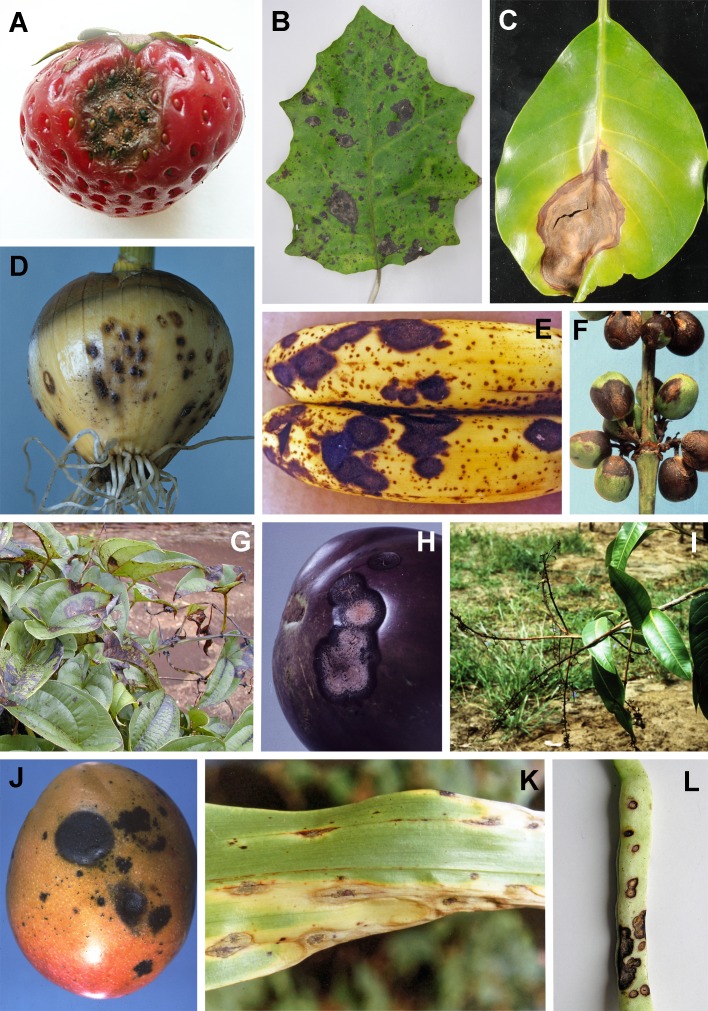
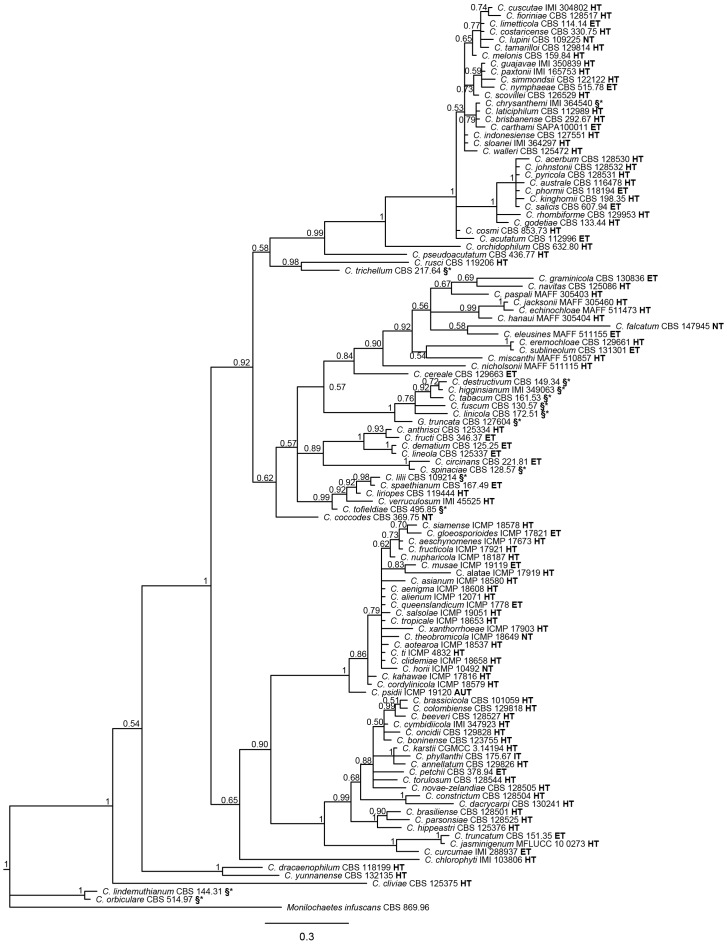
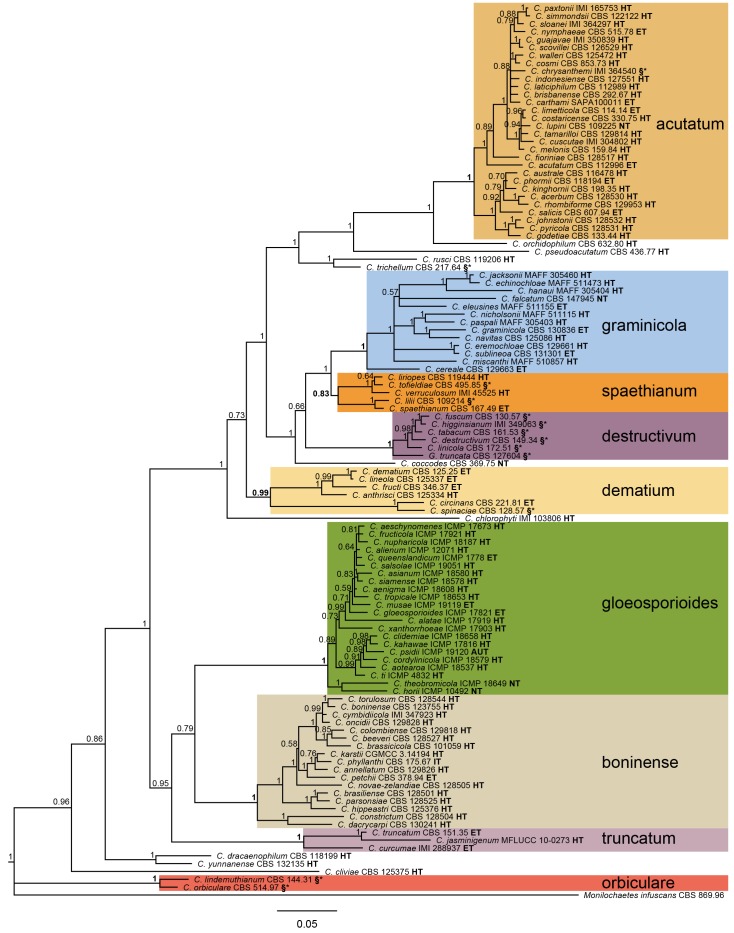
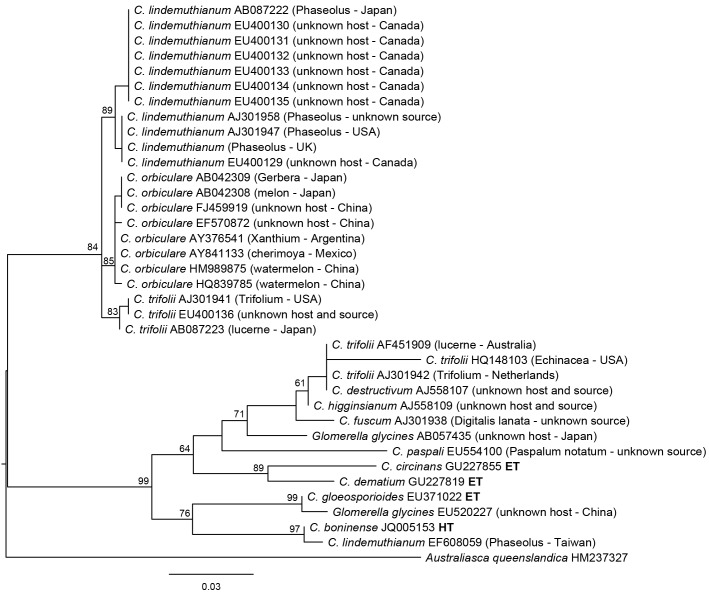
Verification
Claims the paper makes
The claims and statistics of this paper haven’t been checked yet.
Free: it reads the open-access text and checks the first 5 claims that cite a source we can check. Create a free account to check every claim.
Claims other papers make about this one
Each is checked against this paper’s own text: does it say what the citing paper says it does?
The source backs part of the claim, not all of it — or backs it for a different population, condition or comparison.
In the citing paper
“Lifestyle patterns in Colletotrichum can be broadly categorised as endophytic, hemibiotrophic, necrotrophic, latent or quiescent (Perfect et al. 1999, Peres et al. 2005, Cannon et al. 2012, Barimani et al. 2013, de Silva et al. 2017).”
From Colletotrichum: lifestyles, biology, morpho-species, species complexes and accepted species (2021) · cites this paper as Cannon et al. 2012
Experimental — accuracy not yet measuredThe source backs part of the claim, not all of it — or backs it for a different population, condition or comparison.
In the citing paper
“Currently, species delimitation in Colletotrichum relies solely on the use of multi locus phylogenetic analyses (Cannon et al. 2012, Hyde et al. 2014, Jayawardena et al. 2020).”
From Colletotrichum: lifestyles, biology, morpho-species, species complexes and accepted species (2021) · cites this paper as Cannon et al. 2012
Experimental — accuracy not yet measuredThe source backs part of the claim, not all of it — or backs it for a different population, condition or comparison.
In the citing paper
“Species of Colletotrichum have asexual and sexual morphs in their life cycle, which occur on the host plant or plant debris (Sutton 1992, Cannon et al. 2012, Jayawardena et al. 2016a).”
From Colletotrichum: lifestyles, biology, morpho-species, species complexes and accepted species (2021) · cites this paper as Cannon et al. 2012
Experimental — accuracy not yet measuredThe source backs part of the claim, not all of it — or backs it for a different population, condition or comparison.
In the citing paper
“This complex can be distinguished by their curved conidia with truncate base and acute, more strongly curved apex (Damm et al. 2009, Cannon et al. 2012, Jayawardena et al. 2016a).”
From Colletotrichum: lifestyles, biology, morpho-species, species complexes and accepted species (2021) · cites this paper as Cannon et al. 2012
Experimental — accuracy not yet measuredThe source backs part of the claim, not all of it — or backs it for a different population, condition or comparison.
In the citing paper
“From work in the intergenic regions of apn2 and MAT1-2-1 (ApMat) genes, 22 phenotypes (Supplementary Table S1) have been identified (Cannon et al., 2012), and four distinct phylogenies (C. fructicola, C. frgariae sensu stricto, C. melanocaulon and C. jasmine-sambac) within the complex described (Doyle et al., 2013).”
From Mango anthracnose disease: the current situation and direction for future research (2023) · cites this paper as Cannon et al., 2012
Experimental — accuracy not yet measured
12 more claims about this paper
Create a free account to see every claim other papers make about this one.
Self-check
Percentages, sums and reported differences re-computed from the paper’s own numbers.
The self-check needs the paper’s full text.
Citations
Cites
Schoch, C. L., Seifert, K. A., Huhndorf, S., Robert, V., Spouge, J. L., Levesque, C. A., Chen, W., Fungal Barcoding Consortium, Fungal Barcoding Consortium Author List, Bolchacova, E., et al. (2012) · Proceedings of the National Academy of Sciences · doi:10.1073/pnas.1117018109 · Cited by 5,120 · cited 1×
“This is of some concern, as the ITS region is widely used for species definition in the Fungi ( e.g. Begerow et al. 2010, Druzhinina et al. 2005, Eberhardt 2010, Kelly et al. 2011), and has recently been proposed as a universal barcode sequence (Schoch et al. 2011, 2012).”
BackgroundSelf-citationThe Top 10 fungal pathogens in molecular plant pathology
DEAN, R., VAN KAN, J. A. L., PRETORIUS, Z. A., HAMMOND‐KOSACK, K. E., DI PIETRO, A., SPANU, P. D., RUDD, J. J., DICKMAN, M., KAHMANN, R., ELLIS, J., et al. (2012) · Molecular Plant Pathology · doi:10.1111/j.1364-3703.2011.00783.x · Cited by 4,692 · cited 1×
“The genus was recently voted the eighth most important group of plant pathogenic fungi in the world, based on perceived scientific and economic importance (Dean et al .”
BackgroundReconstructing the early evolution of Fungi using a six-gene phylogeny
James, T. Y., Kauff, F., Schoch, C. L., Matheny, P. B., Hofstetter, V., Cox, C. J., Celio, G., Gueidan, C., Fraker, E., Miadlikowska, J., et al. (2006) · Nature · doi:10.1038/nature05110 · Cited by 1,815 · cited 1×
“Several widely used markers, including TUB2 and TEF1, were not included within their list of best-performing genes, and are probably unsuitable as universal fungal markers due to the presence of paralogs (James et al. 2006, Walker et al .”
MethodThe Colletotrichum gloeosporioides species complex
Weir, B. S., Johnston, P. R., & Damm, U. (2012) · Studies in Mycology · doi:10.3114/sim0011 · Cited by 1,646 · cited 8×
“2011, Weir et al .”
BackgroundInfluentialSelf-citationKõljalg, U., Larsson, K., Abarenkov, K., Nilsson, R. H., Alexander, I. J., Eberhardt, U., Erland, S., Høiland, K., Kjøller, R., Larsson, E., et al. (2005) · New Phytologist · doi:10.1111/j.1469-8137.2005.01376.x · Cited by 1,173 · cited 1×
“There is also evidence that ITS sequences alone can constitute useful barcode markers for some groups of the Basidiomycota ( e.g. Kõljalg et al .”
BackgroundAinsworth & Bisby'sdictionary of the fungi.
Ainsworth. (1961) · Cited by 1,145
The Coelomycetes. Fungi imperfecti with pycnidia, acervuli and stromata.
Sutton, B. C. (1980) · Commonwealth Mycological Institute eBooks · Cited by 1,080
O'Connell, R. J., Thon, M. R., Hacquard, S., Amyotte, S. G., Kleemann, J., Torres, M. F., Damm, U., Buiate, E. A., Epstein, L., Alkan, N., et al. (2012) · Nature Genetics · doi:10.1038/ng.2372 · Cited by 1,047 · cited 10×
“2012), but the strains studied (from lentil ( Lens culinaris ) in Canada) belong to the destructivum rather than the truncatum clade (Damm et al. 2009; O’Connell et al. 2012; Figs 2, 3).”
BackgroundInfluentialSelf-citationDIVERSITY AND HOST RANGE OF FOLIAR FUNGAL ENDOPHYTES: ARE TROPICAL LEAVES BIODIVERSITY HOTSPOTS?
Arnold, A. E., & Lutzoni, F. (2007) · Ecology · doi:10.1890/05-1459 · Cited by 1,033 · cited 1×
“(2004) and Arnold & Lutzoni (2007) that the commonest tropical endophytes appear to be host generalists.”
BackgroundFUSARIUM-ID v. 1.0: A DNA Sequence Database for Identifying Fusarium
Geiser, D. M., del Mar Jiménez-Gasco, M., Kang, S., Makalowska, I., Veeraraghavan, N., Ward, T. J., Zhang, N., Kuldau, G. A., & O'donnell, K. (2004) · European Journal of Plant Pathology · doi:10.1023/b:ejpp.0000032386.75915.a0 · Cited by 1,030 · cited 1×
“…for diagnostic purposes in the Fungi , especially beta-tubulin (TUB2) and calmodulin ( e.g. for Aspergillus and Penicillium ; Samson et al. 2007, Peterson 2008, Houbraken et al. 2011), TEF1 (for Fusarium ; Geiser et al. 2004, O’Donnell et al. 2009) and COX1 (for Penicillium ; Seifert et al. 2007).”
Background
Research works printed but not linked: 29
- Agrios GN (2005). Plant Pathology. 5th edn Academic Press, New York
- Arx JA von (1957a). Revision der zu Gloeosporium gestellten Pilze. Verhandligen des Koninklijke Nederlandse Akadademie van Wetenschappen, Afd. Natuurkunde, 2, 51(3): 153 pp
- Arx JA von (1957b). Die Arten der Gattung Colletotrichum Cda. Phytopathologische Zeitschrift 29: 413– 468
- Barrus MF (1918). Varietal susceptability of beans to strains of Colletotrichum lindemuthianum (Sacc. & Magn.) B. & C. Phytopathology 8: 589– 605
- Berlese AN (1893). Icones Fungorum Omnium hucusque Cognitorum. Pergola, Avellino vol. 1: 91– 118
- Chadefaud M (1960). Les Végétaux non Vasculaires. Cryptogamie. In: Traité de Botanique Systématique (Chadefaud M Emberger L, eds). Masson, Paris vol. 1: 1018 pp
- Corda ACI (1831). Die Pilze Deutschlands. In: Deutschlands Flora in Abbildungen nach der Natur mit Beschreibungen (Sturm J, ed.). Sturm, Nürnberg vol. 3, Abt. 12: 33– 64, tab. 21–32
- Corda ACI (1837). Icones Fungorum hucusque cognitorum vol. 1 Calve, Prague
- Corda ACI (1840). Icones Fungorum hucusque cognitorum vol. 4 Calve, Prague
- Edgerton CW (1912). Plus and minus strains in an ascomycete. Science 35: 151
- Hennings P (1898). Die in den Gewächshäusern des Berliner Botanischen Gartens beobachteten Pilze. Verhandlungen des Botanischen Vereins der Provinz Brandenburg 40: 109– 177
- Hyde KD Cai L McKenzie EHC Yang YL Zhang JZ (2009b). Colletotrichum: a catalogue of confusion. Fungal Diversity 39: 1– 17
- Krüger F (1913). Beiträge zur Kenntnis einiger Gloeosporien. Arbeiten aus der Kaiserlichen Biologischen Anstalt für Land- und Forstwirtschaft. 9: 233– 323
- Leahy R Schubert T Strandberg J Stamps B Norman D (1995). Anthracnose of leatherleaf fern. Plant Pathology Circular 372: 4 pp
- Lehman SG Wolf FA (1926). Soybean anthracnose. Journal of Agricultural Research Washington 33: 381– 390
- Montagne C (1849). Sixième centurie des plantes cellulaires nouvelles tant indigènes qu’exotiques. Annales des Sciences Naturelles. Botanique Série 3, 12: 285– 320
- Palarpawar MY Ghurde VR (1988). Some new hosts of Colletotrichum curcumae. Indian Journal of Mycology and Plant Pathology 18: 220– 221
- Petrak F (1924). Über die phylogenetischen Beziehungen der Gattung Phyllachora und ihre Bedeutung für das System der dothidealean Pilze. Annales Mycologici 22: 1– 10
- Phuong THN Pettersson OV Olsson P Nguyen PTH (2010). Identification of Colletotrichum species associated with anthracnose disease of coffee in Vietnam. European Journal of Plant Pathology 127: 73– 87 · DOI
- Prihastuti H Cai L Chen H McKenzie EHC Hyde KD (2009). Characterization of Colletotrichum species associated with coffee berries in northern Thailand. Fungal Diversity 39: 89– 109
- Prusky D Freeman S Dickman MB (eds) (2000). Colletotrichum. Host Specificity, Pathology and Host-Pathogen Interaction. APS Press, St Paul, USA
- Ramos AP Merali Z Talhinhas P Sreenivasaprasad S Oliveira H (2006). Molecular and morphological characterisation of Colletotrichum species involved in citrus anthracnose in Portugal. Bulletin OILB/SROP 29: 317– 326
- Schoch C Seifert K Crous P (2011). Progress on DNA barcoding of Fungi. IMA Fungus 2: (5).
- Shivas RG Tan YP (2009). A taxonomic reassessment of Colletotrichum acututum, introducing C. fioriniae comb. et stat. nov. and C. simmondsii sp. nov. Fungal Diversity 39: 111– 122
- Sydow H (1928). Fungi Chilenses a cl. E. Werdermann lecti. Pars prima. Annales Mycologici 26: 100– 126
- Theissen F Sydow H (1915). Die Dothideales. Kritische-systematische Originaluntersuchungen. Annales Mycologici 13: 147– 746
- Vaillancourt L Wang J Hanau R (2000). Genetic regulation of sexual compatibility in Glomerella graminicola. In: Colletotrichum. Host Specificity, Pathology and Host-Pathogen Interaction (Prusky D Freeman S Dickman MB, eds). APS Press, St Paul, USA: 29– 44
- Wheeler HE (1954). Genetics and evolution of heterothallism in Glomerella. Phytopathology 44: 342– 345
- Yang YL Liu ZY Cai L Hyde KD Zu ZN McKenzie EHC (2009). Colletotrichum anthracnose of Amaryllidaceae. Fungal Diversity 39: 123– 146
Cited by
Items 801–900 of 1,002
Singhmanini, A., Kotasthane, A. S., Agrawal, T., & Mahilang, A. (2023) · Indian Phytopathology · doi:10.1007/s42360-023-00593-1 · Cited by 4
“Conglomerate closely related species were identified using overlapping morphology (conidial and colony characteristics) which resulted in exploiting molecular tools for species identification (Hyde et al. 2009; Cannon et al. 2012; He et al. 2016).”
BackgroundNonhost resistance and effectors in interactions between Colletotrichum species and plants
Takano, Y., Inoue, Y., Zhang, R., Singkaravanit‐Ogawa, S., Matsuo, H., Ogawa, T., & Jin, C. (2023) · Physiological and Molecular Plant Pathology · doi:10.1016/j.pmpp.2023.101982 · Cited by 3
Two additional Colletotrichum species causing leaf spot of rambutan (Nephelium lappaceum)
Evallo, E., Taguiam, J. D., Posada, I., & Balendres, M. A. (2023) · Archives of Phytopathology and Plant Protection · doi:10.1080/03235408.2023.2188993 · Cited by 3
“Anthracnose is a disease that can occur on pre- and post-harvest conditions, caused mainly by the Colletotrichum species (Cannon et al. 2012).”
BackgroundGenomics of Crucifer’s Host-Pathosystem: Prologue
Saharan, G. S., Mehta, N. K., & Meena, P. D. (2023) · Springer eBooks · doi:10.1007/978-981-19-3812-2_1 · Cited by 3
Yang, H., Wei, D., Bhunjun, C. S., Zeng, X., Zhao, Q., & Jayawardena, R. S. (2023) · Current Research in Environmental & Applied Mycology · doi:10.5943/cream/13/1/15 · Cited by 3
“Those genes were also commonly adopted to identify the species complex and study Colletotrichum phylogenetic relationship (Cannon et al. 2012, Jayawardena et al. 2021a, Bhunjun et al. 2021b).”
BackgroundLi, H., Wan, Y., Li, D., & Zhu, L. (2023) · Plant Disease · doi:10.1094/pdis-04-23-0693-re · Cited by 3
Patejuk, K., Czachura, P., Baturo‐Cieśniewska, A., Owczarek‐Kościelniak, M., Pusz, W., Najberek, K., & Piątek, M. (2023) · Plant Pathology · doi:10.1111/ppa.13785 · Cited by 4
Pectinase Production by Rhizopus stolonifer A3 Isolated from Apple Peels
Sari, S. L. A., Tanjung, W. P., Amilia, K. R., Setyaningsih, R., & Pangastuti, A. (2023) · Caraka Tani Journal of Sustainable Agriculture · doi:10.20961/carakatani.v39i1.77610 · Cited by 4
“The genus Colletotrichum contains several significant plant pathogens that infect a wide range of woody and herbaceous plants, as well as plant saprobes and endophytes from a variety of substrates (Cannon et al., 2012).”
BackgroundOgunsanya, O. M., ADEBISI, M. A., Popoola, A. R., Afolabi, C. G., Oyatomi, O., Colgan, R. J., Armitage, A. D., Thompson, E. P., Abberton, M. T., & Ortega‐Beltran, A. (2024) · Plant Pathology · doi:10.1111/ppa.13995 · Cited by 3
Zhu, J. Z., Li, P., Li, X. G., & Zhong, J. (2024) · Postharvest Biology and Technology · doi:10.1016/j.postharvbio.2024.113190 · Cited by 3
Wang, J., Duan, X., Li, J., Yuan, W., Si, H., Zhang, J., Song, J., Chen, S., Wang, Z., & Liao, S. (2024) · Journal of Agricultural and Food Chemistry · doi:10.1021/acs.jafc.4c04448 · Cited by 3
Three Colletotrichum species associated with cassava anthracnose in the Philippines
Aumentado, H. D., & Balendres, M. A. (2025) · Journal of Plant Pathology · doi:10.1007/s42161-025-01912-3 · Cited by 4
“enough resolution for species identification (Cannon et al. 2012; Jayawardena et al. 2016).”
Kumar, A., Saini, S., Saini, A. K., SHARMA, S. K., Gehlot, R., Kumar, A., Kumar, R., Rajeshkumar, K. C., Rawal, R., Sharma, V. K., et al. (2025) · Physiological and Molecular Plant Pathology · doi:10.1016/j.pmpp.2025.102731 · Cited by 3
Zhang, C., & Dai, D. J. (2016) · Plant Disease · doi:10.1094/pdis-08-16-1097-pdn · Cited by 3
First report of leaf spot caused by Colletotrichum siamense on Sophora tonkinensis
Song, L., Jiang, N., Chen, Q., Feng, S., & Zhang, Z. J. (2021) · Australasian Plant Disease Notes · doi:10.1007/s13314-021-00420-4 · Cited by 4
Conceptual and Empirical Investigations of Eukaryotic Transposable Element Evolution
Elliott, T. A. (2017) · The Atrium (University of Guelph) · doi:10.13140/rg.2.2.16651.49446 · Cited by 4
Revisiting the Taxonomy of Colletotrichum Using Multi-Locus Gene Phylogeny
Chowdappa, P. (2017) · Indian Phytopathology · doi:10.24838/ip.2017.v70.i2.71166 · Cited by 2
“The utilization of molecular approaches has unraveled that many species were aggregates or complexes of morphologically indistinguishable, closely related cryptic species (Cannon et al., 2012).”
BackgroundInfluentialPereira, C. M., Furtado, E. C. D. A., & Barreto, R. W. (2024) · Journal of Phytopathology · doi:10.1111/jph.13346 · Cited by 2
Rithesh, L., Jose, S., Nair, S. B., Radhakrishnan, N. V., & Krishna, G. V. (2025) · Springer eBooks · doi:10.1007/978-3-031-81770-0_6 · Cited by 2
Advances in Functional Genomics Research on Appressorium Formation in Colletotrichum gloeosporioides
Meng, F., & Zhang, M. (2025) · Plant Pathology · doi:10.1111/ppa.14131 · Cited by 2
“Anthracnose symptoms include limited and commonly sunken necrotic lesions on stems, leaves, flowers and fruits (Cannon et al. 2012).”
Zhao, S., Huang, S., Tang, L., Chen, X., Zhang, Y., Guo, T., Li, W. L., Sun, W., Hsiang, T., & Li, Q. (2025) · Canadian Journal of Plant Pathology · doi:10.1080/07060661.2025.2505482 · Cited by 2
“Members of this genus can infect a variety of plants including both monocotyledons and dicotyledons (Cannon et al. 2012).”
Emerging Colletotrichum Diseases on Apple in European Orchards: Challenges and Perspectives
Calì, M., Iacono, S., Cappelletti, E., Bugiani, R., Baroncelli, R., & Prodi, A. (2025) · Plant Health Cases · doi:10.1079/planthealthcases.2025.0018 · Cited by 4
Diaporthe blight in eggplant ( Solanum melongena L.): etiology, epidemiology, and current management
Balendres, M. A. (2025) · International Journal of Vegetable Science · doi:10.1080/19315260.2025.2519210 · Cited by 2
“These methods, which were not employed in earlier studies on plant pathogenic Diaporthe species, are commonly used for species complexes where morphological, cultural, and pathological traits overlap (Cai et al., 2011; Cannon et al., 2012; Norphanphoun et al., 2022; Weir et al., 2012).”
Athinuwat, D., Suwannarach, N., Kumla, J., Wonglom, P., & Sunpapao, A. (2025) · Journal of Phytopathology · doi:10.1111/jph.70117 · Cited by 2
Wang, T., Li, H., & Li, Y. (2025) · Journal of Fungi · doi:10.3390/jof11080567 · Cited by 2
“However, there are only a few unique morphological characteristics that can be used for identification, which has led to the misidentification of species because of the lack of a clear understanding of host specificity [21].”
InfluentialPraveena, S., SUJANAPAL, P., Jose, P. A., & Kumar, S. (2025) · Physiological and Molecular Plant Pathology · doi:10.1016/j.pmpp.2025.102870 · Cited by 3
Perez‐Leyva, D. E., Mesquida‐Pesci, S. D., Rosas‐Cárdenas, F. D. F., Perea‐Flores, M. D. J., Leyva‐López, N. E., Blanco‐Ulate, B., & Santos‐Cervantes, M. E. (2025) · Plant Pathology · doi:10.1111/ppa.70021 · Cited by 2
“The duration of each phase varies, with the onset of disease symptoms often being delayed, resulting in large losses postharvest, where apparently healthy produce decays in storage (Cannon et al. 2012).”
Cruz, M. A., Cortaga, C. Q., Amas, J. C., Calabon, M. S., Bagacay, J. F. E., Concepcion, R., Bulasag, A. S., Mendoza, J.-V. S., Fronda, M. F., Metrillo, J., et al. (2025) · Physiological and Molecular Plant Pathology · doi:10.1016/j.pmpp.2025.102941 · Cited by 2
Sampathkumar, M. R., Ajithkumar, K., MAHADEVAKUMAR, S., Savitha, A. S., Basavaraj, V., Amruthesh, K. N., & Lakshmidevi, N. (2025) · Physiological and Molecular Plant Pathology · doi:10.1016/j.pmpp.2025.102967 · Cited by 3
Six Colletotrichum species associated with anthracnose disease of coffee berry in Malaysia
Tang, X., Syafiqah-Nadzirah, Z., & Mohd, M. H. (2025) · Physiological and Molecular Plant Pathology · doi:10.1016/j.pmpp.2025.103019 · Cited by 2
Colletotrichum Species From Grape Ripe Rot Symptoms and Asymptomatic Grapevine Tissues
Steiner, D. R. M., Zela, C. I., Franco, D. D. O., Gelain, J., Petters‐Vandresen, D. A. L., Schnabel, G., & Mio, L. L. M. D. (2026) · Plant Pathology · doi:10.1111/ppa.70115 · Cited by 2
“Initially, brown-red spots appear on the berries progressing into lesions with dark brown colour (Cannon et al. 2012).”
Colletotrichum Species Associated with Alfalfa Anthracnose: An Overview and Historical Perspective
Тркуља, В., Vasić, T., Milašin, R., Trkulja, N., Matić, S., Stević, M. Ž., Živković, S., & Popović, T. (2026) · Microorganisms · doi:10.3390/microorganisms14010261 · Cited by 3
“Later, it was placed within the C. spaethianum species complex [55].”
InfluentialMei, S., Zheng, R., Sun, W., Kang, T., Shang, X., Hao, Y. J., Xu, Y., Zhang, W., & Liu, G. (2026) · Scientia Horticulturae · doi:10.1016/j.scienta.2026.114653 · Cited by 2
Guelac-Santillan, M., Rojas-Vargas, J., Chávez-Chacón, E., Gaslac-Zumaeta, E., Oliva-Cruz, M., & Huamán-Pilco, A. F. (2026) · International Journal of Plant Biology · doi:10.3390/ijpb17020010 · Cited by 2
Phurbu, D., Duan, W., Crous, P. W., Cai, L., & Liu, F. (2026) · Journal of Fungi · doi:10.3390/jof12030171 · Cited by 4
“While valuable for precise taxonomic identification, these narrow-spectrum assays are often constrained by the genus’s frequent taxonomic reclassifications the rapid emergence of cryptic pathogenic species [5].”
Güloğlu, K., Ali, H., & Soylu, P. S. (2026) · Plant Biosystems - An International Journal Dealing with all Aspects of Plant Biology · doi:10.1007/s44473-026-00148-y · Cited by 2
“(Penzig et al. 1884) but also of C. karsti You L. Yang, Zuo Y. Liu, K.D. Hyde & L. Cai (Cannon et al. 2012; Dean et al. 2012; Uysal and Kurt 2019a, 2020).”
Bradshaw, M., Aime, M. C., Quesada-Ocampo, L. M., Garfinkel, A. R., Visagie, C. M., Pfister, D. H., Mitchell, J. K., Bensch, K., Villani, S. M., Paul, A. J., et al. (2026) · Plant Disease · doi:10.1094/pdis-12-25-2537-fe · Cited by 2
Colletotrichum cymbidiicola Causes Leaf Spot of Cymbidium ensifolium in Jilin Province, China
Liu, Y. N., Mao, F. R., Zhang, H., Wang, L., Zheng, S. J., Wang, J., Lou, Q., & Liu, J. (2018) · Plant Disease · doi:10.1094/pdis-08-17-1240-pdn · Cited by 6
THE PECULIARITIES OF DEVELOPMENT OF THE MUSHROOM COLLETOTRICHUM ACUTATUM SIMMONDS IN CLEAN CULTURE
Kashchits, Y. P. (2018) · Fruit growing and viticulture of South Russia · doi:10.30679/2219-5335-2018-6-54-174-182 · Cited by 3
Eaton, M. J., Gauthier, N. A. W., & Vaillancourt, L. J. (2021) · Plant Disease · doi:10.1094/pdis-08-20-1713-sc · Cited by 2
Pest categorisation of Colletotrichum plurivorum
(PLH), E. P. O. P. H., Bragard, C., Serio, F. D., Gonthier, P., Miret, J. A. J., Justesen, A. F., MacLeod, A., Magnusson, C. S., Milonas, P., Navas‐Cortés, J. A., et al. (2021) · EFSA Journal · doi:10.2903/j.efsa.2021.6886 · Cited by 3
“Currently, identification of Colletotrichum at species level is performed using a polyphasic approach that combines morphological and cultural characteristics with multilocus gene sequencing analysis (Cai et al., 2009; Cannon et al., 2012; Weir et al., 2012; Liu et al., 2016).”
BackgroundMethodInfluentialThe infection process of Colletotrichum fuscum on oregano leaves and stems
Zimowska, B., & Król, E. D. (2021) · Acta Scientiarum Polonorum Hortorum Cultus · doi:10.24326/asphc.2021.5.9 · Cited by 2
First Report of Anthracnose Caused by Colletotrichum siamense on Pachira glabra in China
Wu, Q., Xiao, Z., Tian, J., Li, S., Peng, X., & Wang, H. (2022) · Plant Disease · doi:10.1094/pdis-05-22-1162-pdn · Cited by 3
Pathogens Identification and Control of Edible Roses Leaf Spot Diseases in Guizhou
莫, 维. (2022) · Bioprocess · doi:10.12677/bp.2022.122008 · Cited by 2
FERRAMENTAS DE DESENVOLVIMENTO E CRIAÇÃO DE ONTOLOGIAS
Sanches, H. M. (2022) · doi:10.22533/at.ed.53622061211 · Cited by 2
First report of Colletotrichum spaethianum causing anthracnose disease on Bletilla striata
Liu, Y., Liang, S., Yao, Q., Ding, H., & Li, Z. A. (2023) · Canadian Journal of Plant Pathology · doi:10.1080/07060661.2023.2181871 · Cited by 2
“They pose a serious threat to various economic crops, causing local depressions or necrotic spots on leaves, stems, flowers, and fruits, wilting in seedlings, crown and stem rot, and fruit dropping after flowering (Cannon et al. 2012; Niu et al. 2016; Liu et al. 2018; Fu et al. 2019).”
Wan, Y., Chen, Q., Xu, W. F., & Chen, Y. (2023) · Scientia Horticulturae · doi:10.1016/j.scienta.2023.112610 · Cited by 2
Tram, T. T. N., Quảng, H. T., Vu, N. Q. H., NGUYEN, P. T. T., Thi, T. N. M., Phượng, T. T. B., & Thi, P. T. D. (2023) · Biodiversitas Journal of Biological Diversity · doi:10.13057/biodiv/d240934 · Cited by 5
“Among all the above diseases, anthracnose is the most common and harmful fungal disease in plants including chili (Cannon et al. 2012; Gautam 2014a, b).”
BackgroundRony, M. A. R., Shamsi, S., & Bashar, M. (2024) · Bangladesh Journal of Botany · doi:10.3329/bjb.v53i1.72131 · Cited by 2
“2008, Damm et al. 2012) and C. coccodes in New Zealand and India (Cannon et al. 2012).”
BackgroundFirst Report of Anthracnose Caused by Colletotrichum spaethianum on Hosta longipes in Korea
Choi, J., Shin, H., & Choi, Y. (2024) · Plant Disease · doi:10.1094/pdis-02-24-0340-pdn · Cited by 2
Anthracnose disease of Ficus benjamina caused by Colletotrichum orchidearum in Iran
Ahmadpour, A., Ghosta, Y., Alavi, F., Alavi, Z., & Poursafar, A. (2024) · Crop Protection · doi:10.1016/j.cropro.2024.106787 · Cited by 2
Marin, M. V., Wang, N., Seijo, T. E., Druffel, K. L., Deng, Z., & Peres, N. A. (2024) · Plant Disease · doi:10.1094/pdis-08-22-1781-re · Cited by 2
Thao, L. D., Choi, H., Choi, Y., Mageswari, A., Lee, D., Kim, D.-H., Lee, S. H., Shin, H., Damm, U., & Hong, S.-B. (2024) · Mycological Progress · doi:10.1007/s11557-024-01982-0 · Cited by 2
“However, the ITS region is useful in separat-ing most of the Colletotrichum species complexes but does not distinguish well among species (Cannon et al. 2012).”
Self-citationPáez-Redondo, A., García‐Merchán, V. H., Rincón, J. D., Rodríguez-Cabal, H. A., Osorio, J. G. M., & Hoyos-Carvajal, L. (2024) · Canadian Journal of Plant Pathology · doi:10.1080/07060661.2024.2402719 · Cited by 5
“In this situation, focusing species identification only on morphological and biological aspects can generate erroneous results, so it will always be recommended to include gene sequence analysis to support identification of this fungus (Hyde et al. 2009a, 2009b; Cannon et al. 2012).”
InfluentialAnthracnose Caused by Colletotrichum spaethianum on Polygonatum odoratum var. pluriflorum in Korea
Choi, J., Shin, H., & Choi, Y. (2024) · Plant Disease · doi:10.1094/pdis-05-24-0991-pdn · Cited by 2
Cabutaje, E. M., Seki, K., Kodama, M., Arie, T., Ueno, K., Cruz, T. E. E. D., & Ishihara, A. (2024) · Journal of Pesticide Science · doi:10.1584/jpestics.d24-040 · Cited by 3
“39,40) In the absence of the data that identify the factors underlying the differential sensitivity of the two Colletotrichum species towards coprinolide, it is important to further examine the coprinolide sensitivity of other Colletotrichum species under the same and different clades.”
Negi, N., Ramkrishna, Banerjee, S., Meena, R. K., Bhandari, M. S., & Pandey, S. (2025) · Journal of Plant Pathology · doi:10.1007/s42161-025-01865-7 · Cited by 3
“However, species within the same complex often exhibit overlapping morphological traits, making accurate identification chal - lenging without molecular tools (Cai et al. 2009; Cannon et al. 2012; Liu et al. 2022).”
Lobitaña, R. O., Fuentes, J., Densing, D. J. J. D., Manzanares, D. L., Sumaya, N. P. D., & Sumaya, N. H. (2025) · Archives of Phytopathology and Plant Protection · doi:10.1080/03235408.2025.2488534 · Cited by 2
“This genus comprises several significant phyto-pathogens that are responsible for postharvest rots and anthracnose on various fruit, vegetable, and ornamental hosts, especially in subtropical and tropical regions (Cannon et al. 2012; James et al. 2014).”
Coleção fitopatológica de espécies agrícolas e florestais da Região Tocantina do Maranhão
Leite, S. S. C., Vaz, M. M., Belan, L. L., de Souza, N. B., Oliveira, G. T. D. S., & da Silva, K. G. (2025) · Caderno Pedagógico · doi:10.54033/cadpedv22n6-245 · Cited by 2
Li, R., Cui, L., Jiang, F., Li, Z., Fan, Z., Chachar, S., Xu, J., & Guan, C. (2025) · Plant Disease · doi:10.1094/pdis-07-25-1564-re · Cited by 2
Belair, M., Picot, A., Masson, C., Hébrard, M.-N., Debled, M., Moronvalle, A., Richard, B., Tréguer, S., Morvant, L., Henri-Sanvoisin, A., et al. (2025) · Plant Disease · doi:10.1094/pdis-07-25-1494-re · Cited by 2
Dar, R. A., Rai, A. N., & Shiekh, I. A. (2017) · Proceedings of the National Academy of Sciences India Section B Biological Sciences · doi:10.1007/s40011-017-0903-7 · Cited by 2
“Species identification in Colletotrichum can be challenging due to the presence of cryptic species in several Colletotrichum lineages [4].”
Berrouet, K. M. V., Martínez-Pacheco, L., Salazar-Yepes, M., Gutiérrez-Sánchez, P., & Montoya, M. M. (2014) · DOAJ (DOAJ: Directory of Open Access Journals) · Cited by 2
INVASIVENESS OF AN EXOTIC GALL WASP IS INFLUENCED BY INTERACTIONS WITH EXOTIC AND ENDEMIC ORGANISMS
Graziosi, I. (2015) · UKnowledge (University of Kentucky) · Cited by 2
Ferreira, E. M. S., Malta, C. M., Coelho, C. M., & Pimenta, R. S. (2015) · Journal of bioenergy and Food Science · doi:10.18067/jbfs.v2i4.67 · Cited by 3
“As espécies pertencentes ao gênero, geralmente são responsáveis pela antracnose e outras doenças em uma grande variedade de culturas incluindo cereais, leguminosas, olerícolas e frutos [3-6].”
BackgroundYao, K. K., Amenan, C. K., Kouamé, D. K., Fezan, H. T. B., Hortense, A. D., & Kablan, T. (2014) · African Journal of Microbiology Research · doi:10.5897/ajmr2014.6964 · Cited by 2
Osaro-Matthew, R. C., Omonigho, A.-I. F., & Helen, O. A. (2016) · Cited by 5
Kouadio, K. T., Agneroh, T. A., Pohé, J., Tiénébo, E.-O., & Ohoussou, N. I. L. V. (2017) · European Scientific Journal ESJ · doi:10.19044/esj.2017.v13n21p26 · Cited by 2
“Ce champignon est l’un des plus dommageables pour les bananes (Cannon et al., 2012 ; Lassois et de Lapeyre de Bellaire, 2014).”
BackgroundThe Third Report of Colletotrichum japonicum Worldwide
Świderska-Burek, U. (2021) · Acta Mycologica · doi:10.5586/am.565 · Cited by 2
Guedez, C. D. C., & Rodríguez, D. (2021) · Revista de la Facultad de Agronomía · doi:10.47280/revfacagron(luz).v38.n4.01 · Cited by 2
Zapata, M. A., & Palfner, G. (2022) · Forest Pathology · doi:10.1111/efp.12748 · Cited by 3
Ethanolic extract of Copaifera, Croton and Lippia on the control of phytopathogenic fungi
Pires, L. L., Silva, B. A., Sousa, E. S., Neta, E. R. D. S., de Lima, S. G., & Beserra, J. E. A. (2023) · Pesquisa Agropecuária Tropical · doi:10.1590/1983-40632023v5375126 · Cited by 11
Anthracnose of stone fruits, caused by species of the genus Colletotrichum
Евгеньевич, Г. С. (2023) · POMICULTURE & SMALL FRUITS CULTURE IN RUSSIA · doi:10.31676/2073-4948-2023-74-87-97 · Cited by 2
What’s in my Pot? Six Colletotrichum Species Causing Anthracnose in Brazilian Pecan Orchards
Poletto, T., Fritsche, Y., Fantinel, V. S., Muniz, M. F. B., Harakava, R., & Stefenon, V. M. (2024) · Current Microbiology · doi:10.1007/s00284-024-03622-y · Cited by 2
Emerging Rubber Disease and Potential Factors Contributing
Nusaibah, S. A., Aliya, S. S. S., & Sapak, Z. (2024) · Springer eBooks · doi:10.1007/978-3-031-59268-3_6 · Cited by 2
Diversity of Colletotrichum species causing cherry postharvest anthracnose in China
Yang, X., Hu, S., Dong, D., & Zhang, C. (2024) · Physiological and Molecular Plant Pathology · doi:10.1016/j.pmpp.2024.102390 · Cited by 3
Host-dependent fungus-fungus competition suppresses fungal pathogenesis in Arabidopsis thalianaPreprint
Pathompitaknukul, K., Hiruma, K., Tanaka, H., Kawamura, N., Toyoda, A., Itoh, T., & Saijo, Y. (2020) · bioRxiv (Cold Spring Harbor Laboratory) · doi:10.1101/2020.05.27.117978 · Cited by 3
Codina, J. M. (2020) · Archive ouverte UNIGE (University of Geneva) · doi:10.13097/archive-ouverte/unige:146843 · Cited by 2
Diversity and bioactive profile of endophytic mycoflora in mangrovesPreprint
Revathy, M. R., Mohan, A. S., Kesavan, D., Sarasan, M., & Philip, R. (2022) · Research Square · doi:10.21203/rs.3.rs-1806672/v1 · Cited by 2
Xue, C., Wen, S., Tian, T., Gou, Y., Liu, S., Gao, S., Sun, S., & Meng, Q. (2023) · Authorea · doi:10.22541/au.168241165.58935174/v1 · Cited by 2
Samad, S., Gentzbittel, L., Bondarenko, E. V., Rickauer, M., Volkova, P., & Ben, C. (2023) · Preprints.org · doi:10.20944/preprints202312.2132.v1 · Cited by 2
Alves, C., Costa, I. K. F., Vitoriano, J. D. O., Negreiros, A. M. P., & Júnior, R. S. (2021) · Matéria (Rio de Janeiro) · doi:10.1590/s1517-707620210002.1275 · Cited by 1
Chourasia, H. K. (2021) · Annals of Plant and Soil Research · doi:10.47815/apsr.2021.10049 · Cited by 1
Colletotrichum coccodes causing “black dot” of sugar beet in the Pacific Northwest of the USA
Hanson, L. E., Minier, D. H., & Neher, O. T. (2022) · New Disease Reports · doi:10.1002/ndr2.12135 · Cited by 1
Harvesting and postharvest handling of avocados
Barboza, H. T. G., Freitas‐Silva, O., Soares, A. G., & Fonseca, M. J. D. O. (2023) · Peer Review · doi:10.53660/518.prw2003 · Cited by 1
“The germination and growth of latent rots of Colletotrichum gloeosporioides has been associated to the lack of antifungal compounds in the avocado fruit skin (Boonruang et al., 2017; Bowen et al., 2018; Campos-Martínez et al., 2016; Cannon et al., 2012; Obianom et al., 2019).”
BackgroundA Review on Sustainable Alternatives of Post Harvest Treatments in Fruits
Prashanth Kumar, A., & Ashwin Kumar, B. (2023) · International Journal of Environment and Climate Change · doi:10.9734/ijecc/2023/v13i102992 · Cited by 2
Guimarães, J. J. D. V., Silva, G. P. D., Olinda, D. R., & Alves, K. F. (2024) · Brazilian Journal of Development · doi:10.34117/bjdv10n1-158 · Cited by 3
Ma, Y., Zhu, H., Guo, X., Ke, Y., Sun, C., & Li, Y. (2024) · Plant Disease · doi:10.1094/pdis-10-23-2272-pdn · Cited by 1
Arun., A. T., Pramod, R., Radhakrishnan, N. V., Thara, S. S., P, R. R. O., & Anuradha, T. A. (2024) · Journal of Advances in Biology & Biotechnology · doi:10.9734/jabb/2024/v27i6889 · Cited by 1
Nagesh, N., Adivappar, N., Swathi, H. C., Sudeep, H. P., & Pruthviraj (2023) · Journal of Plantation Crops · doi:10.25081/jpc.2023.v51.i3.8860 · Cited by 1
Bhatt, P., Singh, K. P., Aravind, T., Kumari, S., Rakhonde, G. Y., & Jeena, H. (2024) · Journal of Phytopathology · doi:10.1111/jph.13376 · Cited by 1
Thao, L. D., Choi, H., Kang, D., Mageswari, A., Lee, D., Kim, D.-H., Choi, I., Shin, H., & Hong, S.-B. (2024) · The Plant Pathology Journal · doi:10.5423/ppj.oa.05.2024.0081 · Cited by 3
“…), chitin synthase 1 ( chs-1 ), histone-3 ( his3 ), actin ( act ), and beta-tubulin 2 ( tub2 ) well resolved a large number of Colletot-richum species, including members in the C. dematium , C. magnum and C. orchidearum species complexes (Cannon et al., 2012; Damm et al., 2019; Liu et al., 2022).”
BackgroundWang, J., Zhang, Z., Shi, D., Chu, S., Cao, Y., Zheng, H., Li, F., Ma, H., & Chen, C. (2025) · Plant Disease · doi:10.1094/pdis-08-24-1763-re · Cited by 1
Thao, L. D., Choi, H., Kang, D., Mageswari, A., Lee, J. S., Lee, D., Choi, I., Shin, H., & Hong, S.-B. (2025) · The Plant Pathology Journal · doi:10.5423/ppj.oa.01.2025.0002 · Cited by 1
“The nuclear ribosomal internal transcribed spacer (ITS) region has been widely used as a primary barcode marker for fungal species identification and it could separate major clades in the Colletotrichum genus, but is insufficient to resolve at the species level (Cannon et al., 2012).”
Evaluation of the Resistance of Almond Varieties to Major Pathogens Under Artificial Inoculation
Garagurbanli, V. (2025) · SCIENTIFIC WORK · doi:10.36719/2663-4619/119/65-68 · Cited by 1
Eze, F., Schoellhorn, S. M., Grinffiel, D., Chapman, K. D., Rajendran, S., & Skellam, E. (2025) · Chemistry & Biodiversity · doi:10.1002/cbdv.202501247 · Cited by 1
First report of Colletotrichum destructivum causing anthracnose on Plantago major in Brazil
de Oliveira, L. P., França, K. R. D. S., Ferro, M. M. D. M., de Lima, J. F., Assunção, I. P., Lima, G. S. D. A., Campos, R. D. C., Matos, K. D. S., & de Melo, M. P. (2025) · Crop Protection · doi:10.1016/j.cropro.2025.107363 · Cited by 1
Checklist of Colletotrichum species associated with plant diseases in the Philippines
Balendres, M. A. (2025) · Studies in Fungi · doi:10.48130/sif-0025-0021 · Cited by 1
Lopes, L. A. M. N., da Silva, A. P. J., dos Santos, M. H., Costa, J. F. D. O., & Leal, G. A. (2025) · Journal of Plant Diseases and Protection · doi:10.1007/s41348-025-01162-6 · Cited by 1
“With a host range exceeding 3,000 plant species, Colletotrichum spp. significantly reduce crop productivity (Cannon et al. 2012; Da Silva et al. 2020; Dean et al. 2012).”
Piattino, V., Dardani, G., Martino, I., Aćimović, S. G., Spadaro, D., Polizzi, G., & Guarnaccia, V. (2025) · Plant Disease · doi:10.1094/pdis-11-25-2212-re · Cited by 1
Metadata
- Authors
- Cannon, P. F., Damm, U., Johnston, P. R., & Weir, B. S.
- Affiliations
- Royal Botanic Gardens, Kew (GB)
- Westerdijk Fungal Biodiversity Institute (NL)
- Manaaki Whenua – Landcare Research (NZ)
- Corresponding author
- Cannon, P.F.
- Venue
- Studies in Mycology
- Published
- 2012-09
- Volume
- 73
- Issue
- 1
- Pages
- 181-213
- ISSN
- 0166-0616 (ISSN-L)
- PMC
- PMC3458418
- OpenAlex
- W2088771820
- Semantic Scholar
- 039edab571c722f3c6449b273124da3f0f2c6ac5
- Cited by
- 1,105
- References
- 293
- Citations by year
- 2026: 61 · 2025: 85 · 2024: 109 · 2023: 131 · 2022: 146 · 2021: 102 · 2020: 98 · 2019: 66 · 2018: 70 · 2017: 58 · 2016: 61 · 2015: 36 · 2014: 49 · 2013: 26 · 2012: 6
- FWCI
- 17.74
- Type
- journal article
- Language
- en
- Open access
- hybrid
- doi.org
- Licence
- cc-by-nc-nd
- www.elsevier.com/tdm/userlicense/1.0/ (tdm)
- creativecommons.org/licenses/by-nc-nd/3.0/ (vor, 633 d)
- Locations
- Studies in Mycology (publishedVersion, cc-by-nc-nd)
- Europe PMC (PubMed Central) (publishedVersion, cc-by-nc-nd)
- PubMed Central (publishedVersion, cc-by-nc-nd)
- PubMed (publishedVersion)
- KNAW research portal (Royal Academy of Art and Sciences (KNAW)) (publishedVersion)
- Data Archiving and Networked Services (DANS) (submittedVersion)
- Topics
- Life Sciences › Agricultural and Biological Sciences › Plant Science › Plant Pathogens and Fungal Diseases
- Life Sciences › Immunology and Microbiology › Microbiology › Yeasts and Rust Fungi Studies
- Life Sciences › Agricultural and Biological Sciences › Plant Science › Fungal Plant Pathogen Control
- Keywords
- Colletotrichum, fungal taxonomy, species concept, anamorph-teleomorph relationship, multilocus phylogeny, DNA barcoding, host specificity, speciation, species clusters
About these checks
Registry, retraction, Cites and statistics results are computed, not judged, with one exception: a printed reference that no index lists is read once by a model before it counts as a citation error. Claims are extracted by a model and kept only when their quote appears verbatim in the text; each cited source is then checked, with a model’s help, for whether it says what the claim relies on. Those verdicts can be wrong — read the claim’s quote and the cited source before relying on one.
Statistics and arithmetic are recomputed, not judged.
Confidence bands are shown only for fields calibrated on our annotated test set. None is calibrated yet, so no band is shown.
What counts as a claim ›How we measure confidence ›How we check this ›
Are you an author, or do you see a problem with this page? Request a review
Data sources
Bibliographic data: Semantic Scholar, OpenAlex, Crossref.
Contains information from the Semantic Scholar Academic Graph Datasets, made available under the ODC Attribution License (ODC-BY 1.0).
Semantic Scholar’s data is described in: Kinney, R., et al. (2023). The Semantic Scholar Open Data Platform. arXiv:2301.10140.
