

Colletotrichum – current status and future directions
Open accessThe DOI matches its Crossref record; 189 of the 293 references it cites were found in a registry or an index, and 99 are not checked yet.
Abstract
A review is provided of the current state of understanding of Colletotrichum systematics, focusing on species-level data and the major clades. The taxonomic placement of the genus is discussed, and the evolution of our approach to species concepts and anamorph-teleomorph relationships is described. The application of multilocus technologies to phylogenetic analysis of Colletotrichum is reviewed, and selection of potential genes/loci for barcoding purposes is discussed. Host specificity and its relation to speciation and taxonomy is briefly addressed. A short review is presented of the current status of classification of the species clusters that are currently without comprehensive multilocus analyses, emphasising the orbiculare and destructivum aggregates. The future for Colletotrichum biology will be reliant on consensus classification and robust identification tools. In support of these goals, a Subcommission on Colletotrichum has been formed under the auspices of the International Commission on Taxonomy of Fungi, which will administer a carefully curated barcode database for sequence-based identification of species within the BioloMICS web environment.
Overview
The claims and statistics of this paper haven’t been checked yet.
Free: it reads the open-access text and checks the first 5 claims that cite a source we can check. Create a free account to check every claim.
Integrity signals
Registry
Cites
Statistics
Figures
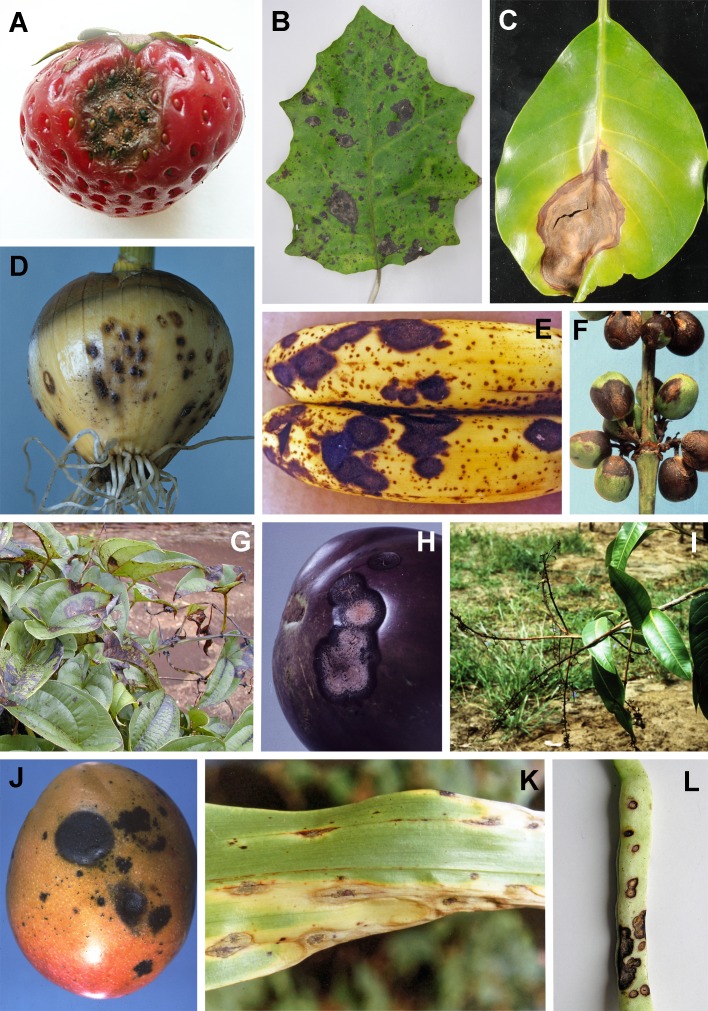
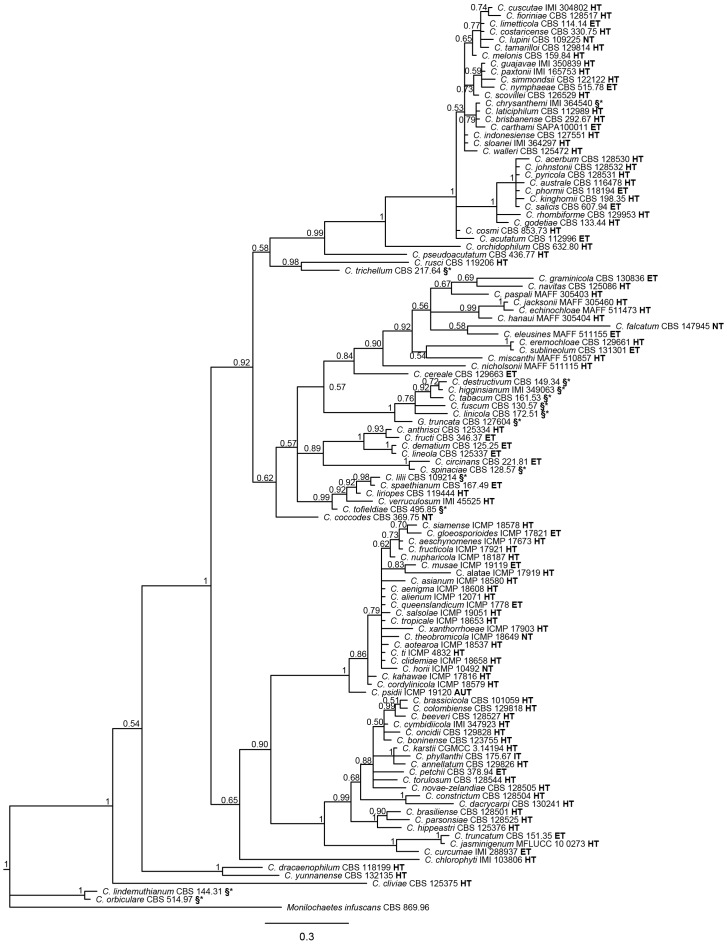
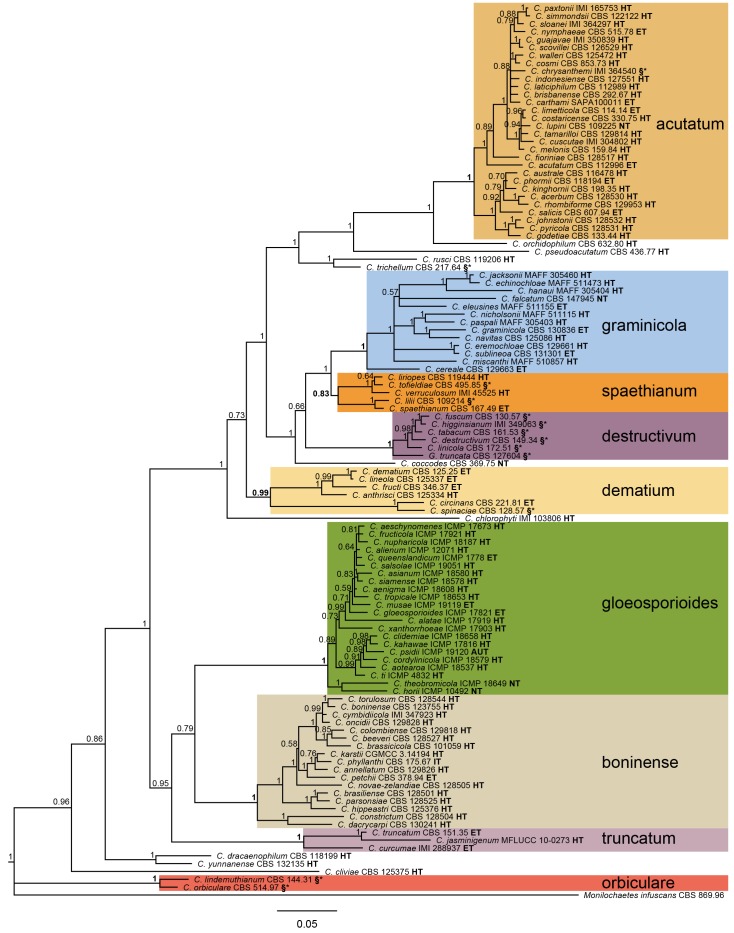
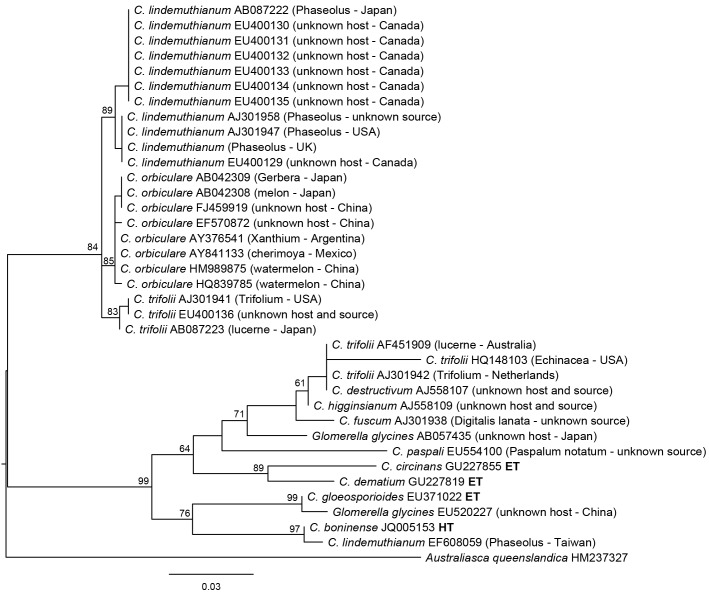
Verification
Claims the paper makes
The claims and statistics of this paper haven’t been checked yet.
Free: it reads the open-access text and checks the first 5 claims that cite a source we can check. Create a free account to check every claim.
Claims other papers make about this one
Each is checked against this paper’s own text: does it say what the citing paper says it does?
The source backs part of the claim, not all of it — or backs it for a different population, condition or comparison.
In the citing paper
“Lifestyle patterns in Colletotrichum can be broadly categorised as endophytic, hemibiotrophic, necrotrophic, latent or quiescent (Perfect et al. 1999, Peres et al. 2005, Cannon et al. 2012, Barimani et al. 2013, de Silva et al. 2017).”
From Colletotrichum: lifestyles, biology, morpho-species, species complexes and accepted species (2021) · cites this paper as Cannon et al. 2012
Experimental — accuracy not yet measuredThe source backs part of the claim, not all of it — or backs it for a different population, condition or comparison.
In the citing paper
“Currently, species delimitation in Colletotrichum relies solely on the use of multi locus phylogenetic analyses (Cannon et al. 2012, Hyde et al. 2014, Jayawardena et al. 2020).”
From Colletotrichum: lifestyles, biology, morpho-species, species complexes and accepted species (2021) · cites this paper as Cannon et al. 2012
Experimental — accuracy not yet measuredThe source backs part of the claim, not all of it — or backs it for a different population, condition or comparison.
In the citing paper
“Species of Colletotrichum have asexual and sexual morphs in their life cycle, which occur on the host plant or plant debris (Sutton 1992, Cannon et al. 2012, Jayawardena et al. 2016a).”
From Colletotrichum: lifestyles, biology, morpho-species, species complexes and accepted species (2021) · cites this paper as Cannon et al. 2012
Experimental — accuracy not yet measuredThe source backs part of the claim, not all of it — or backs it for a different population, condition or comparison.
In the citing paper
“This complex can be distinguished by their curved conidia with truncate base and acute, more strongly curved apex (Damm et al. 2009, Cannon et al. 2012, Jayawardena et al. 2016a).”
From Colletotrichum: lifestyles, biology, morpho-species, species complexes and accepted species (2021) · cites this paper as Cannon et al. 2012
Experimental — accuracy not yet measuredThe source backs part of the claim, not all of it — or backs it for a different population, condition or comparison.
In the citing paper
“From work in the intergenic regions of apn2 and MAT1-2-1 (ApMat) genes, 22 phenotypes (Supplementary Table S1) have been identified (Cannon et al., 2012), and four distinct phylogenies (C. fructicola, C. frgariae sensu stricto, C. melanocaulon and C. jasmine-sambac) within the complex described (Doyle et al., 2013).”
From Mango anthracnose disease: the current situation and direction for future research (2023) · cites this paper as Cannon et al., 2012
Experimental — accuracy not yet measured
12 more claims about this paper
Create a free account to see every claim other papers make about this one.
Self-check
Percentages, sums and reported differences re-computed from the paper’s own numbers.
The self-check needs the paper’s full text.
Citations
Cites
Schoch, C. L., Seifert, K. A., Huhndorf, S., Robert, V., Spouge, J. L., Levesque, C. A., Chen, W., Fungal Barcoding Consortium, Fungal Barcoding Consortium Author List, Bolchacova, E., et al. (2012) · Proceedings of the National Academy of Sciences · doi:10.1073/pnas.1117018109 · Cited by 5,120 · cited 1×
“This is of some concern, as the ITS region is widely used for species definition in the Fungi ( e.g. Begerow et al. 2010, Druzhinina et al. 2005, Eberhardt 2010, Kelly et al. 2011), and has recently been proposed as a universal barcode sequence (Schoch et al. 2011, 2012).”
BackgroundSelf-citationThe Top 10 fungal pathogens in molecular plant pathology
DEAN, R., VAN KAN, J. A. L., PRETORIUS, Z. A., HAMMOND‐KOSACK, K. E., DI PIETRO, A., SPANU, P. D., RUDD, J. J., DICKMAN, M., KAHMANN, R., ELLIS, J., et al. (2012) · Molecular Plant Pathology · doi:10.1111/j.1364-3703.2011.00783.x · Cited by 4,692 · cited 1×
“The genus was recently voted the eighth most important group of plant pathogenic fungi in the world, based on perceived scientific and economic importance (Dean et al .”
BackgroundReconstructing the early evolution of Fungi using a six-gene phylogeny
James, T. Y., Kauff, F., Schoch, C. L., Matheny, P. B., Hofstetter, V., Cox, C. J., Celio, G., Gueidan, C., Fraker, E., Miadlikowska, J., et al. (2006) · Nature · doi:10.1038/nature05110 · Cited by 1,815 · cited 1×
“Several widely used markers, including TUB2 and TEF1, were not included within their list of best-performing genes, and are probably unsuitable as universal fungal markers due to the presence of paralogs (James et al. 2006, Walker et al .”
MethodThe Colletotrichum gloeosporioides species complex
Weir, B. S., Johnston, P. R., & Damm, U. (2012) · Studies in Mycology · doi:10.3114/sim0011 · Cited by 1,646 · cited 8×
“2011, Weir et al .”
BackgroundInfluentialSelf-citationKõljalg, U., Larsson, K., Abarenkov, K., Nilsson, R. H., Alexander, I. J., Eberhardt, U., Erland, S., Høiland, K., Kjøller, R., Larsson, E., et al. (2005) · New Phytologist · doi:10.1111/j.1469-8137.2005.01376.x · Cited by 1,173 · cited 1×
“There is also evidence that ITS sequences alone can constitute useful barcode markers for some groups of the Basidiomycota ( e.g. Kõljalg et al .”
BackgroundAinsworth & Bisby'sdictionary of the fungi.
Ainsworth. (1961) · Cited by 1,145
The Coelomycetes. Fungi imperfecti with pycnidia, acervuli and stromata.
Sutton, B. C. (1980) · Commonwealth Mycological Institute eBooks · Cited by 1,080
O'Connell, R. J., Thon, M. R., Hacquard, S., Amyotte, S. G., Kleemann, J., Torres, M. F., Damm, U., Buiate, E. A., Epstein, L., Alkan, N., et al. (2012) · Nature Genetics · doi:10.1038/ng.2372 · Cited by 1,047 · cited 10×
“2012), but the strains studied (from lentil ( Lens culinaris ) in Canada) belong to the destructivum rather than the truncatum clade (Damm et al. 2009; O’Connell et al. 2012; Figs 2, 3).”
BackgroundInfluentialSelf-citationDIVERSITY AND HOST RANGE OF FOLIAR FUNGAL ENDOPHYTES: ARE TROPICAL LEAVES BIODIVERSITY HOTSPOTS?
Arnold, A. E., & Lutzoni, F. (2007) · Ecology · doi:10.1890/05-1459 · Cited by 1,033 · cited 1×
“(2004) and Arnold & Lutzoni (2007) that the commonest tropical endophytes appear to be host generalists.”
BackgroundFUSARIUM-ID v. 1.0: A DNA Sequence Database for Identifying Fusarium
Geiser, D. M., del Mar Jiménez-Gasco, M., Kang, S., Makalowska, I., Veeraraghavan, N., Ward, T. J., Zhang, N., Kuldau, G. A., & O'donnell, K. (2004) · European Journal of Plant Pathology · doi:10.1023/b:ejpp.0000032386.75915.a0 · Cited by 1,030 · cited 1×
“…for diagnostic purposes in the Fungi , especially beta-tubulin (TUB2) and calmodulin ( e.g. for Aspergillus and Penicillium ; Samson et al. 2007, Peterson 2008, Houbraken et al. 2011), TEF1 (for Fusarium ; Geiser et al. 2004, O’Donnell et al. 2009) and COX1 (for Penicillium ; Seifert et al. 2007).”
Background
Research works printed but not linked: 29
- Agrios GN (2005). Plant Pathology. 5th edn Academic Press, New York
- Arx JA von (1957a). Revision der zu Gloeosporium gestellten Pilze. Verhandligen des Koninklijke Nederlandse Akadademie van Wetenschappen, Afd. Natuurkunde, 2, 51(3): 153 pp
- Arx JA von (1957b). Die Arten der Gattung Colletotrichum Cda. Phytopathologische Zeitschrift 29: 413– 468
- Barrus MF (1918). Varietal susceptability of beans to strains of Colletotrichum lindemuthianum (Sacc. & Magn.) B. & C. Phytopathology 8: 589– 605
- Berlese AN (1893). Icones Fungorum Omnium hucusque Cognitorum. Pergola, Avellino vol. 1: 91– 118
- Chadefaud M (1960). Les Végétaux non Vasculaires. Cryptogamie. In: Traité de Botanique Systématique (Chadefaud M Emberger L, eds). Masson, Paris vol. 1: 1018 pp
- Corda ACI (1831). Die Pilze Deutschlands. In: Deutschlands Flora in Abbildungen nach der Natur mit Beschreibungen (Sturm J, ed.). Sturm, Nürnberg vol. 3, Abt. 12: 33– 64, tab. 21–32
- Corda ACI (1837). Icones Fungorum hucusque cognitorum vol. 1 Calve, Prague
- Corda ACI (1840). Icones Fungorum hucusque cognitorum vol. 4 Calve, Prague
- Edgerton CW (1912). Plus and minus strains in an ascomycete. Science 35: 151
- Hennings P (1898). Die in den Gewächshäusern des Berliner Botanischen Gartens beobachteten Pilze. Verhandlungen des Botanischen Vereins der Provinz Brandenburg 40: 109– 177
- Hyde KD Cai L McKenzie EHC Yang YL Zhang JZ (2009b). Colletotrichum: a catalogue of confusion. Fungal Diversity 39: 1– 17
- Krüger F (1913). Beiträge zur Kenntnis einiger Gloeosporien. Arbeiten aus der Kaiserlichen Biologischen Anstalt für Land- und Forstwirtschaft. 9: 233– 323
- Leahy R Schubert T Strandberg J Stamps B Norman D (1995). Anthracnose of leatherleaf fern. Plant Pathology Circular 372: 4 pp
- Lehman SG Wolf FA (1926). Soybean anthracnose. Journal of Agricultural Research Washington 33: 381– 390
- Montagne C (1849). Sixième centurie des plantes cellulaires nouvelles tant indigènes qu’exotiques. Annales des Sciences Naturelles. Botanique Série 3, 12: 285– 320
- Palarpawar MY Ghurde VR (1988). Some new hosts of Colletotrichum curcumae. Indian Journal of Mycology and Plant Pathology 18: 220– 221
- Petrak F (1924). Über die phylogenetischen Beziehungen der Gattung Phyllachora und ihre Bedeutung für das System der dothidealean Pilze. Annales Mycologici 22: 1– 10
- Phuong THN Pettersson OV Olsson P Nguyen PTH (2010). Identification of Colletotrichum species associated with anthracnose disease of coffee in Vietnam. European Journal of Plant Pathology 127: 73– 87 · DOI
- Prihastuti H Cai L Chen H McKenzie EHC Hyde KD (2009). Characterization of Colletotrichum species associated with coffee berries in northern Thailand. Fungal Diversity 39: 89– 109
- Prusky D Freeman S Dickman MB (eds) (2000). Colletotrichum. Host Specificity, Pathology and Host-Pathogen Interaction. APS Press, St Paul, USA
- Ramos AP Merali Z Talhinhas P Sreenivasaprasad S Oliveira H (2006). Molecular and morphological characterisation of Colletotrichum species involved in citrus anthracnose in Portugal. Bulletin OILB/SROP 29: 317– 326
- Schoch C Seifert K Crous P (2011). Progress on DNA barcoding of Fungi. IMA Fungus 2: (5).
- Shivas RG Tan YP (2009). A taxonomic reassessment of Colletotrichum acututum, introducing C. fioriniae comb. et stat. nov. and C. simmondsii sp. nov. Fungal Diversity 39: 111– 122
- Sydow H (1928). Fungi Chilenses a cl. E. Werdermann lecti. Pars prima. Annales Mycologici 26: 100– 126
- Theissen F Sydow H (1915). Die Dothideales. Kritische-systematische Originaluntersuchungen. Annales Mycologici 13: 147– 746
- Vaillancourt L Wang J Hanau R (2000). Genetic regulation of sexual compatibility in Glomerella graminicola. In: Colletotrichum. Host Specificity, Pathology and Host-Pathogen Interaction (Prusky D Freeman S Dickman MB, eds). APS Press, St Paul, USA: 29– 44
- Wheeler HE (1954). Genetics and evolution of heterothallism in Glomerella. Phytopathology 44: 342– 345
- Yang YL Liu ZY Cai L Hyde KD Zu ZN McKenzie EHC (2009). Colletotrichum anthracnose of Amaryllidaceae. Fungal Diversity 39: 123– 146
Cited by
Items 701–800 of 1,002
Jiang, D.-L., Harata, K., Ogawa, M., Shirota, K., Sasaki, A., Nakamura, T. K., Okamoto, S., Park, E. Y., Sato, K., Nakamura, Y., et al. (2023) · Journal of General Plant Pathology · doi:10.1007/s10327-023-01138-0 · Cited by 5
“2021) with reference DNA sequences from a previous report on Colletotrichum species (Cannon et al. 2012).”
BackgroundInfluentialVenkataravanappa, V., Sonavane, P., Muralidhara, B. M. G., Madhu, G. S., Shivaraj, D. T., & Reddy, M. K. (2023) · Indian Phytopathology · doi:10.1007/s42360-023-00686-x · Cited by 5
“The C. gloeosporioides isolates that infected curry leaves shared micro-morphological traits previously reported in various crops (Sutton 1992; Armstrong-Cho and Banniza 2006; Pfenning et al. 2007; Cannon et al. 2012; Sonavane et al. 2017; Jayawardena et al. 2021).”
Zhu, J. Z., Li, P., Zhang, Z., Li, X. G., & Zhong, J. (2024) · International Journal of Biological Macromolecules · doi:10.1016/j.ijbiomac.2024.132437 · Cited by 5
Prathibha, V. H., Rajesh, M. K., Dinesh, A., Patil, B., Daliyamol, D., Nagaraja, N. R., Rajkumar, Sabana, A. A., Gangaraj, K. P., Thejasri, K. P., et al. (2024) · Physiological and Molecular Plant Pathology · doi:10.1016/j.pmpp.2024.102416 · Cited by 5
Venkataravanappa, V., Sonavane, P., Muralidhara, B. M. G., Suryanarayana, V., Madhu, G. S., & Shivaraj, D. T. (2024) · Indian Phytopathology · doi:10.1007/s42360-024-00790-6 · Cited by 5
“The micro-morphological characteristics of these pathogens have been extensively documented in various crops (Sut-ton 1992; Armstrong-Cho and Banniza 2006; Pfenning et al. 2007; Cannon et al. 2012; Maharachchikumbura et al. 2014; Jayawardena et al.2021).”
Ma, H., Huang, L., Guo, L., Chen, S., Liu, J., Liu, C., Dou, Y., Sun, X., He, L., & Ma, G. (2025) · Frontiers in Plant Science · doi:10.3389/fpls.2025.1526038 · Cited by 7
“Currently, over 100 species of Colletotrichum have been described (Cannon et al., 2012).”
Evaluation of Strawberry Colletotrichum spp. Genetic Diversity in Lithuania
Morkeliūnė, A., Rasiukevičiūtė, N., Frercks, B., Bendokas, V., Antanynienė, R., Mažeikienė, I., Vaštakaitė‐Kairienė, V., Karklelienė, R., & Valiuškaitė, A. (2025) · Agronomy · doi:10.3390/agronomy15030720 · Cited by 5
Zhang, R., Yang, C., Liu, D., Su, Z., Cai, Z., & Li, C. (2025) · Crop Protection · doi:10.1016/j.cropro.2025.107230 · Cited by 5
Bagchi, S. K., Kabir, M. Y., Khan, S. A. K. U., Shams, M. I., & Díaz-Pérez, J. C. (2025) · International Journal of Vegetable Science · doi:10.1080/19315260.2025.2546015 · Cited by 5
“Such environmental conditions rapidly reduce the posthar-vest keeping quality of coriander leaves, including shelf life, as high temperature leads to increased leaf respiration (Cannon et al., 2012).”
Detection of Colletotrichum pyricola on urban trees of Embothrium coccineum in Chile
Zapata, M. A., & Opazo, A. (2017) · Bosque (Valdivia) · doi:10.4067/s0717-92002017000100019 · Cited by 5
“To overcome taxonomic problems associated with these traditional identification methods, DNA sequence analyses are now typically used as the primary basis in diagnosis and description of new species of Colletotrichum (Bailey 1997, Cannon et al. 2012, Liu et al. 2016).”
MethodChakraborty, N., Sarkar, A., Dasgupta, A., Paul, A., Mukherjee, K., & Acharya, K. (2021) · Indian Phytopathology · doi:10.1007/s42360-021-00425-0 · Cited by 5
Christopher, F., Mbega, E. R., Ndakidemi, P. A., & Nyalala, S. (2022) · The Journal of Animal and Plant Sciences · doi:10.36899/japs.2022.4.0491 · Cited by 5
Li, J., Zheng, H., Yu, Z., & Qiao, M. (2022) · Current Microbiology · doi:10.1007/s00284-022-02846-0 · Cited by 5
“graminicola species complex are associated with Poaceae, form a well-defined monophyletic clade [10].”
BackgroundMethodCao, J., Xie, F., Zhang, Z., Zhu, H., & Zhou, X. (2022) · Archives of Virology · doi:10.1007/s00705-022-05591-8 · Cited by 5
Fernández, L. N., Alaniz, S., Derita, M., Lutz, A., Gariglio, N., Mondino, P., & Favaro, M. A. (2022) · International Journal of Pest Management · doi:10.1080/09670874.2022.2116659 · Cited by 6
“characters, which made difficult species resolution (Cai et al. 2009; Cannon et al. 2012).”
BackgroundInfluentialAlfia, A. D., & Haryadi, N. T. (2022) · Berkala Ilmiah Pertanian · doi:10.19184/bip.v5i2.28858 · Cited by 5
Wang, C., Li, Y., Xue, H., Piao, C., & Jiang, N. (2023) · Plant Pathology · doi:10.1111/ppa.13781 · Cited by 5
Wang, T., Wang, Y., Geng, Z., Wei, J., Chang, Y., Zhu, M., Duan, X., & Zhao, X. (2024) · Physiological and Molecular Plant Pathology · doi:10.1016/j.pmpp.2024.102246 · Cited by 5
Li, F., Lu, D., Meng, F., & Tian, C. (2024) · Phytopathology · doi:10.1094/phyto-12-23-0484-r · Cited by 6
Rampersad, S. N., Hosein, F. N., & Carrington, C. V. F. (2014) · SpringerPlus · doi:10.1186/2193-1801-3-614 · Cited by 5
“…as reflected by the short branch lengths suggests that the species recognised within the C. gloeosporioides complex are very recently evolved (Cannon et al. 2012; Silva et al. 2012), therefore, it is likely that even with potentially more informative genes such as ApMAT and Apn25L (Silva et…”
BackgroundMethodInfluentialDenoyes-Rothan, B., Amaya, I., Liston, A., Tennessen, J. A., Ashman, T., Whitaker, V. M., Hytönen, T., van de Weg, E., Osorio, S., Folta, K. M., et al. (2017) · Acta Horticulturae · doi:10.17660/actahortic.2017.1156.3 · Cited by 5
Živković, S., Stošić, S., Stevanović, M., Gašić, K., Aleksić, G., Vučurović, I., & Ristić, D. (2017) · Zbornik Matice srpske za prirodne nauke · doi:10.2298/zmspn1733331z · Cited by 6
“by traditional taxonomic methods, which must be complemented with molecular techniques and multilocus phylogenetic studies (Whitelaw-Weckert et al. 2007; Cannon et al. 2012; Damm et al. 2012a; Weir et al. 2012).”
BackgroundMethodMartínez-González, A. P., Higuera-Mancipe, B. L., & Martínez, S. T. (2018) · Tropical Plant Pathology · doi:10.1007/s40858-017-0209-6 · Cited by 5
“…colonize host tissue both inter- and intra-cellularly (at which point anthracnose symptoms, such as tissue maceration, become visible) (Thrower 1966; Perfect et al. 1999; Wharton and Diéguez-Uribeondo 2004; Guidarelli et al. 2011; Cannon et al. 2012; Sezer and Dolar 2012; Baroncelli et al. 2017).”
BackgroundLiu, R., & Li, H. (2019) · Australasian Plant Pathology · doi:10.1007/s13313-019-00663-x · Cited by 5
Rahman, M., Islam, T., Jett, L. W., & Kotcon, J. B. (2023) · Plant Disease · doi:10.1094/pdis-10-22-2402-re · Cited by 5
Yu, Y., Cho, Y.-T., Xu, Y.-C., Wong, Z.-J., Tsai, Y.-C., & Ariyawansa, H. A. (2023) · Phytopathology · doi:10.1094/phyto-08-23-0301-r · Cited by 7
First aeromycological study in an avocado agroecosystem in Mexico
Valle-Aguirre, G., Valle, M. G. V.-D., Corona‐Rangel, M. L., Amora‐Lazcano, E., & Hernández‐Lauzardo, A. N. (2016) · Aerobiologia · doi:10.1007/s10453-016-9439-1 · Cited by 5
Effector biology of the sugar beet pathogen Cercospora beticola
Ebert, M. K. (2018) · doi:10.18174/453825 · Cited by 5
Menicucci, A., Fiorenzani, C., Hatoum, F., Iacono, S., Lio, D. D., Becerra, S., Floch, G. L., Vannacci, G., Vogan, A. A., McDonald, M. C., et al. (2026) · bioRxiv (Cold Spring Harbor Laboratory) · doi:10.64898/2026.05.11.723792 · Cited by 5
Exploring fern pathosystems and immune receptors to bridge gaps in plant immunity
Castel, B., Baker, M., Keller, J., Martinez, Y., Bonhomme, M., Delaux, P.-M., & Jacquet, C. (2025) · BMC Biology · doi:10.1186/s12915-025-02413-6 · Cited by 4
“These genera contain major pathogens of angiosperm crops [17, 18], suggesting that ferns could serve as a valuable genetic reservoir for disease resistance in crops.”
Du, X., Yang, Y.-L., & Lu, J. (2025) · Horticulturae · doi:10.3390/horticulturae11070802 · Cited by 4
Tan, Y., Ma, Z., Hua, X., Tian, H., Zhao, P., Dai, C., Zhang, R., Sun, G., Gleason, M. L., Liu, F., et al. (2025) · Phytopathology · doi:10.1094/phyto-07-24-0239-sc · Cited by 4
Munir, M., Naeem, M., Wu, X., Zeng, W., Sun, Z., Li, Y., Yong, T., Yang, F., & Chang, X. (2025) · Pathogens · doi:10.3390/pathogens14101020 · Cited by 5
“Its exceptionally broad host range (infecting over 3000 plant species) and capacity for latent infections make effective control exceptionally challenging [34–36].”
de Oliveira, V. C., da Silva, H. A. O., Lourenço, M. T., Armond, M. L. D. P., Abreu, L. M., Mendes, F. Q., de Oliveira, E. B., & Vieira, É. N. R. (2025) · Plant Pathology · doi:10.1111/ppa.70081 · Cited by 5
An, S., & Kim, H. T. (2026) · The Plant Pathology Journal · doi:10.5423/ppj.oa.04.2026.0062 · Cited by 4
“The implementation of multi-locus phylogenetic analysis using genes such as ITS, CHS-1, GAPDH, ACT, and TUB2 has allowed for a much more precise resolution of species complexes (Cannon et al., 2012; Damm et al., 2012).”
Rasiukevičiūtė, N., Brazaitytė, A., Vaštakaitė‐Kairienė, V., & Valiuškaitė, A. (2022) · Plants · doi:10.3390/plants11010143 · Cited by 5
Tocoloa, G. L., & Tocoloa, A. E. L. (2022) · doi:10.22533/at.ed.75422160923 · Cited by 5
Mansoor, T., Abdurrehman, Subhani, M. N., Malik, M. T., Abbas, A., Hasnain, A., Rao, M. J., Alrefaei, A. F., Naqvi, S. A. H., & Zhou, L. (2023) · Erwerbs-Obstbau · doi:10.1007/s10341-023-00927-3 · Cited by 4
“The teleomorph stage of the fungus is well known for its capacity to trigger a serious infection that results in the development of illness and requires warm and humid conditions for the dispersal of disease more effectively and uniformly (Cannon et al. 2012; Farr et al. 2006).”
BackgroundFirst Report of Colletotrichum gloeosporioides Causing Anthracnose on Peanut in Chongqing, China
Li, Y., Song, X., He, K., Yu, J., Xu, M., Guo, Z., Wang, X., & Zhang, X. (2023) · Plant Disease · doi:10.1094/pdis-10-23-2225-pdn · Cited by 5
Jia, G., Kim, S. H., Min, J., Zamora, N. V., Montero, S. S., Kim, S.-Y., & Oh, S. (2024) · The Plant Pathology Journal · doi:10.5423/ppj.oa.07.2024.0105 · Cited by 4
“Colletotrichum spp. was rated as one of the top 10 fungal plant pathogens (Dean et al., 2012) and was primarily reported as the causal agent of anthracnose causing severe yield losses (Cannon et al., 2012).”
Noviyanto, Wıdjajantı, H., & Elfita, E. (2025) · Science & Technology Indonesia · doi:10.26554/sti.2025.10.1.139-151 · Cited by 8
“Mean-while, Colletotrichum possesses the capacity to interact with various plant species, functioning both as a pathogen and an endo-phyte, which allows it to persist and develop in different plant tissues without causing significant damage to its host (Cannon et al., 2012; Khodadadi et al., 2020).”
First report of anthracnose caused by Colletotrichum siamense on Cinnamomum burmanni
Cao, J., Huang, S., Huang, Y., Luo, J., Luo, Q., Li, Q., Fan, P., Huang, J., Mao, N., & Zhang, L. (2025) · Crop Protection · doi:10.1016/j.cropro.2025.107202 · Cited by 4
Fungal Pathogens of Peach Palm Leaf Spot in Thailand and Their Fungicide Sensitivity
Wonglom, P., Suwannarach, N., Kumla, J., & Sunpapao, A. (2025) · Journal of Fungi · doi:10.3390/jof11040318 · Cited by 4
Bionanocomposite Coating Film Technologies for Disease Management in Fruits and Vegetables
Sánchez-Silva, J. M., López‐García, U. M., Gutiérrez–Martínez, P., Flores-Ramírez, A. Y., Ramos-Bell, S., Moreno-Hernández, C., Rivas-García, T., & González-Estrada, R. R. (2025) · Horticulturae · doi:10.3390/horticulturae11070832 · Cited by 5
Wu, Y., Zhou, F., Chen, Q., He, L., Zang, Y., Wang, Z., Lin, C., Miao, W., & Li, Z. (2025) · Journal of Fungi · doi:10.3390/jof11090679 · Cited by 4
“The concept of a species complex was initially introduced to address cryptic species that are morphologically indistinguishable, but genetically divergent at the molecular level [48,49].”
Colletotrichum dematium: Causing Anthracnose on Common Knotgrass (Polygonum aviculare) in China
Liu, L. P., Jin, X. S., Yu, L., Lu, B. H., Liu, Y. N., Yang, L., Liu, Z. H., Li, Y., Gao, J., & Hsiang, T. (2016) · Plant Disease · doi:10.1094/pdis-10-15-1161-pdn · Cited by 4
Recent Changes in Fungal Nomenclature and Their Impact on Naming of Microfungi
Gams, W. (2016) · Fungal biology · doi:10.1007/978-3-319-29137-6_2 · Cited by 4
Cao, X., Zhang, Q., He, Y., Che, H., Lin, Y., Luo, D., West, J. S., & Xu, X. (2022) · Plant Disease · doi:10.1094/pdis-03-22-0576-re · Cited by 4
Manejo da podridão da uva madura em videira ‘Niagara Rosada’
Leles, N. R., Genta, W., Marques, V. V., Tessmann, D. J., & Roberto, S. R. (2022) · Semina Ciências Agrárias · doi:10.5433/1679-0359.2022v43n5p2189 · Cited by 6
Dentika, P., Ninsseu, A., Pétro, D., Ozier‐Lafontaine, H., & Penet, L. (2022) · Plant Pathology · doi:10.1111/ppa.13672 · Cited by 4
Kong, Y., Yuan, Y., Menghan, Y., Yiming, L., Liang, X., Gleason, M. L., Zhang, R., & Sun, G. (2023) · Phytopathology · doi:10.1094/phyto-02-23-0071-r · Cited by 8
Colletotrichum species causing Bletilla striata anthracnose in the Guizhou Province, China
Liu, Y., Yao, Q., Liang, S., Li, C., Chen, X., & Li, Z. (2023) · Crop Protection · doi:10.1016/j.cropro.2023.106277 · Cited by 4
Tuluhong, M., Mu, M., Wang, S., Li, Y., & Cui, G. (2023) · Plant Disease · doi:10.1094/pdis-05-23-0956-re · Cited by 4
Saini, T. J., Bhat, G., Tiwari, A., Gupta, S., & Anandalakshmi, R. (2023) · Journal of Plant Pathology · doi:10.1007/s42161-023-01558-z · Cited by 6
“An approach combining multigene phylogenetic analyses was performed along with morphological features (Cai et al. 2009; Cannon et al. 2012; De Silva et al. 2017) for the identification of select isolates from single spore cultures and to assign them to different species complexes.”
Shahriar, S. A., & Mohd, M. H. (2024) · Canadian Journal of Plant Pathology · doi:10.1080/07060661.2024.2334371 · Cited by 4
“Currently, a morphological approach coupled with molecular analysis is extensively used to identify Colletotrichum species alternatively (Cannon et al. 2012; Shahriar et al. 2023).”
Characterization and Biocontrol Efficacy of Bacillus velezensis GYUN-1190 against Apple Bitter Rot
Park, H., Lee, Y., Balaraju, K., Kim, J., & Jeon, Y. (2024) · The Plant Pathology Journal · doi:10.5423/ppj.oa.05.2024.0076 · Cited by 4
“Colletotrichum species infect a wide range of host plants, causing diseases such as anthracnose and fruit rots (Dean et al., 2012), as well as several fruit crops, including apples (Cannon et al., 2012; Kim et al., 2009).”
Jiang, K., Li, Z. A., Yao, Q., Liang, S., Chen, X., & Zhao, Q. (2025) · Journal of Plant Pathology · doi:10.1007/s42161-025-01834-0 · Cited by 4
Villa-Rivera, M. G., Zavala-Páramo, M. G., Conejo-Saucedo, U., López-Romero, E., Lara-Márquez, A., & Cano-Camacho, H. (2016) · Physiological and Molecular Plant Pathology · doi:10.1016/j.pmpp.2016.10.002 · Cited by 4
Assessing the genetic diversity of grape ripe rot pathogen Colletotrichum using SRAP markers
Huang, Y. (2016) · Mycosphere · doi:10.5943/mycosphere/si/2c/3 · Cited by 4
“Grapevine is one of the most economically important fruit crops in China because of the high demand for wine, juice, table grapes, and dried fruit (Cannon et al. 2012).”
BackgroundKalck, A. S., Pedro, M. F. C., dos Santos, K. F., Sousa, M. S., Silva, J. R., & de Souza, N. C. (2018) · Colloids and Surfaces B Biointerfaces · doi:10.1016/j.colsurfb.2018.07.019 · Cited by 4
Prakoso, A. B., Suryanti, S., & Widiastuti, A. (2019) · AIP conference proceedings · doi:10.1063/1.5098422 · Cited by 4
Characterization of pomegranate diseases in the Southeast US
Xavier, K. V., KC, A. N., Deng, Z., Castle, W. S., Peres, N. A., Lovett, W., & Vallad, G. E. (2019) · Acta Horticulturae · doi:10.17660/actahortic.2019.1254.39 · Cited by 4
Colletotrichum truncatum causing anthracnose disease of Iris lactea in Beijing, China
Wang, C., Jiang, N., Zhu, Y.-Q., Xue, H., Piao, C., & Li, Y. (2022) · Journal of Phytopathology · doi:10.1111/jph.13088 · Cited by 5
Yin, Q., Shi, X., Zhu, Z., Wang, Y., Tian, L., Sang, Z., Jia, Z., & Ma, L. (2022) · Plant Disease · doi:10.1094/pdis-12-21-2811-pdn · Cited by 4
Kim, J., Ju, H.-J., & Sang, M. K. (2022) · Journal of Plant Pathology · doi:10.1007/s42161-022-01225-9 · Cited by 4
First Report of Jujube Anthracnose Caused by Colletotrichum siamense in China
Han, F.-Y., Qi, Y.-K., Zhang, Y., Qi, J.-H., Wang, J.-W., Liu, W.-Z., Ji, Y., & Wang, Q. (2023) · Plant Disease · doi:10.1094/pdis-09-22-2273-pdn · Cited by 4
Oyedele, T. A., Kehinde, I. A., Oyelakin, A. S., Popoola, T. O. S., Atanda, H. Y., & Mur, L. A. J. (2024) · Physiological and Molecular Plant Pathology · doi:10.1016/j.pmpp.2023.102216 · Cited by 4
Bhat, N. N., Padder, B. A., Barthelson, R. A., & Andrabi, K. I. (2018) · Plant Gene · doi:10.1016/j.plgene.2018.11.001 · Cited by 4
Colletotrichum gloeosporioides causing leaf anthracnose on Oxalis corniculata in Brazil
Bellé, C., Ramos, R. F., Gabriel, M., Kaspary, T. E., & de Brida, A. L. (2019) · Australasian Plant Disease Notes · doi:10.1007/s13314-019-0367-0 · Cited by 6
“…a large number of plant pathogens of major importance, causing diseases and affecting production of horticultural crops, such as avocado, banana, citrus, mango, strawberry, but can cause devastating disease with as well as crops such as coffee, maize, sorghum and sugarcane (Cannon et al. 2012).”
BackgroundAntifungal activity of wild and nursery Diospyros cuneata, a native species of dune scrub
Sulub-Tun, R. A., Rodríguez-García, C. M., Peraza-Echeverría, L., Torres-Tapia, L. W., Peraza-Sánchez, S. R., Pérez‐Brito, D., & Vera‐Ku, M. (2020) · South African Journal of Botany · doi:10.1016/j.sajb.2020.03.029 · Cited by 5
Golakiya, B. B., Akbari, L. F., & Nm, M. (2020) · International Journal of Chemical Studies · doi:10.22271/chemi.2020.v8.i4at.10218 · Cited by 4
“The fungus comprises C. gloeosporioides as anamorph imperfect or asexual state while, Glomerella cingulata as sexual (perfect) teleomorph state (Cannon et al., 2012) [4].”
BackgroundMolecular characterization of Colletotrichum spp. associated with fruits in Brazil
Bragança, C. A. D. (2013) · Digital Library of Theses and Dissertations (Universidade de São Paulo) · doi:10.11606/t.11.2013.tde-23042013-154938 · Cited by 6
Kervan, Ü., Kocabeyoğlu, S. S., Sert, D. E., Aygün, E., Kavasoğlu, K., Karahan, M., Ünal, E. U., & Paç, M. (2016) · Experimental and Clinical Transplantation · doi:10.6002/ect.2016.0002 · Cited by 5
Exploring fern pathosystems and immune receptors to bridge gaps in plant immunity
Castel, B., Baker, M., Keller, J., Martinez, Y., Bonhomme, M., Delaux, P.-M., & Jacquet, C. (2025) · doi:10.1101/2025.03.18.643875 · Cited by 4
Evaluation of sterols as markers of fungal spoilage in red pepper powder
Choi, E., Chun, H. S., Auh, J., Ahn, S., & Kim, B. H. (2024) · Food Chemistry · doi:10.1016/j.foodchem.2024.139566 · Cited by 3
Yanty, D. P., Trizelia, T., Darnetty, D., & Trisno, J. (2024) · JPT JURNAL PROTEKSI TANAMAN (JOURNAL OF PLANT PROTECTION) · doi:10.25077/jpt.8.1.42-52.2024 · Cited by 5
“Several species of Colletotrichum that have been reported to cause anthracnose include C. truncatum, C. siamense, and C. scovillei (Cannon et al., 2012; Gao et al., 2020; Gao et al., 2021), C. gloeosporioides (Than et al., 2008; Weir et al., 2012), C. acutatum (Widodo and Hidayat 2018), C.…”
BackgroundSudirga, S. K., Darmadi, A. A. K., Wijaya, I. M. S., & Yulihastuti, D. A. (2024) · JURNAL HAMA DAN PENYAKIT TUMBUHAN TROPIKA · doi:10.23960/jhptt.224284-294 · Cited by 4
“Isolation of Colletotrichum sp. Colletotrichum is a concerning pathogen responsible for anthracnose disease in several types of plants, particularly horticultural commodities (Cannon et al., 2012).”
BackgroundThao, L. D., Shin, H., Choi, H., Kang, D., Mageswari, A., Lee, J. S., Lee, D., Choi, I., Damm, U., & Hong, S. (2025) · Scientific Reports · doi:10.1038/s41598-025-11675-7 · Cited by 3
Self-citationPallavi, K. N., Madhu, G. S., Nayak, S., Keerthana, K., Bhavana, Sahana, G., Bharathi, B., & Palanna, K. B. (2025) · Physiological and Molecular Plant Pathology · doi:10.1016/j.pmpp.2025.102947 · Cited by 4
Norphanphoun, C., Meng-ting, Z. O. U., Liu, F., & Wang, Y. (2025) · MycoKeys · doi:10.3897/mycokeys.122.161122 · Cited by 4
Diversity and Distribution of Colletotrichum Species Causing Anthracnose in China
Zhang, W., & Fan, X. (2025) · Journal of Fungi · doi:10.3390/jof11110781 · Cited by 3
“The typical symptoms are forming light to dark brown spots, which are usually round or irregular in shape [4,5].”
Ahn, E. J. S., Baek, I., Lim, S., Lovelace, A. H., Cha, M., Kim, M. S., Park, S., & Meinhardt, L. W. (2026) · Food Control · doi:10.1016/j.foodcont.2026.111956 · Cited by 3
Durkin, J., Bissett, J., Pahlavani, M. H., Mooney, B. A., & Buchwaldt, L. (2015) · PLoS ONE · doi:10.1371/journal.pone.0137398 · Cited by 3
SENSIBILIDADE DO Colletotrichum gloeosporioides DO MARACUJAZEIRO A ÓLEOS ESSENCIAIS
de Figueiredo, A. R., da Silva, L. R., & de Morais, L. A. S. (2021) · DESAFIOS Revista Interdisciplinar da Universidade Federal do Tocantins · doi:10.20873/uftv8-10442 · Cited by 3
Gu, J., Wang, H., Huang, X., Liao, L., Xie, H. X., & Peng, X. (2024) · Plants · doi:10.3390/plants13081149 · Cited by 5
“C. siamense in plants was detected using a tissue separation method as described previously [5] and identified based on cultural and morphological characteristics [11].”
MethodWang, R., Ouyang, D., Lu, M., Tang, L., Chen, X., Huang, S., Guo, T., Hsiang, T., & Li, Q. (2024) · Plant Disease · doi:10.1094/pdis-02-24-0424-re · Cited by 4
Li, T., Ji, F., Chen, Y., Zhang, Y., Wang, H., & Zhang, C. (2024) · Plant Disease · doi:10.1094/pdis-07-24-1382-re · Cited by 3
Revisiting threats associated with neglected and emerging fungal pathogens in sub-Saharan Africa
Akinola, S. A., Adeyemo, R. O., Bale, M. I., Eilu, E., Afodun, A. M., Akinola, R. A. A., Binuyo, M. O., Odoma, S., Suleiman, I. E., Adegboyega, T. T., et al. (2024) · Discover Public Health · doi:10.1186/s12982-024-00318-3 · Cited by 4
“As harmful phytopathogen features such as the biotrophic host penetration and necrotrophic nutrient acquisition of Colletotrichum spp. pose a severe danger to the security of the world’s crops [208].”
dos Santos, M. H., Costa, J. F. D. O., França, K. R. D. S., dos Santos, T. F., Ferro, M. M. D. M., de Melo, M. P., Lima, V. B. C., Cunha, J. L. X. L., Lima, G. S. D. A., & Assunção, I. P. (2025) · Physiological and Molecular Plant Pathology · doi:10.1016/j.pmpp.2025.102657 · Cited by 3
He, Z., Zhu, F., Sun, S., Zhang, Y., Min, R., Yang, H., Xu, L., Yin, D., & Xu, W. (2025) · Physiological and Molecular Plant Pathology · doi:10.1016/j.pmpp.2025.102683 · Cited by 4
Characterisation of fungal pathogens associated with stem-end rot of avocado fruit in Italy
Guarnaccia, V., Aiello, D., Cirvilleri, G., Polizzi, G., Susca, A., Epifani, F., & Perrone, G. (2016) · Acta Horticulturae · doi:10.17660/actahortic.2016.1144.19 · Cited by 3
Identification of Colletotrichum species associated with anthracnose of Spondias spp. in Brazil
Carvalho, A. S., de Melo, M. P., Silva, J. P., Matos, K. D. S., & Beserra, J. E. A. (2019) · Forest Pathology · doi:10.1111/efp.12554 · Cited by 3
Presence of phytopathogenic fungi and oomycetes on rice and avocado crops in Tolima (Colombia)
Vinchira-Villarraga, D. M., Macias-Camacho, J., Mendez-Olivera, J. D., Tibambre, M. E. M., Rodríguez-García, V., Saavedra-Orduz, Z., Torres-López, M. A., & Moreno-Sarmiento, N. C. (2020) · African Journal of Microbiology Research · doi:10.5897/ajmr2020.9331 · Cited by 4
“isolates are able to colonize inflorescences, leaves, stems, and fruits of avocado and typically generate semicircular or angular necrotic, sunken and wet-looking lesions (Cannon et al., 2012; Pérez-Jiménez, 2008).”
BackgroundqPCR-based detection of Colletotrichum truncatum in soybean seeds
Júnior, M. B. S., de Resende, M. L. V., Pozza, E. A., Botelho, D. M. D. S., Cardoso, A. M. S., Siqueira, C. S., Machado, J. C., de Resende, A. R. M., Silveira, G. C. D., & Guimarães, S. D. S. C. (2020) · Tropical Plant Pathology · doi:10.1007/s40858-020-00380-7 · Cited by 3
“However, ITS sequence is highly conserved in closely related species (Cannon et al. 2012; Wang et al. 2017).”
BackgroundFirst report of anthracnose on tillandsia caused by Colletotrichum sp. in Japan
Kumita, K., Kitazawa, Y., Tokuda, R., Miyazaki, A., Maejima, K., Namba, S., & Yamaji, Y. (2021) · Journal of General Plant Pathology · doi:10.1007/s10327-021-00995-x · Cited by 3
Ogawa, T., Chen, J., Mise, K., & Takano, Y. (2021) · Plant Signaling & Behavior · doi:10.1080/15592324.2021.1935604 · Cited by 3
“higginsianum, belong is thought to be diverged from all other clades at the bottom of the entire phylogenetic tree of this genus.(17) Thus, it is possible that ring-shaped effector accumulation via the secretion center in the hyphal neck region is a conserved mechanism among the Colletotrichum genus and derived from t…”
BackgroundFan, H., Li, Y., Chachar, S., Yang, Y., & Guan, C. (2022) · Plant Disease · doi:10.1094/pdis-11-21-2417-a · Cited by 3
Development of Biotic Stress Tolerant Berries
Frercks, B., Gelvonauskienė, D., Juškytė, A. D., Sikorskaitė-Gudžiūnienė, S., Mažeikienė, I., Bendokas, V., & Graham, J. (2022) · Springer eBooks · doi:10.1007/978-3-030-91802-6_9 · Cited by 4
Espécies de Colletotrichum associadas à antracnose em maracujazeiro fruit no Brasil.
da Silva, J. L., Lopes, L. E. M., Silva-Cabral, J. R. A., Costa, J. F. D. O., Lima, G. S. D. A., & Assunção, I. P. (2022) · Diversitas Journal · doi:10.48017/dj.v7i3.2162 · Cited by 6
Dentika, P., Ozier‐Lafontaine, H., & Penet, L. (2022) · Tropical Agriculture · Cited by 3
Metadata
- Authors
- Cannon, P. F., Damm, U., Johnston, P. R., & Weir, B. S.
- Affiliations
- Royal Botanic Gardens, Kew (GB)
- Westerdijk Fungal Biodiversity Institute (NL)
- Manaaki Whenua – Landcare Research (NZ)
- Corresponding author
- Cannon, P.F.
- Venue
- Studies in Mycology
- Published
- 2012-09
- Volume
- 73
- Issue
- 1
- Pages
- 181-213
- ISSN
- 0166-0616 (ISSN-L)
- PMC
- PMC3458418
- OpenAlex
- W2088771820
- Semantic Scholar
- 039edab571c722f3c6449b273124da3f0f2c6ac5
- Cited by
- 1,105
- References
- 293
- Citations by year
- 2026: 61 · 2025: 85 · 2024: 109 · 2023: 131 · 2022: 146 · 2021: 102 · 2020: 98 · 2019: 66 · 2018: 70 · 2017: 58 · 2016: 61 · 2015: 36 · 2014: 49 · 2013: 26 · 2012: 6
- FWCI
- 17.74
- Type
- journal article
- Language
- en
- Open access
- hybrid
- doi.org
- Licence
- cc-by-nc-nd
- www.elsevier.com/tdm/userlicense/1.0/ (tdm)
- creativecommons.org/licenses/by-nc-nd/3.0/ (vor, 633 d)
- Locations
- Studies in Mycology (publishedVersion, cc-by-nc-nd)
- Europe PMC (PubMed Central) (publishedVersion, cc-by-nc-nd)
- PubMed Central (publishedVersion, cc-by-nc-nd)
- PubMed (publishedVersion)
- KNAW research portal (Royal Academy of Art and Sciences (KNAW)) (publishedVersion)
- Data Archiving and Networked Services (DANS) (submittedVersion)
- Topics
- Life Sciences › Agricultural and Biological Sciences › Plant Science › Plant Pathogens and Fungal Diseases
- Life Sciences › Immunology and Microbiology › Microbiology › Yeasts and Rust Fungi Studies
- Life Sciences › Agricultural and Biological Sciences › Plant Science › Fungal Plant Pathogen Control
- Keywords
- Colletotrichum, fungal taxonomy, species concept, anamorph-teleomorph relationship, multilocus phylogeny, DNA barcoding, host specificity, speciation, species clusters
About these checks
Registry, retraction, Cites and statistics results are computed, not judged, with one exception: a printed reference that no index lists is read once by a model before it counts as a citation error. Claims are extracted by a model and kept only when their quote appears verbatim in the text; each cited source is then checked, with a model’s help, for whether it says what the claim relies on. Those verdicts can be wrong — read the claim’s quote and the cited source before relying on one.
Statistics and arithmetic are recomputed, not judged.
Confidence bands are shown only for fields calibrated on our annotated test set. None is calibrated yet, so no band is shown.
What counts as a claim ›How we measure confidence ›How we check this ›
Are you an author, or do you see a problem with this page? Request a review
Data sources
Bibliographic data: Semantic Scholar, OpenAlex, Crossref.
Contains information from the Semantic Scholar Academic Graph Datasets, made available under the ODC Attribution License (ODC-BY 1.0).
Semantic Scholar’s data is described in: Kinney, R., et al. (2023). The Semantic Scholar Open Data Platform. arXiv:2301.10140.
