

Sarcopenic obesity: epidemiology, pathophysiology, cardiovascular disease, mortality, and management
Open accessThe DOI matches its Crossref record; 99 of the 99 references it cites were found in a registry or an index; 27 of the 114 sources its claims cite were checked for support.
Abstract
Sarcopenic obesity is defined as the coexistence of sarcopenia and obesity in the same individual, characterized by of the co-presence of body fat accumulation and muscle loss. This condition is currently a major concern as it is associated with frailty and disabilities such as cardiovascular disease, fractures, dementia, cancer, and increased all-cause mortality. Particularly, older individuals remain at risk of sarcopenic obesity. Progress at several levels is needed to improve the global prognostic outlook for this condition, including the elaboration and implementation of a more uniform definition that may favor the identification and specification of prevalence by age group. Furthermore, improvements in the understanding of the pathogenesis of sarcopenic obesity may lead to the development of more specific therapeutic interventions to improve prognosis. We reviewed the knowledge on sarcopenic obesity and its associations with cardiovascular diseases and mortality.
Overview
CoChat Summary
TL;DR
Sarcopenic obesity—coexistence of muscle loss and excess adiposity—is associated with frailty, cardiovascular disease, and increased all-cause mortality, especially in older adults. The review emphasizes that prevalence estimates remain imprecise because no globally accepted diagnostic definition exists, and management still centers on lifestyle modification with limited evidence for pharmacological therapies.
Key findings
- Sarcopenic obesity is linked to frailty, fractures, cardiovascular disease, cancer, dementia, hospitalization, and increased all-cause mortality; the paper states it is associated with a higher risk of cardiovascular events than sarcopenia or obesity alone.
- Prevalence varies widely by definition: a South Korean cohort found 0.8%–22.3% in women and 1.3%–15.4% in men; the Dutch Lifelines cohort found 1.4% in women and 0.9% in men, rising to 16.7% in the 80–89 age group; a meta-analysis of 50 studies including 86,285 people found a global prevalence of 11% in adults aged 60 years.
- Mortality risk is elevated in several studies: NHANES III women HR 1.29 (95% CI 1.03–1.60); British Regional Heart Study men HR 1.72 (95% CI 1.35–2.18); Swedish 75-year-old women HR 3.25 (95% CI 1.2–8.9); UK Biobank men with previous cardiovascular disease HR 1.47 (95% CI 1.30–1.66); and a meta-analysis of 23 studies including 50,866 individuals found pooled HR 1.21 (95% CI 1.10–1.32, p < 0.001, I² = 64.3%).
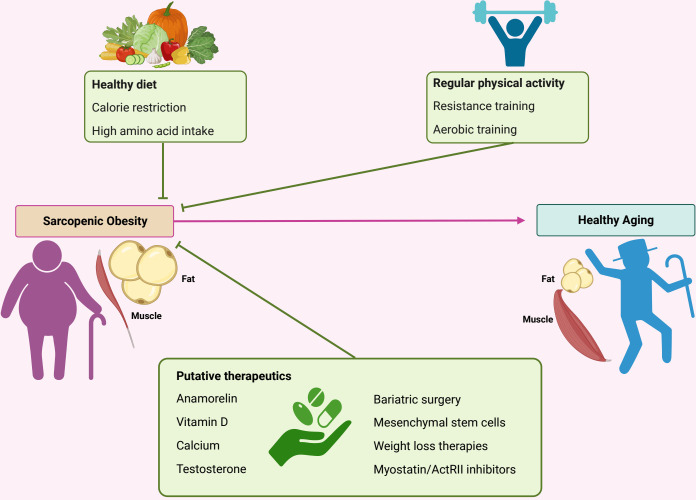
- Management is based mainly on lifestyle modification: caloric restriction (stated as less than 750 kcal/day), high-quality protein intake (1–1.2 g/kg/day), and combined aerobic and resistance exercise; pharmacological options such as testosterone, SARMs, GLP-1 receptor agonists, myostatin/ActRII inhibitors, and anamorelin are discussed but not strongly recommended because of limited evidence.
Methods
- Narrative review of the literature on sarcopenic obesity, covering definition, epidemiology, pathophysiology, cardiovascular disease, mortality, and management.
- Evidence is drawn from cited cohort studies, cross-sectional studies, meta-analyses, and preclinical/clinical trials; no systematic search strategy, inclusion criteria, or formal meta-analysis is described.
- Main analysis is a qualitative synthesis, including a table summarizing mortality results from selected cohort studies and one meta-analysis.
Limitations
- The paper states that the absence of globally adopted common definition criteria for sarcopenic obesity impairs precise epidemiological assessment, proper patient identification, and adapted management.
- The paper states that pathogenesis remains complex, multifactorial, and only partially elucidated; causality is difficult to establish from cross-sectional or cohort designs, and the optimal therapeutic approach remains undetermined because of limited clinical trials.
- Evident from the text: as a narrative review, it reports no systematic search, study-selection process, risk-of-bias assessment, or quantitative synthesis; several management recommendations rely on indirect, preclinical, or non-sarcopenic-obesity-specific evidence.
Model-written summary. Check it against the paper before relying on it.
Integrity signals
Registry
Cites
Statistics
Figures
Verification
Claims the paper makes
18 Valid · 2 Not valid · 61 Not checked · 26 Own results and interpretations
Some cited sources support this claim and some don’t — read each source’s verdict below.
In the paper
“Sarcopenic obesity significantly increases the risk of cardiovascular risk factors including insulin resistance (IR), metabolic syndrome, and adverse glycolipid metabolism (16, 42–44), even in the context of divergent comorbidities such as cancer and peritoneal dialysis (45, 46).”
§ Sarcopenic obesity: epidemiology, pathophysiology, cardiovascular disease, mortality, and management > Sarcopenic obesity and cardiovascular diseases
What the sources say
- Partly supportedcites [16] Ma J Hwang SJ McMahon GM Curhan GC McLean RR Murabito JM. Mid-adulthood cardiometabolic risk factor profiles of sarcopenic obesity. Obes (Silver Spring) (2016) 24: 526–34. doi: 10.1002/oby.21356 26813531 sourceExperimental — accuracy not yet measured
Ma et al. (2016) support the metabolic-syndrome and adverse glycolipid portions: the Abstract Results (p. 1) report that participants with sarcopenic obesity had a higher proportion of hypertension, metabolic syndrome and type 2 diabetes than NSNO or sarcopenia (all P<0.03), with similar patterns 10, 20 and 30 years prior, and Table 1/Table 3 show higher fasting plasma glucose (6.46 vs 5.51/5.64 mmol/L), higher triglycerides, lower HDLc and 37.7% vs 8.5% type 2 diabetes prevalence. However, insulin resistance is not part of this study's measured risk-factor panel (Methods, 'Cardiometabolic risk factor assessment': SBP, DBP, triglycerides, HDLc, LDLc, FPG, creatinine/eGFR only) — every insulin-resistance/HOMA-IR statement in our copy is credited to other works (ref 8's 565-person DXA/CT study, ref 16's 3,132 older men, ref 17's mechanism review) or framed as a 'putative pathway' in Potential mechanisms, so that element is not this source's own finding. The claim's causal 'significantly increases the risk' also overstates an associational design: Strengths and limitations states the cross-sectional and retrospective nature 'limits our ability to infer temporality or causality'. The cancer and peritoneal-dialysis clause is carried by other citations (45, 46) and is not addressed in our copy. (LLM, conf=0.82)
- Not checked yetcites [42] Atkins JL Wannamathee SG. Sarcopenic obesity in ageing: cardiovascular outcomes and mortality. Br J Nutr (2020) 124: 1102–13. doi: 10.1017/S0007114520002172 32616084 source
- Not checked yetcites [43] dos Santos EP Gadelha AB Safons MP Nobrega OT Oliveira RJ Lima RM. Sarcopenia and sarcopenic obesity classifications and cardiometabolic risks in older women. Arch Gerontol Geriatr (2014) 59: 56– 61. doi: 10.1016/j.archger.2014.03.012 24766993 source
- Partly supportedcites [44] Yu PC Hsu CC Lee WJ Liang CK Chou MY Lin MH. Muscle-to-fat ratio identifies functional impairments and cardiometabolic risk and predicts outcomes: biomarkers of sarcopenic obesity. J Cachexia Sarcopenia Muscle (2022) 13: 368–76. doi: 10.1002/jcsm.12877 PMC8818605 34866342 sourceExperimental — accuracy not yet measured
Split into 2 atoms — 0 confirmed, 2 partially supported, 0 disputed, 0 misattributed, 0 unverifiable. Expand the claim to see per-atom verdicts.
- Disputedcites [45] Lee K. Sarcopenic obesity and 10-year cardiovascular disease risk scores in cancer survivors and non-cancer participants using a nationwide survey. Eur J Cancer Care (Engl) (2021) 30: e13365. doi: 10.1111/ecc.13365 33174666 sourceExperimental — accuracy not yet measured
Lee (2021) measures 10-year Framingham CVD risk scores, not insulin resistance, metabolic syndrome or glycolipid metabolism, and in cancer survivors the adjusted analysis found that 'sarcopenic obesity was not associated with ≥10% 10-year CVD risk scores' (Section 3.3), with only sarcopenic non-obesity, non-sarcopenic abdominal obesity and sarcopenic abdominal obesity showing elevated odds (84%, 85%, 3.61-fold). The discussion (Table 2 section) further states explicitly that 'this cross-sectional study cannot state causality between sarcopenic obesity and 10-year CVD risk scores,' contradicting the claim's 'significantly increases risk' framing, and the paper contains nothing on peritoneal dialysis. Hyperinsulinaemia and shared biology appear only as mechanisms credited to Koene et al. (2016), not as this study's findings. (LLM, conf=0.75)
Checked by a reasoning model — may be wrong.
- Partly supportedcites [46] Tabibi H As’habi A Najafi I Hedayati M. Prevalence of dynapenic obesity and sarcopenic obesity and their associations with cardiovascular disease risk factors in peritoneal dialysis patients. Kidney Res Clin Pract (2018) 37: 404–13. doi: 10.23876/j.krcp.18.0064 PMC6312777 30619696 sourceExperimental — accuracy not yet measured
Split into 2 atoms — 0 confirmed, 2 partially supported, 0 disputed, 0 misattributed, 0 unverifiable. Expand the claim to see per-atom verdicts.
boostedstates a cause- Asserted: passes — The authors put it forward as true.
- Checkable: passes — It can be checked against evidence.
- Load-bearing: passes — The paper’s conclusions depend on it.
- Based: passes — The paper gives a reason why it holds.
- Partly supported
The cited sources support only part of this claim — read each source’s verdict below.
In the paper
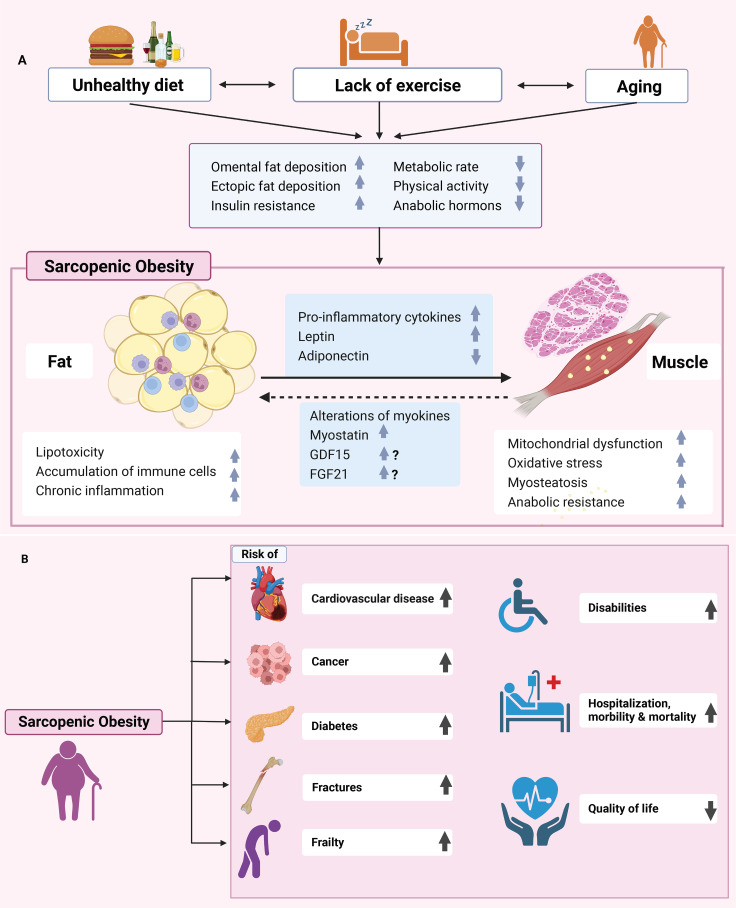
“In postmenopausal women, the reduction in estradiol and increase in FSH levels promote body composition changes comprising an increase in adipose tissue and a decrease in muscle mass.”
§ Sarcopenic obesity: epidemiology, pathophysiology, cardiovascular disease, mortality, and management > Pathogenesis of sarcopenic obesity
What the sources say
- Partly supportedcites [33] Batsis JA Villareal DT. Sarcopenic obesity in older adults: aetiology, epidemiology and treatment strategies. Nat Rev Endocrinol (2018) 14: 513–37. doi: 10.1038/s41574-018-0062-9 PMC6241236 30065268 sourceExperimental — accuracy not yet measured
The “Sex-specific hormonal changes” section says menopause increases fat mass and reduces fat-free and muscle mass in women, and that oestrogen can attenuate these changes. It does not say that increased FSH promotes those changes; its discussion of FSH in the “Testosterone” section concerns men. Page numbers are not available in our copy. (LLM, conf=0.88)
plainstates a cause- Asserted: passes — The authors put it forward as true.
- Checkable: passes — It can be checked against evidence.
- Load-bearing: unclear — It is unclear whether the paper’s conclusions depend on it.
- Based: passes — The paper gives a reason why it holds.
- Partly supported
Every source the paper cites for this claim was checked and supports it.
In the paper
“These lipids can induce a reduction of GLUT4 translocation via impairment of insulin signaling, thereby leading to a reduction of glucose uptake by skeletal muscle.”
§ Sarcopenic obesity: epidemiology, pathophysiology, cardiovascular disease, mortality, and management > Pathogenesis of sarcopenic obesity
What the sources say
- Supportedcites [22] Shulman GI. Cellular mechanisms of insulin resistance. J Clin Invest (2000) 106: 171–6. doi: 10.1172/JCI10583 PMC314317 10903330 source
The insulin-resistance discussion says fatty acids may impair upstream insulin signaling, decreasing GLUT4 translocation to the plasma membrane. Figure 2 proposes that intracellular fatty-acid metabolites diminish insulin signaling and glucose transport activity in skeletal muscle. The claim’s 'can' is consistent with the paper’s proposed mechanism. (LLM, conf=0.91)
plainstates a cause- Asserted: passes — The authors put it forward as true.
- Checkable: passes — It can be checked against evidence.
- Load-bearing: passes — The paper’s conclusions depend on it.
- Based: passes — The paper gives a reason why it holds.
- Supported
The sources with a verdict support this claim; the rest weren’t checked yet, have no full text we could read, or their verdicts aren’t rated yet.
In the paper
“In the context of obesity, adipose tissue macrophages (ATM) change their phenotype from M2 to M1.”
§ Sarcopenic obesity: epidemiology, pathophysiology, cardiovascular disease, mortality, and management > Pathogenesis of sarcopenic obesity
What the sources say
- Supportedcites [19] Ouchi N Parker JL Lugus JJ Walsh K. Adipokines in inflammation and metabolic disease. Nat Rev Immunol (2011) 11: 85– 97. doi: 10.1038/nri2921 21252989 PMC3518031 source
In the ‘Infiltration of immune cells into adipose tissue’ section, the review describes predominantly M2-associated macrophages in lean mice and M1-associated macrophages in obese mice. Its References section explicitly describes obesity as causing a shift in adipose tissue macrophage polarization from alternatively to classically activated, matching the claim. (LLM, conf=0.91)
- Not checked yetcites [20] Olefsky JM Glass CK. Macrophages, inflammation, and insulin resistance. Annu Rev Physiol (2010) 72: 219–46. doi: 10.1146/annurev-physiol-021909-135846 20148674 source
plainstates a cause- Asserted: passes — The authors put it forward as true.
- Checkable: passes — It can be checked against evidence.
- Load-bearing: passes — The paper’s conclusions depend on it.
- Based: passes — The paper gives a reason why it holds.
- Supported
The cited sources support only part of this claim — read each source’s verdict below.
In the paper
“In addition, this significance persisted in studies that used different criteria to define obesity and sarcopenia (18).”
§ Sarcopenic obesity: epidemiology, pathophysiology, cardiovascular disease, mortality, and management > Mortality related to sarcopenic obesity
What the sources say
- Partly supportedcites [18] Zhang X Xie X Dou Q Liu C Zhang W Yang Y. Association of sarcopenic obesity with the risk of all-cause mortality among adults over a broad range of different settings: a updated meta-analysis. BMC Geriatr (2019) 19: 183. doi: 10.1186/s12877-019-1195-y 31269909 PMC6610788 sourceExperimental — accuracy not yet measured
The Results report significantly higher mortality risk under several definitions of sarcopenia and obesity, including muscle-strength-, waist-circumference-, and BMI-based definitions. But the association was not statistically significant for ALM/BMI-based or fat-mass-based sarcopenic obesity, so significance did not persist across all criteria. (LLM, conf=0.90)
plainstates an association- Asserted: passes — The authors put it forward as true.
- Checkable: passes — It can be checked against evidence.
- Load-bearing: passes — The paper’s conclusions depend on it.
- Based: passes — The paper gives a reason why it holds.
- Partly supported
46 more claims · 4 with their cited sources checked
Create a free account to see all 107 claims and to verify the 87 references still open.
- It may state two separate claims as one. 49
- The quote only partly states this claim. 2
- Probably not a substantial claim. 17
Claims other papers make about this one
Each is checked against this paper’s own text: does it say what the citing paper says it does?
The source backs part of the claim, not all of it — or backs it for a different population, condition or comparison.
In the citing paper
“Men, by contrast, often present with higher visceral adiposity and sarcopenic risk, which may attenuate weight loss and predispose to muscle loss during high-efficacy pharmacotherapy [181].”
From Precision obesity medicine: A phenotype-guided framework for pharmacologic therapy across the lifespan (2025) · cites this paper as [181]
Experimental — accuracy not yet measuredThe source backs part of the claim, not all of it — or backs it for a different population, condition or comparison.
In the citing paper
“These strategies include lifestyle modifications such as moderate caloric restriction, adequate protein intake, and regular resistance training (RT), all of which have shown efficacy in enhancing muscle mass, reducing adiposity, and improving physical function in older adults with SO [2,6,8,9].”
From Efficacy of Power Training on Sarcopenic Obesity in Community-Dwelling Older Women: A 32-Week Randomized Clinical Trial (2025) · cites this paper as [6]
Experimental — accuracy not yet measuredIn the citing paper
“This dual phenotype has detrimental effects on both clinical and patient-centred outcomes, including functional limitations and increased morbidity risk (e.g., type 2 diabetes, fractures), contributing to lower quality of life and survival rates [8].”
From Weighing the risk of GLP-1 treatment in older adults: Should we be concerned about sarcopenic obesity? (2025) · cites this paper as [8]
Self-check
Percentages, sums and reported differences re-computed from the paper’s own numbers.
Each contradiction between two passages listed here was confirmed by an independent check.
Rated major: it would touch a result — a value a result rests on, reported and recomputed p-values on opposite sides of the significance level, two passages that conflict with no sign which is right, or a cited work retracted before this paper was published.
In the paper
§ Sarcopenic obesity: epidemiology, pathophysiology, cardiovascular disease, mortality, and management > Management of sarcopenic obesity
“Presently, a very-low calorie intake must be avoided in older individuals with sarcopenic obesity”
§ Sarcopenic obesity: epidemiology, pathophysiology, cardiovascular disease, mortality, and management > Management of sarcopenic obesity
“Although the precise quantity of kcal per day has not yet been defined, it must be less than 750 kcal per day (70).”
Rated minor: it would not touch a result — a value no result rests on, a p-value that stays on the same side of the significance level, or a conflict that is clerical, resolved elsewhere in the paper, or outside its own findings.
In the paper
§ Sarcopenic obesity: epidemiology, pathophysiology, cardiovascular disease, mortality, and management > Mortality related to sarcopenic obesity
“The British Regional Heart Study examined the risk of all-cause mortality among 4107 men aged between 60-79 years.”
§ Sarcopenic obesity: epidemiology, pathophysiology, cardiovascular disease, mortality, and management > Mortality related to sarcopenic obesity
“| British Regional Heart Study (41) | 4252 |”
Citations
Cites
Sarcopenia: revised European consensus on definition and diagnosis
Cruz-Jentoft, A. J., Bahat, G., Bauer, J., Boirie, Y., Bruyère, O., Cederholm, T., Cooper, C., Landi, F., Rolland, Y., Sayer, A. A., et al. (2019) · Age and Ageing · doi:10.1093/ageing/afy169 · Cited by 13,818 · cited 1×
“Reduced muscle quality and quantity (DXA or alternative tests such as mid-thigh imaging by MRI or psoas muscle measurement with CT) were used to confirm sarcopenia, and poor physical performance was assessed using the Timed Up and Go test or gait speed to determine its severity (3).”
MethodProspective Studies Collaboration (2009) · The Lancet · doi:10.1016/s0140-6736(09)60318-4 · Cited by 4,807
Adipokines in inflammation and metabolic disease
Ouchi, N., Parker, J. L., Lugus, J. J., & Walsh, K. (2011) · Nature Reviews Immunology · doi:10.1038/nri2921 · Cited by 4,625 · cited 1×
“M2 or alternatively activated macrophages induced adipose tissue to exhibit anti-inflammatory properties (19).”
BackgroundCruz-Jentoft, A. J., & Sayer, A. A. (2019) · The Lancet · doi:10.1016/s0140-6736(19)31138-9 · Cited by 3,905
Sarcopenia: revised European consensus on definition and diagnosis
Cruz-Jentoft, A. J., Bahat, G., Bauer, J., Boirie, Y., Bruyère, O., Cederholm, T., Cooper, C., Landi, F., Rolland, Y., Sayer, A. A., et al. (2019) · Age and Ageing · doi:10.1093/ageing/afz046 · Cited by 3,803
Endoplasmic reticulum stress and the inflammatory basis of metabolic disease
Hotamisligil, G. S. (2010) · Cell · doi:10.1016/j.cell.2010.02.034 · Cited by 2,802 · cited 1×
“Oxidative stress can also lead to ER stress, which is characterized by unfolded protein response (UPR) causing dysfunction of proteasomal degradation and autophagy, which reduces protein levels and causes an imbalance in calcium homeostasis that altogether favor a decrease in muscle mass (30, 31).”
BackgroundThe Rag GTPases Bind Raptor and Mediate Amino Acid Signaling to mTORC1
Sancak, Y., Peterson, T. R., Shaul, Y. D., Lindquist, R. A., Thoreen, C. C., Bar-Peled, L., & Sabatini, D. M. (2008) · Science · doi:10.1126/science.1157535 · Cited by 2,773 · cited 1×
“Increased mTORC1 activation induces the formation of muscle cells proteins (26, 27).”
BackgroundMacrophages, inflammation, and insulin resistance
Olefsky, J. M., & Glass, C. K. (2010) · Annual Review of Physiology · doi:10.1146/annurev-physiol-021909-135846 · Cited by 2,733 · cited 1×
“In contrast, M1 ATM secrete proinflammatory molecules, including IL-6, TNF-a, IL-1b, MCP-1, CCR2, and CCR5 (20).”
Cellular mechanisms of insulin resistance
Shulman, G. I. (2000) · Journal of Clinical Investigation · doi:10.1172/jci10583 · Cited by 2,714
Klahr, S., Levey, A. S., Beck, G. J., Caggiula, A. W., Hunsicker, L., Kusek, J. W., & Striker, G. (1994) · New England Journal of Medicine · doi:10.1056/nejm199403313301301 · Cited by 2,328 · cited 1×
“Medical and dietary management are important to establish a food program that allows moderate calorie restriction while optimizing protein intake (72).”
Cited by
Items 301–367 of 367
Sood, S., Glavas, C., Hunegnaw, M. T., Jansons, P., Mesinovic, J., Ryan, J. R., Zengin, A., Ebeling, P. R., Daly, R. M., George, E. S., et al. (2026) · BMC Geriatrics · doi:10.1186/s12877-026-07725-y
“…co-exists with obesity, a chronic condition known as sar-copenic obesity (SO), which has an estimated prevalence ranging from 7.9% to 23% in clinical and 7.1% to 9.6% in community-dwelling settings [5, 7], and is projected to increase due to our ageing population and global obesity epidemic [8].”
InfluentialNishitani, N., & Hisataka, S. (2026) · PubMed Central · doi:10.18999/nagjms.88.2.207
Zhang, L., Yang, Q., Wu, X., Hu, Y., & Yu, J. (2026) · BMC Psychiatry · doi:10.1186/s12888-026-08248-x
“Compared with either sarcopenia or obesity alone, SO may confer a greater risk of cardiometabolic dysfunction and adverse health outcomes [28–31].”
An, X., Chen, Y., Wang, Y., Zhu, W., Li, F., Shen, J., Zhang, C., Wu, Y. N., & Yu, R. (2026) · International Journal of COPD · doi:10.2147/copd.s607991
“47,48 The selection of sleep disorders as the theme for discussion not only aimed to explore the aforementioned public health hot issues, but also considered that their association with cardiovascular disease outcomes might be mediated through multiple biological pathways.”
Gunasinghe, D. N., Jayamali, J., Chathurangika, P. H., Nimasha, T., Perera, L., Amarasekara, U., Wickramanayake, R. H., Panditharatne, A., Malavige, G. N., & Jeewandara, C. (2026) · Research Square · doi:10.21203/rs.3.rs-9798808/v1
Increased epicardial adipose tissue area and radiodensity in sarcopenic obesity
He, T., Wang, R., Jiang, W. W., Lian, R., Chen, X., & Yang, M. (2026) · Cardiovascular Diabetology · doi:10.1186/s12933-026-03237-6
“SO management remains centered on lifestyle and exercise-based strategies, and prior work suggests that exercise may favorably influence EAT characteristics [33, 34].”
Sarcopenic obesity in cirrhosis: prognostic value and future perspectives
Chen, Y., Liao, Z., Wang, C., Zhang, Y., & Huang, R. (2026) · Nutrition & Metabolism · doi:10.1186/s12986-026-01154-9
“Thus, IR disrupts this suppression, linking IR to accelerated muscle loss [27].”
InfluentialSelf-citationKörüklü, K. F., Demirulus, S., Tüfekçi, O., Karakaş, M., NARİN, G., Çağlayan, S., Yurdakul, T. N. Ç., Çetinkaya, B., Shahgaldiyev, M., Koç, M., et al. (2026) · Akademisyen Kitabevi eBooks · doi:10.37609/akya.4084
Hu, J., Gu, B., & Wang, F. (2026) · Medicine · doi:10.1097/md.0000000000049428
“…mediating roles in skeletal muscle mass reduction, serving as key physiological mechanisms linking body composition and skeletal muscle mass. [33] In both the correlation and multiple linear regression analyses of this study, BMI showed a significant positive association with ASMI,…”
OBESIDADE SARCOPÊNICA: O NOVO FENÓTIPO METABÓLICO
Preto, V. F., Candaten, R., Guimarães, S. P., Moraes, M., de Souza, A. M., Frizzo, A. L., Pozzobon, B. L., PARMIGIANI, E. R., de Almeida, F. D. R., Martinez, J. P. P., et al. (2026) · Editora Pasteur eBooks · doi:10.59290/2692209270
Kim, M., Kim, C., Kang, J., Han, S., Kim, Y., Kang, H., & Hwang, J.-K. (2026) · Nutrition Research · doi:10.1016/j.nutres.2026.06.007
Butsch, B. L., Montgomery, M., Srivatsa, S., Collins, C., Kennedy, P., Tracy, B., Loftus, J., Wisler, J., & Jalilvand, A. (2026) · Journal of Surgical Research · doi:10.1016/j.jss.2026.05.066
“Sarcopenia is strongly associated with frailty and worsened mortality in obesity, 23 and it is not incorporated into the mFI-5.”
Bai, H., Pang, S., & Jiang, C. (2026) · Proceedings of the Bulgarian Academy of Sciences · doi:10.7546/crabs.2026.06.12
“The co-occurrence of these conditions is referred to as sarcopenic obesity [1].”
Петрович, К. Д., Викторовна, Б. С., Вячеславовна, Т. Е., Евгеньевич, Ч. А., & Викторович, П. С. (2026) · Современные проблемы здравоохранения и медицинской статистики
Rahimi, S., Zareshahi, N., Soltani, A., Ramezani, A., Fakhrzadeh, H., Khorashadizadeh, M., Ejtahed, H., & Sharifi, F. (2026) · Pain Research and Management · doi:10.1155/prm/7121728
“This aligns with studies showing that BMI alone may be an inadequate surrogate for sarcopenia, and that sar-copenic obesity (coexisting low muscle mass with excess fat) poses unique risks [33].”
Kocaaslan, T., Balaban, U., Turhan, O., Çakır, B. K., Eşme, M., Doğu, B. B., Halil, M. G., Cankurtaran, M., & Balcı, C. (2026) · BMC Geriatrics · doi:10.1186/s12877-026-07963-0
“Sarcopenia is characterized by progressive loss of skeletal muscle mass and strength and is associated with adverse outcomes such as falls, fractures, frailty, and increased mortality [6].”
Sarcopenic obesity in adolescents: prevalence, diagnostic criteria and predisposing factors
Lebedeva, L. S., Евдокимова, Н. В., & Новикова, В. П. (2026) · Perm Medical Journal · doi:10.17816/pmj43368-77
Neurobiology of Obesity and Aging: Bridging the Gap Between Metabolic and Brain Health
Ajayi, E. I. O., Adewole, A. T., Olarewaju, O. I., Fafioye, R. O., Oyelami, K. O., Esezobor, K. I., Muhammad, S., & Malata, M. M. (2026) · Healthy ageing and longevity · doi:10.1007/978-3-032-24097-2_5
Twenty-Year Trends in Body Composition-based Obesity Phenotypes and Mortality Risk in US AdultsPreprint
Wang, X., Wang, H., Shi, Z. M., Xue, H., Ding, H., Wang, Y., Cheskin, L. J., Xi, Y., & Gao, L. (2026) · Research Square · doi:10.21203/rs.3.rs-10112547/v1
Паламарчук, О. С., Петрик, К. Ю., Калій, В. В., Horlenko, O. M., & Feketa, V. P. (2025) · Проблеми клінічної педіатрії · doi:10.24144/1998-6475.2024.4.(66).95-101
The bone-muscle-adipose tissue axis: mechanisms and clinical implications
Vincenzo, O. D., Cardinali, L., Minnetti, M., Mocini, E., Muzzioli, L., & Migliaccio, S. (2026) · International Journal of Bone Fragility · doi:10.57582/ijbf.250601.009
“These changes occur alongside hormonal alterations, chronic low-grade inflammation, and reduced physical activity, all of which contribute to musculoskeletal deterioration and metabolic dysfunction [8] .”
Jiang, L., Yao, X., Deng, Y., & Li, P. (2026) · Frontiers in Oncology · doi:10.3389/fonc.2026.1765623
“Accumulating evidence suggests that sarcopenic obesity confers worse clinical outcomes than either sarcopenia or obesity alone, including heightened treatment toxicity, poorer survival, and diminished quality of life (13, 14).”
Gizatullina, R. R., Akhiiarova, K. E., Minniakhmetov, I. R., Khusainova, R. I., Mokrysheva, N., & Tyurin, A. V. (2026) · International Journal of Molecular Sciences · doi:10.3390/ijms27156852
“The developing myosteatosis further impairs muscle contractile function through disruption of calcium homeostasis and reduced expression of myosin heavy chains [25].”
Rehabilitation Management of Sarcopenic Obesity: A Comprehensive Literature Review
Anggani, T., Nugroho, M. B., NARASATI, S., & Zaini, A. (2026) · Research in Physical Medicine and Rehabilitation · doi:10.21776/ub.rpmr.v5i2.79
ÖZER, Y. P., Güner, M., Karaduman, D., Eşme, M., Balcı, C., Doğu, B. B., Cankurtaran, M., & Halil, M. G. (2026) · Nutrition in Clinical Practice · doi:10.1002/ncp.70166
“4,5 Importantly, SO has been linked to worse metabolic profiles, higher risk of disability, increased hospitalization, and higher mortality compared with either obesity or sarcopenia alone.”
CHENG, C., Jiang, Y., Qiuping, L., Qin, F., & Yuan, J. (2026) · Endocrine · doi:10.1007/s12020-026-04738-w
Yao, Y., Sun, J., Zou, Y., Zhang, Y., Jiang, Y., & Ji, J. (2026) · PubMed Central · doi:10.3290/j.ohpd.c_2770
“The pathophysiology of SO is driven by the interplay of four main factors: chronic inflammation, insulin resistance, hormonal disturbances, and oxidative stress (OS), 5,34 among which OS plays a central role.”
Self-citationA rheumatological reading of GLP-1 receptor agonists: from muscle loss to musculoskeletal gain
Ciaffi, J., D’Amuri, A., Caporali, R., & Ursini, F. (2026) · International Journal of Obesity · doi:10.1038/s41366-026-02204-1
WHY SARCOPENIC OBESITY IS THE STRATEGIC INTERSECTION? – A NARRATIVE REVIEW
Słowik, M., Świercz, J., Arciszewski, K., Hariasz, N., Orda, K., Walczak, D., Szumiło, J., Kasperska, K., Markiv, M., & Stenzel, P. (2026) · International Journal of Innovative Technologies in Social Science · doi:10.31435/ijitss.3(51).2026.6343
Sorić, T., Sarić, A., Ivanišin, A., Lovrić, M., Milić, M., Matovinović, M., & Sarić, M. M. (2026) · Nutrients · doi:10.3390/nu18172757 · Cited by 2
“Recognition of sarcopenic obesity has increased substantially in recent years because accumulating evidence indicates that the condition is associated with a greater risk of disability, cardiometabolic disease, hospitalization, and mortality than either obesity or sarcopenia alone [45,96].”
Santoso, A. H., Firmansyah, Y., Sari, T., Martin, A., Priyana, A., Wijaya, B. A., Dinali, D., Dzakwan, M. F., Endarti, A. T., Ernawati, et al. (2026) · Obesities · doi:10.3390/obesities6050060
“…closely related to age-associated changes in body composition, characterized by a decline in muscle mass and an increase in fat mass, which are not fully captured by indices such as BMI, thereby contributing to the “obesity paradox” and the U-shaped relationship between BMI and mortality [4,8,89].”
InfluentialGou, X., Zhu, J., Feng, X., Li, D., Gao, Q., & Ruan, B. (2026) · Frontiers in Medicine · doi:10.3389/fmed.2026.1938860
Hayase, M., Miura, K., Ozaki, K., Tamada, Y., Shirobe, M., Motokawa, K., Hayakawa, M., Hirano, H., Ono, T., Arai, E., et al. (2026) · Nutrients · doi:10.3390/nu18172835
“Because the coexistence of sarcopenia and obesity increases the risk of lifestyle-related disease complications and raises mortality rates compared with obesity alone [5], early improvement is necessary.”
InfluentialMusculoskeletal markers of cardiorespiratory fitness in postmenopausal women
Mano, M. C. D. S., Santa-Clara, H., & Baptista, F. (2026) · Sport Sciences for Health · doi:10.1007/s11332-026-01926-z
Ezama, G., Opollo, M. S., Opio, B., Bongomin, F., Kiweewa, F., Namukwana, B., Solomon, I., Alobo, G., & Omech, B. (2026) · Diabetology · doi:10.3390/diabetology7090167
Yuan, Y., An, Z., Hu, M., Li, X., Wang, J., Liu, X., Zhang, W., Xu, Z., & Zhao, X. (2026) · Antioxidants · doi:10.3390/antiox15091102
“Obesity-related muscle atrophy is a metabolic disorder primarily characterized by reduced skeletal muscle mass and impaired muscle function, accompanied by excessive body fat accumulation [1].”
Moore, N., Bareja, A., Ross, L. M., Collins, K. A., Racette, S. B., Redman, L. M., Martin, C. K., Das, S. K., Ryan, C. P., Belsky, D. W., et al. (2026) · Obesity · doi:10.1002/oby.70293
Zhang, X., Tian, Y., Ren, X., Wang, G., & Liu, J. (2026) · Nutrition & Metabolism · doi:10.1186/s12986-026-01197-y
Guo, H., Yao, K., Li, C., & Zhang, G. (2026) · Chronic Respiratory Disease · doi:10.1177/14799731261489281
“15 Participants were included from CHARLS (2011–2020) and ELSA (waves 2–6).”
Choi, H. Y., & Ji, E.-J. (2026) · Journal of Korean Public Health Nursing · doi:10.5932/jkphn.2026.40.2.210
Inulin ameliorates sarcopenic obesity: critical roles of gut microbiota and bile acid metabolism
Ma, C., Geng, R., Hou, Q., Wang, Q., Xue, T., Wen, L., Yang, J., & Hu, J. (2026) · Food & Function · doi:10.1039/d5fo05320j
KEECH, A. C., O’Connell, R. L., Januszewski, A. S., Li, L., Dalton, C., Simes, R. J., SULLIVAN, D. R., Taskinen, M., Scott, R. S., Best, J. D., et al. (2026) · Diabetologia · doi:10.1007/s00125-026-06848-6
Turki, M. A. (2026) · Frontiers in Nutrition · doi:10.3389/fnut.2026.1930821
“Individuals with SO carry a greater burden of cardiometabolic disease, physical disability, hospitalization, cognitive decline, and mortality than those with either obesity or sarcopenia alone (2, 3).”
Liu, M., Zhang, J., Yu, Q., Bai, J., Zhao, Y., & Xiao, X. (2026) · Food Science and Human Wellness · doi:10.26599/fshw.2026.9251210
Liu, J. Y. W., Quan, Y., Mak, P. Y., Law, M. K., Lo, K. K.-H., Li, T.-Y., & Louie, J. C. Y. (2026) · Nutrients · doi:10.3390/nu18193243
“Self-reported adherence was moderate throughout the follow-ups, while food-record-based adherence data suggested that participants generally achieved the prescribed dietary regimen of lower energy, higher protein, and lower fat intake [2,4].”
Джуманиязовна, Н. Г., & кизи, А. С. Ш. (2025) · ЦЕНТРАЛЬНО АЗИАТСКИЙ ЭНДОКРИНОЛОГИЧЕСКИЙ ЖУРНАЛ
Sisira, J. H., & Rao, A. J. (2026) · International Journal of Research and Analysis in Science and Engineering
Associations between sarcopenic obesity and cognitive function
Booranasuksakul, U. (2026) · Nottingham ePrints (University of Nottingham)
Firmansyah, Y., Lontoh, S. O., Gunawan, P. A., Kosasih, R., Tantoso, L., Setiadi, T. H., Saudi, N. D. S., Dinali, D., Wijaya, B. A., Sari, T., et al. (2026) · Al-Rafidain Journal of Medical Sciences · doi:10.54133/ajms.v11i2.3150
“Globally, approximately 30% of the population is classified as overweight or obese, conditions that interact complexly with muscle loss and may contribute to sarcopenic obesity, with prevalence estimates around 11% in adults aged ≥ 60 years [4,5].”
Li, Z., Wang, J., Han, X., Tian, Y., Zhu, X., Li, Y., Liu, L., & Xu, Y. (2026) · Frontiers in Nutrition · doi:10.3389/fnut.2026.1936660
“…mellitus (10), cognitive dysfunction (11), frailty (11), falls (12), and an increased risk of fractures (13), severely affecting not only the daily living abilities and quality of life of older adults but also leading to a significant increase in the risk of disability and all-cause mortality (14).”
Paccou, J., Rolvien, T., Hauser, B., Sølling, A. S., Anastasilakis, A. D., & Lems, W. F. (2026) · Therapeutic Advances in Musculoskeletal Disease · doi:10.1177/1759720x261460301
Ogras, A., Ozcan, F., Ercan, M., Sert, S., Verdi, E. G., Aydın, E., & Kamer, E. (2026) · Journal of Surgical Research · doi:10.1016/j.jss.2026.09.009
Association of GLP1 ‐Receptor Agonist Use With Frailty and Falls in Adults With Type 2 Diabetes
Zhang, S., Lingvay, I., & Mansi, I. A. (2026) · Diabetes Obesity and Metabolism · doi:10.1111/dom.71377
Awad, H. A., Jasim, W. E., & Mohsin, A. A. H. (2026) · .مجلة النسور للعلوم الطبية · doi:10.70492/2664-0554.1176
Wang, Z., Lin, C., Xie, Y., Huang, L., Xiao, S., Chen, H., Ge, H., Zhou, Y., Chen, J., Wu, W., et al. (2026) · Frontiers in Endocrinology · doi:10.3389/fendo.2026.1937778
“In contrast, the LM/LF phenotype displays optimal insulin sensitivity, corroborating recent fi ndings that muscle preservation amid low adiposity yields metabolic dividends (28, 29) — a pattern consistent with the lipid spillover hypothesis (30).”
Nutritional Strategies for Sarcopenic Obesity: A Systematic Literature Review
Nandini (2023) · Siddhanta's International Journal of Advanced Research in Arts & Humanities
Balbino, K. P., Cândido, F. G., Coelho, O. G. L., & Hermsdorff, H. H. M. (2026) · Nutrition Reviews · doi:10.1093/nutrit/nuag145
胡晏珍, Xia, J., Zhao, D., Wang, L., & Lu, X. (2026) · Scientific Reports · doi:10.1038/s41598-026-77325-8
Quiroz, M. E. B., Atencia, B. F. P., Quiroz, M. M. B., & Rojas, A. M. G. (2026) · Neutrosophic Computing and Machine Learning · doi:10.5281/zenodo.23697142
Frailty Assessment Tools for Adults with Obesity: A Scoping Review
da Silveira, B., Farias, A. F. E., Guimarães, G. F., & Matte, D. L. (2026) · Obesity Surgery · doi:10.1007/s11695-026-08956-z
Yap, J. M., Wall, C. L., Meredith-Jones, K. A., Iosua, E. E., Osborne, H., & Schultz, M. (2025) · Crohn s & Colitis 360 · doi:10.1093/crocol/otaf046
Egorova, E. S., & Ahmetov, I. I. (2026) · Advances in Gerontology · doi:10.1134/s2079057026600424
“Conversely, dietary interventions without sufficient physical activity can lead to sarcopenic obesity and functional decline [173, 174].”
Clinical Assessment and Exercise Rehabilitation of Sarcopenia in Cardiovascular Disease
Jeong, S. I., Baek, U. H., Bang, H. S., & Seo, D. Y. (2026) · Journal of Clinical Medicine · doi:10.3390/jcm15218637
Campos, J. F. (2025) · RIUFLO - Repositorio Institucional UFLO
Diagnóstico y abordaje integral actual de la obesidad sarcopénica en el adulto
Reyes, A. B. (2026) · RIUFLO - Repositorio Institucional UFLO
Lee, H., Kang, S., Kim, T., Lee, B., Lee, S., Gang, G., & Cao, L. (2026) · Food Science and Biotechnology · doi:10.1007/s10068-026-02374-8
Metadata
- Authors
- Wei, S., Nguyen, T. T., Zhang, Y., Ryu, D., & Gariani, K.
- Affiliations
- Sungkyunkwan University (KR)
- Gwangju Institute of Science and Technology (KR)
- University of Geneva (CH)
- Corresponding author
- Gariani, Karim
- Venue
- Frontiers in Endocrinology
- Publisher
- Frontiers Media SA
- Published
- 2023-06-30
- Volume
- 14
- Pages
- 1185221-1185221
- ISSN
- 1664-2392 (ISSN-L)
- PMC
- PMC10344359
- OpenAlex
- W4382788280
- Cited by
- 291
- References
- 98
- Citations by year
- 2026: 100 · 2025: 132 · 2024: 56 · 2023: 3
- FWCI
- 10.36
- Type
- journal article
- Language
- en
- Open access
- gold
- doi.org
- Licence
- Locations
- Frontiers in Endocrinology (publishedVersion, cc-by)
- PubMed Central (publishedVersion, cc-by)
- PubMed (publishedVersion)
- DOAJ (DOAJ: Directory of Open Access Journals) (submittedVersion, cc-by-sa)
- Funders
- National Research Foundation
- National Research Foundation of Korea (2023R1A2C3006220, 2021R1A5A8029876)
- Ministry of Science and ICT, South Korea (2021R1A5A8029876, 2023R1A2C3006220)
- Topics
- Health Sciences › Medicine › Physiology (medical) › Nutrition and Health in Aging
- Health Sciences › Medicine › Physiology (medical) › Body Composition Measurement Techniques
- Health Sciences › Medicine › Geriatrics and Gerontology › Frailty in Older Adults
- Keywords
- sarcopenic obesity, sarcopenia, obesity, frailty, cardiovascular disease, all-cause mortality, pathophysiology, older adults, muscle mass loss, body fat accumulation, therapeutic interventions
- MeSH terms
- Adipose Tissue, Cardiovascular Diseases, Humans, Obesity, Prognosis, Sarcopenia
About these checks
Registry, retraction, Cites and statistics results are computed, not judged, with one exception: a printed reference that no index lists is read once by a model before it counts as a citation error. Claims are extracted by a model and kept only when their quote appears verbatim in the text; each cited source is then checked, with a model’s help, for whether it says what the claim relies on. Those verdicts can be wrong — read the claim’s quote and the cited source before relying on one.
The claim verdicts this report counts are experimental: their accuracy is not yet measured.
A language model drew the claims from the paper on 2026-10-05, under version 3 of the claim definition (model deepseek-v4.1-flash, prompt extract-v3).
A second model labelled each claim on 2026-10-05 (model jev-1.13-20260917, definition revision gold-guideline-v0.2).
Cited sources are checked with a language model’s help (qwen3.8-omni-flash and gpt-6-sol).
Statistics and arithmetic are recomputed, not judged.
Confidence bands are shown only for fields calibrated on our annotated test set. None is calibrated yet, so no band is shown.
What counts as a claim ›How we measure confidence ›How we check this ›
Are you an author, or do you see a problem with this page? Request a review
Data sources
Bibliographic data: Semantic Scholar, OpenAlex, Crossref.
Contains information from the Semantic Scholar Academic Graph Datasets, made available under the ODC Attribution License (ODC-BY 1.0).
Semantic Scholar’s data is described in: Kinney, R., et al. (2023). The Semantic Scholar Open Data Platform. arXiv:2301.10140.
