

Sarcopenic obesity: epidemiology, pathophysiology, cardiovascular disease, mortality, and management
Open accessThe DOI matches its Crossref record; 99 of the 99 references it cites were found in a registry or an index; 27 of the 114 sources its claims cite were checked for support.
Abstract
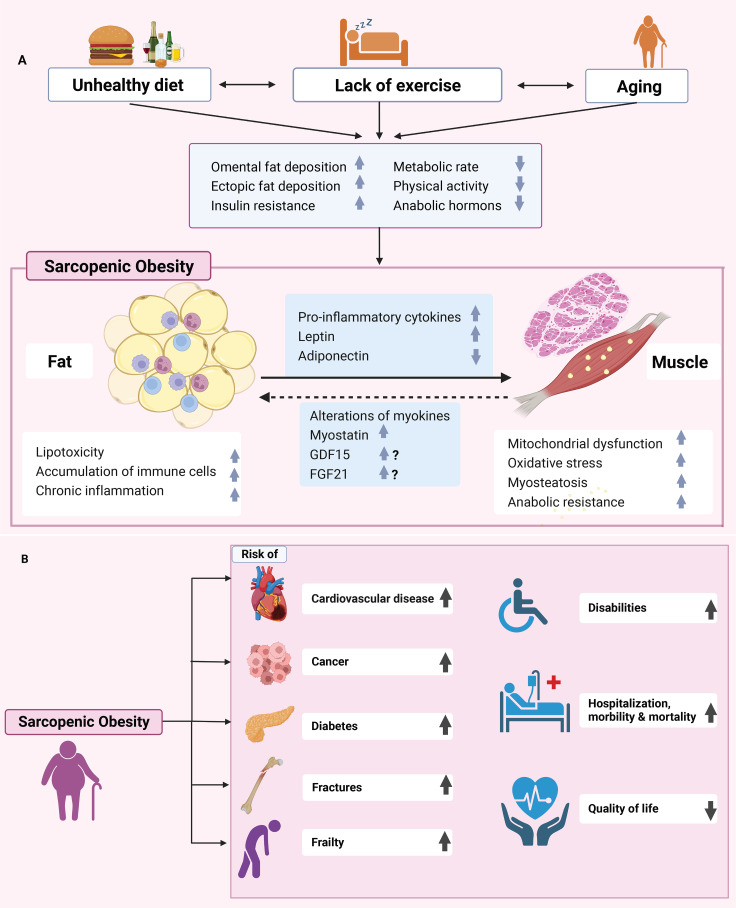
Sarcopenic obesity is defined as the coexistence of sarcopenia and obesity in the same individual, characterized by of the co-presence of body fat accumulation and muscle loss. This condition is currently a major concern as it is associated with frailty and disabilities such as cardiovascular disease, fractures, dementia, cancer, and increased all-cause mortality. Particularly, older individuals remain at risk of sarcopenic obesity. Progress at several levels is needed to improve the global prognostic outlook for this condition, including the elaboration and implementation of a more uniform definition that may favor the identification and specification of prevalence by age group. Furthermore, improvements in the understanding of the pathogenesis of sarcopenic obesity may lead to the development of more specific therapeutic interventions to improve prognosis. We reviewed the knowledge on sarcopenic obesity and its associations with cardiovascular diseases and mortality.
Overview
CoChat Summary
TL;DR
Sarcopenic obesity—coexistence of muscle loss and excess adiposity—is associated with frailty, cardiovascular disease, and increased all-cause mortality, especially in older adults. The review emphasizes that prevalence estimates remain imprecise because no globally accepted diagnostic definition exists, and management still centers on lifestyle modification with limited evidence for pharmacological therapies.
Key findings
- Sarcopenic obesity is linked to frailty, fractures, cardiovascular disease, cancer, dementia, hospitalization, and increased all-cause mortality; the paper states it is associated with a higher risk of cardiovascular events than sarcopenia or obesity alone.
- Prevalence varies widely by definition: a South Korean cohort found 0.8%–22.3% in women and 1.3%–15.4% in men; the Dutch Lifelines cohort found 1.4% in women and 0.9% in men, rising to 16.7% in the 80–89 age group; a meta-analysis of 50 studies including 86,285 people found a global prevalence of 11% in adults aged 60 years.
- Mortality risk is elevated in several studies: NHANES III women HR 1.29 (95% CI 1.03–1.60); British Regional Heart Study men HR 1.72 (95% CI 1.35–2.18); Swedish 75-year-old women HR 3.25 (95% CI 1.2–8.9); UK Biobank men with previous cardiovascular disease HR 1.47 (95% CI 1.30–1.66); and a meta-analysis of 23 studies including 50,866 individuals found pooled HR 1.21 (95% CI 1.10–1.32, p < 0.001, I² = 64.3%).
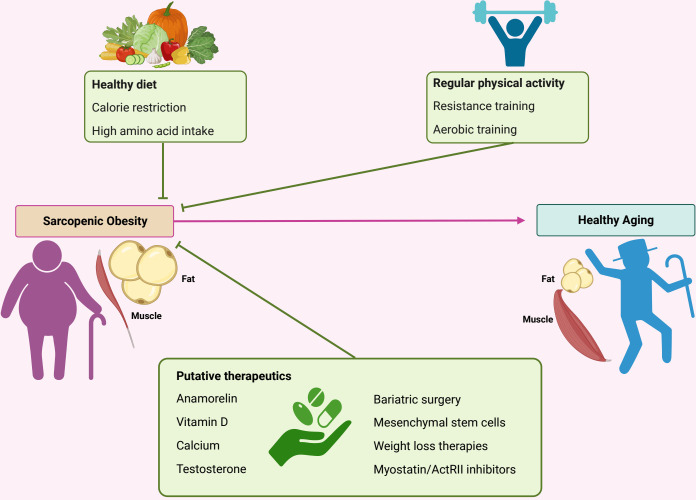
- Management is based mainly on lifestyle modification: caloric restriction (stated as less than 750 kcal/day), high-quality protein intake (1–1.2 g/kg/day), and combined aerobic and resistance exercise; pharmacological options such as testosterone, SARMs, GLP-1 receptor agonists, myostatin/ActRII inhibitors, and anamorelin are discussed but not strongly recommended because of limited evidence.
Methods
- Narrative review of the literature on sarcopenic obesity, covering definition, epidemiology, pathophysiology, cardiovascular disease, mortality, and management.
- Evidence is drawn from cited cohort studies, cross-sectional studies, meta-analyses, and preclinical/clinical trials; no systematic search strategy, inclusion criteria, or formal meta-analysis is described.
- Main analysis is a qualitative synthesis, including a table summarizing mortality results from selected cohort studies and one meta-analysis.
Limitations
- The paper states that the absence of globally adopted common definition criteria for sarcopenic obesity impairs precise epidemiological assessment, proper patient identification, and adapted management.
- The paper states that pathogenesis remains complex, multifactorial, and only partially elucidated; causality is difficult to establish from cross-sectional or cohort designs, and the optimal therapeutic approach remains undetermined because of limited clinical trials.
- Evident from the text: as a narrative review, it reports no systematic search, study-selection process, risk-of-bias assessment, or quantitative synthesis; several management recommendations rely on indirect, preclinical, or non-sarcopenic-obesity-specific evidence.
Model-written summary. Check it against the paper before relying on it.
Integrity signals
Registry
Cites
Statistics
Figures
Verification
Claims the paper makes
18 Valid · 2 Not valid · 61 Not checked · 26 Own results and interpretations
Some cited sources support this claim and some don’t — read each source’s verdict below.
In the paper
“Sarcopenic obesity significantly increases the risk of cardiovascular risk factors including insulin resistance (IR), metabolic syndrome, and adverse glycolipid metabolism (16, 42–44), even in the context of divergent comorbidities such as cancer and peritoneal dialysis (45, 46).”
§ Sarcopenic obesity: epidemiology, pathophysiology, cardiovascular disease, mortality, and management > Sarcopenic obesity and cardiovascular diseases
What the sources say
- Partly supportedcites [16] Ma J Hwang SJ McMahon GM Curhan GC McLean RR Murabito JM. Mid-adulthood cardiometabolic risk factor profiles of sarcopenic obesity. Obes (Silver Spring) (2016) 24: 526–34. doi: 10.1002/oby.21356 26813531 sourceExperimental — accuracy not yet measured
Ma et al. (2016) support the metabolic-syndrome and adverse glycolipid portions: the Abstract Results (p. 1) report that participants with sarcopenic obesity had a higher proportion of hypertension, metabolic syndrome and type 2 diabetes than NSNO or sarcopenia (all P<0.03), with similar patterns 10, 20 and 30 years prior, and Table 1/Table 3 show higher fasting plasma glucose (6.46 vs 5.51/5.64 mmol/L), higher triglycerides, lower HDLc and 37.7% vs 8.5% type 2 diabetes prevalence. However, insulin resistance is not part of this study's measured risk-factor panel (Methods, 'Cardiometabolic risk factor assessment': SBP, DBP, triglycerides, HDLc, LDLc, FPG, creatinine/eGFR only) — every insulin-resistance/HOMA-IR statement in our copy is credited to other works (ref 8's 565-person DXA/CT study, ref 16's 3,132 older men, ref 17's mechanism review) or framed as a 'putative pathway' in Potential mechanisms, so that element is not this source's own finding. The claim's causal 'significantly increases the risk' also overstates an associational design: Strengths and limitations states the cross-sectional and retrospective nature 'limits our ability to infer temporality or causality'. The cancer and peritoneal-dialysis clause is carried by other citations (45, 46) and is not addressed in our copy. (LLM, conf=0.82)
- Not checked yetcites [42] Atkins JL Wannamathee SG. Sarcopenic obesity in ageing: cardiovascular outcomes and mortality. Br J Nutr (2020) 124: 1102–13. doi: 10.1017/S0007114520002172 32616084 source
- Not checked yetcites [43] dos Santos EP Gadelha AB Safons MP Nobrega OT Oliveira RJ Lima RM. Sarcopenia and sarcopenic obesity classifications and cardiometabolic risks in older women. Arch Gerontol Geriatr (2014) 59: 56– 61. doi: 10.1016/j.archger.2014.03.012 24766993 source
- Partly supportedcites [44] Yu PC Hsu CC Lee WJ Liang CK Chou MY Lin MH. Muscle-to-fat ratio identifies functional impairments and cardiometabolic risk and predicts outcomes: biomarkers of sarcopenic obesity. J Cachexia Sarcopenia Muscle (2022) 13: 368–76. doi: 10.1002/jcsm.12877 PMC8818605 34866342 sourceExperimental — accuracy not yet measured
Split into 2 atoms — 0 confirmed, 2 partially supported, 0 disputed, 0 misattributed, 0 unverifiable. Expand the claim to see per-atom verdicts.
- Disputedcites [45] Lee K. Sarcopenic obesity and 10-year cardiovascular disease risk scores in cancer survivors and non-cancer participants using a nationwide survey. Eur J Cancer Care (Engl) (2021) 30: e13365. doi: 10.1111/ecc.13365 33174666 sourceExperimental — accuracy not yet measured
Lee (2021) measures 10-year Framingham CVD risk scores, not insulin resistance, metabolic syndrome or glycolipid metabolism, and in cancer survivors the adjusted analysis found that 'sarcopenic obesity was not associated with ≥10% 10-year CVD risk scores' (Section 3.3), with only sarcopenic non-obesity, non-sarcopenic abdominal obesity and sarcopenic abdominal obesity showing elevated odds (84%, 85%, 3.61-fold). The discussion (Table 2 section) further states explicitly that 'this cross-sectional study cannot state causality between sarcopenic obesity and 10-year CVD risk scores,' contradicting the claim's 'significantly increases risk' framing, and the paper contains nothing on peritoneal dialysis. Hyperinsulinaemia and shared biology appear only as mechanisms credited to Koene et al. (2016), not as this study's findings. (LLM, conf=0.75)
Checked by a reasoning model — may be wrong.
- Partly supportedcites [46] Tabibi H As’habi A Najafi I Hedayati M. Prevalence of dynapenic obesity and sarcopenic obesity and their associations with cardiovascular disease risk factors in peritoneal dialysis patients. Kidney Res Clin Pract (2018) 37: 404–13. doi: 10.23876/j.krcp.18.0064 PMC6312777 30619696 sourceExperimental — accuracy not yet measured
Split into 2 atoms — 0 confirmed, 2 partially supported, 0 disputed, 0 misattributed, 0 unverifiable. Expand the claim to see per-atom verdicts.
boostedstates a cause- Asserted: passes — The authors put it forward as true.
- Checkable: passes — It can be checked against evidence.
- Load-bearing: passes — The paper’s conclusions depend on it.
- Based: passes — The paper gives a reason why it holds.
- Partly supported
The cited sources support only part of this claim — read each source’s verdict below.
In the paper
“In postmenopausal women, the reduction in estradiol and increase in FSH levels promote body composition changes comprising an increase in adipose tissue and a decrease in muscle mass.”
§ Sarcopenic obesity: epidemiology, pathophysiology, cardiovascular disease, mortality, and management > Pathogenesis of sarcopenic obesity
What the sources say
- Partly supportedcites [33] Batsis JA Villareal DT. Sarcopenic obesity in older adults: aetiology, epidemiology and treatment strategies. Nat Rev Endocrinol (2018) 14: 513–37. doi: 10.1038/s41574-018-0062-9 PMC6241236 30065268 sourceExperimental — accuracy not yet measured
The “Sex-specific hormonal changes” section says menopause increases fat mass and reduces fat-free and muscle mass in women, and that oestrogen can attenuate these changes. It does not say that increased FSH promotes those changes; its discussion of FSH in the “Testosterone” section concerns men. Page numbers are not available in our copy. (LLM, conf=0.88)
plainstates a cause- Asserted: passes — The authors put it forward as true.
- Checkable: passes — It can be checked against evidence.
- Load-bearing: unclear — It is unclear whether the paper’s conclusions depend on it.
- Based: passes — The paper gives a reason why it holds.
- Partly supported
Every source the paper cites for this claim was checked and supports it.
In the paper
“These lipids can induce a reduction of GLUT4 translocation via impairment of insulin signaling, thereby leading to a reduction of glucose uptake by skeletal muscle.”
§ Sarcopenic obesity: epidemiology, pathophysiology, cardiovascular disease, mortality, and management > Pathogenesis of sarcopenic obesity
What the sources say
- Supportedcites [22] Shulman GI. Cellular mechanisms of insulin resistance. J Clin Invest (2000) 106: 171–6. doi: 10.1172/JCI10583 PMC314317 10903330 source
The insulin-resistance discussion says fatty acids may impair upstream insulin signaling, decreasing GLUT4 translocation to the plasma membrane. Figure 2 proposes that intracellular fatty-acid metabolites diminish insulin signaling and glucose transport activity in skeletal muscle. The claim’s 'can' is consistent with the paper’s proposed mechanism. (LLM, conf=0.91)
plainstates a cause- Asserted: passes — The authors put it forward as true.
- Checkable: passes — It can be checked against evidence.
- Load-bearing: passes — The paper’s conclusions depend on it.
- Based: passes — The paper gives a reason why it holds.
- Supported
The sources with a verdict support this claim; the rest weren’t checked yet, have no full text we could read, or their verdicts aren’t rated yet.
In the paper
“In the context of obesity, adipose tissue macrophages (ATM) change their phenotype from M2 to M1.”
§ Sarcopenic obesity: epidemiology, pathophysiology, cardiovascular disease, mortality, and management > Pathogenesis of sarcopenic obesity
What the sources say
- Supportedcites [19] Ouchi N Parker JL Lugus JJ Walsh K. Adipokines in inflammation and metabolic disease. Nat Rev Immunol (2011) 11: 85– 97. doi: 10.1038/nri2921 21252989 PMC3518031 source
In the ‘Infiltration of immune cells into adipose tissue’ section, the review describes predominantly M2-associated macrophages in lean mice and M1-associated macrophages in obese mice. Its References section explicitly describes obesity as causing a shift in adipose tissue macrophage polarization from alternatively to classically activated, matching the claim. (LLM, conf=0.91)
- Not checked yetcites [20] Olefsky JM Glass CK. Macrophages, inflammation, and insulin resistance. Annu Rev Physiol (2010) 72: 219–46. doi: 10.1146/annurev-physiol-021909-135846 20148674 source
plainstates a cause- Asserted: passes — The authors put it forward as true.
- Checkable: passes — It can be checked against evidence.
- Load-bearing: passes — The paper’s conclusions depend on it.
- Based: passes — The paper gives a reason why it holds.
- Supported
The cited sources support only part of this claim — read each source’s verdict below.
In the paper
“In addition, this significance persisted in studies that used different criteria to define obesity and sarcopenia (18).”
§ Sarcopenic obesity: epidemiology, pathophysiology, cardiovascular disease, mortality, and management > Mortality related to sarcopenic obesity
What the sources say
- Partly supportedcites [18] Zhang X Xie X Dou Q Liu C Zhang W Yang Y. Association of sarcopenic obesity with the risk of all-cause mortality among adults over a broad range of different settings: a updated meta-analysis. BMC Geriatr (2019) 19: 183. doi: 10.1186/s12877-019-1195-y 31269909 PMC6610788 sourceExperimental — accuracy not yet measured
The Results report significantly higher mortality risk under several definitions of sarcopenia and obesity, including muscle-strength-, waist-circumference-, and BMI-based definitions. But the association was not statistically significant for ALM/BMI-based or fat-mass-based sarcopenic obesity, so significance did not persist across all criteria. (LLM, conf=0.90)
plainstates an association- Asserted: passes — The authors put it forward as true.
- Checkable: passes — It can be checked against evidence.
- Load-bearing: passes — The paper’s conclusions depend on it.
- Based: passes — The paper gives a reason why it holds.
- Partly supported
46 more claims · 4 with their cited sources checked
Create a free account to see all 107 claims and to verify the 87 references still open.
- It may state two separate claims as one. 49
- The quote only partly states this claim. 2
- Probably not a substantial claim. 17
Claims other papers make about this one
Each is checked against this paper’s own text: does it say what the citing paper says it does?
The source backs part of the claim, not all of it — or backs it for a different population, condition or comparison.
In the citing paper
“Men, by contrast, often present with higher visceral adiposity and sarcopenic risk, which may attenuate weight loss and predispose to muscle loss during high-efficacy pharmacotherapy [181].”
From Precision obesity medicine: A phenotype-guided framework for pharmacologic therapy across the lifespan (2025) · cites this paper as [181]
Experimental — accuracy not yet measuredThe source backs part of the claim, not all of it — or backs it for a different population, condition or comparison.
In the citing paper
“These strategies include lifestyle modifications such as moderate caloric restriction, adequate protein intake, and regular resistance training (RT), all of which have shown efficacy in enhancing muscle mass, reducing adiposity, and improving physical function in older adults with SO [2,6,8,9].”
From Efficacy of Power Training on Sarcopenic Obesity in Community-Dwelling Older Women: A 32-Week Randomized Clinical Trial (2025) · cites this paper as [6]
Experimental — accuracy not yet measuredIn the citing paper
“This dual phenotype has detrimental effects on both clinical and patient-centred outcomes, including functional limitations and increased morbidity risk (e.g., type 2 diabetes, fractures), contributing to lower quality of life and survival rates [8].”
From Weighing the risk of GLP-1 treatment in older adults: Should we be concerned about sarcopenic obesity? (2025) · cites this paper as [8]
Self-check
Percentages, sums and reported differences re-computed from the paper’s own numbers.
Each contradiction between two passages listed here was confirmed by an independent check.
Rated major: it would touch a result — a value a result rests on, reported and recomputed p-values on opposite sides of the significance level, two passages that conflict with no sign which is right, or a cited work retracted before this paper was published.
In the paper
§ Sarcopenic obesity: epidemiology, pathophysiology, cardiovascular disease, mortality, and management > Management of sarcopenic obesity
“Presently, a very-low calorie intake must be avoided in older individuals with sarcopenic obesity”
§ Sarcopenic obesity: epidemiology, pathophysiology, cardiovascular disease, mortality, and management > Management of sarcopenic obesity
“Although the precise quantity of kcal per day has not yet been defined, it must be less than 750 kcal per day (70).”
Rated minor: it would not touch a result — a value no result rests on, a p-value that stays on the same side of the significance level, or a conflict that is clerical, resolved elsewhere in the paper, or outside its own findings.
In the paper
§ Sarcopenic obesity: epidemiology, pathophysiology, cardiovascular disease, mortality, and management > Mortality related to sarcopenic obesity
“The British Regional Heart Study examined the risk of all-cause mortality among 4107 men aged between 60-79 years.”
§ Sarcopenic obesity: epidemiology, pathophysiology, cardiovascular disease, mortality, and management > Mortality related to sarcopenic obesity
“| British Regional Heart Study (41) | 4252 |”
Citations
Cites
Sarcopenia: revised European consensus on definition and diagnosis
Cruz-Jentoft, A. J., Bahat, G., Bauer, J., Boirie, Y., Bruyère, O., Cederholm, T., Cooper, C., Landi, F., Rolland, Y., Sayer, A. A., et al. (2019) · Age and Ageing · doi:10.1093/ageing/afy169 · Cited by 13,818 · cited 1×
“Reduced muscle quality and quantity (DXA or alternative tests such as mid-thigh imaging by MRI or psoas muscle measurement with CT) were used to confirm sarcopenia, and poor physical performance was assessed using the Timed Up and Go test or gait speed to determine its severity (3).”
MethodProspective Studies Collaboration (2009) · The Lancet · doi:10.1016/s0140-6736(09)60318-4 · Cited by 4,807
Adipokines in inflammation and metabolic disease
Ouchi, N., Parker, J. L., Lugus, J. J., & Walsh, K. (2011) · Nature Reviews Immunology · doi:10.1038/nri2921 · Cited by 4,625 · cited 1×
“M2 or alternatively activated macrophages induced adipose tissue to exhibit anti-inflammatory properties (19).”
BackgroundCruz-Jentoft, A. J., & Sayer, A. A. (2019) · The Lancet · doi:10.1016/s0140-6736(19)31138-9 · Cited by 3,905
Sarcopenia: revised European consensus on definition and diagnosis
Cruz-Jentoft, A. J., Bahat, G., Bauer, J., Boirie, Y., Bruyère, O., Cederholm, T., Cooper, C., Landi, F., Rolland, Y., Sayer, A. A., et al. (2019) · Age and Ageing · doi:10.1093/ageing/afz046 · Cited by 3,803
Endoplasmic reticulum stress and the inflammatory basis of metabolic disease
Hotamisligil, G. S. (2010) · Cell · doi:10.1016/j.cell.2010.02.034 · Cited by 2,802 · cited 1×
“Oxidative stress can also lead to ER stress, which is characterized by unfolded protein response (UPR) causing dysfunction of proteasomal degradation and autophagy, which reduces protein levels and causes an imbalance in calcium homeostasis that altogether favor a decrease in muscle mass (30, 31).”
BackgroundThe Rag GTPases Bind Raptor and Mediate Amino Acid Signaling to mTORC1
Sancak, Y., Peterson, T. R., Shaul, Y. D., Lindquist, R. A., Thoreen, C. C., Bar-Peled, L., & Sabatini, D. M. (2008) · Science · doi:10.1126/science.1157535 · Cited by 2,773 · cited 1×
“Increased mTORC1 activation induces the formation of muscle cells proteins (26, 27).”
BackgroundMacrophages, inflammation, and insulin resistance
Olefsky, J. M., & Glass, C. K. (2010) · Annual Review of Physiology · doi:10.1146/annurev-physiol-021909-135846 · Cited by 2,733 · cited 1×
“In contrast, M1 ATM secrete proinflammatory molecules, including IL-6, TNF-a, IL-1b, MCP-1, CCR2, and CCR5 (20).”
Cellular mechanisms of insulin resistance
Shulman, G. I. (2000) · Journal of Clinical Investigation · doi:10.1172/jci10583 · Cited by 2,714
Klahr, S., Levey, A. S., Beck, G. J., Caggiula, A. W., Hunsicker, L., Kusek, J. W., & Striker, G. (1994) · New England Journal of Medicine · doi:10.1056/nejm199403313301301 · Cited by 2,328 · cited 1×
“Medical and dietary management are important to establish a food program that allows moderate calorie restriction while optimizing protein intake (72).”
Cited by
Efficacy and Safety of GLP-1 Medicines for Type 2 Diabetes and Obesity
Drucker, D. J. (2024) · Diabetes Care · doi:10.2337/dci24-0003 · Cited by 383
López-Pedrosa, J. M., Camprubí-Robles, M., Rolo, G. G., Lopez-Gonzalez, A., García‐Almeida, J. M., Sanz‐París, A., & Rueda, R. (2024) · Nutrients · doi:10.3390/nu16010172 · Cited by 117
Christensen, S., Robinson, K., Thomas, S., & Williams, D. R. (2024) · Obesity Pillars · doi:10.1016/j.obpill.2024.100121 · Cited by 108
“Outside of people with T2DM, sarcopenia in older adults is associated with poor outcomes including poor physical function, poor quality of life, and reduced survival, therefore, adequate protein is emphasized to support muscle health [6,10,39,41].”
BackgroundImpact of Adipose Tissue and Lipids on Skeletal Muscle in Sarcopenia
Jang, S. Y., & Choi, K. M. (2025) · Journal of Cachexia Sarcopenia and Muscle · doi:10.1002/jcsm.70000 · Cited by 93
“Further, SO exhibits more serious health outcomes than sarcopenia or obesity alone [5], which underscores the synergistic effects of a decrease in muscle mass/function and an increase in adiposity.”
Sarcopenia and Cardiogeriatrics: The Links Between Skeletal Muscle Decline and Cardiovascular Aging
Anagnostou, D., Theodorakis, N., Hitas, C., Kreouzi, M., Pantos, I., Vamvakou, G. D., & Nikolaou, M. (2025) · Nutrients · doi:10.3390/nu17020282 · Cited by 60
Scott Butsch, W., Sulo, S., Chang, A. T., Kim, J. A., Kerr, K. W., Williams, D. R., Hegazi, R., Panchalingam, T., Goates, S., & Heymsfield, S. B. (2025) · Obesity Pillars · doi:10.1016/j.obpill.2025.100186 · Cited by 58
“Clinicians and researchers recognize that T2D and obesity are interrelated conditions associated with adverse health consequences such as metabolic impairments, cardiovascular dysfunction, physical disability, sarcopenia, declining quality of life, and decreased survival [5 – 9].”
Liu, J., Zhu, Y., Tan, J. K., Ismail, A. H., Ibrahim, R. B., & Hassan, N. H. (2024) · Journal of Clinical Medicine · doi:10.3390/jcm13082382 · Cited by 57
“Furthermore, individuals with obesity may undergo a decline in anabolic hormone levels, which is associated with diminished muscle strength and could potentially lead to muscle deterioration [91,92].”
BackgroundJin, E., Jo, Y., Wei, S., Rizzo, M., Ryu, D., & Gariani, K. (2024) · Frontiers in Endocrinology · doi:10.3389/fendo.2024.1447148 · Cited by 57
“This close relationship between iron and glycemia is illustrated by the association between elevated ferritin levels and the development of type 2 diabetes (28 – 30).”
BackgroundSelf-citationFurth, S. L., Colhoun, H. M., Kanbay, M., Kukla, A., Lim, L., MacLaughlin, H. L., Navaneethan, S. D., Shroff, R. C., Stenvinkel, P., Cheung, M., et al. (2025) · Kidney International · doi:10.1016/j.kint.2025.09.019 · Cited by 56
The Asia–Oceania consensus: Definitions and diagnostic criteria for sarcopenic obesity
Chen, T., Kao, H., Ogawa, W., Arai, H., Tahapary, D. L., Assantachai, P., Tham, K. W., Chan, D., Yuen, M. M. A., Appannah, G., et al. (2025) · Obesity Research & Clinical Practice · doi:10.1016/j.orcp.2025.05.001 · Cited by 47
Prokopidis, K., Daly, R. M., & Suetta, C. (2025) · The Journal of nutrition, health and aging · doi:10.1016/j.jnha.2025.100652 · Cited by 40
“This dual phenotype has detrimental effects on both clinical and patient-centred outcomes, including functional limitations and increased morbidity risk (e.g., type 2 diabetes, fractures), contributing to lower quality of life and survival rates [8].”
Araújo, L. P., Godoy, A. C. F., Frota, F. F., Lamas, C. B., Quesada, K. R., Detregiachi, C. R. P., Araújo, A. C., Miglino, M. A., Guiguer, É. L., Haber, R. S. D. A., et al. (2025) · International Journal of Molecular Sciences · doi:10.3390/ijms262412147 · Cited by 41
Liang, Z., & Zhang, L. (2026) · Frontiers in Pharmacology · doi:10.3389/fphar.2026.1733798 · Cited by 39
“The adipose tissue of obese individuals shows substantial immune cell infiltration and the secretion of inflammatory cytokines, including IL-6 and TNF-α (Kunz et al., 2021), thereby contributing to an inflammatory milieu that may accelerate sarcopenia (Wei et al., 2023).”
Rizvi, A. A., & Rizzo, M. (2024) · Medicina · doi:10.3390/medicina60101648 · Cited by 37
“In addition, the economic burden of SO is being recognized [8], highlighting the importance of its associations with cardiovascular diseases and mortality [9].”
BackgroundNavigating the Intersection: Sarcopenia and Sarcopenic Obesity in Inflammatory Bowel Disease
Calvez, V., Becherucci, G., Covello, C., Piccirilli, G., Mignini, I., Esposto, G., Laterza, L., Ainora, M. E., Scaldaferri, F., Gasbarrini, A., et al. (2024) · Biomedicines · doi:10.3390/biomedicines12061218 · Cited by 33
Sılay, K., & Öztorun, H. S. (2025) · BMC Geriatrics · doi:10.1186/s12877-025-06105-2 · Cited by 31
Boyajian, J. L., Islam, P., Abosalha, A. K., Schaly, S., Thareja, R., Kassab, A., Arora, K., Santos, M., Shum-Tim, C., & Prakash, S. (2024) · Microbiome Research Reports · doi:10.20517/mrr.2024.05 · Cited by 30
Tuccinardi, D., Masi, D., Watanabe, M., Zanghi Buffi, V., De Domenico, F., Berti, S., Cipriani, V., Manco, M., Manfrini, S., & Pagotto, U. (2025) · Journal of Endocrinological Investigation · doi:10.1007/s40618-025-02700-7 · Cited by 29
“Men, by contrast, often present with higher visceral adiposity and sarcopenic risk, which may attenuate weight loss and predispose to muscle loss during high-efficacy phar - macotherapy [181].”
The diagnosis and treatment of sarcopenia and sarcopenic obesity
Habboub, B., Speer, R., Gosch, M., & Singler, K. (2025) · Deutsches Ärzteblatt international · doi:10.3238/arztebl.m2025.0004 · Cited by 30
Nguyen, T. T., Dao, T., Nguyen, H. T., Park, J.-H., Jeong, S.-J., Kim, S., Jo, Y., Thieu, N. T. H., Zhao, J., Ding, F., et al. (2026) · Endocrinology and Metabolism · doi:10.3803/enm.2025.2656 · Cited by 27
“Sedentary lifestyles become common in later life due to retirement, mobility limitations, or comorbid illnesses, reducing the mechanical and metabolic stimuli necessary to preserve muscle mass [25,26].”
Self-citationGABA Prevents Age-Related Sarcopenic Obesity in Mice with High-Fat-Diet-Induced Obesity
Jin, H., Oh, H., & Lee, B.-Y. (2023) · Cells · doi:10.3390/cells12172146 · Cited by 27
“Obesity and aging are associated with sarcopenia, which is regulated by complex processes, including insulin resistance, mitochondrial dysfunction, and inflammation, which cause fat mass gain and muscle mass loss [38].”
BackgroundDetecting sarcopenia in obesity: emerging new approaches
Cappellari, G. G., Zanetti, M., Donini, L. M., & Barazzoni, R. (2024) · Current Opinion in Clinical Nutrition & Metabolic Care · doi:10.1097/mco.0000000000001062 · Cited by 24
Looking beyond fat in obesity: the frequently overlooked importance of muscle mass
Hegazi, R. A. F., & Halpern, B. (2025) · Reviews in Endocrine and Metabolic Disorders · doi:10.1007/s11154-025-09986-1 · Cited by 22
“The prevalence of sarcopenia among people with obesity is heterogenous depending on the definition of sarcopenia applied [ 8 ].”
Soler, M. G., López‐González, Á. A., Vallejos, D., Rifá, E. M.-A., Herrero, M. T. V., & Ramírez‐Manent, J. I. (2024) · Nutrients · doi:10.3390/nu16132160 · Cited by 23
“Among the pathologies that obesity promotes are heart disease and stroke [3], diabetes and insulin resistance [4], different types of cancer [3], musculoskeletal disorders [3], and different liver diseases such as non-alcoholic fatty liver disease (MAFLD), non-alcoholic steatohepatitis (MASH),…”
BackgroundPolo-Ferrero, L., Martin, M. J., Puente-González, A. S., Barbero-Iglesias, F. J., González-Manzano, S., & Méndez-Sánchez, R. (2025) · Nutrients · doi:10.3390/nu17111822 · Cited by 21
“This dual functional and metabolic burden generates a vicious cycle of metabolic dysfunction, impaired mobility, increased risk of falls and fractures, and increased morbidity and mortality in older people [6].”
Borba, V. Z. C., & Costa, T. M. D. R. L. (2024) · Archives of Endocrinology and Metabolism · doi:10.20945/2359-4292-2024-0084 · Cited by 21
“However, they also differ in specific underlying mechanisms, such as low-grade inflammation, oxidative stress, mitochondrial dysfunction, and insulin resistance (16,19).”
InfluentialChristensen, S. M., & Nelson, C. (2025) · Obesity Pillars · doi:10.1016/j.obpill.2025.100175 · Cited by 21
“This relationship contributes to greater physical inactivity in patients with sarcopenic obesity who have a higher prevalence of cardiometabolic diseases [112,133].”
Sarcopenic obesity in the Asia-Pacific region: Epidemiology, risk factors, and management
Huang, C., & Wu, C. (2025) · Osteoporosis and Sarcopenia · doi:10.1016/j.afos.2025.05.001 · Cited by 21
“Compared with their Western counterparts, Asian populations typically have a lower BMI but greater fat mass at equivalent BMI levels, hence confounding the detection of SO [9,10].”
Jung, W., Ahn, H., Kim, S.-W., & Park, H. (2024) · Reviews in Cardiovascular Medicine · doi:10.31083/j.rcm2505185 · Cited by 20
“Obesity is a significant factor in various lifestyle-related diseases, including hypertension, diabetes, and hyperlipidemia, and these conditions often lead to cardiovascular disease [8].”
BackgroundKim, D., Kang, Y.-H., & Kang, M. (2025) · Phytomedicine · doi:10.1016/j.phymed.2025.156930 · Cited by 20
Testosterone and Obesity in an Aging Society
Tsutsumi, T., & Tsuchiya, K. (2025) · Biomolecules · doi:10.3390/biom15111521 · Cited by 21
Rodrigues, P. S., Mendonça, F. M., Neves, J. S., Luís, C., Rodrigues, I., Moreno, T., Silva, D. F., Pedro, J. M. P., Varela, A. T. I. F., Fernandes, A., et al. (2024) · Obesity Surgery · doi:10.1007/s11695-024-07164-x · Cited by 21
“However, the efficacy of these measures in the long term has, thus far, proven less than promising [10].”
Ma, X.-B., Lv, Y.-L., Qian, L., Huang, S.-T., Pu, X.-X., & Liu, Y. (2024) · Scientific Reports · doi:10.1038/s41598-024-79055-1 · Cited by 19
Sarcopenic Obesity in Metabolic and Bariatric Surgery: A Scoping Review
Vieira, F. T., Prado, C. M. M., Thorlakson, J. J. D., Stoklossa, C. J., Jin, J., Donini, L. M., Gramlich, L. M., & Bielawska, B. (2025) · Obesity Reviews · doi:10.1111/obr.13973 · Cited by 18
Yogesh, M., Patel, M., Makwana, H., & Kalariya, H. (2024) · Clinical Diabetes and Endocrinology · doi:10.1186/s40842-024-00179-4 · Cited by 18
“In individuals with T2DM, sarcopenia may exacerbate existing complications, including impaired glucose homeostasis, cardiovascular disease, and reduced quality of life [1, 2].”
BackgroundLu, Z., Hu, Y., Chen, X., Ou, Q., Liu, Y., Xu, T., Tu, J., Li, A., Lin, B., Liu, Q., et al. (2024) · Nutrition Journal · doi:10.1186/s12937-024-01007-2 · Cited by 18
“Furthermore, a significant decrease in muscle mass and an increase in fat mass may lead to sarcopenia or sarcopenia obesity, both of which are proposed to have detrimental effects on cardiometabolic profiles and mortality [10, 11].”
BackgroundZhou, Y., Sun, C. C., Zhao, R., Dong, C., Gu, Z., & Gao, J. (2025) · European Geriatric Medicine · doi:10.1007/s41999-024-01139-y · Cited by 17
“Sarcopenia can be divided into different categories, and sar-copenic obesity (SO) is one of them which is defined as the co-existence of sarcopenia and obesity in the same individual [8].”
Myosteatosis: Epidemiological Insights, Functional Decline, and Diagnostic Advances
Zhang, Y., Jo, Y., Wei, S., Kim, Y., Park, W., Jeong, S.-J., Xue, Y., Lee, S. H., Kim, B., Oh, C., et al. (2025) · Current Obesity Reports · doi:10.1007/s13679-025-00676-2 · Cited by 16
“Traditionally, sarcopenia has been defined by the progressive loss of muscle mass and function, evaluated through bioelectrical impedance analysis or dual-energy X-ray absorptiometry in conjunction with grip strength and gait speed measurements [52].”
Self-citationNutrition of aging people with diabetes mellitus: Focus on sarcopenia
Shalit, A., Gerontiti, E., Boutzios, G., Korakianiti, E., Kanouta, F., Vasileiou, V., Ψαλτοπούλου, Θ., & Paschou, S. Α. (2024) · Maturitas · doi:10.1016/j.maturitas.2024.107975 · Cited by 17
LORENZO, A. D., Itani, L., Ghoch, M. E., Gualtieri, P., Frank, G., Raffaelli, G., Pellegrini, M., & Renzo, L. D. (2024) · Nutrients · doi:10.3390/nu16152415 · Cited by 16
“…disease defined as increased accumulation of BF [7,8]—an important proportion of this population is also affected by a reduced muscle mass and strength, also identified as sarcopenic obesity (SO), and this has been revealed to be a prevalent condition in all age groups in this population [9,10].”
BackgroundSarcopenia in Rheumatic Diseases: A Hidden Issue of Concern
Pardali, E. C., Klonizakis, M., Goulis, D. G., Papadopoulou, S. Κ., Cholevas, C., Giaginis, C., Tsigalou, C., Bogdanos, D. P., & Grammatikopoulou, M. G. (2025) · Diseases · doi:10.3390/diseases13050134 · Cited by 17
“Excessively expanded white adipose tissues secrete pro-inflammatory cytokines, establishing a condition of low-grade inflammation [141].”
Nishida, Y., Yamada, Y., Sasaki, S., Kanda, E., Kanno, Y., Anzai, T., Takahashi, K., Yamauchi, K., & Katsukawa, F. (2023) · Obesity Science & Practice · doi:10.1002/osp4.714 · Cited by 16
“11 Moreover, recent meta ‐ analyses have clarified that metabolic syndrome (MetS) is significantly associated with frailty.”
BackgroundLuo, Y., Shu, L., Wang, Y., Zhao, X., Han, M., Liu, Y., Xu, Y. J., & Han, B. (2025) · International Journal of Obesity · doi:10.1038/s41366-025-01909-z · Cited by 15
“Additionally, common geriatric comorbidities and lifestyle factors, including diabetes, malnutrition, and physical inactivity, exacerbate the imbalance between muscle and fat, creating a metabolically adverse environment that negatively impacts cardiovascular health [5].”
Zeng, Y., He, X., Peng, X., Zhao, L., Yin, C., & Mao, S. (2024) · International Journal of General Medicine · doi:10.2147/ijgm.s462594 · Cited by 14
“47 Category 3: Vitamin D and its receptor play a crucial role in regulating the activity of satellite cells, MPS, mitochondrial metabolism, and energy generation through various protein pathways, thereby maintaining the mass and function of skeletal muscle.”
BackgroundThe Role of Vitamin D Supplementation in Enhancing Muscle Strength Post-Surgery: A Systemic Review
Wang, J. D. J., Quak, G. S. W., Lee, H.-B., Foo, L.-X., Tay, P. W. L., Mah, S., Tong, C., & Koh, F. H.-X. (2025) · Nutrients · doi:10.3390/nu17091512 · Cited by 14
“This phenomenon is particularly relevant in patients with higher fat mass or sarcopenic obesity, where vitamin D may be less bioavailable despite standard dosing protocols [41].”
Endocrinological aspects of sarcopenic obesity
Minnetti, M., Poggiogalle, E., Frigerio, F., Piciocchi, C., Pierantozzi, G., Vincenzo, O. D., Pinto, A., Gianfrilli, D., Isidori, A. M., Migliaccio, S., et al. (2026) · Annals of Medicine · doi:10.1080/07853890.2026.2626085 · Cited by 14
“Consequently, fatty acid oxidation increases in the mitochondria, promoting reactive oxygen species production, inflammation, and finally sarcopenia [21].”
Jimenez, L., Múñoz, Ó., Alfonso, D., & Medina, A. M. G. (2026) · International Journal of Obesity · doi:10.1038/s41366-026-02118-y · Cited by 15
“The coexistence of obesity and sarcopenia, known as sarcopenic obesity, is associated with impaired metabolic control, increased risk of falls, fractures, cardiovascular events, hospitalization, and mortality [7].”
Kaur, I., Das, S., Chandel, S., & Chandel, S. (2025) · Diabetes & Metabolic Syndrome: Clinical Research & Reviews · doi:10.1016/j.dsx.2025.103185 · Cited by 13
Immunogenetic Aspects of Sarcopenic Obesity
Mazurkiewicz, Ł., Czernikiewicz, K., & Grygiel‐Górniak, B. (2024) · Genes · doi:10.3390/genes15020206 · Cited by 15
Jeong, C.-U., Leiby, J. S., Kim, D., & Choe, E. K. (2025) · JMIR Aging · doi:10.2196/64473 · Cited by 13
“Increased visceral fat and reduced skeletal muscle mass are hallmark features of sarcopenic obesity, a condition linked to metabolic dysfunction and accelerated biological aging [35,36].”
Bhattacharya, I., Maity, D. K., Kumar, A., Sarkar, S., Bhattacharya, T., Sahu, A., Sreedhar, R., & Arumugam, S. (2025) · Naunyn-Schmiedeberg s Archives of Pharmacology · doi:10.1007/s00210-025-04257-x · Cited by 13
“On the other hand, the reduction of estradiol and elevation of FSH levels increased adipose tissue and sarcopenia in postmenopausal women associated with obesity (Wei et al. 2023).”
Peng, L., Xiang, Q., Jia, G., & Yin, R. (2025) · Frontiers in Aging Neuroscience · doi:10.3389/fnagi.2025.1540272 · Cited by 13
“Sarcopenic obesity is defined as a functional and clinical condition characterized by a concurrent decline in muscle mass and function, along with increased adipose tissue (Carla et al., 2024; Shibo et al., 2023).”
InfluentialMuscle Insulin Resistance Elicits Muscle Atrophy in Obesity
Razi, O., Zamani, N., Saeidi, A., Hadjicharalambous, M., Ayed, K., Hackney, A. C., Coso, J. D., Laher, I., Muscogiuri, G., & Zouhal, H. (2025) · Current Obesity Reports · doi:10.1007/s13679-025-00672-6 · Cited by 13
“Many individuals with obesity may subsequently develop sarcopenic obesity, where people with obesity often have lower muscle strength in proportion to their body size [7].”
Age‐Stratified Associations of Sarcopenic Obesity With Mortality in Type 2 Diabetes
Yamamoto, S., Hashimoto, Y., Takahashi, F., Murai, M., Yoshioka, N., Saijo, Y., Munekawa, C., Nakajima, H., Kitagawa, N., Osaka, T., et al. (2026) · Journal of Cachexia Sarcopenia and Muscle · doi:10.1002/jcsm.70211 · Cited by 13
“Several studies conducted in Western populations have, as noted earlier, reported weaker or inconsistent associations between sarcopenic obesity and mortality [24].”
Yu, X., Chao, J., Wang, X., Dun, S., Song, H., Guo, Y., Zhang, H., Yao, Y., Liu, Z., Wang, J., et al. (2025) · Clinical Nutrition · doi:10.1016/j.clnu.2025.03.001 · Cited by 12
Sarcopenic obesity: pathogenesis, epidemiology and management in older adults
Glavas, C., & Scott, D. S. (2025) · Expert Review of Endocrinology & Metabolism · doi:10.1080/17446651.2025.2543811 · Cited by 12
“As demonstrated in Figure 1, key contributors to sarcopenic obesity include mal-nutrition, inflammation, hormonal dysregulation, mitochondrial dysfunction and changes in muscle and adipose tissue [14].”
Aging-induced dysfunction of adipose tissue and skeletal muscle and its link to insulin resistance
Sakaguchi, M. (2025) · The Journal of Biochemistry · doi:10.1093/jb/mvaf081 · Cited by 12
de Paulo, R. S., Bonifácio, D. B., de Carvalho, M. H. L., & Bressan, J. (2026) · Diabetes Obesity and Metabolism · doi:10.1111/dom.70779 · Cited by 13
“physical frailty, sarcopenia, poorer quality of life and higher mortality rates [5, 6].”
Impaired oral status is associated with sarcopenic obesity in post‐stroke patients
Shiraishi, A., Yoshimura, Y., Wakabayashi, H., Nagano, F., Matsumoto, A., Shimazu, S., Kido, Y., Bise, T., Kuzuhara, A., Hori, K., et al. (2024) · Gerodontology · doi:10.1111/ger.12756 · Cited by 12
Song, J., Zhou, D., Li, J., Wang, M., Jia, L., Lan, D., Song, H., Ji, X., & Meng, R. (2024) · CNS Neuroscience & Therapeutics · doi:10.1111/cns.14759 · Cited by 11
“37 Lipid intermediates like diacylglycerol and ceramides, produced by intramuscular adipocytes, impair insulin signaling and intensify IR.”
Background(2026) · doi:10.1007/s13668-026-00777-x · Cited by 10
“Given the higher risk associated with SO for functional capacity decline, cardiovascular health, and all-cause mortality, it is anticipated that SO may result in more severe public health consequences than obesity alone [ 10 ].”
Cano-Martínez, A., Méndez-Castro, J. A., García-Vázquez, V. E., Carreón‐Torres, E., Díaz‐Díaz, E., Sánchez-Aguilar, M., Castrejón-Téllez, V., & Rubio-Ruiz, M. E. (2025) · International Journal of Molecular Sciences · doi:10.3390/ijms26104952 · Cited by 10
“The internal factors have not yet been fully elucidated and include oxidative stress, an increase in leptin concentration, persistent low-level inflammation, mitochondrial impairment, lipotoxicity, and IR [1,24].”
Mendes, C., Carvalho, M., Cabo, C. A., Bravo, J., Martins, S., & Raimundo, A. M. D. M. (2025) · Obesity Surgery · doi:10.1007/s11695-025-08142-7 · Cited by 11
“As a result, patients with obesity and sarcopenia or at risk of sarcopenia before surgery are less likely to lose weight and are more prone to regain weight than those who have a healthy skeletal muscle system [9].”
Orioli, L., Thissen, J.-P., & Loumaye, A. (2025) · Clinical Nutrition · doi:10.1016/j.clnu.2025.106547 · Cited by 10
Ru, Q., Xu, C., Wan, C., Cheng, B., Xiang, X., Fang, L., Ren, J., Chen, L., & Wu, Y. (2026) · International Journal of Molecular Sciences · doi:10.3390/ijms27031187 · Cited by 185
“This condition confers higher risks of metabolic disorders, physical disability, and mortality compared to obesity or sarcopenia alone [11], emerging as a critical global public health concern [12,13].”
Autophagy as a therapeutic linchpin in metabolic diseases and obesity-associated diabetes
Vakili, O., Klionsky, D. J., Reiter, R. J., Ren, J., Deshpande, A., Ahn, K. S., Cho, W., Hushmandi, K., & Kumar, A. P. (2026) · Autophagy · doi:10.1080/15548627.2026.2636096 · Cited by 10
“Obesity frequently coexists with sarcopenia, forming a condition known as sarcopenic obesity [327], which further worsens metabolic disorders like T2DM.”
Guimarães, N. S., Reis, M. G., Tameirão, D. R., Cezar, N. O. D. C., Leopoldino, A. A. O., & Magno, L. A. V. (2024) · Geriatrics and gerontology international/Geriatrics & gerontology international · doi:10.1111/ggi.14918 · Cited by 10
“Ultimately, 33 studies were NS Guimar ˜ aes et al. included in this systematic review and meta-analysis (Supplementary Material 3).”
InfluentialSarcopenic obesity and brain health: A critical appraisal of the current evidence
Booranasuksakul, U., Guan, Z., Macdonald, I. A., Tsintzas, K., Stephan, B. C. M., & Siervo, M. (2025) · Nutrition Bulletin · doi:10.1111/nbu.12725 · Cited by 10
Hiraiwa, E., Yamamoto-Wada, R., Deguchi, K., Ushiroda, C., Naruse, H., & Iizuka, K. (2025) · Nutrients · doi:10.3390/nu17111766 · Cited by 9
“Among elderly individuals, the risk of a low muscle percentage and high BF%, as observed in those with sarcopenic obesity, has also been discussed [18,19].”
Aging-Related Obesity: Unveiling Mitochondrial and Metabolic Dysfunction
Qi, T., Zhang, K., Zhang, J., Ma, Y., Hou, N., Sun, X., Han, F., Sheng, S., & Kan, C. (2025) · Current Nutrition Reports · doi:10.1007/s13668-025-00685-6 · Cited by 9
“Excess intramyocellular lipids in sarco-penic obesity lead to oxidative stress that damages muscle fibers and impairs contractility [ 76].”
Lee, D. (2025) · Medicina · doi:10.3390/medicina61081424 · Cited by 10
“With global populations aging and obesity prevalence rising, the incidence of sarcopenic obesity is expected to increase rapidly [2,5].”
InfluentialElvina, L., Chen, C., Nguyen, D. H. N., Wei, C.-C., Su, C., Fang, T., Sutanto, F., & Li, S. (2025) · Nutrients · doi:10.3390/nu17233656 · Cited by 10
“In particular, SO and DS represent compounded states where age-related muscle loss is intensified by pathological mechanisms associated with obesity and diabetes, respectively [14,19].”
Ghosh, M., Heo, Y., Kushwaha, G. S., Cho, C., & Son, Y. (2026) · Nutrition and Diabetes · doi:10.1038/s41387-026-00431-z · Cited by 9
“Sarcopenic obesity refers to the simultaneous presence of diminished skeletal muscle mass and function alongside excess adiposity, forming a distinct metabolic condition that combines features of both sarcopenia and obesity [70 – 72].”
An, D. H., Lee, C. H., Kwon, Y., Kim, T. H., Kim, E. J., Jung, J. I., Min, S., Cheong, E. J., Kim, S., Kim, H. K., et al. (2024) · Pharmaceuticals · doi:10.3390/ph17121661 · Cited by 9
Laurindo, L. F., de Lima, E. P., Araújo, A. C., Rodrigues, V. D., Dias, J. A., Filho, M. B. T., Zuccari, D. A. P. D. C., Laurindo, L. F., Miglino, M. A., Chagas, E. F. B., et al. (2025) · Cells · doi:10.3390/cells14100683 · Cited by 9
Silva‐Palacios, A., Zúñiga-Muñoz, A. M., Soria‐Castro, E., Álvarez-León, E., Nieto, M., Navarrete-Anastasio, G., Carbó, R., García‐Niño, W. R., López-Cervantes, S. P., Salas-Venegas, V., et al. (2025) · The Journal of Nutritional Biochemistry · doi:10.1016/j.jnutbio.2025.109923 · Cited by 8
Liu, J., Ji, F., & Kim, J.-H. (2025) · Preventive Medicine Reports · doi:10.1016/j.pmedr.2025.103151 · Cited by 8
Xin, Y., Qian, X., & Yang, Y. J. (2025) · Diabetology & Metabolic Syndrome · doi:10.1186/s13098-025-02032-9 · Cited by 8
“Beyond chronic inflammation and insulin resistance, other contributing factors include mitochondrial dysfunction (leading to reduced energy production and increased oxidative stress) and ectopic adiposity (fat infiltration into non-adipose tissues, impairing organ function) [1].”
InfluentialXie, Y., Deng, D., Wang, S., Li, Z., Mo, T., Wang, Y., & Guo, H. (2026) · npj Science of Food · doi:10.1038/s41538-025-00698-z · Cited by 8
“Its escalating prevalence signi fi cantly increases population-level risks for functional impairment, cardiometabolic disease, and all-cause mortality 2,3 .”
Yogesh, M., Mody, M., Makwana, N. R., Rabadiya, S., Patel, J., & Shah, S. (2024) · Indian Journal of Endocrinology and Metabolism · doi:10.4103/ijem.ijem_321_23 · Cited by 9
The Role of the Gastroenterologist in Obesity Management: Now Is the Right Time for Our Involvement
Gold, S. L., & Kornbluth, A. A. (2024) · The American Journal of Gastroenterology · doi:10.14309/ajg.0000000000002791 · Cited by 8
“In addition, sarcopenia is estimated to a ff ect about 40% of patients with obesity and is independently associated with increased cardiovascular disease, fractures, frailty, hospitalization, morbidity, and mortality (11).”
BackgroundSalinas‐Rodríguez, A., Rivera‐Almaraz, A., & Manrique-Espinoza, B. S. (2025) · Experimental Gerontology · doi:10.1016/j.exger.2025.112752 · Cited by 8
“This process has repercussions at the muscular level because the decrease in insulin levels affects mechanisms that promote metabolism, growth, proliferation, and survival of muscle cells (Wei et al., 2023).”
Effect of adipose-related parameters on mortality in patients with liver cirrhosis: a meta-analysis
Zhang, W., Tuo, S., Ran, Q., Yuan, J., Li, Y., Zhang, Y., Chang, D., Li, C., Dai, S., Wang, J., et al. (2025) · Annals of Medicine · doi:10.1080/07853890.2025.2473627 · Cited by 7
Self-citationLivshits, G., Tarabeih, N., Kalinkovich, A., Shalata, A., & Ashkenazi, S. (2025) · International Journal of Molecular Sciences · doi:10.3390/ijms26125699 · Cited by 7
“Additionally, accumulated findings suggest that changes in key body composition parameters, including FM and SMM, are integral to SO pathogenesis [8] and serve as key biomarkers for its diagnosis [1].”
Tang, C., Song, Y., Tao, F., Hao, J., Li, Y., Shi, X., Pei, R., & Zeng, B. (2025) · Aging Clinical and Experimental Research · doi:10.1007/s40520-025-03222-1 · Cited by 7
“Sarcopenic obesity (SO) is defined as the co-occurrence of sarcopenia and obesity in the same individual [ 8 ].”
InfluentialStorz, M. A., Stübing, F., & Huber, R. (2025) · Nutrition Journal · doi:10.1186/s12937-025-01088-7 · Cited by 7
“Sarcopenic obesity (characterized by the coexistence of loss of skeletal muscle mass and function and an excess of adipose tissue [57]) was not specifically examined in this descriptive nutritional epidemiology analysis, and should be subject to future investigations.”
Buffoni, M., Volta, A. D., Valcamonico, F., Bergamini, M., Caramella, I., D'Apollo, D., Zivi, A., Procopio, G., Sepe, P., Conte, G. D., et al. (2025) · European Urology Oncology · doi:10.1016/j.euo.2025.02.006 · Cited by 7
Luo, Y., Chen, X., Liu, Y., Xu, Y. J., Liu, G., & Han, B. (2025) · Frontiers in Medicine · doi:10.3389/fmed.2025.1581146 · Cited by 7
Panagiotou, G., & Brage, S. (2025) · Life · doi:10.3390/life15121911 · Cited by 7
“Given its multifactorial nature, multiple mechanistic pathways likely contribute to SO, with certain genes and pathways implicated in either sarcopenia or obesity alone potentially also influencing susceptibility [104].”
Exploring SGLT-2 inhibitors and sarcopenia in FAERS: a post-marketing surveillance study
Kuai, Z., Ye, Y., Zhang, X., Gao, L., Tang, G., & Yuan, J. (2024) · Expert Opinion on Drug Safety · doi:10.1080/14740338.2024.2412234 · Cited by 7
“Sarcopenia does not necessarily accompany weight loss, which highlights the need to be vigilant about sarcopenic obesity [39].”
Zong, M., Zhao, A., Han, W., Chen, Y., Weng, T., Li, S., Tang, L., & Wu, J. (2024) · BMC Geriatrics · doi:10.1186/s12877-024-05177-w · Cited by 7
“But due to the plethora of previous diagnostic techniques used to assess obesity, such as BMI, PBF, and visceral fat area, the occurrence of obesity in healthy populations showed significant variations [35].”
BackgroundChen, J. Y., Wang, J., Jin, Y. L., Cheng, K. K., Lam, T. H., Zhang, W. S., & Xu, L. (2025) · Quality of Life Research · doi:10.1007/s11136-025-03960-9 · Cited by 6
Effects of vegan diets and lifestyle on adult body composition: a narrative review
Jakše, B., Mis, N. F., Fras, Z., Tanous, D., & Wirnitzer, K. (2025) · Food & Function · doi:10.1039/d5fo01876e · Cited by 6
Body weight trajectories from midlife are associated with cognitive decline in advanced age
Ceolin, C., Prinelli, F., Trevisan, C., Ravelli, A., Conti, S., Brennan, L., de Groot, C. P. G. M., McEvoy, C. T., Maggi, S., Sergi, G., et al. (2025) · Scientific Reports · doi:10.1038/s41598-025-08725-5 · Cited by 6
Karakurt, N., Fadıloğlu, A., Güngör, F., Çeker, E., Çataltepe, E., Ülger, Z., & Varan, H. D. (2025) · BMC Geriatrics · doi:10.1186/s12877-025-06038-w · Cited by 6
“Recent studies have shown that sarcopenic obesity is associated with hyperglycaemia, hypertension, dyslipid-emia, insulin resistance and an elevated cardiovascular risk profile [3, 17].”
How, L. A., Lee, X. X., Hui-En, S. A. L., Teo, Y. H., Goh, K. C., & Tan, L. F. (2025) · Journal of Frailty Sarcopenia and Falls · doi:10.22540/jfsf-10-150 · Cited by 6
“These findings align with prior literature indicating that SO contributes to a more profound loss of physical resilience than either condition in isolation 6,20 .”
Wan, F., Lian, R., Huang, J., & Jian-ling, D. (2025) · Aging Clinical and Experimental Research · doi:10.1007/s40520-025-03193-3 · Cited by 6
“Sarcopenic obesity is associated with increased insulin resistance, chronic inflammation, and metabolic dysfunc - tion, creating a pathophysiological milieu that substantially elevates cardiovascular disease risk [11].”
Alkawamleh, D. H., Madkour, M. I., Kalam, F., Abdelrahim, D. N., Abdallah, H. W., & Faris, M. E. (2026) · Frontiers in Nutrition · doi:10.3389/fnut.2026.1736969 · Cited by 6
“Sarcopenic obesity is known to be associated with diminished physical performance and a higher risk of frailty (164, 165).”
Abughazaleh, N., Smith, H. E., Seerattan, R.-A., Hart, D. A., Reimer, R. A., & Herzog, W. (2024) · Scientific Reports · doi:10.1038/s41598-024-76703-4 · Cited by 6
“Obesity has been associated with alterations in muscle structure, metabolism, and function resulting in sarcopenia of obesity 29–31 .”
BackgroundRondanelli, M., Gasparri, C., Moroni, A., Genovese, E., Valentini, E. M., Leone, G., Perna, S., & Mazzola, G. (2025) · Nutrients · doi:10.3390/nu17091511 · Cited by 6
Metadata
- Authors
- Wei, S., Nguyen, T. T., Zhang, Y., Ryu, D., & Gariani, K.
- Affiliations
- Sungkyunkwan University (KR)
- Gwangju Institute of Science and Technology (KR)
- University of Geneva (CH)
- Corresponding author
- Gariani, Karim
- Venue
- Frontiers in Endocrinology
- Publisher
- Frontiers Media SA
- Published
- 2023-06-30
- Volume
- 14
- Pages
- 1185221-1185221
- ISSN
- 1664-2392 (ISSN-L)
- PMC
- PMC10344359
- OpenAlex
- W4382788280
- Cited by
- 291
- References
- 98
- Citations by year
- 2026: 100 · 2025: 132 · 2024: 56 · 2023: 3
- FWCI
- 10.36
- Type
- journal article
- Language
- en
- Open access
- gold
- doi.org
- Licence
- Locations
- Frontiers in Endocrinology (publishedVersion, cc-by)
- PubMed Central (publishedVersion, cc-by)
- PubMed (publishedVersion)
- DOAJ (DOAJ: Directory of Open Access Journals) (submittedVersion, cc-by-sa)
- Funders
- National Research Foundation
- National Research Foundation of Korea (2023R1A2C3006220, 2021R1A5A8029876)
- Ministry of Science and ICT, South Korea (2021R1A5A8029876, 2023R1A2C3006220)
- Topics
- Health Sciences › Medicine › Physiology (medical) › Nutrition and Health in Aging
- Health Sciences › Medicine › Physiology (medical) › Body Composition Measurement Techniques
- Health Sciences › Medicine › Geriatrics and Gerontology › Frailty in Older Adults
- Keywords
- sarcopenic obesity, sarcopenia, obesity, frailty, cardiovascular disease, all-cause mortality, pathophysiology, older adults, muscle mass loss, body fat accumulation, therapeutic interventions
- MeSH terms
- Adipose Tissue, Cardiovascular Diseases, Humans, Obesity, Prognosis, Sarcopenia
About these checks
Registry, retraction, Cites and statistics results are computed, not judged, with one exception: a printed reference that no index lists is read once by a model before it counts as a citation error. Claims are extracted by a model and kept only when their quote appears verbatim in the text; each cited source is then checked, with a model’s help, for whether it says what the claim relies on. Those verdicts can be wrong — read the claim’s quote and the cited source before relying on one.
The claim verdicts this report counts are experimental: their accuracy is not yet measured.
A language model drew the claims from the paper on 2026-10-05, under version 3 of the claim definition (model deepseek-v4.1-flash, prompt extract-v3).
A second model labelled each claim on 2026-10-05 (model jev-1.13-20260917, definition revision gold-guideline-v0.2).
Cited sources are checked with a language model’s help (qwen3.8-omni-flash and gpt-6-sol).
Statistics and arithmetic are recomputed, not judged.
Confidence bands are shown only for fields calibrated on our annotated test set. None is calibrated yet, so no band is shown.
What counts as a claim ›How we measure confidence ›How we check this ›
Are you an author, or do you see a problem with this page? Request a review
Data sources
Bibliographic data: Semantic Scholar, OpenAlex, Crossref.
Contains information from the Semantic Scholar Academic Graph Datasets, made available under the ODC Attribution License (ODC-BY 1.0).
Semantic Scholar’s data is described in: Kinney, R., et al. (2023). The Semantic Scholar Open Data Platform. arXiv:2301.10140.
