

The DOI matches its Crossref record; 261 of the 265 references it cites were found in a registry or an index.
Multifunctional polymeric micelles for delivery of drugs and siRNA
Open accessAbstract
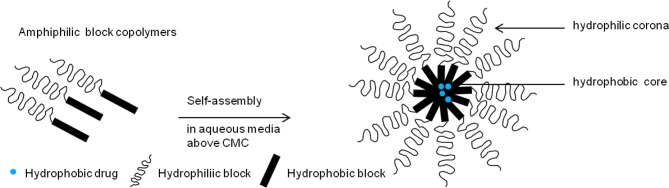
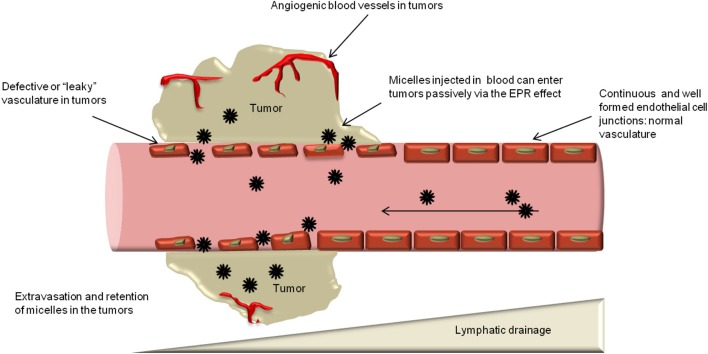
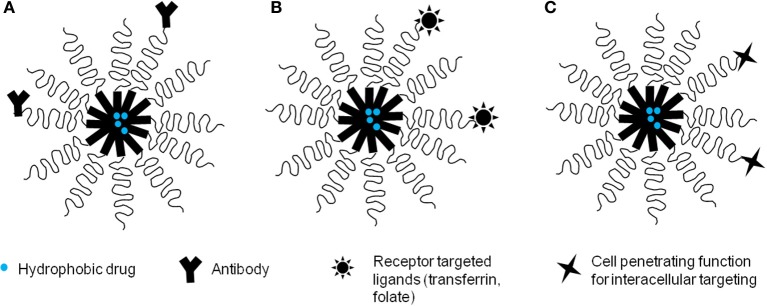
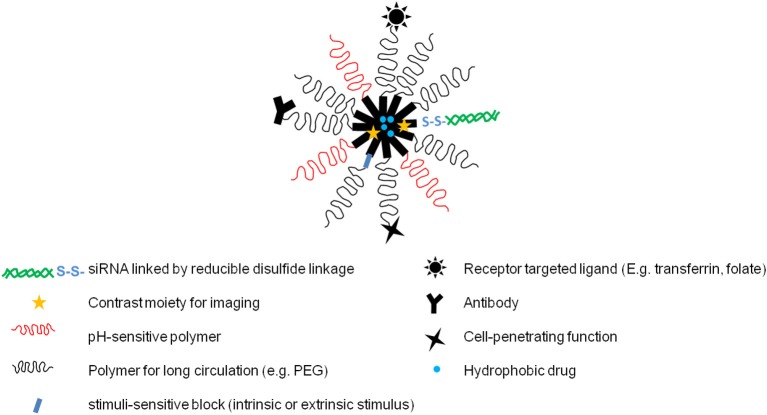
Polymeric micelles, self-assembling nano-constructs of amphiphilic copolymers with a core-shell structure have been used as versatile carriers for delivery of drugs as well as nucleic acids. They have gained immense popularity owing to a host of favorable properties including their capacity to effectively solubilize a variety of poorly soluble pharmaceutical agents, biocompatibility, longevity, high stability in vitro and in vivo and the ability to accumulate in pathological areas with compromised vasculature. Moreover, additional functions can be imparted to these micelles by engineering their surface with various ligands and cell-penetrating moieties to allow for specific targeting and intracellular accumulation, respectively, to load them with contrast agents to confer imaging capabilities, and incorporating stimuli-sensitive groups that allow drug release in response to small changes in the environment. Recently, there has been an increasing trend toward designing polymeric micelles which integrate a number of the above functions into a single carrier to give rise to "smart," multifunctional polymeric micelles. Such multifunctional micelles can be envisaged as key to improving the efficacy of current treatments which have seen a steady increase not only in hydrophobic small molecules, but also in biologics including therapeutic genes, antibodies and small interfering RNA (siRNA). The purpose of this review is to highlight recent advances in the development of multifunctional polymeric micelles specifically for delivery of drugs and siRNA. In spite of the tremendous potential of siRNA, its translation into clinics has been a significant challenge because of physiological barriers to its effective delivery and the lack of safe, effective and clinically suitable vehicles. To that end, we also discuss the potential and suitability of multifunctional polymeric micelles, including lipid-based micelles, as promising vehicles for both siRNA and drugs.
Overview
The claims and statistics of this paper haven’t been checked yet.
Run the check — free, no account needed. It reads the open-access text and checks the sources it cites.
Integrity signals
Registry
Cites
Statistics
Figures
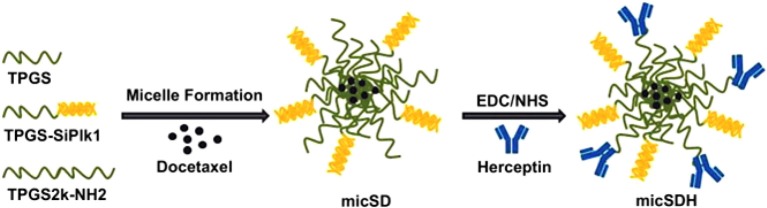
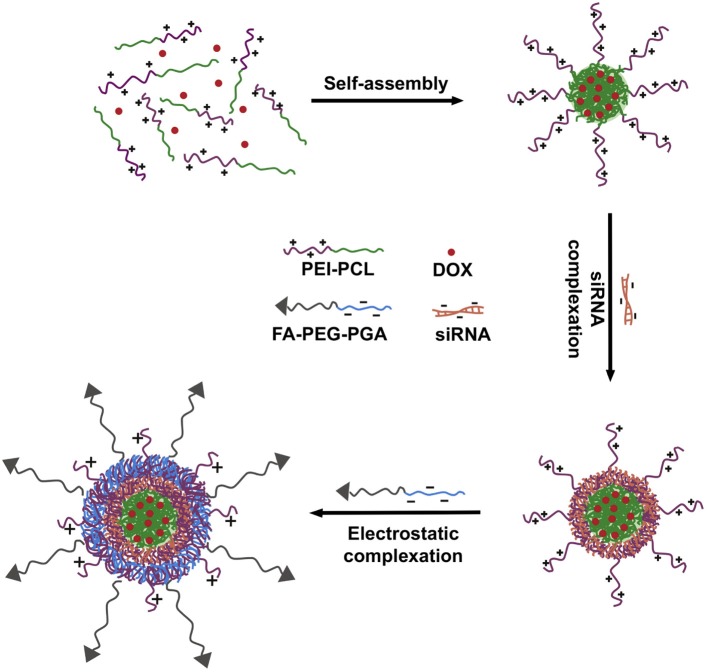
Verification
Claims the paper makes
The claims and statistics of this paper haven’t been checked yet.
Run the check — free, no account needed. It reads the open-access text and checks the sources it cites.
Self-check
Percentages, sums and reported differences re-computed from the paper’s own numbers.
The self-check needs the paper’s full text.
Citations
Cites
1 retracted
Elsabahy, M., Wazen, N., Bayó‐Puxán, N., Deleavey, G. F., Servant, M. J., Damha, M. J., & Leroux, J. (2009) · Advanced Functional Materials · doi:10.1002/adfm.200901139 · Cited by 62
RetractedPotent and specific genetic interference by double-stranded RNA in Caenorhabditis elegans
Fire, A., Xu, S., Montgomery, M. K., Kostas, S. A., Driver, S. E., & Mello, C. C. (1998) · Nature · doi:10.1038/35888 · Cited by 15,429
Duplexes of 21-nucleotide RNAs mediate RNA interference in cultured mammalian cells
Elbashir, S. M., Harborth, J., Lendeckel, W., Yalcin, A., Weber, K., & Tuschl, T. (2001) · Nature · doi:10.1038/35078107 · Cited by 9,456
Nanocarriers as an emerging platform for cancer therapy
Peer, D., Karp, J. M., Hong, S., Farokhzad, O. C., Margalit, R., & Langer, R. (2007) · Nature Nanotechnology · doi:10.1038/nnano.2007.387 · Cited by 8,710
Angiogenesis in cancer, vascular, rheumatoid and other disease
Folkman, J. (1995) · Nature Medicine · doi:10.1038/nm0195-27 · Cited by 7,627
Matsumura, Y., & Maeda, H. (1986) · PubMed · Cited by 6,781
Tumor vascular permeability and the EPR effect in macromolecular therapeutics: a review
Maeda, H., Wu, J., Sawa, T., Matsumura, Y., & Hori, K. (2000) · Journal of Controlled Release · doi:10.1016/s0168-3659(99)00248-5 · Cited by 6,565
Stimuli-responsive nanocarriers for drug delivery
Mura, S., Nicolas, J., & Couvreur, P. (2013) · Nature Materials · doi:10.1038/nmat3776 · Cited by 6,289
Drug Delivery Systems: Entering the Mainstream
Allen, T. M., & Cullis, P. R. (2004) · Science · doi:10.1126/science.1095833 · Cited by 4,552
Strategies in the design of nanoparticles for therapeutic applications
Petros, R. A., & DeSimone, J. M. (2010) · Nature Reviews Drug Discovery · doi:10.1038/nrd2591 · Cited by 3,651
Research works printed but not linked: 1
- Matsumoto, 2009, Environment-responsive block copolymer micelles with a disulfide cross-linked core for enhanced siRNA delivery, Biomacromolecules, 10, 119, 10.1021/bm800985e · DOI
Cited by
Sorted by citations
Johnstone, T. C., Suntharalingam, K., & Lippard, S. J. (2016) · Chemical Reviews · doi:10.1021/acs.chemrev.5b00597 · Cited by 2,508
Ghezzi, M., Pescina, S., Padula, C., Santi, P., Del Favero, E., Cantù, L., & Nicoli, S. (2021) · Journal of Controlled Release · doi:10.1016/j.jconrel.2021.02.031 · Cited by 1,135
PAMAM dendrimers as efficient drug and gene delivery nanosystems for cancer therapy
Gaballu, F. A., Dehghan, G., Ghaffari, M., Yekta, R., Abbaspour‐Ravasjani, S., Baradaran, B., Dolatabadi, J. E. N., & Hamblin, M. R. (2018) · Applied Materials Today · doi:10.1016/j.apmt.2018.05.002 · Cited by 504
Recent advances in polymeric micelles for anti-cancer drug delivery
Biswas, S., Kumari, P., Lakhani, P. M., & Ghosh, B. (2015) · European Journal of Pharmaceutical Sciences · doi:10.1016/j.ejps.2015.12.031 · Cited by 475
Nanoparticle-Based Immunotherapy for Cancer
Shao, K., Singha, S., Clemente‐Casares, X., Tsai, S. J., Yang, Y., & Santamaría, P. (2014) · ACS Nano · doi:10.1021/nn5062029 · Cited by 477
Control of polymeric nanoparticle size to improve therapeutic delivery
Hickey, J. W., Santos, J. L., Williford, J., & Mao, H. (2015) · Journal of Controlled Release · doi:10.1016/j.jconrel.2015.10.006 · Cited by 390
Nanotechnology-based antiviral therapeutics
Chakravarty, M., & Vora, A. (2020) · Drug Delivery and Translational Research · doi:10.1007/s13346-020-00818-0 · Cited by 348
Mimicking the Cell: Bio-Inspired Functions of Supramolecular Assemblies
Tu, Y., Peng, F., Adawy, A., Men, Y., Abdelmohsen, L. K. E. A., & Wilson, D. A. (2015) · Chemical Reviews · doi:10.1021/acs.chemrev.5b00344 · Cited by 321
De, R., Mahata, M. K., & Kim, K. (2022) · Advanced Science · doi:10.1002/advs.202105373 · Cited by 316
Going beyond the liver: progress and challenges of targeted delivery of siRNA therapeutics
Lorenzer, C., Dirin, M., Winkler, A.-M., Baumann, V., & Winkler, J. (2015) · Journal of Controlled Release · doi:10.1016/j.jconrel.2015.02.003 · Cited by 284
Wound-Healing Effects of Curcumin and Its Nanoformulations: A Comprehensive Review
Kumari, A., Raina, N., Wahi, A., Goh, K. W., Sharma, P., Nagpal, R., Jain, A., Ming, L. C., & Gupta, M. (2022) · Pharmaceutics · doi:10.3390/pharmaceutics14112288 · Cited by 280
Kumari, L., Choudhari, Y., Patel, P., Gupta, G. D., Singh, D., Rosenholm, J. M., Bansal, K. K., & Kurmi, B. D. (2023) · Life · doi:10.3390/life13051099 · Cited by 277
Song, Y., Li, Y., Xu, Q., & Liu, Z. (2016) · International Journal of Nanomedicine · doi:10.2147/ijn.s117495 · Cited by 262
How far is Lignin from being a biomedical material?
Sugiarto, S., Leow, Y., Tan, S. C. L., Wang, G., & Kai, D. (2021) · Bioactive Materials · doi:10.1016/j.bioactmat.2021.06.023 · Cited by 257
Stimuli-Responsive Nanomaterials for Application in Antitumor Therapy and Drug Delivery
Pham, S. H., Choi, Y., & Choi, J. (2020) · Pharmaceutics · doi:10.3390/pharmaceutics12070630 · Cited by 248
Delivery of therapeutic oligonucleotides with cell penetrating peptides
Boisguérin, P., Deshayes, S., Gait, M. J., O’Donovan, L., Godfrey, C., Betts, C., Wood, M. J. A., & Lebleu, B. (2015) · Advanced Drug Delivery Reviews · doi:10.1016/j.addr.2015.02.008 · Cited by 251
Small interfering RNA for cancer treatment: overcoming hurdles in delivery
Charbe, N. B., Amnerkar, N. D., Ramesh, B., Tambuwala, M. M., Bakshi, H. A., Aljabali, A. A. A., Khadse, S. C., Satheeshkumar, R., Satija, S., Metha, M., et al. (2020) · Acta Pharmaceutica Sinica B · doi:10.1016/j.apsb.2020.10.005 · Cited by 250
Polymeric micelles: Basic research to clinical practice
Deshmukh, A. S., Chauhan, P. N., Noolvi, M. N., Chaturvedi, K., Ganguly, K., Shukla, S. S., Nadagouda, M. N., & Aminabhavi, T. M. (2017) · International Journal of Pharmaceutics · doi:10.1016/j.ijpharm.2017.09.005 · Cited by 248
The landscape of nanoparticle-based siRNA delivery and therapeutic development
Moazzam, M., Zhang, M., Hussain, A., Yu, X., Huang, J., & Huang, Y. (2024) · Molecular Therapy · doi:10.1016/j.ymthe.2024.01.005 · Cited by 230
Co-delivery of drugs and plasmid DNA for cancer therapy
Teo, P. Y., Cheng, W., Hedrick, J. L., & Yang, Y. Y. (2015) · Advanced Drug Delivery Reviews · doi:10.1016/j.addr.2015.10.014 · Cited by 231
Progress in Polymeric Micelles for Drug Delivery Applications
Kotta, S., Aldawsari, H. M., Badr-Eldin, S. M., Nair, A. B., & Kamal, Y. T. (2022) · Pharmaceutics · doi:10.3390/pharmaceutics14081636 · Cited by 241
Recent Developments in Antimicrobial-Peptide-Conjugated Gold Nanoparticles
Rajchakit, U., & Sarojini, V. (2017) · Bioconjugate Chemistry · doi:10.1021/acs.bioconjchem.7b00368 · Cited by 207
Cancer immunotherapy: nanodelivery approaches for immune cell targeting and tracking
Conniot, J., Silva, J. M., Fernandes, J. G., Silva, L. C., Gaspar, R. S., Brocchini, S., Florindo, H. F., & Barata, T. S. (2014) · Frontiers in Chemistry · doi:10.3389/fchem.2014.00105 · Cited by 204
Polymeric micelles and cancer therapy: an ingenious multimodal tumor-targeted drug delivery system
Hari, S. K., Gauba, A., Shrivastava, N., Tripathi, R. M., Jain, S. K., & Pandey, A. K. (2022) · Drug Delivery and Translational Research · doi:10.1007/s13346-022-01197-4 · Cited by 200
Dispersity effects in polymer self-assemblies: a matter of hierarchical control
Doncom, K. E. B., Blackman, L. D., Wright, D. B., Gibson, M. I., & O’Reilly, R. K. (2017) · Chemical Society Reviews · doi:10.1039/c6cs00818f · Cited by 201
Chavda, V. P., Patel, A., Mistry, K. J., Suthar, S. F., Wu, Z., Chen, Z., & Hou, K. (2022) · Frontiers in Oncology · doi:10.3389/fonc.2022.867655 · Cited by 199
Nanomedicines accessible in the market for clinical interventions
Gadekar, V., Borade, Y., Kannaujia, S., Rajpoot, K., Anup, N., Tambe, V., Kalia, K., & Tekade, R. K. (2020) · Journal of Controlled Release · doi:10.1016/j.jconrel.2020.12.034 · Cited by 184
Baek, S., Singh, R. K., Khanal, D., Patel, K. D., Lee, E., Leong, K. W., Chrzanowski, W., & Kim, H. (2015) · Nanoscale · doi:10.1039/c5nr02730f · Cited by 180
Ashrafizadeh, M., Mirzaei, S., Gholami, M. H., Hashemi, F., Zabolian, A., Raei, M., Hushmandi, K., Zarrabi, A., Voelcker, N. H., Aref, A. R., et al. (2021) · Carbohydrate Polymers · doi:10.1016/j.carbpol.2021.118491 · Cited by 176
Karthika, V., AlSalhi, M. S., Devanesan, S., Gopinath, K., Arumugam, A., & Govindarajan, M. (2020) · Scientific Reports · doi:10.1038/s41598-020-76015-3 · Cited by 174
Yin, T., Wang, L., Yin, L., Zhou, J., & Huo, M. (2015) · Biomaterials · doi:10.1016/j.biomaterials.2015.05.022 · Cited by 172
Redox-Responsive Drug Delivery Systems: A Chemical Perspective
Abed, H., Abuwatfa, W. H., & Husseini, G. A. (2022) · Nanomaterials · doi:10.3390/nano12183183 · Cited by 168
Strategies to Obtain Encapsulation and Controlled Release of Small Hydrophilic Molecules
Li, Q., Li, X., & Zhao, C. (2020) · Frontiers in Bioengineering and Biotechnology · doi:10.3389/fbioe.2020.00437 · Cited by 167
Polymeric micelles in mucosal drug delivery: challenges towards clinical translation
Sosnik, A., & Menaker Raskin, M. (2015) · Biotechnology Advances · doi:10.1016/j.biotechadv.2015.01.003 · Cited by 154
Wallyn, J., Anton, N., Akram, S., & Vandamme, T. (2019) · Pharmaceutical Research · doi:10.1007/s11095-019-2608-5 · Cited by 158
Strategies in the design of endosomolytic agents for facilitating endosomal escape in nanoparticles
Ahmad, A., Khan, J. M., & Haque, S. (2019) · Biochimie · doi:10.1016/j.biochi.2019.02.012 · Cited by 155
de Almeida, M. S., Magalhães, M., Veiga, F., & Figueiras, A. (2017) · Journal of Polymer Research · doi:10.1007/s10965-017-1426-x · Cited by 151
Tumor Microenvironment-Stimuli Responsive Nanoparticles for Anticancer Therapy
Thomas, R. G., Surendran, S. P., & Jeong, Y. Y. (2020) · Frontiers in Molecular Biosciences · doi:10.3389/fmolb.2020.610533 · Cited by 154
Machtakova, M., Thérien‐Aubin, H., & Landfester, K. (2021) · Chemical Society Reviews · doi:10.1039/d1cs00686j · Cited by 150
Engineering Nanoparticles for Targeted Delivery of Nucleic Acid Therapeutics in Tumor
Xiao, Y., Shi, K. Y., Qu, Y., Chu, B., & Qian, Z. (2018) · Molecular Therapy — Methods & Clinical Development · doi:10.1016/j.omtm.2018.09.002 · Cited by 144
Controlled drug delivery systems for cancer based on mesoporous silica nanoparticles
Iturrioz-Rodríguez, N., Correa‐Duarte, M. A., & Fanárraga, M. L. (2019) · International Journal of Nanomedicine · doi:10.2147/ijn.s198848 · Cited by 144
Towards Robust Delivery of Antimicrobial Peptides to Combat Bacterial Resistance
Drayton, M., Kizhakkedathu, J. N., & Straus, S. K. (2020) · Molecules · doi:10.3390/molecules25133048 · Cited by 134
Intracellular delivery of nanocarriers and targeting to subcellular organelles
Jhaveri, A. M., & Torchilin, V. P. (2015) · Expert Opinion on Drug Delivery · doi:10.1517/17425247.2015.1086745 · Cited by 131
Self-citationVarlas, S., Lawrenson, S. B., Arkinstall, L. A., O’Reilly, R. K., & Foster, J. C. (2020) · Progress in Polymer Science · doi:10.1016/j.progpolymsci.2020.101278 · Cited by 132
Temozolomide-loaded photopolymerizable PEG-DMA-based hydrogel for the treatment of glioblastoma
Fourniols, T., Randolph, L. D., Staub, A., Vanvarenberg, K., Leprince, J. G., Véronique Préat, A., Rieux, A. D., & Danhier, F. (2015) · Journal of Controlled Release · doi:10.1016/j.jconrel.2015.05.272 · Cited by 126
Metal-Based Antitumor Compounds: Beyond Cisplatin
Simpson, P. V., Desai, N. M., Casari, I., Massi, M., & Falasca, M. (2019) · Future Medicinal Chemistry · doi:10.4155/fmc-2018-0248 · Cited by 126
Junnuthula, V., Kolimi, P., Nyavanandi, D., Sampathi, S., Vora, L. K., & Dyawanapelly, S. (2022) · Pharmaceutics · doi:10.3390/pharmaceutics14091860 · Cited by 114
Will Nanotechnology Bring New Hope for Gene Delivery?
Wong, J. K. L., Mohseni, R., Hamidieh, A. A., MacLaren, R. E., Habib, N., & Seifalian, A. M. (2017) · Trends in biotechnology · doi:10.1016/j.tibtech.2016.12.009 · Cited by 112
mRNA-Based Cancer Vaccines: A Therapeutic Strategy for the Treatment of Melanoma Patients
Bidram, M., Zhao, Y., Shebardina, N. G., Baldin, A. V., Bazhin, A. V., Ganjalikhany, M. R., Zamyatnin, A. A., & Ganjalıkhani-Hakemi, M. (2021) · Vaccines · doi:10.3390/vaccines9101060 · Cited by 111
Kaur, J., Mishra, V. K., Singh, S. K., Gulati, M., Kapoor, B., Chellappan, D. K., Gupta, G., Dureja, H., Anand, K., Dua, K., et al. (2021) · Journal of Controlled Release · doi:10.1016/j.jconrel.2021.04.014 · Cited by 102
Yi, Y., Kim, H. J., Mi, P., Zheng, M., Takemoto, H., Toh, K., Kim, B. S., Hayashi, K., Naito, M., Matsumoto, Y., et al. (2016) · Journal of Controlled Release · doi:10.1016/j.jconrel.2016.08.041 · Cited by 99
Liu, B., Cao, W., Qiao, G., Yao, S., Pan, S., Wang, L., Yue, C., Ma, L., Liu, Y., & Cui, D. (2019) · Acta Biomaterialia · doi:10.1016/j.actbio.2019.08.046 · Cited by 98
Engineering nanoparticles to overcome immunological barriers for enhanced drug delivery
Malachowski, T., & Hassel, A. (2020) · Engineered Regeneration · doi:10.1016/j.engreg.2020.06.001 · Cited by 99
Exosome-based small RNA delivery: Progress and prospects
Lu, M., Xing, H., Xun, Z., Yang, T., Ding, P., Cai, C., Wang, D., & Zhao, X. (2018) · Asian Journal of Pharmaceutical Sciences · doi:10.1016/j.ajps.2017.07.008 · Cited by 97
Binzel, D. W., Li, X., Burns, N., Khan, E., Lee, W.-J., Chen, L.-C., Ellipilli, S., Miles, W. O., Ho, Y. S., & Guo, P. (2021) · Chemical Reviews · doi:10.1021/acs.chemrev.1c00009 · Cited by 97
Advances in the use of nanocarriers for cancer diagnosis and treatment
Vieira, D. B., & Gamarra, L. F. (2016) · Einstein (São Paulo) · doi:10.1590/s1679-45082016rb3475 · Cited by 96
Recent Advances in Nanomaterials Development for Nanomedicine and Cancer
Kajani, A. A., Javanmard, S. H., Asadnia, M., & Razmjou, A. (2021) · ACS Applied Bio Materials · doi:10.1021/acsabm.1c00591 · Cited by 94
Chemotherapy targeting cancer stem cells.
Liu, H., Lv, L. L., & Yang, K. (2015) · PubMed Central · Cited by 94
Micellar carriers for the delivery of multiple therapeutic agents
Thipparaboina, R., Chavan, R. B., Kumar, D. K., Modugula, S., & Shastri, N. R. (2015) · Colloids and Surfaces B Biointerfaces · doi:10.1016/j.colsurfb.2015.07.046 · Cited by 93
Thiolated chitosan micelles: Highly mucoadhesive drug carriers
Mahmood, A., Lanthaler, M., Laffleur, F., Huck, C. W., & Bernkop‐Schnürch, A. (2017) · Carbohydrate Polymers · doi:10.1016/j.carbpol.2017.03.019 · Cited by 92
Kaur, J., Gulati, M., Jha, N. K., Disouza, J., Patravale, V. B., Dua, K., & Singh, S. K. (2022) · Drug Discovery Today · doi:10.1016/j.drudis.2022.02.005 · Cited by 91
Anti-Cancer Activity of Sustained Release Capsaicin Formulations
Merritt, J. C., Richbart, S. D., Moles, E. G., Cox, A. J., Brown, K. C., Miles, S. L., Finch, P. T., Hess, J. A., Tirona, M. T., Valentovic, M. A., et al. (2021) · Pharmacology & Therapeutics · doi:10.1016/j.pharmthera.2022.108177 · Cited by 90
Recent Advances in Micro-Electro-Mechanical Devices for Controlled Drug Release Applications
Villarruel, L. A., Scilletta, N. A., Bellino, M. G., Desimone, M. F., & Catalano, P. N. (2020) · Frontiers in Bioengineering and Biotechnology · doi:10.3389/fbioe.2020.00827 · Cited by 89
Deliver the promise: RNAs as a new class of molecular entities for therapy and vaccination
Yu, A., & Tu, M. (2021) · Pharmacology & Therapeutics · doi:10.1016/j.pharmthera.2021.107967 · Cited by 94
Recent advances in the delivery and applications of nonviral CRISPR/Cas9 gene editing
Sinclair, F., Begum, A. A., Dai, C. C., Tóth, I., & Moyle, P. M. (2023) · Drug Delivery and Translational Research · doi:10.1007/s13346-023-01320-z · Cited by 91
Kaus, N. H. M., Shaarani, S., & Hamid, S. (2017) · Pharmacognosy Research · doi:10.4103/0974-8490.199774 · Cited by 87
Multifunctional lipid-based nanoparticles for wound healing and antibacterial applications: A review
Motsoene, F., Abrahamse, H., & Kumar, S. S. D. (2023) · Advances in Colloid and Interface Science · doi:10.1016/j.cis.2023.103002 · Cited by 86
Zhao, X., Seah, I., Xue, K., Wong, W., Tan, Q. S. W., Ma, X., Lin, Q., Lim, J. Y. C., Liu, Z., Parikh, B. H., et al. (2022) · Advanced Materials · doi:10.1002/adma.202108360 · Cited by 84
Tay, Z. W., Chandrasekharan, P., Fellows, B. D., Rodrigo, I., Yu, E. Y., Olivo, M., & Conolly, S. (2021) · Cancers · doi:10.3390/cancers13215285 · Cited by 88
Cationic polymers and their self-assembly for antibacterial applications
Deka, S., Sharma, A., & Kumar, P. (2015) · Current Topics in Medicinal Chemistry · doi:10.2174/1568026615666150330110602 · Cited by 82
Overview of phytosomes in treating cancer: Advancement, challenges, and future outlook
Gaikwad, S. S., Morade, Y. Y., Kothule, A. M., Kshirsagar, S. J., Laddha, U. D., & Salunkhe, K. S. (2023) · Heliyon · doi:10.1016/j.heliyon.2023.e16561 · Cited by 82
Spiropyran-Based Drug Delivery Systems
Fagan, A., Bartkowski, M., & Giordani, S. (2021) · Frontiers in Chemistry · doi:10.3389/fchem.2021.720087 · Cited by 84
Novel Drug Delivery Systems Tailored for Improved Administration of Glucocorticoids
Lühder, F., & Reichardt, H. M. (2017) · International Journal of Molecular Sciences · doi:10.3390/ijms18091836 · Cited by 80
Particle engineering principles and technologies for pharmaceutical biologics
Cun, D., Zhang, C., Bera, H., & Yang, M. (2021) · Advanced Drug Delivery Reviews · doi:10.1016/j.addr.2021.04.006 · Cited by 80
Biomolecules Turn Self-Assembling Amphiphilic Block Co-polymer Platforms Into Biomimetic Interfaces
Avsar, S. Y., Kyropoulou, M., Leone, S. D., Schoenenberger, C., Meier, W. P., & Palivan, C. G. (2019) · Frontiers in Chemistry · doi:10.3389/fchem.2018.00645 · Cited by 78
Sakai-Kato, K., Nishiyama, N., Kozaki, M., Nakanishi, T., Matsuda, Y., Hirano, M., Hanada, H., Hisada, S., Onodera, H., Harashima, H., et al. (2015) · Journal of Controlled Release · doi:10.1016/j.jconrel.2015.05.259 · Cited by 75
Advances and applications of block-copolymer-based nanoformulations
Agrahari, V., & Agrahari, V. (2018) · Drug Discovery Today · doi:10.1016/j.drudis.2018.03.004 · Cited by 75
Liu, J., Liu, J., Mu, W., Ma, Q., Zhai, X., Jin, B., Liu, Y., & Zhang, N. (2024) · ACS Nano · doi:10.1021/acsnano.4c02380 · Cited by 74
Nanobodies as efficient drug-carriers: Progress and trends in chemotherapy
Panikar, S. S., Banu, N., Haramati, J., del Toro‐Arreola, S., Leal, A. R., & Salas, P. (2021) · Journal of Controlled Release · doi:10.1016/j.jconrel.2021.05.004 · Cited by 75
Recent developments and applications of smart nanoparticles in biomedicine
Campora, S., & Ghersi, G. (2022) · Nanotechnology Reviews · doi:10.1515/ntrev-2022-0148 · Cited by 77
Multifunctional approaches utilizing polymeric micelles to circumvent multidrug resistant tumors
Kesharwani, S. S., Kaur, S., Tummala, H., & Sangamwar, A. T. (2018) · Colloids and Surfaces B Biointerfaces · doi:10.1016/j.colsurfb.2018.10.022 · Cited by 71
Horizon Scan of Nanomedicinal Products
Noorlander, C. W., Kooi, M., Oomen, A. G., Park, M. V. D. Z., Vandebriel, R. J., & Geertsma, R. E. (2015) · Nanomedicine · doi:10.2217/nnm.15.21 · Cited by 70
Recent advances in mRNA vaccine delivery
Tan, L., & Sun, X. (2018) · Nano Research · doi:10.1007/s12274-018-2091-z · Cited by 71
Callari, M., De Souza, P. L., Rawal, A., & Stenzel, M. H. (2017) · Angewandte Chemie International Edition · doi:10.1002/anie.201701471 · Cited by 68
Novel Drug Delivery Systems as an Emerging Platform for Stomach Cancer Therapy
Hani, U., Osmani, R. A. M., Yasmin, S., Gowda, B. H. J., Ather, H., Ansari, M. Y., Siddiqua, A., Ghazwani, M., Fatease, A. M. A., Alamri, A. H., et al. (2022) · Pharmaceutics · doi:10.3390/pharmaceutics14081576 · Cited by 66
Taking advantage of cellular uptake of ferritin nanocages for targeted drug delivery
Tesařová, B., Musílek, K., Rex, S., & Heger, Z. (2020) · Journal of Controlled Release · doi:10.1016/j.jconrel.2020.06.026 · Cited by 68
Ghimire, C., Wang, H., Li, H., Vieweger, M., Xu, C., & Guo, P. (2020) · ACS Nano · doi:10.1021/acsnano.0c04863 · Cited by 66
Nanoparticle-based targeted gene therapy for lung cancer.
Lee, H.-Y., Mohammed, K. A., & Nasreen, N. (2016) · PubMed Central · Cited by 65
Jain, A., Jain, A., Parajuli, P., Mishra, V. K., Ghoshal, G., Singh, B., Shivhare, U. S., Katare, O. P., & Kesharwani, P. (2017) · Drug Discovery Today · doi:10.1016/j.drudis.2017.11.003 · Cited by 65
Multifunctional polymeric micellar nanomedicine in the diagnosis and treatment of cancer
Raval, N., Maheshwari, R., Shukla, H., Kalia, K., Torchilin, V. P., & Tekade, R. K. (2021) · Materials Science and Engineering C · doi:10.1016/j.msec.2021.112186 · Cited by 64
Self-citationShi, J., Liu, S., Yu, Y., He, C., Tan, L., & Shen, Y. (2019) · Colloids and Surfaces B Biointerfaces · doi:10.1016/j.colsurfb.2019.04.042 · Cited by 64
Nanostructured Amphiphilic Star-Hyperbranched Block Copolymers for Drug Delivery
Şeleci, M., Seleci, D. A., Çiftçi, M., Demirkol, D. O., Stahl, F., Tımur, S., Scheper, T. H., & Yağcı, Y. (2015) · Langmuir · doi:10.1021/acs.langmuir.5b00082 · Cited by 62
Magnetic nanoparticles for magnetic particle imaging (MPI): design and applications
Rezaei, B., Tay, Z. W., Mostufa, S., Manzari, O. N., Azizi, E., Ciannella, S., Moni, H., Li, C., Zeng, M., Gómez‐Pastora, J., et al. (2024) · Nanoscale · doi:10.1039/d4nr01195c · Cited by 62
Cheng, C., Lee, D., Liao, Z., & Huang, J.-J. (2016) · Polymer Chemistry · doi:10.1039/c6py01623e · Cited by 62
Advances and challenges in nanocarriers and nanomedicines for veterinary application
Carvalho, S. G., Araújo, V. H. S., dos Santos, A. M., Duarte, J. L., Silvestre, A. L. P., Fonseca-Santos, B., Villanova, J. C. O., Gremião, M. P. D., & Chorilli, M. (2020) · International Journal of Pharmaceutics · doi:10.1016/j.ijpharm.2020.119214 · Cited by 62
Richter, F., Leer, K., Martin, L., Mapfumo, P. P., Solomun, J. I., Kuchenbrod, M. T., Hoeppener, S., Brendel, J. C., & Traeger, A. (2021) · Journal of Nanobiotechnology · doi:10.1186/s12951-021-00994-2 · Cited by 61
Topical formulation of self-assembled antiviral prodrug nanomicelles for targeted retinal delivery
Mandal, A., Cholkar, K., Khurana, V., Shah, A., Agrahari, V., Bisht, R., Pal, D., & Mitra, A. K. (2017) · Molecular Pharmaceutics · doi:10.1021/acs.molpharmaceut.7b00128 · Cited by 60
Polymer-drug conjugates: revolutionizing nanotheranostic agents for diagnosis and therapy
Parashar, A. K., Saraogi, G. K., Jain, P. K., Kurmi, B. D., Shrivastava, V., & Arora, V. (2024) · Discover Oncology · doi:10.1007/s12672-024-01509-9 · Cited by 63
Tran, V. A., & Lee, S. (2017) · Journal of Colloid and Interface Science · doi:10.1016/j.jcis.2017.09.072 · Cited by 61
Zhang, Y., Guo, Q., An, S., Lü, Y., Li, J., He, X., Liu, L., Zhang, Y., Sun, T., & Jiang, C. (2017) · ACS Applied Materials & Interfaces · doi:10.1021/acsami.6b16815 · Cited by 59
Metadata
- Authors
- Jhaveri, A. M., & Torchilin, V. P.
- Affiliations
- Northeastern University (US)
- Corresponding author
- Torchilin, Vladimir P.
- Venue
- Frontiers in Pharmacology
- Publisher
- Frontiers Media SA
- Published
- 2014-04-25
- Volume
- 5
- Pages
- 77-77
- ISSN
- 1663-9812 (ISSN-L)
- PMC
- PMC4007015
- OpenAlex
- W1983964788
- Cited by
- 466
- References
- 265
- Citations by year
- 2026: 18 · 2025: 26 · 2024: 40 · 2023: 60 · 2022: 53 · 2021: 57 · 2020: 42 · 2019: 29 · 2018: 32 · 2017: 33 · 2016: 30 · 2015: 34 · 2014: 12
- FWCI
- 2.48
- Type
- journal article
- Language
- en
- Open access
- gold
- doi.org
- Licence
- cc-by
- Locations
- Frontiers in Pharmacology (publishedVersion, cc-by)
- Europe PMC (PubMed Central) (publishedVersion, cc-by)
- PubMed Central (publishedVersion, cc-by)
- PubMed (publishedVersion)
- DOAJ (DOAJ: Directory of Open Access Journals) (submittedVersion, cc-by-sa)
- Topics
- Physical Sciences › Materials Science › Biomaterials › Nanoparticle-Based Drug Delivery
- Life Sciences › Biochemistry, Genetics and Molecular Biology › Molecular Biology › RNA Interference and Gene Delivery
- Life Sciences › Pharmacology, Toxicology and Pharmaceutics › Pharmaceutical Science › Advanced Drug Delivery Systems
- Keywords
- polymeric micelles, siRNA delivery, drug delivery, amphiphilic copolymers, core-shell nanostructures, targeted drug delivery, stimuli-responsive drug release, contrast media, nucleic acid delivery, intracellular accumulation
About these checks
Registry, retraction, Cites and statistics results are computed, not judged, with one exception: a printed reference that no index lists is read once by a model before it counts as a citation error. Claims are extracted by a model and kept only when their quote appears verbatim in the text; each cited source is then checked, with a model’s help, for whether it says what the claim relies on. Those verdicts can be wrong — read the claim’s quote and the cited source before relying on one.
Statistics and arithmetic are recomputed, not judged.
Confidence bands are shown only for fields calibrated on our annotated test set. None is calibrated yet, so no band is shown.
What counts as a claim ›How we measure confidence ›How we check this ›
Are you an author, or do you see a problem with this page? Request a review
