

CRISPR-Cas9-based precise engineering of SlHyPRP1 protein towards multi-stress tolerance in tomato
Open accessThe DOI matches its Crossref record; 66 of the 66 references it cites were found in a registry or an index.
Abstract
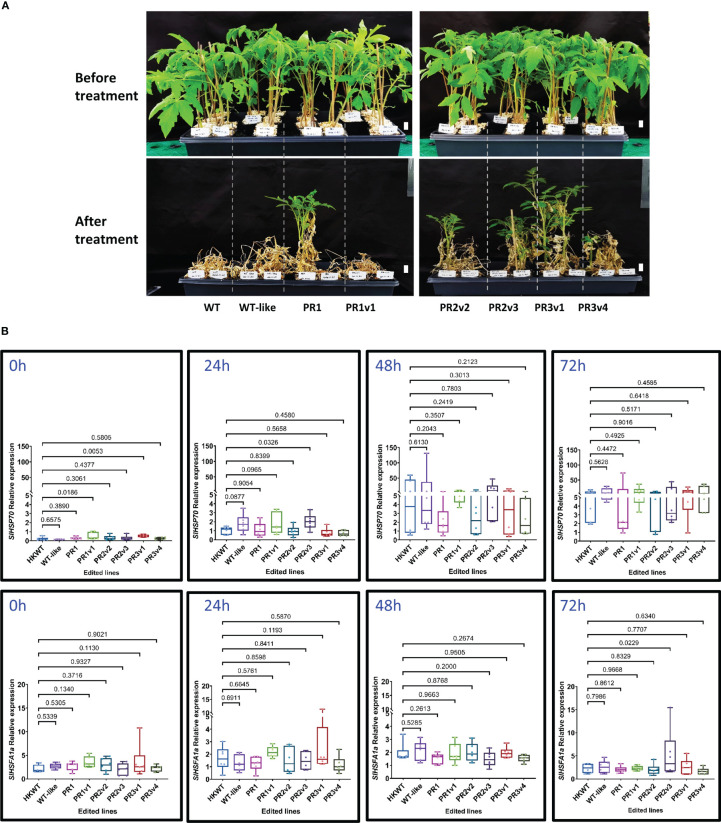
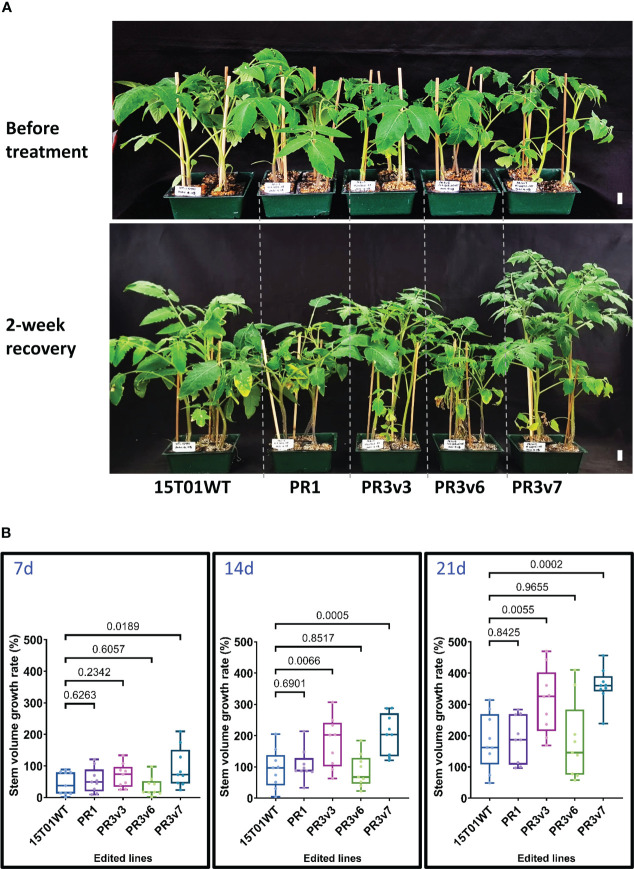
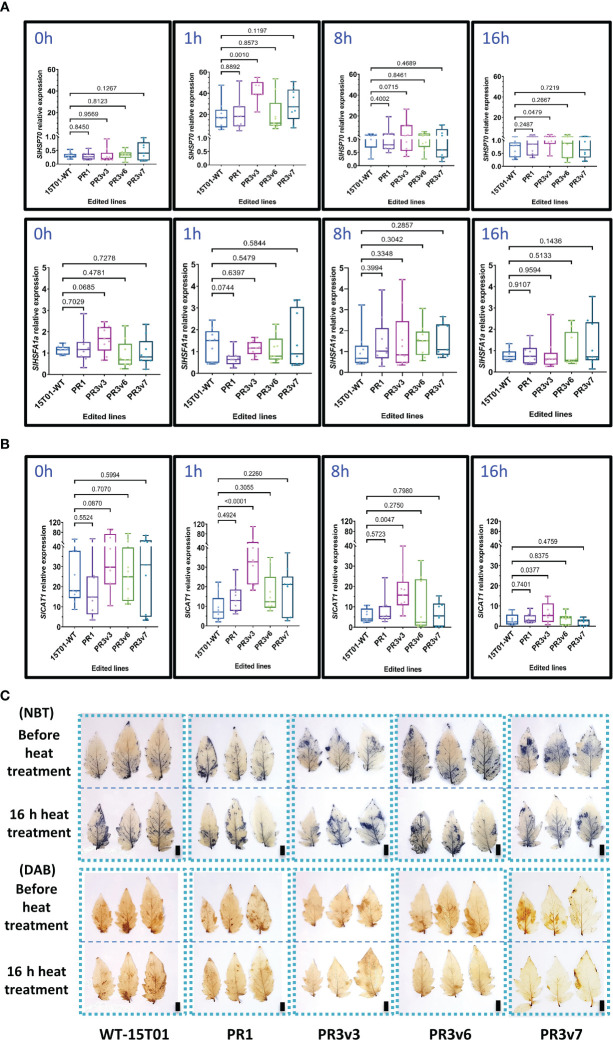
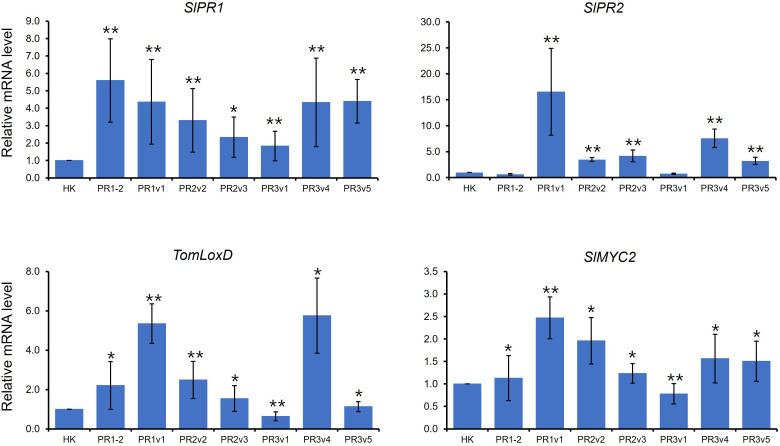
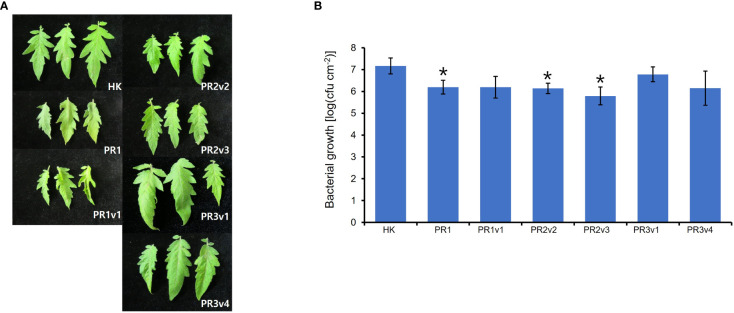
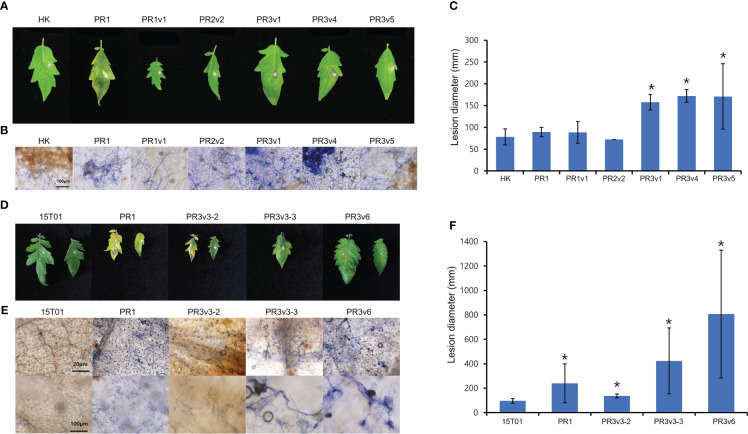
Recently, CRISPR-Cas9-based genome editing has been widely used for plant breeding. In our previous report, a tomato gene encoding hybrid proline-rich protein 1 (HyPRP1), a negative regulator of salt stress responses, has been edited using a CRISPR-Cas9 multiplexing approach that resulted in precise eliminations of its functional domains, proline-rich domain (PRD) and eight cysteine-motif (8CM). We subsequently demonstrated that eliminating the PRD domain of HyPRP1 in tomatoes conferred the highest level of salinity tolerance. In this study, we characterized the edited lines under several abiotic and biotic stresses to examine the possibility of multiple stress tolerance. Our data reveal that the 8CM removal variants of HK and the KO alleles of both HK and 15T01 cultivars exhibited moderate heat stress tolerance. Similarly, plants carrying either the domains of the PRD removal variant (PR1v1) or 8CM removal variants (PR2v2 and PR2v3) showed better germination under osmosis stress (up to 200 mM mannitol) compared to the WT control. Moreover, the PR1v1 line continuously grew after 5 days of water cutoff. When the edited lines were challenged with pathogenic bacteria of Pseudomonas syringae pv. tomato (Pto) DC3000, the growth of the bacterium was significantly reduced by 2.0- to 2.5-fold compared to that in WT plants. However, the edited alleles enhanced susceptibility against Fusarium oxysporum f. sp. lycopersici, which causes fusarium wilt. CRISPR-Cas9-based precise domain editing of the SlHyPRP1 gene generated multi-stress-tolerant alleles that could be used as genetic materials for tomato breeding.
Overview
The claims and statistics of this paper haven’t been checked yet.
Free: it reads the open-access text and checks the first 5 claims that cite a source we can check. Create a free account to check every claim.
Integrity signals
Registry
Cites
Statistics
Figures
Verification
Claims the paper makes
The claims and statistics of this paper haven’t been checked yet.
Free: it reads the open-access text and checks the first 5 claims that cite a source we can check. Create a free account to check every claim.
Claims other papers make about this one
Each is checked against this paper’s own text: does it say what the citing paper says it does?
The source backs part of the claim, not all of it — or backs it for a different population, condition or comparison.
In the citing paper
“Genome-edited tomato lines have demonstrated better germination and vegetative growth under heat-stress conditions, showcasing the potential of these edited genes to enhance heat resilience (Tran et al., 2023).”
From Emerging applications of gene editing technologies for the development of climate-resilient crops (2025) · cites this paper as Tran et al., 2023
Experimental — accuracy not yet measuredThe cited source says what the claim attributes to it.
In the citing paper
“Another example isthat engineering SlHyPRP1 protein domains in tomatoes has improved multi-stress tolerance, including heat stress.”
From Emerging applications of gene editing technologies for the development of climate-resilient crops (2025) · cites this paper as Tran et al., 2023
Self-check
Percentages, sums and reported differences re-computed from the paper’s own numbers.
The self-check needs the paper’s full text.
Citations
Cites
Analysis of Relative Gene Expression Data Using Real-Time Quantitative PCR and the 2−ΔΔCT Method
Livak, K. J., & Schmittgen, T. D. (2001) · Methods · doi:10.1006/meth.2001.1262 · Cited by 180,860
The MIQE guidelines: minimum information for publication of quantitative real-time PCR experiments
Bustin, S. A., Benes, V., Garson, J. A., Hellemans, J., Huggett, J., Kubista, M., Mueller, R., Nolan, T., Pfaffl, M. W., Shipley, G. L., et al. (2009) · Clinical Chemistry · doi:10.1373/clinchem.2008.112797 · Cited by 16,303
Contrasting Mechanisms of Defense Against Biotrophic and Necrotrophic Pathogens
Glazebrook, J. (2005) · Annual Review of Phytopathology · doi:10.1146/annurev.phyto.43.040204.135923 · Cited by 4,367
Plant drought stress: effects, mechanisms and management
Farooq, M., Wahid, A., Kobayashi, N., Fujita, D., & Basra, S. M. A. (2009) · Agronomy for Sustainable Development · doi:10.1051/agro:2008021 · Cited by 4,098
Mutation of the mouse klotho gene leads to a syndrome resembling ageing
Kuro-o, M., Matsumura, Y., Aizawa, H., Kawaguchi, H., Suga, T., Utsugi, T., Ohyama, Y., Kurabayashi, M., Kaname, T., Kume, E., et al. (1997) · Nature · doi:10.1038/36285 · Cited by 3,837
Crop production under drought and heat stress: plant responses and management options.
Fahad, S., Bajwa, A. A., Nazir, U., Anjum, S. A., Farooq, A., Zohaib, A., Sadia, S., Nasim, W., Adkins, S., Saud, S., et al. (2017) · Frontiers in Plant Science · doi:10.3389/fpls.2017.01147 · Cited by 2,629
Drought Stress Impacts on Plants and Different Approaches to Alleviate Its Adverse Effects
Seleiman, M. F., Al-Suhaibani, N., Ali, N., Akmal, M., Alotaibi, M., Refay, Y., Dindaroglu, T., Abdul-Wajid, H. H., & Battaglia, M. L. (2021) · Plants · doi:10.3390/plants10020259 · Cited by 1,976
Targeted genome modification of crop plants using a CRISPR-Cas system
Shan, Q., Wang, Y., Li, J., Zhang, Y., Chen, K., Liang, Z., Zhang, K., Liu, J., Xi, J. J., Qiu, J.-L., et al. (2013) · Nature Biotechnology · doi:10.1038/nbt.2650 · Cited by 1,810
CRISPR/Cas Genome Editing and Precision Plant Breeding in Agriculture
Chen, K., Wang, Y., Zhang, R., Zhang, H., & Gao, C. (2019) · Annual Review of Plant Biology · doi:10.1146/annurev-arplant-050718-100049 · Cited by 1,572
Transcriptional Regulatory Network of Plant Heat Stress Response
Ohama, N., Sato, H., Shinozaki, K., & Yamaguchi-Shinozaki, K. (2017) · Trends in Plant Science · doi:10.1016/j.tplants.2016.08.015 · Cited by 1,234
MYC2 Differentially Modulates Diverse Jasmonate-Dependent Functions in Arabidopsis
Dombrecht, B., Xue, G. P., Sprague, S. J., Kirkegaard, J. A., Ross, J. J., Reid, J. B., Fitt, G. P., Sewelam, N., Schenk, P. M., Manners, J. M., et al. (2007) · The Plant Cell · doi:10.1105/tpc.106.048017 · Cited by 1,127
De novo domestication of wild tomato using genome editing
Zsögön, A., Čermák, T., Naves, E. R., Notini, M. M., Edel, K. H., Weinl, S., Freschi, L., Voytas, D. F., Kudla, J., & Peres, L. E. P. (2018) · Nature Biotechnology · doi:10.1038/nbt.4272 · Cited by 826
Genome editing in rice and wheat using the CRISPR/Cas system
Shan, Q., Wang, Y., Li, J., & Gao, C. (2014) · Nature Protocols · doi:10.1038/nprot.2014.157 · Cited by 763
Brooks, C., Nekrasov, V., Lippman, Z. B., & Van Eck, J. (2014) · PLANT PHYSIOLOGY · doi:10.1104/pp.114.247577 · Cited by 760
DNA-Free Genetically Edited Grapevine and Apple Protoplast Using CRISPR/Cas9 Ribonucleoproteins
Malnoy, M., Viola, R., Jung, M.-H., Koo, O.-J., Kim, S., Kim, J.-S., Velasco, R., & Nagamangala Kanchiswamy, C. (2016) · Frontiers in Plant Science · doi:10.3389/fpls.2016.01904 · Cited by 756
Self-citationDomestication of wild tomato is accelerated by genome editing
Li, T., Yang, X., Yu, Y., Si, X., Zhai, X., Zhang, H., Dong, W., Gao, C., & Xu, C. (2018) · Nature Biotechnology · doi:10.1038/nbt.4273 · Cited by 661
Belhaj, K., Chaparro-Garcia, A., Kamoun, S., & Nekrasov, V. (2013) · Plant Methods · doi:10.1186/1746-4811-9-39 · Cited by 585
Mengiste, T., Chen, X., Salmeron, J., & Dietrich, R. (2003) · The Plant Cell · doi:10.1105/tpc.014167 · Cited by 553
Rewiring of the jasmonate signaling pathway in Arabidopsis during insect herbivory
Verhage, A. (2011) · Frontiers in Plant Science · doi:10.3389/fpls.2011.00047 · Cited by 513
Veronese, P., Nakagami, H., Bluhm, B., AbuQamar, S., Chen, X., Salmeron, J., Dietrich, R. A., Hirt, H., & Mengiste, T. (2005) · The Plant Cell · doi:10.1105/tpc.105.035576 · Cited by 461
Crosstalk between Hsp90 and Hsp70 Chaperones and Heat Stress Transcription Factors in Tomato
Hahn, A., Bublak, D., Schleiff, E., & Scharf, K.-D. (2011) · The Plant Cell · doi:10.1105/tpc.110.076018 · Cited by 396
Role of proline in cell wall synthesis and plant development and its implications in plant ontogeny
Kavi Kishor, P. B. (2015) · Frontiers in Plant Science · doi:10.3389/fpls.2015.00544 · Cited by 384
Reduced Drought Tolerance by CRISPR/Cas9-Mediated SlMAPK3 Mutagenesis in Tomato Plants
Wang, L., Chen, L., Li, R., Zhao, R., Yang, M., Sheng, J., & Shen, L. (2017) · Journal of Agricultural and Food Chemistry · doi:10.1021/acs.jafc.7b02745 · Cited by 350
Efficient Genome Editing in Apple Using a CRISPR/Cas9 system
Nishitani, C., Hirai, N., Komori, S., Wada, M., Okada, K., Osakabe, K., Yamamoto, T., & Osakabe, Y. (2016) · Scientific Reports · doi:10.1038/srep31481 · Cited by 350
CRISPR/Cas9-Mediated SlNPR1 mutagenesis reduces tomato plant drought tolerance
Li, R., Liu, C., Zhao, R., Wang, L., Chen, L., Yu, W., Zhang, S., Sheng, J., & Shen, L. (2019) · BMC Plant Biology · doi:10.1186/s12870-018-1627-4 · Cited by 266
Ferrari, S., Vairo, D., Ausubel, F. M., Cervone, F., & De Lorenzo, G. (2003) · The Plant Cell · doi:10.1105/tpc.005165 · Cited by 264
Efficient Targeted Mutagenesis in Apple and First Time Edition of Pear Using the CRISPR-Cas9 System
Charrier, A., Vergne, E., Dousset, N., Richer, A., Petiteau, A., & Chevreau, E. (2019) · Frontiers in Plant Science · doi:10.3389/fpls.2019.00040 · Cited by 253
Knockout of SlMAPK3 enhances tolerance to heat stress involving ROS homeostasis in tomato plants
Yu, W., Wang, L., Zhao, R., Sheng, J., Zhang, S., Li, R., & Shen, L. (2019) · BMC Plant Biology · doi:10.1186/s12870-019-1939-z · Cited by 218
CRISPR–Cas9-mediated genome editing in apple and grapevine
Osakabe, Y., Liang, Z., Ren, C., Nishitani, C., Osakabe, K., Wada, M., Komori, S., Malnoy, M., Velasco, R., Poli, M., et al. (2018) · Nature Protocols · doi:10.1038/s41596-018-0067-9 · Cited by 209
Ohama, N., Kusakabe, K., Mizoi, J., Zhao, H., Kidokoro, S., Koizumi, S., Takahashi, F., Ishida, T., Yanagisawa, S., Shinozaki, K., et al. (2016) · The Plant Cell · doi:10.1105/tpc.15.00435 · Cited by 205
Highly efficient homology‐directed repair using CRISPR/Cpf1‐geminiviral replicon in tomato
Vu, T. V., Sivankalyani, V., Kim, E., Doan, D. T. H., Tran, M. T., Kim, J., Sung, Y. W., Park, M., Kang, Y. J., & Kim, J. (2020) · Plant Biotechnology Journal · doi:10.1111/pbi.13373 · Cited by 200
Self-citationReduction of Tomato-Plant Chilling Tolerance by CRISPR–Cas9-Mediated SlCBF1 Mutagenesis
Li, R., Zhang, L., Wang, L., Chen, L., Zhao, R., Sheng, J., & Shen, L. (2018) · Journal of Agricultural and Food Chemistry · doi:10.1021/acs.jafc.8b02177 · Cited by 199
CRISPR/Cas9-based precise excision of SlHyPRP1 domain(s) to obtain salt stress-tolerant tomato
Tran, M. T., Doan, D. T. H., Kim, J., Song, Y. J., Sung, Y. W., Das, S., Kim, E., Son, G. H., Kim, S. H., Van Vu, T., et al. (2021) · Plant Cell Reports · doi:10.1007/s00299-020-02622-z · Cited by 198
Self-citationBiallelic Gene Targeting in Rice
Endo, M., Mikami, M., & Toki, S. (2016) · Plant Physiology · doi:10.1104/pp.15.01663 · Cited by 197
Yin, Y., Qin, K., Song, X., Zhang, Q., Zhou, Y., Xia, X., & Yu, J. (2018) · Plant and Cell Physiology · doi:10.1093/pcp/pcy146 · Cited by 197
Zsögön, A., Cermak, T., Voytas, D., & Peres, L. E. P. (2017) · Plant Science · doi:10.1016/j.plantsci.2016.12.012 · Cited by 179
Ijaz, R., Ejaz, J., Gao, S., Liu, T., Imtiaz, M., Ye, Z., & Wang, T. (2017) · Scientific Reports · doi:10.1038/s41598-017-11168-2 · Cited by 143
Plant Tissue Trypan Blue Staining During Phytopathogen Infection
Fernández‐Bautista, N., Domínguez-Núñez, J. A., Moreno, M. M., & Berrocal‐Lobo, M. (2016) · BIO-PROTOCOL · doi:10.21769/bioprotoc.2078 · Cited by 142
Beat the heat: plant- and microbe-mediated strategies for crop thermotolerance
Shekhawat, K., Almeida-Trapp, M., García-Ramírez, G. X., & Hirt, H. (2022) · Trends in Plant Science · doi:10.1016/j.tplants.2022.02.008 · Cited by 127
The CLV-WUS Stem Cell Signaling Pathway: A Roadmap to Crop Yield Optimization
Fletcher, J. C. (2018) · Plants · doi:10.3390/plants7040087 · Cited by 115
Hasanuzzaman, M., Nahar, K., Alam, M. M., & Fujita, M. (2014) · Biological Trace Element Research · doi:10.1007/s12011-014-0120-7 · Cited by 109
H�hfeld, I., Nover, L., Lyck, R., Harmening, U., Treuter, E., & Scharf, K. (1997) · Planta · doi:10.1007/s004250050110 · Cited by 109
Liu, Y., Zhang, C., Chen, J., Guo, L., Li, X., Li, W., Yu, Z., Deng, J.-S., Zhang, P., Zhang, K., et al. (2013) · Plant Physiology and Biochemistry · doi:10.1016/j.plaphy.2012.12.013 · Cited by 102
Natural variations in SlSOS1 contribute to the loss of salt tolerance during tomato domestication
Wang, Z., Hong, Y., Yu-mei, L., Shi, H., Yao, J., Liu, X., Wang, F., Huang, S., Zhu, G., & Zhu, J. (2020) · Plant Biotechnology Journal · doi:10.1111/pbi.13443 · Cited by 100
Regulation of ethylene-responsive SlWRKYs involved in color change during tomato fruit ripening
Wang, L., Zhang, X., Wang, L., Tian, Y., Jia, N., Chen, S., Shi, N.-B., Xuemei, H., Zhou, C., Yu, Y., et al. (2017) · Scientific Reports · doi:10.1038/s41598-017-16851-y · Cited by 92
Priyanka, B., Sekhar, K., Reddy, V. D., & Rao, K. V. (2010) · Plant Biotechnology Journal · doi:10.1111/j.1467-7652.2009.00467.x · Cited by 89
Regulation of drought stress in plants
Farooqi, Z. U. R., Ayub, M. A., Zia‐ur‐Rehman, M., Sohail, M. I., Usman, M., Khalid, H., & Naz, K. (2020) · Elsevier eBooks · doi:10.1016/b978-0-12-818204-8.00004-7 · Cited by 83
Mellacheruvu, S., Tamirisa, S., Vudem, D. R., & Khareedu, V. R. (2016) · Frontiers in Plant Science · doi:10.3389/fpls.2015.01167 · Cited by 76
Genome editing and beyond: what does it mean for the future of plant breeding?
Vu, T. V., Das, S., Hensel, G., & Kim, J. (2022) · Planta · doi:10.1007/s00425-022-03906-2 · Cited by 70
Self-citationAntioxidant response to heat stress in seagrasses. A gene expression study
Tutar, O., Marín‐Guirao, L., Ruiz, J. M., & Procaccini, G. (2017) · Marine Environmental Research · doi:10.1016/j.marenvres.2017.10.011 · Cited by 69
Yang, J., Zhang, Y., Wang, X., Wang, W., Li, Z., Wu, J., Wang, G., Wu, L., Zhang, G., & Ma, Z. (2018) · BMC Plant Biology · doi:10.1186/s12870-018-1565-1 · Cited by 68
Yeom, S., Seo, E., Oh, S., Kim, K. W., & Choi, D. (2011) · The Plant Journal · doi:10.1111/j.1365-313x.2011.04828.x · Cited by 67
Mira, M. M., Wally, O. S. D., Elhiti, M., Elshanshory, A., Reddy, D. S., Hill, R. D., & Stasolla, C. (2016) · Journal of Experimental Botany · doi:10.1093/jxb/erw022 · Cited by 65
Tiwari, L. D., Khungar, L., & Grover, A. (2020) · The Plant Journal · doi:10.1111/tpj.14883 · Cited by 62
Li, J., Ouyang, B., Wang, T., Luo, Z., Yang, C., Li, J., Sima, W., Zhang, J., & Ye, Z. (2016) · Frontiers in Plant Science · doi:10.3389/fpls.2016.00967 · Cited by 54
Tan, J., Zhuo, C., & Guo, Z. (2013) · Physiologia Plantarum · doi:10.1111/ppl.12032 · Cited by 48
Huang, G., Gong, S., Xu, W., Li, P., Zhang, D., Qin, L., Li, W., & Li, X. (2011) · Acta Biochimica et Biophysica Sinica · doi:10.1093/abbs/gmr040 · Cited by 45
Precision Genome Engineering for the Breeding of Tomatoes: Recent Progress and Future Perspectives
Vu, T. V., Das, S., Tran, M. T., Hong, J. C., & Kim, J. (2020) · Frontiers in Genome Editing · doi:10.3389/fgeed.2020.612137 · Cited by 41
Self-citationEsposito, M. P., Nakazato, R. K., Pedroso, A. N. V., Lima, M. E. L., Figueiredo, M. A., Diniz, A. P., Kozovits, A. R., & Domingos, M. (2017) · The Science of The Total Environment · doi:10.1016/j.scitotenv.2017.12.255 · Cited by 38
Hu, T., Hu, Z., Zeng, H., Qv, X., & Chen, G. (2015) · Plant Biotechnology Reports · doi:10.1007/s11816-015-0341-z · Cited by 34
Liu, D., Han, Q., Shah, T., Chen, C., Wang, Q., Tang, B., & Ge, F. (2018) · Trees · doi:10.1007/s00468-018-1702-3 · Cited by 31
Li, L., Zhang, C., Xu, D., Schläppi, M., & Xu, Z. (2012) · Gene · doi:10.1016/j.gene.2012.06.070 · Cited by 26
Identification of the soybean HyPRP family and specific gene response to Asian soybean rust disease
Bücker-Neto, L., de Oliveira, R. R., Wiebke-Strohm, B., Bencke, M., Weber, R. L. M., Cabreira, C., Abdelnoor, R. V., Marcelino‐Guimarães, F. C., Zanettini, M. H. B., & Passaglia, L. M. P. (2013) · Genetics and Molecular Biology · doi:10.1590/s1415-47572013005000017 · Cited by 21
Banday, M. R., Cecchini, N. M., Speed, D. J., Scott, A. T., Parent, C., Hu, C. T., Filzen, R., Agbo, E., & Greenberg, J. T. (2022) · PLANT PHYSIOLOGY · doi:10.1093/plphys/kiac263 · Cited by 21
Nguyen, P. D. T., Pike, S. M., Wang, J., Poudel, A. N., Heinz, R. D., Schultz, J. C., Koo, A. J., Mitchum, M. G., Appel, H. M., & Gassmann, W. (2015) · Molecular Plant Pathology · doi:10.1111/mpp.12304 · Cited by 13
Son, G. H., Moon, J. M., Shelake, R. M., Vuong, U. T., Ingle, R. A., Gassmann, W., Kim, J., & Kim, S. H. (2021) · International Journal of Molecular Sciences · doi:10.3390/ijms22126427 · Cited by 12
Self-citation
Cited by
Stress salinity in plants: New strategies to cope with in the foreseeable scenario
Hualpa-Ramirez, E., Carrasco-Lozano, E. C., Madrid‐Espinoza, J., Tejos, R., Ruíz-Lara, S., Stange, C., & Norambuena, L. (2024) · Plant Physiology and Biochemistry · doi:10.1016/j.plaphy.2024.108507 · Cited by 155
Cannea, F. B., & Padiglia, A. (2025) · Life · doi:10.3390/life15081293 · Cited by 130
Crucial plant processes under heat stress and tolerance through heat shock proteins
Mondal, S., Karmakar, S., Panda, D., Pramanik, K., Bose, B., & Singhal, R. K. (2023) · Plant Stress · doi:10.1016/j.stress.2023.100227 · Cited by 113
Genomic and Transcriptomic Approaches to Developing Abiotic Stress-Resilient Crops
Kamali, S., & Singh, A. (2023) · Agronomy · doi:10.3390/agronomy13122903 · Cited by 86
Elsisi, M., Elshiekh, M., Sabry, N., Aziz, M., Attia, K. A., Islam, F., Chen, J., & Abdelrahman, M. (2024) · Stress Biology · doi:10.1007/s44154-024-00160-2 · Cited by 77
Metadata
- Authors
- Tran, M. T., Son, G. H., Song, Y. J., Nguyen, N. T., Park, S., Thach, T. V., Kim, J., Sung, Y. W., Das, S., Pramanik, D., Lee, J., Son, K.-H., Kim, S. H., Vu, T. V., & Kim, J.-Y.
- Affiliations
- Gyeongsang National University (KR)
- Corresponding author
- Kim, Sang Hee
- Vu, Tien Van
- Kim, Jae-Yean
- ORCID
- Venue
- Frontiers in Plant Science
- Publisher
- Frontiers Media SA
- Published
- 2023-05-15
- Volume
- 14
- Pages
- 1186932-1186932
- ISSN
- 1664-462X (ISSN-L)
- PMC
- PMC10225705
- OpenAlex
- W4378782020
- Cited by
- 60
- References
- 66
- Citations by year
- 2026: 16 · 2025: 27 · 2024: 12 · 2023: 5
- FWCI
- 9.45
- Type
- journal article
- Language
- en
- Open access
- gold
- doi.org
- Licence
- Locations
- Frontiers in Plant Science (publishedVersion, cc-by)
- PubMed Central (publishedVersion, cc-by)
- PubMed (publishedVersion)
- DOAJ (DOAJ: Directory of Open Access Journals) (submittedVersion, cc-by-sa)
- Funders
- National Research Foundation of Korea (2020R1I1A1A01072130, 2020R1A6A1A03044344, 2021R1A5A8029490, 2022R1A2C3010331, 2021M3A9I5023695, 2022R1A5A1031361)
- Rural Development Administration (PJ016867022022)
- Topics
- Life Sciences › Agricultural and Biological Sciences › Plant Science › Plant Stress Responses and Tolerance
- Life Sciences › Biochemistry, Genetics and Molecular Biology › Molecular Biology › CRISPR and Genetic Engineering
- Life Sciences › Agricultural and Biological Sciences › Plant Science › Plant-Microbe Interactions and Immunity
- Keywords
- tomato, CRISPR/Cas9 genome editing, proline-rich region, salt tolerance, heat tolerance, osmotic stress tolerance, drought tolerance, Pseudomonas syringae pv. tomato DC3000, Fusarium oxysporum f. sp. lycopersici, Fusarium wilt resistance, disease resistance, multi-stress tolerance
About these checks
Registry, retraction, Cites and statistics results are computed, not judged, with one exception: a printed reference that no index lists is read once by a model before it counts as a citation error. Claims are extracted by a model and kept only when their quote appears verbatim in the text; each cited source is then checked, with a model’s help, for whether it says what the claim relies on. Those verdicts can be wrong — read the claim’s quote and the cited source before relying on one.
Statistics and arithmetic are recomputed, not judged.
Confidence bands are shown only for fields calibrated on our annotated test set. None is calibrated yet, so no band is shown.
What counts as a claim ›How we measure confidence ›How we check this ›
Are you an author, or do you see a problem with this page? Request a review
Data sources
Bibliographic data: Semantic Scholar, OpenAlex, Crossref.
Contains information from the Semantic Scholar Academic Graph Datasets, made available under the ODC Attribution License (ODC-BY 1.0).
Semantic Scholar’s data is described in: Kinney, R., et al. (2023). The Semantic Scholar Open Data Platform. arXiv:2301.10140.
