

The DOI matches its Crossref record; 97 of the 97 references it cites were found in a registry or an index.
Cognitive Control and Flexibility in the Context of Stress and Depressive Symptoms: The Cognitive Control and Flexibility Questionnaire
Open accessAbstract
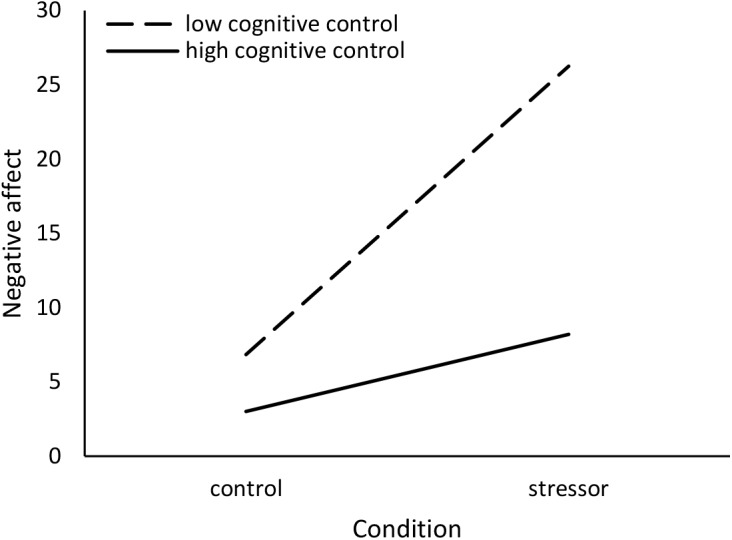
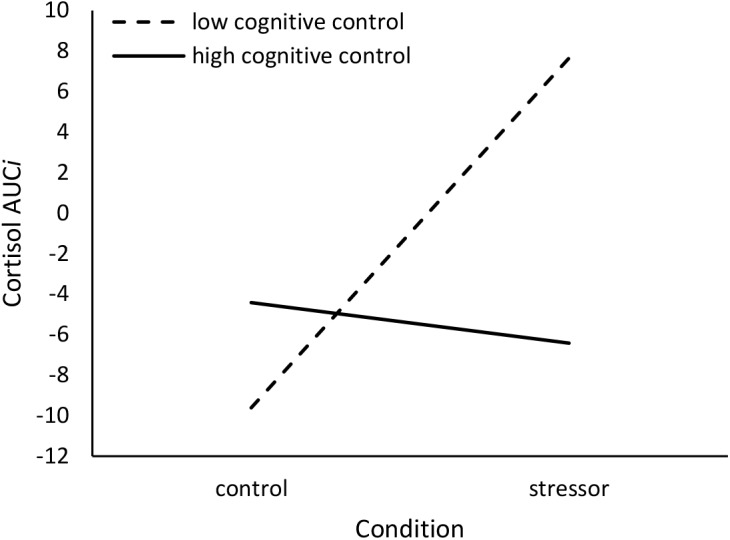
Cognitive control and (cognitive) flexibility play an important role in the ability to adapt to continuously changing environments. In addition to facilitating goal-directed behaviors, cognitive control and flexibility have been implicated in emotion regulation, and disturbances of these abilities were observed in mood and anxiety disorders. The reported studies examined the processes related to cognitive control and flexibility, emotional regulation and depressive symptoms, within the context of stressful experiences. To this end, a brief (18-item) self-report measure - the Cognitive Control and Flexibility Questionnaire (CCFQ) - was developed. This questionnaire measures the extent to which an individual is capable of exerting control over intrusive, unwanted (negative) thoughts and emotions in order to flexibly adapt and cope with a stressful situation. In Study 1, the CCFQ was assessed among both university students (N = 300) and a community sample (N = 302). Preliminary analyses suggested a stable and reliable two-factor structure, that of cognitive control over emotion, and appraisal and coping flexibility. Scores on the CCFQ were strongly associated with greater depressive symptoms, even after controlling for other measures that had been taken to reflect cognitive control and (in)flexibility (e.g., the Ruminative Response Scale; Perseverative Thinking Questionnaire). In Study 2 (N = 368), lower scores on the CCFQ were related to more negative stressor appraisals (i.e., greater perceived threat and uncontrollability) of a personally meaningful stressful event. Perceptions of threat and uncontrollability, in turn, partially accounted for the association between CCFQ subscale scores and depressive symptoms. The relation between lower CCFQ scores and heightened depressive symptoms was also partially accounted for by less frequent engagement in problem-focused coping and more use of emotion-focused methods. In Study 3 (N = 47 females), lower scores on the cognitive control over emotion component of the CCFQ predicted elevated negative affect and an exacerbated cortisol response following an acute psychosocial stressor (Trier Social Stress Test). The present research points to the CCFQ as a useful self-report tool to identify ways through which cognitive control and flexibility might be manifested in stressful situations, and how reductions in flexibility might be accompanied by elevated symptoms of depression.
Overview
The claims and statistics of this paper haven’t been checked yet.
Run the check — free, no account needed. It reads the open-access text and checks the sources it cites.
Integrity signals
Registry
Cites
Statistics
Figures
Verification
Claims the paper makes
The claims and statistics of this paper haven’t been checked yet.
Run the check — free, no account needed. It reads the open-access text and checks the sources it cites.
Claims other papers make about this one
Each is checked against this paper’s own text: does it say what the citing paper says it does?
The source backs part of the claim, not all of it — or backs it for a different population, condition or comparison.
In the citing paper
“as several studies have found CI to be associated with self and parent-reported depression in autistic individuals (Gabrys et al., 2018; Hollocks et al., 2014, 2022a, 2022b; Lawson et al., 2015).”
From Investigating the Effects of Transdiagnostic Processes on Anxiety and Depression Symptoms in Autistic Young People: the Mediating Role of Emotion Dysregulation. (2025) · cites this paper as Gabrys et al., 2018
Experimental — accuracy not yet measuredThe source backs part of the claim, not all of it — or backs it for a different population, condition or comparison.
In the citing paper
“CI has been linked to flexible problem solving and transition between activities in autistic individuals (Uddin, 2021) and associated with anxiety and depression in autistic youth (Hollocks et al., 2019) and adult general population samples (Gabrys et al., 2018; Wang et al., 2019).”
From Investigating the Effects of Transdiagnostic Processes on Anxiety and Depression Symptoms in Autistic Young People: the Mediating Role of Emotion Dysregulation. (2025) · cites this paper as Gabrys et al., 2018
Experimental — accuracy not yet measured
Self-check
Percentages, sums and reported differences re-computed from the paper’s own numbers.
The self-check needs the paper’s full text.
Citations
Cites
(2013) · Cited by 44,563
An inventory for measuring depression
BECK, A. T. (1961) · Archives of General Psychiatry · doi:10.1001/archpsyc.1961.01710120031004 · Cited by 38,032 · cited 1×
“The Beck Depression Inventory (BDI; Beck et al., 1961) is a widely used 21-item measure that assesses the intensity of depressive symptoms.”
Method“Stress: appraisal and coping,”
Folkman, S. (2013) · Encyclopedia of Behavioral Medicine · doi:10.1007/978-1-4419-1005-9_215 · Cited by 27,833
Gross, J. J., & John, O. P. (2003) · Journal of Personality and Social Psychology · doi:10.1037/0022-3514.85.2.348 · Cited by 11,929 · cited 8×
“In fact, this likely explains why the appraisal and coping flexibility dimension of the CCFQ was more strongly correlated with the reappraisal subscale of the Emotion Regulation Questionnaire.”
InfluentialCognitive Therapy for Depression
(2012) · PsycEXTRA Dataset · doi:10.1037/e675542012-001 · Cited by 9,678
Sapolsky, R. M., Romero, L. M., & Munck, A. U. (2000) · Endocrine Reviews · doi:10.1210/edrv.21.1.0389 · Cited by 7,541
Selective Cortical Undercutting As a Means of Modifying and Studying Frontal Lobe Function in Man
Scoville, W. B. (1949) · Journal of neurosurgery · doi:10.3171/jns.1949.6.1.0065 · Cited by 7,374
Conflict monitoring and cognitive control
Botvinick, M. M., Braver, T. S., Barch, D. M., Carter, C. S., & Cohen, J. D. (2001) · Psychological Review · doi:10.1037/0033-295x.108.3.624 · Cited by 7,351
Effects of stress throughout the lifespan on the brain, behaviour and cognition
Lupien, S. J., McEwen, B. S., Gunnar, M. R., & Heim, C. (2009) · Nature Reviews Neuroscience · doi:10.1038/nrn2639 · Cited by 6,256
Kirschbaum, C., Pirke, K.-M., & Hellhammer, D. H. (2008) · Neuropsychobiology · doi:10.1159/000119004 · Cited by 6,093
Working memory: Looking back and looking forward
Baddeley, A. (2003) · Nature Reviews Neuroscience · doi:10.1038/nrn1201 · Cited by 5,200 · cited 1×
“Stressful events are rarely static or isolated events, and individuals can only attend to a limited amount of information at any given time (Baddeley, 2003).”
BackgroundNolen-Hoeksema, S., Wisco, B. E., & Lyubomirsky, S. (2008) · Perspectives on Psychological Science · doi:10.1111/j.1745-6924.2008.00088.x · Cited by 5,172
Cognitive Therapy of Depression
HOLLON, S. D., & BECK, A. T. (1979) · Cognitive-Behavioral Interventions · doi:10.1016/b978-0-12-404480-7.50012-5 · Cited by 4,685
The cognitive control of emotion
OCHSNER, K., & GROSS, J. (2005) · Trends in Cognitive Sciences · doi:10.1016/j.tics.2005.03.010 · Cited by 4,495
Rumination reconsidered: a psychometric analysis.
Treynor, W., Gonzalez, R., & Nolen-Hoeksema, S. (2003) · Cognitive Therapy and Research · doi:10.1023/a:1023910315561 · Cited by 3,808
The PANAS-X: Manual for the Positive and Negative Affect Schedule - Expanded Form
Watson, D., & Clark, L. A. (1994) · doi:10.17077/48vt-m4t2 · Cited by 3,790 · cited 1×
“Negative mood The negative affect subscale of the Positive and Negative Affect Schedule-Expanded Version (PANAS-X; Watson and Clark, 1999) was used to assess the intensity of state negative mood immediately post-TSST.”
Hopelessness depression: A theory-based subtype of depression.
Abramson, L. Y., Metalsky, G. I., & Alloy, L. B. (1989) · Psychological Review · doi:10.1037//0033-295x.96.2.358 · Cited by 3,722
Stress and emotion: a new synthesis
(1999) · Choice Reviews Online · doi:10.5860/choice.37-1229 · Cited by 3,655
Pruessner, J. C., Kirschbaum, C., Meinlschmid, G., & Hellhammer, D. H. (2003) · Psychoneuroendocrinology · doi:10.1016/s0306-4530(02)00108-7 · Cited by 3,638
Comparison of five rules for determining the number of components to retain.
Zwick, W. R., & Velicer, W. F. (1986) · Psychological Bulletin · doi:10.1037/0033-2909.99.3.432 · Cited by 3,270 · cited 1×
“A parallel analysis (Zwick and Velicer, 1986), in which the actual eigenvalues were compared to average eigenvalues derived from a series of randomly generated data sets (in this case 5000 samples), further supported the presence of two factors.”
Monsell, S. (2003) · Trends in Cognitive Sciences · doi:10.1016/s1364-6613(03)00028-7 · Cited by 2,984 · cited 1×
“This ability has predominantly been assessed by the WCST, the Intra-dimensional/Extra-dimensional (ID/ED) shift task, and the Task Switching paradigm (Grant and Berg, 1948; Downes et al., 1989; Monsell, 2003).”
MethodHammen, C. (2005) · Annual Review of Clinical Psychology · doi:10.1146/annurev.clinpsy.1.102803.143938 · Cited by 2,979 · cited 1×
“Stressful events play an important role in the emergence and maintenance of depressive disorders (Hammen, 2005).”
BackgroundStress and emotion, a new synthesis
Lazanis, R. S. (1999) · Journal of Psychiatric and Mental Health Nursing · doi:10.1046/j.1365-2850.1999.00227-9.x · Cited by 2,831 · cited 3×
“Conversely, the appraisal process might occur more slowly and deliberately, whereby the individual approaches the situation from multiple perspectives or contemplates several possible explanations before responding (Lazarus, 1999).”
Cognition and Depression: Current Status and Future Directions
Gotlib, I. H., & Joormann, J. (2010) · Annual Review of Clinical Psychology · doi:10.1146/annurev.clinpsy.121208.131305 · Cited by 2,420 · cited 1×
“Infrequent engagement in reappraisal processes, or difficulty in doing so, can result in the maintenance of negative affect and has been related to elevated symptoms of depression (Gross and John, 2003; Joormann and Gotlib, 2010).”
BackgroundGrant, D. A., & Berg, E. (1948) · Journal of Experimental Psychology · doi:10.1037/h0059831 · Cited by 2,244
The prefontral cortex and cognitive control
Miller, E. K. (2000) · Nature Reviews Neuroscience · doi:10.1038/35036228 · Cited by 2,016 · cited 2×
“…multiple executive functions, including working memory, inhibition, conflict monitoring, and set-shifting (Gläscher et al., 2012; Mackie et al., 2013), and has often been discussed in terms of facilitating flexible behavioral responses (Miller, 2000; Ridderinkhof et al., 2004; Mackie et al., 2013).”
BackgroundExecutive functions and self-regulation
Hofmann, W., Schmeichel, B. J., & Baddeley, A. D. (2012) · Trends in Cognitive Sciences · doi:10.1016/j.tics.2012.01.006 · Cited by 1,965
Self-Control in Decision-Making Involves Modulation of the vmPFC Valuation System
Hare, T. A., Camerer, C. F., & Rangel, A. (2009) · Science · doi:10.1126/science.1168450 · Cited by 1,928
Kirschbaum, C., Kudielka, B. M., Gaab, J., Schommer, N. C., & Hellhammer, D. H. (1999) · Psychosomatic Medicine · doi:10.1097/00006842-199903000-00006 · Cited by 1,890
Ochsner, K. N., Silvers, J. A., & Buhle, J. T. (2012) · Annals of the New York Academy of Sciences · doi:10.1111/j.1749-6632.2012.06751.x · Cited by 1,879
Snyder, H. R. (2013) · Psychological Bulletin · doi:10.1037/a0028727 · Cited by 1,667 · cited 1×
“Impaired cognitive control and flexibility have been observed among depressed individuals and those at risk for the disorder (Murphy et al., 2012; Snyder, 2013; Trivedi and Greer, 2014; Hou et al., 2016).”
BackgroundRidderinkhof, K. R., van den Wildenberg, W. P. M., Segalowitz, S. J., & Carter, C. S. (2004) · Brain and Cognition · doi:10.1016/j.bandc.2004.09.016 · Cited by 1,407
Emotion regulation in depression: Relation to cognitive inhibition
Joormann, J., & Gotlib, I. H. (2009) · Cognition & Emotion · doi:10.1080/02699930903407948 · Cited by 1,356 · cited 4×
“…negative mood that, over time, might contribute to depressive states (Joormann et al., 2007), and it appears that the inability to disengage from negative emotional information (i.e., cognitive inhibition) might be a defining characteristic of depressive pathology (Gotlib and Joormann, 2010).”
BackgroundInfluentialMeditation, mindfulness and cognitive flexibility
Moore, A., & Malinowski, P. (2009) · Consciousness and Cognition · doi:10.1016/j.concog.2008.12.008 · Cited by 1,220 · cited 1×
“Cognitive flexibility refers to the ability to modify, or shift between, “cognitive sets” or strategies in response to changes in the environment (Deák, 2003; Stemme et al., 2007; Moore and Malinowski, 2009).”
The dual pathway to creativity model: Creative ideation as a function of flexibility and persistence
Nijstad, B. A., Dreu, C. K. W. D., Rietzschel, E. F., & Baas, M. (2010) · European Review of Social Psychology · doi:10.1080/10463281003765323 · Cited by 1,145
Mood disorders and allostatic load
McEwen, B. S. (2003) · Biological Psychiatry · doi:10.1016/s0006-3223(03)00177-x · Cited by 1,135 · cited 1×
“Over time, these cognitive resources may become exhausted, which could be considered a cognitive form of allostatic overload (McEwen, 2003).”
BackgroundDennis, J. P., & Vander Wal, J. S. (2010) · Cognitive Therapy and Research · doi:10.1007/s10608-009-9276-4 · Cited by 1,118
Demystifying cognitive flexibility: Implications for clinical and developmental neuroscience
Dajani, D. R., & Uddin, L. Q. (2015) · Trends in Neurosciences · doi:10.1016/j.tins.2015.07.003 · Cited by 1,046 · cited 4×
“Cognitive control and (cognitive) flexibility play a fundamental role in the ability to adapt to continuously changing environments and have been associated with various goaloriented behaviors, including creativity, problem-solving, multi-tasking, and decision-making (Rolls, 2000; Ionescu, 2012; Dajani and Uddin, 2015…”
BackgroundInfluentialSimmonds, D. J., Pekar, J. J., & Mostofsky, S. H. (2008) · Neuropsychologia · doi:10.1016/j.neuropsychologia.2007.07.015 · Cited by 1,015
Koster, E. H. W., De Lissnyder, E., Derakshan, N., & De Raedt, R. (2011) · Clinical Psychology Review · doi:10.1016/j.cpr.2010.08.005 · Cited by 916
Ehring, T., Zetsche, U., Weidacker, K., Wahl, K., Schönfeld, S., & Ehlers, A. (2011) · Journal of Behavior Therapy and Experimental Psychiatry · doi:10.1016/j.jbtep.2010.12.003 · Cited by 888
Psychosocial stress reversibly disrupts prefrontal processing and attentional control
Liston, C., McEwen, B. S., & Casey, B. J. (2009) · Proceedings of the National Academy of Sciences · doi:10.1073/pnas.0807041106 · Cited by 859
Shields, G. S., Sazma, M. A., & Yonelinas, A. P. (2016) · Neuroscience & Biobehavioral Reviews · doi:10.1016/j.neubiorev.2016.06.038 · Cited by 818
Exploring the nature of cognitive flexibility
Ionescu, T. (2011) · New Ideas in Psychology · doi:10.1016/j.newideapsych.2011.11.001 · Cited by 686 · cited 3×
“Concern has also been expressed that cognitive flexibility lacks a unified definition, and that an unrestricted perspective can result in very different constructs under the same name (Ionescu, 2012).”
BackgroundCoping flexibility and psychological adjustment to stressful life changes: A meta-analytic review.
Cheng, C., Lau, H.-P. B., & Chan, M.-P. S. (2014) · Psychological Bulletin · doi:10.1037/a0037913 · Cited by 664
The stress appraisal measure (SAM): A multidimensional approach to cognitive appraisal
Peacock, E. J., & Wong, P. T. P. (1990) · Stress Medicine · doi:10.1002/smi.2460060308 · Cited by 612
Stress processes and depressive symptomatology.
Folkman, S., & Lazarus, R. S. (1986) · Journal of Abnormal Psychology · doi:10.1037//0021-843x.95.2.107 · Cited by 591
Cognitive Inflexibility Among Ruminators and Nonruminators
Davis, R. N., & Nolen-Hoeksema, S. (2000) · Cognitive Therapy and Research · doi:10.1023/a:1005591412406 · Cited by 581 · cited 1×
“, 2016), and how disturbances of these abilities might be linked to depressive illness (Davis and Nolen-Hoeksema, 2000; Koster et al., 2011).”
BackgroundCañas, J. J., Quesada, J. F., Antolí, A., & Fajardo, I. (2003) · Ergonomics · doi:10.1080/0014013031000061640 · Cited by 538
Cognitive control and brain resources in major depression: An fMRI study using the n-back task
Harvey, P.-O., Fossati, P., Pochon, J.-B., Levy, R., LeBastard, G., Lehéricy, S., Allilaire, J.-F., & Dubois, B. (2005) · NeuroImage · doi:10.1016/j.neuroimage.2005.02.048 · Cited by 534
Downes, J. J., Roberts, A. C., Sahakian, B. J., Evenden, J. L., Morris, R. G., & Robbins, T. W. (1989) · Neuropsychologia · doi:10.1016/0028-3932(89)90128-0 · Cited by 527
Factors Influencing Four Rules For Determining The Number Of Components To Retain
Zwick, W. R., & Velicer, W. F. (1982) · Multivariate Behavioral Research · doi:10.1207/s15327906mbr1702_5 · Cited by 519
Logue, S. F., & Gould, T. J. (2014) · Pharmacology Biochemistry and Behavior · doi:10.1016/j.pbb.2013.08.007 · Cited by 477
Lesion mapping of cognitive control and value-based decision making in the prefrontal cortex
Gläscher, J., Adolphs, R., Damasio, H., Bechara, A., Rudrauf, D., Calamia, M., Paul, L. K., & Tranel, D. (2012) · Proceedings of the National Academy of Sciences · doi:10.1073/pnas.1206608109 · Cited by 476
Nyhus, E., & Barceló, F. (2009) · Brain and Cognition · doi:10.1016/j.bandc.2009.03.005 · Cited by 452 · cited 1×
“Various behavioral tasks have been used to measure specific components of cognitive control, including the n-back task, the Stroop task, the Go/No-Go task, and the WCST, among many others (Botvinick et al., 2001; Harvey et al., 2005; Simmonds et al., 2008; Nyhus and Barceló, 2009).”
Differential effects of cognitive inhibition and intelligence on creativity
Benedek, M., Franz, F., Heene, M., & Neubauer, A. C. (2012) · Personality and Individual Differences · doi:10.1016/j.paid.2012.04.014 · Cited by 409
Précis of The brain and emotion
Rolls, E. T. (2000) · Behavioral and Brain Sciences · doi:10.1017/s0140525x00002429 · Cited by 397 · cited 1×
“…(cognitive) flexibility play a fundamental role in the ability to adapt to continuously changing environments and have been associated with various goaloriented behaviors, including creativity, problem-solving, multi-tasking, and decision-making (Rolls, 2000; Ionescu, 2012; Dajani and Uddin, 2015).”
BackgroundChermahini, S. A., & Hommel, B. (2010) · Cognition · doi:10.1016/j.cognition.2010.03.007 · Cited by 391
Juruena, M. F., Bocharova, M., Agustini, B., & Young, A. H. (2017) · Journal of Affective Disorders · doi:10.1016/j.jad.2017.09.052 · Cited by 387
Okon-Singer, H., Hendler, T., Pessoa, L., & Shackman, A. J. (2015) · Frontiers in Human Neuroscience · doi:10.3389/fnhum.2015.00058 · Cited by 371
The Development of Cognitive Flexibility and Language Abilities
Deák, G. O. (2004) · Advances in child development and behavior · doi:10.1016/s0065-2407(03)31007-9 · Cited by 319 · cited 1×
“Cognitive flexibility refers to the ability to modify, or shift between, “cognitive sets” or strategies in response to changes in the environment (Deák, 2003; Stemme et al., 2007; Moore and Malinowski, 2009).”
BackgroundBeta-adrenergic Modulation of Cognitive Flexibility during Stress
Alexander, J. K., Hillier, A., Smith, R. M., Tivarus, M. E., & Beversdorf, D. Q. (2007) · Journal of Cognitive Neuroscience · doi:10.1162/jocn.2007.19.3.468 · Cited by 306
Cognitive dysfunction in unipolar depression: Implications for treatment
Trivedi, M. H., & Greer, T. L. (2014) · Journal of Affective Disorders · doi:10.1016/j.jad.2013.09.012 · Cited by 294
Koster, E. H. W., Hoorelbeke, K., Onraedt, T., Owens, M., & Derakshan, N. (2017) · Clinical Psychology Review · doi:10.1016/j.cpr.2017.02.002 · Cited by 289
Cognitive inhibition in depression
Joormann, J., Yoon, K. L., & Zetsche, U. (2007) · Applied and Preventive Psychology · doi:10.1016/j.appsy.2007.09.002 · Cited by 283
Cognitive inflexibility in Obsessive-Compulsive Disorder
Gruner, P., & Pittenger, C. (2017) · Neuroscience · doi:10.1016/j.neuroscience.2016.07.030 · Cited by 261
Some ways in which positive affect influences decision making and problem solving.
Isen, A. M. (2008) · Cited by 256
Cognitive control and attentional functions
Mackie, M.-A., Van Dam, N. T., & Fan, J. (2013) · Brain and Cognition · doi:10.1016/j.bandc.2013.05.004 · Cited by 235
Impact of anxiety on prefrontal cortex encoding of cognitive flexibility
Park, J., & Moghaddam, B. (2017) · Neuroscience · doi:10.1016/j.neuroscience.2016.06.013 · Cited by 218
Individual differences in reappraisal effectiveness: The role of affective flexibility.
Malooly, A. M., Genet, J. J., & Siemer, M. (2013) · Emotion · doi:10.1037/a0029980 · Cited by 192
Matheson, K., & Anisman, H. (2003) · Stress · doi:10.1080/10253890310001594487 · Cited by 189 · cited 1×
“Importantly, although certain coping methods (e.g., problem-solving) seem to be more adaptive than others (e.g., rumination), the effectiveness of any specific strategy or combination of strategies is highly situationdependent (Matheson and Anisman, 2003).”
Self-citationEmotion modulates cognitive flexibility in patients with major depression
Murphy, F. C., Michael, A., & Sahakian, B. J. (2011) · Psychological Medicine · doi:10.1017/s0033291711002418 · Cited by 186
Plessow, F., Kiesel, A., & Kirschbaum, C. (2011) · Experimental Brain Research · doi:10.1007/s00221-011-2943-1 · Cited by 164
Johnco, C., Wuthrich, V. M., & Rapee, R. M. (2014) · Behaviour Research and Therapy · doi:10.1016/j.brat.2014.04.005 · Cited by 156
Cognitive flexibility and decision-making in eating disorders and obesity
Perpiñá, C., Segura, M., & Sánchez-Reales, S. (2016) · Eating and Weight Disorders - Studies on Anorexia Bulimia and Obesity · doi:10.1007/s40519-016-0331-3 · Cited by 115
Cunha, P. J., Nicastri, S., de Andrade, A. G., & Bolla, K. I. (2010) · Addictive Behaviors · doi:10.1016/j.addbeh.2010.05.005 · Cited by 114 · cited 1×
“, obsessive–compulsive disorder), substance use, bipolar, and eating disorders (Cunha et al., 2010; Gruner and Pittenger, 2017; O’Donnell et al., 2017; Park and Moghaddam, 2017; Perpiñá et al., 2017).”
The neural bases of uninstructed negative emotion modulation
Silvers, J. A., Wager, T. D., Weber, J., & Ochsner, K. N. (2014) · Social Cognitive and Affective Neuroscience · doi:10.1093/scan/nsu016 · Cited by 99
Rumination and Impaired Cortisol Recovery Following a Social Stressor in Adolescent Depression
Stewart, J. G., Mazurka, R., Bond, L., Wynne‐Edwards, K. E., & Harkness, K. L. (2013) · Research on Child and Adolescent Psychopathology · doi:10.1007/s10802-013-9740-1 · Cited by 90
Colzato, L. S., van Wouwe, N. C., Lavender, T., & Hommel, B. (2006) · Psychonomic Bulletin & Review · doi:10.3758/bf03213923 · Cited by 90 · cited 1×
“For instance, (fluid) intelligence as well as creativity and divergent thinking have been suggested to be expressions of cognitive control and of cognitive flexibility (Colzato et al., 2006; Chermahini and Hommel, 2010; Nijstad et al., 2010; Benedek et al., 2012; Ferguson et al., 2017).”
BackgroundGoldfarb, E. V., Froböse, M. I., Cools, R., & Phelps, E. A. (2016) · Journal of Cognitive Neuroscience · doi:10.1162/jocn_a_01029 · Cited by 81
Zoccola, P. M., Quas, J. A., & Yim, I. S. (2010) · Stress · doi:10.3109/10253891003713765 · Cited by 76
THE RELATIONSHIP OF COPING STYLE TO DYSPHORIA, ANXIETY, AND ANGER
Whatley, S. L., Foreman, A. C., & Richards, S. A. (1998) · Psychological Reports · doi:10.2466/pr0.1998.83.3.783 · Cited by 74
Cognitive reappraisal increases neuroendocrine reactivity to acute social stress and physical pain
Denson, T. F., Creswell, J. D., Terides, M. D., & Blundell, K. A. (2014) · Psychoneuroendocrinology · doi:10.1016/j.psyneuen.2014.07.003 · Cited by 74 · cited 2×
“strategy, was associated with elevated cortisol reactivity (Denson et al., 2014).”
BackgroundFerguson, M. A., Anderson, J. S., & Spreng, R. N. (2017) · Network Neuroscience · doi:10.1162/netn_a_00010 · Cited by 67
Marko, M., & Riečanský, I. (2018) · Cognition · doi:10.1016/j.cognition.2018.02.004 · Cited by 60 · cited 1×
“…perspective, cognitive flexibility has been viewed as an aspect of cognitive control (i.e., set-shifting) or the manifestation of multiple cognitive control processes which operate sequentially or in parallel (Dajani and Uddin, 2015; Marko and Riečanský, 2018; Zaehringer et al., 2018).”
Compton, R. J., Hofheimer, J., & Kazinka, R. (2012) · Cognitive Affective & Behavioral Neuroscience · doi:10.3758/s13415-012-0126-6 · Cited by 59 · cited 2×
“Cognitive control processes, including cognitive reappraisal, not only play a central role in emotion regulation, but might also be associated with neuroendocrine and brain functioning (Ochsner et al., 2012; Compton et al., 2013; Denson et al., 2014; Silvers et al., 2015).”
BackgroundNeural correlates of reappraisal considering working memory capacity and cognitive flexibility
Zähringer, J., Falquez, R., Schubert, A., Nees, F., & Barnow, S. (2018) · Brain Imaging and Behavior · doi:10.1007/s11682-017-9788-6 · Cited by 57
Vriezekolk, J. E., van Lankveld, W. G. J. M., Eijsbouts, A. M. M., van Helmond, T., Geenen, R., & van den Ende, C. H. M. (2011) · Rheumatology International · doi:10.1007/s00296-011-1975-y · Cited by 56
Hutchison, R. M., & Morton, J. B. (2015) · Developmental Cognitive Neuroscience · doi:10.1016/j.dcn.2015.08.006 · Cited by 54
The neuronal dynamics underlying cognitive flexibility in set shifting tasks
Stemme, A., Deco, G., & Busch, A. (2007) · Journal of Computational Neuroscience · doi:10.1007/s10827-007-0034-x · Cited by 48
Cognitive Control: Easy to Identify But Hard to Define
Morton, J. B., Ezekiel, F., & Wilk, H. A. (2011) · Topics in Cognitive Science · doi:10.1111/j.1756-8765.2011.01139.x · Cited by 45
Cortisol reactivity and emotional memory after psychosocial stress in oral contraceptive users
Mordecai, K. L., Rubin, L. H., Eatough, E. M., Sundermann, E. E., Drogos, L. L., Savarese, A. M., & Maki, P. M. (2016) · Journal of Neuroscience Research · doi:10.1002/jnr.23904 · Cited by 44
Hou, Z., Sui, Y., Song, X., & Yuan, Y. (2016) · Frontiers in Aging Neuroscience · doi:10.3389/fnagi.2016.00230 · Cited by 36
Cognitive flexibility: A trait of bipolar disorder that worsens with length of illness
O’Donnell, L. A., Deldin, P. J., Pester, B., McInnis, M. G., Langenecker, S. A., & Ryan, K. A. (2017) · Journal of Clinical and Experimental Neuropsychology · doi:10.1080/13803395.2017.1296935 · Cited by 31
Coping Styles Mediate Perfectionism Associations with Depression among Undergraduate Students
Abdollahi, A., Hosseinian, S., & Asmundson, G. J. G. (2018) · The Journal of General Psychology · doi:10.1080/00221309.2017.1421137 · Cited by 31
Lackner, R. J., Moore, M., Minerovic, J. R., & Fresco, D. M. (2015) · Cognitive Therapy and Research · doi:10.1007/s10608-015-9702-8 · Cited by 14 · cited 1×
“However, when negative appraisals are applied across situations without considering different characteristics of the various contexts, sustained negative mood is apt to occur (Lackner et al., 2015).”
BackgroundBlancat, G. D., García-Prieto, J., Maestú, F., & Barceló, F. (2017) · Brain Topography · doi:10.1007/s10548-017-0607-6 · Cited by 12 · cited 1×
“, 2011; Ionescu, 2012; Dajani and Uddin, 2015; Hutchison and Morton, 2016), particularly as their definitions overlap and the same behavioral tasks have been used to assess both abilities (Gläscher et al., 2012; Díaz-Blancat et al., 2018).”
Background
Research works printed but not linked: 2
- Kline, 2016, Methodology in the Social Sciences. Principles and Practice of Structural Equation Modeling
- Muthén, Mplus User’s Guide, 1998
Cited by
Sorted by citations
Cognitive and behavioural flexibility: Neural mechanisms and clinical considerations
Uddin, L. Q. (2021) · Nature Reviews Neuroscience · doi:10.1038/s41583-021-00428-w · Cited by 698
Coping Strategies and Self-Efficacy in University Students: A Person-Centered Approach
Freire, C., Ferradás, M. D. M., Regueiro, B., Rodríguez, S., Valle, A., & Núñez, J. C. (2020) · Frontiers in Psychology · doi:10.3389/fpsyg.2020.00841 · Cited by 405
Cherry, K. M., Hoeven, E. V., Patterson, T. S., & Lumley, M. N. (2021) · Clinical Psychology Review · doi:10.1016/j.cpr.2021.101973 · Cited by 267
Kupferberg, A., & Hasler, G. (2023) · Journal of Affective Disorders Reports · doi:10.1016/j.jadr.2023.100631 · Cited by 230
Carroll, A., York, A., Fynes‐Clinton, S., O’Connor, E. S., Flynn, L. M., Bower, J., Forrest, K., & Ziaei, M. (2021) · Frontiers in Psychology · doi:10.3389/fpsyg.2021.689628 · Cited by 100
“Evidence indicates that stress and burnout can have a negative influence on cognitive performance across various domains including cognitive flexibility and cognitive control (Averill, 1973; Steinhauser et al., 2007; Gabrys et al., 2018).”
Background
Metadata
- Authors
- Gabrys, R. L., Tabri, N., Anisman, H., & Matheson, K.
- Affiliations
- Carleton University (CA)
- Royal Ottawa Mental Health Centre (CA)
- Corresponding author
- Gabrys, Robert L.
- Venue
- Frontiers in Psychology
- Publisher
- Frontiers Media SA
- Published
- 2018-11-19
- Volume
- 9
- Pages
- 2219-2219
- ISSN
- 1664-1078 (ISSN-L)
- PMC
- PMC6252356
- OpenAlex
- W2901368915
- Cited by
- 281
- References
- 97
- Citations by year
- 2026: 43 · 2025: 52 · 2024: 49 · 2023: 30 · 2022: 43 · 2021: 38 · 2020: 19 · 2019: 7
- FWCI
- 20.96
- Type
- journal article
- Language
- en
- Open access
- gold
- doi.org
- Locations
- Frontiers in Psychology (publishedVersion, cc-by)
- Europe PMC (PubMed Central) (publishedVersion, cc-by)
- PubMed Central (publishedVersion, cc-by)
- PubMed (publishedVersion)
- Carleton University's Institutional Repository (MacOdrum Library, Carleton University) (submittedVersion, other-oa)
- DOAJ (DOAJ: Directory of Open Access Journals) (submittedVersion, cc-by-sa)
- Funders
- Natural Sciences and Engineering Research Council of Canada (9180)
- Topics
- Social Sciences › Psychology › Experimental and Cognitive Psychology › Anxiety, Depression, Psychometrics, Treatment, Cognitive Processes
- Life Sciences › Neuroscience › Cognitive Neuroscience › Neural and Behavioral Psychology Studies
- Social Sciences › Psychology › Clinical Psychology › Mindfulness and Compassion Interventions
- Keywords
- cognitive control, cognitive flexibility, depressive symptoms, stress, emotion regulation, coping flexibility, stress appraisal, threat perception, problem-focused coping, emotion-focused coping, rumination, perseverative thinking, cortisol response, negative affect, Trier Social Stress Test, self-report measure development
About these checks
Registry, retraction, Cites and statistics results are computed, not judged, with one exception: a printed reference that no index lists is read once by a model before it counts as a citation error. Claims are extracted by a model and kept only when their quote appears verbatim in the text; each cited source is then checked, with a model’s help, for whether it says what the claim relies on. Those verdicts can be wrong — read the claim’s quote and the cited source before relying on one.
Statistics and arithmetic are recomputed, not judged.
Confidence bands are shown only for fields calibrated on our annotated test set. None is calibrated yet, so no band is shown.
What counts as a claim ›How we measure confidence ›How we check this ›
Are you an author, or do you see a problem with this page? Request a review
