

Lysine Acetylome of Breast Cancer-Derived Small Extracellular Vesicles Reveals Specific Acetylation Patterns for Metabolic Enzymes
Open accessThe DOI matches its Crossref record; 84 of the 85 references it cites were found in a registry or an index, and 1 are not checked yet.
Abstract
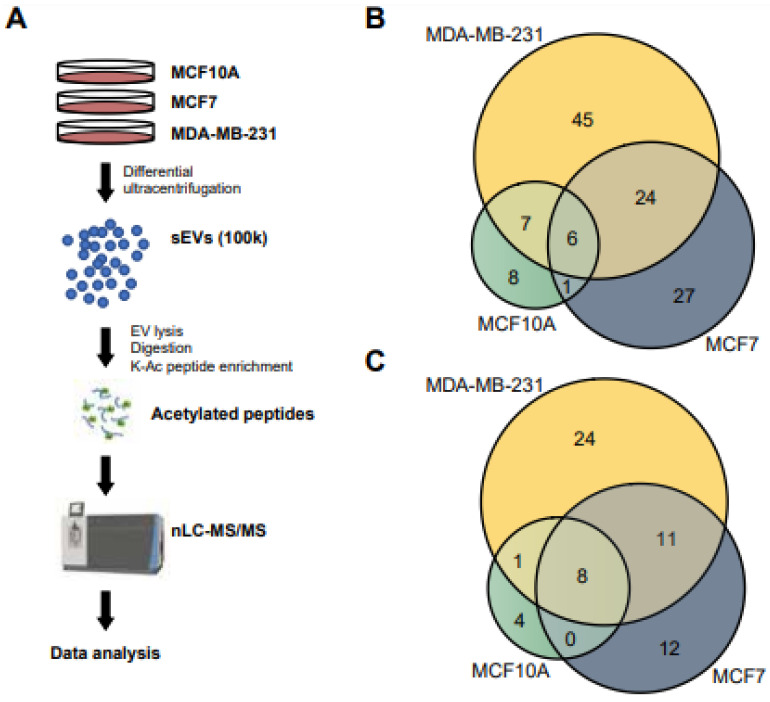
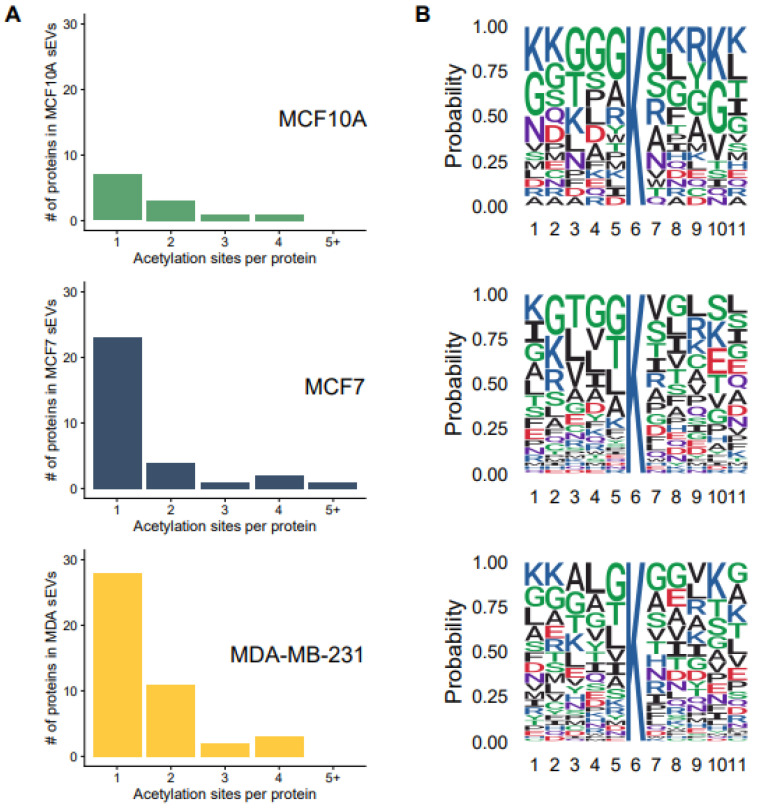
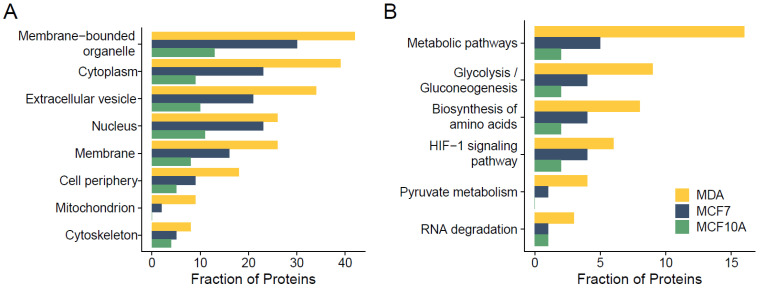
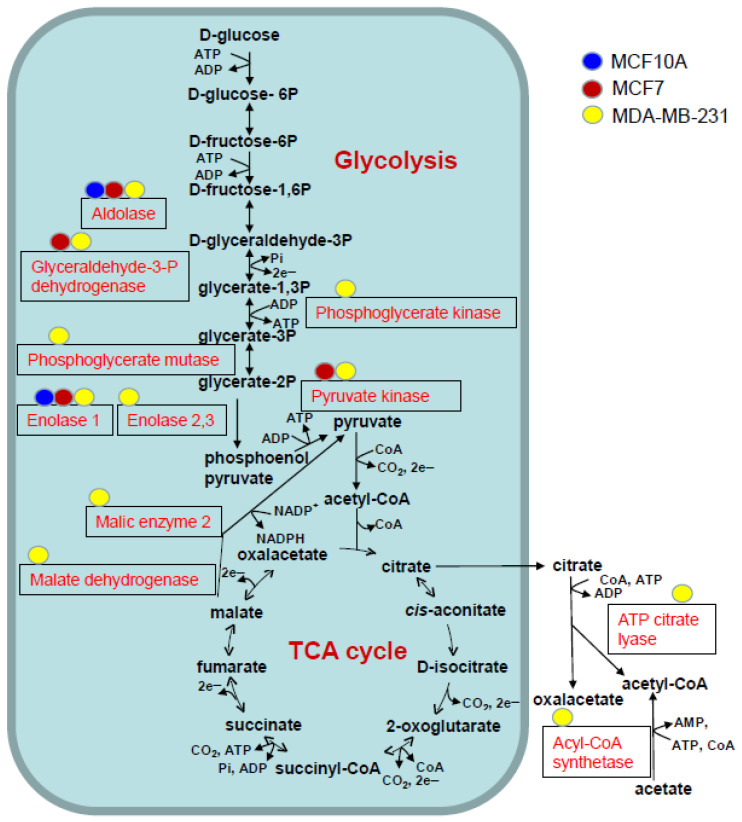
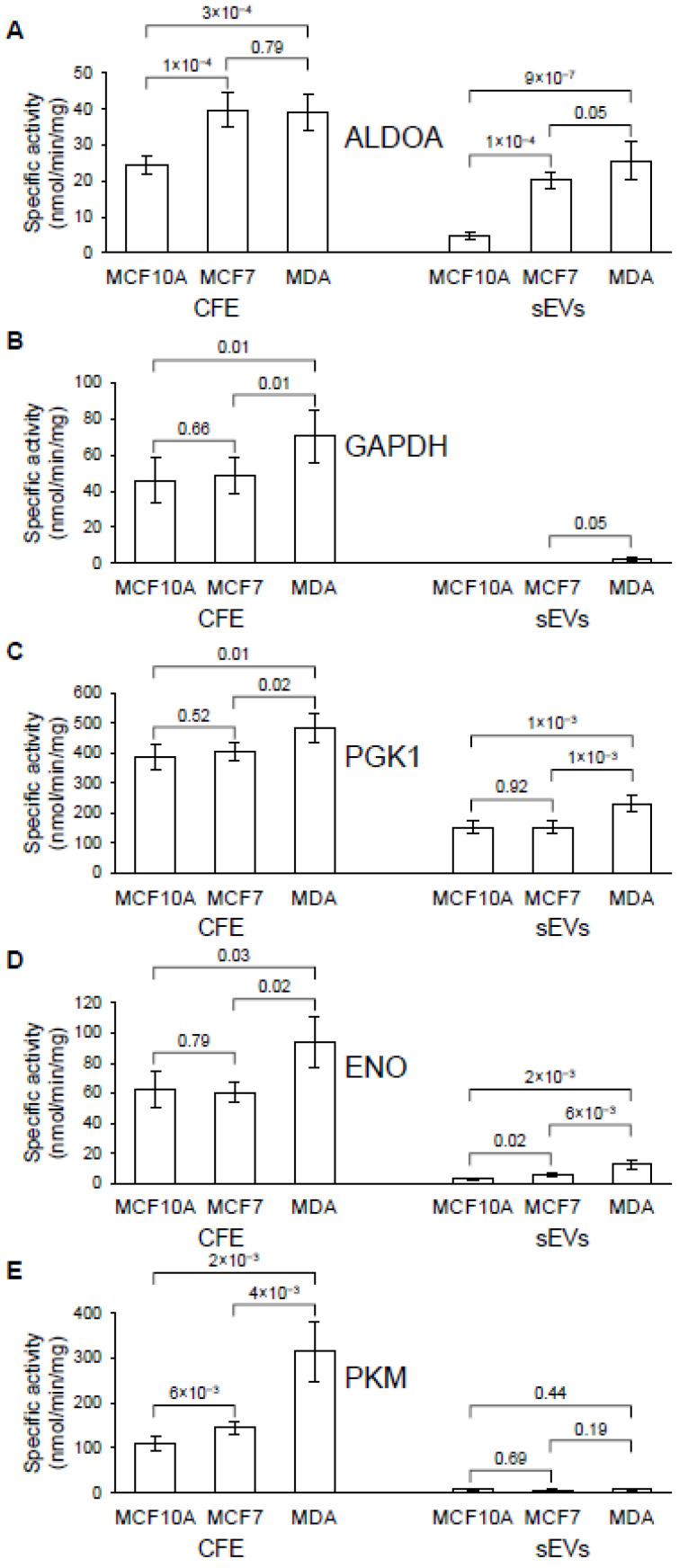
Cancer-derived small extracellular vesicles have been proposed as promising potential biomarkers for diagnosis and prognosis of breast cancer (BC). We performed a proteomic study of lysine acetylation of breast cancer-derived small extracellular vesicles (sEVs) to understand the potential role of the aberrant acetylated proteins in the biology of invasive ductal carcinoma and triple-negative BC. Three cell lines were used as models for this study: MCF10A (non-metastatic), MCF7 (estrogen and progesterone receptor-positive, metastatic) and MDA-MB-231 (triple-negative, highly metastatic). For a comprehensive protein acetylation analysis of the sEVs derived from each cell line, acetylated peptides were enriched using the anti-acetyl-lysine antibody, followed by LC-MS/MS analysis. In total, there were 118 lysine-acetylated peptides, of which 22, 58 and 82 have been identified in MCF10A, MCF7 and MDA-MB-231 cell lines, respectively. These acetylated peptides were mapped to 60 distinct proteins and mainly identified proteins involved in metabolic pathways. Among the acetylated proteins identified in cancer-derived sEVs from MCF7 and MDA-MB-231 cell lines are proteins associated with the glycolysis pathway, annexins and histones. Five acetylated enzymes from the glycolytic pathway, present only in cancer-derived sEVs, were validated. These include aldolase (ALDOA), glyceraldehyde-3-phosphate dehydrogenase (GAPDH), phosphoglycerate kinase (PGK1), enolase (ENO) and pyruvate kinase M1/2 (PKM). For three of these enzymes (ALDOA, PGK1 and ENO) the specific enzymatic activity was significantly higher in MDA-MB-231 when compared with MCF10A-derived sEVs. This study reveals that sEVs contain acetylated glycolytic metabolic enzymes that could be interesting potential candidates for early BC diagnostics.
Overview
The claims and statistics of this paper haven’t been checked yet.
Free: it reads the open-access text and checks the first 5 claims that cite a source we can check. Create a free account to check every claim.
Integrity signals
Registry
Cites
Statistics
Figures
Verification
Claims the paper makes
The claims and statistics of this paper haven’t been checked yet.
Free: it reads the open-access text and checks the first 5 claims that cite a source we can check. Create a free account to check every claim.
Claims other papers make about this one
Each is checked against this paper’s own text: does it say what the citing paper says it does?
The source backs part of the claim, not all of it — or backs it for a different population, condition or comparison.
In the citing paper
“the acetylome displays significant shifts between tumor and non-tumor tissues from the same organs [10–13].”
From Acetylation: a new target for protein degradation in cancer (2025) · cites this paper as [10]
Experimental — accuracy not yet measuredThe source backs part of the claim, not all of it — or backs it for a different population, condition or comparison.
In the citing paper
“This theory is further evidenced by a profound overlap between acetylated proteins in the cytosol and proteins involved in metabolic processes [10–13,53,54].”
From Acetylation: a new target for protein degradation in cancer (2025) · cites this paper as [10]
Experimental — accuracy not yet measured
Self-check
Percentages, sums and reported differences re-computed from the paper’s own numbers.
The self-check needs the paper’s full text.
Citations
Cites
clusterProfiler 4.0: A universal enrichment tool for interpreting omics data
Wu, T., Hu, E., Xu, S., Chen, M., Guo, P., Dai, Z., Feng, T., Zhou, L., Tang, W., Zhan, L., et al. (2021) · The Innovation · doi:10.1016/j.xinn.2021.100141 · Cited by 12,455
Universal sample preparation method for proteome analysis
Wiśniewski, J. R., Zougman, A., Nagaraj, N., & Mann, M. (2009) · Nature Methods · doi:10.1038/nmeth.1322 · Cited by 8,352
The Gene Ontology resource: enriching a GOld mine
The Gene Ontology Consortium, Carbon, S., Douglass, E., Good, B. M., Unni, D. R., Harris, N. L., Mungall, C. J., Basu, S., Chisholm, R. L., Dodson, R. J., et al. (2021) · Nucleic Acids Research · doi:10.1093/nar/gkaa1113 · Cited by 3,555
PhosphoSitePlus, 2014: mutations, PTMs and recalibrations
Hornbeck, P. V., Zhang, B., Murray, B., Kornhauser, J. M., Latham, V., & Skrzypek, E. (2015) · Nucleic Acids Research · doi:10.1093/nar/gku1267 · Cited by 3,411
Doyle, L., & Wang, M. (2019) · Cells · doi:10.3390/cells8070727 · Cited by 3,236
Modulation of NF‐κB‐dependent transcription and cell survival by the SIRT1 deacetylase
Yeung, F., Hoberg, J. E., Ramsey, C. S., Keller, M. D., Jones, D. R., Frye, R. A., & Mayo, M. W. (2004) · The EMBO Journal · doi:10.1038/sj.emboj.7600244 · Cited by 2,750
Annexins: From Structure to Function
Gerke, V., & Moss, S. E. (2002) · Physiological Reviews · doi:10.1152/physrev.00030.2001 · Cited by 2,029
Cancer metabolism: looking forward
Martínez-Reyes, I., & Chandel, N. S. (2021) · Nature Reviews Cancer · doi:10.1038/s41568-021-00378-6 · Cited by 1,824 · cited 1×
“It has been investigated that cancer cells are able to reprogram different metabolic processes to meet requirements for proliferation, invasion and survival in hostile environments [54,55].”
BackgroundCancer metabolism: a therapeutic perspective
Martinez-Outschoorn, U. E., Peiris-Pagés, M., Pestell, R. G., Sotgia, F., & Lisanti, M. P. (2017) · Nature Reviews Clinical Oncology · doi:10.1038/nrclinonc.2016.60 · Cited by 1,505 · cited 1×
“This is not surprising because it is known that in addition to glucose, tumor cells metabolize amino and fatty acids at much higher rates than their nontumor equivalents [62].”
BackgroundThe growing landscape of lysine acetylation links metabolism and cell signalling
Choudhary, C., Weinert, B. T., Nishida, Y., Verdin, E., & Mann, M. (2014) · Nature Reviews Molecular Cell Biology · doi:10.1038/nrm3841 · Cited by 1,324 · cited 2×
“The lysine acetylation of proteins is catalyzed by lysine acetyltransferases (KATs), and this PTM is reversible and regulated by enzymes, namely deacetylases (KDACs), that can remove the acetyl group [28,29].”
BackgroundThe Histone Deacetylase Sirt6 Regulates Glucose Homeostasis via Hif1α
Zhong, L., D'Urso, A., Toiber, D., Sebastian, C., Henry, R. E., Vadysirisack, D. D., Guimaraes, A., Marinelli, B., Wikstrom, J. D., Nir, T., et al. (2010) · Cell · doi:10.1016/j.cell.2009.12.041 · Cited by 1,001
Extracellular Vesicles in Cancer: Exosomes, Microvesicles and the Emerging Role of Large Oncosomes
Minciacchi, V. R., Freeman, M. R., & Di Vizio, D. (2015) · Seminars in Cell & Developmental Biology · doi:10.1016/j.semcdb.2015.02.010 · Cited by 963 · cited 1×
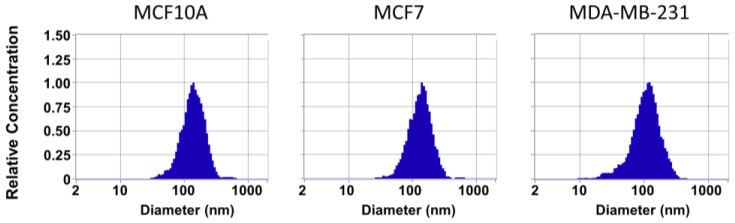
“Small extracellular vesicles (sEVs) are in the range of 30 to 150 nm [12,13], while medium extracellular vesicles (mEVs) are in the range of 100 nm to 1000 nm in”
BackgroundCharacterization of human plasma-derived exosomal RNAs by deep sequencing.
Huang, X., Yuan, T., Tschannen, M., Sun, Z., Jacob, H., Du, M., Liang, M., Dittmar, R. L., Liu, Y., Liang, M., et al. (2013) · BMC Genomics · doi:10.1186/1471-2164-14-319 · Cited by 932
Extracellular vesicle isolation and characterization: toward clinical application
Xu, R., Greening, D. W., Zhu, H.-J., Takahashi, N., & Simpson, R. J. (2016) · Journal of Clinical Investigation · doi:10.1172/jci81129 · Cited by 882 · cited 1×
“Small extracellular vesicles (sEVs) are in the range of 30 to 150 nm [12,13], while medium extracellular vesicles (mEVs) are in the range of 100 nm to 1000 nm in”
Background50 years of protein acetylation: from gene regulation to epigenetics, metabolism and beyond
Verdin, E., & Ott, M. (2015) · Nature Reviews Molecular Cell Biology · doi:10.1038/nrm3931 · Cited by 877 · cited 2×
“The lysine acetylation of proteins is catalyzed by lysine acetyltransferases (KATs), and this PTM is reversible and regulated by enzymes, namely deacetylases (KDACs), that can remove the acetyl group [28,29].”
BackgroundThe world of protein acetylation
Drazic, A., Myklebust, L. M., Ree, R., & Arnesen, T. (2016) · Biochimica et Biophysica Acta (BBA) - Proteins and Proteomics · doi:10.1016/j.bbapap.2016.06.007 · Cited by 804 · cited 1×
“Protein acetylation is a reversible PTM in which the acetyl group from acetyl coenzyme A (Ac-CoA) is transferred to either the α-amino group of the protein’s N-terminus or to the ε-amino group of lysine residues [27].”
BackgroundExosome-Based Cell-Cell Communication in the Tumor Microenvironment
Maia, J., Caja, S., Strano Moraes, M. C., Couto, N., & Costa-Silva, B. (2018) · Frontiers in Cell and Developmental Biology · doi:10.3389/fcell.2018.00018 · Cited by 666
The histone deacetylase SIRT6 is a tumor suppressor that controls cancer metabolism
Sebastián, C., Zwaans, B. M. M., Silberman, D. M., Gymrek, M., Goren, A., Zhong, L., Ram, O., Truelove, J., Guimaraes, A. R., Toiber, D., et al. (2012) · Cell · doi:10.1016/j.cell.2012.10.047 · Cited by 660
Demory Beckler, M., Higginbotham, J. N., Franklin, J. L., Ham, A.-J., Halvey, P. J., Imasuen, I. E., Whitwell, C., Li, M., Liebler, D. C., & Coffey, R. J. (2013) · Molecular & Cellular Proteomics · doi:10.1074/mcp.m112.022806 · Cited by 524
Elsheikh, S. E., Green, A. R., Rakha, E. A., Powe, D. G., Ahmed, R. A., Collins, H. M., Soria, D., Garibaldi, J. M., Paish, C. E., Ammar, A. A., et al. (2009) · Cancer Research · doi:10.1158/0008-5472.can-08-3907 · Cited by 511 · cited 1×
“Analysis of global histone modification in BC patients’ analysis revealed that the loss of acetylated H4 at K16 may serve as an early indication of cancer, and low levels of H3 acetylated at K9 and K14, and H4 at K12 are prognostic of poor outcomes [83].”
BackgroundPhan, L. M., Yeung, S. J., & Lee, M. H. (2014) · PubMed · doi:10.7497/j.issn.2095-3941.2014.01.001 · Cited by 490 · cited 1×
“Glucose is one of the primary fuel sources for malignant cells and plays an important role in tumorigenic metabolism and cancer progression [56].”
BackgroundDi Vizio, D., Morello, M., Dudley, A. C., Schow, P. W., Adam, R. M., Morley, S., Mulholland, D., Rotinen, M., Hager, M. H., Insabato, L., et al. (2012) · The American Journal of Pathology · doi:10.1016/j.ajpath.2012.07.030 · Cited by 422
The Role of SIRT1 on DNA Damage Response and Epigenetic Alterations in Cancer
Alves-Fernandes, D. K., & Jasiulionis, M. G. (2019) · International Journal of Molecular Sciences · doi:10.3390/ijms20133153 · Cited by 385
Characterization and proteomic analysis of ovarian cancer-derived exosomes
Liang, B., Peng, P., Chen, S., Li, L., Zhang, M., Cao, D., Yang, J., Li, H., Gui, T., Li, X., et al. (2013) · Journal of Proteomics · doi:10.1016/j.jprot.2012.12.029 · Cited by 308
Hurwitz, S. N., Rider, M. A., Bundy, J. L., Liu, X., Singh, R. K., & Meckes, D. G. (2016) · Oncotarget · doi:10.18632/oncotarget.13569 · Cited by 305
Hayes, M. J., Rescher, U., Gerke, V., & Moss, S. E. (2004) · Traffic · doi:10.1111/j.1600-0854.2004.00210.x · Cited by 256
Kawai, H., Li, H., Avraham, S., Jiang, S., & Avraham, H. K. (2003) · International Journal of Cancer · doi:10.1002/ijc.11403 · Cited by 226
NOTCH-induced aldehyde dehydrogenase 1A1 deacetylation promotes breast cancer stem cells
Zhao, D., Mo, Y., Li, M.-T., Zou, S.-W., Cheng, Z.-L., Sun, Y.-P., Xiong, Y., Guan, K.-L., & Lei, Q.-Y. (2014) · Journal of Clinical Investigation · doi:10.1172/jci76611 · Cited by 164 · cited 1×
“Moreover, acetylation can inhibit the sensitivity of tumor cells to anti-tumor therapy oncogenesis and progression of BC [41,42].”
BackgroundRisha, Y., Minic, Z., Ghobadloo, S. M., & Berezovski, M. V. (2020) · Scientific Reports · doi:10.1038/s41598-020-70393-4 · Cited by 164 · cited 3×
“Culturing of epithelial breast cancer cell line MDA-MB-231 (ATCC HTB-26), MCF7 (ATCC HTB-22) and MCF10A non-tumorigenic epithelial breast cancer cell line (ATCC CRL-10317) was performed as described previously [7,8,16].”
MethodSelf-citationMolecular characterization of exosome-like vesicles from breast cancer cells
Kruger, S., Elmageed, Z. Y. A., Hawke, D. H., Wörner, P. M., Jansen, D. A., Abdel-Mageed, A. B., Alt, E. U., & Izadpanah, R. (2014) · BMC Cancer · doi:10.1186/1471-2407-14-44 · Cited by 160
Lipidomic profiling of extracellular vesicles derived from prostate and prostate cancer cell lines
Brzozowski, J. S., Jankowski, H., Bond, D. R., McCague, S. B., Munro, B. R., Predebon, M. J., Scarlett, C. J., Skelding, K. A., & Weidenhofer, J. (2018) · Lipids in Health and Disease · doi:10.1186/s12944-018-0854-x · Cited by 156
Annexin A2 and cancer: A systematic review
Christensen, M., Høgdall, C. K., Jochumsen, K. M., & Høgdall, E. V. S. (2017) · International Journal of Oncology · doi:10.3892/ijo.2017.4197 · Cited by 155 · cited 1×
“The protein Annexin A2 has been explored as a prognostic marker because of the expression of this protein in various cancer cells [72] including oral squamous cell carcinoma [73] and prostate cancer [74–76].”
BackgroundThe rate of glycolysis quantitatively mediates specific histone acetylation sites
Cluntun, A. A., Huang, H., Dai, L., Liu, X., Zhao, Y., & Locasale, J. W. (2015) · Cancer & Metabolism · doi:10.1186/s40170-015-0135-3 · Cited by 152
Carlson, M. (2017) · NCI BioConductor · doi:10.18129/b9.bioc.org.hs.eg.db · Cited by 133
Abell, A. N., Jordan, N. V., Huang, W., Prat, A., Midland, A. A., Johnson, N. L., Granger, D. A., Mieczkowski, P. A., Perou, C. M., Gomez, S. M., et al. (2011) · Cell Stem Cell · doi:10.1016/j.stem.2011.03.008 · Cited by 130
Mallawaaratchy, D. M., Hallal, S., Russell, B., Ly, L., Ebrahimkhani, S., Wei, H., Christopherson, R. I., Buckland, M. E., & Kaufman, K. L. (2017) · Journal of Neuro-Oncology · doi:10.1007/s11060-016-2298-3 · Cited by 127 · cited 1×
“The abundance of ANXA1 was significantly higher in the high-grade glioblastoma EVs compared with low-grade glioblastoma EVs [69].”
BackgroundCrosstalk between the Warburg effect, redox regulation and autophagy induction in tumourigenesis
Gwangwa, M. V., Joubert, A. M., & Visagie, M. H. (2018) · Cellular & Molecular Biology Letters · doi:10.1186/s11658-018-0088-y · Cited by 117 · cited 1×
“During the process of oncogenesis, an essential piece of metabolic reprogramming of cancerous cells is enhancing aerobic glycolysis and glucose uptake [57,58].”
BackgroundStarheim, K. K., Arnesen, T., Gromyko, D., Ryningen, A., Varhaug, J. E., & Lillehaug, J. R. (2008) · Biochemical Journal · doi:10.1042/bj20080658 · Cited by 115 · cited 1×
“Interestingly, some studies have reported that lysine acetylation in mitochondria, where a high concentration of acetyl-CoA and an elevated pH are present, can also occur in a non-enzymatic manner [30,31].”
BackgroundProteomic analysis of exosome-like vesicles derived from breast cancer cells.
Palazzolo, G., Albanese, N. N., Cara, G. D., Gygax, D., Vittorelli, M. L., & Pucci‐Minafra, I. (2012) · PubMed · Cited by 114
Annexin A5 as a potential marker in tumors
Peng, B., Guo, C., Guan, H., Liu, S., & Sun, M. (2013) · Clinica Chimica Acta · doi:10.1016/j.cca.2013.09.048 · Cited by 112 · cited 2×
“Moreover, Annexin A5 (ANXA5) was found to promote prostate cancer stem cells, pancreatic adenocarcinoma, sarcoma and tumorigenesis and progression of BC [79].”
BackgroundAcetylation Directs Survivin Nuclear Localization to Repress STAT3 Oncogenic Activity
Wang, H., Holloway, M. P., Ma, L., Cooper, Z. A., Riolo, M., Samkari, A., Elenitoba‐Johnson, K. S. J., Chin, Y. E., & Altura, R. A. (2010) · Journal of Biological Chemistry · doi:10.1074/jbc.m110.152777 · Cited by 111 · cited 1×
“The regulation of acetylated proteins such as CREB binding protein (CBP), ALDH1A1, α-tubulin, cortactin and Forkhead Box O3 (FOXO3) show tumor-suppressing effects in BC [43,44].”
BackgroundHDAC6 is required for invadopodia activity and invasion by breast tumor cells
Rey, M., Irondelle, M., Waharte, F., Lizárraga, F., & Chavrier, P. (2010) · European Journal of Cell Biology · doi:10.1016/j.ejcb.2010.09.004 · Cited by 109
Li, L., Yang, L., Fan, Z., Xue, W., Shen, Z., Yuan, Y., Sun, X., Wang, D., Lian, J., Wang, L., et al. (2020) · Signal Transduction and Targeted Therapy · doi:10.1038/s41392-020-0152-8 · Cited by 109 · cited 1×
“It has been investigated that cancer cells are able to reprogram different metabolic processes to meet requirements for proliferation, invasion and survival in hostile environments [54,55].”
BackgroundRegulation of glycolysis and the Warburg effect in wound healing
Vinaik, R., Barayan, D., Auger, C., Abdullahi, A., & Jeschke, M. G. (2020) · JCI Insight · doi:10.1172/jci.insight.138949 · Cited by 108 · cited 1×
“During the process of oncogenesis, an essential piece of metabolic reprogramming of cancerous cells is enhancing aerobic glycolysis and glucose uptake [57,58].”
BackgroundHuman Naa50p (Nat5/San) Displays Both Protein Nα- and Nϵ-Acetyltransferase Activity
Evjenth, R., Hole, K., Karlsen, O. A., Ziegler, M., Arnesen, T., & Lillehaug, J. R. (2009) · Journal of Biological Chemistry · doi:10.1074/jbc.m109.001347 · Cited by 97 · cited 1×
“Interestingly, some studies have reported that lysine acetylation in mitochondria, where a high concentration of acetyl-CoA and an elevated pH are present, can also occur in a non-enzymatic manner [30,31].”
BackgroundYi, Y. W., Kang, H. J., Kim, H. J., Kong, Y., Brown, M. L., & Bae, I. (2013) · Oncotarget · doi:10.18632/oncotarget.1070 · Cited by 94
The multifaceted role of lysine acetylation in cancer: prognostic biomarker and therapeutic target
Di Martile, M., Del Bufalo, D., & Trisciuoglio, D. (2016) · Oncotarget · doi:10.18632/oncotarget.10048 · Cited by 87 · cited 4×
“Several studies have suggested modifications to histone acetylation and proposed them as potential diagnostic or prognostic biomarkers in cancer [53].”
BackgroundInfluentialKhan, R. I., Nirzhor, S. S. R., & Akter, R. (2018) · Biomolecules · doi:10.3390/biom8030044 · Cited by 78
Histone Deacetylase 6 (HDAC6) Deacetylates Survivin for Its Nuclear Export in Breast Cancer
Riolo, M., Cooper, Z. A., Holloway, M. P., Cheng, Y., Bianchi, C. F., Yakirevich, E., Ma, L., Chin, Y. E., & Altura, R. A. (2012) · Journal of Biological Chemistry · doi:10.1074/jbc.m111.308791 · Cited by 75
Liu, B., Wang, T., Wang, H., Zhang, L., Xu, F., Fang, R., Li, L., Cai, X., Wu, Y., Zhang, W., et al. (2018) · Journal of Hematology & Oncology · doi:10.1186/s13045-018-0577-5 · Cited by 73 · cited 1×
“Moreover, acetylation can inhibit the sensitivity of tumor cells to anti-tumor therapy oncogenesis and progression of BC [41,42].”
BackgroundMembrane Proteome Analysis of Glioblastoma Cell Invasion
Mallawaaratchy, D. M., Buckland, M. E., McDonald, K. L., Li, C. C. Y., Ly, L., Sykes, E. K., Christopherson, R. I., & Alexander, K. L. (2015) · Journal of Neuropathology & Experimental Neurology · doi:10.1097/nen.0000000000000187 · Cited by 67 · cited 1×
“significantly higher ANXA1 protein expression in more invasive glioblastoma cells [68].”
BackgroundGlycolytic Enzymes in Breast Cancer, Benign Breast Disease and Normal Breast Tissue
Hennipman, A. H., Smits, J., van Oirschot, B. A., van Houwelingen, H. C., Rijksen, G., Neyt, J. P., Unnik, J. A. M. V., & Staal, G. E. J. (1987) · Tumor Biology · doi:10.1159/000217529 · Cited by 60
Expression of Annexin I, II and VII Proteins in Androgen Stimulated and Recurrent Prostate Cancer
Smitherman, A. B., Mohler, J. L., Maygarden, S. J., & Ornstein, D. K. (2004) · The Journal of Urology · doi:10.1097/01.ju.0000104674.70170.cd · Cited by 54
S100–annexin complexes – biology of conditional association
Miwa, N., Uebi, T., & Kawamura, S. (2008) · The FEBS Journal · doi:10.1111/j.1742-4658.2008.06653.x · Cited by 52
The prognostic role of Sirt1 expression in solid malignancies: a meta-analysis
Wang, C., Yang, W., Dong, F., Guo, Y., Tan, J., Ruan, S., & Huang, T. (2017) · Oncotarget · doi:10.18632/oncotarget.18494 · Cited by 51
Li, T., Lu, D., Yao, C., Li, T., Dong, H., Li, Z., Xu, G., Chen, J., Zhang, H., Yi, X., et al. (2022) · Nature Communications · doi:10.1038/s41467-022-28613-0 · Cited by 51 · cited 2×
“which was identified in this study, is known to be involved in the acetylation of nucleosomal histone H4 in various lysed residues [51].”
BackgroundYee, D. S., Narula, N., Ramzy, I., Boker, J. R., Ahlering, T. E., Skarecky, D. W., & Ornstein, D. K. (2007) · Archives of Pathology & Laboratory Medicine · doi:10.5858/2007-131-902-raipei · Cited by 48
Zhao, X. Q., Naka, M., Muneyuki, M., & Tanaka, T. (2000) · Biochemical and Biophysical Research Communications · doi:10.1006/bbrc.1999.1918 · Cited by 45
Unconventional protein post-translational modifications: the helmsmen in breast cancer
Liu, J., Wang, Q., Kang, Y., Xu, S., & Pang, D. (2022) · Cell & Bioscience · doi:10.1186/s13578-022-00756-z · Cited by 45 · cited 1×
“It has been demonstrated that inhibitors targeting protein acetylation can be used as potential drug candidates [34].”
BackgroundChung, Y. R., Kim, H., Park, S. Y., Park, I. A., Jang, J. J., Choe, J., Jung, Y. Y., Im, S., Moon, H., Lee, K.-H., et al. (2015) · Human Pathology · doi:10.1016/j.humpath.2015.03.015 · Cited by 44
Sato, H., Ogata, H., & Luca, L. M. D. (2000) · Oncogene · doi:10.1038/sj.onc.1203615 · Cited by 39 · cited 1×
“Moreover, in BC cells, ANXA5 up-regulation suppresses Raf-1 and MEK1/2 expressions, ERK1/2 phosphorylation and Ras activation in MCF-7 [80].”
BackgroundJin, M., Hyun, C. L., Park, I. A., Kim, J. Y., Chung, Y. R., Im, S., Lee, K.-H., Moon, H., & Ryu, H. S. (2015) · Tumor Biology · doi:10.1007/s13277-015-4231-3 · Cited by 37
Extra-cellular vesicles carry proteome of cancer hallmarks
Matthiesen, R. (2020) · Frontiers in bioscience · doi:10.2741/4811 · Cited by 37
Chang, Y.-W., Chen, H.-A., Tseng, C.-F., Hong, C., Ma, J.-T., Hung, M., Wu, C., Huang, M., & Su, J.-L. (2014) · Oncotarget · doi:10.18632/oncotarget.2510 · Cited by 36
Correlation and prognostic value of SIRT1 and Notch1 signaling in breast cancer
Cao, Y., Li, W., Wan, G., Li, Y., Du, X.-M., Li, Y., & Li, F. (2014) · Journal of Experimental & Clinical Cancer Research · doi:10.1186/s13046-014-0097-2 · Cited by 36
Self-citationNAA10 as a New Prognostic Marker for Cancer Progression
Kim, S. M., Ha, E., Kim, J. Y., Cho, C., Shin, S., & Seo, J. H. (2020) · International Journal of Molecular Sciences · doi:10.3390/ijms21218010 · Cited by 36 · cited 1×
“Some of these enzymes have been overexpressed in various types of cancers such as colon, liver, glioma, bone, lung, breast and prostate cancers [52,53].”
BackgroundMonoclonal Antibody Cocktail as an Enrichment Tool for Acetylome Analysis
Shaw, P. G., Chaerkady, R., Zhang, Z., Davidson, N. E., & Pandey, A. (2011) · Analytical Chemistry · doi:10.1021/ac1026176 · Cited by 34 · cited 1×
“By using proteomic approaches, 181 and 244 acetylation sites have been identified in human BC MDA-MB-231 cells from enrichment with the monoclonal antibody cocktail and the polyclonal antibody, respectively [32].”
MethodPathobiological functions and clinical implications of annexin dysregulation in human cancers
Prieto-Fernández, L., Menéndez, S. T., Otero‐Rosales, M., Montoro-Jiménez, I., Hermida‐Prado, F., Garcia-Pedrero, J. M., & Álvarez–Teijeiro, S. (2022) · Frontiers in Cell and Developmental Biology · doi:10.3389/fcell.2022.1009908 · Cited by 33 · cited 1×
“Dysregulation of annexins has been associated with multiple cancers including BC, and these proteins have emerged as potential biomarkers and pharmacological targets for medical applications [67].”
BackgroundSun, Y., Sun, J., Lungchukiet, P., Quarni, W., Yang, S., Zhang, X. M., & Bai, W. (2015) · Scientific Reports · doi:10.1038/srep11529 · Cited by 31 · cited 1×
“The regulation of acetylated proteins such as CREB binding protein (CBP), ALDH1A1, α-tubulin, cortactin and Forkhead Box O3 (FOXO3) show tumor-suppressing effects in BC [43,44].”
BackgroundFOXD1-dependent RalA-ANXA2-Src complex promotes CTC formation in breast cancer
Long, Y., Chong, T., Lyu, X., Chen, L., Luo, X., Faleti, O. D., Deng, S., Wang, F., He, M., Qian, Z., et al. (2022) · Journal of Experimental & Clinical Cancer Research · doi:10.1186/s13046-022-02504-0 · Cited by 30 · cited 1×
“It was found that Annexin A2 is highly expressed in breast tumor tissues [77] and that FOXD1-dependent RalA-ANXA2-Src complex promotes circulating tumor cell formation in BC [78].”
BackgroundGao, X., Bao, H., Liu, L., Zhu, W., Zhang, L., & Yue, L. (2020) · Oncology Reports · doi:10.3892/or.2020.7554 · Cited by 29 · cited 1×
“The overall acetylome revealed that the acetylation levels of the majority of proteins in BC tissue were significantly higher than those in normal tissue [33].”
BackgroundClinical Significance of Annexin A2 Expression in Breast Cancer Patients
Gibbs, L. D., Mansheim, K., Maji, S., Nandy, R. R., Lewis, C. M., Vishwanatha, J. K., & Chaudhary, P. (2020) · Cancers · doi:10.3390/cancers13010002 · Cited by 27 · cited 1×
“It was found that Annexin A2 is highly expressed in breast tumor tissues [77] and that FOXD1-dependent RalA-ANXA2-Src complex promotes circulating tumor cell formation in BC [78].”
BackgroundMinić, Z., Hüttmann, N., Poolsup, S., Li, Y., Susevski, V., Zaripov, E. A., & Berezovski, M. V. (2022) · Biomedicines · doi:10.3390/biomedicines10020408 · Cited by 25 · cited 9×
“In our previously published works [8,16], we investigated potential enzyme biomarkers for BC early detection, exploring the proteomic content of sEVs from cancerous cell lines.”
BackgroundMethodInfluentialSelf-citationYang, L. (2010) · Molecular Medicine Reports · doi:10.3892/mmr.2010.332 · Cited by 22
(2015) · Journal of Proteomics & Bioinformatics · doi:10.4172/jpb.1000355 · Cited by 20 · cited 1×
“The presence of metabolite products from identified acetylated enzymes from the glycolysis pathway and malate dehydrogenase from the TCA cycle can serve as precursors for amino and fatty acid synthesis [61].”
BackgroundRisha, Y., Susevski, V., Hüttmann, N., Poolsup, S., Minić, Z., & Berezovski, M. V. (2021) · Biomedicines · doi:10.3390/biomedicines9020107 · Cited by 19
Self-citationKorolkova, O. Y., Widatalla, S. E., Whalen, D. S., Nangami, G. N., Abimbola, A., Williams, S. D., Beasley, H. K., Reisenbichler, E., Washington, M. K., Ochieng, J., et al. (2020) · PLoS ONE · doi:10.1371/journal.pone.0231711 · Cited by 18
Khan, R. I., Nirzhor, S. S. R., & Akter, R. (2018) · Preprints.org · doi:10.20944/preprints201806.0163.v2 · Cited by 18
Li, L., Bai, Y., Gao, Y., Li, D., Chen, L., Zhou, C., Feng, M., Chen, X., Jin, W., & Cao, Y. (2021) · Disease Markers · doi:10.1155/2021/7711151 · Cited by 15 · cited 2×
“The overexpression of phosphoglycerate kinase has been demonstrated in most cancer types, including BC [60].”
BackgroundMalonia, S. K., Yadav, B., Sinha, S., Lazennec, G., & Chattopadhyay, S. (2014) · The International Journal of Biochemistry & Cell Biology · doi:10.1016/j.biocel.2014.09.008 · Cited by 13
Johnstone, C. N., Tu, Y., Langenbach, S. Y., Baloyan, D., Pattison, A., Lock, P., Britt, K. L., Lehmann, B. D., Beilharz, T. H., Ernst, M., et al. (2021) · Cancers · doi:10.3390/cancers13051154 · Cited by 13 · cited 1×
“In a model of human BC, ANXA1 can promote tumor-formation, and it has been suggested that some basal-like TNBCs may require high endogenous tumor cell Annexin A1 expression for continued growth [70].”
BackgroundAnnexin A2 Expression in Head and Neck Squamous Cell Carcinoma
Rodrigo, J. P., Alonso, E. P., Garcia-Pedrero, J. M., Fresno, M. F., Nieto, C. S., Morgan, R. O., & Fernández, M. P. (2007) · Acta Otorrinolaringologica (English Edition) · doi:10.1016/s2173-5735(07)70345-9 · Cited by 12 · cited 1×
“The protein Annexin A2 has been explored as a prognostic marker because of the expression of this protein in various cancer cells [72] including oral squamous cell carcinoma [73] and prostate cancer [74–76].”
BackgroundAcetylation Enhances the Promoting Role of AIB1 in Breast Cancer Cell Proliferation
You, D., Zhao, H., Wang, Y., Jiao, Y., Lu, M., & Yan, S. (2016) · Molecules and Cells · doi:10.14348/molcells.2016.2267 · Cited by 11
Clinical Significance of ARID1A and ANXA1 in HER-2 Positive Breast Cancer
Silva-Oliveira, R., Pereira, F. F., Petronilho, S., Martins, A. T., Lameirinhas, A., Constâncio, V., Caldas-Ribeiro, I., Salta, S., Lopes, P., Antunes, L., et al. (2020) · Journal of Clinical Medicine · doi:10.3390/jcm9123911 · Cited by 10 · cited 1×
“In addition, ANXA1 has been suggested to be a useful prognostic marker in HER-2+ BC patients [71].”
BackgroundExpresión de la anexina A2 en los carcinomas epidermoides de cabeza y cuello
Rodrigo, J. P., Alonso, E. P., Garcia-Pedrero, J. M., Fresno, M. F., Nieto, C. S., Morgan, R. O., & Fernández, M. P. (2007) · Acta Otorrinolaringológica Española · doi:10.1016/s0001-6519(07)74923-3 · Cited by 10
Cited by
80 years of extracellular vesicles: from discovery to clinical translation
Li, Q., Ding, Y., Shi, Y., Qiu, C., Lei, L., Li, S., Zhu, Z., Zheng, J., Qin, C., Wang, K., et al. (2026) · Extracellular Vesicles and Circulating Nucleic Acids · doi:10.20517/evcna.2025.161 · Cited by 88
Prospects and Current Challenges of Extracellular Vesicle-Based Biomarkers in Cancer
Lawrence, S. R., & Shah, K. M. (2024) · Biology · doi:10.3390/biology13090694 · Cited by 46
“…Maire et al. ( A ) ( B ) Histone acetylation has also shown to play an important role in tumorigenesis, and acetylome analyses of tdEVs from breast cancer cells have found a distinct acetylated protein pro fi le that may mirror the cell of origin and thus serve as a good biomarker candidate [18].”
BackgroundAmabebe, E., Kumar, A., Tatiparthy, M., Kammala, A. K., Taylor, B. D., & Menon, R. (2024) · Extracellular Vesicles and Circulating Nucleic Acids · doi:10.20517/evcna.2024.21 · Cited by 26
Acetylation: a new target for protein degradation in cancer
Crawford, C. E. W., & Burslem, G. M. (2025) · Trends in Cancer · doi:10.1016/j.trecan.2025.01.013 · Cited by 20
Meng, W., Lu, X., Wang, G., Xiao, Q., & Gao, J. (2024) · Functional & Integrative Genomics · doi:10.1007/s10142-024-01326-x · Cited by 12
“…in HCC cell-derived small extracellular vesicles (sEVs) and the enzymatic activity of acetylated ALDOA is higher in HCC MDA-MB-231-de - rived sEVs than in non-tumorigenic MCF10A-derived sEVs (Minic et al. 2023), suggesting the importance of acetylation for the enzymatic activity of ALDOA in HCC.”
Metadata
- Authors
- Minic, Z., Li, Y., Hüttmann, N., Uppal, G. K., D’Mello, R., & Berezovski, M. V.
- Affiliations
- John L. Holmes Mass Spectrometry Facility, Faculty of Science, University of Ottawa, Ottawa, ON K1N 6N5, Canada
- University of Ottawa (CA)
- Corresponding author
- Berezovski, Maxim V.
- Venue
- Biomedicines
- Publisher
- MDPI AG
- Published
- 2023-04-02
- Volume
- 11
- Issue
- 4
- Pages
- 1076
- ISSN
- 2227-9059 (ISSN-L)
- PMC
- PMC10135746
- OpenAlex
- W4362591443
- Semantic Scholar
- 211969993dcc357726360494c90a962d7d32f2d3
- Cited by
- 20
- References
- 85
- Citations by year
- 2026: 5 · 2025: 7 · 2024: 8
- FWCI
- 1.78
- Type
- journal article
- Language
- en
- Open access
- gold
- doi.org
- Licence
- Locations
- Biomedicines (publishedVersion, cc-by)
- PubMed Central (publishedVersion, cc-by)
- PubMed (publishedVersion)
- DOAJ (DOAJ: Directory of Open Access Journals) (submittedVersion, cc-by-sa)
- Funders
- Natural Sciences and Engineering Research Council (RGPIN-2020-05775)
- Topics
- Life Sciences › Biochemistry, Genetics and Molecular Biology › Molecular Biology › Extracellular vesicles in disease
- Physical Sciences › Chemistry › Spectroscopy › Advanced Proteomics Techniques and Applications
- Life Sciences › Biochemistry, Genetics and Molecular Biology › Molecular Biology › Glycosylation and Glycoproteins Research
- Keywords
- lysine acetylation, small extracellular vesicles, breast cancer, triple-negative breast cancer, invasive ductal carcinoma, glycolytic enzymes, metabolic enzymes, acetylated proteins, biomarkers, MDA-MB-231 cells, MCF-7 cells, MCF10A, aldolase, glyceraldehyde-3-phosphate dehydrogenase, PGK1, enolase
About these checks
Registry, retraction, Cites and statistics results are computed, not judged, with one exception: a printed reference that no index lists is read once by a model before it counts as a citation error. Claims are extracted by a model and kept only when their quote appears verbatim in the text; each cited source is then checked, with a model’s help, for whether it says what the claim relies on. Those verdicts can be wrong — read the claim’s quote and the cited source before relying on one.
Statistics and arithmetic are recomputed, not judged.
Confidence bands are shown only for fields calibrated on our annotated test set. None is calibrated yet, so no band is shown.
What counts as a claim ›How we measure confidence ›How we check this ›
Are you an author, or do you see a problem with this page? Request a review
Data sources
Bibliographic data: Semantic Scholar, OpenAlex, Crossref.
Contains information from the Semantic Scholar Academic Graph Datasets, made available under the ODC Attribution License (ODC-BY 1.0).
Semantic Scholar’s data is described in: Kinney, R., et al. (2023). The Semantic Scholar Open Data Platform. arXiv:2301.10140.
