

Binge-like Alcohol Exposure in Adolescence: Behavioural, Neuroendocrine and Molecular Evidence of Abnormal Neuroplasticity… and Return
Open accessThe DOI matches its Crossref record; 128 of the 128 references it cites were found in a registry or an index.
Abstract
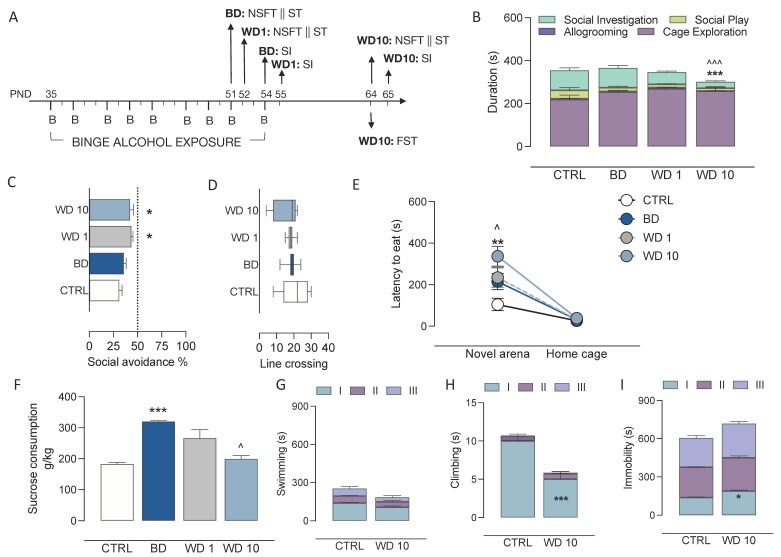
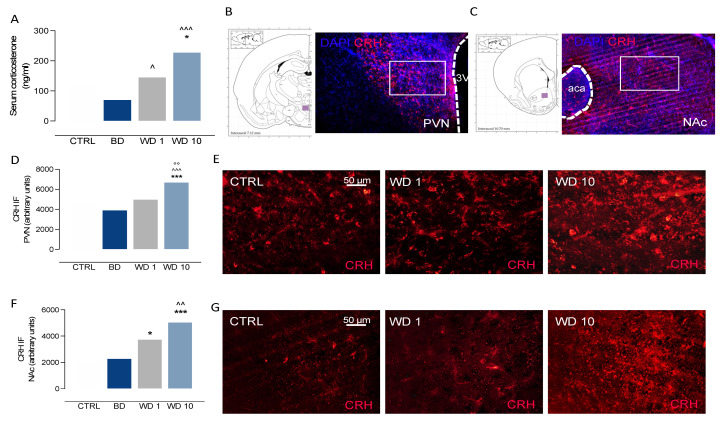
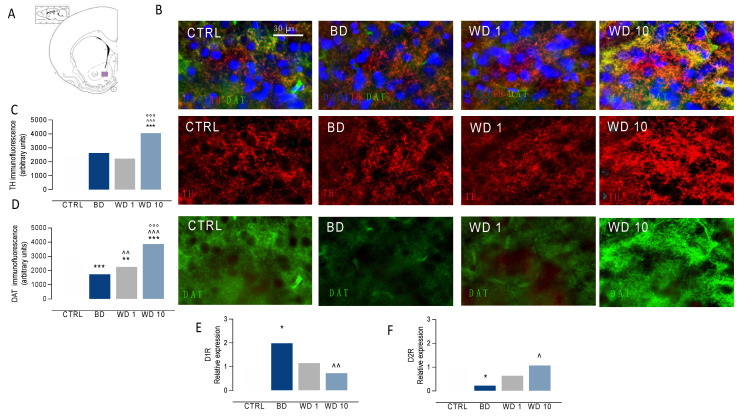
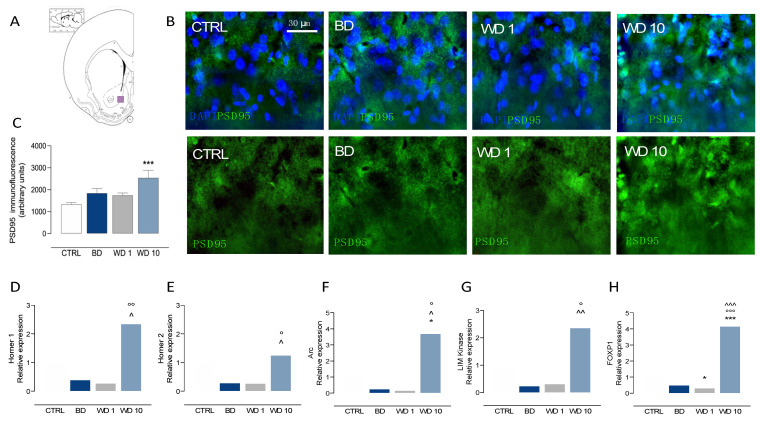
Binge alcohol consumption among adolescents affects the developing neural networks underpinning reward and stress processing in the nucleus accumbens (NAc). This study explores in rats the long-lasting effects of early intermittent exposure to intoxicating alcohol levels at adolescence, on: (1) the response to natural positive stimuli and inescapable stress; (2) stress-axis functionality; and (3) dopaminergic and glutamatergic neuroadaptation in the NAc. We also assess the potential effects of the non-intoxicating phytocannabinoid cannabidiol, to counteract (or reverse) the development of detrimental consequences of binge-like alcohol exposure. Our results show that adolescent binge-like alcohol exposure alters the sensitivity to positive stimuli, exerts social and novelty-triggered anxiety-like behaviour, and passive stress-coping during early and prolonged withdrawal. In addition, serum corticosterone and hypothalamic and NAc corticotropin-releasing hormone levels progressively increase during withdrawal. Besides, NAc tyrosine hydroxylase levels increase at late withdrawal, while the expression of dopamine transporter, D1 and D2 receptors is dynamically altered during binge and withdrawal. Furthermore, the expression of markers of excitatory postsynaptic signaling—PSD95; Homer-1 and -2 and the activity-regulated spine-morphing proteins Arc, LIM Kinase 1 and FOXP1—increase at late withdrawal. Notably, subchronic cannabidiol, during withdrawal, attenuates social- and novelty-induced aversion and passive stress-coping and rectifies the hyper-responsive stress axis and NAc dopamine and glutamate-related neuroplasticity. Overall, the exposure to binge-like alcohol levels in adolescent rats makes the NAc, during withdrawal, a locus minoris resistentiae as a result of perturbations in neuroplasticity and in stress-axis homeostasis. Cannabidiol holds a promising potential for increasing behavioural, neuroendocrine and molecular resilience against binge-like alcohol harmful effects.
Overview
The claims and statistics of this paper haven’t been checked yet.
Free: it reads the open-access text and checks the first 5 claims that cite a source we can check. Create a free account to check every claim.
Integrity signals
Registry
Cites
Statistics
Figures
Verification
Claims the paper makes
The claims and statistics of this paper haven’t been checked yet.
Free: it reads the open-access text and checks the first 5 claims that cite a source we can check. Create a free account to check every claim.
Claims other papers make about this one
Each is checked against this paper’s own text: does it say what the citing paper says it does?
The source backs part of the claim, not all of it — or backs it for a different population, condition or comparison.
In the citing paper
“Voluntary AAE in rats has been reported to increase dopamine (D)1 receptor expression while decreasing D2 receptor expression in the NAc and alter postsynaptic excitatory signaling following stressors [49].”
From Consequences of adolescent drug use (2023) · cites this paper as [49]
Experimental — accuracy not yet measuredThe source backs part of the claim, not all of it — or backs it for a different population, condition or comparison.
In the citing paper
“In addition to directly contributing to the development of anxiety- and depression-like behaviors, AAE can indirectly contribute to the development of anxiety- and depression-like behavior by altering the effect of stress on the brain, particularly in the nucleus accumbens (NAc).”
From Consequences of adolescent drug use (2023) · cites this paper as [49]
Experimental — accuracy not yet measured
Self-check
Percentages, sums and reported differences re-computed from the paper’s own numbers.
The self-check needs the paper’s full text.
Citations
Cites
The adolescent brain and age-related behavioral manifestations
Spear, L. P. (2000) · Neuroscience & Biobehavioral Reviews · doi:10.1016/s0149-7634(00)00014-2 · Cited by 5,433 · cited 3×
“In rodents, adolescence encompasses approximately PND 35 to 55, based on the appearance of growth spurts, the pruning of excitatory synapses and behavioural characteristics such as increased peer interaction, play, and exploratory behaviour in the wild (for review see [29]).”
BackgroundAChE-stained horizontal sections of the rat brain in stereotaxic coordinates
Paxinos, G., Watson, C. R. R., & Emson, P. C. (1980) · Journal of Neuroscience Methods · doi:10.1016/0165-0270(80)90021-7 · Cited by 4,497 · cited 2×
“9 mm from bregma [55]) were washed in PBS for 30 min and incubated in blocking solution (3% normal goat or donkey serum + 0.”
BackgroundMethodThe mysterious motivational functions of mesolimbic dopamine
Salamone, J. D., & Correa, M. (2012) · Neuron · doi:10.1016/j.neuron.2012.10.021 · Cited by 1,418 · cited 1×
“Indeed, several reports show that CRH affects mesolimbic DA-ergic neurones by producing an increase in their functional state, in terms of DA synthesis, firing, release and reuptake [84,85]; it follows, then, that NAc DA is involved in the shaping of stress reactivity and motivated behaviour [86,87].”
BackgroundSynaptic plasticity and addiction
Kauer, J. A., & Malenka, R. C. (2007) · Nature Reviews Neuroscience · doi:10.1038/nrn2234 · Cited by 1,397 · cited 1×
“Indeed, a subtle balance between DA levels and glutamate release critically regulates synaptic plasticity associated with alcohol abuse and withdrawal [18].”
BackgroundTurner, P. V., Brabb, T., Pekow, C. A., & Vasbinder, M. A. (2011) · PubMed Central · Cited by 1,360
Steward, O., Wallace, C. S., Lyford, G. L., & Worley, P. F. (1998) · Neuron · doi:10.1016/s0896-6273(00)80591-7 · Cited by 810 · cited 1×
“Seminal studies have revealed that NMDAR stimulation appears necessary for the synthesis and targeting of Arc mRNA to “on-line” synaptic regions, within dendrites, where stressful conditions can increase Arc expression and lead to the consolidation of neuroplasticity [103,104].”
BackgroundA review of 25 years of the social interaction test
File, S. E., & Seth, P. (2003) · European Journal of Pharmacology · doi:10.1016/s0014-2999(03)01273-1 · Cited by 742 · cited 2×
“The social interaction test provides a deep insight into emotional behaviour in laboratory rodents [37].”
BackgroundMethodThe neurobiology of social play behavior in rats
Vanderschuren, L. J. M. J., Niesink, R. J. M., & Van Pee, J. M. (1997) · Neuroscience & Biobehavioral Reviews · doi:10.1016/s0149-7634(96)00020-6 · Cited by 559 · cited 1×
“The divergence of social investigation- and play-related vectors, with respect to sucrose consumption and D1R expression, suggests the involvement of distinct neural systems in the genesis of the two behavioural dimensions, which appear discretely affected by binge-like alcohol exposure during adolescence [33,39,111].”
BackgroundDopamine Signaling in reward-related behaviors
Baik, J.-H. (2013) · Frontiers in Neural Circuits · doi:10.3389/fncir.2013.00152 · Cited by 531
Ethanol increases the firing rate of dopamine neurons of the rat ventral tegmental area in vitro
Brodie, M. S., Shefner, S. A., & Dunwiddie, T. V. (1990) · Brain Research · doi:10.1016/0006-8993(90)91118-z · Cited by 488
Glutamatergic substrates of drug addiction and alcoholism
Gass, J. T., & Olive, M. F. (2008) · Biochemical Pharmacology · doi:10.1016/j.bcp.2007.06.039 · Cited by 484
Addiction as a stress surfeit disorder
Koob, G. F., Buck, C. L., Cohen, A., Edwards, S., Park, P. E., Schlosburg, J. E., Schmeichel, B., Vendruscolo, L. F., Wade, C. L., Whitfield, T. W., et al. (2014) · Neuropharmacology · doi:10.1016/j.neuropharm.2013.05.024 · Cited by 483 · cited 3×
“Augmented extra-hypothalamic CRH expression has been correlated with the occurrence of negative affective behaviour during alcohol withdrawal [78].”
BackgroundInfluentialMotivation and Self-Regulation across the Life Span
(1998) · Cambridge University Press eBooks · doi:10.1017/cbo9780511527869 · Cited by 475
Development of the social brain in adolescence
Blakemore, S.-J. (2012) · Journal of the Royal Society of Medicine · doi:10.1258/jrsm.2011.110221 · Cited by 458 · cited 1×
“Moreover, during adolescence, marked changes occur in brain circuits implicated in responsiveness to stress and emotional stimuli [31], which are profoundly sensitive to alcohol exposure [32].”
BackgroundSteward, O., & Worley, P. F. (2001) · Neuron · doi:10.1016/s0896-6273(01)00275-6 · Cited by 451 · cited 1×
“Seminal studies have revealed that NMDAR stimulation appears necessary for the synthesis and targeting of Arc mRNA to “on-line” synaptic regions, within dendrites, where stressful conditions can increase Arc expression and lead to the consolidation of neuroplasticity [103,104].”
BackgroundFidelity and spatio-temporal control in MAP kinase (ERKs) signalling
Pouysségur, J., Volmat, V., & Lenormand, P. (2002) · Biochemical Pharmacology · doi:10.1016/s0006-2952(02)01135-8 · Cited by 421
Effect of alcohol use on the adolescent brain and behavior
Lees, B., Meredith, L. R., Kirkland, A. E., Bryant, B. E., & Squeglia, L. M. (2020) · Pharmacology Biochemistry and Behavior · doi:10.1016/j.pbb.2020.172906 · Cited by 411 · cited 1×
“The repetitive, cyclic pattern of alcohol binge-drinking to intoxication and withdrawal therefrom is already a trend among adolescents and an important public health concern, as it is largely agreed that the adolescent brain is particularly sensitive to alcohol-induced metaplasticity [60].”
BackgroundAltered fear learning across development in both mouse and human
Pattwell, S. S., Duhoux, S., Hartley, C. A., Johnson, D. C., Jing, D., Elliott, M. D., Ruberry, E. J., Powers, A., Mehta, N., Yang, R. R., et al. (2012) · Proceedings of the National Academy of Sciences · doi:10.1073/pnas.1206834109 · Cited by 404 · cited 1×
“Whereas indisputably adolescents exhibit heightened social interaction [33], they also display elevated reactivity to discrete stressful cues [34].”
BackgroundLimbic-Striatal Memory Systems and Drug Addiction
Robbins, T. (2002) · Neurobiology of Learning and Memory · doi:10.1006/nlme.2002.4103 · Cited by 380 · cited 1×
“The mesolimbic dopamine (DA) system, consisting of the ventral tegmental area (VTA) and the nucleus accumbens (NAc), as well as the associated limbic structures, is involved in the reward and reinforcing effects of alcohol [7,8].”
BackgroundAdolescent alcohol exposure: Are there separable vulnerable periods within adolescence?
Spear, L. P. (2015) · Physiology & Behavior · doi:10.1016/j.physbeh.2015.01.027 · Cited by 363 · cited 1×
“Rats were exposed to alcohol in an intermittent binge-like paradigm per os, three days a week, every other day, during adolescence (PND 35–54, [49]) for a total of nine exposures.”
MethodErnst, M., & Fudge, J. L. (2009) · Neuroscience & Biobehavioral Reviews · doi:10.1016/j.neubiorev.2008.10.009 · Cited by 358 · cited 1×
“Indeed, developmental rearrangement during adolescence results in an imbalance between a weak excitatory cortical control and a supersensitive DA-ergic signaling in the mesocorticolimbic pathway [21,22], thus creating a window of increased vulnerability for excessive alcohol consumption [23].”
BackgroundSex differences in dopamine receptors and their relevance to ADHD
Andersen, S. L., & Teicher, M. H. (2000) · Neuroscience & Biobehavioral Reviews · doi:10.1016/s0149-7634(99)00044-5 · Cited by 352
Gonzales, R. A., & Weiss, F. (1998) · The Journal of Neuroscience · doi:10.1523/jneurosci.18-24-10663.1998 · Cited by 351
Hurd, Y. L., Spriggs, S., Alishayev, J., Winkel, G., Gurgov, K., Kudrich, C., Oprescu, A. M., & Salsitz, E. (2019) · American Journal of Psychiatry · doi:10.1176/appi.ajp.2019.18101191 · Cited by 343 · cited 1×
“Moreover, CBD reduces cortisol levels and anxiety in drug-abstinent patients, likely facilitating endocannabinoid signaling on limbic neural circuits engaged during negative emotional processes [44,121].”
BackgroundCryan, J. F., Page, M. E., & Lucki, I. (2005) · Psychopharmacology · doi:10.1007/s00213-005-0093-5 · Cited by 321 · cited 1×
“The modified forced swim test here employed was previously described in [53].”
MethodSevere stress switches CRF action in the nucleus accumbens from appetitive to aversive
Lemos, J. C., Wanat, M. J., Smith, J. S., Reyes, B. A. S., Hollon, N. G., Van Bockstaele, E. J., Chavkin, C., & Phillips, P. E. M. (2012) · Nature · doi:10.1038/nature11436 · Cited by 304 · cited 1×
“Overall, the current evidence evokes a new frame of reference, where, during withdrawal from binge-like alcohol exposure, an anxiety-prone phenotype, characterized by an upregulated response to stress plus reduced sensitivity of the reward system, is associated with dysfunctional synaptic remodeling, probably via the…”
BackgroundCastro, D. C., & Bruchas, M. R. (2019) · Neuron · doi:10.1016/j.neuron.2019.03.003 · Cited by 290 · cited 1×
“disarrangement in neural circuits in the NAc, the motivational and integrational hub of the mesocorticolimbic system [61].”
BackgroundMcCutcheon, J. E., & Marinelli, M. (2009) · European Journal of Neuroscience · doi:10.1111/j.1460-9568.2009.06648.x · Cited by 280
The Dopamine Hypothesis of Drug Addiction: Hypodopaminergic State
Melis, M., Spiga, S., & Diana, M. (2005) · International Review of Neurobiology · doi:10.1016/s0074-7742(05)63005-x · Cited by 273 · cited 1×
“This evidence is an accordance with several reports showing a hypo-DAergic input during acute withdrawal after chronic alcohol exposure [15,16,90].”
ResultEl-Alfy, A. T., Ivey, K., Robinson, K., Ahmed, S., Radwan, M., Slade, D., Khan, I., ElSohly, M., & Ross, S. (2010) · Pharmacology Biochemistry and Behavior · doi:10.1016/j.pbb.2010.03.004 · Cited by 268
Plescia, F., Brancato, A., Marino, R. A. M., Vita, C., Navarra, M., & Cannizzaro, C. (2014) · Frontiers in Psychiatry · doi:10.3389/fpsyt.2014.00138 · Cited by 266
Self-citationExtreme Binge Drinking Among 12th-Grade Students in the United States: Prevalence and Predictors
Patrick, M. E., Schulenberg, J. E., Martz, M. E., Maggs, J. L., O’Malley, P. M., & Johnston, L. D. (2013) · JAMA Pediatrics · doi:10.1001/jamapediatrics.2013.2392 · Cited by 242 · cited 1×
“This combination of sensitivities to alcohol facilitates alcohol drinking by adolescents at well above binge levels [5], defined by the National Institute on Alcohol Abuse and Alcoholism as an intake of 4–5 drinks per session producing blood alcohol concentrations of at least 0.”
BackgroundHložek, T., Uttl, L., Kadeřábek, L., Balíková, M., Lhotková, E., Horsley, R. R., Nováková, P., Šíchová, K., Štefková, K., Tylš, F., et al. (2017) · European Neuropsychopharmacology · doi:10.1016/j.euroneuro.2017.10.037 · Cited by 234 · cited 1×
“Cannabidiol (2-[(1R, 6R)-6-Isopropenyl-3-methylcyclohex-2-en-1-yl]-5pentylbenzene-1,3-diol) (CBD), extracted by the Forensic Laboratory of Biologically Active Substances of the University of Chemistry and Technology of Prague, Czech Republic (purity (NMR) > 99%) [48], was dissolved in a vehicle of ethanol (1%), Tween…”
MethodCoping with the forced swim stressor: Current state-of-the-art
Molendijk, M. L., & de Kloet, E. R. (2019) · Behavioural Brain Research · doi:10.1016/j.bbr.2019.02.005 · Cited by 231 · cited 1×
“Interestingly, late withdrawal interfered with rats’ coping strategies to an inescapable stress in the FST, a model able to provide a unique insight into the neural limb of the stress response [79].”
BackgroundEndocannabinoid system and mood disorders: Priming a target for new therapies
Micale, V., Di Marzo, V., Sulcova, A., Wotjak, C. T., & Drago, F. (2013) · Pharmacology & Therapeutics · doi:10.1016/j.pharmthera.2012.12.002 · Cited by 223 · cited 1×
“Given that recent evidence suggests that nonpsychotropic phytocannabinoid cannabidiol (CBD) exerts favorable effects on stress-related conditions [42,43] and addictive behaviour [44–47] we assessed if repeated CBD treatment during withdrawal may reverse the behavioural and molecular alterations induced by intermittent…”
BackgroundSelf-citationAdolescence. Alcohol sensitivity, tolerance, and intake.
SPEAR, L. P., & Varlinskaya, E. I. (2005) · PubMed · Cited by 223
Accumbens dopamine mechanisms in sucrose intake
Hajnal, A., & Norgren, R. (2001) · Brain Research · doi:10.1016/s0006-8993(01)02451-9 · Cited by 219 · cited 1×
“Indeed, the inhibition of DAT activity by nomifensine does increase DA availability in the NAc and is reported to increase sucrose intake, according to a D1R-mediated effect [88,89].”
BackgroundVARLINSKAYA, E. (2008) · Behavioural Brain Research · doi:10.1016/j.bbr.2007.11.024 · Cited by 213 · cited 2×
“The divergence of social investigation- and play-related vectors, with respect to sucrose consumption and D1R expression, suggests the involvement of distinct neural systems in the genesis of the two behavioural dimensions, which appear discretely affected by binge-like alcohol exposure during adolescence [33,39,111].”
BackgroundStress and CRF gate neural activation of BDNF in the mesolimbic reward pathway
Walsh, J. J., Friedman, A. K., Sun, H., Heller, E. A., Ku, S. M., Juarez, B., Burnham, V. L., Mazei-Robison, M. S., Ferguson, D., Golden, S. A., et al. (2014) · Nature Neuroscience · doi:10.1038/nn.3591 · Cited by 210
Ren, Y., Whittard, J., Higuera-Matas, A., Morris, C. V., & Hurd, Y. L. (2009) · The Journal of Neuroscience · doi:10.1523/jneurosci.4291-09.2009 · Cited by 210 · cited 1×
“Notably, CBD-induced modulation of VTA DA activity may also occur through regulatory action on glutamatergic projections in the NAc [125].”
BackgroundEthanol stimulates the firing rate of nigral dopaminergic neurons in unanesthetized rats
Mereu, G., Fadda, F., & Gessa, G. L. (1984) · Brain Research · doi:10.1016/0006-8993(84)90890-4 · Cited by 209
Fogaça, M. V., Campos, A. C., Coelho, L. D., Duman, R. S., & Guimarães, F. S. (2018) · Neuropharmacology · doi:10.1016/j.neuropharm.2018.03.001 · Cited by 207 · cited 1×
“This is in agreement with the anxiolytic-like effect in NSFT and in EPM described by Fogaça and colleagues [114], which seems to involve a potentiation in endocannabinoid’s signaling through CB1 receptors [115].”
ResultTarazi, F. I., Tomasini, E. C., & Baldessarini, R. J. (1998) · Neuroscience Letters · doi:10.1016/s0304-3940(98)00644-2 · Cited by 179 · cited 1×
“In detail, the glutamatergic and DA-ergic asset is dynamic during adolescence, when the density of NMDA [24] and DA receptors typically increases [25–27], spontaneous firing rates of DA neurones are higher [28] as well as DA turnover [29], and DA transporter density [30].”
BackgroundGuzowski, J. F., Miyashita, T., Chawla, M. K., Sanderson, J., Maes, L. I., Houston, F. P., Lipa, P., McNaughton, B. L., Worley, P. F., & Barnes, C. A. (2006) · Proceedings of the National Academy of Sciences · doi:10.1073/pnas.0505519103 · Cited by 177 · cited 1×
“In accordance, we report a selective increase in players of neuronal activity such as Arc, an immediate early gene that is involved in neuroplasticity within the soma and dendrites [101], and of cytoskeleton dynamics such as LIMK1 at late withdrawal [102].”
BackgroundA Life-Span Approach to Social Motivation
Carstensen, L. L. (1998) · Motivation and Self-Regulation across the Life Span · doi:10.1017/cbo9780511527869.015 · Cited by 176
Griffin, W. C., Haun, H. L., Hazelbaker, C. L., Ramachandra, V. S., & Becker, H. C. (2013) · Neuropsychopharmacology · doi:10.1038/npp.2013.256 · Cited by 175
Spear, L. P., & Varlinskaya, E. I. (2005) · Recent Developments in Alcoholism · doi:10.1007/0-306-48626-1_7 · Cited by 175
Campos, A. C., Fogaça, M. V., Scarante, F. F., Joca, S. R. L., Sales, A. J., Gomes, F. V., Sonego, A. B., Rodrigues, N. S., Galve-Roperh, I., & Guimarães, F. S. (2017) · Frontiers in Pharmacology · doi:10.3389/fphar.2017.00269 · Cited by 175 · cited 1×
“In particular, a synapse-restoring effect was highlighted in chronically stressed mice, where repeated CBD treatment promoted an increase in PSD95 expression, synapsyn I/IIi and synaptophysin [126].”
BackgroundCannabidiol reduces ethanol consumption, motivation and relapse in mice
Viudez‐Martínez, A., García‐Gutiérrez, M. S., Navarrón, C. M., Morales‐Calero, M. I., Navarrete, F., Torres‐Suárez, A. I., & Manzanares, J. (2017) · Addiction Biology · doi:10.1111/adb.12495 · Cited by 172
Crews, F. T., Robinson, D. L., Chandler, L. J., Ehlers, C. L., Mulholland, P. J., Pandey, S. C., Rodd, Z. A., Spear, L. P., Swartzwelder, H. S., & Vetreno, R. P. (2019) · Alcoholism: Clinical and Experimental Research · doi:10.1111/acer.14154 · Cited by 165 · cited 1×
“Indeed, developmental rearrangement during adolescence results in an imbalance between a weak excitatory cortical control and a supersensitive DA-ergic signaling in the mesocorticolimbic pathway [21,22], thus creating a window of increased vulnerability for excessive alcohol consumption [23].”
BackgroundFusar-Poli, P., Allen, P., Bhattacharyya, S., Crippa, J. A., Mechelli, A., Borgwardt, S., Martin-Santos, R., Seal, M. L., O'Carrol, C., Atakan, Z., et al. (2010) · The International Journal of Neuropsychopharmacology · doi:10.1017/s1461145709990617 · Cited by 163 · cited 1×
“Moreover, CBD reduces cortisol levels and anxiety in drug-abstinent patients, likely facilitating endocannabinoid signaling on limbic neural circuits engaged during negative emotional processes [44,121].”
BackgroundPleil, K. E., Lowery-Gionta, E. G., Crowley, N. A., Li, C., Marcinkiewcz, C. A., Rose, J. H., McCall, N. M., Maldonado-Devincci, A. M., Morrow, A. L., Jones, S. R., et al. (2015) · Neuropharmacology · doi:10.1016/j.neuropharm.2015.06.017 · Cited by 162
Sartim, A. G., Guimarães, F. S., & Joca, S. R. L. (2016) · Behavioural Brain Research · doi:10.1016/j.bbr.2016.01.033 · Cited by 156 · cited 1×
“This is in agreement with the anxiolytic-like effect in NSFT and in EPM described by Fogaça and colleagues [114], which seems to involve a potentiation in endocannabinoid’s signaling through CB1 receptors [115].”
ResultFunctional organization of postsynaptic glutamate receptors
Scheefhals, N., & MacGillavry, H. D. (2018) · Molecular and Cellular Neuroscience · doi:10.1016/j.mcn.2018.05.002 · Cited by 154 · cited 6×
“Here it co-localises with markers of MSNs and is tightly controlled by neuronal activity via synapse-to-nucleus signaling, mediated by NMDAR [108].”
BackgroundInfluentialEffector Immediate-Early Gene Arc in the Amygdala Plays a Critical Role in Alcoholism
Pandey, S. C., Zhang, H., Ugale, R., Prakash, A., Xu, T., & Misra, K. (2008) · The Journal of Neuroscience · doi:10.1523/jneurosci.4752-07.2008 · Cited by 149 · cited 1×
“Therefore, we suggest that the enrichment in NAc Arc mRNA expression can represent not only a molecular marker of abnormal excitatory neuroplasticity, but also of social- and novelty-related anxiety-like behaviour during alcohol withdrawal [105].”
BackgroundStevenson, J. R., Schroeder, J. P., Nixon, K., Besheer, J., Crews, F. T., & Hodge, C. W. (2008) · Neuropsychopharmacology · doi:10.1038/npp.2008.90 · Cited by 149
Neuropharmacology of Cocaine and Ethanol Dependence
Koob, G. F., & Weiss, F. (1992) · Recent developments in alcoholism · doi:10.1007/978-1-4899-1648-8_11 · Cited by 139 · cited 1×
“The mesolimbic dopamine (DA) system, consisting of the ventral tegmental area (VTA) and the nucleus accumbens (NAc), as well as the associated limbic structures, is involved in the reward and reinforcing effects of alcohol [7,8].”
BackgroundYang, L., Mao, L., Tang, Q., Samdani, S., Liu, Z., & Wang, J. Q. (2004) · The Journal of Neuroscience · doi:10.1523/jneurosci.2496-04.2004 · Cited by 138 · cited 12×
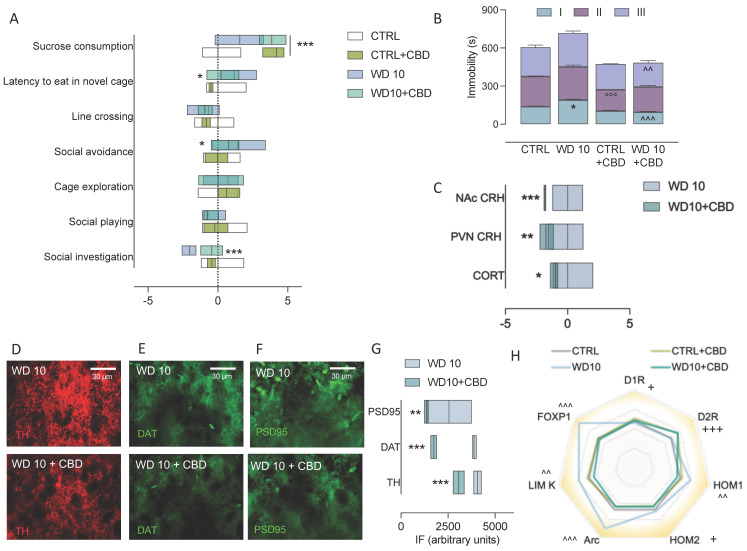
“In addition, CBD administration was able to decrease the expression of Homer 2 (F(1,24) = 4.852, p = 0.0375) (Figure 6H), and compensated the effects of binge-like alcohol exposure during adolescence on Arc expression (main effect of CBD: F(1,24) = 20.33, p = 0.0001; binge: F(1,24) = 12.09, p = 0.0019; interaction: F(…”
BackgroundInfluentialBauer, J., Pedersen, A., Scherbaum, N., Bening, J., Patschke, J., Kugel, H., Heindel, W. L., Arolt, V., & Ohrmann, P. (2013) · Neuropsychopharmacology · doi:10.1038/npp.2013.45 · Cited by 136 · cited 1×
“A recent study employing proton magnetic resonance spectroscopy has reported elevated glutamate concentration in the NAc of recently detoxified patients [97], confirming the plethora of findings from the preclinical models of alcohol withdrawal [98].”
BackgroundMelas, P. A., Scherma, M., Fratta, W., Cifani, C., & Fadda, P. (2021) · International Journal of Molecular Sciences · doi:10.3390/ijms22041863 · Cited by 133 · cited 2×
“Adaptive changes in pre- and postsynaptic 5HT1A receptor functionality were also found after chronic CBD (50 mg/kg/daily/3 days + 10 mg/kg/daily/11 days) administration [119].”
BackgroundVilpoux, C., Warnault, V., Pierrefiche, O., Daoust, M., & Naassila, M. (2009) · Alcoholism: Clinical and Experimental Research · doi:10.1111/j.1530-0277.2009.00916.x · Cited by 131 · cited 1×
“Moreover, during adolescence, marked changes occur in brain circuits implicated in responsiveness to stress and emotional stimuli [31], which are profoundly sensitive to alcohol exposure [32].”
BackgroundHippocampal NMDA receptor mRNA undergoes subunit specific changes during developmental lead exposure
Guilarte, T. R., & McGlothan, J. L. (1998) · Brain Research · doi:10.1016/s0006-8993(98)00054-7 · Cited by 130 · cited 5×
“In detail, the glutamatergic and DA-ergic asset is dynamic during adolescence, when the density of NMDA [24] and DA receptors typically increases [25–27], spontaneous firing rates of DA neurones are higher [28] as well as DA turnover [29], and DA transporter density [30].”
BackgroundInfluentialStress-Induced Changes in Nucleus Accumbens Glutamate Synaptic Plasticity
Campioni, M. R., Xu, M., & McGehee, D. S. (2009) · Journal of Neurophysiology · doi:10.1152/jn.91111.2008 · Cited by 117 · cited 1×
“Stress-related modifications in limbic synaptic plasticity converge on the NAc as a significant locus of integration and, in particular, on glutamatergic signaling [91].”
BackgroundSex differences in the behavioral sequelae of chronic ethanol exposure
Jury, N. J., DiBerto, J. F., Kash, T. L., & Holmes, A. (2017) · Alcohol · doi:10.1016/j.alcohol.2016.07.007 · Cited by 115
Kapasova, Z., & Szumlinski, K. K. (2008) · Alcoholism: Clinical and Experimental Research · doi:10.1111/j.1530-0277.2008.00620.x · Cited by 111 · cited 1×
“A recent study employing proton magnetic resonance spectroscopy has reported elevated glutamate concentration in the NAc of recently detoxified patients [97], confirming the plethora of findings from the preclinical models of alcohol withdrawal [98].”
BackgroundIs immobility of rats in the forced swim test “behavioral despair?”
Nishimura, H., Tsuda, A., Oguchi, M., Ida, Y., & Tanaka, M. (1988) · Physiology & Behavior · doi:10.1016/0031-9384(88)90266-1 · Cited by 109 · cited 1×
“This behavioural pattern would indicate disruption in coping strategizing towards adverse environmental conditions, rather than despair, wherein an adaptive prompt response is required by a sudden change of the environment [80].”
BackgroundRenard, J., Norris, C., Rushlow, W. J., & Laviolette, S. R. (2017) · Neuroscience & Biobehavioral Reviews · doi:10.1016/j.neubiorev.2017.02.006 · Cited by 106
Dopamine neurons in the ventral tegmental area fire faster in adolescent rats than in adults
McCutcheon, J. E., Conrad, K. L., Carr, S. B., Ford, K. A., McGehee, D. S., & Marinelli, M. (2012) · Journal of Neurophysiology · doi:10.1152/jn.00077.2012 · Cited by 106 · cited 1×
“In detail, the glutamatergic and DA-ergic asset is dynamic during adolescence, when the density of NMDA [24] and DA receptors typically increases [25–27], spontaneous firing rates of DA neurones are higher [28] as well as DA turnover [29], and DA transporter density [30].”
BackgroundAcute Effects of Ethanol on Behavior of Adolescent Rats: Role of Social Context
Varlinskaya, E. I., Spear, L. P., & Spear, N. E. (2001) · Alcoholism: Clinical and Experimental Research · doi:10.1097/00000374-200103000-00009 · Cited by 100
Adolescent neurodevelopment and substance use: receptor expression and behavioral consequences
Thorpe, H. H. A., Hamidullah, S., Jenkins, B. W., & Khokhar, J. Y. (2020) · Pharmacology & Therapeutics · doi:10.1016/j.pharmthera.2019.107431 · Cited by 97 · cited 1×
“Specifically, the NAc is a hub where alcohol interacts with pathways related to affective state control and reward processing, modifying the trajectories of neurodevelopmental and synaptic remodeling that, in turn, can impair behavioural responses [19,20].”
BackgroundHampered long-term depression and thin spine loss in the nucleus accumbens of ethanol-dependent rats
Spiga, S., Talani, G., Mulas, G., Licheri, V., Fois, G. R., Muggironi, G., Masala, N., Cannizzaro, C., Biggio, G., Sanna, E., et al. (2014) · Proceedings of the National Academy of Sciences · doi:10.1073/pnas.1406768111 · Cited by 96 · cited 4×
“Within the NAc, alcohol induces neuroplastic changes by remodeling dendritic spines [15].”
BackgroundMethodResultInfluentialSelf-citationVarlinskaya, E. I., Truxell, E., & Spear, L. P. (2014) · Alcohol · doi:10.1016/j.alcohol.2014.01.012 · Cited by 92 · cited 1×
“The testing apparatus (45 × 45 × 30 cm) was partially divided into two equally sized compartments by a white plexiglass partition, which allowed the movement of the rats between them [50].”
MethodBeckley, J. T., Laguesse, S., Phamluong, K., Morisot, N., Wegner, S. A., & Ron, D. (2016) · The Journal of Neuroscience · doi:10.1523/jneurosci.2254-15.2016 · Cited by 91 · cited 1×
“Specifically, the NAc is a hub where alcohol interacts with pathways related to affective state control and reward processing, modifying the trajectories of neurodevelopmental and synaptic remodeling that, in turn, can impair behavioural responses [19,20].”
BackgroundStark, T., Ruda-Kucerova, J., Iannotti, F. A., D'Addario, C., Di Marco, R., Pekarik, V., Drazanova, E., Piscitelli, F., Bari, M., Babinska, Z., et al. (2019) · Neuropharmacology · doi:10.1016/j.neuropharm.2018.11.035 · Cited by 90 · cited 1×
“In particular, CBD increased social investigation and decreased social avoidance, which were not related to changes in motor activity, since no difference was found in exploratory activity between the experimental and control groups, in line with previous observations [112,113].”
ResultSelf-citationStanyon, C. A., & Bernard, O. (1999) · The International Journal of Biochemistry & Cell Biology · doi:10.1016/s1357-2725(98)00116-2 · Cited by 90
Holleran, K. M., Wilson, H. H., Fetterly, T. L., Bluett, R. J., Centanni, S. W., Gilfarb, R. A., Rocco, L. E. R., Patel, S., & Winder, D. G. (2016) · Neuropsychopharmacology · doi:10.1038/npp.2016.3 · Cited by 86
Réus, G. Z., Stringari, R. B., Ribeiro, K. F., Luft, T., Abelaira, H. M., Fries, G. R., Aguiar, B. W., Kapczinski, F., Hallak, J. E., Zuardi, A. W., et al. (2011) · Acta Neuropsychiatrica · doi:10.1111/j.1601-5215.2011.00579.x · Cited by 86
Cannabidiol as a Novel Candidate Alcohol Use Disorder Pharmacotherapy: A Systematic Review
Turna, J., Syan, S. K., Frey, B. N., Rush, B., Costello, M. J., Weiss, M., & MacKillop, J. (2019) · Alcoholism: Clinical and Experimental Research · doi:10.1111/acer.13964 · Cited by 83
Foltran, F., Gregori, D., Franchin, L., Verduci, E., & Giovannini, M. (2011) · Nutrition Reviews · doi:10.1111/j.1753-4887.2011.00417.x · Cited by 82
Bartolomeo, M. D., Štark, T., Maurel, O. M., Iannotti, F. A., Kuchař, M., Kučerová, J., Piscitelli, F., Laudani, S., Pekařík, V., Salomone, S., et al. (2020) · Pharmacological Research · doi:10.1016/j.phrs.2020.105357 · Cited by 82
Self-citationThoman, D. B., Sansone, C., & Pasupathi, M. (2006) · Journal of Happiness Studies · doi:10.1007/s10902-006-9016-3 · Cited by 80
Social defeat in adolescent mice increases vulnerability to alcohol consumption
Rodriguez‐Arias, M., Navarrete, F., Blanco‐Gandia, M. C., Arenas, M. C., Bartoll‐Andrés, A., Aguilar, M. A., Rubio, G., Miñarro, J., & Manzanares, J. (2016) · Addiction Biology · doi:10.1111/adb.12184 · Cited by 74 · cited 1×
“Indeed, several reports show that CRH affects mesolimbic DA-ergic neurones by producing an increase in their functional state, in terms of DA synthesis, firing, release and reuptake [84,85]; it follows, then, that NAc DA is involved in the shaping of stress reactivity and motivated behaviour [86,87].”
BackgroundPang, T. Y., Renoir, T., Du, X., Lawrence, A. J., & Hannan, A. J. (2013) · European Journal of Neuroscience · doi:10.1111/ejn.12195 · Cited by 73
Spear, L. P. (2011) · Child Development Perspectives · doi:10.1111/j.1750-8606.2011.00182.x · Cited by 70 · cited 1×
“Similarities have been found between human adolescents and adolescents of various mammalian species in terms of developmental history and behavioural changes, as well as neural and hormonal alterations [29,36].”
BackgroundJucaite, A., Forssberg, H., Karlsson, P., Halldin, C., & Farde, L. (2010) · Neuroscience · doi:10.1016/j.neuroscience.2010.01.034 · Cited by 67
van der Staay, F. J., Schuurman, T., van Reenen, C. G., & Korte, S. M. (2009) · Behavioral and Brain Functions · doi:10.1186/1744-9081-5-50 · Cited by 66 · cited 2×
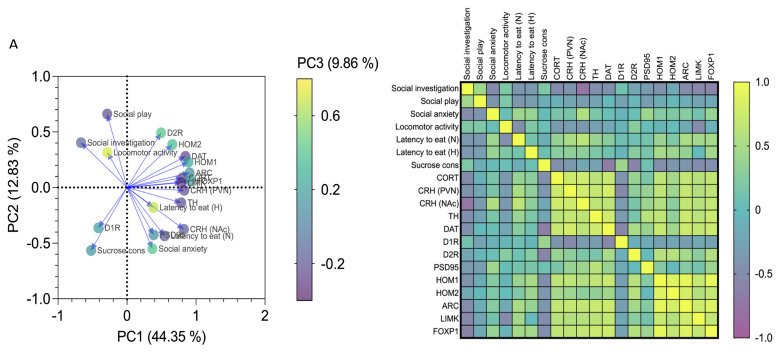
“cates its importance for the principal component [59].”
BackgroundShnitko, T. A., Spear, L. P., & Robinson, D. L. (2016) · Psychopharmacology · doi:10.1007/s00213-015-4106-8 · Cited by 65
Gender differences and similarities in the personality correlates of adolescent alcohol problems.
Martin, C. S., Lynch, K. G., Pollock, N. K., & Clark, D. B. (2000) · Psychology of Addictive Behaviors · doi:10.1037//0893-164x.14.2.121 · Cited by 62
Molecular and neurocircuitry mechanisms of social avoidance
Gellner, A., Voelter, J., Schmidt, U., Beins, E. C., Stein, V., Philipsen, A., & Hurlemann, R. (2020) · Cellular and Molecular Life Sciences · doi:10.1007/s00018-020-03649-x · Cited by 59 · cited 1×
“Although currently it is not possible to prove a direct causal relationship, the peculiar dynamics of the striatal components of the DA system may contribute to the increase in social avoidance observed at WD1; indeed, a reduced DA-ergic input corresponds to an increase in social avoidance [68].”
BackgroundTang, B., Becanovic, K., Desplats, P. A., Spencer, B., Hill, A. M., Connolly, C., Masliah, E., Leavitt, B. R., & Thomas, E. A. (2012) · Human Molecular Genetics · doi:10.1093/hmg/dds132 · Cited by 58 · cited 1×
“However, based on the current findings, we hypothesize that the overexpression of FOXP1 at WD10 might further affect the maturation of intrinsic excitability of MSNs [109], thus regulating cellular composition and neurochemical architecture of the striatal circuitry during alcohol withdrawal metaplasticity [110].”
BackgroundCacace, S., Plescia, F., Barbera, M. L., & Cannizzaro, C. (2011) · Behavioural Brain Research · doi:10.1016/j.bbr.2011.01.004 · Cited by 56
Self-citationSingle-Cell Analysis of Foxp1-Driven Mechanisms Essential for Striatal Development
Anderson, A. G., Kulkarni, A., Harper, M., & Konopka, G. (2020) · Cell Reports · doi:10.1016/j.celrep.2020.02.030 · Cited by 56
Preclinical voluntary drinking models for alcohol abstinence‐induced affective disturbances in mice
Holleran, K. M., & Winder, D. G. (2017) · Genes, Brain and Behavior · doi:10.1111/gbb.12338 · Cited by 55 · cited 1×
“The development of lasting negative emotional states following chronic alcohol consumption has been studied for decades in rodents [41].”
BackgroundInfluentialVarlinskaya, E. I., Doremus-Fitzwater, T. L., & Spear, L. P. (2010) · Pharmacology Biochemistry and Behavior · doi:10.1016/j.pbb.2010.05.011 · Cited by 54 · cited 2×
“It was found that reductions in social preference and/or social investigation may reflect an increase in emotional state that results in dysfunctional social reward/aversion processing [38,39].”
BackgroundMarked decrease of A10 dopamine neuronal firing during ethanol withdrawal syndrome in rats
Diana, M., Pistis, M., Muntoni, A., Rossetti, Z. L., & Gessa, G. (1992) · European Journal of Pharmacology · doi:10.1016/0014-2999(92)90734-l · Cited by 54
Carlton, C. N., Sullivan‐Toole, H., Ghane, M., & Richey, J. A. (2020) · Frontiers in Neuroscience · doi:10.3389/fnins.2020.00154 · Cited by 53
Sidhu, H., Kreifeldt, M., & Contet, C. (2018) · Alcoholism: Clinical and Experimental Research · doi:10.1111/acer.13760 · Cited by 51
Griffin, W. C., Ramachandra, V. S., Knackstedt, L. A., & Becker, H. C. (2015) · Frontiers in Pharmacology · doi:10.3389/fphar.2015.00027 · Cited by 50
Selective Dopamine Filter of Glutamate Striatal Afferents
Dani, J. A., & Zhou, F.-M. (2004) · Neuron · doi:10.1016/j.neuron.2004.05.008 · Cited by 49 · cited 1×
“The accumbal synaptic triad is thought to allow for DA-mediated gating of cortico-striatal glutamatergic synaptic transmission [17], playing a regulatory role in spine maintenance and stability in medium spiny neurones (MSNs), the main population of intrinsic GABAergic neurones.”
BackgroundBrancato, A., Castelli, V., Lavanco, G., Marino, R. A. M., & Cannizzaro, C. (2020) · Journal of Psychopharmacology · doi:10.1177/0269881120916135 · Cited by 49 · cited 1×
“For each NAc section, the value was calculated as the mean of the core and shell quantifications [56].”
MethodSelf-citationSUMOylation of FOXP1 regulates transcriptional repression via CtBP1 to drive dendritic morphogenesis
Rocca, D. L., Wilkinson, K. A., & Henley, J. M. (2017) · Scientific Reports · doi:10.1038/s41598-017-00707-6 · Cited by 48
Viudez‐Martínez, A., García‐Gutiérrez, M. S., & Manzanares, J. (2018) · Journal of Psychopharmacology · doi:10.1177/0269881118805495 · Cited by 47 · cited 1×
“It is already known that CBD, at different doses, decreases the HPA-axis response under stress condition, as shown by lower CRH mRNA levels in PVN after 20 min of acute restrain stress [120].”
BackgroundGender differences in the effects of cannabidiol on ethanol binge drinking in mice
Viudez‐Martínez, A., García‐Gutiérrez, M. S., & Manzanares, J. (2019) · Addiction Biology · doi:10.1111/adb.12765 · Cited by 46 · cited 1×
“In accordance with CBD-induced reduction in TH gene expression in the VTA of alcohol-drinking rats [47], our data show lower TH activity, accompanied by decremental levels of DAT immunoreactivity in the NAc, independently of alcohol exposure.”
BackgroundPrzybycien-Szymanska, M. M., Rao, Y. S., & Pak, T. R. (2010) · American Journal of Physiology-Endocrinology and Metabolism · doi:10.1152/ajpendo.00615.2009 · Cited by 44 · cited 2×
“Prior work examining the effects of repeated exposure to alcohol in adolescence on the gene expression of critical regulators of stress and anxiety likewise reported increased CRH gene expression in the PVN in human males [81].”
BackgroundResultLiberto, V. D., Frinchi, M., Verdi, V., Vitale, A., Plescia, F., Cannizzaro, C., Massenti, M. F., Belluardo, N., & Mudò, G. (2016) · Psychopharmacology · doi:10.1007/s00213-016-4498-0 · Cited by 44 · cited 2×
“Rats were then placed in the corner of the box, and the latency to eat was scored for as long as 10 min during testing [40].”
BackgroundMethodSelf-citationUys, J. D., McGuier, N. S., Gass, J. T., Griffin, W. C., Ball, L. E., & Mulholland, P. J. (2016) · Addiction Biology · doi:10.1111/adb.12238 · Cited by 44
Ménard, C., Quirion, R., Vigneault, E., Bouchard, S., Ferland, G., El Mestikawy, S., & Gaudreau, P. (2015) · Neurobiology of Aging · doi:10.1016/j.neurobiolaging.2014.11.013 · Cited by 42 · cited 2×
“Here, the original datasets of each individual rat, containing 20 variables, including 7 parameters related to behaviour (social investigation, social play, social anxiety, locomotor activity, latency to eat in a novel environment and in their home cage, sucrose consumption), 3 variables related to neuroendocrine stre…”
MethodChartier, K. G., Hesselbrock, M. N., & Hesselbrock, V. M. (2011) · Addictive Behaviors · doi:10.1016/j.addbeh.2010.10.007 · Cited by 38 · cited 1×
“Indeed, developmental rearrangement during adolescence results in an imbalance between a weak excitatory cortical control and a supersensitive DA-ergic signaling in the mesocorticolimbic pathway [21,22], thus creating a window of increased vulnerability for excessive alcohol consumption [23].”
BackgroundAbelson, K., Kalliokoski, O., Teilmann, A. C., & Hau, J. (2016) · In Vivo · doi:10.21873/invivo.10989 · Cited by 38 · cited 1×
“Serum corticosterone levels (CORT, ng/mL) were measured using a commercially available ELISA kit (Demeditec Diagnostics GmbH, Kiel, Germany), according to the manufacturers’ instructions [54].”
MethodNavarrete, F., Aracil-Fernández, A., & Manzanares, J. (2018) · British Journal of Pharmacology · doi:10.1111/bph.14226 · Cited by 38 · cited 1×
“In particular, CBD increased social investigation and decreased social avoidance, which were not related to changes in motor activity, since no difference was found in exploratory activity between the experimental and control groups, in line with previous observations [112,113].”
ResultCannizzaro, C., Talani, G., Brancato, A., Mulas, G., Spiga, S., De Luca, M. A., Sanna, A., Marino, R. A. M., Biggio, G., Sanna, E., et al. (2019) · The Journal of Neuroscience · doi:10.1523/jneurosci.1377-18.2018 · Cited by 38 · cited 3×
“Moreover, in order to investigate to what extent a disarray of the synaptic triad in the NAc could play a role in the behaviours observed, on the basis of previous study of this group [15,16], we assessed: (1) DA signaling, by measuring presynaptic tyrosine hydroxylase (TH) expression and DA transporter (DAT) density…”
BackgroundMethodResultSelf-citationCannabinoids, reward processing, and psychosis
Gunasekera, B., Diederen, K. M. J., & Bhattacharyya, S. (2021) · Psychopharmacology · doi:10.1007/s00213-021-05801-2 · Cited by 38 · cited 1×
“On the other hand, CBD is reported to modulate reward processing in the mesolimbic system [122], interfering with DA synthesis and postsynaptic responses [123,124].”
BackgroundAbame, M. A., Yang, H., Wu, S., Xie, Z., Zhang, J., Gong, X., Wu, C., & Shen, J. (2020) · Neuroscience Letters · doi:10.1016/j.neulet.2020.135594 · Cited by 36
(2004) · PubMed · Cited by 35
Cannizzaro, C., Barbera, M. L., Plescia, F., Cacace, S., & Tringali, G. (2010) · Alcoholism Clinical and Experimental Research · doi:10.1111/j.1530-0277.2009.01127.x · Cited by 35
Self-citationPlescia, F., Brancato, A., Vènniro, M., Maniaci, G., Cannizzaro, E., Sutera, F. M., De, V., Giannola, L. I., & Cannizzaro, C. (2015) · Alcohol · doi:10.1016/j.alcohol.2015.01.002 · Cited by 34
Self-citationEnhanced dopamine uptake in the striatum following repeatedrestraint stress
Copeland, B. J., Neff, N. H., & Hadjiconstantinou, M. (2005) · Synapse · doi:10.1002/syn.20169 · Cited by 33 · cited 2×
“As a matter of fact, the primary mechanism controlling the concentration of extracellular DA is the selective uptake by the high-affinity DA transporter [85], implying that the increase in DA-ergic synthesis measured at WD10 might not correspond to increased DA availability in the synaptic cleft.”
BackgroundInvolvement of Dopamine D2 Receptors in Addictive-Like Behaviour for Acetaldehyde
Brancato, A., Plescia, F., Marino, R. A. M., Maniaci, G., Navarra, M., & Cannizzaro, C. (2014) · PLoS ONE · doi:10.1371/journal.pone.0099454 · Cited by 30
Self-citationBrancato, A., Plescia, F., Lavanco, G., Cavallaro, A., & Cannizzaro, C. (2016) · Frontiers in Behavioral Neuroscience · doi:10.3389/fnbeh.2016.00031 · Cited by 29 · cited 1×
“The bottles were then weighed, and sucrose consumption was calculated by dividing the weight of sucrose solution consumed by the rat’s body weight (g/kg) [52].”
MethodSelf-citationBrancato, A., Castelli, V., Cavallaro, A., Lavanco, G., Plescia, F., & Cannizzaro, C. (2018) · Frontiers in Psychiatry · doi:10.3389/fpsyt.2018.00150 · Cited by 28
Self-citationPlescia, F., Brancato, A., Marino, R. A. M., & Cannizzaro, C. (2013) · Frontiers in Behavioral Neuroscience · doi:10.3389/fnbeh.2013.00064 · Cited by 27
Self-citationPrzybycien-Szymanska, M. M., Mott, N. N., & Pak, T. R. (2011) · PLoS ONE · doi:10.1371/journal.pone.0026647 · Cited by 26 · cited 1×
“This result is in agreement with previous evidence demonstrating that binge-like alcohol exposure during pubertal development increases both circulating plasma CORT levels and CRH mRNA expression in the PVN, pointing to the active role played by binge alcohol-drinking in the disruption of normal glucocorticoid negativ…”
ResultCannabinoid Modulation of Emotion, Memory, and Motivation
Campolongo, P., & Fattore, L. (2015) · Springer: New York · doi:10.1007/978-1-4939-2294-9 · Cited by 26
Khandelwal, N., Cavalier, S., Rybalchenko, V., Kulkarni, A., Anderson, A. G., Konopka, G., & Gibson, J. R. (2021) · Molecular Psychiatry · doi:10.1038/s41380-020-00995-x · Cited by 22
Butts, A. R., Ojelade, S. A., Pronovost, E. D., Seguin, A., Merrill, C. B., Rodan, A. R., & Rothenfluh, A. (2019) · Journal of Neuroscience · doi:10.1523/jneurosci.0973-19.2019 · Cited by 19 · cited 1×
“Overexpression of LIM Kinase 1 in cultured cells results in actin stabilization as filamentous actin, which supports the spine shape and drives the postsynaptic signaling pathway to maintain spine stability and the dynamic response to many extracellular cues [102,106].”
BackgroundMorales, M., Varlinskaya, E. I., & SPEAR, L. P. (2013) · Pharmacology Biochemistry and Behavior · doi:10.1016/j.pbb.2013.05.004 · Cited by 18 · cited 1×
“It was found that reductions in social preference and/or social investigation may reflect an increase in emotional state that results in dysfunctional social reward/aversion processing [38,39].”
BackgroundBadowska, D. M., Brzózka, M. M., Chowdhury, A., Malzahn, D., & Rossner, M. J. (2014) · European Archives of Psychiatry and Clinical Neuroscience · doi:10.1007/s00406-014-0532-6 · Cited by 13 · cited 1×
“Hence, standardized values are cantered at zero for the reference group, whereas the mean values for the treatment group are rescaled relative to this [57].”
BackgroundKhandelwal, N., Cavalier, S., Rybalchenko, V., Kulkarni, A., Anderson, A. G., Konopka, G., & Gibson, J. R. (2020) · doi:10.1101/2020.07.21.213173
Cited by
Consequences of adolescent drug use
Steinfeld, M. R., & Torregrossa, M. M. (2023) · Translational Psychiatry · doi:10.1038/s41398-023-02590-4 · Cited by 237
“Voluntary AAE in rats has been reported to increase dopamine (D)1 receptor expression while decreasing D2 receptor expression in the NAc and alter postsynaptic excitatory signaling following stressors [49].”
BackgroundJîtcă, G., Ősz, B. E., Vari, C.-E., Rusz, C.-M., Tero-Vescan, A., & Puşcaş, A. (2023) · Antioxidants · doi:10.3390/antiox12020485 · Cited by 65
Blum, K., McLaughlin, T., Bowirrat, A., Modestino, E. J., Baron, D., Gomez, L. L., Ceccanti, M., Braverman, E. R., Thanos, P. K., Cadet, J. L., et al. (2022) · Journal of Personalized Medicine · doi:10.3390/jpm12020321 · Cited by 46
Micale, V., Bartolomeo, M. D., Martino, S. D., Štark, T., Dell’Osso, B. M., Drago, F., & D’Addario, C. (2022) · Pharmacology & Therapeutics · doi:10.1016/j.pharmthera.2022.108279 · Cited by 41
Self-citationCastelli, V., Lavanco, G., Feo, S., D’Amico, C., Micale, V., Kuchař, M., Plescia, F., Brancato, A., & Cannizzaro, C. (2023) · Pharmaceutics · doi:10.3390/pharmaceutics15020692 · Cited by 36
Self-citation
Metadata
- Authors
- Brancato, A., Castelli, V., Lavanco, G., Tringali, G., Micale, V., Kuchar, M., D’Amico, C., Pizzolanti, G., Feo, S., & Cannizzaro, C.
- Affiliations
- University of Palermo (IT)
- Université de Bordeaux (FR)
- Università Cattolica del Sacro Cuore (IT)
- University of Catania (IT)
- Department of Chemistry of Natural Compounds, University of Chemistry and Technology, 166 28 Prague, Czech Republic
- Corresponding author
- Cannizzaro, Carla
- ORCID
- Venue
- Biomedicines
- Publisher
- MDPI AG
- Published
- 2021-09-04
- Volume
- 9
- Issue
- 9
- Pages
- 1161
- ISSN
- 2227-9059 (ISSN-L)
- PMC
- PMC8470908
- OpenAlex
- W3198732495
- Semantic Scholar
- 521666820508eb2f1a845177dd51a0c3660ee9bc
- Cited by
- 37
- References
- 126
- Citations by year
- 2026: 4 · 2025: 6 · 2024: 4 · 2023: 10 · 2022: 13
- FWCI
- 3.11
- Type
- journal article
- Language
- en
- Open access
- gold
- doi.org
- Licence
- Locations
- Biomedicines (publishedVersion, cc-by)
- Europe PMC (PubMed Central) (publishedVersion, other-oa)
- PubMed Central (publishedVersion, cc-by)
- PubMed (publishedVersion)
- Nova Science Publishers (Nova Science Publishers, Inc.) (submittedVersion, other-oa)
- HAL (submittedVersion, cc-by)
- DOAJ (DOAJ: Directory of Open Access Journals) (submittedVersion, cc-by-sa)
- Oskar-Bordeaux (Universite de Bordeaux) (submittedVersion, cc-by)
- PubliCatt (Università Cattolica del Sacro Cuore) (submittedVersion, other-oa)
- Funders
- ERAB: The European Foundation for Alcohol Research (EA 1642)
- Fondazione Zardi Gori (post doctoral fellowship)
- Università di Catania (Piano triennale per la Ricerca - Linea Intervento 2, Bando” CHANCE“- Linea Intervento 1 and Starting Grant 2020)
- Topics
- Life Sciences › Neuroscience › Cellular and Molecular Neuroscience › Neurotransmitter Receptor Influence on Behavior
- Health Sciences › Medicine › Epidemiology › Substance Abuse Treatment and Outcomes
- Life Sciences › Neuroscience › Behavioral Neuroscience › Stress Responses and Cortisol
- Keywords
- adolescent binge drinking, alcohol exposure, nucleus accumbens, neuroplasticity, alcohol withdrawal, stress axis, corticosterone, corticotropin-releasing factor, dopamine receptors, glutamate signaling, anxiety-like behavior, cannabidiol, phytocannabinoids, locus minoris resistentiae, PSD-95, Arc, LIM kinase 1, FOXP1, tyrosine hydroxylase
About these checks
Registry, retraction, Cites and statistics results are computed, not judged, with one exception: a printed reference that no index lists is read once by a model before it counts as a citation error. Claims are extracted by a model and kept only when their quote appears verbatim in the text; each cited source is then checked, with a model’s help, for whether it says what the claim relies on. Those verdicts can be wrong — read the claim’s quote and the cited source before relying on one.
Statistics and arithmetic are recomputed, not judged.
Confidence bands are shown only for fields calibrated on our annotated test set. None is calibrated yet, so no band is shown.
What counts as a claim ›How we measure confidence ›How we check this ›
Are you an author, or do you see a problem with this page? Request a review
Data sources
Bibliographic data: Semantic Scholar, OpenAlex, Crossref.
Contains information from the Semantic Scholar Academic Graph Datasets, made available under the ODC Attribution License (ODC-BY 1.0).
Semantic Scholar’s data is described in: Kinney, R., et al. (2023). The Semantic Scholar Open Data Platform. arXiv:2301.10140.
