

The DOI matches its Crossref record; 202 of the 204 references it cites were found in a registry or an index; none of the 207 sources its claims cite is checked for support yet.
Gut Microbiota and Cancer: From Pathogenesis to Therapy
Open accessAbstract
Cancer is a multifactorial pathology and it represents the second leading cause of death worldwide. In the recent years, numerous studies highlighted the dual role of the gut microbiota in preserving host’s health. Gut resident bacteria are able to produce a number of metabolites and bioproducts necessary to protect host’s and gut’s homeostasis. Conversely, several microbiota subpopulations may expand during pathological dysbiosis and therefore produce high levels of toxins capable, in turn, to trigger both inflammation and tumorigenesis. Importantly, gut microbiota can interact with the host either modulating directly the gut epithelium or the immune system. Numerous gut populating bacteria, called probiotics, have been identified as protective against the genesis of tumors. Given their capability of preserving gut homeostasis, probiotics are currently tested to help to fight dysbiosis in cancer patients subjected to chemotherapy and radiotherapy. Most recently, three independent studies show that specific gut resident species may potentiate the positive outcome of anti-cancer immunotherapy. The highly significant studies, uncovering the tight association between gut microbiota and tumorigenesis, as well as gut microbiota and anti-cancer therapy, are here described. The role of the Lactobacillus rhamnosus GG (LGG), as the most studied probiotic model in cancer, is also reported. Overall, according to the findings here summarized, novel strategies integrating probiotics, such as LGG, with conventional anti-cancer therapies are strongly encouraged.
Overview
AI snapshot
Written from the paper’s full text.
TL;DR
This narrative review summarizes the dual role of gut microbiota in cancer, from tumor-suppressive and tumor-promoting mechanisms to modulation of anti-cancer therapy. It highlights probiotics, especially *Lactobacillus rhamnosus* GG (LGG), and the emerging evidence linking specific gut species to immunotherapy response.
Key findings
- Gut microbiota can be tumor-suppressive or oncogenic: microbial-derived short-chain fatty acids such as butyrate and propionate inhibit histone deacetylases, while dysbiosis-associated pathogens can release toxins causing DNA breaks; microbial pathogens are stated to drive 20% of tumorigenesis.
- LGG is described as the most studied probiotic model in cancer, with anti-inflammatory effects, attenuation of 5-FU- and radiation-mediated gut epithelial injury in animal models, anti-proliferative/anti-metastatic effects in colorectal, ovary, breast, cervical, hepatic and oral squamous in vitro tumor models, prevention of polyps in a colorectal APC/min mouse model, and reduction of colitis-associated cancer in mice.
- Inflammasomes are double-edged in tumorigenesis: in colorectal cancer they are protective via IL-18, whereas in lung, skin, breast and pancreatic cancer IL-1β is pro-inflammatory and tumor-promoting; NLRP6 regulates susceptibility to intestinal inflammation through microbiome-modulatory activity.
- Three independent 2018 studies linked gut microbiome composition to immune checkpoint inhibitor response; anti-PD1 responders were enriched in taxa such as *Akkermansia*, *Alistipes*, *Clostridiales*, *Ruminococcaceae*, *Faecalibacteriae*, *Bifidobacterium longum*, *Enterococcus faecium* and *Collinsella aerofaciens*, and antibiotics were associated with lower survival in melanoma patients treated with anti-PD1/anti-PD-L1.
Methods
- Narrative review; no systematic search strategy, inclusion criteria, or meta-analysis is stated.
- Synthesizes preclinical studies (in vitro and mouse models), clinical trials, and translational studies, including three 2018 studies on microbiome and immunotherapy; no primary data are generated.
- Main analysis is qualitative synthesis of mechanisms and therapeutic implications, with referenced tables of LGG and clinical studies.
Limitations
- The paper states that microbiome research is at its beginning, associative and functional studies need corroboration by larger clinical studies, no strong bacterial oncogenic driver has been identified, and it is difficult to determine whether microbiota changes affect cancer genesis or vice versa.
- The paper notes that lifestyle, diet, immune status and anti-cancer treatment itself influence the microbiome, and that larger controlled trials are needed to confirm probiotic efficacy and safety; FMT lacks control because whole microbiota is transferred, and donor health must be carefully controlled.
- Evident from the text: as a narrative review, it does not describe a systematic literature search, study selection, or risk-of-bias assessment.
Model-written summary. Check it against the paper before relying on it.
Integrity signals
Registry
Cites
Statistics
Figures
Verification
Claims the paper makes
138 Not checked yet · 11 Own interpretation
None of the sources cited for this claim have been checked yet.
In the paper
“In fact, the gut microbiome can either be tumor-suppressive or oncogenic [22,23].”
§ Gut Microbiota and Cancer: From Pathogenesis to Therapy > 1. Introduction
What the sources say
- Not checked yetcites [22] Fulbright, L.E., Ellermann, M., and Arthur, J.C. (2017). The microbiome and the hallmarks of cancer. PLoS Pathog., 13. source
- Not checked yetcites [23] Gagnaire, 2017, Collateral damage: Insights into bacterial mechanisms that predispose host cells to cancer, Nat. Rev. Microbiol. source
plaindirect- Asserted: passes — The authors put it forward as true.
- Checkable: passes — It can be checked against evidence.
- Load-bearing: passes — The paper’s conclusions depend on it.
- Based: passes — The paper gives a reason why it holds.
None of the sources cited for this claim have been checked yet.
In the paper
“A number of these hormones can be sensed by the gut bacteria, as in the case of leptin and ghrelin, which, in turn, finely tune the gut microbiota composition in rodents [29,30].”
§ Gut Microbiota and Cancer: From Pathogenesis to Therapy > 2. Gut Microbiota and Host’s Tumorigenesis > 2.1. Gut Microbiota and Host Crosstalk
What the sources say
- Not checked yetcites [29] Ravussin, 2012, Responses of gut microbiota to diet composition and weight loss in lean and obese mice, Obesity source
- Not checked yetcites [30] Queipo-Ortuño, M.I., Seoane, L.M., Murri, M., Pardo, M., Gomez-Zumaquero, J.M., Cardona, F., Casanueva, F., and Tinahones, F.J. (2013). Gut microbiota composition in male rat models under different nutritional status and physical activity and its association with serum leptin and ghrelin levels. PLoS ONE, 8. source
plaindirect- Asserted: passes — The authors put it forward as true.
- Checkable: passes — It can be checked against evidence.
- Load-bearing: unclear — It is unclear whether the paper’s conclusions depend on it.
- Based: passes — The paper gives a reason why it holds.
In the paper
“Metabolomics and metagenomics studies highlighted the dual role of the gastro-intestinal microbiome in cancer prevention, tumorigenesis and anti-cancer therapy [21].”
§ Gut Microbiota and Cancer: From Pathogenesis to Therapy > 1. Introduction
What the sources say
- Not checked yetcites [21] Knight, 2017, The Microbiome and Human Biology, Annu. Rev. Genom. Hum. Genet. source
plaindirect- Asserted: passes — The authors put it forward as true.
- Checkable: passes — It can be checked against evidence.
- Load-bearing: passes — The paper’s conclusions depend on it.
- Based: passes — The paper gives a reason why it holds.
In the paper
“In particular, it is known that host’s hormones and neuro-hormones are able to modify the gut microbiome composition, as during stress response [27].”
§ Gut Microbiota and Cancer: From Pathogenesis to Therapy > 2. Gut Microbiota and Host’s Tumorigenesis > 2.1. Gut Microbiota and Host Crosstalk
What the sources say
- Not checked yetcites [27] Sandrini, 2015, Microbial endocrinology: Host-bacteria communication within the gut microbiome, J. Endocrinol. source
boosteddirect- Asserted: passes — The authors put it forward as true.
- Checkable: passes — It can be checked against evidence.
- Load-bearing: unclear — It is unclear whether the paper’s conclusions depend on it.
- Based: passes — The paper gives a reason why it holds.
In the paper
“Among the human symbiotic microbial populations, the gut microbiota is the most extensively studied and it deeply influences host’s homeostasis [7].”
§ Gut Microbiota and Cancer: From Pathogenesis to Therapy > 1. Introduction
What the sources say
- Not checked yetcites [7] Feng, 2018, Gut Microbiota: An Integral Moderator in Health and Disease, Front. Microbiol. source
plaindirect- Asserted: passes — The authors put it forward as true.
- Checkable: passes — It can be checked against evidence.
- Load-bearing: passes — The paper’s conclusions depend on it.
- Based: passes — The paper gives a reason why it holds.
None of the sources cited for this claim have been checked yet.
In the paper
“Progresses in metagenomics studies, together with the advancements in transcriptomics and metabolomics, allowed to describe the impact of individual bacterial species on host’s health [15,16].”
§ Gut Microbiota and Cancer: From Pathogenesis to Therapy > 1. Introduction
What the sources say
plaindirect- Asserted: passes — The authors put it forward as true.
- Checkable: passes — It can be checked against evidence.
- Load-bearing: unclear — It is unclear whether the paper’s conclusions depend on it.
- Based: passes — The paper gives a reason why it holds.
In the paper
“The link has been found both with local gastro-intestinal cancers, as well as with other distal tumors [20].”
§ Gut Microbiota and Cancer: From Pathogenesis to Therapy > 1. Introduction
What the sources say
- Not checked yetcites [20] Goodman, 2018, The microbiome and cancer, J. Pathol. source
plaincorrelational- Asserted: passes — The authors put it forward as true.
- Checkable: passes — It can be checked against evidence.
- Load-bearing: unclear — It is unclear whether the paper’s conclusions depend on it.
- Based: passes — The paper gives a reason why it holds.
In the paper
“In the recent years, numerous evidences pointed towards the central role of commensal bacteria colonizing body surfaces as key determinants of health or pathologic conditions, including cancer [6].”
§ Gut Microbiota and Cancer: From Pathogenesis to Therapy > 1. Introduction
What the sources say
- Not checked yetcites [6] Zhang, 2015, Impacts of gut bacteria on human health and diseases, Int. J. Mol. Sci. source
plaindirect- Asserted: passes — The authors put it forward as true.
- Checkable: passes — It can be checked against evidence.
- Load-bearing: passes — The paper’s conclusions depend on it.
- Based: passes — The paper gives a reason why it holds.
In the paper
“Importantly, gastro-intestinal dysbiosis has been linked with both local and distant tumors [52].”
§ Gut Microbiota and Cancer: From Pathogenesis to Therapy > 2. Gut Microbiota and Host’s Tumorigenesis > 2.3. Gut Microbiota as a Tumor-Promoter
What the sources say
- Not checked yetcites [52] Sheflin, 2014, Cancer-promoting effects of microbial dysbiosis, Curr. Oncol. Rep. source
plaincorrelational- Asserted: passes — The authors put it forward as true.
- Checkable: passes — It can be checked against evidence.
- Load-bearing: passes — The paper’s conclusions depend on it.
- Based: passes — The paper gives a reason why it holds.
In the paper
“Although only Helicobacter pylori is included among class I carcinogens by the World Health Organization (WHO) [57], several studies performed in cell culture and animal models, assessed the ability of additional microbiota populations to affect host’s DNA replication and integrity [58,59,60].”
§ Gut Microbiota and Cancer: From Pathogenesis to Therapy > 2. Gut Microbiota and Host’s Tumorigenesis > 2.3. Gut Microbiota as a Tumor-Promoter
What the sources say
- Not checked yetcites [57] Moss, 2017, The Clinical Evidence Linking, Cell. Mol. Gastroenterol. Hepatol. source
plain- Asserted: passes — The authors put it forward as true.
- Checkable: passes — It can be checked against evidence.
- Load-bearing: unclear — It is unclear whether the paper’s conclusions depend on it.
- Based: passes — The paper gives a reason why it holds.
- It may state two separate claims as one. 47
- Probably not a substantial claim. 18
- The quote only partly states this claim. 1
In the paper
“Any imbalance in this delicate equilibrium may lead to an impaired microbiota, condition called dysbiosis, linked with several human pathologies, including cancer [13].”
§ Gut Microbiota and Cancer: From Pathogenesis to Therapy > 1. Introduction
What the sources say
- Not checked yetcites [13] Carding, 2015, Dysbiosis of the gut microbiota in disease, Microb. Ecol. Health Dis.
hedgeddirect- Asserted: passes — The authors put it forward as true.
- Checkable: passes — It can be checked against evidence.
- Load-bearing: passes — The paper’s conclusions depend on it.
- Based: passes — The paper gives a reason why it holds.
It may state two separate claims as one.
None of the sources cited for this claim have been checked yet.
In the paper
“The gut microbiota performs a number of vital functions, including production of vitamins, metabolization of dietary compounds, protection against the expansion and systemic infiltration of gut pathogens [10,11,12].”
§ Gut Microbiota and Cancer: From Pathogenesis to Therapy > 1. Introduction
What the sources say
- Not checked yetcites [10] Vaishnava, 2008, Paneth cells directly sense gut commensals and maintain homeostasis at the intestinal host-microbial interface, Proc. Natl. Acad. Sci. USA source
- Not checked yetcites [11] Belkaid, 2013, Compartmentalized and systemic control of tissue immunity by commensals, Nat. Immunol. source
- Not checked yetcites [12] Ravcheev, 2015, Systematic genome assessment of B-vitamin biosynthesis suggests co-operation among gut microbes, Front. Genet.
plaindirect- Asserted: passes — The authors put it forward as true.
- Checkable: passes — It can be checked against evidence.
- Load-bearing: fails — The paper’s conclusions may not depend on it.
- Based: passes — The paper gives a reason why it holds.
Probably not a substantial claim. The paper’s conclusions may not depend on it. It may state two separate claims as one.
In the paper
“Among a 1000 of different bacterial species within the gut microbiota, the highly represented ones are the Firmicutes and Bacteroidetes phyla [9].”
§ Gut Microbiota and Cancer: From Pathogenesis to Therapy > 1. Introduction
What the sources say
- Not checked yetcites [9] Greenhalgh, 2016, The human gut microbiome in health: Establishment and resilience of microbiota over a lifetime, Environ. Microbiol. source
plain- Asserted: passes — The authors put it forward as true.
- Checkable: passes — It can be checked against evidence.
- Load-bearing: fails — The paper’s conclusions may not depend on it.
- Based: passes — The paper gives a reason why it holds.
Probably not a substantial claim. The paper’s conclusions may not depend on it.
In the paper
“For example, the exposure to infectious agents, UV radiation and toxic substances, individual diet and lifestyle, strongly influences cancer rise, although the risk mainly depends on the dose, the duration and the combination of such injuries, coupled with the individual genetic background [5].”
§ Gut Microbiota and Cancer: From Pathogenesis to Therapy > 1. Introduction
What the sources say
- Not checked yetcites [5] Anand, 2008, Cancer is a preventable disease that requires major lifestyle changes, Pharm. Res. source
boosteddirect- Asserted: passes — The authors put it forward as true.
- Checkable: passes — It can be checked against evidence.
- Load-bearing: fails — The paper’s conclusions may not depend on it.
- Based: passes — The paper gives a reason why it holds.
Probably not a substantial claim. The paper’s conclusions may not depend on it. It may state two separate claims as one.
In the paper
“Importantly, the gastro-intestinal entero-endocrine cells secrete over 30 different peptide hormones, involved in several functions, such as gastro-intestinal motility, digestive functions and neuromodulation [28].”
§ Gut Microbiota and Cancer: From Pathogenesis to Therapy > 2. Gut Microbiota and Host’s Tumorigenesis > 2.1. Gut Microbiota and Host Crosstalk
What the sources say
- Not checked yetcites [28] Ceranowicz, 2015, Peptidyl hormones of endocrine cells origin in the gut—Their discovery and physiological relevance, J. Physiol. Pharmacol.
plain- Asserted: passes — The authors put it forward as true.
- Checkable: passes — It can be checked against evidence.
- Load-bearing: fails — The paper’s conclusions may not depend on it.
- Based: passes — The paper gives a reason why it holds.
Probably not a substantial claim. The paper’s conclusions may not depend on it.
None of the sources cited for this claim have been checked yet.
In the paper
“Cancer formation is the result of the stochastic intracellular accumulation of spontaneous mutations during DNA replication, combined with the environment exposure and lifestyle habits, both able to significantly influence cancer risk [3,4].”
§ Gut Microbiota and Cancer: From Pathogenesis to Therapy > 1. Introduction
What the sources say
plaindirect- Asserted: passes — The authors put it forward as true.
- Checkable: passes — It can be checked against evidence.
- Load-bearing: fails — The paper’s conclusions may not depend on it.
- Based: passes — The paper gives a reason why it holds.
Probably not a substantial claim. The paper’s conclusions may not depend on it. It may state two separate claims as one.
In the paper
“As a consequence, cancer development may alter the microbiome and, in turn, microbiome changes may affect cancer progression [24].”
§ Gut Microbiota and Cancer: From Pathogenesis to Therapy > 1. Introduction
What the sources say
- Not checked yetcites [24] Zitvogel, 2017, Anticancer effects of the microbiome and its products, Nat. Rev. Microbiol. source
hedgedconditional- Asserted: passes — The authors put it forward as true.
- Checkable: passes — It can be checked against evidence.
- Load-bearing: passes — The paper’s conclusions depend on it.
- Based: passes — The paper gives a reason why it holds.
It may state two separate claims as one.
In the paper
“The gut microbiome, defined as the whole genome of the host’s gut microbiota, encodes 100-fold more genes than the human genome [14].”
§ Gut Microbiota and Cancer: From Pathogenesis to Therapy > 1. Introduction
What the sources say
- Not checked yetcites [14] Grice, 2012, The human microbiome: Our second genome, Annu. Rev. Genom. Hum. Genet. source
plain- Asserted: passes — The authors put it forward as true.
- Checkable: passes — It can be checked against evidence.
- Load-bearing: fails — The paper’s conclusions may not depend on it.
- Based: passes — The paper gives a reason why it holds.
Probably not a substantial claim. The paper’s conclusions may not depend on it.
None of the sources cited for this claim have been checked yet.
In the paper
“In fact, it has been widely studied that the gut microbiota may produce or transform molecules affecting several aspects of human health, including: host’s metabolism modulation, gut barrier integrity maintenance, xenobiotics and drug metabolism, protection against gastro-intestinal pathogens and host’s immune system modulation [31,32,33,34].”
§ Gut Microbiota and Cancer: From Pathogenesis to Therapy > 2. Gut Microbiota and Host’s Tumorigenesis > 2.1. Gut Microbiota and Host Crosstalk
What the sources say
- Not checked yetcites [31] Gensollen, 2016, How colonization by microbiota in early life shapes the immune system, Science source
- Not checked yetcites [32] Schmidt, 2018, The Human Gut Microbiome: From Association to Modulation, Cell source
- Not checked yetcites [33] Bultman, 2014, Emerging roles of the microbiome in cancer, Carcinogenesis source
- Not checked yetcites [34] Cani, 2018, Human gut microbiome: Hopes, threats and promises, Gut source
hedgedconditional- Asserted: passes — The authors put it forward as true.
- Checkable: passes — It can be checked against evidence.
- Load-bearing: unclear — It is unclear whether the paper’s conclusions depend on it.
- Based: passes — The paper gives a reason why it holds.
It may state two separate claims as one.
In the paper
“With regards to the host’s metabolism, it is known that certain commensal bacteria produce essential micronutrients, such as vitamin K and various components of vitamin B.”
§ Gut Microbiota and Cancer: From Pathogenesis to Therapy > 2. Gut Microbiota and Host’s Tumorigenesis > 2.1. Gut Microbiota and Host Crosstalk
What the sources say
- Not checked yetcites [35] Mohajeri, 2018, The role of the microbiome for human health: From basic science to clinical applications, Eur. J. Nutr. source
boosteddirect- Asserted: passes — The authors put it forward as true.
- Checkable: passes — It can be checked against evidence.
- Load-bearing: fails — The paper’s conclusions may not depend on it.
- Based: passes — The paper gives a reason why it holds.
Probably not a substantial claim. The paper’s conclusions may not depend on it.
In the paper
“The gut is bidirectionally connected with the nervous system through the so-called “gut-brain axis” (GBA), which includes the central nervous system (CNS), the autonomic nervous system (ANS), the enteric nervous system (ENS), the hypothalamic pituitary adrenal (HPA) axis and the entero-endocrine system (EES).”
§ Gut Microbiota and Cancer: From Pathogenesis to Therapy > 2. Gut Microbiota and Host’s Tumorigenesis > 2.1. Gut Microbiota and Host Crosstalk
What the sources say
- Not checked yetcites [25] Carabotti, 2015, The gut-brain axis: Interactions between enteric microbiota, central and enteric nervous systems, Ann. Gastroenterol.
plaincorrelational- Asserted: passes — The authors put it forward as true.
- Checkable: passes — It can be checked against evidence.
- Load-bearing: fails — The paper’s conclusions may not depend on it.
- Based: passes — The paper gives a reason why it holds.
Probably not a substantial claim. The paper’s conclusions may not depend on it.
In the paper
“Also, members of the Bacterioides family are able to synthetize the anti-diabetic compound linoleic acid, to catabolize secondary bile acids and to break down phenolic compounds.”
§ Gut Microbiota and Cancer: From Pathogenesis to Therapy > 2. Gut Microbiota and Host’s Tumorigenesis > 2.1. Gut Microbiota and Host Crosstalk
What the sources say
- Not checked yetcites [35] Mohajeri, 2018, The role of the microbiome for human health: From basic science to clinical applications, Eur. J. Nutr. source
plaindirect- Asserted: passes — The authors put it forward as true.
- Checkable: passes — It can be checked against evidence.
- Load-bearing: fails — The paper’s conclusions may not depend on it.
- Based: passes — The paper gives a reason why it holds.
Probably not a substantial claim. The paper’s conclusions may not depend on it. It may state two separate claims as one.
In the paper
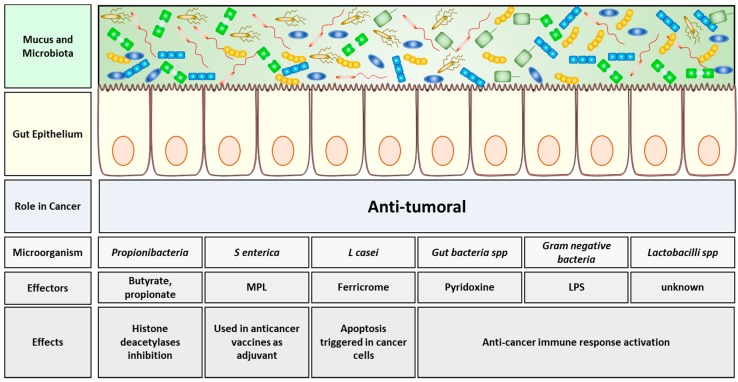
“For example, the widely studied bacterial lipopolysaccharide (LPS), a major component of the outer membrane in gram-negative bacteria, activates the host’s cell surface receptor toll-like receptor 4 (TLR4), belonging to the family of pattern recognition receptors (PRRs), thus activating immune T cell-mediated response against cancer cells [40].”
§ Gut Microbiota and Cancer: From Pathogenesis to Therapy > 2. Gut Microbiota and Host’s Tumorigenesis > 2.2. Gut Microbiota as a Tumor-Suppressor
What the sources say
- Not checked yetcites [40] Paulos, 2007, Microbial translocation augments the function of adoptively transferred self/tumor-specific CD8+ T cells via TLR4 signaling, J. Clin. Investig. source
plaindirect- Asserted: passes — The authors put it forward as true.
- Checkable: passes — It can be checked against evidence.
- Load-bearing: unclear — It is unclear whether the paper’s conclusions depend on it.
- Based: passes — The paper gives a reason why it holds.
It may state two separate claims as one.
In the paper
“Microbial pathogens are known to drive the 20% of tumorigenesis and a larger number of malignancies are associated with microbial commensal imbalance, or dysbiosis [53].”
§ Gut Microbiota and Cancer: From Pathogenesis to Therapy > 2. Gut Microbiota and Host’s Tumorigenesis > 2.3. Gut Microbiota as a Tumor-Promoter
What the sources say
- Not checked yetcites [53] Bhatt, 2017, The role of the microbiome in cancer development and therapy, CA Cancer J. Clin. source
boosteddirect- Asserted: passes — The authors put it forward as true.
- Checkable: passes — It can be checked against evidence.
- Load-bearing: unclear — It is unclear whether the paper’s conclusions depend on it.
- Based: passes — The paper gives a reason why it holds.
It may state two separate claims as one.
In the paper
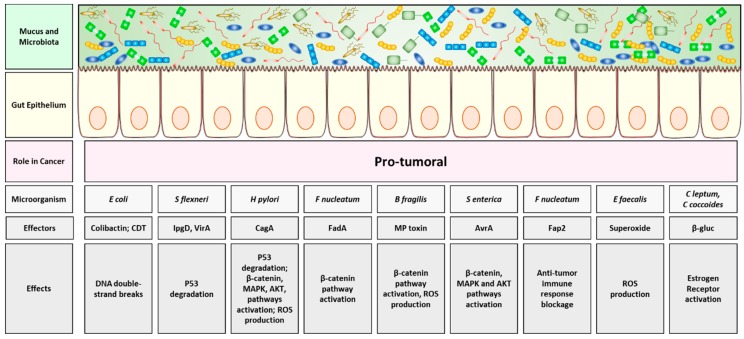
“Enterococcus faecalis produces extracellular superoxide and derivative oxygen species is capable to diffuse into host’s cells. In turn, the increase in the oxidative milieu enhances the possibility of host’s cellular DNA mutations [79].”
§ Gut Microbiota and Cancer: From Pathogenesis to Therapy > 2. Gut Microbiota and Host’s Tumorigenesis > 2.3. Gut Microbiota as a Tumor-Promoter
What the sources say
- Not checked yetcites [79] Huycke, 2001, Extracellular superoxide production by Enterococcus faecalis requires demethylmenaquinone and is attenuated by functional terminal quinol oxidases, Mol. Microbiol. source
plaindirect- Asserted: passes — The authors put it forward as true.
- Checkable: passes — It can be checked against evidence.
- Load-bearing: unclear — It is unclear whether the paper’s conclusions depend on it.
- Based: passes — The paper gives a reason why it holds.
It may state two separate claims as one.
None of the sources cited for this claim have been checked yet.
In the paper
“It has been also reported in several studies that Lactobacilli may stimulate host’s immune cells such as NK cells or dendritic cells (DC) or TH1 response, which, in turn, leads to the elimination of cancerous or precancerous cells, although the exact bacterial bioproduct mediating such stimulatory effect still needs to be identified [45,46,47,48].”
§ Gut Microbiota and Cancer: From Pathogenesis to Therapy > 2. Gut Microbiota and Host’s Tumorigenesis > 2.2. Gut Microbiota as a Tumor-Suppressor
What the sources say
- Not checked yetcites [45] Lenoir, 2016, Lactobacillus casei BL23 regulates Treg and Th17 T-cell populations and reduces DMH-associated colorectal cancer, J. Gastroenterol. source
- Not checked yetcites [46] Lee, 2004, Immunomodulatory and antitumor effects in vivo by the cytoplasmic fraction of Lactobacillus casei and Bifidobacterium longum, J. Vet. Sci. source
- Not checked yetcites [47] Baldwin, 2010, Probiotic Lactobacillus acidophilus and L. casei mix sensitize colorectal tumoral cells to 5-fluorouracil-induced apoptosis, Nutr. Cancer source
- Not checked yetcites [48] Takagi, 2008, Relationship between the in vitro response of dendritic cells to Lactobacillus and prevention of tumorigenesis in the mouse, J. Gastroenterol. source
hedgedconditional- Asserted: passes — The authors put it forward as true.
- Checkable: passes — It can be checked against evidence.
- Load-bearing: unclear — It is unclear whether the paper’s conclusions depend on it.
- Based: passes — The paper gives a reason why it holds.
It may state two separate claims as one.
In the paper
“For example, Fusobacterium nucleatum inhibits for its own advantage host’s Natural Killer (NK) cells, in order to recruit at the site of the infection myeloid suppressor cells, therefore indirectly helping cancer genesis.”
§ Gut Microbiota and Cancer: From Pathogenesis to Therapy > 2. Gut Microbiota and Host’s Tumorigenesis > 2.3. Gut Microbiota as a Tumor-Promoter
What the sources say
- Not checked yetcites [80] Gur, 2015, Binding of the Fap2 protein of Fusobacterium nucleatum to human inhibitory receptor TIGIT protects tumors from immune cell attack, Immunity source
plaindirect- Asserted: passes — The authors put it forward as true.
- Checkable: passes — It can be checked against evidence.
- Load-bearing: unclear — It is unclear whether the paper’s conclusions depend on it.
- Based: passes — The paper gives a reason why it holds.
It may state two separate claims as one.
In the paper
“Moreover, the very same anti-cancer treatment might shape the patient’s microbiome and, at the same time, host’s specific microbiome can deeply affect patient’s response to therapy [19].”
§ Gut Microbiota and Cancer: From Pathogenesis to Therapy > 2. Gut Microbiota and Host’s Tumorigenesis > 2.3. Gut Microbiota as a Tumor-Promoter
What the sources say
- Not checked yetcites [19] Gopalakrishnan, 2018, The Influence of the Gut Microbiome on Cancer, Immunity, and Cancer Immunotherapy, Cancer Cell source
hedgedconditional- Asserted: passes — The authors put it forward as true.
- Checkable: passes — It can be checked against evidence.
- Load-bearing: unclear — It is unclear whether the paper’s conclusions depend on it.
- Based: passes — The paper gives a reason why it holds.
It may state two separate claims as one.
In the paper
“In particular, CagA from Helicobacter pylori can bind many host’s proteins intracellularly, including the protein tyrosine phosphatase SHP-2. CagA-SHP-2 complex formation deregulates the phosphatase activity of SHP-2, which, in turn, promotes Ras/MAPK signaling activation [73].”
§ Gut Microbiota and Cancer: From Pathogenesis to Therapy > 2. Gut Microbiota and Host’s Tumorigenesis > 2.3. Gut Microbiota as a Tumor-Promoter
What the sources say
- Not checked yetcites [73] Matozaki, 2009, Protein tyrosine phosphatase SHP-2: A proto-oncogene product that promotes Ras activation, Cancer Sci. source
plaindirect- Asserted: passes — The authors put it forward as true.
- Checkable: passes — It can be checked against evidence.
- Load-bearing: unclear — It is unclear whether the paper’s conclusions depend on it.
- Based: passes — The paper gives a reason why it holds.
It may state two separate claims as one.
In the paper
“Accordingly, this augmented intake of estrogen hormones is linked with an increased risk of developing breast cancer, supporting the finding that the gut microbiota composition of women with breast cancer differs from that from healthy controls, and suggesting that several gut bacteria, which could be over-expressed during dysbiosis, may be linked with breast cancer development [83].”
§ Gut Microbiota and Cancer: From Pathogenesis to Therapy > 2. Gut Microbiota and Host’s Tumorigenesis > 2.3. Gut Microbiota as a Tumor-Promoter
What the sources say
- Not checked yetcites [83] Fernández, M.F., Reina-Pérez, I., Astorga, J.M., Rodríguez-Carrillo, A., Plaza-Díaz, J., and Fontana, L. (2018). Breast Cancer and Its Relationship with the Microbiota. Int. J. Environ. Res. Public Health, 15. source
hedgedcorrelational- Asserted: passes — The authors put it forward as true.
- Checkable: passes — It can be checked against evidence.
- Load-bearing: passes — The paper’s conclusions depend on it.
- Based: passes — The paper gives a reason why it holds.
It may state two separate claims as one.
None of the sources cited for this claim have been checked yet.
In the paper
“In animal models, LGG administered with food attenuates 5-FU-mediated as well as radiation-mediated gut epithelial injury, therefore helping the preservation of the gut microbiota balance and the intestinal epithelial barrier functionality [91,92,93].”
§ Gut Microbiota and Cancer: From Pathogenesis to Therapy > 3. Lactobacillus rhamnosus GG: A Probiotic Model in Cancer
What the sources say
- Not checked yetcites [91] Chang, 2018, Variety, Front. Microbiol. source
- Not checked yetcites [92] Riehl, T.E., Alvarado, D., Ee, X., Zuckerman, A., Foster, L., Kapoor, V., Thotala, D., Ciorba, M.A., and Stenson, W.F. (2018). GG protects the intestinal epithelium from radiation injury through release of lipoteichoic acid, macrophage activation and the migration of mesenchymal stem cells. Gut. source
- Not checked yetcites [93] Zhang, 2017, GG Affects Microbiota and Suppresses Autophagy in the Intestines of Pigs Challenged with, Front. Microbiol. source
plaindirect- Asserted: passes — The authors put it forward as true.
- Checkable: passes — It can be checked against evidence.
- Load-bearing: unclear — It is unclear whether the paper’s conclusions depend on it.
- Based: passes — The paper gives a reason why it holds.
It may state two separate claims as one.
None of the sources cited for this claim have been checked yet.
In the paper
“In addition, LGG prevents polyps’ formation in a colorectal APC/min mouse cancer model, and reduces colitis-associated cancer in mice [108,109].”
§ Gut Microbiota and Cancer: From Pathogenesis to Therapy > 3. Lactobacillus rhamnosus GG: A Probiotic Model in Cancer
What the sources say
- Not checked yetcites [108] Ni, 2017, A metagenomic study of the preventive effect of Lactobacillus rhamnosus GG on intestinal polyp formation in APC, J. Appl. Microbiol. source
- Not checked yetcites [109] Mendes, 2018, Microbiota modification by probiotic supplementation reduces colitis associated colon cancer in mice, World J. Gastroenterol. source
plaindirect- Asserted: passes — The authors put it forward as true.
- Checkable: passes — It can be checked against evidence.
- Load-bearing: passes — The paper’s conclusions depend on it.
- Based: passes — The paper gives a reason why it holds.
It may state two separate claims as one.
In the paper
“Additionally, host’s DC exposed to LGG induce TH1 immune cells polarization and, in turn, antitumor immune-response potentiation [111].”
§ Gut Microbiota and Cancer: From Pathogenesis to Therapy > 3. Lactobacillus rhamnosus GG: A Probiotic Model in Cancer
What the sources say
- Not checked yetcites [111] Cai, 2016, Lactobacillus rhamnosus GG Activation of Dendritic Cells and Neutrophils Depends on the Dose and Time of Exposure, J. Immunol. Res. source
plaindirect- Asserted: passes — The authors put it forward as true.
- Checkable: passes — It can be checked against evidence.
- Load-bearing: passes — The paper’s conclusions depend on it.
- Based: passes — The paper gives a reason why it holds.
It may state two separate claims as one.
In the paper
“The gut microbial population plays a key role in training, functioning and stimulating the host immune system, with the final effect of developing tolerance towards beneficial microbiota and eliciting immune response against gut pathogens [76].”
§ Gut Microbiota and Cancer: From Pathogenesis to Therapy > 4. Gut Microbiota and the Inflammasomes
What the sources say
- Not checked yetcites [76] Belkaid, 2014, Role of the microbiota in immunity and inflammation, Cell source
plaindirect- Asserted: passes — The authors put it forward as true.
- Checkable: passes — It can be checked against evidence.
- Load-bearing: unclear — It is unclear whether the paper’s conclusions depend on it.
- Based: passes — The paper gives a reason why it holds.
It may state two separate claims as one.
In the paper
“LGG triggers the immune response also within the normal not transformed gut epithelium, thus protecting towards inflammation, which can support the formation of a cancer-favorable milieu [112].”
§ Gut Microbiota and Cancer: From Pathogenesis to Therapy > 3. Lactobacillus rhamnosus GG: A Probiotic Model in Cancer
What the sources say
- Not checked yetcites [112] Suzuki, C., Aoki-Yoshida, A., Aoki, R., Sasaki, K., Takayama, Y., and Mizumachi, K. (2017). The distinct effects of orally administered Lactobacillus rhamnosus GG and Lactococcus lactis subsp. lactis C59 on gene expression in the murine small intestine. PLoS ONE, 12. source
plaindirect- Asserted: passes — The authors put it forward as true.
- Checkable: passes — It can be checked against evidence.
- Load-bearing: passes — The paper’s conclusions depend on it.
- Based: passes — The paper gives a reason why it holds.
It may state two separate claims as one.
In the paper
“Among these probiotic species, LGG is one of the first studied specifically in oncology [87].”
§ Gut Microbiota and Cancer: From Pathogenesis to Therapy > 3. Lactobacillus rhamnosus GG: A Probiotic Model in Cancer
What the sources say
- Not checked yetcites [87] Goldin, 1996, The effect of Lactobacillus GG on the initiation and promotion of DMH-induced intestinal tumors in the rat, Nutr. Cancer source
plain- Asserted: passes — The authors put it forward as true.
- Checkable: passes — It can be checked against evidence.
- Load-bearing: fails — The paper’s conclusions may not depend on it.
- Based: passes — The paper gives a reason why it holds.
Probably not a substantial claim. The paper’s conclusions may not depend on it.
In the paper
“The mechanism involves the induction of pro-apoptotic genes within the tumor mass and the enhancement of host’s immune response [166].”
§ Gut Microbiota and Cancer: From Pathogenesis to Therapy > 5. Gut Microbiota and Anti-Cancer Therapy > 5.1. Modulation of Gut Microbiota to Enhance Chemotherapy and Immunotherapy Efficacy
What the sources say
- Not checked yetcites [166] Gui, 2015, Well-balanced commensal microbiota contributes to anti-cancer response in a lung cancer mouse model, Genet. Mol. Res. source
plaindirect- Asserted: passes — The authors put it forward as true.
- Checkable: passes — It can be checked against evidence.
- Load-bearing: passes — The paper’s conclusions depend on it.
- Based: passes — The paper gives a reason why it holds.
It may state two separate claims as one.
In the paper
“With reference to immunotherapy, the administration of CpG oligodeoxynucleotides, synthetic molecules mimicking bacterial DNA, strongly stimulate the immune system, therefore showing anti-tumor activity in several cancers [169].”
§ Gut Microbiota and Cancer: From Pathogenesis to Therapy > 5. Gut Microbiota and Anti-Cancer Therapy > 5.1. Modulation of Gut Microbiota to Enhance Chemotherapy and Immunotherapy Efficacy
What the sources say
- Not checked yetcites [169] Weiner, 2008, CpG oligodeoxynucleotides as immunotherapy in cancer, Update Cancer Ther. source
boosteddirect- Asserted: passes — The authors put it forward as true.
- Checkable: passes — It can be checked against evidence.
- Load-bearing: unclear — It is unclear whether the paper’s conclusions depend on it.
- Based: passes — The paper gives a reason why it holds.
It may state two separate claims as one.
None of the sources cited for this claim have been checked yet.
In the paper
“Specifically, interventions on microbiome may be pivotal to ameliorate anti-cancer therapy-related toxicity, as well as to improve anti-cancer therapy efficacy [151,152].”
§ Gut Microbiota and Cancer: From Pathogenesis to Therapy > 5. Gut Microbiota and Anti-Cancer Therapy
What the sources say
hedgedconditional- Asserted: passes — The authors put it forward as true.
- Checkable: passes — It can be checked against evidence.
- Load-bearing: passes — The paper’s conclusions depend on it.
- Based: passes — The paper gives a reason why it holds.
It may state two separate claims as one.
In the paper
“These two effects combined together may explain the strong involvement of the patient’s microbiome composition in affecting the efficacy of both chemotherapy and immunotherapy [19].”
§ Gut Microbiota and Cancer: From Pathogenesis to Therapy > 5. Gut Microbiota and Anti-Cancer Therapy > 5.1. Modulation of Gut Microbiota to Enhance Chemotherapy and Immunotherapy Efficacy
What the sources say
- Not checked yetcites [19] Gopalakrishnan, 2018, The Influence of the Gut Microbiome on Cancer, Immunity, and Cancer Immunotherapy, Cancer Cell source
hedgeddirect- Asserted: passes — The authors put it forward as true.
- Checkable: passes — It can be checked against evidence.
- Load-bearing: passes — The paper’s conclusions depend on it.
- Based: passes — The paper gives a reason why it holds.
It may state two separate claims as one.
A conclusion the paper draws from its own results — it cites no other source for it, so there is none to check. The quote shows it is in the paper.
In the paper
“The microbiota, when affected by dysbiosis, can deeply influence both cancer pathogenesis (as reported in Section 2) and its therapeutic outcome.”
§ Gut Microbiota and Cancer: From Pathogenesis to Therapy > 5. Gut Microbiota and Anti-Cancer Therapy > 5.1. Modulation of Gut Microbiota to Enhance Chemotherapy and Immunotherapy Efficacy
plainconditional- Asserted: passes — The authors put it forward as true.
- Checkable: passes — It can be checked against evidence.
- Load-bearing: passes — The paper’s conclusions depend on it.
- Based: passes — The paper gives a reason why it holds.
It may state two separate claims as one.
In the paper
“Along this line, the intra-tumoral injection of CpG oligodeoxynucleotides administered together with an anti-interleukin-10 receptor (IL-10R) antibody, induce TNF production from tumor infiltrating myeloid cells and, in turn, reduce the growth several types of tumors in mice [165].”
§ Gut Microbiota and Cancer: From Pathogenesis to Therapy > 5. Gut Microbiota and Anti-Cancer Therapy > 5.1. Modulation of Gut Microbiota to Enhance Chemotherapy and Immunotherapy Efficacy
What the sources say
- Not checked yetcites [165] Iida, 2013, Commensal bacteria control cancer response to therapy by modulating the tumor microenvironment, Science source
plaindirect- Asserted: passes — The authors put it forward as true.
- Checkable: passes — It can be checked against evidence.
- Load-bearing: unclear — It is unclear whether the paper’s conclusions depend on it.
- Based: passes — The paper gives a reason why it holds.
It may state two separate claims as one.
None of the sources cited for this claim have been checked yet.
In the paper
“Back in 1890 two heat-inactivated microorganisms (Streptococci) were injected intratumorally for the very first time in humans as an attempt to cure cancer [153,154].”
§ Gut Microbiota and Cancer: From Pathogenesis to Therapy > 5. Gut Microbiota and Anti-Cancer Therapy
What the sources say
- Not checked yetcites [153] McCarthy, 2006, The toxins of William B. Coley and the treatment of bone and soft-tissue sarcomas, IOWA Orthop. J.
- Not checked yetcites [154] Nauts, 1946, The treatment of malignant tumors by bacterial toxins as developed by the late William B. Coley, M.D., reviewed in the light of modern research, Cancer Res.
plain- Asserted: passes — The authors put it forward as true.
- Checkable: passes — It can be checked against evidence.
- Load-bearing: fails — The paper’s conclusions may not depend on it.
- Based: passes — The paper gives a reason why it holds.
Probably not a substantial claim. The paper’s conclusions may not depend on it.
In the paper
“Because almost every available anti-cancer treatment is toxic also towards normal cells, their use may be coupled with side effects, some of which can compromise the overall survival of the patients [140].”
§ Gut Microbiota and Cancer: From Pathogenesis to Therapy > 5. Gut Microbiota and Anti-Cancer Therapy
What the sources say
- Not checked yetcites [140] Dy, 2013, Understanding, recognizing, and managing toxicities of targeted anticancer therapies, CA Cancer J. Clin. source
hedgedconditional- Asserted: passes — The authors put it forward as true.
- Checkable: passes — It can be checked against evidence.
- Load-bearing: unclear — It is unclear whether the paper’s conclusions depend on it.
- Based: passes — The paper gives a reason why it holds.
It may state two separate claims as one.
In the paper
“In particular, the regulation of such therapeutic outcome is tightly connected with the ability of the gut microbiota to metabolize anti-tumoral compounds, as well as to modulate host’s immune response and inflammation pathways [164].”
§ Gut Microbiota and Cancer: From Pathogenesis to Therapy > 5. Gut Microbiota and Anti-Cancer Therapy > 5.1. Modulation of Gut Microbiota to Enhance Chemotherapy and Immunotherapy Efficacy
What the sources say
- Not checked yetcites [164] Schwabe, 2013, The microbiome and cancer, Nat. Rev. Cancer source
plaindirect- Asserted: passes — The authors put it forward as true.
- Checkable: passes — It can be checked against evidence.
- Load-bearing: passes — The paper’s conclusions depend on it.
- Based: passes — The paper gives a reason why it holds.
It may state two separate claims as one.
In the paper
“Consistently, mice bearing lung tumors treated with cisplatin coupled with antibiotics, survive less and develop bigger tumors.”
§ Gut Microbiota and Cancer: From Pathogenesis to Therapy > 5. Gut Microbiota and Anti-Cancer Therapy > 5.1. Modulation of Gut Microbiota to Enhance Chemotherapy and Immunotherapy Efficacy
What the sources say
- Not checked yetcites [166] Gui, 2015, Well-balanced commensal microbiota contributes to anti-cancer response in a lung cancer mouse model, Genet. Mol. Res. source
plaindirect- Asserted: passes — The authors put it forward as true.
- Checkable: passes — It can be checked against evidence.
- Load-bearing: passes — The paper’s conclusions depend on it.
- Based: passes — The paper gives a reason why it holds.
It may state two separate claims as one.
In the paper
“In fact, radiotherapy, chemotherapy and immunotherapy treatments can all modify patients’ microbiome and, at the same time, microbiome composition can deeply affect patients’ response to such therapies [150].”
§ Gut Microbiota and Cancer: From Pathogenesis to Therapy > 5. Gut Microbiota and Anti-Cancer Therapy
What the sources say
- Not checked yetcites [150] Roy, 2017, Microbiota: A key orchestrator of cancer therapy, Nat. Rev. Cancer source
plaindirect- Asserted: passes — The authors put it forward as true.
- Checkable: passes — It can be checked against evidence.
- Load-bearing: passes — The paper’s conclusions depend on it.
- Based: passes — The paper gives a reason why it holds.
It may state two separate claims as one.
In the paper
“Regarding the correlation between inflammasomes, microbiome and cancer, NRPL6 plays a key role in colorectal carcinogenesis and, in particular, NLRP6 regulates susceptibility to intestinal inflammation through its microbiome-modulatory activity [139].”
§ Gut Microbiota and Cancer: From Pathogenesis to Therapy > 4. Gut Microbiota and the Inflammasomes
What the sources say
- Not checked yetcites [139] Elinav, 2018, NLRP6 and Dysbiosis: Avoiding the Luring Attraction of Over-Simplification, Immunity source
plaindirect- Asserted: passes — The authors put it forward as true.
- Checkable: passes — It can be checked against evidence.
- Load-bearing: unclear — It is unclear whether the paper’s conclusions depend on it.
- Based: passes — The paper gives a reason why it holds.
It may state two separate claims as one.
In the paper
“In CRC inflammasomes activation has a protective role, on the contrary in breast and skin cancers their triggering leads to detrimental outcomes [119].”
§ Gut Microbiota and Cancer: From Pathogenesis to Therapy > 4. Gut Microbiota and the Inflammasomes
What the sources say
- Not checked yetcites [119] Kantono, 2017, Inflammasomes and Cancer: The Dynamic Role of the Inflammasome in Tumor Development, Front. Immunol. source
plaindirect- Asserted: passes — The authors put it forward as true.
- Checkable: passes — It can be checked against evidence.
- Load-bearing: unclear — It is unclear whether the paper’s conclusions depend on it.
- Based: passes — The paper gives a reason why it holds.
It may state two separate claims as one.
None of the sources cited for this claim have been checked yet.
In the paper
“NLRP6 KO mice show dysbiosis and increased incidence of inflammation-associated CRC [135,136,137].”
§ Gut Microbiota and Cancer: From Pathogenesis to Therapy > 4. Gut Microbiota and the Inflammasomes
What the sources say
- Not checked yetcites [135] Elinav, 2011, NLRP6 inflammasome regulates colonic microbial ecology and risk for colitis, Cell source
- Not checked yetcites [136] Levy, 2015, Microbiota-Modulated Metabolites Shape the Intestinal Microenvironment by Regulating NLRP6 Inflammasome Signaling, Cell source
- Not checked yetcites [137] Levy, 2017, NLRP6: A Multifaceted Innate Immune Sensor, Trends Immunol. source
plaindirect- Asserted: passes — The authors put it forward as true.
- Checkable: passes — It can be checked against evidence.
- Load-bearing: passes — The paper’s conclusions depend on it.
- Based: passes — The paper gives a reason why it holds.
It may state two separate claims as one.
In the paper
“Importantly, this intra-tumoral variety is tightly linked with the development of the resistance to therapy, considered the first cause of failure of the available anti-cancer treatments, as well as subsequent tumor relapses [146].”
§ Gut Microbiota and Cancer: From Pathogenesis to Therapy > 5. Gut Microbiota and Anti-Cancer Therapy
What the sources say
- Not checked yetcites [146] McGranahan, 2015, Biological and therapeutic impact of intratumor heterogeneity in cancer evolution, Cancer Cell source
plaincorrelational- Asserted: passes — The authors put it forward as true.
- Checkable: passes — It can be checked against evidence.
- Load-bearing: unclear — It is unclear whether the paper’s conclusions depend on it.
- Based: passes — The paper gives a reason why it holds.
It may state two separate claims as one.
In the paper
“Although the immune checkpoint inhibitors have success in treating various malignancies, there is still a significant number of patients that can use such therapy only for a limited amount of time, given the occurrence of strong toxic side effects, including gut inflammation, due to the subsequent immune-dysregulation (i.e., autoimmunity) [177].”
§ Gut Microbiota and Cancer: From Pathogenesis to Therapy > 5. Gut Microbiota and Anti-Cancer Therapy > 5.1. Modulation of Gut Microbiota to Enhance Chemotherapy and Immunotherapy Efficacy
What the sources say
- Not checked yetcites [177] Larkin, 2015, Combined Nivolumab and Ipilimumab or Monotherapy in Untreated Melanoma, N. Engl. J. Med. source
plaindirect- Asserted: passes — The authors put it forward as true.
- Checkable: passes — It can be checked against evidence.
- Load-bearing: passes — The paper’s conclusions depend on it.
- Based: passes — The paper gives a reason why it holds.
It may state two separate claims as one.
In the paper
“A mixture of two probiotic species Bifidobacterium longum (BB536) and Lactobacillus johnsonii (La1) was administered to the patients in the double-blind study, finding that one of that, La1, was able to adhere to the colonic mucosa, thereby reducing the concentration of gut pathogens and modulating the local immunity [95].”
§ Gut Microbiota and Cancer: From Pathogenesis to Therapy > 5. Gut Microbiota and Anti-Cancer Therapy > 5.2. Use of Probiotics in Oncology
What the sources say
- Not checked yetcites [95] Gianotti, 2010, A randomized double-blind trial on perioperative administration of probiotics in colorectal cancer patients, World J. Gastroenterol. source
plaindirect- Asserted: passes — The authors put it forward as true.
- Checkable: passes — It can be checked against evidence.
- Load-bearing: unclear — It is unclear whether the paper’s conclusions depend on it.
- Based: passes — The paper gives a reason why it holds.
It may state two separate claims as one.
In the paper
“Functional studies performed with FMT in germ free mice further demonstrated how treating mice with the identified bacteria, along with the anti-PD1 therapy, enhanced the anti-cancer effects and reduces the melanoma growth [171].”
§ Gut Microbiota and Cancer: From Pathogenesis to Therapy > 5. Gut Microbiota and Anti-Cancer Therapy > 5.1. Modulation of Gut Microbiota to Enhance Chemotherapy and Immunotherapy Efficacy
What the sources say
- Not checked yetcites [171] Gopalakrishnan, 2018, Gut microbiome modulates response to anti-PD-1 immunotherapy in melanoma patients, Science source
boosteddirect- Asserted: passes — The authors put it forward as true.
- Checkable: passes — It can be checked against evidence.
- Load-bearing: passes — The paper’s conclusions depend on it.
- Based: passes — The paper gives a reason why it holds.
It may state two separate claims as one.
In the paper
“Immune checkpoint inhibition consists in the administration of therapeutic agents able to block the immune-inhibitory pathway, thus modulating T cell activation against tumor target cells.”
§ Gut Microbiota and Cancer: From Pathogenesis to Therapy > 5. Gut Microbiota and Anti-Cancer Therapy > 5.1. Modulation of Gut Microbiota to Enhance Chemotherapy and Immunotherapy Efficacy
What the sources say
- Not checked yetcites [173] Chen, 2018, Delivery Strategies for Immune Checkpoint Blockade, Adv. Healthc. Mater. source
plaindirect- Asserted: passes — The authors put it forward as true.
- Checkable: passes — It can be checked against evidence.
- Load-bearing: fails — The paper’s conclusions may not depend on it.
- Based: passes — The paper gives a reason why it holds.
Probably not a substantial claim. The paper’s conclusions may not depend on it.
In the paper
“Performing FMT from patients to germ free mice, the authors found that Akkermansia muciniphila (alone or in combination with Enterococcus hirae) was able to increase intra-tumoral cytotoxic T cell infiltrates, thus increasing the PD-1 blockade response in mice [170].”
§ Gut Microbiota and Cancer: From Pathogenesis to Therapy > 5. Gut Microbiota and Anti-Cancer Therapy > 5.1. Modulation of Gut Microbiota to Enhance Chemotherapy and Immunotherapy Efficacy
What the sources say
- Not checked yetcites [170] Routy, 2018, Gut microbiome influences efficacy of PD-1-based immunotherapy against epithelial tumors, Science source
plaindirect- Asserted: passes — The authors put it forward as true.
- Checkable: passes — It can be checked against evidence.
- Load-bearing: passes — The paper’s conclusions depend on it.
- Based: passes — The paper gives a reason why it holds.
It may state two separate claims as one.
In the paper
“Moreover, the administration of a specific bacteria, Alistipes shahii, to antibiotic-treated tumor bearing mice, restores TNF production with a notable improvement in the therapeutic outcome [165].”
§ Gut Microbiota and Cancer: From Pathogenesis to Therapy > 5. Gut Microbiota and Anti-Cancer Therapy > 5.1. Modulation of Gut Microbiota to Enhance Chemotherapy and Immunotherapy Efficacy
What the sources say
- Not checked yetcites [165] Iida, 2013, Commensal bacteria control cancer response to therapy by modulating the tumor microenvironment, Science source
plaindirect- Asserted: passes — The authors put it forward as true.
- Checkable: passes — It can be checked against evidence.
- Load-bearing: passes — The paper’s conclusions depend on it.
- Based: passes — The paper gives a reason why it holds.
It may state two separate claims as one.
In the paper
“Moreover, according to the result of a trial published in 2017, the randomized administration of Bifidobacterium lactis and Lactobacillus acidophilus to CRC patients, can change the epigenetic patterns of tumor tissue from its baseline, with potential therapeutic benefits in CRC by manipulation of the gut microbiota [100].”
§ Gut Microbiota and Cancer: From Pathogenesis to Therapy > 5. Gut Microbiota and Anti-Cancer Therapy > 5.2. Use of Probiotics in Oncology
What the sources say
- Not checked yetcites [100] Hibberd, 2017, Intestinal microbiota is altered in patients with colon cancer and modified by probiotic intervention, BMJ Open Gastroenterol. source
plaindirect- Asserted: passes — The authors put it forward as true.
- Checkable: passes — It can be checked against evidence.
- Load-bearing: unclear — It is unclear whether the paper’s conclusions depend on it.
- Based: passes — The paper gives a reason why it holds.
It may state two separate claims as one.
None of the sources cited for this claim have been checked yet.
In the paper
“probiotics containing Lactobacillus species are suggested be used to prevent diarrhea in patients receiving chemotherapy and/or radiation therapy for a pelvic malignancy (Level of evidence III) [193,194].”
§ Gut Microbiota and Cancer: From Pathogenesis to Therapy > 5. Gut Microbiota and Anti-Cancer Therapy > 5.2. Use of Probiotics in Oncology
What the sources say
- Not checked yetcites [193] Peterson, 2015, Management of oral and gastrointestinal mucosal injury: ESMO Clinical Practice Guidelines for diagnosis, treatment, and follow-up, Ann. Oncol. source
- Not checked yetcites [194] Lalla, 2014, MASCC/ISOO clinical practice guidelines for the management of mucositis secondary to cancer therapy, Cancer source
hedgedconditional- Asserted: passes — The authors put it forward as true.
- Checkable: passes — It can be checked against evidence.
- Load-bearing: fails — The paper’s conclusions may not depend on it.
- Based: passes — The paper gives a reason why it holds.
Probably not a substantial claim. The paper’s conclusions may not depend on it.
None of the sources cited for this claim have been checked yet.
In the paper
“Although probiotics are generally regarded as safe, the main concerns of administering them to immunocompromised cancer patients are both the potential risk of opportunistic infection development and the transfer of antibiotics resistance [190,191].”
§ Gut Microbiota and Cancer: From Pathogenesis to Therapy > 5. Gut Microbiota and Anti-Cancer Therapy > 5.2. Use of Probiotics in Oncology
What the sources say
plainconditional- Asserted: passes — The authors put it forward as true.
- Checkable: passes — It can be checked against evidence.
- Load-bearing: passes — The paper’s conclusions depend on it.
- Based: passes — The paper gives a reason why it holds.
It may state two separate claims as one.
In the paper
“While CTLA-4 regulates T cells proliferation early in the immune response within the lymph nodes, PD-1 suppresses T-cell activation later, within the body periphery [174].”
§ Gut Microbiota and Cancer: From Pathogenesis to Therapy > 5. Gut Microbiota and Anti-Cancer Therapy > 5.1. Modulation of Gut Microbiota to Enhance Chemotherapy and Immunotherapy Efficacy
What the sources say
- Not checked yetcites [174] Buchbinder, 2016, CTLA-4 and PD-1 Pathways: Similarities, Differences, and Implications of Their Inhibition, Am. J. Clin. Oncol. source
plaindirect- Asserted: passes — The authors put it forward as true.
- Checkable: passes — It can be checked against evidence.
- Load-bearing: unclear — It is unclear whether the paper’s conclusions depend on it.
- Based: passes — The paper gives a reason why it holds.
It may state two separate claims as one.
In the paper
“In fact, they demonstrated that oral administration of a cocktail of Bifidobacterium species combined with the anti-PD-L1 antibody, specifically boosts T cell response and blocks the melanoma growth [176].”
§ Gut Microbiota and Cancer: From Pathogenesis to Therapy > 5. Gut Microbiota and Anti-Cancer Therapy > 5.1. Modulation of Gut Microbiota to Enhance Chemotherapy and Immunotherapy Efficacy
What the sources say
- Not checked yetcites [176] Sivan, 2015, Commensal Bifidobacterium promotes antitumor immunity and facilitates anti-PD-L1 efficacy, Science source
boosteddirect- Asserted: passes — The authors put it forward as true.
- Checkable: passes — It can be checked against evidence.
- Load-bearing: passes — The paper’s conclusions depend on it.
- Based: passes — The paper gives a reason why it holds.
It may state two separate claims as one.
In the paper
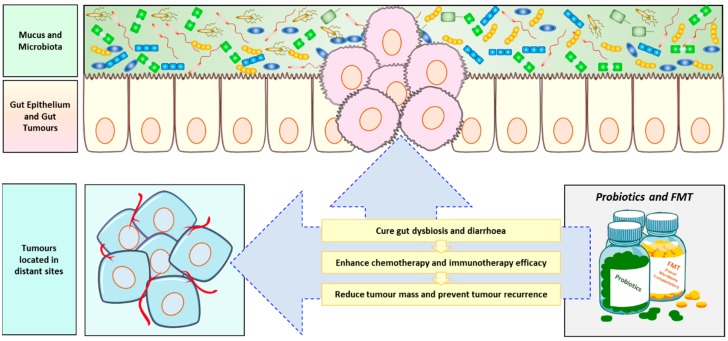
“Despite of that, probiotics administration in multiple trials has shown beneficial effects on ameliorating diarrhea and other gut-related damages following anti-cancer therapy, thus re-establishing a healthy intestinal microbiota composition [192].”
§ Gut Microbiota and Cancer: From Pathogenesis to Therapy > 5. Gut Microbiota and Anti-Cancer Therapy > 5.2. Use of Probiotics in Oncology
What the sources say
- Not checked yetcites [192] Mego, 2013, Probiotic bacteria in cancer patients undergoing chemotherapy and radiation therapy, Complement. Ther. Med. source
plaindirect- Asserted: passes — The authors put it forward as true.
- Checkable: passes — It can be checked against evidence.
- Load-bearing: passes — The paper’s conclusions depend on it.
- Based: passes — The paper gives a reason why it holds.
It may state two separate claims as one.
In the paper
“Importantly, metagenomics analysis of patients’ fecal gut microbiome showed a difference in the composition of their gut microbiome.”
§ Gut Microbiota and Cancer: From Pathogenesis to Therapy > 5. Gut Microbiota and Anti-Cancer Therapy > 5.1. Modulation of Gut Microbiota to Enhance Chemotherapy and Immunotherapy Efficacy
What the sources say
- Not checked yetcites [170] Routy, 2018, Gut microbiome influences efficacy of PD-1-based immunotherapy against epithelial tumors, Science source
plaincorrelational- Asserted: passes — The authors put it forward as true.
- Checkable: passes — It can be checked against evidence.
- Load-bearing: passes — The paper’s conclusions depend on it.
- Based: passes — The paper gives a reason why it holds.
The quote only partly states this claim.
A conclusion the paper draws from its own results — it cites no other source for it, so there is none to check. The quote shows it is in the paper.
In the paper
“Altogether, these data provide a strong evidence of the role of gut microbiota composition in modulating the effect of both immunotherapy response and toxicity.”
§ Gut Microbiota and Cancer: From Pathogenesis to Therapy > 5. Gut Microbiota and Anti-Cancer Therapy > 5.1. Modulation of Gut Microbiota to Enhance Chemotherapy and Immunotherapy Efficacy
boosteddirect- Asserted: passes — The authors put it forward as true.
- Checkable: passes — It can be checked against evidence.
- Load-bearing: passes — The paper’s conclusions depend on it.
- Based: passes — The paper gives a reason why it holds.
It may state two separate claims as one.
A conclusion the paper draws from its own results — it cites no other source for it, so there is none to check. The quote shows it is in the paper.
In the paper
“LGG is a very good example of a probiotic well studied in cancer, often administered as complementary therapeutic to cure dysbiosis.”
§ Gut Microbiota and Cancer: From Pathogenesis to Therapy > 6. Conclusions and Future Perspectives
boosteddirect- Asserted: passes — The authors put it forward as true.
- Checkable: passes — It can be checked against evidence.
- Load-bearing: passes — The paper’s conclusions depend on it.
- Based: fails — The paper may give no reason why it holds.
Probably not a substantial claim. The paper may give no reason why it holds. It may state two separate claims as one.
A conclusion the paper draws from its own results — it cites no other source for it, so there is none to check. The quote shows it is in the paper.
In the paper
“Even if the last decade witnessed massive advances in unveiling the role of gut microbiome in cancer and other diseases, there are still many obstacles for translating basic microbiome research into therapeutic applications.”
§ Gut Microbiota and Cancer: From Pathogenesis to Therapy > 5. Gut Microbiota and Anti-Cancer Therapy > 5.1. Modulation of Gut Microbiota to Enhance Chemotherapy and Immunotherapy Efficacy
plain- Asserted: passes — The authors put it forward as true.
- Checkable: passes — It can be checked against evidence.
- Load-bearing: passes — The paper’s conclusions depend on it.
- Based: passes — The paper gives a reason why it holds.
Probably not a substantial claim.
- Rests on an assumption: Potential pathogens can develop among gut bacteria and could limit or slow down the translation of in vitro and in vivo results to the clinic.
In the paper
“Regarding anti-tumor therapeutic applications, preclinical studies performed in mice demonstrated the efficacy of FMT in reducing colon tumorigenesis, although the efficacy in clinical trials still needs to be further proven [198].”
§ Gut Microbiota and Cancer: From Pathogenesis to Therapy > 5. Gut Microbiota and Anti-Cancer Therapy > 5.3. Use of Fecal Microbiota Transplantation (FMT) in Oncology
What the sources say
- Not checked yetcites [198] Bel, 2014, Reprogrammed and transmissible intestinal microbiota confer diminished susceptibility to induced colitis in TMF−/− mice, Proc. Natl. Acad. Sci. USA source
boosteddirect- Asserted: passes — The authors put it forward as true.
- Checkable: passes — It can be checked against evidence.
- Load-bearing: unclear — It is unclear whether the paper’s conclusions depend on it.
- Based: passes — The paper gives a reason why it holds.
It may state two separate claims as one.
None of the sources cited for this claim have been checked yet.
In the paper
“For example, FMT has been used to cure recurrent Clostridium difficile duodenal infection [195,196].”
§ Gut Microbiota and Cancer: From Pathogenesis to Therapy > 5. Gut Microbiota and Anti-Cancer Therapy > 5.3. Use of Fecal Microbiota Transplantation (FMT) in Oncology
What the sources say
- Not checked yetcites [195] Dijkgraaf, 2013, Duodenal infusion of feces for recurrent Clostridium difficile, N. Engl. J. Med.
- Not checked yetcites [196] Khoruts, 2016, Inflammatory Bowel Disease Affects the Outcome of Fecal Microbiota Transplantation for Recurrent Clostridium difficile Infection, Clin. Gastroenterol. Hepatol. source
plaindirect- Asserted: passes — The authors put it forward as true.
- Checkable: passes — It can be checked against evidence.
- Load-bearing: fails — The paper’s conclusions may not depend on it.
- Based: passes — The paper gives a reason why it holds.
Probably not a substantial claim. The paper’s conclusions may not depend on it.
A conclusion the paper draws from its own results — it cites no other source for it, so there is none to check. The quote shows it is in the paper.
In the paper
“Some bacterial subpopulations are able to rise during gut dysbiosis and, in turn, to trigger the formation of an inflammatory and pro-cancerogenic environment.”
§ Gut Microbiota and Cancer: From Pathogenesis to Therapy > 6. Conclusions and Future Perspectives
plaindirect- Asserted: passes — The authors put it forward as true.
- Checkable: passes — It can be checked against evidence.
- Load-bearing: passes — The paper’s conclusions depend on it.
- Based: fails — The paper may give no reason why it holds.
Probably not a substantial claim. The paper may give no reason why it holds.
A conclusion the paper draws from its own results — it cites no other source for it, so there is none to check. The quote shows it is in the paper.
In the paper
“On the other hand, many gut derived probiotics are able to protect the host, re-establishing the conditions of a healthy intestinal microbiota within dysbiotic patients, including cancer patients.”
§ Gut Microbiota and Cancer: From Pathogenesis to Therapy > 6. Conclusions and Future Perspectives
plaindirect- Asserted: passes — The authors put it forward as true.
- Checkable: passes — It can be checked against evidence.
- Load-bearing: passes — The paper’s conclusions depend on it.
- Based: fails — The paper may give no reason why it holds.
Probably not a substantial claim. The paper may give no reason why it holds.
The paper relies on this without support.
The gut microbial balance is required for the correct fulfilment of the gut microbiota's metabolic functions.
“The gut microbial balance has a key role in the correct fulfilment of all these pivotal metabolic functions.”
The paper relies on this without support.
Potential pathogens can develop among gut bacteria and could limit or slow down the translation of in vitro and in vivo results to the clinic.
“Among the gut bacteria can develop potential pathogens and that could limit, or at least slow down, the translation of the in vitro and in vivo results to the clinic.”
The paper relies on this without support.
Each individual inherits a specific gut microbiota footprint since birth, and their intestinal microbiota develops and changes with aging, diet, and lifetime exposure to the heterogeneous environment.
“Each individual inherited a specific gut microbiota footprint since their birth, and their intestinal microbiota develops and changes with aging, diet and lifetime exposure to the heterogeneous environment.”
Claims other papers make about this one
Each is checked against this paper’s own text: does it say what the citing paper says it does?
In the citing paper
“However, depending on various factors, the gut microbiome can lead to either tumorigenesis or tumor regression [420, 421].”
From Tumor microenvironment signaling and therapeutics in cancer progression (2023) · cites this paper as [420]
Citations
Cites
1 retracted
Lenoir, M., del Carmen, S., Cortes-Perez, N. G., Lozano-Ojalvo, D., Muñoz-Provencio, D., Chain, F., Langella, P., de Moreno de LeBlanc, A., LeBlanc, J. G., & Bermúdez-Humarán, L. G. (2016) · Journal of Gastroenterology · doi:10.1007/s00535-015-1158-9 · Cited by 155
RetractedCombined Nivolumab and Ipilimumab or Monotherapy in Untreated Melanoma
Larkin, J., Chiarion-Sileni, V., Gonzalez, R., Grob, J. J., Cowey, C. L., Lao, C. D., Schadendorf, D., Dummer, R., Smylie, M., Rutkowski, P., et al. (2015) · New England Journal of Medicine · doi:10.1056/nejmoa1504030 · Cited by 8,157
Vogelstein, B., Papadopoulos, N., Velculescu, V. E., Zhou, S., Diaz, L. A., & Kinzler, K. W. (2013) · Science · doi:10.1126/science.1235122 · Cited by 7,863
Wang, H., Naghavi, M., Allen, C., Barber, R. M., Bhutta, Z. A., Carter, A., Casey, D. C., Charlson, F. J., Chen, A. Z., Coates, M. M., et al. (2016) · The Lancet · doi:10.1016/s0140-6736(16)31012-1 · Cited by 6,596
Fitzmaurice, C., Allen, C., Barber, R. M., Barregård, L., Bhutta, Z. A., Brenner, H., Dicker, D., Chimed‐Ochir, O., Dandona, R., Dandona, L., et al. (2016) · JAMA Oncology · doi:10.1001/jamaoncol.2016.5688 · Cited by 6,318
The Immune Landscape of Cancer
Thorsson, V., Gibbs, D. L., Brown, S. D., Wolf, D., Bortone, D. S., Ou Yang, T.-H., Porta-Pardo, E., Gao, G. F., Plaisier, C. L., Eddy, J. A., et al. (2018) · Immunity · doi:10.1016/j.immuni.2018.03.023 · Cited by 5,870
Gut microbiome influences efficacy of PD-1-based immunotherapy against epithelial tumors
Routy, B., Le Chatelier, E., Derosa, L., Duong, C. P. M., Alou, M. T., Daillère, R., Fluckiger, A., Messaoudene, M., Rauber, C., Roberti, M. P., et al. (2018) · Science · doi:10.1126/science.aan3706 · Cited by 5,671
Role of the microbiota in immunity and inflammation.
Belkaid, Y., & Hand, T. W. (2014) · Cell · doi:10.1016/j.cell.2014.03.011 · Cited by 5,385
Gut microbiome modulates response to anti-PD-1 immunotherapy in melanoma patients
Gopalakrishnan, V., Spencer, C. N., Nezi, L., Reuben, A., Andrews, M. C., Karpinets, T. V., Prieto, P. A., Vicente, D., Hoffman, K., Wei, S. C., et al. (2018) · Science · doi:10.1126/science.aan4236 · Cited by 4,812 · cited 2×
“[171] demonstrated through metagenomics analysis of melanoma patients’ fecal samples that the anti-PD1 responders’ microbiome was different in composition compared with that of non-responders.”
BackgroundResultCommensal Bifidobacterium promotes antitumor immunity and facilitates anti–PD-L1 efficacy
Sivan, A., Corrales, L., Hubert, N., Williams, J. B., Aquino-Michaels, K., Earley, Z. M., Benyamin, F. W., Man Lei, Y., Jabri, B., Alegre, M.-L., et al. (2015) · Science · doi:10.1126/science.aac4255 · Cited by 3,888 · cited 3×
“In fact, they demonstrated that oral administration of a cocktail of Bifidobacterium species combined with the anti-PD-L1 antibody, specifically boosts T cell response and blocks the melanoma growth [176].”
BackgroundInfluential
Cited by
Sorted by citations
Items 101–200 of 584
The Microbiota and Gut-Related Disorders: Insights from Animal Models
Kamareddine, L., Najjar, H., Sohail, M. U., Abdulkader, H. A., & Al‐Asmakh, M. (2020) · Cells · doi:10.3390/cells9112401 · Cited by 55
Molecular mimicry between tumor associated antigens and microbiota-derived epitopes
Ragone, C., Manolio, C., Mauriello, A., Cavalluzzo, B., Buonaguro, L., Tornesello, M. L., Tagliamonte, M., & Buonaguro, L. (2022) · Journal of Translational Medicine · doi:10.1186/s12967-022-03512-6 · Cited by 55
Anticancer Effects of Propionic Acid Inducing Cell Death in Cervical Cancer Cells
Pham, C. H., Lee, J., Yu, J., Lee, S. H., Yu, K., Hong, J., Cho, N., Kim, S., Kang, D., Lee, S., et al. (2021) · Molecules · doi:10.3390/molecules26164951 · Cited by 55
Modulatory Effect of Gut Microbiota on the Gut-Brain, Gut-Bone Axes, and the Impact of Cannabinoids
Ibrahim, I., Soumyakrishnan, S., Ayariga, J. A., Xu, J., Robertson, B. K., SREEPRIYA, M., & Ajayi, O. S. (2022) · Metabolites · doi:10.3390/metabo12121247 · Cited by 57
Docimo, G., Cangiano, A., Romano, R. M., Pignatelli, M. F., Offi, C., Paglionico, V. A., Galdiero, M., Donnarumma, G., Nigro, V., Espósito, D., et al. (2020) · Frontiers in Endocrinology · doi:10.3389/fendo.2020.586529 · Cited by 56
Cesa-Luna, C., Alatorre-Cruz, J. M., Carreño-López, R., Quintero‐Hernández, V., & Baez, A. (2021) · Polish Journal of Microbiology · doi:10.33073/pjm-2021-020 · Cited by 56
Modulating Microbiota as a New Strategy for Breast Cancer Prevention and Treatment
Wu, H., Ganguly, S., & Tollefsbol, T. O. (2022) · Microorganisms · doi:10.3390/microorganisms10091727 · Cited by 53
The impact of tumor and gut microbiotas on cancer therapy: Beneficial or detrimental?
Hekmatshoar, Y., Saadat, Y. R., Khatibi, S. M. H., Özkan, T., Vahed, F. Z., Nariman‐Saleh‐Fam, Z., Gargari, B. P., Sunguroğlu, A., & Vahed, S. Z. (2019) · Life Sciences · doi:10.1016/j.lfs.2019.116680 · Cited by 53
Biodetoxification and Protective Properties of Probiotics
Pop, O. L., Suharoschi, R., & Gabbianelli, R. (2022) · Microorganisms · doi:10.3390/microorganisms10071278 · Cited by 57
Gut microbiome a promising target for management of respiratory diseases
Trivedi, R., & Barve, K. H. (2020) · Biochemical Journal · doi:10.1042/bcj20200426 · Cited by 53
The Potential Gut Microbiota-Mediated Treatment Options for Liver Cancer
Zhang, C., Yang, M. J., & Ericsson, A. C. (2020) · Frontiers in Oncology · doi:10.3389/fonc.2020.524205 · Cited by 51
Gaucher, L., Adda, L., Séjourné, A., Joachim, C., Chaby, G., Poulet, C., Liabeuf, S., Gras‐Champel, V., Masmoudi, K., Houessinon, A., et al. (2021) · Therapeutic Advances in Medical Oncology · doi:10.1177/17588359211000591 · Cited by 48
The human microbiome in sickness and in health
Requena, T., & Velasco, M. (2020) · Revista Clínica Española (English Edition) · doi:10.1016/j.rceng.2019.07.018 · Cited by 55
Harness the functions of gut microbiome in tumorigenesis for cancer treatment
Lee, M. (2021) · Cancer Communications · doi:10.1002/cac2.12200 · Cited by 50
Dietary Factors in the Control of Gut Homeostasis, Intestinal Stem Cells, and Colorectal Cancer
Francescangeli, F., Angelis, M. L. D., & Zeuner, A. (2019) · Nutrients · doi:10.3390/nu11122936 · Cited by 51
Li, Y., Ye, Z., Zhu, J., Fang, S., Meng, L., & Zhou, C. (2022) · Frontiers in Immunology · doi:10.3389/fimmu.2022.844335 · Cited by 45
Mola, S., Pandolfo, C., Sica, A., & Porta, C. (2020) · International Journal of Molecular Sciences · doi:10.3390/ijms21186866 · Cited by 48
Potential role of gut microbiota in prostate cancer: immunity, metabolites, pathways of action?
Zha, C., Peng, Z., Huang, K., Tang, K., Wang, Q., Zhu, L. J., Che, B., Li, W., Xu, S., Huang, T., et al. (2023) · Frontiers in Oncology · doi:10.3389/fonc.2023.1196217 · Cited by 49
Exploring the Potential of Breast Microbiota as Biomarker for Breast Cancer and Therapeutic Response
Dieleman, S., Aarnoutse, R., Ziemons, J., Kooreman, L. F. S., Boleij, A., & Smidt, M. L. (2021) · American Journal Of Pathology · doi:10.1016/j.ajpath.2021.02.020 · Cited by 48
Dual and mutual interaction between microbiota and viral infections: a possible treat for COVID-19
Baghbani, T., Nikzad, H., Azadbakht, J., Izadpanah, F., & Kashani, H. H. (2020) · Microbial Cell Factories · doi:10.1186/s12934-020-01483-1 · Cited by 45
Gut microbiome-mediated mechanisms in aging-related diseases: are probiotics ready for prime time?
Ren, J., Li, H., Zeng, G., Pang, B., Wang, Q., & Wei, J.-P. (2023) · Frontiers in Pharmacology · doi:10.3389/fphar.2023.1178596 · Cited by 46
Immunotherapies and Targeted Therapies in the Treatment of Metastatic Colorectal Cancer
Rawla, P., Barsouk, A. A., Hadjinicolaou, A. V., & Barsouk, A. (2019) · Medical Sciences · doi:10.3390/medsci7080083 · Cited by 46
Ravegnini, G., Fosso, B., Saverio, V. D., Sammarini, G., Zanotti, F., Rossi, G., Ricci, M., D’Amico, F., Valori, G., Ioli, A., et al. (2020) · International Journal of Molecular Sciences · doi:10.3390/ijms21249735 · Cited by 45
Zhang, Y., Zhao, N., Yang, L., Hong, Z., Cai, B., Le, Q., Yang, T., Shi, L., He, J., & Cui, C. (2020) · Food & Function · doi:10.1039/d0fo02380a · Cited by 45
The Oxidative Stress and Nervous Distress Connection in Gastrointestinal Disorders
Stavely, R. G., Ott, L. C., Rashidi, N., Sakkal, S., & Nurgali, K. (2023) · Biomolecules · doi:10.3390/biom13111586 · Cited by 44
Cheng, G., Bondeelle, L., Gooley, T. A., He, Q., Jamani, K., Krakow, E. F., Flowers, M. E. D., de Latour, R. P., Michonneau, D., Socié, G., et al. (2019) · Transplantation and Cellular Therapy · doi:10.1016/j.bbmt.2019.10.025 · Cited by 43
Xuan, D. T. M., Wu, C.-C., Kao, T., Ta, H. D. K., Anuraga, G., Andriani, V., Athoillah, M., Chiao, C.-C., Wu, Y.-F., Lee, K., et al. (2021) · Aging · doi:10.18632/aging.203722 · Cited by 43
Microbiome Assisted Tumor Microenvironment: Emerging Target of Breast Cancer
Malla, R. R., Marni, R., Kumari, S., Chakraborty, A., & Pappu, L. (2021) · Clinical Breast Cancer · doi:10.1016/j.clbc.2021.09.002 · Cited by 44
Chen, J., Yu, X., Wu, X., Chai, K., & Wang, S. (2024) · Journal of Cancer · doi:10.7150/jca.92699 · Cited by 42
Microbioma humano en la salud y la enfermedad
Requena, T., & Velasco, M. (2019) · Revista Clínica Española · doi:10.1016/j.rce.2019.07.004 · Cited by 49
Friend or Foe: Interbacterial Competition in the Nasal Cavity
Hardy, B. L., & Merrell, D. S. (2020) · Journal of Bacteriology · doi:10.1128/jb.00480-20 · Cited by 42
Tumor-related Microbiome in the Breast Microenvironment and Breast Cancer
Wang, N., Sun, T., & Xu, J. (2021) · Journal of Cancer · doi:10.7150/jca.58986 · Cited by 41
Escherichia coli and Colorectal Cancer: Unfolding the Enigmatic Relationship
Rezaee, M. A., Nouri, R., Hasani, A., Shirazi, K. M., Alivand, M. R., Sepehri, B., Sotoodeh, S., & Hemmati, F. (2021) · Current Pharmaceutical Biotechnology · doi:10.2174/1389201022666210910094827 · Cited by 47
Giambò, F., Costa, C., Teodoro, M., & Fenga, C. (2022) · Frontiers in Medicine · doi:10.3389/fmed.2022.810397 · Cited by 44
Dey, P., & Chaudhuri, S. R. (2022) · Biology · doi:10.3390/biology11050757 · Cited by 45
Loo, Y. S., Bose, R. J., McCarthy, J. R., Azmi, I. D. M., & Madheswaran, T. (2020) · Drug Discovery Today · doi:10.1016/j.drudis.2020.12.017 · Cited by 42
Unveiling the intratumoral microbiota within cancer landscapes
Che, S., Yan, Z., Feng, Y., & Hai, Z. (2024) · iScience · doi:10.1016/j.isci.2024.109893 · Cited by 41
The Role of Dysfunctional Adipose Tissue in Pancreatic Cancer: A Molecular Perspective
Brocco, D., Florio, R., Lellis, L. D., Veschi, S., Grassadonia, A., Tinari, N., & Cama, A. (2020) · Cancers · doi:10.3390/cancers12071849 · Cited by 40
Influence of Iron on the Gut Microbiota in Colorectal Cancer
Phipps, O., Al-Hassi, H. O., Quraishi, M. N., Kumar, A., & Brookes, M. (2020) · Nutrients · doi:10.3390/nu12092512 · Cited by 41
Yang, D., Wang, X., Zhou, X., Zhao, J., Yang, H., Wang, S., Morse, M. A., Wu, J., Yuan, Y., Li, S., et al. (2021) · OncoImmunology · doi:10.1080/2162402x.2021.1976953 · Cited by 40
Exploring the gut microbiota and its potential as a biomarker in gliomas
Aljarrah, D., Chalour, N., Zorgani, A., Nissan, T. A., & Pranjol, M. Z. I. (2024) · Biomedicine & Pharmacotherapy · doi:10.1016/j.biopha.2024.116420 · Cited by 40
Benefits of using probiotics as adjuvants in anticancer therapy (Review)
Vivarelli, S., Falzone, L., Basile, M. S., Nicolosi, D., Genovese, C., Libra, M., & Salmeri, M. (2019) · World Academy of Sciences Journal · doi:10.3892/wasj.2019.13 · Cited by 41
Self-citationCorrie, L., Gulati, M., Awasthi, A., Vishwas, S., Kaur, J., Khursheed, R., Kumar, R., Kumar, A., Imran, M., Chellappan, D. K., et al. (2022) · Materials Today Chemistry · doi:10.1016/j.mtchem.2022.101165 · Cited by 41
Sun, W., Zhang, Y., Guo, R., Sha, S., Chen, C., Ullah, H., Zhang, Y., Ma, J., You, W., Meng, J., et al. (2024) · npj Biofilms and Microbiomes · doi:10.1038/s41522-024-00567-9 · Cited by 41
Modulation of Anti-Tumour Immune Responses by Probiotic Bacteria
Aindelis, G., & Chlichlia, K. (2020) · Vaccines · doi:10.3390/vaccines8020329 · Cited by 39
Wang, T., Wang, P., Ge, W., Shi, C., Xiao, G., Wang, X., & Lü, X. (2021) · Food & Function · doi:10.1039/d1fo01531a · Cited by 37
Research Progress on the Anticancer Activities and Mechanisms of Polysaccharides From Ganoderma
Wang, M., & Yu, F. (2022) · Frontiers in Pharmacology · doi:10.3389/fphar.2022.891171 · Cited by 38
Gut microbiota, an emergent target to shape the efficiency of cancer therapy
Kouidhi, S., Zidi, O., Belkhiria, Z., Raïs, H., Ayadi, A., Ayed, F. B., Mosbah, A., Cherif, A., & Gaaied, A. B. A. E. (2023) · Exploration of Targeted Anti-tumor Therapy · doi:10.37349/etat.2023.00132 · Cited by 37
Molecular crosstalk between polyphenols and gut microbiota in cancer prevention
Zeb, F., Naqeeb, H., Osaili, T. M. I., Faris, M. E., Ismail, L. C., Obaid, R. S., Naja, F., Radwan, H. M., Hasan, H. A., Hashim, M. S., et al. (2024) · Nutrition Research · doi:10.1016/j.nutres.2024.01.012 · Cited by 39
Host–MicroRNA–Microbiota Interactions in Colorectal Cancer
Yuan, C., Steer, C. J., & Subramanian, S. (2019) · Genes · doi:10.3390/genes10040270 · Cited by 38
Elsalem, L., Jum’ah, A. A., Alfaqih, M. A., & Aloudat, O. (2020) · Clinical and Experimental Gastroenterology · doi:10.2147/ceg.s243337 · Cited by 38
Harnessing actinobacteria potential for cancer prevention and treatment
Pongen, Y. L., Thirumurugan, D., Ramasubburayan, R., & Prakash, S. (2023) · Microbial Pathogenesis · doi:10.1016/j.micpath.2023.106324 · Cited by 37
Liu, H., Yang, J., Yan, X., Li, C., Elsabahy, M., Chen, L., Yang, Y., & Gao, H. (2021) · Journal of Materials Chemistry B · doi:10.1039/d1tb02134f · Cited by 38
Role of microbiome and its metabolite, short chain fatty acid in prostate cancer
Yang, H. J., & Kim, J. H. (2023) · Korean journal of urology · doi:10.4111/icu.20220370 · Cited by 35
Herreros‐Pomares, A., Lloréns, C., Soriano, B., Zhang, F., Gallach, S., Bagán, L., Murillo, J., Lewintre, E. J., & Sebastián, J. V. B. (2021) · Oral Oncology · doi:10.1016/j.oraloncology.2021.105404 · Cited by 35
Wang, T., Zheng, J., Dong, S., Ismael, M., Shan, Y., Wang, X., & Lü, X. (2022) · Probiotics and Antimicrobial Proteins · doi:10.1007/s12602-022-09967-9 · Cited by 34
Bouranis, J. A., Beaver, L. M., Choi, J., Wong, C. P., Jiang, D., Sharpton, T. J., Stevens, J. F., & Ho, E. (2021) · Nutrients · doi:10.3390/nu13093013 · Cited by 34
Role of lactobacillus strains in the management of colorectal cancer: An overview of recent advances
Ghorbani, E., Avan, A., Ryzhikov, M., Ferns, G. A., Khazaei, M., & Soleimanpour, S. (2022) · Nutrition · doi:10.1016/j.nut.2022.111828 · Cited by 37
Cracking Brain Diseases from Gut Microbes-Mediated Metabolites for Precise Treatment
Gong, Y., Chen, A., Zhang, G., Shen, Q., Zou, L., Li, J., Miao, Y., & Liu, W. (2023) · International Journal of Biological Sciences · doi:10.7150/ijbs.85259 · Cited by 34
Jiang, H., & Zhang, Q. (2024) · Oncology Letters · doi:10.3892/ol.2024.14221 · Cited by 34
Niu, J., Zhou, L., Liu, Z.-Z., Pei, D.-P., Fan, W.-Q., & Ning, W. (2020) · Nutrition and Cancer · doi:10.1080/01635581.2020.1749291 · Cited by 33
Nutrition Intervention and Microbiome Modulation in the Management of Breast Cancer
Jiang, Y., & Li, Y. (2024) · Nutrients · doi:10.3390/nu16162644 · Cited by 36
Renal Lipid Metabolism Abnormalities in Obesity and Clear Cell Renal Cell Carcinoma
Bobulescu, I. A., Pop, L. M., Mani, C., Turner, K., Rivera, C., Khatoon, S., Kairamkonda, S., Hannan, R., & Palle, K. (2021) · Metabolites · doi:10.3390/metabo11090608 · Cited by 32
Fasse, S., Alarinta, J., Frahm, B., & Wirtanen, G. (2021) · Dairy · doi:10.3390/dairy2040044 · Cited by 32
Crosstalk Between the Gut and Brain: Importance of the Fecal Microbiota in Patient With Brain Tumors
Li, Y., Jiang, H., Wang, X., Liu, X., Huang, Y., Wang, Z., Ma, Q., Dong, L., Qi, Y., Zhang, H., et al. (2022) · Frontiers in Cellular and Infection Microbiology · doi:10.3389/fcimb.2022.881071 · Cited by 33
Syringic Acid Alleviates Dextran Sulfate Sodium-Induced Colitis in Mice by Modulating Gut Microbiota
Luo, Q., Gong, P., Shi, R., Chen, W., Wang, C., Zhang, C., & Wu, Z. (2023) · Journal of Agricultural and Food Chemistry · doi:10.1021/acs.jafc.3c02441 · Cited by 31
Qin, W., Li, J., Gao, N., Kong, X., Guo, L., Chen, Y., Huang, L., Chen, X., & Qi, F. (2024) · Molecular Cancer · doi:10.1186/s12943-024-02017-8 · Cited by 32
A clinicians’ review of the respiratory microbiome
Campbell, C. D., Barnett, C. R., & Sulaiman, I. (2022) · Breathe · doi:10.1183/20734735.0161-2021 · Cited by 35
Deleemans, J. M., Gajtani, Z., Baydoun, M., Reimer, R. A., Piedalue, K.-A. L., & Carlson, L. E. (2021) · Integrative Cancer Therapies · doi:10.1177/15347354211061733 · Cited by 30
Zhang, W., Qin, X., Zhang, K., Ma, J., Li, M., Jin, G., Liu, X., Wang, S., Wang, B., Wu, J., et al. (2024) · Cellular Oncology · doi:10.1007/s13402-024-00920-2 · Cited by 30
Falzone, L., Lavoro, A., Candido, S., Salmeri, M., Zanghì, A., & Libra, M. (2024) · Gut Microbes · doi:10.1080/19490976.2024.2397874 · Cited by 31
Self-citationThe Liver Microbiome Is Implicated in Cancer Prognosis and Modulated by Alcohol and Hepatitis B
Chakladar, J., Wong, L. M., Kuo, S. Z., Li, W. T., Yu, M. A., Chang, E. Y., Wang, X. Q., & Ongkeko, W. M. (2020) · Cancers · doi:10.3390/cancers12061642 · Cited by 30
Vitale, G., Dicitore, A., Barrea, L., Sbardella, E., Razzore, P., Campione, S., Faggiano, A., Colao, A. A. L., on behalf of, N. I. K. E., Albertelli, M., et al. (2020) · Reviews in Endocrine and Metabolic Disorders · doi:10.1007/s11154-020-09589-y · Cited by 30
The Role of Fermented Dairy Products on Gut Microbiota Composition
Okoniewski, A., Dobrzyńska, M., Kusyk, P., Dziedzic, K., Przysławski, J., & Drzymała-Czyż, S. (2023) · Fermentation · doi:10.3390/fermentation9030231 · Cited by 33
See, M. S., Li, C. X., Khoo, S. C., Abidin, S. Z., Sonne, C., & Ling, N. (2025) · Journal of Hazardous Materials Advances · doi:10.1016/j.hazadv.2025.100612 · Cited by 30
Bacterial cross talk with gut microbiome and its implications: a short review
Shastry, R. P., & Rekha, P. D. (2020) · Folia Microbiologica · doi:10.1007/s12223-020-00821-5 · Cited by 29
Novel insights on gut microbiota manipulation and immune checkpoint inhibition in cancer (Review)
Vivarelli, S., Falzone, L., Leonardi, G. C., Salmeri, M., & Libra, M. (2021) · International Journal of Oncology · doi:10.3892/ijo.2021.5255 · Cited by 29
Self-citationSampsell, K., Wang, W., Ohland, C., Mager, L. F., Pett, N., Lowry, D. E., Sales, K. M., McNeely, M. L., McCoy, K. D., Culos-Reed, S. N., et al. (2022) · Cancers · doi:10.3390/cancers14112722 · Cited by 29
The Role of the Microbiome on the Pathogenesis and Treatment of Colorectal Cancer
Yu, I., Wu, R., Tokumaru, Y., Terracina, K. P., & Takabe, K. (2022) · Cancers · doi:10.3390/cancers14225685 · Cited by 30
Vitetta, L., Gorgani, N. N., Vitetta, G., & Henson, J. D. (2023) · Biomolecules · doi:10.3390/biom13091307 · Cited by 33
Nanoparticle-enhanced postbiotics: Revolutionizing cancer therapy through effective delivery
Huang, H.-L., Lai, C., Tsai, W.-H., Chen, K.-W., Peng, S., Lin, J., & Lin, Y.-H. (2023) · Life Sciences · doi:10.1016/j.lfs.2023.122379 · Cited by 28
Abbas, S., Asif, M. W., Rehman, A., Alharbi, M., Khan, M. A., & Elmitwally, N. S. (2024) · Heliyon · doi:10.1016/j.heliyon.2024.e36743 · Cited by 34
RetractedBrown, S.-A. N., Ray, J. C., & Herrmann, J. (2020) · Journal of Cardiovascular Translational Research · doi:10.1007/s12265-020-09992-5 · Cited by 29
Kullar, R., Johnson, S., McFarland, L. V., & Goldstein, E. J. C. (2021) · Antibiotics · doi:10.3390/antibiotics10040408 · Cited by 33
Mulenga, M., Kareem, S. A., Sabri, A. Q. M., & Seera, M. (2021) · IEEE Access · doi:10.1109/access.2021.3094529 · Cited by 27
Gut microbiota and their influence in brain cancer milieu
BharathwajChetty, B., Kumar, A., Deevi, P. I., Abbas, M., Alqahtani, A., Liang, L., Sethi, G., Liu, L., & Kunnumakkara, A. B. (2025) · Journal of Neuroinflammation · doi:10.1186/s12974-025-03434-2 · Cited by 34
Prescribed Drugs and the Microbiome
Brusselaers, N. (2019) · Gastroenterology Clinics of North America · doi:10.1016/j.gtc.2019.04.002 · Cited by 27
Wang, L., Peng, F., Peng, C. Y., & Du, J. (2021) · The American Journal of Chinese Medicine · doi:10.1142/s0192415x21500270 · Cited by 29
Gut Microbiota: A Potential Target for Cancer Interventions
Zhou, H., Yuan, Y., Wang, H., Xiang, W., Li, S., Zheng, H., Wen, Y., Yang, M., Chen, L., & Zhou, J. (2021) · Cancer Management and Research · doi:10.2147/cmar.s328249 · Cited by 27
Tini, S., Baima, J., Pigni, S., Antoniotti, V., Caputo, M., Palma, E. D., Cerbone, L., Grosso, F., Vecchia, M. L., Bona, E., et al. (2025) · Nutrients · doi:10.3390/nu17172898 · Cited by 28
Addressing Resistance to Immune Checkpoint Inhibitor Therapy: An Urgent Unmet Need
Hu‐Lieskovan, S., Malouf, G. G., Jacobs, I. A., Chou, J., Liu, L., & Johnson, M. L. (2021) · Future Oncology · doi:10.2217/fon-2020-0967 · Cited by 26
Possible Mechanisms of Dark Tea in Cancer Prevention and Management: A Comprehensive Review
Deng, H., Liu, J. S., Xiao, Y., Wu, J., & Jiao, R. (2023) · Nutrients · doi:10.3390/nu15183903 · Cited by 28
Assessing the Current State of Lung Cancer Chemoprevention: A Comprehensive Overview
Ashraf-Uz-Zaman, M., Bhalerao, A., Mikelis, C. M., Cucullo, L., & German, N. (2020) · Cancers · doi:10.3390/cancers12051265 · Cited by 28
Development and Application of Polyphenols in Food: A Comprehensive Review
Huang, Y., Chen, H., Chen, W., Chen, W., Zhong, Q., Pei, J., Zhang, M., & Haenen, G. R. M. M. (2025) · Food Frontiers · doi:10.1002/fft2.533 · Cited by 27
Does the CD33 rs3865444 Polymorphism Confer Susceptibility to Alzheimer’s Disease?
Siokas, V., Aslanidou, P., Aloizou, A., Peristeri, E., Stamati, P., Liampas, I., Arseniou, S., Drakoulis, N., Aschner, M., Tsatsakis, A. M., et al. (2020) · Journal of Molecular Neuroscience · doi:10.1007/s12031-020-01507-w · Cited by 49
Immune System Efficiency in Cancer and the Microbiota Influence
Barbosa, A. M., Gomes-Gonçalves, A., Castro, A. G., & Torrado, E. (2021) · Pathobiology · doi:10.1159/000512326 · Cited by 25
Youssef, M., Ahmed, H. Y., Zongo, A. W., Korin, A., Zhan, F., Hady, E., Umair, M., Rajoka, M. S. R., Xiong, Y., & Li, B. (2021) · International Journal of Molecular Sciences · doi:10.3390/ijms222011290 · Cited by 30
The Use of Probiotic Therapy in Metabolic and Neurological Diseases
Lee, S. H. F., Ahmad, S. R., Lim, Y. C., & Zulkipli, I. N. (2022) · Frontiers in Nutrition · doi:10.3389/fnut.2022.887019 · Cited by 26
Yang, S., Zhao, S., Ye, Y., Jia, L., & Lou, Y. (2022) · Frontiers in Immunology · doi:10.3389/fimmu.2022.952546 · Cited by 27
Dacrema, M., Ali, A., Ullah, H., Khan, A., Minno, A. D., Xiao, J., Martins, A. M. C., & Daglia, M. (2022) · Cancers · doi:10.3390/cancers14225682 · Cited by 27
Metadata
- Authors
- Vivarelli, S., Salemi, R., Candido, S., Falzone, L., Santagati, M., Stefani, S., Torino, F., Banna, G. L., Tonini, G., & Libra, M.
- Affiliations
- University of Catania (IT)
- University of Rome Tor Vergata (IT)
- Ospedale Cannizzaro (IT)
- Università Campus Bio-Medico (IT)
- Corresponding author
- Libra, Massimo
- ORCID
- Venue
- Cancers
- Publisher
- MDPI AG
- Published
- 2019-01-03
- Volume
- 11
- Issue
- 1
- Pages
- 38
- ISSN
- 2072-6694 (ISSN-L)
- PMC
- PMC6356461
- OpenAlex
- W2906724057
- Semantic Scholar
- d102bbd36de209be8b4873bf86615a75268252ab
- Cited by
- 586
- References
- 204
- Citations by year
- 2026: 41 · 2025: 59 · 2024: 84 · 2023: 79 · 2022: 103 · 2021: 92 · 2020: 91 · 2019: 37
- FWCI
- 7.11
- Type
- journal article
- Language
- en
- Open access
- gold
- dx.doi.org
- Licence
- Locations
- Cancers (publishedVersion, cc-by)
- Europe PMC (PubMed Central) (publishedVersion, cc-by)
- PubMed Central (publishedVersion, cc-by)
- PubMed (publishedVersion)
- Cineca Institutional Research Information System (Tor Vergata University) (submittedVersion, other-oa)
- DOAJ (DOAJ: Directory of Open Access Journals) (submittedVersion)
- Topics
- Life Sciences › Biochemistry, Genetics and Molecular Biology › Molecular Biology › Gut microbiota and health
- Life Sciences › Agricultural and Biological Sciences › Food Science › Probiotics and Fermented Foods
- Life Sciences › Biochemistry, Genetics and Molecular Biology › Biotechnology › Bacterial Cancer Therapy
- Keywords
- gut microbiota, cancer, carcinogenesis, dysbiosis, probiotics, Lactobacillus rhamnosus GG, cancer immunotherapy, chemotherapy, radiotherapy, intestinal homeostasis, inflammation, microbiota metabolites, host-microbe interactions
About these checks
Registry, retraction, Cites and statistics results are computed, not judged, with one exception: a printed reference that no index lists is read once by a model before it counts as a citation error. Claims are extracted by a model and kept only when their quote appears verbatim in the text; each cited source is then checked, with a model’s help, for whether it says what the claim relies on. Those verdicts can be wrong — read the claim’s quote and the cited source before relying on one.
A language model drew the claims from the paper on 2026-10-07, under version 3 of the claim definition (model deepseek-v4.1-flash, prompt extract-v3).
A second model labelled each claim on 2026-10-07 (model jev-1.13-20260917, definition revision gold-guideline-v0.2).
Statistics and arithmetic are recomputed, not judged.
Confidence bands are shown only for fields calibrated on our annotated test set. None is calibrated yet, so no band is shown.
What counts as a claim ›How we measure confidence ›How we check this ›
Are you an author, or do you see a problem with this page? Request a review
