

The DOI matches its Crossref record; 202 of the 204 references it cites were found in a registry or an index; 3 of the 207 sources its claims cite were checked for support.
Gut Microbiota and Cancer: From Pathogenesis to Therapy
Open accessAbstract
Cancer is a multifactorial pathology and it represents the second leading cause of death worldwide. In the recent years, numerous studies highlighted the dual role of the gut microbiota in preserving host’s health. Gut resident bacteria are able to produce a number of metabolites and bioproducts necessary to protect host’s and gut’s homeostasis. Conversely, several microbiota subpopulations may expand during pathological dysbiosis and therefore produce high levels of toxins capable, in turn, to trigger both inflammation and tumorigenesis. Importantly, gut microbiota can interact with the host either modulating directly the gut epithelium or the immune system. Numerous gut populating bacteria, called probiotics, have been identified as protective against the genesis of tumors. Given their capability of preserving gut homeostasis, probiotics are currently tested to help to fight dysbiosis in cancer patients subjected to chemotherapy and radiotherapy. Most recently, three independent studies show that specific gut resident species may potentiate the positive outcome of anti-cancer immunotherapy. The highly significant studies, uncovering the tight association between gut microbiota and tumorigenesis, as well as gut microbiota and anti-cancer therapy, are here described. The role of the Lactobacillus rhamnosus GG (LGG), as the most studied probiotic model in cancer, is also reported. Overall, according to the findings here summarized, novel strategies integrating probiotics, such as LGG, with conventional anti-cancer therapies are strongly encouraged.
Overview
AI snapshot
Written from the paper’s full text.
TL;DR
This narrative review summarizes the dual role of gut microbiota in cancer, from tumor-suppressive and tumor-promoting mechanisms to modulation of anti-cancer therapy. It highlights probiotics, especially *Lactobacillus rhamnosus* GG (LGG), and the emerging evidence linking specific gut species to immunotherapy response.
Key findings
- Gut microbiota can be tumor-suppressive or oncogenic: microbial-derived short-chain fatty acids such as butyrate and propionate inhibit histone deacetylases, while dysbiosis-associated pathogens can release toxins causing DNA breaks; microbial pathogens are stated to drive 20% of tumorigenesis.
- LGG is described as the most studied probiotic model in cancer, with anti-inflammatory effects, attenuation of 5-FU- and radiation-mediated gut epithelial injury in animal models, anti-proliferative/anti-metastatic effects in colorectal, ovary, breast, cervical, hepatic and oral squamous in vitro tumor models, prevention of polyps in a colorectal APC/min mouse model, and reduction of colitis-associated cancer in mice.
- Inflammasomes are double-edged in tumorigenesis: in colorectal cancer they are protective via IL-18, whereas in lung, skin, breast and pancreatic cancer IL-1β is pro-inflammatory and tumor-promoting; NLRP6 regulates susceptibility to intestinal inflammation through microbiome-modulatory activity.
- Three independent 2018 studies linked gut microbiome composition to immune checkpoint inhibitor response; anti-PD1 responders were enriched in taxa such as *Akkermansia*, *Alistipes*, *Clostridiales*, *Ruminococcaceae*, *Faecalibacteriae*, *Bifidobacterium longum*, *Enterococcus faecium* and *Collinsella aerofaciens*, and antibiotics were associated with lower survival in melanoma patients treated with anti-PD1/anti-PD-L1.
Methods
- Narrative review; no systematic search strategy, inclusion criteria, or meta-analysis is stated.
- Synthesizes preclinical studies (in vitro and mouse models), clinical trials, and translational studies, including three 2018 studies on microbiome and immunotherapy; no primary data are generated.
- Main analysis is qualitative synthesis of mechanisms and therapeutic implications, with referenced tables of LGG and clinical studies.
Limitations
- The paper states that microbiome research is at its beginning, associative and functional studies need corroboration by larger clinical studies, no strong bacterial oncogenic driver has been identified, and it is difficult to determine whether microbiota changes affect cancer genesis or vice versa.
- The paper notes that lifestyle, diet, immune status and anti-cancer treatment itself influence the microbiome, and that larger controlled trials are needed to confirm probiotic efficacy and safety; FMT lacks control because whole microbiota is transferred, and donor health must be carefully controlled.
- Evident from the text: as a narrative review, it does not describe a systematic literature search, study selection, or risk-of-bias assessment.
Model-written summary. Check it against the paper before relying on it.
Integrity signals
Registry
Cites
Statistics
Figures
Verification
Claims the paper makes
135 Not checked yet · 11 Own interpretation · 2 Partly supported · 1 Couldn’t confirm · accuracy not yet measured
The cited sources that could be checked couldn’t confirm or dispute this claim.
In the paper
“The probiotics, including Lactobacilli, are studied as supportive treatment for chemotherapy-associated gastrointestinal toxicity, thanks to their ability to restore gut microbial balance, as further described in Section 5 [86].”
§ Gut Microbiota and Cancer: From Pathogenesis to Therapy > 3. Lactobacillus rhamnosus GG: A Probiotic Model in Cancer
What the sources say
- Could not verifycites [86] Lee, 2014, Gastro-intestinal toxicity of chemotherapeutics in colorectal cancer: The role of inflammation, World J. Gastroenterol. sourceExperimental — accuracy not yet measured
The Conclusion (page unavailable) discusses supportive strategies for chemotherapy-related GI toxicity, and the GLUCAGON-LIKE PEPTIDE-1 AND -2 section discusses GLP-based approaches. Neither addresses probiotics or Lactobacilli restoring gut microbial balance; searches for those terms and intestinal flora found no supporting passage in our copy. (LLM, conf=0.76)
plaindirect- Asserted: passes — The authors put it forward as true.
- Checkable: passes — It can be checked against evidence.
- Load-bearing: unclear — It is unclear whether the paper’s conclusions depend on it.
- Based: passes — The paper gives a reason why it holds.
- Could not verify
The cited sources support only part of this claim — read each source’s verdict below.
In the paper
“The explanation is that commensal microbiome members within the gut of the mice might produce TLR agonists, thus promoting the rise of an oxidative stress milieu and tumor cell death.”
§ Gut Microbiota and Cancer: From Pathogenesis to Therapy > 5. Gut Microbiota and Anti-Cancer Therapy > 5.1. Modulation of Gut Microbiota to Enhance Chemotherapy and Immunotherapy Efficacy
What the sources say
- Partly supportedcites [165] Iida, 2013, Commensal bacteria control cancer response to therapy by modulating the tumor microenvironment, Science sourceExperimental — accuracy not yet measured
The paper’s discussion of oxaliplatin experiments (section labeled Abstract; page unavailable) suggests that gut commensals may prime tumor-associated cells through TLR-related microbial product sensing. It also links commensal-dependent reactive oxygen species production to chemotherapy-induced tumor damage. The proposed TLR-agonist mechanism was investigated rather than directly demonstrated, and the oxidative damage and tumor-cell death described depend on platinum chemotherapy—not on microbial products alone. (LLM, conf=0.85)
hedgeddirect- Asserted: passes — The authors put it forward as true.
- Checkable: passes — It can be checked against evidence.
- Load-bearing: passes — The paper’s conclusions depend on it.
- Based: passes — The paper gives a reason why it holds.
- Partly supported
None of the sources cited for this claim have been checked yet.
In the paper
“In fact, the gut microbiome can either be tumor-suppressive or oncogenic [22,23].”
§ Gut Microbiota and Cancer: From Pathogenesis to Therapy > 1. Introduction
What the sources say
- Not checked yetcites [22] Fulbright, L.E., Ellermann, M., and Arthur, J.C. (2017). The microbiome and the hallmarks of cancer. PLoS Pathog., 13. source
- Not checked yetcites [23] Gagnaire, 2017, Collateral damage: Insights into bacterial mechanisms that predispose host cells to cancer, Nat. Rev. Microbiol. source
plaindirect- Asserted: passes — The authors put it forward as true.
- Checkable: passes — It can be checked against evidence.
- Load-bearing: passes — The paper’s conclusions depend on it.
- Based: passes — The paper gives a reason why it holds.
None of the sources cited for this claim have been checked yet.
In the paper
“A number of these hormones can be sensed by the gut bacteria, as in the case of leptin and ghrelin, which, in turn, finely tune the gut microbiota composition in rodents [29,30].”
§ Gut Microbiota and Cancer: From Pathogenesis to Therapy > 2. Gut Microbiota and Host’s Tumorigenesis > 2.1. Gut Microbiota and Host Crosstalk
What the sources say
- Not checked yetcites [29] Ravussin, 2012, Responses of gut microbiota to diet composition and weight loss in lean and obese mice, Obesity source
- Not checked yetcites [30] Queipo-Ortuño, M.I., Seoane, L.M., Murri, M., Pardo, M., Gomez-Zumaquero, J.M., Cardona, F., Casanueva, F., and Tinahones, F.J. (2013). Gut microbiota composition in male rat models under different nutritional status and physical activity and its association with serum leptin and ghrelin levels. PLoS ONE, 8. source
plaindirect- Asserted: passes — The authors put it forward as true.
- Checkable: passes — It can be checked against evidence.
- Load-bearing: unclear — It is unclear whether the paper’s conclusions depend on it.
- Based: passes — The paper gives a reason why it holds.
In the paper
“Metabolomics and metagenomics studies highlighted the dual role of the gastro-intestinal microbiome in cancer prevention, tumorigenesis and anti-cancer therapy [21].”
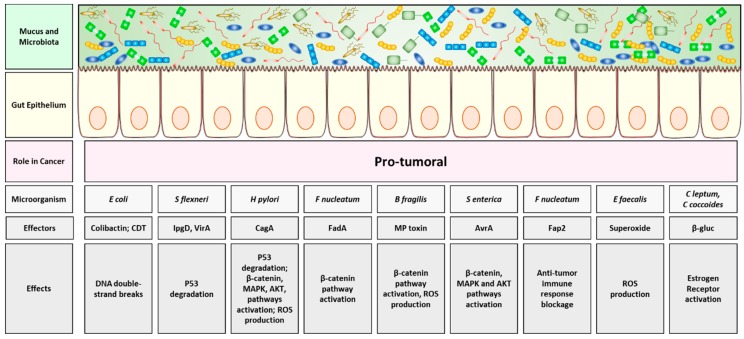
§ Gut Microbiota and Cancer: From Pathogenesis to Therapy > 1. Introduction
What the sources say
- Not checked yetcites [21] Knight, 2017, The Microbiome and Human Biology, Annu. Rev. Genom. Hum. Genet. source
plaindirect- Asserted: passes — The authors put it forward as true.
- Checkable: passes — It can be checked against evidence.
- Load-bearing: passes — The paper’s conclusions depend on it.
- Based: passes — The paper gives a reason why it holds.
In the paper
“In particular, it is known that host’s hormones and neuro-hormones are able to modify the gut microbiome composition, as during stress response [27].”
§ Gut Microbiota and Cancer: From Pathogenesis to Therapy > 2. Gut Microbiota and Host’s Tumorigenesis > 2.1. Gut Microbiota and Host Crosstalk
What the sources say
- Not checked yetcites [27] Sandrini, 2015, Microbial endocrinology: Host-bacteria communication within the gut microbiome, J. Endocrinol. source
boosteddirect- Asserted: passes — The authors put it forward as true.
- Checkable: passes — It can be checked against evidence.
- Load-bearing: unclear — It is unclear whether the paper’s conclusions depend on it.
- Based: passes — The paper gives a reason why it holds.
In the paper
“Among the human symbiotic microbial populations, the gut microbiota is the most extensively studied and it deeply influences host’s homeostasis [7].”
§ Gut Microbiota and Cancer: From Pathogenesis to Therapy > 1. Introduction
What the sources say
- Not checked yetcites [7] Feng, 2018, Gut Microbiota: An Integral Moderator in Health and Disease, Front. Microbiol. source
plaindirect- Asserted: passes — The authors put it forward as true.
- Checkable: passes — It can be checked against evidence.
- Load-bearing: passes — The paper’s conclusions depend on it.
- Based: passes — The paper gives a reason why it holds.
None of the sources cited for this claim have been checked yet.
In the paper
“Progresses in metagenomics studies, together with the advancements in transcriptomics and metabolomics, allowed to describe the impact of individual bacterial species on host’s health [15,16].”
§ Gut Microbiota and Cancer: From Pathogenesis to Therapy > 1. Introduction
What the sources say
plaindirect- Asserted: passes — The authors put it forward as true.
- Checkable: passes — It can be checked against evidence.
- Load-bearing: unclear — It is unclear whether the paper’s conclusions depend on it.
- Based: passes — The paper gives a reason why it holds.
In the paper
“The link has been found both with local gastro-intestinal cancers, as well as with other distal tumors [20].”
§ Gut Microbiota and Cancer: From Pathogenesis to Therapy > 1. Introduction
What the sources say
- Not checked yetcites [20] Goodman, 2018, The microbiome and cancer, J. Pathol. source
plaincorrelational- Asserted: passes — The authors put it forward as true.
- Checkable: passes — It can be checked against evidence.
- Load-bearing: unclear — It is unclear whether the paper’s conclusions depend on it.
- Based: passes — The paper gives a reason why it holds.
In the paper
“In the recent years, numerous evidences pointed towards the central role of commensal bacteria colonizing body surfaces as key determinants of health or pathologic conditions, including cancer [6].”
§ Gut Microbiota and Cancer: From Pathogenesis to Therapy > 1. Introduction
What the sources say
- Not checked yetcites [6] Zhang, 2015, Impacts of gut bacteria on human health and diseases, Int. J. Mol. Sci. source
plaindirect- Asserted: passes — The authors put it forward as true.
- Checkable: passes — It can be checked against evidence.
- Load-bearing: passes — The paper’s conclusions depend on it.
- Based: passes — The paper gives a reason why it holds.
- It may state two separate claims as one. 47
- Probably not a substantial claim. 18
- The quote only partly states this claim. 1
The cited sources support only part of this claim — read each source’s verdict below.
In the paper
“Because almost every available anti-cancer treatment is toxic also towards normal cells, their use may be coupled with side effects, some of which can compromise the overall survival of the patients [140].”
§ Gut Microbiota and Cancer: From Pathogenesis to Therapy > 5. Gut Microbiota and Anti-Cancer Therapy
What the sources say
- Partly supportedcites [140] Dy, 2013, Understanding, recognizing, and managing toxicities of targeted anticancer therapies, CA Cancer J. Clin. sourceExperimental — accuracy not yet measured
The Introduction reports adverse effects, treatment discontinuation and toxic deaths associated with targeted anticancer agents, and the Hematologic section describes toxicity affecting normal blood-cell precursors. These passages support the possibility of serious harm, but the paper focuses on targeted therapies and does not establish that almost every available anticancer treatment is toxic to normal cells. (LLM, conf=0.87)
hedgedconditional- Asserted: passes — The authors put it forward as true.
- Checkable: passes — It can be checked against evidence.
- Load-bearing: unclear — It is unclear whether the paper’s conclusions depend on it.
- Based: passes — The paper gives a reason why it holds.
It may state two separate claims as one.
- Partly supported
In the paper
“Any imbalance in this delicate equilibrium may lead to an impaired microbiota, condition called dysbiosis, linked with several human pathologies, including cancer [13].”
§ Gut Microbiota and Cancer: From Pathogenesis to Therapy > 1. Introduction
What the sources say
- Not checked yetcites [13] Carding, 2015, Dysbiosis of the gut microbiota in disease, Microb. Ecol. Health Dis.
hedgeddirect- Asserted: passes — The authors put it forward as true.
- Checkable: passes — It can be checked against evidence.
- Load-bearing: passes — The paper’s conclusions depend on it.
- Based: passes — The paper gives a reason why it holds.
It may state two separate claims as one.
None of the sources cited for this claim have been checked yet.
In the paper
“The gut microbiota performs a number of vital functions, including production of vitamins, metabolization of dietary compounds, protection against the expansion and systemic infiltration of gut pathogens [10,11,12].”
§ Gut Microbiota and Cancer: From Pathogenesis to Therapy > 1. Introduction
What the sources say
- Not checked yetcites [10] Vaishnava, 2008, Paneth cells directly sense gut commensals and maintain homeostasis at the intestinal host-microbial interface, Proc. Natl. Acad. Sci. USA source
- Not checked yetcites [11] Belkaid, 2013, Compartmentalized and systemic control of tissue immunity by commensals, Nat. Immunol. source
- Not checked yetcites [12] Ravcheev, 2015, Systematic genome assessment of B-vitamin biosynthesis suggests co-operation among gut microbes, Front. Genet.
plaindirect- Asserted: passes — The authors put it forward as true.
- Checkable: passes — It can be checked against evidence.
- Load-bearing: fails — The paper’s conclusions may not depend on it.
- Based: passes — The paper gives a reason why it holds.
Probably not a substantial claim. The paper’s conclusions may not depend on it. It may state two separate claims as one.
In the paper
“Among a 1000 of different bacterial species within the gut microbiota, the highly represented ones are the Firmicutes and Bacteroidetes phyla [9].”
§ Gut Microbiota and Cancer: From Pathogenesis to Therapy > 1. Introduction
What the sources say
- Not checked yetcites [9] Greenhalgh, 2016, The human gut microbiome in health: Establishment and resilience of microbiota over a lifetime, Environ. Microbiol. source
plain- Asserted: passes — The authors put it forward as true.
- Checkable: passes — It can be checked against evidence.
- Load-bearing: fails — The paper’s conclusions may not depend on it.
- Based: passes — The paper gives a reason why it holds.
Probably not a substantial claim. The paper’s conclusions may not depend on it.
In the paper
“For example, the exposure to infectious agents, UV radiation and toxic substances, individual diet and lifestyle, strongly influences cancer rise, although the risk mainly depends on the dose, the duration and the combination of such injuries, coupled with the individual genetic background [5].”
§ Gut Microbiota and Cancer: From Pathogenesis to Therapy > 1. Introduction
What the sources say
- Not checked yetcites [5] Anand, 2008, Cancer is a preventable disease that requires major lifestyle changes, Pharm. Res. source
boosteddirect- Asserted: passes — The authors put it forward as true.
- Checkable: passes — It can be checked against evidence.
- Load-bearing: fails — The paper’s conclusions may not depend on it.
- Based: passes — The paper gives a reason why it holds.
Probably not a substantial claim. The paper’s conclusions may not depend on it. It may state two separate claims as one.
In the paper
“Importantly, the gastro-intestinal entero-endocrine cells secrete over 30 different peptide hormones, involved in several functions, such as gastro-intestinal motility, digestive functions and neuromodulation [28].”
§ Gut Microbiota and Cancer: From Pathogenesis to Therapy > 2. Gut Microbiota and Host’s Tumorigenesis > 2.1. Gut Microbiota and Host Crosstalk
What the sources say
- Not checked yetcites [28] Ceranowicz, 2015, Peptidyl hormones of endocrine cells origin in the gut—Their discovery and physiological relevance, J. Physiol. Pharmacol.
plain- Asserted: passes — The authors put it forward as true.
- Checkable: passes — It can be checked against evidence.
- Load-bearing: fails — The paper’s conclusions may not depend on it.
- Based: passes — The paper gives a reason why it holds.
Probably not a substantial claim. The paper’s conclusions may not depend on it.
None of the sources cited for this claim have been checked yet.
In the paper
“Cancer formation is the result of the stochastic intracellular accumulation of spontaneous mutations during DNA replication, combined with the environment exposure and lifestyle habits, both able to significantly influence cancer risk [3,4].”
§ Gut Microbiota and Cancer: From Pathogenesis to Therapy > 1. Introduction
What the sources say
plaindirect- Asserted: passes — The authors put it forward as true.
- Checkable: passes — It can be checked against evidence.
- Load-bearing: fails — The paper’s conclusions may not depend on it.
- Based: passes — The paper gives a reason why it holds.
Probably not a substantial claim. The paper’s conclusions may not depend on it. It may state two separate claims as one.
In the paper
“As a consequence, cancer development may alter the microbiome and, in turn, microbiome changes may affect cancer progression [24].”
§ Gut Microbiota and Cancer: From Pathogenesis to Therapy > 1. Introduction
What the sources say
- Not checked yetcites [24] Zitvogel, 2017, Anticancer effects of the microbiome and its products, Nat. Rev. Microbiol. source
hedgedconditional- Asserted: passes — The authors put it forward as true.
- Checkable: passes — It can be checked against evidence.
- Load-bearing: passes — The paper’s conclusions depend on it.
- Based: passes — The paper gives a reason why it holds.
It may state two separate claims as one.
In the paper
“The gut microbiome, defined as the whole genome of the host’s gut microbiota, encodes 100-fold more genes than the human genome [14].”
§ Gut Microbiota and Cancer: From Pathogenesis to Therapy > 1. Introduction
What the sources say
- Not checked yetcites [14] Grice, 2012, The human microbiome: Our second genome, Annu. Rev. Genom. Hum. Genet. source
plain- Asserted: passes — The authors put it forward as true.
- Checkable: passes — It can be checked against evidence.
- Load-bearing: fails — The paper’s conclusions may not depend on it.
- Based: passes — The paper gives a reason why it holds.
Probably not a substantial claim. The paper’s conclusions may not depend on it.
None of the sources cited for this claim have been checked yet.
In the paper
“In fact, it has been widely studied that the gut microbiota may produce or transform molecules affecting several aspects of human health, including: host’s metabolism modulation, gut barrier integrity maintenance, xenobiotics and drug metabolism, protection against gastro-intestinal pathogens and host’s immune system modulation [31,32,33,34].”
§ Gut Microbiota and Cancer: From Pathogenesis to Therapy > 2. Gut Microbiota and Host’s Tumorigenesis > 2.1. Gut Microbiota and Host Crosstalk
What the sources say
- Not checked yetcites [31] Gensollen, 2016, How colonization by microbiota in early life shapes the immune system, Science source
- Not checked yetcites [32] Schmidt, 2018, The Human Gut Microbiome: From Association to Modulation, Cell source
- Not checked yetcites [33] Bultman, 2014, Emerging roles of the microbiome in cancer, Carcinogenesis source
- Not checked yetcites [34] Cani, 2018, Human gut microbiome: Hopes, threats and promises, Gut source
hedgedconditional- Asserted: passes — The authors put it forward as true.
- Checkable: passes — It can be checked against evidence.
- Load-bearing: unclear — It is unclear whether the paper’s conclusions depend on it.
- Based: passes — The paper gives a reason why it holds.
It may state two separate claims as one.
In the paper
“With regards to the host’s metabolism, it is known that certain commensal bacteria produce essential micronutrients, such as vitamin K and various components of vitamin B.”
§ Gut Microbiota and Cancer: From Pathogenesis to Therapy > 2. Gut Microbiota and Host’s Tumorigenesis > 2.1. Gut Microbiota and Host Crosstalk
What the sources say
- Not checked yetcites [35] Mohajeri, 2018, The role of the microbiome for human health: From basic science to clinical applications, Eur. J. Nutr. source
boosteddirect- Asserted: passes — The authors put it forward as true.
- Checkable: passes — It can be checked against evidence.
- Load-bearing: fails — The paper’s conclusions may not depend on it.
- Based: passes — The paper gives a reason why it holds.
Probably not a substantial claim. The paper’s conclusions may not depend on it.
In the paper
“The gut is bidirectionally connected with the nervous system through the so-called “gut-brain axis” (GBA), which includes the central nervous system (CNS), the autonomic nervous system (ANS), the enteric nervous system (ENS), the hypothalamic pituitary adrenal (HPA) axis and the entero-endocrine system (EES).”
§ Gut Microbiota and Cancer: From Pathogenesis to Therapy > 2. Gut Microbiota and Host’s Tumorigenesis > 2.1. Gut Microbiota and Host Crosstalk
What the sources say
- Not checked yetcites [25] Carabotti, 2015, The gut-brain axis: Interactions between enteric microbiota, central and enteric nervous systems, Ann. Gastroenterol.
plaincorrelational- Asserted: passes — The authors put it forward as true.
- Checkable: passes — It can be checked against evidence.
- Load-bearing: fails — The paper’s conclusions may not depend on it.
- Based: passes — The paper gives a reason why it holds.
Probably not a substantial claim. The paper’s conclusions may not depend on it.
In the paper
“Also, members of the Bacterioides family are able to synthetize the anti-diabetic compound linoleic acid, to catabolize secondary bile acids and to break down phenolic compounds.”
§ Gut Microbiota and Cancer: From Pathogenesis to Therapy > 2. Gut Microbiota and Host’s Tumorigenesis > 2.1. Gut Microbiota and Host Crosstalk
What the sources say
- Not checked yetcites [35] Mohajeri, 2018, The role of the microbiome for human health: From basic science to clinical applications, Eur. J. Nutr. source
plaindirect- Asserted: passes — The authors put it forward as true.
- Checkable: passes — It can be checked against evidence.
- Load-bearing: fails — The paper’s conclusions may not depend on it.
- Based: passes — The paper gives a reason why it holds.
Probably not a substantial claim. The paper’s conclusions may not depend on it. It may state two separate claims as one.
In the paper
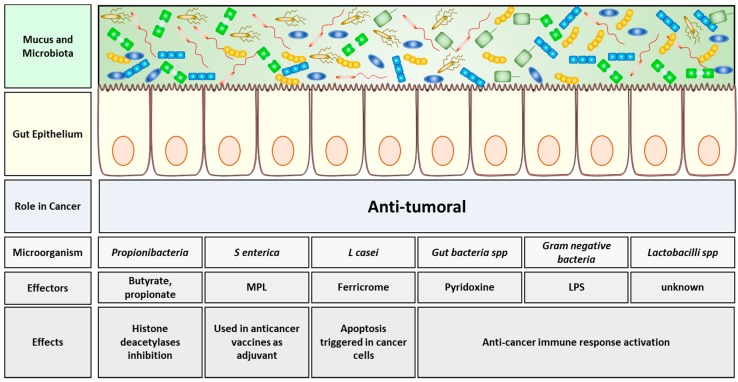
“For example, the widely studied bacterial lipopolysaccharide (LPS), a major component of the outer membrane in gram-negative bacteria, activates the host’s cell surface receptor toll-like receptor 4 (TLR4), belonging to the family of pattern recognition receptors (PRRs), thus activating immune T cell-mediated response against cancer cells [40].”
§ Gut Microbiota and Cancer: From Pathogenesis to Therapy > 2. Gut Microbiota and Host’s Tumorigenesis > 2.2. Gut Microbiota as a Tumor-Suppressor
What the sources say
- Not checked yetcites [40] Paulos, 2007, Microbial translocation augments the function of adoptively transferred self/tumor-specific CD8+ T cells via TLR4 signaling, J. Clin. Investig. source
plaindirect- Asserted: passes — The authors put it forward as true.
- Checkable: passes — It can be checked against evidence.
- Load-bearing: unclear — It is unclear whether the paper’s conclusions depend on it.
- Based: passes — The paper gives a reason why it holds.
It may state two separate claims as one.
In the paper
“Microbial pathogens are known to drive the 20% of tumorigenesis and a larger number of malignancies are associated with microbial commensal imbalance, or dysbiosis [53].”
§ Gut Microbiota and Cancer: From Pathogenesis to Therapy > 2. Gut Microbiota and Host’s Tumorigenesis > 2.3. Gut Microbiota as a Tumor-Promoter
What the sources say
- Not checked yetcites [53] Bhatt, 2017, The role of the microbiome in cancer development and therapy, CA Cancer J. Clin. source
boosteddirect- Asserted: passes — The authors put it forward as true.
- Checkable: passes — It can be checked against evidence.
- Load-bearing: unclear — It is unclear whether the paper’s conclusions depend on it.
- Based: passes — The paper gives a reason why it holds.
It may state two separate claims as one.
In the paper
“Enterococcus faecalis produces extracellular superoxide and derivative oxygen species is capable to diffuse into host’s cells. In turn, the increase in the oxidative milieu enhances the possibility of host’s cellular DNA mutations [79].”
§ Gut Microbiota and Cancer: From Pathogenesis to Therapy > 2. Gut Microbiota and Host’s Tumorigenesis > 2.3. Gut Microbiota as a Tumor-Promoter
What the sources say
- Not checked yetcites [79] Huycke, 2001, Extracellular superoxide production by Enterococcus faecalis requires demethylmenaquinone and is attenuated by functional terminal quinol oxidases, Mol. Microbiol. source
plaindirect- Asserted: passes — The authors put it forward as true.
- Checkable: passes — It can be checked against evidence.
- Load-bearing: unclear — It is unclear whether the paper’s conclusions depend on it.
- Based: passes — The paper gives a reason why it holds.
It may state two separate claims as one.
None of the sources cited for this claim have been checked yet.
In the paper
“It has been also reported in several studies that Lactobacilli may stimulate host’s immune cells such as NK cells or dendritic cells (DC) or TH1 response, which, in turn, leads to the elimination of cancerous or precancerous cells, although the exact bacterial bioproduct mediating such stimulatory effect still needs to be identified [45,46,47,48].”
§ Gut Microbiota and Cancer: From Pathogenesis to Therapy > 2. Gut Microbiota and Host’s Tumorigenesis > 2.2. Gut Microbiota as a Tumor-Suppressor
What the sources say
- Not checked yetcites [45] Lenoir, 2016, Lactobacillus casei BL23 regulates Treg and Th17 T-cell populations and reduces DMH-associated colorectal cancer, J. Gastroenterol. source
- Not checked yetcites [46] Lee, 2004, Immunomodulatory and antitumor effects in vivo by the cytoplasmic fraction of Lactobacillus casei and Bifidobacterium longum, J. Vet. Sci. source
- Not checked yetcites [47] Baldwin, 2010, Probiotic Lactobacillus acidophilus and L. casei mix sensitize colorectal tumoral cells to 5-fluorouracil-induced apoptosis, Nutr. Cancer source
- Not checked yetcites [48] Takagi, 2008, Relationship between the in vitro response of dendritic cells to Lactobacillus and prevention of tumorigenesis in the mouse, J. Gastroenterol. source
hedgedconditional- Asserted: passes — The authors put it forward as true.
- Checkable: passes — It can be checked against evidence.
- Load-bearing: unclear — It is unclear whether the paper’s conclusions depend on it.
- Based: passes — The paper gives a reason why it holds.
It may state two separate claims as one.
In the paper
“For example, Fusobacterium nucleatum inhibits for its own advantage host’s Natural Killer (NK) cells, in order to recruit at the site of the infection myeloid suppressor cells, therefore indirectly helping cancer genesis.”
§ Gut Microbiota and Cancer: From Pathogenesis to Therapy > 2. Gut Microbiota and Host’s Tumorigenesis > 2.3. Gut Microbiota as a Tumor-Promoter
What the sources say
- Not checked yetcites [80] Gur, 2015, Binding of the Fap2 protein of Fusobacterium nucleatum to human inhibitory receptor TIGIT protects tumors from immune cell attack, Immunity source
plaindirect- Asserted: passes — The authors put it forward as true.
- Checkable: passes — It can be checked against evidence.
- Load-bearing: unclear — It is unclear whether the paper’s conclusions depend on it.
- Based: passes — The paper gives a reason why it holds.
It may state two separate claims as one.
In the paper
“Moreover, the very same anti-cancer treatment might shape the patient’s microbiome and, at the same time, host’s specific microbiome can deeply affect patient’s response to therapy [19].”
§ Gut Microbiota and Cancer: From Pathogenesis to Therapy > 2. Gut Microbiota and Host’s Tumorigenesis > 2.3. Gut Microbiota as a Tumor-Promoter
What the sources say
- Not checked yetcites [19] Gopalakrishnan, 2018, The Influence of the Gut Microbiome on Cancer, Immunity, and Cancer Immunotherapy, Cancer Cell source
hedgedconditional- Asserted: passes — The authors put it forward as true.
- Checkable: passes — It can be checked against evidence.
- Load-bearing: unclear — It is unclear whether the paper’s conclusions depend on it.
- Based: passes — The paper gives a reason why it holds.
It may state two separate claims as one.
In the paper
“In particular, CagA from Helicobacter pylori can bind many host’s proteins intracellularly, including the protein tyrosine phosphatase SHP-2. CagA-SHP-2 complex formation deregulates the phosphatase activity of SHP-2, which, in turn, promotes Ras/MAPK signaling activation [73].”
§ Gut Microbiota and Cancer: From Pathogenesis to Therapy > 2. Gut Microbiota and Host’s Tumorigenesis > 2.3. Gut Microbiota as a Tumor-Promoter
What the sources say
- Not checked yetcites [73] Matozaki, 2009, Protein tyrosine phosphatase SHP-2: A proto-oncogene product that promotes Ras activation, Cancer Sci. source
plaindirect- Asserted: passes — The authors put it forward as true.
- Checkable: passes — It can be checked against evidence.
- Load-bearing: unclear — It is unclear whether the paper’s conclusions depend on it.
- Based: passes — The paper gives a reason why it holds.
It may state two separate claims as one.
In the paper
“Accordingly, this augmented intake of estrogen hormones is linked with an increased risk of developing breast cancer, supporting the finding that the gut microbiota composition of women with breast cancer differs from that from healthy controls, and suggesting that several gut bacteria, which could be over-expressed during dysbiosis, may be linked with breast cancer development [83].”
§ Gut Microbiota and Cancer: From Pathogenesis to Therapy > 2. Gut Microbiota and Host’s Tumorigenesis > 2.3. Gut Microbiota as a Tumor-Promoter
What the sources say
- Not checked yetcites [83] Fernández, M.F., Reina-Pérez, I., Astorga, J.M., Rodríguez-Carrillo, A., Plaza-Díaz, J., and Fontana, L. (2018). Breast Cancer and Its Relationship with the Microbiota. Int. J. Environ. Res. Public Health, 15. source
hedgedcorrelational- Asserted: passes — The authors put it forward as true.
- Checkable: passes — It can be checked against evidence.
- Load-bearing: passes — The paper’s conclusions depend on it.
- Based: passes — The paper gives a reason why it holds.
It may state two separate claims as one.
None of the sources cited for this claim have been checked yet.
In the paper
“In animal models, LGG administered with food attenuates 5-FU-mediated as well as radiation-mediated gut epithelial injury, therefore helping the preservation of the gut microbiota balance and the intestinal epithelial barrier functionality [91,92,93].”
§ Gut Microbiota and Cancer: From Pathogenesis to Therapy > 3. Lactobacillus rhamnosus GG: A Probiotic Model in Cancer
What the sources say
- Not checked yetcites [91] Chang, 2018, Variety, Front. Microbiol. source
- Not checked yetcites [92] Riehl, T.E., Alvarado, D., Ee, X., Zuckerman, A., Foster, L., Kapoor, V., Thotala, D., Ciorba, M.A., and Stenson, W.F. (2018). GG protects the intestinal epithelium from radiation injury through release of lipoteichoic acid, macrophage activation and the migration of mesenchymal stem cells. Gut. source
- Not checked yetcites [93] Zhang, 2017, GG Affects Microbiota and Suppresses Autophagy in the Intestines of Pigs Challenged with, Front. Microbiol. source
plaindirect- Asserted: passes — The authors put it forward as true.
- Checkable: passes — It can be checked against evidence.
- Load-bearing: unclear — It is unclear whether the paper’s conclusions depend on it.
- Based: passes — The paper gives a reason why it holds.
It may state two separate claims as one.
None of the sources cited for this claim have been checked yet.
In the paper
“In addition, LGG prevents polyps’ formation in a colorectal APC/min mouse cancer model, and reduces colitis-associated cancer in mice [108,109].”
§ Gut Microbiota and Cancer: From Pathogenesis to Therapy > 3. Lactobacillus rhamnosus GG: A Probiotic Model in Cancer
What the sources say
- Not checked yetcites [108] Ni, 2017, A metagenomic study of the preventive effect of Lactobacillus rhamnosus GG on intestinal polyp formation in APC, J. Appl. Microbiol. source
- Not checked yetcites [109] Mendes, 2018, Microbiota modification by probiotic supplementation reduces colitis associated colon cancer in mice, World J. Gastroenterol. source
plaindirect- Asserted: passes — The authors put it forward as true.
- Checkable: passes — It can be checked against evidence.
- Load-bearing: passes — The paper’s conclusions depend on it.
- Based: passes — The paper gives a reason why it holds.
It may state two separate claims as one.
In the paper
“Additionally, host’s DC exposed to LGG induce TH1 immune cells polarization and, in turn, antitumor immune-response potentiation [111].”
§ Gut Microbiota and Cancer: From Pathogenesis to Therapy > 3. Lactobacillus rhamnosus GG: A Probiotic Model in Cancer
What the sources say
- Not checked yetcites [111] Cai, 2016, Lactobacillus rhamnosus GG Activation of Dendritic Cells and Neutrophils Depends on the Dose and Time of Exposure, J. Immunol. Res. source
plaindirect- Asserted: passes — The authors put it forward as true.
- Checkable: passes — It can be checked against evidence.
- Load-bearing: passes — The paper’s conclusions depend on it.
- Based: passes — The paper gives a reason why it holds.
It may state two separate claims as one.
In the paper
“The gut microbial population plays a key role in training, functioning and stimulating the host immune system, with the final effect of developing tolerance towards beneficial microbiota and eliciting immune response against gut pathogens [76].”
§ Gut Microbiota and Cancer: From Pathogenesis to Therapy > 4. Gut Microbiota and the Inflammasomes
What the sources say
- Not checked yetcites [76] Belkaid, 2014, Role of the microbiota in immunity and inflammation, Cell source
plaindirect- Asserted: passes — The authors put it forward as true.
- Checkable: passes — It can be checked against evidence.
- Load-bearing: unclear — It is unclear whether the paper’s conclusions depend on it.
- Based: passes — The paper gives a reason why it holds.
It may state two separate claims as one.
In the paper
“LGG triggers the immune response also within the normal not transformed gut epithelium, thus protecting towards inflammation, which can support the formation of a cancer-favorable milieu [112].”
§ Gut Microbiota and Cancer: From Pathogenesis to Therapy > 3. Lactobacillus rhamnosus GG: A Probiotic Model in Cancer
What the sources say
- Not checked yetcites [112] Suzuki, C., Aoki-Yoshida, A., Aoki, R., Sasaki, K., Takayama, Y., and Mizumachi, K. (2017). The distinct effects of orally administered Lactobacillus rhamnosus GG and Lactococcus lactis subsp. lactis C59 on gene expression in the murine small intestine. PLoS ONE, 12. source
plaindirect- Asserted: passes — The authors put it forward as true.
- Checkable: passes — It can be checked against evidence.
- Load-bearing: passes — The paper’s conclusions depend on it.
- Based: passes — The paper gives a reason why it holds.
It may state two separate claims as one.
In the paper
“Among these probiotic species, LGG is one of the first studied specifically in oncology [87].”
§ Gut Microbiota and Cancer: From Pathogenesis to Therapy > 3. Lactobacillus rhamnosus GG: A Probiotic Model in Cancer
What the sources say
- Not checked yetcites [87] Goldin, 1996, The effect of Lactobacillus GG on the initiation and promotion of DMH-induced intestinal tumors in the rat, Nutr. Cancer source
plain- Asserted: passes — The authors put it forward as true.
- Checkable: passes — It can be checked against evidence.
- Load-bearing: fails — The paper’s conclusions may not depend on it.
- Based: passes — The paper gives a reason why it holds.
Probably not a substantial claim. The paper’s conclusions may not depend on it.
In the paper
“The mechanism involves the induction of pro-apoptotic genes within the tumor mass and the enhancement of host’s immune response [166].”
§ Gut Microbiota and Cancer: From Pathogenesis to Therapy > 5. Gut Microbiota and Anti-Cancer Therapy > 5.1. Modulation of Gut Microbiota to Enhance Chemotherapy and Immunotherapy Efficacy
What the sources say
- Not checked yetcites [166] Gui, 2015, Well-balanced commensal microbiota contributes to anti-cancer response in a lung cancer mouse model, Genet. Mol. Res. source
plaindirect- Asserted: passes — The authors put it forward as true.
- Checkable: passes — It can be checked against evidence.
- Load-bearing: passes — The paper’s conclusions depend on it.
- Based: passes — The paper gives a reason why it holds.
It may state two separate claims as one.
In the paper
“With reference to immunotherapy, the administration of CpG oligodeoxynucleotides, synthetic molecules mimicking bacterial DNA, strongly stimulate the immune system, therefore showing anti-tumor activity in several cancers [169].”
§ Gut Microbiota and Cancer: From Pathogenesis to Therapy > 5. Gut Microbiota and Anti-Cancer Therapy > 5.1. Modulation of Gut Microbiota to Enhance Chemotherapy and Immunotherapy Efficacy
What the sources say
- Not checked yetcites [169] Weiner, 2008, CpG oligodeoxynucleotides as immunotherapy in cancer, Update Cancer Ther. source
boosteddirect- Asserted: passes — The authors put it forward as true.
- Checkable: passes — It can be checked against evidence.
- Load-bearing: unclear — It is unclear whether the paper’s conclusions depend on it.
- Based: passes — The paper gives a reason why it holds.
It may state two separate claims as one.
None of the sources cited for this claim have been checked yet.
In the paper
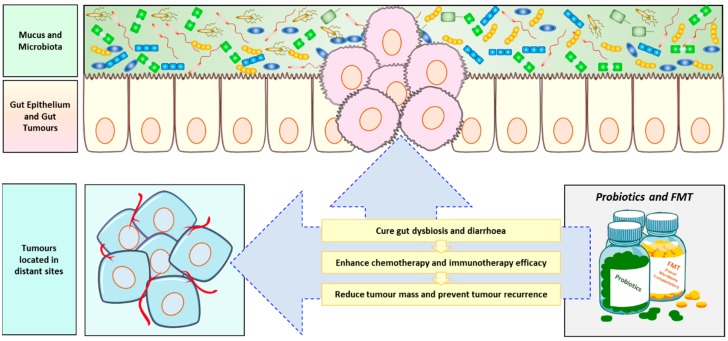
“Specifically, interventions on microbiome may be pivotal to ameliorate anti-cancer therapy-related toxicity, as well as to improve anti-cancer therapy efficacy [151,152].”
§ Gut Microbiota and Cancer: From Pathogenesis to Therapy > 5. Gut Microbiota and Anti-Cancer Therapy
What the sources say
hedgedconditional- Asserted: passes — The authors put it forward as true.
- Checkable: passes — It can be checked against evidence.
- Load-bearing: passes — The paper’s conclusions depend on it.
- Based: passes — The paper gives a reason why it holds.
It may state two separate claims as one.
In the paper
“These two effects combined together may explain the strong involvement of the patient’s microbiome composition in affecting the efficacy of both chemotherapy and immunotherapy [19].”
§ Gut Microbiota and Cancer: From Pathogenesis to Therapy > 5. Gut Microbiota and Anti-Cancer Therapy > 5.1. Modulation of Gut Microbiota to Enhance Chemotherapy and Immunotherapy Efficacy
What the sources say
- Not checked yetcites [19] Gopalakrishnan, 2018, The Influence of the Gut Microbiome on Cancer, Immunity, and Cancer Immunotherapy, Cancer Cell source
hedgeddirect- Asserted: passes — The authors put it forward as true.
- Checkable: passes — It can be checked against evidence.
- Load-bearing: passes — The paper’s conclusions depend on it.
- Based: passes — The paper gives a reason why it holds.
It may state two separate claims as one.
A conclusion the paper draws from its own results — it cites no other source for it, so there is none to check. The quote shows it is in the paper.
In the paper
“The microbiota, when affected by dysbiosis, can deeply influence both cancer pathogenesis (as reported in Section 2) and its therapeutic outcome.”
§ Gut Microbiota and Cancer: From Pathogenesis to Therapy > 5. Gut Microbiota and Anti-Cancer Therapy > 5.1. Modulation of Gut Microbiota to Enhance Chemotherapy and Immunotherapy Efficacy
plainconditional- Asserted: passes — The authors put it forward as true.
- Checkable: passes — It can be checked against evidence.
- Load-bearing: passes — The paper’s conclusions depend on it.
- Based: passes — The paper gives a reason why it holds.
It may state two separate claims as one.
In the paper
“Along this line, the intra-tumoral injection of CpG oligodeoxynucleotides administered together with an anti-interleukin-10 receptor (IL-10R) antibody, induce TNF production from tumor infiltrating myeloid cells and, in turn, reduce the growth several types of tumors in mice [165].”
§ Gut Microbiota and Cancer: From Pathogenesis to Therapy > 5. Gut Microbiota and Anti-Cancer Therapy > 5.1. Modulation of Gut Microbiota to Enhance Chemotherapy and Immunotherapy Efficacy
What the sources say
- Not checked yetcites [165] Iida, 2013, Commensal bacteria control cancer response to therapy by modulating the tumor microenvironment, Science source
plaindirect- Asserted: passes — The authors put it forward as true.
- Checkable: passes — It can be checked against evidence.
- Load-bearing: unclear — It is unclear whether the paper’s conclusions depend on it.
- Based: passes — The paper gives a reason why it holds.
It may state two separate claims as one.
None of the sources cited for this claim have been checked yet.
In the paper
“Back in 1890 two heat-inactivated microorganisms (Streptococci) were injected intratumorally for the very first time in humans as an attempt to cure cancer [153,154].”
§ Gut Microbiota and Cancer: From Pathogenesis to Therapy > 5. Gut Microbiota and Anti-Cancer Therapy
What the sources say
- Not checked yetcites [153] McCarthy, 2006, The toxins of William B. Coley and the treatment of bone and soft-tissue sarcomas, IOWA Orthop. J.
- Not checked yetcites [154] Nauts, 1946, The treatment of malignant tumors by bacterial toxins as developed by the late William B. Coley, M.D., reviewed in the light of modern research, Cancer Res.
plain- Asserted: passes — The authors put it forward as true.
- Checkable: passes — It can be checked against evidence.
- Load-bearing: fails — The paper’s conclusions may not depend on it.
- Based: passes — The paper gives a reason why it holds.
Probably not a substantial claim. The paper’s conclusions may not depend on it.
In the paper
“In particular, the regulation of such therapeutic outcome is tightly connected with the ability of the gut microbiota to metabolize anti-tumoral compounds, as well as to modulate host’s immune response and inflammation pathways [164].”
§ Gut Microbiota and Cancer: From Pathogenesis to Therapy > 5. Gut Microbiota and Anti-Cancer Therapy > 5.1. Modulation of Gut Microbiota to Enhance Chemotherapy and Immunotherapy Efficacy
What the sources say
- Not checked yetcites [164] Schwabe, 2013, The microbiome and cancer, Nat. Rev. Cancer source
plaindirect- Asserted: passes — The authors put it forward as true.
- Checkable: passes — It can be checked against evidence.
- Load-bearing: passes — The paper’s conclusions depend on it.
- Based: passes — The paper gives a reason why it holds.
It may state two separate claims as one.
In the paper
“Consistently, mice bearing lung tumors treated with cisplatin coupled with antibiotics, survive less and develop bigger tumors.”
§ Gut Microbiota and Cancer: From Pathogenesis to Therapy > 5. Gut Microbiota and Anti-Cancer Therapy > 5.1. Modulation of Gut Microbiota to Enhance Chemotherapy and Immunotherapy Efficacy
What the sources say
- Not checked yetcites [166] Gui, 2015, Well-balanced commensal microbiota contributes to anti-cancer response in a lung cancer mouse model, Genet. Mol. Res. source
plaindirect- Asserted: passes — The authors put it forward as true.
- Checkable: passes — It can be checked against evidence.
- Load-bearing: passes — The paper’s conclusions depend on it.
- Based: passes — The paper gives a reason why it holds.
It may state two separate claims as one.
In the paper
“In fact, radiotherapy, chemotherapy and immunotherapy treatments can all modify patients’ microbiome and, at the same time, microbiome composition can deeply affect patients’ response to such therapies [150].”
§ Gut Microbiota and Cancer: From Pathogenesis to Therapy > 5. Gut Microbiota and Anti-Cancer Therapy
What the sources say
- Not checked yetcites [150] Roy, 2017, Microbiota: A key orchestrator of cancer therapy, Nat. Rev. Cancer source
plaindirect- Asserted: passes — The authors put it forward as true.
- Checkable: passes — It can be checked against evidence.
- Load-bearing: passes — The paper’s conclusions depend on it.
- Based: passes — The paper gives a reason why it holds.
It may state two separate claims as one.
In the paper
“Regarding the correlation between inflammasomes, microbiome and cancer, NRPL6 plays a key role in colorectal carcinogenesis and, in particular, NLRP6 regulates susceptibility to intestinal inflammation through its microbiome-modulatory activity [139].”
§ Gut Microbiota and Cancer: From Pathogenesis to Therapy > 4. Gut Microbiota and the Inflammasomes
What the sources say
- Not checked yetcites [139] Elinav, 2018, NLRP6 and Dysbiosis: Avoiding the Luring Attraction of Over-Simplification, Immunity source
plaindirect- Asserted: passes — The authors put it forward as true.
- Checkable: passes — It can be checked against evidence.
- Load-bearing: unclear — It is unclear whether the paper’s conclusions depend on it.
- Based: passes — The paper gives a reason why it holds.
It may state two separate claims as one.
In the paper
“In CRC inflammasomes activation has a protective role, on the contrary in breast and skin cancers their triggering leads to detrimental outcomes [119].”
§ Gut Microbiota and Cancer: From Pathogenesis to Therapy > 4. Gut Microbiota and the Inflammasomes
What the sources say
- Not checked yetcites [119] Kantono, 2017, Inflammasomes and Cancer: The Dynamic Role of the Inflammasome in Tumor Development, Front. Immunol. source
plaindirect- Asserted: passes — The authors put it forward as true.
- Checkable: passes — It can be checked against evidence.
- Load-bearing: unclear — It is unclear whether the paper’s conclusions depend on it.
- Based: passes — The paper gives a reason why it holds.
It may state two separate claims as one.
None of the sources cited for this claim have been checked yet.
In the paper
“NLRP6 KO mice show dysbiosis and increased incidence of inflammation-associated CRC [135,136,137].”
§ Gut Microbiota and Cancer: From Pathogenesis to Therapy > 4. Gut Microbiota and the Inflammasomes
What the sources say
- Not checked yetcites [135] Elinav, 2011, NLRP6 inflammasome regulates colonic microbial ecology and risk for colitis, Cell source
- Not checked yetcites [136] Levy, 2015, Microbiota-Modulated Metabolites Shape the Intestinal Microenvironment by Regulating NLRP6 Inflammasome Signaling, Cell source
- Not checked yetcites [137] Levy, 2017, NLRP6: A Multifaceted Innate Immune Sensor, Trends Immunol. source
plaindirect- Asserted: passes — The authors put it forward as true.
- Checkable: passes — It can be checked against evidence.
- Load-bearing: passes — The paper’s conclusions depend on it.
- Based: passes — The paper gives a reason why it holds.
It may state two separate claims as one.
In the paper
“Importantly, this intra-tumoral variety is tightly linked with the development of the resistance to therapy, considered the first cause of failure of the available anti-cancer treatments, as well as subsequent tumor relapses [146].”
§ Gut Microbiota and Cancer: From Pathogenesis to Therapy > 5. Gut Microbiota and Anti-Cancer Therapy
What the sources say
- Not checked yetcites [146] McGranahan, 2015, Biological and therapeutic impact of intratumor heterogeneity in cancer evolution, Cancer Cell source
plaincorrelational- Asserted: passes — The authors put it forward as true.
- Checkable: passes — It can be checked against evidence.
- Load-bearing: unclear — It is unclear whether the paper’s conclusions depend on it.
- Based: passes — The paper gives a reason why it holds.
It may state two separate claims as one.
In the paper
“Although the immune checkpoint inhibitors have success in treating various malignancies, there is still a significant number of patients that can use such therapy only for a limited amount of time, given the occurrence of strong toxic side effects, including gut inflammation, due to the subsequent immune-dysregulation (i.e., autoimmunity) [177].”
§ Gut Microbiota and Cancer: From Pathogenesis to Therapy > 5. Gut Microbiota and Anti-Cancer Therapy > 5.1. Modulation of Gut Microbiota to Enhance Chemotherapy and Immunotherapy Efficacy
What the sources say
- Not checked yetcites [177] Larkin, 2015, Combined Nivolumab and Ipilimumab or Monotherapy in Untreated Melanoma, N. Engl. J. Med. source
plaindirect- Asserted: passes — The authors put it forward as true.
- Checkable: passes — It can be checked against evidence.
- Load-bearing: passes — The paper’s conclusions depend on it.
- Based: passes — The paper gives a reason why it holds.
It may state two separate claims as one.
In the paper
“A mixture of two probiotic species Bifidobacterium longum (BB536) and Lactobacillus johnsonii (La1) was administered to the patients in the double-blind study, finding that one of that, La1, was able to adhere to the colonic mucosa, thereby reducing the concentration of gut pathogens and modulating the local immunity [95].”
§ Gut Microbiota and Cancer: From Pathogenesis to Therapy > 5. Gut Microbiota and Anti-Cancer Therapy > 5.2. Use of Probiotics in Oncology
What the sources say
- Not checked yetcites [95] Gianotti, 2010, A randomized double-blind trial on perioperative administration of probiotics in colorectal cancer patients, World J. Gastroenterol. source
plaindirect- Asserted: passes — The authors put it forward as true.
- Checkable: passes — It can be checked against evidence.
- Load-bearing: unclear — It is unclear whether the paper’s conclusions depend on it.
- Based: passes — The paper gives a reason why it holds.
It may state two separate claims as one.
In the paper
“Functional studies performed with FMT in germ free mice further demonstrated how treating mice with the identified bacteria, along with the anti-PD1 therapy, enhanced the anti-cancer effects and reduces the melanoma growth [171].”
§ Gut Microbiota and Cancer: From Pathogenesis to Therapy > 5. Gut Microbiota and Anti-Cancer Therapy > 5.1. Modulation of Gut Microbiota to Enhance Chemotherapy and Immunotherapy Efficacy
What the sources say
- Not checked yetcites [171] Gopalakrishnan, 2018, Gut microbiome modulates response to anti-PD-1 immunotherapy in melanoma patients, Science source
boosteddirect- Asserted: passes — The authors put it forward as true.
- Checkable: passes — It can be checked against evidence.
- Load-bearing: passes — The paper’s conclusions depend on it.
- Based: passes — The paper gives a reason why it holds.
It may state two separate claims as one.
In the paper
“Immune checkpoint inhibition consists in the administration of therapeutic agents able to block the immune-inhibitory pathway, thus modulating T cell activation against tumor target cells.”
§ Gut Microbiota and Cancer: From Pathogenesis to Therapy > 5. Gut Microbiota and Anti-Cancer Therapy > 5.1. Modulation of Gut Microbiota to Enhance Chemotherapy and Immunotherapy Efficacy
What the sources say
- Not checked yetcites [173] Chen, 2018, Delivery Strategies for Immune Checkpoint Blockade, Adv. Healthc. Mater. source
plaindirect- Asserted: passes — The authors put it forward as true.
- Checkable: passes — It can be checked against evidence.
- Load-bearing: fails — The paper’s conclusions may not depend on it.
- Based: passes — The paper gives a reason why it holds.
Probably not a substantial claim. The paper’s conclusions may not depend on it.
In the paper
“Performing FMT from patients to germ free mice, the authors found that Akkermansia muciniphila (alone or in combination with Enterococcus hirae) was able to increase intra-tumoral cytotoxic T cell infiltrates, thus increasing the PD-1 blockade response in mice [170].”
§ Gut Microbiota and Cancer: From Pathogenesis to Therapy > 5. Gut Microbiota and Anti-Cancer Therapy > 5.1. Modulation of Gut Microbiota to Enhance Chemotherapy and Immunotherapy Efficacy
What the sources say
- Not checked yetcites [170] Routy, 2018, Gut microbiome influences efficacy of PD-1-based immunotherapy against epithelial tumors, Science source
plaindirect- Asserted: passes — The authors put it forward as true.
- Checkable: passes — It can be checked against evidence.
- Load-bearing: passes — The paper’s conclusions depend on it.
- Based: passes — The paper gives a reason why it holds.
It may state two separate claims as one.
In the paper
“Moreover, the administration of a specific bacteria, Alistipes shahii, to antibiotic-treated tumor bearing mice, restores TNF production with a notable improvement in the therapeutic outcome [165].”
§ Gut Microbiota and Cancer: From Pathogenesis to Therapy > 5. Gut Microbiota and Anti-Cancer Therapy > 5.1. Modulation of Gut Microbiota to Enhance Chemotherapy and Immunotherapy Efficacy
What the sources say
- Not checked yetcites [165] Iida, 2013, Commensal bacteria control cancer response to therapy by modulating the tumor microenvironment, Science source
plaindirect- Asserted: passes — The authors put it forward as true.
- Checkable: passes — It can be checked against evidence.
- Load-bearing: passes — The paper’s conclusions depend on it.
- Based: passes — The paper gives a reason why it holds.
It may state two separate claims as one.
In the paper
“Moreover, according to the result of a trial published in 2017, the randomized administration of Bifidobacterium lactis and Lactobacillus acidophilus to CRC patients, can change the epigenetic patterns of tumor tissue from its baseline, with potential therapeutic benefits in CRC by manipulation of the gut microbiota [100].”
§ Gut Microbiota and Cancer: From Pathogenesis to Therapy > 5. Gut Microbiota and Anti-Cancer Therapy > 5.2. Use of Probiotics in Oncology
What the sources say
- Not checked yetcites [100] Hibberd, 2017, Intestinal microbiota is altered in patients with colon cancer and modified by probiotic intervention, BMJ Open Gastroenterol. source
plaindirect- Asserted: passes — The authors put it forward as true.
- Checkable: passes — It can be checked against evidence.
- Load-bearing: unclear — It is unclear whether the paper’s conclusions depend on it.
- Based: passes — The paper gives a reason why it holds.
It may state two separate claims as one.
None of the sources cited for this claim have been checked yet.
In the paper
“probiotics containing Lactobacillus species are suggested be used to prevent diarrhea in patients receiving chemotherapy and/or radiation therapy for a pelvic malignancy (Level of evidence III) [193,194].”
§ Gut Microbiota and Cancer: From Pathogenesis to Therapy > 5. Gut Microbiota and Anti-Cancer Therapy > 5.2. Use of Probiotics in Oncology
What the sources say
- Not checked yetcites [193] Peterson, 2015, Management of oral and gastrointestinal mucosal injury: ESMO Clinical Practice Guidelines for diagnosis, treatment, and follow-up, Ann. Oncol. source
- Not checked yetcites [194] Lalla, 2014, MASCC/ISOO clinical practice guidelines for the management of mucositis secondary to cancer therapy, Cancer source
hedgedconditional- Asserted: passes — The authors put it forward as true.
- Checkable: passes — It can be checked against evidence.
- Load-bearing: fails — The paper’s conclusions may not depend on it.
- Based: passes — The paper gives a reason why it holds.
Probably not a substantial claim. The paper’s conclusions may not depend on it.
None of the sources cited for this claim have been checked yet.
In the paper
“Although probiotics are generally regarded as safe, the main concerns of administering them to immunocompromised cancer patients are both the potential risk of opportunistic infection development and the transfer of antibiotics resistance [190,191].”
§ Gut Microbiota and Cancer: From Pathogenesis to Therapy > 5. Gut Microbiota and Anti-Cancer Therapy > 5.2. Use of Probiotics in Oncology
What the sources say
plainconditional- Asserted: passes — The authors put it forward as true.
- Checkable: passes — It can be checked against evidence.
- Load-bearing: passes — The paper’s conclusions depend on it.
- Based: passes — The paper gives a reason why it holds.
It may state two separate claims as one.
In the paper
“While CTLA-4 regulates T cells proliferation early in the immune response within the lymph nodes, PD-1 suppresses T-cell activation later, within the body periphery [174].”
§ Gut Microbiota and Cancer: From Pathogenesis to Therapy > 5. Gut Microbiota and Anti-Cancer Therapy > 5.1. Modulation of Gut Microbiota to Enhance Chemotherapy and Immunotherapy Efficacy
What the sources say
- Not checked yetcites [174] Buchbinder, 2016, CTLA-4 and PD-1 Pathways: Similarities, Differences, and Implications of Their Inhibition, Am. J. Clin. Oncol. source
plaindirect- Asserted: passes — The authors put it forward as true.
- Checkable: passes — It can be checked against evidence.
- Load-bearing: unclear — It is unclear whether the paper’s conclusions depend on it.
- Based: passes — The paper gives a reason why it holds.
It may state two separate claims as one.
In the paper
“In fact, they demonstrated that oral administration of a cocktail of Bifidobacterium species combined with the anti-PD-L1 antibody, specifically boosts T cell response and blocks the melanoma growth [176].”
§ Gut Microbiota and Cancer: From Pathogenesis to Therapy > 5. Gut Microbiota and Anti-Cancer Therapy > 5.1. Modulation of Gut Microbiota to Enhance Chemotherapy and Immunotherapy Efficacy
What the sources say
- Not checked yetcites [176] Sivan, 2015, Commensal Bifidobacterium promotes antitumor immunity and facilitates anti-PD-L1 efficacy, Science source
boosteddirect- Asserted: passes — The authors put it forward as true.
- Checkable: passes — It can be checked against evidence.
- Load-bearing: passes — The paper’s conclusions depend on it.
- Based: passes — The paper gives a reason why it holds.
It may state two separate claims as one.
In the paper
“Despite of that, probiotics administration in multiple trials has shown beneficial effects on ameliorating diarrhea and other gut-related damages following anti-cancer therapy, thus re-establishing a healthy intestinal microbiota composition [192].”
§ Gut Microbiota and Cancer: From Pathogenesis to Therapy > 5. Gut Microbiota and Anti-Cancer Therapy > 5.2. Use of Probiotics in Oncology
What the sources say
- Not checked yetcites [192] Mego, 2013, Probiotic bacteria in cancer patients undergoing chemotherapy and radiation therapy, Complement. Ther. Med. source
plaindirect- Asserted: passes — The authors put it forward as true.
- Checkable: passes — It can be checked against evidence.
- Load-bearing: passes — The paper’s conclusions depend on it.
- Based: passes — The paper gives a reason why it holds.
It may state two separate claims as one.
In the paper
“Importantly, metagenomics analysis of patients’ fecal gut microbiome showed a difference in the composition of their gut microbiome.”
§ Gut Microbiota and Cancer: From Pathogenesis to Therapy > 5. Gut Microbiota and Anti-Cancer Therapy > 5.1. Modulation of Gut Microbiota to Enhance Chemotherapy and Immunotherapy Efficacy
What the sources say
- Not checked yetcites [170] Routy, 2018, Gut microbiome influences efficacy of PD-1-based immunotherapy against epithelial tumors, Science source
plaincorrelational- Asserted: passes — The authors put it forward as true.
- Checkable: passes — It can be checked against evidence.
- Load-bearing: passes — The paper’s conclusions depend on it.
- Based: passes — The paper gives a reason why it holds.
The quote only partly states this claim.
A conclusion the paper draws from its own results — it cites no other source for it, so there is none to check. The quote shows it is in the paper.
In the paper
“Altogether, these data provide a strong evidence of the role of gut microbiota composition in modulating the effect of both immunotherapy response and toxicity.”
§ Gut Microbiota and Cancer: From Pathogenesis to Therapy > 5. Gut Microbiota and Anti-Cancer Therapy > 5.1. Modulation of Gut Microbiota to Enhance Chemotherapy and Immunotherapy Efficacy
boosteddirect- Asserted: passes — The authors put it forward as true.
- Checkable: passes — It can be checked against evidence.
- Load-bearing: passes — The paper’s conclusions depend on it.
- Based: passes — The paper gives a reason why it holds.
It may state two separate claims as one.
A conclusion the paper draws from its own results — it cites no other source for it, so there is none to check. The quote shows it is in the paper.
In the paper
“LGG is a very good example of a probiotic well studied in cancer, often administered as complementary therapeutic to cure dysbiosis.”
§ Gut Microbiota and Cancer: From Pathogenesis to Therapy > 6. Conclusions and Future Perspectives
boosteddirect- Asserted: passes — The authors put it forward as true.
- Checkable: passes — It can be checked against evidence.
- Load-bearing: passes — The paper’s conclusions depend on it.
- Based: fails — The paper may give no reason why it holds.
Probably not a substantial claim. The paper may give no reason why it holds. It may state two separate claims as one.
A conclusion the paper draws from its own results — it cites no other source for it, so there is none to check. The quote shows it is in the paper.
In the paper
“Even if the last decade witnessed massive advances in unveiling the role of gut microbiome in cancer and other diseases, there are still many obstacles for translating basic microbiome research into therapeutic applications.”
§ Gut Microbiota and Cancer: From Pathogenesis to Therapy > 5. Gut Microbiota and Anti-Cancer Therapy > 5.1. Modulation of Gut Microbiota to Enhance Chemotherapy and Immunotherapy Efficacy
plain- Asserted: passes — The authors put it forward as true.
- Checkable: passes — It can be checked against evidence.
- Load-bearing: passes — The paper’s conclusions depend on it.
- Based: passes — The paper gives a reason why it holds.
Probably not a substantial claim.
- Rests on an assumption: Potential pathogens can develop among gut bacteria and could limit or slow down the translation of in vitro and in vivo results to the clinic.
In the paper
“Regarding anti-tumor therapeutic applications, preclinical studies performed in mice demonstrated the efficacy of FMT in reducing colon tumorigenesis, although the efficacy in clinical trials still needs to be further proven [198].”
§ Gut Microbiota and Cancer: From Pathogenesis to Therapy > 5. Gut Microbiota and Anti-Cancer Therapy > 5.3. Use of Fecal Microbiota Transplantation (FMT) in Oncology
What the sources say
- Not checked yetcites [198] Bel, 2014, Reprogrammed and transmissible intestinal microbiota confer diminished susceptibility to induced colitis in TMF−/− mice, Proc. Natl. Acad. Sci. USA source
boosteddirect- Asserted: passes — The authors put it forward as true.
- Checkable: passes — It can be checked against evidence.
- Load-bearing: unclear — It is unclear whether the paper’s conclusions depend on it.
- Based: passes — The paper gives a reason why it holds.
It may state two separate claims as one.
None of the sources cited for this claim have been checked yet.
In the paper
“For example, FMT has been used to cure recurrent Clostridium difficile duodenal infection [195,196].”
§ Gut Microbiota and Cancer: From Pathogenesis to Therapy > 5. Gut Microbiota and Anti-Cancer Therapy > 5.3. Use of Fecal Microbiota Transplantation (FMT) in Oncology
What the sources say
- Not checked yetcites [195] Dijkgraaf, 2013, Duodenal infusion of feces for recurrent Clostridium difficile, N. Engl. J. Med.
- Not checked yetcites [196] Khoruts, 2016, Inflammatory Bowel Disease Affects the Outcome of Fecal Microbiota Transplantation for Recurrent Clostridium difficile Infection, Clin. Gastroenterol. Hepatol. source
plaindirect- Asserted: passes — The authors put it forward as true.
- Checkable: passes — It can be checked against evidence.
- Load-bearing: fails — The paper’s conclusions may not depend on it.
- Based: passes — The paper gives a reason why it holds.
Probably not a substantial claim. The paper’s conclusions may not depend on it.
A conclusion the paper draws from its own results — it cites no other source for it, so there is none to check. The quote shows it is in the paper.
In the paper
“Some bacterial subpopulations are able to rise during gut dysbiosis and, in turn, to trigger the formation of an inflammatory and pro-cancerogenic environment.”
§ Gut Microbiota and Cancer: From Pathogenesis to Therapy > 6. Conclusions and Future Perspectives
plaindirect- Asserted: passes — The authors put it forward as true.
- Checkable: passes — It can be checked against evidence.
- Load-bearing: passes — The paper’s conclusions depend on it.
- Based: fails — The paper may give no reason why it holds.
Probably not a substantial claim. The paper may give no reason why it holds.
A conclusion the paper draws from its own results — it cites no other source for it, so there is none to check. The quote shows it is in the paper.
In the paper
“On the other hand, many gut derived probiotics are able to protect the host, re-establishing the conditions of a healthy intestinal microbiota within dysbiotic patients, including cancer patients.”
§ Gut Microbiota and Cancer: From Pathogenesis to Therapy > 6. Conclusions and Future Perspectives
plaindirect- Asserted: passes — The authors put it forward as true.
- Checkable: passes — It can be checked against evidence.
- Load-bearing: passes — The paper’s conclusions depend on it.
- Based: fails — The paper may give no reason why it holds.
Probably not a substantial claim. The paper may give no reason why it holds.
The paper relies on this without support.
The gut microbial balance is required for the correct fulfilment of the gut microbiota's metabolic functions.
“The gut microbial balance has a key role in the correct fulfilment of all these pivotal metabolic functions.”
The paper relies on this without support.
Potential pathogens can develop among gut bacteria and could limit or slow down the translation of in vitro and in vivo results to the clinic.
“Among the gut bacteria can develop potential pathogens and that could limit, or at least slow down, the translation of the in vitro and in vivo results to the clinic.”
The paper relies on this without support.
Each individual inherits a specific gut microbiota footprint since birth, and their intestinal microbiota develops and changes with aging, diet, and lifetime exposure to the heterogeneous environment.
“Each individual inherited a specific gut microbiota footprint since their birth, and their intestinal microbiota develops and changes with aging, diet and lifetime exposure to the heterogeneous environment.”
Claims other papers make about this one
Each is checked against this paper’s own text: does it say what the citing paper says it does?
In the citing paper
“However, depending on various factors, the gut microbiome can lead to either tumorigenesis or tumor regression [420, 421].”
From Tumor microenvironment signaling and therapeutics in cancer progression (2023) · cites this paper as [420]
Citations
Cites
1 retracted
Lenoir, M., del Carmen, S., Cortes-Perez, N. G., Lozano-Ojalvo, D., Muñoz-Provencio, D., Chain, F., Langella, P., de Moreno de LeBlanc, A., LeBlanc, J. G., & Bermúdez-Humarán, L. G. (2016) · Journal of Gastroenterology · doi:10.1007/s00535-015-1158-9 · Cited by 155
RetractedCombined Nivolumab and Ipilimumab or Monotherapy in Untreated Melanoma
Larkin, J., Chiarion-Sileni, V., Gonzalez, R., Grob, J. J., Cowey, C. L., Lao, C. D., Schadendorf, D., Dummer, R., Smylie, M., Rutkowski, P., et al. (2015) · New England Journal of Medicine · doi:10.1056/nejmoa1504030 · Cited by 8,157
Vogelstein, B., Papadopoulos, N., Velculescu, V. E., Zhou, S., Diaz, L. A., & Kinzler, K. W. (2013) · Science · doi:10.1126/science.1235122 · Cited by 7,863
Wang, H., Naghavi, M., Allen, C., Barber, R. M., Bhutta, Z. A., Carter, A., Casey, D. C., Charlson, F. J., Chen, A. Z., Coates, M. M., et al. (2016) · The Lancet · doi:10.1016/s0140-6736(16)31012-1 · Cited by 6,596
Fitzmaurice, C., Allen, C., Barber, R. M., Barregård, L., Bhutta, Z. A., Brenner, H., Dicker, D., Chimed‐Ochir, O., Dandona, R., Dandona, L., et al. (2016) · JAMA Oncology · doi:10.1001/jamaoncol.2016.5688 · Cited by 6,318
The Immune Landscape of Cancer
Thorsson, V., Gibbs, D. L., Brown, S. D., Wolf, D., Bortone, D. S., Ou Yang, T.-H., Porta-Pardo, E., Gao, G. F., Plaisier, C. L., Eddy, J. A., et al. (2018) · Immunity · doi:10.1016/j.immuni.2018.03.023 · Cited by 5,870
Gut microbiome influences efficacy of PD-1-based immunotherapy against epithelial tumors
Routy, B., Le Chatelier, E., Derosa, L., Duong, C. P. M., Alou, M. T., Daillère, R., Fluckiger, A., Messaoudene, M., Rauber, C., Roberti, M. P., et al. (2018) · Science · doi:10.1126/science.aan3706 · Cited by 5,671
Role of the microbiota in immunity and inflammation.
Belkaid, Y., & Hand, T. W. (2014) · Cell · doi:10.1016/j.cell.2014.03.011 · Cited by 5,385
Gut microbiome modulates response to anti-PD-1 immunotherapy in melanoma patients
Gopalakrishnan, V., Spencer, C. N., Nezi, L., Reuben, A., Andrews, M. C., Karpinets, T. V., Prieto, P. A., Vicente, D., Hoffman, K., Wei, S. C., et al. (2018) · Science · doi:10.1126/science.aan4236 · Cited by 4,812 · cited 2×
“[171] demonstrated through metagenomics analysis of melanoma patients’ fecal samples that the anti-PD1 responders’ microbiome was different in composition compared with that of non-responders.”
BackgroundResultCommensal Bifidobacterium promotes antitumor immunity and facilitates anti–PD-L1 efficacy
Sivan, A., Corrales, L., Hubert, N., Williams, J. B., Aquino-Michaels, K., Earley, Z. M., Benyamin, F. W., Man Lei, Y., Jabri, B., Alegre, M.-L., et al. (2015) · Science · doi:10.1126/science.aac4255 · Cited by 3,888 · cited 3×
“In fact, they demonstrated that oral administration of a cocktail of Bifidobacterium species combined with the anti-PD-L1 antibody, specifically boosts T cell response and blocks the melanoma growth [176].”
BackgroundInfluentialTumour heterogeneity and resistance to cancer therapies
Dagogo-Jack, I., & Shaw, A. T. (2018) · Nature Reviews Clinical Oncology · doi:10.1038/nrclinonc.2017.166 · Cited by 3,846
Duodenal Infusion of Donor Feces for Recurrent Clostridium difficile
van Nood, E., Vrieze, A., Nieuwdorp, M., Fuentes, S., Zoetendal, E. G., de Vos, W. M., Visser, C. E., Kuijper, E. J., Bartelsman, J. F. W. M., Tijssen, J. G. P., et al. (2013) · New England Journal of Medicine · doi:10.1056/nejmoa1205037 · Cited by 3,708
The Human Intestinal Microbiome in Health and Disease
Lynch, S. V., & Pedersen, O. (2016) · New England Journal of Medicine · doi:10.1056/nejmra1600266 · Cited by 3,637
Anticancer immunotherapy by CTLA-4 blockade relies on the gut microbiota
Vétizou, M., Pitt, J. M., Daillère, R., Lepage, P., Waldschmitt, N., Flament, C., Rusakiewicz, S., Routy, B., Roberti, M. P., Duong, C. P. M., et al. (2015) · Science · doi:10.1126/science.aad1329 · Cited by 3,488
The commensal microbiome is associated with anti-PD-1 efficacy in metastatic melanoma patients
Matson, V., Fessler, J., Bao, R., Chongsuwat, T., Zha, Y., Alegre, M.-L., Luke, J. J., & Gajewski, T. F. (2018) · Science · doi:10.1126/science.aao3290 · Cited by 3,107 · cited 2×
“They identified and functionally proven in vivo the importance of Bifidobacterium longum, Enterococcus faecium and Collinsella aerofaciens in ameliorating anti-PD-L1 efficacy [172].”
BackgroundEnvironment dominates over host genetics in shaping human gut microbiota
Rothschild, D., Weissbrod, O., Barkan, E., Kurilshikov, A., Korem, T., Zeevi, D., Costea, P. I., Godneva, A., Kalka, I. N., Bar, N., et al. (2018) · Nature · doi:10.1038/nature25973 · Cited by 2,859
Cancer is a preventable disease that requires major lifestyle changes
Anand, P., Kunnumakara, A. B., Sundaram, C., Harikumar, K. B., Tharakan, S. T., Lai, O. S., Sung, B., & Aggarwal, B. B. (2008) · Pharmaceutical Research · doi:10.1007/s11095-008-9661-9 · Cited by 2,632
The gut-brain axis: interactions between enteric microbiota, central and enteric nervous systems.
(2015) · PubMed Central · Cited by 2,540
Rubinstein, M. R., Wang, X., Liu, W., Hao, Y., Cai, G., & Han, Y. W. (2013) · Cell Host & Microbe · doi:10.1016/j.chom.2013.07.012 · Cited by 2,476
Inflammasome-mediated dysbiosis regulates progression of NAFLD and obesity
Henao-Mejia, J., Elinav, E., Jin, C., Hao, L., Mehal, W. Z., Strowig, T., Thaiss, C. A., Kau, A. L., Eisenbarth, S. C., Jurczak, M. J., et al. (2012) · Nature · doi:10.1038/nature10809 · Cited by 2,435
CTLA-4 and PD-1 Pathways: Similarities, Differences, and Implications of Their Inhibition
Buchbinder, E. I., & Desai, A. (2016) · American Journal of Clinical Oncology · doi:10.1097/coc.0000000000000239 · Cited by 2,360 · cited 1×
“While CTLA-4 regulates T cells proliferation early in the immune response within the lymph nodes, PD-1 suppresses T-cell activation later, within the body periphery [174].”
BackgroundIntestinal inflammation targets cancer-inducing activity of the microbiota
Arthur, J. C., Perez-Chanona, E., Mühlbauer, M., Tomkovich, S., Uronis, J. M., Fan, T.-J., Campbell, B. J., Abujamel, T., Dogan, B., Rogers, A. B., et al. (2012) · Science · doi:10.1126/science.1224820 · Cited by 2,263
Commensal Bacteria Control Cancer Response to Therapy by Modulating the Tumor Microenvironment
Iida, N., Dzutsev, A., Stewart, C. A., Smith, L., Bouladoux, N., Weingarten, R. A., Molina, D. A., Salcedo, R., Back, T., Cramer, S., et al. (2013) · Science · doi:10.1126/science.1240527 · Cited by 2,251
The Intestinal Microbiota Modulates the Anticancer Immune Effects of Cyclophosphamide
Viaud, S., Saccheri, F., Mignot, G., Yamazaki, T., Daillère, R., Hannani, D., Enot, D. P., Pfirschke, C., Engblom, C., Pittet, M. J., et al. (2013) · Science · doi:10.1126/science.1240537 · Cited by 2,050
How colonization by microbiota in early life shapes the immune system
Gensollen, T., Iyer, S. S., Kasper, D. L., & Blumberg, R. S. (2016) · Science · doi:10.1126/science.aad9378 · Cited by 2,044
NLRP6 Inflammasome Regulates Colonic Microbial Ecology and Risk for Colitis
Elinav, E., Strowig, T., Kau, A. L., Henao-Mejia, J., Thaiss, C. A., Booth, C. J., Peaper, D. R., Bertin, J., Eisenbarth, S. C., Gordon, J. I., et al. (2011) · Cell · doi:10.1016/j.cell.2011.04.022 · Cited by 2,024
Variation in cancer risk among tissues can be explained by the number of stem cell divisions
Tomasetti, C., & Vogelstein, B. (2015) · Science · doi:10.1126/science.1260825 · Cited by 1,927
Franchi, L., Eigenbrod, T., Muñoz-Planillo, R., & Nuñez, G. (2009) · Nature Immunology · doi:10.1038/ni.1703 · Cited by 1,834
A single-cell survey of the small intestinal epithelium
Haber, A. L., Biton, M., Rogel, N., Herbst, R. H., Shekhar, K., Smillie, C., Burgin, G., Delorey, T. M., Howitt, M. R., Katz, Y., et al. (2017) · Nature · doi:10.1038/nature24489 · Cited by 1,750
Dysbiosis of the gut microbiota in disease
Carding, S., Verbeke, K., Vipond, D. T., Corfe, B. M., & Owen, L. J. (2015) · Microbial Ecology in Health & Disease · doi:10.3402/mehd.v26.26191 · Cited by 1,710
Schwabe, R. F., & Jobin, C. (2013) · Nature Reviews Cancer · doi:10.1038/nrc3610 · Cited by 1,689
Paavonen, J., Naud, P., Salmerón, J., Wheeler, C., Chow, S.-N., Apter, D., Kitchener, H., Castellsague, X., Teixeira, J., Skinner, Sr., et al. (2009) · The Lancet · doi:10.1016/s0140-6736(09)61248-4 · Cited by 1,655
The impact of diet and lifestyle on gut microbiota and human health
Conlon, M., & Bird, A. (2014) · Nutrients · doi:10.3390/nu7010017 · Cited by 1,567
Gur, C., Ibrahim, Y., Isaacson, B., Yamin, R., Abed, J., Gamliel, M., Enk, J., Bar-On, Y., Stanietsky-Kaynan, N., Coppenhagen-Glazer, S., et al. (2015) · Immunity · doi:10.1016/j.immuni.2015.01.010 · Cited by 1,490
MASCC/ISOO clinical practice guidelines for the management of mucositis secondary to cancer therapy
Elad, S., Cheng, K. K. F., Lalla, R. V., Yarom, N., Hong, C., Logan, R. M., Bowen, J. M., Gibson, R. J., Saunders, D., Zadik, Y., et al. (2020) · Cancer · doi:10.1002/cncr.33100 · Cited by 1,407
The Influence of the Gut Microbiome on Cancer, Immunity, and Cancer Immunotherapy
Gopalakrishnan, V., Helmink, B. A., Spencer, C. N., Reuben, A., & Wargo, J. A. (2018) · Cancer Cell · doi:10.1016/j.ccell.2018.03.015 · Cited by 1,392 · cited 3×
“Moreover, the very same anti-cancer treatment might shape the patient’s microbiome and, at the same time, host’s specific microbiome can deeply affect patient’s response to therapy [19].”
BackgroundResultInfluentialHuman gut microbiome: Hopes, threats and promises
Cani, P. D. (2018) · Gut · doi:10.1136/gutjnl-2018-316723 · Cited by 1,386
Chaput, N., Lepage, P., Coutzac, C., Soularue, E., Le Roux, K., Monot, C., Boselli, L., Routier, E., Cassard, L., Collins, M., et al. (2017) · Annals of Oncology · doi:10.1093/annonc/mdx108 · Cited by 1,310
Carter, S. L., Eklund, A. C., Kohane, I. S., Harris, L. N., & Szállási, Z. (2006) · Nature Genetics · doi:10.1038/ng1861 · Cited by 1,199
Minireview: Gut microbiota: The neglected endocrine organ
Clarke, G., Stilling, R. M., Kennedy, P. J., Stanton, C., Cryan, J. F., & Dinan, T. G. (2014) · Molecular Endocrinology · doi:10.1210/me.2014-1108 · Cited by 1,192
Escherichia coli Induces DNA Double-Strand Breaks in Eukaryotic Cells
Nougayrède, J.-P., Homburg, S., Taieb, F., Boury, M., Brzuszkiewicz, E., Gottschalk, G., Buchrieser, C., Hacker, J., Dobrindt, U., & Oswald, E. (2006) · Science · doi:10.1126/science.1127059 · Cited by 1,188
MASCC/ISOO clinical practice guidelines for the management of mucositis secondary to cancer therapy
Lalla, R. V., Bowen, J., Barasch, A., Elting, L., Epstein, J., Keefe, D. M., McGuire, D. B., Migliorati, C., Nicolatou‐Galitis, O., Peterson, D. E., et al. (2014) · Cancer · doi:10.1002/cncr.28592 · Cited by 1,110
Biological and therapeutic impact of intratumor heterogeneity in cancer evolution
McGranahan, N., & Swanton, C. (2015) · Cancer Cell · doi:10.1016/j.ccell.2014.12.001 · Cited by 1,077
Impacts of gut bacteria on human health and diseases
Zhang, Y.-J., Li, S., Gan, R.-Y., Zhou, T., Xu, D.-P., & Li, H.-B. (2015) · International Journal of Molecular Sciences · doi:10.3390/ijms16047493 · Cited by 1,055
Vaishnava, S., Behrendt, C. L., Ismail, A. S., Eckmann, L., & Hooper, L. V. (2008) · Proceedings of the National Academy of Sciences · doi:10.1073/pnas.0808723105 · Cited by 1,019
Zaki, M. H., Boyd, K. L., Vogel, P., Kastan, M. B., Lamkanfi, M., & Kanneganti, T.-D. (2010) · Immunity · doi:10.1016/j.immuni.2010.03.003 · Cited by 989
Gut microbiota modulation of chemotherapy efficacy and toxicity
Alexander, J. L., Wilson, I. D., Teare, J., Marchesi, J. R., Nicholson, J. K., & Kinross, J. M. (2017) · Nature Reviews Gastroenterology & Hepatology · doi:10.1038/nrgastro.2017.20 · Cited by 970
Levy, M., Thaiss, C. A., Zeevi, D., Dohnalová, L., Zilberman-Schapira, G., Mahdi, J. A., David, E., Savidor, A., Korem, T., Herzig, Y., et al. (2015) · Cell · doi:10.1016/j.cell.2015.10.048 · Cited by 960
Daillère, R., Vétizou, M., Waldschmitt, N., Yamazaki, T., Isnard, C., Poirier-Colame, V., Duong, C. P. M., Flament, C., Lepage, P., Roberti, M. P., et al. (2016) · Immunity · doi:10.1016/j.immuni.2016.09.009 · Cited by 897
Microbiota: a key orchestrator of cancer therapy
Roy, S., & Trinchieri, G. (2017) · Nature Reviews Cancer · doi:10.1038/nrc.2017.13 · Cited by 883
Systematic genome assessment of B-vitamin biosynthesis suggests co-operation among gut microbes
Magnúsdóttir, S., Ravcheev, D., de Crécy-Lagard, V., & Thiele, I. (2015) · Frontiers in Genetics · doi:10.3389/fgene.2015.00148 · Cited by 876
The Human Gut Microbiome: From Association to Modulation
Schmidt, T. S. B., Raes, J., & Bork, P. (2018) · Cell · doi:10.1016/j.cell.2018.02.044 · Cited by 845
Allen, I. C., TeKippe, E. M., Woodford, R.-M. T., Uronis, J. M., Holl, E. K., Rogers, A. B., Herfarth, H. H., Jobin, C., & Ting, J. P.-Y. (2010) · Journal of Experimental Medicine · doi:10.1084/jem.20100050 · Cited by 826
The microbiome in cancer immunotherapy: Diagnostic tools and therapeutic strategies
Zitvogel, L., Ma, Y., Raoult, D., Kroemer, G., & Gajewski, T. F. (2018) · Science · doi:10.1126/science.aar6918 · Cited by 777
Mining the Human Gut Microbiota for Immunomodulatory Organisms
Geva-Zatorsky, N., Sefik, E., Kua, L., Pasman, L., Tan, T. G., Ortiz-Lopez, A., Yanortsang, T. B., Yang, L., Jupp, R., Mathis, D., et al. (2017) · Cell · doi:10.1016/j.cell.2017.01.022 · Cited by 762
The human microbiome: Our second genome
Grice, E. A., & Segre, J. A. (2012) · Annual Review of Genomics and Human Genetics · doi:10.1146/annurev-genom-090711-163814 · Cited by 759
The toxins of William B. Coley and the treatment of bone and soft-tissue sarcomas.
McCarthy, E. F. (2006) · Europe PMC (PubMed Central) · Cited by 747
Toso, J. F., Gill, V. J., Hwu, P., Marincola, F. M., Restifo, N. P., Schwartzentruber, D. J., Sherry, R. M., Topalian, S. L., Yang, J. C.-H., Stock, F., et al. (2002) · Journal of Clinical Oncology · doi:10.1200/jco.2002.20.1.142 · Cited by 747
Plottel, C. S., & Blaser, M. J. (2011) · Cell Host & Microbe · doi:10.1016/j.chom.2011.10.003 · Cited by 743
Frankel, A. E., Coughlin, L. A., Kim, J., Froehlich, T. W., Xie, Y., Frenkel, E. P., & Koh, A. Y. (2017) · Neoplasia · doi:10.1016/j.neo.2017.08.004 · Cited by 709
The role of the microbiome in cancer development and therapy
Bhatt, A. P., Redinbo, M. R., & Bultman, S. J. (2017) · CA A Cancer Journal for Clinicians · doi:10.3322/caac.21398 · Cited by 653
Microbial endocrinology: the interplay between the microbiota and the endocrine system
Neuman, H., Debelius, J. W., Knight, R. D., & Koren, O. (2015) · FEMS Microbiology Reviews · doi:10.1093/femsre/fuu010 · Cited by 624
Toso, J. F. (2002) · Journal of Clinical Oncology · doi:10.1200/jco.20.1.142 · Cited by 616
Goodwin, A. C., Shields, C. E. D., Wu, S., Huso, D. L., Wu, X., Murray-Stewart, T. R., Hacker-Prietz, A., Rabizadeh, S., Woster, P. M., Sears, C. L., et al. (2011) · Proceedings of the National Academy of Sciences · doi:10.1073/pnas.1010203108 · Cited by 612
Inflammasomes in carcinogenesis and anticancer immune responses
Zitvogel, L., Kepp, O., Galluzzi, L., & Kroemer, G. (2012) · Nature Immunology · doi:10.1038/ni.2224 · Cited by 593
Paulos, C. M., Wrzesinski, C., Kaiser, Hinrichs, C. S., Chieppa, M., Cassard, L., Palmer, D. C., Boni, A., Muranski, P., Yu, Z., et al. (2007) · Journal of Clinical Investigation · doi:10.1172/jci32205 · Cited by 586 · cited 1×
“For example, the widely studied bacterial lipopolysaccharide (LPS), a major component of the outer membrane in gram-negative bacteria, activates the host’s cell surface receptor toll-like receptor 4 (TLR4), belonging to the family of pattern recognition receptors (PRRs), thus activating immune T cell-mediated response…”
BackgroundCancer immunotherapy: Opportunities and challenges in the rapidly evolving clinical landscape
Emens, L. A., Ascierto, P. A., Darcy, P. K., Demaria, S., Eggermont, A. M. M., Redmond, W. L., Seliger, B., & Marincola, F. M. (2017) · European Journal of Cancer · doi:10.1016/j.ejca.2017.01.035 · Cited by 576
A Bacterial Toxin That Controls Cell Cycle Progression as a Deoxyribonuclease I-Like Protein
Lara-Tejero, M., & Galán, J. E. (2000) · Science · doi:10.1126/science.290.5490.354 · Cited by 551
Anticancer effects of the microbiome and its products
Zitvogel, L., Daillère, R., Roberti, M. P., Routy, B., & Kroemer, G. (2017) · Nature Reviews Microbiology · doi:10.1038/nrmicro.2017.44 · Cited by 538
Dupaul-Chicoine, J., Yeretssian, G., Doiron, K., Bergstrom, K. S. B., McIntire, C. R., LeBlanc, P. M., Meunier, C., Turbide, C., Gros, P., Beauchemin, N., et al. (2010) · Immunity · doi:10.1016/j.immuni.2010.02.012 · Cited by 517
Studying clonal dynamics in response to cancer therapy using high-complexity barcoding
Bhang, H.-E. C., Ruddy, D. A., Krishnamurthy Radhakrishna, V., Caushi, J. X., Zhao, R., Hims, M. M., Singh, A. P., Kao, I., Rakiec, D., Shaw, P., et al. (2015) · Nature Medicine · doi:10.1038/nm.3841 · Cited by 507
Queipo-Ortuño, M. I., Seoane, L. M., Murri, M., Pardo, M., Gomez-Zumaquero, J. M., Cardona, F., Casanueva, F., & Tinahones, F. J. (2013) · PLoS ONE · doi:10.1371/journal.pone.0065465 · Cited by 497
Murata-Kamiya, N., Kurashima, Y., Teishikata, Y., Yamahashi, Y., Saito, Y., Higashi, H., Aburatani, H., Akiyama, T., Peek, R. M., Azuma, T., et al. (2007) · Oncogene · doi:10.1038/sj.onc.1210251 · Cited by 468
Inflammation-induced tumorigenesis in the colon is regulated by caspase-1 and NLRC4
Hu, B., Elinav, E., Huber, S., Booth, C. J., Strowig, T., Jin, C., Eisenbarth, S. C., & Flavell, R. A. (2010) · Proceedings of the National Academy of Sciences · doi:10.1073/pnas.1016814108 · Cited by 452
Growth dynamics of gut microbiota in health and disease inferred from single metagenomic samples
Korem, T., Zeevi, D., Suez, J., Weinberger, A., Avnit-Sagi, T., Lotan‐Pompan, M., Matot, E., Jona, G., Harmelin, A., Cohen, N., et al. (2015) · Science · doi:10.1126/science.aac4812 · Cited by 445
Zhong, F. L., Mamaï, O., Sborgi, L., Boussofara, L., Hopkins, R., Robinson, K., Szeverényi, I., Takeichi, T., Balaji, R., Lau, A., et al. (2016) · Cell · doi:10.1016/j.cell.2016.09.001 · Cited by 440
The role of the microbiome for human health: From basic science to clinical applications
Mohajeri, M. H., Brummer, R. J. M., Rastall, R. A., Weersma, R. K., Harmsen, H. J. M., Faas, M., & Eggersdorfer, M. (2018) · European Journal of Nutrition · doi:10.1007/s00394-018-1703-4 · Cited by 440
A functional role for NLRP6 in intestinal inflammation and tumorigenesis
Chen, G. Y., Liu, M., Wang, F., Bertin, J., & Núñez, G. (2011) · The Journal of Immunology · doi:10.4049/jimmunol.1100412 · Cited by 436
Salcedo, R., Worschech, A., Cardone, M., Jones, Y., Gyulai, Z., Dai, R.-M., Wang, E., Ma, W., Haines, D., O'hUigin, C., et al. (2010) · Journal of Experimental Medicine · doi:10.1084/jem.20100199 · Cited by 429
Zaki, M. H., Vogel, P., Body-Malapel, M., Lamkanfi, M., & Kanneganti, T.-D. (2010) · The Journal of Immunology · doi:10.4049/jimmunol.1002046 · Cited by 411
Gut Microbiota: An Integral Moderator in Health and Disease
Feng, Q., Chen, W.-D., & Wang, Y.-D. (2018) · Frontiers in Microbiology · doi:10.3389/fmicb.2018.00151 · Cited by 407
Responses of gut microbiota to diet composition and weight loss in lean and obese mice
Ravussin, Y., Koren, O., Spor, A., LeDuc, C., Gutman, R., Stombaugh, J., Knight, R., Ley, R. E., & Leibel, R. L. (2012) · Obesity · doi:10.1038/oby.2011.111 · Cited by 406
Jan, G., Belzacq, A.-S., Haouzi, D., Rouault, A., Métivier, D., Kroemer, G., & Brenner, C. (2002) · Cell Death & Differentiation · doi:10.1038/sj.cdd.4400935 · Cited by 385 · cited 1×
“Such mechanism is the cause of the anti-tumoral in vitro and in vivo effect of butyrate observed in both colorectal cancer (CRC) and lymphoma [38,39].”
BackgroundCompartmentalized and systemic control of tissue immunity by commensals
Belkaid, Y., & Naik, S. (2013) · Nature Immunology · doi:10.1038/ni.2604 · Cited by 382
The Microbiome and Human Biology
Knight, R., Callewaert, C., Marotz, C., Hyde, E. R., Debelius, J. W., McDonald, D., & Sogin, M. L. (2017) · Annual Review of Genomics and Human Genetics · doi:10.1146/annurev-genom-083115-022438 · Cited by 373
Hibberd, A. A., Lyra, A., Ouwehand, A. C., Rolny, P., Lindegren, H., Cedgård, L., & Wettergren, Y. (2017) · BMJ Open Gastroenterology · doi:10.1136/bmjgast-2017-000145 · Cited by 373
Kakihana, K., Fujioka, Y., Suda, W., Najima, Y., Kuwata, G., Sasajima, S., Mimura, I., Morita, H., Sugiyama, D., Nishikawa, H., et al. (2016) · Blood · doi:10.1182/blood-2016-05-717652 · Cited by 367
Breast Cancer and Its Relationship with the Microbiota
Fernández, M. F., Reina-Pérez, I., Astorga, J. M., Rodríguez-Carrillo, A., Plaza-Díaz, J., & Fontana, L. (2018) · International Journal of Environmental Research and Public Health · doi:10.3390/ijerph15081747 · Cited by 350
Nemunaitis, J. J., Cunningham, C. C., Senzer, N. N., Kuhn, J. A., Cramm, J., Litz, C. E., Cavagnolo, R. Z., Cahill, A. L., Clairmont, C., & Sznol, M. (2003) · Cancer Gene Therapy · doi:10.1038/sj.cgt.7700634 · Cited by 343
Toller, I. M., Neelsen, K. J., Steger, M., Hartung, M. L., Hottiger, M. O., Stucki, M., Kalali, B. N., Gerhard, M., Sartori, A. A., Lopes, M., et al. (2011) · Proceedings of the National Academy of Sciences · doi:10.1073/pnas.1100959108 · Cited by 339
Microbiome-Gut-Brain Axis and Toll-Like Receptors in Parkinson’s Disease
Caputi, V., & Giron, M. C. (2018) · International Journal of Molecular Sciences · doi:10.3390/ijms19061689 · Cited by 338
Estrogen and antiestrogen regulation of cell cycle progression in breast cancer cells
Doisneau-Sixou, S. F., Sergio, C. M., Carroll, J. S., Hui, R., Musgrove, E. A., & Sutherland, R. L. (2003) · Endocrine Related Cancer · doi:10.1677/erc.0.0100179 · Cited by 333
Understanding, recognizing, and managing toxicities of targeted anticancer therapies
Dy, G. K., & Adjei, A. A. (2013) · CA A Cancer Journal for Clinicians · doi:10.3322/caac.21184 · Cited by 331
The Clinical Evidence Linking Helicobacter pylori to Gastric Cancer
Moss, S. F. (2017) · Cellular and Molecular Gastroenterology and Hepatology · doi:10.1016/j.jcmgh.2016.12.001 · Cited by 321
Intracellular bacterial growth is controlled by a kinase network around PKB/AKT1
Kuijl, C. P., Savage, N. D. L., Marsman, M., Tuin, A. W., Janssen, L., Egan, D. A., Ketema, M., van den Nieuwendijk, R., van den Eeden, S. J. F., Geluk, A., et al. (2007) · Nature · doi:10.1038/nature06345 · Cited by 306
Cancer-promoting effects of microbial dysbiosis
Sheflin, A. M., Whitney, A. K., & Weir, T. L. (2014) · Current Oncology Reports · doi:10.1007/s11912-014-0406-0 · Cited by 301
Peterson, D. E., Boers-Doets, C. B., Bensadoun, R. J., & Herrstedt, J. (2015) · Annals of Oncology · doi:10.1093/annonc/mdv202 · Cited by 299
Okamoto, M., Liu, W., Luo, Y., Tanaka, A., Cai, X., Norris, D. A., Dinarello, C. A., & Fujita, M. (2010) · Journal of Biological Chemistry · doi:10.1074/jbc.m109.064907 · Cited by 293
Nauts, H. C., Swift, W. E., & Coley, B. L. (1946) · PubMed · Cited by 290
The NLRP3 inflammasome: Contributions to intestinal homeostasis
Zaki, M. H., Lamkanfi, M., & Kanneganti, T.-D. (2011) · Trends in Immunology · doi:10.1016/j.it.2011.02.002 · Cited by 290
Probiotic-derived ferrichrome inhibits colon cancer progression via JNK-mediated apoptosis
Konishi, H., Fujiya, M., Tanaka, H., Ueno, N., Moriichi, K., Sasajima, J., Ikuta, K., Akutsu, H., Tanabe, H., & Kohgo, Y. (2016) · Nature Communications · doi:10.1038/ncomms12365 · Cited by 287
Genomic Instability and Cancer
Dai, Y. Y. W. (2014) · Journal of Carcinogenesis & Mutagenesis · doi:10.4172/2157-2518.1000165 · Cited by 264
Wu, S., Rhee, K., Zhang, M., Franco, A. A., & Sears, C. L. (2007) · Journal of Cell Science · doi:10.1242/jcs.03455 · Cited by 263
Well-balanced commensal microbiota contributes to anti-cancer response in a lung cancer mouse model.
Gui, Q.-F., Lu, H.-F., Zhang, C.-X., Xu, Z.-R., & Yang, Y.-H. (2015) · Genetics and Molecular Research · doi:10.4238/2015.may.25.16 · Cited by 262
HATAKEYAMA, M. (2017) · Proceedings of the Japan Academy Series B · doi:10.2183/pjab.93.013 · Cited by 261
Buti, L., Spooner, E., Van der Veen, A. G., Rappuoli, R., Covacci, A., & Ploegh, H. L. (2011) · Proceedings of the National Academy of Sciences · doi:10.1073/pnas.1106200108 · Cited by 253
The Immune Biology of Microsatellite-Unstable Cancer
Kloor, M., & Doeberitz, M. V. K. (2016) · Trends in cancer · doi:10.1016/j.trecan.2016.02.004 · Cited by 245
NLRP3 signaling drives macrophage-induced adaptive immune suppression in pancreatic carcinoma
Daley, D., Mani, V. R., Mohan, N., Akkad, N., Pandian, G. S. D. B., Savadkar, S., Lee, K. B., Torres-Hernandez, A., Aykut, B., Diskin, B., et al. (2017) · Journal of Experimental Medicine · doi:10.1084/jem.20161707 · Cited by 244
Protein tyrosine phosphatase SHP-2: A proto-oncogene product that promotes Ras activation
Matozaki, T., Murata, Y., Saito, Y., Okazawa, H., & Ohnishi, H. (2009) · Cancer Science · doi:10.1111/j.1349-7006.2009.01257.x · Cited by 240
Mego, M., Chovanec, J., Vochyanova, I. A., Konkolovsky, P., Mikulova, M., Rečková, M., Miškovská, V., Bystrický, B., Beniak, J., Medvecová, L., et al. (2015) · Complementary Therapies in Medicine · doi:10.1016/j.ctim.2015.03.008 · Cited by 239
Emerging roles of the microbiome in cancer
Bultman, S. J. (2014) · Carcinogenesis · doi:10.1093/carcin/bgt392 · Cited by 239
Obesity-associated NLRC4 inflammasome activation drives breast cancer progression
Kolb, R., Phan, L., Borcherding, N., Liu, Y., Yuan, F., Janowski, A. M., Xie, Q., Markan, K. R., Li, W., Potthoff, M. J., et al. (2016) · Nature Communications · doi:10.1038/ncomms13007 · Cited by 239
Gamallat, Y., Meyiah, A., Kuugbee, E. D., Hago, A. M., Chiwala, G., Awadasseid, A., Bamba, D., Zhang, X., Shang, X., Luo, F., et al. (2016) · Biomedicine & Pharmacotherapy · doi:10.1016/j.biopha.2016.07.001 · Cited by 232
Riehl, T. E., Alvarado, D., Ee, X., Zuckerman, A., Foster, L., Kapoor, V., Thotala, D., Ciorba, M. A., & Stenson, W. F. (2019) · Gut · doi:10.1136/gutjnl-2018-316226 · Cited by 228
The microbiota in inflammatory bowel disease: Current and therapeutic insights
Lane, E. R., Zisman, T., & Suskind, D. (2017) · Journal of Inflammation Research · doi:10.2147/jir.s116088 · Cited by 226
Gastro-intestinal toxicity of chemotherapeutics in colorectal cancer: The role of inflammation
Lee, C. S. (2014) · World Journal of Gastroenterology · doi:10.3748/wjg.v20.i14.3751 · Cited by 224
Aso, Y., & Akazan, H. (2010) · Urologia Internationalis · doi:10.1159/000282409 · Cited by 219
Lee, J. W., Shin, J. G., Kim, E. H., Kang, H. E., Yim, I. B., Kim, J. Y., Joo, H. G., & Woo, H. J. (2004) · Journal of Veterinary Science · doi:10.4142/jvs.2004.5.1.41 · Cited by 218
The human gut microbiome in health: Establishment and resilience of microbiota over a lifetime
Greenhalgh, K., Meyer, K. M., Aagaard, K. M., & Wilmes, P. (2016) · Environmental Microbiology · doi:10.1111/1462-2920.13318 · Cited by 218
The efficacy and safety of probiotics in people with cancer: A systematic review
Redman, M. G., Ward, E. J., & Phillips, R. S. (2014) · Annals of Oncology · doi:10.1093/annonc/mdu106 · Cited by 213
Khoruts, A., Rank, K. M., Newman, K. M., Viskocil, K., Vaughn, B. P., Hamilton, M. J., & Sadowsky, M. J. (2016) · Clinical Gastroenterology and Hepatology · doi:10.1016/j.cgh.2016.02.018 · Cited by 213
Huycke, M. M., Moore, D., Joyce, W., Wise, P., Shepard, L., Kotake, Y., & Gilmore, M. S. (2001) · Molecular Microbiology · doi:10.1046/j.1365-2958.2001.02638.x · Cited by 209
Demers, M., Dagnault, A., & Desjardins, J. (2014) · Clinical Nutrition · doi:10.1016/j.clnu.2013.10.015 · Cited by 209
Gianotti, L. (2010) · World Journal of Gastroenterology · doi:10.3748/wjg.v16.i2.167 · Cited by 209
Spermine oxidase mediates the gastric cancer risk associated with Helicobacter pylori CagA
Chaturvedi, R., Asim, M., Romero–Gallo, J., Barry, D. P., Hoge, S., de Sablet, T., Delgado, A. G., Wroblewski, L. E., Piazuelo, M. B., Yan, F., et al. (2011) · Gastroenterology · doi:10.1053/j.gastro.2011.07.045 · Cited by 208
Microbiota effects on cancer: From risks to therapies
Rea, D., Coppola, G., Palma, G., Barbieri, A., Luciano, A., Del Prete, P., Rossetti, S., Berretta, M., Facchini, G., Perdonà, S., et al. (2018) · Oncotarget · doi:10.18632/oncotarget.24681 · Cited by 208
Lu, R., Wu, S., Zhang, Y.-G., Xia, Y., Liu, X., Zheng, Y., Chen, H., Schaefer, K. L., Zhou, Z., Bissonnette, M., et al. (2014) · Oncogenesis · doi:10.1038/oncsis.2014.20 · Cited by 206
Ding, S., Minohara, Y., Fan, X. J., Wang, J., Reyes, V. E., Patel, J. A., Dirden-Kramer, B., Boldogh, I. R., Ernst, P. B., & Crowe, S. E. (2007) · Infection and Immunity · doi:10.1128/iai.00172-07 · Cited by 201
Collateral damage: Insights into bacterial mechanisms that predispose host cells to cancer
Gagnaire, A., Nadel, B., Raoult, D., Neefjes, J., & Gorvel, J.-P. (2017) · Nature Reviews Microbiology · doi:10.1038/nrmicro.2016.171 · Cited by 189
Goodman, B., & Gardner, H. (2018) · The Journal of Pathology · doi:10.1002/path.5047 · Cited by 187
Goldin, B. R., Gualtieri, L. J., & Moore, R. P. (1996) · Nutrition and Cancer · doi:10.1080/01635589609514442 · Cited by 186
Behzadi, E., Mahmoodzadeh Hosseini, H., & Imani Fooladi, A. A. (2017) · Microbial Pathogenesis · doi:10.1016/j.micpath.2017.06.016 · Cited by 182
Helicobacter pylori impairs DNA mismatch repair in gastric epithelial cells
Kim, J. J., Tao, H., Carloni, E., Leung, W. K., Graham, D. Y., & Sepulveda, A. R. (2002) · Gastroenterology · doi:10.1053/gast.2002.34751 · Cited by 178
Bacteria in Cancer Therapy: Renaissance of an Old Concept
Felgner, S., Kocijancic, D., Frahm, M., & Weiß, S. (2016) · International Journal of Microbiology · doi:10.1155/2016/8451728 · Cited by 175
Baldwin∗, C., Millette∗, M., Oth †, D., Ruiz, M. T., Luquet, F.-M., & Lacroix, M. (2010) · Nutrition and Cancer · doi:10.1080/01635580903407197 · Cited by 170
Shahid, F., Farooqui, Z., & Khan, F. (2018) · European Journal of Pharmacology · doi:10.1016/j.ejphar.2018.03.009 · Cited by 166
Bergounioux, J., Elisee, R., Prunier, A., Donnadieu, F., Sperandio, B., Sansonetti, P. J., & Arbibe, L. (2012) · Cell Host & Microbe · doi:10.1016/j.chom.2012.01.013 · Cited by 165
The microbiome and the hallmarks of cancer
Fulbright, L. E., Ellermann, M., & Arthur, J. C. (2017) · PLOS Pathogens · doi:10.1371/journal.ppat.1006480 · Cited by 164
The NLRP1 inflammasome attenuates colitis and colitis-associated tumorigenesis
Williams, T. M., Leeth, R. A., Rothschild, D. E., Coutermarsh-Ott, S. L., McDaniel, D. K., Simmons, A. E., Heid, B., Cecere, T. E., & Allen, I. C. (2015) · The Journal of Immunology · doi:10.4049/jimmunol.1402098 · Cited by 162
Bronte-Tinkew, D. M., Terebiznik, M., Franco, A., Ang, M., Ahn, D., Mimuro, H., Sasakawa, C., Ropeleski, M. J., Peek, R. M., & Jones, N. L. (2009) · Cancer Research · doi:10.1158/0008-5472.can-08-1191 · Cited by 154
Chang (2018) · doi:10.3389/fmicb.2018.00983 · Cited by 152
Lactobacillus rhamnosus GG: An Overview to Explore the Rationale of Its Use in Cancer
Banna, G. L., Torino, F., Marletta, F., Santagati, M., Salemi, R., Cannarozzo, E., Falzone, L., Ferraù, F., & Libra, M. (2017) · Frontiers in Pharmacology · doi:10.3389/fphar.2017.00603 · Cited by 150
Self-citationWang, Y., Liu, L., Moore, D. J., Shen, X., Peek, R. M., Acra, S. A., Li, H., Ren, X., Polk, D. B., & Yan, F. (2017) · Mucosal Immunology · doi:10.1038/mi.2016.57 · Cited by 149
Bacterial Therapy of Cancer: Promises, Limitations, and Insights for Future Directions
Kramer, M. G., Masner, M., Ferreira, F. A., & Hoffman, R. M. (2018) · Frontiers in Microbiology · doi:10.3389/fmicb.2018.00016 · Cited by 145
Lawrie, T. A., Green, J. T., Beresford, M. J., Wedlake, L. J., Burden, S. T., Davidson, S. E., Lal, S., Henson, C., & Andreyev, J. N. (2018) · Cochrane Database of Systematic Reviews · doi:10.1002/14651858.cd012529.pub2 · Cited by 137
Zbar, B., Bernstein, I., Tanaka, T., & Rapp, H. J. (1970) · Science · doi:10.1126/science.170.3963.1217 · Cited by 136
Inflammasomes and Cancer: The Dynamic Role of the Inflammasome in Tumor Development
Kantono, M., & Guo, B. (2017) · Frontiers in Immunology · doi:10.3389/fimmu.2017.01132 · Cited by 133
CpG oligodeoxynucleotides as immunotherapy in cancer
Jahrsdörfer, B., & Weiner, G. J. (2008) · Update on Cancer Therapeutics · doi:10.1016/j.uct.2007.11.003 · Cited by 132
Bacterial Genotoxins: Merging the DNA Damage Response into Infection Biology
Grasso, F., & Frisan, T. (2015) · Biomolecules · doi:10.3390/biom5031762 · Cited by 131
Microbial endocrinology: Host-bacteria communication within the gut microbiome
Sandrini, S., Aldriwesh, M., Alruways, M., & Freestone, P. (2015) · Journal of Endocrinology · doi:10.1530/joe-14-0615 · Cited by 130
Fukui, H., Xu, X., & Miwa, H. (2018) · Journal of Neurogastroenterology and Motility · doi:10.5056/jnm18071 · Cited by 128
NLRP6: A Multifaceted Innate Immune Sensor
Levy, M., Shapiro, H., Thaiss, C. A., & Elinav, E. (2017) · Trends in Immunology · doi:10.1016/j.it.2017.01.001 · Cited by 127
Antibiotic use predicts an increased risk of cancer
Kilkkinen, A., Rissanen, H. A., Klaukka, T., Pukkala, ., Heliövaara, M., Huovinen, P., Männistö, S., Aromaa, A., & Knekt, P. (2008) · International Journal of Cancer · doi:10.1002/ijc.23622 · Cited by 122
Microbiota modification by probiotic supplementation reduces colitis associated colon cancer in mice
Mendes, M. C. S., Paulino, D. S., Brambilla, S. R., Camargo, J. A., Persinoti, G. F., & Carvalheira, J. B. C. (2018) · World Journal of Gastroenterology · doi:10.3748/wjg.v24.i18.1995 · Cited by 116
Probiotic bacteria in cancer patients undergoing chemotherapy and radiation therapy
Mego, M., Holec, V., Drgona, L., Hainova, K., Ciernikova, S., & Zajac, V. (2013) · Complementary Therapies in Medicine · doi:10.1016/j.ctim.2013.08.018 · Cited by 112
Neutrophil-Derived IL-1β Impairs the Efficacy of NF-κB Inhibitors against Lung Cancer
McLoed, A. G., Sherrill, T. P., Cheng, D.-S., Han, W., Saxon, J. A., Gleaves, L. A., Wu, P., Polosukhin, V. V., Karin, M., Yull, F. E., et al. (2016) · Cell Reports · doi:10.1016/j.celrep.2016.05.085 · Cited by 107
Butyrate production from high-fiber diet protects against lymphoma tumor
Wei, W., Sun, W., Yu, S., Yang, Y., & Ai, L. (2016) · Leukemia & Lymphoma · doi:10.3109/10428194.2016.1144879 · Cited by 102
Gastrointestinal toxicity of immune checkpoint inhibitors: From mechanisms to management
Samaan, M. A., Pavlidis, P., Papa, S., Powell, N., & Irving, P. M. (2018) · Nature Reviews Gastroenterology & Hepatology · doi:10.1038/nrgastro.2018.14 · Cited by 100
From the Bottom-Up: Chemotherapy and Gut-Brain Axis Dysregulation
Bajic, J. E., Johnston, I. N., Howarth, G. S., & Hutchinson, M. R. (2018) · Frontiers in Behavioral Neuroscience · doi:10.3389/fnbeh.2018.00104 · Cited by 100
Cardiotoxicity of Anticancer Therapeutics
Dong, J., & Chen, H. (2018) · Frontiers in Cardiovascular Medicine · doi:10.3389/fcvm.2018.00009 · Cited by 95
Consoli, M. L. D., da Silva, R. S., Nicoli, J. R., Bruña‐Romero, O., da Silva, R. G., de Vasconcelos Generoso, S., & Correia, M. I. T. D. (2016) · Journal of Parenteral and Enteral Nutrition · doi:10.1177/0148607115584387 · Cited by 93
Delivery Strategies for Immune Checkpoint Blockade
Chen, Q., Wang, C., Chen, G., Hu, Q., & Gu, Z. (2018) · Advanced Healthcare Materials · doi:10.1002/adhm.201800424 · Cited by 90
Immune-dependent antineoplastic effects of cisplatin plus pyridoxine in non-small-cell lung cancer
Aranda, F., Bloy, N., Pesquet, J., Petit, B., Chaba, K., Sauvat, A., Kepp, O., Khadra, N., Enot, D., Pfirschke, C., et al. (2015) · Oncogene · doi:10.1038/onc.2014.234 · Cited by 89
Probiotics in the United States
Vanderhoof, J. A., & Young, R. (2008) · Clinical Infectious Diseases · doi:10.1086/523339 · Cited by 88
FLESCH, A. T., TONIAL, S. T., CONTU, P. D. C., & DAMIN, D. C. (2017) · Revista do Colégio Brasileiro de Cirurgiões · doi:10.1590/0100-69912017006004 · Cited by 87
Khailova, L., Baird, C. H., Rush, A. A., Barnes, C., & Wischmeyer, P. E. (2017) · Clinical Nutrition · doi:10.1016/j.clnu.2016.09.025 · Cited by 86
Zhang, W., Zhu, Y.-H., Yang, G.-Y., Liu, X., Xia, B., Hu, X., Su, J.-H., & Wang, J.-F. (2018) · Frontiers in Microbiology · doi:10.3389/fmicb.2017.02705 · Cited by 80
Bacterial genotoxins: The long journey to the nucleus of mammalian cells
Frisan, T. (2016) · Biochimica et Biophysica Acta (BBA) - Biomembranes · doi:10.1016/j.bbamem.2015.08.016 · Cited by 79
The probiotic approach: An alternative treatment option in urology
Hoesl, C. E., & Altwein, J. E. (2005) · European Urology · doi:10.1016/j.eururo.2004.09.011 · Cited by 78
Nouri, Z. H. M., Karami, F., Neyazi, N., Modarressi, M. H., Karimi, R., Khorramizadeh, M. R., Taheri, B., & Motevaseli, E. (2016) · Europe PMC (PubMed Central) · doi:10.22074/cellj.2016.4307 · Cited by 75
Dalgleish, A. G., Stebbing, J., Adamson, D. J., Arif, S. S., Bidoli, P., Chang, D., Cheeseman, S., Diaz-Beveridge, R., Fernandez-Martos, C., Glynne-Jones, R., et al. (2016) · British Journal of Cancer · doi:10.1038/bjc.2016.271 · Cited by 75
Duodenal Infusion of Feces for Recurrent Clostridium difficile
Schooneveld, T. C. V., Gross, A., & Kalil, A. C. (2013) · New England Journal of Medicine · doi:10.1056/nejmc1303919 · Cited by 72
Cancer risk: Role of environment
Ashford, N. A., Bauman, P., Brown, H. S., Clapp, R. W., Finkel, A. M., Gee, D., Hattis, D. B., Martuzzi, M., Sasco, A. J., & Sass, J. B. (2015) · Science · doi:10.1126/science.aaa6246 · Cited by 67
Theodoropoulos, G. E., Memos, N. A., Peitsidou, K., Karantanos, T., Spyropoulos, B. G., & Zografos, G. (2016) · Europe PMC (PubMed Central) · Cited by 67
Novel Indications for Fecal Microbial Transplantation: Update and Review of the Literature
Cohen, N. A., & Maharshak, N. (2017) · Digestive Diseases and Sciences · doi:10.1007/s10620-017-4535-9 · Cited by 66
Peptidyl hormones of endocrine cells origin in the gut--their discovery and physiological relevance.
Ceranowicz, P., Warzecha, Z., & DEMBINSKI, A. B. (2015) · PubMed · Cited by 60
Bel, S., Elkis, Y., Elifantz, H., Koren, O., Ben-Hamo, R., Lerer-Goldshtein, T., Rahimi, R., Ben Horin, S., Nyska, A., Shpungin, S., et al. (2014) · Proceedings of the National Academy of Sciences · doi:10.1073/pnas.1319114111 · Cited by 56
Miettinen, M., Pietilä, T. E., Kekkonen, R. A., Kankainen, M., Latvala, S., Pirhonen, J., Österlund, P., Korpela, R., & Julkunen, I. (2012) · Gut Microbes · doi:10.4161/gmic.21736 · Cited by 56
Fong, F. L. Y., Kirjavainen, P. V., & El-Nezami, H. (2016) · Scientific Reports · doi:10.1038/srep22845 · Cited by 56
Cai, S., Kandasamy, M., Rahmat, J. N., Tham, S. M., Bay, B. H., Lee, Y. K., & Mahendran, R. (2016) · Journal of Immunology Research · doi:10.1155/2016/7402760 · Cited by 56
Stebbing, J., Dalgleish, A., Gifford-Moore, A., Martin, A., Gleeson, C., Wilson, G., Brunet, L. R., Grange, J., & Mudan, S. (2012) · Annals of Oncology · doi:10.1093/annonc/mdr363 · Cited by 55
Exploiting biological and physical determinants of radiotherapy toxicity to individualize treatment
Scaife, J. E., Barnett, G. C., Noble, D. J., Jena, R., Thomas, S. J., West, C. M. L., & Burnet, N. G. (2015) · The British Journal of Radiology · doi:10.1259/bjr.20150172 · Cited by 53
Halazonetis, T. D. (2004) · DNA repair · doi:10.1016/j.dnarep.2004.03.036 · Cited by 53
The microbiota: An underestimated actor in radiation-induced lesions?
Sokol, H., & Adolph, T. E. (2018) · Gut · doi:10.1136/gutjnl-2017-314279 · Cited by 52
Takagi, A., Ikemura, H., Matsuzaki, T., Sato, M., Nomoto, K., Morotomi, M., & Yokokura, T. (2008) · Journal of Gastroenterology · doi:10.1007/s00535-008-2212-7 · Cited by 49
Reducing the toxicity of anticancer therapy: New strategies
Griggs, J. J. (1998) · Leukemia Research · doi:10.1016/s0145-2126(98)00036-8 · Cited by 48
Lactobacilli Differentially Modulate mTOR and Wnt/ β-Catenin Pathways in Different Cancer Cell Lines
Taherian‐Esfahani, Z., Do, A. A., Nouri, Z. H. M., Mirfakhraie, R., Ghafouri‐Fard, S., & Motevaseli, E. (2016) · Iranian Journal of Cancer Prevention · doi:10.17795/ijcp-5369 · Cited by 44
ORLANDO, A., LINSALATA, M., & RUSSO, F. (2016) · International Journal of Oncology · doi:10.3892/ijo.2016.3463 · Cited by 38
DEMBINSKI, A. B., Warzecha, Z., Ceranowicz, P., Dembiński, M., Cieszkowski, J., Gosiewski, T., Bulanda, M., Kuśnierz‐Cabala, B., Gałązka, K., & Konturek, P. C. (2016) · Gastroenterology Research and Practice · doi:10.1155/2016/3126280 · Cited by 38
Wada, Y., Takemura, K. N., Tummala, P., Uchida, K., Kitagaki, K., Furukawa, A., Ishige, Y., Ito, T., Hara, Y., Suzuki, T., et al. (2018) · FEBS Open Bio · doi:10.1002/2211-5463.12402 · Cited by 37
Mirror, mirror on the wall: which microbiomes will help heal them all?
Nayak, R. R., & Turnbaugh, P. J. (2016) · BMC Medicine · doi:10.1186/s12916-016-0622-6 · Cited by 36
Inflammasomes and the microbiota–partners in the preservation of mucosal homeostasis
Levy, M., Thaiss, C. A., Katz, M. N., Suez, J., & Elinav, E. (2015) · Seminars in Immunopathology · doi:10.1007/s00281-014-0451-7 · Cited by 34
Zhao, B.-B., Meng, J., Zhang, Q.-X., Kang, T.-T., & Lu, R.-R. (2017) · International Journal of Biological Macromolecules · doi:10.1016/j.ijbiomac.2017.03.160 · Cited by 34
Zhou, C., Xu, H. M., Wang, X., & Liu, Z. (2017) · Experimental and Therapeutic Medicine · doi:10.3892/etm.2017.5105 · Cited by 32
Ni, Y., Wong, V. H. Y., Tai, W. C. S., Li, J., Wong, W. Y., Lee, M. M. L., Fong, F. L. Y., El-Nezami, H., & Panagiotou, G. (2017) · Journal of Applied Microbiology · doi:10.1111/jam.13386 · Cited by 29
Yu, J., Zhu, Y.-H., Yang, G.-Y., Zhang, W., Zhou, D., Su, J.-H., & Wang, J.-F. (2017) · Veterinary Microbiology · doi:10.1016/j.vetmic.2017.08.008 · Cited by 28
Uribe, G., Villéger, R., Bressollier, P., Dillard, R. N., Worthley, D. L., Wang, T. C., Powell, D. W., Urdaci, M. C., & Pinchuk, I. V. (2018) · Cellular Microbiology · doi:10.1111/cmi.12871 · Cited by 28
Taranu, I., Marin, D., Braicu, C., Pistol, G., Sorescu, I., Pruteanu, L., Berindan Neagoe, I., & Vodnar, D. (2018) · International Journal of Molecular Sciences · doi:10.3390/ijms19071923 · Cited by 26
The Microbiota: A New Variable Impacting Cancer Treatment Outcomes
Fessler, J. L., & Gajewski, T. F. (2017) · Clinical Cancer Research · doi:10.1158/1078-0432.ccr-17-0864 · Cited by 24
NLRP6 and Dysbiosis: Avoiding the Luring Attraction of Over-Simplification
Elinav, E., Henao-Mejia, J., Strowig, T., & Flavell, R. (2018) · Immunity · doi:10.1016/j.immuni.2018.04.002 · Cited by 24
Cited by
Sorted by citations
Parker, B. J., Wearsch, P. A., Veloo, A. C. M., & Rodriguez‐Palacios, A. (2020) · Frontiers in Immunology · doi:10.3389/fimmu.2020.00906 · Cited by 1,771
Gut Bacteroides species in health and disease
Zafar, H., & Saier, M. H. (2021) · Gut Microbes · doi:10.1080/19490976.2020.1848158 · Cited by 1,303
Deep learning in cancer diagnosis, prognosis and treatment selection
Tran, K. A., Kondrashova, O., Bradley, A., Williams, E. D., Pearson, J. V., & Waddell, N. (2021) · Genome Medicine · doi:10.1186/s13073-021-00968-x · Cited by 932
Human gut microbiota in health and disease: Unveiling the relationship
Afzaal, M., Saeed, F., Shah, Y. A., Hussain, M., Rabail, R., Socol, C. T., Hassoun, A., Pateiro, M., Lorenzo, J. M., Rusu, A. V., et al. (2022) · Frontiers in Microbiology · doi:10.3389/fmicb.2022.999001 · Cited by 762
The Oral Microbiota May Have Influence on Oral Cancer
Zhang, L., Liu, Y., Zheng, H., & Zhang, C. P. (2020) · Frontiers in Cellular and Infection Microbiology · doi:10.3389/fcimb.2019.00476 · Cited by 410
Metadata
- Authors
- Vivarelli, S., Salemi, R., Candido, S., Falzone, L., Santagati, M., Stefani, S., Torino, F., Banna, G. L., Tonini, G., & Libra, M.
- Affiliations
- University of Catania (IT)
- University of Rome Tor Vergata (IT)
- Ospedale Cannizzaro (IT)
- Università Campus Bio-Medico (IT)
- Corresponding author
- Libra, Massimo
- ORCID
- Venue
- Cancers
- Publisher
- MDPI AG
- Published
- 2019-01-03
- Volume
- 11
- Issue
- 1
- Pages
- 38
- ISSN
- 2072-6694 (ISSN-L)
- PMC
- PMC6356461
- OpenAlex
- W2906724057
- Semantic Scholar
- d102bbd36de209be8b4873bf86615a75268252ab
- Cited by
- 586
- References
- 204
- Citations by year
- 2026: 41 · 2025: 59 · 2024: 84 · 2023: 79 · 2022: 103 · 2021: 92 · 2020: 91 · 2019: 37
- FWCI
- 7.11
- Type
- journal article
- Language
- en
- Open access
- gold
- dx.doi.org
- Licence
- Locations
- Cancers (publishedVersion, cc-by)
- Europe PMC (PubMed Central) (publishedVersion, cc-by)
- PubMed Central (publishedVersion, cc-by)
- PubMed (publishedVersion)
- Cineca Institutional Research Information System (Tor Vergata University) (submittedVersion, other-oa)
- DOAJ (DOAJ: Directory of Open Access Journals) (submittedVersion)
- Topics
- Life Sciences › Biochemistry, Genetics and Molecular Biology › Molecular Biology › Gut microbiota and health
- Life Sciences › Agricultural and Biological Sciences › Food Science › Probiotics and Fermented Foods
- Life Sciences › Biochemistry, Genetics and Molecular Biology › Biotechnology › Bacterial Cancer Therapy
- Keywords
- gut microbiota, cancer, carcinogenesis, dysbiosis, probiotics, Lactobacillus rhamnosus GG, cancer immunotherapy, chemotherapy, radiotherapy, intestinal homeostasis, inflammation, microbiota metabolites, host-microbe interactions
About these checks
Registry, retraction, Cites and statistics results are computed, not judged, with one exception: a printed reference that no index lists is read once by a model before it counts as a citation error. Claims are extracted by a model and kept only when their quote appears verbatim in the text; each cited source is then checked, with a model’s help, for whether it says what the claim relies on. Those verdicts can be wrong — read the claim’s quote and the cited source before relying on one.
A language model drew the claims from the paper on 2026-10-07, under version 3 of the claim definition (model deepseek-v4.1-flash, prompt extract-v3).
A second model labelled each claim on 2026-10-07 (model jev-1.13-20260917, definition revision gold-guideline-v0.2).
Cited sources are checked with a language model’s help (gpt-6-sol).
Statistics and arithmetic are recomputed, not judged.
Confidence bands are shown only for fields calibrated on our annotated test set. None is calibrated yet, so no band is shown.
What counts as a claim ›How we measure confidence ›How we check this ›
Are you an author, or do you see a problem with this page? Request a review
