

Colorectal Cancer: A Review of Carcinogenesis, Global Epidemiology, Current Challenges, Risk Factors, Preventive and Treatment Strategies
Open accessThe DOI matches its Crossref record; 156 of the 156 references it cites were found in a registry or an index.
Abstract
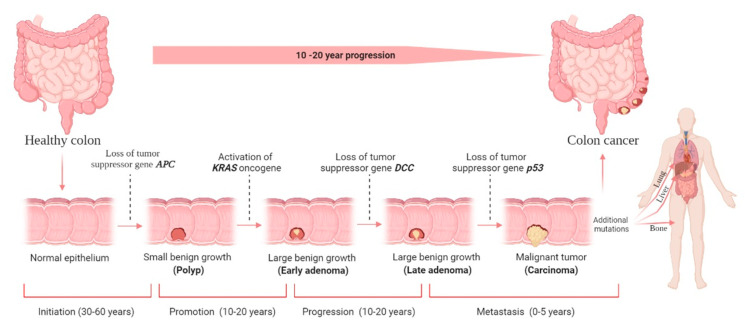
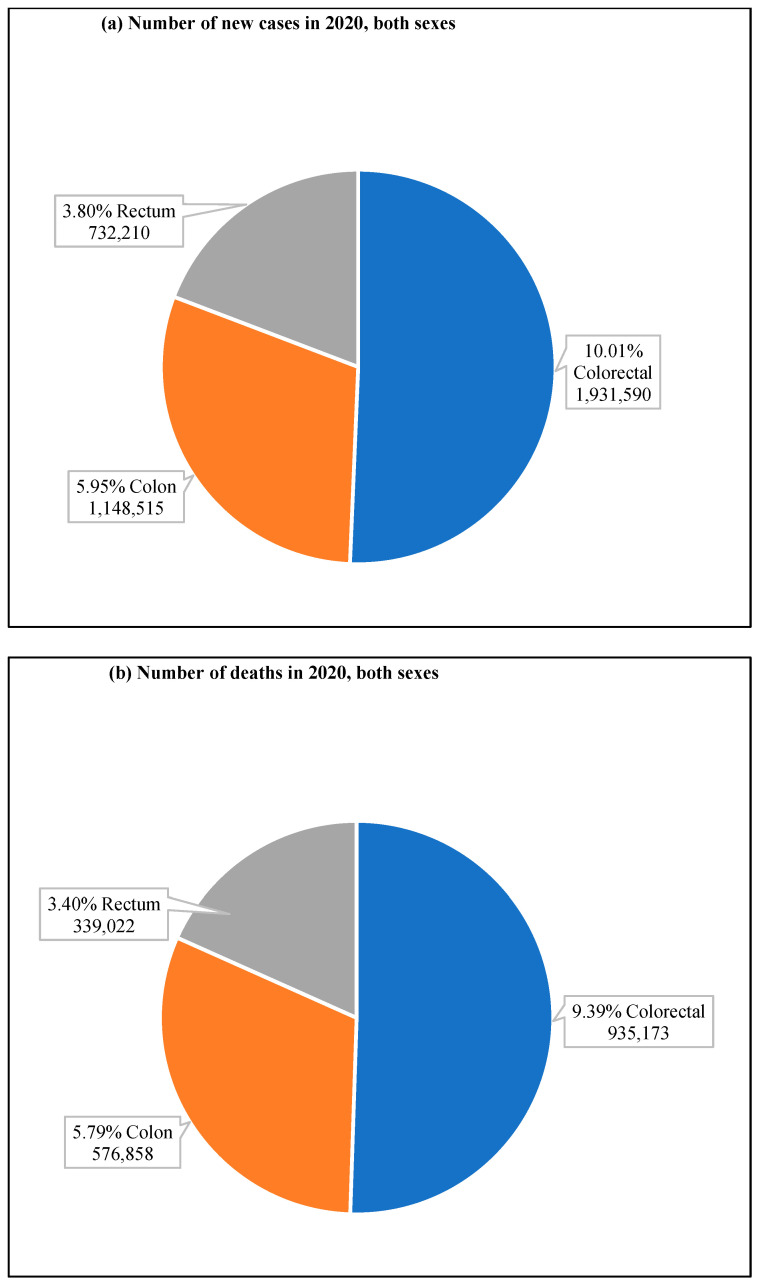
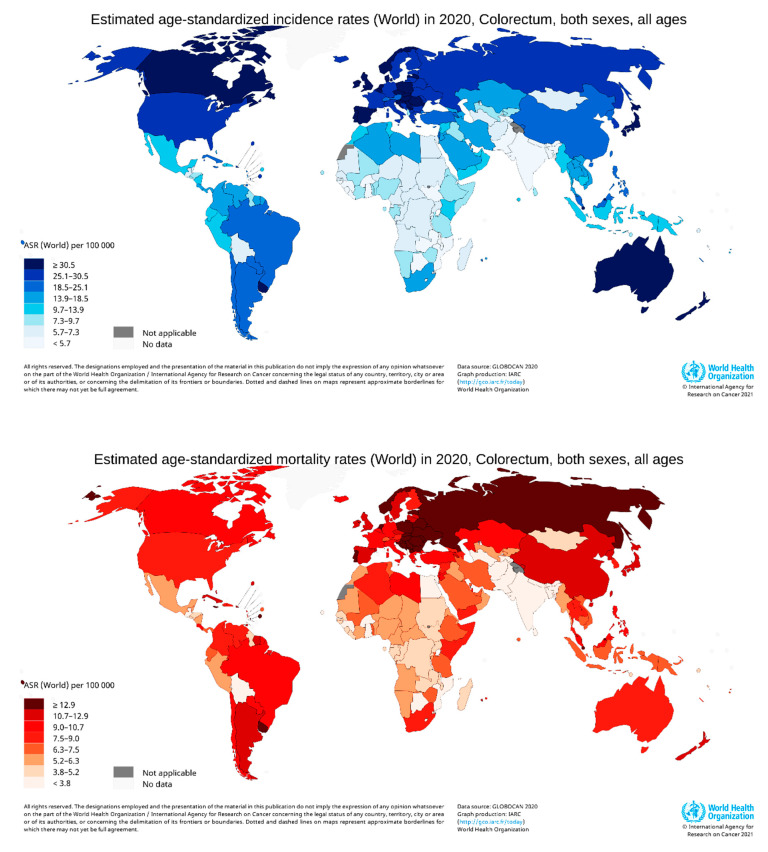
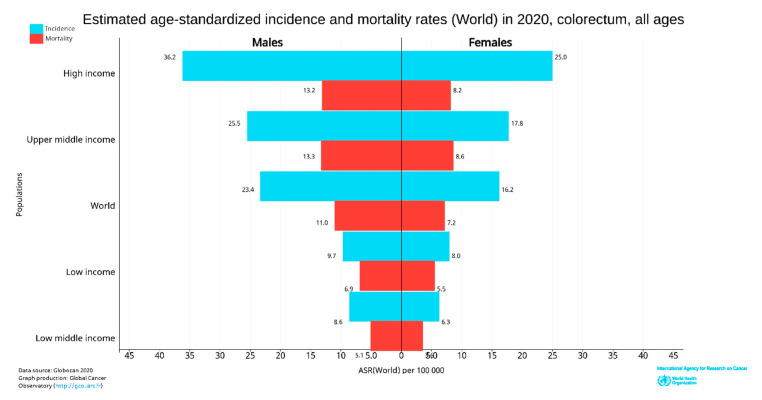
Colorectal cancer (CRC) is the second most deadly cancer. Global incidence and mortality are likely to be increased in the coming decades. Although the deaths associated with CRC are very high in high-income countries, the incidence and fatalities related to CRC are growing in developing countries too. CRC detected early is entirely curable by surgery and subsequent medications. However, the recurrence rate is high, and cancer drug resistance increases the treatment failure rate. Access to early diagnosis and treatment of CRC for survival is somewhat possible in developed countries. However, these facilities are rarely available in developing countries. Highlighting the current status of CRC, its development, risk factors, and management is crucial in creating public awareness. Therefore, in this review, we have comprehensively discussed the current global epidemiology, drug resistance, challenges, risk factors, and preventive and treatment strategies of CRC. Additionally, there is a brief discussion on the CRC development pathways and recommendations for preventing and treating CRC.
Overview
The claims and statistics of this paper haven’t been checked yet.
Free: it reads the open-access text and checks the first 5 claims that cite a source we can check. Create a free account to check every claim.
Integrity signals
Registry
Cites
Statistics
Figures
Verification
Claims the paper makes
The claims and statistics of this paper haven’t been checked yet.
Free: it reads the open-access text and checks the first 5 claims that cite a source we can check. Create a free account to check every claim.
Claims other papers make about this one
Each is checked against this paper’s own text: does it say what the citing paper says it does?
The source backs part of the claim, not all of it — or backs it for a different population, condition or comparison.
In the citing paper
“Despite advancements in these therapeutic modalities, resistance remains a significant challenge, often leading to treatment failure, poor progression-free survival, and cancer recurrence.”
From Mechanisms and Strategies to Overcome Drug Resistance in Colorectal Cancer (2025) · cites this paper as [5]
Experimental — accuracy not yet measuredThe cited source says what the claim attributes to it.
In the citing paper
“While overall survival rates for individuals with advanced CRC has increased in recent decades, drug resistance has been reported to develop in nearly all CRC patients [5].”
From Mechanisms and Strategies to Overcome Drug Resistance in Colorectal Cancer (2025) · cites this paper as [5]
The cited source says what the claim attributes to it.
In the citing paper
“Modifiable factors are associated with the characteristics of a person's lifestyle (obesity, tobacco smoking, alcohol consumption, unhealthy diet)[5-10].”
From Risk factors, prevention and screening of colorectal cancer: A rising problem (2025) · cites this paper as [10]
The cited source says what the claim attributes to it.
In the citing paper
“The development of CRC is associated with the action of non-modifiable and modifiable risk factors.”
From Risk factors, prevention and screening of colorectal cancer: A rising problem (2025) · cites this paper as [10]
Self-check
Percentages, sums and reported differences re-computed from the paper’s own numbers.
The self-check needs the paper’s full text.
Citations
Cites
Sung, H., Ferlay, J., Siegel, R. L., Laversanne, M., Soerjomataram, I., Jemal, A., & Bray, F. (2021) · CA: A Cancer Journal for Clinicians · doi:10.3322/caac.21660 · Cited by 108,699 · cited 5×
“In 2020, CRC was the most diagnosed cancer (out of 36 cancers) among men in 18 of the 186 countries worldwide and women in 6 of the 185 countries [24].”
BackgroundInfluentialBray, F., Ferlay, J., Soerjomataram, I., Siegel, R. L., Torre, L. A., & Jemal, A. (2018) · CA: A Cancer Journal for Clinicians · doi:10.3322/caac.21492 · Cited by 84,109 · cited 2×
“2, which is almost equal to the incidence of 2018 [24,26].”
BackgroundCoussens, L. M., & Werb, Z. (2002) · Nature · doi:10.1038/nature01322 · Cited by 15,111 · cited 1×
“mechanisms herbs and spices exert are the BCL-2, K-ras, and MMP pathways, caspase activation, the extrinsic apoptotic pathway, and the modulation of ER-stress-induced apoptosis chemopreventive effects [162,163].”
BackgroundA genetic model for colorectal tumorigenesis
Fearon, E. R., & Vogelstein, B. (1990) · Cell · doi:10.1016/0092-8674(90)90186-i · Cited by 12,132
Comprehensive molecular characterization of human colon and rectal cancer
The Cancer Genome Atlas Network (2012) · Nature · doi:10.1038/nature11252 · Cited by 8,499
Genetic Alterations during Colorectal-Tumor Development
Vogelstein, B., Fearon, E. R., Hamilton, S. R., Kern, S. E., Preisinger, A. C., Leppert, M., Smits, A. M. M., & Bos, J. L. (1988) · New England Journal of Medicine · doi:10.1056/nejm198809013190901 · Cited by 6,728
Natural products as sources of new drugs from 1981 to 2014
Newman, D. J., & Cragg, G. M. (2016) · Journal of Natural Products · doi:10.1021/acs.jnatprod.5b01055 · Cited by 5,858
Cunningham, D., Humblet, Y., Siena, S., Khayat, D., Bleiberg, H., Santoro, A., Bets, D., Mueser, M., Harstrick, A., Verslype, C., et al. (2004) · New England Journal of Medicine · doi:10.1056/nejmoa033025 · Cited by 5,035 · cited 1×
“Currently, there are clinical studies ongoing on some MAbs for CRC, such as adecatumumab against epithelial cell adhesion molecule (EpCAM), labetuzumab against carcinoembryonic antigen (CEA), and pemtumomab against Mucins [133].”
BackgroundPrevention of Colorectal Cancer by Colonoscopic Polypectomy
Winawer, S. J., Zauber, A. G., Ho, M. N., O'Brien, M. J., Gottlieb, L. S., Sternberg, S. S., Waye, J. D., Schapiro, M., Bond, J. H., Panish, J. F., et al. (1993) · New England Journal of Medicine · doi:10.1056/nejm199312303292701 · Cited by 4,592
Overman, M. J., McDermott, R., Leach, J. L., Lonardi, S., Lenz, H.-J., Morse, M. A., Desai, J., Hill, A., Axelson, M., Moss, R. A., et al. (2017) · The Lancet Oncology · doi:10.1016/s1470-2045(17)30422-9 · Cited by 2,836
Research works printed but not linked: 1
- Urbi, 2014, Grape: A medicinal fruit species in the holy Qur’an and its ethnomedicinal importance, World Appl. Sci. J., 30, 253
Cited by
Items 201–300 of 1,001
Șușan, M. M., Macasoi, I. G., Pînzaru, I., Dehelean, C. A., Ilia, I., Șușan, R. M., & Ioniță, I. (2023) · Current Oncology · doi:10.3390/curroncol30070460 · Cited by 12
“As a result, treatment with a single chemotherapeutic agent is preferred when patients are in the early stages of the disease, with a low risk of deterioration [2].”
BackgroundHong, J.-Y., Oh, H., PARK, S.-Y., Park, Y., Cho, S. B., & Joo, Y. (2023) · In Vivo · doi:10.21873/invivo.13304 · Cited by 12
Jiang, H., Tian, H., Wang, Z., Li, B., Chen, R., Luo, K., Lu, S., Nice, E. C., Zhang, W., Huang, C., et al. (2023) · Biomaterials Research · doi:10.1186/s40824-023-00427-1 · Cited by 11
“Colorectal cancer (CRC) is the second most deadly cancer in the world, and its burden is projected to rise further in the coming decades [26].”
BackgroundColorectal Cancer Recognition Using Deep Learning on Histopathology Images
Muneer, A., Taib, S. M., Hasan, M. H., & Alqushaibi, A. (2023) · International Conference on Information Technology in Asia (CITA) · doi:10.1109/cita58204.2023.10262551 · Cited by 11
“Colorectal cancer (CRC) is a devastating disease that claims the lives of millions of people worldwide [1, 2].”
BackgroundThe Role of microRNAs in Regulating Cancer Cell Response to Oxaliplatin-Containing Regimens
Pirzaman, A. T., Pirshahid, M. E., Babajani, B., Rahmati, A., Niknezhad, S., Hosseinzadeh, R., Taheri, M., Ebrahimi-Zadeh, F., Doostmohamadian, S., & Kazemi, S. (2023) · Technology in Cancer Research & Treatment · doi:10.1177/15330338231206003 · Cited by 12
“48 Early colorectal cancer may not present noticeable symptoms, but changes in bowel habits, stool characteristics, abdominal discomfort, and weight loss may occur at a particular stage.”
BackgroundKhabbazpour, M., Tat, M., Karbasi, A., Abyazi, M. A., Khodadoustan, G., Heidary, Z., & Zaki‐Dizaji, M. (2024) · Gastroenterology and hepatology from bed to bench. · doi:10.22037/ghfbb.v17i3.2978 · Cited by 11
“Liquid biopsies can detect these cancer-related progressive build-up of genetic and epigenetic alterations in plasma DNA (13).”
BackgroundCRNet: Cascaded Refinement Network for polyp segmentation
Wen, X., Zhang, A., Lin, C., & Pang, X. (2024) · Journal of King Saud University - Computer and Information Sciences · doi:10.1016/j.jksuci.2024.102250 · Cited by 14
Savu, E., Vasile, L., Şerbănescu, M.-S., Alexandru, D. O., Gheonea, I. A., Pirici, D. N., Paitici, Ș., & Mogoantă, S. Ş. (2023) · Diagnostics · doi:10.3390/diagnostics13122016 · Cited by 14
“Colorectal carcinogenesis is characterized by a gradual progression from adenoma to invasive carcinoma, and this timeline offers the opportunity to detect and remove colorectal adenomas via screening, thus preventing the progression to invasive carcinoma [1].”
BackgroundTang, C., Wang, A., Zhao, Y.-L., Mou, W., Jiang, J. H., Kuang, J., Sun, B., & Tang, E. (2024) · Biomolecules and Biomedicine · doi:10.17305/bb.2024.10119 · Cited by 18
“Globally, the diagnosis and mortality rates of CRC have alarmingly increased, impacting both developed and developing nations [3].”
BackgroundChen, J., Liu, Y., You, Y., Zhou, R., Li, Y., Zhou, X., Chen, X., Yang, Y., Chen, J.-X., Kwan, H. Y., et al. (2024) · Materials & Design · doi:10.1016/j.matdes.2024.112814 · Cited by 10
Xiao, Y., Xiang, L., Jiang, Y., Tang, Y., Gu, H., Wang, Y., & Peng, L. (2024) · BMC Medicine · doi:10.1186/s12916-024-03325-y · Cited by 10
Elsayed, A., Plüss, L., Nideroest, L., Rotta, G., Thoma, M., Zangger, N. S., Peissert, F., Pfister, S. K., Pellegrino, C. E., Plaza, S. D., et al. (2024) · Molecular Cancer Therapeutics · doi:10.1158/1535-7163.mct-23-0766 · Cited by 10
Conjugated Linoleic Acid in Cancer Therapy
George, J., & Ghosh, A. R. (2024) · Current Drug Delivery · doi:10.2174/0115672018325362240811164655 · Cited by 11
Cancer prognosis using base excision repair genes
Kim, J., Kang, S.-J., Jo, N., Kim, S.-J., & Jang, S. (2025) · Molecules and Cells · doi:10.1016/j.mocell.2025.100186 · Cited by 10
Soloveva, N. A., Novikova, S. E., Farafonova, T. E., Tikhonova, O. V., & Zgoda, V. G. (2025) · International Journal of Molecular Sciences · doi:10.3390/ijms26031016 · Cited by 10
Lifting the veil on tumor metabolism: A GDH1-focused perspective
Zhou, S., Wu, H., Chen, Y., Lv, J., Chen, S., Yu, H., Shi, T., Wang, X., & Xiao, L. (2025) · iScience · doi:10.1016/j.isci.2025.112551 · Cited by 12
“239,240 GDH1 has emerged as a pivotal player in promoting CRC progression.”
Khalid, M., Mateen, R. M., Javed, M., Ali, M., Saqab, M. A. N., Parveen, R., Asimov, A., Bibi, S., Bahadur, A., Iqbal, S., et al. (2025) · Scientific Reports · doi:10.1038/s41598-025-05807-2 · Cited by 10
Cho, S., Kwak, W., Yoon, H., Lee, J., Lee, S., Park, H., Jo, S., Lee, Y., Seo, Y., Cho, Y., et al. (2025) · Advanced Science · doi:10.1002/advs.202506426 · Cited by 11
Hou, S., Heng, S., Xie, S., Zhao, Y., Chen, J., Yu, C., Lin, Y., & Qi, X. (2025) · Frontiers in Immunology · doi:10.3389/fimmu.2025.1606874 · Cited by 10
Ezati, R., Johari, B., Seyf, J. Y., Mortazavi, Y., Azizi, M., & Samadian, H. (2025) · BMC Biotechnology · doi:10.1186/s12896-025-01027-8 · Cited by 10
Pesapane, A., Capasso, L., Sorbo, M. R. D., Scisciola, L., Troiani, T., Mele, D., Franzese, M., Puocci, A., Tortorella, G., Surina, S., et al. (2025) · Cell Death and Disease · doi:10.1038/s41419-025-07982-6 · Cited by 10
“Colorectal cancer (CRC) represents the third most common cancer worldwide and the second leading cause of cancer-related death [1].”
Zeng, X., Wang, J., Liu, N., Chen, L., Liang, L., Zhuo, L., Zhang, X., & Lin, M. (2025) · Frontiers in Oncology · doi:10.3389/fonc.2025.1673341 · Cited by 11
Repurposing of Drug Aspirin in Colon Cancer: Therapeutic Approach
Neve, V., Kamble, A., & Karwa, P. N. (2024) · Clinical Cancer Investigation Journal · doi:10.51847/brevhxsqb9 · Cited by 10
“[7] Although the monitoring of colorectal metastases has not changed much over the past ten years, advancements in liver-directed and systemic therapies may improve survival rates.”
BackgroundShi, L., Fang, X., Du, L., Yang, J., Xue, J., Yue, X., Xie, D., Hui, Y., & Meng, K. (2024) · Oncogenesis · doi:10.1038/s41389-024-00517-2 · Cited by 11
“Colorectal cancer is becoming the predominant cancer and the second leading cause of death in cancer patients [1, 2].”
BackgroundMuntean, C., Blidari, A. R., Faur, A. M., Curca, R. O., & Feier, C. V. I. (2024) · Journal of Multidisciplinary Healthcare · doi:10.2147/jmdh.s474215 · Cited by 10
Xiao, B., Yang, M., Meng, Y., Wang, W., Chen, Y., Yu, C., Bai, L., Xiao, L., & Chen, Y. (2025) · Scientific Reports · doi:10.1038/s41598-025-86872-5 · Cited by 10
Elsayyad, N. M. E., Ibrahim, M. S., & Noshi, S. H. (2025) · Journal of Drug Delivery Science and Technology · doi:10.1016/j.jddst.2025.106710 · Cited by 10
Qayyum, M. A., Farooq, T., Baig, A., Bokhari, T. H., Anjum, M. N., Mahmood, M. H.-U.-R., Ashraf, A. R., MUDDASSIR, K. M., & Ahmad, M. (2023) · Journal of Trace Elements in Medicine and Biology · doi:10.1016/j.jtemb.2023.127234 · Cited by 10
Das, A., Deka, D., Baildya, N., Banerjee, A., Bişgin, A., Adhikari, S., Ahmad, S. F., Duttaroy, A. K., & Pathak, S. (2023) · International Journal of Peptide Research and Therapeutics · doi:10.1007/s10989-023-10572-9 · Cited by 10
“Epigenetic and genetic alterations within a cell are intrinsic in CC, activating oncogenes and proliferative signals from the abnormal microenvironment surrounding the cell (Hossain et al. 2022).”
BackgroundAtreya, I., & Neurath, M. F. (2022) · Biomedicines · doi:10.3390/biomedicines10112940 · Cited by 11
“Colorectal cancer (CRC) represents the third most common malignant tumor disease worldwide and was found to be the underlying diagnosis in almost 10% of all cancerrelated deaths in 2020 [1].”
BackgroundBrzozowa-Zasada, M., Piecuch, A., Bajdak-Rusinek, K., Gołąbek, K., Michalski, M., Janelt, K., & Matysiak, N. (2024) · International Journal of Molecular Sciences · doi:10.3390/ijms25021060 · Cited by 9
“However, 60% of cases in advanced stages (stage III–IV) go unnoticed, which leads to a poor prognosis and more deaths [3].”
BackgroundSquitti, R., Tondolo, V., Pal, A., Rizzo, G., Samanta, A., Hoque, M., di Veroli, L., Catalano, P., Ventura, M. D., Mastromoro, G., et al. (2024) · Biological Trace Element Research · doi:10.1007/s12011-024-04440-w · Cited by 9
Gholipour, F., Entezar, M., Amini, M., Vandghanooni, S., Baradaran, B., Eskandani, M., & Mokhtarzadeh, A. A. (2024) · Naunyn-Schmiedeberg s Archives of Pharmacology · doi:10.1007/s00210-024-03636-0 · Cited by 9
“It is the third most commonly diagnosed and second most deadly form of cancer (Hossain et al. 2022).”
Heydarian, R., Divsalar, A., Kouchesfehani, H. M., & Rasouli, M. (2025) · International Journal of Pharmaceutics · doi:10.1016/j.ijpharm.2025.125262 · Cited by 9
Banu, H., Al-Shammari, E., Shahanawaz, S., Azam, F., Patel, M. B., Alarifi, N. A., Ahmad, M. F., Adnan, M., & Ashraf, S. A. (2025) · Pharmaceuticals · doi:10.3390/ph18040453 · Cited by 9
“While there has been some progress in the diagnosis and treatment of CRC, the prognosis for those patients who have advanced or metastatic disease remains poor despite these advances [2–4].”
Guzmán, A., Mesas, C., Doello, K., Porres, J. M., García-Beltrán, A., Martínez, R., Bermúdez, F., Peña, M., Melguizo, C., & Prados, J. C. (2025) · Nutrients · doi:10.3390/nu17081358 · Cited by 9
“Nearly 50% of the currently available treatments for CRC have been developed directly or indirectly from natural compounds [31,32].”
OTUB1 promotes colorectal cancer progression by stabilizing GPX4 and inhibiting ferroptosis
Lin, G., Lin, X., Lin, Q., & Zhao, J. (2025) · Discover Oncology · doi:10.1007/s12672-025-03022-z · Cited by 9
Adoptive cell therapy in colorectal cancer: Advances in chimeric antigen receptor T cells
Chen, M., Wang, C., Wang, Y., & Shi, M. (2025) · World Journal of Gastrointestinal Oncology · doi:10.4251/wjgo.v17.i7.106723 · Cited by 9
He, X., Zhu, C., Zhu, C., Zhang, X., Chen, D., & Wang, Q. (2025) · Frontiers in Cellular and Infection Microbiology · doi:10.3389/fcimb.2025.1633227 · Cited by 10
Duan, X., Zhang, L., & Liu, F. (2025) · Frontiers in Pharmacology · doi:10.3389/fphar.2025.1642957 · Cited by 10
The hidden hand of endoplasmic reticulum stress in anticancer drug resistance
Khan, J. T., Sood, S., Piedra, V., Seker, E., Rajak, H., Karthikeyan, C., Ashby, C. R., Pathak, R., & Tiwari, A. K. (2025) · Critical Reviews in Oncology/Hematology · doi:10.1016/j.critrevonc.2025.104998 · Cited by 10
SMAD7 Sustains XIAP Expression and Migration of Colorectal Carcinoma Cells
Colella, M., Iannucci, A., Maresca, C., Albano, F., Mazzoccoli, C., Laudisi, F., Monteleone, I., & Monteleone, G. (2024) · Cancers · doi:10.3390/cancers16132370 · Cited by 9
“Despite significant advances in the knowledge of colorectal cancer (CRC) pathogenesis and improvements in preventive, diagnostic, and therapeutic approaches, this neoplasia remains one of the major causes of death worldwide [1,2].”
BackgroundThe functions and mechanisms of long non-coding RNA in colorectal cancer
Lin, Y., Zhao, W., Lv, Z., Hongyan, X., Li, Y., & Zhang, Z. (2024) · Frontiers in Oncology · doi:10.3389/fonc.2024.1419972 · Cited by 10
“Combining lncRNA with small molecule drugs or gene therapy to develop novel therapies with stronger targeting and fewer side effects may break through the limitations of existing treatments (230, 231).”
BackgroundWu, W., Li, A., He, H., Ye, S., Zhou, Z., Quan, J., & Tan, W. (2024) · Journal of Biochemical and Molecular Toxicology · doi:10.1002/jbt.23774 · Cited by 9
Anselmino, L., Malizia, F., Avila, A., Laluce, N. C., Mamberto, M., Zanotti, L. C., Farré, C., Sauzeau, V., & Menacho-Márquez, M. (2024) · Cells · doi:10.3390/cells13211776 · Cited by 10
Early colorectal cancer detection: a serum analysis platform combining SERS and machine learning
Zhu, M., Han, Y., Qiu, Y., Shen, Y., Xu, Q., Huang, Y., Li, T., Sun, M., & Pu, W. (2024) · Analytical Methods · doi:10.1039/d4ay01716a · Cited by 9
Mir, S. A., Venugopalan, A. K., Zhang, J., Nair, N. U., Sengupta, M., Khanal, M., Stathopoulou, C., Jiang, Q., & Hassan, R. (2024) · Clinical and Translational Medicine · doi:10.1002/ctm2.70057 · Cited by 9
“2,3 Cumulatively, these malignancies account for a significant portion of morbidity and mortality, worldwide.”
Song, Y., Ren, S., Wu, S.-M., Liu, W., Hu, C., Feng, S., Chen, X., Tu, R., & Gao, F. (2024) · International Journal of Cancer · doi:10.1002/ijc.35285 · Cited by 9
Khorramdelazad, H., Bagherzadeh, K., Rahimi, A. R., Darehkordi, A., Najafi, A., Karimi, M., Khoshmirsafa, M., Hassanshahi, G., Safari, E., & Falak, R. (2025) · Cancer Cell International · doi:10.1186/s12935-024-03584-y · Cited by 9
“Colorectal cancer (CRC) stands as a prominent global health concern, affecting the colon and rectum with considerable morbidity and mortality [1].”
Gold nanoparticle-enabled doxorubicin delivery: Advancing targeted chemotherapy in cancer therapy
Aggarwal, R., Ahmed, A., Gowda, B. H. J., Gupta, G., Nasir, N., Wahab, S., Sheikh, A., & Kesharwani, P. (2025) · Inorganic Chemistry Communications · doi:10.1016/j.inoche.2025.114467 · Cited by 9
Advancing cancer therapy: Mechanisms, efficacy, and limitations of calcium electroporation
Szewczyk, A., Baczyńska, D., Choromańska, A., Łapińska, Z., Chwiłkowska, A., Saczko, J., & Kulbacka, J. (2025) · Biochimica et Biophysica Acta (BBA) - Reviews on Cancer · doi:10.1016/j.bbcan.2025.189319 · Cited by 12
Loosen, S. H., Schöler, D., Labuhn, S., Mertens, A., Jördens, M. S., Luedde, M., Kostev, K., Luedde, T., & Roderburg, C. (2022) · Cancers · doi:10.3390/cancers14153825 · Cited by 9
“In Germany, 62,230 new cases and 25,972 deaths were registered in 2018 [1].”
BackgroundMinciuna, C.-E., Tanase, M., Manuc, T. E., Tudor, Ș., Herlea, V., Dragomir, M. P., Călin, G. A., & Vasilescu, C. (2022) · Computational and Structural Biotechnology Journal · doi:10.1016/j.csbj.2022.09.010 · Cited by 11
del Carmen, G. A., Reyes-Uribe, L., Vera, D. G., Evans, K., Bowen, C. M., Kinnison, J. L., Sepeda, V. O., Weber, D. M., Moskowitz, J., Mork, M. E., et al. (2023) · Frontiers in Oncology · doi:10.3389/fonc.2023.1146825 · Cited by 9
Raikar, P., Dandagi, P. M., & Kumbar, V. (2024) · Journal of Drug Delivery Science and Technology · doi:10.1016/j.jddst.2024.105481 · Cited by 9
Huang, B., Lu, Y., Ni, Z., Liu, J., He, Y., An, H., Ye, F., Shen, J., Lin, M., Chen, Y., et al. (2023) · Cancer Gene Therapy · doi:10.1038/s41417-023-00635-w · Cited by 9
“ELISA kits MM-0104M2 and MM-0113H1 (Meimian, Jiangsu, China) were used for the serum and cell supernatant, respectively, following the manufacturer’s instructions.”
InfluentialFrančina, M., Mikuš, M., Mamić, M., Jovanović, T., Ćorić, M., Lovrić, B., Vukoja, I., Zukanović, G., Matković, K., Rajc, J., et al. (2024) · Diagnostics · doi:10.3390/diagnostics14101007 · Cited by 8
“Chemotherapy is one of the most important treatment options for patients with CRC, but its use leads to severe side effects and resistance [1].”
BackgroundInfluentialGhabra, S., Chang, D. W.-W., & Sugarbaker, P. H. (2025) · European Journal of Surgical Oncology · doi:10.1016/j.ejso.2025.109720 · Cited by 8
Iron chelators in breast cancer therapy: mechanisms and clinical applications – a narrative review
Obeagu, E. I., Ngwoke, A. O., & Malunga, G. (2025) · Annals of Medicine and Surgery · doi:10.1097/ms9.0000000000003296 · Cited by 8
“This integrated approach allows for early intervention strategies tailored to that individual’s specific risk factors [ 46 ] .”
Targeting drug resistant colorectal cancer with apigenin nanoarchitectures
Goleij, P., Ferdousmakan, S., Tabari, M. A. K., Amini, A., Larsen, D. S., Daglia, M., Javan, A., Li, T., Khan, H., & Xu, Y. (2025) · Translational Oncology · doi:10.1016/j.tranon.2025.102455 · Cited by 8
Therapeutic Colorectal Cancer Vaccines: Emerging Modalities and Translational Opportunities
Muthukutty, P., Woo, H. Y., & Yoo, S. Y. (2025) · Vaccines · doi:10.3390/vaccines13070689 · Cited by 8
“Colorectal cancer is distinguished by its high mutational burden, driven by extensive somatic mutations across different CRC subtypes [7].”
Upasana, U., & Bhattacharya, S. (2025) · ACS Applied Bio Materials · doi:10.1021/acsabm.5c00714 · Cited by 8
Ochoa-Hugo, S. E., Valdivia-Aviña, K., Gutiérrez-Mercado, Y. K., Canales-Aguirre, A. A., Chaparro-Huerta, V., Aguilar‐Lemarroy, A., Jave‐Suárez, L. F., Cano, M. E., Topete, A., Molina-Pineda, A., et al. (2025) · Pharmaceutics · doi:10.3390/pharmaceutics17080988 · Cited by 8
“The averages of the measurements shown in the previous graphs for each group were compared in a time graph, where the changes in tumor sizes of each group can be observed on days 7, 14, 21, and 28 of the in vivo experimental model.”
NOX1 and NPY1R mark regional colon stem cell populations that serve as cancer origins in vivo
Gasnier, M., Chen, T. C.-Y., Yada, S., Sagiraju, S., Yoshikawa, Y., Perna, S., Lim, H. Y. G., Lee, B. T. K., & Barker, N. (2025) · Nature Cell Biology · doi:10.1038/s41556-025-01763-1 · Cited by 8
Kowalska, M. K., El‐Mallul, A., Lubojańska, J. E., Hudecka, W., Orłowska, S. M., Lubojański, P. J., & Bednarczyk, Ł. (2025) · International Journal of Molecular Sciences · doi:10.3390/ijms26199520 · Cited by 10
“Targeted therapy is a type of cancer treatment that relies on acting on specific biological molecules to stop the growth and proliferation of cancer cells [57,58].”
Samah, B., Lanez, E., Benamor, M. L., Bekkar, Y., Nacer, S. N., Bourougaa, L., Bouraoui, R., Garzoli, S., & Lanez, T. (2025) · Computational Biology and Chemistry · doi:10.1016/j.compbiolchem.2025.108754 · Cited by 9
Tu, J., Zheng, L., Yan, L., Shi, L., & Kuang, Z. (2026) · Journal of Gastrointestinal Cancer · doi:10.1007/s12029-026-01465-3 · Cited by 11
Diabetes Melitus and Lifestyle Patterns in Society: A Comprehensive Literature Review
Syaripudin, A., Karningsih, Supardi, A., Dahbul, N. A., & Rondonuwu, R. H. S. (2023) · International Journal of Science and Society · doi:10.54783/ijsoc.v5i3.750 · Cited by 16
“A significant portion, nearly 80%, of DM-related fatalities transpire in countries with modest to intermediate economic standings (Hossain et al., 2022).”
Žitkutė, V., Jasinevicius, A., Vaitiekaite, G., Kukcinavičiūtė, E., Aleksandraviciute, B., Eidenaite, E., Sudeikis, L., Jonušienė, V., & Sasnauskienė, A. (2023) · Journal of Cellular Biochemistry · doi:10.1002/jcb.30488 · Cited by 8
Piroozkhah, M., Aghajani, A., Jalali, P., Shahmoradi, A., Piroozkhah, M., Tadlili, Y., & Salehi, Z. (2023) · Frontiers in Oncology · doi:10.3389/fonc.2023.1277265 · Cited by 9
Xing, Y., Lin, B., Liu, B., Shao, J., & Jin, Z. (2024) · Current Cancer Drug Targets · doi:10.2174/0115680096274757231219072003 · Cited by 8
“Colorectal cancer (CRC), as a global health burden, is one of the most common cancers with the third highest incidence and the second mortality all over the world [1, 2].”
BackgroundAlalikhan, A., Ebrahimi, S., Aliee, A., Mirzavi, F., & Hashemy, S. I. (2024) · Medical Oncology · doi:10.1007/s12032-024-02312-w · Cited by 8
Yunus, A., Mokhtar, N. M., Ali, R. A. R., Kendong, S. M. A., & Ahmad, H. F. (2024) · MethodsX · doi:10.1016/j.mex.2024.102623 · Cited by 10
“Colorectal cancer (CRC) is a common and life-threatening disease [2] that requires the development of effective diagnostic and therapeutic strategies [3] .”
BackgroundLi, Y., Zhang, X., Liu, N., Liu, R., Zhang, W., Chen, L., & Chen, Y. (2024) · Cell Death and Disease · doi:10.1038/s41419-024-06595-9 · Cited by 8
“The high mortality in CRC is primarily attributed to advanced diagnoses and resistance to conventional treatments, which are linked to dysregulated signaling pathways [3].”
Zhao, L., Wang, N., Zhu, X., Wu, Z., Shen, A., Zhang, L., Wang, R., Wang, D., & Zhang, S. (2024) · Scientific Reports · doi:10.1038/s41598-024-61342-6 · Cited by 10
Betanin-encapsulated starch nanoparticles: synthesis and cytotoxic effect on colon cancer
Bhat, S. A., Chandramohan, S., Krishna, G. S., Hiranmaya, C., Pajaniradje, S., Nair, A. S., Mohanty, D., & Rajagopalan, R. (2024) · 3 Biotech · doi:10.1007/s13205-024-04078-4 · Cited by 8
Hari, K., Squitti, R., Bosco, J., Jayaraman, V., Krishna, K., Pal, A., Luca, A. D., di Veroli, L., Mastromoro, G., Rizzo, G., et al. (2024) · Journal of Trace Elements in Medicine and Biology · doi:10.1016/j.jtemb.2024.127564 · Cited by 8
Moniruzzaman, M., Wong, K. Y., Janjua, T. I., Martin, J. H., Begun, J., & Popat, A. (2025) · ACS Pharmacology & Translational Science · doi:10.1021/acsptsci.4c00644 · Cited by 8
Faraji, N., Mashkoor, N. R., Emamifar, A., Ghamarsoorat, F., Ghalehjoughi, Z. P., Bajgiran, F. A., Nezami, P. V., Hedayati, M., & Salehzadeh, A. (2025) · Journal of Cluster Science · doi:10.1007/s10876-024-02757-z · Cited by 8
Patient-Derived Tumor Organoids: A Platform for Precision Therapy of Colorectal Cancer
Li, Y., Wu, W., Yao, J., Wang, S., Wu, X., & Yan, J. (2025) · Cell Transplantation · doi:10.1177/09636897251314645 · Cited by 9
Meghdadian, M., & Mahmoodi, N. M. (2025) · Journal of environmental chemical engineering · doi:10.1016/j.jece.2025.117718 · Cited by 8
Wang, T., Zhen, Q., Wu, T., Jin, L., Yao, S., Feng, Y., Chen, J., Chen, C., & Huang, Z. (2023) · Molecular Biology Reports · doi:10.1007/s11033-023-08268-w · Cited by 8
“Colorectal cancer (CRC) is a common disease among the lethal cancer types worldwide with the second leading cause of cancer death among all cancers [1, 2].”
BackgroundJiang, B., Ke, C., Zhou, H., Xia, T., Xie, X., & Xu, H. (2023) · Scandinavian Journal of Immunology · doi:10.1111/sji.13317 · Cited by 8
Mazumder, K., Aktar, A., Ramasamy, S., Biswas, B., Kerr, P. G., & BLANCHARD, C. L. (2023) · Cells · doi:10.3390/cells12212557 · Cited by 9
“Lupin-based studies have been expanded progressively”
Circulating tumor cells in colorectal cancer – a review of detection methods and clinical relevance
Saadi, S., Aarab, M., Tabyaoui, I., & Jouti, N. T. (2023) · Współczesna Onkologia · doi:10.5114/wo.2023.133740 · Cited by 12
“Risk factors for development of CRC can be clinical, older age, previous colonic polyps, and presence of inflammatory bowel disease [7, 8].”
BackgroundMicrobiota in colorectal cancer related to liver metastasis
Wei, P., Han, W., Zhang, Z., Tian, X. W., Chen, Y., Wang, Q., Xie, W., Liu, Y., Gao, Y., & Chang, H. (2024) · Chinese Journal of Cancer Research · doi:10.21147/j.issn.1000-9604.2024.01.02 · Cited by 8
In-Hospital Mortality and Associated Factors among Colorectal Cancer Patients in Germany
Kostev, K., Krieg, S., Krieg, A. H., Luedde, T., Loosen, S. H., & Roderburg, C. (2024) · Cancers · doi:10.3390/cancers16061219 · Cited by 8
“In Germany, 62,230 new cases and 25,972 deaths were reported in 2018 [1].”
BackgroundZhang, J., Liu, Z., Chen, W., & Liu, H. (2023) · Translational Cancer Research · doi:10.21037/tcr-23-494 · Cited by 8
“The incidence of COAD seems to be related to genetics, diet, and inflammation, but the specific mechanism is not well explored (7,8).”
Zhang, Q., Wang, C., Wu, Y., Liu, J., Wang, T., & Wang, B. (2023) · International Journal of Molecular Sciences · doi:10.3390/ijms242316740 · Cited by 8
An updated landscape on nanopharmaceutical delivery for mitigation of colon cancer
Shahzad, M., Hameed, H., Amjad, A., Khan, M. A., Qureshi, I. S., Hameed, A., Saeed, A., & Munir, R. (2025) · Naunyn-Schmiedeberg's Archives of Pharmacology · doi:10.1007/s00210-024-03482-0 · Cited by 7
“1 (Hossain et al. 2022).”
HIPK2 in Colon Cancer: A Potential Biomarker for Tumor Progression and Response to Therapies
Verdina, A., Garufi, A., D’Orazi, V., & D’Orazi, G. (2024) · International Journal of Molecular Sciences · doi:10.3390/ijms25147678 · Cited by 8
Discovery of a potent PARP1 PROTAC as a chemosensitizer for the treatment of colorectal cancer
Wu, M., Jiang, Y., Zhang, D., Wu, Y., Jin, Y., Liu, T., Mao, X., Yu, H., Xu, T., Chen, Y., et al. (2024) · European Journal of Medicinal Chemistry · doi:10.1016/j.ejmech.2024.117062 · Cited by 9
Decoupling chemical and mechanical signaling in colorectal cancer cell migration
Tetrick, M. G., Emon, B., Doha, U., Marcellus, M., Symanski, J., Ramanathan, V., Saif, M. T. A., & Murphy, C. J. (2025) · Scientific Reports · doi:10.1038/s41598-025-89152-4 · Cited by 7
Chilimoniuk, Z., Gładysz, K., Moniczewska, N., Chawrylak, K., Pelc, Z., & Mlak, R. (2025) · Cancers · doi:10.3390/cancers17162632 · Cited by 7
“There is no doubt, therefore, that the drive to improve early diagnosis and the search for new diagnostic biomarkers is a justified effort [9].”
Toll-like receptor agonists as cancer therapeutics: a patent review (2014–2024)
Kumar, P., Zargar, Z. B., Chopra, K., Pawar, S. V., & Salunke, D. B. (2025) · Expert Opinion on Therapeutic Patents · doi:10.1080/13543776.2025.2556819 · Cited by 7
“Immunotherapy, including vaccines and ICIs, offers promise but faces challenges in antigen delivery and overcoming tumor immune evasion [226].”
Teixeira, S., Ferreira, D., Rodrigues, L. R., Carvalho, M. A., & Castanheira, E. M. S. (2025) · Gels · doi:10.3390/gels11090759 · Cited by 7
“Anticancer drug effectiveness is often limited by issues such as poor solubility, stability, pharmacokinetics, toxicity, and low selectivity, leading to severe side effects [2–4].”
Raeisi, H., Rejali, L., Fatemi, N., Sadeghi, A., Sadeghloo, Z., Zali, M. R., & Mojarad, E. N. (2025) · Expert Reviews in Molecular Medicine · doi:10.1017/erm.2025.10019 · Cited by 7
Cui, J., Chen, H., Dong, F., Zheng, Q., Wu, J., Feng, B., Guo, D., Jiang, S., Li, M., & Li, J. (2025) · Discover Oncology · doi:10.1007/s12672-025-03296-3 · Cited by 7
“…abundance of specific flora, which in turn affects the immune response and inflammation levels, and ultimately influences the efficacy of ADT [61, 83] and Lactobacillus, in the intestinal tract are significantly reduced, while the levels of harmful bacteria, such as Escherichia coli, are…”
The role of MUC2 in cancer - Biological significance and therapeutic implications: A review
Mishra, A., Vishwa, R., Alqahtani, M. S., Abbas, M., Sethi, G., Ma, Z., & Kunnumakkara, A. B. (2025) · International Journal of Biological Macromolecules · doi:10.1016/j.ijbiomac.2025.148480 · Cited by 7
Current advances in colorectal cancer treatment: a review of recent clinical trials
Piotrowski, M., Suska, K., Jacenik, D., & Fichna, J. (2025) · Expert Opinion on Pharmacotherapy · doi:10.1080/14656566.2025.2608867 · Cited by 7
“In such cases, cancer arises through the adenoma-carcinoma sequence, which is the result of disrupted processes of apoptosis and uncontrolled proliferation of epithelial cells [2,3].”
Metadata
- Authors
- Hossain, M. S., Karuniawati, H., Jairoun, A. A., Urbi, Z., Ooi, D. J., John, A., Lim, Y. C., Kibria, K. M. K., Mohiuddin, A. K. M., Ming, L. C., Goh, K. W., & Hadi, M. A.
- Affiliations
- International Islamic University Malaysia (MY)
- Universiti Sains Malaysia (MY)
- Universiti Malaysia Pahang Al-Sultan Abdullah (MY)
- Mahsa University (MY)
- Universiti Brunei Darussalam (BN)
- Mawlana Bhashani Science and Technology University (BD)
- INTI International University (MY)
- Qatar University (QA)
- Corresponding author
- Hossain, Md. Sanower
- Ming, Long Chiau
- ORCID
- Venue
- Cancers
- Publisher
- MDPI AG
- Published
- 2022-03-29
- Volume
- 14
- Issue
- 7
- Pages
- 1732
- ISSN
- 2072-6694 (ISSN-L)
- PMC
- PMC8996939
- OpenAlex
- W4220871154
- Semantic Scholar
- a177fa591329da9c54d205f532c08c603177d297
- Cited by
- 920
- References
- 156
- Citations by year
- 2026: 169 · 2025: 307 · 2024: 267 · 2023: 150 · 2022: 23
- FWCI
- 22.82
- Type
- journal article
- Language
- en
- Open access
- gold
- doi.org
- Licence
- Locations
- Cancers (publishedVersion, cc-by)
- PubMed Central (publishedVersion, cc-by)
- PubMed (publishedVersion)
- UMP Institutional Repository (Universiti Malaysia Pahang) (acceptedVersion)
- DOAJ (DOAJ: Directory of Open Access Journals) (submittedVersion, cc-by-sa)
- Qatar University QSpace (Qatar University) (submittedVersion)
- Topics
- Health Sciences › Medicine › Oncology › Colorectal Cancer Treatments and Studies
- Health Sciences › Medicine › Oncology › Colorectal Cancer Screening and Detection
- Health Sciences › Medicine › Oncology › Colorectal Cancer Surgical Treatments
- Keywords
- colorectal cancer, carcinogenesis, global epidemiology, risk factors, cancer prevention, cancer therapy, drug resistance, tumor recurrence, early diagnosis, access to treatment, developing countries
About these checks
Registry, retraction, Cites and statistics results are computed, not judged, with one exception: a printed reference that no index lists is read once by a model before it counts as a citation error. Claims are extracted by a model and kept only when their quote appears verbatim in the text; each cited source is then checked, with a model’s help, for whether it says what the claim relies on. Those verdicts can be wrong — read the claim’s quote and the cited source before relying on one.
Statistics and arithmetic are recomputed, not judged.
Confidence bands are shown only for fields calibrated on our annotated test set. None is calibrated yet, so no band is shown.
What counts as a claim ›How we measure confidence ›How we check this ›
Are you an author, or do you see a problem with this page? Request a review
Data sources
Bibliographic data: Semantic Scholar, OpenAlex, Crossref.
Contains information from the Semantic Scholar Academic Graph Datasets, made available under the ODC Attribution License (ODC-BY 1.0).
Semantic Scholar’s data is described in: Kinney, R., et al. (2023). The Semantic Scholar Open Data Platform. arXiv:2301.10140.
