

Colorectal Cancer: A Review of Carcinogenesis, Global Epidemiology, Current Challenges, Risk Factors, Preventive and Treatment Strategies
Open accessThe DOI matches its Crossref record; 156 of the 156 references it cites were found in a registry or an index.
Abstract
Colorectal cancer (CRC) is the second most deadly cancer. Global incidence and mortality are likely to be increased in the coming decades. Although the deaths associated with CRC are very high in high-income countries, the incidence and fatalities related to CRC are growing in developing countries too. CRC detected early is entirely curable by surgery and subsequent medications. However, the recurrence rate is high, and cancer drug resistance increases the treatment failure rate. Access to early diagnosis and treatment of CRC for survival is somewhat possible in developed countries. However, these facilities are rarely available in developing countries. Highlighting the current status of CRC, its development, risk factors, and management is crucial in creating public awareness. Therefore, in this review, we have comprehensively discussed the current global epidemiology, drug resistance, challenges, risk factors, and preventive and treatment strategies of CRC. Additionally, there is a brief discussion on the CRC development pathways and recommendations for preventing and treating CRC.
Overview
The claims and statistics of this paper haven’t been checked yet.
Free: it reads the open-access text and checks the first 5 claims that cite a source we can check. Create a free account to check every claim.
Integrity signals
Registry
Cites
Statistics
Figures
Verification
Claims the paper makes
The claims and statistics of this paper haven’t been checked yet.
Free: it reads the open-access text and checks the first 5 claims that cite a source we can check. Create a free account to check every claim.
Claims other papers make about this one
Each is checked against this paper’s own text: does it say what the citing paper says it does?
The source backs part of the claim, not all of it — or backs it for a different population, condition or comparison.
In the citing paper
“Despite advancements in these therapeutic modalities, resistance remains a significant challenge, often leading to treatment failure, poor progression-free survival, and cancer recurrence.”
From Mechanisms and Strategies to Overcome Drug Resistance in Colorectal Cancer (2025) · cites this paper as [5]
Experimental — accuracy not yet measuredThe cited source says what the claim attributes to it.
In the citing paper
“While overall survival rates for individuals with advanced CRC has increased in recent decades, drug resistance has been reported to develop in nearly all CRC patients [5].”
From Mechanisms and Strategies to Overcome Drug Resistance in Colorectal Cancer (2025) · cites this paper as [5]
The cited source says what the claim attributes to it.
In the citing paper
“Modifiable factors are associated with the characteristics of a person's lifestyle (obesity, tobacco smoking, alcohol consumption, unhealthy diet)[5-10].”
From Risk factors, prevention and screening of colorectal cancer: A rising problem (2025) · cites this paper as [10]
The cited source says what the claim attributes to it.
In the citing paper
“The development of CRC is associated with the action of non-modifiable and modifiable risk factors.”
From Risk factors, prevention and screening of colorectal cancer: A rising problem (2025) · cites this paper as [10]
Self-check
Percentages, sums and reported differences re-computed from the paper’s own numbers.
The self-check needs the paper’s full text.
Citations
Cites
Sung, H., Ferlay, J., Siegel, R. L., Laversanne, M., Soerjomataram, I., Jemal, A., & Bray, F. (2021) · CA: A Cancer Journal for Clinicians · doi:10.3322/caac.21660 · Cited by 108,699 · cited 5×
“In 2020, CRC was the most diagnosed cancer (out of 36 cancers) among men in 18 of the 186 countries worldwide and women in 6 of the 185 countries [24].”
BackgroundInfluentialBray, F., Ferlay, J., Soerjomataram, I., Siegel, R. L., Torre, L. A., & Jemal, A. (2018) · CA: A Cancer Journal for Clinicians · doi:10.3322/caac.21492 · Cited by 84,109 · cited 2×
“2, which is almost equal to the incidence of 2018 [24,26].”
BackgroundCoussens, L. M., & Werb, Z. (2002) · Nature · doi:10.1038/nature01322 · Cited by 15,111 · cited 1×
“mechanisms herbs and spices exert are the BCL-2, K-ras, and MMP pathways, caspase activation, the extrinsic apoptotic pathway, and the modulation of ER-stress-induced apoptosis chemopreventive effects [162,163].”
BackgroundA genetic model for colorectal tumorigenesis
Fearon, E. R., & Vogelstein, B. (1990) · Cell · doi:10.1016/0092-8674(90)90186-i · Cited by 12,132
Comprehensive molecular characterization of human colon and rectal cancer
The Cancer Genome Atlas Network (2012) · Nature · doi:10.1038/nature11252 · Cited by 8,499
Genetic Alterations during Colorectal-Tumor Development
Vogelstein, B., Fearon, E. R., Hamilton, S. R., Kern, S. E., Preisinger, A. C., Leppert, M., Smits, A. M. M., & Bos, J. L. (1988) · New England Journal of Medicine · doi:10.1056/nejm198809013190901 · Cited by 6,728
Natural products as sources of new drugs from 1981 to 2014
Newman, D. J., & Cragg, G. M. (2016) · Journal of Natural Products · doi:10.1021/acs.jnatprod.5b01055 · Cited by 5,858
Cunningham, D., Humblet, Y., Siena, S., Khayat, D., Bleiberg, H., Santoro, A., Bets, D., Mueser, M., Harstrick, A., Verslype, C., et al. (2004) · New England Journal of Medicine · doi:10.1056/nejmoa033025 · Cited by 5,035 · cited 1×
“Currently, there are clinical studies ongoing on some MAbs for CRC, such as adecatumumab against epithelial cell adhesion molecule (EpCAM), labetuzumab against carcinoembryonic antigen (CEA), and pemtumomab against Mucins [133].”
BackgroundPrevention of Colorectal Cancer by Colonoscopic Polypectomy
Winawer, S. J., Zauber, A. G., Ho, M. N., O'Brien, M. J., Gottlieb, L. S., Sternberg, S. S., Waye, J. D., Schapiro, M., Bond, J. H., Panish, J. F., et al. (1993) · New England Journal of Medicine · doi:10.1056/nejm199312303292701 · Cited by 4,592
Overman, M. J., McDermott, R., Leach, J. L., Lonardi, S., Lenz, H.-J., Morse, M. A., Desai, J., Hill, A., Axelson, M., Moss, R. A., et al. (2017) · The Lancet Oncology · doi:10.1016/s1470-2045(17)30422-9 · Cited by 2,836
Research works printed but not linked: 1
- Urbi, 2014, Grape: A medicinal fruit species in the holy Qur’an and its ethnomedicinal importance, World Appl. Sci. J., 30, 253
Cited by
Items 601–700 of 1,001
Torkashvand, R., Hajikhani, B., Doust, R. H., Dabiri, H., & Dadashi, M. (2024) · Jundishapur Journal of Microbiology · doi:10.5812/jjm-144247 · Cited by 1
Insights Into Colorectal Carcinoma: A Comprehensive Review of MicroRNA Expression Patterns
Pandey, S., Jain, A., & Vagha, S. J. (2024) · Cureus · doi:10.7759/cureus.56739 · Cited by 2
“It originates in the colon or rectum, often from precancerous polyps [1].”
BackgroundComparative Review on Cancer Pathology from Aberrant Histone Chaperone Activity
Lee, J. T. Y., & Bao, X. (2024) · International Journal of Molecular Sciences · doi:10.3390/ijms25126403 · Cited by 1
Yaman, M., & Pirim, D. (2024) · PubMed Central · doi:10.30498/ijb.2024.422185.3827 · Cited by 1
Mahdavi, F., Rahiminezhad, A., Kami, A. J., Arasteh, A., & Ebrahimi, M. (2024) · Current Bioactive Compounds · doi:10.2174/0115734072312484241010124144 · Cited by 1
Flynn, C. L., Markey, G. E., Neudecker, V., Farrelly, C., Furuta, G. T., Eltzschig, H. K., Masterson, J. C., & McNamee, E. N. (2024) · The Journal of Immunology · doi:10.4049/jimmunol.2400129 · Cited by 1
Luo, S., Xu, J., Mo, C., Gong, W., Li, C., Hou, X., & Ou, M. (2024) · ONCOLOGIE · doi:10.1515/oncologie-2024-0378 · Cited by 1
Li, F., Huang, Z., Zhou, L., Peng, H., & Chu, Y. (2024) · Biomedical Signal Processing and Control · doi:10.1016/j.bspc.2024.107127 · Cited by 1
The Role of Cannabinoid Receptors Subtype 2 in Cancer: A Promising Therapeutical Target
Fanizzi, A., Graziano, G., Degennaro, P., Abate, C., Colabufo, N. A., Leonetti, F., Contino, M., & Stefanachi, A. (2024) · Springer eBooks · doi:10.1007/978-3-030-80962-1_368-1 · Cited by 1
Naz, T., Naz, S., Bhatti, A. M., Memon, A. I., Memon, M. S., & Muhammad, F. (2024) · Pakistan Journal of Health Sciences · doi:10.54393/pjhs.v5i12.2493 · Cited by 1
Kabeli, R. G., Boursi, B., Zilberberg, A., & Efroni, S. (2025) · Translational Oncology · doi:10.1016/j.tranon.2025.102358 · Cited by 1
“In contrast, low-risk patients may even be considered for follow-up only without adjuvant chemotherapy[30].”
Zhang, X., Yang, Q., Liang, Z., Zhu, L., & Lu, C. (2025) · European Journal of Cancer Care · doi:10.1155/ecc/8659536 · Cited by 1
Katta, R., Sindhura, N., Kolakonda, M., & Chinnam, A. (2025) · International Journal of Applied and Basic Medical Research · doi:10.4103/ijabmr.ijabmr_535_24 · Cited by 1
Rajesh Suriya, R., R, S. R. S., & Eswari, E. V. (2025) · Journal of Neonatal Surgery · doi:10.63682/jns.v14i6.3063 · Cited by 1
Santerre, A., Huizar-López, M. D. R., Coronilla-Martínez, J., Ortiz‐Lazareno, P. C., & Casas‐Solís, J. (2025) · Journal of Gastrointestinal Oncology · doi:10.21037/jgo-24-667 · Cited by 1
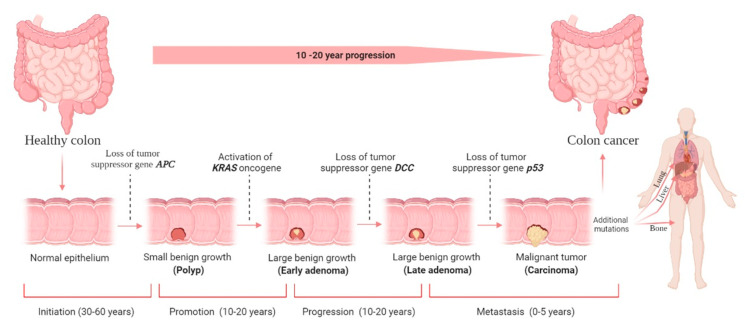
“At the tissue level, gene alterations enable the low-to-high-grade dysplasia transition of colon epithelial cells, the progressive formation of polyps (small benign adenoma), early adenoma (large benign adenoma), late adenoma, and carcinoma, which may advance to cancer and metastasize (1).”
Rianti, A., Miskad, U. A., Cangara, M. H., Wahid, S., Achmad, D., & Tawali, S. (2025) · Asian Pacific Journal of Cancer Prevention · doi:10.31557/apjcp.2025.26.4.1335 · Cited by 1
“Colorectal cancer is a serious health problem because, according to GLOBOCAN data in 2022, colorectal cancer ranks third for new cases of cancer (9.6% of the total 19,964,811 instances), while based on cancer mortality, colorectal cancer ranks second (9.3% of the total 9,736,779 cases) [1, 2].”
InfluentialMedicinal Herbs for Treating Colorectal Cancer – A Comprehensive Review
Sunitha, R., Latha, S. M., Pavani, M., Prasad, D. D. S., & Inthiyaz, S. (2025) · Asian Journal of Pharmaceutical Research · doi:10.52711/2231-5691.2025.00032 · Cited by 1
Jovanović, M., & Šeklić, D. (2025) · doi:10.3390/blsf2025043003 · Cited by 1
Mine, A., Tabuchi, M., Nakao, Y., Zhumagazhiyeva, N., Motoyama, T., Hashiguchi, K., Yoshioka, E., Matsushima, K., Shiota, J., Akashi, T., et al. (2025) · Modern Pathology · doi:10.1016/j.modpat.2025.100828 · Cited by 1
Fertel, M., Alawad, D. M., & Hicks, C. (2025) · Biomedicines · doi:10.3390/biomedicines13071651 · Cited by 1
Very, N., Trinel, F., Szydlowski, N., Lefebvre, T., & Yazidi‐Belkoura, I. E. (2025) · Biochimica et Biophysica Acta (BBA) - Molecular Basis of Disease · doi:10.1016/j.bbadis.2025.167986 · Cited by 1
Salahuddin, Z., Saqib, M., Zaffar, S., Munawar, N., & Ahmed, S. (2025) · Pharmacogenomics · doi:10.1080/14622416.2025.2534319 · Cited by 1
Sharma, A., Sharma, A., Sharma, J. K., Kumar, A., Tuli, H. S., Shahwan, M. J., Jairoun, A. A., & Sharma, A. K. (2025) · Journal of Experimental Biology and Agricultural Sciences · doi:10.18006/2025.13(3).462.474 · Cited by 1
Self-citationDimitrov, K. Y., Velchev, V., Danailova, N., Staneva, E., Koparanov, T., Diankov, T., Gencheva, T. M., Valkov, B. V., Hristova-Atanasova, E., Iskrov, G. G., et al. (2025) · Gastroenterology Insights · doi:10.3390/gastroent16030025 · Cited by 1
González-Flores, M. N., Calvillo‐Rodríguez, K. M., Romo-Sáenz, C. I., Rodríguez-Padilla, C., Martínez‐Torres, A. C., & Antunes‐Ricardo, M. (2025) · Applied Biochemistry and Biotechnology · doi:10.1007/s12010-025-05325-x · Cited by 1
Colorectal Cancer; Novel Approaches in Chimeric Antigen Receptors (CAR) -T cell.
Haki, M., & Darvishi, M. (2025) · PubMed Central · doi:10.22088/ijmcm.bums.14.2.777 · Cited by 2
“…preventive measures for CRC based on the latest evidence-based information is crucial to address future challenges associated with this disease (3, 4) Pharmacological approaches include non-specific drugs such as fluoropyrimidines (5-fluorouracil, usually combined with leucovorin, or…”
Definition of lines of treatment in metastatic colorectal cancer: a Delphi consensus
Alfonso, P. G., Alcaide, J., Aranda, E., Élez, E., Montés, A. F., Matos, I. G., Grávalos, C., Matos, I. G., Montagut, C. O., Vivas, C. S., et al. (2025) · Clinical & Translational Oncology · doi:10.1007/s12094-025-03986-y · Cited by 1
Pharapirom, A., Taya, S., Vachiraarunwong, A., Phannasorn, W., Singai, C., Wongpoomchai, R., & Ruangsuriya, J. (2025) · Cancers · doi:10.3390/cancers17162666 · Cited by 1
“Regular consumption of processed food is a well-known risk factor for colorectal cancer [6].”
We, L., Kong, D., An, J., & Song, L. (2025) · World Journal of Gastrointestinal Surgery · doi:10.4240/wjgs.v17.i8.105391 · Cited by 1
The Role of Pathogenic Mutations in Colorectal Cancer
Merie, G. M. S., & Al-hashimi, H. (2025) · International Journal of Pathology and Biomarkers · doi:10.71428/ijpb.2025.0102 · Cited by 1
Marouzi, S., Boroghani, Z., Anbiaee, G., Moghaddam, V. F., Salmasi, Z., Kalalinia, F., & Hashemi, M. (2025) · Journal of Pharmaceutical Innovation · doi:10.1007/s12247-025-10095-4 · Cited by 1
“Cancer is an escalating global health concern associated with high mortality rates that are influenced by genetic pre - dispositions, environmental factors, and specific microor - ganisms [1–3].”
Effects of Tyrphostin A9 and Structurally Related Tyrphostins on Colorectal Carcinoma Cells
Tahtamouni, L. H., Almasri, A. Y., Hamad, M. A., Hussein, N. E., Saleh, K. M., Yasin, S. R., Schobert, R., & Biersack, B. (2025) · Future Pharmacology · doi:10.3390/futurepharmacol5040057 · Cited by 1
“Colorectal carcinoma (CRC) is one of the most common and most lethal cancer diseases all over the world [1].”
Feng, D., Wen, K., Xue, J., Xiao, Y., Gu, H., Peng, L., Luo, Y., Xiang, L., Wang, Y., & Liu, D. (2025) · Frontiers in Nutrition · doi:10.3389/fnut.2025.1651848 · Cited by 1
Okotel, M., & Huang, C. (2025) · Critical Reviews™ in Oncogenesis · doi:10.1615/critrevoncog.2025060830 · Cited by 1
Khalid, A. Q., Bhuvanendran, S., Magalingam, K. B., Ramdas, P., & Radhakrishnan, A. K. (2025) · Cell Biology International · doi:10.1002/cbin.70090 · Cited by 1
“The gradual and stepwise progression of CRC underscores the potential for chemoprevention through bioactive compounds, particularly in early precancerous stages (Alzahrani et al. 2021; Hossain et al. 2022).”
Lee, K.-C., Juang, S.-E., Wu, K., Cheng, K., Song, L., Tang, C., Chen, H., & Chung, K.-C. (2025) · Annals of Coloproctology · doi:10.3393/ac.2025.00129.0018 · Cited by 1
“Colorectal cancer (CRC) is the third most common and second most lethal cancer worldwide, responsible for 9.4% of cancer-related deaths in 2020 [10, 11].”
InfluentialWedharga, I. G. P. A., Willianto, V. M., Theodora, I., Parengkuan, I. L., & Novita, B. D. (2025) · INDONESIAN JOURNAL OF MEDICAL LABORATORY SCIENCE AND TECHNOLOGY · doi:10.33086/ijmlst.v7i2.7711 · Cited by 1
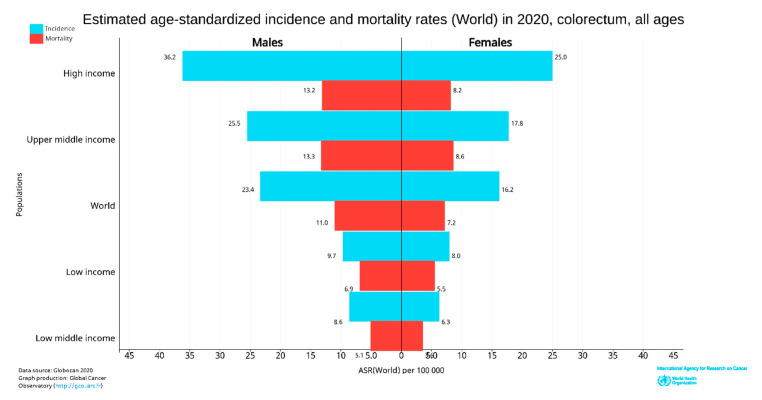
“The incidence of CRC is markedly higher in males compared to females, and geographical differences suggest that lifestyle, environmental, and genetic factors are key contributors to its development (3,4).”
H89 Reverses Multidrug Resistance in Colorectal Cancer by Inhibiting the ATPase Activity of ABCB1
Liu, W., Shan, Y.-Y., Wang, H., Xiong, Y.-M., Shi, L.-Y., Song, X.-P., Liu, Y., He, K., Huang, J., & Shi, Z. (2025) · Biomedicines · doi:10.3390/biomedicines13122869 · Cited by 1
“However, most CRC patients who complete treatment will experience recurrence, and nearly all patients will develop drug resistance [9].”
Nkoana, J. K., More, G. K., Elhenawy, A. A., & Mphahlele, M. J. (2025) · ACS Omega · doi:10.1021/acsomega.5c07719 · Cited by 3
Negoi, I., The SCREECO study group, Boromiz, A., Baral, S., Bonci, E.-A., Botezatu, M., Cabel, T., Cirstea, G. O., Constantinescu, G., Diaconescu, B. I., et al. (2025) · Scientific Reports · doi:10.1038/s41598-025-26713-7 · Cited by 1
Non-Coding RNAs and cernas: emerging modulators of drug response in colorectal cancer
Shams, E., Abkenar, E. D., Sina, N., Ebrahimi, S., Malekzadeh, M., Sadeghi, A., Nobili, S., Mojarad, E. N., & Fatemi, N. (2025) · Molecular Biology Reports · doi:10.1007/s11033-025-11349-7 · Cited by 1
Baruah, S., Rahman, S., Akhtara, N., Nath, J. K., Mishra, R., & Bharali, M. K. (2025) · Histochemistry and Cell Biology · doi:10.1007/s00418-025-02444-8 · Cited by 1
“According to the World Health Organization (Ferlay et al. 2024), there were around 20 million new cancer cases and 10 million cancer deaths across the world in 2020, of which colorectal cancer ranked the third leading cause of global cancer deaths (Bray et al. 2024; Hossain et al. 2022).”
Unveiling the anti-cancer potential of Melissa officinalis
Thapa, K., Kanojia, N., Khan, H., & Kumar, J. (2025) · Pharmacological Research - Natural Products · doi:10.1016/j.prenap.2025.100384 · Cited by 4
Sakban, G. H., Muhammed, T. M., Al-Tameemi, Z. A. H., & Mohsein, O. A. (2025) · Regulatory Mechanisms in Biosystems · doi:10.15421/0225150 · Cited by 1
Won, D., Baek, J. Y., Park, J. W., Lee, J., Cho, S., & Shin, A. (2025) · Cancer Medicine · doi:10.1002/cam4.71461 · Cited by 1
Tabl, A. M., Ebeid, M. E.-S., Ali, Y. B. M., Elawdan, K. A., Alalem, M., Al-Eidan, A. A., Alalem, N., Mansour, A. S., Awad, A. M., El-Madawy, E. A., et al. (2025) · Immuno · doi:10.3390/immuno6010005 · Cited by 2
Lahmar, A., Boubaker, J., Sioud, F., Njima, M., Salek, A., Selmi, M., & Ghédira, L. C. (2025) · Asian Pacific Journal of Tropical Biomedicine · doi:10.4103/apjtb.apjtb_499_25 · Cited by 1
CKAP2, miR-941, miR-548 and LINC02577 as biomarkers for early diagnosis in colorectal cancer
Maharati, A., Malekifar, M. J., Abdollahi, A., Taghechian, N., Sharif, S., Aarabi, A., Lotfi, M., Etezadpour, M., & Abbaszadegan, M. R. (2025) · Scientific Reports · doi:10.1038/s41598-025-30520-5 · Cited by 1
“CRC is a highly prevalent malignancy, with its incidence and mortality rates increasing significantly in recent years 37 .”
Chen, B., Zheng, H., Huang, R., Yu, J., Wang, X., Yang, C. C.-K., Guo, Z., & Zhan, Z. (2026) · Frontiers in Nutrition · doi:10.3389/fnut.2025.1673267 · Cited by 1
Suhail, P., Ashwini, H. V., Asna, K., Bagyasree, K., Thirupathi, A. T., & Joy, J. (2026) · Journal of Research in Pharmacy · doi:10.12991/jrespharm.1658438 · Cited by 1
Photodynamic therapy for colorectal cancer: A bibliometric and visualization analysis (1986–2025)
Wen, X., Liu, J., Zhao, W., Liu, X., Liu, L., Zeng, Z., & Wei, D. (2026) · Photodiagnosis and Photodynamic Therapy · doi:10.1016/j.pdpdt.2026.105368 · Cited by 1
Wang, H., Shi, Y., Wang, W., & Li, X. (2026) · Food Science & Nutrition · doi:10.1002/fsn3.71497 · Cited by 1
“The complex interplay of non-modifiable and modifiable risk variables affects genetic predisposition, environmental exposures, and CRC-causing biological pathways (Hossain et al. 2022).”
Charrasse, S., Moussa, D. A., Poquillon, T., Saint-Omer, C., Pastore, M., Reynès, C., Bordignon, B., Roux, P., Frye, R. E., & Aouacheria, A. (2026) · Advances in Cancer Biology - Metastasis · doi:10.1016/j.adcanc.2026.100175 · Cited by 1
Bunsuk, T., Chantaraamporn, J., Mutapat, P., Diskul‐Na‐Ayudthaya, P., Chokchaichamnankit, D., Srisomsap, C., Svasti, J., & Champattanachai, V. (2026) · PLoS ONE · doi:10.1371/journal.pone.0341971 · Cited by 1
“Once cancer cells are formed at the primary site, they have ability to invade to neighboring cells and metastasize to distant (secondary) sites such as the liver and brain [3].”
Gkekas, I., Novotný, J. P., Kaprio, T., Fabián, P., Böckelman, C., Edin, S., Strigård, K., Svoboda, T., Hagström, J., Haglund, C., et al. (2026) · Anticancer Research · doi:10.21873/anticanres.18043 · Cited by 1
Parrales–Bravo, F., Guillen-Salabarria, J., Jadán-Guerrero, J. L., & Vasquez-Cevallos, L. (2026) · Computers · doi:10.3390/computers15030143 · Cited by 1
Cheng, M., Zhi, S., Zheng, M., Zhang, S., & Hong, J. (2026) · Immunology · doi:10.1111/imm.70128 · Cited by 1
Guzmán-Martín, C. A., González-Moyotl, N. J., Juárez-Vicuña, Y., Bojalil, R., Martínez-Martínez, L.-A., Arenas-Díaz, A. L., Martínez-Rosas, M., Peña-Peña, M., Vázquez-Toledo, M. A., Romero, R., et al. (2026) · Pharmaceutical Research · doi:10.1007/s11095-026-04087-3 · Cited by 1
“…Adenomatous Polyposis Coli, Rat Sarcoma virus, Rapidly Accelerated Fibrosarcoma, Mitogen-activated protein kinase kinase, Extracellular signal-regulated kinase (RAS–RAF–MEK–ERK), Phosphoinositide 3-kinase (PI3K), Transforming Growth Factor beta (TGF-β), and Tumor Protein p53 (TP53) [36, 37].”
Colorectal cancer therapy and nutrition: From ultra-processed consumption to metabolic reprogramming
LIMA, R. S. P., Sousa, J. D. S., Neres, M. S. D. O., de Sousa, D. J. M., Martins, J. A., Pereira, I. C., da Silva, A. C. A., Severo, J. S., Torres‐Leal, F. L., & da Silva, M. T. B. (2026) · World Journal of Gastrointestinal Oncology · doi:10.4251/wjgo.v18.i4.115511 · Cited by 3
Jayachandran, J., Nambidi, S., Kondaveeti, S. B., Pathak, S., Radhakrishnan, A., Banerjee, A., & Roy, A. K. D. (2026) · Frontiers in Pharmacology · doi:10.3389/fphar.2026.1763962 · Cited by 1
Abad, M. J. Y., Allahyari, A., Kamandi, M., Arasteh, O., Varmaghani, M., Karbasforooshan, H., Jaafari, M. R., Kheradmand, H. R., Eftekhari, A., & Elyasi, S. (2026) · PubMed Central · doi:10.22038/ajp.2025.26317 · Cited by 1
A Comparative Study on Colon Cancer Detection using Deep Learning models
Saravanakumar, V., & Priya, S. (2025) · International Conference on Sustainable Computing and Smart Systems (ICSCSS) · doi:10.1109/icscss64956.2025.11501029 · Cited by 1
“Because of this issue which is a very challenging one, colon cancer is regarded as the third most common cancer due to its malignancy in both males and females [1-5].”
WEE1 kinase inhibition to overcome acquired resistance to targeted therapies in colorectal cancer
Buzo, K., Bizzozero, L., Lentini, M., Opattová, A., Suárez, B. H., Torres, M., Chiabotto, G., Nisticò, C., Lazzari, G. D., Zanella, E. R., et al. (2026) · EMBO Molecular Medicine · doi:10.1038/s44321-026-00434-4 · Cited by 1
“Up to 2004, the only option for treating metastatic CRC (mCRC) was chemotherapy, which is associated with essential limitations such as dosage-related toxicity (Hossain et al, 2022).”
Deng, Z., Lu, C., & Wang, Z. (2026) · Human Mutation · doi:10.1155/humu/2759900 · Cited by 1
Tomoiagă, A.-V., Suciu, S., Gerdanovics, C.-A., Gerdanovics, A., Milaciu, M. V., Perné, M.-G., Alexescu, T., Ciumărnean, L., Cozma, A., Negrean, V., et al. (2026) · International Journal of Molecular Sciences · doi:10.3390/ijms27125318 · Cited by 1
“…through the progressive accumulation of genetic and epigenetic alterations that drive the transformation of normal colonic epithelium into invasive carcinoma through distinct molecular pathways, including chromosomal instability (CIN), microsatellite instability (MSI), and serrated neoplasia [3,4].”
Su, H., Li, J., Zhang, X., Xiu, Z., Ge, T., Tang, N., Du, X., Jiang, R., Li, S., Zhang, J., et al. (2026) · Journal of Medical Economics · doi:10.1080/13696998.2026.2688701 · Cited by 1
Tu, C.-W., & Wang, H.-L. (2026) · Nutrition and Diabetes · doi:10.1038/s41387-026-00432-y · Cited by 1
“The incidence and prevalence of CRC are in fl uenced by a complex interplay of genetic, environmental, and dietary factors [2].”
Oral thin film: an innovative tool for nutraceutical delivery
Liu, H., Zhao, Y., Du, S., Wang, G., Wang, R., Cui, X., He, Y., & Li, Z. L. (2026) · International Journal of Food Engineering · doi:10.1515/ijfe-2026-0029 · Cited by 1
“The pathogenesis of CRC involves the sequential accumulation of genetic alterations – whether somatic or germline – within the colonic epithelium, driving the progressive transformation from normal mucosa through adenomatous stages to invasive carcinoma (Figure 17b) [169].”
Alqahtani, H. A. (2026) · Biomolecules and Biomedicine · doi:10.17305/bb.2026.14667 · Cited by 1
Drug Resistance Mechanisms in Cancer Therapy
Gautam, A. (2026) · Wiley eBooks · doi:10.1002/9781394376490.ch3 · Cited by 1
Ferroptosis suppression by MYC confers oxaliplatin resistance in colorectal cancer via FTH1 and GPX4
Wang, Y., Chen, Y., Li, C., & Yang, J. (2026) · Cancer Chemotherapy and Pharmacology · doi:10.1007/s00280-026-04936-3 · Cited by 1
Chiral NHC–Au( iii ) complexes: catalysis, biology, and tosylate-controlled enantioselectivity
Michalak, M., Nowacki, M., Baczewska, P., Chakraborty, S., Depa, W. J., Rafiński, Z., Śniady‐Maciążek, K., Danylyuk, O., Cmoch, P., Zimnicka, M., et al. (2026) · Inorganic Chemistry Frontiers · doi:10.1039/d6qi01280a · Cited by 1
Modulation of tumor environment in colorectal cancer – could gut microbiota be a key player?
Mendes, A. D., Vicente, R. S., Vitorino, M. M., Silva, M., & Costa, D. A. (2022) · Frontiers in Gastroenterology · doi:10.3389/fgstr.2022.1021050 · Cited by 1
Importance of Nanocarriers in Colon Cancer
Srivastava, N., Mishra, Y., & Mishra, V. K. (2023) · BENTHAM SCIENCE PUBLISHERS eBooks · doi:10.2174/9789815080506123010011 · Cited by 1
Oñate-Ocaña, L. F., Herrera‐Goepfert, R., Avilés‐Salas, A., Cortés, C. C., González‐Trejo, S., Carrillo, J. F., Ruíz‐García, E., Ochoa‐Carrillo, F. J., Crocifoglio, V. A., & García-Cuellar, C. M. (2023) · Revista de investigaci�n Cl�nica · doi:10.24875/ric.23000158 · Cited by 1
“Adjuvant treatments are designed to eliminate these cells and prevent recurrences 2 .”
BackgroundInfluentialZhou, H., Jiang, B., Qian, Y., & Ke, C. (2023) · Immunological Investigations · doi:10.1080/08820139.2023.2290631 · Cited by 1
“Colorectal cancer (CRC) is one of the world’s most fatal malignancies (Hossain et al., 2022).”
BackgroundLi, Z., Shu, X., Liu, F., Liu, X., Tong, Y. A., Lv, Q., Liu, X., Zhang, W., & Peng, D. (2024) · Metabolic Syndrome and Related Disorders · doi:10.1089/met.2023.0232 · Cited by 1
Ghaleh, H. E. G., Jalili, C., Nasta, M. Z., Mokhles, F., Afrasiab, E., & Babaei, F. (2024) · Iranian Journal of Microbiology · doi:10.18502/ijm.v16i1.14878 · Cited by 2
“Surgery is the first step in treating colon cancer (CC), followed by chemotherapy and radiation therapy (1, 2).”
BackgroundCáncer colorrectal de inicio temprano: un estudio en una población colombiana
Baez-Duarte, J. P., Cháves, J. J., Chaves-Cabezas, V., Africano-Lopez, F., Ochoa, M., & Fierro, G. M. T. (2024) · Revista Colombiana de Gastroenterología · doi:10.22516/25007440.1065 · Cited by 2
Sevimli, T. S., Sevimli, M., Manguoğlu, A. E., & Lüleci, G. (2024) · Egyptian Journal of Medical Human Genetics · doi:10.1186/s43042-024-00525-2 · Cited by 1
Liu, W., Qu, A., Yuan, J., Wang, L., Chen, J., Zhang, X., Wang, H., Han, Z., & Li, Y. (2024) · PubMed · doi:10.14670/hh-18-715 · Cited by 1
Suwatthanarak, T., Acharayothin, O., Thanormjit, K., Chaiboonchoe, A., Suwatthanarak, T., Niyomchan, A., Pithukpakorn, M., Tanjak, P., & Chinswangwatanakul, V. (2024) · Journal of Laboratory Medicine · doi:10.1515/labmed-2023-0137 · Cited by 1
Triage Optimisation in Patients with Symptoms Suspicious of Colorectal Cancer
Bissett, I. P., & Saw, K. S. (2024) · Springer eBooks · doi:10.1007/978-3-031-59630-8_1 · Cited by 1
Wang, C., WANG, L.-K., Shyu, R., & Tsai, F. (2024) · Biocell · doi:10.32604/biocell.2024.053746 · Cited by 1
ColonCLIP: An Adaptable Prompt-Driven Multi-Modal Strategy for Colonoscopy Image Diagnosis
Tan, S., Cai, Y., Lin, X., Wei, Q., Li, Z., Wan, X., & Li, G. (2024) · IEEE International Symposium on Biomedical Imaging (ISBI) · doi:10.1109/isbi56570.2024.10635825 · Cited by 1
“Colorectal cancer (CRC), the third leading cause of cancer-related mortality, could be detected via routine colonoscopy screening [1].”
BackgroundDiet and epigenetics of colon carcinogenesis: A review article
Pillai, P. R., Mendhe, D. M., & Liju, A. M. (2024) · Multidisciplinary Reviews · doi:10.31893/multirev.2024235 · Cited by 1
Xiaoshuai, Z., Zhendong, Z., & Xiaoke, S. (2024) · International Journal of Radiation Research · doi:10.61186/ijrr.22.3.719 · Cited by 1
Shan, G., Jiang, J., Ji, L., Li, S., Wang, Z., Yang, S., & Shen, Q. (2024) · Analytical Biochemistry · doi:10.1016/j.ab.2024.115747 · Cited by 1
Yang, J., Cao, Z., Yu, C., Cui, W., & Zhou, J. (2025) · BMC Cancer · doi:10.1186/s12885-024-13412-1 · Cited by 1
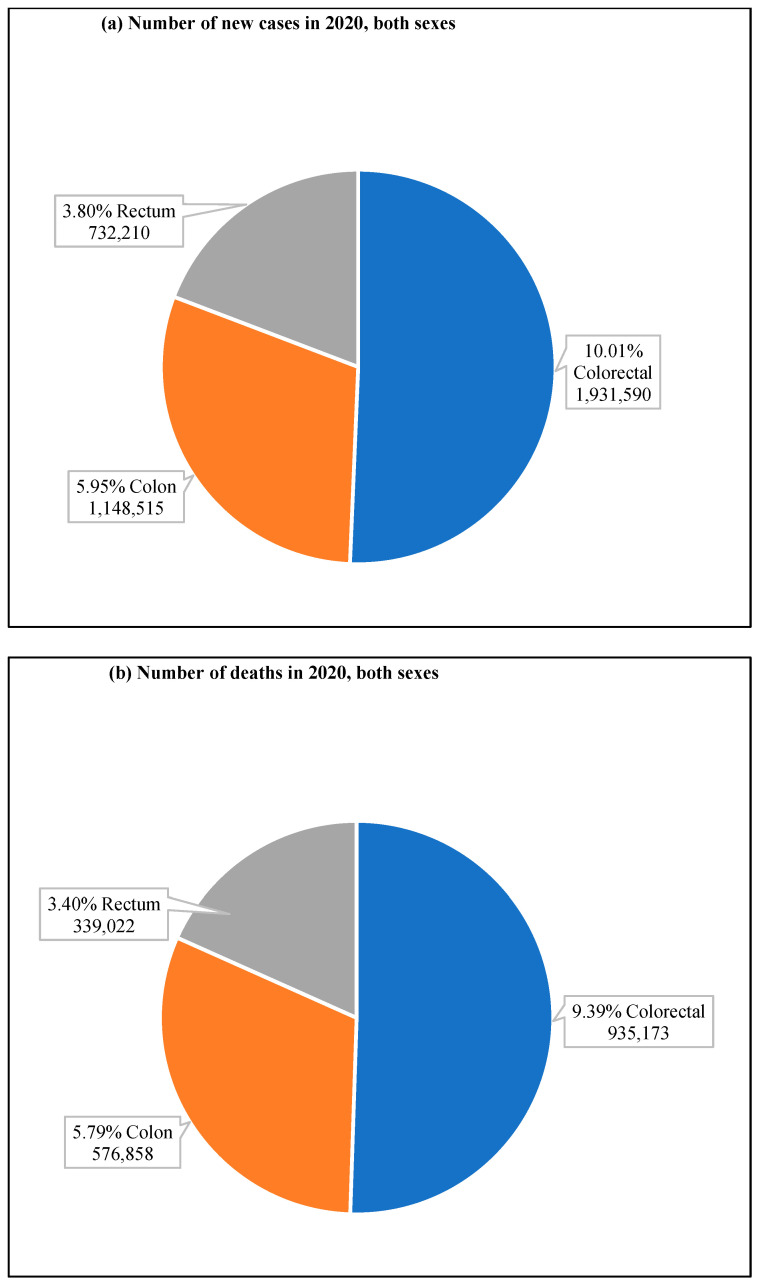
“The incidence of rectal cancer is estimated at 730,000 cases, with approximately 340,000 deaths [1].”
Syakir, S. A., & Zuhan, A. (2024) · JURNAL BIOLOGI TROPIS · doi:10.29303/jbt.v24i1b.8074 · Cited by 1
Drosophila: the century-long flight from the wild to the patient
Aloisi, M., DeLoriea, J., Casey, C., Pino, A., Morciano, P., Grifoni, D., & Gamberi, C. (2024) · MEDICAL SCIENCE PULSE · doi:10.5604/01.3001.0054.9627 · Cited by 2
“In vertebrates, the most common forms of CRC are due to mutations in the WNT, Apc (Adenomatous polyposis coli), and RAS (rat sarcoma) genes [97], the fly homologs of which are dwnt (also referred to as wingless, wg), Apc 1/2, Dras 1/2/3 (Drosophila Ras) respectively.”
Caldiran, F. Y., Menadi, S., Şenol, R., & Çaçan, E. (2025) · Human Gene · doi:10.1016/j.humgen.2025.201391 · Cited by 1
Sharma, M., Dande, P. R., Saraf, A., Gawad, J., Maheshwari, R., & Ashique, S. (2025) · BENTHAM SCIENCE PUBLISHERS eBooks · doi:10.2174/9789815305906125010015 · Cited by 1
BOMBESIN RECEPTOR ANTAGONIST BBN/C1-C2 IN AN IN VITRO MODEL FOR COLORECTAL CANCER
Beloborodov, E. A., Iurova, E., Sugak, D. E., Fomin, A. N., & Saenko, Y. (2025) · Ulyanovsk Medico-biological Journal · doi:10.34014/2227-1848-2025-1-114-123 · Cited by 1
Molaei, P., Mahdavinezhad, A., Najafi, R., Hashemi, M., Tapak, L., & Afshar, S. (2025) · Iranian Biomedical Journal · doi:10.61882/ibj.4942 · Cited by 2
de Carvalho, A. M., de Albuquerque, M. L., de Souza, J. S., & Paz, Á. S. (2025) · Editora Poisson eBooks · doi:10.36229/978-65-5866-534-2.cap.02 · Cited by 1
Divya, P. (2025) · Journal of Ayurveda and Integrative Medicine · doi:10.1016/j.jaim.2024.101112 · Cited by 1
Colorectal Cancer and the Risk of Mortality Among Individuals with Suicidal Ideation
Banerjee, S. K., Khubchandani, J., & Nkemjika, S. (2025) · International Journal of Environmental Research and Public Health · doi:10.3390/ijerph22060862 · Cited by 1
“CRC burden has been consistently increasing, and despite novel treatments and therapies, in the last decade, CRC rates have doubled among individuals younger than 55 years of age [13–15].”
Güran, M., Altundağ, E. M., Şanlıtürk, G., & Ustürk, S. (2025) · Applied Biochemistry and Microbiology · doi:10.1134/s0003683824608060 · Cited by 2
Alhamadani, S. R. S., & Almukhtar, Z. K. S. (2025) · Al-Rafidain Journal of Medical Sciences · doi:10.54133/ajms.v9i1.2181 · Cited by 1
Metadata
- Authors
- Hossain, M. S., Karuniawati, H., Jairoun, A. A., Urbi, Z., Ooi, D. J., John, A., Lim, Y. C., Kibria, K. M. K., Mohiuddin, A. K. M., Ming, L. C., Goh, K. W., & Hadi, M. A.
- Affiliations
- International Islamic University Malaysia (MY)
- Universiti Sains Malaysia (MY)
- Universiti Malaysia Pahang Al-Sultan Abdullah (MY)
- Mahsa University (MY)
- Universiti Brunei Darussalam (BN)
- Mawlana Bhashani Science and Technology University (BD)
- INTI International University (MY)
- Qatar University (QA)
- Corresponding author
- Hossain, Md. Sanower
- Ming, Long Chiau
- ORCID
- Venue
- Cancers
- Publisher
- MDPI AG
- Published
- 2022-03-29
- Volume
- 14
- Issue
- 7
- Pages
- 1732
- ISSN
- 2072-6694 (ISSN-L)
- PMC
- PMC8996939
- OpenAlex
- W4220871154
- Semantic Scholar
- a177fa591329da9c54d205f532c08c603177d297
- Cited by
- 920
- References
- 156
- Citations by year
- 2026: 169 · 2025: 307 · 2024: 267 · 2023: 150 · 2022: 23
- FWCI
- 22.82
- Type
- journal article
- Language
- en
- Open access
- gold
- doi.org
- Licence
- Locations
- Cancers (publishedVersion, cc-by)
- PubMed Central (publishedVersion, cc-by)
- PubMed (publishedVersion)
- UMP Institutional Repository (Universiti Malaysia Pahang) (acceptedVersion)
- DOAJ (DOAJ: Directory of Open Access Journals) (submittedVersion, cc-by-sa)
- Qatar University QSpace (Qatar University) (submittedVersion)
- Topics
- Health Sciences › Medicine › Oncology › Colorectal Cancer Treatments and Studies
- Health Sciences › Medicine › Oncology › Colorectal Cancer Screening and Detection
- Health Sciences › Medicine › Oncology › Colorectal Cancer Surgical Treatments
- Keywords
- colorectal cancer, carcinogenesis, global epidemiology, risk factors, cancer prevention, cancer therapy, drug resistance, tumor recurrence, early diagnosis, access to treatment, developing countries
About these checks
Registry, retraction, Cites and statistics results are computed, not judged, with one exception: a printed reference that no index lists is read once by a model before it counts as a citation error. Claims are extracted by a model and kept only when their quote appears verbatim in the text; each cited source is then checked, with a model’s help, for whether it says what the claim relies on. Those verdicts can be wrong — read the claim’s quote and the cited source before relying on one.
Statistics and arithmetic are recomputed, not judged.
Confidence bands are shown only for fields calibrated on our annotated test set. None is calibrated yet, so no band is shown.
What counts as a claim ›How we measure confidence ›How we check this ›
Are you an author, or do you see a problem with this page? Request a review
Data sources
Bibliographic data: Semantic Scholar, OpenAlex, Crossref.
Contains information from the Semantic Scholar Academic Graph Datasets, made available under the ODC Attribution License (ODC-BY 1.0).
Semantic Scholar’s data is described in: Kinney, R., et al. (2023). The Semantic Scholar Open Data Platform. arXiv:2301.10140.
