

Colorectal Cancer: A Review of Carcinogenesis, Global Epidemiology, Current Challenges, Risk Factors, Preventive and Treatment Strategies
Open accessThe DOI matches its Crossref record; 156 of the 156 references it cites were found in a registry or an index.
Abstract
Colorectal cancer (CRC) is the second most deadly cancer. Global incidence and mortality are likely to be increased in the coming decades. Although the deaths associated with CRC are very high in high-income countries, the incidence and fatalities related to CRC are growing in developing countries too. CRC detected early is entirely curable by surgery and subsequent medications. However, the recurrence rate is high, and cancer drug resistance increases the treatment failure rate. Access to early diagnosis and treatment of CRC for survival is somewhat possible in developed countries. However, these facilities are rarely available in developing countries. Highlighting the current status of CRC, its development, risk factors, and management is crucial in creating public awareness. Therefore, in this review, we have comprehensively discussed the current global epidemiology, drug resistance, challenges, risk factors, and preventive and treatment strategies of CRC. Additionally, there is a brief discussion on the CRC development pathways and recommendations for preventing and treating CRC.
Overview
The claims and statistics of this paper haven’t been checked yet.
Free: it reads the open-access text and checks the first 5 claims that cite a source we can check. Create a free account to check every claim.
Integrity signals
Registry
Cites
Statistics
Figures
Verification
Claims the paper makes
The claims and statistics of this paper haven’t been checked yet.
Free: it reads the open-access text and checks the first 5 claims that cite a source we can check. Create a free account to check every claim.
Claims other papers make about this one
Each is checked against this paper’s own text: does it say what the citing paper says it does?
The source backs part of the claim, not all of it — or backs it for a different population, condition or comparison.
In the citing paper
“Despite advancements in these therapeutic modalities, resistance remains a significant challenge, often leading to treatment failure, poor progression-free survival, and cancer recurrence.”
From Mechanisms and Strategies to Overcome Drug Resistance in Colorectal Cancer (2025) · cites this paper as [5]
Experimental — accuracy not yet measuredThe cited source says what the claim attributes to it.
In the citing paper
“While overall survival rates for individuals with advanced CRC has increased in recent decades, drug resistance has been reported to develop in nearly all CRC patients [5].”
From Mechanisms and Strategies to Overcome Drug Resistance in Colorectal Cancer (2025) · cites this paper as [5]
The cited source says what the claim attributes to it.
In the citing paper
“Modifiable factors are associated with the characteristics of a person's lifestyle (obesity, tobacco smoking, alcohol consumption, unhealthy diet)[5-10].”
From Risk factors, prevention and screening of colorectal cancer: A rising problem (2025) · cites this paper as [10]
The cited source says what the claim attributes to it.
In the citing paper
“The development of CRC is associated with the action of non-modifiable and modifiable risk factors.”
From Risk factors, prevention and screening of colorectal cancer: A rising problem (2025) · cites this paper as [10]
Self-check
Percentages, sums and reported differences re-computed from the paper’s own numbers.
The self-check needs the paper’s full text.
Citations
Cites
Sung, H., Ferlay, J., Siegel, R. L., Laversanne, M., Soerjomataram, I., Jemal, A., & Bray, F. (2021) · CA: A Cancer Journal for Clinicians · doi:10.3322/caac.21660 · Cited by 108,699 · cited 5×
“In 2020, CRC was the most diagnosed cancer (out of 36 cancers) among men in 18 of the 186 countries worldwide and women in 6 of the 185 countries [24].”
BackgroundInfluentialBray, F., Ferlay, J., Soerjomataram, I., Siegel, R. L., Torre, L. A., & Jemal, A. (2018) · CA: A Cancer Journal for Clinicians · doi:10.3322/caac.21492 · Cited by 84,109 · cited 2×
“2, which is almost equal to the incidence of 2018 [24,26].”
BackgroundCoussens, L. M., & Werb, Z. (2002) · Nature · doi:10.1038/nature01322 · Cited by 15,111 · cited 1×
“mechanisms herbs and spices exert are the BCL-2, K-ras, and MMP pathways, caspase activation, the extrinsic apoptotic pathway, and the modulation of ER-stress-induced apoptosis chemopreventive effects [162,163].”
BackgroundA genetic model for colorectal tumorigenesis
Fearon, E. R., & Vogelstein, B. (1990) · Cell · doi:10.1016/0092-8674(90)90186-i · Cited by 12,132
Comprehensive molecular characterization of human colon and rectal cancer
The Cancer Genome Atlas Network (2012) · Nature · doi:10.1038/nature11252 · Cited by 8,499
Genetic Alterations during Colorectal-Tumor Development
Vogelstein, B., Fearon, E. R., Hamilton, S. R., Kern, S. E., Preisinger, A. C., Leppert, M., Smits, A. M. M., & Bos, J. L. (1988) · New England Journal of Medicine · doi:10.1056/nejm198809013190901 · Cited by 6,728
Natural products as sources of new drugs from 1981 to 2014
Newman, D. J., & Cragg, G. M. (2016) · Journal of Natural Products · doi:10.1021/acs.jnatprod.5b01055 · Cited by 5,858
Cunningham, D., Humblet, Y., Siena, S., Khayat, D., Bleiberg, H., Santoro, A., Bets, D., Mueser, M., Harstrick, A., Verslype, C., et al. (2004) · New England Journal of Medicine · doi:10.1056/nejmoa033025 · Cited by 5,035 · cited 1×
“Currently, there are clinical studies ongoing on some MAbs for CRC, such as adecatumumab against epithelial cell adhesion molecule (EpCAM), labetuzumab against carcinoembryonic antigen (CEA), and pemtumomab against Mucins [133].”
BackgroundPrevention of Colorectal Cancer by Colonoscopic Polypectomy
Winawer, S. J., Zauber, A. G., Ho, M. N., O'Brien, M. J., Gottlieb, L. S., Sternberg, S. S., Waye, J. D., Schapiro, M., Bond, J. H., Panish, J. F., et al. (1993) · New England Journal of Medicine · doi:10.1056/nejm199312303292701 · Cited by 4,592
Overman, M. J., McDermott, R., Leach, J. L., Lonardi, S., Lenz, H.-J., Morse, M. A., Desai, J., Hill, A., Axelson, M., Moss, R. A., et al. (2017) · The Lancet Oncology · doi:10.1016/s1470-2045(17)30422-9 · Cited by 2,836
Research works printed but not linked: 1
- Urbi, 2014, Grape: A medicinal fruit species in the holy Qur’an and its ethnomedicinal importance, World Appl. Sci. J., 30, 253
Cited by
Items 401–500 of 1,001
Roles of Rictor alterations in gastrointestinal tumors (Review)
Cao, R., Guo, S., Min, L., & Li, P. (2024) · Oncology Reports · doi:10.3892/or.2024.8696 · Cited by 4
“In general, CRC ranks third in incidence and second in mortality; the higher mortality is likely due to the development of drug resistance (47).”
BackgroundTan, C., Li, Y., Wang, K., Lin, Y., Chen, Y., & Zheng, X. (2024) · BMC Medical Genomics · doi:10.1186/s12920-024-01909-4 · Cited by 6
“Clinically, CRC often presents with symptoms such as blood in the stool, changes in bowel habits, abdominal pain, and other symptoms like fatigue, decreased appetite, fever and nausea [12].”
BackgroundOverexpression of TSPAN8 in consensus molecular subtype 3 colorectal cancer
Suwatthanarak, T., Tanjak, P., Chaiboonchoe, A., Acharayothin, O., Thanormjit, K., Chanthercrob, J., Suwatthanarak, T., Niyomchan, A., Tanaka, M., Okochi, M., et al. (2024) · Experimental and Molecular Pathology · doi:10.1016/j.yexmp.2024.104911 · Cited by 4
Darwish, M. K., Allayeh, A. K., Ahmed, A. E., Abdelmaksoud, M. D. E., Alkhalil, S. S., Hakami, M. A., Hassan, A. M. S., Farrag, H. M. M., Mohamed, S. S. E. M., & Gouda, W. (2024) · PLoS ONE · doi:10.1371/journal.pone.0304147 · Cited by 4
Disparities in the diagnosis and treatment of colorectal cancer among patients with disabilities
Kim, K. B., Shin, D. W., Yeob, K. E., Kim, S. Y., Han, J., Park, S. M., Park, J. H., & Park, J. H. (2024) · World Journal of Gastrointestinal Oncology · doi:10.4251/wjgo.v16.i7.2925 · Cited by 4
Jiao, M., Cui, Y., Qiu, X., Liang, X., Li, J., Guo, C., & Tian, H. (2024) · Frontiers in Genetics · doi:10.3389/fgene.2024.1403509 · Cited by 4
Weigl, M. P., Attenberger, C., Feurstein, B., Jäger, T., Emmanuel, K., Clemens, P., Mink, S., Kowatsch, M., Königsrainer, I., & Tschann, P. (2024) · Langenbeck s Archives of Surgery · doi:10.1007/s00423-024-03453-2 · Cited by 4
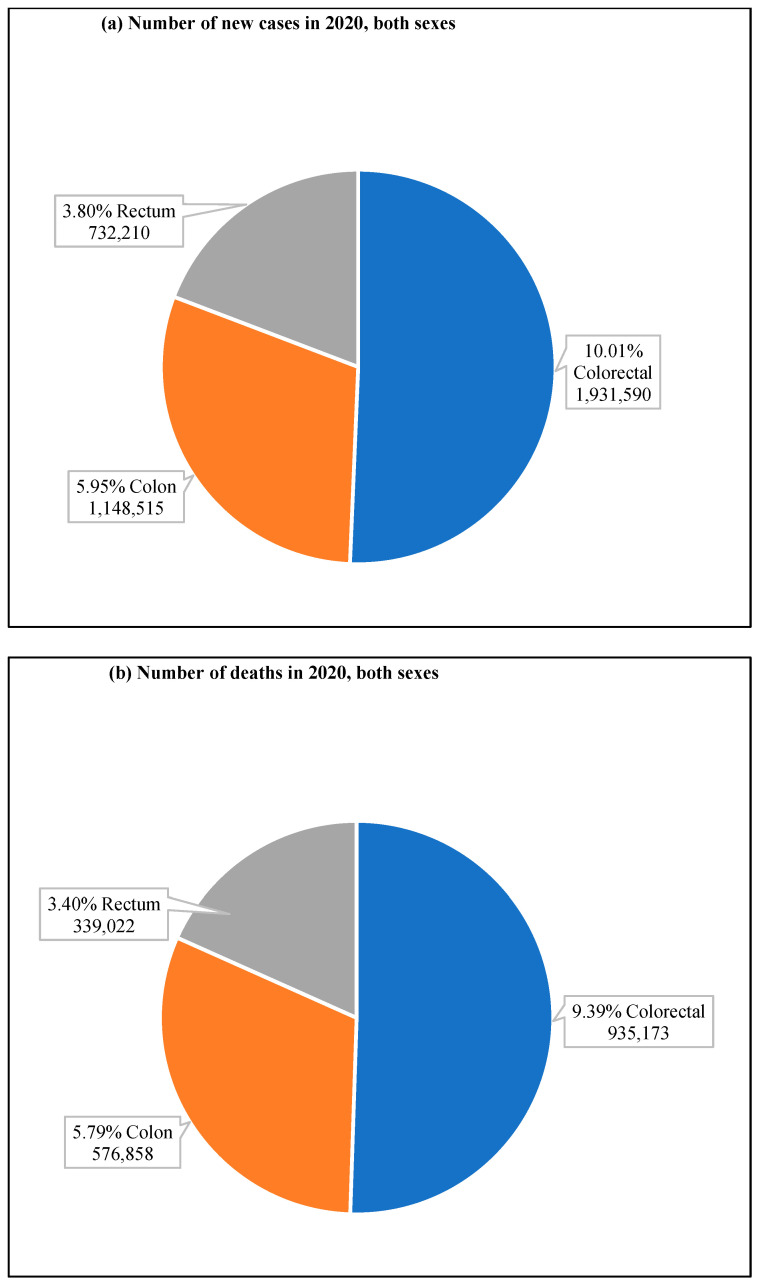
“Rectal cancer specifically contributes to 3.4% of cancer-related deaths [1–3].”
InfluentialPark, J.-H., Hwang, Y.-N., Na, H.-H., Kim, D.-Y., Lee, H.-J., Kwon, T.-H., Park, J.-S., & Kim, K. (2024) · Journal of pharmacopuncture · doi:10.3831/kpi.2024.27.4.332 · Cited by 5
Sharma, D., & Arumugam, S. (2025) · Molecular Diversity · doi:10.1007/s11030-024-11103-4 · Cited by 7
Ofluoğlu, C. B., Mülküt, F., Aydın, İ. C., & Karahan, M. (2025) · Current Oncology · doi:10.3390/curroncol32030153 · Cited by 4
“Given that villous and tubulovillous adenomas have higher malignant potential, these findings emphasize the need for close surveillance of younger patients presenting with these high-risk histological types [24,25].”
Development and validation of nomograms for predicting the prognosis of colorectal cancer patients
An, Y., Gong, J., & Xiao, A. (2025) · Translational Cancer Research · doi:10.21037/tcr-24-1924 · Cited by 4
Savino, G., Rosso, G., D’Aloia, M., Roppolo, I., & Cauda, V. (2025) · Materials & Design · doi:10.1016/j.matdes.2025.114478 · Cited by 4
Transferrin receptor 1-targeted polymersomes therapy for colorectal cancer
Pina, A., Mastrantuono, E., da Silva, M. C. P., Barbieri, V., Muñoz-López, J., Battaglia, G., Graça, L., & Matias, D. (2025) · Materials Today Bio · doi:10.1016/j.mtbio.2025.102263 · Cited by 4
“Standard CRC treatment typically involves surgical resection followed by chemotherapy and/or radiotherapy [4,5].”
InfluentialOhta, R., Tanaka, Y., Tanaka, K., & Hayashi, H. (2025) · Cureus · doi:10.7759/cureus.94099 · Cited by 4
“Once distant metastases are present, curative treatment is rarely feasible, and management requires a multidisciplinary approach, including chemotherapy and palliative care [2].”
Lei, X., Wang, Y., Zhang, X., Du, S., & She, J. (2025) · Journal of Materials Chemistry B · doi:10.1039/d5tb01381j · Cited by 4
Polati, D., & Neerati, P. (2025) · Scientific Reports · doi:10.1038/s41598-025-28307-9 · Cited by 4
New Regional Dynamic Cancer Model across the European Union
Negoita, S. I., Ionescu, R., Zlati, M. L., Antohi, V. M., & Nechifor, A. (2023) · Cancers · doi:10.3390/cancers15092545 · Cited by 4
“[19], colorectal cancer was the second most lethal cancer, as the incidence and mortality of this type of cancer showed increasing trends worldwide.”
BackgroundFormulation and Optimization of Colon-Specific Nanoparticles Containing A Herbal Anticancer Agent
Saraf, A., Dubey, N., & Sharma, M. (2022) · International Journal of Drug Delivery Technology · doi:10.25258/ijddt.13.2.20 · Cited by 4
A Double-Edged Sword: Quality and Credibility of Colon Cancer Screening Content on YouTube
Rammohan, R., Magam, S. G., Joy, M., Lau, W. H., Tadikonda, A., Natt, D., Magam, S. R., Pannikodu, L. E., Desai, J., Jiyani, R., et al. (2024) · Cureus · doi:10.7759/cureus.54929 · Cited by 6
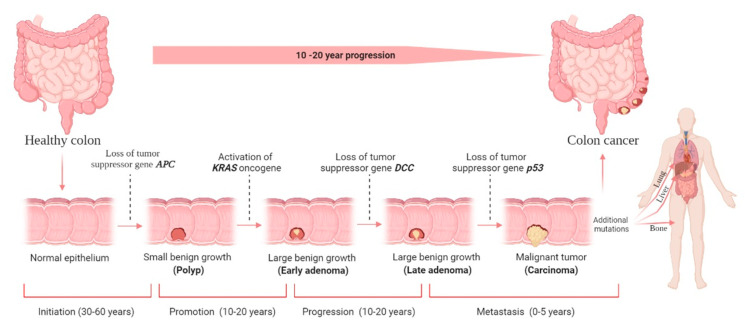
“These adenomas have the potential to develop into malignant adenocarcinomas and eventually metastasize, primarily following the adenoma-carcinoma sequence [2].”
BackgroundInfluentialKadhim, D. J., Azari, H., Sokhangouy, S. K., Hassanian, S. M., Alshakarchi, H. I., Goshayeshi, L., Goshayeshi, L., Abbaszadegan, M. R., Khojasteh‐Leylakoohi, F., Khazaei, M., et al. (2024) · Genes · doi:10.3390/genes15040474 · Cited by 4
“In 2020 alone, approximately 0.94 million deaths were attributed to CRC [1,2].”
BackgroundInfluentialRamalingam, P. S., Italiya, G., Elangovan, S., Mishra, R. A. K., Aranganathan, M., Rajangam, E., Sukumar, N., Patel, B. Y., Ramaiah, M. J., Subramanian, S., et al. (2024) · South African Journal of Botany · doi:10.1016/j.sajb.2024.06.028 · Cited by 4
Moosaripparambil, S. T., & Meethal, K. V. (2024) · 3 Biotech · doi:10.1007/s13205-024-04096-2 · Cited by 5
“Colon cancer is a highly aggressive malignancy associated with elevated morbidity and mortality rates, poor prognosis, and limited treatment options (Hossain et al. 2022).”
Yao, H., Sun, C., Wang, C., Liu, J., Li, Y., Li, L., Zhao, B., & Liu, J. (2024) · The Turkish Journal of Gastroenterology · doi:10.5152/tjg.2024.23541 · Cited by 5
Vaghasiya, M. D., Sain, A., Mendapara, J. V., Khamrai, D., Naskar, D., & Kumari, P. (2024) · Chemistry & Biodiversity · doi:10.1002/cbdv.202401550 · Cited by 4
Zubair, M., Akhtar, M. A. B., Tayyab, Z., Kazim, S. M., Syed, A. A., Khattak, S., Tayyab, M., Atiq, H., Alauddin, M., & Afzaal, M. (2024) · Cureus · doi:10.7759/cureus.74916 · Cited by 4
Sun, M., Monahan, K. J., Moquet, J., & Barnard, S. G. R. (2025) · Cancers · doi:10.3390/cancers17040564 · Cited by 4
“The lack of more supporting cases is presumably caused by the years and decades of follow-up required for the related tumors to manifest and be reported [51].”
Cui, Y., Mei, J., Zhao, S., Zhu, B., Lu, J., Li, H., Bai, B., Sun, W., Jin, W., Zhu, X., et al. (2025) · BMC Cancer · doi:10.1186/s12885-025-14021-2 · Cited by 4
Colorectal cancer epidemiology (1990–2050): lessons from the Australasian experience
Yao, B., Zhang, Y., Li, S., Tian, Y., Ashrafizadeh, M., Rastin, H., Tang, M., & Li, Y. (2025) · Journal of Translational Medicine · doi:10.1186/s12967-025-06630-z · Cited by 4
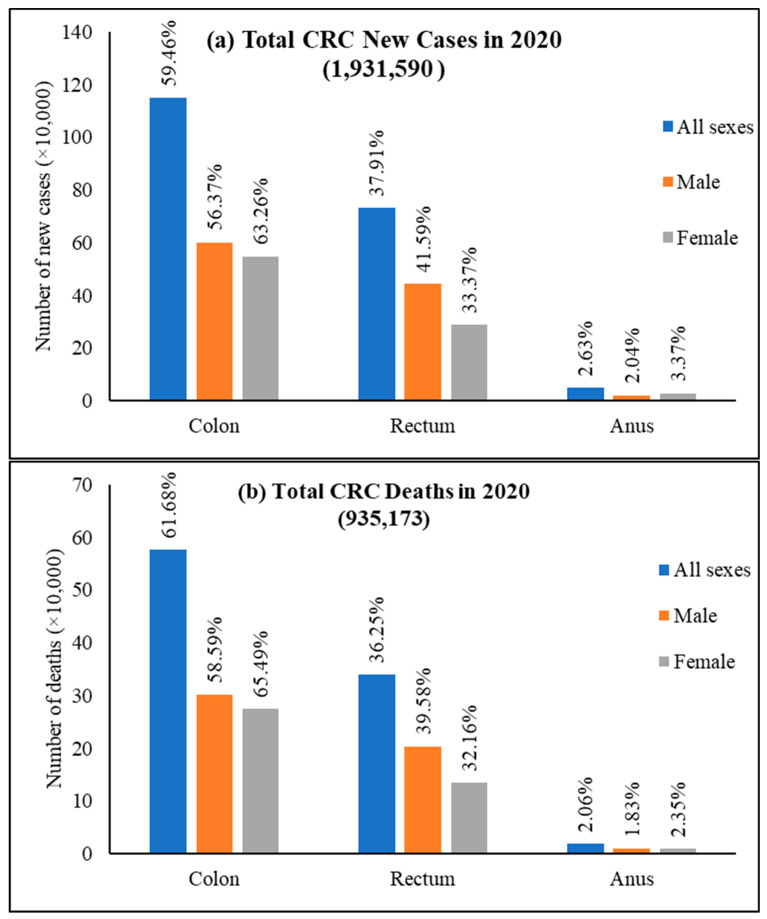
“Colon cancer accounted for 59.5% of CRC instances and 61.9% of deaths, positioning it fifth in terms of both occurrence and mortality, while rectal cancer comprised 37.9% of cases and 36.3% of fatalities, ranking eighth in incidence and tenth in mortality among all cancers [21].”
InfluentialElaeagnus Angustifolia: Unveiling Anti-Cancer Potential from Ancient Remedies to Modern Therapeutics
Zakaria, Z., Ahen, Y., Ahmed, N. H., Sokary, S., Abuhijleh, H., Bawadi, H. A., & Al‐Asmakh, M. (2026) · Cancer Management and Research · doi:10.2147/cmar.s521703 · Cited by 5
“40 EA has demonstrated potential anti-cancer effects in CRC. 41 In vitro studies using two human CRC KRAS cell lines known as HCT-166 and LoVo, revealed that EA flower extract significantly inhibited cell proliferation, colony formation, and invasion.”
Tian, Y., Fan, R., Yin, Z., Huang, Y., Huang, D., Yuan, F.-Y., Yin, A., Tang, G., Pu, R., & Yin, S. (2023) · Molecules · doi:10.3390/molecules28020511 · Cited by 4
Melo, N. D. O. R., Silva, M. D. S., Lima, W. P., Fechine, F. V., Cavalcanti, B. C., Silva, A. A. D. S., & Dornelas, C. A. (2023) · International Journal of Herbal Medicine · doi:10.22271/flora.2023.v11.i1a.849 · Cited by 4
Bahavar, P., & Tafrihi, M. (2023) · International Journal of Environmental Health Research · doi:10.1080/09603123.2023.2246403 · Cited by 4
“Colorectal cancer is the second cause of death worldwide, with an estimated 1.9 million newly diagnosed cases each year (Hossain et al. 2022).”
BackgroundInfluentialZhang, J., & Sun, W. (2024) · Cirugía y Cirujanos · doi:10.24875/ciru.23000602 · Cited by 4
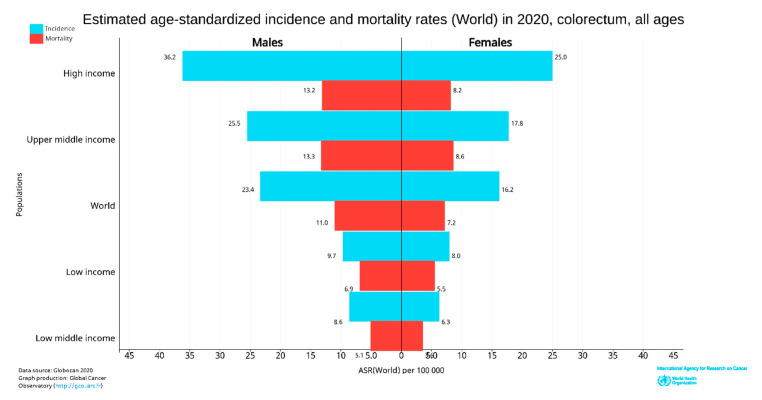
“In addition to the aging population and the dietary habits in high-income countries, adverse factors such as obesity, lack of physical exercise, and smoking increase the likelihood of CRC 3 .”
Evaluation of the Combined Effect of Caffeine and 5-Fluorouracil on Colorectal Cancer Cell Lines
Khavari, F., Taheri, M., Manoochehri, H., Molaei, P., & Nouri, F. (2024) · Asian Pacific Journal of Cancer Prevention · doi:10.31557/apjcp.2024.25.4.1419 · Cited by 4
“Colorectal cancer (CRC), which includes colon and/or rectum malignancies, is one of the most common cancers and is considered the third cause of cancer-related deaths [1].”
BackgroundAl-Shamsi, H. O., Iqbal, F., Kourié, H. R., Alzaabi, A. A., Abyad, A. M., & Abdelwahed, N. (2024) · Springer eBooks · doi:10.1007/978-981-99-6794-0_27 · Cited by 3
Dilloo, S., Whittaker, A., Chang, X., D’Amen, E., Spisni, E., Hrelia, S., Angeloni, C., Malaguti, M., Dinelli, G., & Truzzi, F. (2024) · International Journal of Molecular Sciences · doi:10.3390/ijms252413362 · Cited by 3
“Surgery, chemotherapy, and radiotherapy are the main clinical therapies for CRC, with adenocarcinomas accounting for approximately 96% of CRCs [9].”
Tani, I. Z., Goh, M. K. O., Islam, M. N., Aziz, M. T., Mahmud, S., & Nandi, D. (2025) · Applied Computational Intelligence and Soft Computing · doi:10.1155/acis/6552580 · Cited by 6
Zheng, X., Zhang, X., Hu, L., Chen, X., Zhao, Z., & Mao, L. (2025) · CytoJournal · doi:10.25259/cytojournal_257_2024 · Cited by 3
“[2] Currently, clinical treatment for CRC primarily relies on a multifaceted approach that includes surgery, chemotherapy, biological therapies, and radiotherapy.”
A Review of Food Bioactives That Can Modulate miRNA Profiles for Management of Colorectal Cancer
Wan, X., Ashaolu, T. J., Sun, M.-C., & Zhao, C. (2025) · Foods · doi:10.3390/foods14081352 · Cited by 4
“While the precise duration of each stage remains uncertain, it is probable that decades will be required for the formation of CRC [15]. colon cancer represents a signi fi cant cause of mortality, resulting in the failure of colon cancer treatment and ultimately leading to patient death [14].”
(2025) · Biointerface Research in Applied Chemistry · doi:10.33263/briac153.031 · Cited by 9
Isorhamnetin Modulates Drug-Resistance-Related Biomarkers in Colon Cancer Cells
Radenković, N., Milenković, D., Nikodijević, D. D., Stojanov, S. J., Podolski-Renić, A., & Milutinović, M. G. (2025) · International Journal of Molecular Sciences · doi:10.3390/ijms26136208 · Cited by 3
“Several well-known therapeutic strategies are in clinical use to struggle against the uncontrolled proliferation and invasion of these cells into surrounding tissues, intending to improve the patient’s health [31].”
Owusu, D. N., Mensah, E. A., Mamudu, S., Brooks, B., & Shoham, D. A. (2025) · Cancer Causes & Control · doi:10.1007/s10552-025-02071-7 · Cited by 3
Qian, J., Tao, Y., & Zheng, S. (2025) · World Journal of Gastrointestinal Surgery · doi:10.4240/wjgs.v17.i9.107326 · Cited by 3
“Attributed to the abnormal growth of glandular epithelial cells in the colon or rectal tissues, this disease is etiologically linked to a combination of genetic predisposition, environmental exposures, and modifiable lifestyle factors like sedentary behavior, obesity, and tobacco use[2,3].”
STK32C as a Therapeutic Target in Colorectal Cancer via HSP90-PI3K/AKT/mTOR Signaling
Ahn, C., Park, J. E., Sim, D. Y., Park, S., Cha, H., Shim, B., Kim, B., & Kim, S.-H. (2025) · International Journal of Biological Sciences · doi:10.7150/ijbs.121647 · Cited by 3
“Colorectal cancer (CRC) is the third most commonly diagnosed cancer and ranks second in cancer-related deaths worldwide[1].”
Impact of cardiovascular disease on colorectal cancer morbidity and prognosis
Li, S., Wang, L., Liu, X., Liu, X., & Xie, L. (2025) · BMC Cancer · doi:10.1186/s12885-025-14905-3 · Cited by 3
Cagliano, S., Potenza, M., Vecchia, M. L., Ellis, S. R., Dianzani, I., & Aspesi, A. (2025) · International Journal of Molecular Sciences · doi:10.3390/ijms262010105 · Cited by 3
“This association is particularly remarkable given that CRC typically manifests in IBMFS patients at ages decades younger than the general population, often occurring in the third and fourth decades of life when standard screening protocols are not routinely implemented [27,40].”
Im, C.-M., Oh, H., PARK, S.-Y., Park, Y., Kim, J., & Joo, Y. (2025) · Cancer Genomics & Proteomics · doi:10.21873/cgp.20553 · Cited by 3
Non-invasive colorectal cancer screening: emerging tools and clinical evidence
Choi, H. I., & Cha, J. M. (2025) · Clinical Endoscopy · doi:10.5946/ce.2025.246 · Cited by 3
Li, Y., Shi, J., Mei, C., Zhou, F., Zhao, H., & Zhang, L. (2025) · International Journal of General Medicine · doi:10.2147/ijgm.s553709 · Cited by 3
Population-based screening colonoscopy in Korea: balancing benefits and limitations
Choi, H. I., & Cha, J. M. (2025) · Intestinal Research · doi:10.5217/ir.2025.00188 · Cited by 3
Curcumin in colorectal cancer: preventive strategies and therapeutic mechanisms
Sharma, A., Parekh, B. K., Patil, V., Sayed, U., Jyothi, R., Nayak, P. P., Chauhan, A. S., & Singla, S. (2025) · Cancer Chemotherapy and Pharmacology · doi:10.1007/s00280-025-04835-z · Cited by 3
“Individuals with a first-degree relative diagnosed with CRC are 2 to 3 times more likely to develop it themselves compared to those without a familial background [1, 2].”
Soulat, A., Mohsenpour, T., & Roshangar, L. (2026) · Cancer Treatment and Research Communications · doi:10.1016/j.ctarc.2026.101096 · Cited by 3
COMPARISON OF DEEP LEARNING MODELS LSTM AND BILSTM IN DIABETES PREDICTION
Wahyuni, R., & Irawan, Y. (2025) · JURNAL TEKNOLOGI DAN OPEN SOURCE · doi:10.36378/jtos.v8i2.4904 · Cited by 3
“Hossain et al. (2022) reviewed the challenges of chronic diseases and highlighted the need for advanced computational methods [11].”
Amiri, L., Patnaik, R., Varghese, R. L., Huda, B., & Banerjee, Y. (2026) · International Journal of Molecular Sciences · doi:10.3390/ijms27020916 · Cited by 4
Oyelami, M., Mgbeke, O. E., Obadiah, A. A., Egbeyemi, A., & Marshall, E. (2026) · Clinical Medicine Insights Oncology · doi:10.1177/11795549261417367 · Cited by 3
Kumra, R., Rai, R., & Thakur, R. (2026) · Medical Oncology · doi:10.1007/s12032-026-03272-z · Cited by 3
Lu, S., Wu, Q., Wang, L., Liao, X., & Wei, D. (2026) · Asia-Pacific Journal of Oncology Nursing · doi:10.1016/j.apjon.2026.100916 · Cited by 3
Pahlevanhosseini, H., Khorin, F. S., Mohammadgholi, A., & Moghaddam, N. A. (2025) · Letters in Drug Design & Discovery · doi:10.1016/j.lddd.2026.100335 · Cited by 3
Stojanović, B., Stojanović, B., Stojanovic, M. D., Cvetković, A., Milošević, B., Vulovic, V., Bevc, I. M., Jevtović, A., Tasić-Uroš, D., Knezevic, S., et al. (2026) · Cells · doi:10.3390/cells15060536 · Cited by 3
“This disease typically arises through a well-characterized multistep sequence, beginning with benign adenomatous polyps that gradually accumulate genetic and epigenetic alterations, eventually progressing to invasive carcinoma [157].”
Chuang, M. P.-C., Hsu, W., Su, C., Yen, A. M.-F., Chen, T. H.-H., Hsu, C.-Y., & Chiu, H. (2026) · Gastroenterology · doi:10.1053/j.gastro.2026.02.045 · Cited by 3
Talib, W. H., Sabri, S. M., Yousif, R. M., Hadi, R. W., Al-Yasari, I. H., Madhunapantula, S. V., Soós, I., Law, D., & Ács, P. (2026) · Nutrients · doi:10.3390/nu18101515 · Cited by 3
“Therefore, novel anticancer agents are required to complement existing cancer therapies [6,8].”
Chakraborty, B., Bhairappanavar, C. A., Uppar, S. N., Nayaka, S. S., Nayaka, S., Kantli, G. B., & Nagaraja, S. K. (2026) · Biocatalysis and Agricultural Biotechnology · doi:10.1016/j.bcab.2026.104090 · Cited by 4
Ghafourian, A., Hamdi, M., Rayatpisheh, M., Shakeri, R., Ahmadbeigi, N., Borzabadi, S., Jouyban, A., & Ghanbari, R. (2026) · Archives of Iranian Medicine · doi:10.34172/aim.34980 · Cited by 3
“17 Since symptoms typically manifest only in the later stages of CRC, global screening initiatives are being implemented to promote early diagnosis and to reduce the associated morbidity and mortality rates.”
A Narrative Literature Review on Sepsis: A Primary Manifestation of Colorectal Neoplasm
Masood, L., Müller, A., Ali, N. Z., Mummadisetty, A., Yahya, A., Burugu, S. S., Sajid, R., Lakkimsetti, M., Sagireddy, S., Abdin, Z. U., et al. (2023) · Cureus · doi:10.7759/cureus.44803 · Cited by 3
Koong, X., Look, K., Abdullah, A. D. I., Tan, K. O., Mani, V., Ser, H., Goh, K. W., Alkhoshaiban, A. S., & Ming, L. C. (2023) · Progress In Microbes & Molecular Biology · doi:10.36877/pmmb.a0000387 · Cited by 3
Self-citationLiu, Y., Cui, K., & Ma, W. (2024) · Cancer Medicine · doi:10.1002/cam4.6910 · Cited by 3
Analyzing the Functional Roles and Immunological Features of Chemokines in COAD
Xu, H., & Song, Y. (2024) · International Journal of Molecular Sciences · doi:10.3390/ijms25105410 · Cited by 4
“The incidence of this disease is associated with various factors, including genetic predisposition, aging, dietary habits, and lifestyle [1,2].”
BackgroundDiao, Y.-H., Shu, X., Tan, C., Wang, L., & Cheng, Y. (2024) · World Journal of Gastrointestinal Surgery · doi:10.4240/wjgs.v16.i7.2096 · Cited by 3
Zhang, W., Xie, Y., Liu, Z., Zhang, J., Ni, B., Gao, W., Xing, W., Zhou, Y., & Si, T. (2024) · Genomics · doi:10.1016/j.ygeno.2024.110907 · Cited by 3
Cao, L., Ba, Y., Chen, F., Zhang, S., & Zhang, H. (2024) · Aging · doi:10.18632/aging.206041 · Cited by 3
“Unfortunately, not all patients benefit from these treatments, and there is also an increased rate of treatment failure due to high recurrence rates and resistance to anti-cancer drugs, which is closely associated with the heterogeneity of the CRC tumor microenvironment (TME) [4, 5].”
Hayashi, H., Hanamatsu, Y., Saigo, C., Matsuhashi, N., & Takeuchi, T. (2024) · Pathology - Research and Practice · doi:10.1016/j.prp.2024.155610 · Cited by 3
Kimura, N., Hiraki, M., Furukawa, S., Okuyama, K., Kohya, N., Sakai, M., Kawaguchi, A., Ikubo, A., & Samejima, R. (2024) · Molecular and Clinical Oncology · doi:10.3892/mco.2024.2787 · Cited by 3
“Risk factors include high consumption of processed meat, low intake of fruits and vegetables, sedentary lifestyle, obesity, smoking, and excessive alcohol consumption (4).”
BackgroundPigment Epithelial-Derived Factor in Pancreatic and Liver Cancers—From Inflammation to Cancer
Pączek, S., Zajkowska, M., & Mroczko, B. (2024) · Biomedicines · doi:10.3390/biomedicines12102260 · Cited by 3
“Although initially identified as a factor involved in neuronal differentiation, more recent attention has been directed toward its antiangiogenic activity, which holds promise for anticancer therapy [100,101].”
BackgroundHuizar-López, M. D. R., Santerre, A., Coronilla-Martínez, J., Ávila-Dávila, X. R., Ortiz‐Lazareno, P. C., & Casas‐Solís, J. (2024) · Oriental Pharmacy and Experimental Medicine · doi:10.1007/s13596-024-00798-3 · Cited by 3
“In CAC patients, chronic inflammation and changes in the expression of KRAS and APC participate in the initiation and progression of CAC (Jeong et al. 2018; Hossain et al. 2022; Pereira et al. 2022).”
Chen, S., Shi, X., Liu, S. Q., Pei, P., Yang, K., & Hu, L. (2024) · Journal of intelligent medicine. · doi:10.1002/jim4.16 · Cited by 3
Targeting Wnt signalling through LINC02418: insights from CRISPR screens
Altan, Z., & Johnson, R. (2025) · Gut · doi:10.1136/gutjnl-2024-334266 · Cited by 3
Study the Impact of NADPH oxidase1,TNF-alpha and Cyclooxygenase-2 On Colon Cancer Patients
Mowat, A. N., & Al-Abady, Z. N. (2025) · Asian Pacific Journal of Cancer Prevention · doi:10.31557/apjcp.2025.26.3.877 · Cited by 4
“This malignancy originates from polyps in the colonic mucosa, which can undergo malignant transformation if not excised [1].”
CXCL11: A Novel Biomarker in Colorectal Cancer as Metastasis Predictor
Wibowo, R. M. D., Sribudiani, Y., Lukman, K., Rudiman, R., Ruchimat, T., Sulthana, B. A. A. S., Purnama, A., Wijaya, A., Primastari, E., & Nugraha, P. (2025) · OncoTargets and Therapy · doi:10.2147/ott.s515119 · Cited by 3
Sharma, A., Thakur, A., Chorawala, M. R., Rawal, R., & Shrivastava, N. (2025) · Food Bioscience · doi:10.1016/j.fbio.2025.106973 · Cited by 3
Hossain, M. S., Islam, M. T., Hossain, M. A., Rifat, K., Maeesa, S. K., Rahman, M., Islam, M. R., Edros, R. Z., Raihan, S. Z., Ardianto, C., et al. (2025) · Advances in Redox Research · doi:10.1016/j.arres.2025.100134 · Cited by 3
Self-citationAltalbawy, F. M. A., Azzam, E. R., Alkhathami, A. G., Hussn, A., Malathi, H., Bhatt, A., Shankhyan, A., Nayak, P. P., Almalki, S. G., & Alnajar, M. J. (2025) · Medical Oncology · doi:10.1007/s12032-025-03045-0 · Cited by 3
“Systematic studies of solid tumors such as bladder urothelial carcinoma and CRC have catalogued thousands of survival-associated AS events, from which predictive risk models have been derived, demonstrating notable discriminatory accuracy between patient survival outcomes [129, 130].”
Comparison of genetic variation between primary colorectal cancer and metastatic peritoneal cancer
Shin, W., Yun, J., Han, K., & Park, D.-G. (2023) · Genes & Genomics · doi:10.1007/s13258-023-01408-3 · Cited by 3
Bai, S., Chen, L., Zhu, G., Wang, X., Hu, F., Liu, W., Li, W., Lan, N., Chen, M., Yan, Y., et al. (2023) · Frontiers in Oncology · doi:10.3389/fonc.2023.1172670 · Cited by 3
Gallegos‐Arreola, M. P., Garibaldi-Ríos, A. F., Cruz-Sánchez, J. I., Figuera, L. E., Ronquillo-Carreón, C. A., Reynoso, M. A. R., Gómez‐Meda, B. C., Carrillo-Dávila, I. A., Puebla‐Pérez, A. M., Montoya-Fuentes, H., et al. (2023) · Cells · doi:10.3390/cells12151941 · Cited by 4
“Therefore, these factors that determine the risk of developing the three known types of CRC: sporadic, hereditary, and colitis-associated [1].”
BackgroundKim, K.-H., Park, Y., Park, S., & Joo, Y. (2023) · Pathology - Research and Practice · doi:10.1016/j.prp.2023.154875 · Cited by 3
Myung, D., Oh, H., KIM, J.-S., LIM, J.-W., LIM, C.-J., GIM, S.-E., SEO, Y.-E., Ma, K.-Y., You, G. R., IM, C. M., et al. (2023) · Anticancer Research · doi:10.21873/anticanres.16689 · Cited by 3
Yi, B., Zhang, L., & Zhou, H. (2023) · Arabian Journal of Chemistry · doi:10.1016/j.arabjc.2023.105432 · Cited by 4
TCOF1 promotes the colorectal cancer progression by stabilizing β-catenin
Yun, H., You, J.-E., Hong, J. K., Kim, D. Y., Lee, J.-U., Kang, D., Ryu, Y. S., Koh, D., & Jin, D. (2023) · Medical Oncology · doi:10.1007/s12032-023-02218-z · Cited by 3
Nguyễn, T. X., & Phạm, N. H. (2023) · Surgery Open Science · doi:10.1016/j.sopen.2023.12.007 · Cited by 3
Involucrasin B Inhibits the Proliferation of Caco-2 Cells by Regulating the TGFβ/SMAD2-3-4 Pathway
Wang, Z., Lin, W., Shi, M., Hou, Y., Liu, J., Huang, Z., Zhang, X., Yang, Y., Liu, B., Yang, Z., et al. (2024) · Molecules · doi:10.3390/molecules29030686 · Cited by 3
“Colorectal cancer (CRC), a prevalent digestive system cancer, ranks as the third most common malignant tumor globally, comprising about 10% of all cancers, and is the second leading cause of cancer-related deaths [1,2].”
BackgroundKurniawan, Y. S., Fatmasari, N., Pranowo, H. D., Sholikhah, E. N., & Jumina, J. (2024) · Journal of Applied Pharmaceutical Science · doi:10.7324/japs.2024.160049 · Cited by 3
“Therefore, cervical and colorectal cancers have been considered the leading cause of global cancer-related deaths [4,5].”
BackgroundAkçakavak, G., ÇELİK, Z., Karataş, Ö., Doğan, O., Özdemir, Ö., & Tuzcu, M. (2024) · Tropical Journal of Pharmaceutical Research · doi:10.4314/tjpr.v23i2.8 · Cited by 3
“While the majority of CRC cases occur sporadically (more than 80 %), approximately 5 – 10 % are associated with inherited mutations in genes and the remainder are associated with inflammatory bowel disease [1,2].”
BackgroundSteffes, S., Kostev, K., Schattenberg, J. M., Heinzow, H. S., & Maschmeier, M. (2024) · Journal of Clinical Medicine · doi:10.3390/jcm13082342 · Cited by 4
“This is in line with previous studies [3,5–7], which mostly focused on older patients.”
ResultSPINK4 modulates inhibition of glycolysis against colorectal cancer progression
Yang, X., Jiang, S., Yuan, Z., Jiang, J. H., Yang, M., Luo, J., & Ye, T. (2024) · Biomolecules and Biomedicine · doi:10.17305/bb.2024.10338 · Cited by 5
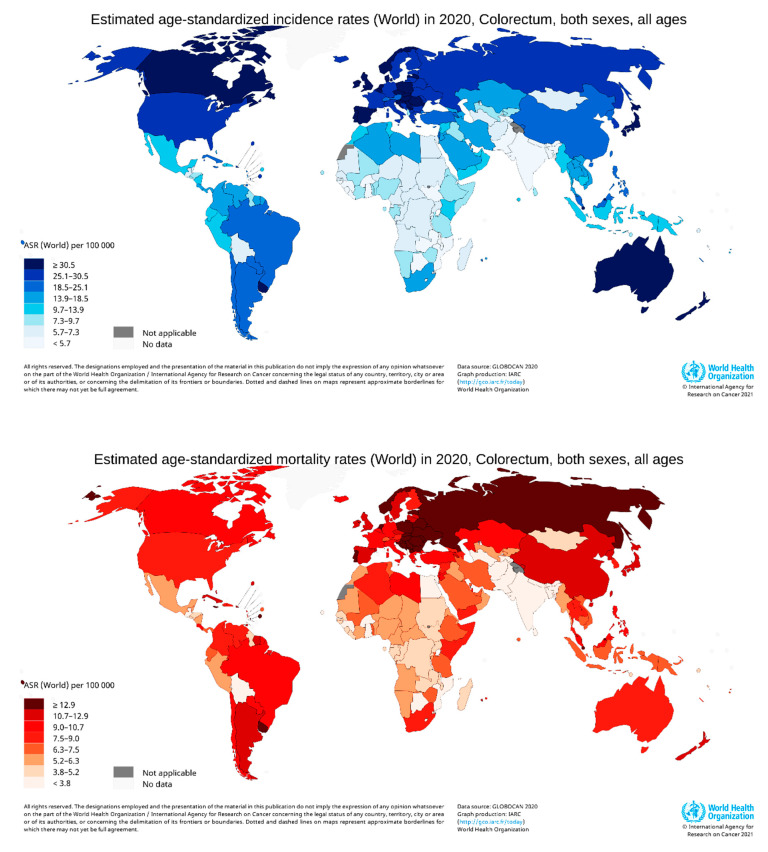
“The need for targeted preventative measures and improved treatment options is highlighted by the variations in incidence and death rates among regions [6].”
BackgroundTLR4/NF-kB/β-Catenin/TGF-β pathways in Salmonella AvrA related-Colorectal Cancer Tumorigenesis
Wibowo, B. P., Kalim, H., Khotimah, H., Sujuti, H., & Rukmigarsari, E. (2024) · Research Journal of Pharmacy and Technology · doi:10.52711/0974-360x.2024.00406 · Cited by 3
Bhattacharya, M., Sarkar, A., Wen, Z., Wu, Y., & Chakraborty, C. (2024) · Molecular Biotechnology · doi:10.1007/s12033-024-01242-2 · Cited by 3
“D the eigenvalue for the molecular docking complex, E the covariance matrix map of amino acid residues atomic pair of molecular docked complex, F the connection spring map of the elastic network model of the molecular docked complex advanced colorectal cancer and are combined with other drugs [44].”
Aryani, R., Lalisang, T. J. M., Dahlia, D., Martha, E., Yulia, Ibrahim, K., Wicaturatmashudi, S., Sukarmin, S., & Hernowo, B. (2024) · South Eastern European Journal of Public Health · doi:10.70135/seejph.vi.693 · Cited by 3
“This increase is concerning, especially in developing countries [3].”
BackgroundEvaluation of immune checkpoint inhibitors for colorectal cancer: A network meta‑analysis
Tzang, C.-C., Lee, Y.-W., Lin, W., Lin, L., Kang, Y.-F., Lin, T.-Y., Wu, W., & Chang, K. C. (2024) · Oncology Letters · doi:10.3892/ol.2024.14702 · Cited by 3
Bhoomandla, S., Chennuri, B. K., Sirisha, S., Ganji, S., Trivedi, R., Karunasri, A., & Pandiri, S. (2024) · Chemistry & Biodiversity · doi:10.1002/cbdv.202401313 · Cited by 3
Bachelle, S. V., Bah, S. Y., Addo, R. T., Bediako‐Bowan, A., Egyir, B., Tsatsu, S. E., Dzudzor, B., & Amarh, V. (2024) · Scientific Reports · doi:10.1038/s41598-024-74299-3 · Cited by 4
Metadata
- Authors
- Hossain, M. S., Karuniawati, H., Jairoun, A. A., Urbi, Z., Ooi, D. J., John, A., Lim, Y. C., Kibria, K. M. K., Mohiuddin, A. K. M., Ming, L. C., Goh, K. W., & Hadi, M. A.
- Affiliations
- International Islamic University Malaysia (MY)
- Universiti Sains Malaysia (MY)
- Universiti Malaysia Pahang Al-Sultan Abdullah (MY)
- Mahsa University (MY)
- Universiti Brunei Darussalam (BN)
- Mawlana Bhashani Science and Technology University (BD)
- INTI International University (MY)
- Qatar University (QA)
- Corresponding author
- Hossain, Md. Sanower
- Ming, Long Chiau
- ORCID
- Venue
- Cancers
- Publisher
- MDPI AG
- Published
- 2022-03-29
- Volume
- 14
- Issue
- 7
- Pages
- 1732
- ISSN
- 2072-6694 (ISSN-L)
- PMC
- PMC8996939
- OpenAlex
- W4220871154
- Semantic Scholar
- a177fa591329da9c54d205f532c08c603177d297
- Cited by
- 920
- References
- 156
- Citations by year
- 2026: 169 · 2025: 307 · 2024: 267 · 2023: 150 · 2022: 23
- FWCI
- 22.82
- Type
- journal article
- Language
- en
- Open access
- gold
- doi.org
- Licence
- Locations
- Cancers (publishedVersion, cc-by)
- PubMed Central (publishedVersion, cc-by)
- PubMed (publishedVersion)
- UMP Institutional Repository (Universiti Malaysia Pahang) (acceptedVersion)
- DOAJ (DOAJ: Directory of Open Access Journals) (submittedVersion, cc-by-sa)
- Qatar University QSpace (Qatar University) (submittedVersion)
- Topics
- Health Sciences › Medicine › Oncology › Colorectal Cancer Treatments and Studies
- Health Sciences › Medicine › Oncology › Colorectal Cancer Screening and Detection
- Health Sciences › Medicine › Oncology › Colorectal Cancer Surgical Treatments
- Keywords
- colorectal cancer, carcinogenesis, global epidemiology, risk factors, cancer prevention, cancer therapy, drug resistance, tumor recurrence, early diagnosis, access to treatment, developing countries
About these checks
Registry, retraction, Cites and statistics results are computed, not judged, with one exception: a printed reference that no index lists is read once by a model before it counts as a citation error. Claims are extracted by a model and kept only when their quote appears verbatim in the text; each cited source is then checked, with a model’s help, for whether it says what the claim relies on. Those verdicts can be wrong — read the claim’s quote and the cited source before relying on one.
Statistics and arithmetic are recomputed, not judged.
Confidence bands are shown only for fields calibrated on our annotated test set. None is calibrated yet, so no band is shown.
What counts as a claim ›How we measure confidence ›How we check this ›
Are you an author, or do you see a problem with this page? Request a review
Data sources
Bibliographic data: Semantic Scholar, OpenAlex, Crossref.
Contains information from the Semantic Scholar Academic Graph Datasets, made available under the ODC Attribution License (ODC-BY 1.0).
Semantic Scholar’s data is described in: Kinney, R., et al. (2023). The Semantic Scholar Open Data Platform. arXiv:2301.10140.
