

Colorectal Cancer: A Review of Carcinogenesis, Global Epidemiology, Current Challenges, Risk Factors, Preventive and Treatment Strategies
Open accessThe DOI matches its Crossref record; 156 of the 156 references it cites were found in a registry or an index.
Abstract
Colorectal cancer (CRC) is the second most deadly cancer. Global incidence and mortality are likely to be increased in the coming decades. Although the deaths associated with CRC are very high in high-income countries, the incidence and fatalities related to CRC are growing in developing countries too. CRC detected early is entirely curable by surgery and subsequent medications. However, the recurrence rate is high, and cancer drug resistance increases the treatment failure rate. Access to early diagnosis and treatment of CRC for survival is somewhat possible in developed countries. However, these facilities are rarely available in developing countries. Highlighting the current status of CRC, its development, risk factors, and management is crucial in creating public awareness. Therefore, in this review, we have comprehensively discussed the current global epidemiology, drug resistance, challenges, risk factors, and preventive and treatment strategies of CRC. Additionally, there is a brief discussion on the CRC development pathways and recommendations for preventing and treating CRC.
Overview
The claims and statistics of this paper haven’t been checked yet.
Free: it reads the open-access text and checks the first 5 claims that cite a source we can check. Create a free account to check every claim.
Integrity signals
Registry
Cites
Statistics
Figures
Verification
Claims the paper makes
The claims and statistics of this paper haven’t been checked yet.
Free: it reads the open-access text and checks the first 5 claims that cite a source we can check. Create a free account to check every claim.
Claims other papers make about this one
Each is checked against this paper’s own text: does it say what the citing paper says it does?
The source backs part of the claim, not all of it — or backs it for a different population, condition or comparison.
In the citing paper
“Despite advancements in these therapeutic modalities, resistance remains a significant challenge, often leading to treatment failure, poor progression-free survival, and cancer recurrence.”
From Mechanisms and Strategies to Overcome Drug Resistance in Colorectal Cancer (2025) · cites this paper as [5]
Experimental — accuracy not yet measuredThe cited source says what the claim attributes to it.
In the citing paper
“While overall survival rates for individuals with advanced CRC has increased in recent decades, drug resistance has been reported to develop in nearly all CRC patients [5].”
From Mechanisms and Strategies to Overcome Drug Resistance in Colorectal Cancer (2025) · cites this paper as [5]
The cited source says what the claim attributes to it.
In the citing paper
“Modifiable factors are associated with the characteristics of a person's lifestyle (obesity, tobacco smoking, alcohol consumption, unhealthy diet)[5-10].”
From Risk factors, prevention and screening of colorectal cancer: A rising problem (2025) · cites this paper as [10]
The cited source says what the claim attributes to it.
In the citing paper
“The development of CRC is associated with the action of non-modifiable and modifiable risk factors.”
From Risk factors, prevention and screening of colorectal cancer: A rising problem (2025) · cites this paper as [10]
Self-check
Percentages, sums and reported differences re-computed from the paper’s own numbers.
The self-check needs the paper’s full text.
Citations
Cites
Sung, H., Ferlay, J., Siegel, R. L., Laversanne, M., Soerjomataram, I., Jemal, A., & Bray, F. (2021) · CA: A Cancer Journal for Clinicians · doi:10.3322/caac.21660 · Cited by 108,699 · cited 5×
“In 2020, CRC was the most diagnosed cancer (out of 36 cancers) among men in 18 of the 186 countries worldwide and women in 6 of the 185 countries [24].”
BackgroundInfluentialBray, F., Ferlay, J., Soerjomataram, I., Siegel, R. L., Torre, L. A., & Jemal, A. (2018) · CA: A Cancer Journal for Clinicians · doi:10.3322/caac.21492 · Cited by 84,109 · cited 2×
“2, which is almost equal to the incidence of 2018 [24,26].”
BackgroundCoussens, L. M., & Werb, Z. (2002) · Nature · doi:10.1038/nature01322 · Cited by 15,111 · cited 1×
“mechanisms herbs and spices exert are the BCL-2, K-ras, and MMP pathways, caspase activation, the extrinsic apoptotic pathway, and the modulation of ER-stress-induced apoptosis chemopreventive effects [162,163].”
BackgroundA genetic model for colorectal tumorigenesis
Fearon, E. R., & Vogelstein, B. (1990) · Cell · doi:10.1016/0092-8674(90)90186-i · Cited by 12,132
Comprehensive molecular characterization of human colon and rectal cancer
The Cancer Genome Atlas Network (2012) · Nature · doi:10.1038/nature11252 · Cited by 8,499
Genetic Alterations during Colorectal-Tumor Development
Vogelstein, B., Fearon, E. R., Hamilton, S. R., Kern, S. E., Preisinger, A. C., Leppert, M., Smits, A. M. M., & Bos, J. L. (1988) · New England Journal of Medicine · doi:10.1056/nejm198809013190901 · Cited by 6,728
Natural products as sources of new drugs from 1981 to 2014
Newman, D. J., & Cragg, G. M. (2016) · Journal of Natural Products · doi:10.1021/acs.jnatprod.5b01055 · Cited by 5,858
Cunningham, D., Humblet, Y., Siena, S., Khayat, D., Bleiberg, H., Santoro, A., Bets, D., Mueser, M., Harstrick, A., Verslype, C., et al. (2004) · New England Journal of Medicine · doi:10.1056/nejmoa033025 · Cited by 5,035 · cited 1×
“Currently, there are clinical studies ongoing on some MAbs for CRC, such as adecatumumab against epithelial cell adhesion molecule (EpCAM), labetuzumab against carcinoembryonic antigen (CEA), and pemtumomab against Mucins [133].”
BackgroundPrevention of Colorectal Cancer by Colonoscopic Polypectomy
Winawer, S. J., Zauber, A. G., Ho, M. N., O'Brien, M. J., Gottlieb, L. S., Sternberg, S. S., Waye, J. D., Schapiro, M., Bond, J. H., Panish, J. F., et al. (1993) · New England Journal of Medicine · doi:10.1056/nejm199312303292701 · Cited by 4,592
Overman, M. J., McDermott, R., Leach, J. L., Lonardi, S., Lenz, H.-J., Morse, M. A., Desai, J., Hill, A., Axelson, M., Moss, R. A., et al. (2017) · The Lancet Oncology · doi:10.1016/s1470-2045(17)30422-9 · Cited by 2,836
Research works printed but not linked: 1
- Urbi, 2014, Grape: A medicinal fruit species in the holy Qur’an and its ethnomedicinal importance, World Appl. Sci. J., 30, 253
Cited by
Items 301–400 of 1,001
Li, H., Guo, J., Qin, Z., Wei, M., Guo, H., & Huang, F. (2022) · Molecular & Cellular Toxicology · doi:10.1007/s13273-022-00288-0 · Cited by 7
TMEM120A-mediated regulation of chemotherapy sensitivity in colorectal cancer cells
Wang, L., & Liu, X. (2023) · Cancer Chemotherapy and Pharmacology · doi:10.1007/s00280-023-04594-9 · Cited by 10
A Review of the Ethnomedicinal, Phytochemical, and Anticancer Properties of Melicope Species
Ahmed, I. A., Hossain, M. S., Cee, L. P., & Zamakshshari, N. H. (2023) · Chemistry & Biodiversity · doi:10.1002/cbdv.202300952 · Cited by 7
Self-citationZhang, L., Hua, M., Wang, Y., & Sun, A. (2024) · American Journal of Translational Research · doi:10.62347/chib8915 · Cited by 7
“Colorectal cancer (CRC) accounts for around 10% of all cancer cases and is globally recognized as the third most frequently diagnosed and second most lethal cancer [1].”
BackgroundInfluentialLomelí, M. L.-C., Sáenz, A., García-Hernández, D. G., Hernández‐Salazar, M., García, R. S., Llerena, J. L. G., Verde‐Star, M. J., Cordero-Díaz, A., & Heya, M. S. (2024) · Scientia Pharmaceutica · doi:10.3390/scipharm93010001 · Cited by 7
“CC can be induced by hereditary, colitis-associated, sporadic, genetic, and environmental factors [2].”
Lu, Y. (2025) · Discover Oncology · doi:10.1007/s12672-025-02156-4 · Cited by 7
Fukumori, C., Kawassaki, R. K., Daré, R. G., & Lopes, L. B. (2025) · International Journal of Pharmaceutics · doi:10.1016/j.ijpharm.2025.125549 · Cited by 7
Nopour, R. (2025) · BMC Gastroenterology · doi:10.1186/s12876-025-03841-y · Cited by 7
“Despite the high rate of fatality related to this disease in developed countries, it has acquired an increasing trend in developing countries in recent decades [6].”
Transfer Learning Fusion Approaches for Colorectal Cancer Histopathological Image Analysis
ALGhafri, H. S., & Lim, C. S. (2025) · Journal of Imaging · doi:10.3390/jimaging11070210 · Cited by 9
“Excessive cell growth can lead to benign tumors like polyps or adenomas in stage 0, with around 10% potentially becoming malignant [13].”
Zhang, D., Liu, X., Luo, B., Zhang, X., Teng, Q., Xia, X., & liao, B. (2025) · Journal of Molecular Histology · doi:10.1007/s10735-025-10496-2 · Cited by 7
“Surgery combined with adjuvant therapy (chemotherapy/radiotherapy) can completely cure early-stage CRC, however, recurrence and drug resistance increase the likelihood of treatment failure (Hossain et al. 2022).”
Abudulimu, H., Hailiman, Y., Gulina, A., Du, J., Hao, Z., Rong, X. L., Abudureyimu, Z., Qin, W., & Lalai, S. (2013) · Current Oncology · doi:10.3747/co.21.1595 · Cited by 8
Liu, S., Zhang, R., Yang, Z., Wang, Y., Guo, X., Zhao, Y., Lin, H., Xiang, Y., Ding, C., Dong, Z., et al. (2022) · Acta Biochimica et Biophysica Sinica · doi:10.3724/abbs.2022182 · Cited by 8
“Introduction Colorectal cancer (CRC), comprising colon and rectal cancer, is the third most common malignancy and the second leading cause of cancer death globally [1].”
BackgroundAlvanegh, A. G., Nodooshan, M. M., Dorostkar, R., Ranjbar, R., Kondori, B. J., Shahriary, A., Parastouei, K., Vazifedust, S., Afrasiab, E., & Ghaleh, H. E. G. (2023) · Infectious Agents and Cancer · doi:10.1186/s13027-023-00521-y · Cited by 7
“Surgical resection and chemotherapy, radiation, or biological treatments are options for CRC to remove the tumor and any metastases [6, 7].”
BackgroundWu, Z. K., Zhou, S., Liang, D., & Mu, L. (2023) · Naunyn-Schmiedeberg s Archives of Pharmacology · doi:10.1007/s00210-023-02668-2 · Cited by 7
Colorectal Cancer Survival in German–Danish Border Regions—A Registry-Based Cohort Study
Rudolph, C., Engholm, G., Pritzkuleit, R., Storm, H. H., & Katalinic, A. (2023) · Cancers · doi:10.3390/cancers15184474 · Cited by 7
“These novel approaches significantly improved the survival time of colorectal cancer patients, especially among those with advanced stages [24–27].”
BackgroundChen, Q., Wang, Z., & Wu, B. X. (2023) · International Wound Journal · doi:10.1111/iwj.14501 · Cited by 8
“4,5 Nevertheless, despite advancements in surgical techniques and perioperative care, post-operative complications continue to be a major concern.”
BackgroundRetractedZhang, H., Xin, H., Zhao, M., Bi, C., Xiao, Y., Li, Y., & Qin, C. (2024) · Journal of Health Population and Nutrition · doi:10.1186/s41043-024-00577-5 · Cited by 7
“Colorectal cancer (CRC) is the third most common cancer and the second leading cause of cancer-related deaths worldwide [1].”
BackgroundRezasoltani, S., Shams, E., Piroozkhah, M., Aidi, Y., Looha, M. A., Bagheri, P., Andouhjerdi, R. B., Sadeghi, A., Rejali, L., & Mojarad, E. N. (2025) · Discover Oncology · doi:10.1007/s12672-025-01796-w · Cited by 7
“These precancerous lesions progress to malignant tumors via the traditional adenoma-carcinoma pathway, often spanning more than a decade [2, 3].”
Ahmadinejad, M., Parvizi, A., Sheikhi, S., Eghbal, F., Navabian, S., Chaboki, F., Bahri, M. H., Bozorgmehr, R., Bagherpour, J. Z., & Ziaie, S. (2025) · European Journal of Surgical Oncology · doi:10.1016/j.ejso.2025.109702 · Cited by 7
Gan, Y., Yang, H., Wang, M., & Li, J. (2025) · PeerJ · doi:10.7717/peerj.19535 · Cited by 6
Mao, K., Jin, L.-Y., Chen, G., Xie, J., Chen, P., Sun, H.-Y., Li, L., & Zheng, H. (2025) · European Journal of Pharmacology · doi:10.1016/j.ejphar.2025.178278 · Cited by 6
A study on phytochemical composition, antioxidant, and anti-cancer activities of Gingko biloba L.
Yılmaz, B., Devecı, E., & Tel‐Çayan, G. (2023) · Commagene Journal of Biology · doi:10.31594/commagene.1322069 · Cited by 6
Reimagining Colorectal Cancer Screening: Innovations and Challenges with Dr. Aasma Shaukat
Cortiana, V., Joshi, M., Chorya, H. P., Vallabhaneni, H., Kannan, S., Coloma, H. S., Park, C. H., & Leyfman, Y. (2024) · Cancers · doi:10.3390/cancers16101898 · Cited by 7
“Colorectal cancer (CRC) represents a significant challenge in oncology, imposing a substantial global health burden as the third most common cancer worldwide and the second leading cause of cancer-related deaths [1].”
BackgroundSong, C., & Zhao, C. (2024) · Journal of Microbiology and Biotechnology · doi:10.4014/jmb.2408.08026 · Cited by 6
Alkhaldy, A. A. (2025) · Frontiers in Nutrition · doi:10.3389/fnut.2025.1507563 · Cited by 6
“Therefore, as diet, smoking, and physical activity are all modifiable lifestyle factors which can influence both CRC incidence and survival, the development of awareness and educational programs may enhance KAP levels regarding dietary habits and lifestyle factors linked to CRC risk (52, 53).”
Suman, S. K., Kumaraswamy, D. D. Y. S., Sahu, S. K., Akella, P. L., Santhoshkumar, S. P., & Karthika, R. (2025) · International Conference on Computing for Sustainability and Intelligent Future (COMP-SIF) · doi:10.1109/comp-sif65618.2025.10969862 · Cited by 6
“Despite the availability of sophisticated screening technologies, With an expected 2 million new cases identified each year and over 1 million fatalities from the disease as of 2020, CRC is the second most common cause of cancer-related deaths globally [1], [6].”
Maher, H. M., Mohamed, S. M., Hassan, E. M., & El-Yazbi, A. F. (2025) · Scientific Reports · doi:10.1038/s41598-025-02079-8 · Cited by 6
Lee, Y.-J., Kim, J. H., Kim, T. Y., Park, H. H., Kim, M. E., Park, S., Sin, S.-I., Chung, J. H., & Park, K. (2025) · Food Research International · doi:10.1016/j.foodres.2025.116894 · Cited by 6
Sia, C. S., Bong, W. A., Goh, B. H., Chong, L. H., Tey, B. T., & Low, L. E. (2025) · International Journal of Biological Macromolecules · doi:10.1016/j.ijbiomac.2025.146291 · Cited by 7
Organic nanoplatforms for metallodrugs delivery: Current advances in colorectal cancer
Neto, Í., Rocha, J. P., Gaspar, M. M., & Reis, C. P. (2026) · Biochimica et Biophysica Acta (BBA) - Reviews on Cancer · doi:10.1016/j.bbcan.2026.189547 · Cited by 7
Zhang, D., Fu, Y., Liu, Y., Wu, Y., Chen, J., Zhang, L., Wang, R., Chen, Z., & Liu, T. (2023) · International Journal of Molecular Sciences · doi:10.3390/ijms24098039 · Cited by 6
“However, drug resistance in CRC remains a great clinical challenge [5].”
BackgroundAn artificial intelligence-based ecological index for prognostic evaluation of colorectal cancer
Chen, Q., Cai, M., Fan, X., Liu, W., Fang, G., Yao, S., Xu, Y., Li, Q., Zhao, Y., Zhao, K., et al. (2023) · BMC Cancer · doi:10.1186/s12885-023-11289-0 · Cited by 6
“The observed increase in CRC incidence and mortality will last in the coming decades [1].”
BackgroundYang, G., Cao, Y., Yang, X., Cui, T., Tan, N. Z. V., Lim, Y. K., Fu, Y., Cao, X., Bhandari, A., Enikeev, M. E., et al. (2024) · Experimental and Molecular Pathology · doi:10.1016/j.yexmp.2024.104904 · Cited by 6
Self-citationExchangeable Copper Excess and Zinc Deficiency in the Serum of Patients with Colorectal Cancer
Squitti, R., Pal, A., Luca, A. D., Rizzo, G., Rongioletti, M. C. A., & Tondolo, V. (2024) · Biological Trace Element Research · doi:10.1007/s12011-024-04431-x · Cited by 7
Chen, C., Xia, H.-B., Yuan, W., Zhou, M.-C., Zhang, X., & Xu, A. (2025) · Discover Oncology · doi:10.1007/s12672-025-01849-0 · Cited by 6
Qu, X., Tan, H., Mao, J., Yang, M., Jian, X., Yan, X., & Wu, W. (2022) · Cancer Medicine · doi:10.1002/cam4.5384 · Cited by 7
“For selecting GEO cohorts in the validating phase, the following inclusion criteria were used: (1) the cohorts only including colon and/or rectal cancer patients; (2) the cohorts with complete patient information including clinicopathological parameters and follow- up records; (3) the cohorts with the available mRNA e…”
MethodShort Linear Motifs in Colorectal Cancer Interactome and Tumorigenesis
Fasano, C., Grossi, V., Forte, G., & Simone, C. (2022) · Cells · doi:10.3390/cells11233739 · Cited by 7
“Moreover, it is predicted that the global incidence of CRC will more than quadruple by 2035, with the greatest increase occurring in less developed countries due to the growing number of cases detected in the older population [1,5].”
BackgroundZhang, B., Liu, X., Liu, X.-Y., Kang, B., Yuan, C., Liu, F., Li, Z., Wei, Z., & Peng, D. (2023) · Canadian Journal of Gastroenterology and Hepatology · doi:10.1155/2023/2017171 · Cited by 7
Oh, H.-H., Park, Y., Park, S., & Joo, Y. (2023) · International Journal of Oncology · doi:10.3892/ijo.2023.5498 · Cited by 6
Hong, S., Jeon, M., Kwon, J., Park, H., Lee, G., Kim, K., & Ahn, S. (2023) · Current Issues in Molecular Biology · doi:10.3390/cimb45070371 · Cited by 6
“Colorectal cancer (CRC) is a significant health concern as the third most frequently diagnosed and second most deadly cancer worldwide [1].”
BackgroundThe bidirectional interplay between ncRNAs and methylation modifications in gastrointestinal tumors
Kong, M., Xiao, Y. P., Guo, W., & Guo, R. (2023) · International Journal of Biological Sciences · doi:10.7150/ijbs.87028 · Cited by 7
“Colorectal cancer is the second most common cancer worldwide, and its incidence is expected to more than double by 2035 [112, 113].”
BackgroundZhou, X., Zhang, Q., Zhu, H., Zhao, J., & Cai, Y. (2024) · Journal of Gastrointestinal Oncology · doi:10.21037/jgo-23-1016 · Cited by 6
“It poses a serious challenge to public health, especially in developed countries (3,4).”
BackgroundEphraim, R., Fraser, S., Devereaux, J., Stavely, R. G., Feehan, J., Eri, R. D., Nurgali, K., & Apostolopoulos, V. (2023) · Cancers · doi:10.3390/cancers15194793 · Cited by 6
“Colorectal cancer (CRC) affects the caecum, colon, and rectum [34,35] and is the third most common malignancy worldwide and the second most common cause of cancer-related deaths, with more than 1 million new cases each year [36].”
BackgroundPotential of 2D Materials: Novel Insights and Applications in Colorectal Cancer Research
Younis, M., Digra, S. K., Gupta, A., Anand, A. V., & Kumar, P. (2024) · Engineering materials · doi:10.1007/978-981-99-8010-9_13 · Cited by 5
Colorectal cancer literacy and related factors in northeast of Iran: A cross‐sectional study
Delshad, M. H., Pourhaji, F., Abdollahi, M., Khorram, H. P., & Pourhasan, A. (2024) · Cancer Reports · doi:10.1002/cnr2.2037 · Cited by 5
Szymczuk, D., Markiewicz, K. H., Niemirowicz-Laskowska, K., Sadowska, A. J., Wołosewicz, J., Car, H., & Wilczewska, A. Z. (2024) · International Journal of Pharmaceutics · doi:10.1016/j.ijpharm.2024.124503 · Cited by 5
da Silva, L. F. L., Saldanha, E. F., da Conceição, L. D., Noronha, M. M., Silva, M. V., & Peixoto, R. D. (2024) · Journal of Gastrointestinal Cancer · doi:10.1007/s12029-024-01152-1 · Cited by 5
“Advancements in screening, supportive care, and the development of targeted therapies have significantly enhanced the median overall survival (mOS) of patients with metastatic CRC (mCRC) [3, 4].”
YY1 as a mediator to enhance the resistance of KRAS mutant colorectal cancer cells to cetuximab
Ma, Y., Hu, Y., Lin, Y., Wang, C., Lv, Y., & Chen, W. (2024) · Journal of Genetics · doi:10.1007/s12041-024-01487-5 · Cited by 5
“Despite advances in diagnosis and treatment, CRC prognosis remains poor for patients with metastatic or recurrent conditions (Hossain et al. 2022).”
Wu, H., Zhang, W., Chang, J., Wu, J., Zhang, X., Jia, F., Li, L., Liu, M., & Zhu, J. (2025) · Scientific Reports · doi:10.1038/s41598-024-85035-2 · Cited by 5
Nair, J. J., & Staden, J. V. (2025) · Phytochemistry Reviews · doi:10.1007/s11101-025-10122-9 · Cited by 6
A Comprehensive Review of Cancer: Types, Pathophysiology, Diagnosis and Treatments
Bindod, H. V., Hatwar, P. R., Bakal, R. L., & Dafe, V. N. (2025) · Journal of Drug Delivery and Therapeutics · doi:10.22270/jddt.v15i5.7104 · Cited by 9
Mohamedali, L., Al-Kubaisi, M., Ahmad, S. A., Haroon, S., Alshalkhaty, A., Hussein, D. M., Ahmad, K. A., Abueida, M., & Talaat, I. M. (2025) · Journal of Community Health · doi:10.1007/s10900-025-01475-5 · Cited by 5
“CRC can result from an interplay between non-modifi - able factors like age, sex, and family history and modifi - able factors like dietary habits and lifestyle [10].”
Tuning vision foundation models for rectal cancer segmentation from CT scans
Zhang, H., Guo, W., Wan, S., Zou, B., Wang, W., Qiu, C., Liu, K., Jin, P., & Yang, J. (2025) · Communications Medicine · doi:10.1038/s43856-025-00953-0 · Cited by 8
Arrè, V., Scavo, M. P., Donghia, R., Dituri, F., Mandorino, C., Cassotta, M., Ancona, A., Balestra, F., Vincenti, L., Aquilino, F., et al. (2025) · International Journal of Molecular Sciences · doi:10.3390/ijms26167743 · Cited by 5
“This is largely due to the complex interplay of factors, such as age, environment, and genetic predisposition, which underpin each stage of tumorigenesis [57–59].”
Teixeira, S., Ferreira, D., Rodrigues, A. R. O., Rodrigues, L. R., Castanheira, E. M. S., & Carvalho, M. A. (2025) · Pharmaceuticals · doi:10.3390/ph18081210 · Cited by 5
“However, challenges such as increased drug resistance, severe side effects, unsatisfactory response rates, and low tumor-specific selectivity contribute to a reduced quality of life for patients and poor prognosis [2,3].”
Yang, H., Dungan, M. E., Madhu, B., Beyries, K. A., Wang, X., Kilpatrick, R., Chen, B., Oh, S., Berkowitz, M., Smith, D. G., et al. (2026) · Gut · doi:10.1136/gutjnl-2025-337343 · Cited by 5
Wu, Y., Wang, W.-H., Wang, Y., & Xu, H. (2025) · Nutrition Journal · doi:10.1186/s12937-025-01202-9 · Cited by 6
“While non-modifiable risk factors (e.g., genetics, age, personal history) contribute to CRC, dietary habits may represent a modifiable target [6, 7].”
Liang, Y., Cao, Y. W., Sun, Y., Zhong, J., Du, Y., Liu, L., Hu, X., Li, J., & Zhang, G. (2025) · The FASEB Journal · doi:10.1096/fj.202403371r · Cited by 5
Ho, P.-Y., Koh, Y., Lin, W., Ho, C., Majeed, A., Ho, C., & Pan, M. (2025) · Journal of Agricultural and Food Chemistry · doi:10.1021/acs.jafc.5c05807 · Cited by 5
Biocompatible Water-Soluble Silicon Quantum Dots for Photodynamic Cancer Therapy
Ounkaew, A., Antoniuk, D., Veinot, J. G. C., Bouvier, M., Constantinescu, I., Tees-DeBeyer, W., Hung, S., Kizhakkedathu, J. N., & Narain, R. (2025) · ACS Applied Nano Materials · doi:10.1021/acsanm.5c03568 · Cited by 5
Gheibi, M., Sadeghi, S., Hessami, A., Erfani, Z., Ghadirzadeh, E., & Moosazadeh, M. (2025) · Cancer Genetics · doi:10.1016/j.cancergen.2025.10.003 · Cited by 7
The lncrnas: innovative multifunctional players of drug resistance in colorectal cancer
Maghsoudi, H., Rasoulzadeh, M., Abbastabar, M., Fazilat, A., Sheikhnia, F., Azizzadeh, B., Valilo, M., & Majidinia, M. (2025) · Cancer Cell International · doi:10.1186/s12935-025-03951-3 · Cited by 5
“…in CRC care are often due to distant metastasis, which significantly reduces overall survival rates, and cancer drug resistance, where intrinsic resistance renders cancer cells insensitive to drugs even before treatment begins, leading to high recurrence rates and treatment failures [36, 37].”
Ohta, R., Fujimori, T., Tanaka, K., Sano, C., & Hayashi, H. (2025) · Cureus · doi:10.7759/cureus.97682 · Cited by 6
“Despite advances in systemic chemotherapy, molecularly targeted agents, and immunotherapy, median overall survival (OS) has improved by only approximately 30 months, and a cure remains elusive [3,5].”
Fard, G. B., Amirfakhrian, R., Bafghi, M. H., & Gholamin, M. (2025) · Cancer Cell International · doi:10.1186/s12935-025-04097-y · Cited by 5
“The development of CRC involves a series of genetic and epigenetic changes in epithelial cells, leading to excessive proliferation and the formation of a benign adenoma [1, 29].”
InfluentialRehman, M. K. U., Batool, S., Woo, S., Alamri, A. H., Fatease, A. M. A., Asiri, Z. A., Alruwaili, N. K., Rehman, M. U., & Din, F. U. (2025) · Scientific Reports · doi:10.1038/s41598-025-32089-5 · Cited by 5
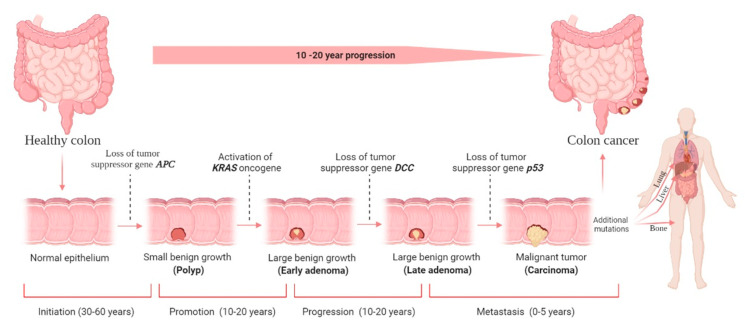
“untreated, could form malignant CRC over 10–15 years, as shown in Supplementary Figure S1 5 .”
Mendoza-Villafaña, J. J., Claudio-Rizo, J. A., León-Campos, M. I., Becerra-Rodríguez, J. J., Rodríguez-Fuentes, N., Betancourt-Galindo, R., Cabrera-Álvarez, E. N., & Cano-Salazar, L. F. (2025) · International Journal of Biological Macromolecules · doi:10.1016/j.ijbiomac.2025.149718 · Cited by 7
Gobits, R., Schleußner, N., Oliver, G. R., Schoenberg, M. R., Domingues, A. M. D. J., Ramkumar, P., Suen, S. W. F., Koomen, M., Paolucci, F., Martens, K., et al. (2026) · JCO Precision Oncology · doi:10.1200/po-25-00501 · Cited by 6
Irfan, A., Arshad, M., Al‐Hussain, S. A., Amin, A., Nasim, I., Ahmad, S., Abbasi, B. B. K., Al‐Mutairi, A. A., Khalid, T., & Zaki, M. E. A. (2026) · Journal of Saudi Chemical Society · doi:10.1007/s44442-025-00051-9 · Cited by 5
Alsofany, J. M., Hassanin, S. O., Kodous, A. S., Aufy, M., Mahmoud, M. O., Adel, I. M., El-Nabarawi, M. A., & Abdelhakeem, E. (2026) · European Journal of Pharmaceutical Sciences · doi:10.1016/j.ejps.2026.107447 · Cited by 5
Salawi, A. (2026) · Drug Design, Development and Therapy · doi:10.2147/dddt.s574417 · Cited by 4
Diagnostic Potential of Exosomes in Colorectal Cancer: Current Advances and Future Perspectives
Suska, K., Piotrowski, M., Jacenik, D., & Fichna, J. (2026) · Molecules · doi:10.3390/molecules31081339 · Cited by 5
Santos, A., Cristóbal, I., Caramés, C., Luque, M., Sanz-Álvarez, M., Madoz‐Gúrpide, J., Rojo, F., & García‐Foncillas, J. (2023) · International Journal of Molecular Sciences · doi:10.3390/ijms24097779 · Cited by 5
Colorectal cancer: incidence, risk factors, and screening
Tsukanov, V. V., Riabokon, A. G., Tonkikh, Y. L., & Vasyutin, A. V. (2024) · Russian Journal of Preventive Medicine · doi:10.17116/profmed20242703193 · Cited by 5
Luo, W., Jiao, Y.-T., Lin, X., Zhao, Y., Wang, S.-B., Shen, J., Deng, J., Ye, Y., Han, Z., Xie, F., et al. (2024) · World Journal of Gastrointestinal Oncology · doi:10.4251/wjgo.v16.i4.1361 · Cited by 5
GI genius endoscopy module: a clinical profile
Savino, A., Rondonotti, E., Rocchetto, S., Piagnani, A., Bina, N., Domenico, P. D., Segatta, F., & Radaelli, F. (2024) · Expert Review of Medical Devices · doi:10.1080/17434440.2024.2342508 · Cited by 6
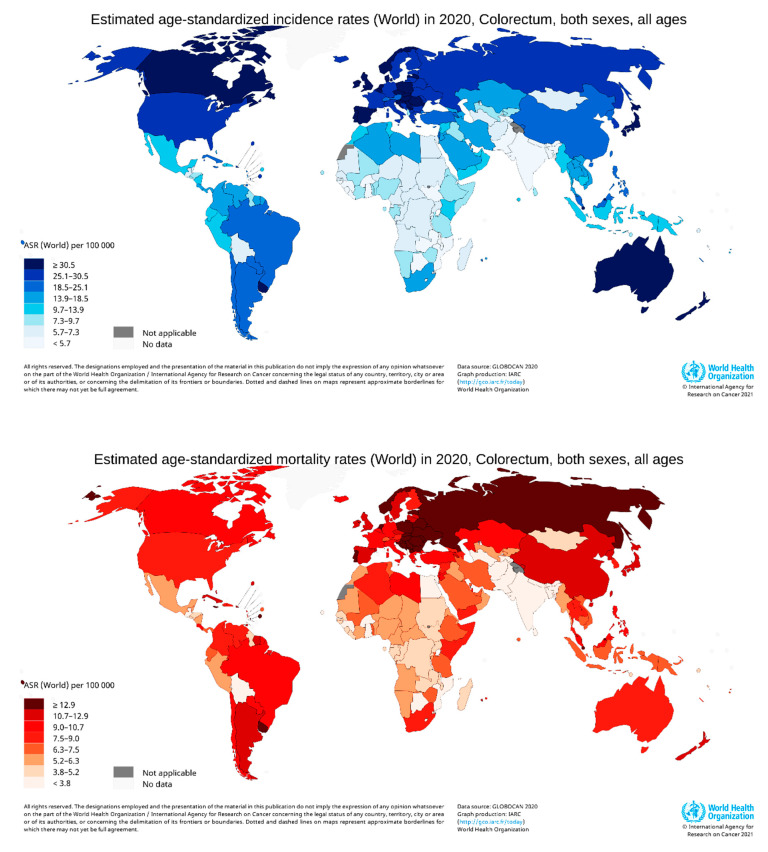
“In fact, although CRC incidence and mortality have been stabilizing or decreasing in nations with high human development index (HDI), the opposite trend has been observed in lower HDI countries [2–4].”
BackgroundInorganic Polyphosphate Promotes Colorectal Cancer Growth via TRPM8 Receptor Signaling Pathway
Arrè, V., Balestra, F., Scialpi, R., Dituri, F., Donghia, R., Coletta, S., Stabile, D., Bianco, A., Vincenti, L., Fedele, S., et al. (2024) · Cancers · doi:10.3390/cancers16193326 · Cited by 6
“…efforts made striving towards the development of new thera-peutical strategies targeting the molecular complexity discernible in colorectal cancer [37], CRC remains one of the deadliest human neoplasms due to its complex interplay of factors including advanced age, environmental influences, and…”
BackgroundBenariba, M. A., Hannachi, K., Zhu, S., Zhang, Y., Wang, X., & Zhou, N. (2024) · Nanoscale · doi:10.1039/d4nr03704a · Cited by 5
Does Colonoscopy as a First Screening Test Still Make Sense?—Counterpoint
Chuang, M. P.-C., & Chiu, H. (2024) · Digestive Diseases and Sciences · doi:10.1007/s10620-024-08695-0 · Cited by 6
“Multiple studies demonstrated significant reduction in CRC incidence and mortality [1, 6–11].”
Shahwar, D.-E., Zubair, H., Raza, M. K., Khan, Z., Mansour, L. A., Ali, A., & Imran, M. (2025) · Radiology and Oncology · doi:10.2478/raon-2025-0001 · Cited by 5
Megeed, R. M. A., Ismail, S. A., & Kadry, M. O. (2025) · OpenNano · doi:10.1016/j.onano.2025.100239 · Cited by 5
Nourbakhsh, S. T., Mirzaei, S. A., Mohamadhashem, F., Naghizadeh, M. M., Razavi, A. N., Mansoori, Y., Daraei, A., & Mohamadhashem, F. (2025) · BMC Cancer · doi:10.1186/s12885-025-13886-7 · Cited by 5
Colorectal cancer risk factors: A multi-center, case-control study in Egypt
El-Moselhy, E. A., Abdel-Halim, M. M., Eid, A., Ghazy, A. M., Abdelmageed, N. A., Eldamaty, A. A., Sherif, S. A., Attia, A. A., Kotb, F. M., Abdelhafez, A. A., et al. (2025) · Clinical Epidemiology and Global Health · doi:10.1016/j.cegh.2025.102017 · Cited by 8
Rani, R., Singh, N., Madhubabu, P., Rekha, M. M., Kaur, M., Soothwal, P. K., Arora, I., Kumar, M., Chauhan, A. S., Gaur, A., et al. (2025) · BioNanoScience · doi:10.1007/s12668-025-02089-w · Cited by 5
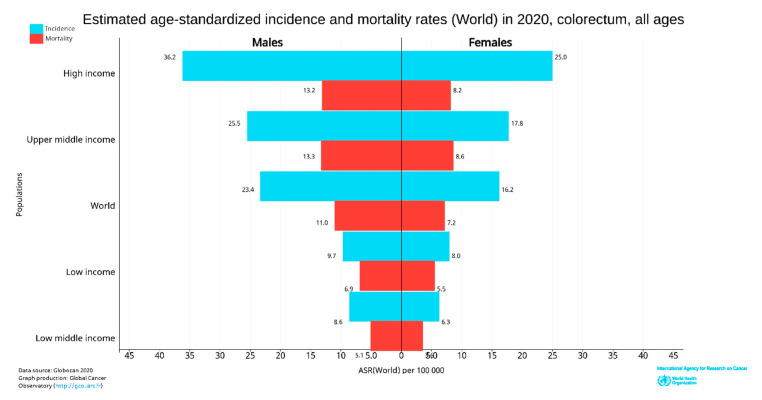
“CRC-related mortality is disproportionately high in high-income nations [46].”
Potential Role of Herbal- and Bacterial-Derived Peptides Against Colorectal Cancer
Abdoullahi, S., Jahangiri, A., & Halabian, R. (2022) · Revista Brasileira de Farmacognosia · doi:10.1007/s43450-022-00276-4 · Cited by 7
“Natural products in clinical trials for CRC treatment have been critically reviewed (Hossain et al. 2022).”
BackgroundErdemir, G., Kalındemirtaş, F. D., Kariper, İ. A., Kuruca, S. E., & Özerkan, D. (2023) · Journal of Fluorescence · doi:10.1007/s10895-023-03339-4 · Cited by 5
Pan, D., Hao, J., Wu, T., Shen, T., Yu, K., Li, Q., Hu, R., Yang, Z., & Li, Y. (2024) · Biochemical Genetics · doi:10.1007/s10528-023-10599-z · Cited by 5
RetractedHadi-al-Ward, N. A., Ebrahimi, M., & Karizi, S. Z. (2024) · Iranian journal of pharmaceutical research · doi:10.5812/ijpr-144287 · Cited by 5
Shao, J., Yang, L., Jin, Z., Bao, Y., He, J., Le, Q. H., Sivakumar, P. M., Wang, M., & Wang, R. (2024) · Journal of Chemistry · doi:10.1155/2024/7139556 · Cited by 5
Expression Pattern of PDE4B, PDE4D, and SFRP5 Markers in Colorectal Cancer
Bevanda, M., Kelam, N., Racetin, A., Filipović, N., Glibo, D. B., Bevanda, I., & Vukojević, K. (2024) · Medicina · doi:10.3390/medicina60081202 · Cited by 5
“Overall, patient survival largely depends on the stage of the disease at the time of diagnosis and/or surgical resection [6–8].”
BackgroundZou, J., Chen, J., Deng, L., Xu, B., Yu, T., Wang, J., & He, C. (2025) · American Journal of Physiology-Cell Physiology · doi:10.1152/ajpcell.00817.2024 · Cited by 5
Cytotoxic lycorine alkaloids of the plant family Amaryllidaceae
Nair, J. J., & Staden, J. V. (2025) · Bioorganic Chemistry · doi:10.1016/j.bioorg.2025.108619 · Cited by 5
Hamadou, W. S., Bouali, N., Bennour, A., Othman, H., Chouk, H., Mabrouk, H. E., & Snoussi, M. (2024) · Journal of Cancer Prevention & Current Research · doi:10.15406/jcpcr.2024.15.00547 · Cited by 4
Ramya, G., Rai, N., Othayoth, R., & Kamma, S. (2024) · Egyptian Journal of Medical Human Genetics · doi:10.1186/s43042-024-00599-y · Cited by 4
“Risk factors include environmental influences such as lifestyle and diet [4], and various studies have established a genetic basis for the disease [5].”
BackgroundAlSakhen, M. F., Kanaan, S. I., Saleh, K. M. M., Yasin, S. R., Nasr, I. S. A., Koko, W. S., Khan, T. A., Qureshi, K. A., Schobert, R., Biersack, B., et al. (2025) · ChemistrySelect · doi:10.1002/slct.202500247 · Cited by 4
Santarelli, R., Dio, C. D., Crosta, M. D., Currà, P., Gonnella, R., & Cirone, M. (2025) · Molecules · doi:10.3390/molecules30153054 · Cited by 4
“Colon cancer can be classified into hereditary, sporadic, and colitis-associated [19], and, for example, the high microsatellite instability (MSI) in sporadic colon cancers often relies on epigenetic modifications (e.g., methylation of the promoter of MLH1 , MSH2 , etc.) [20].”
Microwave biosensor for amylase detection in drainage fluid to monitor anastomotic leakage
ShafieiDarabi, M., Mao, Q., Cui, W., Courtney, M., Miranda, R., Ali, K., LeSergent, L., Tjandra, R., Abbasi, Z., Lee, L. P., et al. (2025) · Biosensors and Bioelectronics · doi:10.1016/j.bios.2025.117990 · Cited by 4
Zhu, J., Yang, L., Fang, Z., Chen, J., Wu, Y. C., Liu, H., Liu, S., & Fei, B. (2025) · Molecular Medicine Reports · doi:10.3892/mmr.2025.13692 · Cited by 4
Lee, H.-J., Park, J.-H., Kim, D.-Y., Kim, D., Yi, M.-J., Choi, W.-S., Na, H.-H., 채세현, Oh, Y. T., & Kim, K. (2026) · APOPTOSIS · doi:10.1007/s10495-025-02211-z · Cited by 4
Srikanth, P., Sambanna, K., Ganji, S. J., & Rao, R. S. (2026) · Lecture notes in computer science · doi:10.1007/978-3-032-16632-6_28 · Cited by 4
Yü, C., Yang, W., Li, T., Qin, Y., Gong, Y., & Cheng, W. (2023) · Open Medicine · doi:10.1515/med-2023-0836 · Cited by 5
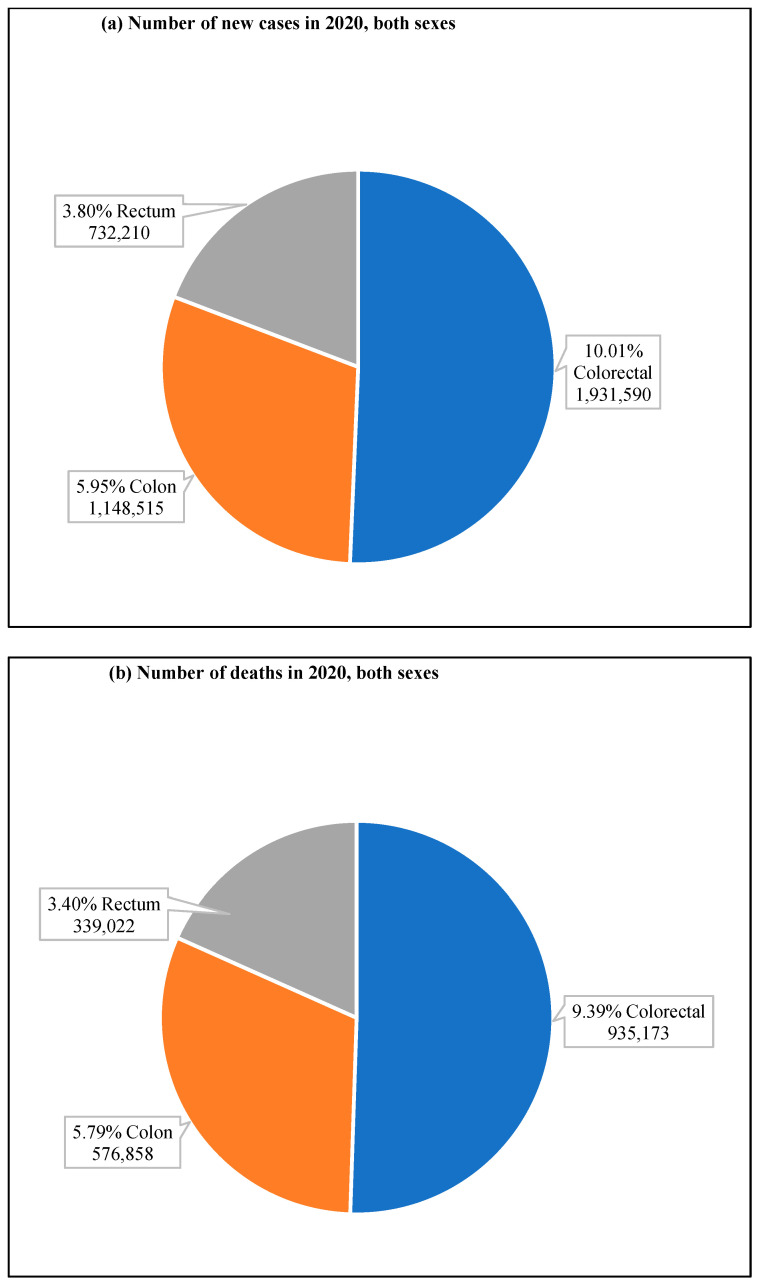
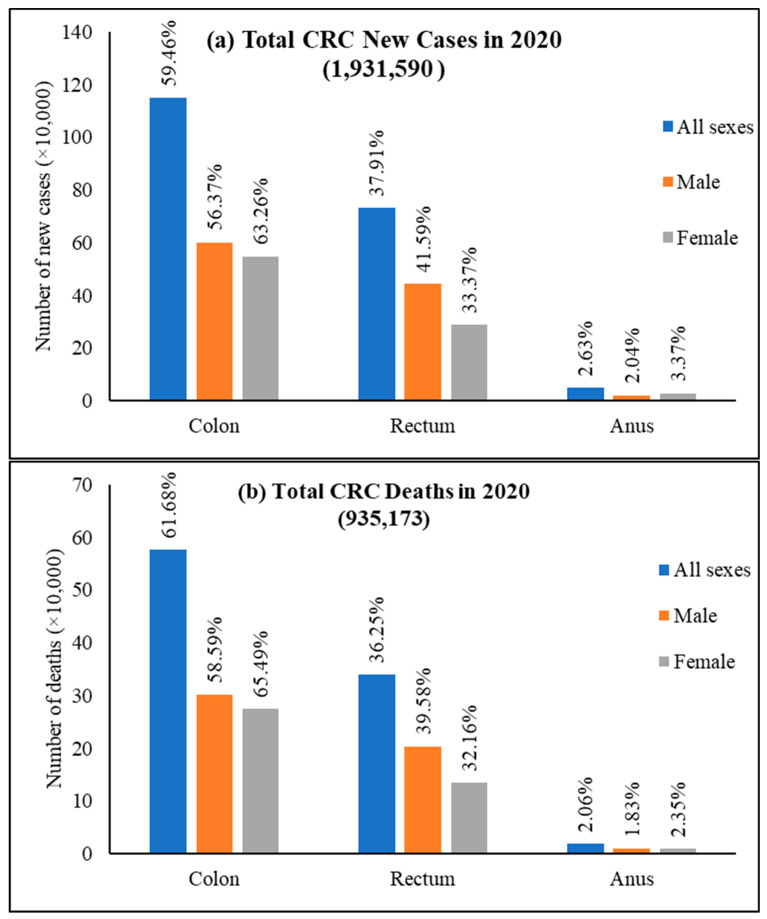
“%) cancer deaths due to CRC were recorded in 2020 [1].”
Background
Metadata
- Authors
- Hossain, M. S., Karuniawati, H., Jairoun, A. A., Urbi, Z., Ooi, D. J., John, A., Lim, Y. C., Kibria, K. M. K., Mohiuddin, A. K. M., Ming, L. C., Goh, K. W., & Hadi, M. A.
- Affiliations
- International Islamic University Malaysia (MY)
- Universiti Sains Malaysia (MY)
- Universiti Malaysia Pahang Al-Sultan Abdullah (MY)
- Mahsa University (MY)
- Universiti Brunei Darussalam (BN)
- Mawlana Bhashani Science and Technology University (BD)
- INTI International University (MY)
- Qatar University (QA)
- Corresponding author
- Hossain, Md. Sanower
- Ming, Long Chiau
- ORCID
- Venue
- Cancers
- Publisher
- MDPI AG
- Published
- 2022-03-29
- Volume
- 14
- Issue
- 7
- Pages
- 1732
- ISSN
- 2072-6694 (ISSN-L)
- PMC
- PMC8996939
- OpenAlex
- W4220871154
- Semantic Scholar
- a177fa591329da9c54d205f532c08c603177d297
- Cited by
- 920
- References
- 156
- Citations by year
- 2026: 169 · 2025: 307 · 2024: 267 · 2023: 150 · 2022: 23
- FWCI
- 22.82
- Type
- journal article
- Language
- en
- Open access
- gold
- doi.org
- Licence
- Locations
- Cancers (publishedVersion, cc-by)
- PubMed Central (publishedVersion, cc-by)
- PubMed (publishedVersion)
- UMP Institutional Repository (Universiti Malaysia Pahang) (acceptedVersion)
- DOAJ (DOAJ: Directory of Open Access Journals) (submittedVersion, cc-by-sa)
- Qatar University QSpace (Qatar University) (submittedVersion)
- Topics
- Health Sciences › Medicine › Oncology › Colorectal Cancer Treatments and Studies
- Health Sciences › Medicine › Oncology › Colorectal Cancer Screening and Detection
- Health Sciences › Medicine › Oncology › Colorectal Cancer Surgical Treatments
- Keywords
- colorectal cancer, carcinogenesis, global epidemiology, risk factors, cancer prevention, cancer therapy, drug resistance, tumor recurrence, early diagnosis, access to treatment, developing countries
About these checks
Registry, retraction, Cites and statistics results are computed, not judged, with one exception: a printed reference that no index lists is read once by a model before it counts as a citation error. Claims are extracted by a model and kept only when their quote appears verbatim in the text; each cited source is then checked, with a model’s help, for whether it says what the claim relies on. Those verdicts can be wrong — read the claim’s quote and the cited source before relying on one.
Statistics and arithmetic are recomputed, not judged.
Confidence bands are shown only for fields calibrated on our annotated test set. None is calibrated yet, so no band is shown.
What counts as a claim ›How we measure confidence ›How we check this ›
Are you an author, or do you see a problem with this page? Request a review
Data sources
Bibliographic data: Semantic Scholar, OpenAlex, Crossref.
Contains information from the Semantic Scholar Academic Graph Datasets, made available under the ODC Attribution License (ODC-BY 1.0).
Semantic Scholar’s data is described in: Kinney, R., et al. (2023). The Semantic Scholar Open Data Platform. arXiv:2301.10140.
