

Colorectal Cancer: A Review of Carcinogenesis, Global Epidemiology, Current Challenges, Risk Factors, Preventive and Treatment Strategies
Open accessThe DOI matches its Crossref record; 156 of the 156 references it cites were found in a registry or an index.
Abstract
Colorectal cancer (CRC) is the second most deadly cancer. Global incidence and mortality are likely to be increased in the coming decades. Although the deaths associated with CRC are very high in high-income countries, the incidence and fatalities related to CRC are growing in developing countries too. CRC detected early is entirely curable by surgery and subsequent medications. However, the recurrence rate is high, and cancer drug resistance increases the treatment failure rate. Access to early diagnosis and treatment of CRC for survival is somewhat possible in developed countries. However, these facilities are rarely available in developing countries. Highlighting the current status of CRC, its development, risk factors, and management is crucial in creating public awareness. Therefore, in this review, we have comprehensively discussed the current global epidemiology, drug resistance, challenges, risk factors, and preventive and treatment strategies of CRC. Additionally, there is a brief discussion on the CRC development pathways and recommendations for preventing and treating CRC.
Overview
The claims and statistics of this paper haven’t been checked yet.
Free: it reads the open-access text and checks the first 5 claims that cite a source we can check. Create a free account to check every claim.
Integrity signals
Registry
Cites
Statistics
Figures
Verification
Claims the paper makes
The claims and statistics of this paper haven’t been checked yet.
Free: it reads the open-access text and checks the first 5 claims that cite a source we can check. Create a free account to check every claim.
Claims other papers make about this one
Each is checked against this paper’s own text: does it say what the citing paper says it does?
The source backs part of the claim, not all of it — or backs it for a different population, condition or comparison.
In the citing paper
“Despite advancements in these therapeutic modalities, resistance remains a significant challenge, often leading to treatment failure, poor progression-free survival, and cancer recurrence.”
From Mechanisms and Strategies to Overcome Drug Resistance in Colorectal Cancer (2025) · cites this paper as [5]
Experimental — accuracy not yet measuredThe cited source says what the claim attributes to it.
In the citing paper
“While overall survival rates for individuals with advanced CRC has increased in recent decades, drug resistance has been reported to develop in nearly all CRC patients [5].”
From Mechanisms and Strategies to Overcome Drug Resistance in Colorectal Cancer (2025) · cites this paper as [5]
The cited source says what the claim attributes to it.
In the citing paper
“Modifiable factors are associated with the characteristics of a person's lifestyle (obesity, tobacco smoking, alcohol consumption, unhealthy diet)[5-10].”
From Risk factors, prevention and screening of colorectal cancer: A rising problem (2025) · cites this paper as [10]
The cited source says what the claim attributes to it.
In the citing paper
“The development of CRC is associated with the action of non-modifiable and modifiable risk factors.”
From Risk factors, prevention and screening of colorectal cancer: A rising problem (2025) · cites this paper as [10]
Self-check
Percentages, sums and reported differences re-computed from the paper’s own numbers.
The self-check needs the paper’s full text.
Citations
Cites
Sung, H., Ferlay, J., Siegel, R. L., Laversanne, M., Soerjomataram, I., Jemal, A., & Bray, F. (2021) · CA: A Cancer Journal for Clinicians · doi:10.3322/caac.21660 · Cited by 108,699 · cited 5×
“In 2020, CRC was the most diagnosed cancer (out of 36 cancers) among men in 18 of the 186 countries worldwide and women in 6 of the 185 countries [24].”
BackgroundInfluentialBray, F., Ferlay, J., Soerjomataram, I., Siegel, R. L., Torre, L. A., & Jemal, A. (2018) · CA: A Cancer Journal for Clinicians · doi:10.3322/caac.21492 · Cited by 84,109 · cited 2×
“2, which is almost equal to the incidence of 2018 [24,26].”
BackgroundCoussens, L. M., & Werb, Z. (2002) · Nature · doi:10.1038/nature01322 · Cited by 15,111 · cited 1×
“mechanisms herbs and spices exert are the BCL-2, K-ras, and MMP pathways, caspase activation, the extrinsic apoptotic pathway, and the modulation of ER-stress-induced apoptosis chemopreventive effects [162,163].”
BackgroundA genetic model for colorectal tumorigenesis
Fearon, E. R., & Vogelstein, B. (1990) · Cell · doi:10.1016/0092-8674(90)90186-i · Cited by 12,132
Comprehensive molecular characterization of human colon and rectal cancer
The Cancer Genome Atlas Network (2012) · Nature · doi:10.1038/nature11252 · Cited by 8,499
Genetic Alterations during Colorectal-Tumor Development
Vogelstein, B., Fearon, E. R., Hamilton, S. R., Kern, S. E., Preisinger, A. C., Leppert, M., Smits, A. M. M., & Bos, J. L. (1988) · New England Journal of Medicine · doi:10.1056/nejm198809013190901 · Cited by 6,728
Natural products as sources of new drugs from 1981 to 2014
Newman, D. J., & Cragg, G. M. (2016) · Journal of Natural Products · doi:10.1021/acs.jnatprod.5b01055 · Cited by 5,858
Cunningham, D., Humblet, Y., Siena, S., Khayat, D., Bleiberg, H., Santoro, A., Bets, D., Mueser, M., Harstrick, A., Verslype, C., et al. (2004) · New England Journal of Medicine · doi:10.1056/nejmoa033025 · Cited by 5,035 · cited 1×
“Currently, there are clinical studies ongoing on some MAbs for CRC, such as adecatumumab against epithelial cell adhesion molecule (EpCAM), labetuzumab against carcinoembryonic antigen (CEA), and pemtumomab against Mucins [133].”
BackgroundPrevention of Colorectal Cancer by Colonoscopic Polypectomy
Winawer, S. J., Zauber, A. G., Ho, M. N., O'Brien, M. J., Gottlieb, L. S., Sternberg, S. S., Waye, J. D., Schapiro, M., Bond, J. H., Panish, J. F., et al. (1993) · New England Journal of Medicine · doi:10.1056/nejm199312303292701 · Cited by 4,592
Overman, M. J., McDermott, R., Leach, J. L., Lonardi, S., Lenz, H.-J., Morse, M. A., Desai, J., Hill, A., Axelson, M., Moss, R. A., et al. (2017) · The Lancet Oncology · doi:10.1016/s1470-2045(17)30422-9 · Cited by 2,836
Research works printed but not linked: 1
- Urbi, 2014, Grape: A medicinal fruit species in the holy Qur’an and its ethnomedicinal importance, World Appl. Sci. J., 30, 253
Cited by
Items 501–600 of 1,001
Abdolmaleki, A., Rezazadeh, D., Zhaleh, M., Nemati, H., Ghobadi, H., & Hemmatabadi, F. K. (2024) · Journal of Clinical Research in Paramedical Sciences · doi:10.5812/jcrps-149338 · Cited by 4
Tu, Y., & Zhang, D. (2025) · Annali Italiani di Chirurgia · doi:10.62713/aic.3548 · Cited by 3
Han, H. J., Han, J., Choi, Y., Hwang, G.-J., Kim, S., Ryoo, I., Kim, B. Y., & Soung, N. (2025) · Life Sciences · doi:10.1016/j.lfs.2025.123644 · Cited by 3
CRC management: Emerging trends in early detection, diagnosis, biomarkers, treatment, and prevention
Alotaibi, A. G., Alfozan, B. A., Alotaibi, S. S., Mutairi, A. A., Humoudi, A. Y. A., Aljawini, N., Alshehri, A. H., Albahlal, H. N., & Alghamdi, S. S. (2025) · Pathology - Research and Practice · doi:10.1016/j.prp.2025.156206 · Cited by 4
Jannesar, K., Roosta, Y., Masoudi, N., Asghari, R., Rasouli, J., & Soraya, H. (2024) · Authorea · doi:10.22541/au.172544053.37517221/v1 · Cited by 3
Mahrose, N. E., Hassan, F., Jebali, J., & Mohammed, S. A. (2024) · Journal of Al-Nahrain University-Science · doi:10.22401/anjs.27.1.05 · Cited by 2
Aplicação de Modelos de Aprendizado Profundo para a Segmentação Semântica de Imagens de Colonoscopia
Aguiar, R. M. G., Scheeren, M. H., Junior, S. L. D. A., Mendes, E., Filho, P. L. D. P., & Franco, R. A. P. (2024) · doi:10.5753/sbcas.2024.2257 · Cited by 2
Hassan, S., Mirza, T., Khatoon, A., Bukhari, U., Shaikh, F., & Karim, A. (2024) · BMC Cancer · doi:10.1186/s12885-024-12925-z · Cited by 2
“However, it is important to note that the recurrence rate is high, and the development of drug resistance poses a significant risk of treatment failure [1, 2].”
BackgroundSuswita, R., Rivai, M. I., Iqbal, M., Irwan, I., & Suchitra, A. (2024) · The Indonesian Biomedical Journal · doi:10.18585/inabj.v16i6.3311 · Cited by 2
RhoA and Rac1 as Mechanotransduction Mediators in Colorectal Cancer
Yadav, S., Sanjaya, K. C., Blaskovich, M. A. T., Lu, C., Lam, A. K.-Y., & Nguyen, N. (2025) · Advanced Biology · doi:10.1002/adbi.202400626 · Cited by 2
Risk of malignancy in adult patients with congenital heart disease: a clinical practice review
Takechi, F., Kawasoe, Y., Tateno, S., Ebata, R., Hamada, H., & Niwa, K. (2025) · Cardiovascular Diagnosis and Therapy · doi:10.21037/cdt-24-388 · Cited by 2
“The incidence of colorectal cancer increases with age from the 50s, and both morbidity and mortality rates are twice as high in men as in women (18,19).”
Kowalski, S., Wityk, P., Raczak‐Gutknecht, J., Olszewska, A., Zmijewski, M. A., & Kocić, I. (2025) · European Journal of Pharmacology · doi:10.1016/j.ejphar.2025.177590 · Cited by 2
Zhang, L., Zhang, Y., Huo, Y., Zhao, Y., Xu, A., Liu, Z., Hong, Q., Tu, H., Huang, J., & Liu, L. (2025) · Frontiers in Molecular Biosciences · doi:10.3389/fmolb.2025.1333834 · Cited by 2
Chen, Y., Xu, X., & Hu, X. (2025) · Journal of Biomaterials Science Polymer Edition · doi:10.1080/09205063.2025.2501095 · Cited by 2
“A drug combination can synchronize treatment by modulating many signaling pathways in aberrant cells, diminishing the incidence of tumor drug resistance and attaining favorable therapeutic outcomes with fewer unwanted effects [10–12].”
Yu, Q., Jiajun, D., & Tan, Z. (2025) · Journal of Drug Delivery Science and Technology · doi:10.1016/j.jddst.2025.107203 · Cited by 2
The emerging role of miR-362 in cancer: expression and function across different cancer types
Younis, S. M. D., Shareef, A., Baldaniya, L., Oweis, R. J., Jyothi, S. R., Singh, U., Sahoo, S., Chauhan, A. S., Sameer, H. N., Yaseen, A., et al. (2025) · Medical Oncology · doi:10.1007/s12032-025-02900-4 · Cited by 2
“The likelihood of developing CRC is around 4%–5%, with risk factors including age, other chronic diseases, and lifestyle choices [125, 126].”
Mai, V.-H., Koo, H.-S., Ponce-Zea, J.-E., An, J., Nguyen, T. T. T., Lee, H. B., Kang, H., & Oh, W. K. (2025) · Journal of Natural Products · doi:10.1021/acs.jnatprod.5c00630 · Cited by 3
Sarfraz, Z., Jayram, D., Ozair, A., Hodgson, L. C., Bellur, S. S., Maharaj, A., Venur, V. A., Mukherjee, S., & Ahluwalia, M. S. (2025) · Cancers · doi:10.3390/cancers17152531 · Cited by 3
“The reported incidence of CRC-related BM has gradually increased over the years, likely due to the advancements in imaging modalities and steadily increased uptake in systemic therapies (Sys) [14].”
Wang, Y., Sun, Y., Guan, L., & Yang, Y. (2025) · Radiography · doi:10.1016/j.radi.2025.103112 · Cited by 2
Ponte, L. G. S., Milanezi, B. T., Barbosa, I. B., Pavan, I. C. B., Morelli, A. P., Mancini, M. C. S., da Silva, L. G. S., Feitor, J. F., Morais, A. T. D. B., Cardoso, D. R., et al. (2025) · Food Research International · doi:10.1016/j.foodres.2025.117275 · Cited by 2
Ahrabi, S., Anvari, M., & Rahmani, B. (2025) · Journal of Food Science and Technology · doi:10.1007/s13197-025-06407-8 · Cited by 2
Wang, X., He, J., Ma, G., Zhou, F., Chen, L., & Liu, L. (2025) · Pharmacological Research · doi:10.1016/j.phrs.2025.107926 · Cited by 2
Bueraheng, E., Baha, S., Chaimay, B., Woradet, S., Posakaboot, S., Meksawi, S., Kongphol, S., & Auraipan, P. (2025) · Asian Pacific Journal of Cancer Prevention · doi:10.31557/apjcp.2025.26.8.3111 · Cited by 2
“In Thailand, CRC is the third most common cancer, accounting for 11% of the cancer burden [11], with over 10,000 new cases annually [12, 13].”
Mardiah, A., Susanto, H., Lestari, S. R., Sholeh, M., Handaya, A. Y., & Linangkung, A. (2025) · Asian Pacific Journal of Cancer Prevention · doi:10.31557/apjcp.2025.26.9.3239 · Cited by 2
“CRC occurs as a result of disorders in the colon or rectum and is caused by abnormal proliferation of glandular epithelial cells in the colon or rectum [2].”
Articulating the multifaceted potential applications of inulin: A review
Mohite, P. B., Puri, A. V., Munde, S. V., Ade, N., Thorat, D. S., Singh, S. K., & Nagime, P. V. (2025) · Food and Humanity · doi:10.1016/j.foohum.2025.100814 · Cited by 2
Liu, F., He, Y., Yan, H., Liao, J.-W., Ding, W.-J., Huang, Y., Du, Z., Zhou, X.-R., & Jiang, Z. (2025) · BMC Gastroenterology · doi:10.1186/s12876-025-04257-4 · Cited by 2
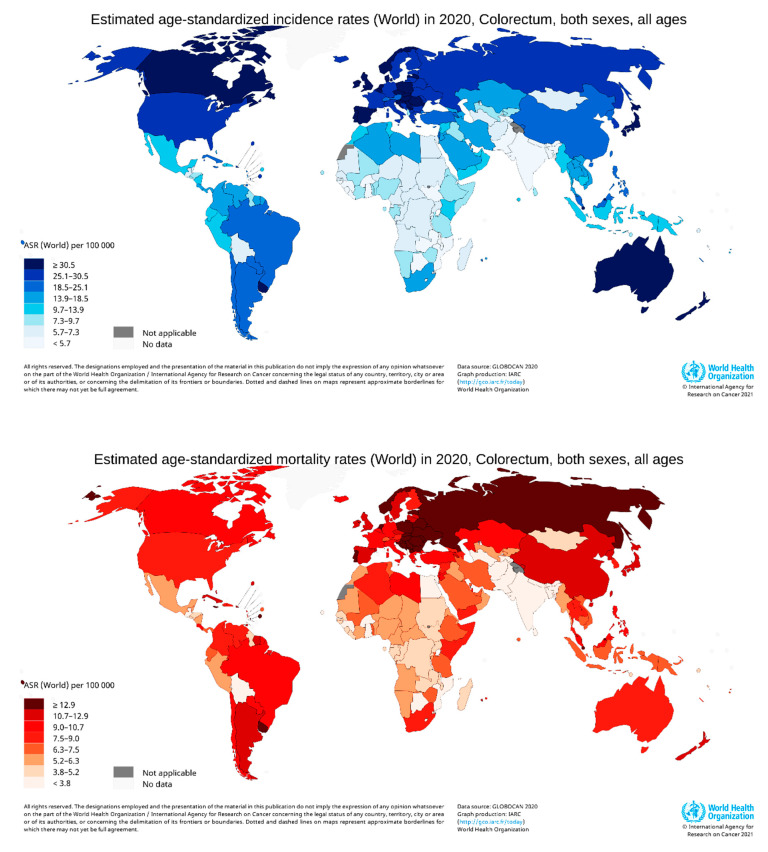
“Colorectal cancer ranks third in incidence and second in mortality among all cancers worldwide [1], with its incidence rising more rapidly in developing countries than in developed countries in recent years [2].”
Gabriel, A., Jamzad, A., Farahmand, M., Kaufmann, M., Iaboni, N., Hurlbut, D. J., Ren, K. Y. M., Nicol, C. J. B., Rudan, J. F., Varma, S., et al. (2025) · Technologies · doi:10.3390/technologies13100434 · Cited by 2
“Early diagnosis is essential, with a five-year survival rate of 90% for CRC diagnosed at an early stage, relative to 13% for those diagnosed later; yet only 40% of CRC cases are detected in the early stages [7].”
Afsharipoor, S., Nazari, R., Eghdami, A., Fasihi‐Ramandi, M., & Zolfaghari, M. R. (2025) · Bioorganic Chemistry · doi:10.1016/j.bioorg.2025.109025 · Cited by 2
Zhang, J., Liu, C., Tang, Y., Gao, K., Xu, W., Zhang, J., Zhao, L., & Wang, G. (2025) · Biochemical Pharmacology · doi:10.1016/j.bcp.2025.117400 · Cited by 2
Li, C., Li, S., Lv, L., Chen, Y., Yang, S., Lu, Y., & Dong, D. (2025) · Bioconjugate Chemistry · doi:10.1021/acs.bioconjchem.5c00459 · Cited by 2
Abdulrahman, S. M., Rashid, M., & Al‐Hashimi, F. (2025) · PeerJ Computer Science · doi:10.7717/peerj-cs.3241 · Cited by 2
Li, N., Liu, L., Wang, X., & Hao, S. (2025) · Pharmacology · doi:10.1159/000549133 · Cited by 2
Wu, Z., Liu, W., Wang, M., Gebre, B. A., Abate, S., Huang, W., Sui, Z., & Corke, H. (2025) · Journal of Food Science · doi:10.1111/1750-3841.70681 · Cited by 2
Role of metabolic reprogramming in colorectal cancer and pharmacologic intervention
Chen, Y., Dong, J., Miao, J., Qi, J., & Kong, X. (2025) · International Immunopharmacology · doi:10.1016/j.intimp.2025.115864 · Cited by 2
A bacterial toxin as a novel anti-cancer drug modulating the tumor-microenvironment
Li, L., Evain, P., Phillips, M. T., Chiloeches, M. L., Bergonzini, A., Frisan, T., Wai, S. N., & Erttmann, S. F. (2025) · Cell Death and Disease · doi:10.1038/s41419-025-08219-2 · Cited by 2
“Colorectal cancer is the third most prevalent cancer globally, accounting for ~10% of all cancer diagnoses, and is the second leading cause of cancer-related deaths worldwide [1].”
Ali, M. Y., Asha, A. J., Riti, F. A., Nayeem, S. M. A., Rudro, R. H., Sarkar, N. K., Ali, M. M., Ahmmed, T., Jamal, M. A. H. M., Haque, J., et al. (2025) · Scientific Reports · doi:10.1038/s41598-025-30151-w · Cited by 2
Jo, S.-R., Kim, J. S., Baek, S. H., & Jang, Y. K. (2025) · Scientific Reports · doi:10.1038/s41598-025-30772-1 · Cited by 4
Kagawad, P., Sutar, N., Hegade, B., Gudasi, S., & Bhandurge, P. J. (2025) · Chemistry & Biodiversity · doi:10.1002/cbdv.202502675 · Cited by 2
Cheng, V., Sayre, E. C., Cheng, V., Loree, J. M., Gill, S., Murphy, R. A., & Vera, M. A. D. (2025) · Pharmacoepidemiology and Drug Safety · doi:10.1002/pds.70316 · Cited by 2
Wu, C.-H., Hsu, F., CHEN, C.-H., WANG, P.-E., HUANG, H.-Y., Hsieh, L., & Chen, C. (2026) · In Vivo · doi:10.21873/invivo.14189 · Cited by 2
Baruah, S., Bharali, M. K., Akhtara, N., Nath, J. K., Rahman, S., Rasid, S. S., Baidya, M., Khan, E. M. M. S., & Mishra, R. (2026) · Scientific Reports · doi:10.1038/s41598-025-34567-2 · Cited by 2
Ran, R., & Brubaker, D. K. (2026) · Frontiers in Immunology · doi:10.3389/fimmu.2025.1715827 · Cited by 3
“It originates in the colon or rectum and is characterized by the abnormal proliferation of epithelial cells (4).”
Alamri, A. M., Assiri, A. A., & Khan, N. U. (2026) · Current Pharmaceutical Analysis · doi:10.1016/j.cpan.2025.12.010 · Cited by 2
Wang, B. S., Wu, K., Liu, X., Shen, Y., & Li, Y. (2026) · Neoplasia · doi:10.1016/j.neo.2025.101270 · Cited by 2
“Colorectal cancer is more prevalent globally, primarily due to dietary issues and the consequent emergence of metabolic syndrome linked to irregular routines [5,6].”
Zhan, Z., Zhan, C., Li, L., Lan², D., Meng, G., & Chen, F. (2026) · Oncology Letters · doi:10.3892/ol.2026.15485 · Cited by 2
“…as surgical resection, chemotherapy and radiotherapy; these approaches usually yield limited efficacy and are associated with high recurrence rates (8), with >29% of CRC cases experiencing recurrence ≥5 years following primary surgical resection, while merely one‑third of CRC cases are diagnosed…”
Cheema, A. Z., Sripetthong, S., Nalinbenjapun, S., Basit, A., & Ovatlarnporn, C. (2026) · ACS Applied Bio Materials · doi:10.1021/acsabm.5c02290 · Cited by 2
El-Halim, M. D. A., Osman, A., Ibrahim, M. A., El-Azab, M. M., El-Saber, M. M., Ismail, S. H., Roshdy, T. M., Sitohy, M. Z., & Sitohy, B. (2026) · Frontiers in Chemistry · doi:10.3389/fchem.2026.1727890 · Cited by 2
del Prado-Montero, J., Cantero-Cid, R., Guevara-Martínez, J., Lozano‐Rodríguez, R., Cueto, F. J., María-Diez, G. S. D. S., Terrón‐Arcos, V., Moret, R., Serrano, E. D., Córdoba, L., et al. (2026) · Cellular Oncology · doi:10.1007/s13402-026-01174-w · Cited by 2
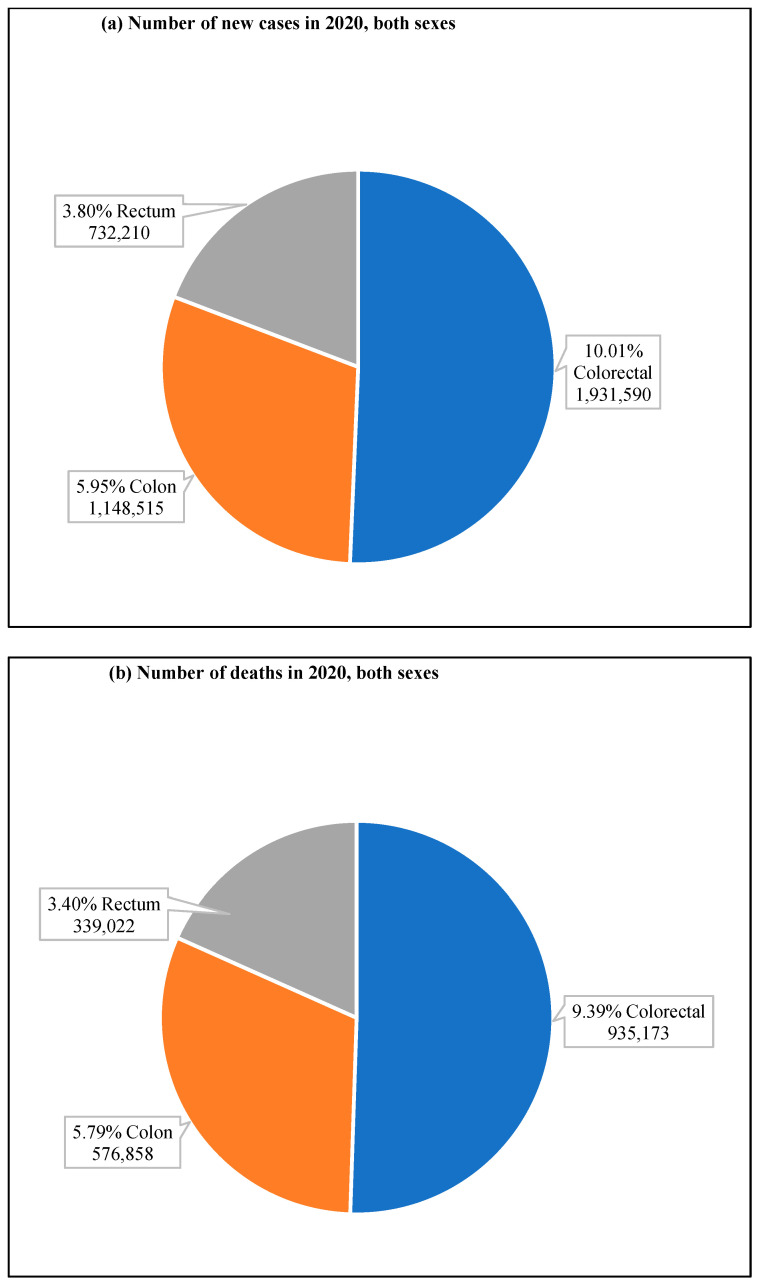
“In 2020, CRC was respon - sible for an estimated 9.4% of all cancer deaths equating to approximately 900.000 cases [ 2, 3].”
InfluentialYang, Q.-Q., & Wu, Z.-K. (2026) · World Journal of Gastrointestinal Surgery · doi:10.4240/wjgs.v18.i2.113730 · Cited by 2
Zhang, C., Chen, J., Huai, X., Wang, X., Tao, Y., Zhou, S., Xuan, W., Qian, G., & Tian, J. (2026) · TransMed · doi:10.1016/j.tmed.2026.100012 · Cited by 2
Yousefipour, K., Rohani, S. S. R., Hosseini, S. M. M., Kafilzadeh, K., Alavi, N. S., & Firouzabadi, N. (2026) · Cancer Cell International · doi:10.1186/s12935-026-04351-x · Cited by 2
“These combinations are mostly used as first-line treatments [188, 189].”
Li, Y., Chanda, D., Jeon, S.-W., Jeon, J., & Kim, M.-J. (2026) · Cancers · doi:10.3390/cancers18111786 · Cited by 2
“As one of the most prevalent malignancies, colorectal cancer (CRC) is responsible for the second highest number of cancer-related deaths worldwide [1,2].”
Simmons, A. J., Nikonova, A. S., Jonas, C. D., Pniewski, K. A., Upreti, D., Perez, M. I., & Adhikari, S. (2026) · Frontiers in Immunology · doi:10.3389/fimmu.2026.1810178 · Cited by 2
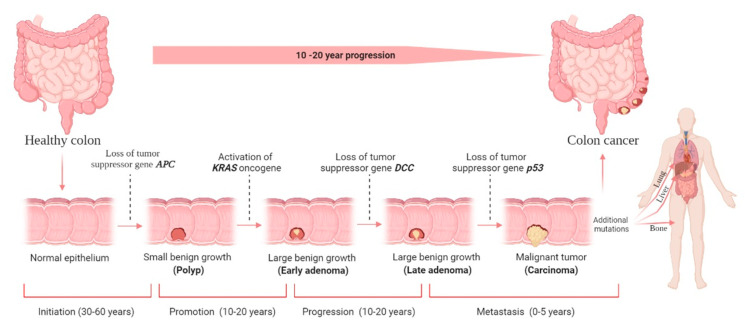
“In most cases, these cancers arise because of hyperactivation of the Wnt pathway (>95% CRCs), which is mostly caused by inactivation of the Adenomatous Polyposis Coli (APC) gene (>80% CRCs), a tumor suppressor gene involved in Wnt Signaling pathway that prevents uncontrolled cell growth (2 – 4).”
Gull, N., Kakroo, I., Rather, R. A., Bhat, M. A., Dangroo, N. A., & Shalla, A. H. (2026) · International Journal of Biological Macromolecules · doi:10.1016/j.ijbiomac.2026.152902 · Cited by 2
Ibrahim, B. A. M., Elkhalik, E. F. A., Saad, M. T. E.-M., Amein, N. M., & El-Fatah, S. H. A. (2022) · Egyptian Journal of Health Care · doi:10.21608/ejhc.2022.311740 · Cited by 2
Kolorektal Kanserde Rapamisin ve Vemurafenib’in Apoptotik Etkilerinin Karşılaştırılması
Nakkaş, H., Sancı, T. Ö., BEDİR, B. E. Ö., & Terzi, E. (2023) · Uludağ Üniversitesi Tıp Fakültesi Dergisi · doi:10.32708/uutfd.1376556 · Cited by 2
Dong, Y., Ye, S., Li, H., Li, J., Liu, R., & Zhu, Y. (2024) · Journal of Personalized Medicine · doi:10.3390/jpm14020131 · Cited by 3
“Despite advances in screening and early detection, a significant number of patients present with advanced or metastatic disease at diagnosis, posing a significant therapeutic and prognostic challenge [2].”
BackgroundChallenges of Colorectal Screening in Developing Countries
Antara, G. E. R. (2024) · IntechOpen eBooks · doi:10.5772/intechopen.1004062 · Cited by 4
Elkhichi, P. A., Mojarad, E. N., Dabiri, H., Rezasoltani, S., Yadegar, A., Looha, M. A., Mojtahedi, A., & Nasiri, M. J. (2024) · Archives of Clinical Infectious Diseases · doi:10.5812/archcid-132362 · Cited by 2
Liu, X., An, J., Wang, Q., & Jin, H. (2024) · Translational Cancer Research · doi:10.21037/tcr-24-88 · Cited by 2
Qian, J., Duan, J., & Cao, D. (2024) · The Turkish Journal of Gastroenterology · doi:10.5152/tjg.2024.24131 · Cited by 2
Suska, K., Piotrowski, M., & Fichna, J. (2024) · Expert Review of Gastroenterology & Hepatology · doi:10.1080/17474124.2024.2393180 · Cited by 2
“Most cases of sporadic CRC arise after a sequence of events described as adenoma-carcinoma, involving the initial formation of a benign adenoma caused by excessive proliferation, which – over time – can transform into adenocarcinoma and form metastases [6].”
InfluentialFan, Y., Wang, Q., Zhang, Y., Wang, Y., Li, W., Jiang, S., & Duan, J. (2024) · Journal of Pharmacy and Pharmacology · doi:10.1093/jpp/rgae045 · Cited by 3
Mortalidad por cáncer de colon, recto y ano en Barranquilla entre 1985 y 2020
Alcocer-Olaciregui, A. E., Piñeros, P. C., Castro, S. N., Jiménez, E. S., & Moranth, R. V. (2024) · Revista Colombiana de Gastroenterología · doi:10.22516/25007440.1172 · Cited by 2
Tian, Y.-F., Huang, C., Liu, C.-Y., Yang, S., Hung, C., Lin, K., Lai, C., & Chang, C. (2024) · Oncology Letters · doi:10.3892/ol.2024.14724 · Cited by 2
“Despite established clinical strategies, including surgery, adjuvant chemotherapy and targeted therapy, the recurrence rate of CRC has not yet decreased (47).”
BackgroundAlhadheq, A. M., Alhadheq, R., & Alkahtani, S. H. (2024) · Journal of King Saud University - Science · doi:10.1016/j.jksus.2024.103494 · Cited by 2
miR-3065-5p and miR-26a-5p as Clinical Biomarkers in Colorectal Cancer: A Translational Study
Carbajal-López, E. B., Martínez-Gutiérrez, A. D., Madrigal‐Santillán, E., Calderillo-Ruiz, G., Morales‐González, J. A., Coronel-Hernández, J., Lockhart, J., Millán-Catalán, O., Mendoza-Rodríguez, M., Lino-Silva, L. S., et al. (2024) · Cancers · doi:10.3390/cancers16213649 · Cited by 3
“Nevertheless, the main prognostic factor of the disease is the clinical stage, and this is because the 5-year OS rate for early detection (clinical stages I–II) is up to 90%, while this rate drops drastically to 12.5% for late detection (clinical stage IV) [2,3].”
BackgroundMethodInfluentialDeshmukh, R., Simran, S., Harwansh, R. K., Misra, A., Mishra, S., & Kumar, R. (2024) · Journal of Drug Delivery Science and Technology · doi:10.1016/j.jddst.2024.106338 · Cited by 3
Shankar Ganesh, M., & Venkateswaramurthy, N. (2024) · Current Cancer Drug Targets · doi:10.2174/0115680096329098240920043326 · Cited by 2
Cetuximab scFv-modified 5-FU Loaded Chitosan Nanoparticles: A Novel Therapeutic Platform
Jalalvand, M., Esmaeili, F., Falahzadeh, K., Mazlomi, M. A., Shahsavari, G., Bayat, E., Zandsalimi, F., Talebkhan, Y., Nematollahi, L., & Negahdari, B. (2024) · Current Pharmaceutical Biotechnology · doi:10.2174/0113892010340791241025033549 · Cited by 2
Park, H.-M., Lee, J., Lee, S. Y., Kim, C. H., & Kim, H. R. (2024) · Trials · doi:10.1186/s13063-024-08624-6 · Cited by 2
Hipertermia en cáncer de colon: terapia fototérmica con nanocorazas de oro
Ochoa-Hugo, S. E., Gutiérrez-Mercado, Y. K., Canales-Aguirre, A. A., & al, E. (2024) · PubMed Central · doi:10.5281/zenodo.11397180 · Cited by 2
Kandaswamy, H., Kannathasan, M., Selvakumar, D., Selvamani, S. B., Lekshmi, J. K., Murugesan, G., Kathirvel, S., Raman, R., & Arunachalam, B. (2024) · Environmental Quality Management · doi:10.1002/tqem.70009 · Cited by 2
Expression Pattern of AIFM3, VGLL4, and WNT4 in Patients with Different Stages of Colorectal Cancer
Bevanda, D., Racetin, A., Kelam, N., Filipović, N., Bevanda, M., Dimlić, M. R., Budimir, J., Glibo, D. B., Bevanda, I., Ramljak, D., et al. (2025) · Cancers · doi:10.3390/cancers17020166 · Cited by 2
Brocco, D., Simeone, P., Marino, P. D., Bellis, D. D., D’Ascanio, F., Colasante, G., Grassadonia, A., Tursi, M. D., Florio, R., Ianni, M. D., et al. (2025) · Cancers · doi:10.3390/cancers17030499 · Cited by 2
“Colorectal cancer (CRC) represents a major global health challenge, since CRC represents the third most common cancer and the second leading cause of cancer mortality worldwide [1,2].”
Virtual Colonoscopy: Retrospective Comparison of the Findings in Supine and Prone Positions
Demirci, M. G., & Kesgin, Y. M. (2025) · Surgical Innovation · doi:10.1177/15533506251325349 · Cited by 2
Novel somatic mutations of PIK3CA in patients with colorectal cancer
Vatte, C., Cyrus, C., Chathoth, S., Alsayyah, A. A., Aldossary, N., Albisher, H. M., Alali, R. A., Alrubaish, M. A., & Amri, A. A. (2025) · World Academy of Sciences Journal · doi:10.3892/wasj.2025.335 · Cited by 2
Jesenko, T., Brezar, S. K., Pisljar, Z., Božič, T., Markelc, B., Cazzato, M., Grassi, G., & Čemažar, M. (2025) · Bioelectrochemistry · doi:10.1016/j.bioelechem.2025.108994 · Cited by 3
Zhang, C., Wang, S.-K., Teo, N. Z., Wei, M. Y.-K., Hashida, H., Yu, C., Liu, Y., & Cui, B. (2025) · Journal of Gastrointestinal Oncology · doi:10.21037/jgo-2025-181 · Cited by 2
Zinc finger protein 217 contributes to natural killer cell dysfunction in murine colorectal cancer
Yu, Y., Yang, H., Wang, H., & Xiao, F. (2025) · Cellular Immunology · doi:10.1016/j.cellimm.2025.104971 · Cited by 2
Weigl, M. P., Feurstein, B., Clemens, P., Attenberger, C., Jäger, T., Emmanuel, K., Königsrainer, I., & Tschann, P. (2025) · Journal of Clinical Medicine · doi:10.3390/jcm14103438 · Cited by 2
Colorectal Cancer Screening Modalities Among Saudi Population: Significant Predictors
Alharbi, M. B. (2025) · Reviews on Recent Clinical Trials · doi:10.2174/0115748871335743250417103659 · Cited by 2
Attention-Guided CNN-LSTM Hybrid Model for Detecting Lung and Colon Cancer
Roy, A. K., Rahman, M. M., Hassan, A., Azad, A. R., & Karim, D. Z. (2025) · International Conference on Electrical, Computer and Communication Engineering · doi:10.1109/ecce64574.2025.11012964 · Cited by 2
“In terms of symptoms, it often includes shortness of breath, a chronic cough, blood in the cough, chest pain, and sudden weight loss [5].”
Agnesia, P., Herawati, E., & Pratiwi, R. (2025) · Tropical Journal of Natural Product Research · doi:10.26538/tjnpr/v9i5.15 · Cited by 2
Role of Mesenchymal Markers in Colorectal Cancer Metastasis
Soni, S., Tiwari, A., & Ghosh, D. (2025) · Molecular Biology Reports · doi:10.1007/s11033-025-10745-3 · Cited by 4
Nav1.6 drives colorectal cancer proliferation and invasion through MAPK signaling pathway
Zhao, L.-M., Hong, W.-Y., Xu, J., Lin, S., Liu, M., Wang, L., Jiang, X.-L., Sang, M., & Yangbo, L. (2025) · World Journal of Gastrointestinal Oncology · doi:10.4251/wjgo.v17.i7.105264 · Cited by 2
“Understanding the molecular mechanisms that drive CRC progression is essential for developing more effective therapeutic strategies[19].”
Computational screening of phytochemicals targeting mutant KRAS in colorectal cancer
Arooj, M., Mateen, R. M., Javed, M., Ali, M., Fareed, M. I., Parveen, R., Bahadur, A., Iqbal, S., Mahmood, S., Knani, S., et al. (2025) · Scientific Reports · doi:10.1038/s41598-025-14229-z · Cited by 2
“The compounds were optimized using (DFT/B3LYP), with 6-31G as the basis to predict molecule structure B3LYP method 33,34 .”
Hamad, G. (2025) · PubMed Central · doi:10.22099/mbrc.2025.53059.2144 · Cited by 3
“Even though there has been a significant enhancement in the management and therapeutic interventions for the disease, the fatality rate resulting from metastasis and recurrence post-resection remains considerably elevated [1].”
Environmental Exposure to Waterborne Pollutants and Colorectal Cancer Risk in Lebanon
Tamraz, M., Ghossaini, N. A., & Temraz, S. N. (2025) · Toxics · doi:10.3390/toxics13090792 · Cited by 2
“Modifiable factors include lifestyle behaviors such as smoking, alcohol consumption, physical inactivity, obesity, and diets high in red and processed meats [4].”
Datta, A., Hephzibah Cathryn, R., Kumar, S. U., Vasudevan, K., Kumar, D. T., Zayed, H., & Doss, C. G. P. (2023) · Advances in protein chemistry and structural biology · doi:10.1016/bs.apcsb.2023.02.007 · Cited by 2
Zhang, J., Guo, X., Cai, W., Cao, Y., Ge, W., Huang, P., Hou, D., Zheng, S. S., & Zhang, G. (2023) · IEEE Access · doi:10.1109/access.2023.3288422 · Cited by 4
“Timely diagnosis and treatment can greatly improve the survival rate of patients [2], [3].”
BackgroundGarrach, B., Abdelwaheb, B. O., Khamlaoui, W., Sonia, Y., Iheb, T., Zaied, S., Zouari, K., Hammami, M., & Hammami, S. O. (2023) · Biomarkers in Medicine · doi:10.2217/bmm-2023-0212 · Cited by 2
Nie, H., Zhang, J., Ai, Y., Chen, A., Li, Y., & Zhang, L. (2023) · Alexandria Engineering Journal · doi:10.1016/j.aej.2023.12.040 · Cited by 2
Varghese, R., Pal, K., Gota, V., & Islam, M. F. (2024) · International Journal of Surgery · doi:10.1097/js9.0000000000001192 · Cited by 2
Zali, N., Savabkar, S., Tajali, R., Chaleshi, V., Mojarad, E. N., Vahedi, M., Hashemi, M., & Aghdaei, H. A. (2023) · Nucleosides Nucleotides & Nucleic Acids · doi:10.1080/15257770.2023.2169934 · Cited by 1
Wang, X., Lu, Y., Zhang, Y., Wu, J., Ma, R., & Feng, J. (2023) · Precision Medical Sciences · doi:10.1002/prm2.12108 · Cited by 1
Streptomyces iakyrus TA 36 as First-Reported Source of Quinone Antibiotic γ–Rubromycin
Charousová, I., Hlebová, M., Hleba, L., Medo, J., & Wink, J. M. (2023) · Molecules · doi:10.3390/molecules28165977 · Cited by 1
“In addition to antibiotic resistance, one of the leading causes of death in the world is cancer [3], and although progress has been made in the last two decades in the prevention of this disease and in the care of cancer patients, the number of cancer patients is still high [4,5].”
BackgroundDostarlimab: Novel paradigm shift in cancer therapy
Alquraini, A. (2023) · Tropical Journal of Pharmaceutical Research · doi:10.4314/tjpr.v22i9.32 · Cited by 1
“Neoadjuvant treatment is typically used to manage rectal cancer which includes fluoropyrimidine (5-FU) combined with oxaliplatin and capecitabine, then chemoradiotherapy, and finally surgery [43,45].”
Yang, R., Yue, W., Hu, D., Wang, G., Mao, L., Huang, J., Wang, H., & Liang, G. (2024) · ChemistryOpen · doi:10.1002/open.202300284 · Cited by 1
Overexpression of CD44 as a predictor of metastatic potential in patients with colorectal cancer
Костовски, О., Jovanović, R., & Kostovska, I. (2024) · The Ukrainian Journal of Clinical Surgery · doi:10.26779/2786-832x.2023.5.32 · Cited by 1
Metadata
- Authors
- Hossain, M. S., Karuniawati, H., Jairoun, A. A., Urbi, Z., Ooi, D. J., John, A., Lim, Y. C., Kibria, K. M. K., Mohiuddin, A. K. M., Ming, L. C., Goh, K. W., & Hadi, M. A.
- Affiliations
- International Islamic University Malaysia (MY)
- Universiti Sains Malaysia (MY)
- Universiti Malaysia Pahang Al-Sultan Abdullah (MY)
- Mahsa University (MY)
- Universiti Brunei Darussalam (BN)
- Mawlana Bhashani Science and Technology University (BD)
- INTI International University (MY)
- Qatar University (QA)
- Corresponding author
- Hossain, Md. Sanower
- Ming, Long Chiau
- ORCID
- Venue
- Cancers
- Publisher
- MDPI AG
- Published
- 2022-03-29
- Volume
- 14
- Issue
- 7
- Pages
- 1732
- ISSN
- 2072-6694 (ISSN-L)
- PMC
- PMC8996939
- OpenAlex
- W4220871154
- Semantic Scholar
- a177fa591329da9c54d205f532c08c603177d297
- Cited by
- 920
- References
- 156
- Citations by year
- 2026: 169 · 2025: 307 · 2024: 267 · 2023: 150 · 2022: 23
- FWCI
- 22.82
- Type
- journal article
- Language
- en
- Open access
- gold
- doi.org
- Licence
- Locations
- Cancers (publishedVersion, cc-by)
- PubMed Central (publishedVersion, cc-by)
- PubMed (publishedVersion)
- UMP Institutional Repository (Universiti Malaysia Pahang) (acceptedVersion)
- DOAJ (DOAJ: Directory of Open Access Journals) (submittedVersion, cc-by-sa)
- Qatar University QSpace (Qatar University) (submittedVersion)
- Topics
- Health Sciences › Medicine › Oncology › Colorectal Cancer Treatments and Studies
- Health Sciences › Medicine › Oncology › Colorectal Cancer Screening and Detection
- Health Sciences › Medicine › Oncology › Colorectal Cancer Surgical Treatments
- Keywords
- colorectal cancer, carcinogenesis, global epidemiology, risk factors, cancer prevention, cancer therapy, drug resistance, tumor recurrence, early diagnosis, access to treatment, developing countries
About these checks
Registry, retraction, Cites and statistics results are computed, not judged, with one exception: a printed reference that no index lists is read once by a model before it counts as a citation error. Claims are extracted by a model and kept only when their quote appears verbatim in the text; each cited source is then checked, with a model’s help, for whether it says what the claim relies on. Those verdicts can be wrong — read the claim’s quote and the cited source before relying on one.
Statistics and arithmetic are recomputed, not judged.
Confidence bands are shown only for fields calibrated on our annotated test set. None is calibrated yet, so no band is shown.
What counts as a claim ›How we measure confidence ›How we check this ›
Are you an author, or do you see a problem with this page? Request a review
Data sources
Bibliographic data: Semantic Scholar, OpenAlex, Crossref.
Contains information from the Semantic Scholar Academic Graph Datasets, made available under the ODC Attribution License (ODC-BY 1.0).
Semantic Scholar’s data is described in: Kinney, R., et al. (2023). The Semantic Scholar Open Data Platform. arXiv:2301.10140.
