

Emerging Therapeutic Strategies to Overcome Drug Resistance in Cancer Cells
Open accessThe DOI matches its Crossref record; 129 of the 129 references it cites were found in a registry or an index.
Abstract
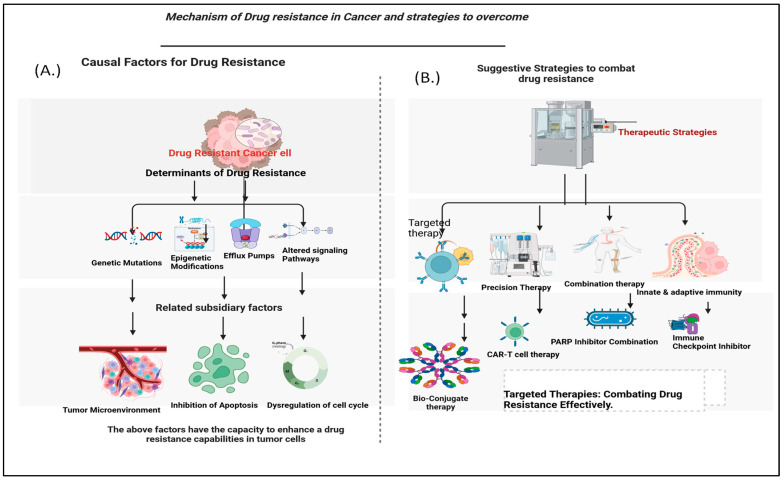
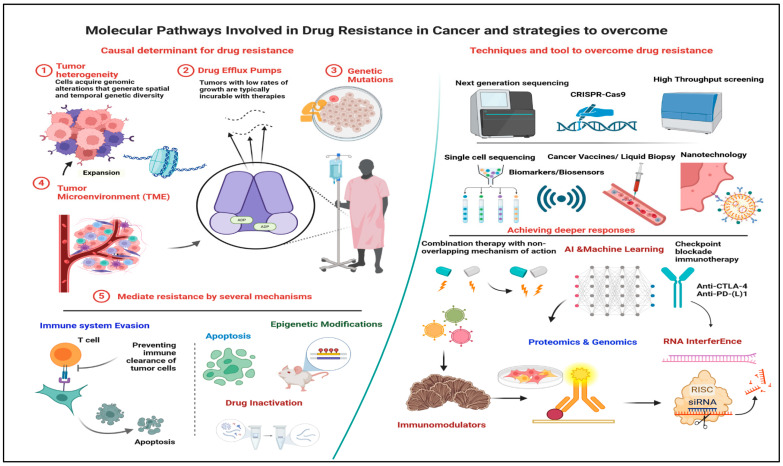
The rise of drug resistance in cancer cells presents a formidable challenge in modern oncology, necessitating the exploration of innovative therapeutic strategies. This review investigates the latest advancements in overcoming drug resistance mechanisms employed by cancer cells, focusing on emerging therapeutic modalities. The intricate molecular insights into drug resistance, including genetic mutations, efflux pumps, altered signaling pathways, and microenvironmental influences, are discussed. Furthermore, the promising avenues offered by targeted therapies, combination treatments, immunotherapies, and precision medicine approaches are highlighted. Specifically, the synergistic effects of combining traditional cytotoxic agents with molecularly targeted inhibitors to circumvent resistance pathways are examined. Additionally, the evolving landscape of immunotherapeutic interventions, including immune checkpoint inhibitors and adoptive cell therapies, is explored in terms of bolstering anti-tumor immune responses and overcoming immune evasion mechanisms. Moreover, the significance of biomarker-driven strategies for predicting and monitoring treatment responses is underscored, thereby optimizing therapeutic outcomes. For insights into the future direction of cancer treatment paradigms, the current review focused on prevailing drug resistance challenges and improving patient outcomes, through an integrative analysis of these emerging therapeutic strategies.
Overview
The claims and statistics of this paper haven’t been checked yet.
Free: it reads the open-access text and checks the first 5 claims that cite a source we can check. Create a free account to check every claim.
Integrity signals
Registry
Cites
Statistics
Figures
Verification
Claims the paper makes
The claims and statistics of this paper haven’t been checked yet.
Free: it reads the open-access text and checks the first 5 claims that cite a source we can check. Create a free account to check every claim.
Claims other papers make about this one
Each is checked against this paper’s own text: does it say what the citing paper says it does?
The source backs part of the claim, not all of it — or backs it for a different population, condition or comparison.
In the citing paper
“Activation of survival pathways can promote cell survival and proliferation in the presence of DNA-damaging agents [49].”
From Mechanisms and Strategies to Overcome Drug Resistance in Colorectal Cancer (2025) · cites this paper as [49]
Experimental — accuracy not yet measuredThe source backs part of the claim, not all of it — or backs it for a different population, condition or comparison.
In the citing paper
“CRC cells often have enhanced DNA damage repair capacity due to upregulation of alternative pathways and can fix DNA damage induced by chemotherapy or radiotherapy [49].”
From Mechanisms and Strategies to Overcome Drug Resistance in Colorectal Cancer (2025) · cites this paper as [49]
Experimental — accuracy not yet measuredThe source backs part of the claim, not all of it — or backs it for a different population, condition or comparison.
In the citing paper
“ICIs like pembrolizumab and nivolumab block the PD-1 receptor, which activates T cells and allows them to better recognize and destroy tumor cells, even those that have become resistant to other treatments [49].”
From Mechanisms and Strategies to Overcome Drug Resistance in Colorectal Cancer (2025) · cites this paper as [49]
Experimental — accuracy not yet measuredThe source backs part of the claim, not all of it — or backs it for a different population, condition or comparison.
In the citing paper
“By inhibiting PARP, these drugs block the repair of single-strand breaks, leading to the accumulation of double-strand breaks and cell death [49].”
From Mechanisms and Strategies to Overcome Drug Resistance in Colorectal Cancer (2025) · cites this paper as [49]
Experimental — accuracy not yet measuredThe cited source says what the claim attributes to it.
In the citing paper
“combining cytotoxic chemotherapy drugs with molecular-targeted inhibitors can have synergistic effects that circumvent resistance pathways [49].”
From Mechanisms and Strategies to Overcome Drug Resistance in Colorectal Cancer (2025) · cites this paper as [49]
5 more claims about this paper
Create a free account to see every claim other papers make about this one.
Self-check
Percentages, sums and reported differences re-computed from the paper’s own numbers.
The self-check needs the paper’s full text.
Citations
Cites
PD-1 and PD-L1 Immune Checkpoint Blockade to Treat Breast Cancer
Hartkopf, A. D., Taran, F.-A., Wallwiener, M., Walter, C. B., Krämer, B., Grischke, E.-M., & Brucker, S. Y. (2016) · Breast Care · doi:10.1159/000453569 · Cited by 30,845
The blockade of immune checkpoints in cancer immunotherapy
Pardoll, D. M. (2012) · Nature Reviews Cancer · doi:10.1038/nrc3239 · Cited by 13,838 · cited 1×
“This binding makes the T cells ineffective, leading to immune evasion and exhaustion [79].”
BackgroundAn overview of clinical decision support systems: Benefits, risks, and strategies for success
Sutton, R. T., Pincock, D., Baumgart, D. C., Sadowski, D. C., Fedorak, R. N., & Kroeker, K. I. (2020) · npj Digital Medicine · doi:10.1038/s41746-020-0221-y · Cited by 3,019 · cited 1×
“Keeping up with the fast pace of cancer research and technology is also a challenge [118].”
BackgroundZhang, Y., & Zhang, Z. (2020) · Cellular & Molecular Immunology · doi:10.1038/s41423-020-0488-6 · Cited by 2,794 · cited 1×
“One major area of progress involves uncovering the molecular pathways linked to drug removal from cells [15].”
BackgroundCombination therapy in combating cancer
Mokhtari, R. B., Homayouni, T. S., Baluch, N., Morgatskaya, E., Kumar, S., Das, B., & Yeger, H. (2017) · Oncotarget · doi:10.18632/oncotarget.16723 · Cited by 2,543 · cited 1×
“Combination therapies enhance anticancer effects and overcome resistance by simultaneously targeting multiple signaling pathways [35].”
BackgroundDrug resistance in cancer: An overview
Housman, G., Byler, S., Heerboth, S., Lapinska, K., Longacre, M., Snyder, N., & Sarkar, S. (2014) · Cancers · doi:10.3390/cancers6031769 · Cited by 2,463 · cited 3×
“This makes it harder to treat or control the growth of tumors [1].”
BackgroundCTLA-4 and PD-1 Pathways: Similarities, Differences, and Implications of Their Inhibition
Buchbinder, E. I., & Desai, A. (2016) · American Journal of Clinical Oncology · doi:10.1097/coc.0000000000000239 · Cited by 2,360 · cited 1×
“Cancer cells can exploit these pathways to evade immune detection and destruction [71].”
BackgroundRoles of the immune system in cancer: From tumor initiation to metastatic progression
Gonzalez, H., Hagerling, C., & Werb, Z. (2018) · Genes & Development · doi:10.1101/gad.314617.118 · Cited by 2,111 · cited 1×
“The immune system’s ability to recognize and target cancer cells is based on the recognition of specific antigens or markers expressed by tumor cells, which distinguishes them from normal cells [67].”
BackgroundMechanisms of DNA damage, repair, and mutagenesis
Chatterjee, N., & Walker, G. C. (2017) · Environmental and Molecular Mutagenesis · doi:10.1002/em.22087 · Cited by 2,039 · cited 1×
“Furthermore, the nucleotide excision repair (NER) pathway and the base excision repair (BER) pathway contribute to rectifying diverse forms of DNA damage induced by chemotherapeutic agents [26].”
BackgroundThe Different Mechanisms of Cancer Drug Resistance: A Brief Review
Mansoori, B., Mohammadi, A., Davudian, S., Shirjang, S., & Baradaran, B. (2017) · Advanced Pharmaceutical Bulletin · doi:10.15171/apb.2017.041 · Cited by 1,883
Cited by
Understanding and overcoming multidrug resistance in cancer
Ge, M., Chen, X.-Y., Huang, P., Fleishman, J. S., Yang, D., Wu, Z., Ke, Z., & Chen, Z. (2025) · Nature Reviews Clinical Oncology · doi:10.1038/s41571-025-01059-1 · Cited by 167
“…might uncover clinically relevant resistance mechanisms that emerge during therapy, thereby improving our understanding of MDR. Efforts to overcome MDR in clinical settings have largely focused on combination therapies, developing novel anticancer agents and enhancing drug delivery methods 323 .”
Next-Generation Immunotherapy: Advancing Clinical Applications in Cancer Treatment
Garg, P. K., Pareek, S., Kulkarni, P., Horne, D., Salgia, R., & Singhal, S. S. (2024) · Journal of Clinical Medicine · doi:10.3390/jcm13216537 · Cited by 151
“To overcome resistance, integrating immunotherapy with other treatment modalities such as targeted therapy, radiation, and chemotherapy is becoming a standard approach for many cancers [22].”
BackgroundSelf-citationAntibody–drug conjugates in cancer therapy: current landscape, challenges, and future directions
Chen, B., Zheng, X., Wu, J., Chen, G., Yu, J. Q., Xu, Y. X., Wu, W. K. K., Tse, G. M.-K., To, K. F., & Kang, W. (2025) · Molecular Cancer · doi:10.1186/s12943-025-02489-2 · Cited by 136
“These approaches can be further potentiated by biomarker-driven adaptive treatment paradigms, wherein serial molecular profiling (e.g., liquid biopsy or functional imaging) informs real-time modulation of therapeutic regimens in response to evolving resistance dynamics [259–262].”
Mechanisms and Strategies to Overcome Drug Resistance in Colorectal Cancer
Haynes, J., & Manogaran, P. (2025) · International Journal of Molecular Sciences · doi:10.3390/ijms26051988 · Cited by 82
“Activation of survival pathways can promote cell survival and proliferation in the presence of DNA-damaging agents [49].”
InfluentialRahman, M. A., Jalouli, M., Yadab, M. K., & Al-Zharani, M. M. (2025) · Cancers · doi:10.3390/cancers17040701 · Cited by 83
“Typically, these investigations entail using well-known GBM cell lines, such as U87, U251, and T98G, to assess the harmful effects of chemotherapeutic drugs loaded with nanoparticles.”
Strategic advancements in targeting the PI3K/AKT/mTOR pathway for Breast cancer therapy
Garg, P., Ramisetty, S. K., Nair, M., Kulkarni, P., Horne, D., Salgia, R., & Singhal, S. S. (2025) · Biochemical Pharmacology · doi:10.1016/j.bcp.2025.116850 · Cited by 87
Self-citationNanotechnology in oncology: advances in biosynthesis, drug delivery, and theranostics
Ammar, M. M., Ali, R., Elaziz, N. A. A., Habib, H., Abbas, F. M., Yassin, M. T., Maniah, K., & Abdelaziz, R. (2025) · Discover Oncology · doi:10.1007/s12672-025-02664-3 · Cited by 74
“They address significant limitations of conventional cancer therapies, such as poor selectivity and multidrug resistance [216].”
Microbiome Integrity Enhances the Efficacy and Safety of Anticancer Drug
Mafe, A. N., & Büsselberg, D. (2025) · Biomedicines · doi:10.3390/biomedicines13020422 · Cited by 52
“Variability in patient outcomes: dysbiosis contributes to interpatient variability in drug response, necessitating personalized approaches to cancer therapy [51].”
Hoang, C. N. M., Nguyen, S. H., & Tran, M. T. (2025) · Smart Materials in Medicine · doi:10.1016/j.smaim.2025.07.004 · Cited by 89
Ahuja, S., & Zaheer, S. (2025) · Immunology · doi:10.1111/imm.70045 · Cited by 55
“Moreover, the systemic toxicity of broadly acting metabolic drugs raises concerns, necessitating the development of tumour-selective delivery systems, biomarkers for patient stratification, and precision combination therapies [495].”
Srinivasan, D., Balakrishnan, R., Chauhan, A., Kumar, J., Girija, D. M., Shrestha, R., Shrestha, R., & Subbarayan, R. (2025) · MedComm · doi:10.1002/mco2.70333 · Cited by 45
“Tumors develop resistance to radiation and chemotherapy via EMT, which promotes metastasis [151].”
Unlocking glioblastoma: breakthroughs in molecular mechanisms and next-generation therapies
Rizwani, F., Patil, P., & Jain, K. (2025) · Medical Oncology · doi:10.1007/s12032-025-02830-1 · Cited by 39
“Emerging strategies, including immunotherapy, targeted molecular therapies, and combinatorial approaches, aim to enhance survival outcomes by counteracting therapy resistance mechanisms [11].”
Chemoresistance: The hidden barrier in cancer treatment
Dhiman, V. K., Kumari, M., & Singh, D. (2025) · Cancer Pathogenesis and Therapy · doi:10.1016/j.cpt.2025.07.001 · Cited by 52
“106 With selective activation effects in tumors and nanotechnology-driven drug delivery systems may help bypass efflux pumps and minimize off-target toxicity.”
Moni, S. S., Moshi, J. M., Matou‐Nasri, S., Alotaibi, S., Hawsawi, Y. M., Elmobark, M. E., Hakami, A., Jeraiby, M., Sulayli, A. A., & Moafa, H. N. (2025) · Pharmaceutics · doi:10.3390/pharmaceutics17030296 · Cited by 44
“Such limitations necessitate highly customized approaches that further increase development time and costs [183–187].”
A Comprehensive Review About the Use of Monoclonal Antibodies in Cancer Therapy
Justiz-Vaillant, A. A., Pandit, B. R., Unakal, C. G., Vuma, S., & Akpaka, P. E. (2025) · Antibodies · doi:10.3390/antib14020035 · Cited by 46
“However, ongoing research focuses on overcoming resistance and expanding indications through combination therapies [22,23].”
Recent Advances in Plant-Derived Extracellular Vesicles as Nanoparticles for Cancer Drug Delivery
Zhang, Q., Duan, H., Yang, Y., Yu, H., Wang, W., & Li, B. (2025) · International Journal of Nanomedicine · doi:10.2147/ijn.s559440 · Cited by 42
Malik, S., & Zaheer, S. (2025) · The Journal of Liquid Biopsy · doi:10.1016/j.jlb.2025.100299 · Cited by 38
“By making timely adjustments based on resistance detection, clinicians can achieve better disease management, leading to improved survival and overall patient outcomes [187,188].”
Naeem, N., Mughal, E. U., Sadiq, A., Othman, G. A., & Shakoor, B. (2025) · Archiv der Pharmazie · doi:10.1002/ardp.70059 · Cited by 36
“To address these limitations, heterocyclic compounds have gained significant attention as promising anticancer agents due to their diverse biological activities, drug ‐ like properties, and ability to interact with multiple cellular targets [30].”
Nanoparticles of natural product-derived medicines: Beyond the pandemic
Herdiana, Y. (2025) · Heliyon · doi:10.1016/j.heliyon.2025.e42739 · Cited by 31
Garg, P., Singhal, G., Horne, D., Salgia, R., & Singhal, S. S. (2025) · Biochimica et Biophysica Acta (BBA) - Reviews on Cancer · doi:10.1016/j.bbcan.2025.189396 · Cited by 39
Self-citationNoman, A. M., Sultan, M. T., Zafar, S., Maaz, M., Mazhar, A., Hussain, M., Imran, M., Mujtaba, A., Hussain, M. T., Alsagaby, S. A., et al. (2025) · Food Science & Nutrition · doi:10.1002/fsn3.70936 · Cited by 29
Breaking Cancer’s Momentum: CDK4/6 Inhibitors and the Promise of Combination Therapy
Liu, Y., Park, S., & Li, Y. (2025) · Cancers · doi:10.3390/cancers17121941 · Cited by 21
“The combination of emerging targeted therapies with traditional chemotherapy is a key strategy in cancer treatment to enhance efficacy and delay resistance [35,36].”
Current Research in Drug-Free Cancer Therapies
Andavar, A., Bhagavathi, V. R., Cousin, J., Parekh, N., Razavi, Z. S., & Tan, B. (2025) · Bioengineering · doi:10.3390/bioengineering12040341 · Cited by 22
“This novel approach not only mitigates adverse side effects but also reduces the risk of drug resistance, a significant challenge in long-term cancer management [6].”
Xia, H.-H., & Huang, J. (2026) · Frontiers in Cellular and Infection Microbiology · doi:10.3389/fcimb.2025.1707850 · Cited by 21
Saini, A., & Yadav, N. (2026) · Coordination Chemistry Reviews · doi:10.1016/j.ccr.2026.217683 · Cited by 18
Reytor-González, C., Jiménez-Flores, E., Gonzalez, N. L., & Simancas‐Racines, D. (2025) · International Journal of Molecular Sciences · doi:10.3390/ijms26168037 · Cited by 20
“Extracellular signal-regulated kinases (ERKs) 1 and 2 in the MAPK pathway also contribute by modulating autophagy-related proteins and transcription factors, reinforcing cell survival under stress [29].”
Hashemzadeh, A., Almajidi, Y. Q., Al-hakeem, M. A., Hsu, C., Tomar, P., Hjazi, A. M., Kadhum, W. R., Nasir, A., Ridha-Salman, H., & Yazdi, M. E. T. (2025) · Materials Research Bulletin · doi:10.1016/j.materresbull.2025.113778 · Cited by 22
Zhu, W., Chu, Y., & Gao, P. (2025) · Chinese Medical Journal · doi:10.1097/cm9.0000000000003908 · Cited by 23
“[109] Designing clinical trials that can effectively evaluate these complex combinations requires careful consideration.”
Targeting Cancer Cell Fate: Apoptosis, Autophagy, and Gold Nanoparticles in Treatment Strategies
Kouri, M. A., Tsaroucha, A. K., Axakali, T. M., Varelas, P., Kouloulias, V., Platoni, K., & EFSTATHOPOULOS, E. P. (2025) · Current Issues in Molecular Biology · doi:10.3390/cimb47060460 · Cited by 20
“This dual-action strategy may be particularly valuable in treating tumors that exhibit resistance to single-mode therapies [302,303].”
Alzaidy, A. H., Ganduh, S. H., Abed, M. J., Dawi, E. A., Jasim, L. S., & Ashoub, M. H. (2025) · Scientific Reports · doi:10.1038/s41598-025-11532-7 · Cited by 19
“…steps 1 : Complexation of Fe³ ⁺ and Fe² ⁺ ions with phytochemicals (e.g., polyphenols, flavonoids) in the berry extract, acting as chelating agents 2 ; Reduction of Fe³ ⁺ to Fe² ⁺ by the antioxidant properties of ascorbic acid and polyphenols, facilitating co-precipitation at pH 10 3 ; Nucleation…”
Zahedi, A. M., Pirouzbakht, M., Zanganeh, S., & Afgar, A. (2025) · International Journal of Pharmaceutics · doi:10.1016/j.ijpharm.2025.125902 · Cited by 16
Shende, S., Rathored, J., & Budhbaware, T. (2025) · Discover Oncology · doi:10.1007/s12672-025-02238-3 · Cited by 16
“Emerging strategies aimed at targeting these altered metabolic pathways offer potential to overcome resistance to immunotherapy and enhance therapeutic outcomes by restoring immune function and improving the efficacy of cancer treatments [51].”
Afshari, M., Pourmadadi, M., Shabestari, S. M., Abdouss, H., & Abdouss, M. (2025) · Inorganic Chemistry Communications · doi:10.1016/j.inoche.2025.114782 · Cited by 18
Sharma, A., Jha, S. K., & Huddar, V. G. (2025) · Ayush journal of integrative oncology. · doi:10.4103/ajio.ajio_18_25 · Cited by 27
Cancer Metastasis: Therapeutic Challenges and Opportunities
Garemilla, S. S. S., Kadambala, M. C., Gampa, S. C., Chinthala, S., & Garimella, S. V. (2025) · Medical Oncology · doi:10.1007/s12032-025-03072-x · Cited by 15
“This minimally invasive approach enables early therapeutic intervention, such as switching or combining targeted agents even before clinical progression becomes evident [122].”
Artificial intelligence in African malaria control programs: opportunities and risks
Obeagu, E. I., & Ogenyi, F. C. (2025) · Annals of Medicine and Surgery · doi:10.1097/ms9.0000000000004259 · Cited by 14
“One of the key benefits of AI lies in its ability to analyze large and diverse datasets – such as patient clinical records, drug resistance patterns, and treatment outcomes – to identify the most effective therapeutic regimens tailored to specific populations or regions [ 25 ] .”
Stoyanova, N., Nachev, N., Georgieva, A. K., Toshkova, R. A., & Spasova, M. (2025) · Pharmaceutics · doi:10.3390/pharmaceutics17050577 · Cited by 14
“This is particularly advantageous in cancer therapy, where prolonged exposure to therapeutic agents can enhance treatment efficacy while minimizing side effects [41–43].”
Shukla, S., Shukla, A. K., Upadhyay, A. M., Ray, N., Fahad, F. I., Nagappan, A., Dutta, S. D., & Mongre, R. K. (2025) · Onco · doi:10.3390/onco5020027 · Cited by 18
Ogbodo, J. O., Egba, S. I., Ikechukwu, G. C., Paul, P. C., Mba, J. O., Ugwu, O. P.-C., & Ezike, T. C. (2025) · Processes · doi:10.3390/pr13010154 · Cited by 13
“The rapid advancement in omics technologies, including genomics, transcriptomics, proteomics, and metabolomics, has provided enormous amounts of big data describing cancer’s molecular characteristics [169].”
Firuzpour, F., Barancheshmeh, M., Ziarani, F. F., Karami, L., & Aram, C. (2025) · Biochemistry and Biophysics Reports · doi:10.1016/j.bbrep.2025.102135 · Cited by 22
“The comprehensive strategy for develop the new generation multi-epitope vaccine against breast cancer. relapse that need more research to develop other immunotherapeutic approaches like therapeutic cancer vaccines [39].”
Mavrova, A. T., & Yancheva, D. Y. (2025) · Bioorganic Chemistry · doi:10.1016/j.bioorg.2025.108920 · Cited by 13
Cerra, B., & Gioiello, A. (2025) · Journal of Enzyme Inhibition and Medicinal Chemistry · doi:10.1080/14756366.2025.2483818 · Cited by 12
“…pathways at the basis of cancer development and progression 1–3 , but also to overcome drug-resistance and interindividual variability phenomena 4,5 . within the small molecule-based armamentarium currently available 6 , the class of steroidal compounds occupies a first-rate position as…”
Potential of Carbon Nanodots (CNDs) in Cancer Treatment
Alibrahem, W., Helu, N. K., Oláh, C., & Prokisch, J. (2025) · Nanomaterials · doi:10.3390/nano15070560 · Cited by 16
Oraibi, A. I., Dawood, A. H., Trabelsi, G., Mahamat, O. B., Ghédira, L. C., & Kilani, S. (2025) · Frontiers in Chemistry · doi:10.3389/fchem.2025.1540174 · Cited by 14
“The selectivity is crucial, as an ideal therapeutic agent should effectively target cancer cells while sparing normal cells (Garg et al., 2024).”
Al-Wahaibi, L. H., Hafez, H. M., Edrees, F. H., Abou‐Zied, H. A., Youssif, B. G. M., & Bräse, S. (2025) · Journal of Molecular Structure · doi:10.1016/j.molstruc.2025.142364 · Cited by 12
B-cell lymphoma: Advances in pathogenesis, diagnosis, and targeted therapies
Patil, S., Rajput, S., Patil, S., & Mhaiskar, A. (2025) · Pathology - Research and Practice · doi:10.1016/j.prp.2025.156036 · Cited by 14
A Concise Review of Organoid Tissue Engineering: Regenerative Applications and Precision Medicine
Makesh, K. Y., Navaneethan, A., Ajay, M., Munuswamy‐Ramanujam, G., Chinnasamy, A., Gnanasampanthapandian, D., & Palaniyandi, K. (2025) · Organoids · doi:10.3390/organoids4030016 · Cited by 13
“This has opened up new perspectives on the molecular processes that control tumor spread and resistance to conventional treatments [175].”
Jahan, N., Mandal, M., Rakib, I. H., Hasan, M. S. A., Mia, E., Hossain, M. A., Yana, N. T., Ansari, S. A., Bappi, M. H., Hasan, A. M. W., et al. (2025) · Drug Development Research · doi:10.1002/ddr.70064 · Cited by 11
“Combination therapy is important because it enhances treatment efficacy, reduces resistance, and improves patient outcomes by targeting multiple mechanisms simultaneously (Garg et al. 2024).”
Nanoscale frontiers in cancer diagnosis and therapy
Addissouky, T. A. (2025) · Discover Chemistry. · doi:10.1007/s44371-025-00237-5 · Cited by 13
“Comparative clinical data, when available, should be used to evaluate whether the improved efficacy justifies the increased development and approval burden [39–41”
Ligarda-Samanez, C. A., Huamán-Carrión, M. L., Plasencia, J. M. R. R., HUAMANI, D. F. C., Garfias, B. V., Muñoz-Saenz, J. C., Gómez, M. M. B., Martinez-Hernandez, J. A., & Ponce, W. C. C. (2025) · Pharmaceuticals · doi:10.3390/ph19010060 · Cited by 11
Cancer nanomedicine: Smart arsenal in the war against cancer
Ullah, M., Awan, U. A., Muhaymin, A., Naeem, M., Yoo, J., Mehreen, A., Safdar, A., Hasan, N., Haider, A., & Din, F. U. (2025) · Inorganic Chemistry Communications · doi:10.1016/j.inoche.2025.114030 · Cited by 13
Cancer Vaccines and Beyond: The Transformative Role of Nanotechnology in Immunotherapy
Delgado-Almenta, V., Blaya-Cánovas, J. L., Calahorra, J., López-Tejada, A., Griñán‐Lisón, C., & Granados-Principal, S. M. (2025) · Pharmaceutics · doi:10.3390/pharmaceutics17020216 · Cited by 12
“Over the years, traditional treatments such as surgery, radiation therapy, and chemotherapy have been developed; however, these often present limitations in efficacy and side effects [3].”
Decoding the NRF2–NOTCH Crosstalk in Lung Cancer—An Update
Sparaneo, A., Torrisi, F., D’Angeli, F., Giurdanella, G., Bravaccini, S., Muscarella, L. A., & Fabrizio, F. P. (2025) · Antioxidants · doi:10.3390/antiox14060657 · Cited by 12
Hsu, C., Ahmed, A. Y., Ullah, M. I., Ballal, S., Singh, A., Kavitha, V. S. N. P., Nathiya, D., Abdulhussain, M. A., Abass, M. A., & Hashemzadeh, A. (2025) · International Journal of Biological Macromolecules · doi:10.1016/j.ijbiomac.2025.145514 · Cited by 11
Advancing β-Glucan-Based Immunomodulation and Nanotherapeutic Strategies for Cancer Biotherapy
Kiran, N. S., Subramaniam, D., Yashaswini, C., Chatterjee, A., Prajapati, B. G., Alsaidan, O. A., Alzarea, S. I., & Bhattacharya, S. (2025) · Cancer Biotherapy and Radiopharmaceuticals · doi:10.1177/10849785251396324 · Cited by 16
“97 Many studies have reported that apoptosis can be induced by administering crude extracts or isoforms of b -glucan in vivo or by incubating them in vitro . b -glucan from Agaricus blazei Murill induced apoptosis by enhancing cytochrome-C release, activating p38 MAPK, Bax translocation, and…”
Guo, X., Zhang, H., Yao, L., & Ma, W. (2025) · Critical Reviews in Oncology/Hematology · doi:10.1016/j.critrevonc.2025.105076 · Cited by 10
Beyond chemotherapy: Exploring the potential of phytomedicine in oncology
Sharma, S., Yadav, C., Chawla, S., & Jha, S. K. (2025) · Ayush journal of integrative oncology. · doi:10.4103/ajio.ajio_41_25 · Cited by 9
Torchelsen, F. K. V. D. S., Lages, E. B., de Oliveira, M. A., de Barros, A. L. B., & Mosqueira, V. C. F. (2026) · Pharmaceuticals · doi:10.3390/ph19020248 · Cited by 9
Paul, J. K., Azmal, M., Shohan, M. N. H., Mrinmoy, M., Haque, A. S. N. B., Talukder, O. F., & Ghosh, A. (2025) · Heliyon · doi:10.1016/j.heliyon.2025.e41897 · Cited by 10
Metabolic crossroads: unravelling immune cell dynamics in gastrointestinal cancer drug resistance
suri, C., Pande, B., Sahithi, L. S., Swarnkar, S., Khelkar, T., & Verma, H. K. (2025) · Cancer Drug Resistance · doi:10.20517/cdr.2024.164 · Cited by 14
Allam, A. A., Rudayni, H. A., Ahmed, N., Alkhayl, F. F. A., Lamsabhi, A. M., & Kamel, E. M. (2025) · Expert Opinion on Therapeutic Targets · doi:10.1080/14728222.2025.2500420 · Cited by 9
“Synergistic insights derived from these methodologies enhance drug discovery, facilitate translational research, and address clinical challenges such as drug resistance [162,163].”
Costa, N. S., de Lima, L. R., Cruz, J. N., dos Santos, I. V. F., Silva, R. C., Maciel, A. D. A., Barros, E. S., Andrade, M. L. D. S., Ramos, R. D. S., Kimani, N. M., et al. (2025) · Pharmaceuticals · doi:10.3390/ph18060888 · Cited by 8
Emerging role of sialylation in cancer therapy resistance: Mechanisms and therapeutic implications
Farrell, R. E., Stelzer, K. A., Liu, G. J., & Skropeta, D. (2025) · Drug Resistance Updates · doi:10.1016/j.drup.2025.101285 · Cited by 11
Sofi, S., Jan, A., Masoodi, G., Mir, A. A., & Mir, M. A. (2025) · Journal of drug targeting · doi:10.1080/1061186x.2025.2550589 · Cited by 8
“…the emerging therapies are rev-olutionising the fight against drug resistance within cancer cells and improving patient care and treatment outcomes [86]. the therapies mitigate resistance mechanisms, leading to improved patient health and therapeutic effectiveness, while also ensuring reduced…”
From Pathophysiology to Innovative Therapies in Eye Diseases: A Brief Overview
Kłodnicka, K., Januszewski, J., Tyc, H. J., Michalska, A., Forma, A., Teresińska, B., Ręjdak, R., Baj, J., & Dolar-Szczasny, J. (2025) · International Journal of Molecular Sciences · doi:10.3390/ijms26178496 · Cited by 10
“Both molecular imaging methods and targeted drugs can be beneficial in improving therapy monitoring and facilitating the early detection of resistance [235].”
Pandey, P., Singh, A. V., Lakhanpal, S., Rekha, M., Mangaraj, S., Verma, M., Upadhye, V. J., & Khan, F. (2025) · Discover Oncology · doi:10.1007/s12672-025-03593-x · Cited by 11
“Understanding the functions of P-gp, MRPs, and BCRP in mechanism of drug resistance is crucial for formulating therapeutic approaches to circumvent MDR in cancer [22, 23].”
Anticancer potential of dietary fiber for colorectal carcinoma: a narrative review
Hussain, M. B., Albukhari, A. F., Rafeeq, M. M., Imran, M., Albagholi, A. H., & Assedoodi, M. A. (2025) · Annals of Medicine · doi:10.1080/07853890.2025.2583756 · Cited by 10
“Multiple treatment options have been proposed to overcome these cancer resistance mechanisms [19,20].”
AI-enhanced synergistic chemo-immunotherapy: From mechanistic insights to clinical translation
Muhammad, S., Li, B., Zhong, W., Siddiqui, H. L., Zhao, Y., & Wang, J. (2025) · Critical Reviews in Oncology/Hematology · doi:10.1016/j.critrevonc.2025.105064 · Cited by 11
Gruin, S., Cretu, O. M., Mioc, A., Mioc, M., Prodea, A., Atyim, E., Lukinich-Gruia, A. T., Pricop, M.-A., Gogulescu, A., & Şoica, C. (2025) · Molecules · doi:10.3390/molecules31010046 · Cited by 7
“While progress in chemotherapy, radiotherapy, immunotherapy, and targeted therapies have improved the outcome for many types of cancer [4], in many patients limited treatment options continue to exist, particularly against aggressive or drug-resistant tumors [5].”
Cancer drug response and resistance: molecular mechanisms and combating strategies
Cheng, X., Xu, M., Wei, J., & Cao, C. (2026) · Signal Transduction and Targeted Therapy · doi:10.1038/s41392-026-02924-w · Cited by 20
“464,465 Overcoming these limitations will require multidisciplinary collaboration, prospective validation, standardized analytical work fl ows, and long-term real-world data collection.”
Brochado, A. C. B., de Moraes, J. A., de Oliveira, B. R., Lima, V. H. D. S., Mariano, E. D., Karande, S., Romasco, T., Leite, P. E. C., Mourão, C. F., & Alves, G. G. (2024) · Cancers · doi:10.3390/cancers16234003 · Cited by 8
Kashif, M. (2025) · Computational Biology and Chemistry · doi:10.1016/j.compbiolchem.2025.108349 · Cited by 11
Alawi, M., Hashim, N. M., Ahmad, N., Mahmood, S., & Ge, Y. (2025) · Pharmaceuticals · doi:10.3390/ph18091288 · Cited by 9
“Moreover, targeted liposomal drug delivery has shown potential in circumventing multidrug resistance (MDR), a formidable barrier in cancer therapy where cancer cells evolve mechanisms to expel drugs, rendering treatments ineffective [71].”
Lagostena, L., Minicozzi, V., Meucci, M., Gradogna, A., Milenkovic, S., Palombi, F., Ceccarelli, M., Filippini, A., & Carpaneto, A. (2025) · International Journal of Molecular Sciences · doi:10.3390/ijms26199708 · Cited by 7
“However, a major challenge in oncology is the tendency of tumours to progressively develop resistance to these treatments [98].”
Khanehzar, E., Shams, F., & Jafari, A. (2025) · Medical Oncology · doi:10.1007/s12032-025-03140-2 · Cited by 7
“The emergence of resistance and the low prevalence of BRCA mutations pose significant challenges to expanding the clinical application of PARP inhibitors [27–29 ].”
Abbaoui, Z., Khibech, O., Karcı, H., Dündar, M., Özdemir, İ., Gürbüz, N., Koç, A., Diño, W. A., Özdemır, İ., Alenazi, N. A., et al. (2025) · Toxicology Reports · doi:10.1016/j.toxrep.2025.102184 · Cited by 11
“…and nervous system) and tumor resistance that develops over successive treatment cycles [36,37] These limitations have prompted many laboratories to explore the discovery of more selective molecules, endowed with a better therapeutic index and capable of circumventing resistance mechanisms [38,39].”
Stoyanova, N., Georgieva, A. K., Toshkova, R. A., & Spasova, M. (2026) · Molecules · doi:10.3390/molecules31040704 · Cited by 7
Elsayed, Z. M., Balaha, M. F., Tawfik, H. O., Khaleel, E. F., Shaldam, M. A., Negmeldin, A. T., Al-Ansary, G. H., Elimam, D. M., Omar, Y. M., di Giacomo, V., et al. (2026) · Bioorganic Chemistry · doi:10.1016/j.bioorg.2026.109790 · Cited by 7
Garg, P., Salgia, R., & Singhal, S. S. (2026) · Journal of Ovarian Research · doi:10.1186/s13048-026-02115-9 · Cited by 10
“…fastest developing therapeutic prospects that are not only supposed to reverse drug resistance but are also changing to enhance response sustainability in ovarian, cervical, and endometrial cancers, with ovarian cancer representing the primary disease model driving translational innovation [57].”
Self-citationDecoding the key hallmarks of chemoresistance: A proteomic tale from breast cancer research
Bhavsar, P. P., Kalita, B., Taunk, K., & Rapole, S. (2025) · Biochimica et Biophysica Acta (BBA) - Reviews on Cancer · doi:10.1016/j.bbcan.2025.189404 · Cited by 6
Molecular insights into the role of tumor-specific endothelial cells in metastasis
Taher, T. Z., Kheirkhah, A. H., Mehri, S., Mahmoudian, O., Atashi, S., & Kavianpour, M. (2025) · Critical Reviews in Oncology/Hematology · doi:10.1016/j.critrevonc.2025.104964 · Cited by 8
Expanding horizon of antimicrobial peptides: mechanistic complexity and biomedical potential
Kumar, R. (2025) · Exploration of Drug Science · doi:10.37349/eds.2025.1008135 · Cited by 6
Hassani, I. A. E., Altay, A., Yeniçeri, E., Boukharsa, Y., Assila, H., Alzahrani, A. Y. A., Moussa, S. B., Ansar, M., & Karrouchi, K. (2026) · Bioorganic Chemistry · doi:10.1016/j.bioorg.2026.109568 · Cited by 7
Gupta, R., Singh, I., Luxami, V., & Paul, K. (2026) · RSC Advances · doi:10.1039/d5ra09801g · Cited by 6
Hasannia, M., Abounoori, M., Mahmoudian, F., Shirzad, M., Rahdar, A., Duguna, S., & Pandey, S. (2026) · Frontiers in Oncology · doi:10.3389/fonc.2026.1812990 · Cited by 7
“To overcome these challenges, several advanced therapeutic strategies have been developed, such as targeted therapy, immunotherapy, combinational therapy, and other molecular-based approaches, which collectively aim to enhance treatment ef fi cacy and minimize resistance in cancer cells (26).”
Structural insights into antibody-based immunotherapy for hepatocellular carcinoma
Shah, M., Hussain, M. S., & Woo, H. G. (2025) · Genomics & Informatics · doi:10.1186/s44342-024-00033-0 · Cited by 7
MED12 dysregulation: insights into cancer and therapeutic resistance
Bhole, R. P., Shinkar, J., Labhade, S., Karwa, P. N., & Kapare, H. S. (2025) · Naunyn-Schmiedeberg s Archives of Pharmacology · doi:10.1007/s00210-025-04006-0 · Cited by 6
Saleh, S. R., Agwah, R. G., Elblehi, S. S., Ghareeb, A. Z., Ghareeb, D. A., & Maher, A. M. (2025) · BMC Pharmacology and Toxicology · doi:10.1186/s40360-025-00888-1 · Cited by 8
“This method can improve treatment effectiveness and decrease the risk of resistance, establishing it as a crucial strategy in contemporary medicine [44, 45].”
Nerella, S. G., Shaik, M. G., Singh, P., Arifuddin, M., Ullah, Q., & Supuran, C. T. (2025) · Bioorganic Chemistry · doi:10.1016/j.bioorg.2025.108408 · Cited by 6
Tufael, Akter, M. F., Islam, M. R., Siddique, M. A. B., Hassan, N., Numan, A. A., Naher, A. A., Shabuj, M. M. H., Manica, A. K., Shaikat, B., et al. (2025) · Paradise · doi:10.25163/paradise.1110427 · Cited by 6
In vivo inhibition of angiogenesis by htsFLT01/MiRGD nano complex
Khoshandam, M., Soheili, Z., Hosseinkhani, S., Samiee, S., Latifi‐Navid, H., Ahmadieh, H., Soltaninejad, H., & Jahangiri, B. (2025) · Translational Oncology · doi:10.1016/j.tranon.2025.102400 · Cited by 9
“However, conventional approaches face significant limitations, such as drug resistance, limited efficacy, and systemic side effects, necessitating the development of alternative therapeutic strategies [4,8].”
Exploiting allosteric modulation: a new frontier for precision medicine
Alum, E. U., Udechukwu, C. D., & Obasi, D. C. (2025) · Molecular Biology Reports · doi:10.1007/s11033-025-10650-9 · Cited by 5
Shaik, R., Suthar, K., Balija, C., Aleem, S., Syeda, F. S., Syeda, S., & Begum, S. (2025) · Cancer Biotherapy and Radiopharmaceuticals · doi:10.1177/10849785251362585 · Cited by 10
“30 There are still dif fi culties, such as the requirement for precise control of STING activation, to maintain immune balance and avoid harmful autoin fl ammation.”
Recent Updates on Anticancer Activities of Urea and Thiourea Derivatives
Keskin, Z. T., & Tok, F. (2025) · ChemistrySelect · doi:10.1002/slct.202503458 · Cited by 6
Saleh, M. A., Masoud, H. M. M., Habib, M. R., Abd-Elghany, S., Amer, M. E., & Abouel-Nour, M. F. (2025) · Scientific Reports · doi:10.1038/s41598-025-18052-4 · Cited by 7
Alanazi, S., Rhouati, A., Chrouda, A., Cialla‐May, D., Popp, J., & Zourob, M. M. (2025) · Scientific Reports · doi:10.1038/s41598-025-16913-6 · Cited by 5
Parola, S., & Colombo, I. (2025) · Exploration of Targeted Anti-tumor Therapy · doi:10.37349/etat.2025.1002345 · Cited by 9
CD44 targeted functionalized nanocarriers for non-small cell lung cancer
Zhu, N., Guo, R., Jiang, Y., & Xu, M. (2025) · Frontiers in Oncology · doi:10.3389/fonc.2025.1692667 · Cited by 5
“Similarly, the radiotherapies although effective in killing the cancerous cells, can also damage the healthy tissues surrounding the cancer, and they may cause side effects such as burning of the skin, tiring of the body and damage to the organs (11).”
Crintea, A., Constantin, A.-M., Jianu, M. E., Orlea, I. M., Manea, M. M., Cojocariu, R. O., Carpa, R., Borlea, B., Boznea, C.-M., Coșeriu, R. L., et al. (2025) · Pharmaceutics · doi:10.3390/pharmaceutics17121579 · Cited by 6
“These advances are transforming PDT from a treatment for surface tumors into a treatment for many types of cancer [13,228,229].”
Tan, X., Na, J., Tian, X., Zhu, R., Su, Y., Chen, Y., & Zhong, L. (2026) · Journal of Translational Medicine · doi:10.1186/s12967-026-07837-4 · Cited by 9
Metadata
- Authors
- Garg, P., Malhotra, J., Kulkarni, P., Horne, D., Salgia, R., & Singhal, S. S.
- Affiliations
- GLA University (IN)
- City Of Hope National Medical Center (US)
- Corresponding author
- Singhal, Sharad S.
- Venue
- Cancers
- Publisher
- MDPI AG
- Published
- 2024-07-07
- Volume
- 16
- Issue
- 13
- Pages
- 2478
- ISSN
- 2072-6694 (ISSN-L)
- PMC
- PMC11240358
- OpenAlex
- W4400418891
- Cited by
- 339
- References
- 129
- Citations by year
- 2026: 165 · 2025: 167 · 2024: 6
- FWCI
- 57.57
- Type
- journal article
- Language
- en
- Open access
- gold
- doi.org
- Licence
- Locations
- Cancers (publishedVersion, cc-by)
- PubMed Central (publishedVersion, cc-by)
- PubMed (publishedVersion)
- Funders
- National Cancer Institute of the National Institutes of Health (P30CA33572, W81XWH-22-1-0331, HT9425-23-1-0581)
- United States Department of Defense (P30CA33572, W81XWH-22-1-0331, HT9425-23-1-0581)
- City of Hope’s Beckman Research Institute (P30CA33572, W81XWH-22-1-0331, HT9425-23-1-0581)
- Topics
- Health Sciences › Medicine › Oncology › Drug Transport and Resistance Mechanisms
- Health Sciences › Medicine › Oncology › Cancer Cells and Metastasis
- Health Sciences › Medicine › Oncology › Cancer Immunotherapy and Biomarkers
- Keywords
- chemoresistance, efflux pumps, genetic mutations, tumor microenvironment, targeted therapy, combination therapy, immunotherapy, immune checkpoint inhibitors, adoptive immunotherapy, biomarkers, precision medicine, antitumor immunity, immune evasion
About these checks
Registry, retraction, Cites and statistics results are computed, not judged, with one exception: a printed reference that no index lists is read once by a model before it counts as a citation error. Claims are extracted by a model and kept only when their quote appears verbatim in the text; each cited source is then checked, with a model’s help, for whether it says what the claim relies on. Those verdicts can be wrong — read the claim’s quote and the cited source before relying on one.
Statistics and arithmetic are recomputed, not judged.
Confidence bands are shown only for fields calibrated on our annotated test set. None is calibrated yet, so no band is shown.
What counts as a claim ›How we measure confidence ›How we check this ›
Are you an author, or do you see a problem with this page? Request a review
Data sources
Bibliographic data: Semantic Scholar, OpenAlex, Crossref.
Contains information from the Semantic Scholar Academic Graph Datasets, made available under the ODC Attribution License (ODC-BY 1.0).
Semantic Scholar’s data is described in: Kinney, R., et al. (2023). The Semantic Scholar Open Data Platform. arXiv:2301.10140.
