

Emerging Therapeutic Strategies to Overcome Drug Resistance in Cancer Cells
Open accessThe DOI matches its Crossref record; 129 of the 129 references it cites were found in a registry or an index.
Abstract
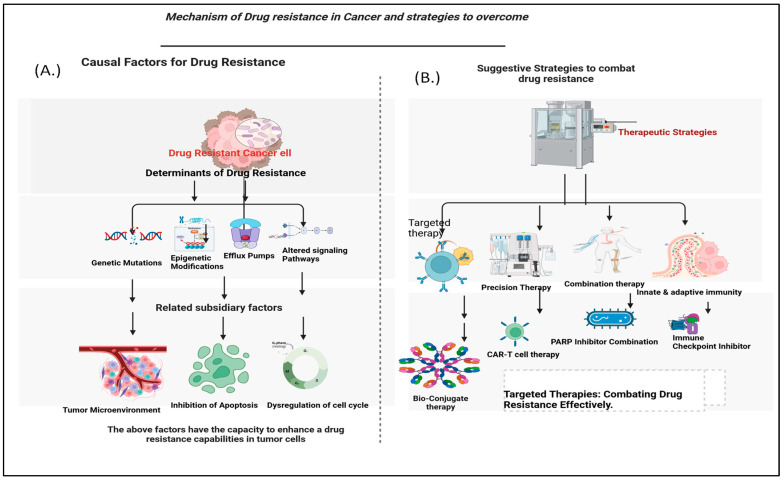
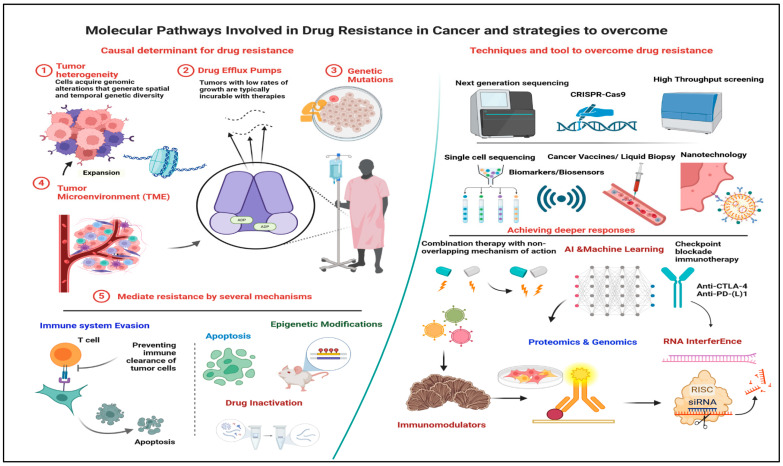
The rise of drug resistance in cancer cells presents a formidable challenge in modern oncology, necessitating the exploration of innovative therapeutic strategies. This review investigates the latest advancements in overcoming drug resistance mechanisms employed by cancer cells, focusing on emerging therapeutic modalities. The intricate molecular insights into drug resistance, including genetic mutations, efflux pumps, altered signaling pathways, and microenvironmental influences, are discussed. Furthermore, the promising avenues offered by targeted therapies, combination treatments, immunotherapies, and precision medicine approaches are highlighted. Specifically, the synergistic effects of combining traditional cytotoxic agents with molecularly targeted inhibitors to circumvent resistance pathways are examined. Additionally, the evolving landscape of immunotherapeutic interventions, including immune checkpoint inhibitors and adoptive cell therapies, is explored in terms of bolstering anti-tumor immune responses and overcoming immune evasion mechanisms. Moreover, the significance of biomarker-driven strategies for predicting and monitoring treatment responses is underscored, thereby optimizing therapeutic outcomes. For insights into the future direction of cancer treatment paradigms, the current review focused on prevailing drug resistance challenges and improving patient outcomes, through an integrative analysis of these emerging therapeutic strategies.
Overview
The claims and statistics of this paper haven’t been checked yet.
Free: it reads the open-access text and checks the first 5 claims that cite a source we can check. Create a free account to check every claim.
Integrity signals
Registry
Cites
Statistics
Figures
Verification
Claims the paper makes
The claims and statistics of this paper haven’t been checked yet.
Free: it reads the open-access text and checks the first 5 claims that cite a source we can check. Create a free account to check every claim.
Claims other papers make about this one
Each is checked against this paper’s own text: does it say what the citing paper says it does?
The source backs part of the claim, not all of it — or backs it for a different population, condition or comparison.
In the citing paper
“Activation of survival pathways can promote cell survival and proliferation in the presence of DNA-damaging agents [49].”
From Mechanisms and Strategies to Overcome Drug Resistance in Colorectal Cancer (2025) · cites this paper as [49]
Experimental — accuracy not yet measuredThe source backs part of the claim, not all of it — or backs it for a different population, condition or comparison.
In the citing paper
“CRC cells often have enhanced DNA damage repair capacity due to upregulation of alternative pathways and can fix DNA damage induced by chemotherapy or radiotherapy [49].”
From Mechanisms and Strategies to Overcome Drug Resistance in Colorectal Cancer (2025) · cites this paper as [49]
Experimental — accuracy not yet measuredThe source backs part of the claim, not all of it — or backs it for a different population, condition or comparison.
In the citing paper
“ICIs like pembrolizumab and nivolumab block the PD-1 receptor, which activates T cells and allows them to better recognize and destroy tumor cells, even those that have become resistant to other treatments [49].”
From Mechanisms and Strategies to Overcome Drug Resistance in Colorectal Cancer (2025) · cites this paper as [49]
Experimental — accuracy not yet measuredThe source backs part of the claim, not all of it — or backs it for a different population, condition or comparison.
In the citing paper
“By inhibiting PARP, these drugs block the repair of single-strand breaks, leading to the accumulation of double-strand breaks and cell death [49].”
From Mechanisms and Strategies to Overcome Drug Resistance in Colorectal Cancer (2025) · cites this paper as [49]
Experimental — accuracy not yet measuredThe cited source says what the claim attributes to it.
In the citing paper
“combining cytotoxic chemotherapy drugs with molecular-targeted inhibitors can have synergistic effects that circumvent resistance pathways [49].”
From Mechanisms and Strategies to Overcome Drug Resistance in Colorectal Cancer (2025) · cites this paper as [49]
5 more claims about this paper
Create a free account to see every claim other papers make about this one.
Self-check
Percentages, sums and reported differences re-computed from the paper’s own numbers.
The self-check needs the paper’s full text.
Citations
Cites
PD-1 and PD-L1 Immune Checkpoint Blockade to Treat Breast Cancer
Hartkopf, A. D., Taran, F.-A., Wallwiener, M., Walter, C. B., Krämer, B., Grischke, E.-M., & Brucker, S. Y. (2016) · Breast Care · doi:10.1159/000453569 · Cited by 30,845
The blockade of immune checkpoints in cancer immunotherapy
Pardoll, D. M. (2012) · Nature Reviews Cancer · doi:10.1038/nrc3239 · Cited by 13,838 · cited 1×
“This binding makes the T cells ineffective, leading to immune evasion and exhaustion [79].”
BackgroundAn overview of clinical decision support systems: Benefits, risks, and strategies for success
Sutton, R. T., Pincock, D., Baumgart, D. C., Sadowski, D. C., Fedorak, R. N., & Kroeker, K. I. (2020) · npj Digital Medicine · doi:10.1038/s41746-020-0221-y · Cited by 3,019 · cited 1×
“Keeping up with the fast pace of cancer research and technology is also a challenge [118].”
BackgroundZhang, Y., & Zhang, Z. (2020) · Cellular & Molecular Immunology · doi:10.1038/s41423-020-0488-6 · Cited by 2,794 · cited 1×
“One major area of progress involves uncovering the molecular pathways linked to drug removal from cells [15].”
BackgroundCombination therapy in combating cancer
Mokhtari, R. B., Homayouni, T. S., Baluch, N., Morgatskaya, E., Kumar, S., Das, B., & Yeger, H. (2017) · Oncotarget · doi:10.18632/oncotarget.16723 · Cited by 2,543 · cited 1×
“Combination therapies enhance anticancer effects and overcome resistance by simultaneously targeting multiple signaling pathways [35].”
BackgroundDrug resistance in cancer: An overview
Housman, G., Byler, S., Heerboth, S., Lapinska, K., Longacre, M., Snyder, N., & Sarkar, S. (2014) · Cancers · doi:10.3390/cancers6031769 · Cited by 2,463 · cited 3×
“This makes it harder to treat or control the growth of tumors [1].”
BackgroundCTLA-4 and PD-1 Pathways: Similarities, Differences, and Implications of Their Inhibition
Buchbinder, E. I., & Desai, A. (2016) · American Journal of Clinical Oncology · doi:10.1097/coc.0000000000000239 · Cited by 2,360 · cited 1×
“Cancer cells can exploit these pathways to evade immune detection and destruction [71].”
BackgroundRoles of the immune system in cancer: From tumor initiation to metastatic progression
Gonzalez, H., Hagerling, C., & Werb, Z. (2018) · Genes & Development · doi:10.1101/gad.314617.118 · Cited by 2,111 · cited 1×
“The immune system’s ability to recognize and target cancer cells is based on the recognition of specific antigens or markers expressed by tumor cells, which distinguishes them from normal cells [67].”
BackgroundMechanisms of DNA damage, repair, and mutagenesis
Chatterjee, N., & Walker, G. C. (2017) · Environmental and Molecular Mutagenesis · doi:10.1002/em.22087 · Cited by 2,039 · cited 1×
“Furthermore, the nucleotide excision repair (NER) pathway and the base excision repair (BER) pathway contribute to rectifying diverse forms of DNA damage induced by chemotherapeutic agents [26].”
BackgroundThe Different Mechanisms of Cancer Drug Resistance: A Brief Review
Mansoori, B., Mohammadi, A., Davudian, S., Shirjang, S., & Baradaran, B. (2017) · Advanced Pharmaceutical Bulletin · doi:10.15171/apb.2017.041 · Cited by 1,883
Mechanisms of Multidrug Resistance in Cancer Chemotherapy
Bukowski, K., Kciuk, M., & Kontek, R. (2020) · International Journal of Molecular Sciences · doi:10.3390/ijms21093233 · Cited by 1,757 · cited 2×
“…significantly to the failure of chemotherapy [2,10]. expressed in many types of cancer, contributing significantly to the failure of chemotherapy [2,10] Multidrug Multidrug resistance proteins (MRPs) are another important group of efflux transporters. proteins (MRPs) are another important group of…”
BackgroundPistritto, G., Trisciuoglio, D., Ceci, C., Garufi, A., & D'Orazi, G. (2016) · Aging · doi:10.18632/aging.100934 · Cited by 1,658 · cited 1×
“The Bcl-2 family of proteins stands out as a significant player in the pathway responsible for inhibiting apoptosis [21].”
BackgroundHypoxic microenvironment in cancer: molecular mechanisms and therapeutic interventions
Chen, Z., Han, F., Du, Y., Shi, H., & Zhou, W. (2023) · Signal Transduction and Targeted Therapy · doi:10.1038/s41392-023-01332-8 · Cited by 1,612
Epigenetic Determinants of Cancer
Baylin, S. B., & Jones, P. A. (2016) · Cold Spring Harbor Perspectives in Biology · doi:10.1101/cshperspect.a019505 · Cited by 1,226 · cited 2×
“This adaptation to hypoxia not only supports tumor growth but also leads to the acidification of the tumor microenvironment, creating a hostile environment for normal cells and enhancing the resistance of cancer cells to therapy [7–9].”
BackgroundThe Cell–Cycle Arrest and Apoptotic Functions of p53 in Tumor Initiation and Progression
Chen, J. (2016) · Cold Spring Harbor Perspectives in Medicine · doi:10.1101/cshperspect.a026104 · Cited by 1,222 · cited 1×
“Similarly, modifications in the p53 pathway, a crucial regulator of cell cycle arrest and apoptosis, can confer resistance to DNA-damaging agents by disrupting cell cycle checkpoints and apoptotic processes [29].”
BackgroundDrug resistance and combating drug resistance in cancer
Wang, X., Zhang, H., & Chen, X. (2019) · Cancer Drug Resistance · doi:10.20517/cdr.2019.10 · Cited by 1,085 · cited 3×
“Also, changes in genes that repair DNA damage can make cancer cells better at fixing drug-induced damage, allowing them to survive and grow even with drug treatment [2].”
BackgroundInfluentialNeoantigens: promising targets for cancer therapy
Xie, N., Shen, G., Gao, W., Huang, Z., Huang, C., & Fu, L. (2023) · Signal Transduction and Targeted Therapy · doi:10.1038/s41392-022-01270-x · Cited by 1,020 · cited 1×
“These approaches reprogram the immune system to recognize and attack drug-resistant cancer cells [106].”
BackgroundThe role of BCL-2 family proteins in regulating apoptosis and cancer therapy
Qian, S., Wei, Z., Yang, W., Huang, J., Yang, Y., & Wang, J. (2022) · Frontiers in Oncology · doi:10.3389/fonc.2022.985363 · Cited by 1,011 · cited 1×
“…discharge of pro-apoptotic elements like cytochrome C. Cancer cells frequently boost the expression of anti-apoptotic Bcl-2 family proteins (e.g., Bcl-2, Bcl-xL) or reduce the levels of pro-apoptotic counterparts (e.g., Bax, Bak), thereby developing resistance to drugs that induce apoptosis [22].”
BackgroundCombination of CTLA-4 and PD-1 blockers for treatment of cancer
Rotte, A. (2019) · Journal of Experimental & Clinical Cancer Research · doi:10.1186/s13046-019-1259-z · Cited by 970 · cited 1×
“For example, combining nivolumab (anti-PD1) with ipilimumab (anti-CTLA4) in melanoma has shown better outcomes than using either drug alone [63].”
BackgroundMechanisms of resistance to CAR T cell therapy
Shah, N. N., & Fry, T. J. (2019) · Nature Reviews Clinical Oncology · doi:10.1038/s41571-019-0184-6 · Cited by 959 · cited 1×
“This strategy sidesteps resistance mechanisms linked to changes in drug targets or pathways [85].”
BackgroundPI3K/AKT pathway as a key link modulates the multidrug resistance of cancers
Liu, R., Chen, Y., Liu, G., Li, C., Song, Y., Cao, Z., Li, W., Hu, J., Lu, C., & Liu, Y. (2020) · Cell Death & Disease · doi:10.1038/s41419-020-02998-6 · Cited by 923 · cited 2×
“Additionally, cancer cells may activate survival signaling routes, such as the PI3K-Akt pathway, which phosphorylates and deactivates pro-apoptotic proteins like Bad and caspase-9, ultimately fostering cell survival and resistance to apoptosis [23].”
BackgroundHelleday, T. (2011) · Molecular Oncology · doi:10.1016/j.molonc.2011.07.001 · Cited by 856 · cited 1×
“These combinations take advantage of synthetic lethality, causing more DNA damage in cancer cells and leading to better outcomes [58].”
BackgroundInnovative approaches for cancer treatment: current perspectives and new challenges
Pucci, C., Martinelli, C., & Ciofani, G. (2019) · ecancermedicalscience · doi:10.3332/ecancer.2019.961 · Cited by 814 · cited 2×
“This approach ensures that treatments are specifically designed to target the unique genetic and molecular landscape of each patient’s cancer, maximizing efficacy, and minimizing resistance [122].”
BackgroundRole of epidermal growth factor receptor in breast cancer
Masuda, H., Zhang, D., Bartholomeusz, C., Doihara, H., Hortobagyi, G. N., & Ueno, N. T. (2012) · Breast Cancer Research and Treatment · doi:10.1007/s10549-012-2289-9 · Cited by 806 · cited 1×
“By examining the genetic makeup of tumors, genetic biomarkers like EGFR or HER2 mutations provide valuable information on which targeted therapies are likely to work best, optimizing treatment outcomes while reducing exposure to less effective treatments [91,92].”
BackgroundNatural killer cells in antitumour adoptive cell immunotherapy
Laskowski, T. J., Biederstädt, A., & Rezvani, K. (2022) · Nature Reviews Cancer · doi:10.1038/s41568-022-00491-0 · Cited by 773 · cited 1×
“In CAR-T cell therapy, T cells are modified genetically to express chimeric antigen receptors (CARs) that can identify and attack specific antigens on cancer cells [84].”
BackgroundCancer vaccines as promising immuno-therapeutics: platforms and current progress
Liu, J., Fu, M., Wang, M., Wan, D., Wei, Y., & Wei, X. (2022) · Journal of Hematology & Oncology · doi:10.1186/s13045-022-01247-x · Cited by 715 · cited 1×
“Vaccines can lead the immune system to mount a robust and targeted immune response against drug-resistant cancer cells, potentially overcoming resistance mechanisms and improving treatment outcomes [75].”
BackgroundThe growing role of precision and personalized medicine for cancer treatment
Krzyszczyk, P., Acevedo, A., Davidoff, E. J., Timmins, L. M., Marrero-Berrios, I., Patel, M., White, C., Lowe, C., Sherba, J. J., Hartmanshenn, C., et al. (2018) · TECHNOLOGY · doi:10.1142/s2339547818300020 · Cited by 698 · cited 1×
“Personalized medicine tailors’ treatments are based on the unique molecular profile of each patient’s tumor, maximizing effectiveness, and minimizing exposure to ineffective treatments [36].”
BackgroundCancer biomarkers: Emerging trends and clinical implications for personalized treatment
Passaro, A., Al Bakir, M., Hamilton, E. G., Diehn, M., André, F., Roy-Chowdhuri, S., Mountzios, G., Wistuba, I. I., Swanton, C., & Peters, S. (2024) · Cell · doi:10.1016/j.cell.2024.02.041 · Cited by 672 · cited 1×
“These biomarkers help doctors create personalized treatment plans for each patient, making it easier to beat drug resistance [98].”
BackgroundCombination strategies to maximize the benefits of cancer immunotherapy
Zhu, S., Zhang, T., Zheng, L., Liu, H., Song, W., Liu, D., Li, Z., & Pan, C.-X. (2021) · Journal of Hematology & Oncology · doi:10.1186/s13045-021-01164-5 · Cited by 654 · cited 1×
“Similarly, combining a drug targeting a resistance pathway with another drug that blocks compensatory pathways or enhances immune response can overcome resistance mechanisms [108].”
BackgroundABC Transporters in Multidrug Resistance and Pharmacokinetics, and Strategies for Drug Development
Choi, Y., & Yu, A.-M. (2014) · Current Pharmaceutical Design · doi:10.2174/138161282005140214165212 · Cited by 629
Tyrosine kinase – Role and significance in Cancer
Paul, M. K., & Mukhopadhyay, A. K. (2004) · International Journal of Medical Sciences · doi:10.7150/ijms.1.101 · Cited by 624 · cited 1×
“Targeted kinase inhibitors (TKIs) are specialized therapies designed to block specific tyrosine kinases, disrupting downstream signaling that fuels cancer advancement [41].”
BackgroundCell Cycle Regulation by Checkpoints
Barnum, K. J., & O’Connell, M. J. (2014) · Methods in Molecular Biology · doi:10.1007/978-1-4939-0888-2_2 · Cited by 601 · cited 1×
“The G1/S checkpoint stands as a critical checkpoint managed by cyclin-dependent kinases (CDKs) and cyclins [27].”
BackgroundIpilimumab: An Anti-CTLA-4 Antibody for Metastatic Melanoma
Lipson, E. J., & Drake, C. G. (2011) · Clinical Cancer Research · doi:10.1158/1078-0432.ccr-11-1595 · Cited by 570 · cited 1×
“For instance, in melanoma, using dacarbazine alongside ipilimumab (an anti-CTLA-4 antibody) led to better outcomes than using dacarbazine alone [54].”
BackgroundMolecular targeted therapy for anticancer treatment
Min, H.-Y., & Lee, H.-Y. (2022) · Experimental & Molecular Medicine · doi:10.1038/s12276-022-00864-3 · Cited by 569 · cited 2×
“Combining EMT inhibitors with immunotherapies, like immune checkpoint inhibitors, can bolster the immune system’s ability to fight cancer [32,53,61,77].”
BackgroundTargeting Microtubules by Natural Agents for Cancer Therapy
Mukhtar, E., Adhami, V. M., & Mukhtar, H. (2014) · Molecular Cancer Therapeutics · doi:10.1158/1535-7163.mct-13-0791 · Cited by 565 · cited 1×
“Moreover, cancer cells could bypass the mitotic spindle checkpoint, provoking chromosomal instability and resistance to drugs targeting microtubules like taxanes and vinca alkaloids [30].”
BackgroundPARP inhibitor resistance: the underlying mechanisms and clinical implications
Li, H., Liu, Z.-Y., Wu, N., Chen, Y.-C., Cheng, Q., & Wang, J. (2020) · Molecular Cancer · doi:10.1186/s12943-020-01227-0 · Cited by 539 · cited 1×
“Drugs like olaparib (Lynparza) and rucaparib (Rubraca) combat drug resistance by exploiting the inherent DNA repair faults in cancer cells, making them highly effective in BRCA-mutated breast and ovarian cancers [44].”
BackgroundAspects of the Tumor Microenvironment Involved in Immune Resistance and Drug Resistance
Khalaf, K., Hana, D., Chou, J. T.-T., Singh, C., Mackiewicz, A., & Kaczmarek, M. (2021) · Frontiers in Immunology · doi:10.3389/fimmu.2021.656364 · Cited by 513 · cited 1×
“Dysregulated signaling pathways such as PI3K/Akt/mTOR, MAPK/ERK, and Wnt/ β -catenin contribute to drug resistance and are targets for therapeutic interventions [101].”
BackgroundCancer immunotherapies: advances and bottlenecks
Rui, R., Zhou, L., & He, S. (2023) · Frontiers in Immunology · doi:10.3389/fimmu.2023.1212476 · Cited by 484 · cited 1×
“These therapies can activate immune cells, enhance their cytotoxic activity, and modulate the tumor microenvironment to promote anti-tumor immune responses [76].”
BackgroundMolecular Biomarkers in Cancer
Sarhadi, V. K., & Armengol, G. (2022) · Biomolecules · doi:10.3390/biom12081021 · Cited by 467 · cited 1×
“Their predictive abilities empower oncologists to make informed decisions about the best treatment options for each patient [90].”
BackgroundDrug combination therapy increases successful drug repositioning
Sun, W., Sanderson, P. E., & Zheng, W. (2016) · Drug Discovery Today · doi:10.1016/j.drudis.2016.05.015 · Cited by 436 · cited 1×
“This therapeutic strategy, known as dose reduction or dose optimization, aims to achieve maximum efficacy while maintaining manageable side effects, improving patient tolerance and quality of life during treatment [52].”
BackgroundActivation of PI3K/AKT/mTOR Pathway Causes Drug Resistance in Breast Cancer
Dong, C., Wu, J., Chen, Y., Nie, J., & Chen, C. (2021) · Frontiers in Pharmacology · doi:10.3389/fphar.2021.628690 · Cited by 375 · cited 1×
“At the same time, they can turn off pathways that would make them expire or stop growing in response to treatment, helping them avoid the harmful effects of the drugs [6].”
BackgroundPast, present, and future of Bcr-Abl inhibitors: from chemical development to clinical efficacy
Rossari, F., Minutolo, F., & Orciuolo, E. (2018) · Journal of Hematology & Oncology · doi:10.1186/s13045-018-0624-2 · Cited by 371 · cited 1×
“By directly addressing mutated or overactive tyrosine kinases that drive resistance, TKIs can overcome drug resistance, such as those arising from activating mutations within EGFR or BCR-ABL [42].”
BackgroundDNA Damage/Repair Management in Cancers
Alhmoud, J. F., Woolley, J. F., Al Moustafa, A.-E., & Malki, M. I. (2020) · Cancers · doi:10.3390/cancers12041050 · Cited by 362 · cited 1×
“A pivotal pathway involved in DNA repair is the homologous recombination (HR) process, responsible for mending double-strand breaks (DSBs) in DNA [24].”
BackgroundUnderstanding and targeting resistance mechanisms in cancer
Lei, Z., Tian, Q., Teng, Q., Wurpel, J. N. D., Zeng, L., Pan, Y., & Chen, Z. (2023) · MedComm · doi:10.1002/mco2.265 · Cited by 347 · cited 1×
“This recurrence often involves more aggressive cancer cells that resist treatment, making future treatment plans more complex and lowering overall survival rates [13].”
BackgroundDuarte, D., & Vale, N. (2022) · Current Research in Pharmacology and Drug Discovery · doi:10.1016/j.crphar.2022.100110 · Cited by 340 · cited 1×
“For instance, combining a DNA-damaging agent with a PARP inhibitor can induce synthetic lethality in cancer cells with DNA repair deficiencies, such as those harboring BRCA mutations [50].”
BackgroundTargeted nanomedicine for cancer therapeutics: Towards precision medicine overcoming drug resistance
Bar-Zeev, M., Livney, Y. D., & Assaraf, Y. G. (2017) · Drug Resistance Updates · doi:10.1016/j.drup.2017.05.002 · Cited by 314 · cited 2×
“Their effectiveness in overcoming drug resistance is attributed to their precision, ability to counter resistance mechanisms, synergistic effects in combination treatments, personalized therapeutic strategies, and adaptive approaches [39].”
BackgroundCombination therapy with immune checkpoint inhibitors (ICIs); a new frontier
Vafaei, S., Zekiy, A. O., Khanamir, R. A., Zaman, B. A., Ghayourvahdat, A., Azimizonuzi, H., & Zamani, M. (2022) · Cancer Cell International · doi:10.1186/s12935-021-02407-8 · Cited by 270 · cited 3×
“Combining EMT inhibitors with immunotherapies, like immune checkpoint inhibitors, can bolster the immune system’s ability to fight cancer [32,53,61,77].”
BackgroundEpigenetic heterogeneity in cancer
Guo, M., Peng, Y., Gao, A., Du, C., & Herman, J. G. (2019) · Biomarker Research · doi:10.1186/s40364-019-0174-y · Cited by 270 · cited 1×
“Similarly, changes in DNA methylation, histone modifications, or microRNA expression can influence drug response by regulating gene expression [100].”
BackgroundThe High Cost of Cancer Drugs and What We Can Do About It
Siddiqui, M., & Rajkumar, S. V. (2012) · Mayo Clinic Proceedings · doi:10.1016/j.mayocp.2012.07.007 · Cited by 255
Different strategies to overcome multidrug resistance in cancer
Saraswathy, M., & Gong, S. (2013) · Biotechnology Advances · doi:10.1016/j.biotechadv.2013.06.004 · Cited by 248 · cited 1×
“Exploring new strategies to overcome drug resistance in cancer cells involves a multi-faceted approach that includes targeted therapies, advancements in immunotherapy, combination treatments, nanotechnology-based drug delivery systems, and precision medicine guided by biomarker identification [123].”
BackgroundDNA Damage and Associated DNA Repair Defects in Disease and Premature Aging
Tiwari, V., & Wilson, D. M. (2019) · The American Journal of Human Genetics · doi:10.1016/j.ajhg.2019.06.005 · Cited by 244 · cited 1×
“Additionally, mutations in genes related to cell death pathways can make cancer cells resistant to dying when exposed to drugs, helping them survive against these treatments [3].”
BackgroundGenetically engineered T cells for cancer immunotherapy
Li, D., Li, X., Zhou, W.-L., Huang, Y., Liang, X., Jiang, L., Yang, X., Sun, J., Li, Z., Han, W.-D., et al. (2019) · Signal Transduction and Targeted Therapy · doi:10.1038/s41392-019-0070-9 · Cited by 244 · cited 1×
“Engineered T cells are designed to recognize and destroy cancer cells with precision and strength, leading to lasting responses and overcoming resistance caused by reduced drug sensitivity or drug removal from cells [86].”
BackgroundAdvances of medical nanorobots for future cancer treatments
Kong, X., Gao, P., Wang, J., Fang, Y., & Hwang, K. C. (2023) · Journal of Hematology & Oncology · doi:10.1186/s13045-023-01463-z · Cited by 238 · cited 1×
“These different approaches show a variety of ways to overcome drug resistance and improve outcomes for cancer patients [125].”
BackgroundTargeting Drug Chemo-Resistance in Cancer Using Natural Products
Talib, W. H., Alsayed, A. R., Barakat, M., Abu-Taha, M. I., & Mahmod, A. I. (2021) · Biomedicines · doi:10.3390/biomedicines9101353 · Cited by 231 · cited 1×
“This strategy recognizes that cancer cells can become resistant to a single treatment method due to various molecular processes [47].”
BackgroundMolecular targeted therapy of cancer: The progress and future prospect
Ke, X., & Shen, L. (2017) · Frontiers in Laboratory Medicine · doi:10.1016/j.flm.2017.06.001 · Cited by 231 · cited 1×
“By precisely targeting and blocking specific proteins or pathways that are disrupted in cancer cells, these therapies achieve strong anti-tumor effects while sparing normal cells [34].”
BackgroundWaarts, M. R., Stonestrom, A. J., Park, Y. C., & Levine, R. L. (2022) · Journal of Clinical Investigation · doi:10.1172/jci154943 · Cited by 230 · cited 1×
“Changes in how DNA is repaired can also reduce the impact of chemotherapy drugs by helping cancer cells repair damage more easily [11].”
BackgroundCombining Immune Checkpoint Inhibitors With Conventional Cancer Therapy
Yan, Y., Kumar, A. B., Finnes, H., Markovic, S. N., Park, S., Dronca, R. S., & Dong, H. (2018) · Frontiers in Immunology · doi:10.3389/fimmu.2018.01739 · Cited by 223 · cited 1×
“Combining checkpoint inhibitors with other immunotherapies, chemotherapy, or targeted treatments is common to boost treatment effectiveness and tackle resistance [82].”
BackgroundDagar, G., Gupta, A., Masoodi, T., Nisar, S., Merhi, M., Hashem, S., Chauhan, R., Dagar, M., Mirza, S., Bagga, P., et al. (2023) · Journal of Translational Medicine · doi:10.1186/s12967-023-04292-3 · Cited by 205 · cited 1×
“This is especially helpful in countering resistance related to tumor regrowth after initial treatment [87].”
BackgroundPhillips, G. D. L., Fields, C. T., Li, G., Dowbenko, D., Schaefer, G., Miller, K., Andre, F., Burris, H. A., Albain, K. S., Harbeck, N., et al. (2014) · Clinical Cancer Research · doi:10.1158/1078-0432.ccr-13-0358 · Cited by 198 · cited 1×
“In HER2-positive breast cancer, adding pertuzumab (a HER2-targeted antibody) and chemotherapy to trastuzumab significantly extended progression-free survival compared to using trastuzumab alone [57].”
BackgroundMolecular and cellular paradigms of multidrug resistance in cancer
Vaidya, F. U., Sufiyan Chhipa, A., Mishra, V., Gupta, V. K., Rawat, S. G., Kumar, A., & Pathak, C. (2022) · Cancer Reports · doi:10.1002/cnr2.1291 · Cited by 197 · cited 4×
“These mechanisms involve the active transport of anticancer drugs out of the cells, reducing their intracellular concentration and thereby diminishing their effectiveness [31].”
BackgroundInfluentialTargeted Therapy in Melanoma and Mechanisms of Resistance
Czarnecka, A. M., Bartnik, E., Fiedorowicz, M., & Rutkowski, P. (2020) · International Journal of Molecular Sciences · doi:10.3390/ijms21134576 · Cited by 196 · cited 1×
“For example, when BRAF and MEK inhibitors are used together in BRAF-mutant melanoma or when EGFR and HER2 inhibitors are combined in HER2-positive breast cancer, there are better treatment responses and a slower development of resistance [55,56].”
BackgroundChallenges of drug resistance in the developing world
Laxminarayan, R., & Heymann, D. L. (2012) · BMJ · doi:10.1136/bmj.e1567 · Cited by 191 · cited 1×
“This financial strain affects healthcare systems and puts pressure on patients and their families, especially in areas where advanced cancer treatments are limited [14].”
BackgroundTumor-infiltrating lymphocytes: Warriors fight against tumors powerfully
Lin, B., Du, L., Li, H., Zhu, X., Cui, L., & Li, X. (2020) · Biomedicine & Pharmacotherapy · doi:10.1016/j.biopha.2020.110873 · Cited by 181 · cited 3×
“The activated LAK cells recognize specific antigens epithelial–mesenchymal transition (EMT) as a target of cancer therapy on tumor cells, bind to them, and release cytotoxic molecules to induce apoptosis [73].”
BackgroundInfluentialPARP inhibitors: its role in treatment of cancer
Chen, A. (2011) · Chinese Journal of Cancer · doi:10.5732/cjc.011.10111 · Cited by 179 · cited 1×
“These inhibitors work well in cancers that have flaws in homologous recombination (HR) DNA repair, especially those caused by BRCA1 or BRCA2 mutations [43].”
BackgroundAdvances in AI and machine learning for predictive medicine
Sharma, A., Lysenko, A., Jia, S., Boroevich, K. A., & Tsunoda, T. (2024) · Journal of Human Genetics · doi:10.1038/s10038-024-01231-y · Cited by 177 · cited 1×
“AI-driven precision oncology facilitates personalized treatment plans tailored to individual patients’ molecular profiles [111].”
BackgroundChemo-Immunotherapy: A New Trend in Cancer Treatment
Sordo-Bahamonde, C., Lorenzo-Herrero, S., Gonzalez-Rodriguez, A. P., Martínez-Pérez, A., Rodrigo, J. P., García-Pedrero, J. M., & Gonzalez, S. (2023) · Cancers · doi:10.3390/cancers15112912 · Cited by 176 · cited 2×
“Combining EMT inhibitors with immunotherapies, like immune checkpoint inhibitors, can bolster the immune system’s ability to fight cancer [32,53,61,77].”
BackgroundImmunotherapies: Exploiting the Immune System for Cancer Treatment
Koury, J., Lucero, M., Cato, C., Chang, L., Geiger, J., Henry, D., Hernandez, J., Hung, F., Kaur, P., Teskey, G., et al. (2018) · Journal of Immunology Research · doi:10.1155/2018/9585614 · Cited by 175 · cited 1×
“These therapies harness the body’s immune system to target and eliminate cancer cells, offering distinct mechanisms that can evade traditional drug resistance [78].”
Background(2016) · ecancermedicalscience · doi:10.3332/ecancer.2012.ed16 · Cited by 175 · cited 1×
“This helps us see how well these new cancer treatments work, how safe they are, and if they are worth the cost outside of clinical trials [121].”
Understanding and overcoming the resistance of cancer to PD-1/PD-L1 blockade
Shergold, A. L., Millar, R., & Nibbs, R. J. B. (2019) · Pharmacological Research · doi:10.1016/j.phrs.2019.104258 · Cited by 174 · cited 1×
“This expands the range of immune attack and helps overcome resistance caused by changes in molecule levels or pathways [80].”
BackgroundMeng, L., Wu, H., Wu, J., Ding, P., He, J., Sang, M., & Liu, L. (2024) · Cell Death & Disease · doi:10.1038/s41419-023-06389-5 · Cited by 174 · cited 1×
“[72].”
Immunotherapy and Novel Combinations in Oncology: Current Landscape, Challenges, and Opportunities
Morrissey, K., Yuraszeck, T., Li, C., Zhang, Y., & Kasichayanula, S. (2016) · Clinical and Translational Science · doi:10.1111/cts.12391 · Cited by 171 · cited 1×
“The rationale behind combining different treatment modalities to combat drug resistance in cancer is to target multiple pathways, achieve synergistic effects, counteract adaptive resistance, and reduce side effects [64,65].”
BackgroundRole of BRCA Mutations in the Modulation of Response to Platinum Therapy
Mylavarapu, S., Das, A., & Roy, M. (2018) · Frontiers in Oncology · doi:10.3389/fonc.2018.00016 · Cited by 170 · cited 1×
“Conversely, cancer cells might escalate the levels of DNA repair enzymes, such as poly (ADP-ribose) polymerase (PARP), to boost DNA repair capabilities and confer resistance to drugs targeting DNA [25].”
BackgroundWu, B., Shi, X., Jiang, M., & Liu, H. (2023) · Molecular Cancer · doi:10.1186/s12943-023-01748-4 · Cited by 169 · cited 2×
“Combining EMT inhibitors with immunotherapies, like immune checkpoint inhibitors, can bolster the immune system’s ability to fight cancer [32,53,61,77].”
BackgroundThe role of epigenetic modifications in drug resistance and treatment of breast cancer
Fath, M. K., Azargoonjahromi, A., Kiani, A., Jalalifar, F., Osati, P., Oryani, M. A., Shakeri, F., Nasirzadeh, F., Khalesi, B., Nabi‐Afjadi, M., et al. (2022) · Cellular & Molecular Biology Letters · doi:10.1186/s11658-022-00344-6 · Cited by 167 · cited 1×
“These modifications can change how genes involved in drug metabolism, DNA repair, and cell death respond to treatments [19].”
BackgroundRole of ABC transporters in cancer chemotherapy
Sun, Y.-L., Patel, A., Kumar, P., & Chen, Z.-S. (2012) · Chinese Journal of Cancer · doi:10.5732/cjc.011.10466 · Cited by 166
CAR-T cell combination therapy: the next revolution in cancer treatment
Al-Haideri, M., Tondok, S. B., Safa, S. H., maleki, A. H., Rostami, S., Jalil, A. T., Al-Gazally, M. E., Alsaikhan, F., Rizaev, J. A., Mohammad, T. A. M., et al. (2022) · Cancer Cell International · doi:10.1186/s12935-022-02778-6 · Cited by 163
PARP Inhibitor Treatment in Ovarian and Breast Cancer
Weil, M. K., & Chen, A. P. (2011) · Current Problems in Cancer · doi:10.1016/j.currproblcancer.2010.12.002 · Cited by 162 · cited 1×
“For instance, combining olaparib (a PARP inhibitor) with bevacizumab (an anti-angiogenic agent) improved progression-free survival for patients with BRCA-mutated ovarian cancer [59].”
BackgroundATP-binding cassette efflux transporters and MDR in cancer
Pote, M. S., & Gacche, R. N. (2023) · Drug Discovery Today · doi:10.1016/j.drudis.2023.103537 · Cited by 161 · cited 2×
“For instance, combining efflux pump inhibitors with standard chemotherapy drugs can enhance overall treatment efficacy and overcome resistance mechanisms [16,17,23,31].”
BackgroundBlueprint for cancer research: Critical gaps and opportunities
Elmore, L. W., Greer, S. F., Daniels, E. C., Saxe, C. C., Melner, M. H., Krawiec, G. M., Cance, W. G., & Phelps, W. C. (2020) · CA A Cancer Journal for Clinicians · doi:10.3322/caac.21652 · Cited by 157 · cited 1×
“Research focuses on understanding drug resistance mechanisms, finding biomarkers, improving treatment combinations, developing targeted therapies, refining drug delivery, using immunotherapy, employing artificial intelligence, running clinical trials, and gathering real-world evidence [126].”
BackgroundImmune suppression and reversal of the suppressive tumor microenvironment
Shimizu, K., Iyoda, T., Okada, M., Yamasaki, S., & Fujii, S.-I. (2018) · International Immunology · doi:10.1093/intimm/dxy042 · Cited by 157 · cited 1×
“Checkpoint inhibitors can counter this suppression by revitalizing exhausted T cells and encouraging immune cells to enter tumors [81].”
BackgroundEpigenetic modifications: Key players in cancer heterogeneity and drug resistance
Sadida, H. Q., Abdulla, A., Marzooqi, S. A., Hashem, S., Macha, M. A., Akil, A. S. A.-S., & Bhat, A. A. (2024) · Translational Oncology · doi:10.1016/j.tranon.2023.101821 · Cited by 151
Immunotherapies and Combination Strategies for Immuno-Oncology
Barbari, C., Fontaine, T., Parajuli, P., Lamichhane, N., Jakubski, S., Lamichhane, P., & Deshmukh, R. R. (2020) · International Journal of Molecular Sciences · doi:10.3390/ijms21145009 · Cited by 140 · cited 1×
“These combinations can overcome drug resistance by attacking cancer cells through multiple mechanisms, reducing the likelihood of resistance development [107].”
BackgroundThe difficulties in cancer treatment.
Dubey, P. K. (2021) · Cited by 131
Natural Killer Cells: Tumor Surveillance and Signaling
Guzman, L. G. M., Keating, N., & Nicholson, S. E. (2020) · Cancers · doi:10.3390/cancers12040952 · Cited by 130 · cited 1×
“Immune cells such as natural killer (NK) cells, dendritic cells, and macrophages play a vital role in recognizing and eliminating cancer cells that display altered or abnormal antigens [68].”
BackgroundNanotherapeutics approaches to overcome P-glycoprotein-mediated multi-drug resistance in cancer
Halder, J., Pradhan, D., Kar, B., Ghosh, G., & Rath, G. (2021) · Nanomedicine Nanotechnology Biology and Medicine · doi:10.1016/j.nano.2021.102494 · Cited by 124 · cited 2×
“Surface modification of nanoparticles with targeting ligands enables selective binding to cancer cells, enhancing therapeutic efficacy [110].”
BackgroundCai, Z., Wang, J., Li, Y., Shi, Q., Jin, L., Li, S., Zhu, M., Wang, Q., Wong, L. L., Wang, Y., et al. (2022) · Science China Life Sciences · doi:10.1007/s11427-021-2140-8 · Cited by 122 · cited 1×
“Cancer cells might exhibit heightened expression of cyclin D1 or CDK4/6, causing overstimulation of the G1/S checkpoint and resistance to CDK4/6 inhibitors [28].”
BackgroundThe challenges of tumor genetic diversity
Mroz, E. A., & Rocco, J. W. (2016) · Cancer · doi:10.1002/cncr.30430 · Cited by 121 · cited 1×
“Factors like low oxygen, acidity, and changes in nutrients can create conditions that support the survival of drug-resistant cancer cells while making it harder for treatments to work effectively [12].”
BackgroundA new era of cancer immunotherapy: combining revolutionary technologies for enhanced CAR-M therapy
Li, N., Geng, S., Dong, Z., Jin, Y., Ying, H., Li, H., & Shi, L. (2024) · Molecular Cancer · doi:10.1186/s12943-024-02032-9 · Cited by 121 · cited 1×
“Similarly, genetically engineered CAR T-cells recognize and eliminate cancer cells expressing specific antigens, offering a personalized and potent anticancer approach [105].”
BackgroundLi, B., Jin, J., Guo, D., Tao, Z., & Hu, X. (2023) · Cancers · doi:10.3390/cancers15102858 · Cited by 117 · cited 1×
“For instance, pairing a checkpoint inhibitor with a targeted therapy that boosts tumor antigens or makes cancer cells more vulnerable to immune attacks can synergistically overcome resistance and improve treatment outcomes [83].”
BackgroundThe role of biomarkers in personalized immunotherapy
Sankar, K., Ye, J. C., Li, Z., Zheng, L., Song, W., & Hu-Lieskovan, S. (2022) · Biomarker Research · doi:10.1186/s40364-022-00378-0 · Cited by 111 · cited 1×
“The rationale behind combining different treatment modalities to combat drug resistance in cancer is to target multiple pathways, achieve synergistic effects, counteract adaptive resistance, and reduce side effects [64,65].”
BackgroundThe Role of Immune Checkpoint Inhibitors in Cancer Therapy
Basudan, A. (2022) · Clinics and Practice · doi:10.3390/clinpract13010003 · Cited by 110 · cited 1×
“Combining these approaches with other treatments can enhance their impact and create comprehensive strategies to fight drug resistance and improve patient outcomes [89].”
BackgroundCTLs heterogeneity and plasticity: implications for cancer immunotherapy
Peng, S., Lin, A., Jiang, A., Zhang, C., Zhang, J., Cheng, Q., Luo, P., & Bai, Y. (2024) · Molecular Cancer · doi:10.1186/s12943-024-01972-6 · Cited by 108 · cited 1×
“CTLs play a crucial role in combating drug-resistant cancer cells by targeting and destroying cells that have developed resistance to conventional therapies [69].”
BackgroundBRAF Inhibitor Resistance in Melanoma: Mechanisms and Alternative Therapeutic Strategies
Zhong, J., Yan, W., Wang, C., Liu, W., Lin, X., Zou, Z., Sun, W., & Chen, Y. (2022) · Current Treatment Options in Oncology · doi:10.1007/s11864-022-01006-7 · Cited by 106 · cited 1×
“For example, when BRAF and MEK inhibitors are used together in BRAF-mutant melanoma or when EGFR and HER2 inhibitors are combined in HER2-positive breast cancer, there are better treatment responses and a slower development of resistance [55,56].”
BackgroundRevolutionizing cancer care strategies: immunotherapy, gene therapy, and molecular targeted therapy
Zafar, A., Khan, M. J., Abu, J., & Naeem, A. (2024) · Molecular Biology Reports · doi:10.1007/s11033-023-09096-8 · Cited by 106 · cited 1×
“Immunotherapy uses the immune system to identify and destroy drug-resistant cancer cells, including treatments like immune checkpoint inhibitors, CAR T-cell therapy, and therapeutic vaccines [124].”
BackgroundVarayathu, H., Sarathy, V., Thomas, B. E., Mufti, S. S., & Naik, R. (2021) · Frontiers in Oncology · doi:10.3389/fonc.2021.559161 · Cited by 104 · cited 1×
“Clinical trials have demonstrated durable responses and improved survival rates in melanoma, lung cancer, and renal cell carcinoma with dual immunotherapy combinations [62].”
BackgroundGenetic and Non-Genetic Mechanisms Underlying Cancer Evolution
Shlyakhtina, Y., Moran, K. L., & Portal, M. M. (2021) · Cancers · doi:10.3390/cancers13061380 · Cited by 104 · cited 1×
“One of the main advantages of targeted therapies is their ability to overcome drug resistance, a common problem that reduces the effectiveness of traditional treatments [33].”
BackgroundImmune evasion in cell-based immunotherapy: unraveling challenges and novel strategies
Li, Y.-R., Halladay, T., & Yang, L. (2024) · Journal of Biomedical Science · doi:10.1186/s12929-024-00998-8 · Cited by 101 · cited 1×
“Blockade of immune checkpoints like PD-1/PD-L1 or CTLA-4 enhances T-cell activity against tumor cells, overcoming immune evasion mechanisms [104].”
BackgroundCirculating Tumor DNA—A Novel Biomarker of Tumor Progression and Its Favorable Detection Techniques
Wen, X., Pu, H., Liu, Q., Guo, Z., & Luo, D. (2022) · Cancers · doi:10.3390/cancers14246025 · Cited by 99 · cited 1×
“Changes in these biomarkers show us early signs of whether treatments are effective or if the cancer is resisting treatment [94].”
BackgroundThe paradigm of drug resistance in cancer: an epigenetic perspective
Adhikari, S., Bhattacharya, A., Adhikary, S., Singh, V., Gadad, S. S., Roy, S., & Das, C. (2022) · Bioscience Reports · doi:10.1042/bsr20211812 · Cited by 97 · cited 1×
“By elucidating these mechanisms, scientists gain crucial insights into potential targets for novel therapeutic interventions [99].”
BackgroundCésaire, M., Thariat, J., Candéias, S. M., Stefan, D., Saintigny, Y., & Chevalier, F. (2018) · International Journal of Molecular Sciences · doi:10.3390/ijms19123793 · Cited by 95
Gao, H., Xi, Z., Dai, J., Xue, J., Guan, X., Zhao, L., Chen, Z., & Xing, F. (2024) · Molecular Cancer · doi:10.1186/s12943-024-02005-y · Cited by 93 · cited 2×
“A comprehensive exploration of the varied roles of targeted therapies in combating drug resistance is given below [40].”
BackgroundClinical trial designs incorporating predictive biomarkers
Renfro, L. A., Mallick, H., An, M., Sargent, D. J., & Mandrekar, S. J. (2016) · Cancer Treatment Reviews · doi:10.1016/j.ctrv.2015.12.008 · Cited by 92 · cited 1×
“Translating preclinical findings into clinically relevant biomarkers guides patient selection, treatment monitoring, and outcome prediction in clinical practice [114].”
BackgroundMahalmani, V., Sinha, S., Prakash, A., & Medhi, B. (2022) · Indian Journal of Pharmacology · doi:10.4103/ijp.ijp_860_22 · Cited by 87 · cited 1×
“Collaborations between researchers, clinicians, pharmaceutical companies, and regulatory agencies are essential for advancing these efforts [113].”
BackgroundYang, F., Wang, J., Wang, Y., Liu, B., & Molina, J. R. (2021) · Cancers · doi:10.3390/cancers14010109 · Cited by 85 · cited 1×
“Functional biomarkers, such as those that assess DNA repair activity, offer predictive hints about a tumor’s sensitivity to specific drugs like PARP inhibitors [93].”
BackgroundNeoantigen-targeted TCR-engineered T cell immunotherapy: current advances and challenges
Pang, Z., Lu, M., Zhang, Y., Gao, Y., Bai, J. J., Gu, J., Xie, L., & Wu, W. (2023) · Biomarker Research · doi:10.1186/s40364-023-00534-0 · Cited by 83 · cited 1×
“Additionally, CTLs can target neoantigens, which are unique antigens generated by genetic mutations in cancer cells, including those associated with drug resistance [70].”
BackgroundUnderstanding Drug Sensitivity and Tackling Resistance in Cancer
Tyner, J. W., Haderk, F., Kumaraswamy, A., Baughn, L. B., Van Ness, B., Liu, S., Marathe, H., Alumkal, J. J., Bivona, T. G., Chan, K. S., et al. (2022) · Cancer Research · doi:10.1158/0008-5472.can-21-3695 · Cited by 78 · cited 1×
“Continued advancements in understanding cancer biology and drug resistance will enhance the role of targeted therapies in improving patient outcomes and advancing cancer treatment [38].”
BackgroundRole of Nanotechnology in Overcoming the Multidrug Resistance in Cancer Therapy: A Review
Mir, S. A., Hamid, L., Bader, G. N., Shoaib, A., Rahamathulla, M., Alshahrani, M. Y., Alam, P., & Shakeel, F. (2022) · Molecules · doi:10.3390/molecules27196608 · Cited by 78 · cited 2×
“The use of prodrugs, which are inactive precursors that convert into active drugs within the cancer cells, offers another innovative approach [109,110].”
BackgroundDrug resistance mechanisms in cancers: Execution of pro-survival strategies
Dhanyamraju, P. K. (2023) · Journal of Biomedical Research · doi:10.7555/jbr.37.20230248 · Cited by 71 · cited 1×
“Specific genetic alterations or biomarkers associated with drug resistance are identified, and drugs that selectively target these resistance mechanisms are developed by researchers [102].”
BackgroundThe multi-molecular mechanisms of tumor-targeted drug resistance in precision medicine
Li, X., Li, M., Huang, M., Lin, Q., Fang, Q., Liu, J., Chen, X., Liu, L., Zhan, X., Shan, H., et al. (2022) · Biomedicine & Pharmacotherapy · doi:10.1016/j.biopha.2022.113064 · Cited by 63 · cited 1×
“Combining treatments that target distinct molecular pathways or cellular processes increases the likelihood of overcoming resistance [48].”
BackgroundOvercoming the challenges of cancer drug resistance through bacterial‐mediated therapy
Zargar, A., Chang, S., Kothari, A., Snijders, A. M., Mao, J., Wang, J. C., Hernández, A. C., Keasling, J. D., & Bivona, T. G. (2019) · Chronic Diseases and Translational Medicine · doi:10.1016/j.cdtm.2019.11.001 · Cited by 58 · cited 1×
“Cancer is not just one disease but many, each with different genetic, molecular, and physical traits [116].”
BackgroundWait, S., Han, D., Muthu, V., Oliver, K. R., Chrostowski, S., Florindi, F., Lorenzo, F. D., Gandouet, B., Spurrier‐Bernard, G., Ryll, B., et al. (2017) · Journal of Cancer Policy · doi:10.1016/j.jcpo.2017.05.004 · Cited by 56 · cited 1×
“Stressing the importance of ongoing research and collaboration is vital for navigating the complexities of cancer care, addressing treatment challenges, overcoming drug resistance, and ultimately achieving better results in the fight against cancer [127].”
BackgroundAdoptive T cell therapy: Boosting the immune system to fight cancer
León, E. C., Ranganathan, R., & Savoldo, B. (2020) · Seminars in Immunology · doi:10.1016/j.smim.2020.101437 · Cited by 53 · cited 1×
“Strategies to enhance TIL infiltration, such as adoptive cell therapy, aim to reinforce the immune system’s ability to combat drug-resistant cancer cells by increasing the presence of effector immune cells within the tumor [74].”
BackgroundGarg, P. K., Mohanty, A. R., Ramisetty, S. K., Kulkarni, P., Horne, D. A., Pisick, E. P., Salgia, R., & Singhal, S. S. (2023) · Biochimica et Biophysica Acta (BBA) - Reviews on Cancer · doi:10.1016/j.bbcan.2023.189026 · Cited by 51 · cited 1×
“Similarly, AI-based models stratify patients based on molecular profiles, predicting responders and non-responders to specific therapies for personalized treatment approaches [112].”
BackgroundSelf-citationAdeniji, A. A., Dulal, S., & Martin, M. G. (2021) · World Journal of Oncology · doi:10.14740/wjon1345 · Cited by 48 · cited 1×
“Collaboration among oncologists, pathologists, geneticists, pharmacists, and others is key to making sure these new cancer treatments are used well and have good results [119].”
BackgroundDrug Resistance Biomarkers and Their Clinical Applications in Childhood Acute Lymphoblastic Leukemia
Aberuyi, N., Rahgozar, S., Ghodousi, E. S., & Ghaedi, K. (2020) · Frontiers in Oncology · doi:10.3389/fonc.2019.01496 · Cited by 37 · cited 1×
“Identifying resistance biomarkers early on helps us make proactive changes to treatments, trying out different therapies to beat resistance and keep treatments effective [96].”
BackgroundGuo, X., Wang, S., Godwood, A., Close, D. R., Ryan, P. C., Roskos, L. K., & White, W. I. (2018) · International Journal of Rheumatic Diseases · doi:10.1111/1756-185x.13395 · Cited by 35
Hofman, P. M. (2021) · Cancers · doi:10.3390/cancers13092049 · Cited by 35 · cited 1×
“Similarly, development of small molecule inhibitors that target specific proteins or pathways involved in drug resistance, such as tyrosine kinase inhibitors (TKIs) or PARP inhibitors, is undertaken [103].”
BackgroundStrategic Combinations to Prevent and Overcome Resistance to Targeted Therapies in Oncology
Gümüşay, Ö., Vitiello, P. P., Wabl, C. A., Corcoran, R. B., Bardelli, A., & Rugo, H. S. (2020) · American Society of Clinical Oncology Educational Book · doi:10.1200/edbk_280845 · Cited by 33 · cited 1×
“This approach hinders cancer cells’ ability to evolve adaptive resistance mechanisms, leading to more durable treatment responses [51].”
BackgroundAhn, R., & Ursini‐Siegel, J. (2021) · International Journal of Molecular Sciences · doi:10.3390/ijms22052608 · Cited by 31 · cited 2×
“For example, a combination of a TKI targeting a specific signaling pathway and an immunotherapy agent activating the immune system can synergistically target both cancer cell proliferation and immune evasion mechanisms [49].”
BackgroundAbdullah, S., Mukherjee, S., ., S., & Debnath, B. (2024) · Pharmacological Research - Modern Chinese Medicine · doi:10.1016/j.prmcm.2024.100386 · Cited by 30 · cited 1×
“These collective endeavors hold immense promise for improving outcomes for patients with challenging-to-treat cancers and driving innovation in oncology [115].”
BackgroundIslam, S. U., & Walker, R. C. (2013) · The Cancer Journal · doi:10.1097/ppo.0b013e318295185f · Cited by 29 · cited 1×
“…advanced imaging techniques like positron emission tomography (PET) and magnetic resonance imaging (MRI), along with molecular probes targeting drug resistance markers, allow for the non-invasive monitoring of treatment responses and the emergence of resistant cell populations in real-time [20].”
BackgroundMokhtari, R. B., Sambi, M., Qorri, B., Baluch, N., Ashayeri, N., Kumar, S., Cheng, H. M., Yeger, H., Das, B., & Szewczuk, M. R. (2021) · Cancers · doi:10.3390/cancers13143596 · Cited by 27 · cited 1×
“In essence, immunotherapies, including checkpoint inhibitors and adoptive cell therapies, provide unique ways to overcome drug resistance in cancer [88].”
BackgroundChimeric antigen receptor modified T‐cells for cancer treatment
Han, X., Wang, Y., & Han, W. (2018) · Chronic Diseases and Translational Medicine · doi:10.1016/j.cdtm.2018.08.002 · Cited by 25 · cited 1×
“One tactic used by CAR-T cell therapy to overcome drug resistance is through targeting antigens that are not affected by standard treatments or by evading immune evasion mechanisms used by cancer cells [46].”
Zakaria, N. H., Hashad, D. I., Saied, M. H., Hegazy, N., Elkayal, A., & Tayae, E. (2023) · Human Genomics · doi:10.1186/s40246-023-00493-5 · Cited by 23 · cited 1×
“By examining the genetic makeup of tumors, genetic biomarkers like EGFR or HER2 mutations provide valuable information on which targeted therapies are likely to work best, optimizing treatment outcomes while reducing exposure to less effective treatments [91,92].”
BackgroundCommentary: Tackling the Challenges of Developing Targeted Therapies for Cancer
Schilsky, R. L., Allen, J. D., Benner, J. S., Sigal, E. V., & McClellan, M. (2010) · The Oncologist · doi:10.1634/theoncologist.2010-0079 · Cited by 22 · cited 1×
“In summary, targeted therapies offer a powerful weapon against cancer by focusing on molecular vulnerabilities [37].”
BackgroundPredicting Anticancer Drug Resistance Mediated by Mutations
Lin, Y., Liu, J., Chang, Y.-J., Yu, C., Yi, W., Lane, H., & Lu, C. (2022) · Pharmaceuticals · doi:10.3390/ph15020136 · Cited by 18 · cited 1×
“For instance, mutations in genes that drugs target, such as tyrosine kinases in targeted therapies or topoisomerases in chemotherapy, can cause resistance by altering how drugs bind or affect signaling pathways [18].”
BackgroundYordanova, M., Hubert, A., & Hassan, S. N. (2021) · Pharmaceuticals · doi:10.3390/ph14121270 · Cited by 16 · cited 1×
“Current research is expanding the use of PARP inhibitors to other DNA repair-deficient cancers and investigating new combinations with targeted therapies and immune-therapies [60].”
BackgroundAl-Tabba, A., Al-Hussaini, M. A., Mansour, R. A., Sultan, H., Abdel‐Razeq, H., & Mansour, A. H. (2020) · Frontiers in Medicine · doi:10.3389/fmed.2020.561168 · Cited by 11 · cited 1×
“This means making sure everyone, especially those in under-served areas or with limited access to healthcare, can obtain these new cancer treatments fairly [120].”
BackgroundBiomarkers of minimal residual disease and treatment
Murray, N. P. (2024) · Advances in clinical chemistry · doi:10.1016/bs.acc.2024.02.002 · Cited by 2 · cited 1×
“They not only predict how treatments will work and track their effectiveness but also allow us to adjust treatments as needed, leading to better patient outcomes, higher survival rates, and improved quality of life in cancer care [97].”
Background
Cited by
Understanding and overcoming multidrug resistance in cancer
Ge, M., Chen, X.-Y., Huang, P., Fleishman, J. S., Yang, D., Wu, Z., Ke, Z., & Chen, Z. (2025) · Nature Reviews Clinical Oncology · doi:10.1038/s41571-025-01059-1 · Cited by 167
“…might uncover clinically relevant resistance mechanisms that emerge during therapy, thereby improving our understanding of MDR. Efforts to overcome MDR in clinical settings have largely focused on combination therapies, developing novel anticancer agents and enhancing drug delivery methods 323 .”
Next-Generation Immunotherapy: Advancing Clinical Applications in Cancer Treatment
Garg, P. K., Pareek, S., Kulkarni, P., Horne, D., Salgia, R., & Singhal, S. S. (2024) · Journal of Clinical Medicine · doi:10.3390/jcm13216537 · Cited by 151
“To overcome resistance, integrating immunotherapy with other treatment modalities such as targeted therapy, radiation, and chemotherapy is becoming a standard approach for many cancers [22].”
BackgroundSelf-citationAntibody–drug conjugates in cancer therapy: current landscape, challenges, and future directions
Chen, B., Zheng, X., Wu, J., Chen, G., Yu, J. Q., Xu, Y. X., Wu, W. K. K., Tse, G. M.-K., To, K. F., & Kang, W. (2025) · Molecular Cancer · doi:10.1186/s12943-025-02489-2 · Cited by 136
“These approaches can be further potentiated by biomarker-driven adaptive treatment paradigms, wherein serial molecular profiling (e.g., liquid biopsy or functional imaging) informs real-time modulation of therapeutic regimens in response to evolving resistance dynamics [259–262].”
Mechanisms and Strategies to Overcome Drug Resistance in Colorectal Cancer
Haynes, J., & Manogaran, P. (2025) · International Journal of Molecular Sciences · doi:10.3390/ijms26051988 · Cited by 82
“Activation of survival pathways can promote cell survival and proliferation in the presence of DNA-damaging agents [49].”
InfluentialRahman, M. A., Jalouli, M., Yadab, M. K., & Al-Zharani, M. M. (2025) · Cancers · doi:10.3390/cancers17040701 · Cited by 83
“Typically, these investigations entail using well-known GBM cell lines, such as U87, U251, and T98G, to assess the harmful effects of chemotherapeutic drugs loaded with nanoparticles.”
Metadata
- Authors
- Garg, P., Malhotra, J., Kulkarni, P., Horne, D., Salgia, R., & Singhal, S. S.
- Affiliations
- GLA University (IN)
- City Of Hope National Medical Center (US)
- Corresponding author
- Singhal, Sharad S.
- Venue
- Cancers
- Publisher
- MDPI AG
- Published
- 2024-07-07
- Volume
- 16
- Issue
- 13
- Pages
- 2478
- ISSN
- 2072-6694 (ISSN-L)
- PMC
- PMC11240358
- OpenAlex
- W4400418891
- Cited by
- 339
- References
- 129
- Citations by year
- 2026: 165 · 2025: 167 · 2024: 6
- FWCI
- 57.57
- Type
- journal article
- Language
- en
- Open access
- gold
- doi.org
- Licence
- Locations
- Cancers (publishedVersion, cc-by)
- PubMed Central (publishedVersion, cc-by)
- PubMed (publishedVersion)
- Funders
- National Cancer Institute of the National Institutes of Health (P30CA33572, W81XWH-22-1-0331, HT9425-23-1-0581)
- United States Department of Defense (P30CA33572, W81XWH-22-1-0331, HT9425-23-1-0581)
- City of Hope’s Beckman Research Institute (P30CA33572, W81XWH-22-1-0331, HT9425-23-1-0581)
- Topics
- Health Sciences › Medicine › Oncology › Drug Transport and Resistance Mechanisms
- Health Sciences › Medicine › Oncology › Cancer Cells and Metastasis
- Health Sciences › Medicine › Oncology › Cancer Immunotherapy and Biomarkers
- Keywords
- chemoresistance, efflux pumps, genetic mutations, tumor microenvironment, targeted therapy, combination therapy, immunotherapy, immune checkpoint inhibitors, adoptive immunotherapy, biomarkers, precision medicine, antitumor immunity, immune evasion
About these checks
Registry, retraction, Cites and statistics results are computed, not judged, with one exception: a printed reference that no index lists is read once by a model before it counts as a citation error. Claims are extracted by a model and kept only when their quote appears verbatim in the text; each cited source is then checked, with a model’s help, for whether it says what the claim relies on. Those verdicts can be wrong — read the claim’s quote and the cited source before relying on one.
Statistics and arithmetic are recomputed, not judged.
Confidence bands are shown only for fields calibrated on our annotated test set. None is calibrated yet, so no band is shown.
What counts as a claim ›How we measure confidence ›How we check this ›
Are you an author, or do you see a problem with this page? Request a review
Data sources
Bibliographic data: Semantic Scholar, OpenAlex, Crossref.
Contains information from the Semantic Scholar Academic Graph Datasets, made available under the ODC Attribution License (ODC-BY 1.0).
Semantic Scholar’s data is described in: Kinney, R., et al. (2023). The Semantic Scholar Open Data Platform. arXiv:2301.10140.
