

Structure and Function of Human Matrix Metalloproteinases
Open accessThe DOI matches its Crossref record; 36 of the 36 references it cites were found in a registry or an index.
Abstract
The extracellular matrix (ECM) is a macromolecules network, in which the most abundant molecule is collagen. This protein in triple helical conformation is highly resistant to proteinases degradation, the only enzymes capable of degrading the collagen are matrix metalloproteinases (MMPs). This resistance and maintenance of collagen, and consequently of ECM, is involved in several biological processes and it must be strictly regulated by endogenous inhibitors (TIMPs). The deregulation of MMPs activity leads to development of numerous diseases. This review shows MMPs complexity.
Overview
The claims and statistics of this paper haven’t been checked yet.
Free: it reads the open-access text and checks the first 5 claims that cite a source we can check. Create a free account to check every claim.
Integrity signals
Registry
Cites
Statistics
Figures
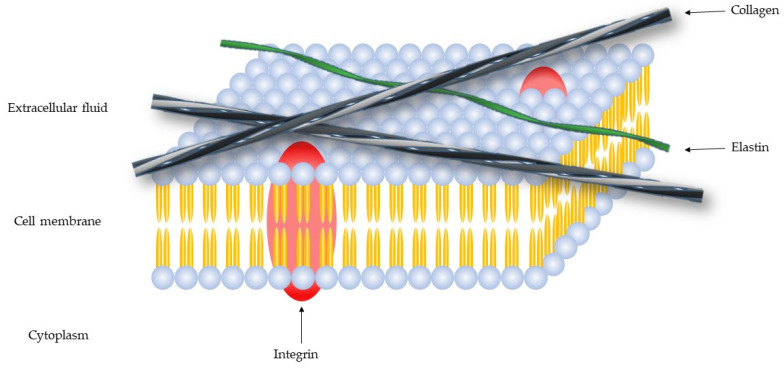
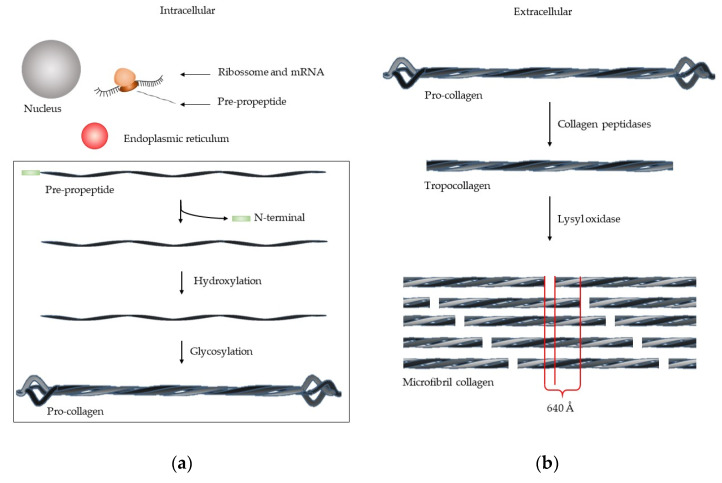
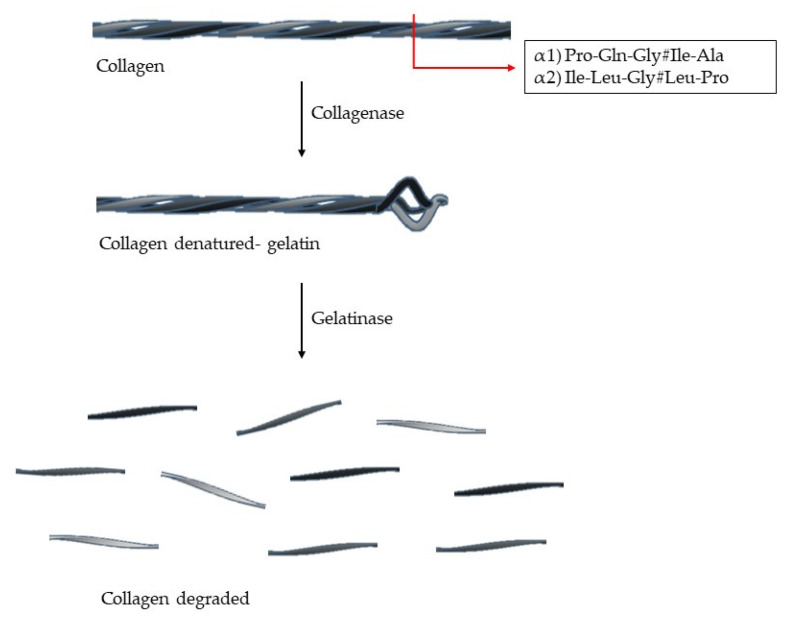
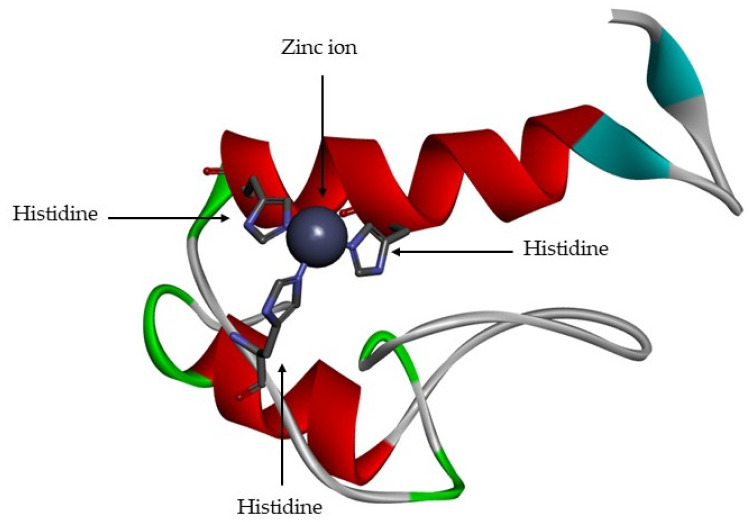
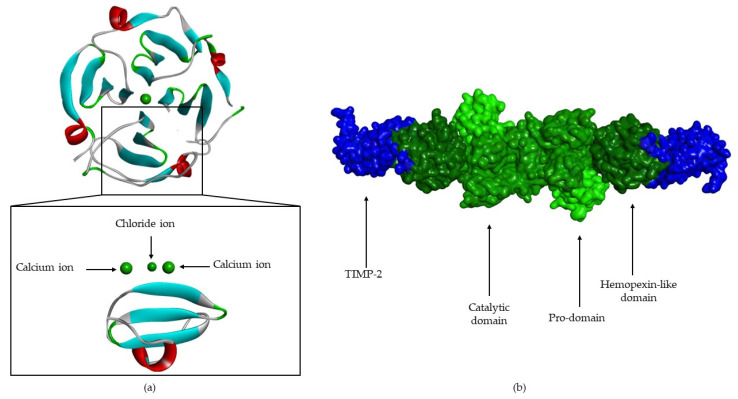
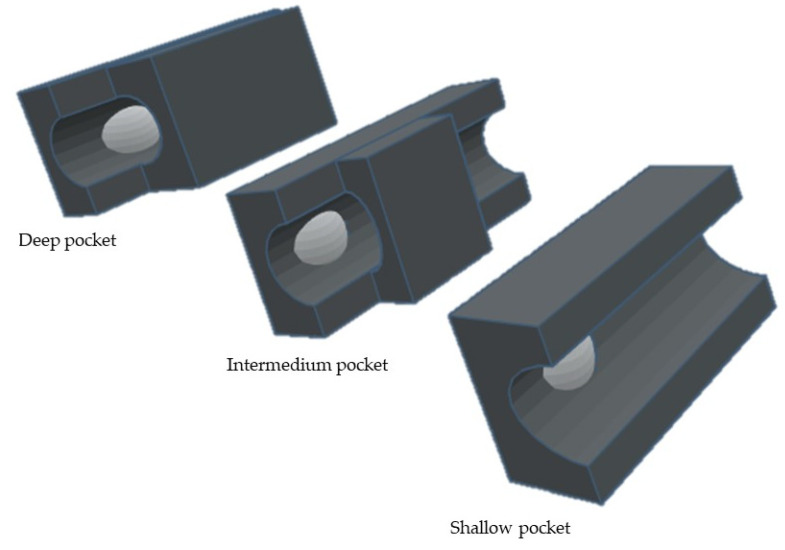
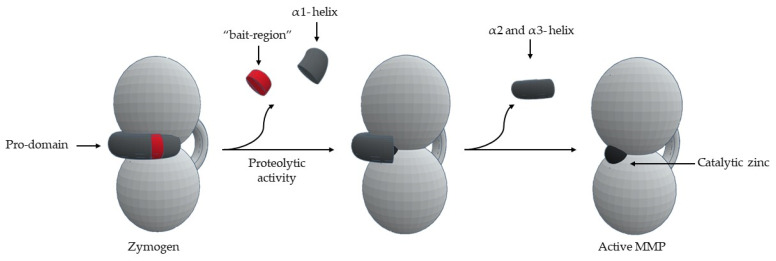
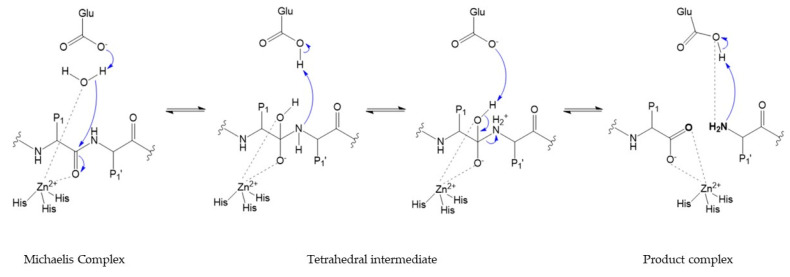
Verification
Claims the paper makes
The claims and statistics of this paper haven’t been checked yet.
Free: it reads the open-access text and checks the first 5 claims that cite a source we can check. Create a free account to check every claim.
Claims other papers make about this one
Each is checked against this paper’s own text: does it say what the citing paper says it does?
The source backs part of the claim, not all of it — or backs it for a different population, condition or comparison.
In the citing paper
“The MMP catalytic domains harbor catalytic Zn2+ ions and their binding motif (HExxHxxGxxH) are both responsible for structural coordination and highly conserved among different MMP subtypes30.”
From Bioengineered liver crosslinked with nano-graphene oxide enables efficient liver regeneration via MMP suppression and immunomodulation (2023) · cites this paper as [30]
Experimental — accuracy not yet measuredThe source backs part of the claim, not all of it — or backs it for a different population, condition or comparison.
In the citing paper
“Varying stages of the inflammatory response are controlled by different MMPs, including overall inflammation, cell morphogenesis, tissue remodeling, wound healing, and cell apoptosis.”
From Unraveling and Harnessing the Immune Response at the Cell–Biomaterial Interface for Tissue Engineering Purposes (2024) · cites this paper as [252]
Experimental — accuracy not yet measuredThe cited source says what the claim attributes to it.
In the citing paper
“The ECM is composed of many natural components, including fibers, proteoglycans, glycoproteins, and polysaccharides.”
From Unraveling and Harnessing the Immune Response at the Cell–Biomaterial Interface for Tissue Engineering Purposes (2024) · cites this paper as [252]
Self-check
Percentages, sums and reported differences re-computed from the paper’s own numbers.
The self-check needs the paper’s full text.
Citations
Cites
Visse, R., & Nagase, H. (2003) · Circulation Research · doi:10.1161/01.res.0000070112.80711.3d · Cited by 4,575 · cited 9×
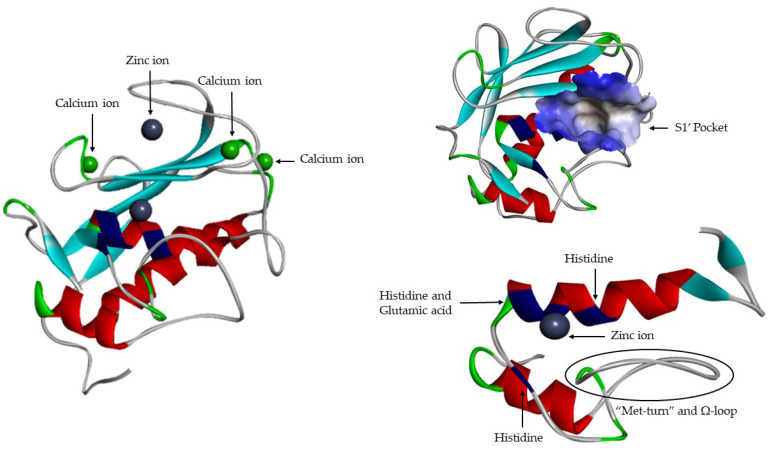
“The active site is zinc-dependent [1,2,6,11,13,15– 18,24,25] and is highly conserved, with three histidine residues bound to catalytic zinc [6,11,12,15] (Figure 4).”
InfluentialStructure and function of matrix metalloproteinases and TIMPs
NAGASE, H., VISSE, R., & MURPHY, G. (2006) · Cardiovascular Research · doi:10.1016/j.cardiores.2005.12.002 · Cited by 3,409 · cited 5×
“The ECM degradation is also an important process in development, morphogenesis, tissue repair and remodulation [8], and can affect the cellular behavior and phenotype [6,9].”
BackgroundInfluentialRicard-Blum, S. (2011) · Cold Spring Harbor Perspectives in Biology · doi:10.1101/cshperspect.a004978 · Cited by 2,305 · cited 3×
“The high glycine content is i portant for collagen helix stabilization as it allo s collagen fibers to co bine, facilitating hydrogen bridges and cross-link for ation [5].”
BackgroundInfluentialBiochemical and Biological Attributes of Matrix Metalloproteinases
Cui, N., Hu, M., & Khalil, R. A. (2017) · Progress in Molecular Biology and Translational Science · doi:10.1016/bs.pmbts.2017.02.005 · Cited by 1,359 · cited 7×
“The collagen is the ost abundant protein in EC hich gives structural support for cells [1,3].”
BackgroundInfluentialCOLLAGENOLYTIC ACTIVITY IN AMPHIBIAN TISSUES: A TISSUE CULTURE ASSAY
Gross, J., & Lapiere, C. M. (1962) · Proceedings of the National Academy of Sciences · doi:10.1073/pnas.48.6.1014 · Cited by 1,310 · cited 1×
“In 1962, a MMP collagenase was isolated and characterized as an enzyme responsible for tadpole tail resorption [1,2,6,13,14,16,21,22], by Gross and Lapiere [22].”
BackgroundDesign and Therapeutic Application of Matrix Metalloproteinase Inhibitors
Whittaker, M., Floyd, C. D., Brown, P., & Gearing, A. J. H. (1999) · Chemical Reviews · doi:10.1021/cr9804543 · Cited by 982 · cited 5×
“Over the next 20 years, several enzymes were purified, but it was in 1985 that the area has developed more significantly [16,21].”
BackgroundInfluentialPhysiology and pathophysiology of matrix metalloproteases
Klein, T., & Bischoff, R. (2011) · Amino Acids · doi:10.1007/s00726-010-0689-x · Cited by 828 · cited 5×
“The active site is zinc-dependent [1,2,6,11,13,15– 18,24,25] and is highly conserved, with three histidine residues bound to catalytic zinc [6,11,12,15] (Figure 4).”
BackgroundInfluentialMatrix metalloproteinases (MMPs): Chemical–biological functions and (Q)SARs
Verma, R. P., & Hansch, C. (2007) · Bioorganic & Medicinal Chemistry · doi:10.1016/j.bmc.2007.01.011 · Cited by 783 · cited 6×
“Over the next 20 years, several enzymes were purified, but it was in 1985 that the area has developed more significantly [16,21].”
BackgroundInfluentialProgress in matrix metalloproteinase research
MURPHY, G., & NAGASE, H. (2008) · Molecular Aspects of Medicine · doi:10.1016/j.mam.2008.05.002 · Cited by 759 · cited 4×
“Collagenases (Appendix A, Table A1) cleave some ECM proteins and other soluble proteins, but the most important role of this type of MMPs is the cleavage of fibrillar collagen type I, II, III, IV and XI into two characteristic fragments, 1/4 C-terminal and 3/4 N -terminal [1,6,8,9,12,14,17,21].”
BackgroundInfluentialMatrix Metalloproteinase-9 (MMP-9) as a Cancer Biomarker and MMP-9 Biosensors: Recent Advances
Huang, H. (2018) · Sensors · doi:10.3390/s18103249 · Cited by 739 · cited 2×
“[26] related that MMP-9 represents a potential biomarker which is overexpressed in several types of tumors (colarectal carcinoma, breast, pancreatic, ovaria, cervical, osteosarcoma nonsmall cell lung cancer (NSCLC), and giant cell tumor of bone (GCTB)), which makes MMP-9 a preferential candidate for the early detectio…”
Background
Cited by
Items 201–300 of 656
Ardalan, A. A., Khalili‐Tanha, G., & Shoari, A. (2024) · International Journal of Translational Medicine · doi:10.3390/ijtm4040046 · Cited by 20
“…ion coordinated by three histidine residues, which are crucial for the hydrolysis of peptide bonds in the extracellular matrix (ECM) components [25]. active site with a catalytic zinc ion coordinated by three histidine residues, which are crucial for the hydrolysis of peptide bonds in the…”
Advances in biomaterials-based tissue engineering for regeneration of female reproductive tissues
Kim, Y. H., Kim, H., & Hong, I. (2025) · Biofabrication · doi:10.1088/1758-5090/adae38 · Cited by 15
“The capacity of gelatin to bind cells is attributed to arginyl-glycyl-aspartic acid sequences and sites sensitive to degradation by matrix metalloproteinases, making it essential for cell encapsulation [94].”
Pro-tumorigenic and Anti-tumorigenic Roles of Pro-inflammatory Cytokines in Cancer
Tahmasebi, S., Alimohammadi, M., Khorasani, S., & Rezaei, N. (2025) · Springer eBooks · doi:10.1007/978-3-032-00749-0_25 · Cited by 21
MMP-responsive hydrogel: a new approach for tissue repair and regeneration
Sun, Y., Sun, M., Lin, X., Sun, Y., Mei, D., Zhang, H., Li, F., & Wang, S. (2026) · Materials & Design · doi:10.1016/j.matdes.2026.115573 · Cited by 15
Coxsackievirus A2 Leads to Heart Injury in a Neonatal Mouse Model
Ji, W., Zhu, P., Liang, R., Zhang, L., Zhang, Y., Wang, Y., Zhang, W., Tao, L., Chen, S., Yang, H., et al. (2021) · Viruses · doi:10.3390/v13081588 · Cited by 13
“Meanwhile, MMPs are important immune modulators affecting cytokine processing and cell migration through their matrix-degrading functions [22].”
BackgroundBartnykaitė, A., Savukaitytė, A., Bekampytė, J., Ugenskienė, R., Laukaitienė, D., Korobeinikova, E., Gudaitienė, J., & Juozaitytė, E. (2022) · Biomedicines · doi:10.3390/biomedicines10081891 · Cited by 14
Park, J. I., Kim, S., Kim, Y. J., & Lee, S. J. (2022) · Journal of Cosmetic Dermatology · doi:10.1111/jocd.15354 · Cited by 14
Wahyuni, W., Diantini, A., Ghozali, M., Subarnas, A., Julaeha, E., Amalia, R., Fristiohady, A., Sundowo, A., Fajriah, S., Hadisaputri, Y. E., et al. (2022) · Indonesian Journal of Science and Technology · doi:10.17509/ijost.v7i2.50547 · Cited by 12
“This ion is one of the catalytic domains that play an essential role in the activity of MMP-1, so binding to this ion can inhibit the activity of MMP-1 and act as an antimigration from cancer cells (Laronha & Caldeira, 2020).”
BackgroundCelep, İ. K., Zheleva‐Dimitrova, D., Sinan, K. I., Uba, A. İ., Nilofar, N., Mahomoodally, M. F., Aumeeruddy, M. Z., Çakılcıoğlu, U., Dall’Acqua, S., & Zengin, G. (2023) · Archiv der Pharmazie · doi:10.1002/ardp.202300528 · Cited by 13
Gao, D., Zhao, Q., Liu, C., Zhang, Y., & Liang, X. (2024) · Journal of Cellular Physiology · doi:10.1002/jcp.31219 · Cited by 12
“The main ECM components in the IVD are aggrecan (ACAN) and type II collagen protein (COL2A1), which are mainly mediated by MMPs and adisintegrin and metalloproteinase with thrombos-pondin motifs (ADAMTs) (Laronha & Caldeira, 2020).”
BackgroundRezaei, A., Moqadami, A., Khalaj‐Kondori, M., & Feizi, M. A. H. (2024) · Molecular Biology Reports · doi:10.1007/s11033-024-09380-1 · Cited by 13
“They are a family of endopeptidases, of which 24 have been identified in humans [ 31, 32].”
Kim, C., Cathey, A. L., Watkins, D. J., Mukherjee, B., Rosario-Pabón, Z. Y., Vélez-Vega, C. M., Alshawabkeh, A. N., Cordero, J. F., & Meeker, J. D. (2022) · Environmental Research · doi:10.1016/j.envres.2022.112874 · Cited by 12
Impact of TRP Channels on Extracellular Matrix Remodeling: Focus on TRPV4 and Collagen
Wang, Q., Ji, C., Smith, P. C., & McCulloch, C. A. (2024) · International Journal of Molecular Sciences · doi:10.3390/ijms25073566 · Cited by 12
Wiesli, M. G., Huber, M. W., Weisse, B., Zboray, R., Kiderlen, S., González‐Vázquez, A., Maniura‐Weber, K., Rottmar, M., & Lackington, W. A. (2024) · Advanced Healthcare Materials · doi:10.1002/adhm.202400077 · Cited by 11
Wang, Y., Liu, S., Huang, Q., & Cheng, Y. (2025) · Investigative Ophthalmology & Visual Science · doi:10.1167/iovs.66.14.40 · Cited by 11
“Because MMP2 and MMP9 are capable of degrading collagen within the ECM, 41 inhibiting their expression via Mfn2 overexpression contributes to the maintenance of ECM structural stability.”
Potent therapeutic targets for treatment of Alzheimer's disease: Amyloid degrading enzymes
Choi, H. S., Kim, E., Choi, J. Y., Park, E., & Lee, H. J. (2021) · Bulletin of the Korean Chemical Society · doi:10.1002/bkcs.12390 · Cited by 12
Mohtashamian, A., Soleimani, A., Gilasi, H. R., Kheiripour, N., Taba, S. M. M., & Sharifi, N. (2022) · Biological Trace Element Research · doi:10.1007/s12011-022-03524-9 · Cited by 11
Arda, A. G., Syaifie, P. H., Ramadhan, D., Jauhar, M. M., Nugroho, D., Kaswati, N. M. N., Noviyanto, A., Safihtri, M., Rochman, N. T., Andrianto, D., et al. (2023) · Journal of Pharmacy & Pharmacognosy Research · doi:10.56499/jppres23.1719_12.2.264 · Cited by 11
Fukuyama, Y., Murakami, H., & Iemitsu, M. (2024) · International Journal of Sports Medicine · doi:10.1055/a-2419-4359 · Cited by 12
“MMP3 is involved in the degradation of aggrecan, elastin, fi - bronectin, and laminin in various extracellular matrix proteins, and collagen types II, III, IV, V, IX, and X [78, 80].”
Kupczyk, D., Bilski, R., Studzińska, R., & Woźniak, A. (2021) · Advances in Dermatology and Allergology · doi:10.5114/ada.2020.100737 · Cited by 12
Importance of Metalloproteinase Enzyme Group in Selected Skeletal System Diseases
Kulesza, M., Kicman, A., Motyka, J., Guszczyn, T., & Ławicki, S. (2023) · International Journal of Molecular Sciences · doi:10.3390/ijms242417139 · Cited by 12
“In addition, the ECM is made up of fibrils that form type-I collagen and type-II collagen, found mainly in cartilage [5,6].”
BackgroundHypochlorous Acid for Wound Healing in Diabetic Rats: Effect on MMP-9 and Histology
Irawan, D. M., Lesmana, R., & Sahiratmadja, E. (2024) · Clinical Cosmetic and Investigational Dermatology · doi:10.2147/ccid.s468494 · Cited by 10
Patel, D. T., Stogios, P. J., Jaroszewski, L., Urbanus, M. L., Sedova, M., Semper, C., Le, C., Takkouche, A., Ichii, K., Innabi, J., et al. (2024) · Molecular Systems Biology · doi:10.1038/s44320-024-00076-z · Cited by 12
“The catalytic pocket of metalloproteases is made of an ɑ - helix harboring a highly conserved sequence motif: His-Glu-X-X-His-X, where “ X ” represents any amino acid (Laronha and Caldeira, 2020; Sternlicht and Werb, 2001).”
Oselusi, S. O., Sibuyi, N. R. S., Martin, D. R., Meyer, M., & Madiehe, A. M. (2024) · Computers in Biology and Medicine · doi:10.1016/j.compbiomed.2024.109487 · Cited by 12
Leveraging endogenous MMPs for drug delivery in the cancer environment
Richards, B. A., Yeager, L. P., Sullivan, M. O., & Chen, W. (2025) · Expert Opinion on Drug Delivery · doi:10.1080/17425247.2025.2531064 · Cited by 13
“Several MMPs contain specialized domains such as a fibronectin-like domain for binding to denatured collagen or a GPI anchor for membrane-bound MMP display [4,6].”
Stressed β-cells contribute to loss of peri-islet extracellular matrix in type 1 diabetes
Johansen, C. G., Lam, K., & Farnsworth, N. L. (2025) · Frontiers in Endocrinology · doi:10.3389/fendo.2025.1675043 · Cited by 13
“Additionally, MMP-10 and MMP-12 which target fi bronectin and laminin respectively, were found to be upregulated and have been shown to activate other MMPs that may promote further remodeling of the ECM (18).”
InfluentialSensing strategies for disease biomarkers in saliva: current status and future trends
Xia, X., Zhu, Y., Ciren, D., Hui, S., Liu, Y., Wang, Y., & Hong, L. (2025) · Coordination Chemistry Reviews · doi:10.1016/j.ccr.2025.217351 · Cited by 10
The Role of Extracellular Proteases and Extracellular Matrix Remodeling in the Pre-Metastatic Niche
Okura, G. C., Bharadwaj, A. G., & Waisman, D. M. (2025) · Biomolecules · doi:10.3390/biom15121696 · Cited by 12
“Matrix metalloproteinases (MMPs) are a family of 28 calcium-dependent, zinc-containing endopeptidases belonging to the metzincin superfamily that collectively degrade all components of the extracellular matrix and regulate numerous biological processes beyond simple proteolysis [94].”
Wang, Y., Liu, M., Liu, X., Hao, D., Wang, Y., Cai, Y., Li, J., Miao, X., Zhang, Y., Yang, X., et al. (2026) · Biosensors and Bioelectronics · doi:10.1016/j.bios.2026.118444 · Cited by 10
Yan, T., Ma, X., & Xi, F. (2026) · RSC Advances · doi:10.1039/d6ra00374e · Cited by 10
Wang, Y., Sha, L., Mao, H., Zhao, J. T., & Tu, M. (2022) · Electrochimica Acta · doi:10.1016/j.electacta.2022.140100 · Cited by 10
Mesenchymal Stem-Cell Remodeling of Adsorbed Type-I Collagen—The Effect of Collagen Oxidation
Komsa‐Penkova, R., Stavreva, G., Кюркчиев, С., Belemezova, K., Todinova, S. J., & Altankov, G. (2022) · International Journal of Molecular Sciences · doi:10.3390/ijms23063058 · Cited by 10
“These sites are located near the peptide bond to be cleaved, along with the local unwinding of the triple helix [63,64].”
BackgroundVieira, D., Barralet, J. E., Harvey, E. J., & Merle, G. E. (2022) · Biosensors · doi:10.3390/bios12100884 · Cited by 10
“PEX domain demonstrates easy access and abundance in the protein structure when compared to the hidden zinc ion on the catalytic core of the protein [42].”
BackgroundChoi, Y. J., Lee, S., Son, S.-R., Park, J. Y., Jang, D. S., & Lee, S. (2023) · Antioxidants · doi:10.3390/antiox12101803 · Cited by 10
“Type 1 collagen is destroyed by aging-related proteins, such as MMPs. MMPs destroy the skin layer by dividing gelatinase, collagenase, and stromelysin [19].”
BackgroundTherapeutic targets and potential delivery systems of melatonin in osteoarthritis
Xiong, Z., Peng, G., Deng, J., Liu, M., Ning, X., Zhuang, Y., Yang, H., & Sun, H. (2024) · Frontiers in Immunology · doi:10.3389/fimmu.2024.1331934 · Cited by 11
Zahran, E. M., Mohyeldin, R. H., El‐Mordy, F. M. A., Maher, S. A., El-Maqsoud, N. M. R. A., Altemani, F. H., Algehainy, N. A., Alanazi, M. A., Jalal, M. M., Elrehany, M. A., et al. (2024) · PLoS ONE · doi:10.1371/journal.pone.0300543 · Cited by 11
“…being MMP1, MMP8, MMP13), matrilysins (like MMP7), stromelysins (such as MMP3, MMP10, and MMP11), gelatinases (notably MMP2 and MMP9), and membrane type metallo-proteinases (for instance, MMP14), as identified in studies by Laronha and Caldeira (2020) [53], and Rohani and Parks (2015) [54].”
Verma, S. K., Yaghoobi, H., Slaine, P. D., Baldwin, S. J., Rainey, J. K., Kreplak, L., & Frampton, J. P. (2022) · Colloids and Surfaces B Biointerfaces · doi:10.1016/j.colsurfb.2022.112525 · Cited by 10
Masitas, C., Peng, Z., Wang, M., Konai, M. M., Avila‐Cobian, L. F., Lemieux, L., Hovanesian, J. A., Grady, J. E., Mobashery, S., & Chang, M. (2022) · ACS Pharmacology & Translational Science · doi:10.1021/acsptsci.2c00125 · Cited by 12
Lee, H.-J., Lee, S., Lee, S., Choi, B., & Lee, D. (2023) · Current Issues in Molecular Biology · doi:10.3390/cimb45010036 · Cited by 11
“It can also degrade proteoglycan and fibronectin as a proteolytic enzyme, destroy connective tissues, and accelerate periodontitis [24,25].”
Sinha, K., Parwez, S., Shahana, M. V., Yadav, A., Siddiqi, M. I., & Banerjee, D. (2023) · Journal of Biomolecular Structure and Dynamics · doi:10.1080/07391102.2023.2240416 · Cited by 9
“…& Nagase, 2003; Whittaker et al., 1999) and three histidine residue (Jacobsen et al., 2010; Mannello & Medda, 2012; Santos et al., 2004; Whittaker et al., 1999) which are part of a highly conserved sequence: VAAHEXGHXXGXXH (Laronha & Caldeira, 2020; Santos et al., 2004; Whittaker et al., 1999).”
InfluentialMatrix metalloproteinase landscape in the imiquimod-induced skin inflammation mouse model
Noddeland, H. K., Canbay, V., Lind, M. L., Savickas, S., Jensen, L. B., Petersson, K., Malmsten, M., Koch, J., Keller, U. A. D., & Heinz, A. (2024) · Biochimie · doi:10.1016/j.biochi.2024.03.011 · Cited by 10
“2A) [25].”
Amelogenin-Derived Peptide-Modified Poly(amidoamine) Dendrimers for Root Caries Prevention
Cai, X., Chen, Y., Wu, J., Wang, A., & Wang, X. (2025) · ACS Applied Materials & Interfaces · doi:10.1021/acsami.4c20204 · Cited by 9
Engineered protein inhibitors for precise targeting of matrix metalloproteinases
Rotenberg, N., Bentolila, N. Y., & Shifman, J. M. (2025) · Trends in Biochemical Sciences · doi:10.1016/j.tibs.2025.08.002 · Cited by 9
Identifying protease-activated targets and exploring therapeutic applications
Kang, D., & Craik, C. S. (2025) · Expert Opinion on Therapeutic Targets · doi:10.1080/14728222.2025.2563244 · Cited by 11
“Designing chemical inhibitors for MMPs was relatively straight-forward because these enzymes uniquely contain a Zn 2+ ion in their active site [98].”
Effect of Collagen-Reactive Functional Monomer on Etch-and-Rinse Adhesives
Yu, S. Y., He, X., Tian, Z., Li, K. X., Chen, H., Wang, H. M., Shi, Z., Zhu, S., & Cui, Z. (2022) · Journal of Dental Research · doi:10.1177/00220345221134278 · Cited by 9
“Presumably, the aldehydes bind covalently to the functional domains of gelatinases such as the cysteine residues (sulfhydryl groups) in the prodomains relevant to the activation and stability of enzymes (Liu and Khalil 2017; Laronha and Caldeira 2020).”
BackgroundMenon, N., & Kishen, A. (2023) · Biomolecules · doi:10.3390/biom13081193 · Cited by 12
Could MMP3 and MMP9 Serve as Biomarkers in EBV-Related Oropharyngeal Cancer
Polz, A., Morshed, K., Drop, B., & Polz‐Dacewicz, M. (2024) · International Journal of Molecular Sciences · doi:10.3390/ijms25052561 · Cited by 9
Molecular analysis of the extracellular microenvironment: from form to function
Macdonald, J. K., Mehta, A. S., Drake, R. R., & Angel, P. M. (2024) · FEBS Letters · doi:10.1002/1873-3468.14852 · Cited by 9
“MMP activity produces significant variation of ECM protein structure [50] and when combined with the use of trypsin may result in larger numbers of semi-tryptic peptides in database searches.”
BackgroundRetnaningtyas, E., Susatia, B., Khotimah, H., Rudijanto, A., Abousouh, A. A. A., & Setiawan, A. (2024) · Journal of King Saud University - Science · doi:10.1016/j.jksus.2024.103207 · Cited by 9
Delving into Matrix Metalloproteinase-1 (MMP-1) and its Significance in Periodontal Diseases
Natarajan, P. M., Ganesan, A., Varma, S. R., & Shetty, N. Y. (2024) · Journal of Pharmacy And Bioallied Sciences · doi:10.4103/jpbs.jpbs_1249_23 · Cited by 9
“[1] MMP‑1, a member of the zinc‑dependent endopeptidase family, holds a unique position within the matrix metalloproteinase family due to its specific affinity towards collagen type I, [2] the primary structural component of the periodontium.”
Matrix metalloproteinase inhibitors in restorative dentistry
Perarivalan, I., Karunakaran, J., Anbalagan, N., Harishma, S., & Prasad, V. (2024) · Journal of Conservative Dentistry and Endodontics · doi:10.4103/jcde.jcde_199_24 · Cited by 11
“[13] Since then, the scientific literature has been filled with a vast array of studies on MMPs and their inhibitors.”
BackgroundRoney, M., Uddin, M. N., & Aluwi, M. F. F. M. (2024) · Computational Biology and Chemistry · doi:10.1016/j.compbiolchem.2024.108149 · Cited by 9
In vivo monitoring of active subretinal fibrosis in mice using collagen hybridizing peptides
Linder, M., Bennink, L. L., Foxton, R. H., Kirkness, M. W. H., & Westenskow, P. D. (2024) · Lab Animal · doi:10.1038/s41684-024-01408-0 · Cited by 11
“…and overall collagen concentration within the fibrotic lesion is modulated primarily by fibroblast cells, which produce both collagen and matrix metalloproteinases (a class of enzymes responsible for collagen cleavage) in response to environmental cues, including many from collagen itself 19,20 .”
Schaaf, K., Landstreet, S. R., Putz, N. D., Gonski, S. K., Lin, J., Buggs, C. J., Gibson, D., Langouët-Astrié, C. J., Jetter, C. S., Negretti, N. M., et al. (2024) · PLoS ONE · doi:10.1371/journal.pone.0308648 · Cited by 9
“There is in vivo redundancy among MMPs as MMPs have shared substrates [33] so there may be compensation in single knock out models.”
Makgobole, M. U., Onwubu, S. C., Baruwa, A., Mpofana, N., Obiechefu, Z., Naidoo, D., Khathi, A., & Mkhwanazi, B. N. (2024) · Marine Drugs · doi:10.3390/md22120562 · Cited by 9
Mechanism of the Early Catalytic Events in the Collagenolysis by Matrix Metalloproteinase‐1
Waheed, S. O., Varghese, A., DiCastri, I., Kaski, B., LaRouche, C., Fields, G., & Karabencheva‐Christova, T. G. (2022) · ChemPhysChem · doi:10.1002/cphc.202200649 · Cited by 12
Inhibition of matrix metalloproteinases by HIV-1 integrase strand transfer inhibitors
Foster, E. G., Palermo, N. Y., Liu, Y., Edagwa, B., Gendelman, H. E., & Bade, A. N. (2023) · Frontiers in Toxicology · doi:10.3389/ftox.2023.1113032 · Cited by 10
“The active site of these enzymes is highly conserved, and comprised of three histidine residues that are bound to the catalytic zinc (Laronha and Caldeira, 2020).”
BackgroundMatrix metalloproteinases in COVID-19: underlying significance
Khalid, U., Dimov, D., & Vlaykova, T. I. (2023) · Biotechnology & Biotechnological Equipment · doi:10.1080/13102818.2023.2186137 · Cited by 9
“MMPs are zinc dependent endoproteinases which can be subdivided according to their structural characteristics and substrate specificity into several subclasses [9]: i. Non-furin regulated MMPs archetypal MMPs such as MMP-1, −3, −8, −10, −12, −13, −19, −20 and −27; ii.”
BackgroundIdentification of small molecule inhibitors against MMP-14 via High-Throughput screening
Lee, H., Youn, I. P., Demissie, R., Vaid, T. M., Che, C., Azar, D. T., & Han, K. (2023) · Bioorganic & Medicinal Chemistry · doi:10.1016/j.bmc.2023.117289 · Cited by 9
In Vitro Evaluation of Two Tissue Substitutes for Gingival Augmentation
dos Santos, T. C., Elias, C. N., Lemos, A. B., Soares, A. B., Pelegrine, A. A., Teixeira, L. N., & Martinez, E. F. (2023) · Journal of Biomaterials and Nanobiotechnology · doi:10.4236/jbnb.2023.142002 · Cited by 10
Hu, J., Liu, F., Chen, Y., Fu, J., & Ju, H. (2023) · Analytical Chemistry · doi:10.1021/acs.analchem.3c01039 · Cited by 9
Park, E., Lee, I., Park, G.-C., Lee, S., Kim, K. J., Yun, J., & Kim, D. (2023) · Food Science and Biotechnology · doi:10.1007/s10068-023-01379-x · Cited by 9
“Collagen molecules, which are produced in the form of pro-collagen by fibroblasts, are secreted from cells to form a triple-helix structure and combine to form collagen fibers (Laronha and Caldeira, 2020).”
Understanding collagen interactions and their targeted regulation by novel drugs
Gallorini, M., & Carradori, S. (2021) · Expert Opinion on Drug Discovery · doi:10.1080/17460441.2021.1933426 · Cited by 9
Khotimah, H., Ismail, D. D. L., Widasmara, D., Riawan, W., Retnaningtyas, E., Nugraheni, R. W., Puspita, O. E., Adianingsih, O. R., Mardiyah, M., & Setiawan, A. (2022) · F1000Research · doi:10.12688/f1000research.109318.1 · Cited by 9
RetractedRole of Nigella sativa L. seed (black cumin) in preventing photoaging (Review)
Evanti, A. M., Wargasetia, T. L., & Gunadi, J. W. (2025) · Biomedical Reports · doi:10.3892/br.2025.2009 · Cited by 8
“Impaired regulation of MMP activity causes various pathologies and is divided into the following: i) Tissue damage; ii) fibrosis; and iii) matrix weakness (53).”
Pelt, S. N. V., White, M. T., Tat, C. L., Hooper, D., Talbot, L. J., McKenna, M. K., Fernandes, R., Rooney, C. M., & Omer, B. A. (2025) · Cancer Immunology Research · doi:10.1158/2326-6066.cir-25-0149 · Cited by 10
Active Matrixmetalloproteinase-8 in Periodontal Diagnosis: A Scoping Review
Goyal, L., Gupta, M., Sareen, S., Aji, N. R. A. S., Sahni, V., Thomas, J. T., Pätilä, T., Penttala, M. T., Pärnänen, P., Sorsa, T. A., et al. (2025) · Diagnostics · doi:10.3390/diagnostics15222932 · Cited by 9
“MMP-8 belongs to the matrix metalloproteinase (MMP) family, comprising 26 genetically diverse yet structurally related proteases, of which 24 are found in humans [47,48].”
Nikolić, I., & Morici, L. (2026) · European Journal of Pharmacology · doi:10.1016/j.ejphar.2026.178645 · Cited by 9
Costa, D., Ielapi, N., Minici, R., Bevacqua, E., Ciranni, S., Cristodoro, L., Torcia, G., Taranto, M. D. D., Bracale, U. M., Andreucci, M., et al. (2023) · Journal of Vascular Diseases · doi:10.3390/jvd2030021 · Cited by 12
Network pharmacology reveals the potential of Dolastatin 16 as a diabetic wound healing agent
Luthfiana, D., & Utomo, D. H. (2023) · In Silico Pharmacology · doi:10.1007/s40203-023-00161-5 · Cited by 10
“This process allows NF-κB dimers (p50 and p65) to translocate into the nucleus, where they bind to DNA, driving gene expressions such as extracellular matrix remodeling involving MMP9, MMP3, and MMP14 (Hayden and Ghosh 2008; Israël 2010; Wertz and Dixit 2010).”
Association of MMP1 gene polymorphisms with breast cancer risk: A narrative review
Akter, T., Aziz, M. A., Islam, M. S., & Sarwar, M. S. (2023) · Health Science Reports · doi:10.1002/hsr2.1607 · Cited by 9
“32,33 The catalytic domain or metalloproteinase domain of a typical MMP1 contains a conserved sequence of three histidine residues necessary for Zn 2+ chelation.”
BackgroundHema Naveena, A., Kumar, A., Agrawal, A., Mavely, L., & Bhatia, D. D. (2025) · ACS Applied Bio Materials · doi:10.1021/acsabm.4c01161 · Cited by 8
Varghese, A., Chaturvedi, S. S., DiCastri, B., Mehler, E., Fields, G. B., & Karabencheva‐Christova, T. G. (2022) · ChemPhysChem · doi:10.1002/cphc.202100680 · Cited by 9
The collagenases: are they tractable targets for preventing cartilage destruction in osteoarthritis?
Karila, T. A., Tervahartiala, T. I., Cohen, B., & Sorsa, T. A. (2022) · Expert Opinion on Therapeutic Targets · doi:10.1080/14728222.2022.2035362 · Cited by 9
Huynh, C. B., Nagaarudkumaran, N., Kalyaanamoorthy, S., & Ngo, W. (2023) · Eye & Contact Lens Science & Clinical Practice · doi:10.1097/icl.0000000000000982 · Cited by 8
PATTERN OF MMP2 AND MMP9 EXPRESSION DEPENDS ON BREAST CANCER PATIENTS’ AGE
Lukianova, N. Y., Mushii, O., Borikun, T., Zadvornyi, T., Bazas, V., Krotevych, M. S., Sivák, L., Lyalkin, S. A., MARTYNYUK, О., Hrybach, S., et al. (2023) · Experimental Oncology · doi:10.15407/exp-oncology.2023.01.017 · Cited by 8
Matrix Metalloproteinases and Heart Transplantation—A Pathophysiological and Clinical View
Patrichi, G., Patrichi, A. I., Satala, C.-B., & Sin, A. I. (2023) · Medicina · doi:10.3390/medicina59071295 · Cited by 8
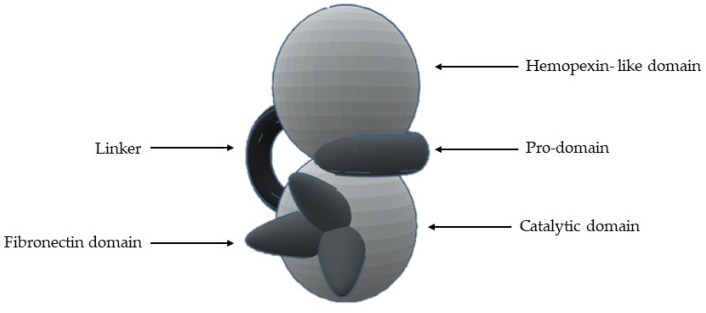
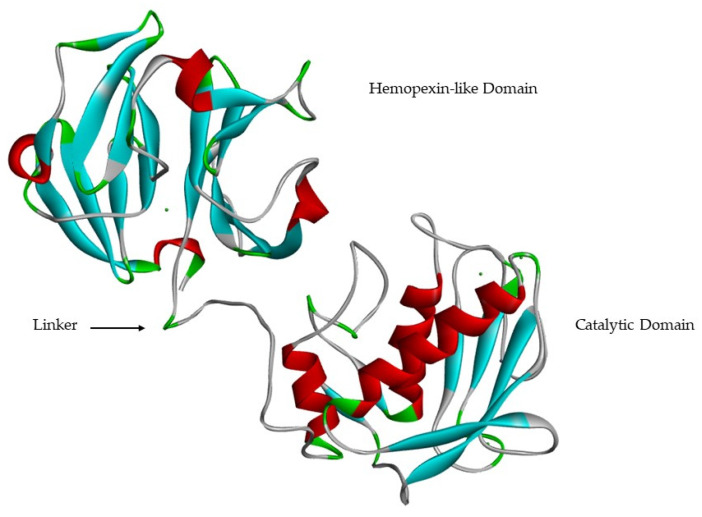
“In terms of structure, MMPs share a common, three-dimensional pattern consisting of a propeptide sequence, a catalytic domain and a hemopexin-like c-terminal domain attached to the catalytic domain by a flexible hinge region [16].”
BackgroundDevelopment of a New Collagen Gel Product for Leather Finishing
Zhang, X., Sorolla, S., Casas, C., & Dalmases, A. B. (2023) · Gels · doi:10.3390/gels9110883 · Cited by 8
“These amino acids can then be assimilated by microorganisms and other organisms, participating in the natural nutrient cycle [23].”
BackgroundCavalcante, G. L., Bonifácio, L. P., Sanches-Lopes, J. M., Puga, F. G., de Carvalho, F. S., Bellissimo‐Rodrigues, F., & Tanus-Santos, J. E. (2024) · Basic & Clinical Pharmacology & Toxicology · doi:10.1111/bcpt.14001 · Cited by 9
Schweitzer, A. M., Koehle, M. S., Fliss, M. D., & Mitchell, C. J. (2025) · American Journal of Physiology-Cell Physiology · doi:10.1152/ajpcell.00992.2024 · Cited by 7
Photobiomodulation therapy in keloid management: a comprehensive review
Prananda, A. T., & Syahputra, R. A. (2025) · Frontiers in Medicine · doi:10.3389/fmed.2025.1550662 · Cited by 11
“Remodeling involves the replacement of type III collagen with type I, mediated by MMPs, resulting in stronger scar tissue (36).”
Laronha, H., Carpinteiro, I., Portugal, J., Azul, A. M., Polido, M., Petrova, K. T., Salema‐Oom, M., Barahona, I., & Caldeira, J. (2021) · Biomedicines · doi:10.3390/biomedicines9040366 · Cited by 7
Self-citationXie, T., Fu, D.-J., Li, K., Guo, J.-D., Xiao, Z., Li, Z., & Zhao, S. (2024) · Aging · doi:10.18632/aging.205445 · Cited by 7
“In addition, matrix metalloproteinases (MMPs) are a class of zinc-dependent endoproteases responsible for tissue remodeling and degradation of ECM proteins [38].”
BackgroundLi, Z., Williams, H. J., Jackson, M. L., Johnson, J. L., & George, S. J. (2024) · Cells · doi:10.3390/cells13110989 · Cited by 8
“MMP-1, -8, and -13 (also known as collagenase 1–3) typically cleave collagen into a ¼ fragment and a ¾ fragment, which did not match the molecular weight of the WISP-1 protein-induced collagen band detected in this study [51,52].”
BackgroundGorantla, K. R., Krishnan, A., Waheed, S. O., Varghese, A., DiCastri, I., LaRouche, C., Paik, M., Fields, G., & Karabencheva‐Christova, T. G. (2024) · Biochemistry · doi:10.1021/acs.biochem.4c00076 · Cited by 8
Bautista-Bautista, G., Salguero-Zacarias, S., Villeda-Gabriel, G., García-López, G., Osorio‐Caballero, M., Palafox-Vargas, M. L., Acuña‐González, R. J., Lara‐Pereyra, I., Díaz-Ruíz, O., & Flores‐Herrera, H. (2024) · BMC Pregnancy and Childbirth · doi:10.1186/s12884-024-06847-8 · Cited by 7
Extracellular matrix in cardiac morphogenesis, fibrosis, and regeneration
Punde, A., Rayrikar, A., Maity, S., & Patra, C. (2025) · Cells and Development · doi:10.1016/j.cdev.2025.204023 · Cited by 8
Aleman, J., Young, C. D., Karam, S. D., & Wang, X. (2022) · Molecular Carcinogenesis · doi:10.1002/mc.23417 · Cited by 10
Cao, M., Yao, S., Zhu, X., Ong, M. T., Yung, P. S., & Jiang, Y. (2023) · The American Journal of Sports Medicine · doi:10.1177/03635465221145015 · Cited by 7
Disturbed Matrix Metalloproteinases Activity in Age-Related Macular Degeneration
Martins, B. D., & Fernandes, R. (2023) · Advances in experimental medicine and biology · doi:10.1007/978-3-031-27681-1_4 · Cited by 8
Yang, M., Nakamura, M., Kageyama, Y., Igari, Y., & Sasano, Y. (2023) · Gerontology · doi:10.1159/000533921 · Cited by 8
“MMP-13 is a collagenase that can degrade a wide range of ECM proteins, including type I collagen, type II collagen, and aggrecan [16, 27, 28].”
BackgroundMishra, V., Agrawal, S., Malik, D., Mishra, D., Bhavya, B., Pathak, E., & Mishra, R. (2025) · International Journal of Biological Macromolecules · doi:10.1016/j.ijbiomac.2025.141602 · Cited by 8
Regulation of Matrix Metalloproteinases by Wine-Derived Compounds: Implications for Cancer Therapy
Islam, M. T., Vo, H. V. T., & Lee, H. J. (2025) · Biomolecules · doi:10.3390/biom15060781 · Cited by 7
Enzyme-Responsive Nanoparticles for Drug Delivery
Mathur, A., Singhal, J., Gupta, D., & Saxena, R. (2024) · BENTHAM SCIENCE PUBLISHERS eBooks · doi:10.2174/9789815256505124010007 · Cited by 12
Sharma, A., Balde, A., & Nazeer, R. A. (2025) · International Immunopharmacology · doi:10.1016/j.intimp.2025.114703 · Cited by 6
VPS35/Retromer-dependent MT1-MMP regulation confers melanoma metastasis
Hao, Q., Bai, Y., Guan, R., Dong, R., Bai, W., Hamdy, H., Wang, L., Meng, M., Sun, Y., Shen, J., et al. (2025) · Science China Life Sciences · doi:10.1007/s11427-024-2884-2 · Cited by 6
“Previous research has shown that MT1-MMP, apart from being on the cell surface, localizes in the cytoplasm, invadopodia, Golgi apparatus, and cell nucleus, playing different roles in various intracellular processes (Laronha and Caldeira, 2020; Shimizu-Hirota et al., 2012).”
Šavikin, K., Aradski, A. A., Jovanović, A., Pirković, A., Radan, M., Nikolić, N. Ć., & Živković, J. (2025) · Bioorganic Chemistry · doi:10.1016/j.bioorg.2025.108818 · Cited by 6
Kuznetsova, T. A., Andryukov, B. G., Polovov, S. F., & Константиновна, Г. А. (2023) · Russian Clinical Laboratory Diagnostics · doi:10.51620/0869-2084-2022-67-8-451-457 · Cited by 8
Ansbacher, T., Tohar, R., Cohen, A., Cohen, O., Levartovsky, S., Arieli, A., Matalon, S., Bar, D. Z., Gal, M., & Weinberg, E. (2023) · Journal of Biological Engineering · doi:10.1186/s13036-023-00366-4 · Cited by 6
Nonclinical evaluation of a Vitis vinifera extract towards a novel antiaging cosmetic ingredient
Reis, R. D., da Rosa, R., Pessa, L. R., & Guimarães, C. R. W. (2023) · Journal of Cosmetic Dermatology · doi:10.1111/jocd.15852 · Cited by 7
Metadata
- Authors
- Laronha, H., & Caldeira, J.
- Affiliations
- LAQV Requimte (PT)
- Corresponding author
- Caldeira, Jorge
- Venue
- Cells
- Publisher
- MDPI AG
- Published
- 2020-04-26
- Volume
- 9
- Issue
- 5
- Pages
- 1076
- ISSN
- 2073-4409 (ISSN-L)
- PMC
- PMC7290392
- OpenAlex
- W3019034047
- Semantic Scholar
- 78e1f6960d48761830483b73ddf345fae4bbfdb7
- Cited by
- 609
- References
- 36
- Citations by year
- 2026: 82 · 2025: 117 · 2024: 132 · 2023: 122 · 2022: 93 · 2021: 61 · 2020: 1
- FWCI
- 7.06
- Type
- journal article
- Language
- en
- Open access
- gold
- dx.doi.org
- Licence
- Locations
- Cells (publishedVersion, cc-by)
- PubMed Central (publishedVersion, cc-by)
- PubMed (publishedVersion)
- Portuguese National Funding Agency for Science, Research and Technology (RCAAP Project by FCT) (submittedVersion, other-oa)
- DOAJ (DOAJ: Directory of Open Access Journals) (submittedVersion, cc-by-sa)
- Funders
- Fundação para a Ciência e a Tecnologia (PTDC/SAU-BMA/122444/2010, SAICT-POL/24288/2016)
- Topics
- Life Sciences › Biochemistry, Genetics and Molecular Biology › Cancer Research › Protease and Inhibitor Mechanisms
- Life Sciences › Biochemistry, Genetics and Molecular Biology › Biochemistry › Bone and Dental Protein Studies
- Life Sciences › Biochemistry, Genetics and Molecular Biology › Structural Biology › Enzyme Structure and Function
- Keywords
- matrix metalloproteinases, extracellular matrix, collagen degradation, collagen triple helix, tissue inhibitors of metalloproteinases, MMP regulation, protease inhibitors
- MeSH terms
- Collagen, Extracellular Matrix, Humans, Structure-Activity Relationship, Matrix Metalloproteinases, Proteolysis, Matrix Metalloproteinase Inhibitors
About these checks
Registry, retraction, Cites and statistics results are computed, not judged, with one exception: a printed reference that no index lists is read once by a model before it counts as a citation error. Claims are extracted by a model and kept only when their quote appears verbatim in the text; each cited source is then checked, with a model’s help, for whether it says what the claim relies on. Those verdicts can be wrong — read the claim’s quote and the cited source before relying on one.
Statistics and arithmetic are recomputed, not judged.
Confidence bands are shown only for fields calibrated on our annotated test set. None is calibrated yet, so no band is shown.
What counts as a claim ›How we measure confidence ›How we check this ›
Are you an author, or do you see a problem with this page? Request a review
Data sources
Bibliographic data: Semantic Scholar, OpenAlex, Crossref.
Contains information from the Semantic Scholar Academic Graph Datasets, made available under the ODC Attribution License (ODC-BY 1.0).
Semantic Scholar’s data is described in: Kinney, R., et al. (2023). The Semantic Scholar Open Data Platform. arXiv:2301.10140.
