

Structure and Function of Human Matrix Metalloproteinases
Open accessThe DOI matches its Crossref record; 36 of the 36 references it cites were found in a registry or an index.
Abstract
The extracellular matrix (ECM) is a macromolecules network, in which the most abundant molecule is collagen. This protein in triple helical conformation is highly resistant to proteinases degradation, the only enzymes capable of degrading the collagen are matrix metalloproteinases (MMPs). This resistance and maintenance of collagen, and consequently of ECM, is involved in several biological processes and it must be strictly regulated by endogenous inhibitors (TIMPs). The deregulation of MMPs activity leads to development of numerous diseases. This review shows MMPs complexity.
Overview
The claims and statistics of this paper haven’t been checked yet.
Free: it reads the open-access text and checks the first 5 claims that cite a source we can check. Create a free account to check every claim.
Integrity signals
Registry
Cites
Statistics
Figures
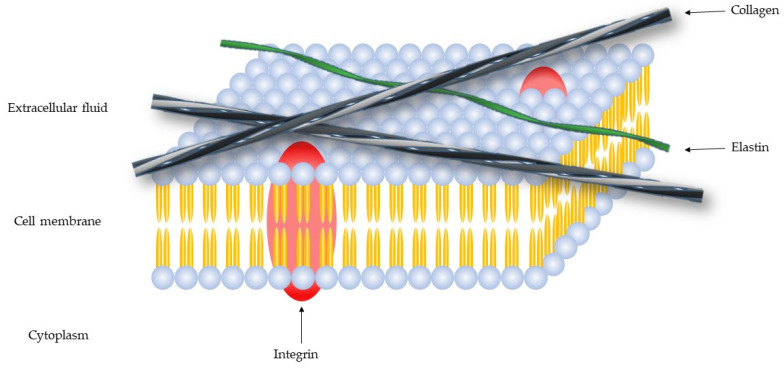
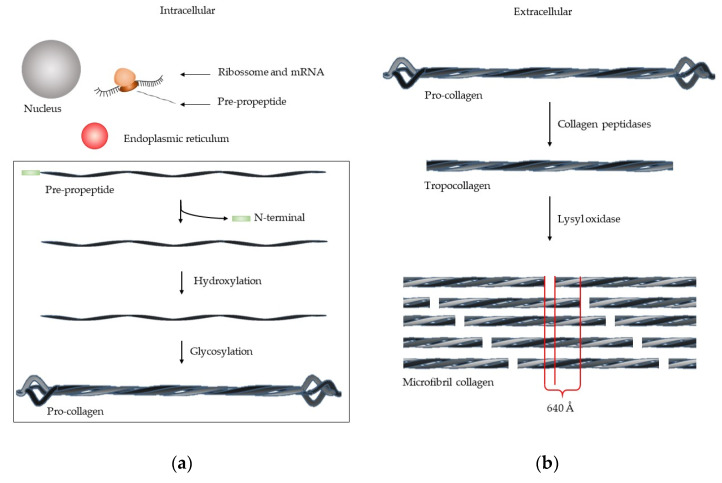
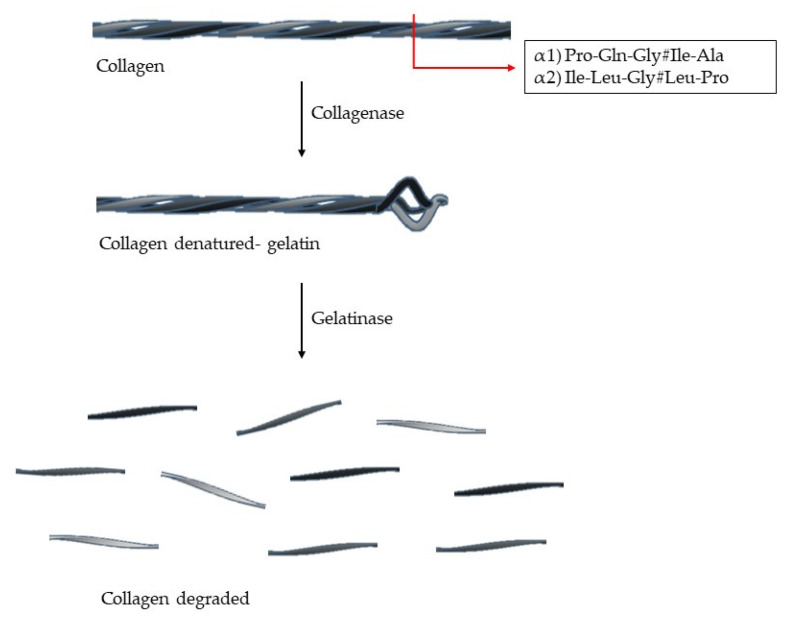
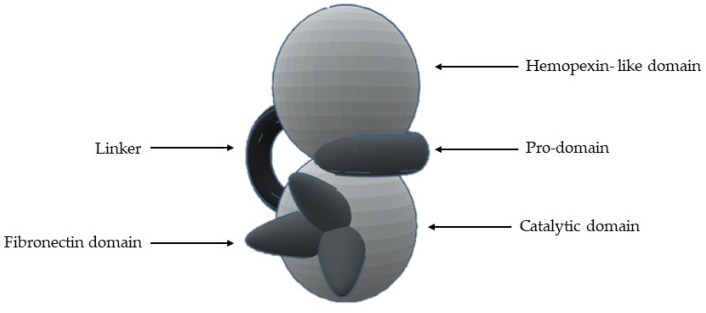
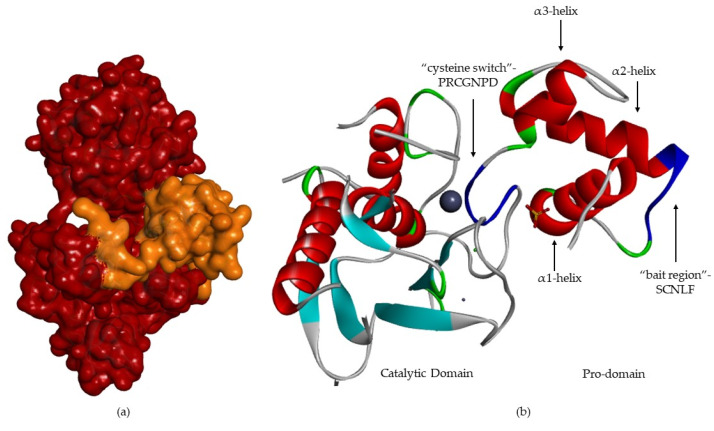
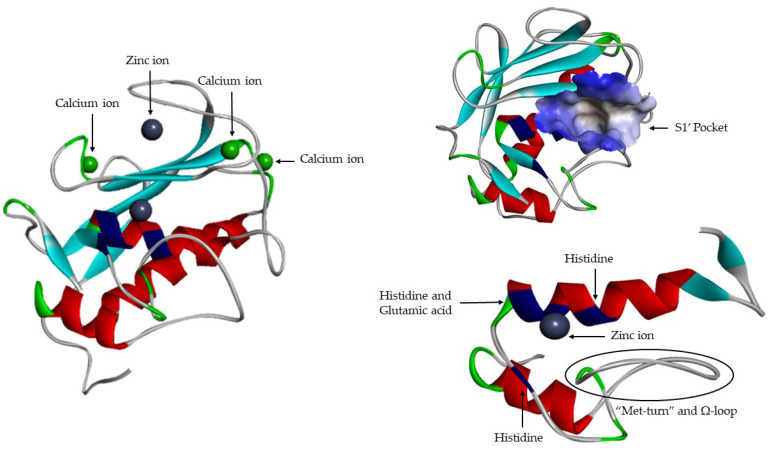
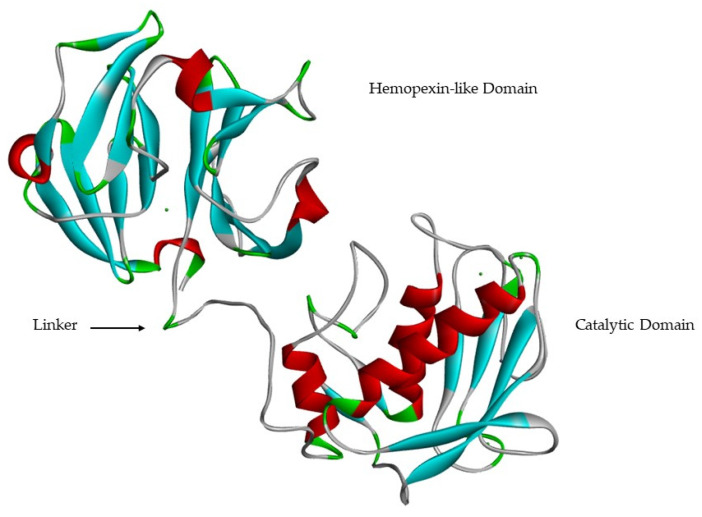
Verification
Claims the paper makes
The claims and statistics of this paper haven’t been checked yet.
Free: it reads the open-access text and checks the first 5 claims that cite a source we can check. Create a free account to check every claim.
Claims other papers make about this one
Each is checked against this paper’s own text: does it say what the citing paper says it does?
The source backs part of the claim, not all of it — or backs it for a different population, condition or comparison.
In the citing paper
“The MMP catalytic domains harbor catalytic Zn2+ ions and their binding motif (HExxHxxGxxH) are both responsible for structural coordination and highly conserved among different MMP subtypes30.”
From Bioengineered liver crosslinked with nano-graphene oxide enables efficient liver regeneration via MMP suppression and immunomodulation (2023) · cites this paper as [30]
Experimental — accuracy not yet measuredThe source backs part of the claim, not all of it — or backs it for a different population, condition or comparison.
In the citing paper
“Varying stages of the inflammatory response are controlled by different MMPs, including overall inflammation, cell morphogenesis, tissue remodeling, wound healing, and cell apoptosis.”
From Unraveling and Harnessing the Immune Response at the Cell–Biomaterial Interface for Tissue Engineering Purposes (2024) · cites this paper as [252]
Experimental — accuracy not yet measuredThe cited source says what the claim attributes to it.
In the citing paper
“The ECM is composed of many natural components, including fibers, proteoglycans, glycoproteins, and polysaccharides.”
From Unraveling and Harnessing the Immune Response at the Cell–Biomaterial Interface for Tissue Engineering Purposes (2024) · cites this paper as [252]
Self-check
Percentages, sums and reported differences re-computed from the paper’s own numbers.
The self-check needs the paper’s full text.
Citations
Cites
Visse, R., & Nagase, H. (2003) · Circulation Research · doi:10.1161/01.res.0000070112.80711.3d · Cited by 4,575 · cited 9×
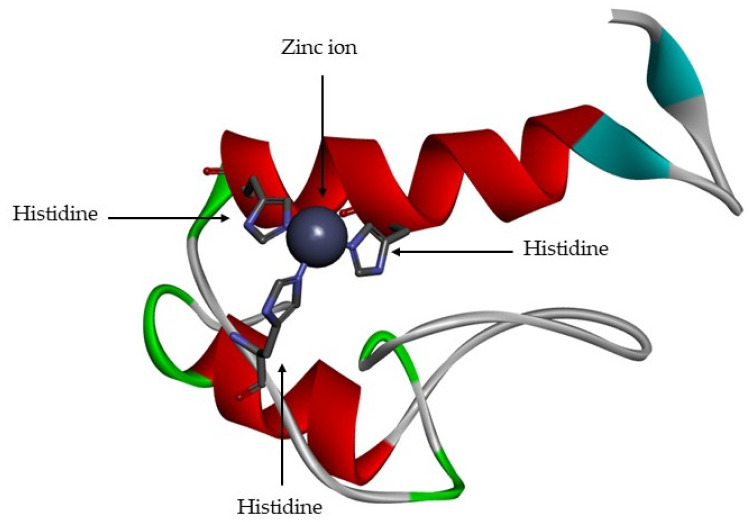
“The active site is zinc-dependent [1,2,6,11,13,15– 18,24,25] and is highly conserved, with three histidine residues bound to catalytic zinc [6,11,12,15] (Figure 4).”
InfluentialStructure and function of matrix metalloproteinases and TIMPs
NAGASE, H., VISSE, R., & MURPHY, G. (2006) · Cardiovascular Research · doi:10.1016/j.cardiores.2005.12.002 · Cited by 3,409 · cited 5×
“The ECM degradation is also an important process in development, morphogenesis, tissue repair and remodulation [8], and can affect the cellular behavior and phenotype [6,9].”
BackgroundInfluentialRicard-Blum, S. (2011) · Cold Spring Harbor Perspectives in Biology · doi:10.1101/cshperspect.a004978 · Cited by 2,305 · cited 3×
“The high glycine content is i portant for collagen helix stabilization as it allo s collagen fibers to co bine, facilitating hydrogen bridges and cross-link for ation [5].”
BackgroundInfluentialBiochemical and Biological Attributes of Matrix Metalloproteinases
Cui, N., Hu, M., & Khalil, R. A. (2017) · Progress in Molecular Biology and Translational Science · doi:10.1016/bs.pmbts.2017.02.005 · Cited by 1,359 · cited 7×
“The collagen is the ost abundant protein in EC hich gives structural support for cells [1,3].”
BackgroundInfluentialCOLLAGENOLYTIC ACTIVITY IN AMPHIBIAN TISSUES: A TISSUE CULTURE ASSAY
Gross, J., & Lapiere, C. M. (1962) · Proceedings of the National Academy of Sciences · doi:10.1073/pnas.48.6.1014 · Cited by 1,310 · cited 1×
“In 1962, a MMP collagenase was isolated and characterized as an enzyme responsible for tadpole tail resorption [1,2,6,13,14,16,21,22], by Gross and Lapiere [22].”
BackgroundDesign and Therapeutic Application of Matrix Metalloproteinase Inhibitors
Whittaker, M., Floyd, C. D., Brown, P., & Gearing, A. J. H. (1999) · Chemical Reviews · doi:10.1021/cr9804543 · Cited by 982 · cited 5×
“Over the next 20 years, several enzymes were purified, but it was in 1985 that the area has developed more significantly [16,21].”
BackgroundInfluentialPhysiology and pathophysiology of matrix metalloproteases
Klein, T., & Bischoff, R. (2011) · Amino Acids · doi:10.1007/s00726-010-0689-x · Cited by 828 · cited 5×
“The active site is zinc-dependent [1,2,6,11,13,15– 18,24,25] and is highly conserved, with three histidine residues bound to catalytic zinc [6,11,12,15] (Figure 4).”
BackgroundInfluentialMatrix metalloproteinases (MMPs): Chemical–biological functions and (Q)SARs
Verma, R. P., & Hansch, C. (2007) · Bioorganic & Medicinal Chemistry · doi:10.1016/j.bmc.2007.01.011 · Cited by 783 · cited 6×
“Over the next 20 years, several enzymes were purified, but it was in 1985 that the area has developed more significantly [16,21].”
BackgroundInfluentialProgress in matrix metalloproteinase research
MURPHY, G., & NAGASE, H. (2008) · Molecular Aspects of Medicine · doi:10.1016/j.mam.2008.05.002 · Cited by 759 · cited 4×
“Collagenases (Appendix A, Table A1) cleave some ECM proteins and other soluble proteins, but the most important role of this type of MMPs is the cleavage of fibrillar collagen type I, II, III, IV and XI into two characteristic fragments, 1/4 C-terminal and 3/4 N -terminal [1,6,8,9,12,14,17,21].”
BackgroundInfluentialMatrix Metalloproteinase-9 (MMP-9) as a Cancer Biomarker and MMP-9 Biosensors: Recent Advances
Huang, H. (2018) · Sensors · doi:10.3390/s18103249 · Cited by 739 · cited 2×
“[26] related that MMP-9 represents a potential biomarker which is overexpressed in several types of tumors (colarectal carcinoma, breast, pancreatic, ovaria, cervical, osteosarcoma nonsmall cell lung cancer (NSCLC), and giant cell tumor of bone (GCTB)), which makes MMP-9 a preferential candidate for the early detectio…”
Background
Cited by
Items 301–400 of 656
Mechanism of lungs fibrosis in mycobacterial infection
Kim, L. B., & Николаевна, П. А. (2023) · Exploration of Medicine · doi:10.37349/emed.2023.00187 · Cited by 6
Matrix metalloproteinases in chronic rhinosinusitis
Huang, Y., Yan, B., Chen, M., Zhang, L., & Wang, C. (2024) · Expert Review of Clinical Immunology · doi:10.1080/1744666x.2024.2302362 · Cited by 6
“MMPs typically exist in low levels in healthy tissues, where they help keep tissue homeostasis by breaking down and reforming ECM proteins when necessary (Table S1) [12,13].”
BackgroundBapat, R. A., Mak, K., Pichika, M. R., Pang, J., Lin, S. L., Khoo, S. P., & Daood, U. (2024) · BMC Oral Health · doi:10.1186/s12903-024-04069-0 · Cited by 6
Ribeiro, M. L., Castro, V. I. B., de Castro, J. V., Pires, R. A., Reis, R. L., Costa, B. M., Ferreira, H., & Neves, N. M. (2024) · International Journal of Molecular Sciences · doi:10.3390/ijms25094910 · Cited by 6
Reshetnikova, Y., Ponomarenko, I., Churnosov, V., Сергеевна, П. М., & Reshetnikov, E. (2024) · RESEARCH RESULTS IN BIOMEDICINE · doi:10.18413/2658-6533-2024-10-2-0-4 · Cited by 6
Chen, T.-Y., Huang, T.-Y., Chung, Y.-Y., Lin, W., Lin, H., Chiu, H., & Lee, S. (2024) · Journal of Drug Delivery Science and Technology · doi:10.1016/j.jddst.2024.105941 · Cited by 6
Vitamin Bs as Potent Anticancer Agents through MMP-2/9 Regulation
Vo, H. V. T., Kim, N., & Lee, H. J. (2025) · Frontiers in Bioscience-Landmark · doi:10.31083/fbl24072 · Cited by 6
A coaxial electrospun PLLA/PPDO/NAR mesh for abdominal wall hernia repair
Xv, Y., Xu, L. H., Wei, D., Tao, Y., Zhang, T., & Ji, Z. (2025) · Biomedical Materials · doi:10.1088/1748-605x/adb554 · Cited by 6
“Evidences suggest that MMP2 is one of the most important MMPs in the pathophysiology of AWH [51].”
TNF-α, IL-1β, MMP-8 Crevicular Profile in Patients with Chronic Kidney Disease and Periodontitis
Andronovici, A. M., Căruntu, I.-D., Onofriescu, M., Hurjui, L. L., Giuşcă, S. E., Covic, A. S., Brăescu, R., & Foia, L. G. (2022) · Applied Sciences · doi:10.3390/app12020736 · Cited by 7
Hong, S., Jiang, H.-C., Xu, W., Zeng, H., Wang, S., & Qin, B. (2023) · Frontiers in Immunology · doi:10.3389/fimmu.2023.1158379 · Cited by 6
He, Y., Yin, S., Xu, R., Zhao, Y., Du, Y., Duan, Z., & Fan, D. (2025) · Cosmetics · doi:10.3390/cosmetics12020059 · Cited by 5
“Type XVII collagen (COL17) is a transmembrane protein that constitutes the hemidesmosome structure within the basement membrane, serving as a crucial junction between the dermis and epidermis of the skin [22].”
Integrating Genomics and Molecular Biology in Understanding Peritoneal Adhesion
Lungu, M., Lungu, C. N., Crețeanu, A., & MEHEDINTI, M. C. (2025) · Current Issues in Molecular Biology · doi:10.3390/cimb47060475 · Cited by 6
Tadese, D. A., Mwangi, J., Michira, B. B., Wang, Y., Cao, K., Yang, M., Khalid, M., Wang, Z., Lu, Q., & Lai, R. (2025) · International Journal of Molecular Sciences · doi:10.3390/ijms26157158 · Cited by 6
Lee, J. W., Park, R., Jeon, S., Kim, S. H., Kwon, Y. W., Han, D., & Hong, S. W. (2025) · Biosensors · doi:10.3390/bios15100671 · Cited by 7
“As illustrated in Figure S8a, the structural model of MMP-8 was derived from the AlphaFold-based predictions (UniProt ID: P22894) to refine flexible and unresolved regions [61–65].”
Matrix Metalloproteinase (MMP)
Mittal, S., Sharma, P., & Srivastava, D. (2026) · Springer eBooks · doi:10.1007/978-981-95-5071-5_8 · Cited by 7
Tang, H., Wang, Q., Xue, J., Shen, L., Duan, X., & Zhou, B. (2026) · Frontiers in Bioengineering and Biotechnology · doi:10.3389/fbioe.2026.1730449 · Cited by 5
“As a result, exosomes carrying these enzymes promote the breakdown of abnormal or excess collagen, which helps maintain ECM homeostasis and supports scar-free tissue repair (Ga et al., 2020; Laronha and Caldeira, 2020).”
Single cell atlas decodes the molecular dynamics of scar repair after human rotator cuff tear
Qin, Y., Yang, G., Zhang, T., Yang, Y., Wan, L., Zhang, T., Wang, L., Hu, Z., Dai, Z., Zhou, H., et al. (2026) · Bone Research · doi:10.1038/s41413-025-00501-5 · Cited by 8
Hassan, N., Greve, B., & Götte, M. (2026) · Cellular & Molecular Biology Letters · doi:10.1186/s11658-026-00905-z · Cited by 5
“All MMPs contain a signal peptide for secretion, a propeptide domain with a cysteine switch motif that maintains the enzyme in an inactive state and a catalytic domain containing the zinc-binding site [176, 177].”
Belacic, Z. A., Sullivan, S. N., Rice, H. C., & Durgam, S. S. (2023) · American Journal of Veterinary Research · doi:10.2460/ajvr.22.08.0128 · Cited by 5
“36 In equine articular chondrocytes, 10 ng/mL IL-1β significantly increased MMP-3 secretion, and with combined dexamethasone (10 −6 , 10 −7 , and 10 −8 M) treatment the MMP-3 secretion was similar to that of the control group.”
Cooper, H. E., Bowlby, C., Long, S. A., & Durgam, S. S. (2023) · American Journal of Veterinary Research · doi:10.2460/ajvr.23.05.0106 · Cited by 5
“33,34 The balance of MMP and TIMP is critical for repara - tive or anti-fibrotic ECM remodeling, with ratio imbalances being implicated in the development of fibrosis.”
In Silico Strategies to Predict Anti-aging Features of Whey Peptides
Rama, G. R., Timmers, L. F. S. M., & de Souza, C. F. V. (2023) · Molecular Biotechnology · doi:10.1007/s12033-023-00887-9 · Cited by 6
“Failing these processes, that is, the increased activity of collagenase and elastase, may lead not only to skin ageing and collapse, but also to metabolic and immune diseases [6–8].”
Jin, J., Bao, Y., Wang, Y., Zheng, H., Guo, H., Zhang, L., Guo, R., & Yang, L. (2023) · Journal of Food Biochemistry · doi:10.1155/2023/4702866 · Cited by 5
“After being activated, MMP-1 further degrades the collagens of type I and type III that has been degraded beforehand by MMP-2 and MMP-9, thereby provoking the degradation of collagen [26, 28].”
BackgroundSpray drying of a zinc complexing agent for inhalation therapy of pulmonary fibrosis
Stella, J., Abdelaal, M. A. M. E., Kamal, M. A. M., Shehu, K., Alhayek, A., Haupenthal, J., Hirsch, A. K. H., & Schneider, M. (2024) · European Journal of Pharmaceutical Sciences · doi:10.1016/j.ejps.2024.106891 · Cited by 5
Celep, İ. K., Yagi, S. M. A., Dall’Acqua, S., Sut, S., Celep, E., Kaya, S., Бериша, А., Ponniya, S. K. M., Balakrishnan, K., Yıldıztugay, E., et al. (2024) · Food Bioscience · doi:10.1016/j.fbio.2024.105296 · Cited by 6
Velkovska, M. A., Goričar, K., Blagus, T., Dolžan, V., & Cvenkel, B. (2024) · International Journal of Molecular Sciences · doi:10.3390/ijms252413464 · Cited by 7
Bi, Q., Wang, M., Zhao, F., Wang, M., Yin, X., Ruan, J., Wang, D., & Ji, X. (2020) · Frontiers in Pharmacology · doi:10.3389/fphar.2020.594744 · Cited by 5
Yue, C.-H., Chen, C.-H., Pan, Y., Chen, Y., Huang, F., & LEE, C.-J. (2021) · Anticancer Research · doi:10.21873/anticanres.15429 · Cited by 5
Effect of Sodium Hypochlorite 0.05% on MMP-9 Extracellular Release in Chronic Wounds
Maniscalco, R., Mangano, G., de Joannon, A. C., Vergassola, M., Zucchi, S., Mannello, F., & Ragni, L. (2023) · Journal of Clinical Medicine · doi:10.3390/jcm12093189 · Cited by 6
“Within the wound healing process, their main function is to degrade the damaged extracellular matrix (ECM) during the inflammatory phase, to rupture the capillary basement membrane for angiogenesis and cell migration during the proliferation phase, and to contract and remodel tissue in the remodeling phase [5,6].”
BackgroundLoss of the matrix metalloproteinase-10 causes premature features of aging in satellite cells
Bobadilla, M., Orbe, J., Abizanda, G., Machado, F. J. D., Vilas‐Zornoza, A., Ullate‐Agote, A., Extramiana, L., Churio, A. B., Aranguren, X. L., Cantero, G., et al. (2023) · Frontiers in Cell and Developmental Biology · doi:10.3389/fcell.2023.1128534 · Cited by 6
“Nevertheless, it is clear that some cleavages inactivate MMPs, whereas others can generate truncated enzymes that lose their ability to cleave some substrates but retain their ability to cleave others (Nagase et al., 2006; Fanjul-Fernández et al., 2010; Laronha and Caldeira, 2020).”
BackgroundVečurkovská, I., Mašlanková, J., Tomečková, V., Kaťuchová, J., Kisková, T., Fröhlichová, L., Mareková, M., & Stupák, M. (2023) · Biomedicines · doi:10.3390/biomedicines11071839 · Cited by 5
“After removing the N-terminal pro-peptide region from pro-MMP-9 via some other proteases, MMP-9 is activated [28,29].”
BackgroundKim, C., Cathey, A. L., Watkins, D. J., Mukherjee, B., Rosario-Pabón, Z. Y., Vélez-Vega, C. M., Alshawabkeh, A. N., Cordero, J. F., & Meeker, J. D. (2023) · Journal of Reproductive Immunology · doi:10.1016/j.jri.2023.103991 · Cited by 5
Genetic Predictors of Early-Onset Spinal Intervertebral Disc Degeneration: Part One of Two
Fiani, B., Covarrubias, C., & Jarrah, R. M. (2021) · Cureus · doi:10.7759/cureus.15182 · Cited by 5
“Each collagen molecule contains a total of three polypeptide chains that are distributed in a complex, triple helix arrangement pre-determined by genetic predisposition [25].”
BackgroundInfluentialKumar, H., Mandal, S. K., Gogoi, P., & Kanaujia, S. P. (2021) · Journal of Biomolecular Structure and Dynamics · doi:10.1080/07391102.2021.1938683 · Cited by 5
“…into six classes, viz. collagenases (MMP-1, 8, 13 and 18), gelatinases (MMP-2 and 9), stromelysins (MMP-3, 10 and 11), matrilysins (MMP-7 and 26), membrane-type MMPs (MT-MMPs, MMP-14, 15, 16, 17, 24 and 25) and other MMPs (MMP-12, 19, 20, 21, 22, 23, 27 and 28) (Laronha & Caldeira, 2020).”
BackgroundMatrix Metalloproteinases (MMPs) in Cancer Immunotherapy
Yadav, P. K., Ghosh, M., & Kataria, M. (2022) · Handbook of Oxidative Stress in Cancer: Therapeutic Aspects · doi:10.1007/978-981-16-1247-3_182-1 · Cited by 7
Maghajothi, S., Subramanian, L., Mani, P., Singh, M., Iyer, D. R., Sharma, S., Khullar, M., Victor, S. M., Asthana, S., Mullasari, A. S., et al. (2022) · Journal of Hypertension · doi:10.1097/hjh.0000000000003234 · Cited by 5
Morales-Hernández, F. V., Bautista-Bautista, G., Acuña‐González, R. J., Vázquez-Cárdenas, P., López‐Canales, J. S., Lozano‐Cuenca, J., Osorio‐Caballero, M., & Flores‐Herrera, H. (2022) · Acta Biochimica Polonica · doi:10.18388/abp.2020_6406 · Cited by 5
Zhang, L., Pozsgai, É., Song, Y., Macharia, J., Alfatafta, H., Zheng, J., Li, Z., Liu, H., & Kiss, I. (2023) · Frontiers in Oncology · doi:10.3389/fonc.2023.1094309 · Cited by 6
Georgescu, S. R., Tocut, S. M., Matei, C., Ene, C. D., Nicolae, I., & Tampa, M. Ş. (2024) · Journal of Personalized Medicine · doi:10.3390/jpm14010103 · Cited by 5
Huang, Y., & Wang, Z. (2025) · Computers & Mathematics with Applications · doi:10.1016/j.camwa.2025.01.012 · Cited by 4
Hartsema, E. A., Hemmling, H., & Hawkins, C. L. (2025) · Advances in Redox Research · doi:10.1016/j.arres.2025.100119 · Cited by 4
Biological Control of Insect Pests Using Entomopathogenic Enzymes: Opportunities and Challenges
(2025) · Biointerface Research in Applied Chemistry · doi:10.33263/briac152.022 · Cited by 4
Pan, X., Zhao, Y. C., Huang, W., Wu, J., Liang, J., Xie, Y., Chen, Y., & Zhao, W. (2025) · Archives of Dermatological Research · doi:10.1007/s00403-025-04417-2 · Cited by 4
Development and Evaluation of an Injectable Acellular Dermal Matrix for Breast Reconstruction
Le, L. T. T., Trinh, T. T., Giang, N. N., Zhang, X. R., Jin, Y. X., Lee, Y. H., Shin, Y. W., Bae, J. W., Chien, P. N., & Heo, C. Y. (2025) · ACS Applied Bio Materials · doi:10.1021/acsabm.5c01538 · Cited by 4
Zhu, Y., Jiaxin, T., Li, S. X., Xiao, B., Zhou, X., Teng, X., Zhang, G., Xie, H., Sun, K., Li, X., et al. (2026) · Journal for ImmunoTherapy of Cancer · doi:10.1136/jitc-2025-013211 · Cited by 5
Targeting cancer signaling pathways and their therapeutic strategies
Salem, M. M., & Mohamed, T. M. (2026) · Discover Oncology · doi:10.1007/s12672-026-04708-8 · Cited by 4
Liu, Q., Zhang, W., Xue, J., Li, X., Tan, J., Xu, Z., Wang, M., Li, Y., Ouyang, Z., Wang, C. W., et al. (2026) · Journal of Nanobiotechnology · doi:10.1186/s12951-026-04309-1 · Cited by 7
“MMP2 (Matrix Metallopeptidase 2), a zinc-dependent endopeptidase, cooperates with VEGF to remodel the extracellular matrix, facilitating endothelial migration and angiogenesis, while also contributing to neural regeneration [40, 41].”
Collagen-alginate 3D microscaffolds for studying cellular migration
De, S., & Singh, N. (2023) · International Journal of Biological Macromolecules · doi:10.1016/j.ijbiomac.2023.125308 · Cited by 4
Večurkovská, I., Stupák, M., Kaťuchová, J., Roškovičová, V., & Mašlanková, J. (2023) · Physiological Research · doi:10.33549/physiolres.935228 · Cited by 4
Jiang, X., Deng, Y., Lai, Y., Du, G., Li, X., Yang, X., Li, M., Sun, L., Wang, Y., & Tang, G. (2024) · Journal of Dental Sciences · doi:10.1016/j.jds.2024.07.010 · Cited by 4
“6,7 They play significant roles in tissue remodeling, angiogenesis and immune response modulation.”
Urbaniec-Stompór, J., Michalak, M., & Godlewski, J. (2024) · International Journal of Molecular Sciences · doi:10.3390/ijms25189905 · Cited by 4
“[3] so the increased expression of this enzyme is observed in the area of cancer invasion through the basement membrane, where the reduced presence of type IV collagen is observed simultaneously [7].”
BackgroundSalman, M., Asgartooran, B., & Taherkhani, A. (2024) · International Journal of Dentistry · doi:10.1155/2024/9970824 · Cited by 4
Perspectives on materials: Reality and potential of epigenetic drug nano-delivery
Zhang, Y., Xu, D., Hou, X., Wang, X., Zhao, S., & Jin, X. (2024) · Chemical Engineering Journal · doi:10.1016/j.cej.2024.157746 · Cited by 7
New views on pathogenesis and diagnosis of peritoneal carcinomatosis
Ishmuratova, K. R., & Gantsev, K. S. (2023) · Creative Surgery and Oncology · doi:10.24060/2076-3093-2022-12-4-328-336 · Cited by 4
Piso, D. Y. T., Barreto, M. Y. P., Bonilla, M. D. P. S., Cifuentes-Rincón, A., Páez, O. L. A., Rengifo, C. A., & de Andrade, A. L. (2023) · Veterinary World · doi:10.14202/vetworld.2023.799-810 · Cited by 4
Buchler, A., Ismailani, U. S., MacMullin, N., Abdirahman, F., Adi, M., Bi, C., Jany, C., Keillor, J. W., & Rotstein, B. H. (2023) · Journal of Medicinal Chemistry · doi:10.1021/acs.jmedchem.2c02107 · Cited by 4
Kwon, S.-B., Chinta, G., Kundimi, S., Kim, S., Cho, Y.-D., Kim, S., Ju, J.-Y., & Sengupta, K. (2023) · Journal of the American Nutrition Association · doi:10.1080/27697061.2023.2209880 · Cited by 4
Wang, J., Yue, Z., Che, L., Li, H. Y., Hu, R., Shi, L., Zhang, X., Zou, H., Peng, Q., Jiang, Y., et al. (2023) · Toxins · doi:10.3390/toxins15090537 · Cited by 4
“While MMPs generally weaken ECM, cells also synthesize collagen (especially types I and III) to create new fibers and form crosslinks between existing ones, maintaining ECM structure and function [68].”
BackgroundPitchaikani, S., Mukilan, M., Govindan, P., Kathiravan, G., & Shakila, H. (2024) · Journal of Experimental Biology and Agricultural Sciences · doi:10.18006/2024.12(1).49.59 · Cited by 9
Sato, A., Takagi, K., Yamaguchi, M., Okushima, J., Yamazaki, Y., Ito, A., & Suzuki, T. (2025) · Experimental and Molecular Pathology · doi:10.1016/j.yexmp.2025.104954 · Cited by 5
Chung, J.-F., Chen, C., Nassef, Y. E., Shiu, B., Wang, C., Kuo, F.-H., Hsiao, Y.-H., Yang, S., & Wang, P.-H. (2022) · International Journal of Medical Sciences · doi:10.7150/ijms.72378 · Cited by 4
“Based on their substrate specificity, the MMPs are classified into membrane-type matrix metalloproteinases (MT-MMPs), collagenases, gelatinases, stromelysins and matrilysins [2, 3].”
BackgroundRousselle, P., & Beck, K. (2022) · Biology of extracellular matrix · doi:10.1007/978-3-030-99708-3_9 · Cited by 5
AdhMMP8 Vector Administration in Muscle: An Alternate Strategy to Regress Hepatic Fibrosis
Garcia-Bañuelos, J. J., Oceguera-Contreras, E., Sandoval-Rodriguez, A. S., Bastidas‐Ramírez, B. E., Lucano‐Landeros, S., Gordillo‐Bastidas, D., Gómez‐Meda, B. C., Santos, A., Reyes, E. C., & Armendáriz‐Borunda, J. (2023) · Cells · doi:10.3390/cells12172127 · Cited by 4
“Subsequently, the collagen fragments generated are broken down by gelatinases such as MMP-2, MMP-9 and, less importantly, by other MMPs, and serine proteases [22].”
BackgroundMatrix Metalloproteinases (MMPs) in Periodontium: Is It a Boon or a Bane?
Thomas, J. T., Joseph, B., Waltimo, T., & Anil, S. (2024) · Dentistry · doi:10.5772/intechopen.114353 · Cited by 10
Wojdas, M., Dąbkowska, K., Kuźnik‐Trocha, K., Wisowski, G., Lachór-Motyka, I., Komosińska‐Vassev, K., Olczyk, K., & Winsz‐Szczotka, K. (2022) · Biomedicines · doi:10.3390/biomedicines10081845 · Cited by 4
“The main enzymes involved in the degradation of the protein core of PGs are MMPs [9,38].”
BackgroundInfluentialBharadwaj, S., Sahoo, A. K., & Yadava, U. (2023) · Frontiers in Molecular Biosciences · doi:10.3389/fmolb.2023.1150474 · Cited by 4
“Thus, MMPs act as essential regulators for several active biomolecules, including chemokines, growth factors, proinflammatory cytokines, angiogenesis, cell proliferation and migration, wound healing, apoptosis and other physiological and pathological processes, summarized elsewhere (Malemud, 2006; Khalil, 2017; Morten…”
BackgroundVaradinkova, S., Oralová, V., Clarke, M. L., Frampton, J., Knopfová, L., Lesot, H., Bartoš, P., & Matalová, E. (2023) · Frontiers in Cell and Developmental Biology · doi:10.3389/fcell.2023.1168866 · Cited by 3
In Drosophila Hemolymph, Serine Proteases Are the Major Gelatinases and Caseinases
Gatti, J., Lemauf, S., Belghazi, M., Arthaud, L., & Poirié, M. (2024) · Insects · doi:10.3390/insects15040234 · Cited by 3
“MMPs have been studied for their role in numerous human pathologies such as tumor formation and metastasis, and more than 20 MMPs have been described in vertebrates [11,12].”
BackgroundMiolo, G., Machin, P., Conto, M. D., Fortuna, S., Viglio, S., Puppa, L. D., Geremia, S., & Corona, G. (2025) · Molecular Genetics & Genomic Medicine · doi:10.1002/mgg3.70095 · Cited by 3
“It is worth noting that in type III collagen α1 chain, the 67% and 94% of Ile and Leu residues are located in the Xaa position, forming Gly- Ile-Yaa or Gly- Leu-Yaa triplets, which are widely acknowledged cleavage sites of MMPs (Laronha and Caldeira 2020).”
InfluentialExosomal delivery of non-coding RNAs: a pathway to apoptosis regulation in lung cancer
Gupta, G., Goyal, A., Goyal, K., Menon, S. V., Ray, S., Kaur, M., Sharma, S., Rana, M., Kumar, K., Shahwan, M. J., et al. (2025) · Medical Oncology · doi:10.1007/s12032-025-02852-9 · Cited by 3
“This occurs within tissue remodeling, reproduction, and embryonic development [87].”
Recent advances in the design and development of small-molecule MMP-2 inhibitors
Biswas, I., Tamang, J. S. D., Mondal, S., Banerjee, S., Ghosh, B., & Adhikari, N. (2025) · Future Medicinal Chemistry · doi:10.1080/17568919.2025.2570970 · Cited by 3
Potential of Proteases in the Diagnosis of Bladder Cancer
Guszcz, T., Łukaszewski, Z., Gorodkiewicz, E., & Hermanowicz, A. (2025) · Cancers · doi:10.3390/cancers17213460 · Cited by 3
The Significance of the Microenvironment in T/Nk-Cell Neoplasms
Petković, I., Ritucci, M., Stojković, A., Stojnev, S., Popović, A., Conić, I., Radić, M., Džunić, M., & Krstić, M. (2025) · International Journal of Molecular Sciences · doi:10.3390/ijms262211225 · Cited by 3
“Matrix metalloproteinases (MMPs) are zinc-dependent endopeptidases that remodel the ECM in physiological and pathological contexts [112,113].”
Potok, P., Woźniak-Laszczyńska, W., Wieczorek, R., Capdevila, M., Palacios, Ò., Gumienna‐Kontecka, E., & Potocki, S. (2026) · Inorganic Chemistry · doi:10.1021/acs.inorgchem.5c04597 · Cited by 4
“16 − 20 Inspired by the natural inhibition via the propeptide’s Zn(II) coordination, we designed inhibitors to mimic this binding and maintain the blocked active site, aiming for MMP’s inhibition.”
Zhang, S., Gao, Y., Wang, D., Chi, Y., Wu, F., Wang, L., & Jin, H. (2026) · Journal of Functional Biomaterials · doi:10.3390/jfb17020071 · Cited by 3
“Subsequently, both Col-I and Col-III are cleaved by endopeptidases of the matrix metalloproteinase (MMP) family [67,68].”
Hou, X., Lu, Y., Alarfaj, A. A., & Hirad, A. H. (2026) · Journal of Inorganic and Organometallic Polymers and Materials · doi:10.1007/s10904-026-04204-0 · Cited by 3
“Furthermore, the presence of arginyl-glycyl-aspartic acid (RGD) motifs and matrix metalloproteinase (MMP)-sensi- tive sites enhances cell adhesion, encapsulation, and matrix remodelling [8], makes it ideal candidates for diverse regenerative and therapeutic applications [9].”
Overcoming stromal resistance in solid tumors with MMP2-engineered CAR-T cells
Tu, J., Zhu, Y., Li, X., Li, S., Zhang, G., He, Y., Lu, Z., & Zhang, C. (2026) · Pharmacological Research · doi:10.1016/j.phrs.2026.108163 · Cited by 3
Legendre, C., Dayan, G., & Rousselle, P. (2026) · FEBS Journal · doi:10.1111/febs.70585 · Cited by 3
“Although many MMPs can degrade BM proteins, invasive tumour cells rely predominantly on MMP-2, MMP-9 and MT1-MMP, often concentrated in invadopodia [134 – 142].”
Matrix Metalloproteinases in Colorectal Cancer
Merchant, N., & Alam, A. (2022) · Onco Therapeutics · doi:10.1615/oncotherap.2022045773 · Cited by 3
Trabocchi, A., & Lenci, E. (2023) · Elsevier eBooks · doi:10.1016/b978-0-12-823974-2.00033-4 · Cited by 5
Ferara, N., Balta, V., Đikić, D., Odeh, D., Ćuić, A. M., Turković, L. F., Dilber, D., Beletić, A. D., Jurčević, I. L., & Šola, I. (2025) · Foods · doi:10.3390/foods14020327 · Cited by 3
Dawbaa, S., Evren, A. E., Nuha, D., Temel, H. E., Çiftçi, G. A., & Yurttaş, L. (2025) · Archiv der Pharmazie · doi:10.1002/ardp.202400821 · Cited by 3
Sankova, M. V., Nikolenko, V. N., & Александрович, Г. Л. (2025) · Sports medicine research and practice · doi:10.47529/2223-2524.2024.3.6 · Cited by 3
Micro‐Focused Ultrasound Technology for Remodeling of Skin Tissue Architecture in an Animal Model
Tang, H., Li, Y., Xiang, X., Li, W., Wang, H., Hamblin, M. R., & Wen, X. (2025) · Lasers in Surgery and Medicine · doi:10.1002/lsm.70025 · Cited by 4
“Among the MMP family, MMP1, MMP3, MMP9, and MMP13 are key enzymes involved in collagen degradation [20].”
Revolutionizing Gangrene Therapy: Nanoparticle-Based Interventions and Biomarker Applications
Edwin, E. R., Jayaprakash, S., Gopi, Y., Madhaiyan, P., Thanikachalam, P. V., & Bharathy, P. (2025) · Biomedical Materials & Devices · doi:10.1007/s44174-025-00347-9 · Cited by 3
“[62] Jindatanmanusan et al. study, aimed to demonstrate the relationship between matrix metalloproteinases-9 (MMP-9) and wound healing in diabetic foot ulcers.”
Halder, D., Khan, M. S., Sue, T., Ali, M., Jahan, U. M. S., Atiquzzaman, M., Khatun, M., Islam, M. K., Keya, R. B., Hasan, A., et al. (2025) · Computers in Biology and Medicine · doi:10.1016/j.compbiomed.2025.110867 · Cited by 3
Kaminska, M., Bruyat, P., Malgorn, C., Doladilhe, M., Lajeunesse, E. C., Fruchart‐Gaillard, C., Souza, M. D. C., Beau, F., Thaï, R., Correia, I., et al. (2021) · Angewandte Chemie · doi:10.1002/ange.202106117 · Cited by 4
Memon, M. A., Aleem, B., Memon, H. A., & Lee, K. Y. (2022) · Clinical and Experimental Dental Research · doi:10.1002/cre2.624 · Cited by 3
“MMPs are classified into various groups: collagenase (MMP‐1, ‐8, ‐13), gelatinase (MMP‐2, ‐9), stromelysin (MMP‐3, ‐10, ‐11), matrilysins (MMP‐7), and other MMPs related to membranes (Laronha & Caldeira, 2020).”
BackgroundChitosan/Poly (Ethylene Glycol)/ZnO Bionanocomposite for Wound Healing Application
Emam‐Djomeh, Z., & Hajikhani, M. (2022) · Advanced structured materials · doi:10.1007/978-3-031-13343-5_2 · Cited by 7
He, X., Liu, T., Zhang, R., & Li, X. (2022) · Genetics Research · doi:10.1155/2022/9304264 · Cited by 3
“Regardless of whether a toxic or metabolic pathway ensues, a hepatitis virus infection involves the induction of immune cell infiltration and hepatocyte injury, triggering the trans-differentiation of hepatic stellate cells (HSCs) into collagen-producing myofibroblasts [9, 10], and causing deposition of ECM which lead…”
BackgroundWen, J., Qin, X., Zhang, J., Wu, X., Yan, X., Lu, K., Yang, P., Ji, S., Zhao, X., & Wang, Y. (2023) · World Journal of Surgical Oncology · doi:10.1186/s12957-023-03101-x · Cited by 3
“MMPs have various physiological functions, which can degrade extracellular matrix (ECM) proteins and glycoproteins, regulate cytokines and growth factors, and participate in embryonic development [5].”
BackgroundMorales-Vázquez, M. M., Meza-Serrano, E., Lara‐Pereyra, I., Acuña‐González, R. J., Alonso-Morales, R. A., Hayen-Valles, S., Boeta, M., Zarco, L., Lozano‐Cuenca, J., López‐Canales, J. S., et al. (2023) · Veterinary Sciences · doi:10.3390/vetsci10090532 · Cited by 3
Koulicoff, L. A., Heilman, T., Vitanza, L., Welter, A. A., Jeneske, H. J., O’Quinn, T. G., Hansen, S. L., Huff-Lonergan, E. J., Schulte, M. D., & Chao, M. D. (2023) · Meat Science · doi:10.1016/j.meatsci.2023.109321 · Cited by 3
Britten, J., Roura-Monllor, J. A., Malik, M., Moran, S., DeAngelis, A., Driggers, P. H., Afrin, S., Borahay, M. A., & Catherino, W. H. (2023) · F&S Science · doi:10.1016/j.xfss.2023.11.005 · Cited by 3
Assessing Sarcocornia as a Salt Substitute: Effects on Lipid Profile and Gelatinase Activity
Louçano, B., Maletti, S., Timóteo, M. H., Figueiredo, J. P., Osório, N., Barroca, M. J., da Silva, A. M., Pereira, T. S., & Caseiro, A. (2024) · Nutrients · doi:10.3390/nu16070929 · Cited by 3
“These enzymes are classified according to the organization of their structural specificities and their substrates, with an emphasis on the following types: collagenases, gelatinases, stromelysins, and matrilysins of the membrane type, among others [28,29,31–33].”
BackgroundInfluentialJu, S., Xiang, Y., Xie, Y., Zuo, L., Li, J., Li, X., Wang, Y., Huang, Q., Zhang, M., Wu, X., et al. (2024) · Chemical Engineering Journal · doi:10.1016/j.cej.2024.155319 · Cited by 3
Matrix metalloproteinase 9 implication during colorectal carcinogenesis. Effect of doxycycline
Bounaama, A., & Djerdjouri, B. (2025) · Fundamental and Clinical Pharmacology · doi:10.1111/fcp.70012 · Cited by 3
“MMP2 and MMP9, which are primarily classified as gelatinases, also exhibit collagenase activity, highlighting their versatility in ECM degradation processes [9].”
Small Molecules as Modulators of Active Forms of MMPsPreprint
Kumar, I., Silva, M., Choudhary, D. A., Ali, S. F., Rusak, R., Cotzomi, P., Wiecek, S., Sato, I., Khundoker, R., Donmez, B., et al. (2022) · SSRN Electronic Journal · doi:10.2139/ssrn.4087303 · Cited by 3
Negrin, L. L., Carlin, G. L., Ristl, R., & Hajdú, Š. (2024) · European journal of medical research · doi:10.1186/s40001-024-01775-x · Cited by 2
“The gelatinase MMP9 is expressed by neutrophils, macrophages, polymorphonuclear leucocytes, osteoblasts, fibroblasts, granulocytes, keratinocytes, epithelial, dendritic, and T-cells [5].”
BackgroundInfluentialQamar, R., Khatoon, A., Mirza, T., Razi, A., & Khurshid, Y. (2025) · Odontology · doi:10.1007/s10266-025-01074-9 · Cited by 2
“Matrix metalloproteinases (MMPs) are proteases integral to both healthy and unhealthy tissue remodeling by digesting certain biological substances [8].”
Biological Activity of Biomarkers Associated With Metastasis in Osteosarcoma Cell Lines
Beltrán‐Hernández, N. E., Cardenas, L., Jacinto, V. J., Vega‐Alvarado, L., & Rivera, M. (2025) · Cancer Medicine · doi:10.1002/cam4.70391 · Cited by 3
“As proteolytic enzymes, MMPs are essential to the dissolution of ECM components, establishing them as recognized biomarkers, particularly in cancerous pathologies [7, 10].”
Metadata
- Authors
- Laronha, H., & Caldeira, J.
- Affiliations
- LAQV Requimte (PT)
- Corresponding author
- Caldeira, Jorge
- Venue
- Cells
- Publisher
- MDPI AG
- Published
- 2020-04-26
- Volume
- 9
- Issue
- 5
- Pages
- 1076
- ISSN
- 2073-4409 (ISSN-L)
- PMC
- PMC7290392
- OpenAlex
- W3019034047
- Semantic Scholar
- 78e1f6960d48761830483b73ddf345fae4bbfdb7
- Cited by
- 609
- References
- 36
- Citations by year
- 2026: 82 · 2025: 117 · 2024: 132 · 2023: 122 · 2022: 93 · 2021: 61 · 2020: 1
- FWCI
- 7.06
- Type
- journal article
- Language
- en
- Open access
- gold
- dx.doi.org
- Licence
- Locations
- Cells (publishedVersion, cc-by)
- PubMed Central (publishedVersion, cc-by)
- PubMed (publishedVersion)
- Portuguese National Funding Agency for Science, Research and Technology (RCAAP Project by FCT) (submittedVersion, other-oa)
- DOAJ (DOAJ: Directory of Open Access Journals) (submittedVersion, cc-by-sa)
- Funders
- Fundação para a Ciência e a Tecnologia (PTDC/SAU-BMA/122444/2010, SAICT-POL/24288/2016)
- Topics
- Life Sciences › Biochemistry, Genetics and Molecular Biology › Cancer Research › Protease and Inhibitor Mechanisms
- Life Sciences › Biochemistry, Genetics and Molecular Biology › Biochemistry › Bone and Dental Protein Studies
- Life Sciences › Biochemistry, Genetics and Molecular Biology › Structural Biology › Enzyme Structure and Function
- Keywords
- matrix metalloproteinases, extracellular matrix, collagen degradation, collagen triple helix, tissue inhibitors of metalloproteinases, MMP regulation, protease inhibitors
- MeSH terms
- Collagen, Extracellular Matrix, Humans, Structure-Activity Relationship, Matrix Metalloproteinases, Proteolysis, Matrix Metalloproteinase Inhibitors
About these checks
Registry, retraction, Cites and statistics results are computed, not judged, with one exception: a printed reference that no index lists is read once by a model before it counts as a citation error. Claims are extracted by a model and kept only when their quote appears verbatim in the text; each cited source is then checked, with a model’s help, for whether it says what the claim relies on. Those verdicts can be wrong — read the claim’s quote and the cited source before relying on one.
Statistics and arithmetic are recomputed, not judged.
Confidence bands are shown only for fields calibrated on our annotated test set. None is calibrated yet, so no band is shown.
What counts as a claim ›How we measure confidence ›How we check this ›
Are you an author, or do you see a problem with this page? Request a review
Data sources
Bibliographic data: Semantic Scholar, OpenAlex, Crossref.
Contains information from the Semantic Scholar Academic Graph Datasets, made available under the ODC Attribution License (ODC-BY 1.0).
Semantic Scholar’s data is described in: Kinney, R., et al. (2023). The Semantic Scholar Open Data Platform. arXiv:2301.10140.
