

Structure and Function of Human Matrix Metalloproteinases
Open accessThe DOI matches its Crossref record; 36 of the 36 references it cites were found in a registry or an index.
Abstract
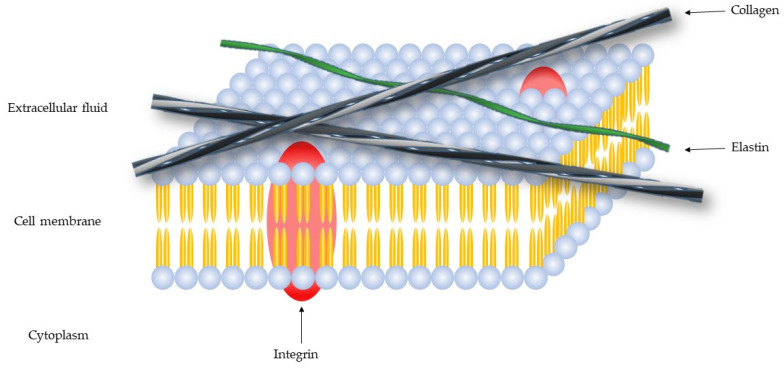
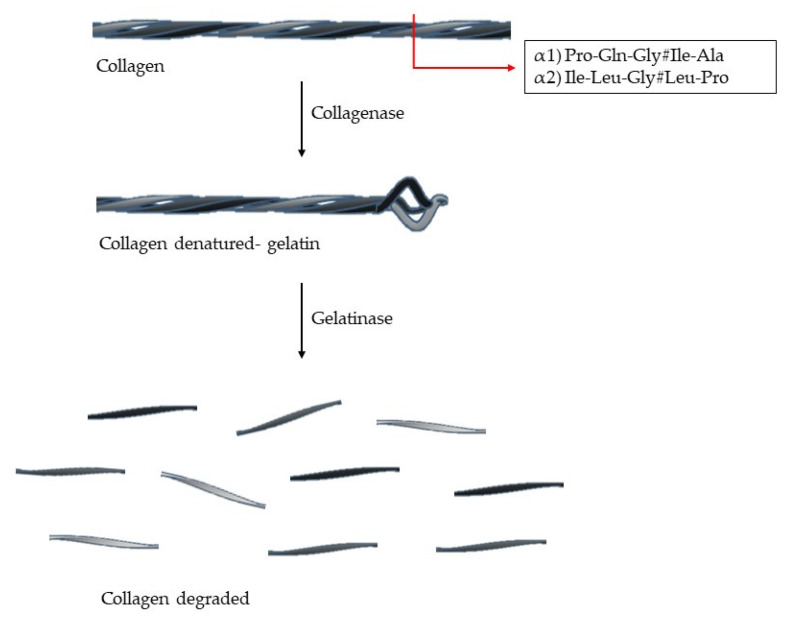
The extracellular matrix (ECM) is a macromolecules network, in which the most abundant molecule is collagen. This protein in triple helical conformation is highly resistant to proteinases degradation, the only enzymes capable of degrading the collagen are matrix metalloproteinases (MMPs). This resistance and maintenance of collagen, and consequently of ECM, is involved in several biological processes and it must be strictly regulated by endogenous inhibitors (TIMPs). The deregulation of MMPs activity leads to development of numerous diseases. This review shows MMPs complexity.
Overview
The claims and statistics of this paper haven’t been checked yet.
Free: it reads the open-access text and checks the first 5 claims that cite a source we can check. Create a free account to check every claim.
Integrity signals
Registry
Cites
Statistics
Figures
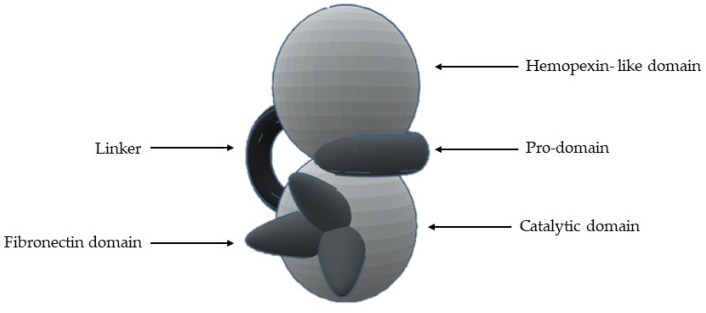
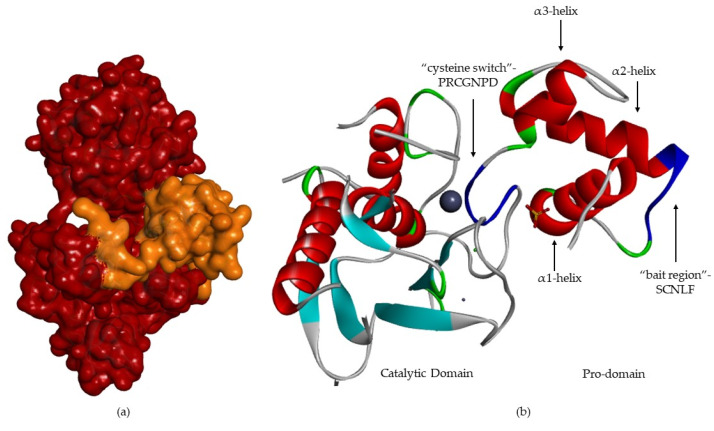
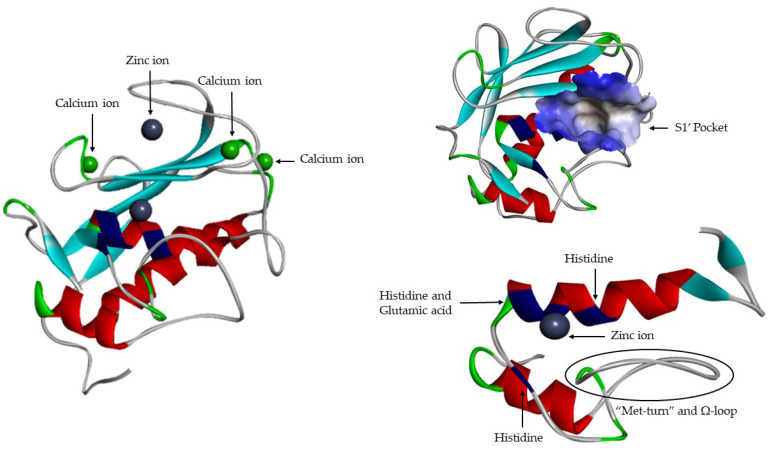
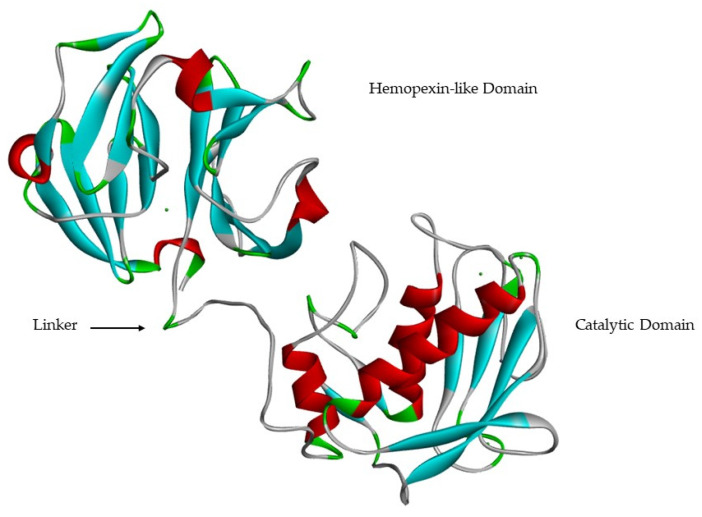
Verification
Claims the paper makes
The claims and statistics of this paper haven’t been checked yet.
Free: it reads the open-access text and checks the first 5 claims that cite a source we can check. Create a free account to check every claim.
Claims other papers make about this one
Each is checked against this paper’s own text: does it say what the citing paper says it does?
The source backs part of the claim, not all of it — or backs it for a different population, condition or comparison.
In the citing paper
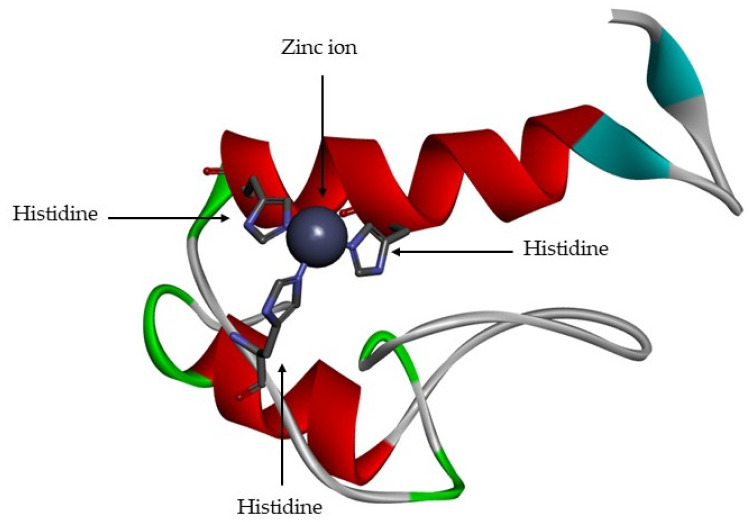
“The MMP catalytic domains harbor catalytic Zn2+ ions and their binding motif (HExxHxxGxxH) are both responsible for structural coordination and highly conserved among different MMP subtypes30.”
From Bioengineered liver crosslinked with nano-graphene oxide enables efficient liver regeneration via MMP suppression and immunomodulation (2023) · cites this paper as [30]
Experimental — accuracy not yet measuredThe source backs part of the claim, not all of it — or backs it for a different population, condition or comparison.
In the citing paper
“Varying stages of the inflammatory response are controlled by different MMPs, including overall inflammation, cell morphogenesis, tissue remodeling, wound healing, and cell apoptosis.”
From Unraveling and Harnessing the Immune Response at the Cell–Biomaterial Interface for Tissue Engineering Purposes (2024) · cites this paper as [252]
Experimental — accuracy not yet measuredThe cited source says what the claim attributes to it.
In the citing paper
“The ECM is composed of many natural components, including fibers, proteoglycans, glycoproteins, and polysaccharides.”
From Unraveling and Harnessing the Immune Response at the Cell–Biomaterial Interface for Tissue Engineering Purposes (2024) · cites this paper as [252]
Self-check
Percentages, sums and reported differences re-computed from the paper’s own numbers.
The self-check needs the paper’s full text.
Citations
Cites
Visse, R., & Nagase, H. (2003) · Circulation Research · doi:10.1161/01.res.0000070112.80711.3d · Cited by 4,575 · cited 9×
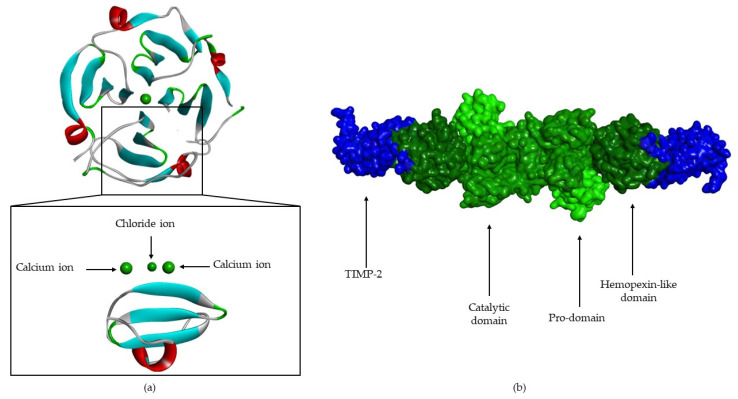
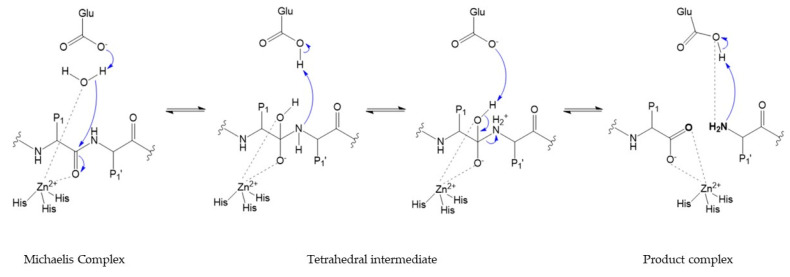
“The active site is zinc-dependent [1,2,6,11,13,15– 18,24,25] and is highly conserved, with three histidine residues bound to catalytic zinc [6,11,12,15] (Figure 4).”
InfluentialStructure and function of matrix metalloproteinases and TIMPs
NAGASE, H., VISSE, R., & MURPHY, G. (2006) · Cardiovascular Research · doi:10.1016/j.cardiores.2005.12.002 · Cited by 3,409 · cited 5×
“The ECM degradation is also an important process in development, morphogenesis, tissue repair and remodulation [8], and can affect the cellular behavior and phenotype [6,9].”
BackgroundInfluentialRicard-Blum, S. (2011) · Cold Spring Harbor Perspectives in Biology · doi:10.1101/cshperspect.a004978 · Cited by 2,305 · cited 3×
“The high glycine content is i portant for collagen helix stabilization as it allo s collagen fibers to co bine, facilitating hydrogen bridges and cross-link for ation [5].”
BackgroundInfluentialBiochemical and Biological Attributes of Matrix Metalloproteinases
Cui, N., Hu, M., & Khalil, R. A. (2017) · Progress in Molecular Biology and Translational Science · doi:10.1016/bs.pmbts.2017.02.005 · Cited by 1,359 · cited 7×
“The collagen is the ost abundant protein in EC hich gives structural support for cells [1,3].”
BackgroundInfluentialCOLLAGENOLYTIC ACTIVITY IN AMPHIBIAN TISSUES: A TISSUE CULTURE ASSAY
Gross, J., & Lapiere, C. M. (1962) · Proceedings of the National Academy of Sciences · doi:10.1073/pnas.48.6.1014 · Cited by 1,310 · cited 1×
“In 1962, a MMP collagenase was isolated and characterized as an enzyme responsible for tadpole tail resorption [1,2,6,13,14,16,21,22], by Gross and Lapiere [22].”
BackgroundDesign and Therapeutic Application of Matrix Metalloproteinase Inhibitors
Whittaker, M., Floyd, C. D., Brown, P., & Gearing, A. J. H. (1999) · Chemical Reviews · doi:10.1021/cr9804543 · Cited by 982 · cited 5×
“Over the next 20 years, several enzymes were purified, but it was in 1985 that the area has developed more significantly [16,21].”
BackgroundInfluentialPhysiology and pathophysiology of matrix metalloproteases
Klein, T., & Bischoff, R. (2011) · Amino Acids · doi:10.1007/s00726-010-0689-x · Cited by 828 · cited 5×
“The active site is zinc-dependent [1,2,6,11,13,15– 18,24,25] and is highly conserved, with three histidine residues bound to catalytic zinc [6,11,12,15] (Figure 4).”
BackgroundInfluentialMatrix metalloproteinases (MMPs): Chemical–biological functions and (Q)SARs
Verma, R. P., & Hansch, C. (2007) · Bioorganic & Medicinal Chemistry · doi:10.1016/j.bmc.2007.01.011 · Cited by 783 · cited 6×
“Over the next 20 years, several enzymes were purified, but it was in 1985 that the area has developed more significantly [16,21].”
BackgroundInfluentialProgress in matrix metalloproteinase research
MURPHY, G., & NAGASE, H. (2008) · Molecular Aspects of Medicine · doi:10.1016/j.mam.2008.05.002 · Cited by 759 · cited 4×
“Collagenases (Appendix A, Table A1) cleave some ECM proteins and other soluble proteins, but the most important role of this type of MMPs is the cleavage of fibrillar collagen type I, II, III, IV and XI into two characteristic fragments, 1/4 C-terminal and 3/4 N -terminal [1,6,8,9,12,14,17,21].”
BackgroundInfluentialMatrix Metalloproteinase-9 (MMP-9) as a Cancer Biomarker and MMP-9 Biosensors: Recent Advances
Huang, H. (2018) · Sensors · doi:10.3390/s18103249 · Cited by 739 · cited 2×
“[26] related that MMP-9 represents a potential biomarker which is overexpressed in several types of tumors (colarectal carcinoma, breast, pancreatic, ovaria, cervical, osteosarcoma nonsmall cell lung cancer (NSCLC), and giant cell tumor of bone (GCTB)), which makes MMP-9 a preferential candidate for the early detectio…”
Background
Cited by
Items 501–600 of 656
Multiscale Modeling of MT1-MMP-Mediated Cell Migration: Destabilization of Cell-Matrix AdhesionPreprint
Andasari, V., & Zaman, M. H. (2022) · bioRxiv (Cold Spring Harbor Laboratory) · doi:10.1101/2022.10.12.511909
“To 25 date, there are at least 23 different types of MMPs expressed in human tissue [1].”
BackgroundMimicked Biological Function of Scaffolds
Meesane, J. (2022) · Engineering materials · doi:10.1007/978-981-19-7830-2_7
Therapeutic effect of date palm extract on ccl4 induced HCC in rat
Zein, N., Yassin, F. A., & Eladly, A. (2022) · Biochemistry Letters · doi:10.21608/blj.2022.277163
The role of MMP-3 in copper oxide nanoparticle-induced pulmonary inflammation and fibrosis.
Zhang, Y. (2022) · ThinkIR: The University of Louisville's Institutional Repository (University of Louisville) · doi:10.18297/etd/4017
do Valle, V. B. (2022) · Digital Library of Theses and Dissertations (Universidade de São Paulo) · doi:10.11606/d.58.2022.tde-14022023-122058
MANDALA, S. R., THOMSON, A. J., Gozlan, E. C., Patel, D. N., Chobrutskiy, A., Chobrutskiy, B. I., & Blanck, G. (2023) · Cancer Genomics & Proteomics · doi:10.21873/cgp.20378
The mechanisms of the extracellular matrix remodeling of myocardium among patients with hypertension
Kulbachuk, O. S., Сидь, Е. В., Soloviov, O. V., Piskun, A. V., & Marchenko-Antudze, O. O. (2023) · Reports of Vinnytsia National Medical University · doi:10.31393/reports-vnmedical-2023-27(2)-24
Mateus, R. S. (2022) · Digital Library of Theses and Dissertations (Universidade de São Paulo) · doi:10.11606/t.42.2022.tde-22082023-104031
Research Progress on the Mechanisms of Pain in Rheumatoid Arthritis
周, 士. (2023) · Advances in Clinical Medicine · doi:10.12677/acm.2023.13102157
Metalloproteinases in Restorative Dentistry: An In Silico Study toward an Ideal Animal Model
de Oliveira, S. G., Kotowski, N., Filho, H. R. S., Aguiar, F. H. B., Dávila, A. M. R., & Jardim, R. (2023) · Biomedicines · doi:10.3390/biomedicines11113042 · Cited by 1
“Their dysregulation is associated with various pathologies, such as metastasis, arthritis, multiple sclerosis, aneurysm and oral diseases [15–17].”
BackgroundKayembe, A. T., Muela, A. M., & Tozin, R. R. (2023) · International Journal of Reproduction Contraception Obstetrics and Gynecology · doi:10.18203/2320-1770.ijrcog20233851
Mishra, V., Agrawal, S., Malik, D., Pathak, E., & Mishra, R. (2023) · ChemRxiv · doi:10.26434/chemrxiv-2023-4bddw · Cited by 1
Research on the application of molecular epidemiology in the prediction and prognosis of cancer
Lu, Z. (2024) · Pécsi Egyetemi Archívum (University of Pécs) · doi:10.15170/pte.2024.002
Джандарова, Т. И., Dolgalev, A. A., Edisherashvili, U. B., Taimazova, D. T., Choniashvili, M. Z., Dzhafarov, E. M., Tlyabicheva, B. K., & Sahakyan, K. S. (2024) · Medical alphabet · doi:10.33667/2078-5631-2023-30-19-29
Emerging talents in toxicology
(2024) · Frontiers research topics · doi:10.3389/978-2-8325-4463-1
Proteolytic Activity of Enzymes in Organs of the Black Sea Mollusks
Топтиков, В. А., Romanovska, I. I., & Kovtun, O. A. (2024) · Hydrobiological Journal · doi:10.1615/hydrobj.v60.i2.50
Hydroxychloroquine as a potential therapy for ANCA-associated vasculitis
Jain, S., Sangle, S. R., Kim, S., John, S., & D’Cruz, D. P. (2024) · Vessel Plus · doi:10.20517/2574-1209.2023.142 · Cited by 2
Neutrophils proteoglycofili (PGF) degrade Shigella virulence factors and inhibit bacterial growth
André, A. C. (2021) · theses.fr (ABES) · doi:10.70675/ba0bb29aza397z4013z8822z097d6c036de7
Evaluation of the Gene Expression of CXCL10 in Patients with Verruca Vulgaris
(2024) · The Egyptian Journal of Hospital Medicine · doi:10.21608/ejhm.2024.347083
“MMP-9's activity in degrading extracellular matrix proteins and triggering cytokines and chemokines underscores its critical function in the inflammation and fibrosis observed across various diseases, highlighting the interconnected pathways influencing tissue remodeling [14, 15] .”
BackgroundComparison Between Titanium and Zirconia Inserts in Oral Mucosa Tissue Healing in Rabbits
Alamori, A., Al–Wattar, W., & Mahmood, A. (2024) · Egyptian Journal of Veterinary Science · doi:10.21608/ejvs.2024.270127.1846
“…the extracellular ECM proteins, glycoproteins, the membrane receptor, and cytokine, as well as the Growth factor: They participate in many life processes, such as tissue repair, cellular differentiation, morphogenesis, angiogenesis, cell division and migration, wound healing and apoptosis [10].”
BackgroundRojas-Solé, C., Pinilla-González, V., Lillo‐Moya, J., & Rodrigo, R. (2024) · Advances in biogerontology · doi:10.1016/bs.abger.2024.05.009
Inflammation Resolution Mediators: Future Prospects
Müller, R. L. J., Hoch, M., & Gupta, S. K. (2024) · Springer eBooks · doi:10.1007/978-981-97-0157-5_9
Ghareeb, H., Li, C. Y., Shenoy, A., Rotenberg, N., Shifman, J. M., Katoh, T., Sagi, I., Suga, H., & Metanis, N. (2024) · Angewandte Chemie · doi:10.1002/ange.202414256
李, 一. (2024) · Advances in Clinical Medicine · doi:10.12677/acm.2024.1482280
Lan, R., Yang, Y., Song, J., Yang, H., Wang, L., & Gong, H. (2024) · Ginekologia Polska · doi:10.5603/gpl.100274
“Matrix metalloproteinases (MMPs), a group of zinc-dependent endopeptidases, are one of the main enzymes for degradation of all components of extracellular matrix (ECM) such as basement membrane, collagen, elastin, and fibrin [5, 6].”
BackgroundHu, Q. (2024) · University of North Texas Digital Library (University of North Texas) · doi:10.12794/metadc2356247
Azevedo, P. N. (2024) · Digital Library of Theses and Dissertations (Universidade de São Paulo) · doi:10.11606/d.17.2024.tde-25092024-095615
Zhou, P., Xie, S.-Q., Zhong, L.-L., & Ding, X. (2024) · PubMed Central · doi:10.7499/j.issn.1008-8830.2407088
SABA, Gill, A., Ali, W., Khan, S., Rathnayake, D. S., Mehreen, A., Zahra, Q. U. A., & Liang, Y. (2024) · The Journal of Animal and Plant Sciences · doi:10.36899/japs.2024.6.0817 · Cited by 1
Cunha, P. M. (2024) · Digital Library of Theses and Dissertations (Universidade de São Paulo) · doi:10.11606/t.97.2024.tde-12122024-113653
Damsud, T., Sujarit, C., & Phuwapraisirisan, P. (2024) · Natural Resources for Human Health · doi:10.53365/nrfhh/194784
“Moreover, the stimulation of melanogenesis caused by UV radiation could possibly lead to an increase in the synthesis of melanin pigment, which in turn causes skin hyperpigmentation and tanning (Laronha & Caldeira, 2020; Malta et al., 2023).”
Mimetismo Vasculogénico: Mecanismo Alterno de Vascularización Adaptado por el Tumor
Herrera-Vargas, A. K., López, M. Á. B., Gómez, L. M., Zacapala-Gómez, A. E., Fausto, O. H., Fierro, C. A. M., Patiño-Morales, C. C., Sotelo-Leyva, C., Catalán, M. A. M., & Navarro‐Tito, N. (2025) · Ciencia Latina Revista Científica Multidisciplinar · doi:10.37811/cl_rcm.v8i6.15398
Chiu, C.-C., Hao, W., Lin, K.-J., Chen, C., Yang, T.-Y., Fang, Y.-A., Yang, T., Lai, Y.-H., Chen, M., Hsu, M., et al. (2025) · BMC Gastroenterology · doi:10.1186/s12876-025-03665-w
“Recent studies have indicated a correlation between MMPs and hypertension through insulin resistance and mechanical stress [34, 36].”
Коt, L., Vovk, T. B., Halenova, T., Raksha, N., Savchuk, О., Domylivska, L., Falalyeyeva, T. M., Мороз, В. В., Pastukhova, V. A., Gaponenko, V., et al. (2025) · Minerva Biotechnology and Biomolecular Research · doi:10.23736/s2724-542x.24.03157-2
In Situ Zymography in Formalin-Fixed Paraffin-Embedded and Mineralized Tissues
Gonçalves, J. D. L., Magalhães, N. L., de Queiroz, A. M., & Paula‐Silva, F. W. G. (2025) · Methods in molecular biology · doi:10.1007/978-1-0716-4482-9_2
George, J. (2025) · Methods in molecular biology · doi:10.1007/978-1-0716-4482-9_15
Qasim, A. J., Hussein, A. M., Abdtawfeeq, T. H., & Abbood, Z. A. (2025) · Al-Rafidain Journal of Medical Sciences · doi:10.54133/ajms.v8i2.1681
“Though the deregulation of their function promotes the development of several pathologies associated with tissue destruction, ECM loosening, and fibrosis [32].”
Martínez, A. J. V., Sanabria‐Chanaga, E., & Arango-Varela, S. S. (2025) · World Congress on Medical Physics and Biomedical Engineering, September 7 - 12, 2009, Munich, Germany · doi:10.1007/978-3-031-89510-4_20
Rajendran, S., Das, N., Ismail, A., Borade, R. R., Subbappa, A., & Anand, L. S. (2025) · Journal of Pharmacy And Bioallied Sciences · doi:10.4103/jpbs.jpbs_740_25
“[7,8] Its higher secretion of collagen type I and MMP‑2 indicates a well‑balanced matrix remodeling process, maintaining tissue stability and preventing excessive degradation.”
Dalilati, A. Z., Prijanti, A. R., & Krisnamurti, D. G. B. (2025) · eJournal Kedokteran Indonesia · doi:10.23886/ejki.12.814.347
Kozlowska, W. U., Łomzik, J., Kamiński, K. A., & Kazimierczyk, R. (2025) · Advances in Clinical and Experimental Medicine · doi:10.17219/acem/204831
Dąbek, J., Głogowska‐Ligus, J., & Piechota, M. (2025) · Journal of Cellular and Molecular Medicine · doi:10.1111/jcmm.70727
“One of such factors is transforming growth factor β (TGF-β) associated with decorin that maintains tissue integrity through interaction with fibronectin and thrombospondin [2, 3].”
Targeting matrix metalloproteinases-2 and -9 for breast cancer treatment
Kumari, M., & Mandal, C. C. (2025) · Elsevier eBooks · doi:10.1016/b978-0-443-26635-5.00049-3
Metalloproteases: the effectors of inflammation in breast cancer progression
George, G., & Soumya, R. S. (2025) · Elsevier eBooks · doi:10.1016/b978-0-443-26635-5.00013-4
Gideon, D. A., Annadurai, P., Nadiya, S., Jebastin, T., Rosita, A. S., Kumar, C. N., & Parashar, A. (2025) · Elsevier eBooks · doi:10.1016/b978-0-443-26635-5.00042-0
Therapeutic effect of naringenin on ethanol-induced liver fibrosis in rats
Jayaraman, J., Namsivayam, N., Manivannan, K., & Sundaresan, U. (2025) · European Journal of Clinical and Experimental Medicine · doi:10.15584/ejcem.2025.3.14
LUZ, L. M. S. L., & Campesatto, E. A. (2025) · Revista Foco · doi:10.54751/revistafoco.v18n10-017
Quantitative Substrate Kinetics Screening: One-Pot LC/MS Based Approach to Map Protease SpecificityPreprint
Robinson, A., Bland, G. D., Chu, J., Ireland, J., Dao, L., Pham, T., Dong, M., Demichev, V., Johansen, E., & Schellenberger, V. (2025) · bioRxiv (Cold Spring Harbor Laboratory) · doi:10.1101/2025.10.06.680748
Tu, Y., Fu, X., Ning, X., Zheng, H., Zhang, L., Guo, Q., Huang, M., Cao, H., Chen, H., Jia, Y., et al. (2025) · International Dental Journal · doi:10.1016/j.identj.2025.103966
“54 A comprehensive understanding of gelatinase function in periodontitis must therefore incorporate the regulatory role of TIMPs.”
Wong, W. H., Zirngibl, R. A., Manolson, M. F., & McCulloch, C. A. (2025) · The FASEB Journal · doi:10.1096/fj.202502454r
“MMPs are zinc-dependent endopeptidases that cleave collagen at neutral pH, as found in the extracellular space [79, 81].”
ROLE OF MAJOR CELL TYPES IN THE PROCESS OF ACUTE SKIN WOUND HEALING
Левчук, Н. І., Ковзун, О. І., & Tronko, M. D. (2025) · Актуальні проблеми сучасної медицини Вісник Української медичної стоматологічної академії · doi:10.31718/2077-1096.25.3.316
Li, X., Geng, Z., Feng, C., & Liang, H. (2025) · Biology · doi:10.3390/biology14121797
“Collagen (COL) was originally identified as a group of proteins characterized by distinct molecular structures, whose fibrous formations contribute to the extracellular scaffold [47].”
Impact of fatty acids on low-level lead (Pb) absorption and cellular stress
Copp, A. G. (2024) · cIRcle (University of British Columbia) · doi:10.14288/1.0443977
Bapat, R. A., Mak, K.-K., Pichika, M. R., Pang, J. C., Lin, S. L., Khoo, S. P., & Daood, U. (2024) · Figshare · doi:10.6084/m9.figshare.26697713
Joshi, P. (2023) · heiDOK (Heidelberg University) · doi:10.11588/heidok.00033746
Bapat, R. A., Mak, K.-K., Pichika, M. R., Pang, J. C., Lin, S. L., Khoo, S. P., & Daood, U. (2024) · Figshare · doi:10.6084/m9.figshare.26697710
Positron Emission Tomography to Evaluate Cardiac Remodelling After Collagen Hydrogel Therapy
MacMullin, M. (2022) · uO Research (University of Ottawa) · doi:10.20381/ruor-28627
Ansbacher, T., Tohar, R., Cohen, A., Cohen, O., Levartovsky, S., Arieli, A., Matalon, S., Bar, D. Z., Gal, M., & Weinberg, E. (2024) · Figshare · doi:10.6084/m9.figshare.26604748
Wen, J., Qin, X., Zhang, J., Wu, X., Yan, X., Lu, K., Yang, P., Ji, S., Zhao, X., & Wang, Y. (2024) · Figshare · doi:10.6084/m9.figshare.26606629
The production of recombinant 6LZE_A and NS2B-NS3 in E. coli
Svensson, R. (2024) · Lund University Publications Student Papers (Lund University)
Masood, M. (2023) · oURspace (University of Regina) · doi:10.82465/5938
Fequet, K. (2025) · e-Theses (Université du Québec à Trois-Rivières)
Malone, E. (2023) · eScholarship (California Digital Library)
Investigating the production and secretion of PEPITEM, a regulator of leukocyte trafficking
Nathan, P. (2024) · University of Birmingham Institutional Research Archive (University of Birmingham) · Cited by 1
The Importance of Calcium Channels in Thyroid Cancer
Knuutinen, T. (2024) · Doria (University of Helsinki)
Polymeric Microparticles and Stimuli-Responsive Hydrogels Targeting Macrophages
Grey, E. L. (2024) · CU Scholar (University of Colorado Boulder) · Cited by 2
Teralı, K., & Tuncal, A. (2026) · ChemistrySelect · doi:10.1002/slct.75094
Rak-Pasikowska, A., Kamińska, M., Niechciała, M., Ilkowska, S., Krysta, A., Hałucha, K., Olejnik, A., Krzywonos‐Zawadzka, A., Sawicki, G., Marek, G., et al. (2025) · Scientific Reports · doi:10.1038/s41598-025-32875-1
“The specific mitochondrial induction of NTT-MMP-2 observed in this study is likely a consequence of transient oxidative stress, which inhibits mitochondrial respiration and induces NTT-MMP-2 formation 2,19,31,36 .”
Detection and Estimation of Active Proteinases in Biological Samples: An Optimized Protocol
Almarshood, H., Zheng, Y.-T. N., Brainard, R. E., Tyagi, S. C., de Paleville, D. T., Sekula, M. N., & Sen, U. (2025) · Frontiers in Bioscience-Landmark · doi:10.31083/fbl45771
Moleküler Biyoloji ve Genetik Perspektifinden Yaşlanma, Mikrobiyota Ve Kozmetik Etkileşimler
Baltacı, N. G., Demir, Ş. N., NAFIZOĞLU, T., & ALBAYRAK, Ş. (2025) · Bidge Yayınları eBooks · doi:10.70269/4ulu6t31cs2o
Ruzimurodov, N., Nuritdinovich, R. N., & Z.Sh., A. (2025) · American Journal Of Biomedical Science & Pharmaceutical Innovation · doi:10.37547/ajbspi/volume05issue12-09
Oksidatif Stresin Yaşlanma Sürecindeki Rolü ve Kozmetik Uygulamalara Yansımaları
Baltacı, N. G. (2025) · Bidge Yayınları eBooks · doi:10.70269/10.70269/2356712795
Cilt Mikrobiyomu ve Probiyotik Yaklaşımlar: Mekanizmalar, Sağlık Ve Yaşlanma
ALBAYRAK, Ş. (2025) · Bidge Yayınları eBooks · doi:10.70269/10.70269/2597682437
Kozmetik Endüstrisinde Mikrobiyal Ürünler
NAFIZOĞLU, T. (2025) · Bidge Yayınları eBooks · doi:10.70269/10.70269/5566376884
Does MMP1 gene expression have a significant role in acute myeloid leukemia?
Tahouna, M., Elneily, D., Elsayed, F., & Abdullahi, N. (2025) · The Egyptian Journal of Haematology · doi:10.4103/ejh.ejh_126_25
Tong, X.-B., Yu, D., Chen, J., Zheng, L., Fang, Y., Zhang, J., Rao, T., Liu, K., Lin, J., Yu, K. A. N., et al. (2026) · Acupuncture in Medicine · doi:10.1177/09645284251410580 · Cited by 1
“37 MMP-1 (a key matrix enzyme) breaks down fibrous type I and III collagen 38 and plays a pathological role in excessive connective tissue degradation.”
Huang, J., Jiang, H., Lu, Y., Ding, X., Zhang, C., Lin, Y., & Chen, M. (2026) · Preventive Medicine Reports · doi:10.1016/j.pmedr.2026.103397
“Matrix metalloproteinases (MMPs), a family of zinc-dependent endopeptidases, are critical for maintaining ECM dynamic balance (Laronha and Caldeira, 2020).”
Ceballos‐Santa, M. C. (2025) · RIT Scholar Works (Rochester Institute of Technology)
Ahamad, R., Tabassum, N., Khan, Z., Tantray, J., Kumar, S., & Rashid, G. (2026) · Elsevier eBooks · doi:10.1016/b978-0-443-23908-3.00014-9
Mamillapalli, R., Pyneni, K., Watson, K., Habata, S., Gawde, N., & Taylor, H. S. (2026) · Molecular Medicine · doi:10.1186/s10020-026-01442-3
“Upregulation of MMP-2 in endometriosis is one of the key factors that help in the progression and pathogenesis of this disease (Kleimenova et al. 2024; Laronha & Caldeira 2020; Pitsos & Kanakas 2009).”
Oral Mucosal Responses to Titanium and Composite Resin: An Immunohistochemical Study
Khaleel, A. F., Al–Wattar, W., & Mahmood, A. S. (2026) · Al-Rafidain dental journal/Maǧallaẗ al-rāfidayn li-ṭibb al-asnān · doi:10.33899/rdentj.v26i1.60497
Matrix metalloproteinases in pituitary adenoma invasiveness
Вячеславовна, К. Д., А.С., Л., Przhiyalkovskaya, E. G., & Неронович, А. В. (2026) · Problems of Endocrinology · doi:10.14341/probl13631
“1) [42].”
InfluentialDesign, synthesis and biological evaluation of novel anti-inflammatory agents
Sava, A. (2021) · theses.fr (ABES) · doi:10.70675/9d9e1f52ze82fz4140zbdefz367ec5062461
Control of the invadopodia/MT1-MMP axis by mTORC1/TFEB signaling pathway in breast cancer cells
Remy, D. (2022) · theses.fr (ABES) · doi:10.70675/849dc96dz8e18z4428zbf6fz67c9b1d98114
Syndrome Email-Rein et calcification ectopique : le rôle de FAM20A
Chalghoumi, R. (2024) · theses.fr (ABES) · doi:10.70675/d53237ddz3854z4d25z8729z1ff2e6d232cb
Priyanto, H., Anggraeni, A., Budihastuti, U. R., Anggraini, N. W. P., Sujana, M., & Siagian, G. K. T. (2026) · Journal of Obstetrics Gynecology and Cancer Research · doi:10.24200/jogcr.11.5.411
An Exploratory Study of Matrix Metalloproteinase Protein Changes in Unexplained Infertility
Alhalwachi, Z., Sathyapalan, T., Atkin, S. L., & Butler, A. E. (2026) · Life · doi:10.3390/life16040676
“The regulation of ECM by MMPs is key for tissue development, maintenance, and remodeling, as well as for cell-to-tissue signaling [8].”
Matrix metalloproteinase-13 selective inhibitors
Giovannuzzi, S., & Supuran, C. T. (2026) · The Enzymes · doi:10.1016/bs.enz.2026.03.001
Mantareva, V. N., Braikova, D., Sun, M., & Zhang, J. (2026) · Current Issues in Molecular Biology · doi:10.3390/cimb48050441
“Dysregulation of the extracellular matrix (ECM) is known to trigger cell proliferation, invasion, and tissue fibrosis [3].”
Hrytsevych, N., Степанова, Л. І., Нікітіна, Н. С., Vereshchaka, V. V., & Савчук, О. Д. (2026) · Medical and Clinical Chemistry · doi:10.11603/mcch.2410-681x.2026.i1.15804
Experimental evaluation of conjunctival reconstruction using a collagen membrane
Krivolapova, D. A., Andreev, A. Y., Суббот, А. М., Avetisov, S. E., & Osidak, E. O. (2026) · Russian Annals of Ophthalmology · doi:10.17116/oftalma2026142021122
Spatola, G. F., Pitruzzella, A., Listro, A. G., Valenti, C., Scalisi, M., Milia, F., Listro, P., Zingales, F., Ferranti, G. M., Listro, M., et al. (2026) · Frontiers in Oncology · doi:10.3389/fonc.2026.1804092
Metadata
- Authors
- Laronha, H., & Caldeira, J.
- Affiliations
- LAQV Requimte (PT)
- Corresponding author
- Caldeira, Jorge
- Venue
- Cells
- Publisher
- MDPI AG
- Published
- 2020-04-26
- Volume
- 9
- Issue
- 5
- Pages
- 1076
- ISSN
- 2073-4409 (ISSN-L)
- PMC
- PMC7290392
- OpenAlex
- W3019034047
- Semantic Scholar
- 78e1f6960d48761830483b73ddf345fae4bbfdb7
- Cited by
- 609
- References
- 36
- Citations by year
- 2026: 82 · 2025: 117 · 2024: 132 · 2023: 122 · 2022: 93 · 2021: 61 · 2020: 1
- FWCI
- 7.06
- Type
- journal article
- Language
- en
- Open access
- gold
- dx.doi.org
- Licence
- Locations
- Cells (publishedVersion, cc-by)
- PubMed Central (publishedVersion, cc-by)
- PubMed (publishedVersion)
- Portuguese National Funding Agency for Science, Research and Technology (RCAAP Project by FCT) (submittedVersion, other-oa)
- DOAJ (DOAJ: Directory of Open Access Journals) (submittedVersion, cc-by-sa)
- Funders
- Fundação para a Ciência e a Tecnologia (PTDC/SAU-BMA/122444/2010, SAICT-POL/24288/2016)
- Topics
- Life Sciences › Biochemistry, Genetics and Molecular Biology › Cancer Research › Protease and Inhibitor Mechanisms
- Life Sciences › Biochemistry, Genetics and Molecular Biology › Biochemistry › Bone and Dental Protein Studies
- Life Sciences › Biochemistry, Genetics and Molecular Biology › Structural Biology › Enzyme Structure and Function
- Keywords
- matrix metalloproteinases, extracellular matrix, collagen degradation, collagen triple helix, tissue inhibitors of metalloproteinases, MMP regulation, protease inhibitors
- MeSH terms
- Collagen, Extracellular Matrix, Humans, Structure-Activity Relationship, Matrix Metalloproteinases, Proteolysis, Matrix Metalloproteinase Inhibitors
About these checks
Registry, retraction, Cites and statistics results are computed, not judged, with one exception: a printed reference that no index lists is read once by a model before it counts as a citation error. Claims are extracted by a model and kept only when their quote appears verbatim in the text; each cited source is then checked, with a model’s help, for whether it says what the claim relies on. Those verdicts can be wrong — read the claim’s quote and the cited source before relying on one.
Statistics and arithmetic are recomputed, not judged.
Confidence bands are shown only for fields calibrated on our annotated test set. None is calibrated yet, so no band is shown.
What counts as a claim ›How we measure confidence ›How we check this ›
Are you an author, or do you see a problem with this page? Request a review
Data sources
Bibliographic data: Semantic Scholar, OpenAlex, Crossref.
Contains information from the Semantic Scholar Academic Graph Datasets, made available under the ODC Attribution License (ODC-BY 1.0).
Semantic Scholar’s data is described in: Kinney, R., et al. (2023). The Semantic Scholar Open Data Platform. arXiv:2301.10140.
