

Structure and Function of Human Matrix Metalloproteinases
Open accessThe DOI matches its Crossref record; 36 of the 36 references it cites were found in a registry or an index.
Abstract
The extracellular matrix (ECM) is a macromolecules network, in which the most abundant molecule is collagen. This protein in triple helical conformation is highly resistant to proteinases degradation, the only enzymes capable of degrading the collagen are matrix metalloproteinases (MMPs). This resistance and maintenance of collagen, and consequently of ECM, is involved in several biological processes and it must be strictly regulated by endogenous inhibitors (TIMPs). The deregulation of MMPs activity leads to development of numerous diseases. This review shows MMPs complexity.
Overview
The claims and statistics of this paper haven’t been checked yet.
Free: it reads the open-access text and checks the first 5 claims that cite a source we can check. Create a free account to check every claim.
Integrity signals
Registry
Cites
Statistics
Figures
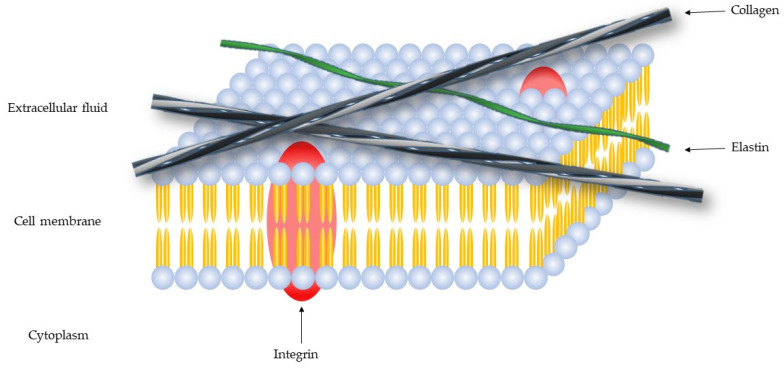
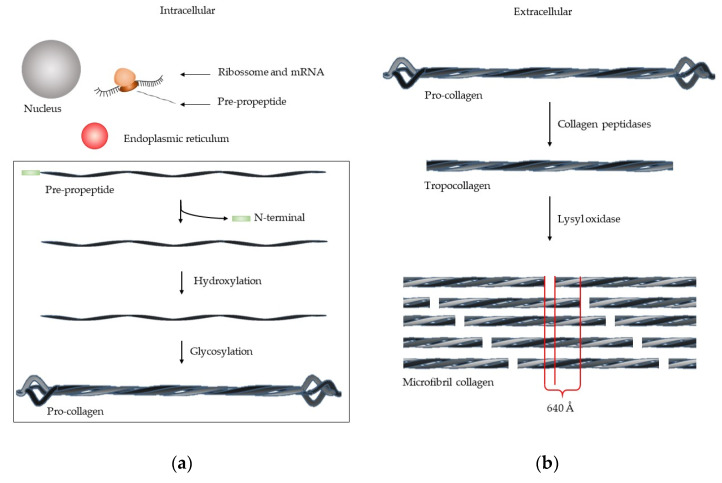
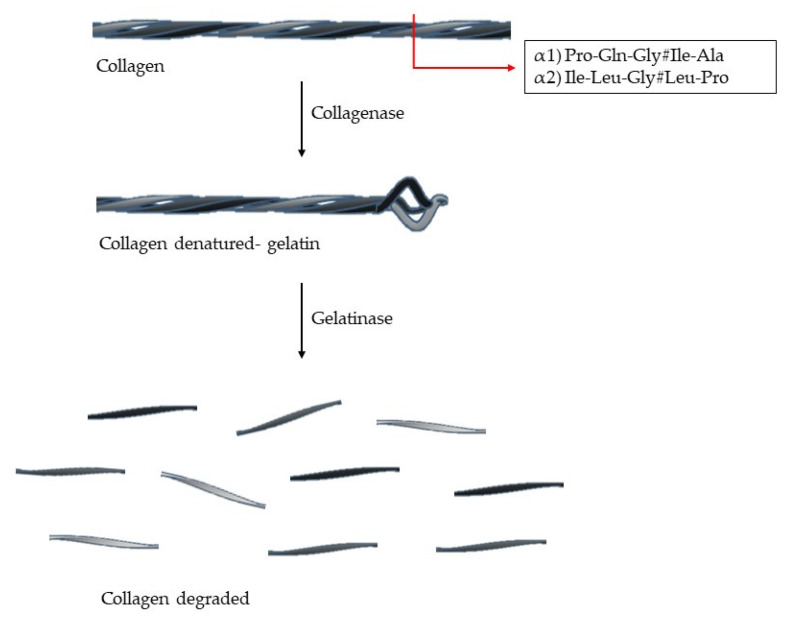
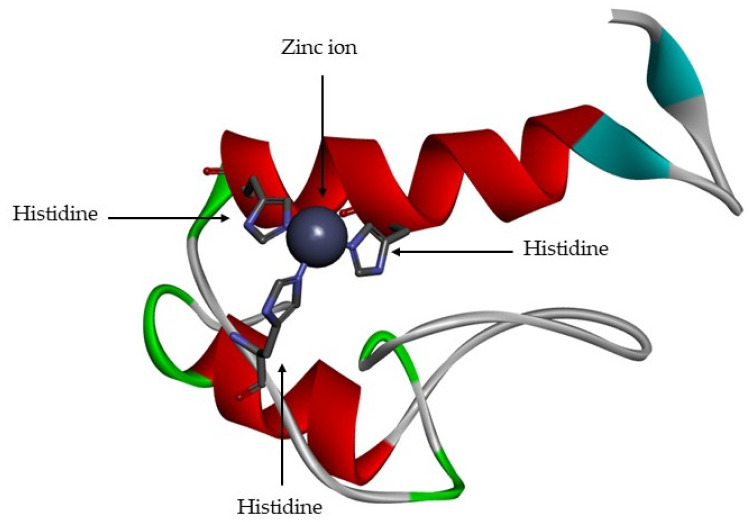
Verification
Claims the paper makes
The claims and statistics of this paper haven’t been checked yet.
Free: it reads the open-access text and checks the first 5 claims that cite a source we can check. Create a free account to check every claim.
Claims other papers make about this one
Each is checked against this paper’s own text: does it say what the citing paper says it does?
The source backs part of the claim, not all of it — or backs it for a different population, condition or comparison.
In the citing paper
“The MMP catalytic domains harbor catalytic Zn2+ ions and their binding motif (HExxHxxGxxH) are both responsible for structural coordination and highly conserved among different MMP subtypes30.”
From Bioengineered liver crosslinked with nano-graphene oxide enables efficient liver regeneration via MMP suppression and immunomodulation (2023) · cites this paper as [30]
Experimental — accuracy not yet measuredThe source backs part of the claim, not all of it — or backs it for a different population, condition or comparison.
In the citing paper
“Varying stages of the inflammatory response are controlled by different MMPs, including overall inflammation, cell morphogenesis, tissue remodeling, wound healing, and cell apoptosis.”
From Unraveling and Harnessing the Immune Response at the Cell–Biomaterial Interface for Tissue Engineering Purposes (2024) · cites this paper as [252]
Experimental — accuracy not yet measuredThe cited source says what the claim attributes to it.
In the citing paper
“The ECM is composed of many natural components, including fibers, proteoglycans, glycoproteins, and polysaccharides.”
From Unraveling and Harnessing the Immune Response at the Cell–Biomaterial Interface for Tissue Engineering Purposes (2024) · cites this paper as [252]
Self-check
Percentages, sums and reported differences re-computed from the paper’s own numbers.
The self-check needs the paper’s full text.
Citations
Cites
Visse, R., & Nagase, H. (2003) · Circulation Research · doi:10.1161/01.res.0000070112.80711.3d · Cited by 4,575 · cited 9×
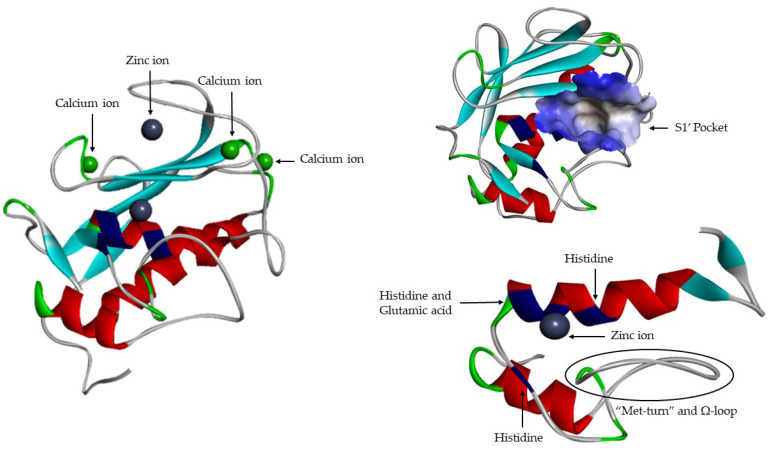
“The active site is zinc-dependent [1,2,6,11,13,15– 18,24,25] and is highly conserved, with three histidine residues bound to catalytic zinc [6,11,12,15] (Figure 4).”
InfluentialStructure and function of matrix metalloproteinases and TIMPs
NAGASE, H., VISSE, R., & MURPHY, G. (2006) · Cardiovascular Research · doi:10.1016/j.cardiores.2005.12.002 · Cited by 3,409 · cited 5×
“The ECM degradation is also an important process in development, morphogenesis, tissue repair and remodulation [8], and can affect the cellular behavior and phenotype [6,9].”
BackgroundInfluentialRicard-Blum, S. (2011) · Cold Spring Harbor Perspectives in Biology · doi:10.1101/cshperspect.a004978 · Cited by 2,305 · cited 3×
“The high glycine content is i portant for collagen helix stabilization as it allo s collagen fibers to co bine, facilitating hydrogen bridges and cross-link for ation [5].”
BackgroundInfluentialBiochemical and Biological Attributes of Matrix Metalloproteinases
Cui, N., Hu, M., & Khalil, R. A. (2017) · Progress in Molecular Biology and Translational Science · doi:10.1016/bs.pmbts.2017.02.005 · Cited by 1,359 · cited 7×
“The collagen is the ost abundant protein in EC hich gives structural support for cells [1,3].”
BackgroundInfluentialCOLLAGENOLYTIC ACTIVITY IN AMPHIBIAN TISSUES: A TISSUE CULTURE ASSAY
Gross, J., & Lapiere, C. M. (1962) · Proceedings of the National Academy of Sciences · doi:10.1073/pnas.48.6.1014 · Cited by 1,310 · cited 1×
“In 1962, a MMP collagenase was isolated and characterized as an enzyme responsible for tadpole tail resorption [1,2,6,13,14,16,21,22], by Gross and Lapiere [22].”
BackgroundDesign and Therapeutic Application of Matrix Metalloproteinase Inhibitors
Whittaker, M., Floyd, C. D., Brown, P., & Gearing, A. J. H. (1999) · Chemical Reviews · doi:10.1021/cr9804543 · Cited by 982 · cited 5×
“Over the next 20 years, several enzymes were purified, but it was in 1985 that the area has developed more significantly [16,21].”
BackgroundInfluentialPhysiology and pathophysiology of matrix metalloproteases
Klein, T., & Bischoff, R. (2011) · Amino Acids · doi:10.1007/s00726-010-0689-x · Cited by 828 · cited 5×
“The active site is zinc-dependent [1,2,6,11,13,15– 18,24,25] and is highly conserved, with three histidine residues bound to catalytic zinc [6,11,12,15] (Figure 4).”
BackgroundInfluentialMatrix metalloproteinases (MMPs): Chemical–biological functions and (Q)SARs
Verma, R. P., & Hansch, C. (2007) · Bioorganic & Medicinal Chemistry · doi:10.1016/j.bmc.2007.01.011 · Cited by 783 · cited 6×
“Over the next 20 years, several enzymes were purified, but it was in 1985 that the area has developed more significantly [16,21].”
BackgroundInfluentialProgress in matrix metalloproteinase research
MURPHY, G., & NAGASE, H. (2008) · Molecular Aspects of Medicine · doi:10.1016/j.mam.2008.05.002 · Cited by 759 · cited 4×
“Collagenases (Appendix A, Table A1) cleave some ECM proteins and other soluble proteins, but the most important role of this type of MMPs is the cleavage of fibrillar collagen type I, II, III, IV and XI into two characteristic fragments, 1/4 C-terminal and 3/4 N -terminal [1,6,8,9,12,14,17,21].”
BackgroundInfluentialMatrix Metalloproteinase-9 (MMP-9) as a Cancer Biomarker and MMP-9 Biosensors: Recent Advances
Huang, H. (2018) · Sensors · doi:10.3390/s18103249 · Cited by 739 · cited 2×
“[26] related that MMP-9 represents a potential biomarker which is overexpressed in several types of tumors (colarectal carcinoma, breast, pancreatic, ovaria, cervical, osteosarcoma nonsmall cell lung cancer (NSCLC), and giant cell tumor of bone (GCTB)), which makes MMP-9 a preferential candidate for the early detectio…”
Background
Cited by
Items 101–200 of 656
Pro-tumorigenic and Anti-tumorigenic Roles of Pro-inflammatory Cytokines in Cancer
Tahmasebi, S., Alimohammadi, M., Khorasani, S., & Rezaei, N. (2022) · Springer eBooks · doi:10.1007/978-3-030-80962-1_25-1 · Cited by 42
Belostotsky, R., & Frishberg, Y. (2022) · International Journal of Molecular Sciences · doi:10.3390/ijms23021005 · Cited by 28
“Collagen breakdown is carried out by sequential cleavage into dipeptides by matrix metalloproteinases [43].”
BackgroundIslam, H., Poly, T. S., Tisha, Z. T., Rahman, S., Naveed, A. I. J., Ahmed, A., Ahmed, S. N., Hassan, J., Uddin, J., & Das, D. B. (2023) · Cosmetics · doi:10.3390/cosmetics10020041 · Cited by 30
“ECM is a zinc-dependent endopeptidase regulated by the specific endogenous tissue inhibitors of metalloproteinases (TIMPs) [18–21].”
Bari, E., Perteghella, S., Rassu, G., Gavini, E., Petretto, G. L., Bonferoni, M. C., Giunchedi, P., & Torre, M. L. (2023) · Frontiers in Pharmacology · doi:10.3389/fphar.2023.1129882 · Cited by 27
“allows changes in shape, cell migration or tissue desorption required for tissue functionality, when overexpressed, they lead to tissue degeneration (Laronha and Caldeira, 2020).”
BackgroundLi, Y., Jiang, J., Yang, J., Xiao, L., Hua, Q., & Zou, Y. (2021) · BMC Ophthalmology · doi:10.1186/s12886-021-01946-y · Cited by 26
“MMP-2, which is a kind of zinc-dependent protease, can degrade the extracellular matrix of the sclera and mediate scleral remodeling in experimental myopia [27].”
BackgroundMatrix Metalloproteinases in Cardioembolic Stroke: From Background to Complications
Wysocka, A., Szczygielski, J., Kopańska, M., Oertel, J., & Główniak, A. (2023) · International Journal of Molecular Sciences · doi:10.3390/ijms24043628 · Cited by 30
“Regarding the ability of particular compounds of extracellular matrix proteolysis and according to the domains structure, MMPs have been divided into matrylysins, collagenases, gelatinases, stromelysins, membrane type MMPs and other MMPs [4,19].”
BackgroundInfluentialElectrochemical nanobiosensors equipped with peptides: a review
Negahdary, M., & Angnes, L. (2022) · Microchimica Acta · doi:10.1007/s00604-022-05184-x · Cited by 28
Mechanical characterization of articular cartilage degraded combinedly with MMP-1 and MMP-9
Mixon, A., Moni, A. S. B., & Faisal, T. R. (2022) · Journal of the mechanical behavior of biomedical materials/Journal of mechanical behavior of biomedical materials · doi:10.1016/j.jmbbm.2022.105131 · Cited by 29
Metal Complexes as Promising Matrix Metalloproteinases Regulators
Nguyen, Y. T., Kim, N., & Lee, H. J. (2023) · International Journal of Molecular Sciences · doi:10.3390/ijms24021258 · Cited by 25
Keskin, M., Rintamarttunen, J., Gülçiçek, E., Räisänen, I. T., Gupta, S., Tervahartiala, T. I., Pätilä, T., & Sorsa, T. A. (2023) · Diagnostics · doi:10.3390/diagnostics13050903 · Cited by 29
“Matrix metalloproteinases (MMPs), a family of genetically distinct but structurally related proteases that can degrade almost all extracellular matrix (ECM) structures, play an important role in tissue destruction caused by degenerative periodontal diseases [11].”
BackgroundMacrophages immunomodulation induced by Porphyromonas gingivalis and oral antimicrobial peptides
Blancas-Luciano, B. E., Zamora‐Chimal, J., Rosenzweig, P. G. D. S.-D., Ramos-Mares, M., & Fernández-Presas, A. M. (2023) · Odontology · doi:10.1007/s10266-023-00798-w · Cited by 31
Jansson, L. E., Lundmark, A., Modin, C., Gustafsson, A. K., & Yucel‐Lindberg, T. (2024) · Journal of Periodontal Research · doi:10.1111/jre.13338 · Cited by 26
Alterations of Extracellular Matrix Components in the Course of Juvenile Idiopathic Arthritis
Wojdas, M., Dąbkowska, K., & Winsz‐Szczotka, K. (2021) · Metabolites · doi:10.3390/metabo11030132 · Cited by 29
“, adhesion proteins, apoptosis mediators, receptors, chemokines, cytokines, growth factors and pro-MMPs, thus regulating their activity [34,35].”
BackgroundKuznetsova, T. A., Andryukov, B. G., & Besednova, N. N. (2022) · BioTech · doi:10.3390/biotech11020018 · Cited by 27
“As a rule, the level of MPPs increases in the wounds since they are necessary to destroy the wound lodge, contributing to the healing of the wounds and the formation of scars [44].”
BackgroundIon channels in dry eye disease
Ashok, N., Khamar, P. M., D’Souza, S., Gijs, M., Ghosh, A., Sethu, S., & Shetty, R. (2023) · Indian Journal of Ophthalmology · doi:10.4103/ijo.ijo_3020_22 · Cited by 27
Matrix metalloproteinases targeting in prostate cancer
Zhu, S., He, J., Yin, L., Zhou, J., Lian, J., Ren, Y., Zhang, X., Yuan, J., Wang, G., & Li, X. (2024) · Urologic Oncology Seminars and Original Investigations · doi:10.1016/j.urolonc.2024.05.002 · Cited by 30
Rajendran, P. (2024) · Biomedicine · doi:10.37796/2211-8039.1447 · Cited by 30
“MMPs, belong to the extensive metzincin super-family, which includes other enzyme families such as astacins, serralysins, reprolysins, and adamaly-sins metalloproteinases [5,6].”
BackgroundExploiting Matrix Stiffness to Overcome Drug Resistance
Aydın, H. B., Özçelikkale, A., & Acar, A. (2024) · ACS Biomaterials Science & Engineering · doi:10.1021/acsbiomaterials.4c00445 · Cited by 27
“110 MMPs can degrade collagen networks in the ECM, which can help soften the matrix.”
BackgroundTamang, J. S. D., Banerjee, S., Baidya, S. K., Das, S., Ghosh, B., Jha, T., & Adhikari, N. (2024) · European Journal of Medicinal Chemistry · doi:10.1016/j.ejmech.2024.117154 · Cited by 23
Khuda, F., Anuar, N. N. M., Baharin, B., & Nasruddin, N. S. (2021) · AIMS molecular science · doi:10.3934/molsci.2021002 · Cited by 25
Jo, Y. K., Choi, B., Zhou, C., Jun, S.-H., & Chi, H. J. (2023) · Bioengineering & Translational Medicine · doi:10.1002/btm2.10493 · Cited by 23
“of some holes generated by extracellular proteases secreted from fibroblasts at 1 day after seeding (Figure S2, Supporting Information).(26) While cells that passed through the bare Ti-mesh membrane exhibited normal proliferation, there was no significant proliferation below the MAP-RGD-”
BackgroundMMP-3 mediates copper oxide nanoparticle-induced pulmonary inflammation and fibrosis
Zhang, Y., Zhang, Z., Mo, Y., Zhang, Y., Yuan, J., & Zhang, Q. (2024) · Journal of Nanobiotechnology · doi:10.1186/s12951-024-02707-x · Cited by 23
“Up to date, at least 23 secreted or membrane-associated MMPs have been found in humans [17, 18].”
BackgroundGhareeb, H., Li, C. Y., Shenoy, A., Rotenberg, N., Shifman, J. M., Katoh, T., Sagi, I., Suga, H., & Metanis, N. (2024) · Angewandte Chemie International Edition · doi:10.1002/anie.202414256 · Cited by 23
Targeting Matrix Metalloproteinases and Their Inhibitors in Melanoma
Szczygielski, O., Dąbrowska, E., Niemyjska, S., Przylipiak, A., & Zajkowska, M. (2024) · International Journal of Molecular Sciences · doi:10.3390/ijms252413558 · Cited by 24
“Matrix metalloproteinases (MMPs) are zinc-dependent endopeptidases that play a critical role in ECM degradation and remodeling [10].”
Solomonov, I., Kollet, Ó., & Sagi, I. (2025) · FEBS Journal · doi:10.1111/febs.70292 · Cited by 26
“Detailed information about structure, modes of regulation, and functions of MMPs in healthy states and pathologies can be found in recent reviews [14,64,65,71 – 75].”
Roles of matrix metalloproteinases in the cornea: A special focus on macular corneal dystrophy
Kaya, S., Surer, S. I., Cakan‐Akdogan, G., Oktay, G., Utine, C. A., & Kalyoncu, S. (2021) · Medicine in Drug Discovery · doi:10.1016/j.medidd.2021.100095 · Cited by 24
Differential expression of genes involved in the chronic response to intracortical microelectrodes
Song, S., Druschel, L. N., Chan, E. R., & Capadona, J. R. (2023) · Acta Biomaterialia · doi:10.1016/j.actbio.2023.07.038 · Cited by 22
Munteanu, C., Galaction, A., Poştaru, M., Rotariu, M., Turnea, M. A., & Blendea, C. D. (2024) · Biomedicines · doi:10.3390/biomedicines12091951 · Cited by 25
“These cells, in turn, produce more MMPs, creating a feed-back loop that exacerbates inflammation and plaque instability [26].”
BackgroundConcentration of Serum Matrix Metalloproteinase-3 in Patients With Primary Biliary Cholangitis
Bauer, A., & Habior, A. (2022) · Frontiers in Immunology · doi:10.3389/fimmu.2022.885229 · Cited by 25
Xue, Y., Zhou, J., Lu, Y. H., Zhang, H., Chen, B., Dong, S., Xue, Y., Zhan, K., Chen, C., Sun, Y. E., et al. (2025) · Engineering · doi:10.1016/j.eng.2025.01.018 · Cited by 31
Role of Matrix Metalloproteinases and Their Inhibitors in Locally Invasive Papillary Thyroid Cancer
Ivković, I., Limani, Z., Jakovčević, A., Huić, D., & Prgomet, D. (2022) · Biomedicines · doi:10.3390/biomedicines10123178 · Cited by 25
“Matrix metalloproteinases (MMPs) are a large family of calcium-dependent zinccontaining endopeptidases that are responsible for tissue remodeling and degradation of the extracellular matrix (ECM) contents, including collagens, elastins, gelatin, matrix glycoproteins, and proteoglycans [1,2].”
BackgroundInfluentialCurrent Biomarkers for Carotid Artery Stenosis: A Comprehensive Review of the Literature
Khan, H., Shaikh, F., Syed, M. H., Mamdani, M., Saposnik, G., & Qadura, M. (2023) · Metabolites · doi:10.3390/metabo13080919 · Cited by 22
“Their function, however, is still far more complex, playing an important role in angiogenesis, cellular differentiation, apoptosis, wound healing and many more [148].”
BackgroundEnzymatically Activatable Polymers for Disease Diagnosis and Treatment
Ma, B., Shi, J., Zhang, Y., Li, Z., Yong, H., Zhou, Y., Liu, S., Sigen, A., & Zhou, D. (2023) · Advanced Materials · doi:10.1002/adma.202306358 · Cited by 26
Serum matrix metalloproteinase-13 as a diagnostic biomarker for cutaneous squamous cell carcinoma
Wang, H., Li, H., Yan, Q., Gao, S., Gao, J., Wang, Z., & Sun, Y. (2021) · BMC Cancer · doi:10.1186/s12885-021-08566-1 · Cited by 24
Metalloproteases in Pain Generation and Persistence: A Possible Target?
Marcianò, G., Vocca, C., Rania, V., Citraro, R., Sarro, G. D., & Gallelli, L. (2023) · Biomolecules · doi:10.3390/biom13020268 · Cited by 22
“, cancer, cardiovascular disease, immune disease, and metabolic disease) [2].”
BackgroundInfluentialA Systematic Review on the Role of Matrix Metalloproteinases in the Pathogenesis of Inguinal Hernias
Bracale, U. M., Peltrini, R., Iacone, B., Martirani, M., Sannino, D., Gargiulo, A., Corcione, F., Serra, R., & Bracale, U. M. (2023) · Biomolecules · doi:10.3390/biom13071123 · Cited by 24
“It is responsible for cleaving collagen types I, II, III, IV, V, and IX [25,27].”
BackgroundExploring the anti-cancer and antimetastatic effect of Silymarin against lung cancer
Srinivasan, S., Mohanprasanth, A., Nadeem, A., & Saravanan, M. (2024) · Toxicology Reports · doi:10.1016/j.toxrep.2024.101746 · Cited by 25
“The complexity of MMP activity regulation encompasses transcriptional oversight, activation of dormant proenzymes, and inhibition through tissue inhibitors of metalloproteases (TIMPs) [10].”
BackgroundSugioka, K., Fukuda, K., Nishida, T., & Kusaka, S. (2021) · Experimental Eye Research · doi:10.1016/j.exer.2021.108459 · Cited by 21
Role of mechanosignaling on pathology of varicose vein
Saberianpour, S., Modaghegh, M. H. S., Rahimi, H. R., & Kamyar, M. M. (2021) · Biophysical Reviews · doi:10.1007/s12551-021-00783-z · Cited by 22
Dolmatov, I. Y., Nizhnichenko, V. A., & Dolmatova, L. S. (2021) · Cells · doi:10.3390/cells10092331 · Cited by 22
“One of the main ways to change the properties of ECM is the degradation of its proteins by MMPs [70].”
BackgroundKicman, A., Niczyporuk, M., Kulesza, M., Motyka, J., & Ławicki, S. (2022) · Cancer Management and Research · doi:10.2147/cmar.s385658 · Cited by 20
A guide to the types, structures, and multifaceted functions of matrix metalloproteinases in cancer
Piperigkou, Z., Mangani, S., Kremmydas, S., Koletsis, N. E., & Karamanos, N. K. (2025) · FEBS Journal · doi:10.1111/febs.70296 · Cited by 27
“Substrate/targets casein) [15,25,26].”
Pan, J., Cao, Z., Fang, C., Lei, Y., Sun, J., Huang, X., & Han, D. C. (2021) · Frontiers in Pharmacology · doi:10.3389/fphar.2021.722530 · Cited by 19
“Matrix metalloproteinases (MMPs) are zinc-dependent endopeptidases that can degrade various ECM proteins (Laronha and Caldeira 2020).”
Backgroundda Silva, R. M. G., Alves, C. P., Barbosa, F. C., Santos, H. H., Adão, K. M., Granero, F. O., Figueiredo, C. C. M., Figueiredo, C. R., Nicolau-Júnior, N., & Silva, L. P. (2023) · Journal of Ethnopharmacology · doi:10.1016/j.jep.2023.117005 · Cited by 19
Liu, Y., Niu, G., Li, C., Guo, J., Song, J. M., Li, H., & Zhang, X. (2021) · Frontiers in Physiology · doi:10.3389/fphys.2021.695019 · Cited by 24
“These findings were consistent with the data from experimental NASH (Gäbele et al., 2011) and the widely recognized mechanisms (Lee and Friedman, 2011).”
ResultMetastasis prevention: targeting causes and roots
Schegoleva, A. A., Khozyainova, A. A., Gerashchenko, T. S., Zhuikova, L. D., & Denisov, E. V. (2022) · Clinical & Experimental Metastasis · doi:10.1007/s10585-022-10162-x · Cited by 20
Golestaneh, M., Firoozrai, M., Javid, H., & Hashemy, S. I. (2022) · Molecular Biology Reports · doi:10.1007/s11033-022-07348-7 · Cited by 21
Bioactive peptides in cosmetic formulations: Review of current in vitro and ex vivo evidence
van Walraven, N., Fitzgerald, R. J., Danneel, H.-J., & Amigo‐Benavent, M. (2025) · Peptides · doi:10.1016/j.peptides.2025.171440 · Cited by 20
Kabir, M. A., Hirakawa, A., Zhu, B., Yokozeki, K., Shakya, M., Huang, B.-Z., Akazawa, T., Masahiro Todoh, A., & Murata, M. (2021) · International Journal of Molecular Sciences · doi:10.3390/ijms222111331 · Cited by 18
“Collagen is resistant to the proteolysis for a triple helix structure, although single-stranded regions are cleaved by matrix metalloproteinases (MMPs) [22].”
BackgroundBiological and Pharmacological Properties of Carbon Monoxide: A General Overview
Bilska‐Wilkosz, A., Górny, M., & Iciek, M. (2022) · Oxygen · doi:10.3390/oxygen2020012 · Cited by 19
Metalloproteinases in dermal homeostasis
Kümper, M., Steinkamp, J., & Zigrino, P. (2022) · American Journal of Physiology-Cell Physiology · doi:10.1152/ajpcell.00450.2021 · Cited by 19
Noninvasive and Efficient Peptide Delivery by a Novel Biocompatible Ionic Liquid
Liu, T., Zhang, L., Lü, B., Li, D., Bo, Y., Wang, W., Wang, Z., Liao, Y., Zhan, J., Wu, C., et al. (2022) · ACS Sustainable Chemistry & Engineering · doi:10.1021/acssuschemeng.2c04422 · Cited by 19
Girich, E. V., Trinh, P. T. H., Nesterenko, L. E., Popov, R. S., Kim, N. Y., Rasin, A. B., Menchinskaya, E. S., Kuzmich, A. S., Chingizova, E. A., Минин, А. С., et al. (2023) · International Journal of Molecular Sciences · doi:10.3390/ijms24098150 · Cited by 18
“MMPs including MMP1 are involved in many biological processes, such as tissue repair and remodulation, cellular differentiation, embryogenesis, morphogenesis, cell mobility, angiogenesis, cell proliferation, and migration [42].”
Rivera-Pérez, C., González, X. P. P., & Hernández-Saavedra, N. Y. (2023) · Scientific Reports · doi:10.1038/s41598-023-41491-w · Cited by 18
Experimental approaches for altering the expression of Abeta‐degrading enzymes
Loeffler, D. A. (2023) · Journal of Neurochemistry · doi:10.1111/jnc.15762 · Cited by 20
“MMPs degrade extracellular matrix proteins and glycoproteins, and participate in many other activities, including tissue repair, cellular differentiation, angiogenesis, and apoptosis (Laronha & Caldeira, 2020; Rempe et al., 2016).”
BackgroundBuilding a pathway to recovery: Targeting ECM remodeling in CNS injuries
Butt, A. M., Rupareliya, V. P., Hariharan, A., & Kumar, H. (2023) · Brain Research · doi:10.1016/j.brainres.2023.148533 · Cited by 18
Luan, H., Jian, L., Huang, Y., Guo, Y., & Zhou, L. (2023) · Scientific Reports · doi:10.1038/s41598-023-44506-8 · Cited by 20
Wang, C., Xu, Y., Xu, M., Sun, C., Zhang, X., Tao, X., & Song, T. (2024) · Journal of Neuroinflammation · doi:10.1186/s12974-024-03051-5 · Cited by 21
“Firstly, MT1-MMP is a key enzyme for pro-MMP-2 activation [28].”
BackgroundExploring the sources and potential applications of marine collagenases
Barzkar, N., Babich, O., Сухих, С. А., Maran, B. A. V., Jahromi, S. T., Luwor, R. B., Sorsa, T. A., & Das, R. (2024) · Biocatalysis and Agricultural Biotechnology · doi:10.1016/j.bcab.2024.103150 · Cited by 17
Dual inhibitors of Pseudomonas aeruginosa virulence factors LecA and LasB
Metelkina, O. N., Konstantinović, J., Klein, A., Shafiei, R., Fares, M. A., Alhayek, A., Yahiaoui, S., Elgaher, W. A. M., Haupenthal, J., Titz, A., et al. (2024) · Chemical Science · doi:10.1039/d4sc02703e · Cited by 19
Natural Compounds with Beneficial Effects on Skin Collagen Type I and Mechanisms of Their Action
Żynda, W., Ruczaj, A., & Galicka, A. (2025) · Antioxidants · doi:10.3390/antiox14040389 · Cited by 18
“Type I collagen is then degraded to a greater extent by matrix metalloproteinases (MMPs), which belong to the family of ubiquitous endopeptidases that also degrade other ECM components [17].”
Optimized Recombinant Expression and Characterization of Collagenase in Bacillus subtilis WB600
Zhu, Y., Wang, L., Zheng, K., Liu, P., Li, W., Lin, J., Liu, W., Shan, S., Sun, L., & Zhang, H. (2022) · Fermentation · doi:10.3390/fermentation8090449 · Cited by 16
“Enzymes catalyzing collagen hydrolysis include matrix metalloproteinases (MMPs), which are zinccontaining enzymes [4]; they usually require calcium for their optimum activity and stability [5].”
BackgroundHasan, M. M., Shawon, A. R. M., Aeyas, A., & Uddin, M. A. (2022) · Informatics in Medicine Unlocked · doi:10.1016/j.imu.2022.101128 · Cited by 16
Fan, X., Wu, K., Tian, X., Benjakul, S., Li, Y., Sang, X., Zhao, Q., & Zhang, J. (2024) · Foods · doi:10.3390/foods13132153 · Cited by 16
Potential target within the tumor microenvironment - MT1-MMP
Liu, J., Li, Y., Lian, X., Zhang, C., Feng, J., Tao, H., & Wang, Z. (2025) · Frontiers in Immunology · doi:10.3389/fimmu.2025.1517519 · Cited by 21
“To date, only four types of TIMPs have been found in humans, with the other three showing inhibitory functions targeting MT1-MMP, aside from TIMP-1 (62).”
Matrix Effectors in the Pathogenesis of Keratinocyte-Derived Carcinomas
Kavasi, R., Neagu, M. T., Constantin, C., Munteanu, A. N., Surcel, M., Tsatsakis, A. M., Tzanakakis, G. N., & Nikitovic, D. (2022) · Frontiers in Medicine · doi:10.3389/fmed.2022.879500 · Cited by 18
Pomerleau, V., Nicolás, V. R., Jurkovic, C.-M., Faucheux, N., Lauzon, M.-A., Boisvert, F., & Perreault, N. (2022) · Journal of Proteomics · doi:10.1016/j.jprot.2022.104755 · Cited by 16
Ohara, R., Dario, F. L., Emílio-Silva, M. T., Assunção, R., Rodrigues, V. P., Bueno, G. M., Raimundo, P. R., da Rocha, L. R. M., & Hiruma-Lima, C. A. (2023) · International Journal of Molecular Sciences · doi:10.3390/ijms24054888 · Cited by 16
“These MMPs also degrade some ECM glycoproteins and cytokines such as IL-8 and IL-1β [41].”
BackgroundDiabetic Nephropathy and Gaseous Modulators
Juin, S. K., Ouseph, R., Gondim, D. D., Jala, V. R., & Sen, U. (2023) · Antioxidants · doi:10.3390/antiox12051088 · Cited by 16
“Currently, 28 different types of MMPs have been discovered in vertebrates [175].”
BackgroundGalicka, A., & Sutkowska-Skolimowska, J. (2021) · International Journal of Molecular Sciences · doi:10.3390/ijms222111451 · Cited by 15
“Collagenase MMP-1 specifically cleaves fibrous collagens into two separate fragments, 1/4 C-terminal and 3/4 N-terminal, whereas MMP-2 mainly known as gelatinase, can also act as collagenase, although in a weaker way [52].”
BackgroundLähteenmäki, H., Pätilä, T., Pärnänen, P., Räisänen, I. T., Tervahartiala, T. I., Gupta, S., & Sorsa, T. A. (2023) · Expert Opinion on Therapeutic Targets · doi:10.1080/14728222.2023.2240014 · Cited by 16
Complement regulatory protein CD46 promotes bladder cancer metastasis through activation of MMP9
Thi, T., Thanh, H., Nguyen, V., Kwon, S.-Y., Moon, C., Hwang, E. C., & Jung, C. (2024) · International Journal of Oncology · doi:10.3892/ijo.2024.5659 · Cited by 16
“MMP9 expression, observed in various cancers, is thought to aid tumor cell metastasis (47).”
BackgroundDas, S., Mondal, S., Patel, T. K., Himaja, A., Adhikari, N., Banerjee, S., Baidya, S. K., De, A. K., Gayen, S., Ghosh, B., et al. (2024) · European Journal of Medicinal Chemistry · doi:10.1016/j.ejmech.2024.116563 · Cited by 16
Yıldırım, Y. A., Öztürk, A., Doğruel, F., Saraçoğlu, H., & Yazıcı, C. (2024) · Journal of Periodontology · doi:10.1002/jper.24-0106 · Cited by 16
“11 The expression of MMP-9 is thought to be associated with damage to periodontal tissues during the active stages of periodontitis.”
Rotenberg, N., Feldman, M., Shirian, J., Hockla, A., Radisky, E. S., & Shifman, J. M. (2024) · Journal of Biological Chemistry · doi:10.1016/j.jbc.2024.107867 · Cited by 16
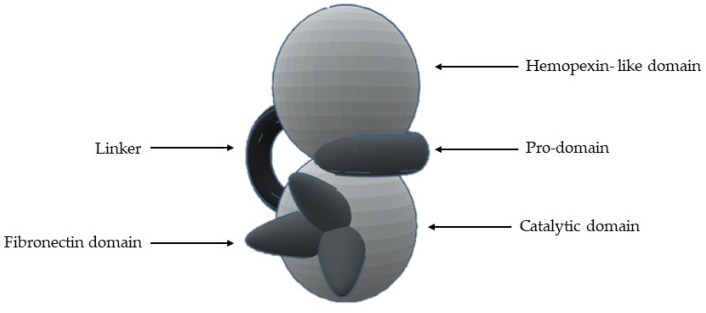
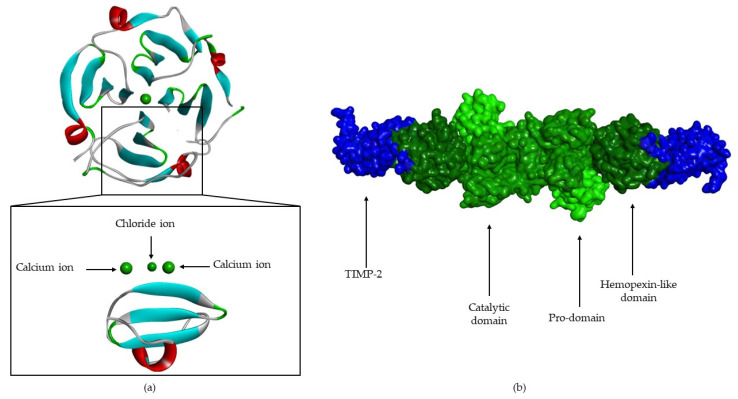
“Additional domains are present only in some MMPs, including a transmembrane domain in membrane-type MMPs, a hemopexin-like domain in some MMPs, and a fi bronectin domain in gelatinases; these domains are important for substrate recognition (2, 3).”
Das, S., Amin, S. A., & Jha, T. (2021) · SAR and QSAR in environmental research · doi:10.1080/1062936x.2021.1955414 · Cited by 15
Eckersley, A., Ozols, M., Chen, P., Tam, V., Hoyland, J. A., Trafford, A. W., Chan, D. T.-M., & Sherratt, M. J. (2021) · International Journal of Molecular Sciences · doi:10.3390/ijms221910408 · Cited by 15
“Again in common with COL1A2 (Figure 3a(ii)), aged COL2A1 also exhibited an AF region‐wide significant increase in peptide yield compared to young COL2A1, downstream to a prom‐ inent MMP cleavage site (Figure 5b(ii), black arrow) [51,52], possibly suggesting that chronic degradation of collagen II by MMPs may be an age…”
BackgroundResultThe role of matrix metalloproteinases in liver function and disease
Mitropoulou, G., Kompoura, V., Saffioti, F., & Mavroeidis, V. K. (2025) · Frontiers in Bioscience-Landmark · doi:10.31083/fbl27127 · Cited by 14
Generation of 3D melanoma models using an assembloid-based approach
Rodrigues, D. B., Moreira, H. R., Jarnalo, M., Horta, R., Marques, A. P., Reis, R. L., & Pirraco, R. P. (2024) · Acta Biomaterialia · doi:10.1016/j.actbio.2024.02.023 · Cited by 15
Behers, B. J., Behers, B. M., Stephenson-Moe, C. A., Vargas, I., Meng, Z., Thompson, A. J., Melchor, J., Wojtas, C. N., Rosario, M. A., Baker, J. F., et al. (2024) · Nutrients · doi:10.3390/nu16213617 · Cited by 16
Yu, J., Hu, G., Cao, H., & Guo, X. (2022) · Animals · doi:10.3390/ani12243524 · Cited by 16
“Extracellular matrix (ECM) is a complex macromolecule network which is composed of fibers, proteoglycans, glycoproteins and polysaccharides [28], and plays a critical pole in the cell morphology, functions, migration, proliferation, differentiation and survival through signaling pathways.”
BackgroundAhmad, Z., Blin, J. A., Rampal, L. R. G., Adnan, R. S., Mohtarrudin, N., & Yusuf, D. S. Y. A. (2023) · Current Problems in Cardiology · doi:10.1016/j.cpcardiol.2023.101659 · Cited by 16
Matrix Metalloproteinases in Oral Cancer Pathogenesis and their Use in Therapy
Maurya, S., Prasad, D., & Mukherjee, S. (2023) · Anti-Cancer Agents in Medicinal Chemistry · doi:10.2174/0118715206270002231108071917 · Cited by 19
Nisiewicz, M. K., Gajda, A., Kowalczyk, A., Cupriak, A., Kasprzak, A., Bamburowicz‐Klimkowska, M., Grudziński, I. P., & Nowicka, A. M. (2021) · Analytica Chimica Acta · doi:10.1016/j.aca.2021.339290 · Cited by 15
Mechanostimulation-Induced Cell Adhesion and Interaction with the Extracellular Matrix
Katoh, K. (2025) · Biomolecules · doi:10.3390/biom16010060 · Cited by 20
“Mechanosensitive signaling pathways detect changes in ECM stiffness and transduce them into intracellular responses [130].”
Spinal Cord Injury Management Based on Microglia-Targeting Therapies
Schreiner, T. G., Schreiner, O. D., & Ciobanu, R. C. (2024) · Journal of Clinical Medicine · doi:10.3390/jcm13102773 · Cited by 15
“MMPs are involved in a vast number of physiological processes, including inflammation, wound healing, angiogenesis, tissue morphogenesis, and cell migration [34].”
BackgroundDental Pulp Stem Cells Modulate Inflammasome Pathway and Collagen Deposition of Dermal Fibroblasts
Zanini, G., Bertani, G., Tinco, R. D., Pisciotta, A., Bertoni, L., Selleri, V., Generali, L., Marconi, A., Mattioli, A. V., Pinti, M., et al. (2024) · Cells · doi:10.3390/cells13100836 · Cited by 14
“…deposition is regulated by a balance between matrix metalloproteinases (MMPs), a family of enzymes able to cleave basal membranes, ECM components [18,19], processing bioactive mediators such as cytokines, chemokines, growth factors, and cell-surface receptors [20,21], together with tissue…”
BackgroundGatti, J., Belghazi, M., Legeai, F., Ravallec, M., Frayssinet, M., Robin, S., Souna, D. A., Ramasamy, S., Tamò, M., Poirié, M., et al. (2021) · Toxins · doi:10.3390/toxins13070502 · Cited by 14
“The metal ligands and active site of MMPs show a similar HEXXHXXGXX motif [44] and their substrate and cleavage sequence specificity overlap with that of ADAMs.”
BackgroundGajda-Morszewski, P., Gurgul, I., Janczy-Cempa, E., Mazuryk, O., Łomzik, M., & Brindell, M. (2021) · Pharmaceuticals · doi:10.3390/ph14101014 · Cited by 15
“It constitutes a physical barrier and basement for cells, and its composition ensures proper ECM-cell and cell–cell interaction and adhesion.”
BackgroundInfluentialZou, M., Zhang, C., Sun, Y., Wu, H., Xiao, F., Gao, W., Zhao, F., Fan, X., & Wu, G. (2021) · Acta Oncologica · doi:10.1080/0284186x.2021.2009564 · Cited by 13
Molecular characterization of matrix metalloproteinase gene family across primates
Pan, Y., Fan, Y., Lu, Y., Peng, S., Lin, H., & Deng, Q. (2022) · Aging · doi:10.18632/aging.204021 · Cited by 13
Jo, H. W., & Kim, M. (2022) · Journal of Food Biochemistry · doi:10.1111/jfbc.14468 · Cited by 13
Surówka, A., Prowans, P., Żołnierczuk, M., Miśkiewicz, M., Wawrowski, T., Skodda, M., Markowska, M., & Kędzierska-Kapuza, K. (2023) · International Journal of Molecular Sciences · doi:10.3390/ijms241210291 · Cited by 14
“Despite that fact, the general structure of endopeptidases and the mechanism of action are largely uniform for all proteins [24,25].”
BackgroundNeves, V. G. D. O., de Mello, M. M. B., Rodrigues, D., Pernomian, L., de Oliveira, I. S., Parente, J. M., Arantes, E. C., Tostes, R. C., & de Castro, M. M. (2023) · Vascular Pharmacology · doi:10.1016/j.vph.2023.107211 · Cited by 15
The Expression of Kisspeptins and Matrix Metalloproteinases in Extragenital Endometriosis
Kleimenova, T. S., Polyakova, V. O., Linkova, N. S., Дробинцева, А. О., Medvedev, D., & Krasichkov, A. S. (2024) · Biomedicines · doi:10.3390/biomedicines12010094 · Cited by 15
“It has been suggested that deviating levels of MMP-2, MMP-9, and TIMP could contribute to the development of endometriosis [6,7].”
BackgroundBelliveau, C., Rahimian, R., Fakhfouri, G., Hosdey, C., Simard, S., Davoli, M. A., Mirault, D., Giros, B., Turecki, G., & Mechawar, N. (2024) · Brain Behavior and Immunity · doi:10.1016/j.bbi.2024.12.013 · Cited by 15
Das, S., Amin, S. A., Gayen, S., & Jha, T. (2022) · SAR and QSAR in environmental research · doi:10.1080/1062936x.2022.2041722 · Cited by 13
“14, MMP-15, MMP-16, MMP-24, MMP-17 and MMP-25) and other MMPs (MMP-4, MMP-5, MMP-6, MMP-12, MMP-19, MMP-20, MMP-21, MMP-22, MMP-23, MMP-27 and MMP-28) on the basis of substrate specificities and sequence homology [3].”
BackgroundAging, Age-Related Diseases, and the Zebrafish Model
Abou-Dahech, M. S., & Williams, F. E. (2024) · Journal of dementia and Alzheimer's disease · doi:10.3390/jdad1010004 · Cited by 13
Bisconti, F., Vilardo, B., Corallo, G., Scalera, F., Gigli, G., Chiocchetti, A., Polini, A., & Gervaso, F. (2024) · Advanced Therapeutics · doi:10.1002/adtp.202400166 · Cited by 15
Zhang, X., Zhao, Y., Teng, Z., Sun, T., Tao, J., Wu, J., Wang, Y., Qiu, F., & Wang, F. (2024) · International Journal of Nanomedicine · doi:10.2147/ijn.s467968 · Cited by 12
“20 Losartan, an FDA-approved antihypertensive drug and angiotensin II type-1 receptor blocker (ARB), has a long history of safety.”
Background
Metadata
- Authors
- Laronha, H., & Caldeira, J.
- Affiliations
- LAQV Requimte (PT)
- Corresponding author
- Caldeira, Jorge
- Venue
- Cells
- Publisher
- MDPI AG
- Published
- 2020-04-26
- Volume
- 9
- Issue
- 5
- Pages
- 1076
- ISSN
- 2073-4409 (ISSN-L)
- PMC
- PMC7290392
- OpenAlex
- W3019034047
- Semantic Scholar
- 78e1f6960d48761830483b73ddf345fae4bbfdb7
- Cited by
- 609
- References
- 36
- Citations by year
- 2026: 82 · 2025: 117 · 2024: 132 · 2023: 122 · 2022: 93 · 2021: 61 · 2020: 1
- FWCI
- 7.06
- Type
- journal article
- Language
- en
- Open access
- gold
- dx.doi.org
- Licence
- Locations
- Cells (publishedVersion, cc-by)
- PubMed Central (publishedVersion, cc-by)
- PubMed (publishedVersion)
- Portuguese National Funding Agency for Science, Research and Technology (RCAAP Project by FCT) (submittedVersion, other-oa)
- DOAJ (DOAJ: Directory of Open Access Journals) (submittedVersion, cc-by-sa)
- Funders
- Fundação para a Ciência e a Tecnologia (PTDC/SAU-BMA/122444/2010, SAICT-POL/24288/2016)
- Topics
- Life Sciences › Biochemistry, Genetics and Molecular Biology › Cancer Research › Protease and Inhibitor Mechanisms
- Life Sciences › Biochemistry, Genetics and Molecular Biology › Biochemistry › Bone and Dental Protein Studies
- Life Sciences › Biochemistry, Genetics and Molecular Biology › Structural Biology › Enzyme Structure and Function
- Keywords
- matrix metalloproteinases, extracellular matrix, collagen degradation, collagen triple helix, tissue inhibitors of metalloproteinases, MMP regulation, protease inhibitors
- MeSH terms
- Collagen, Extracellular Matrix, Humans, Structure-Activity Relationship, Matrix Metalloproteinases, Proteolysis, Matrix Metalloproteinase Inhibitors
About these checks
Registry, retraction, Cites and statistics results are computed, not judged, with one exception: a printed reference that no index lists is read once by a model before it counts as a citation error. Claims are extracted by a model and kept only when their quote appears verbatim in the text; each cited source is then checked, with a model’s help, for whether it says what the claim relies on. Those verdicts can be wrong — read the claim’s quote and the cited source before relying on one.
Statistics and arithmetic are recomputed, not judged.
Confidence bands are shown only for fields calibrated on our annotated test set. None is calibrated yet, so no band is shown.
What counts as a claim ›How we measure confidence ›How we check this ›
Are you an author, or do you see a problem with this page? Request a review
Data sources
Bibliographic data: Semantic Scholar, OpenAlex, Crossref.
Contains information from the Semantic Scholar Academic Graph Datasets, made available under the ODC Attribution License (ODC-BY 1.0).
Semantic Scholar’s data is described in: Kinney, R., et al. (2023). The Semantic Scholar Open Data Platform. arXiv:2301.10140.
