

Structure and Function of Human Matrix Metalloproteinases
Open accessThe DOI matches its Crossref record; 36 of the 36 references it cites were found in a registry or an index.
Abstract
The extracellular matrix (ECM) is a macromolecules network, in which the most abundant molecule is collagen. This protein in triple helical conformation is highly resistant to proteinases degradation, the only enzymes capable of degrading the collagen are matrix metalloproteinases (MMPs). This resistance and maintenance of collagen, and consequently of ECM, is involved in several biological processes and it must be strictly regulated by endogenous inhibitors (TIMPs). The deregulation of MMPs activity leads to development of numerous diseases. This review shows MMPs complexity.
Overview
The claims and statistics of this paper haven’t been checked yet.
Free: it reads the open-access text and checks the first 5 claims that cite a source we can check. Create a free account to check every claim.
Integrity signals
Registry
Cites
Statistics
Figures
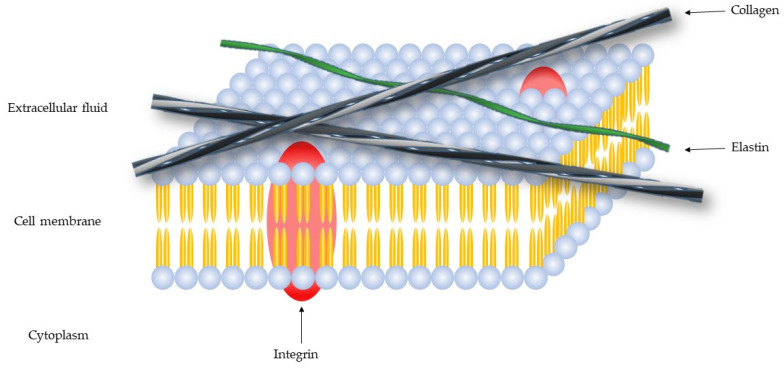
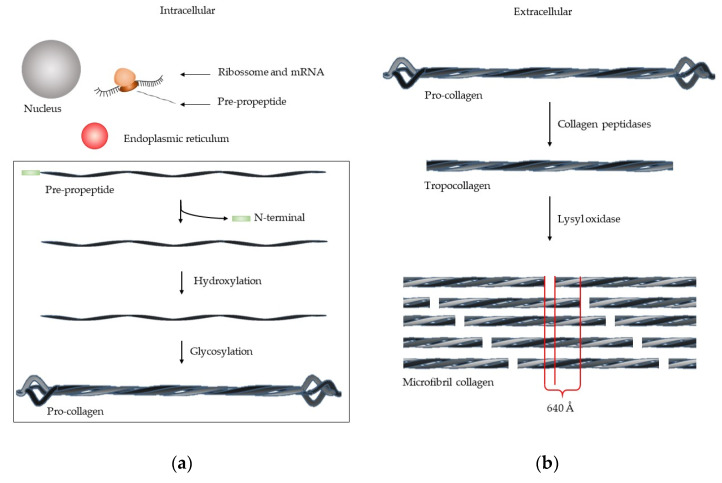
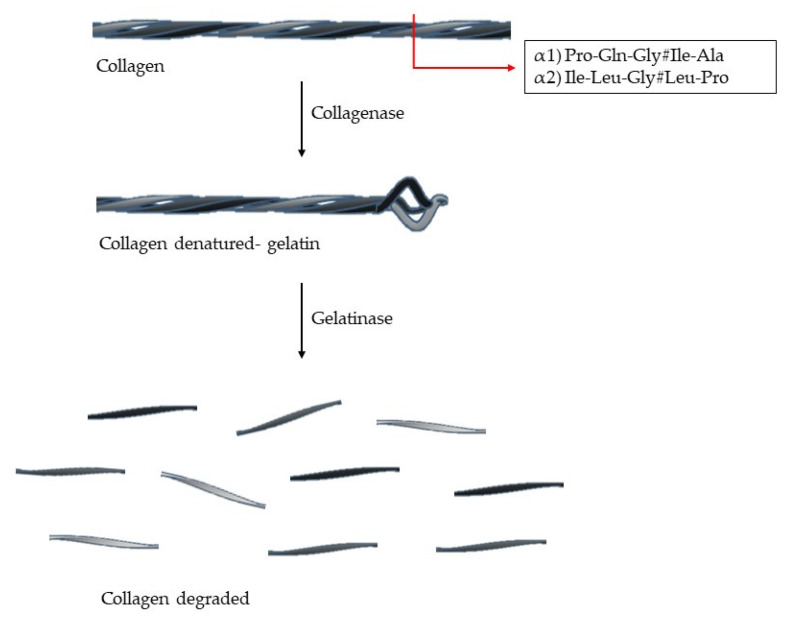
Verification
Claims the paper makes
The claims and statistics of this paper haven’t been checked yet.
Free: it reads the open-access text and checks the first 5 claims that cite a source we can check. Create a free account to check every claim.
Claims other papers make about this one
Each is checked against this paper’s own text: does it say what the citing paper says it does?
The source backs part of the claim, not all of it — or backs it for a different population, condition or comparison.
In the citing paper
“The MMP catalytic domains harbor catalytic Zn2+ ions and their binding motif (HExxHxxGxxH) are both responsible for structural coordination and highly conserved among different MMP subtypes30.”
From Bioengineered liver crosslinked with nano-graphene oxide enables efficient liver regeneration via MMP suppression and immunomodulation (2023) · cites this paper as [30]
Experimental — accuracy not yet measuredThe source backs part of the claim, not all of it — or backs it for a different population, condition or comparison.
In the citing paper
“Varying stages of the inflammatory response are controlled by different MMPs, including overall inflammation, cell morphogenesis, tissue remodeling, wound healing, and cell apoptosis.”
From Unraveling and Harnessing the Immune Response at the Cell–Biomaterial Interface for Tissue Engineering Purposes (2024) · cites this paper as [252]
Experimental — accuracy not yet measuredThe cited source says what the claim attributes to it.
In the citing paper
“The ECM is composed of many natural components, including fibers, proteoglycans, glycoproteins, and polysaccharides.”
From Unraveling and Harnessing the Immune Response at the Cell–Biomaterial Interface for Tissue Engineering Purposes (2024) · cites this paper as [252]
Self-check
Percentages, sums and reported differences re-computed from the paper’s own numbers.
The self-check needs the paper’s full text.
Citations
Cites
Visse, R., & Nagase, H. (2003) · Circulation Research · doi:10.1161/01.res.0000070112.80711.3d · Cited by 4,575 · cited 9×
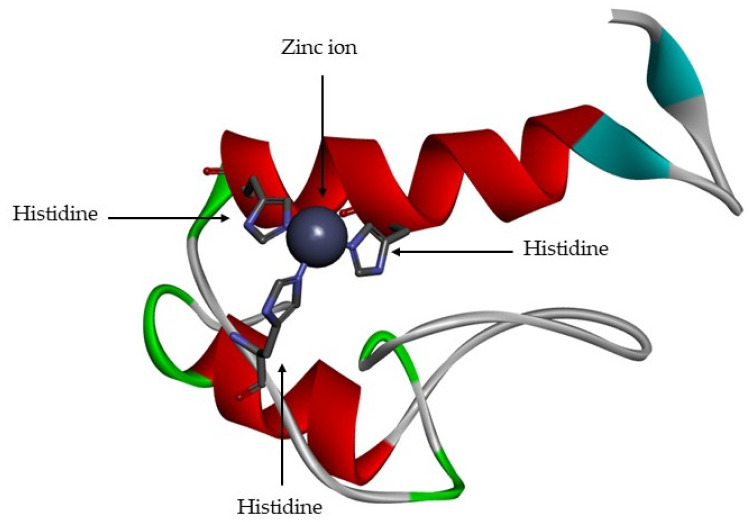
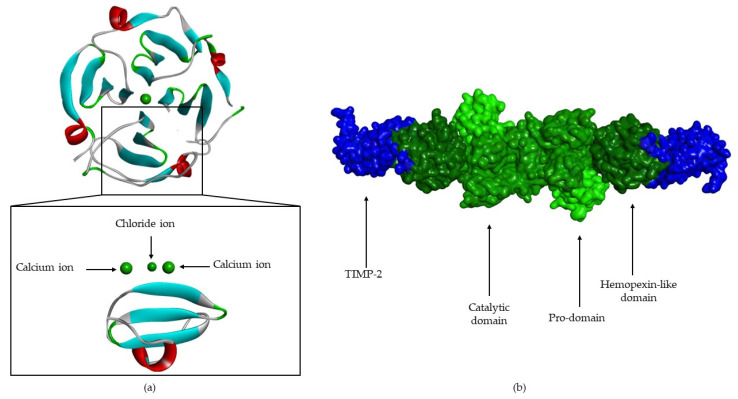
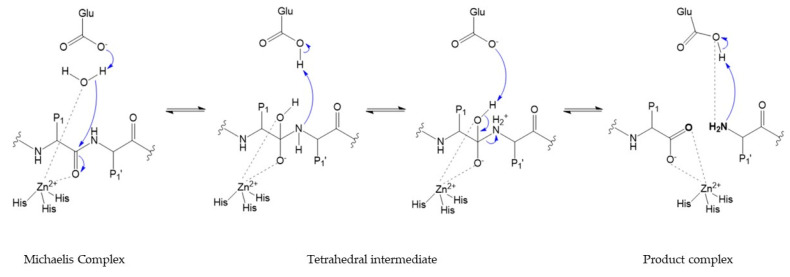
“The active site is zinc-dependent [1,2,6,11,13,15– 18,24,25] and is highly conserved, with three histidine residues bound to catalytic zinc [6,11,12,15] (Figure 4).”
InfluentialStructure and function of matrix metalloproteinases and TIMPs
NAGASE, H., VISSE, R., & MURPHY, G. (2006) · Cardiovascular Research · doi:10.1016/j.cardiores.2005.12.002 · Cited by 3,409 · cited 5×
“The ECM degradation is also an important process in development, morphogenesis, tissue repair and remodulation [8], and can affect the cellular behavior and phenotype [6,9].”
BackgroundInfluentialRicard-Blum, S. (2011) · Cold Spring Harbor Perspectives in Biology · doi:10.1101/cshperspect.a004978 · Cited by 2,305 · cited 3×
“The high glycine content is i portant for collagen helix stabilization as it allo s collagen fibers to co bine, facilitating hydrogen bridges and cross-link for ation [5].”
BackgroundInfluentialBiochemical and Biological Attributes of Matrix Metalloproteinases
Cui, N., Hu, M., & Khalil, R. A. (2017) · Progress in Molecular Biology and Translational Science · doi:10.1016/bs.pmbts.2017.02.005 · Cited by 1,359 · cited 7×
“The collagen is the ost abundant protein in EC hich gives structural support for cells [1,3].”
BackgroundInfluentialCOLLAGENOLYTIC ACTIVITY IN AMPHIBIAN TISSUES: A TISSUE CULTURE ASSAY
Gross, J., & Lapiere, C. M. (1962) · Proceedings of the National Academy of Sciences · doi:10.1073/pnas.48.6.1014 · Cited by 1,310 · cited 1×
“In 1962, a MMP collagenase was isolated and characterized as an enzyme responsible for tadpole tail resorption [1,2,6,13,14,16,21,22], by Gross and Lapiere [22].”
BackgroundDesign and Therapeutic Application of Matrix Metalloproteinase Inhibitors
Whittaker, M., Floyd, C. D., Brown, P., & Gearing, A. J. H. (1999) · Chemical Reviews · doi:10.1021/cr9804543 · Cited by 982 · cited 5×
“Over the next 20 years, several enzymes were purified, but it was in 1985 that the area has developed more significantly [16,21].”
BackgroundInfluentialPhysiology and pathophysiology of matrix metalloproteases
Klein, T., & Bischoff, R. (2011) · Amino Acids · doi:10.1007/s00726-010-0689-x · Cited by 828 · cited 5×
“The active site is zinc-dependent [1,2,6,11,13,15– 18,24,25] and is highly conserved, with three histidine residues bound to catalytic zinc [6,11,12,15] (Figure 4).”
BackgroundInfluentialMatrix metalloproteinases (MMPs): Chemical–biological functions and (Q)SARs
Verma, R. P., & Hansch, C. (2007) · Bioorganic & Medicinal Chemistry · doi:10.1016/j.bmc.2007.01.011 · Cited by 783 · cited 6×
“Over the next 20 years, several enzymes were purified, but it was in 1985 that the area has developed more significantly [16,21].”
BackgroundInfluentialProgress in matrix metalloproteinase research
MURPHY, G., & NAGASE, H. (2008) · Molecular Aspects of Medicine · doi:10.1016/j.mam.2008.05.002 · Cited by 759 · cited 4×
“Collagenases (Appendix A, Table A1) cleave some ECM proteins and other soluble proteins, but the most important role of this type of MMPs is the cleavage of fibrillar collagen type I, II, III, IV and XI into two characteristic fragments, 1/4 C-terminal and 3/4 N -terminal [1,6,8,9,12,14,17,21].”
BackgroundInfluentialMatrix Metalloproteinase-9 (MMP-9) as a Cancer Biomarker and MMP-9 Biosensors: Recent Advances
Huang, H. (2018) · Sensors · doi:10.3390/s18103249 · Cited by 739 · cited 2×
“[26] related that MMP-9 represents a potential biomarker which is overexpressed in several types of tumors (colarectal carcinoma, breast, pancreatic, ovaria, cervical, osteosarcoma nonsmall cell lung cancer (NSCLC), and giant cell tumor of bone (GCTB)), which makes MMP-9 a preferential candidate for the early detectio…”
Background
Cited by
Items 601–656 of 656
Motieiyan, E., Motahari, R., Aliabadi, A., Khaksar, S., & Abdolmaleki, S. (2026) · JBIC Journal of Biological Inorganic Chemistry · doi:10.1007/s00775-026-02149-w · Cited by 1
“In diabetes, high blood glucose levels can impair collagen pro - duction and fibroblast function, while keloids show abnor - mal collagen synthesis and increased prolidase activity [83 ].”
Parimartha, N. L. T., & Laksemi, D. A. A. S. (2026) · Journal of Pharmaceutical And Sciences · doi:10.36490/journal-jps.com.v9i2.1486
“[7] Among these enzymes, matrix metalloproteinase-1 (MMP-1), also known as interstitial collagenase, plays a critical role in initiating the cleavage of native type I and type III collagen fibers.”
Elaiyaraja, V. P., Rajagopal, E., Babu, S., & Sadhasivam, B. (2026) · Phytochemicals in Food and Medicine · doi:10.1002/pfm2.70011
РЕГУЛЯТОРНА ФУНКЦІЯ МАТРИКСНИХ МЕТАЛОПРОТЕЇНАЗ ТА ЇХНІХ ІНГІБІТОРІВ (ОГЛЯД ЛІТЕРАТУРИ)
Волошин, О. М., Savchenko, I. I., Осичнюк, Л. М., & Богданець, О. А. (2025) · Український журнал екстремальної медицини ім Г О Можаєва · doi:10.32782/3083-7324/2025.1.1
Saiyudthong, S., Rayasilp, K., Ratanachamnong, P., Rungsiwiwut, R., Samatiwat, P., & Jaisin, Y. (2026) · Phytomedicine Plus · doi:10.1016/j.phyplu.2026.100999
Computational evaluation of APP-IP peptide variants: assessing affinity and selectivity toward MMP-2
Mirkhalaf, S., Taghdir, M., & Arab, S. S. (2026) · In Silico Pharmacology · doi:10.1007/s40203-026-00652-1
“The docking simulations focused on maximizing interactions with key residues in the MMPs catalytic site.”
InfluentialMushii, O., Burda, T. S., Shevchuk, A. O., Kokoilo, M. V., Levenets, A. Y., & Zadvornyi, T. (2026) · Oncology · doi:10.15407/oncology.2026.02.097
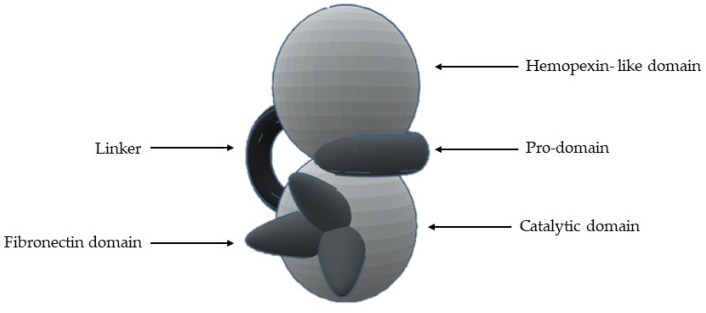
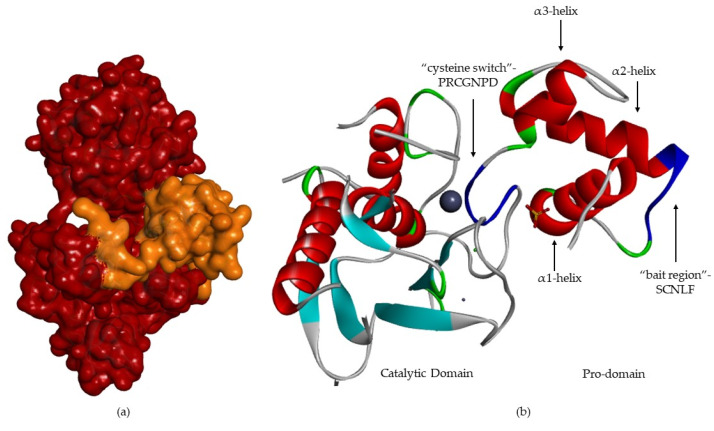
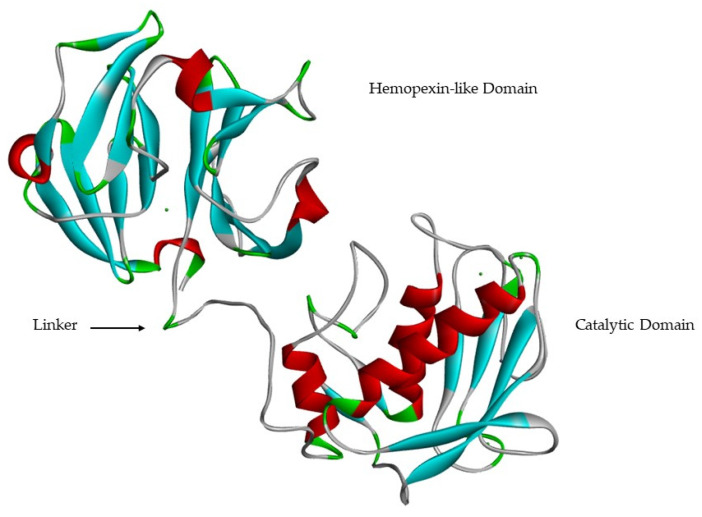
“…a prodomain with a ‘cysteine–switch’ mechanism, a catalytic domain with a zinc-binding motif, a linker region and a C-terminal hemopexin-like domain, the spatial arrangement of these modules and their contribution to substrate recognition in col-lagenases and gelatinases differ significantly [9].”
Vacek, L., Pavelka, A., Lipový, B., Brtníková, J., Straková, P., Jeklová, E., Šefranko, M., Kleknerová, D. P., Volný, F., Janda, Ľ., et al. (2026) · Folia Microbiologica · doi:10.1007/s12223-026-01521-2
Gaydukova, T. V., Burdienko, T. O., Фефелова, Е. В., Tereshkov, P. P., Lukyanov, S. А., & Цыбиков, Н. Н. (2026) · Бюллетень Восточно-Сибирского научного центра Сибирского отделения Российской академии медицинских наук · doi:10.29413/abs.2026-11.2.12
Insight to Neglected Biomarkers in COVID-19: A Comprehensive Narrative Review”
Jalilian, S., Bastani, M., & Afsharzadeh, F. (2026) · Biomarker Insights · doi:10.1177/11772719261452224
Bozdag, B. S., & Kasapbasi, E. E. (2026) · Chemical Papers · doi:10.1007/s11696-026-04956-6
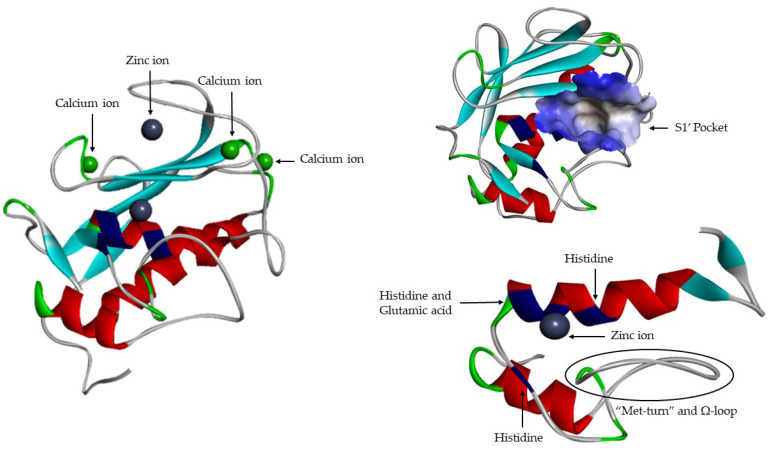
“The MMP-9 active site was modeled as the [Zn-(His) 3 ] 2+ ligand, comprising a catalytic Zn 2+ ion coordinated by three histidine residues (Laronha and Caldeira 2020 ; Visse and Nagase 2003) (Fig.”
Chou, W.-H., Ortiz‐Quintero, J., Bedoya, S. A., García, L., & Morales, J. O. (2026) · AAPS PharmSciTech · doi:10.1208/s12249-026-03471-x
“The catalytic domain of MMPs (4 nm diameter) consists of a compact structure with a surface cleft accommodating substrates in an extended conformation [55, 56].”
Analysis of Histostructural Modifications in the Ocular Surface of Patients With Chronic Glaucoma
Ortiz‐Arrabal, O., Ramos‐López, J. F., Ortiz-Pérez, S., Bermejo‐Casares, F., Sánchez‐Porras, D., & Alaminos, M. (2026) · Investigative Ophthalmology & Visual Science · doi:10.1167/iovs.67.6.43
“47 In addition, alterations in proteoglycan contents may impair collagen assembly and maturation, resulting in looser, disorganized collagen networks.”
Bu, Y., He, J., Guo, Q., Zheng, Y., Liu, K., Zhang, Y., Wen, J., Wang, K., & Zhao, X. (2026) · ACS Applied Materials & Interfaces · doi:10.1021/acsami.6c04160 · Cited by 1
Zabolotna, D. D., Moldovanov, I., Raksha, N., & Sv, V. (2025) · ГРААЛЬ НАУКИ · doi:10.36074/grail-of-science.18.04.2025.117
Hajdara, A., Szöőr, Á., Murányi, J., Brunyánszki, A., Rácz, G. Z., Cioca, D., Gordos, A., Bata, N., Nagy, N., Fedorcsák, I., et al. (2026) · Frontiers in Bioengineering and Biotechnology · doi:10.3389/fbioe.2026.1866928
“Despite previous unsuccessful attempts to selectively inhibit MMP-2 pharmacologically due to its homology with other MMPs (Farkas et al., 2023; Laronha and Caldeira, 2020; Proenca et al., 2019; Wang D. et al., 2020; Yano et al., 2020), its surface accessibility and differential expression continue…”
Genetic and epigenetic modifiers of metastasis: Context matters
Welch, D. R., Swancutt, K. L., Walsh, R. M., & Fisette, G. (2026) · Quarterly Reviews of Biophysics · doi:10.1017/s0033583526100201
Activin A is a functional component of the anti-endometriotic drug Endoferin
Ilyichev, A. V., Ustenko, Z. Y., Gushchin, Y. A., Bel'kov, A. P., Belkova, L. A., Kessenikh, A. G., Manukhov, I. V., Bazhenov, S. V., Vlasov, A. V., Maldov, D. G., et al. (2026) · International Journal of Biological Macromolecules · doi:10.1016/j.ijbiomac.2026.153857
Beyond Structure: The Dynamic Role of the Extracellular Matrix Components in Immune Evasion
Maqbool, M., Surendranath, A., Baba, S. K., Jawwad, T., Elfaki, I., Mir, R., Kumar, R., Shahab Uddin, M. S., Haris, M., Macha, M. A., et al. (2026) · 癌症:英文版 · doi:10.34133/cancomm.0045
Ghali, N., & Raval, K. Y. (2026) · Journal of Natural Remedies · doi:10.18311/jnr/2026/55608
Analyzing the Molecular Pathways that Promote and Impair Heart Regeneration
Long, R. (2023) · The Atrium (University of Guelph)
Stress-induced secretory pathway disruption causes atypical metalloproteinase transport in PMM2-CDG
Wu, C., Wiggins, K., Dukes‐Rimsky, L., Garapati, K., Pandey, A., Steet, R., & Flanagan‐Steet, H. R. (2026) · iScience · doi:10.1016/j.isci.2026.117152 · Cited by 1
Overview of matrix metalloproteinases (MMPs) in health and disease
Dufour, A., & Supuran, C. T. (2026) · The Enzymes · doi:10.1016/bs.enz.2026.03.004
Webb, W. R., Abu-Farsakh, H. N., Ahmead, M., & Rahman, E. (2026) · Research Square · doi:10.21203/rs.3.rs-10657480/v1
Bozaba, F., ATALAY, C., Kasnak, G., Toygar, H. U., & Balcı, N. (2026) · Clinical Oral Investigations · doi:10.1007/s00784-026-07056-7
“In con - trast, the moderate inter-correlation between MMP-8 and MMP-9 indicates convergence on shared activation path - ways, principally neutrophil degranulation and macro - phage responses [ 10 , 19].”
Dasgupta, I., Nath, A., Patel, S., & Gayen, S. (2026) · Journal of Chemical Information and Modeling · doi:10.1021/acs.jcim.6c01234
Ho, I., Leung, C., Bhandari, N., Lee, H., Golub, L. M., Johnson, F., & Gu, Y. (2026) · Frontiers in Oral Health · doi:10.3389/froh.2026.1916570
Srivastava, A. (2024) · The Atrium (University of Guelph)
Bioactive compounds from marine algae targeting MMP-9
Alanzi, A. R., & Alharbi, H. A. (2026) · Medicine · doi:10.1097/md.0000000000050518
“[16] It is not expressed constitutively, but rather is induced by the inflammatory environment of the rheumatoid synovium, in which pro-inflammatory cytokines like TNF-α , Interleukin-1 beta and Interleukin-17 activate the NF-κ B and activator protein 1 signalling pathways, leading to the…”
Friend or Foe? Unraveling the Dual Role of MMP-12 in Cancer Biology
Shoari, A., & Coban, M. (2026) · International Journal of Translational Medicine · doi:10.3390/ijtm6030038
Refai, H., Elhabak, M., Hassan, D. H., Ahmed, O., Mohamed, E. M., Ghany, L. M. A. A., Sayed, N. S. E., Ahmed, M. K., Waffo-Téguo, P., Valls, J., et al. (2026) · Journal of Photochemistry and Photobiology B Biology · doi:10.1016/j.jphotobiol.2026.113562
Johnson, A. K., Hulle, C. A. V., Zylstra, H., Cronin, K. A., Johnson, K., Rivera‐Rivera, L. A., Chappell, R., Wilson, R., Kac, P. R., Gleason, C. E., et al. (2026) · Neurobiology of Disease · doi:10.1016/j.nbd.2026.107605
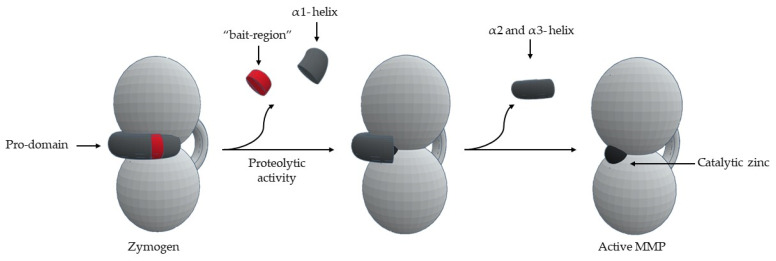
“Specifically, MMPs contain a signal N-terminal peptide, a pro-domain peptide that allows the enzyme to remain inactive, a catalytic zinc-binding domain, a hemopexin-like domain, and a hinge-region linking the hemopexin-like domain to the catalytic domain (Laronha and Caldeira, 2020).”
Li, W. D., Kang, L., Shen, Y., Zhou, L., Xiao, F., Wu, Y., Deng, Y., Chen, D., Li, Y., Zhang, S., et al. (2026) · Asia-Pacific Journal of Ophthalmology · doi:10.1016/j.apjo.2026.100377
The emerging role of PDE4 inhibitors for the treatment of pulmonary fibrosis
Tyker, A., Kuse, N., Pertzov, B., & Kolb, M. R. (2026) · Expert Review of Clinical Pharmacology · doi:10.1080/17512433.2026.2737175
“Fibroblasts control ECM homeostasis by producing both ECM proteins and MMPs which degrade collagen, the main structural component of ECM [89,90].”
Wang, P., Wu, J., Wang, B.-X., Chen, C.-Y., Wu, C., Zhai, X., & Zhao, X.-D. (2026) · Experimental Neurology · doi:10.1016/j.expneurol.2026.116039
Wu, Y. (2026) · Lehigh Preserve
Padureanu, M. M., MARINESCU, I., Mitroi, D. M., Coanda, R. M., Roșu, S.-M., Stoica, A. S., Pomacu, M. M., Stan, S. I., Croitoru, A., Bănicioiu-Covei, S., et al. (2026) · Frontiers in Medicine · doi:10.3389/fmed.2026.1930150
“Metalloproteinase activity is further controlled by endogenous tissue inhibitors of metalloproteinases (TIMPs), as well as by substrate availability and enzyme compartmentalization within the extracellular microenvironment (7 – 9).”
Решетникова, Ю. Н. (2026) · RESEARCH RESULTS IN BIOMEDICINE · doi:10.18413/2658-6533-2026-12-2-0-2 · Cited by 1
رشيد, س. ح., الهلالي, ل. ع., ماهر, ف. ط., Rashed, S. H., Al-Helaly, L. A., & Maher, F. T. (2021) · Samarra Journal of Pure and Applied Science · doi:10.54153/sjpas.2021.v3i4.305 · Cited by 1
A., V. E. (2026) · American Journal of Interdisciplinary Research and Development
Mariya, D., Varghese, D., Varughese, T., Cherian, T., Sarath, C. R., & Varghese, L. (2026) · Journal of Applied Pharmaceutical Science · doi:10.1177/22313354261486524
Choi, Y. J. (2026) · Biomedicines · doi:10.3390/biomedicines14102292
“Collagen crosslinking is primarily mediated by LOX, which increases matrix stability and stiffness, whereas matrix metalloproteinases (MMPs) contribute to ECM degradation and reorganization [46–48].”
CHRONIC FLUORIDE EXPOSURE DISRUPTS BRAIN EXTRACELLULAR MATRIX AND INDUCES NEUROTOXICITY IN RATS
Dahiru, A., Fatima, Z., Nawaz, I., Riaz, S. K., Abbas, M., Shafqat, M. N., Khan, M. J., Khan, A. Q., & Eqani, S. A. M. A. S. (2026) · The Journal of Animal and Plant Sciences · doi:10.36899/japs.2026.6.0152
Investigation of the role of miR-142 in degenerative joint disease
Ματιάκη, Α. Ι. (2026) · University of Thessaly Institutional Repository (University of Thessaly)
Lin, J., & Bratkowski, M. A. (2026) · bioRxiv (Cold Spring Harbor Laboratory) · doi:10.64898/2026.10.21.755545
“MMPs include the widely studied MMP1, 2, 3, 7, 8, 9, 10, 11, 12, 13 and 14 as well as other family members 16,17 .”
BindingDB (2025) · UC San Diego · doi:10.7270/q2hd818f
BindingDB (2024) · UC San Diego · doi:10.7270/q28s4v6k
Chatterjee, K., Jana, S., DasMahapatra, P., & Swarnakar, S. (2026) · Journal of Endometriosis and Pelvic Pain Disorders · doi:10.1177/22840265261497322
Lost and Found: Western Honey Bee ( Apis mellifera ) Matrix Metalloproteinase 1
Braunisch, J., Werner, K., Ernst, U., Pirk, C. W. W., & Buttstedt, A. (2026) · Ecology and Evolution · doi:10.1002/ece3.74600
“Mmps are best known and studied in humans where 23 different mmps are expressed which degrade diverse proteins in the extracellular matrix (Gersh and Catchpole 1949; Laronha and Caldeira 2020).”
xu, F., 陶红, Li, X., Wang, H., Zhao, R., Ayiken, N., Hu, G., Wang, Y., & Zeng, W. (2026) · Animal Reproduction Science · doi:10.1016/j.anireprosci.2026.108374
Investigation du rôle de pikfyve dans la progression tumorale des carcinomes rénaux
Cormier, J. (2024) · ScriptoriUM
Ziya, R. (2025) · Dspace Repository (Marmara Üniversitesi)
Metadata
- Authors
- Laronha, H., & Caldeira, J.
- Affiliations
- LAQV Requimte (PT)
- Corresponding author
- Caldeira, Jorge
- Venue
- Cells
- Publisher
- MDPI AG
- Published
- 2020-04-26
- Volume
- 9
- Issue
- 5
- Pages
- 1076
- ISSN
- 2073-4409 (ISSN-L)
- PMC
- PMC7290392
- OpenAlex
- W3019034047
- Semantic Scholar
- 78e1f6960d48761830483b73ddf345fae4bbfdb7
- Cited by
- 609
- References
- 36
- Citations by year
- 2026: 82 · 2025: 117 · 2024: 132 · 2023: 122 · 2022: 93 · 2021: 61 · 2020: 1
- FWCI
- 7.06
- Type
- journal article
- Language
- en
- Open access
- gold
- dx.doi.org
- Licence
- Locations
- Cells (publishedVersion, cc-by)
- PubMed Central (publishedVersion, cc-by)
- PubMed (publishedVersion)
- Portuguese National Funding Agency for Science, Research and Technology (RCAAP Project by FCT) (submittedVersion, other-oa)
- DOAJ (DOAJ: Directory of Open Access Journals) (submittedVersion, cc-by-sa)
- Funders
- Fundação para a Ciência e a Tecnologia (PTDC/SAU-BMA/122444/2010, SAICT-POL/24288/2016)
- Topics
- Life Sciences › Biochemistry, Genetics and Molecular Biology › Cancer Research › Protease and Inhibitor Mechanisms
- Life Sciences › Biochemistry, Genetics and Molecular Biology › Biochemistry › Bone and Dental Protein Studies
- Life Sciences › Biochemistry, Genetics and Molecular Biology › Structural Biology › Enzyme Structure and Function
- Keywords
- matrix metalloproteinases, extracellular matrix, collagen degradation, collagen triple helix, tissue inhibitors of metalloproteinases, MMP regulation, protease inhibitors
- MeSH terms
- Collagen, Extracellular Matrix, Humans, Structure-Activity Relationship, Matrix Metalloproteinases, Proteolysis, Matrix Metalloproteinase Inhibitors
About these checks
Registry, retraction, Cites and statistics results are computed, not judged, with one exception: a printed reference that no index lists is read once by a model before it counts as a citation error. Claims are extracted by a model and kept only when their quote appears verbatim in the text; each cited source is then checked, with a model’s help, for whether it says what the claim relies on. Those verdicts can be wrong — read the claim’s quote and the cited source before relying on one.
Statistics and arithmetic are recomputed, not judged.
Confidence bands are shown only for fields calibrated on our annotated test set. None is calibrated yet, so no band is shown.
What counts as a claim ›How we measure confidence ›How we check this ›
Are you an author, or do you see a problem with this page? Request a review
Data sources
Bibliographic data: Semantic Scholar, OpenAlex, Crossref.
Contains information from the Semantic Scholar Academic Graph Datasets, made available under the ODC Attribution License (ODC-BY 1.0).
Semantic Scholar’s data is described in: Kinney, R., et al. (2023). The Semantic Scholar Open Data Platform. arXiv:2301.10140.
