

Lactic Acid Bacteria in Raw-Milk Cheeses: From Starter Cultures to Probiotic Functions
Open accessThe DOI matches its Crossref record; 299 of the 305 references it cites were found in a registry or an index; 119 of the 458 sources its claims cite were checked for support.
Abstract
Lactic acid bacteria (LAB) play an essential role in traditional cheese making, either as starter cultures that cause the rapid acidification of milk or as secondary microbiota that play an important role during cheese ripening.
Overview
CoChat Summary
## TL;DR
This review summarizes how lactic acid bacteria (LAB) shape raw-milk cheese fermentation, ripening, preservation, and sensory quality, while also highlighting their probiotic and bioactive-compound potential. It argues that LAB from traditional cheeses are promising sources of starter, adjunct, protective, and probiotic cultures, but notes that more in vitro and in vivo evidence is still needed for human health claims.
## Key findings
- LAB are central to raw-milk cheese making: they acidify milk rapidly, help drive ripening, and contribute to texture, flavor, and aroma through proteolysis and lipolysis.
- Raw-milk cheeses host diverse LAB communities, with frequent dominance of Lactococcus, Lactobacillus, Enterococcus, Streptococcus, and Leuconostoc in cheese cores; the paper notes that traditional raw-milk cheeses often have richer and more distinctive flavors than pasteurized-milk cheeses.
- As starter cultures, LAB must acidify milk to below pH 5.3 within 6 h at 30–37 °C; mesophilic starters are mainly Lactococcus and Leuconostoc, while thermophilic starters include S. salivarius subsp. thermophilus and some Lactobacillus species.
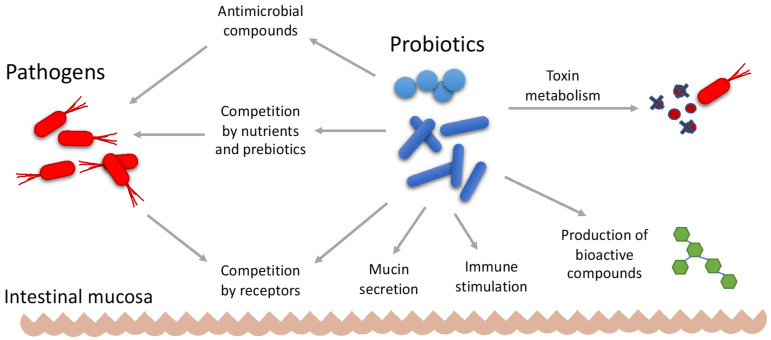
- LAB can inhibit pathogens and spoilage organisms through metabolites such as lactic/acetic acids, hydrogen peroxide, diacetyl, reuterin, phenyllactic acid, fatty acids, cyclic dipeptides, and bacteriocins; the paper gives examples where bacteriocin-producing Lc. lactis reduced L. monocytogenes to undetectable levels in fermented milk and reduced it in cheese.
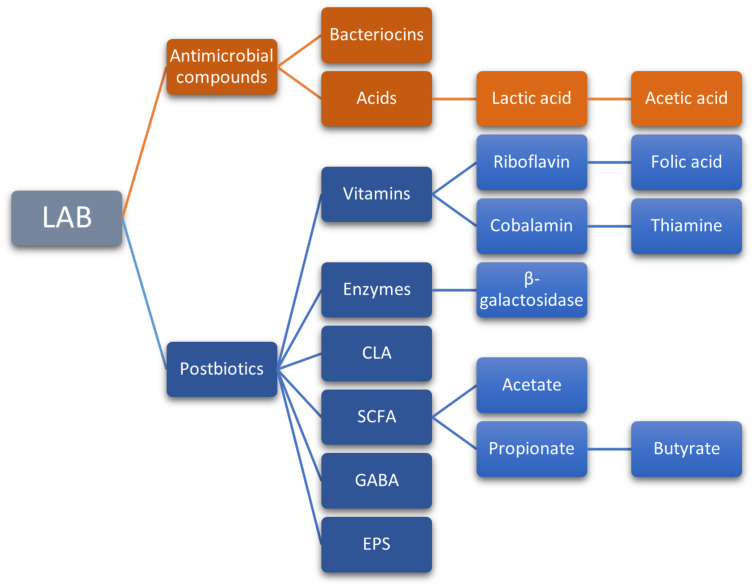
- The review highlights probiotic-associated bioactives from LAB, including CLA, SCFA, GABA, EPS, vitamins, and bacteriocins, but states that further in vitro and in vivo studies are still necessary to demonstrate health benefits from traditional cheeses.
## Methods
- Narrative review of the literature on LAB in traditional raw-milk cheeses, spanning LAB characterization, starter and adjunct culture use, antimicrobial activity, and probiotic/bioactive functions.
- The paper synthesizes studies on raw-milk cheeses from cow, sheep, and goat milk, and draws on culture-dependent and culture-independent/HTS studies of cheese microbiota.
- Main analysis is qualitative and integrative: it compiles reported LAB species, functions, and example outcomes from prior studies rather than presenting a new experimental dataset.
## Limitations
- The paper explicitly states that further in vitro and in vivo studies are still necessary to demonstrate the human health benefits derived from consumption of traditional cheeses.
- The text makes evident that much of the probiotic and bioactive-compound discussion is based on mechanistic, in vitro, or animal evidence rather than direct clinical evidence in humans (text evident).
- The review notes that Enterococcus includes strains with virulence and antibiotic-resistance concerns, so not all LAB discussed are equally safe or suitable for starter/probiotic use (text evident).
Model-written summary. Check it against the paper before relying on it.
Integrity signals
Registry
Cites
Statistics
Figures
Verification
Claims the paper makes
91 Valid · 1 Not valid · 159 Not checked · 11 Own results and interpretations
The cited sources support only part of this claim — read each source’s verdict below.
In the paper
“During cheese ripening, proteolysis is of great importance because it contributes to textural and sensory changes in the matrix of this product [30].”
- Also stated in: § 2. Raw-Milk Cheeses · plain
“The free amino acids resulting from proteolysis and the fatty acids released by lipolysis play an active role as substrates for a number of secondary reactions, which give rise to many important flavor compounds [31,32,33].”
§ Lactic Acid Bacteria in Raw-Milk Cheeses: From Starter Cultures to Probiotic Functions > 2. Raw-Milk Cheeses
What the sources say
- Not checked — no full text of the sourcecites [30] Murtaza M.A. Ur-Rehman S. Anjum F.M. Huma N. Hafiz I. Cheddar cheese ripening and flavor characterization: A review Crit. Rev. Food Sci. Nutr. 2014 54 1309 1321 10.1080/10408398.2011.634531 24564588 source
- Partly supportedcites [31] Bottari B. Levante A. Neviani E. Gatti M. How the fewest become the greatest. L. casei’s impact on long ripened cheeses Front. Microbiol. 2018 9 2866 10.3389/fmicb.2018.02866 30524419 PMC6262004 sourceExperimental — accuracy not yet measured
In the Introduction’s “What’s Their Effect?” section, the paper identifies proteolysis as a major pathway in flavor formation during cheese ripening, supporting the citing sentence’s sensory-change point. It does not say that proteolysis causes textural changes; its “Who Are They?” section instead links curd texture to cooking and starter-LAB acidity. (LLM, conf=0.84)
- Not checked — no full text of the sourcecites [32] Santiago-López L. Aguilar-Toalá J.E. Hernández-Mendoza A. Vallejo-Cordoba B. Liceaga A.M. González-Córdova A.F. Invited review: Bioactive compounds produced during cheese ripening and health effects associated with aged cheese consumption J. Dairy Sci. 2018 101 3742 3757 10.3168/jds.2017-13465 29477517 source
- Not matchedcites [33] Inácio R.S. Gomes A.M. Saraiva J.A. Serra da Estrela cheese: A review J. Food Process. Preserv. 2020 44 e14412 10.1111/jfpp.14412
We searched by its title and found no matching paper.
plainstates a cause- Asserted: passes — The authors put it forward as true.
- Checkable: passes — It can be checked against evidence.
- Load-bearing: unclear — It is unclear whether the paper’s conclusions depend on it.
- Based: passes — The paper gives a reason why it holds.
- Also stated in: § 2. Raw-Milk Cheeses · plain
The cited sources support only part of this claim — read each source’s verdict below.
In the paper
“Traditional cheeses produced from raw milk exhibit a complex microbiota, characterized by a sequence of different microorganisms from milk coagulation and throughout maturation.”
- Also stated in: § 4. Main LAB Identified in Raw-Milk Artisanal Cheeses · plain
“These cheeses have a complex microbiota characterized by the succession of different microorganisms throughout cheesemaking [58,59].”
§ Lactic Acid Bacteria in Raw-Milk Cheeses: From Starter Cultures to Probiotic Functions > Abstract
What the sources say
- Partly supportedcites [58] Irlinger F. Mounier J. Microbial interactions in cheese: Implications for cheese quality and safety Curr. Opin. Biotechnol. 2009 20 142 148 10.1016/j.copbio.2009.02.016 19342218 sourceExperimental — accuracy not yet measured
The 'Cheese-making and microbial diversity' section states that 'Most cheeses harbour a complex microbiota that is characterised by a succession of microbial groups during milk fermentation, curd maturation and storage', which matches the claim's core content (complex microbiota, successive microbial groups from early processing through ripening). However, the source frames this for cheeses in general, not specifically for traditional cheeses made from raw milk — the only raw-milk references in our copy are cited titles (Little et al. on retail cheese quality; Delbès et al.; Callon et al. on raw milk Salers yeasts) and the paper's own succession narrative starts with added LAB starter cultures acidifying milk, not with coagulation of raw milk. The population qualifier carried by the citing sentence is therefore not what this source states. (LLM, conf=0.70)
- Supportedcites [59] Gori K. Ryssel M. Arneborg N. Jespersen L. Isolation and identification of the microbiota of Danish farmhouse and industrially produced surface-ripened cheeses Microb. Ecol. 2013 65 602 615 10.1007/s00248-012-0138-3 23224222 PMC3621994 source
The Introduction states that cheeses have a complex microbiota with a succession of microorganisms during milk coagulation and ripening. The Cheese Manufacture section identifies one farmhouse cheese made from raw milk, so the source addresses the kind of cheese named in the claim. Page numbers were not available in our copy. (LLM, conf=0.88)
plainstates an association- Asserted: passes — The authors put it forward as true.
- Checkable: passes — It can be checked against evidence.
- Load-bearing: passes — The paper’s conclusions depend on it.
- Based: passes — The paper gives a reason why it holds.
- Also stated in: § 4. Main LAB Identified in Raw-Milk Artisanal Cheeses · plain
The sources with a verdict support this claim; the rest weren’t checked yet, have no full text we could read, or their verdicts aren’t rated yet.
In the paper
“Therefore, LAB can be used as a bioprotective culture to increase microbiological safety, extend shelf life, improve texture, and contribute to a pleasant sensory profile of the final product [42,43,47].”
§ Lactic Acid Bacteria in Raw-Milk Cheeses: From Starter Cultures to Probiotic Functions > 3. LAB Characterization
What the sources say
- Not checked — no full text of the sourcecites [42] Leroy F. de Vuyst L. Lactic acid bacteria as functional starter cultures for the food fermentation industry Trends Food Sci. Technol. 2004 15 67 78 10.1016/j.tifs.2003.09.004 source
- Supportedcites [43] Bintsis T. Lactic acid bacteria as starter cultures: An update in their metabolism and genetics AIMS Microbiol. 2018 4 665 10.3934/microbiol.2018.4.665 31294241 PMC6613329 source
The Introduction states that LAB inhibit spoilage and pathogenic microorganisms and are therefore used as bio-protective cultures. This directly supports the attributed claim. (LLM, conf=0.94)
- Supportedcites [47] Settanni L. Franciosi E. Cavazza A. Cocconcelli P.S. Poznanski E. Extension of Tosèla cheese shelf-life using non-starter lactic acid bacteria Food Microbiol. 2011 28 883 890 10.1016/j.fm.2010.12.003 21569930 source
The Introduction says LAB inhibit unwanted pathogenic and spoilage microorganisms and are added to foods to preserve them. Section 3.3 reports that an added LAB culture controlled coliforms and staphylococci in Tosèla cheese. Page numbers were not provided in our copy. (LLM, conf=0.94)
plainstates a cause- Asserted: passes — The authors put it forward as true.
- Checkable: passes — It can be checked against evidence.
- Load-bearing: passes — The paper’s conclusions depend on it.
- Based: passes — The paper gives a reason why it holds.
Every source the paper cites for this claim was checked and supports it.
In the paper
“Phages targeting key starter or adjunct cultures have been associated with changes in fermentation resulting in slow acidification and undesirable organoleptic characteristics of the cheese [24].”
§ Lactic Acid Bacteria in Raw-Milk Cheeses: From Starter Cultures to Probiotic Functions > 2. Raw-Milk Cheeses
What the sources say
- Supportedcites [24] Quigley L. O’Sullivan O. Stanton C. Beresford T.P. Ross R.P. Fitzgerald G.F. Cotter P.D. The complex microbiota of raw milk FEMS Microbiol. Rev. 2013 37 664 698 10.1111/1574-6976.12030 23808865 source
The Bacteriophage section directly states that phages targeting important starter or adjunct species are associated with disrupted fermentation, slow acidification, and undesirable organoleptic properties. It discusses these effects in the context of dairy products, particularly cheese. (LLM, conf=0.95)
plainstates an association- Asserted: passes — The authors put it forward as true.
- Checkable: passes — It can be checked against evidence.
- Load-bearing: unclear — It is unclear whether the paper’s conclusions depend on it.
- Based: passes — The paper gives a reason why it holds.
- Supported
Every source the paper cites for this claim was checked and supports it.
In the paper
“The inhibitory properties of LAB depend on the species, pathogenic bacterium load, sanitary processes, and the amount of LAB in food [48].”
§ Lactic Acid Bacteria in Raw-Milk Cheeses: From Starter Cultures to Probiotic Functions > 3. LAB Characterization
What the sources say
- Supportedcites [48] Powthong P. Suntornthiticharoen P. Isolation, identification and analysis of probiotic properties of lactic acid bacteria from selective various traditional thai fermented food and kefir Pak. J. Nutr. 2015 14 67 10.3923/pjn.2015.67.74 source
The Introduction (p. 2) explicitly says the inhibitory effect depends on the species and loads of pathogenic bacteria, sanitation processes, and the number of LAB in fermented foods. This directly matches the attributed claim. (LLM, conf=0.94)
plainstates a cause- Asserted: passes — The authors put it forward as true.
- Checkable: passes — It can be checked against evidence.
- Load-bearing: unclear — It is unclear whether the paper’s conclusions depend on it.
- Based: passes — The paper gives a reason why it holds.
- Supported
119 more claims · 39 with their cited sources checked
Create a free account to see all 262 claims and to verify the 31 references still open.
- Probably not a substantial claim. 72
- It may state two separate claims as one. 94
Citations
Cites
Zheng, J., Wittouck, S., Salvetti, E., Franz, C. M. A. P., Harris, H. M. B., Mattarelli, P., O’Toole, P. W., Pot, B., Vandamme, P., Walter, J., et al. (2020) · International Journal of Systematic and Evolutionary Microbiology · doi:10.1099/ijsem.0.004107 · Cited by 3,313 · cited 4×
“Recently, a reclassification of the genus Lactobacillus into 25 genera was proposed based on genome phylogeny and ecological and metabolic properties [56].”
BackgroundInfluentialBacteriocins: Developing innate immunity for food
Cotter, P. D., Hill, C., & Ross, R. P. (2005) · Nature Reviews Microbiology · doi:10.1038/nrmicro1273 · Cited by 2,380 · cited 1×
“These peptides often exhibit a narrow inhibitory spectrum and inhibit taxonomi-cally-close bacteria [143,183 – 185].”
Serotonin, tryptophan metabolism and the brain-gut-microbiome axis
O’Mahony, S. M., Clarke, G., Borre, Y. E., Dinan, T. G., & Cryan, J. F. (2015) · Behavioural Brain Research · doi:10.1016/j.bbr.2014.07.027 · Cited by 2,012 · cited 1×
“For example, certain species of Lactobacillus and Bifidobacterium produce γ - aminobutyric acid (GABA), Streptococcus spp. and Enterococcus spp. produce serotonin, and Lactobacillus spp. produce acetylcholine [234,235].”
Fundamentals of Cheese Science
Fox, P. F., Guinee, T. P., Cogan, T. M., & McSweeney, P. L. H. (2017) · doi:10.1007/978-1-4899-7681-9 · Cited by 1,922
Lactic acid bacteria as functional starter cultures for the food fermentation industry
Leroy, F., & De Vuyst, L. (2004) · Trends in Food Science & Technology · doi:10.1016/j.tifs.2003.09.004 · Cited by 1,852 · cited 2×
“Therefore, LAB can be used as a bioprotective culture to increase microbiological safety, extend shelf life, improve texture, and contribute to a pleasant sensory profile of the final product [42,43,47].”
BackgroundBacteriocins: safe, natural antimicrobials for food preservation.
Cleveland, J., Montville, T. J., Nes, I. F., & Chikindas, M. L. (2001) · International Journal of Food Microbiology · doi:10.1016/s0168-1605(01)00560-8 · Cited by 1,835 · cited 1×
“Most bacteriocins produced by LAB, especially those that inhibit Gram-positive bacteria, exert their antimicrobial effects by forming pores in the membrane of target cells, thereby depleting the transmembrane potential and/or pH gradient, which eventually leads to loss of cell contents [187,188].”
Bacteriocins—A viable alternative to antibiotics?
Cotter, P. D., Ross, R. P., & Hill, C. (2013) · Nature Reviews Microbiology · doi:10.1038/nrmicro2937 · Cited by 1,793 · cited 2×
“Most bacteriocins produced by LAB, especially those that inhibit Gram-positive bacteria, exert their antimicrobial effects by forming pores in the membrane of target cells, thereby depleting the transmembrane potential and/or pH gradient, which eventually leads to loss of cell contents [187,188].”
γ-Aminobutyric acid production by culturable bacteria from the human intestine
Barrett, E., Ross, R. P., O'Toole, P. W., Fitzgerald, G. F., & Stanton, C. (2012) · Journal of Applied Microbiology · doi:10.1111/j.1365-2672.2012.05344.x · Cited by 1,156 · cited 4×
“LAB from food sources has been shown to hold a greater ability to produce GABA [274,293].”
InfluentialButyrate: A Double-Edged Sword for Health?
Liu, H., Wang, J., He, T., Becker, S., Zhang, G., Li, D., & Ma, X. (2018) · Advances in Nutrition · doi:10.1093/advances/nmx009 · Cited by 1,144 · cited 1×
“Through its ability to cross the blood-brain barrier, butyrate activates the vagus nerve and hypothalamus, which may influence appetite and eating behavior [254].”
Psychobiotics and the manipulation of bacteria–gut–brain signals
Sarkar, A., Lehto, S. M., Harty, S., Dinan, T. G., Cryan, J. F., & Burnet, P. W. J. (2016) · Trends in Neurosciences · doi:10.1016/j.tins.2016.09.002 · Cited by 1,068
Research works printed but not linked: 7
- Guinee T. O’Brien B. The quality of milk for cheese manufacture Technology of Cheesemaking 2nd ed. Law B.A. Tamime A.Y. Wiley-Blackwell Chichester, UK 2010 1 67 · DOI · Paper page
- Willey J.M. Sherwood L. Woolverton C.J. Prescott’s Principles of Microbiology McGraw-Hill New York, NY, USA 2009
- Lavanya K. Dayakar Y. Isolation and characterization of probiotic bacteria from the soil samples of the coastal areas of (Gudur division, Nellore Dt.) for utilization in Shrimp farming Int. J. Fish. Aquafic Stud. 2017 5 371 376
- Pintado M. Da Cruz A.G. de Sá P. Cheese microbiology Dairy Microbiology and Biochemistry: Recent Developments Özer B.H. Akdemir-Evrendilek G. CRC Press Boca Raton, FL, USA 2014 Volume 1 113 133
- Johnson M. Law B. The origins, development and basic operations of cheesemaking technology Technology of Cheesemaking 2nd ed. Law B.A. Tamime A.Y. Wiley-Blackwell Chichester, UK 2010 68 97 · DOI · Paper page
- Shehata M.G. Badr A.N. El Sohaimy S.A. Novel antifungal bacteriocin from Lactobacillus paracasei KC39 with anti-mycotoxigenic properties Biosci. Res. 2018 15 4171 4183
- Abdullah-Al-Mamun M. Rahman S. Assessment of Probiotic Properties of Isolated Lactic Acid Bacteria from Human Milk Sample Adv. Biores. 2017 8 140 146
Cited by
Microbial interactions and ecology in fermented food ecosystems
Auchtung, J. M., Hallen‐Adams, H. E., & Hutkins, R. W. (2025) · Nature Reviews Microbiology · doi:10.1038/s41579-025-01191-w · Cited by 134
“However, low-abundance microorganisms that contribute to flavour, texture and other functional properties may be lost 82 .”
Biopolymers Produced by Lactic Acid Bacteria: Characterization and Food Application
Nicolescu, C. M., Bumbac, M., Buruleanu, C. L., Popescu, E. C., Stănescu, S. G., Georgescu, A. A., & Toma, S. M. (2023) · Polymers · doi:10.3390/polym15061539 · Cited by 79
“LAB are commonly found in vegetables, dairy and meat products, beverages, soil, and sewage, as well as in the gastrointestinal and genital tract of humans and higher animals [45,54].”
BackgroundInfluentialLactic acid bacteria: Nature, characterization, mode of action, products and applications
Akpoghelie, P. O., Edo, G. I., Ali, A. B. M., Yousif, E., Zainulabdeen, K., Owheruo, J. O., Isoje, E. F., Igbuku, U. A., Essaghah, A. E. A., Makia, R. S., et al. (2025) · Process Biochemistry · doi:10.1016/j.procbio.2025.02.010 · Cited by 91
Lactococcus lactis in Dairy Fermentation—Health-Promoting and Probiotic Properties
Kondrotienė, K., Zavistanavičiūtė, P., Aksomaitienė, J., Novoslavskij, A., & Malakauskas, M. (2023) · Fermentation · doi:10.3390/fermentation10010016 · Cited by 98
“For instance, ropy EPS-producing starter L. lactis ssp. cremoris DPC6532 [134,175], as well as L. lactis subsp. lactis [176,177], remarkably improved the low-fat cheese yield, texture, and cooking properties without negative impact on sensory parameters [178–180].”
BackgroundFalih, M. A., Altemimi, A. B., ALKaisy, Q. H., Awlqadr, F. H., Abedelmaksoud, T. G., Amjadi, S., & Hesarinejad, M. A. (2024) · Heliyon · doi:10.1016/j.heliyon.2024.e40459 · Cited by 75
Probiotics in the Sourdough Bread Fermentation: Current Status
Akamine, I. T., Mansoldo, F. R. P., & Vermelho, A. B. (2023) · Fermentation · doi:10.3390/fermentation9020090 · Cited by 67
Das, A., Behera, R. N., Kapoor, A., & Ambatipudi, K. (2023) · Journal of Agricultural and Food Chemistry · doi:10.1021/acs.jafc.3c03834 · Cited by 41
Silva, L. F., Sunakozawa, T. N., Monteiro, D. A., Casella, T., Conti‐Silva, A. C., Todorov, S. D., & Penna, A. L. B. (2023) · Metabolites · doi:10.3390/metabo13111134 · Cited by 43
“Additionally, citrate metabolism plays a role in the production of CO 2 , which is responsible for the formation of characteristic “eyes” in certain types of cheese [26,35].”
BackgroundGołaś-Prądzyńska, M., Łuszczyńska, M., & Rola, J. G. (2022) · Foods · doi:10.3390/foods11244116 · Cited by 37
Pérez, S., Rodríguez, S. L. G., Valencia, J. U. S., Ruíz, O., Fernández, M. E. M., Campuzano, O. I. M., & Zuleta, M. (2023) · Heliyon · doi:10.1016/j.heliyon.2023.e21558 · Cited by 43
“In traditional cheeses, Lactic Acid Bacteria (LAB) with probiotic properties play an important role when added accidently or intentionally [12].”
BackgroundLi, J., Li, J., Feng, Y., et al. (2024) · Water Research · doi:10.1016/j.watres.2024.121918 · Cited by 32
Solid-state fermentation of cassava (Manihot esculenta Crantz): a review
Egbune, E. O., Ezedom, T., Orororo, O. C., Egbune, O. U., Avwioroko, O. J., Aganbi, E., Anigboro, A. A., & Tonukari, N. J. (2023) · World Journal of Microbiology and Biotechnology · doi:10.1007/s11274-023-03706-0 · Cited by 46
“The use of starter cultures of microorganisms, such as lactic acid bacteria, has been shown to enhance CG hydrolysis during fermentation (Coelho et al. 2022).”
BackgroundGalli, B., Nikoloudaki, O., Tonini, S., Helal, A., Cagno, R. D., Gobbetti, M., & Tagliazucchi, D. (2023) · Food Research International · doi:10.1016/j.foodres.2023.112743 · Cited by 33
“These significant differences in the microbial composition between the starter cultures evidently played a key role in the microbiome differences found in the cheeses during ripening (Coelho et al., 2022).”
Whey - From waste to a valuable resource
БЕСЕДЮК, В., Yatskov, M., Korchyk, N., Kucherova, A., & Maletskyi, Z. (2024) · Journal of Agriculture and Food Research · doi:10.1016/j.jafr.2024.101280 · Cited by 61
Bedassa, A., Nahusenay, H., Asefa, Z., et al. (2023) · Food Safety and Risk · doi:10.1186/s40550-023-00101-3 · Cited by 28
“Furthermore, the change in the pH and consistency of milk also alters the conducive environment that the bacteria used to live (Coelho et al., 2022).”
BackgroundFood, Health, and Environmental Impact of Lactic Acid Bacteria: The Superbacteria for Posterity
Akpoghelie, P. O., Edo, G. I., Mafe, A. N., Isoje, E. F., Igbuku, U. A., Ali, A. B. M., Yousif, E. A., Owheruo, J. O., Oberhiri, S. O., Essaghah, A. E. A., et al. (2025) · Probiotics and Antimicrobial Proteins · doi:10.1007/s12602-025-10546-x · Cited by 34
“In the early part of the twentieth century, LAB were recognized as a type of bacteria that could be examined collectively following the classic 1919 publication of “The Butter Aroma Bacteria” by Orla-Jensen [109].”
InfluentialSilva, B., Teixeira, J. A., Cadavez, V., & Gonzales‐Barron, U. A. (2023) · Foods · doi:10.3390/foods12173206 · Cited by 28
“This affects various metabolic processes, promotes the accumulation of toxic anions, dysregulates cell homeostasis, and neutralises the electrochemical proton gradient, disrupting the substrate transport systems and the cell membrane, which potentially leads to the death of the organism [37,79,94].”
BackgroundInfluentialSantamarina-García, G., Yap, M., Crispie, F., Amores, G., Lordan, C., Virto, M., & Cotter, P. D. (2024) · Microbiome · doi:10.1186/s40168-024-01980-0 · Cited by 31
Antibiotic Resistance in Lactic Acid Bacteria from Dairy Products in Northern Italy
Floris, I., Battistini, R., Tramuta, C., Garcia‐Vozmediano, A., Musolino, N., Scardino, G., Masotti, C., Brusa, B., Orusa, R., Serracca, L., et al. (2025) · Antibiotics · doi:10.3390/antibiotics14040375 · Cited by 36
“The type and number of LAB present vary depending on the dairy product and within the same type of product, such as from one cheese to another [7].”
Biological control of pathogens in artisanal cheeses
Rangel-Ortega, S. D. C., Campos‐Múzquiz, L. G., Charles-Rodríguez, A. V., Chávez‐González, M. L., Palomo‐Ligas, L., Contreras‐Esquivel, J. C., Solanilla‐Duque, J. F., Flores‐Gallegos, A. C., & Rodríguez-Herrera, R. (2023) · International Dairy Journal · doi:10.1016/j.idairyj.2023.105612 · Cited by 30
Jaeger, I., Köhn, C. R., Evans, J. D., Frazzon, J., Renault, P., & Kothe, C. I. (2024) · Food Research International · doi:10.1016/j.foodres.2024.114724 · Cited by 28
Marcelli, A., Osimani, A., & Aquilanti, L. (2025) · Foods · doi:10.3390/foods14152704 · Cited by 35
“…mesenteroides , Lactiplantibacillus plantarum , Pediococcus acidilactici , Lev-ilactobacillus brevis , Lactiplantibacillus pentosus , Lacticaseibacillus rhamnosus , Lacticaseibacillus casei , Lactococcus lactis , Latilactobacillus curvatus , and Lactobacillus delbrueckii subsp. bulgaricus [74–76].”
Streptococcus thermophilus: Metabolic Properties, Functional Features, and Useful Applications
Ghailan, A. Z., & Niamah, A. K. (2025) · Applied Microbiology · doi:10.3390/applmicrobiol5040101 · Cited by 31
Functional Cheeses: Updates on Probiotic Preservation Methods
Araujo, H. C. S., de Jesus, M. S., Sandes, R. D. D., Neta, M. T. S. L., & Narain, N. (2023) · Fermentation · doi:10.3390/fermentation10010008 · Cited by 41
Clean Label Approaches in Cheese Production: Where Are We?
Fernandes, J., Gomes, S., REBOREDO, F. H., Pintado, M., Amaral, O., Dias, J. M., & de Alvarenga, N. B. (2025) · Foods · doi:10.3390/foods14050805 · Cited by 26
“This highlights the importance of carefully selecting and studying LAB strains to optimize their protective effects [94,113,114].”
Serrano, S., Morais, S., & Semedo‐Lemsaddek, T. (2024) · Frontiers in Industrial Microbiology · doi:10.3389/finmi.2024.1420042 · Cited by 19
“SLAB can originate from the autochthonous raw milk microbiota, or be added during production, although the latter is not the case in Portuguese PDO cheeses (Coelho et al., 2022).”
BackgroundDiversity of Lactiplantibacillus plantarum in Wild Fermented Food Niches
Iarusso, I., Mahony, J., Pannella, G., Lombardi, S. J., Gagliardi, R., Coppola, F., Pellegrini, M., Succi, M., & Tremonte, P. (2025) · Foods · doi:10.3390/foods14101765 · Cited by 30
“This matrix, which is inherently rich in proteins, lipids, and minerals, creates a selective environment conducive to the evolution of LAB strains with unique metabolic plasticity and enhanced bioprotective traits [35,36].”
Singh, B., Kumar, N., Yadav, A., Rohan, R., & Bhandari, K. (2025) · Current Microbiology · doi:10.1007/s00284-025-04155-8 · Cited by 26
Salamandane, A., Cahango, G., Muetanene, B. A., Malfeito‐Ferreira, M., & Brito, L. (2023) · Biology · doi:10.3390/biology12101353 · Cited by 26
“Enterococci are one of the most common groups of bacteria present in cheese, mainly due to their significant contribution to the development of cheese flavor, aroma, and texture, as well as their role in protecting the cheese against spoilage [2].”
BackgroundInfluentialUnveiling the Potential of Lactic Acid Bacteria from Serbian Goat Cheese
Grujović, M. Ž., Marković, K. G., Morais, S., & Semedo‐Lemsaddek, T. (2024) · Foods · doi:10.3390/foods13132065 · Cited by 21
“Overall, SLAB plays an important role in milk acidification as well as in flavor development [20].”
BackgroundInfluentialGajendran, V. P., & Rajamani, S. (2024) · Probiotics and Antimicrobial Proteins · doi:10.1007/s12602-024-10392-3 · Cited by 32
Chelladhurai, K., Warakaulle, S., Ali, S. N., Turner, M. S., Ayyash, M. M., & Kamal‐Eldin, A. (2024) · International Dairy Journal · doi:10.1016/j.idairyj.2024.106075 · Cited by 24
Moon, S. Y., Jeong, C. H., Hwang, I. M., Kim, D., Lee, M. E., Jeong, S.-G., & Kim, H. M. (2025) · Food Research International · doi:10.1016/j.foodres.2025.117055 · Cited by 20
Sharma, A., Jangra, N., Dheer, D., Jha, S. K., Gupta, G., Puri, V., & Kesharwani, P. (2024) · European Polymer Journal · doi:10.1016/j.eurpolymj.2024.113338 · Cited by 21
Chaves, C. R. S., Salamandane, A., Vieira, E. J. F., & Salamandane, C. (2024) · International Journal of Microbiology · doi:10.1155/ijm/2409270 · Cited by 24
“Tese bacteria are commonly found in raw milk and are added intentionally as starter or adjunct cultures in some cheese varieties [38, 120].”
Distinct Bacterial Communities in São Jorge Cheese with Protected Designation of Origin (PDO)
Coelho, M. C., Malcata, F. X., & Silva, C. C. G. (2023) · Foods · doi:10.3390/foods12050990 · Cited by 15
“The microbiota of raw milk cheeses is quite complex and includes many non-starter lactic acid bacteria (LAB) strains originally derived from the milk itself or introduced by the manufacturing environment; these bacteria are important for the ripening of the cheese and the development of the expected flavor [1,2].”
BackgroundSelf-citationGephart, G. J., Abdelhamid, A. G., & Yousef, A. E. (2024) · LWT · doi:10.1016/j.lwt.2024.116849 · Cited by 17
Gebreyowhans, S. (2024) · Heliyon · doi:10.1016/j.heliyon.2024.e38844 · Cited by 18
Valenzuela, J. A., Vázquez, L., Rodríguez, J., Flórez, A. B., Vasek, O. M., & Mayo, B. (2024) · International Journal of Molecular Sciences · doi:10.3390/ijms25042328 · Cited by 16
“GABA-producing LAB starters and adjunct cultures could be used in the development of functional fermented foods with a beneficial effect on consumer health [26].”
BackgroundVacca, M., Celano, G., Serale, N., Costantino, G., Calabrese, F. M., Calasso, M. P., & Angelis, M. D. (2024) · Journal of Dairy Science · doi:10.3168/jds.2023-24049 · Cited by 17
“…those exhibiting a higher CopyN 1 d after cheesemaking (i.e., P. pentosaceus , Lp. pentosus , S. thermophilus , Fl. san-franciscensis , W. cibaria , and Ls. fermentum ) than those reporting higher CopyN at 60 d (i.e., Lt. sakei , Lv. brevis , Lc. paracasei , Lc. buchneri , and Lc. parabuchneri ).”
BackgroundFunctional modulation of the human gut microbiome by bacteria vehicled by cheese
Milani, C., Longhi, G., Alessandri, G., Fontana, F., Viglioli, M., Tarracchini, C., Mancabelli, L., Lugli, G. A., Petraro, S., Argentini, C., et al. (2025) · Applied and Environmental Microbiology · doi:10.1128/aem.00180-25 · Cited by 17
Yang, S., Peng, Z., Hardie, W. J., Huang, T., Tang, H., Liu, Z., Liu, Q., Xiao, M., Xiong, T., & Xie, M. (2023) · Journal of the Science of Food and Agriculture · doi:10.1002/jsfa.13089 · Cited by 15
Pereira, T. S., Santos, D. M. D., André, R. S., & Correa, D. S. (2024) · ACS Applied Nano Materials · doi:10.1021/acsanm.4c02263 · Cited by 14
Chemically modified filter paper with Jaman fruit extract for visual sensing of milk freshness
Shabbir, M. N., Ahmad, A., Aslam, M., Hassan, A., Ullah, H., Akram, M. A., Qayum, H. F., & Naeem, F. (2024) · Food Chemistry · doi:10.1016/j.foodchem.2024.142181 · Cited by 13
Fizza, C., Israr, M., Khan, M. J., Sarwar, A., Aziz, T. A., Chun, C., Zhao, L., Alhomrani, M., Alsanie, W. F., Alamri, A. S., et al. (2025) · Italian Journal of Food Science · doi:10.15586/ijfs.v37i1.2829 · Cited by 18
Nataraj, B. H., Jeevan, K., Dang, A. K., Nagpal, R., Ali, S. A., & Behare, P. V. (2024) · Microbial Pathogenesis · doi:10.1016/j.micpath.2024.106589 · Cited by 13
Vachkova, Е., Petrova, V., Григорова, Н., Ivanova, Z., & Beev, G. (2023) · Foods · doi:10.3390/foods12010185 · Cited by 14
Fermented plant-based cream cheese analogues formulated using legume flours and avocado pulp
Palatzidi, A., Nikoloudaki, O., Tlais, A. Z. A., Zannini, E., O’Mahony, J. A., Tsakalidou, E., Gobbetti, M., & Cagno, R. D. (2025) · Future Foods · doi:10.1016/j.fufo.2025.100580 · Cited by 20
Effect of Organic Acids on Pathogenic and Lactic Acid Bacteria in Directly Raw Milk Cheddar Cheese
El-Garhi, H.-E. M., Abdel-Ghany, A. S., Ibrahim, A. M. A., El-Aidie, S. A.-A. M., & Castro‐Muñoz, R. (2025) · Probiotics and Antimicrobial Proteins · doi:10.1007/s12602-025-10622-2 · Cited by 22
“On the other hand, the dissociation of organic acids, which releases hydrogen ions (H ⁺ ) into the cheese matrix, is responsible for the more pronounced drop in acid-treated samples [26].”
Valdiviezo-Marcelo, J., Arana-Torres, N. M., Portalatino, E. J. V., Ruiz-Flores, L. A., Tamariz-Angeles, C., Olivera-Gonzales, P., Rosales-Cuentas, M. M., & Espinoza-Espinoza, L. A. (2023) · Frontiers in Sustainable Food Systems · doi:10.3389/fsufs.2023.1212229 · Cited by 21
Galli, B. D., Nikoloudaki, O., Granehäll, L., Carafa, I., Pozza, M., MARCHI, M. D., Gobbetti, M., & Cagno, R. D. (2023) · International Journal of Food Microbiology · doi:10.1016/j.ijfoodmicro.2023.110548 · Cited by 15
Galli, B. D., Trossolo, E., Carafa, I., Squara, S., Caratti, A., Filannino, P., Cordero, C. E. I., Gobbetti, M., & Cagno, R. D. (2024) · Food Chemistry · doi:10.1016/j.foodchem.2024.138544 · Cited by 20
Paul, S., Hossain, T. J., Ali, F., Hossain, M. E., Chowdhury, T., Faisal, I. K., & Ferdouse, J. (2024) · Archives of Microbiology · doi:10.1007/s00203-023-03812-5 · Cited by 17
“LAB strains with strong milk coagulation activity can contribute to the production of high-quality cheese with desirable textures and flavors (Coelho et al. 2022), while the production of exopolysac-charides can improve the texture, viscosity, and shelf life of dairy products like yogurt and kefir,…”
Demir, F. H., & Kaptan, B. (2024) · International Dairy Journal · doi:10.1016/j.idairyj.2024.106156 · Cited by 12
Involvement of Versatile Bacteria Belonging to the Genus Arthrobacter in Milk and Dairy Products
Sutthiwong, N., Lekavat, S., & Dufossé, L. (2023) · Foods · doi:10.3390/foods12061270 · Cited by 15
“Cheeses produced from raw milk generally exhibit a more complex microbiota than cheeses made of pasteurized milk; as a consequence, a large quantity of aromatic compounds has been found in raw milk cheeses [70].”
BackgroundZanzan, M., Ezzaky, Y., Achemchem, F., Hamadi, F., Valero, A., & Mamouni, R. (2023) · Food Science and Biotechnology · doi:10.1007/s10068-023-01424-9 · Cited by 13
“Some LAB are prioritized due to their classification as generally recognized as safe (GRAS) and long history of consumption by humans (Coelho et al., 2022).”
Tsouggou, N., Slavko, A., Tsipidou, O., Georgoulis, A., Dimov, S., Yin, J., Vorgias, C. E., Kapolos, J., Papadelli, M., & Papadimitriou, K. (2024) · Foods · doi:10.3390/foods13071023 · Cited by 14
“The LAB are known for their role in the fermentation of dairy products and their contribution to the development of specific flavors, textures, and aromas [46].”
BackgroundRoselli, M., Colafranceschi, F., Cipriani, V., Valle, A., Zinno, P., Guantario, B., Schifano, E., Uccelletti, D., & Devirgiliis, C. (2025) · Microorganisms · doi:10.3390/microorganisms13061368 · Cited by 13
“Overall, strain typing of the collection of 40 LAB revealed a high level of biodiversity, consistent with findings reported in the literature concerning microbiota of raw milk cheeses [34].”
Probiotic Properties of Exopolysaccharide-Producing Bacteria from Natto
Ngampuak, V., Thongmee, A., Pongpoungphet, N., Wongwailikhit, K., & Kanchanaphum, P. (2023) · International Journal of Food Science · doi:10.1155/2023/3298723 · Cited by 16
“After that, 100 μ l of the bacterial solution was used to count cells (CFU/ml) compared with the control group (cultured without bile) [17].”
MethodSilva, S. P. M., Teixeira, J. A., & Silva, C. C. G. (2023) · Foods · doi:10.3390/foods12071396 · Cited by 14
“Some species/strains of lactic acid bacteria (LAB) can be used as bioprotective agents [11], as they have been shown to retard fungal growth [12] by”
BackgroundSelf-citationD'Incecco, P., Bettera, L., Bancalari, E., Rosi, V., Sindaco, M., Gobbi, S., Candotti, P., Nazzicari, N., Limbo, S., Gatti, M., et al. (2023) · Food Research International · doi:10.1016/j.foodres.2023.113102 · Cited by 10
“Thus, although it is composed of many species, the LAB community in raw milk cheeses is characteristic of the cheese type and regulates the biochemical mechanisms responsible for the maturation (Coelho et al., 2022).”
Hamdaoui, N., Rokni, Y., Asehraou, A., Mouncif, M., Mennane, Z., Omari, A., Sellam, A., Hammouti, B., & Meziane, M. (2022) · Indonesian Journal of Science and Technology · doi:10.17509/ijost.v8i2.53730 · Cited by 17
Wani, A. K., Bashir, S. M., Elboughdiri, N., Kriaa, K., Maatki, C., Hadrich, B., Singh, J., & Singh, R. (2026) · Trends in Food Science & Technology · doi:10.1016/j.tifs.2026.105566 · Cited by 16
Biosurfactants in Food: Advances, Innovative Applications and Functional Perspectives
da Silva, R. R., da Silva, P. F. F., de Lima, C. V. A., FERREIRA, H. D. S., Guerra, J. M. C., Sarubbo, L. A., & Luna, J. M. D. (2026) · Foods · doi:10.3390/foods15030508 · Cited by 15
“LAB play critical roles in the fermentation of dairy and meat products, exerting a decisive influence on the quality and preservation of final products [95].”
Tondhoush, A., Soltani, M., Azarikia, F., Rad, A. H., & Karami, M. (2023) · Food Science & Nutrition · doi:10.1002/fsn3.3769 · Cited by 9
Sioziou, E., Kakouri, A., Bosnea, L. A., & Samelis, J. (2023) · Current Research in Microbial Sciences · doi:10.1016/j.crmicr.2023.100209 · Cited by 11
Dong, Y., Ronholm, J., Fliss, I., & Karboune, S. (2024) · Probiotics and Antimicrobial Proteins · doi:10.1007/s12602-024-10270-y · Cited by 11
Serrano, S., Ferreira, M. V., Alves‐Barroco, C., Morais, S., Crespo, M. T. B., Tenreiro, R. P., & Semedo‐Lemsaddek, T. (2024) · Foods · doi:10.3390/foods13193067 · Cited by 10
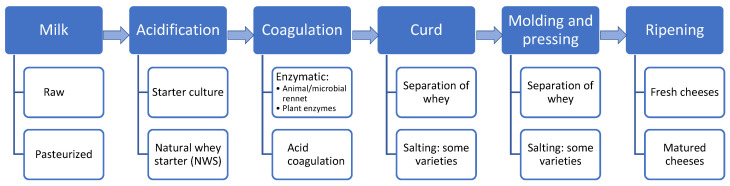
“Cheese production, particularly that of traditional cheese, is a complex process that involves a number of stages, including coagulation, syneresis, salting (in certain cheese varieties), and ripening [5].”
BackgroundSamelis, J., Bosnea, L. A., & Kakouri, A. (2025) · Applied Microbiology · doi:10.3390/applmicrobiol5010011 · Cited by 10
“…cheese production and consumption, raw milk still used in small-scale artisan cheese technologies remains a rich pool of indigenous, occasionally unexplored, microbiota, including lactic acid bacteria (LAB) with superior biotechnological, antagonistic and/or probiotic properties [1,2].”
Mohammadzadeh, M., Moayedi, A. A., Khomeiri, M., & Zareie, Z. (2025) · Applied Food Research · doi:10.1016/j.afres.2025.100817 · Cited by 12
Probiotic Dairy Innovations: Exploring Buffalo Milk Potential for Food Product Development
Habiba, M. U., Augustin, M. A., Varela, C., Morris, H., Rahman, M. M., & Bozkurt, H. (2025) · Comprehensive Reviews in Food Science and Food Safety · doi:10.1111/1541-4337.70236 · Cited by 20
Zavistanavičiūtė, P., Klementavičiūtė, J., Klupšaitė, D., Zokaitytė, E., Ružauskas, M., Buckiūnienė, V., Viškelis, P., & Bartkienė, E. (2023) · Foods · doi:10.3390/foods12071391 · Cited by 12
Lactic Acid Bacteria: Review on the Potential Delivery System as an Effective Probiotic
Yeboah, P. J., Wijemanna, N. D., Eddin, A. S., Williams, L. L., & Ibrahim, S. A. (2023) · Food science and nutrition · doi:10.5772/intechopen.111776 · Cited by 20
The effects of soaking in salted blackcurrant wine on the properties of cheese
Gyenge, L., Erdő, K., Albert, C., Laslo, É., & Salamon, R. V. (2024) · Heliyon · doi:10.1016/j.heliyon.2024.e34060 · Cited by 12
“Their major role is the lactose transformation and, with other biochemical changes during ripening, they contribute to the characteristic organoleptic properties of the cheeses or the safety of the product [41,42].”
BackgroundFlórez, A. B., Vázquez, L., Rodríguez, J., & Mayo, B. (2022) · International Journal of Molecular Sciences · doi:10.3390/ijms24010605 · Cited by 11
“Genome Analysis and Other Functionalities Some LAB species and strains are thought to provide beneficial health effects to consumers by the production of bioactive metabolites either in food during fermentation or in the gastrointestinal tract after consumption [53].”
BackgroundEvaluation of a New Bulk Packaging Container for the Ripening of Feta Cheese
Thodis, P., Kosma, I. S., Nesseris, K., Badeka, A. V., & Kontominas, M. G. (2023) · Foods · doi:10.3390/foods12112176 · Cited by 8
“…lactose is broken down into lactic acid, resulting in a decreased pH. Acid production is a highly important criterion in the manufacture of cheeses ripened in brine due to the inhibitory effect of lactic acid on the growth of undesirable microorganisms and curd stability during brining [12].”
BackgroundMakut, M. D., Mafe, A. N., Owuna, J. E., Călina, D. C., & Sharifi‐Rad, J. (2026) · Journal of the Science of Food and Agriculture · doi:10.1002/jsfa.70405 · Cited by 14
Merchán, A. V., Ruiz‐Moyano, S., Benito, M. J., Vázquez-Hernández, M., Cabañas, C. M., & Román, Á. (2023) · Food Bioscience · doi:10.1016/j.fbio.2023.103491 · Cited by 10
Properties and Performance of Biopolymers in Textile Applications
Hossain, K. R., Akter, S., Nanjeba, M., & Mahmud, M. A. (2024) · Springer eBooks · doi:10.1007/978-981-97-0684-6_3 · Cited by 13
Pires, V. S. S., Ribeiro, S. C., Silva, S. P. M., Jurášková, D., & Silva, C. C. G. (2023) · Journal of Applied Microbiology · doi:10.1093/jambio/lxad122 · Cited by 9
Self-citationPopović, N., Veljović, K., Radojević, D., Brdarić, E., Stevanović, D., Živković, M., & Kojić, M. (2024) · Foods · doi:10.3390/foods13162637 · Cited by 11
“Dal Bello and coauthors proposed the pretreatment of milk before cheese production as the most effective method in the biocontrol of L. monocytogenes [77].”
MethodFeitosa, B. F., Xavier, L. E., de Araújo, J. S. F., Gonçalves, M. C., dos Santos, K. M. O., do Egito, A. S., & Cavalcanti, M. T. (2025) · Food Research International · doi:10.1016/j.foodres.2025.116070 · Cited by 7
Silva, J. F. M., Alonso, B. V., Almeida, P. A. A., Barbosa, I. V., de Paula, O. A. B., Barbosa, L. R., Bruno, L. M., Menezes, L. D. M., Silva, M. R., da Costa, G. M., et al. (2025) · Food Microbiology · doi:10.1016/j.fm.2025.104762 · Cited by 9
Chen, C., Zhou, J., Yu, H., Pan, X. Y., & Tian, H. (2025) · Food Microbiology · doi:10.1016/j.fm.2025.104768 · Cited by 9
Probiotic lactic acid bacteria in biotechnology and the food industry: A review
Avci, D., Gillarová, S., Henke, S., Bubník, Z., & Sluková, M. (2025) · Czech Journal of Food Sciences · doi:10.17221/17/2025-cjfs · Cited by 12
Microbial Strains in Fermented Dairy: Unlocking Biofunctional Properties and Health Benefits
Wijesekara, A. V., Weerasingha, V., Jayarathna, S., Vidanarachchi, J. K., & Priyashantha, H. (2025) · International Journal of Food Science · doi:10.1155/ijfo/6672700 · Cited by 13
Cheese: mere indulgence or part of a healthy diet?
Eugénio, A. T., Ramos, R., Barreto, I. R., Carriço, R., Marcos, J., Camelo, A., Santo, C. E., & Brandão, I. (2025) · Frontiers in Nutrition · doi:10.3389/fnut.2025.1649432 · Cited by 11
“LAB contributes to gut health, providing anti-inflammatory effects and modulation of the gut microbiota, and has also been associated to hypocholesterolemic and anti-cancer properties (225–228).”
Wang, M., Yue, Y., Zhu, X., et al. (2024) · International Journal of Food Microbiology · doi:10.1016/j.ijfoodmicro.2024.110929 · Cited by 7
da Graça, J. S., Furtado, M. M., Freire, L., Watanabe, C. A., Rocha, R. S., & Sant’Ana, A. S. (2024) · Food Microbiology · doi:10.1016/j.fm.2024.104660 · Cited by 10
Sa’aid, N., & Tan, J. S. (2025) · Preparative Biochemistry & Biotechnology · doi:10.1080/10826068.2025.2467441 · Cited by 13
Vinchurkar, R. V., Parveen, H., Amarlapudi, M. R., Mallappa, R. H., & Pradhan, D. (2024) · Food Bioscience · doi:10.1016/j.fbio.2024.105186 · Cited by 6
Zinßius, L., Keuter, L., Krischek, C., Jeßberger, N., Cramer, B., & Plötz, M. (2025) · Foods · doi:10.3390/foods14030463 · Cited by 10
Biofilms in the milking machine, from laboratory scale to on-farm results
Desmousseaux, C., Guilbaud, M., Jard, G., Tormo, H., Oulahal, N., Hanin, A., Bourdonnais, E., Jha, P. K., & Laithier, C. (2025) · Journal of Dairy Science · doi:10.3168/jds.2024-25352 · Cited by 11
Studying the Population Dynamics of NSLAB and Their Influence on Spores During Cheese Ripening
Kaushik, R., & Anand, S. K. (2025) · Applied Microbiology · doi:10.3390/applmicrobiol5030065 · Cited by 7
Technological and functional potentials of indigenous yeasts from traditional Tulum cheese
Aydın, F. (2025) · World Journal of Microbiology and Biotechnology · doi:10.1007/s11274-025-04668-1 · Cited by 7
Costa, C. N. M., de Oliveira, J. M. C., Alves, Â. M. D. S., de Lima, K. Y. G., Campos, M. I. F., do Egito, A. S., dos Santos, K. M. O., Gonçalves, M. C., de Souza, E. L., Pacheco, M. T. B., et al. (2024) · International Dairy Journal · doi:10.1016/j.idairyj.2024.105972 · Cited by 8
de Morais, J. L., Bezerril, F. F., Viera, V., Dantas, C. E. A., de Figueirêdo, R. M. F., Moreira, I. D. S., dos Santos, K. M. O., do Egito, A. S., Lima, M. D. S., Soares, J. K. B., et al. (2024) · Food Research International · doi:10.1016/j.foodres.2024.115130 · Cited by 8
Akan, E., Tok, K., Kocazorbaz, E. K., et al. (2024) · International Dairy Journal · doi:10.1016/j.idairyj.2024.106141 · Cited by 6
Lu, H., Dang, C., Liu, R., Zhang, S., Xue, Y., Feng, L., Zhang, Y., Wu, Y., & Wang, S. (2025) · Journal of Food Protection · doi:10.1016/j.jfp.2025.100504 · Cited by 9
Xu, Z., Premarathna, M., Li, Y., Yin, X., Soteyome, T., Liu, J., & Seneviratne, G. (2025) · Biofilm · doi:10.1016/j.bioflm.2025.100336 · Cited by 8
“Lactobacillaceae exhibits a diverse metabolic process, including lipolysis [8], proteolysis [9], bile acid hydrolysis [10], secondary metabolites production [11], and the synthesis of bioactive compounds including vitamins [12].”
Metadata
- Authors
- Coelho, M. C., Malcata, F. X., & Silva, C. C. G.
- Affiliations
- Universidade dos Açores (PT)
- Universidade do Porto (PT)
- Corresponding author
- Silva, Célia C. G.
- Venue
- Foods
- Publisher
- MDPI AG
- Published
- 2022-07-29
- Volume
- 11
- Issue
- 15
- Pages
- 2276
- ISSN
- 2304-8158 (ISSN-L)
- PMC
- PMC9368153
- OpenAlex
- W4289134373
- Semantic Scholar
- 687ce0d9d53b324863bb77357dd64894eeae1e22
- Cited by
- 276
- References
- 305
- Citations by year
- 2026: 81 · 2025: 89 · 2024: 59 · 2023: 42 · 2022: 5
- FWCI
- 4.46
- Type
- journal article
- Language
- en
- Open access
- gold
- doi.org
- Licence
- Locations
- Foods (publishedVersion, cc-by)
- PubMed Central (publishedVersion, cc-by)
- PubMed (publishedVersion)
- DOAJ (DOAJ: Directory of Open Access Journals) (submittedVersion, cc-by-sa)
- Funders
- Fundação para a Ciência e Tecnologia (FCT) (UID/CVT/00153/2019, LA/P/0045/2020, UIDB/00511/2020, UIDP/00511/2020)
- ALiCE (UID/CVT/00153/2019, LA/P/0045/2020, UIDB/00511/2020, UIDP/00511/2020)
- LEPABE (UID/CVT/00153/2019, LA/P/0045/2020, UIDB/00511/2020, UIDP/00511/2020)
- FCT/MCTES (PIDDAC) (UID/CVT/00153/2019, LA/P/0045/2020, UIDB/00511/2020, UIDP/00511/2020)
- Topics
- Life Sciences › Agricultural and Biological Sciences › Food Science › Probiotics and Fermented Foods
- Life Sciences › Agricultural and Biological Sciences › Food Science › Fermentation and Sensory Analysis
- Life Sciences › Agricultural and Biological Sciences › Food Science › Food Nutrient Composition and Product Development
- Keywords
- lactic acid bacteria, raw milk cheese, starter cultures, probiotics, cheese ripening, cheese microbiota, proteolysis, lipolysis, bioactive compounds, cow's milk, sheep milk, goat milk
About these checks
Registry, retraction, Cites and statistics results are computed, not judged, with one exception: a printed reference that no index lists is read once by a model before it counts as a citation error. Claims are extracted by a model and kept only when their quote appears verbatim in the text; each cited source is then checked, with a model’s help, for whether it says what the claim relies on. Those verdicts can be wrong — read the claim’s quote and the cited source before relying on one.
The claim verdicts this report counts are experimental: their accuracy is not yet measured.
A language model drew the claims from the paper on 2026-10-11, under version 3 of the claim definition (model deepseek-v4.1-flash, prompt extract-v3).
A second model labelled each claim on 2026-10-11 (model jev-1.13-20260917, definition revision gold-guideline-v0.2).
Cited sources are checked with a language model’s help (gpt-6-sol and qwen3.8-omni-flash).
Statistics and arithmetic are recomputed, not judged.
Confidence bands are shown only for fields calibrated on our annotated test set. None is calibrated yet, so no band is shown.
What counts as a claim ›How we measure confidence ›How we check this ›
Are you an author, or do you see a problem with this page? Request a review
Data sources
Bibliographic data: Semantic Scholar, OpenAlex, Crossref.
Contains information from the Semantic Scholar Academic Graph Datasets, made available under the ODC Attribution License (ODC-BY 1.0).
Semantic Scholar’s data is described in: Kinney, R., et al. (2023). The Semantic Scholar Open Data Platform. arXiv:2301.10140.
