

Lactic Acid Bacteria in Raw-Milk Cheeses: From Starter Cultures to Probiotic Functions
Open accessThe DOI matches its Crossref record; 299 of the 305 references it cites were found in a registry or an index; 119 of the 458 sources its claims cite were checked for support.
Abstract
Lactic acid bacteria (LAB) play an essential role in traditional cheese making, either as starter cultures that cause the rapid acidification of milk or as secondary microbiota that play an important role during cheese ripening.
Overview
CoChat Summary
## TL;DR
This review summarizes how lactic acid bacteria (LAB) shape raw-milk cheese fermentation, ripening, preservation, and sensory quality, while also highlighting their probiotic and bioactive-compound potential. It argues that LAB from traditional cheeses are promising sources of starter, adjunct, protective, and probiotic cultures, but notes that more in vitro and in vivo evidence is still needed for human health claims.
## Key findings
- LAB are central to raw-milk cheese making: they acidify milk rapidly, help drive ripening, and contribute to texture, flavor, and aroma through proteolysis and lipolysis.
- Raw-milk cheeses host diverse LAB communities, with frequent dominance of Lactococcus, Lactobacillus, Enterococcus, Streptococcus, and Leuconostoc in cheese cores; the paper notes that traditional raw-milk cheeses often have richer and more distinctive flavors than pasteurized-milk cheeses.
- As starter cultures, LAB must acidify milk to below pH 5.3 within 6 h at 30–37 °C; mesophilic starters are mainly Lactococcus and Leuconostoc, while thermophilic starters include S. salivarius subsp. thermophilus and some Lactobacillus species.
- LAB can inhibit pathogens and spoilage organisms through metabolites such as lactic/acetic acids, hydrogen peroxide, diacetyl, reuterin, phenyllactic acid, fatty acids, cyclic dipeptides, and bacteriocins; the paper gives examples where bacteriocin-producing Lc. lactis reduced L. monocytogenes to undetectable levels in fermented milk and reduced it in cheese.
- The review highlights probiotic-associated bioactives from LAB, including CLA, SCFA, GABA, EPS, vitamins, and bacteriocins, but states that further in vitro and in vivo studies are still necessary to demonstrate health benefits from traditional cheeses.
## Methods
- Narrative review of the literature on LAB in traditional raw-milk cheeses, spanning LAB characterization, starter and adjunct culture use, antimicrobial activity, and probiotic/bioactive functions.
- The paper synthesizes studies on raw-milk cheeses from cow, sheep, and goat milk, and draws on culture-dependent and culture-independent/HTS studies of cheese microbiota.
- Main analysis is qualitative and integrative: it compiles reported LAB species, functions, and example outcomes from prior studies rather than presenting a new experimental dataset.
## Limitations
- The paper explicitly states that further in vitro and in vivo studies are still necessary to demonstrate the human health benefits derived from consumption of traditional cheeses.
- The text makes evident that much of the probiotic and bioactive-compound discussion is based on mechanistic, in vitro, or animal evidence rather than direct clinical evidence in humans (text evident).
- The review notes that Enterococcus includes strains with virulence and antibiotic-resistance concerns, so not all LAB discussed are equally safe or suitable for starter/probiotic use (text evident).
Model-written summary. Check it against the paper before relying on it.
Integrity signals
Registry
Cites
Statistics
Figures
Verification
Claims the paper makes
91 Valid · 1 Not valid · 159 Not checked · 11 Own results and interpretations
The cited sources support only part of this claim — read each source’s verdict below.
In the paper
“During cheese ripening, proteolysis is of great importance because it contributes to textural and sensory changes in the matrix of this product [30].”
- Also stated in: § 2. Raw-Milk Cheeses · plain
“The free amino acids resulting from proteolysis and the fatty acids released by lipolysis play an active role as substrates for a number of secondary reactions, which give rise to many important flavor compounds [31,32,33].”
§ Lactic Acid Bacteria in Raw-Milk Cheeses: From Starter Cultures to Probiotic Functions > 2. Raw-Milk Cheeses
What the sources say
- Not checked — no full text of the sourcecites [30] Murtaza M.A. Ur-Rehman S. Anjum F.M. Huma N. Hafiz I. Cheddar cheese ripening and flavor characterization: A review Crit. Rev. Food Sci. Nutr. 2014 54 1309 1321 10.1080/10408398.2011.634531 24564588 source
- Partly supportedcites [31] Bottari B. Levante A. Neviani E. Gatti M. How the fewest become the greatest. L. casei’s impact on long ripened cheeses Front. Microbiol. 2018 9 2866 10.3389/fmicb.2018.02866 30524419 PMC6262004 sourceExperimental — accuracy not yet measured
In the Introduction’s “What’s Their Effect?” section, the paper identifies proteolysis as a major pathway in flavor formation during cheese ripening, supporting the citing sentence’s sensory-change point. It does not say that proteolysis causes textural changes; its “Who Are They?” section instead links curd texture to cooking and starter-LAB acidity. (LLM, conf=0.84)
- Not checked — no full text of the sourcecites [32] Santiago-López L. Aguilar-Toalá J.E. Hernández-Mendoza A. Vallejo-Cordoba B. Liceaga A.M. González-Córdova A.F. Invited review: Bioactive compounds produced during cheese ripening and health effects associated with aged cheese consumption J. Dairy Sci. 2018 101 3742 3757 10.3168/jds.2017-13465 29477517 source
- Not matchedcites [33] Inácio R.S. Gomes A.M. Saraiva J.A. Serra da Estrela cheese: A review J. Food Process. Preserv. 2020 44 e14412 10.1111/jfpp.14412
We searched by its title and found no matching paper.
plainstates a cause- Asserted: passes — The authors put it forward as true.
- Checkable: passes — It can be checked against evidence.
- Load-bearing: unclear — It is unclear whether the paper’s conclusions depend on it.
- Based: passes — The paper gives a reason why it holds.
- Also stated in: § 2. Raw-Milk Cheeses · plain
The cited sources support only part of this claim — read each source’s verdict below.
In the paper
“Traditional cheeses produced from raw milk exhibit a complex microbiota, characterized by a sequence of different microorganisms from milk coagulation and throughout maturation.”
- Also stated in: § 4. Main LAB Identified in Raw-Milk Artisanal Cheeses · plain
“These cheeses have a complex microbiota characterized by the succession of different microorganisms throughout cheesemaking [58,59].”
§ Lactic Acid Bacteria in Raw-Milk Cheeses: From Starter Cultures to Probiotic Functions > Abstract
What the sources say
- Partly supportedcites [58] Irlinger F. Mounier J. Microbial interactions in cheese: Implications for cheese quality and safety Curr. Opin. Biotechnol. 2009 20 142 148 10.1016/j.copbio.2009.02.016 19342218 sourceExperimental — accuracy not yet measured
The 'Cheese-making and microbial diversity' section states that 'Most cheeses harbour a complex microbiota that is characterised by a succession of microbial groups during milk fermentation, curd maturation and storage', which matches the claim's core content (complex microbiota, successive microbial groups from early processing through ripening). However, the source frames this for cheeses in general, not specifically for traditional cheeses made from raw milk — the only raw-milk references in our copy are cited titles (Little et al. on retail cheese quality; Delbès et al.; Callon et al. on raw milk Salers yeasts) and the paper's own succession narrative starts with added LAB starter cultures acidifying milk, not with coagulation of raw milk. The population qualifier carried by the citing sentence is therefore not what this source states. (LLM, conf=0.70)
- Supportedcites [59] Gori K. Ryssel M. Arneborg N. Jespersen L. Isolation and identification of the microbiota of Danish farmhouse and industrially produced surface-ripened cheeses Microb. Ecol. 2013 65 602 615 10.1007/s00248-012-0138-3 23224222 PMC3621994 source
The Introduction states that cheeses have a complex microbiota with a succession of microorganisms during milk coagulation and ripening. The Cheese Manufacture section identifies one farmhouse cheese made from raw milk, so the source addresses the kind of cheese named in the claim. Page numbers were not available in our copy. (LLM, conf=0.88)
plainstates an association- Asserted: passes — The authors put it forward as true.
- Checkable: passes — It can be checked against evidence.
- Load-bearing: passes — The paper’s conclusions depend on it.
- Based: passes — The paper gives a reason why it holds.
- Also stated in: § 4. Main LAB Identified in Raw-Milk Artisanal Cheeses · plain
The sources with a verdict support this claim; the rest weren’t checked yet, have no full text we could read, or their verdicts aren’t rated yet.
In the paper
“Therefore, LAB can be used as a bioprotective culture to increase microbiological safety, extend shelf life, improve texture, and contribute to a pleasant sensory profile of the final product [42,43,47].”
§ Lactic Acid Bacteria in Raw-Milk Cheeses: From Starter Cultures to Probiotic Functions > 3. LAB Characterization
What the sources say
- Not checked — no full text of the sourcecites [42] Leroy F. de Vuyst L. Lactic acid bacteria as functional starter cultures for the food fermentation industry Trends Food Sci. Technol. 2004 15 67 78 10.1016/j.tifs.2003.09.004 source
- Supportedcites [43] Bintsis T. Lactic acid bacteria as starter cultures: An update in their metabolism and genetics AIMS Microbiol. 2018 4 665 10.3934/microbiol.2018.4.665 31294241 PMC6613329 source
The Introduction states that LAB inhibit spoilage and pathogenic microorganisms and are therefore used as bio-protective cultures. This directly supports the attributed claim. (LLM, conf=0.94)
- Supportedcites [47] Settanni L. Franciosi E. Cavazza A. Cocconcelli P.S. Poznanski E. Extension of Tosèla cheese shelf-life using non-starter lactic acid bacteria Food Microbiol. 2011 28 883 890 10.1016/j.fm.2010.12.003 21569930 source
The Introduction says LAB inhibit unwanted pathogenic and spoilage microorganisms and are added to foods to preserve them. Section 3.3 reports that an added LAB culture controlled coliforms and staphylococci in Tosèla cheese. Page numbers were not provided in our copy. (LLM, conf=0.94)
plainstates a cause- Asserted: passes — The authors put it forward as true.
- Checkable: passes — It can be checked against evidence.
- Load-bearing: passes — The paper’s conclusions depend on it.
- Based: passes — The paper gives a reason why it holds.
Every source the paper cites for this claim was checked and supports it.
In the paper
“Phages targeting key starter or adjunct cultures have been associated with changes in fermentation resulting in slow acidification and undesirable organoleptic characteristics of the cheese [24].”
§ Lactic Acid Bacteria in Raw-Milk Cheeses: From Starter Cultures to Probiotic Functions > 2. Raw-Milk Cheeses
What the sources say
- Supportedcites [24] Quigley L. O’Sullivan O. Stanton C. Beresford T.P. Ross R.P. Fitzgerald G.F. Cotter P.D. The complex microbiota of raw milk FEMS Microbiol. Rev. 2013 37 664 698 10.1111/1574-6976.12030 23808865 source
The Bacteriophage section directly states that phages targeting important starter or adjunct species are associated with disrupted fermentation, slow acidification, and undesirable organoleptic properties. It discusses these effects in the context of dairy products, particularly cheese. (LLM, conf=0.95)
plainstates an association- Asserted: passes — The authors put it forward as true.
- Checkable: passes — It can be checked against evidence.
- Load-bearing: unclear — It is unclear whether the paper’s conclusions depend on it.
- Based: passes — The paper gives a reason why it holds.
- Supported
Every source the paper cites for this claim was checked and supports it.
In the paper
“The inhibitory properties of LAB depend on the species, pathogenic bacterium load, sanitary processes, and the amount of LAB in food [48].”
§ Lactic Acid Bacteria in Raw-Milk Cheeses: From Starter Cultures to Probiotic Functions > 3. LAB Characterization
What the sources say
- Supportedcites [48] Powthong P. Suntornthiticharoen P. Isolation, identification and analysis of probiotic properties of lactic acid bacteria from selective various traditional thai fermented food and kefir Pak. J. Nutr. 2015 14 67 10.3923/pjn.2015.67.74 source
The Introduction (p. 2) explicitly says the inhibitory effect depends on the species and loads of pathogenic bacteria, sanitation processes, and the number of LAB in fermented foods. This directly matches the attributed claim. (LLM, conf=0.94)
plainstates a cause- Asserted: passes — The authors put it forward as true.
- Checkable: passes — It can be checked against evidence.
- Load-bearing: unclear — It is unclear whether the paper’s conclusions depend on it.
- Based: passes — The paper gives a reason why it holds.
- Supported
119 more claims · 39 with their cited sources checked
Create a free account to see all 262 claims and to verify the 31 references still open.
- Probably not a substantial claim. 72
- It may state two separate claims as one. 94
Citations
Cites
Zheng, J., Wittouck, S., Salvetti, E., Franz, C. M. A. P., Harris, H. M. B., Mattarelli, P., O’Toole, P. W., Pot, B., Vandamme, P., Walter, J., et al. (2020) · International Journal of Systematic and Evolutionary Microbiology · doi:10.1099/ijsem.0.004107 · Cited by 3,313 · cited 4×
“Recently, a reclassification of the genus Lactobacillus into 25 genera was proposed based on genome phylogeny and ecological and metabolic properties [56].”
BackgroundInfluentialBacteriocins: Developing innate immunity for food
Cotter, P. D., Hill, C., & Ross, R. P. (2005) · Nature Reviews Microbiology · doi:10.1038/nrmicro1273 · Cited by 2,380 · cited 1×
“These peptides often exhibit a narrow inhibitory spectrum and inhibit taxonomi-cally-close bacteria [143,183 – 185].”
Serotonin, tryptophan metabolism and the brain-gut-microbiome axis
O’Mahony, S. M., Clarke, G., Borre, Y. E., Dinan, T. G., & Cryan, J. F. (2015) · Behavioural Brain Research · doi:10.1016/j.bbr.2014.07.027 · Cited by 2,012 · cited 1×
“For example, certain species of Lactobacillus and Bifidobacterium produce γ - aminobutyric acid (GABA), Streptococcus spp. and Enterococcus spp. produce serotonin, and Lactobacillus spp. produce acetylcholine [234,235].”
Fundamentals of Cheese Science
Fox, P. F., Guinee, T. P., Cogan, T. M., & McSweeney, P. L. H. (2017) · doi:10.1007/978-1-4899-7681-9 · Cited by 1,922
Lactic acid bacteria as functional starter cultures for the food fermentation industry
Leroy, F., & De Vuyst, L. (2004) · Trends in Food Science & Technology · doi:10.1016/j.tifs.2003.09.004 · Cited by 1,852 · cited 2×
“Therefore, LAB can be used as a bioprotective culture to increase microbiological safety, extend shelf life, improve texture, and contribute to a pleasant sensory profile of the final product [42,43,47].”
BackgroundBacteriocins: safe, natural antimicrobials for food preservation.
Cleveland, J., Montville, T. J., Nes, I. F., & Chikindas, M. L. (2001) · International Journal of Food Microbiology · doi:10.1016/s0168-1605(01)00560-8 · Cited by 1,835 · cited 1×
“Most bacteriocins produced by LAB, especially those that inhibit Gram-positive bacteria, exert their antimicrobial effects by forming pores in the membrane of target cells, thereby depleting the transmembrane potential and/or pH gradient, which eventually leads to loss of cell contents [187,188].”
Bacteriocins—A viable alternative to antibiotics?
Cotter, P. D., Ross, R. P., & Hill, C. (2013) · Nature Reviews Microbiology · doi:10.1038/nrmicro2937 · Cited by 1,793 · cited 2×
“Most bacteriocins produced by LAB, especially those that inhibit Gram-positive bacteria, exert their antimicrobial effects by forming pores in the membrane of target cells, thereby depleting the transmembrane potential and/or pH gradient, which eventually leads to loss of cell contents [187,188].”
γ-Aminobutyric acid production by culturable bacteria from the human intestine
Barrett, E., Ross, R. P., O'Toole, P. W., Fitzgerald, G. F., & Stanton, C. (2012) · Journal of Applied Microbiology · doi:10.1111/j.1365-2672.2012.05344.x · Cited by 1,156 · cited 4×
“LAB from food sources has been shown to hold a greater ability to produce GABA [274,293].”
InfluentialButyrate: A Double-Edged Sword for Health?
Liu, H., Wang, J., He, T., Becker, S., Zhang, G., Li, D., & Ma, X. (2018) · Advances in Nutrition · doi:10.1093/advances/nmx009 · Cited by 1,144 · cited 1×
“Through its ability to cross the blood-brain barrier, butyrate activates the vagus nerve and hypothalamus, which may influence appetite and eating behavior [254].”
Psychobiotics and the manipulation of bacteria–gut–brain signals
Sarkar, A., Lehto, S. M., Harty, S., Dinan, T. G., Cryan, J. F., & Burnet, P. W. J. (2016) · Trends in Neurosciences · doi:10.1016/j.tins.2016.09.002 · Cited by 1,068
Food fermentations: Role of microorganisms in food production and preservation
Caplice, E. (1999) · International Journal of Food Microbiology · doi:10.1016/s0168-1605(99)00082-3 · Cited by 1,052
The Complex Microbiota of Raw Milk
Quigley, L., O'Sullivan, O., Stanton, C., Beresford, T. P., Ross, R. P., Fitzgerald, G. F., & Cotter, P. D. (2013) · FEMS Microbiology Reviews · doi:10.1111/1574-6976.12030 · Cited by 919 · cited 2×
“Phages targeting key starter or adjunct cultures have been associated with changes in fermentation resulting in slow acidification and undesirable organoleptic characteristics of the cheese [24].”
BackgroundThe neuropharmacology of butyrate: the bread and butter of the microbiota-gut-brain axis
Stilling, R. M., van de Wouw, M., Clarke, G., Stanton, C., Dinan, T. G., & Cryan, J. F. (2016) · Neurochemistry International · doi:10.1016/j.neuint.2016.06.011 · Cited by 891 · cited 1×
“There is a growing body of evidence that butyrate also has effects on the brain via the gut-brain axis [253].”
Recent advances in cheese microbiology
Beresford, T. P., Fitzsimons, N. A., Brennan, N. L., & Cogan, T. M. (2001) · International Dairy Journal · doi:10.1016/s0958-6946(01)00056-5 · Cited by 823 · cited 23×
“Currently, Enterococcus is not granted this qualification due to regulations related to the qualified presumption of safety (QPS).”
InfluentialHealth benefits of fermented foods
Şanlier, N., Gökcen, B. B., & Sezgin, A. C. (2019) · Critical Reviews in Food Science and Nutrition · doi:10.1080/10408398.2017.1383355 · Cited by 789 · cited 1×
“Numerous studies have shown that milk fermented by Lactobacillus spp. can exert beneficial effects in controlling cardiovascular disease caused by hypertension via the production of ACE-inhibitory peptides [243].”
Taxonomy and important features of probiotic microorganisms in food and nutrition
Holzapfel, W. H., Haberer, P., Geisen, R., Björkroth, J., & Schillinger, U. (2001) · The American Journal of Clinical Nutrition · doi:10.1093/ajcn/73.2.365s · Cited by 759 · cited 2×
“Therefore, probiotics are preparations of viable and non-pathogenic microorganisms included in foods or dietary supplements that interact directly with the gastrointestinal microbiota and immune system, so as to produce health-promoting effects [203,204].”
Adhesion mechanisms mediated by probiotics and prebiotics and their potential impact on human health
Monteagudo-Mera, A., Rastall, R. A., Gibson, G. R., Charalampopoulos, D., & Chatzifragkou, A. (2019) · Applied Microbiology and Biotechnology · doi:10.1007/s00253-019-09978-7 · Cited by 743 · cited 3×
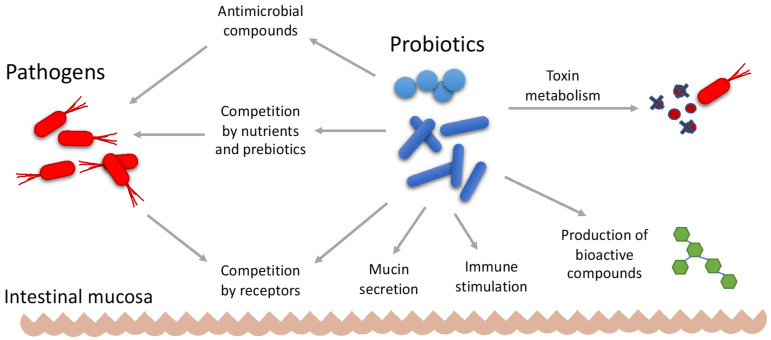
“In this case, probiotics compete for a limited number of receptors on the surface of the intestinal epithelium [224,225].”
Bacteriocins of lactic acid bacteria: Extending the family
Alvarez-Sieiro, P., Montalbán-López, M., Mu, D., & Kuipers, O. P. (2016) · Applied Microbiology and Biotechnology · doi:10.1007/s00253-016-7343-9 · Cited by 729 · cited 1×
“Therefore, the anti-infective effect of bacteriocins produced by LAB represents a promising alternative to the use of antibiotics, especially in special cases where other methods are not allowed (e.g., pregnancy) [246].”
The lactic acid bacteria: A literature survey
Carr, F. J., Chill, D., & Maida, N. (2002) · Critical Reviews in Microbiology · doi:10.1080/1040-840291046759 · Cited by 724 · cited 11×
“They are moderately thermophilic [43], and tolerate less than 2% NaCl [39].”
InfluentialLactic acid bacteria–Potential for control of mould growth and mycotoxins: A review
Dalié, D. K. D., Deschamps, A. M., & Richard-Forget, F. (2010) · Food Control · doi:10.1016/j.foodcont.2009.07.011 · Cited by 705 · cited 10×
“In target organisms, reuterin can suppress ribonuclease activity [133,138] or induce oxidative stress by modifying thiol groups in proteins and glutathione [170].”
InfluentialAntifungal lactic acid bacteria as biopreservatives
Schnürer, J., & Magnusson, J. (2005) · Trends in Food Science & Technology · doi:10.1016/j.tifs.2004.02.014 · Cited by 702 · cited 8×
“This low molecular weight compound is capable of inhibiting the growth of a wide range of microorganisms, and is one of the most intensively studied antifungal compounds [161,162].”
InfluentialThe Genera of Lactic Acid Bacteria
(1995) · doi:10.1007/978-1-4615-5817-0 · Cited by 685
Functionality of enterococci in dairy products
Giraffa, G. (2003) · International Journal of Food Microbiology · doi:10.1016/s0168-1605(03)00183-1 · Cited by 681 · cited 1×
“faecium being the predominant species [70,81,82].”
Traditional Cheeses: Rich and Diverse Microbiota with Associated Benefits
Montel, M.-C., Buchin, S., Mallet, A., Delbes-Paus, C., Vuitton, D. A., Desmasures, N., & Berthier, F. (2014) · International Journal of Food Microbiology · doi:10.1016/j.ijfoodmicro.2014.02.019 · Cited by 665 · cited 3×
“They are distinguished by their flavor characteristics, and are generally associated to a particular region or country [29].”
BackgroundLavermicocca, P., Valerio, F., Evidente, A., Lazzaroni, S., Corsetti, A., & Gobbetti, M. (2000) · Applied and Environmental Microbiology · doi:10.1128/aem.66.9.4084-4090.2000 · Cited by 654 · cited 1×
“In addition to the major economic losses associated with spoilage, some fungi pose a threat to food safety due to their ability to produce mycotoxins [139,148,151 – 155].”
Exopolysaccharides from Probiotic Bacteria and Their Health Potential
Angelin, J., & Kavitha, M. (2020) · International Journal of Biological Macromolecules · doi:10.1016/j.ijbiomac.2020.06.190 · Cited by 617 · cited 3×
“Microbial exopolysaccharides are extracellular polymers composed of linear or branched chains that may differ in monosaccharide composition and degree of branching [298].”
Application of bacteriocins and protective cultures in dairy food preservation
Silva, C. C. G., Silva, S. P. M., & Ribeiro, S. C. (2018) · Frontiers in Microbiology · doi:10.3389/fmicb.2018.00594 · Cited by 601 · cited 3×
“However, the efficacy of nisin has some limitations, since it cannot be used in foods with neutral or alkaline pH, or in foods that require LAB for fermentation [194].”
InfluentialSelf-citationFunctions and emerging applications of bacteriocins
Chikindas, M. L., Weeks, R., Drider, D., Chistyakov, V. A., & Dicks, L. M. (2018) · Current Opinion in Biotechnology · doi:10.1016/j.copbio.2017.07.011 · Cited by 574 · cited 3×
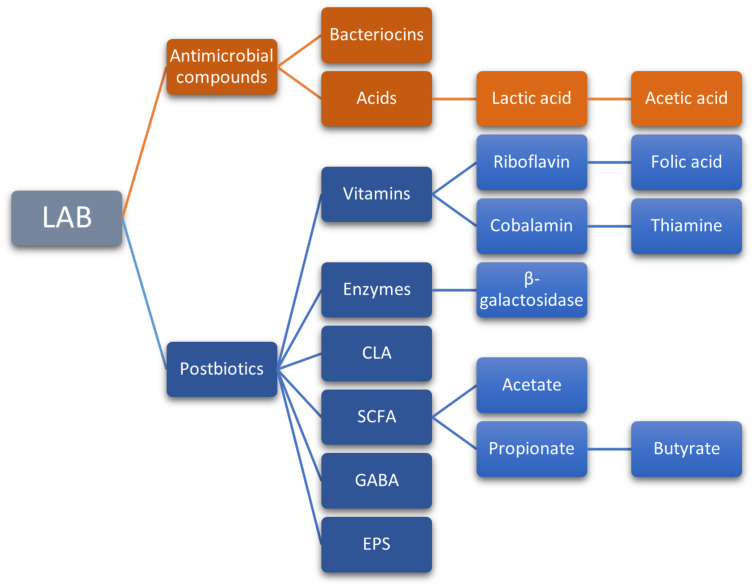
“…vitamin K), enzymes (lactase or β -galac- tosidase), bioactive peptides (from the hydrolysis of proteins), conjugated linoleic acid (CLA), short-chain fatty acids (SCFA), gamma-aminobutyric acid (GABA), exopolysac-charides (EPS), and antimicrobial compounds such as bacteriocins (Figure 3) [32,244].”
Collective unconscious: How gut microbes shape human behavior
Dinan, T. G., Stilling, R. M., Stanton, C., & Cryan, J. F. (2015) · Journal of Psychiatric Research · doi:10.1016/j.jpsychires.2015.02.021 · Cited by 571 · cited 1×
“For example, certain species of Lactobacillus and Bifidobacterium produce γ - aminobutyric acid (GABA), Streptococcus spp. and Enterococcus spp. produce serotonin, and Lactobacillus spp. produce acetylcholine [234,235].”
Lactic acid bacteria as starter cultures: An update in their metabolism and genetics
Bintsis, T., & Department of Agricultural Technology, T. O. W. M. (2018) · AIMS Microbiology · doi:10.3934/microbiol.2018.4.665 · Cited by 570
Microbes from raw milk for fermented dairy products
Wouters, J. T. M., Ayad, E. H. E., Hugenholtz, J., & Smit, G. (2002) · International Dairy Journal · doi:10.1016/s0958-6946(01)00151-0 · Cited by 561 · cited 5×
“The composition of adventitious LAB varies depending on cheese type, the mode of processing, and ripening time [84,114,117,118].”
BackgroundInfluentialBacteriocins and their food applications
And, H. C., & Hoover, D. G. (2003) · Comprehensive Reviews in Food Science and Food Safety · doi:10.1111/j.1541-4337.2003.tb00016.x · Cited by 550 · cited 1×
“LAB can be used to inhibit or destroy undesirable microorganisms in foods, increase their safety, and extend their shelf life [127].”
Production of gaba (γ - aminobutyric acid) by microorganisms: a review
Dhakal, R., Bajpai, V. K., & Baek, K.-H. (2012) · Brazilian Journal of Microbiology · doi:10.1590/s1517-83822012000400001 · Cited by 545 · cited 1×
“There are several reports on the production of LAB-fermented products that can accumulate high amounts of GABA [296,297].”
Hammes, W. P., & Vogel, R. F. (1995) · The Genera of Lactic Acid Bacteria · doi:10.1007/978-1-4615-5817-0_3 · Cited by 479 · cited 2×
“, for carbohydrates, amino acids, peptides, fatty acid esters, salts, nucleic acid derivatives, and vitamins) [75].”
Background(EFSA), E. F. S. A. (2007) · EFSA Journal · doi:10.2903/j.efsa.2007.587 · Cited by 479 · cited 1×
“The concerns associated with these bacteria arise from their virulence factors and resistance to a variety of antibiotics [52,53].”
BackgroundGamma-aminobutyric acid as a bioactive compound in foods: A review
Diana, M., Quílez, J., & Rafecas, M. (2014) · Journal of Functional Foods · doi:10.1016/j.jff.2014.07.004 · Cited by 473 · cited 6×
“GABA has several important physiological functions, such as blood pressure regulation, diuretic effects, and insulin secretion; hence, it may contribute to the prevention of diabetes [269,275].”
InfluentialKommineni, S., Bretl, D. J., Lam, V., Chakraborty, R., Hayward, M., Simpson, P., Cao, Y., Bousounis, P., Kristich, C. J., & Salzman, N. H. (2015) · Nature · doi:10.1038/nature15524 · Cited by 458
Ruas-Madiedo, P., & de los Reyes-Gavilán, C. G. (2005) · Journal of Dairy Science · doi:10.3168/jds.s0022-0302(05)72750-8 · Cited by 456 · cited 5×
“Some strains of the genus Bifidobacterium are also capable of producing these biopolymers [298,300].”
InfluentialNon-starter lactic acid bacteria used to improve cheese quality and provide health benefits
Settanni, L., & Moschetti, G. (2010) · Food Microbiology · doi:10.1016/j.fm.2010.05.023 · Cited by 456 · cited 5×
“During this fermentation, LAB inhibit the growth of most undesirable microorganisms by acidifying the environment; this is considered a fundamental characteristic of dairy products, especially in cheese production [3].”
BackgroundInfluentialProduction of Gamma-Aminobutyric Acid from Lactic Acid Bacteria: A Systematic Review
Cui, Y., Miao, K., Niyaphorn, S., & Qu, X. (2020) · International Journal of Molecular Sciences · doi:10.3390/ijms21030995 · Cited by 451 · cited 9×
“In addition, some strains of S. salivarius subsp. thermophilus and Lc. lactis can produce GABA [272].”
InfluentialPotential of bacteriocin-producing lactic acid bacteria for improvements in food safety and quality
O’Sullivan, L., Ross, R. P., & Hill, C. (2002) · Biochimie · doi:10.1016/s0300-9084(02)01457-8 · Cited by 446 · cited 2×
“In recent years, bacteriocins have attracted considerable interest as a safe alternative to chemical preservatives for being rapidly hydrolyzed in the human gastrointestinal tract [178 – 182].”
Butyrate and other short-chain fatty acids as modulators of immunity: What relevance for health?
Meijer, K., de Vos, P., & Priebe, M. G. (2010) · Current Opinion in Clinical Nutrition and Metabolic Care · doi:10.1097/mco.0b013e32833eebe5 · Cited by 443 · cited 1×
“Other studies have shown that SCFA, particularly acetate and butyrate, can act as anti-inflammatory agents and have been shown to be effective in inhibiting the production of pro-inflammatory cytokines and maintaining intestinal barrier immune function [255].”
Application of bacteriocins in vegetable food biopreservation
Settanni, L., & Corsetti, A. (2008) · International Journal of Food Microbiology · doi:10.1016/j.ijfoodmicro.2007.09.001 · Cited by 441
Synthesis of γ-Aminobutyric Acid by Lactic Acid Bacteria Isolated from a Variety of Italian Cheeses
Siragusa, S., De Angelis, M., Di Cagno, R., Rizzello, C. G., Coda, R., & Gobbetti, M. (2007) · Applied and Environmental Microbiology · doi:10.1128/aem.01064-07 · Cited by 438
Fermented milks and milk products as functional foods—A review
Shiby, V. K., & Mishra, H. N. (2013) · Critical Reviews in Food Science and Nutrition · doi:10.1080/10408398.2010.547398 · Cited by 427 · cited 1×
“Their metabolic features not only contribute to the development of desirable sensory characteristics of food products but also allow the nutritional value of the raw material to be maintained or even enhanced [2].”
BackgroundFiltenborg, O., Frisvad, J. C., & Thrane, U. (1996) · International Journal of Food Microbiology · doi:10.1016/0168-1605(96)01153-1 · Cited by 422 · cited 2×
“Some mycotoxins are present only in the fungus, while most are excreted in food [159].”
World Gastroenterology Organisation Global Guidelines: Probiotics and Prebiotics October 2011
Guarner, F., Khan, A. G., Garisch, J., Eliakim, R., Gangl, A., Thomson, A., Krabshuis, J., Lemair, T., Kaufmann, P., de Paula, J. A., et al. (2012) · Journal of Clinical Gastroenterology · doi:10.1097/mcg.0b013e3182549092 · Cited by 418 · cited 3×
“Most microorganisms currently recognized as probiotics belong to the LAB group [201,202,214].”
Hassan, M., Kjos, M., Nes, I. F., Diep, D. B., & Lotfipour, F. (2012) · Journal of Applied Microbiology · doi:10.1111/j.1365-2672.2012.05338.x · Cited by 402 · cited 2×
“Several studies have shown that the use of bacteriocin-producing bacteria is more effective than purified bacteriocins in improving gut health [186].”
Caggianiello, G., Kleerebezem, M., & Spano, G. (2016) · Applied Microbiology and Biotechnology · doi:10.1007/s00253-016-7471-2 · Cited by 396 · cited 1×
“Several studies have re-ported other beneficial effects of EPS produced by LAB, including the control of blood glucose levels, the absorption of calcium and magnesium, and antioxidant effects [299,307].”
Polyunsaturated fatty acid saturation by gut lactic acid bacteria affecting host lipid composition
Kishino, S., Takeuchi, M., Park, S.-B., Hirata, A., Kitamura, N., Kunisawa, J., Kiyono, H., Iwamoto, R., Isobe, Y., Arita, M., et al. (2013) · Proceedings of the National Academy of Sciences · doi:10.1073/pnas.1312937110 · Cited by 395 · cited 1×
“…health-promoting effects, such as anticarcinogenic, anti-inflammatory, reducing and preventing body fat deposition, reducing atherosclerosis [261,262], modulating the immune system [263], reducing blood glucose levels [264], reducing osteoporosis [265], preventing and treating…”
Novel biotechnological applications of bacteriocins: A review
Balciunas, E. M., Castillo Martinez, F. A., Todorov, S. D., Franco, B. D. G. D. M., Converti, A., & Oliveira, R. P. D. S. (2013) · Food Control · doi:10.1016/j.foodcont.2012.11.025 · Cited by 392 · cited 15×
“LAB that are considered GRAS belong to the genera Lactococcus, Oenococcus, Lactobacillus, Leuconostoc, Pedicoccus, and some Streptococcus [51].”
InfluentialThe Neuro-endocrinological Role of Microbial Glutamate and GABA Signaling
Mazzoli, R., & Pessione, E. (2016) · Frontiers in Microbiology · doi:10.3389/fmicb.2016.01934 · Cited by 383
Probiotic immunomodulation in health and disease
Erickson, K. L., & Hubbard, N. E. (2000) · The Journal of Nutrition · doi:10.1093/jn/130.2.403s · Cited by 372 · cited 1×
“…and acquired immune responses by binding to specific receptors on immune cells and other tissues such as intestinal epithelial tissue, and by stimulating the production of cytokines, T cells, the activation of dendritic cells and macrophages, and the production of specific antibodies [229 – 231].”
Rahbar Saadat, Y., Yari Khosroushahi, A., & Pourghassem Gargari, B. (2019) · Carbohydrate Polymers · doi:10.1016/j.carbpol.2019.04.025 · Cited by 370 · cited 4×
“Some LAB species are able to synthesize and excrete extracellular polysaccharides [14,299].”
InfluentialDal Bello, F., Clarke, C. I., Ryan, L. A. M., Ulmer, H., Schober, T. J., Ström, K., Sjögren, J., van Sinderen, D., Schnürer, J., & Arendt, E. K. (2007) · Journal of Cereal Science · doi:10.1016/j.jcs.2006.09.004 · Cited by 351 · cited 1×
“The broad spectrum of antimicrobial effects of cyclic dipeptides produced by LAB has been demonstrated in several studies [134,176,177].”
Antifungal Microbial Agents for Food Biopreservation—A Review
Leyva Salas, M., Mounier, J., Valence, F., Coton, M., Thierry, A., & Coton, E. (2017) · Microorganisms · doi:10.3390/microorganisms5030037 · Cited by 349 · cited 4×
“Different strains of L. plantarum and its metabolites have been tested in a variety of foods, where they were able to inhibit various fungal species belonging to the genera Aspergillus , Penicillium , Rhizopus , and Rhodotorula [150,153].”
InfluentialParaprobiotics and postbiotics: Concepts and potential applications in dairy products
Barros, C. P., Guimarães, J. T., Esmerino, E. A., Duarte, M. C. K., Silva, M. C., Silva, R., Ferreira, B. M., Sant’Ana, A. S., Freitas, M. Q., & Cruz, A. G. (2020) · Current Opinion in Food Science · doi:10.1016/j.cofs.2019.12.003 · Cited by 345 · cited 1×
“Probiotics can increase the availability of nutrients and produce bioactive soluble factors (byproducts of metabolism) that are beneficial to the host and are referred to as post-biotics [240].”
Lactic acid bacterial cell factories for gamma-aminobutyric acid
Li, H., & Cao, Y. (2010) · Amino Acids · doi:10.1007/s00726-010-0582-7 · Cited by 343 · cited 1×
“Among lactobacilli, there are numerous GABA-pro-ducing species, such as L. brevis, L. buchneri, L. delbrueckii ssp. bulgaricus, L. fermentum, L. helveticus, L. paracasei, and L. plantarum [272,276,294,295].”
Jurášková, D., Ribeiro, S. C., & Silva, C. C. G. (2022) · Foods · doi:10.3390/foods11020156 · Cited by 342 · cited 3×
“Some LAB species are able to synthesize and excrete extracellular polysaccharides [14,299].”
Self-citationReuben, R. C., Roy, P. C., Sarkar, S. L., Alam, R.-U., & Jahid, I. K. (2019) · BMC Microbiology · doi:10.1186/s12866-019-1626-0 · Cited by 341 · cited 1×
“This is not at all surprising, because LAB are part of the natural microbiota of the healthy gastrointestinal tract of humans and animals [215,216].”
Linares, D. M., Gómez, C., Renes, E., Fresno, J. M., Tornadijo, M. E., Ross, R. P., & Stanton, C. (2017) · Frontiers in Microbiology · doi:10.3389/fmicb.2017.00846 · Cited by 335 · cited 2×
“The mechanisms of action may vary from one probiotic strain to another, but in most cases a combination of activities is likely, making the study of the responsible mechanisms a difficult and complex task [1].”
BackgroundNeurotransmitters as food supplements: the effects of GABA on brain and behavior
Boonstra, E., de Kleijn, R., Colzato, L. S., Alkemade, A., Forstmann, B. U., & Nieuwenhuis, S. (2015) · Frontiers in Psychology · doi:10.3389/fpsyg.2015.01520 · Cited by 329
Antifungal 3-Hydroxy Fatty Acids from Lactobacillus plantarum MiLAB14
Sjögren, J., Magnusson, J., Broberg, A., Schnürer, J., & Kenne, L. (2003) · Applied and Environmental Microbiology · doi:10.1128/aem.69.12.7554-7557.2003 · Cited by 328 · cited 1×
“Sjogren et al. [174] found that hydroxylated fatty acids possess strong antifungal activity against a broad spectrum of yeasts and molds.”
Current perspectives on antifungal lactic acid bacteria as natural bio-preservatives
Crowley, S., Mahony, J., & van Sinderen, D. (2013) · Trends in Food Science & Technology · doi:10.1016/j.tifs.2013.07.004 · Cited by 328 · cited 8×
“According to Crowley et al. [162], antifungal fatty acids cleave the lipid bilayers of fungal membranes, thus causing a loss of membrane integrity.”
InfluentialLeuconostoc, characteristics, use in dairy technology and prospects in functional foods
Hemme, D., & Foucaud-Scheunemann, C. (2004) · International Dairy Journal · doi:10.1016/j.idairyj.2003.10.005 · Cited by 323 · cited 3×
“They are heterofermentative and produce D-lactate, ethanol, CO2, and small amounts of acetate from glucose metabolism via the phosphoketolase pathway [41,43,66,90,93].”
BackgroundLactic acid bacteria as antifungal and anti-mycotoxigenic agents: A comprehensive review
Sadiq, F. A., Yan, B., Tian, F., Zhao, J., Zhang, H., & Chen, W. (2019) · Comprehensive Reviews in Food Science and Food Safety · doi:10.1111/1541-4337.12481 · Cited by 313 · cited 1×
“However, many studies have reported that very high concentrations of this acid are required to inhibit fungal growth, thus making it less suitable as antifungal agent in foods [163].”
Schaefer, L., Auchtung, T. A., Hermans, K. E., Whitehead, D., Borhan, B., & Britton, R. A. (2010) · Microbiology · doi:10.1099/mic.0.035642-0 · Cited by 310 · cited 1×
“In target organisms, reuterin can suppress ribonuclease activity [133,138] or induce oxidative stress by modifying thiol groups in proteins and glutathione [170].”
O'Shea, E. F., Cotter, P. D., Stanton, C., Ross, R. P., & Hill, C. (2012) · International Journal of Food Microbiology · doi:10.1016/j.ijfoodmicro.2011.05.025 · Cited by 305 · cited 1×
“Several health benefits have been attributed to CLA, and there is increasing evidence that these effects are isomer-specific [257].”
Application of Bacteriocins in the Control of Foodborne Pathogenic and Spoilage Bacteria
Gálvez, A., López, R. L., Abriouel, H., Valdivia, E., & Omar, N. B. (2008) · Critical Reviews in Biotechnology · doi:10.1080/07388550802107202 · Cited by 305 · cited 3×
“The use of LAB as bioprotective agents also ensures food quality and safety without the need to resort to chemical preservatives [128].”
Conjugated linoleic acid biosynthesis by human-derived Bifidobacterium species
Coakley, M., Ross, R. P., Nordgren, M., Fitzgerald, G., Devery, R., & Stanton, C. (2003) · Journal of Applied Microbiology · doi:10.1046/j.1365-2672.2003.01814.x · Cited by 299 · cited 2×
“The trans-9, trans-11 C18:2 isomer also has potent growth inhibitory and antiproliferative effects on the growth of human colon and breast cancer cells [259,260].”
Facility-specific “house” microbiome drives microbial landscapes of artisan cheesemaking plants
Bokulich, N. A., & Mills, D. A. (2013) · Applied and Environmental Microbiology · doi:10.1128/aem.00934-13 · Cited by 295 · cited 1×
“When artisanal cheese is produced without direct inoculation with starter cultures, the microorganisms involved in fermentation are derived from starting material and environmental sources [126].”
The Genus Lactobacillus: A Taxonomic Update
Salvetti, E., Torriani, S., & Felis, G. E. (2012) · Probiotics and Antimicrobial Proteins · doi:10.1007/s12602-012-9117-8 · Cited by 290 · cited 1×
“Lactobacilli are therefore classified into three groups based on their fermentation characteristics [66,75 – 77]: Group I: obligate homofermentative lactobacilli.”
Use of nisin and other bacteriocins for preservation of dairy products
Sobrino-López, A., & Martín-Belloso, O. (2008) · International Dairy Journal · doi:10.1016/j.idairyj.2007.11.009 · Cited by 289 · cited 1×
“Some of these bacteriocins are effective against important foodborne pathogens, such as L. monocytogenes, S. aureus, Pseudomonas aeruginosa , and Salmonella enterica, as well as other spoilage microorganisms [178,189 – 192].”
In Vitro Killing of Candida albicans by Fatty Acids and Monoglycerides
Bergsson, G., Arnfinnsson, J., Steingrı́msson, O., & Thormar, H. (2001) · Antimicrobial Agents and Chemotherapy · doi:10.1128/aac.45.11.3209-3212.2001 · Cited by 289 · cited 1×
“The length of the fatty acid chain appears to play an important role in antimicrobial activity, with lauric (C12) and capric (C10) acids showing the best antimicrobial results [172].”
Production of conjugated fatty acids by lactic acid bacteria
Ogawa, J., Kishino, S., Ando, A., Sugimoto, S., Mihara, K., & Shimizu, S. (2005) · Journal of Bioscience and Bioengineering · doi:10.1263/jbb.100.355 · Cited by 289 · cited 3×
“, antihypertensive peptides, γ-aminobutyric acid (GABA), short-chain fatty acids (SCFA), and conjugated linoleic acid (CLA)) [18,19].”
BackgroundImportance of probiotics in the prevention and treatment of colorectal cancer
Eslami, M., Yousefi, B., Kokhaei, P., Hemati, M., Nejad, Z. R., Arabkari, V., & Namdar, A. (2019) · Journal of Cellular Physiology · doi:10.1002/jcp.28473 · Cited by 285 · cited 1×
“…the improvement of lactose tolerance and digestion [199,205], the prevention and treatment of gastrointestinal infections [206], the prevention of colorectal cancer [203,207], reduction in blood cholesterol levels [208 – 210], and the improvement of mental health via the gut-brain axis [211].”
Nawaz, M., Wang, J., Zhou, A., Ma, C., Wu, X., Moore, J. E., Cherie Millar, B., & Xu, J. (2011) · Current Microbiology · doi:10.1007/s00284-010-9856-2 · Cited by 281 · cited 1×
“Lactobacilli are the dominant bacteria in many fermented foods such as meat and dairy products and interact with the microbiota of the gastrointestinal tract when ingested [50].”
BackgroundEnterococci: Between Emerging Pathogens and Potential Probiotics
Ben Braïek, O., & Smaoui, S. (2019) · BioMed Research International · doi:10.1155/2019/5938210 · Cited by 274 · cited 1×
“However, some well-characterized strains continue to be used as starter cultures, co-cultures, or protective cultures in the food industry owing to their beneficial properties [107].”
BackgroundRusso, P., Arena, M. P., Fiocco, D., Capozzi, V., Drider, D., & Spano, G. (2017) · International Journal of Food Microbiology · doi:10.1016/j.ijfoodmicro.2016.04.027 · Cited by 272
Bacteriocins as Potential Anticancer Agents
Kaur, S., & Kaur, S. (2015) · Frontiers in Pharmacology · doi:10.3389/fphar.2015.00272 · Cited by 269 · cited 1×
“Other studies have also suggested the use of bacteriocins as potential anticancer agents [244,248].”
Piard, J. C., & Desmazeaud, M. (1992) · Le Lait · doi:10.1051/lait:199229 · Cited by 266
Is butyrate the link between diet, intestinal microbiota and obesity-related metabolic diseases?
Brahe, L. K., Astrup, A., & Larsen, L. H. (2013) · Obesity Reviews · doi:10.1111/obr.12068 · Cited by 264 · cited 2×
“Studies on the human gut microbiota have shown that fewer butyrate-producing bacteria are found in stool samples from patients with type 2 diabetes than in healthy controls, thus suggesting a possible protective role of butyrate in obesity-related metabolic diseases [251].”
Somashekaraiah, R., Shruthi, B., Deepthi, B. V., & Sreenivasa, M. Y. (2019) · Frontiers in Microbiology · doi:10.3389/fmicb.2019.01382 · Cited by 262 · cited 1×
“As mentioned earlier, LAB can ferment various sugars and produce organic acids such as lactate and acetate, as well as other antimicrobial metabolites such as hydrogen peroxide and bacteriocins, all of which can effectively inhibit the growth of pathogenic organisms in the gut [205,220].”
Mulaw, G., Sisay Tessema, T., Muleta, D., & Tesfaye, A. (2019) · International Journal of Microbiology · doi:10.1155/2019/7179514 · Cited by 258 · cited 2×
“The most commonly used probiotic lactobacilli species in the food industry are L. acidophilus , L. plantarum, L. rhamnosus, L. paracasei, L. casei, L. gasseri, L. johnsonii, L. reuteri [216,221], L. fermentum, L. salivarius [212], and L. delbrueckii subsp. bulgaricus [201].”
Lactic acid bacteria: classification and physiology.
Axelsson, L. T. (1993) · Cited by 250
(2010) · doi:10.1002/9781444323740 · Cited by 237
Devriese, L. A., & Pot, B. (1995) · The Genera of Lactic Acid Bacteria · doi:10.1007/978-1-4615-5817-0_10 · Cited by 230
Kim, J. Y., Lee, M. Y., Ji, G. E., Lee, Y. S., & Hwang, K. T. (2009) · International Journal of Food Microbiology · doi:10.1016/j.ijfoodmicro.2008.12.028 · Cited by 230
Korcz, E., Kerényi, Z., & Varga, L. (2018) · Food & Function · doi:10.1039/c8fo00118a · Cited by 222 · cited 1×
“EPS produced by probiotic LAB may also affect the gastrointestinal tract by protecting intestinal cells from toxins and lowering cholesterol levels by increasing bile acid excretion [299,305,306].”
Probiotics and its functionally valuable products—A review
Kanmani, P., Satish Kumar, R., Yuvaraj, N., Paari, K. A., Pattukumar, V., & Arul, V. (2013) · Critical Reviews in Food Science and Nutrition · doi:10.1080/10408398.2011.553752 · Cited by 219 · cited 2×
“Hence, tolerance to gastrointestinal conditions, including resistance to gastric acidity, digestive enzymes, and bile salts, has been used as an indicator of the probiotic potential of LAB [15].”
BackgroundRole of lactic acid bacteria (LAB) in food preservation and human health—A review
Soomro, A. H., Masud, T., & Anwaar, K. (2001) · Pakistan Journal of Nutrition · doi:10.3923/pjn.2002.20.24 · Cited by 219
Olasupo, N. A., Fitzgerald, D. J., Gasson, M. J., & Narbad, A. (2003) · Letters in Applied Microbiology · doi:10.1046/j.1472-765x.2003.01427.x · Cited by 218 · cited 1×
“Diacetyl has been shown to exert antifungal and antibacterial effects at low pH [167,168].”
Gobbetti, M., De Angelis, M., Di Cagno, R., Mancini, L., & Fox, P. F. (2015) · Trends in Food Science & Technology · doi:10.1016/j.tifs.2015.07.016 · Cited by 217 · cited 2×
“The origin of NSBAL can vary, but the main source is raw milk [114,115,121] and, to a lesser extent, whey used as starter — NWS [121].”
Gatti, M., Bottari, B., Lazzi, C., Neviani, E., & Mucchetti, G. (2014) · Journal of Dairy Science · doi:10.3168/jds.2013-7187 · Cited by 216 · cited 7×
“The number of microorganisms present in ripened cheese depends on their ability to survive heat and acidity, to grow during ripening with energy sources other than carbohydrates present in milk, and to grow in and tolerate low water activity [27].”
InfluentialFilamentous fungi and mycotoxins in cheese: A review
Hymery, N., Vasseur, V., Coton, M., Mounier, J., Jany, J., Barbier, G., & Coton, E. (2014) · Comprehensive Reviews in Food Science and Food Safety · doi:10.1111/1541-4337.12069 · Cited by 215
Domingos-Lopes, M. F. P., Stanton, C., Ross, P. R., Dapkevicius, M. L. E., & Silva, C. C. G. (2017) · Food Microbiology · doi:10.1016/j.fm.2016.11.014 · Cited by 210 · cited 3×
“Diacetyl is produced by some LAB strains during citrate fermentation and is present in many dairy products such as cheese [122,166].”
Food-Origin Lactic Acid Bacteria May Exhibit Probiotic Properties: Review
Zielińska, D., & Kolożyn-Krajewska, D. (2018) · BioMed Research International · doi:10.1155/2018/5063185 · Cited by 210 · cited 4×
“The most commonly used probiotic lactobacilli species in the food industry are L. acidophilus , L. plantarum, L. rhamnosus, L. paracasei, L. casei, L. gasseri, L. johnsonii, L. reuteri [216,221], L. fermentum, L. salivarius [212], and L. delbrueckii subsp. bulgaricus [201].”
InfluentialSantiago-López, L., Aguilar-Toalá, J. E., Hernández-Mendoza, A., Vallejo-Cordoba, B., Liceaga, A. M., & González-Córdova, A. F. (2018) · Journal of Dairy Science · doi:10.3168/jds.2017-13465 · Cited by 209 · cited 2×
“Bioactive compounds produced by probiotic microorganisms also include vitamins (thiamine, riboflavin, cobalamin, folic acid, and vitamin K), enzymes (lactase or β-galactosidase), bioactive peptides (from the hydrolysis of proteins), conjugated linoleic acid (CLA), short-chain fatty acids (SCFA), gamma-aminobutyric aci…”
BackgroundMicrobial interactions in cheese: Implications for cheese quality and safety
Irlinger, F., & Mounier, J. (2009) · Current Opinion in Biotechnology · doi:10.1016/j.copbio.2009.02.016 · Cited by 208 · cited 1×
“These cheeses have a complex microbiota characterized by the succession of different microorganisms throughout cheesemaking [58,59].”
BackgroundBlaabjerg, S., Artzi, D., & Aabenhus, R. (2017) · Antibiotics · doi:10.3390/antibiotics6040021 · Cited by 208 · cited 1×
“…probiotics include: the improvement of lactose tolerance and digestion [199,205], the prevention and treatment of gastrointestinal infections [206], the prevention of colorectal cancer [203,207], reduction in blood cholesterol levels [208 – 210], and the improvement of mental health via the…”
Padmavathi, T., Bhargavi, R., Priyanka, P. R., Niranjan, N. R., & Pavitra, P. V. (2018) · Journal of Genetic Engineering and Biotechnology · doi:10.1016/j.jgeb.2018.03.005 · Cited by 204 · cited 2×
“The most commonly used probiotic lactobacilli species in the food industry are L. acidophilus , L. plantarum, L. rhamnosus, L. paracasei, L. casei, L. gasseri, L. johnsonii, L. reuteri [216,221], L. fermentum, L. salivarius [212], and L. delbrueckii subsp. bulgaricus [201].”
Biopolymers from Lactic Acid Bacteria. Novel Applications in Foods and Beverages
Torino, M. I., Font de Valdez, G., & Mozzi, F. (2015) · Frontiers in Microbiology · doi:10.3389/fmicb.2015.00834 · Cited by 201 · cited 3×
“In some cases, N-Foods acetylglucosamine, N-acetylgalactosamine, and other monosaccharides such as fucose and ribose are also present [302].”
InfluentialMaina, N. H., Tenkanen, M., Maaheimo, H., Juvonen, R., & Virkki, L. (2008) · Carbohydrate Research · doi:10.1016/j.carres.2008.04.012 · Cited by 200 · cited 1×
“Other metabolic pathways include the conversion of citrate to diacetyl and acetoin, and the production of dextrans from sucrose [43,94].”
BackgroundBlaya, J., Barzideh, Z., & LaPointe, G. (2018) · Journal of Dairy Science · doi:10.3168/jds.2017-13345 · Cited by 200 · cited 10×
“Therefore, the inherent and unique flavors known in cheeses produced from raw milk are the result of a diverse indigenous microbiota [26].”
BackgroundInfluentialLactic acid bacteria: from starter cultures to producers of chemicals
Hatti-Kaul, R., Chen, L., Dishisha, T., & Enshasy, H. E. (2018) · FEMS Microbiology Letters · doi:10.1093/femsle/fny213 · Cited by 199 · cited 4×
“The genus Bifidobacterium , often considered in the same context as true LAB, shares some important typical features but is phylogenetically unrelated and belongs to the phylum Actinobacteria [34].”
InfluentialStarter Cultures: General Aspects
Parente, E., & Cogan, T. M. (2004) · Cheese · doi:10.1016/s1874-558x(04)80065-4 · Cited by 196
Probiotics in the dairy industry—Advances and opportunities
Gao, J., Li, X., Zhang, G., Sadiq, F. A., Simal‐Gandara, J., Xiao, J., & Sang, Y. (2021) · Comprehensive Reviews in Food Science and Food Safety · doi:10.1111/1541-4337.12755 · Cited by 195
De Angelis, M., Corsetti, A., Tosti, N., Rossi, J., Corbo, M. R., & Gobbetti, M. (2001) · Applied and Environmental Microbiology · doi:10.1128/aem.67.5.2011-2020.2001 · Cited by 192 · cited 6×
“The microbial diversity of raw milk cheeses depends on the microbiota of the milk, the ingredients utilized, and the processes used in cheese production [114 – 116 , NSBALs are generally associated with raw milk but are also present in cheese produced from pasteurized milk.”
InfluentialFitzsimons, N. A., Cogan, T. M., Condon, S., & Beresford, T. (1999) · Applied and Environmental Microbiology · doi:10.1128/aem.65.8.3418-3426.1999 · Cited by 186 · cited 2×
“Because LAB possess a variety of hydrolytic enzymes convenient for cheese proteolysis and lipolysis, they are able to grow and act during cheese ripening [84,116,117,120].”
Beneficial effect of GABA-rich fermented milk on insomnia involving regulation of gut microbiota
Yu, L., Han, X., Cen, S., Duan, H., Feng, S., Xue, Y., Tian, F., Zhao, J., Zhang, H., Zhai, Q., et al. (2020) · Microbiological Research · doi:10.1016/j.micres.2020.126409 · Cited by 184 · cited 2×
“Among lactobacilli, there are numerous GABA-pro-ducing species, such as L. brevis, L. buchneri, L. delbrueckii ssp. bulgaricus, L. fermentum, L. helveticus, L. paracasei, and L. plantarum [272,276,294,295].”
Lactobacillus amylovorus DSM 19280 as a novel food-grade antifungal agent for bakery products
Ryan, L. A. M., Zannini, E., Dal Bello, F., Pawlowska, A., Koehler, P., & Arendt, E. K. (2011) · International Journal of Food Microbiology · doi:10.1016/j.ijfoodmicro.2011.02.036 · Cited by 178
Ercolini, D., De Filippis, F., La Storia, A., & Iacono, M. (2012) · Applied and Environmental Microbiology · doi:10.1128/aem.02218-12 · Cited by 175 · cited 1×
“For this reason, the use of culture-independent techniques, as well as state-of-the-art sequencing techniques, have played a key role in the study of microbial populations in this type of cheese [5,13].”
BackgroundThe Microbiology of Cheese Ripening
(2004) · Cheese: Chemistry, Physics and Microbiology · doi:10.1016/s1874-558x(04)80071-x · Cited by 166 · cited 24×
“Leuconostoc spp. play an important role in altering the organoleptic quality and texture of food products, such as milk, butter, cheese, and meat [88,90].”
InfluentialSequencing of the cheese microbiome and its relevance to industry
Yeluri Jonnala, B. R., McSweeney, P. L. H., Sheehan, J. J., & Cotter, P. D. (2018) · Frontiers in Microbiology · doi:10.3389/fmicb.2018.01020 · Cited by 160 · cited 2×
“These microorganisms are an essential component of all ripened cheeses, and play an important role in cheese ripening by influencing the organoleptic and physicochemical characteristics of the final product [60].”
Black, B. A., Zannini, E., Curtis, J. M., & G�nzle, M. G. (2013) · Applied and Environmental Microbiology · doi:10.1128/aem.03784-12 · Cited by 159 · cited 1×
“Some strains of lactobacilli can produce hydroxylated fatty acids from linoleic acid [173].”
Masoud, W., Takamiya, M., Vogensen, F. K., Lillevang, S., Al-Soud, W. A., Sørensen, S. J., & Jakobsen, M. (2011) · International Dairy Journal · doi:10.1016/j.idairyj.2010.10.007 · Cited by 159 · cited 2×
“Cheese produced from raw milk is often characterized by a richer and more distinctive flavor than its counterpart produced from pasteurized milk [61].”
BackgroundAnti-aflatoxigenic effect of organic acids produced by Lactobacillus plantarum
Guimarães, A., Santiago, A., Teixeira, J. A., Venâncio, A., & Abrunhosa, L. (2018) · International Journal of Food Microbiology · doi:10.1016/j.ijfoodmicro.2017.10.025 · Cited by 159 · cited 4×
“Aflatoxins are considered one of the most important and well-known classes of mycotoxins in food [159,160].”
InfluentialWilliams, A. G., & Banks, J. M. (1997) · International Dairy Journal · doi:10.1016/s0958-6946(97)00092-7 · Cited by 158 · cited 2×
“Because LAB possess a variety of hydrolytic enzymes convenient for cheese proteolysis and lipolysis, they are able to grow and act during cheese ripening [84,116,117,120].”
The genus Lactobacillus â a genomic basis for understanding its diversity
Claesson, M. J., van Sinderen, D., & O'Toole, P. W. (2007) · FEMS Microbiology Letters · doi:10.1111/j.1574-6968.2006.00596.x · Cited by 154 · cited 3×
“Some lactobacilli are considered probiotics due to their beneficial effects on host health [72,78].”
BackgroundNew developments and applications of bacteriocins and peptides in foods
Mills, S., Stanton, C., Hill, C., & Ross, R. P. (2011) · Annual Review of Food Science and Technology · doi:10.1146/annurev-food-022510-133721 · Cited by 153
Alegría, Á., Szczesny, P., Mayo, B., Bardowski, J., & Kowalczyk, M. (2012) · Applied and Environmental Microbiology · doi:10.1128/aem.06081-11 · Cited by 152 · cited 1×
“Culture-dependent methods are most commonly used, but they are labor-intensive and inherently biased [12].”
MethodDrivers that establish and assembly the lactic acid bacteria biota in cheeses.
Gobbetti, M., Di Cagno, R., Calasso, M., Neviani, E., Fox, P. F., & De Angelis, M. (2018) · Trends in Food Science & Technology · doi:10.1016/j.tifs.2018.06.010 · Cited by 151 · cited 1×
“The use of LAB as starter cultures in food fermentation promotes food preservation through rapid acid production [131].”
Improvement of the Texture of Yogurt by Use of Exopolysaccharide Producing Lactic Acid Bacteria
Han, X., Yang, Z., Jing, X., Yu, P., Zhang, Y., Yi, H., & Zhang, L. (2016) · BioMed Research International · doi:10.1155/2016/7945675 · Cited by 150 · cited 2×
“In the food industry, EPS produced by LAB are used as stabilizers, emulsifiers, and gelling agents to modify the rheological properties and texture of products [300,304].”
Ko, C. Y., Lin, H.-T. V., & Tsai, G. J. (2013) · Process Biochemistry · doi:10.1016/j.procbio.2013.02.021 · Cited by 149 · cited 2×
“Other functions attributed to GABA include relaxation, relief of anxiety, anti-Foods inflammatory effects, control of asthma, and improvement of oxidative stress [269,272,278 – 280].”
Silva, L. A., Lopes Neto, J. H. P., & Cardarelli, H. R. (2019) · Annals of Microbiology · doi:10.1007/s13213-019-01456-9 · Cited by 149 · cited 2×
“Depending on their chemical composition, EPS are classified as homopolysac-charides (HoPS) when they contain a single type of monosaccharide, and heteropolysac-charides (HePS), which comprise repeating units of different monosaccharides [300,301].”
Industrial Use and Production of Lactic Acid Bacteria
Bigret, M., & Mäyrä-Mäkinen, A. (2004) · CRC Press eBooks · doi:10.1201/9780824752033.ch5 · Cited by 147 · cited 2×
“lactis, including subspecies lactis and cremoris for being good acid producers [109,110].”
BackgroundBioactive molecules of probiotic bacteria and their mechanism of action: A review
Indira, M., Venkateswarulu, T. C., Abraham Peele, K., Nazneen Bobby, M., & Krupanidhi, S. (2019) · 3 Biotech · doi:10.1007/s13205-019-1841-2 · Cited by 147 · cited 1×
“These fatty acids, especially butyrate, have shown therapeutical potential in various diseases such as inflammatory bowel disease, antibiotic-associated diarrhea, and colon cancer [252].”
Topisirovic, L., Kojic, M., Fira, D., Golic, N., Strahinic, I., & Lozo, J. (2006) · International Journal of Food Microbiology · doi:10.1016/j.ijfoodmicro.2006.04.009 · Cited by 142 · cited 1×
“In addition to their capacity to produce lactic acid, LAB contribute to other product characteristics, such as flavor, texture, and nutritional value, as a consequence of their metabolic properties [3,42 – 45].”
Psychobiotics: A new approach for treating mental illness?
Misra, S., & Mohanty, D. (2019) · Critical Reviews in Food Science and Nutrition · doi:10.1080/10408398.2017.1399860 · Cited by 142 · cited 2×
“The gut microbiota is also involved in modulating the expression of neurochemical receptors and modulating the brain-gut axis, leading to psychotropic, antidepressant, and anxiolytic effects [236].”
Diversity of spoilage fungi associated with various French dairy products
Garnier, L., Valence, F., Pawtowski, A., Auhustsinava-Galerne, L., Frotté, N., Baroncelli, R., Deniel, F., Coton, E., & Mounier, J. (2017) · International Journal of Food Microbiology · doi:10.1016/j.ijfoodmicro.2016.10.026 · Cited by 141 · cited 1×
“In addition to L. plantarum , other species such as L. casei, L. paracasei , and L. brevis have also shown antifungal activity against a broad spectrum of spoilage molds [149].”
Bacteriocin production: A relatively unharnessed probiotic trait?
Hegarty, J. W., Guinane, C. M., Ross, R. P., Hill, C., & Cotter, P. D. (2016) · F1000Research · doi:10.12688/f1000research.9615.1 · Cited by 141 · cited 2×
“Several in vitro and in vivo studies have shown that bacteriocins produced by LAB can exert a protective effect on the gastrointestinal tract by excluding pathogens and promoting the colonization of the gut [245].”
Consumer concern about food safety in Hanoi, Vietnam
Ha, T. M., Shakur, S., & Pham Do, K. H. (2019) · Food Control · doi:10.1016/j.foodcont.2018.11.031 · Cited by 141 · cited 1×
“In recent years, bacteriocins have attracted considerable interest as a safe alternative to chemical preservatives for being rapidly hydrolyzed in the human gastrointestinal tract [178 – 182].”
United States Pharmacopeia (USP) Safety Review of Gamma-Aminobutyric Acid (GABA)
Oketch-Rabah, H. A., Madden, E. F., Roe, A. L., & Betz, J. M. (2021) · Nutrients · doi:10.3390/nu13082742 · Cited by 140 · cited 1×
“However, the best documented effect of GABA is the regulation of blood pressure by acting as an antihypertensive agent [291].”
Bacteriocins: Perspective for the development of novel anticancer drugs
Baindara, P., Korpole, S., & Grover, V. (2018) · Applied Microbiology and Biotechnology · doi:10.1007/s00253-018-9420-8 · Cited by 139 · cited 1×
“Some bacteriocins have been shown to exert selective effects on cancer cells, probably due to their unique membrane composition [249].”
Systematic evaluation on the effectiveness of conjugated linoleic acid in human health
Fuke, G., & Nornberg, J. L. (2017) · Critical Reviews in Food Science and Nutrition · doi:10.1080/10408398.2012.716800 · Cited by 137 · cited 2×
“CLA is found in many foods, in greater amounts in milk, dairy products, and beef, and in lesser amounts in pork, poultry, and vegetable oils [264].”
Invited review: Advances in starter cultures and cultured foods
Cogan, T. M., Beresford, T. P., Steele, J., Broadbent, J., Shah, N. P., & Ustunol, Z. (2007) · Journal of Dairy Science · doi:10.3168/jds.2006-765 · Cited by 124 · cited 24×
“Natural adjunct cultures are often adventitious cultures LAB, which are not part of the added starter culture [114,115].”
InfluentialNakajima, H., Toba, T., Ito, A., Kudo, S., Sato, S., & Sato, Y. (2003) · Current Microbiology · doi:10.1007/s00284-002-3993-1 · Cited by 121 · cited 1×
“The bactericidal action of hydrogen peroxide has been shown to be effective in reducing spoilage bacteria and pathogens such as E. coli, L. ivanovii , and S. aureus [164].”
The fungal problem in cheese industry
Kure, C. F., & Skaar, I. (2019) · Current Opinion in Food Science · doi:10.1016/j.cofs.2019.07.003 · Cited by 121
Bacteriocins: Recent trends and potential applications
Bali, V., Panesar, P. S., Bera, M. B., & Kennedy, J. F. (2016) · Critical Reviews in Food Science and Nutrition · doi:10.1080/10408398.2012.729231 · Cited by 119 · cited 1×
“Nisin has a broad spectrum of antimicrobial inhibition, and inhibits the growth of most Gram-positive bacteria that contaminate food, such as L. monocytogenes, S. aureus , and Clostridium perfringens [193].”
Smid, E. J., Erkus, O., Spus, M., Wolkers-Rooijackers, J. C., Alexeeva, S., & Kleerebezem, M. (2014) · Microbial Cell Factories · doi:10.1186/1475-2859-13-s1-s2 · Cited by 117 · cited 3×
“Because they are obligate heterofermenters, the production of CO2 may alter texture and cause late blowing in certain cheeses, although this often leads to moderate “eye” formation in cheese [88,95].”
BackgroundNakamura, H., Takishima, T., Kometani, T., & Yokogoshi, H. (2009) · International Journal of Food Sciences and Nutrition · doi:10.1080/09637480802558508 · Cited by 116 · cited 1×
“This bioactive compound is further involved in the regulation of heart rate and hormone secretion and has even been used to improve memory [282 – 285].”
Probiotic properties of lactic acid bacteria isolated from traditionally fermented Xinjiang cheese
Azat, R., Liu, Y., Li, W., Kayir, A., Lin, D.-B., Zhou, W.-W., & Zheng, X.-D. (2016) · Journal of Zhejiang University SCIENCE B · doi:10.1631/jzus.b1500250 · Cited by 116 · cited 2×
“As mentioned earlier, LAB can ferment various sugars and produce organic acids such as lactate and acetate, as well as other antimicrobial metabolites such as hydrogen peroxide and bacteriocins, all of which can effectively inhibit the growth of pathogenic organisms in the gut [205,220].”
Vera Pingitore, E., Todorov, S. D., Sesma, F., & Gombossy de Melo Franco, B. D. (2012) · Food Microbiology · doi:10.1016/j.fm.2012.04.005 · Cited by 115
Villani, F., Aponte, M., Blaiotta, G., Mauriello, G., Pepe, O., & Moschetti, G. (2001) · Journal of Applied Microbiology · doi:10.1046/j.1365-2672.2001.01261.x · Cited by 115 · cited 1×
“Leuconostocci are immobile, do not form spores, and lack catalase and cyto-chromes [41,43,90,92].”
Beneficial properties of lactic acid bacteria naturally present in dairy production
Colombo, M., Castilho, N. P. A., Todorov, S. D., & Nero, L. A. (2018) · BMC Microbiology · doi:10.1186/s12866-018-1356-8 · Cited by 113 · cited 2×
“…to modulating the immune system, the positive health effects of taking probiotics include: the improvement of lactose tolerance and digestion [199,205], the prevention and treatment of gastrointestinal infections [206], the prevention of colorectal cancer [203,207], reduction in blood…”
Mills, S., Serrano, L., Griffin, C., O'Connor, P. M., Schaad, G., Bruining, C., Hill, C., Ross, R., & Meijer, W. C. (2011) · Microbial Cell Factories · doi:10.1186/1475-2859-10-s1-s7 · Cited by 111 · cited 2×
“These peptides often exhibit a narrow inhibitory spectrum and inhibit taxonomi-cally-close bacteria [143,183 – 185].”
Dellaglio, F., Dicks, L. M. T., & Torriani, S. (1995) · The Genera of Lactic Acid Bacteria · doi:10.1007/978-1-4615-5817-0_7 · Cited by 108 · cited 7×
“Certain strains also produce diacetyl and acetoin from citrate, contributing to the typical aroma and flavor of dairy products [88,91,93].”
BackgroundInfluentialPaulo, E. M., Vasconcelos, M. P., Oliveira, I. S., Affe, H. M. D. J., Nascimento, R., de Melo, I. S., Roque, M. R. D. A., & de Assis, S. A. (2012) · Food Science and Technology · doi:10.1590/s0101-20612012005000094 · Cited by 108 · cited 2×
“The presence of EPS associated with bacterial cells is detected in solid media by the formation of mucoid colonies, and in liquid media by the increase in viscosity [303].”
Bin Masalam, M. S., Bahieldin, A., Alharbi, M. G., Al-Masaudi, S., Al-Jaouni, S. K., Harakeh, S. M., & Al-Hindi, R. R. (2018) · Evidence-Based Complementary and Alternative Medicine · doi:10.1155/2018/7970463 · Cited by 108 · cited 1×
“LAB are characterized as Gram-positive, non-spore-forming, catalase-negative, cyto-chrome-deprived, and tolerant anaerobic bacteria [35 – 37].”
Jena, P. K., Trivedi, D., Thakore, K., Chaudhary, H., Giri, S. S., & Seshadri, S. (2013) · Microbiology and Immunology · doi:10.1111/1348-0421.12054 · Cited by 107 · cited 1×
“Consumers are becoming increasingly aware of the beneficial effects of probiotics, and this has led to greater demand for probiotic products worldwide [198,199].”
COCOLIN, L., FOSCHINO, R., COMI, G., & GRAZIAFORTINA, M. (2007) · Food Microbiology · doi:10.1016/j.fm.2007.03.001 · Cited by 106 · cited 1×
“Some strains of enterococci have been identified as potential pathogens, so the presence of virulence factors and resistance to certain antibiotics should be carefully evaluated before using them [82 – 85].”
Mattarelli, P., Holzapfel, W., Franz, C. M. A. P., Endo, A., Felis, G. E., Hammes, W., Pot, B., Dicks, L., & Dellaglio, F. (2014) · International Journal of Systematic and Evolutionary Microbiology · doi:10.1099/ijs.0.060046-0 · Cited by 105 · cited 19×
“The family Aerococcaceae includes the genera Aerococcus , Abiotrophia , Facklamia , Dolosicoccus , Eremococcus , Globicatella , and Ignav-igranum, and the family Carnobacteriaceae includes the genus Carnobacterium and other minor genera ( Alkalibacterium , Allofustis , Alloiococcus , Atopobacter , Atopococcus , Atopos…”
InfluentialMicrobiology of Cheese Ripening
Fox, P. F., Guinee, T. P., Cogan, T. M., & McSweeney, P. L. H. (2016) · Springer eBooks · doi:10.1007/978-1-4899-7681-9_11 · Cited by 104
Probiotics and Psychobiotics: the Role of Microbial Neurochemicals
Oleskin, A. V., & Ba, S. (2019) · Probiotics and Antimicrobial Proteins · doi:10.1007/s12602-019-09583-0 · Cited by 102 · cited 1×
“As a result of the potential effect of probiotics on improving mental health, the term “ psychobiotics ” has been proposed [238].”
Control of Listeria monocytogenes in fresh cheese using protective lactic acid bacteria
Coelho, M. C., Silva, C. C. G., Ribeiro, S. C., Dapkevicius, M. L. N. E., & Rosa, H. J. D. (2014) · International Journal of Food Microbiology · doi:10.1016/j.ijfoodmicro.2014.08.029 · Cited by 101 · cited 3×
“ing bacteriocins, which reduce the risk of path gen growth and survival [17].”
BackgroundSelf-citationLactic Acid Bacteria: Microbiological and Functional Aspects
(2019) · doi:10.1201/9780429057465 · Cited by 101
Lactobacillus-produced exopolysaccharides and their potential health benefits: A review
Patten, D. A., & Laws, A. P. (2015) · Beneficial Microbes · doi:10.3920/bm2014.0117 · Cited by 100 · cited 1×
“EPS produced by probiotic LAB may also affect the gastrointestinal tract by protecting intestinal cells from toxins and lowering cholesterol levels by increasing bile acid excretion [299,305,306].”
Phylogenetic relationships of lactic acid bacteria
SCHLEIFER, K. H., & Ludwig, W. (1995) · Springer eBooks · doi:10.1007/978-1-4615-5817-0_2 · Cited by 99 · cited 2×
“They have a low molar content of guanine + cytosine (G + C), are oxidase- and benzidine-negative, do not reduce nitrates to nitrites, are gelatinase-negative, cannot utilize lactate [39], and grow only in complex media [40].”
BackgroundKaškonienė, V., Stankevičius, M., Bimbiraitė-Survilienė, K., Naujokaitytė, G., Šernienė, L., Mulkytė, K., Malakauskas, M., & Maruška, A. (2017) · Applied Microbiology and Biotechnology · doi:10.1007/s00253-017-8088-9 · Cited by 99 · cited 2×
“The only bacteriocins commercially available at present are nisin A, produced by Lc. lactis , and pediocin, produced by P. acidilactici [51,185].”
Fox, P. F., & McSweeney, P. L. H. (2004) · Cheese · doi:10.1016/s1874-558x(04)80060-5 · Cited by 99
Hardie, J. M., & Whiley, R. A. (1995) · Springer eBooks · doi:10.1007/978-1-4615-5817-0_4 · Cited by 98
Spatial and temporal distribution of non-starter lactic acid bacteria in Cheddar cheese
Fitzsimons, N. A., Cogan, T. M., Condon, S., & Beresford, T. (2001) · Journal of Applied Microbiology · doi:10.1046/j.1365-2672.2001.01285.x · Cited by 97 · cited 1×
“The composition of adventitious LAB varies depending on cheese type, the mode of processing, and ripening time [84,114,117,118].”
GABA-stimulated adipose-derived stem cells suppress subcutaneous adipose inflammation in obesity
Hwang, I., Jo, K., Shin, K. C., Kim, J. I., Ji, Y., Park, Y. J., Park, J., Jeon, Y. G., Ka, S., Suk, S., et al. (2019) · Proceedings of the National Academy of Sciences · doi:10.1073/pnas.1822067116 · Cited by 97
Franciosi, E., Carafa, I., Nardin, T., Schiavon, S., Poznanski, E., Cavazza, A., Larcher, R., & Tuohy, K. M. (2015) · BioMed Research International · doi:10.1155/2015/625740 · Cited by 94 · cited 3×
“Indeed, strains of L. buchneri, L. brevis, L . paracasei, L. plantarum , and Lc. lactis isolated from traditional cheeses have shown a high capacity for GABA production [269,275].”
Cheddar cheese ripening and flavor characterization: A review
Murtaza, M. A., Ur-Rehman, S., Anjum, F. M., Huma, N., & Hafiz, I. (2014) · Critical Reviews in Food Science and Nutrition · doi:10.1080/10408398.2011.634531 · Cited by 94 · cited 1×
“During cheese ripening, proteolysis is of great importance because it contributes to textural and sensory changes in the matrix of this product [30].”
BackgroundAunsbjerg, S. D., Honoré, A. H., Marcussen, J., Ebrahimi, P., Vogensen, F. K., Benfeldt, C., Skov, T., & Knøchel, S. (2015) · International Journal of Food Microbiology · doi:10.1016/j.ijfoodmicro.2014.11.007 · Cited by 93 · cited 1×
“Diacetyl has been shown to exert antifungal and antibacterial effects at low pH [167,168].”
Lactic Acid Bacteria - R & D for Food, Health and Livestock Purposes
(2013) · doi:10.5772/2825 · Cited by 93
Silva, S. P. M., Ribeiro, S. C., Teixeira, J. A., & Silva, C. C. G. (2021) · LWT · doi:10.1016/j.lwt.2021.112486 · Cited by 93 · cited 1×
“Bacteriocins that are effective against this bacterium are important for use in foods, especially cheeses produced from raw milk, as they may be contaminated with this pathogen [195].”
Self-citation2, 5-diketopiperazines in food and beverages: Taste and bioactivity
Borthwick, A. D., & Da Costa, N. C. (2017) · Critical Reviews in Food Science and Nutrition · doi:10.1080/10408398.2014.911142 · Cited by 92 · cited 1×
“They can be formed in foods by chemical reactions during thermal processing, or by yeast and LAB during fermentation [175].”
Barrett, E., Ross, R. P., Fitzgerald, G. F., & Stanton, C. (2007) · Applied and Environmental Microbiology · doi:10.1128/aem.01855-06 · Cited by 91 · cited 3×
“Some genera such as Lactobacillus , Propionibacterium , Bifidobacterium , Enterococcus [256,262], Leuconostoc , and Lactococcus [258,267] produce CLA in synthetic media or in milk.”
Fernandez, B., Vimont, A., Desfossés-Foucault, É., Daga, M., Arora, G., & Fliss, I. (2017) · Food Control · doi:10.1016/j.foodcont.2017.03.007 · Cited by 91 · cited 5×
“The antifungal activity of LAB is attributed to multiple compounds acting individually or in synergy to provide multiple barriers against spoilage molds [134,152].”
InfluentialAntimicrobial antagonists against food pathogens: A bacteriocin perspective
O’Connor, P. M., Ross, R. P., Hill, C., & Cotter, P. D. (2015) · Current Opinion in Food Science · doi:10.1016/j.cofs.2015.01.004 · Cited by 88 · cited 1×
“In addition to lowering pH, some LAB species/strains possess antibacterial properties resulting from a combination of factors, including competitive growth and the production of a variety of antibacterial compounds [132].”
Biotechnology of Lactic Acid Bacteria: Novel Applications
(2010) · doi:10.1002/9780813820866 · Cited by 88
Characterization of the bacterial biodiversity in Pico cheese (an artisanal Azorean food)
Riquelme, C., Câmara, S., Enes Dapkevicius, M. D. L. N., Vinuesa, P., da Silva, C. C. G., Malcata, F. X., & Rego, O. A. (2015) · International Journal of Food Microbiology · doi:10.1016/j.ijfoodmicro.2014.09.031 · Cited by 87 · cited 2×
“Several studies have attempted to comprehensively describe the microbiota in traditional cheeses at different stages of the ripening process [4 – 11].”
Gori, K., Ryssel, M., Arneborg, N., & Jespersen, L. (2013) · Microbial Ecology · doi:10.1007/s00248-012-0138-3 · Cited by 86 · cited 1×
“These cheeses have a complex microbiota characterized by the succession of different microorganisms throughout cheesemaking [58,59].”
BackgroundCitrate Metabolism by Enterococcus faecalis FAIR-E 229
Sarantinopoulos, P., Kalantzopoulos, G., & Tsakalidou, E. (2001) · Applied and Environmental Microbiology · doi:10.1128/aem.67.12.5482-5487.2001 · Cited by 85
Conjugated linoleic acid: A potent fatty acid linked to animal and human health
Shokryazdan, P., Rajion, M. A., Meng, G. Y., Boo, L. J., Ebrahimi, M., Royan, M., Sahebi, M., Azizi, P., Abiri, R., & Jahromi, M. F. (2017) · Critical Reviews in Food Science and Nutrition · doi:10.1080/10408398.2015.1060190 · Cited by 82 · cited 6×
“This isomer is known to have the most potent effect of CLA in preventing cell proliferation and inducing apoptosis in cancer cells [256].”
InfluentialLozo, J., Vukasinovic, M., Strahinic, I., & Topisirovic, L. (2004) · Journal of Food Protection · doi:10.4315/0362-028x-67.12.2727 · Cited by 81
COPPOLA, R., NANNI, M., IORIZZO, M., SORRENTINO, A., SORRENTINO, E., & GRAZIA, L. (1997) · Journal of Dairy Research · doi:10.1017/s0022029996002038 · Cited by 80 · cited 1×
“Natural whey starter cultures (NWS) consist of an undefined culture of LAB and are mostly acid producers [113].”
BackgroundWhissell, P. D., Bang, J. Y., Khan, I., Xie, Y., Parfitt, G. M., Grenon, M. B., Plummer, N. W., Jensen, P., Bonin, R. P., & Kim, J. C. (2019) · eNeuro · doi:10.1523/eneuro.0360-18.2019 · Cited by 71
The efficiency of lactic acid bacteria against pathogenic fungi and mycotoxins
Perczak, A., Goliński, P., Bryła, M., & Waśkiewicz, A. (2018) · Archives of Industrial Hygiene and Toxicology · doi:10.2478/aiht-2018-69-3051 · Cited by 69 · cited 5×
“In target organisms, reuterin can suppress ribonuclease activity [133,138] or induce oxidative stress by modifying thiol groups in proteins and glutathione [170].”
InfluentialFalardeau, J., Keeney, K., Trmčić, A., Kitts, D., & Wang, S. (2019) · Food Microbiology · doi:10.1016/j.fm.2019.04.002 · Cited by 69 · cited 1×
“Bacterial communities differ among raw milk cheeses depending on the manufacturing process, but the bacteria in the cheese core are dominated by LAB belonging to the genera Lactococcus , Lactobacillus , Enterococcus , Streptococcus , and Leuconostoc [4,7,8,60,62 – 64].”
Ouiddir, M., Bettache, G., Leyva Salas, M., Pawtowski, A., Donot, C., Brahimi, S., Mabrouk, K., Coton, E., & Mounier, J. (2019) · Food Microbiology · doi:10.1016/j.fm.2019.01.020 · Cited by 67 · cited 2×
“Antibacterial compounds produced by LAB include various organic acids, such as lactic acid, acetic acid, formic acid, and propionic acid, as well as such other compounds as diacetyl, acetoin, hydrogen peroxide, reuterin, and bacteriocins [133 – 139].”
Factors That Affect the Quality of Cheese
Fox, P. F., Cogan, T. M., & Guinee, T. P. (2017) · Cheese · doi:10.1016/b978-0-12-417012-4.00025-9 · Cited by 66 · cited 2×
“In addition to acid production during the fermentation process, starter cultures also contribute to cheese ripening since their enzymes are involved in the proteolysis, lipolysis, and conversion of amino acids into compounds that directly contribute to the flavor of the final product [97,100,101,103].”
BackgroundVillani, F., Moschetti, G., Blaiotta, G., & Coppola, S. (1997) · Journal of Applied Microbiology · doi:10.1111/j.1365-2672.1997.tb03588.x · Cited by 65 · cited 2×
“They are heterofermentative and produce D-lactate, ethanol, CO2, and small amounts of acetate from glucose metabolism via the phosphoketolase pathway [41,43,66,90,93].”
BackgroundEffect of GABA-Fortified Oolong Tea on Reducing Stress in a University Student Cohort
Hinton, T., Jelinek, H. F., Viengkhou, V., Johnston, G. A., & Matthews, S. (2019) · Frontiers in Nutrition · doi:10.3389/fnut.2019.00027 · Cited by 65 · cited 1×
“This bioactive compound is further involved in the regulation of heart rate and hormone secretion and has even been used to improve memory [282 – 285].”
Cardinali, F., Ferrocino, I., Milanović, V., Belleggia, L., Corvaglia, M. R., Garofalo, C., Foligni, R., Mannozzi, C., Mozzon, M., Cocolin, L., et al. (2021) · Food Research International · doi:10.1016/j.foodres.2021.110537 · Cited by 65
Hernández-Carrillo, J. G., Orta-Zavalza, E., González-Rodríguez, S. E., Montoya-Torres, C., Sepúlveda-Ahumada, D. R., & Ortiz-Rivera, Y. (2021) · Food Packaging and Shelf Life · doi:10.1016/j.fpsl.2021.100760 · Cited by 65 · cited 1×
“In fungi, reu-terin inhibits the growth of species belonging to the genera Fusarium, Aspergillus , and Penicillium [133,138,171].”
Natural bacterial isolates as an inexhaustible source of new bacteriocins
Lozo, J., Topisirovic, L., & Kojic, M. (2021) · Applied Microbiology and Biotechnology · doi:10.1007/s00253-020-11063-3 · Cited by 63 · cited 1×
“Since they are not toxic to eukaryotic cells and become inactive toward proteolytic enzymes (e.g., digestive proteases), bacteriocins are generally considered safe substances [196,197].”
Appraisal of lactic acid bacteria as protective cultures
Varsha, K. K., & Nampoothiri, K. M. (2016) · Food Control · doi:10.1016/j.foodcont.2016.04.032 · Cited by 62 · cited 2×
“Filamentous fungi belonging to the genera Aspergillus , Fusarium , and Penicillium can grow on the cheese surface and produce mycotoxins that are highly toxic [133,138,150,156 – 158].”
Traditional Bulgarian Dairy Products: Ethnic Foods with Health Benefits
Petrova, P., Ivanov, I., Tsigoriyna, L., Valcheva, N., Vasileva, E., Parvanova-Mancheva, T., Arsov, A., & Petrov, K. (2021) · Microorganisms · doi:10.3390/microorganisms9030480 · Cited by 62 · cited 1×
“A large amount of LAB, which can be classified as probiotics, are also present in milk and fermented dairy products, such as cheese, yogurt, and fermented milk [217 – 219].”
Tanamool, V., Hongsachart, P., & Soemphol, W. (2019) · Food Science and Technology · doi:10.1590/fst.05419 · Cited by 61 · cited 2×
“The production of GABA by microorganisms is influenced by several factors, namely initial pH, L-glutamic acid concentration, temperature, fermentation time, and culture medium additives such as carbon and nitrogen sources [272,292].”
Choi, J., In Lee, S., Rackerby, B., Frojen, R., Goddik, L., Ha, S.-D., & Park, S. H. (2020) · Applied Microbiology and Biotechnology · doi:10.1007/s00253-020-10651-7 · Cited by 60
Samedi, L., & Charles, A. L. (2019) · Annals of Agricultural Sciences · doi:10.1016/j.aoas.2019.05.004 · Cited by 59 · cited 2×
“Some lactobacilli are considered probiotics due to their beneficial effects on host health [72,78].”
BackgroundAfshari, R., Pillidge, C. J., Read, E., Rochfort, S., Dias, D. A., Osborn, A. M., & Gill, H. (2020) · Scientific Reports · doi:10.1038/s41598-020-59617-9 · Cited by 58 · cited 2×
“Bacterial communities differ among raw milk cheeses depending on the manufacturing process, but the bacteria in the cheese core are dominated by LAB belonging to the genera Lactococcus , Lactobacillus , Enterococcus , Streptococcus , and Leuconostoc [4,7,8,60,62 – 64].”
Ribeiro, S. C., Stanton, C., Yang, B., Ross, R. P., & Silva, C. C. G. (2018) · LWT · doi:10.1016/j.lwt.2017.12.065 · Cited by 55 · cited 1×
“Some genera such as Lactobacillus , Propionibacterium , Bifidobacterium , Enterococcus [256,262], Leuconostoc , and Lactococcus [258,267] produce CLA in synthetic media or in milk.”
Self-citationProduction of conjugated fatty acids: A review of recent advances
Gong, M., Hu, Y., Wei, W., Jin, Q., & Wang, X. (2019) · Biotechnology Advances · doi:10.1016/j.biotechadv.2019.107454 · Cited by 55 · cited 3×
“Some genera such as Lactobacillus , Propionibacterium , Bifidobacterium , Enterococcus [256,262], Leuconostoc , and Lactococcus [258,267] produce CLA in synthetic media or in milk.”
Potential of lactic acid bacteria from Pico cheese for starter culture development
Câmara, S., Dapkevicius, A., Riquelme, C., Elias, R., Silva, C., Malcata, F., & Dapkevicius, M. (2019) · Food Science and Technology International · doi:10.1177/1082013218823129 · Cited by 54 · cited 1×
“In addition to acid production during the fermentation process, starter cultures also contribute to cheese ripening since their enzymes are involved in the proteolysis, lipolysis, and conversion of amino acids into compounds that directly contribute to the flavor of the final product [97,100,101,103].”
BackgroundSelf-citationŻukiewicz-Sobczak, W., Wróblewska, P., Adamczuk, P., & Silny, W. (2014) · Central European Journal of Immunology · doi:10.5114/ceji.2014.42134 · Cited by 53 · cited 5×
“The potential benefits of consuming probiotics are primarily due to positive changes in the gut microbiota, known to play a key role upon the immune system [201].”
Influential
Research works printed but not linked: 7
- Guinee T. O’Brien B. The quality of milk for cheese manufacture Technology of Cheesemaking 2nd ed. Law B.A. Tamime A.Y. Wiley-Blackwell Chichester, UK 2010 1 67 · DOI · Paper page
- Willey J.M. Sherwood L. Woolverton C.J. Prescott’s Principles of Microbiology McGraw-Hill New York, NY, USA 2009
- Lavanya K. Dayakar Y. Isolation and characterization of probiotic bacteria from the soil samples of the coastal areas of (Gudur division, Nellore Dt.) for utilization in Shrimp farming Int. J. Fish. Aquafic Stud. 2017 5 371 376
- Pintado M. Da Cruz A.G. de Sá P. Cheese microbiology Dairy Microbiology and Biochemistry: Recent Developments Özer B.H. Akdemir-Evrendilek G. CRC Press Boca Raton, FL, USA 2014 Volume 1 113 133
- Johnson M. Law B. The origins, development and basic operations of cheesemaking technology Technology of Cheesemaking 2nd ed. Law B.A. Tamime A.Y. Wiley-Blackwell Chichester, UK 2010 68 97 · DOI · Paper page
- Shehata M.G. Badr A.N. El Sohaimy S.A. Novel antifungal bacteriocin from Lactobacillus paracasei KC39 with anti-mycotoxigenic properties Biosci. Res. 2018 15 4171 4183
- Abdullah-Al-Mamun M. Rahman S. Assessment of Probiotic Properties of Isolated Lactic Acid Bacteria from Human Milk Sample Adv. Biores. 2017 8 140 146
Cited by
Microbial interactions and ecology in fermented food ecosystems
Auchtung, J. M., Hallen‐Adams, H. E., & Hutkins, R. W. (2025) · Nature Reviews Microbiology · doi:10.1038/s41579-025-01191-w · Cited by 134
“However, low-abundance microorganisms that contribute to flavour, texture and other functional properties may be lost 82 .”
Biopolymers Produced by Lactic Acid Bacteria: Characterization and Food Application
Nicolescu, C. M., Bumbac, M., Buruleanu, C. L., Popescu, E. C., Stănescu, S. G., Georgescu, A. A., & Toma, S. M. (2023) · Polymers · doi:10.3390/polym15061539 · Cited by 79
“LAB are commonly found in vegetables, dairy and meat products, beverages, soil, and sewage, as well as in the gastrointestinal and genital tract of humans and higher animals [45,54].”
BackgroundInfluentialLactic acid bacteria: Nature, characterization, mode of action, products and applications
Akpoghelie, P. O., Edo, G. I., Ali, A. B. M., Yousif, E., Zainulabdeen, K., Owheruo, J. O., Isoje, E. F., Igbuku, U. A., Essaghah, A. E. A., Makia, R. S., et al. (2025) · Process Biochemistry · doi:10.1016/j.procbio.2025.02.010 · Cited by 91
Lactococcus lactis in Dairy Fermentation—Health-Promoting and Probiotic Properties
Kondrotienė, K., Zavistanavičiūtė, P., Aksomaitienė, J., Novoslavskij, A., & Malakauskas, M. (2023) · Fermentation · doi:10.3390/fermentation10010016 · Cited by 98
“For instance, ropy EPS-producing starter L. lactis ssp. cremoris DPC6532 [134,175], as well as L. lactis subsp. lactis [176,177], remarkably improved the low-fat cheese yield, texture, and cooking properties without negative impact on sensory parameters [178–180].”
BackgroundFalih, M. A., Altemimi, A. B., ALKaisy, Q. H., Awlqadr, F. H., Abedelmaksoud, T. G., Amjadi, S., & Hesarinejad, M. A. (2024) · Heliyon · doi:10.1016/j.heliyon.2024.e40459 · Cited by 75
Metadata
- Authors
- Coelho, M. C., Malcata, F. X., & Silva, C. C. G.
- Affiliations
- Universidade dos Açores (PT)
- Universidade do Porto (PT)
- Corresponding author
- Silva, Célia C. G.
- Venue
- Foods
- Publisher
- MDPI AG
- Published
- 2022-07-29
- Volume
- 11
- Issue
- 15
- Pages
- 2276
- ISSN
- 2304-8158 (ISSN-L)
- PMC
- PMC9368153
- OpenAlex
- W4289134373
- Semantic Scholar
- 687ce0d9d53b324863bb77357dd64894eeae1e22
- Cited by
- 276
- References
- 305
- Citations by year
- 2026: 81 · 2025: 89 · 2024: 59 · 2023: 42 · 2022: 5
- FWCI
- 4.46
- Type
- journal article
- Language
- en
- Open access
- gold
- doi.org
- Licence
- Locations
- Foods (publishedVersion, cc-by)
- PubMed Central (publishedVersion, cc-by)
- PubMed (publishedVersion)
- DOAJ (DOAJ: Directory of Open Access Journals) (submittedVersion, cc-by-sa)
- Funders
- Fundação para a Ciência e Tecnologia (FCT) (UID/CVT/00153/2019, LA/P/0045/2020, UIDB/00511/2020, UIDP/00511/2020)
- ALiCE (UID/CVT/00153/2019, LA/P/0045/2020, UIDB/00511/2020, UIDP/00511/2020)
- LEPABE (UID/CVT/00153/2019, LA/P/0045/2020, UIDB/00511/2020, UIDP/00511/2020)
- FCT/MCTES (PIDDAC) (UID/CVT/00153/2019, LA/P/0045/2020, UIDB/00511/2020, UIDP/00511/2020)
- Topics
- Life Sciences › Agricultural and Biological Sciences › Food Science › Probiotics and Fermented Foods
- Life Sciences › Agricultural and Biological Sciences › Food Science › Fermentation and Sensory Analysis
- Life Sciences › Agricultural and Biological Sciences › Food Science › Food Nutrient Composition and Product Development
- Keywords
- lactic acid bacteria, raw milk cheese, starter cultures, probiotics, cheese ripening, cheese microbiota, proteolysis, lipolysis, bioactive compounds, cow's milk, sheep milk, goat milk
About these checks
Registry, retraction, Cites and statistics results are computed, not judged, with one exception: a printed reference that no index lists is read once by a model before it counts as a citation error. Claims are extracted by a model and kept only when their quote appears verbatim in the text; each cited source is then checked, with a model’s help, for whether it says what the claim relies on. Those verdicts can be wrong — read the claim’s quote and the cited source before relying on one.
The claim verdicts this report counts are experimental: their accuracy is not yet measured.
A language model drew the claims from the paper on 2026-10-11, under version 3 of the claim definition (model deepseek-v4.1-flash, prompt extract-v3).
A second model labelled each claim on 2026-10-11 (model jev-1.13-20260917, definition revision gold-guideline-v0.2).
Cited sources are checked with a language model’s help (gpt-6-sol and qwen3.8-omni-flash).
Statistics and arithmetic are recomputed, not judged.
Confidence bands are shown only for fields calibrated on our annotated test set. None is calibrated yet, so no band is shown.
What counts as a claim ›How we measure confidence ›How we check this ›
Are you an author, or do you see a problem with this page? Request a review
Data sources
Bibliographic data: Semantic Scholar, OpenAlex, Crossref.
Contains information from the Semantic Scholar Academic Graph Datasets, made available under the ODC Attribution License (ODC-BY 1.0).
Semantic Scholar’s data is described in: Kinney, R., et al. (2023). The Semantic Scholar Open Data Platform. arXiv:2301.10140.
