

The DOI matches its Crossref record; 239 of the 239 references it cites were found in a registry or an index.
The mTOR Signalling Pathway in Human Cancer
Open accessAbstract
The conserved serine/threonine kinase mTOR (the mammalian target of rapamycin), a downstream effector of the PI3K/AKT pathway, forms two distinct multiprotein complexes: mTORC1 and mTORC2. mTORC1 is sensitive to rapamycin, activates S6K1 and 4EBP1, which are involved in mRNA translation. It is activated by diverse stimuli, such as growth factors, nutrients, energy and stress signals, and essential signalling pathways, such as PI3K, MAPK and AMPK, in order to control cell growth, proliferation and survival. mTORC2 is considered resistant to rapamycin and is generally insensitive to nutrients and energy signals. It activates PKC-α and AKT and regulates the actin cytoskeleton. Deregulation of multiple elements of the mTOR pathway (PI3K amplification/mutation, PTEN loss of function, AKT overexpression, and S6K1, 4EBP1 and eIF4E overexpression) has been reported in many types of cancers, particularly in melanoma, where alterations in major components of the mTOR pathway were reported to have significant effects on tumour progression. Therefore, mTOR is an appealing therapeutic target and mTOR inhibitors, including the rapamycin analogues deforolimus, everolimus and temsirolimus, are submitted to clinical trials for treating multiple cancers, alone or in combination with inhibitors of other pathways. Importantly, temsirolimus and everolimus were recently approved by the FDA for the treatment of renal cell carcinoma, PNET and giant cell astrocytoma. Small molecules that inhibit mTOR kinase activity and dual PI3K-mTOR inhibitors are also being developed. In this review, we aim to survey relevant research, the molecular mechanisms of signalling, including upstream activation and downstream effectors, and the role of mTOR in cancer, mainly in melanoma.
Overview
The claims and statistics of this paper haven’t been checked yet.
Run the check — free, no account needed. It reads the open-access text and checks the sources it cites.
Integrity signals
Registry
Cites
Statistics
Figures
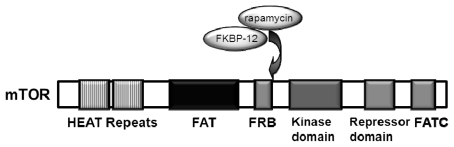
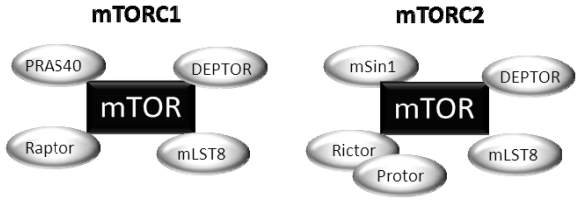
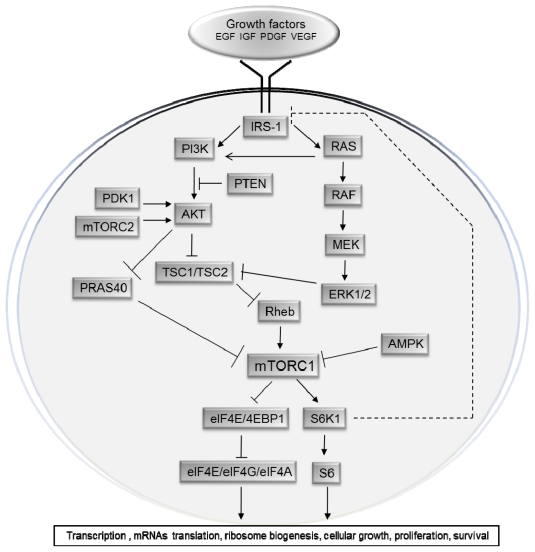
Verification
Claims the paper makes
The claims and statistics of this paper haven’t been checked yet.
Run the check — free, no account needed. It reads the open-access text and checks the sources it cites.
Claims other papers make about this one
Each is checked against this paper’s own text: does it say what the citing paper says it does?
In the citing paper
“Although the mTOR pathway can be activated in the majority of melanomas, mTOR inhibitors have not been proven effective in this clinical setting20–22.”
From Targeting the mTOR pathway uncouples the efficacy and toxicity of PD-1 blockade in renal transplantation (2019) · cites this paper as [20]
Self-check
Percentages, sums and reported differences re-computed from the paper’s own numbers.
The self-check needs the paper’s full text.
Citations
Cites
Hallmarks of Cancer: The Next Generation
Hanahan, D., & Weinberg, R. A. (2011) · Cell · doi:10.1016/j.cell.2011.02.013 · Cited by 66,590
Repertoires of Autophagy in the Pathogenesis of Ocular Diseases
Li, Y., Jiang, Q. L., Cao, G.-F., Yao, J., & Yan, B. (2015) · Cellular Physiology and Biochemistry · doi:10.1159/000373980 · Cited by 16,351
Autophagy in the Pathogenesis of Disease
Levine, B., & Kroemer, G. (2008) · Cell · doi:10.1016/j.cell.2007.12.018 · Cited by 7,069
Autophagy fights disease through cellular self-digestion
Mizushima, N., Levine, B., Cuervo, A. M., & Klionsky, D. J. (2008) · Nature · doi:10.1038/nature06639 · Cited by 6,452
Phosphorylation and regulation of Akt/PKB by the rictor-mTOR complex
Sarbassov, D. D., Guertin, D. A., Ali, S. M., & Sabatini, D. M. (2005) · Science · doi:10.1126/science.1106148 · Cited by 6,216
The phosphatidylinositol 3-Kinase–AKT pathway in human cancer
Vivanco, I., & Sawyers, C. L. (2002) · Nature reviews. Cancer · doi:10.1038/nrc839 · Cited by 6,155
TOR signaling in growth and metabolism
Wullschleger, S., Loewith, R., & Hall, M. N. (2006) · Cell · doi:10.1016/j.cell.2006.01.016 · Cited by 5,787
Li, J., Yen, C., Liaw, D., Podsypanina, K., Bose, S., Wang, S. I., Puc, J., Miliaresis, C., Rodgers, L., McCombie, R., et al. (1997) · Science · doi:10.1126/science.275.5308.1943 · Cited by 4,785
Autophagy and Viruses: Adversaries or Allies?
Dong, X., & Levine, B. (2013) · Journal of Innate Immunity · doi:10.1159/000346388 · Cited by 4,444
Upstream and downstream of mTOR
Hay, N., & Sonenberg, N. (2004) · Genes & Development · doi:10.1101/gad.1212704 · Cited by 4,181
TSC2 Mediates Cellular Energy Response to Control Cell Growth and Survival
Inoki, K., Zhu, T., & Guan, K.-L. (2003) · Cell · doi:10.1016/s0092-8674(03)00929-2 · Cited by 3,914
AMPK Phosphorylation of Raptor Mediates a Metabolic Checkpoint
Gwinn, D. M., Shackelford, D. B., Egan, D. F., Mihaylova, M. M., Mery, A., Vasquez, D. S., Turk, B. E., & Shaw, R. J. (2008) · Molecular Cell · doi:10.1016/j.molcel.2008.03.003 · Cited by 3,849
Rapamycin fed late in life extends lifespan in genetically heterogeneous mice
Harrison, D. E., Strong, R., Sharp, Z. D., Nelson, J. F., Astle, C. M., Flurkey, K., Nadon, N. L., Wilkinson, J. E., Frenkel, K., Carter, C. S., et al. (2009) · Nature · doi:10.1038/nature08221 · Cited by 3,766
Levine, B., & Klionsky, D. J. (2004) · Developmental Cell · doi:10.1016/s1534-5807(04)00099-1 · Cited by 3,728
Watterson, K. R., Bestow, D., Gallagher, J. R., Hamilton, D. L., Ashford, F. B., Meakin, P. J., & Ashford, M. L. J. (2012) · Neurosignals · doi:10.1159/000334144 · Cited by 3,395
The evolution of phosphatidylinositol 3-kinases as regulators of growth and metabolism
Engelman, J. A., Luo, J., & Cantley, L. C. (2006) · Nature Reviews Genetics · doi:10.1038/nrg1879 · Cited by 3,330
TSC2 is phosphorylated and inhibited by Akt and suppresses mTOR signalling
Inoki, K., Li, Y., Zhu, T., Wu, J., & Guan, K.-L. (2002) · Nature Cell Biology · doi:10.1038/ncb839 · Cited by 3,083
Kim, D., Sarbassov, D. D., Ali, S. M., King, J. E., Latek, R. R., Erdjument‐Bromage, H., Tempst, P., & Sabatini, D. M. (2002) · Cell · doi:10.1016/s0092-8674(02)00808-5 · Cited by 3,051
Alessi, D. R., James, S. R., Downes, C. P., Holmes, A. B., Gaffney, P. R. J., Reese, C. B., & Cohen, P. (1997) · Current Biology · doi:10.1016/s0960-9822(06)00122-9 · Cited by 2,874
Defining the role of mTOR in cancer
Guertin, D. A., & Sabatini, D. M. (2007) · Cancer Cell · doi:10.1016/j.ccr.2007.05.008 · Cited by 2,833
Targeting the Raf-MEK-ERK mitogen-activated protein kinase cascade for the treatment of cancer
Roberts, P. J., & Der, C. J. (2007) · Oncogene · doi:10.1038/sj.onc.1210422 · Cited by 2,788
Sarbassov, D. D., Ali, S. M., Kim, D.-H., Guertin, D. A., Latek, R. R., Erdjument-Bromage, H., Tempst, P., & Sabatini, D. M. (2004) · Current Biology · doi:10.1016/j.cub.2004.06.054 · Cited by 2,665
mTOR Inhibition Induces Upstream Receptor Tyrosine Kinase Signaling and Activates Akt
O'Reilly, K. E., Rojo, F., She, Q.-B., Solit, D., Mills, G. B., Smith, D., Lane, H., Hofmann, F., Hicklin, D. J., Ludwig, D. L., et al. (2006) · Cancer Research · doi:10.1158/0008-5472.can-05-2925 · Cited by 2,561
Negative regulation of PKB/Akt-dependent cell survival by the tumor suppressor PTEN
Stambolic, V., Suzuki, A., de la Pompa, J. L., Brothers, G. M., Mirtsos, C., Sasaki, T., Ruland, J., Penninger, J. M., Siderovski, D. P., & Mak, T. W. (1998) · Cell · doi:10.1016/s0092-8674(00)81780-8 · Cited by 2,551
Prolonged Rapamycin Treatment Inhibits mTORC2 Assembly and Akt/PKB
Sarbassov, D. D., Ali, S. M., Sengupta, S., Sheen, J.-H., Hsu, P. P., Bagley, A. F., Markhard, A. L., & Sabatini, D. M. (2006) · Molecular Cell · doi:10.1016/j.molcel.2006.03.029 · Cited by 2,365
Caloric Restriction Delays Disease Onset and Mortality in Rhesus Monkeys
Colman, R. J., Anderson, R. M., Johnson, S. C., Kastman, E. K., Kosmatka, K. J., Beasley, T. M., Allison, D. B., Cruzen, C., Simmons, H. A., Kemnitz, J. W., et al. (2009) · Science · doi:10.1126/science.1173635 · Cited by 2,277
Mammalian TOR complex 2 controls the actin cytoskeleton and is rapamycin insensitive
Jacinto, E., Loewith, R., Schmidt, A., Lin, S., Rüegg, M. A., Hall, A., & Hall, M. N. (2004) · Nature Cell Biology · doi:10.1038/ncb1183 · Cited by 2,097
Liaw, D., Marsh, D. J., Li, J., Dahia, P. L. M., Wang, S. I., Zheng, Z., Bose, S., Call, K. M., Tsou, H. C., Peacoke, M., et al. (1997) · Nature Genetics · doi:10.1038/ng0597-64 · Cited by 2,067
A mammalian protein targeted by G1-arresting rapamycin–receptor complex
Brown, E. J., Albers, M. W., Bum Shin, T., ichikawa, K., Keith, C. T., Lane, W. S., & Schreiber, S. L. (1994) · Nature · doi:10.1038/369756a0 · Cited by 2,053
Ras, PI(3)K and mTOR signalling controls tumour cell growth
Shaw, R. J., & Cantley, L. C. (2006) · Nature · doi:10.1038/nature04869 · Cited by 2,019
Targets for Cell Cycle Arrest by the Immunosuppressant Rapamycin in Yeast
Heitman, J., Movva, N. R., & Hall, M. N. (1991) · Science · doi:10.1126/science.1715094 · Cited by 2,010
Rheb GTPase is a direct target of TSC2 GAP activity and regulates mTOR signaling
Inoki, K., Li, Y., Xu, T., & Guan, K.-L. (2003) · Genes & Development · doi:10.1101/gad.1110003 · Cited by 1,911
Loewith, R., Jacinto, E., Wullschleger, S., Lorberg, A., Crespo, J. L., Bonenfant, D., Oppliger, W., Jenoe, P., & Hall, M. N. (2002) · Molecular Cell · doi:10.1016/s1097-2765(02)00636-6 · Cited by 1,886
Raptor, a Binding Partner of Target of Rapamycin (TOR), Mediates TOR Action
Hara, K., Maruki, Y., Long, X., Yoshino, K.-I., Oshiro, N., Sujuti, H., Tokunaga, C., Avruch, J., & Yonezawa, K. (2002) · Cell · doi:10.1016/s0092-8674(02)00833-4 · Cited by 1,810
Thoreen, C. C., Kang, S. A., Chang, J. W., Liu, Q., Zhang, J., Gao, Y., Reichling, L. J., Sim, T., Sabatini, D. M., & Gray, N. S. (2009) · Journal of Biological Chemistry · doi:10.1074/jbc.m900301200 · Cited by 1,803
Vézina, C., KUDELSKI, A., & Sehgal, S. N. (1975) · The Journal of Antibiotics · doi:10.7164/antibiotics.28.721 · Cited by 1,691
Absence of S6K1 protects against age- and diet-induced obesity while enhancing insulin sensitivity
Um, S. H., Frigerio, F., Watanabe, M., Picard, F., Joaquin, M., Sticker, M., Fumagalli, S., Allegrini, P. R., Kozma, S. C., Auwerx, J., et al. (2004) · Nature · doi:10.1038/nature02866 · Cited by 1,677
Termination of autophagy and reformation of lysosomes regulated by mTOR
Yu, L., McPhee, C. K., Zheng, L., Mardones, G. A., Rong, Y., Peng, J., Mi, N., Zhao, Y., Liu, Z., Wan, F., et al. (2010) · Nature · doi:10.1038/nature09076 · Cited by 1,544
Sabatini, D. M., Erdjument-Bromage, H., Lui, M., Tempst, P., & Snyder, S. H. (1994) · Cell · doi:10.1016/0092-8674(94)90570-3 · Cited by 1,509
Guertin, D. A., Stevens, D. M., Thoreen, C. C., Burds, A. A., Kalaany, N. Y., Moffat, J., Brown, M., Fitzgerald, K. J., & Sabatini, D. M. (2006) · Developmental Cell · doi:10.1016/j.devcel.2006.10.007 · Cited by 1,467
Jacinto, E., Facchinetti, V., Liu, D., Soto, N., Wei, S., Jung, S. Y., Huang, Q., Qin, J., & Su, B. (2006) · Cell · doi:10.1016/j.cell.2006.08.033 · Cited by 1,407
Brugarolas, J., Lei, K., Hurley, R. L., Manning, B. D., Reiling, J. H., Hafen, E., Witters, L. A., Ellisen, L. W., & Kaelin, W. G. (2004) · Genes & Development · doi:10.1101/gad.1256804 · Cited by 1,384
Carracedo, A., Ma, L., Teruya-Feldstein, J., Rojo, F., Salmena, L., Alimonti, A., Egia, A., Sasaki, A. T., Thomas, G., Kozma, S. C., et al. (2008) · Journal of Clinical Investigation · doi:10.1172/jci34739 · Cited by 1,381
Phosphorylation and Functional Inactivation of TSC2 by Erk
Ma, L., Chen, Z., Erdjument-Bromage, H., Tempst, P., & Pandolfi, P. P. (2005) · Cell · doi:10.1016/j.cell.2005.02.031 · Cited by 1,268
Pause, A., Belsham, G. J., Gingras, A., Donzé, O., Lin, T.-A., Lawrence, J. C., & Sonenberg, N. (1994) · Nature · doi:10.1038/371762a0 · Cited by 1,242
PRAS40 is an insulin-regulated inhibitor of the mTORC1 protein kinase
Sancak, Y., Thoreen, C. C., Peterson, T. R., Lindquist, R. A., Kang, S. A., Spooner, E., Carr, S. A., & Sabatini, D. M. (2007) · Molecular Cell · doi:10.1016/j.molcel.2007.03.003 · Cited by 1,236
Insulin signalling to mTOR mediated by the Akt/PKB substrate PRAS40
Haar, E. V., Lee, S.-I., Bandhakavi, S., Griffin, T. J., & Kim, D. (2007) · Nature Cell Biology · doi:10.1038/ncb1547 · Cited by 1,227
Dual Role of Phosphatidylinositol-3,4,5-trisphosphate in the Activation of Protein Kinase B
Stokoe, D., Stephens, L. R., Copeland, T., Gaffney, P. R. J., Reese, C. B., Painter, G. F., Holmes, A. B., McCormick, F. P., & Hawkins, P. T. (1997) · Science · doi:10.1126/science.277.5325.567 · Cited by 1,216
Peterson, T. R., Laplante, M., Thoreen, C. C., Sancak, Y., Kang, S. A., Kuehl, W. M., Gray, N. S., & Sabatini, D. M. (2009) · Cell · doi:10.1016/j.cell.2009.03.046 · Cited by 1,202
Hudson, C. C., Liu, M., Chiang, G. G., Otterness, D. M., Loomis, D. C., Kaper, F., Giaccia, A. J., & Abraham, R. T. (2002) · Molecular and Cellular Biology · doi:10.1128/mcb.22.20.7004-7014.2002 · Cited by 1,186
The TSC1-2 tumor suppressor controls insulin–PI3K signaling via regulation of IRS proteins
Harrington, L. S., Findlay, G. M., Gray, A., Толкачева, Т. А., Wigfield, S., Rebholz, H., Barnett, J., Leslie, N. R., Cheng, S., Shepherd, P. R., et al. (2004) · The Journal of Cell Biology · doi:10.1083/jcb.200403069 · Cited by 1,123
Active-Site Inhibitors of mTOR Target Rapamycin-Resistant Outputs of mTORC1 and mTORC2
Feldman, M. E., Apsel, B., Uotila, A., Loewith, R., Knight, Z. A., Ruggero, D., & Shokat, K. M. (2009) · PLoS Biology · doi:10.1371/journal.pbio.1000038 · Cited by 1,108
The LKB1 tumor suppressor negatively regulates mTOR signaling
Shaw, R. J., Bardeesy, N. M., Manning, B. D., Lopez, L. V., Kosmatka, M., DePinho, R. A., & Cantley, L. C. (2004) · Cancer Cell · doi:10.1016/j.ccr.2004.06.007 · Cited by 1,107
Mammalian cell size is controlled by mTOR and its downstream targets S6K1 and 4EBP1/eIF4E
Fingar, D. C., Salama, S., Tsou, C., Harlow, E., & Blenis, J. (2002) · Genes & Development · doi:10.1101/gad.995802 · Cited by 1,093
An integrative genomic and proteomic analysis of pik3ca, pten, and akt mutations in breast cancer.
Stemke-Hale, K., Gonzalez-Angulo, A. M., Lluch, A., Neve, R. M., Kuo, W.-L., Davies, M., Carey, M., Hu, Z., Guan, Y., Sahin, A., et al. (2008) · Cancer Research · doi:10.1158/0008-5472.can-07-6854 · Cited by 1,054
Current development of mTOR inhibitors as anticancer agents
Faivre, S. J., Kroemer, G., & Raymond, É. (2006) · Nature Reviews Drug Discovery · doi:10.1038/nrd2062 · Cited by 1,012
Rheb Binds and Regulates the mTOR Kinase
Long, X., Lin, Y., Ortiz-Vega, S., Yonezawa, K., & Avruch, J. (2005) · Current Biology · doi:10.1016/j.cub.2005.02.053 · Cited by 1,005
Kim, D., Sarbassov, D. D., Ali, S. M., Latek, R. R., Guntur, K., Erdjument‐Bromage, H., Tempst, P., & Sabatini, D. M. (2003) · Molecular Cell · doi:10.1016/s1097-2765(03)00114-x · Cited by 992
Dysregulation of the TSC-mTOR pathway in human disease
Inoki, K., Corradetti, M. N., & Guan, K. (2004) · Nature Genetics · doi:10.1038/ng1494 · Cited by 980
Enhanced sensitivity of PTEN-deficient tumors to inhibition of FRAP/mTOR
Neshat, M. S., Mellinghoff, I. K., Tran, C., Stiles, B. L., THOMAS, G. V., Petersen, R., Frost, P., Gibbons, J. J., Wu, H., & Sawyers, C. L. (2001) · Proceedings of the National Academy of Sciences · doi:10.1073/pnas.171076798 · Cited by 971
The Biology and Clinical Relevance of the PTEN Tumor Suppressor Pathway
Sansal, I., & Sellers, W. R. (2004) · Journal of Clinical Oncology · doi:10.1200/jco.2004.02.141 · Cited by 933
Mutation of the PIK3CA Gene in Ovarian and Breast Cancer
Campbell, I., Russell, S. E., Choong, D. Y. H., Montgomery, K. G., Ciavarella, M. L., Hooi, C. S. F., Cristiano, B. E., Pearson, R. B., & Phillips, W. A. (2004) · Cancer Research · doi:10.1158/0008-5472.can-04-2933 · Cited by 917
Nourse, J. L., Firpo, E. J., Flanagan, W. M., Coats, S., Polyák, K., Lee, M., Massagué, J., Crabtree, G. R., & Roberts, J. M. (1994) · Nature · doi:10.1038/372570a0 · Cited by 889
Isolation of a Protein Target of the FKBP12-Rapamycin Complex in Mammalian Cells
Sabers, C. J., Martin, M. M., Brunn, G. J., Williams, J. M., Dumont, F. J., Wiederrecht, G., & Abraham, R. T. (1995) · Journal of Biological Chemistry · doi:10.1074/jbc.270.2.815 · Cited by 887
Hierarchical phosphorylation of the translation inhibitor 4E-BP1
Gingras, A.-C., Raught, B., Gygi, S. P., Niedzwiecka, A., Miron, M., Burley, S. K., Polakiewicz, R. D., Wyslouch-Cieszynska, A., Aebersold, R., & Sonenberg, N. (2001) · Genes & Development · doi:10.1101/gad.912401 · Cited by 883
Kunz, J., Henríquez, R., Schneider, U., Deuter‐Reinhard, M., Movva, N. R., & Hall, M. N. (1993) · Cell · doi:10.1016/0092-8674(93)90144-f · Cited by 838
Chresta, C. M., Davies, B. R., Hickson, I., Harding, T., Cosulich, S., Critchlow, S. E., Vincent, J. P., Ellston, R., Jones, D., Sini, P., et al. (2010) · Cancer Research · doi:10.1158/0008-5472.can-09-1751 · Cited by 812
Shah, O. J., Wang, Z., & Hunter, T. R. (2004) · Current Biology · doi:10.1016/j.cub.2004.08.026 · Cited by 800
Nobukuni, T., Joaquin, M., Roccio, M., Dann, S. G., Kim, S. Y., Gulati, P., Byfield, M. P., Backer, J., Natt, F., Bos, J. L., et al. (2005) · Proceedings of the National Academy of Sciences · doi:10.1073/pnas.0506925102 · Cited by 775
eIF-4E expression and its role in malignancies and metastases
Benedetti, A. D., & Graff, J. R. (2004) · Oncogene · doi:10.1038/sj.onc.1207545 · Cited by 751
mSin1 Is Necessary for Akt/PKB Phosphorylation, and Its Isoforms Define Three Distinct mTORC2s
Frías, M. A., Thoreen, C. C., Jaffe, J. D., Schroder, W. A., Sculley, T. B., Carr, S. A., & Sabatini, D. M. (2006) · Current Biology · doi:10.1016/j.cub.2006.08.001 · Cited by 690
Nutrient overload, insulin resistance, and ribosomal protein S6 kinase 1, S6K1
Um, S. H., D'Alessio, D., & Thomas, G. (2006) · Cell Metabolism · doi:10.1016/j.cmet.2006.05.003 · Cited by 690
Nojima, H., Tokunaga, C., Eguchi, S., Oshiro, N., Sujuti, H., Yoshino, K., Hara, K., Tanaka, N., Avruch, J., & Yonezawa, K. (2003) · Journal of Biological Chemistry · doi:10.1074/jbc.c200665200 · Cited by 678
The mRNA 5′ cap-binding protein eIF4E and control of cell growth
Sonenberg, N., & Gingras, A. (1998) · Current Opinion in Cell Biology · doi:10.1016/s0955-0674(98)80150-6 · Cited by 673
mTOR·RICTOR Is the Ser473 Kinase for Akt/Protein Kinase B in 3T3-L1 Adipocytes
Hresko, R. C., & Mueckler, M. M. (2005) · Journal of Biological Chemistry · doi:10.1074/jbc.m508361200 · Cited by 642
Heß, G., Herbrecht, R., Romaguera, J. E., Verhoef, G. E. G., Crump, M., Gisselbrecht, C., Laurell, A., Offner, F. C., Strahs, A. L., Berkenblit, A., et al. (2009) · Journal of Clinical Oncology · doi:10.1200/jco.2008.20.7977 · Cited by 641
Human eukaryotic translation initiation factor 4G (eIF4G) recruits Mnk1 to phosphorylate eIF4E
Pyronnet, S., Imataka, H., Gingras, A., Fukunaga, R., Hunter, T., & Sonenberg, N. (1999) · The EMBO Journal · doi:10.1093/emboj/18.1.270 · Cited by 639
IKKβ Suppression of TSC1 Links Inflammation and Tumor Angiogenesis via the mTOR Pathway
Lee, D., Kuo, H.-P., Chen, C., Hsu, J.-M., Chou, C., Wei, Y., Sun, H., Li, L., Ping, B., Huang, W., et al. (2007) · Cell · doi:10.1016/j.cell.2007.05.058 · Cited by 639
Kimball, S. R., & Jefferson, L. S. (2006) · Journal of Nutrition · doi:10.1093/jn/136.1.227s · Cited by 637
mTOR-targeted therapy of cancer with rapamycin derivatives
Vignot, S., Faivre, S. J., de Aguirre, & Raymond, É. (2005) · Annals of Oncology · doi:10.1093/annonc/mdi113 · Cited by 613
Hypoxia-induced energy stress regulates mRNA translation and cell growth
Liu, L., Cash, T. P., Jones, R. G., Keith, B., Thompson, C. B., & Simon, M. C. (2006) · Molecular Cell · doi:10.1016/j.molcel.2006.01.010 · Cited by 607
The NF1 tumor suppressor critically regulates TSC2 and mTOR
Johannessen, C. M., Reczek, E. E., James, M. F., Brems, H., Legius, E., & Cichowski, K. M. (2005) · Proceedings of the National Academy of Sciences · doi:10.1073/pnas.0503224102 · Cited by 605
Hypoxia-inducible factor determines sensitivity to inhibitors of mTOR in kidney cancer
Thomas, G. V., Tran, C., Mellinghoff, I. K., Welsbie, D. S., Chan, E., Fueger, B., Czernin, J., & Sawyers, C. L. (2006) · Nature Medicine · doi:10.1038/nm1337 · Cited by 604
Deregulated Akt3 Activity Promotes Development of Malignant Melanoma
Stahl, J. M., Sharma, A. K., Cheung, M., Zimmerman, M., Cheng, J. Q., Bosenberg, M., KESTER, M. A., Sandirasegarane, L., & Robertson, G. P. (2004) · Cancer Research · doi:10.1158/0008-5472.can-04-1399 · Cited by 595
Cloughesy, T. F., Yoshimoto, K., Nghiemphu, P., Brown, K., Dang, J., Zhu, S., Hsueh, T., Chen, Y., Wang, W., Youngkin, D., et al. (2008) · PLoS Medicine · doi:10.1371/journal.pmed.0050008 · Cited by 593
The translation factor eIF-4E promotes tumor formation and cooperates with c-Myc in lymphomagenesis
Ruggero, D., Montanaro, L., Ma, L., Xu, W. G., Londei, P., Cordon‐Cardo, C., & Pandolfi, P. P. (2004) · Nature Medicine · doi:10.1038/nm1042 · Cited by 592
The TOR signaling cascade regulates gene expression in response to nutrientsPreprint
Cardenas, M. E., Cutler, N. S., Lorenz, M. C., Como, C. J. D., & Heitman, J. (1999) · Genes & Development · doi:10.1101/gad.13.24.3271 · Cited by 580
Identification of a Novel Hypoxia-Inducible Factor 1-Responsive Gene, RTP801 , Involved in Apoptosis
Shoshani, T., Faerman, A., Mett, I., Zelin, E., Tenne, T., Gorodin, S., Moshel, Y., Elbaz, S., Budanov, A., Chajut, A., et al. (2002) · Molecular and Cellular Biology · doi:10.1128/mcb.22.7.2283-2293.2002 · Cited by 546
Mayer, C., Zhao, J., Yuan, X., & Grummt, I. (2004) · Genes & Development · doi:10.1101/gad.285504 · Cited by 544
Targeting the PI3K–AKT–mTOR pathway: progress, pitfalls, and promises
Yap, T. A., Garrett, M. D., Walton, M. I., Raynaud, F., de Bono, J. S., & Workman, P. (2008) · Current Opinion in Pharmacology · doi:10.1016/j.coph.2008.08.004 · Cited by 543
Powers, T., & Walter, P. (1999) · Molecular Biology of the Cell · doi:10.1091/mbc.10.4.987 · Cited by 540
hVps34 Is a Nutrient-regulated Lipid Kinase Required for Activation of p70 S6 Kinase
Byfield, M. P., Murray, J. T., & Backer, J. (2005) · Journal of Biological Chemistry · doi:10.1074/jbc.m507201200 · Cited by 539
Akt activates the mammalian target of rapamycin by regulating cellular ATP level and AMPK activity
Hahn-Windgassen, A., Nogueira, V., Chen, C.-C., Skeen, J. E., Sonenberg, N., & Hay, N. (2005) · Journal of Biological Chemistry · doi:10.1074/jbc.m502876200 · Cited by 539
TOS Motif-Mediated Raptor Binding Regulates 4E-BP1 Multisite Phosphorylation and Function
Schalm, S. S., Fingar, D. C., Sabatini, D. M., & Blenis, J. (2003) · Current Biology · doi:10.1016/s0960-9822(03)00329-4 · Cited by 528
Hardwick, J. S., Kuruvilla, F. G., Tong, J. K., Shamji, A. F., & Schreiber, S. L. (1999) · Proceedings of the National Academy of Sciences · doi:10.1073/pnas.96.26.14866 · Cited by 523
PIK-Related Kinases: DNA Repair, Recombination, and Cell Cycle Checkpoints
Keith, C. T., & Schreiber, S. L. (1995) · Science · doi:10.1126/science.270.5233.50 · Cited by 521
The TSC1-TSC2 Complex Is Required for Proper Activation of mTOR Complex 2
Huang, J., Dibble, C. C., Matsuzaki, M., & Manning, B. D. (2008) · Molecular and Cellular Biology · doi:10.1128/mcb.00289-08 · Cited by 520
Peterson, R., Desai, B. N., Hardwick, J. S., & Schreiber, S. (1999) · Proceedings of the National Academy of Sciences of the United States of America · doi:10.1073/pnas.96.8.4438 · Cited by 496
The expanding TOR signaling network
Martin, D. E., & Hall, M. N. (2005) · Current Opinion in Cell Biology · doi:10.1016/j.ceb.2005.02.008 · Cited by 496
Identification of a Conserved Motif Required for mTOR Signaling
Schalm, S. S., & Blenis, J. (2002) · Current Biology · doi:10.1016/s0960-9822(02)00762-5 · Cited by 490
Hannan, K. M., Brandenburger, Y., Jenkins, A., Sharkey, K., Cavanaugh, A. H., Rothblum, L. I., Moss, T., Poortinga, G., McArthur, G. A., Pearson, R. B., et al. (2003) · Molecular and Cellular Biology · doi:10.1128/mcb.23.23.8862-8877.2003 · Cited by 489
Rheb fills a GAP between TSC and TOR
Manning, B. (2003) · Trends in Biochemical Sciences · doi:10.1016/j.tibs.2003.09.003 · Cited by 483
PTEN signaling pathways in melanoma
Wu, H., Goel, V., & Haluska, F. G. (2003) · Oncogene · doi:10.1038/sj.onc.1206451 · Cited by 478
Kim, J. E., & Chen, J. (2004) · Diabetes · doi:10.2337/diabetes.53.11.2748 · Cited by 478
Genetic Interaction Between NRAS and BRAF Mutations and PTEN/MMAC1 Inactivation in Melanoma
Tsao, H., Yang, G., Goel, V., Wu, H., & Haluska, F. G. (2004) · Journal of Investigative Dermatology · doi:10.1046/j.0022-202x.2004.22243.x · Cited by 476
Yokogami, K., Wakisaka, S., Avruch, J., & Reeves, S. A. (2000) · Current Biology · doi:10.1016/s0960-9822(99)00268-7 · Cited by 474
Ku-0063794 is a specific inhibitor of the mammalian target of rapamycin (mTOR)
García‐Martínez, J. M., Moran, J., Clarke, R. G., Gray, A., Cosulich, S. C., Chresta, C. M., & Alessi, D. R. (2009) · Biochemical Journal · doi:10.1042/bj20090489 · Cited by 473
Easton, J. B., & Houghton, P. J. (2006) · Oncogene · doi:10.1038/sj.onc.1209886 · Cited by 468
Tremblay, F., Brûlé, S., Hee Um, S., Li, Y., Masuda, K., Roden, M., Sun, X. J., Krebs, M., Polakiewicz, R. D., Thomas, G., et al. (2007) · Proceedings of the National Academy of Sciences · doi:10.1073/pnas.0706517104 · Cited by 465
Identification of Protor as a novel Rictor-binding component of mTOR complex-2
Pearce, L. R., Huang, X., Boudeau, J., Pawłowski, R., Wullschleger, S., Deák, M., Ibrahim, A. F. M., Gourlay, R., Magnuson, M. A., & Alessi, D. R. (2007) · Biochemical Journal · doi:10.1042/bj20070540 · Cited by 462
Rapamycin and mTOR kinase inhibitors
Ballou, L. M., & Lin, R. Z. (2008) · Journal of Chemical Biology · doi:10.1007/s12154-008-0003-5 · Cited by 458
Regulation of mTOR and Cell Growth in Response to Energy Stress by REDD1
Sofer, A., Lei, K., Johannessen, C. M., & Ellisen, L. W. (2005) · Molecular and Cellular Biology · doi:10.1128/mcb.25.14.5834-5845.2005 · Cited by 449
Pathological angiogenesis is induced by sustained Akt signaling and inhibited by rapamycin
Phung, T. L., Ziv, K., Dabydeen, D. A., Eyiah-Mensah, G., Riveros, M., Perruzzi, C. A., Sun, J., Monahan-Earley, R. A., Shiojima, I., Nagy, J. A., et al. (2006) · Cancer Cell · doi:10.1016/j.ccr.2006.07.003 · Cited by 447
Targeting mTOR signaling for cancer therapy
Huang, S. (2003) · Current Opinion in Pharmacology · doi:10.1016/s1471-4892(03)00071-7 · Cited by 441
Genetic and biochemical characterization of dTOR, the Drosophila homolog of the target of rapamycinPreprint
Oldham, S., Montagne, J., Radimerski, T., Thomas, G., & Hafen, E. (2000) · Genes & Development · doi:10.1101/gad.845700 · Cited by 430
Yu, K., Toral‐Barza, L., Discafani, C. M., Zhang, W. G., Skotnicki, J. S., Frost, P., & Gibbons, J. J. (2001) · Endocrine Related Cancer · doi:10.1677/erc.0.0080249 · Cited by 420
Peng, T., Golub, T. R., & Sabatini, D. M. (2002) · Molecular and Cellular Biology · doi:10.1128/mcb.22.15.5575-5584.2002 · Cited by 404
Özeş, O. N., Akça, H., Mayo, L. D., Gustin, J. A., Maehama, T., Dixon, J. E., & Donner, D. B. (2001) · Proceedings of the National Academy of Sciences · doi:10.1073/pnas.051042298 · Cited by 386
Identification of a Proline-rich Akt Substrate as a 14-3-3 Binding Partner
Kovacina, K. S., Park, G. Y., Bae, S. S., Guzzetta, A. W., Schaefer, E., Birnbaum, M. J., & Roth, R. A. (2003) · Journal of Biological Chemistry · doi:10.1074/jbc.m210837200 · Cited by 374
HER-2/neu Blocks Tumor Necrosis Factor-induced Apoptosis via the Akt/NF-κB Pathway
Zhou, B. P., Hu, M. C. ‐., Miller, S. A., Yu, Z., Xia, W., Lin, S., & Hung, M. (2000) · Journal of Biological Chemistry · doi:10.1074/jbc.275.11.8027 · Cited by 371
Mechanism of action of the immunosuppressant rapamycin
Dumont, F. J., & Su, Q. (1995) · Life Sciences · doi:10.1016/0024-3205(95)02233-3 · Cited by 356
Activity of rapamycin (AY-22,989) against transplanted tumors.
Eng, C. P., Sehgal, S. N., & Vézina, C. (1984) · The Journal of Antibiotics · doi:10.7164/antibiotics.37.1231 · Cited by 354
Pharmacologic Characterization of a Potent Inhibitor of Class I Phosphatidylinositide 3-Kinases
Raynaud, F. I., Eccles, S. A., Clarke, P. A., Hayes, A., Nutley, B. P., Alix, S., Henley, A. T., Di-Stefano, F., Ahmad, Z., Guillard, S., et al. (2007) · Cancer Research · doi:10.1158/0008-5472.can-06-4615 · Cited by 354
Prognostic relevance of the mTOR pathway in renal cell carcinoma
Pantuck, A. J., Seligson, D. B., Klatte, T., Yu, H., Leppert, J. T., Moore, L., O’Toole, T. E., Gibbons, J., Belldegrun, A. S., & Figlin, R. A. (2007) · Cancer · doi:10.1002/cncr.22677 · Cited by 351
M-CSF, TNFα and RANK ligand promote osteoclast survival by signaling through mTOR/S6 kinase
Glantschnig, H., Fisher, J. E., Wesolowski, G., Rodan, G. A., & Reszka, A. A. (2003) · Cell Death & Differentiation · doi:10.1038/sj.cdd.4401285 · Cited by 350
Oza, A. M., Elit, L. M., Tsao, M., Kamel‐Reid, S., Biagi, J. J., Provencher, D. M., Gotlieb, W. H., Hoskins, P. J., Ghatage, P., Tonkin, K. S., et al. (2011) · Journal of Clinical Oncology · doi:10.1200/jco.2010.34.1578 · Cited by 344
Yu, K., Toral‐Barza, L., Shi, C., Zhang, W., Lucas, J., Shor, B., Kim, J., Verheijen, J. C., Curran, K. J., Malwitz, D. J., et al. (2009) · Cancer Research · doi:10.1158/0008-5472.can-09-0299 · Cited by 344
Tuberous Sclerosis: from Tubers to mTOR
Kwiatkowski, D. J. (2003) · Annals of Human Genetics · doi:10.1046/j.1469-1809.2003.00012.x · Cited by 340
Rapamycin derivatives reduce mTORC2 signaling and inhibit AKT activation in AML
Zeng, Z., Sarbassov, D. D., Samudio, I. J., Yee, K. W. L., Munsell, M. F., Jackson, C. E., Giles, F. J., Sabatini, D. M., Andreeff, M., & Konopleva, M. Y. (2006) · Blood · doi:10.1182/blood-2006-06-030833 · Cited by 339
Dai, D. L., Martinka, M., & Li, G. (2005) · Journal of Clinical Oncology · doi:10.1200/jco.2005.07.168 · Cited by 328
mTOR, translational control and human disease
Tee, A. R., & Blenis, J. (2005) · Seminars in Cell and Developmental Biology · doi:10.1016/j.semcdb.2004.11.005 · Cited by 325
Mondesire, W. H., Jian, W., Zhang, H., Ensor, J., Hung, M., Mills, G. B., & Meric‐Bernstam, F. (2004) · Clinical Cancer Research · doi:10.1158/1078-0432.ccr-04-0361 · Cited by 319
Antiangiogenic Potential of the Mammalian Target of Rapamycin Inhibitor Temsirolimus
Bufalo, D. D., Ciuffreda, L., Trisciuoglio, D., Desideri, M., Cognetti, F., Zupi, G., & Milella, M. (2006) · Cancer Research · doi:10.1158/0008-5472.can-05-2825 · Cited by 318
Bärlund, M., Forozan, F., Kononen, J., Bubendorf, L., Chen, Y.-D., Bittner, M. L., Torhorst, J., Haas, P., Bucher, C., Sauter, G., et al. (2000) · Journal of the National Cancer Institute · doi:10.1093/jnci/92.15.1252 · Cited by 305
Renewing the conspiracy theory debate: does Raf function alone to mediate Ras oncogenesis?
Repasky, G. A., Chenette, E. J., & Der, C. J. (2004) · Trends in Cell Biology · doi:10.1016/j.tcb.2004.09.014 · Cited by 299
A phase II trial of the oral mTOR inhibitor everolimus in relapsed aggressive lymphoma
Witzig, T. E., Reeder, C. B., LaPlant, B. R., Gupta, M., Johnston, P. B., Micallef, I. N., Porrata, L. F., Ansell, S. M., Colgan, J. P., Jacobsen, E. D., et al. (2010) · Leukemia · doi:10.1038/leu.2010.226 · Cited by 297
Oral mTOR inhibitor everolimus in patients with gemcitabine-refractory metastatic pancreatic cancer
Wolpin, B. M., Hezel, A. F., Abrams, T., Blaszkowsky, L. S., Meyerhardt, J. A., Chan, J. A., Enzinger, P. C., Allen, B., Clark, J. W., Ryan, D. P., et al. (2009) · Journal of Clinical Oncology · doi:10.1200/jco.2008.18.9514 · Cited by 297
Determinants of Rapamycin Sensitivity in Breast Cancer Cells
Noh, W.-C., Mondesire, W. H., Peng, J., Jian, W., Zhang, H., Dong, J., Mills, G. B., Hung, M., & Meric‐Bernstam, F. (2004) · Clinical Cancer Research · doi:10.1158/1078-0432.ccr-03-0043 · Cited by 282
4E-Binding Protein 1: A Key Molecular “Funnel Factor” in Human Cancer with Clinical Implications
Armengol, G., Rojo, F., Castellví, J., Iglesias, C., Cuatrecasas, M., Pons, B., Baselga, J. M., & y Cajal, S. R. (2007) · Cancer Research · doi:10.1158/0008-5472.can-07-0881 · Cited by 279
Inhibitors of mTOR reverse doxorubicin resistance conferred by PTEN status in prostate cancer cells.
Grünwald, V., deGraffenried, L. A., Russel, D., Friedrichs, W. E., Ray, R. B., & Hidalgo, M. M. (2002) · PubMed · Cited by 274
Friedegund, M. (2005) · Frontiers in bioscience · doi:10.2741/1755 · Cited by 271
A novel AKT3 mutation in melanoma tumours and cell lines
Davies, M. A., Stemke‐Hale, K., Tellez, C. S., Calderone, T. L., Deng, W., Prieto, V. G., Lazar, A. J., Gershenwald, J. E., & Mills, G. B. (2008) · British Journal of Cancer · doi:10.1038/sj.bjc.6604637 · Cited by 268
Redpath, N. T., Foulstone, E. J., & Proud, C. G. (1996) · The EMBO Journal · doi:10.1002/j.1460-2075.1996.tb00582.x · Cited by 265
The IκB kinase – a bridge between inflammation and cancer
Karin, M. (2008) · Cell Research · doi:10.1038/cr.2008.30 · Cited by 262
Geoerger, B., Kerr, K., Tang, C. B., Fung, K., Powell, B., Sutton, L. N., Phillips∥, P. C., & Janss, A. J. (2001) · PubMed · Cited by 261
Ellard, S. L., Clemons, M. J., Gelmon, K. A., Norris, B. D., Kennecke, H. F., Chia, S., Pritchard, K. I., Eisen, A. F., Vandenberg, T. A., Taylor, M., et al. (2009) · Journal of Clinical Oncology · doi:10.1200/jco.2008.21.3033 · Cited by 259
Dhawan, P., Singh, A. B., Ellis, D. L., & Richmond, A. J. (2002) · PubMed · Cited by 255
Liu, T.-J., Koul, D., LaFortune, T. A., Tiao, N., Shen, R., Maira, S.-M., Garcia-Echevrria, C., & Yung, W. K. A. (2009) · Molecular Cancer Therapeutics · doi:10.1158/1535-7163.mct-09-0160 · Cited by 254
Dennis, P. B., Pullen, N., Kozma, S. C., & Thomas, G. (1996) · Molecular and Cellular Biology · doi:10.1128/mcb.16.11.6242 · Cited by 253
Jastrzebski, K., Hannan, K. M., Tchoubrieva, E. B., Hannan, R. D., & Pearson, R. B. (2007) · Growth Factors · doi:10.1080/08977190701779101 · Cited by 240
Phase 2 trial of erlotinib plus sirolimus in adults with recurrent glioblastoma
Reardon, D. A., Desjardins, A., Vredenburgh, J. J., Gururangan, S., Friedman, A. H., Herndon, J. E., Marcello, J. E., Norfleet, J. A., McLendon, R. E., Sampson, J. H., et al. (2009) · Journal of Neuro-Oncology · doi:10.1007/s11060-009-9950-0 · Cited by 235
Relative reciprocity of NRAS and PTEN/MMAC1 alterations in cutaneous melanoma cell lines.
Tsao, H., Zhang, X., Fowlkes, K., & Haluska, F. G. (2000) · PubMed · Cited by 234
Tamgüney, T., & Stokoe, D. (2007) · Journal of Cell Science · doi:10.1242/jcs.015230 · Cited by 230
New Strategies in Estrogen Receptor–Positive Breast Cancer
Johnston, S. R. D. (2010) · Clinical Cancer Research · doi:10.1158/1078-0432.ccr-09-1823 · Cited by 230
Venkatesan, A. M., Dehnhardt, C. M., Santos, E. D., Chen, Z., dos Santos, O., Ayral‐Kaloustian, S., Khafizova, G., Brooijmans, N., Mallon, R. G., Hollander, I. J., et al. (2010) · Journal of Medicinal Chemistry · doi:10.1021/jm901830p · Cited by 228
The mTOR pathway is associated with the poor prognosis of human hepatocellular carcinoma
Zhou, L., Huang, Y., Li, J., & Wang, Z. (2009) · Medical Oncology · doi:10.1007/s12032-009-9201-4 · Cited by 225
Rizzieri, D. A., Feldman, E. J., DiPersio, J. F., Gabrail, N. Y., Stock, W., STRAIR, R. K., Rivera, V. M., Albitar, M. X., Bedrosian, C. L., & Giles, F. J. (2008) · Clinical Cancer Research · doi:10.1158/1078-0432.ccr-07-1372 · Cited by 224
Single amino-acid changes that confer constitutive activation of mTOR are discovered in human cancer
Sato, T., Nakashima, A., Guo, L., Coffman, K., & Tamanoi, F. (2010) · Oncogene · doi:10.1038/onc.2010.28 · Cited by 223
A Phase II trial of the oral mTOR inhibitor everolimus in relapsed Hodgkin lymphoma
Johnston, P. B., Inwards, D. J., Colgan, J. P., LaPlant, B. R., Kabat, B., Habermann, T. M., Micallef, I. N., Porrata, L. F., Ansell, S. M., Reeder, C. B., et al. (2010) · American Journal of Hematology · doi:10.1002/ajh.21664 · Cited by 219
The RSK factors of activating the Ras/MAPK signaling cascade
Carriere, A. (2008) · Frontiers in bioscience · doi:10.2741/3003 · Cited by 218
Insulin-stimulated phosphorylation of lipin mediated by the mammalian target of rapamycin
Huffman, T. A., Mothe‐Satney, I., & Lawrence, J. C. (2002) · Proceedings of the National Academy of Sciences · doi:10.1073/pnas.022634399 · Cited by 217
The amino acid sensitive TOR pathway from yeast to mammals
Dann, S. G., & Thomas, G. (2006) · FEBS Letters · doi:10.1016/j.febslet.2006.04.068 · Cited by 216
Ballif, B. A., Roux, P. P., Gerber, S. A., MacKeigan, J. P., Blenis, J., & Gygi, S. P. (2005) · Proceedings of the National Academy of Sciences · doi:10.1073/pnas.0409143102 · Cited by 211
Manning, B. D., & Cantley, L. C. (2003) · Biochemical Society Transactions · doi:10.1042/bst0310573 · Cited by 211
Morrow, P. K., Wulf, G. M., Ensor, J., Booser, D. J., Moore, J. A., Flores, P. R., Xiong, Y., Zhang, S., Krop, I. E., Winer, E. P., et al. (2011) · Journal of Clinical Oncology · doi:10.1200/jco.2010.32.2321 · Cited by 209
Grewe, M., Gansauge, F., Schmid, R. M., Adler, G., & Seufferlein, T. T. W. (1999) · PubMed · Cited by 209
Integrin (α6β4) regulation of eIF-4E activity and VEGF translation
Chung, J., Bachelder, R. E., Lipscomb, E. A., Shaw, L. M., & Mercurio, A. M. (2002) · The Journal of Cell Biology · doi:10.1083/jcb.200112015 · Cited by 207
Akt3 and Mutant V600EB-Raf Cooperate to Promote Early Melanoma Development
Cheung, M., Sharma, A. K., Madhunapantula, S. V., & Robertson, G. P. (2008) · Cancer Research · doi:10.1158/0008-5472.can-07-5867 · Cited by 206
Scheper, G. C., MORRICE, N. A., Kleijn, M., & Proud, C. G. (2001) · Molecular and Cellular Biology · doi:10.1128/mcb.21.3.743-754.2001 · Cited by 202
Therapeutic targets: MTOR and related pathways
Dancey, J. E. (2006) · Cancer Biology & Therapy · doi:10.4161/cbt.5.9.3175 · Cited by 195
Localization of Rheb to the endomembrane is critical for its signaling function
Buerger, C., DeVries, B., & Stambolic, V. (2006) · Biochemical and Biophysical Research Communications · doi:10.1016/j.bbrc.2006.03.220 · Cited by 192
Temsirolimus, an Inhibitor of Mammalian Target of Rapamycin
Rini, B. I. (2008) · Clinical Cancer Research · doi:10.1158/1078-0432.ccr-07-4719 · Cited by 183
Mammalian TOR Controls One of Two Kinase Pathways Acting upon nPKCδ and nPKCε*
Parekh, D., Ziegler, W., Yonezawa, K., Hara, K., & Parker, P. (1999) · Journal of Biological Chemistry · doi:10.1074/jbc.274.49.34758 · Cited by 183
A pilot study of everolimus and gefitinib in the treatment of recurrent glioblastoma (GBM)
Kreisl, T. N., Lassman, A. B., Mischel, P. S., Rosen, N. X., Scher, H. I., Teruya‐Feldstein, J., Shaffer, D. R., Lis, E., & Abrey, L. E. (2008) · Journal of Neuro-Oncology · doi:10.1007/s11060-008-9741-z · Cited by 183
Bjornsti, M., & Houghton, P. J. (2004) · Cancer Cell · doi:10.1016/j.ccr.2004.05.027 · Cited by 180
Seufferlein, T., & Rozengurt, E. (1996) · PubMed · Cited by 170
Steelman, L. S., Navolanic, P. M., Sokolosky, M. L., Taylor, J. R., Lehmann, B. D., Chappell, W. H., Abrams, S. L., Wong, E. W. T., Stadelman, K. M., Terrian, D. M., et al. (2008) · Oncogene · doi:10.1038/onc.2008.49 · Cited by 170
Alterations in VHL as potential biomarkers in renal-cell carcinoma
Gossage, L., & Eisen, T. G. (2010) · Nature Reviews Clinical Oncology · doi:10.1038/nrclinonc.2010.42 · Cited by 168
Patel, P. H., Senico, P., Curiel, R. E., & Motzer, R. J. (2009) · Clinical Genitourinary Cancer · doi:10.3816/cgc.2009.n.004 · Cited by 167
The genome and epigenome of malignant melanoma
Dahl, C., & Guldberg, P. (2007) · Apmis · doi:10.1111/j.1600-0463.2007.apm_855.xml.x · Cited by 165
Basso, A. D., Mirza, A., Liu, G., Long, B. J., Bishop, W. R., & Kirschmeier, P. T. (2005) · Journal of Biological Chemistry · doi:10.1074/jbc.m503763200 · Cited by 162
Molckovsky, A., & Siu, L. L. (2008) · Journal of Hematology & Oncology · doi:10.1186/1756-8722-1-20 · Cited by 161
Ras caught in another affair: the exchange factors for Ral
Wolthuis, R. M. F., & Bos, J. L. (1999) · Current Opinion in Genetics & Development · doi:10.1016/s0959-437x(99)80016-1 · Cited by 156
The Complexes of Mammalian Target of Rapamycin
Zhou, H., & Huang, S. (2010) · Current Protein and Peptide Science · doi:10.2174/138920310791824093 · Cited by 153
Azpiazu, I., Saltiel, A. R., DePaoli-Roach, A. A., & Lawrence, J. C. (1996) · Journal of Biological Chemistry · doi:10.1074/jbc.271.9.5033 · Cited by 152
Lasithiotakis, K. G., Sinnberg, T. W., Schittek, B., Flaherty, K. T., Kulms, D., Maczey, E., Garbe, C., & Meier, F. E. (2008) · Journal of Investigative Dermatology · doi:10.1038/jid.2008.44 · Cited by 152
The PTEN-AKT3 signaling cascade as a therapeutic target in melanoma
Madhunapantula, S. V., & Robertson, G. P. (2009) · Pigment Cell & Melanoma Research · doi:10.1111/j.1755-148x.2009.00585.x · Cited by 148
Elongation Factor-2 Kinase Regulates Autophagy in Human Glioblastoma Cells
Wu, H., Yang, J., Jin, S., Zhang, H., & Hait, W. N. (2006) · Cancer Research · doi:10.1158/0008-5472.can-05-1554 · Cited by 146
RAPAMYCIN, A POTENT IMMUNOSUPPRESSIVE DRUG, CAUSES PROGRAMMED CELL DEATH IN B LYMPHOMA CELLS
Muthukkumar, S., Ramesh, T., & Bondada, S. (1995) · Transplantation · doi:10.1097/00007890-199508000-00010 · Cited by 145
Ma, L., Teruya‐Feldstein, J., Bonner, P., Bernardi, R., Franz, D. N., Witte, D. P., Cordon‐Cardo, C., & Pandolfi, P. P. (2007) · Cancer Research · doi:10.1158/0008-5472.can-06-4798 · Cited by 145
Lim, H.-K., Choi, Y., Park, W., Lee, T., Ryu, S. H., Kim, S. Y., Kim, J.-R., Kim, J.-H., & Baek, S. (2003) · Journal of Biological Chemistry · doi:10.1074/jbc.m303789200 · Cited by 142
Lazar, M. A. (2004) · Biochimie · doi:10.1016/j.biochi.2004.10.021 · Cited by 138
Romano, M. F., Avellino, R., Petrella, A., Bisogni, R., Romano, S., & Venuta, S. (2004) · European Journal of Cancer · doi:10.1016/j.ejca.2004.08.017 · Cited by 138
Dilling, M. B., Dias, P., Shapiro, D. N., et al. (1994) · PubMed · Cited by 136
Genome‐wide lethality screen identifies new PI4,5P2 effectors that regulate the actin cytoskeleton
Audhya, A., Loewith, R., Parsons, A. B., Gao, L., Tabuchi, M., Zhou, H., Boone, C. M., Hall, M. N., & Emr, S. D. (2004) · The EMBO Journal · doi:10.1038/sj.emboj.7600384 · Cited by 136
Huang, S., Liu, L. N., Hosoi, H., Dilling, M. B., Shikata, T., & Houghton, P. J. (2001) · PubMed · Cited by 130
Abdel‐Rahman, M. H., Yang, Y., Zhou, X.-P., Craig, E. L., Davidorf, F. H., & Eng, C. (2005) · Journal of Clinical Oncology · doi:10.1200/jco.2005.02.2418 · Cited by 129
Fadri‐Moskwik, M., Daquinag, A. C., Wang, S., Xue, T., & Kunz, J. (2005) · Molecular Biology of the Cell · doi:10.1091/mbc.e04-07-0564 · Cited by 128
PRAS40 Deregulates Apoptosis in Malignant Melanoma
Madhunapantula, S. V., Sharma, A. K., & Robertson, G. P. (2007) · Cancer Research · doi:10.1158/0008-5472.can-06-4234 · Cited by 124
Deregulated Ras signaling in developmental disorders: new tricks for an old dog
Schubbert, S., Bollag, G. E., & Shannon, K. (2007) · Current Opinion in Genetics & Development · doi:10.1016/j.gde.2006.12.004 · Cited by 117
Cited by
Sorted by citations
Panwar, V., Singh, A., Bhatt, M., Tonk, R. K., Azizov, S., Raza, A. S., Sengupta, S., Kumar, D., & Garg, M. (2023) · Signal Transduction and Targeted Therapy · doi:10.1038/s41392-023-01608-z · Cited by 967
The Roles of Autophagy in Cancer
Yun, C. W., & Lee, S. H. (2018) · International Journal of Molecular Sciences · doi:10.3390/ijms19113466 · Cited by 965
Signaling pathways in cancer-associated fibroblasts and targeted therapy for cancer
Wu, F., Yang, J., Liu, J., Wang, Y., Mu, J., Zeng, Q., Deng, S., & Zhou, H. (2021) · Signal Transduction and Targeted Therapy · doi:10.1038/s41392-021-00641-0 · Cited by 773
Rapalogs and mTOR inhibitors as anti-aging therapeutics
Lamming, D. W., Ye, L., Sabatini, D. M., & Baur, J. A. (2013) · Journal of Clinical Investigation · doi:10.1172/jci64099 · Cited by 531
Dysregulation of the IGF‐I/PI3K/AKT/mTOR signaling pathway in autism spectrum disorders
Chen, J., Alberts, I., & Li, X. (2014) · International Journal of Developmental Neuroscience · doi:10.1016/j.ijdevneu.2014.03.006 · Cited by 151
Metadata
- Authors
- Pópulo, H., Lopes, J. M., & Soares, P.
- Affiliations
- Universidade do Porto (PT)
- Corresponding author
- Soares, Paula
- Venue
- International Journal of Molecular Sciences
- Publisher
- MDPI AG
- Published
- 2012-02-10
- Volume
- 13
- Issue
- 2
- Pages
- 1886-1918
- ISSN
- 1422-0067 (ISSN-L)
- PMC
- PMC3291999
- OpenAlex
- W1965766554
- Cited by
- 830
- References
- 239
- Citations by year
- 2026: 12 · 2025: 46 · 2024: 57 · 2023: 65 · 2022: 84 · 2021: 80 · 2020: 65 · 2019: 69 · 2018: 61 · 2017: 72 · 2016: 55 · 2015: 40 · 2014: 44 · 2013: 54 · 2012: 22
- FWCI
- 4.57
- Type
- journal article
- Language
- en
- Open access
- gold
- doi.org
- Licence
- Locations
- International Journal of Molecular Sciences (publishedVersion, cc-by)
- Europe PMC (PubMed Central) (publishedVersion, cc-by)
- PubMed Central (publishedVersion, cc-by)
- PubMed (publishedVersion)
- DOAJ (DOAJ: Directory of Open Access Journals) (submittedVersion, cc-by-sa)
- Funders
- Fundação para a Ciência e a Tecnologia (SFRH/BD/31369/2006)
- Topics
- Life Sciences › Biochemistry, Genetics and Molecular Biology › Molecular Biology › PI3K/AKT/mTOR signaling in cancer
- Life Sciences › Biochemistry, Genetics and Molecular Biology › Molecular Biology › Metabolism, Diabetes, and Cancer
- Health Sciences › Medicine › Genetics (clinical) › Tuberous Sclerosis Complex Research
- Keywords
- mTOR signaling, mTORC1, mTORC2, PI3K/Akt signaling, rapamycin, S6K1, 4E-BP1, mRNA translation, protein kinase C alpha, actin cytoskeleton, PTEN loss, melanoma, mTOR inhibitors, temsirolimus, everolimus, renal cell carcinoma, giant cell astrocytoma, PI3K/mTOR dual inhibitor, cancer therapy
- MeSH terms
- Mechanistic Target of Rapamycin Complex 1, Mechanistic Target of Rapamycin Complex 2, Animals, Humans, Longevity, Melanoma, Neoplasms, Skin Neoplasms, Signal Transduction, Multiprotein Complexes, Growth and Development, TOR Serine-Threonine Kinases
About these checks
Registry, retraction, Cites and statistics results are computed, not judged, with one exception: a printed reference that no index lists is read once by a model before it counts as a citation error. Claims are extracted by a model and kept only when their quote appears verbatim in the text; each cited source is then checked, with a model’s help, for whether it says what the claim relies on. Those verdicts can be wrong — read the claim’s quote and the cited source before relying on one.
Statistics and arithmetic are recomputed, not judged.
Confidence bands are shown only for fields calibrated on our annotated test set. None is calibrated yet, so no band is shown.
What counts as a claim ›How we measure confidence ›How we check this ›
Are you an author, or do you see a problem with this page? Request a review
