

The DOI matches its Crossref record; 240 of the 241 references it cites were found in a registry or an index.
Contributions of DNA Damage to Alzheimer’s Disease
Open accessAbstract
Alzheimer’s disease (AD) is the most common type of neurodegenerative disease. Its typical pathology consists of extracellular amyloid-β (Aβ) plaques and intracellular tau neurofibrillary tangles. Mutations in the APP, PSEN1, and PSEN2 genes increase Aβ production and aggregation, and thus cause early onset or familial AD. Even with this strong genetic evidence, recent studies support AD to result from complex etiological alterations. Among them, aging is the strongest risk factor for the vast majority of AD cases: Sporadic late onset AD (LOAD). Accumulation of DNA damage is a well-established aging factor. In this regard, a large amount of evidence reveals DNA damage as a critical pathological cause of AD. Clinically, DNA damage is accumulated in brains of AD patients. Genetically, defects in DNA damage repair resulted from mutations in the BRAC1 and other DNA damage repair genes occur in AD brain and facilitate the pathogenesis. Abnormalities in DNA damage repair can be used as diagnostic biomarkers for AD. In this review, we discuss the association, the causative potential, and the biomarker values of DNA damage in AD pathogenesis.
Overview
The claims and statistics of this paper haven’t been checked yet.
Run the check — free, no account needed. It reads the open-access text and checks the sources it cites.
Integrity signals
Registry
Cites
Statistics
Figures
Verification
Claims the paper makes
The claims and statistics of this paper haven’t been checked yet.
Run the check — free, no account needed. It reads the open-access text and checks the sources it cites.
Claims other papers make about this one
Each is checked against this paper’s own text: does it say what the citing paper says it does?
The source backs part of the claim, not all of it — or backs it for a different population, condition or comparison.
In the citing paper
“Conversely, 5xFAD-Dp16 also exhibited greatly decreased NES for several gene sets, including DNA repair, Myc targets V1, and oxidative phosphorylation, all of which are linked to cellular damage or stress facilitating the progression of the pathogenesis and contributing to neurodegeneration in AD48,49,50 (Figures 3A and S3A).”
From Interferon signaling modulates Down syndrome-associated Alzheimer’s disease pathology in a mouse model (2025) · cites this paper as [49]
Experimental — accuracy not yet measuredThe source backs part of the claim, not all of it — or backs it for a different population, condition or comparison.
In the citing paper
“Oxidative DNA damage and mitochondrial dysfunction are thought to contribute to the neurodegeneration of AD [75,76], vascular dementia [77], HD [78], PD [79] and epilepsy [80].”
From Rlip76: An Unexplored Player in Neurodegeneration and Alzheimer’s Disease? (2022) · cites this paper as [75]
Experimental — accuracy not yet measured
Self-check
Percentages, sums and reported differences re-computed from the paper’s own numbers.
The self-check needs the paper’s full text.
Citations
Cites
2 retracted
RETRACTED: Human SIRT6 Promotes DNA End Resection Through CtIP Deacetylation
Kaidi, A., Weinert, B. T., Choudhary, C., & Jackson, S. P. (2010) · Science · doi:10.1126/science.1192049 · Cited by 366
RetractedGao, S., Zhang, X., Song, Q., Liu, J., Ji, X., & Wang, P. (2019) · Biomedicine & Pharmacotherapy · doi:10.1016/j.biopha.2019.108833 · Cited by 15
RetractedPRISMA-P Group, Moher, D., Shamseer, L., Clarke, M., Ghersi, D., Liberati, A., Petticrew, M., Shekelle, P., & Stewart, L. A. (2015) · Systematic Reviews · doi:10.1186/2046-4053-4-1 · Cited by 26,223 · cited 1×
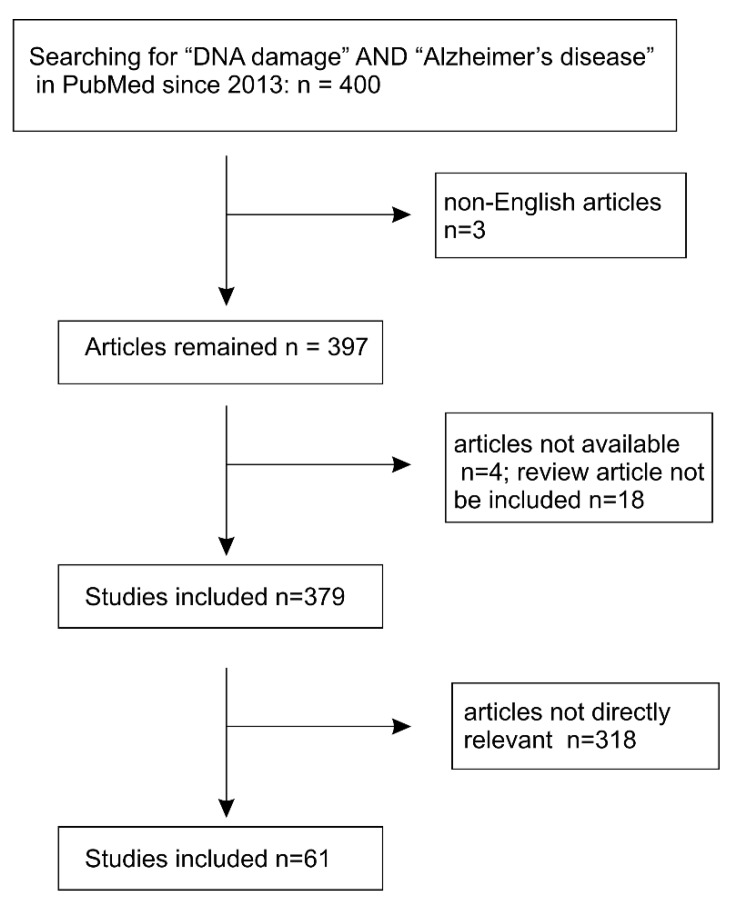
“Data used in this review were extracted from PubMed and selected according to the PRISMA Guidelines [38,39] (Figure 1).”
The Amyloid Hypothesis of Alzheimer’s Disease: Progress and Problems on the Road to Therapeutics
Hardy, J., & Selkoe, D. J. (2002) · Science · doi:10.1126/science.1072994 · Cited by 13,864
Shamseer, L., Moher, D., Clarke, M., Ghersi, D., Liberati, A., Petticrew, M., Shekelle, P., Stewart, L. A., & the PRISMA-P Group (2015) · BMJ · doi:10.1136/bmj.g7647 · Cited by 13,120 · cited 1×
“Data used in this review were extracted from PubMed and selected according to the PRISMA Guidelines [38,39] (Figure 1).”
MethodAmyloid oligomers exacerbate tau pathology in a mouse model of tauopathy
Selenica, M.-L. B., Brownlow, M., Jimenez, J. P., Lee, D. C., Pena, G., Dickey, C. A., Gordon, M. N., & Morgan, D. (2013) · Neurodegenerative Diseases · doi:10.1159/000337230 · Cited by 10,359
Alzheimer's disease: the amyloid cascade hypothesis
Hardy, J. A., & Higgins, G. A. (1992) · Science · doi:10.1126/science.1566067 · Cited by 7,484
The amyloid hypothesis of Alzheimer's disease at 25 years
Selkoe, D. J., & Hardy, J. (2016) · EMBO Molecular Medicine · doi:10.15252/emmm.201606210 · Cited by 6,164
Instability and decay of the primary structure of DNA
Lindahl, T. (1993) · Nature · doi:10.1038/362709a0 · Cited by 5,679
The DNA damage response: putting checkpoints in perspective
Zhou, B.-B. S., & Elledge, S. J. (2000) · Nature · doi:10.1038/35044005 · Cited by 3,213
Cited by
Sorted by citations
Molecular mechanisms of aging and anti-aging strategies
Li, Y., Tian, X., Luo, J., Bao, T., Wang, S., & Wu, X. (2024) · Cell Communication and Signaling · doi:10.1186/s12964-024-01663-1 · Cited by 358
“…breakdown of repair functions, eventually leading to the loss of cell and organ function and promoting the occurrence and development of age-related diseases disease [53], Alzheimer’s disease [54], and cancer [55], suggesting that DNA damage is directly related to the incidence of these diseases.”
BackgroundNeurogenesis in aging and age-related neurodegenerative diseases
Čulig, L., Chu, X., & Bohr, V. A. (2022) · Ageing Research Reviews · doi:10.1016/j.arr.2022.101636 · Cited by 235
Alzheimer’s Disease: Exploring the Landscape of Cognitive Decline
Tenchov, R., Sasso, J. M., & Zhou, Q. A. (2024) · ACS Chemical Neuroscience · doi:10.1021/acschemneuro.4c00339 · Cited by 170
The role of PARP1 in neurodegenerative diseases and aging
Mao, K., & Zhang, G. (2022) · The FEBS Journal · doi:10.1111/febs.15716 · Cited by 172
Redox dysregulation as a driver for DNA damage and its relationship to neurodegenerative diseases
Shadfar, S., Parakh, S., Jamali, M. S., & Atkin, J. D. (2023) · Translational Neurodegeneration · doi:10.1186/s40035-023-00350-4 · Cited by 148
“Several mechanisms have been implicated in the pathogenesis, including both oxidative stress and DNA damage [236, 240].”
BackgroundTeixeira, J. P., de Castro, A. A., Soares, F. V., da Cunha, E. F. F., & Ramalho, T. C. (2019) · Molecules · doi:10.3390/molecules24234410 · Cited by 124
Genomics of Alzheimer’s disease implicates the innate and adaptive immune systems
Li, Y., Laws, S. M., Miles, L. A., Wiley, J. S., Huang, X., Masters, C. L., & Gu, B. J. (2021) · Cellular and Molecular Life Sciences · doi:10.1007/s00018-021-03986-5 · Cited by 94
miR-34a in Neurophysiology and Neuropathology
Chua, C. E. L., & Tang, B. L. (2018) · Journal of Molecular Neuroscience · doi:10.1007/s12031-018-1231-y · Cited by 84
Importance of Bioactive Substances in Sheep’s Milk in Human Health
Flis, Z., & Molik, E. (2021) · International Journal of Molecular Sciences · doi:10.3390/ijms22094364 · Cited by 74
“Accumulation of DNA damage is a well-known factor of aging and, therefore, is believed to be the main cause of Alzheimer’s disease [77].”
BackgroundMyelin in Alzheimer’s disease: culprit or bystander?
Maitre, M., Jeltsch-David, H., Okechukwu, N. G., Klein, C., Patte-Mensah, C., & Mensah-Nyagan, A.-G. (2023) · Acta Neuropathologica Communications · doi:10.1186/s40478-023-01554-5 · Cited by 66
Transposable elements as new players in neurodegenerative diseases
Ravel‐Godreuil, C., Znaidi, R., Bonnifet, T., Joshi, R. L., & Fuchs, J. (2021) · FEBS Letters · doi:10.1002/1873-3468.14205 · Cited by 77
The Complex Mechanisms by Which Neurons Die Following DNA Damage in Neurodegenerative Diseases
Shadfar, S., Brocardo, M. G., & Atkin, J. D. (2022) · International Journal of Molecular Sciences · doi:10.3390/ijms23052484 · Cited by 60
“Several mechanisms are implicated in the pathophysiology of Alzheimer’s disease, including Aβ deposition [152], tau hyperphosphorylation [152], neuroinflammation [150], constriction of brain capillaries [153], Aβ interaction with hippocampal ghrelin/GHSR1α signalling [154], DNA damage [155], disrupted RNA hemostasias…”
BackgroundThe Role of DNA Damage in Neural Plasticity in Physiology and Neurodegeneration
Konopka, A., & Atkin, J. D. (2022) · Frontiers in Cellular Neuroscience · doi:10.3389/fncel.2022.836885 · Cited by 56
Role of primary aging hallmarks in Alzheimer´s disease
Zhao, J., & Huai, J. (2022) · Theranostics · doi:10.7150/thno.79535 · Cited by 55
“may be an important pathological cause of AD, particularly in LOAD cases [21, 31, 32].”
BackgroundChromosome Instability, Aging and Brain Diseases
Iourov, I. Y., Yurov, Y. B., Vorsanova, S. G., & Kutsev, S. I. (2021) · Cells · doi:10.3390/cells10051256 · Cited by 52
“Uncor‐ rected DNA damage, which is able to initiate CIN, is also a biomarker of Alzheimer’s disease [48].”
BackgroundDNA Double-Strand Breaks as Pathogenic Lesions in Neurological Disorders
Provasek, V. E., Mitra, J., Malojirao, V. H., & Hegde, M. L. (2022) · International Journal of Molecular Sciences · doi:10.3390/ijms23094653 · Cited by 54
“Alternatively, these tissues demonstrate decreased expression of RAD51, an HR-associated repair factor [202,203].”
BackgroundZhang, X., Yuan, T., Chen, X., Liu, X., Hu, J., & Liu, Z. (2023) · Progress in Lipid Research · doi:10.1016/j.plipres.2023.101256 · Cited by 51
Malfatti, M. C., Antoniali, G., Codrich, M., & Tell, G. (2021) · DNA repair · doi:10.1016/j.dnarep.2021.103133 · Cited by 44
Poly (ADP-ribose) polymerase 1 and neurodegenerative diseases: past, present, and future
Hu, M.-L., Pan, Y.-R., Yong, Y.-Y., Liu, Y., Yu, L., Qin, D.-L., Qiao, G., Law, B. Y.-K., Wu, J.-M., Zhou, X.-G., et al. (2023) · Ageing Research Reviews · doi:10.1016/j.arr.2023.102078 · Cited by 44
Pereira, T. D. M. C., Côco, L. Z., Ton, A. M. M., Meyrelles, S. S., Campos‐Toimil, M., Campagnaro, B. P., & Vasquez, E. C. (2021) · Antioxidants · doi:10.3390/antiox10111845 · Cited by 47
DNA Damage-Mediated Neurotoxicity in Parkinson’s Disease
Wang, Z., Li, Y., Pu, J., & Zhang, B. (2023) · International Journal of Molecular Sciences · doi:10.3390/ijms24076313 · Cited by 43
Pro-Aging Effects of Xanthine Oxidoreductase Products
Battelli, M. G., Bortolotti, M., Bolognesi, A., & Polito, L. (2020) · Antioxidants · doi:10.3390/antiox9090839 · Cited by 38
“High levels of ROS induce oxidative stress, leading to advanced glycation endproducts (AGE) accumulation [20], insoluble protein aggregation [21], lipid peroxidation [22] and nucleic acid damage [23].”
BackgroundR-loop Mediated DNA Damage and Impaired DNA Repair in Spinal Muscular Atrophy
Cuartas, J., & Gangwani, L. (2022) · Frontiers in Cellular Neuroscience · doi:10.3389/fncel.2022.826608 · Cited by 39
“TC-NER-mediated R-loop processing used to minimize transcriptional stress can create further DNA damage and R-loop accumulation (Lin and Wilson, 2012; Lans et al., 2019; Nakazawa et al., 2020).”
BackgroundcGAS-STING signalling regulates microglial chemotaxis in genome instability
Talbot, E., Joshi, L., Thornton, P., Dezfouli, M., Tsafou, K., Perkinton, M. S., & Khoronenkova, S. V. (2023) · Nucleic Acids Research · doi:10.1093/nar/gkad1184 · Cited by 38
Cellular Senescence in Traumatic Brain Injury: Evidence and Perspectives
Schwab, N., Leung, E., & Hazrati, L. (2021) · Frontiers in Aging Neuroscience · doi:10.3389/fnagi.2021.742632 · Cited by 37
Bartholomew, S. K., Winslow, W., Sharma, R., Pathak, K. V., Tallino, S., Judd, J. M., Leon, H., Turk, J., Pirrotte, P., & Velazquez, R. (2024) · Journal of Neuroinflammation · doi:10.1186/s12974-024-03290-6 · Cited by 28
“Impaired repair of oxidative DNA damage has been linked to the development and progression of AD [107, 108].”
Nuclear dynamics and stress responses in Alzheimer’s disease
Iatrou, A., Clark, E. M., & Wang, Y. (2021) · Molecular Neurodegeneration · doi:10.1186/s13024-021-00489-6 · Cited by 31
“If the damage remains unrepaired, genome instability, cellular senescence, and cell death can subsequently occur [84, 85] .”
BackgroundCardillo, M., Katam, K., & Suravajhala, P. (2025) · Frontiers in Aging Neuroscience · doi:10.3389/fnagi.2025.1591796 · Cited by 32
“Additionally, age-related DNA damage that occurs during the expression of learning-related genes may accelerate the progression of AD (Lin et al., 2020).”
The Potential Roles of Redox Enzymes in Alzheimer’s Disease: Focus on Thioredoxin
Jia, J., Zeng, X., Xu, G., & Wang, Z. (2021) · ASN NEURO · doi:10.1177/1759091421994351 · Cited by 26
Rahman, M. A., Khatun, M. T., Mim, A. K., Khandocar, M. P., Rahman, A., Hasan, M. H., Shimki, A. I., Hossain, M. S., Shoily, M. S. A., Faraque, A., et al. (2025) · Cell Biochemistry and Biophysics · doi:10.1007/s12013-025-01845-9 · Cited by 27
“Impaired DNA repair mechanisms, including mutations in genes like BRCA 1 , contribute to AD progression and may serve as biomarkers [84].”
SIRT6 Through the Brain Evolution, Development, and Aging
García-Venzor, A., & Toiber, D. (2021) · Frontiers in Aging Neuroscience · doi:10.3389/fnagi.2021.747989 · Cited by 28
“DNA methylation is one of the main epigenetic mechanisms that repress the expression of genes at specific developmental stages; it is required at both stages in NPCs and neurons (Costello, 2003; Numata et al., 2012; Lister et al., 2013).”
BackgroundA mitotic CDK5-PP4 phospho-signaling cascade primes 53BP1 for DNA repair in G1
Zheng, X.-F., Acharya, S. S., Choe, K. N., Nikhil, K., Adelmant, G., Satapathy, S. R., Sharma, S., Viccaro, K., Rana, S., Natarajan, A., et al. (2019) · Nature Communications · doi:10.1038/s41467-019-12084-x · Cited by 24
Singh, A., Tiwari, S., & Singh, S. (2024) · Cell Death and Disease · doi:10.1038/s41419-024-06662-1 · Cited by 23
“However, there are several other known factors which are known to contribute in these neurodegenerative mechanisms therefore, the con fl ated investigation is still require to consider the Pirh2 as therapeutic target for the AD management.”
BackgroundCauses and Consequences of Genome Instability in Psychiatric and Neurodegenerative Diseases
Iourov, I. Y., Vorsanova, S. G., Куринная, О. С., Zelenova, M. A., Vasin, K. S., & Yurov, Y. B. (2021) · Molecular Biology · doi:10.1134/s0026893321010155 · Cited by 20
Tian, Z., Huang, K., Yang, W., Chen, Y., Lyv, W., Zhu, B., Yang, X., Ma, P., & Tong, Z. (2024) · Cell Biology and Toxicology · doi:10.1007/s10565-024-09926-w · Cited by 19
“…in AD AD is the most common type of dementia, accounting for about 60–70% of the total number of dementia, and has been the subject of much research since its discovery in the twentieth century due to its insidious onset, long course, poor prognosis, and high burden of care (Lin et al. 2020).”
Yashooa, R. K., Nabi, A. Q., Smail, S. W., Azeez, S. S., Nooh, W. A., Mustafa, S. A., Al-Farha, A. A.-B., Capitanio, N., & Shekha, M. S. (2026) · Frontiers in Neurology · doi:10.3389/fneur.2025.1737468 · Cited by 21
Polyzos, A. A., Cheong, A. W. Y., Yoo, J. H., Blagec, L., Toprani, S. M., Nagel, Z. D., & McMurray, C. T. (2024) · Nature Communications · doi:10.1038/s41467-024-51906-5 · Cited by 19
“Furthermore, DSBs are implicated in age-related neurodegenerative diseases, such as Alzheimer ’ s disease (AD) 32 – 34 , Parkinson disease (PD) 35 – 37 , and Amyotrophic lateral sclerosis (ALS) 38 .”
Poly ADP-ribose signaling is dysregulated in Huntington disease
Maiuri, T., Bazan, C. B., Harding, R., Begeja, N., Kam, T., Byrne, L. M., Rodrigues, F. B., Warner, M. M., Neuman, K., Mansoor, M., et al. (2024) · Proceedings of the National Academy of Sciences · doi:10.1073/pnas.2318098121 · Cited by 21
Premature aging in genetic diseases: what conclusions can be drawn for physiological aging
Milosic, F., Hengstschläger, M., & Osmanagic‐Myers, S. (2024) · Frontiers in Aging · doi:10.3389/fragi.2023.1327833 · Cited by 19
“Similarly, to age-dependent dementias and sporadic late onset Alzheimer ’ s disease (LOAD) (Bouhrara et al., 2018; Lin et al., 2020), CS is characterized by neuronal loss with severe demyelination, however with so far no detectable amyloid-beta accumulation and no hyperphosphorylated tau (Woody et…”
BackgroundXie, J., Cheng, J., Ko, H., & Tang, Y. (2024) · EMBO Molecular Medicine · doi:10.1038/s44321-024-00046-w · Cited by 17
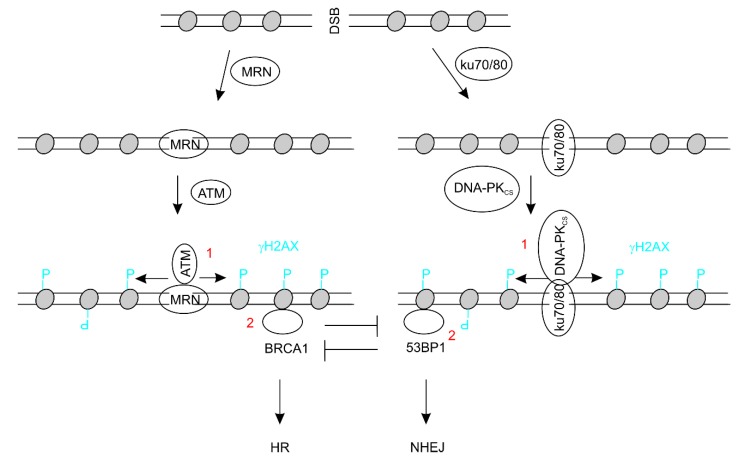
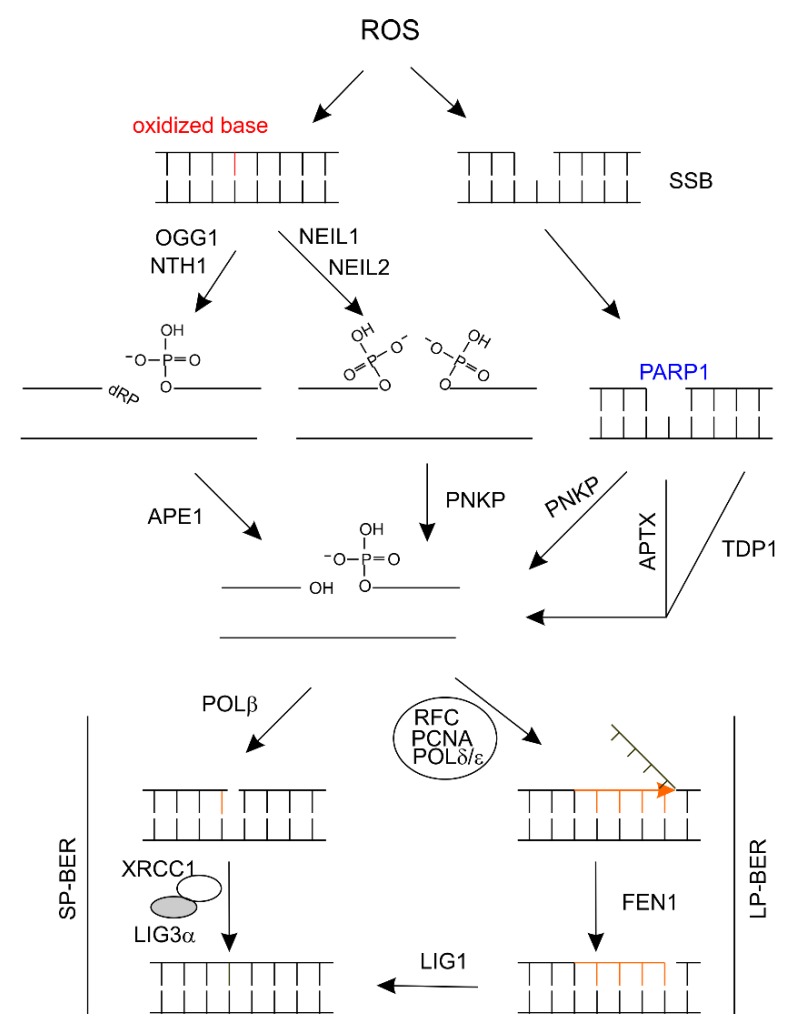
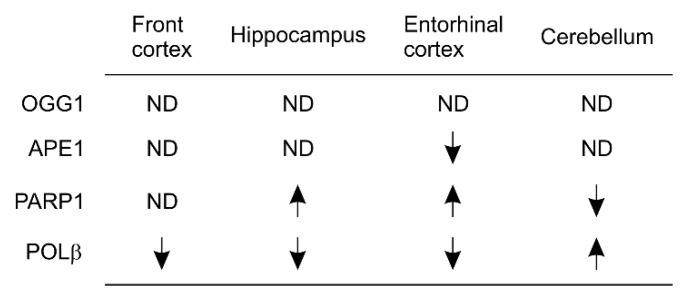
“…(OGG1), Breast cancer gene 1(BRCA1), PARP1, and DNA-PKcs, as representatives for basic excision repair (BER), homologous repair (HR), and non-homologous end joining (NHEJ), respectively, are reported to decrease in AD due to aggravating oxidative stress (Lin et al, 2020; Pao et al, 2020).”
BackgroundSomatic mosaicism in the diseased brain
Iourov, I. Y., Vorsanova, S. G., Куринная, О. С., Kutsev, S. I., & Yurov, Y. B. (2022) · Molecular Cytogenetics · doi:10.1186/s13039-022-00624-y · Cited by 18
“DNA damage in neurons may initiate apoptosis or produce a senescence-like state mediated by chromosome instability [113, 114], which may lead to cell death by another mechanism (e.”
BackgroundGlioblastoma and its treatment are associated with extensive accelerated brain aging
Ainslie, A. P., Klaver, M., Voshart, D. C., Gerrits, E., den Dunnen, W. F. A., Eggen, B. J. L., Bergink, S., & Barazzuol, L. (2024) · Aging Cell · doi:10.1111/acel.14066 · Cited by 17
“DNA damage and reduced expression of DNA damage response proteins have also been implicated in AD (Lin et al., 2020; Sykora et al., 2015 ).”
BackgroundRlip76: An Unexplored Player in Neurodegeneration and Alzheimer’s Disease?
Hindle, A., Singh, S. P., Pradeepkiran, J. A., Bose, C., Vijayan, M., Kshirsagar, S., Sawant, N. A., & Reddy, P. H. (2022) · International Journal of Molecular Sciences · doi:10.3390/ijms23116098 · Cited by 14
“Oxidative DNA damage and mitochondrial dysfunction are thought to contribute to the neurodegeneration of AD [75,76], vascular dementia [77], HD [78], PD [79] and epilepsy [80].”
BackgroundWang, G., Pan, Z., Zhu, X., Yang, R., Yang, R., Yang, T., Hu, D., Jing, A., & Liang, G. (2023) · Engineered Regeneration · doi:10.1016/j.engreg.2023.04.007 · Cited by 14
Emerging Technologies for Genome-Wide Profiling of DNA Breakage
Rybin, M. J., Ramic, M., Ricciardi, N. R., Kapranov, P., Wahlestedt, C., & Zeier, Z. R. (2021) · Frontiers in Genetics · doi:10.3389/fgene.2020.610386 · Cited by 14
Ranganathan, R., Sapozhnikov, G., Wang, N., Li, S., & Song, Y. (2023) · Translational Medicine of Aging · doi:10.1016/j.tma.2023.06.004 · Cited by 14
DNA Damage and Chromatin Rearrangement Work Together to Promote Neurodegeneration
Sharma, H., Koirala, S., Chew, Y. L., & Konopka, A. (2024) · Molecular Neurobiology · doi:10.1007/s12035-024-04331-0 · Cited by 14
“β-Amyloid precursor protein (APP) initiates the formation of extracellular amyloid-β (Aβ) in AD [61].”
BackgroundПричины и последствия геномной нестабильности при психических и нейродегенеративных заболеваниях
Yurov, Y. B., Vorsanova, S. G., Куринная, О. С., Zelenova, M. A., Vasin, K. S., & Yurov, Y. B. (2020) · Molecular Biology · doi:10.31857/s0026898421010158 · Cited by 14
Oxidative Stress in the Pathogenesis of Neurodegenerative Diseases
Jurcău, M. C., Jurcău, A., & Diaconu, R.-G. (2024) · Stresses · doi:10.3390/stresses4040055 · Cited by 19
“The hyperphosphorylated state of tau protein also interferes with the ability of tau to bind to chromatin and protect the genome from oxidative damage, thus enhancing the oxidative damage of DNA [105].”
Welty, S., Thathiah, A., & Levine, A. S. (2022) · Journal of Alzheimer s Disease · doi:10.3233/jad-220030 · Cited by 13
“Inefficient and unfaithful DNA repair can lead to cell cycle arrest, accumulation of detrimental mutations, innate immune system activation, and cell death (reviewed in [23]).”
Exercise May Affect Metabolism in Cancer-Related Cognitive Impairment
Shahid, M., & Kim, J. (2020) · Metabolites · doi:10.3390/metabo10090377 · Cited by 14
“The association of DNA damage with aging is well-studied [33].”
BackgroundHalder, D., Das, S., Jeyaprakash, R. S., & Joseph, A. (2022) · Journal of Biomolecular Structure and Dynamics · doi:10.1080/07391102.2022.2158136 · Cited by 11
“Quercetin and hesperetin were discovered to upregulate the activity of Akt in preclinical research, resulting in neuronal survival (Khan et al., 2019; Lin et al., 2020).”
BackgroundA Review of PARP-1 Inhibitors: Assessing Emerging Prospects and Tailoring Therapeutic Strategies
Ramesh, S., Almeida, S. D., Hammigi, S., Radhakrishna, G. K., Sireesha, G., Theivendren, P., Vellingiri, S., Kunjiappan, S., Ammunje, D. N., & Pavadai, P. (2023) · Drug Research · doi:10.1055/a-2181-0813 · Cited by 12
“In AD, PARP-1 and SIRT1 contend with one another for a limited supply of NAD + [99–101].”
BackgroundBohr, V. A., Park, J. H., Sahbaz, B. D., Pekhale, K., Chu, X., Okur, M. N., Grati, M., Isgrig, K. T., Chien, W. W., Chrysostomou, E., et al. (2024) · doi:10.59368/agingbio.20240025 · Cited by 11
“DNA damage accumulation is a risk factor for AD, and much evidence suggests that it may have a causative role in AD progression 36,37 .”
BackgroundBrain pathology and symptoms linked to concussion history: beyond chronic traumatic encephalopathy
Taskina, D., Zhu, C., Schwab, N., & Hazrati, L. (2024) · Brain Communications · doi:10.1093/braincomms/fcad314 · Cited by 10
Victor, A., Hedgecock, T., Donaldson, M., Johnson, D., Rand, C., Weese-Mayer, D., & Reiter, L. (2023) · Frontiers in Pediatrics · doi:10.3389/fped.2023.1090084 · Cited by 10
“Additionally, accumulation of damaged DNA has been directly linked to neuronal death in other syndromes, such as Alzheimer’s disease (57, 58).”
BackgroundCytogenomic landscape of the human brain
Iourov, I. Y., Vorsanova, S. G., & Yurov, Y. B. (2021) · Elsevier eBooks · doi:10.1016/b978-0-12-823579-9.00013-8 · Cited by 10
Chen, X., Walton, K. L., Brodaty, H., & Chalton, K. (2024) · Journal of Alzheimer s Disease · doi:10.3233/jad-231222 · Cited by 10
“It is worth noting that growing evidence indicates that post-mitotic neurons are capable of becoming senescent and DNA damage that accumulates in aging neurons may be an important driving factor of senescence, contributing to both brain aging and possibly AD pathogenesis [42, 44].”
Lai, Y., Han, L., Chen, M., Lin, X., Wu, L., Zhao, Y., Lin, F., & Lin, C. (2023) · Frontiers in Immunology · doi:10.3389/fimmu.2023.1115202 · Cited by 9
“It was found that DDR deficiency caused by mutations in DDR regulators, including BRAC1 occurs in the brain regions of AD and is implicated in the development of pathology (13).”
BackgroundSelf-citationCan accelerated ageing models inform us on age‐related tauopathies?
Han, Z. Z., Fleet, A., & Larrieu, D. (2023) · Aging Cell · doi:10.1111/acel.13830 · Cited by 10
“Unsurprisingly, reduced genomic stability has been a widely reported feature in Alzheimer's disease (reviewed by Lin et al., 2020).”
BackgroundHuang, J., Song, Z., Wei, B., Li, Q., Lin, P., Li, H., & Dong, K. (2023) · BMC Psychiatry · doi:10.1186/s12888-023-04634-x · Cited by 9
“DNA damage is a critical pathological cause of AD [34].”
BackgroundDhillon, V. S., Deo, P., & Fenech, M. F. (2024) · European Journal of Nutrition · doi:10.1007/s00394-024-03449-0 · Cited by 8
“Accumulation of DNA damage can elicit excessive apoptosis or cell death of neurons thereby leading to neurological diseases [21–24].”
BackgroundCucoș, C. A., Milanesi, E., Dobre, M., Musat, I. A., Manda, G., & Cuadrado, A. (2022) · International Journal of Molecular Sciences · doi:10.3390/ijms23105799 · Cited by 8
“Moreover, oxidative DNA damage [20,21] in the AD brain, tightly connected with Aβ and TAU pathologies [12], seem to occur prior to disease onset [22,23].”
BackgroundNovel molecular mechanisms in Alzheimer’s disease: The potential role of DEK in disease pathogenesis
Greene, A. N., Solomon, M. B., & Vinnedge, L. M. P. (2022) · Frontiers in Aging Neuroscience · doi:10.3389/fnagi.2022.1018180 · Cited by 8
“Finally, DNA damage is a well-accepted trigger of cell death and apoptosis in AD (Lin et al., 2020).”
BackgroundFISHing for Chromosome Instability and Aneuploidy in the Alzheimer’s Disease Brain
Yurov, Y. B., Vorsanova, S. G., & Iourov, I. Y. (2022) · Methods in molecular biology · doi:10.1007/978-1-0716-2655-9_10 · Cited by 8
Exome sequence analysis of rare frequency variants in Late-Onset Alzheimer Disease
Sundarrajan, S., Venkatesan, A., Kumar, S. U., Gopikrishnan, M., Tayubi, I. A., Aditya, M., Siddaiah, G. B., Doss, C. G. P., & Zayed, H. (2023) · Metabolic Brain Disease · doi:10.1007/s11011-023-01221-7 · Cited by 8
“Defects in DNA damage and repair enzymes such as RAD54B may facilitate the disease pathogenesis (Murzik et al. 2008; Lin et al. 2020).”
BackgroundYan, Y., Yin, Y., Feng, X., Chen, Y., Shi, J., Weng, H., & Wang, D. (2020) · International Journal of Medical Sciences · doi:10.7150/ijms.49246 · Cited by 8
“In mature brains, neural cells are also prone to DNA damage caused by metabolites including oxygen free radicals, homocysteine and amyloid β-peptide (Aβ) [4,17,19,21].”
BackgroundCellular Reprogramming and Its Potential Application in Alzheimer’s Disease
Zhou, C., Ni, W., Zhu, T., Dong, S., Sun, P., & Hua, F. (2022) · Frontiers in Neuroscience · doi:10.3389/fnins.2022.884667 · Cited by 8
Zhong, A., Cai, Y., Zhou, Y., Ding, N., Yang, G., & Chai, X. (2023) · Computational and Mathematical Methods in Medicine · doi:10.1155/2023/8072369 · Cited by 8
“Studies have revealed that DNA damage and enzyme system repair defects are associated with the pathogenesis of pulmonary hypertension, systemic lupus erythematosus, Alzheimer ’ s disease, atherosclerosis, aortic disease, and many other diseases [7, 9 – 12].”
Araya, P., Niemeyer, B., Schade, K., Dunn, L. N., Waugh, K., Busquet, N., Brindley, C., Brown, C., Winkler, C., Lyford, H. R., et al. (2025) · iScience · doi:10.1016/j.isci.2025.113130 · Cited by 7
Marmolejo-Garza, A., Châtre, L., Croteau, D. L., Herrón-Bedoya, A., Luu, M. D. A., Bernay, B., Pontin, J., Bohr, V. A., Boddeke, E., & Dolga, A. M. (2024) · Neurobiology of Disease · doi:10.1016/j.nbd.2024.106645 · Cited by 9
“DNA damage and impaired DNA repair mechanisms have been implicated in the pathogenesis of AD (Lin et al., 2020; Weissman et al., 2007) leading to genomic instability and neuronal death.”
The Biological Intersection Between Chemotherapy-Related Cognitive Impairment and Alzheimer Disease
Torre, M., Zanella, C. A., & Feany, M. Β. (2025) · American Journal Of Pathology · doi:10.1016/j.ajpath.2024.12.013 · Cited by 8
“57 e 59 Brie fl y, AD patients and AD-relevant model systems show elevated oxidative stress, DNA damage, and evidence of mitochondrial dysfunction in the brain, 57 e 59 and these processes are tightly linked and occur early in AD.”
Cacabelos, R. (2025) · International Journal of Molecular Sciences · doi:10.3390/ijms26157175 · Cited by 8
Drug repurposing using meta-analysis of gene expression in Alzheimer’s disease
Jang, H. Y., Oh, J. M., & Kim, I. (2022) · Frontiers in Neuroscience · doi:10.3389/fnins.2022.989174 · Cited by 8
“For instance, some anti-neoplastic agents can cause DNA damage, which is a critical pathological cause of Alzheimer’s disease (Lin et al., 2020).”
BackgroundLi, T., Kang, X., Zhang, S., Wang, Y., He, J., Li, H., Shao, C., & Kang, J. (2025) · Frontiers in Immunology · doi:10.3389/fimmu.2025.1561544 · Cited by 6
Wang, Z., Liu, J., Chen, F., Wang, W. K., Xu, Y., Lu, F., Li, Y., & Gao, J. (2025) · Biomedical Signal Processing and Control · doi:10.1016/j.bspc.2025.107926 · Cited by 7
Revol, R., Koistinen, N. A., Menon, P. K., Chicote‐González, A., Iverfeldt, K., & Ström, A. (2023) · Molecular and Cellular Neuroscience · doi:10.1016/j.mcn.2023.103903 · Cited by 5
“These histone modifications are early events, and key for a successful DNA repair (Aricthota et al., 2022; Dhar et al., 2017; Lin et al., 2020).”
BackgroundMicroglial inflammation in genome instability: A neurodegenerative perspective
Maliar, N. L., Talbot, E., Edwards, A. R., & Khoronenkova, S. V. (2024) · DNA repair · doi:10.1016/j.dnarep.2024.103634 · Cited by 6
The many connections of UFMylation with Alzheimer’s disease: a comprehensive review
Yan, T., Clarkson, B. D. S., Lou, Z., Springer, W., & Fiesel, F. C. (2025) · Molecular Neurodegeneration · doi:10.1186/s13024-025-00855-8 · Cited by 4
Iourov, I. Y., Vorsanova, S. G., & Yurov, Y. B. (2024) · Methods in molecular biology · doi:10.1007/978-1-0716-3946-7_3 · Cited by 4
Development of a Novel, Automated High-Throughput Device for Performing the Comet Assay
Karbaschi, M., Ji, Y., Mujawar, M. A., Mendoza, M., Marquez, J. S., Sonawane, A., Shah, P., Ross, C., Bhansali, S., & Cooke, M. S. (2023) · International Journal of Molecular Sciences · doi:10.3390/ijms24087187 · Cited by 4
Hou, J., Hess, J., Zhang, C., van Rooij, J., Hearn, G. C., Fan, C. C., Faraone, S. V., Fennema‐Notestine, C., Lin, S., Escott‐Price, V., et al. (2024) · American Journal of Medical Genetics Part B Neuropsychiatric Genetics · doi:10.1002/ajmg.b.33019 · Cited by 6
“Additionally, we observed downregulated homologous recombination and non-homologous end-joining, which are the DNA double- strand-break repair pathways (Lin et al. 2020) that mainly activate during the cell cycle.”
Naffaa, M. M. (2025) · Lifespan development and mental health. · doi:10.70322/ldmh.2025.10005 · Cited by 3
Kashif, O., & Said, M. (2025) · Discover Medicine · doi:10.1007/s44337-025-00455-x · Cited by 4
“BRCA1 knockdown led to increased neuronal DSBs, elevated cell death, and deficits in learning and memory [32].”
InfluentialMechanism, measurement and significance of oxidative DNA damage - a tribute to Miral Dizdaroglu
Halliwell, B. B. (2026) · International Journal of Radiation Biology · doi:10.1080/09553002.2026.2620569 · Cited by 3
Dai, W., Wang, H., Ji, H., Xiao, X., Li, Y., Jiang, D., Luo, Y., Xiao, X., Yan, B., Yu, J. Z., et al. (2025) · The Analyst · doi:10.1039/d5an00009b · Cited by 3
Synaptic potentiation requires PARP1 activation: prevailing concepts are revisited
Cohen‐Armon, M., & Segal, M. (2026) · Molecular Psychiatry · doi:10.1038/s41380-025-03426-x · Cited by 2
“This widely accepted therapeutic potential of PARP1 inhibitors in neurodegenera-tion causing cognitive impairment [27, 29], is challenged by more recent fi ndings.”
Gerónimo‐Olvera, C., Scheeler, S. M., Aguirre, C. G., Hormazabal, G. V., Garcia, D., Wu, L., Murad, N. F., Schneider, K., Wilson, K. A., Markov, N. T., et al. (2026) · Aging Cell · doi:10.1111/acel.70494 · Cited by 2
“Defects in the DDR contribute to AD pathogenesis, leading to increased DNA damage and neurodegeneration (Lin et al. 2020; Nelson and Xu 2023).”
COMET Assay for Detection of DNA Damage During Axolotl Tail Regeneration
Medina, B. A. C., Álvarez, J., Santa-González, G. A., & Delgado, J. P. (2022) · Methods in molecular biology · doi:10.1007/978-1-0716-2659-7_12 · Cited by 2
Mansouri, Z., Khodagholi, F., Zaringhalam, J., Abbaszadeh, F., Ghasemi, R., & Maghsoudi, N. (2023) · EXCLI journal · doi:10.17179/excli2023-6818 · Cited by 2
“Many researchers are of the opinion that aging and AD may result from the accumulation of unre-paired DNA damages (Lin et al., 2020; Shanbhag et al., 2019; Welch and Tsai, 2022).”
BackgroundQuach, T., & Duchemin, A. (2025) · Neuroscience & Biobehavioral Reviews · doi:10.1016/j.neubiorev.2025.106212 · Cited by 1
Forged in O2: Transition metal ions and the rise of aerobic life
Uyeda, K. S., & Borovik, A. S. (2025) · Journal of Inorganic Biochemistry · doi:10.1016/j.jinorgbio.2025.113147 · Cited by 1
Wu, Z., Jia, R., Zhang, Q., Huang, L.-Y., Yan, J.-T., Zhang, Y. H., & Fan, Y. (2026) · Biomarker Research · doi:10.1186/s40364-026-00906-2 · Cited by 2
Bao, W., Bi, H., Chao, L., Jiang, Y., Yu, X., Ruan, F., Wu, D., Chen, Z., & Le, K. (2025) · Journal of Alzheimer s Disease · doi:10.1177/13872877251333811 · Cited by 1
“2,3 Moreover, when genetic defects occur in the genes responsible for maintaining the normal function of the genome and involved in the repair of DNA double-strand breaks (DSB) and DNA single-strand breaks (SSB), it can lead to transcriptional stalling in neurons and the activation of cell death…”
Interphase Chromosomes of the Human Brain
Yurov, Y. B., Vorsanova, S. G., & Iourov, I. Y. (2020) · Springer eBooks · doi:10.1007/978-3-030-62532-0_4
Giti, Z., Banaeifar, A., Arshadi, S., & Azarbayjani, M. A. (2021) · Gene Cell and Tissue · doi:10.5812/gct.113871
DNA repair factor-encoding gene promoters
Uchiumi, F. (2022) · Elsevier eBooks · doi:10.1016/b978-0-12-818787-6.00012-6
Lou, Y. (2022) · American Journal of Biomedical Science & Research · doi:10.34297/ajbsr.2022.15.002170
Ono, R. M. D. S. (2022) · Digital Library of Theses and Dissertations (Universidade de São Paulo) · doi:10.11606/d.17.2022.tde-10042023-084601
Strath, L. J., Meng, L., Zhang, Y., Rani, A., Huo, Z., Foster, T. C., Fillingim, R. B., & Cruz‐Almeida, Y. (2024) · Journal of Alzheimer s Disease Reports · doi:10.1177/25424823241289376
“41 As such, a substantial amount of evidence points to DNA damage as a critical player in the pathogenesis AD.”
Metadata
- Authors
- Lin, X., Kapoor, A., Gu, Y., Chow, M. J., Peng, J., Zhao, K., & Tang, D.
- Affiliations
- St. Joseph’s Healthcare Hamilton (CA)
- Corresponding author
- Tang, Damu
- Venue
- International Journal of Molecular Sciences
- Publisher
- MDPI AG
- Published
- 2020-02-28
- Volume
- 21
- Issue
- 5
- Pages
- 1666
- ISSN
- 1422-0067 (ISSN-L)
- PMC
- PMC7084447
- OpenAlex
- W3009111493
- Cited by
- 117
- References
- 241
- Citations by year
- 2026: 15 · 2025: 19 · 2024: 22 · 2023: 18 · 2022: 19 · 2021: 16 · 2020: 5
- FWCI
- 1.85
- Type
- journal article
- Language
- en
- Open access
- gold
- dx.doi.org
- Licence
- Locations
- International Journal of Molecular Sciences (publishedVersion, cc-by)
- PubMed Central (publishedVersion, cc-by)
- PubMed (publishedVersion)
- DOAJ (DOAJ: Directory of Open Access Journals) (submittedVersion, cc-by-sa)
- Funders
- Cancer Research Society (NA)
- Canadian Cancer Society (319412)
- Canadian Institutes of Health Research (NA)
- Topics
- Life Sciences › Neuroscience › Cellular and Molecular Neuroscience › Alzheimer's disease research and treatments
- Health Sciences › Medicine › Psychiatry and Mental health › Dementia and Cognitive Impairment Research
- Life Sciences › Biochemistry, Genetics and Molecular Biology › Molecular Biology › DNA Repair Mechanisms
- Keywords
- Alzheimer's disease, DNA damage, DNA repair, aging, amyloid plaques, neurofibrillary tangles, BRCA1, familial Alzheimer's disease, late-onset Alzheimer's disease, diagnostic biomarkers, neurodegeneration
- MeSH terms
- Alzheimer Disease, DNA Damage, DNA Repair, Humans, Models, Biological, Risk Factors, Neurogenesis
About these checks
Registry, retraction, Cites and statistics results are computed, not judged, with one exception: a printed reference that no index lists is read once by a model before it counts as a citation error. Claims are extracted by a model and kept only when their quote appears verbatim in the text; each cited source is then checked, with a model’s help, for whether it says what the claim relies on. Those verdicts can be wrong — read the claim’s quote and the cited source before relying on one.
Statistics and arithmetic are recomputed, not judged.
Confidence bands are shown only for fields calibrated on our annotated test set. None is calibrated yet, so no band is shown.
What counts as a claim ›How we measure confidence ›How we check this ›
Are you an author, or do you see a problem with this page? Request a review
