

Unraveling the Genetic Landscape of Neurological Disorders: Insights into Pathogenesis, Techniques for Variant Identification, and Therapeutic Approaches
Open accessThe DOI matches its Crossref record; 404 of the 410 references it cites were found in a registry or an index; none of the 294 sources its claims cite is checked for support yet.
Abstract
Genetic abnormalities play a crucial role in the development of neurodegenerative disorders (NDDs). Genetic exploration has indeed contributed to unraveling the molecular complexities responsible for the etiology and progression of various NDDs. The intricate nature of rare and common variants in NDDs contributes to a limited understanding of the genetic risk factors associated with them. Advancements in next-generation sequencing have made whole-genome sequencing and whole-exome sequencing possible, allowing the identification of rare variants with substantial effects, and improving the understanding of both Mendelian and complex neurological conditions. The resurgence of gene therapy holds the promise of targeting the etiology of diseases and ensuring a sustained correction. This approach is particularly enticing for neurodegenerative diseases, where traditional pharmacological methods have fallen short. In the context of our exploration of the genetic epidemiology of the three most prevalent NDDs—amyotrophic lateral sclerosis, Alzheimer’s disease, and Parkinson’s disease, our primary goal is to underscore the progress made in the development of next-generation sequencing. This progress aims to enhance our understanding of the disease mechanisms and explore gene-based therapies for NDDs. Throughout this review, we focus on genetic variations, methodologies for their identification, the associated pathophysiology, and the promising potential of gene therapy. Ultimately, our objective is to provide a comprehensive and forward-looking perspective on the emerging research arena of NDDs.
Overview
CoChat Summary
TL;DR
This review synthesizes genetic epidemiology, variant-identification technologies, pathophysiology, and gene-based therapeutic approaches for ALS, AD, and PD, with brief coverage of HD, prion disease, and MS. It argues that NGS/WGS and emerging gene therapies are advancing understanding of neurodegenerative disorders, but much heritability and disease mechanism remain unexplained.
Key findings
- ALS, AD, and PD are mostly sporadic: only 5–10% of cases are familial and >90% sporadic; known high-effect ALS genes C9orf72, SOD1, TARDBP, and FUS account for ~48% of familial and 5% of sporadic cases in European populations.
- AD genetics includes APP/PSEN1/PSEN2 causing ~1% of autosomal dominantly inherited AD; APOE ε4/ε4 confers ~3-fold higher risk than a single ε4 allele; TREM2 variants increase LOAD risk ~2–4-fold; a recent GWAS identified 75 risk loci, 42 novel.
- PD risk includes heterozygous GBA variants with 5–8-fold increased risk, LRRK2 variants in up to 1% of sporadic and 29% of familial Ashkenazi Jewish / 70% of North African PD; the largest GWAS found 90 independent risk signals in 78 genomic regions, 38 novel.
- Gene therapy approaches include ASO-SOD1/Tofersen for SOD1-ALS, AAV2-AADC and ProSavin for PD, AAV-GBA1 and LRRK2 ASOs, and MAPT ASOs reducing tau synthesis >50% in mild AD CNS; AAV2-NGF for AD showed safety but no obvious cognitive improvement.
Methods
- Narrative review of published literature on genetic causes, variant identification, pathophysiology, and gene therapy for neurodegenerative disorders, focused on ALS, AD, and PD with brief sections on HD, prion disease, and MS.
- Data are cited studies and cohorts, including GWAS, WES/WGS, long-read sequencing, and clinical trials; no primary data collection or systematic search/inclusion criteria are described.
- Main analysis is qualitative synthesis of genetic epidemiology, gene discovery, molecular mechanisms, and therapeutic strategies, with referenced tables of risk loci (Tables 1–4) not included in the provided text.
Limitations
- The paper states that GWAS findings explain only a small proportion of heritability, genetic risk prediction tests are currently unfeasible, and considerable heritability across NDDs remains unexplained.
- The paper states that no diagnostic test can clearly establish the existence, absence, or categorization of a neurodegenerative disorder, and underlying mechanisms remain unresolved for most NDDs.
- Evident from the text: as a narrative review, it lacks a described systematic search strategy, quality appraisal, or primary data; the referenced Tables 1–4 are not included in the provided text.
Model-written summary. Check it against the paper before relying on it.
Integrity signals
Registry
Cites
Statistics
Figures
Verification
Claims the paper makes
0 Valid · 11 Not valid · 268 Not checked · 34 Own results and interpretations
In the paper
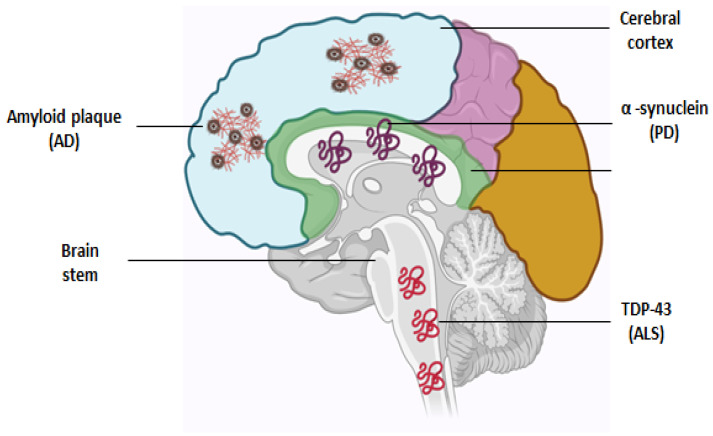
“while PD and ALS are characterized by the accumulation of α-synuclein [5] and TDP43 [6], respectively”
§ Unraveling the Genetic Landscape of Neurological Disorders: Insights into Pathogenesis, Techniques for Variant Identification, and Therapeutic Approaches > 1. Introduction
What the sources say
- Not checked yetcites [5] Kovacs G.G. Botond G. Budka H. Protein coding of neurodegenerative dementias: The neuropathological basis of biomarker diagnostics Acta Neuropathol. 2010 119 389 408 10.1007/s00401-010-0658-1 20198481 source
plainstates an association- Asserted: passes — The authors put it forward as true.
- Checkable: passes — It can be checked against evidence.
- Load-bearing: unclear — It is unclear whether the paper’s conclusions depend on it.
- Based: passes — The paper gives a reason why it holds.
In the paper
“Many neurological disorders are known to have substantial genetic factors contributing to their development [13].”
§ Unraveling the Genetic Landscape of Neurological Disorders: Insights into Pathogenesis, Techniques for Variant Identification, and Therapeutic Approaches > 2. Genetic Techniques in Addressing Neurodegenerative Disorders
What the sources say
- Not checked yetcites [13] Koretsky M.J. Alvarado C. Makarious M.B. Vitale D. Levine K. Bandres-Ciga S. Dadu A. Scholz S.W. Sargent L. Faghri F. Genetic risk factor clustering within and across neurodegenerative diseases Brain 2023 146 4486 4494 10.1093/brain/awad161 37192343 PMC10629980 source
boostedstates an association- Asserted: passes — The authors put it forward as true.
- Checkable: passes — It can be checked against evidence.
- Load-bearing: passes — The paper’s conclusions depend on it.
- Based: passes — The paper gives a reason why it holds.
In the paper
“The current experience with GWASs strongly suggests that rarer variants that are hard to detect with GWASs may account for the ‘missing’ heritability [19].”
§ Unraveling the Genetic Landscape of Neurological Disorders: Insights into Pathogenesis, Techniques for Variant Identification, and Therapeutic Approaches > 2. Genetic Techniques in Addressing Neurodegenerative Disorders
What the sources say
- Not checked yetcites [19] Young A.I. Solving the missing heritability problem PLoS Genet. 2019 15 e1008222 10.1371/journal.pgen.1008222 31233496 PMC6611648 source
hedgedstates a possible cause- Asserted: passes — The authors put it forward as true.
- Checkable: passes — It can be checked against evidence.
- Load-bearing: passes — The paper’s conclusions depend on it.
- Based: passes — The paper gives a reason why it holds.
In the paper
“These findings bear significant implications for risk prediction, diagnosis, and the treatment of neurological diseases [14].”
§ Unraveling the Genetic Landscape of Neurological Disorders: Insights into Pathogenesis, Techniques for Variant Identification, and Therapeutic Approaches > 2. Genetic Techniques in Addressing Neurodegenerative Disorders
What the sources say
- Not checked yetcites [14] Jiang T. Tan M.-S. Tan L. Yu J.-T. Application of next-generation sequencing technologies in Neurology Ann. Transl. Med. 2014 2 125 10.3978/j.issn.2305-5839.2014.11.11 25568878 PMC4260045 doi:10.3978/j.issn.2305-5839.2014.11.11
plainstates an association- Asserted: passes — The authors put it forward as true.
- Checkable: passes — It can be checked against evidence.
- Load-bearing: passes — The paper’s conclusions depend on it.
- Based: passes — The paper gives a reason why it holds.
In the paper
“Most common neurological diseases like AD, PD, and ALS can be studied using both approaches.”
§ Unraveling the Genetic Landscape of Neurological Disorders: Insights into Pathogenesis, Techniques for Variant Identification, and Therapeutic Approaches > 2. Genetic Techniques in Addressing Neurodegenerative Disorders
What the sources say
- Not checked yetcites [16] Craig J. Complex Diseases: Research and Applications Nat. Educ. 2008 1 184
plain- Asserted: passes — The authors put it forward as true.
- Checkable: passes — It can be checked against evidence.
- Load-bearing: unclear — It is unclear whether the paper’s conclusions depend on it.
- Based: passes — The paper gives a reason why it holds.
125 more claims
Create a free account to see all 313 claims and to verify the 294 references still open.
- It may state two separate claims as one. 146
- Probably not a substantial claim. 70
Self-check
Percentages, sums and reported differences re-computed from the paper’s own numbers.
Each contradiction between two passages listed here was confirmed by an independent check.
Rated minor: it would not touch a result — a value no result rests on, a p-value that stays on the same side of the significance level, or a conflict that is clerical, resolved elsewhere in the paper, or outside its own findings.
In the paper
§ Unraveling the Genetic Landscape of Neurological Disorders: Insights into Pathogenesis, Techniques for Variant Identification, and Therapeutic Approaches > 3. Genetic Mutations and Corresponding Cellular Alterations in Neurodegenerative Disorders > 3.1. Amyotrophic Lateral Sclerosis (ALS)
“the standardized global incidence of ALS is only 168 per 100,000 person-years of follow-up”
§ Unraveling the Genetic Landscape of Neurological Disorders: Insights into Pathogenesis, Techniques for Variant Identification, and Therapeutic Approaches > 3. Genetic Mutations and Corresponding Cellular Alterations in Neurodegenerative Disorders > 3.1. Amyotrophic Lateral Sclerosis (ALS)
“Oceania universally has the highest incidence (2.25 per 100,000)”
Cited works that were retracted
Works this paper cites that were later retracted, from the retraction notices publishers deposit. Major when the notice came out before this paper was published.
Rated major: it would touch a result — a value a result rests on, reported and recomputed p-values on opposite sides of the significance level, two passages that conflict with no sign which is right, or a cited work retracted before this paper was published.
In the paper
“Pervez, M.T., Hasnain, M.J.U., Abbas, S.H., Moustafa, M.F., Aslam, N., and Shah, S.S.M. (2022). A comprehensive review of performance of next-generation sequencing platforms. BioMed Res. Int., 2022.”
Cited work 10.1155/2022/3457806 · retracted 2024-01-09 · notice 10.1155/2024/9837802 · this paper published 2024-02-15
Rated major: it would touch a result — a value a result rests on, reported and recomputed p-values on opposite sides of the significance level, two passages that conflict with no sign which is right, or a cited work retracted before this paper was published.
In the paper
“Liu X. Yin L. Li T. Lin L. Zhang J. Li Y. Reduction of WDR81 impairs autophagic clearance of aggregated proteins and cell viability in neurodegenerative phenotypes PLoS Genet. 2021 17 e1009415 10.1371/journal.pgen.1009415 33730050 PMC7968681”
Cited work 10.1371/journal.pgen.1009415 · retracted 2021-08-17 · notice 10.1371/journal.pgen.1009746 · this paper published 2024-02-15
Citations
Cites
2 retracted
Items 201–400 of 410
Long-term follow-up of a randomized AAV2-GAD gene therapy trial for Parkinson’s disease
Niethammer, M., Tang, C. C., LeWitt, P. A., Rezai, A. R., Leehey, M. A., Ojemann, S. G., Flaherty, A. W., Eskandar, E. N., Kostyk, S. K., Sarkar, A., et al. (2017) · JCI Insight · doi:10.1172/jci.insight.90133 · Cited by 124 · cited 1×
“The successful attenuation of mRNA and protein levels through the intracerebral injection of LRRK2 ASOs was achieved without noticeable phenotypic alterations in the kidneys or lungs [396].”
BackgroundMutations in TREM2 lead to pure early-onset dementia without bone cysts
Chouery, E., Delague, V., Bergougnoux, A., Koussa, S., Serre, J.-L., & Mégarbané, A. (2008) · Human Mutation · doi:10.1002/humu.20836 · Cited by 124
Castle, M. J., Baltanás, F. C., Kovacs, I., Nagahara, A. H., Barba, D., & Tuszynski, M. H. (2020) · Human Gene Therapy · doi:10.1089/hum.2019.367 · Cited by 118
Gene therapy for neurodegenerative diseases
O’Connor, D. M., & Boulis, N. M. (2015) · Trends in Molecular Medicine · doi:10.1016/j.molmed.2015.06.001 · Cited by 116
Synaptic UNC13A protein variant causes increased neurotransmission and dyskinetic movement disorder
Lipstein, N., Verhoeven-Duif, N. M., Michelassi, F. E., Calloway, N., van Hasselt, P. M., Pienkowska, K., van Haaften, G., van Haelst, M. M., van Empelen, R., Cuppen, I., et al. (2017) · Journal of Clinical Investigation · doi:10.1172/jci90259 · Cited by 114
CRISPR/Cas9 editing of APP C-terminus attenuates β-cleavage and promotes α-cleavage
Sun, J., Carlson-Stevermer, J., Das, U., Shen, M., Delenclos, M., Snead, A. M., Koo, S. Y., Wang, L., Qiao, D., Loi, J., et al. (2019) · Nature Communications · doi:10.1038/s41467-018-07971-8 · Cited by 112
Concordance for Parkinson's disease in twins: A 20‐year update
Goldman, S. M., Marek, K., Ottman, R., Meng, C., Comyns, K., Chan, P., Ma, J., Marras, C., Langston, J. W., Ross, G. W., et al. (2019) · Annals of Neurology · doi:10.1002/ana.25441 · Cited by 111
Proteostasis in Huntington’s disease: Disease mechanisms and therapeutic opportunities
Harding, R. J., & Tong, Y.-F. (2018) · Acta Pharmacologica Sinica · doi:10.1038/aps.2018.11 · Cited by 108
TAL effectors: tools for DNA Targeting
Jankele, R., & Svoboda, P. (2014) · Briefings in Functional Genomics · doi:10.1093/bfgp/elu013 · Cited by 104
INPP5D regulates inflammasome activation in human microglia
Chou, V., Pearse, R. V., Aylward, A. J., Ashour, N., Taga, M., Terzioglu, G., Fujita, M., Fancher, S. B., Sigalov, A., Benoit, C. R., et al. (2023) · Nature Communications · doi:10.1038/s41467-023-42819-w · Cited by 101
Age and founder effect of SOD1 A4V mutation causing ALS
Saeed, M., Yang, Y., Deng, H.-X., Hung, W.-Y., Siddique, N., Dellefave, L., Gellera, C., Andersen, P. M., & Siddique, T. (2009) · Neurology · doi:10.1212/01.wnl.0000343509.76828.2a · Cited by 101
Benskey, M. J., Sellnow, R. C., Sandoval, I. M., Sortwell, C. E., Lipton, J. W., & Manfredsson, F. P. (2018) · Frontiers in Molecular Neuroscience · doi:10.3389/fnmol.2018.00036 · Cited by 101
Sortilin and SorLA Display Distinct Roles in Processing and Trafficking of Amyloid Precursor Protein
Gustafsen, C., Glerup, S., Pallesen, L. T., Olsen, D., Andersen, O. M., Nykjær, A., Madsen, P., & Petersen, C. M. (2013) · The Journal of Neuroscience · doi:10.1523/jneurosci.2371-12.2013 · Cited by 101
Molecular Mechanisms Underlying TDP-43 Pathology in Cellular and Animal Models of ALS and FTLD
Wood, A., Gurfinkel, Y., Polain, N., Lamont, W., & Lyn Rea, S. (2021) · International Journal of Molecular Sciences · doi:10.3390/ijms22094705 · Cited by 100
Splicing repression is a major function of TDP-43 in motor neurons
Donde, A., Sun, M., Ling, J. P., Braunstein, K. E., Pang, B., Wen, X., Cheng, X., Chen, L., & Wong, P. C. (2019) · Acta Neuropathologica · doi:10.1007/s00401-019-02042-8 · Cited by 99
Andrés‐Benito, P., Moreno, J. R., Aso, E., Povedano, M., & Ferrer, I. (2017) · Aging · doi:10.18632/aging.101195 · Cited by 98
GBA p.T369M substitution in Parkinson disease: Polymorphism or association? A meta-analysis
Mallett, V., Ross, J. P., Alcalay, R. N., Ambalavanan, A., Sidransky, E., Dion, P. A., Rouleau, G. A., & Gan-Or, Z. (2016) · Neurology Genetics · doi:10.1212/nxg.0000000000000104 · Cited by 97
Crossing the blood-brain barrier with AAV vectors
Liu, D., Zhu, M., Zhang, Y., & Diao, Y. (2021) · Metabolic Brain Disease · doi:10.1007/s11011-020-00630-2 · Cited by 97
Acute tau knockdown in the hippocampus of adult mice causes learning and memory deficits
Velazquez, R., Ferreira, E., Tran, A., Turner, E. C., Belfiore, R., Branca, C., & Oddo, S. (2018) · Aging Cell · doi:10.1111/acel.12775 · Cited by 97
Rasmi, Y., Shokati, A., Hassan, A., Aziz, S. G., Bastani, S., Jalali, L., Moradi, F., & Alipour, S. (2022) · IBRO Neuroscience Reports · doi:10.1016/j.ibneur.2022.12.002 · Cited by 96
MULLAN, M. J., Tsuji, S., Miki, T., Katsuya, T., Naruse, S., Kaneko, K., Shimizu, T., Kojima, T., Nakano, I., Ogihara, T., et al. (1993) · Neurobiology of Aging · doi:10.1016/0197-4580(93)90099-w · Cited by 93
Lee, Y.-B., Baskaran, P., Gomez-Deza, J., Chen, H.-J., Nishimura, A. L., Smith, B. N., Troakes, C., Adachi, Y., Stepto, A., Petrucelli, L., et al. (2017) · Human Molecular Genetics · doi:10.1093/hmg/ddx350 · Cited by 90
Karch, C. M., Wen, N., Fan, C. C., Yokoyama, J. S., Kouri, N., Ross, O. A., Höglinger, G., Müller, U., Ferrari, R., Hardy, J., et al. (2018) · JAMA Neurology · doi:10.1001/jamaneurol.2018.0372 · Cited by 89
Wainberg, M., Andrews, S. J., & Tripathy, S. J. (2023) · Alzheimer s Research & Therapy · doi:10.1186/s13195-023-01244-3 · Cited by 89
Andres-Alonso, M., Ammar, M. R., Butnaru, I., Gomes, G. M., Acuña Sanhueza, G., Raman, R., Yuanxiang, P., Borgmeyer, M., Lopez-Rojas, J., Raza, S. A., et al. (2019) · Nature Communications · doi:10.1038/s41467-019-13224-z · Cited by 88
Metabolic reprogramming in amyotrophic lateral sclerosis
Szelechowski, M., Amoedo, N., Obre, E., Léger, C., Allard, L., Bonneu, M., Claverol, S., Lacombe, D., Oliet, S., Chevallier, S., et al. (2018) · Scientific Reports · doi:10.1038/s41598-018-22318-5 · Cited by 87
Protein coding of neurodegenerative dementias: The neuropathological basis of biomarker diagnostics
Kovacs, G. G., Botond, G., & Budka, H. (2010) · Acta Neuropathologica · doi:10.1007/s00401-010-0658-1 · Cited by 87
The GBAP1 pseudogene acts as a ceRNA for the glucocerebrosidase gene GBA by sponging miR-22-3p
Straniero, L., Rimoldi, V., Samarani, M., Goldwurm, S., Di Fonzo, A., Krüger, R., Deleidi, M., Aureli, M., Soldà, G., Duga, S., et al. (2017) · Scientific Reports · doi:10.1038/s41598-017-12973-5 · Cited by 87
Amyotrophic lateral sclerosis and motor neuron syndromes in Asia
Shahrizaila, N., Sobue, G., Kuwabara, S., Kim, S. H., Birks, C., Fan, D. S., Bae, J. S., Hu, C. J., Gourie-Devi, M., Noto, Y., et al. (2016) · Journal of Neurology, Neurosurgery & Psychiatry · doi:10.1136/jnnp-2015-312751 · Cited by 87
Jackson, R. J., Keiser, M. S., Meltzer, J. C., Fykstra, D. P., Dierksmeier, S. E., Hajizadeh, S., Kreuzer, J., Morris, R., Melloni, A., Nakajima, T., et al. (2024) · Molecular Therapy · doi:10.1016/j.ymthe.2024.03.024 · Cited by 86
Phenotype and genotype analysis in amyotrophic lateral sclerosis with TARDBP gene mutations
Corcia, P., Valdmanis, P., Millecamps, S., Lionnet, C., Blasco, H., Mouzat, K., Daoud, H., Belzil, V., Morales, R., Pageot, N., et al. (2012) · Neurology · doi:10.1212/wnl.0b013e3182553c88 · Cited by 86
Genomic convergence and network analysis approach to identify candidate genes in Alzheimer's disease
Talwar, P., Silla, Y., Grover, S., Gupta, M., Agarwal, R., Kushwaha, S., & Kukreti, R. (2014) · BMC Genomics · doi:10.1186/1471-2164-15-199 · Cited by 86
Hafford-Tear, N. J., Tsai, Y.-C., Sadan, A. N., Sanchez-Pintado, B., Zarouchlioti, C., Maher, G. J., Liskova, P., Tuft, S. J., Hardcastle, A. J., Clark, T. A., et al. (2019) · Genetics in Medicine · doi:10.1038/s41436-019-0453-x · Cited by 82
Alarcón-Arís, D., Pavia-Collado, R., Miquel-Rio, L., Coppola-Segovia, V., Ferrés-Coy, A., Ruiz-Bronchal, E., Galofré, M., Paz, V., Campa, L., Revilla, R., et al. (2020) · eBioMedicine · doi:10.1016/j.ebiom.2020.102944 · Cited by 81
Role of clusterin in the brain vascular clearance of amyloid-β
Nelson, A. R., Sagare, A. P., & Zlokovic, B. V. (2017) · Proceedings of the National Academy of Sciences · doi:10.1073/pnas.1711357114 · Cited by 80
Genetics of neurodegenerative diseases: insights from high-throughput resequencing
Tsuji, S. (2010) · Human Molecular Genetics · doi:10.1093/hmg/ddq162 · Cited by 80
Fujisawa, T., Homma, K., Yamaguchi, N., Kadowaki, H., Tsuburaya, N., Naguro, I., Matsuzawa, A., Takeda, K., Takahashi, Y., Goto, J., et al. (2012) · Annals of Neurology · doi:10.1002/ana.23668 · Cited by 80
ABCA7 haplodeficiency disturbs microglial immune responses in the mouse brain
Aikawa, T., Ren, Y., Yamazaki, Y., Tachibana, M., Johnson, M. R., Anderson, C. T., Martens, Y. A., Holm, M.-L., Asmann, Y. W., Saito, T., et al. (2019) · Proceedings of the National Academy of Sciences · doi:10.1073/pnas.1908529116 · Cited by 78
Functional MAPT haplotypes: Bridging the gap between genotype and neuropathology
Caffrey, T. M., & Wade-Martins, R. (2007) · Neurobiology of Disease · doi:10.1016/j.nbd.2007.04.006 · Cited by 78
Remembering your A, B, C's: Alzheimer's disease and ABCA1
Lewandowski, C. T., Laham, M. S., & Thatcher, G. R. J. (2022) · Acta Pharmaceutica Sinica B · doi:10.1016/j.apsb.2022.01.011 · Cited by 76
Investigating the role of ALS genes CHCHD10 and TUBA4A in Belgian FTD-ALS spectrum patients
Perrone, F., Nguyen, H. P., Van Mossevelde, S., Moisse, M., Sieben, A., Santens, P., De Bleecker, J., Vandenbulcke, M., Engelborghs, S., Baets, J., et al. (2017) · Neurobiology of Aging · doi:10.1016/j.neurobiolaging.2016.12.008 · Cited by 76
Challenges of gene delivery to the central nervous system and the growing use of biomaterial vectors
Puhl, D. L., D’Amato, A. R., & Gilbert, R. J. (2019) · Brain Research Bulletin · doi:10.1016/j.brainresbull.2019.05.024 · Cited by 75
De novo FUS mutations are the most frequent genetic cause in early-onset German ALS patients
Hübers, A., Just, W., Rosenbohm, A., Müller, K., Marroquin, N., Goebel, I., Högel, J., Thiele, H., Altmüller, J., Nürnberg, P., et al. (2015) · Neurobiology of Aging · doi:10.1016/j.neurobiolaging.2015.08.005 · Cited by 74
Aguirre-Mardones, C., Iranzo, Á., Vilas, D., Serradell, M., Gaig, C., Santamaría, J., & TOLOSA, E. S. (2015) · Journal of Neurology · doi:10.1007/s00415-015-7742-3 · Cited by 72
Initiative, A. D. N., Tan, M.-S., Yang, Y.-X., Xu, W., Wang, H.-F., Tan, L., Zuo, C.-T., Dong, Q., Tan, L., Suckling, J., et al. (2021) · Alzheimer's Research & Therapy · doi:10.1186/s13195-020-00755-7 · Cited by 71
Sud, R., Geller, E. T., & Schellenberg, G. D. (2014) · Molecular Therapy - Nucleic Acids · doi:10.1038/mtna.2014.30 · Cited by 71
Dysregulated Wnt Signalling in the Alzheimer’s Brain
Aghaizu, N. D., Jin, H., & Whiting, P. J. (2020) · Brain Sciences · doi:10.3390/brainsci10120902 · Cited by 70
A proteogenomic view of Parkinson’s disease causality and heterogeneity
Kaiser, S., Zhang, L., Mollenhauer, B., Jacob, J., Longerich, S., Del-Aguila, J., Marcus, J., Raghavan, N., Stone, D., Fagboyegun, O., et al. (2023) · npj Parkinson's Disease · doi:10.1038/s41531-023-00461-9 · Cited by 68
A role of BAG3 in regulating SNCA/α-synuclein clearance via selective macroautophagy
Cao, Y.-L., Yang, Y., Mao, C., Zhang, X., Wang, C.-T., Yang, H. J., Lv, D.-J., Wang, F., Hu, L., & Liu, C. (2017) · Neurobiology of Aging · doi:10.1016/j.neurobiolaging.2017.08.023 · Cited by 68
ABCA7 and the altered lipidostasis hypothesis of Alzheimer's disease
Lyssenko, N. N., & Praticò, D. (2021) · Alzheimer's & Dementia · doi:10.1002/alz.12220 · Cited by 67
Zhao, Y., Fang, L. T., Shen, T.-W., Choudhari, S., Talsania, K., Chen, X., Shetty, J., Kriga, Y., Tran, B., Zhu, B., et al. (2021) · Scientific Data · doi:10.1038/s41597-021-01077-5 · Cited by 67
FAM49B, a novel regulator of mitochondrial function and integrity that suppresses tumor metastasis
Chattaragada, M. S., Riganti, C., Sassoé‐Pognetto, M., Principe, M., Santamorena, M. M., Roux, C., Curcio, C., Evangelista, A., Allavena, P., Salvia, R., et al. (2017) · Oncogene · doi:10.1038/onc.2017.358 · Cited by 67
A rare loss-of-function variant of ADAM17 is associated with late-onset familial Alzheimer disease
AESG, Hartl, D., May, P., Gu, W., Mayhaus, M., Pichler, S., Spaniol, C., Glaab, E., Bobbili, D. R., Antony, P., et al. (2020) · Molecular Psychiatry · doi:10.1038/s41380-018-0091-8 · Cited by 66
Lambert, E., Saha, O., Soares Landeira, B., Melo de Farias, A. R., Hermant, X., Carrier, A., Pelletier, A., Gadaut, J., Davoine, L., Dupont, C., et al. (2022) · Acta Neuropathologica Communications · doi:10.1186/s40478-021-01285-5 · Cited by 65
Jones-Tabah, J., He, K., Karpilovsky, N. C., Senkevich, K. A., Deyab, G., Pietrantonio, I., Goiran, T., Cousineau, Y., Nikanorova, D., Goldsmith, T., et al. (2024) · Molecular Neurodegeneration · doi:10.1186/s13024-024-00779-9 · Cited by 65
Apicco, D. J., Shlevkov, E., Nezich, C. L., Tran, D. T., Guilmette, E., Nicholatos, J. W., Bantle, C. M., Chen, Y., Glajch, K. E., Abraham, N. A., et al. (2021) · Proceedings of the National Academy of Sciences · doi:10.1073/pnas.2006476118 · Cited by 64
Ceramide Metabolism and Parkinson’s Disease—Therapeutic Targets
Custodia, A., Aramburu-Núñez, M., Correa‐Paz, C., Posado-Fernández, A., Gómez-Larrauri, A., Castillo, J., Gómez‐Muñoz, A., Sobrino, T., & Ouro, A. (2021) · Biomolecules · doi:10.3390/biom11070945 · Cited by 64
Cappelletti, C., Henriksen, S. P., Geut, H., Rozemüller, A. J. M., van de Berg, W. D. J., Pihlstrøm, L., & Toft, M. (2023) · Acta Neuropathologica · doi:10.1007/s00401-023-02597-7 · Cited by 63
The LRRK2 G2019S mutation as the cause of Parkinson’s disease in Ashkenazi Jews
Thaler, A., Ash, E., Gan-Or, Z., Orr-Urtreger, A., & Giladi, N. (2009) · Journal of Neural Transmission · doi:10.1007/s00702-009-0303-0 · Cited by 62
The role of CD2AP in the Pathogenesis of Alzheimer's Disease
Tao, Q.-Q., Chen, Y.-C., & Wu, Z.-Y. (2019) · Aging and disease · doi:10.14336/ad.2018.1025 · Cited by 61
Viral pathogens increase risk of neurodegenerative disease
Blackhurst, B. M., & Funk, K. E. (2023) · Nature Reviews Neurology · doi:10.1038/s41582-023-00790-6 · Cited by 57 · cited 2×
“Neurodegenerative disorders that are chronic and progressive exhibit a distinct pattern of neuron loss in motor, sensory, or cognitive systems [2].”
BackgroundRare variants: Data types and analysis strategies
Goswami, C., Chattopadhyay, A., & Chuang, E. Y. (2021) · Annals of Translational Medicine · doi:10.21037/atm-21-1635 · Cited by 56
The neuronal sortilin-related receptor gene SORL1 and late-onset Alzheimer’s disease
Lee, J. H., Barral, S., & Reitz, C. (2008) · Current Neurology and Neuroscience Reports · doi:10.1007/s11910-008-0060-8 · Cited by 56
SCARB2 variants and glucocerebrosidase activity in Parkinson’s disease
Alcalay, R. N., Levy, O. A., Wolf, P., Oliva, P., Zhang, X. K., Waters, C., Fahn, S., Kang, U. J., Liong, C., Ford, B., et al. (2016) · npj Parkinson's Disease · doi:10.1038/npjparkd.2016.4 · Cited by 56
Eysert, F., Coulon, A., Boscher, E., Vreulx, A.-C., Flaig, A., Mendes, T., Hughes, S., Grenier-Boley, B., Hanoulle, X., Demiautte, F., et al. (2021) · Molecular Psychiatry · doi:10.1038/s41380-020-00926-w · Cited by 55
Nizon, M., Laugel, V., Flanigan, K. M., Pastore, M., Waldrop, M. A., Rosenfeld, J. A., Marom, R., Xiao, R., Gerard, A., Pichon, O., et al. (2019) · Genetics in Medicine · doi:10.1038/s41436-019-0557-3 · Cited by 54
Structural Variants May Be a Source of Missing Heritability in sALS
Theunissen, F., Flynn, L. L., Anderton, R. S., Mastaglia, F., Pytte, J., Jiang, L., Hodgetts, S., Burns, D. K., Saunders, A., Fletcher, S., et al. (2020) · Frontiers in Neuroscience · doi:10.3389/fnins.2020.00047 · Cited by 53
Cognitively healthy centenarians are genetically protected against Alzheimer's disease
Tesi, N., van der Lee, S., Hulsman, M., van Schoor, N. M., Huisman, M., Pijnenburg, Y., van der Flier, W. M., Reinders, M., & Holstege, H. (2024) · Alzheimer's & Dementia · doi:10.1002/alz.13810 · Cited by 52
Cheng, L., Chen, L., Wei, X., Wang, Y., Ren, Z., Zeng, S., Zhang, X., Wen, H., Gao, C., & Liu, H. (2018) · Journal of Neuroinflammation · doi:10.1186/s12974-018-1289-z · Cited by 52
Chang, J. L., Hinrich, A. J., Roman, B., Norrbom, M., Rigo, F., Marr, R. A., Norstrom, E. M., & Hastings, M. L. (2018) · Molecular Therapy · doi:10.1016/j.ymthe.2018.02.029 · Cited by 52
Pike, A. F., Szabó, I., Veerhuis, R., & Bubacco, L. (2022) · npj Parkinson's Disease · doi:10.1038/s41531-022-00293-z · Cited by 52
Foster, W. J., Taylor, H. B. C., Padamsey, Z., Jeans, A. F., Galione, A., & Emptage, N. J. (2018) · Science Signaling · doi:10.1126/scisignal.aat9093 · Cited by 50
CRISPR/Cas9 for Sickle Cell Disease: Applications, Future Possibilities, and Challenges
Demirci, S., Leonard, A., Haro-Mora, J. J., Uchida, N., & Tisdale, J. F. (2019) · Advances in Experimental Medicine and Biology · doi:10.1007/5584_2018_331 · Cited by 50
Association of GALC, ZNF184, IL1R2 and ELOVL7 With Parkinson’s Disease in Southern Chinese
Li, G., Cui, S., Du, J., Liu, J., Zhang, P., Fu, Y., He, Y., Zhou, H., Ma, J., & Chen, S. (2018) · Frontiers in Aging Neuroscience · doi:10.3389/fnagi.2018.00402 · Cited by 50
Lee, J. Y., Harney, D., Teo, J. D., Kwok, J. B., Sutherland, G. T., Larance, M., & Don, A. S. (2023) · Molecular Neurodegeneration · doi:10.1186/s13024-023-00650-3 · Cited by 49
Genome-wide genetic links between amyotrophic lateral sclerosis and autoimmune diseases
Li, C. Y., Yang, T. M., Ou, R. W., Wei, Q. Q., & Shang, H. F. (2021) · BMC Medicine · doi:10.1186/s12916-021-01903-y · Cited by 48
San Sebastian, W., Richardson, R. M., Kells, A. P., Lamarre, C., Bringas, J., Pivirotto, P., Salegio, E. A., DeArmond, S. J., Forsayeth, J., & Bankiewicz, K. S. (2012) · Human Gene Therapy · doi:10.1089/hum.2011.162 · Cited by 48 · cited 1×
“Administering AAV– GBA1 directly into the brain resulted in a reduction in α -synuclein levels and pathology in rodent models [393].”
BackgroundGenome editing in the treatment of ocular diseases
Choi, E. H., Suh, S., Sears, A. E., Hołubowicz, R., Kedhar, S. R., Browne, A. W., & Palczewski, K. (2023) · Experimental & Molecular Medicine · doi:10.1038/s12276-023-01057-2 · Cited by 48
Speedy/RINGO Regulation of CDKs in Cell Cycle, Checkpoint Activation and Apoptosis
Gastwirt, R. F., McAndrew, C. W., & Donoghue, D. J. (2007) · Cell Cycle · doi:10.4161/cc.6.10.4252 · Cited by 48
Decoding metabolic signatures in Alzheimer’s disease: a mitochondrial perspective
Bano, D., Ehninger, D., & Bagetta, G. (2023) · Cell Death Discovery · doi:10.1038/s41420-023-01732-3 · Cited by 47
Synaptotagmin 17 controls neurite outgrowth and synaptic physiology via distinct cellular pathways
Ruhl, D. A., Bomba-Warczak, E. K., Watson, E. T., Bradberry, M. M., Peterson, T. A., Basu, T., Frelka, A., Evans, C. S., Briguglio, J. S., Basta, T., et al. (2019) · Nature Communications · doi:10.1038/s41467-019-11459-4 · Cited by 47
Li, K., Hala, T. J., Seetharam, S., Poulsen, D. J., Wright, M. C., & Lepore, A. C. (2015) · Neurobiology of Disease · doi:10.1016/j.nbd.2015.03.010 · Cited by 47
Functional Characterisation of a GWAS Risk Locus Identifies GPX3 as a Lead Candidate Gene in ALS
Restuadi, R., Steyn, F. J., Kabashi, E., Ngo, S. T., Cheng, F., Nabais, M. F., Thompson, M. J., Qi, T., Wu, Y., Henders, A. K., et al. (2020) · Genome Medicine · doi:10.1186/s13073-021-01006-6 · Cited by 45
Phosphorylation of FAM134C by CK2 controls starvation-induced ER-phagy
Lorenzo, G. D., Iavarone, F., Maddaluno, M., Plata-Gómez, A. B., Aureli, S., Meza, C. P. Q., Cinque, L., Palma, A., Reggio, A., Cirillo, C., et al. (2022) · Science Advances · doi:10.1126/sciadv.abo1215 · Cited by 45
Regulation of the Late Onset alzheimer’s Disease Associated HLA-DQA1/DRB1 Expression
Zhang, X., Zou, M., Wu, Y., Jiang, D., Wu, T., Zhao, Y., Wu, D., Cui, J., & Li, G. (2022) · American Journal of Alzheimer s Disease & Other Dementias® · doi:10.1177/15333175221085066 · Cited by 44
Absence of Sac2/INPP5F enhances the phenotype of a Parkinson’s disease mutation of synaptojanin 1
Cao, M., Park, D., Wu, Y., & Camilli, P. V. D. (2020) · Proceedings of the National Academy of Sciences · doi:10.1073/pnas.2004335117 · Cited by 44
Potential roles of branched-chain amino acids in neurodegeneration
Yoo, H.-S., Shanmugalingam, U., & Smith, P. D. (2022) · Nutrition · doi:10.1016/j.nut.2022.111762 · Cited by 43
László, Z. I., Hindley, N., Avila, A. S., Kline, R., Eaton, S. L., Lamont, D. J., Smith, C., Spires‐Jones, T. L., Wishart, T. M., & Henstridge, C. M. (2022) · Acta Neuropathologica Communications · doi:10.1186/s40478-022-01455-z · Cited by 42
Sorting nexin-4 regulates β-amyloid production by modulating β-site-activating cleavage enzyme-1
Kim, N.-Y., Cho, M.-H., Won, S.-H., Kang, H.-J., Yoon, S.-Y., & Kim, D.-H. (2017) · Alzheimer's Research & Therapy · doi:10.1186/s13195-016-0232-8 · Cited by 42
Xu, W., Han, S., Zhang, C. M., Li, J., Wang, Y., Tan, C., Li, H.-Q., Dong, Q., Mei, C., Tan, L., et al. (2020) · Science Advances · doi:10.1126/sciadv.abb3063 · Cited by 42
SETD1A Mediated H3K4 Methylation and Its Role in Neurodevelopmental and Neuropsychiatric Disorders
Wang, S., Bleeck, A., Kasri, N. N., Kleefstra, T., van Rhijn, J.-R., & Schubert, D. (2021) · Frontiers in Molecular Neuroscience · doi:10.3389/fnmol.2021.772000 · Cited by 41
Phenotypic variability in ALS-FTD and effect on survival
Ahmed, R. M., Devenney, E. M., Strikwerda-Brown, C., Hodges, J. R., Piguet, O., & Kiernan, M. C. (2020) · Neurology · doi:10.1212/wnl.0000000000009398 · Cited by 41
Peripheral blood lymphocyte phenotypes in Alzheimer and Parkinson’s diseases
Garfias, S., Domínguez, B. T., Rojas, A. T., Arroyo, M., Rodríguez, U., Boll, M., Sosa, A. L., Sciutto, E., Adalid-Peralta, L. V., López, Y. M., et al. (2021) · Neurología (English Edition) · doi:10.1016/j.nrleng.2018.10.022 · Cited by 39
Management and therapeutic perspectives in amyotrophic lateral sclerosis
Mathis, S., Couratier, P., Julian, A., Vallat, J.-M., Corcia, P., & Le Masson, G. (2017) · Expert Review of Neurotherapeutics · doi:10.1080/14737175.2016.1227705 · Cited by 38
Oli, V., Gupta, R. V., & Kumar, P. (2021) · Journal of Chemical Neuroanatomy · doi:10.1016/j.jchemneu.2021.102012 · Cited by 37
Genetic insights into immune mechanisms of Alzheimer’s and Parkinson’s disease
Nott, A., & Holtman, I. R. (2023) · Frontiers in Immunology · doi:10.3389/fimmu.2023.1168539 · Cited by 36
Physiological and pathological functions of LRRK2: Implications from substrate proteins
Araki, M., Ito, G., & Tomita, T. (2018) · Neuronal Signaling · doi:10.1042/ns20180005 · Cited by 36
Control of synaptic vesicle release probability via VAMP4 targeting to endolysosomes
Ivanova, D., Dobson, K. L., Gajbhiye, A., Davenport, E. C., Hacker, D., Ultanir, S. K., Trost, M., & Cousin, M. A. (2021) · Science Advances · doi:10.1126/sciadv.abf3873 · Cited by 36
Prion Diseases: A Unique Transmissible Agent or a Model for Neurodegenerative Diseases?
Ritchie, D. L., & Barria, M. A. (2021) · Biomolecules · doi:10.3390/biom11020207 · Cited by 36
Analysis of neurodegenerative Mendelian genes in clinically diagnosed Alzheimer Disease
Fernández, M. V., Kim, J. H., Budde, J. P., Black, K., Medvedeva, A., Saef, B., Deming, Y., Del-Aguila, J., Ibañez, L., Dube, U., et al. (2017) · PLOS Genetics · doi:10.1371/journal.pgen.1007045 · Cited by 36
Angelopoulou, E., Paudel, Y. N., Julian, T. H., Shaikh, M. F., & Piperi, C. (2020) · Molecular Neurobiology · doi:10.1007/s12035-020-02201-z · Cited by 36
Kunkle, B., Grenier-Boley, B., Sims, R., Bis, J., Naj, A., Boland, A., Vronskaya, M., van der Lee, S., Amlie-Wolf, A., Bellenguez, C., et al. (2018) · doi:10.1101/294629 · Cited by 35
Park, Y. H., Pyun, J.-M., Hodges, A., Jang, J.-W., Bice, P. J., Kim, S., Saykin, A. J., Nho, K., & for the AddNeuroMed consortium and the Alzheimer’s Disease Neuroimaging Initiative (2021) · Alzheimer's Research & Therapy · doi:10.1186/s13195-021-00919-z · Cited by 35
Insights and implications of genome-wide association studies of height
Guo, M. H., Hirschhorn, J. N., & Dauber, A. (2018) · The Journal of Clinical Endocrinology & Metabolism · doi:10.1210/jc.2018-01126 · Cited by 35
mGlu4 allosteric modulation for treating Parkinson's disease
Charvin, D. (2018) · Neuropharmacology · doi:10.1016/j.neuropharm.2018.03.027 · Cited by 35
Mutation screening of the tau gene in patients with early-onset Alzheimer's disease
Roks, G., Dermaut, B., Heutink, P., Julliams, A., Backhovens, H., Van de Broeck, M., Serneels, S., Hofman, A., Van Broeckhoven, C., van Duijn, C. M., et al. (1999) · Neuroscience Letters · doi:10.1016/s0304-3940(99)00861-7 · Cited by 33
Machine learning nominates the inositol pathway and novel genes in Parkinson’s disease
Yu, E., Larivière, R., Thomas, R. A., Liu, L., Senkevich, K. A., Rahayel, S., Trempe, J., Fon, E. A., & Gan‐Or, Z. (2023) · Brain · doi:10.1093/brain/awad345 · Cited by 33
TARDBP p.G376D mutation, found in rapid progressive familial ALS, induces mislocalization of TDP-43
Mitsuzawa, S., Akiyama, T., Nishiyama, A., Suzuki, N., Kato, M., Warita, H., Izumi, R., Osana, S., Koyama, S., Kato, T., et al. (2018) · eNeurologicalSci · doi:10.1016/j.ensci.2018.04.001 · Cited by 33
Loss of microglial EED impairs synapse density, learning, and memory
Wang, Y.-Y., Deng, Y.-S., Dai, S.-K., Mi, T.-W., Li, R.-Y., Liu, P.-P., Liu, C., He, B.-D., He, X.-C., Du, H.-Z., et al. (2022) · Molecular Psychiatry · doi:10.1038/s41380-022-01576-w · Cited by 32
The Cytotoxicity and Clearance of Mutant Huntingtin and Other Misfolded Proteins
Folger, A., & Wang, Y. (2021) · Cells · doi:10.3390/cells10112835 · Cited by 32 · cited 1×
“Misfolded mHTT proteins aggregate into amyloid structure, forming intranuclear inclusion bodies, which are a distinctive diagnostic hallmark observed in the brain of individuals with HD [335].”
BackgroundChen, Y. A., Kankel, M. W., Hana, S., Lau, S. K., Zavodszky, M. I., McKissick, O., Mastrangelo, N., Dion, J., Wang, B., Ferretti, D., et al. (2023) · Gene Therapy · doi:10.1038/s41434-022-00375-w · Cited by 32
The Bin3 RNA methyltransferase targets 7SK RNA to control transcription and translation
Cosgrove, M. S., Ding, Y., Rennie, W. A., Lane, M. J., & Hanes, S. D. (2012) · Wiley Interdisciplinary Reviews - RNA · doi:10.1002/wrna.1123 · Cited by 32
Parkinsonism in GTP cyclohydrolase 1 mutation carriers
Guella, I., Sherman, H. E., Appel‐Cresswell, S., Rajput, A. H., Rajput, A. H., & Farrer, M. J. (2014) · Brain · doi:10.1093/brain/awu341 · Cited by 31
Soustelle, L., Aimond, F., López-Andrés, C., Brugioti, V., Raoul, C., & Layalle, S. (2023) · Journal of Neuroscience · doi:10.1523/jneurosci.0562-23.2023 · Cited by 31
NEK1 mutations and the risk of amyotrophic lateral sclerosis (ALS): a meta-analysis
Yao, L., He, X., Cui, B., Zhao, F., & Zhou, C. (2021) · Neurological Sciences · doi:10.1007/s10072-020-05037-6 · Cited by 31
Tetraspanins as Potential Modulators of Glutamatergic Synaptic Function
Becic, A., Leifeld, J., Shaukat, J., & Hollmann, M. (2022) · Frontiers in Molecular Neuroscience · doi:10.3389/fnmol.2021.801882 · Cited by 30
Genetic risk factor clustering within and across neurodegenerative diseases
Koretsky, M. J., Alvarado, C., Makarious, M. B., Vitale, D., Levine, K., Bandres-Ciga, S., Dadu, A., Scholz, S. W., Sargent, L., Faghri, F., et al. (2023) · Brain · doi:10.1093/brain/awad161 · Cited by 30
ABCA7, a Genetic Risk Factor Associated with Alzheimer’s Disease Risk in African Americans
Stepler, K. E., Gillyard, T. R., Reed, C. B., Avery, T. M., Davis, J. S., & Robinson, R. A. S. (2022) · Journal of Alzheimer's Disease · doi:10.3233/jad-215306 · Cited by 30
Transmembrane 163 (TMEM163) Protein: A New Member of the Zinc Efflux Transporter Family
Styrpejko, D. J., & Cuajungco, M. P. (2021) · Biomedicines · doi:10.3390/biomedicines9020220 · Cited by 29
Sinha, N., Reagh, Z. M., Tustison, N. J., Berg, C. N., Shaw, A., Myers, C. E., Hill, D., Yassa, M. A., & Gluck, M. A. (2019) · Hippocampus · doi:10.1002/hipo.23042 · Cited by 29
Dalmasso, M. C., de Rojas, I., Olivar, N., Muchnik, C., Angel, B., Gloger, S., Sanchez Abalos, M. S., Chacón, M. V., Aránguiz, R., Orellana, P., et al. (2024) · Alzheimer's & Dementia · doi:10.1002/alz.13522 · Cited by 28
Salam, S., Tacconelli, S., Smith, B. N., Mitchell, J. C., Glennon, E., Nikolaou, N., Houart, C., & Vance, C. (2021) · Scientific Reports · doi:10.1038/s41598-021-93189-6 · Cited by 28
Cheng, W., Zhu, Q., & Zhang, H. (2020) · Genes · doi:10.3390/genes11091100 · Cited by 28
Kato, M., Aoki, M., Ohta, M., Nagai, M., Ishizaki, F., Nakamura, S., & Itoyama, Y. (2001) · Neuroscience Letters · doi:10.1016/s0304-3940(01)02212-1 · Cited by 28
CHEN, D., Zhang, R., Shen, W., FU, H., Liu, S., Sun, K., & Sun, X. (2013) · International Journal of Oncology · doi:10.3892/ijo.2013.1872 · Cited by 28
Exploring Common Therapeutic Targets for Neurodegenerative Disorders Using Transcriptome Study
Dharshini, S. A. P., Jemimah, S., Taguchi, Y., & Gromiha, M. M. (2021) · Frontiers in Genetics · doi:10.3389/fgene.2021.639160 · Cited by 27
Wang, Q.-W., Qin, J., Chen, Y., Tu, Y., Xing, Y.-Y., Wang, Y., Yang, L.-Y., Lu, S., Geng, L., Shi, W., et al. (2023) · Cell Reports · doi:10.1016/j.celrep.2023.112691 · Cited by 26
Fletcher, E. J. R., Jamieson, A. D., Williams, G. H., Doherty, P., & Duty, S. (2019) · Scientific Reports · doi:10.1038/s41598-019-44803-1 · Cited by 26
Lipase regulation of cellular fatty acid homeostasis as a Parkinson’s disease therapeutic strategy
Fanning, S., Cirka, H., Thies, J. L., Jeong, J., Niemi, S. M., Yoon, J. H., Ho, G. P. H., Ávila-Pacheco, J., Dettmer, U., Liu, L., et al. (2022) · npj Parkinson's Disease · doi:10.1038/s41531-022-00335-6 · Cited by 26
Ferreira, A., Royaux, I. E., Liu, J., Wang, Z., Su, G., Moechars, D., Callewaert, N., & Muynck, L. D. (2022) · BMC Molecular and Cell Biology · doi:10.1186/s12860-022-00462-1 · Cited by 25
Deciphering neurodegenerative diseases using long-read sequencing
Su, Y., Fan, L., Shi, C., Wang, T., Zheng, H., Luo, H., Zhang, S., Hu, Z., Fan, Y., Dong, Y., et al. (2021) · Neurology · doi:10.1212/wnl.0000000000012466 · Cited by 25
Obergasteiger, J., Castonguay, A.-M., Pizzi, S., Magnabosco, S., Frapporti, G., Lobbestael, E., Baekelandt, V., Hicks, A. A., Pramstaller, P. P., Gravel, C., et al. (2023) · npj Parkinson's Disease · doi:10.1038/s41531-023-00484-2 · Cited by 25
Whole‐exome sequencing for variant discovery in blepharospasm
Tian, J., Vemula, S. R., Xiao, J., Valente, E. M., Defazio, G., Petrucci, S., Gigante, A. F., Rudzińska, M., Wszołek, Z. K., Kennelly, K. D., et al. (2018) · Molecular Genetics & Genomic Medicine · doi:10.1002/mgg3.411 · Cited by 25
Roles of Siglecs in neurodegenerative diseases
Siew, J. J., Chern, Y., Khoo, K., & Angata, T. (2022) · Molecular Aspects of Medicine · doi:10.1016/j.mam.2022.101141 · Cited by 24
Parobkova, E., & Matej, R. (2021) · Diagnostics · doi:10.3390/diagnostics11030509 · Cited by 24
New brain-specific beta-synuclein isoforms show expression ratio changes in Lewy body diseases
Beyer, K., Muñoz-Mármol, A. M., Sanz, C., Marginet‐Flinch, R., Ferrer, I., & Ariza, A. (2011) · Neurogenetics · doi:10.1007/s10048-011-0311-8 · Cited by 24
Ciani, M., Bonvicini, C., Scassellati, C., Carrara, M., Maj, C., Fostinelli, S., Binetti, G., Ghidoni, R., & Benussi, L. (2019) · International Journal of Molecular Sciences · doi:10.3390/ijms20163903 · Cited by 24
Contribution of rare variant associations to neurodegenerative disease presentation
Dilliott, A. A., Abdelhady, A., Sunderland, K. M., Farhan, S. M. K., Abrahao, A., Binns, M. A., Black, S. E., Borrie, M., Casaubon, L. K., Dowlatshahi, D., et al. (2021) · npj Genomic Medicine · doi:10.1038/s41525-021-00243-3 · Cited by 24
Chang, K., Wu, Y., Chen, Y.-C., Fung, H., Lee‐Chen, G., & Chen, C. (2015) · Medicine · doi:10.1097/md.0000000000001690 · Cited by 23
Buenaventura, R. G., Harvey, A. C., Burns, M. P., & Main, B. S. (2023) · Frontiers in Neuroscience · doi:10.3389/fnins.2023.1210175 · Cited by 23
Akiyama, T., Warita, H., Kato, M., Nishiyama, A., Izumi, R., Ikeda, C., Kamada, M., Suzuki, N., & Aoki, M. (2016) · Muscle & Nerve · doi:10.1002/mus.25061 · Cited by 23
Novel Associations of BST1 and LAMP3 With REM Sleep Behavior Disorder
Mufti, K., Yu, E., Rudakou, U., Krohn, L., Ruskey, J. A., Asayesh, F., Laurent, S. B., Spiegelman, D., Arnulf, I., Hu, M. T. M., et al. (2021) · Neurology · doi:10.1212/wnl.0000000000011464 · Cited by 23
Nagpal, L., Kornberg, M. D., & Snyder, S. H. (2022) · Proceedings of the National Academy of Sciences · doi:10.1073/pnas.2121946119 · Cited by 22
Fenotipos de linfocitos periféricos en las enfermedades de Alzheimer y Parkinson
Garfias, S., Domínguez, B. T., Rojas, A. T., Arroyo, M., Rodríguez, U., Boll, M., Sosa, A. L., Sciutto, E., Adalid-Peralta, L. V., López, Y. M., et al. (2019) · Neurología · doi:10.1016/j.nrl.2018.10.004 · Cited by 22
Yong, Y., Wu, Q., Meng, X., Lu, R., Xia, H., Pei, F., & Yang, X. (2023) · Parkinson s Disease · doi:10.1155/2023/8848642 · Cited by 22
Bocchetta, M., y, S. B. O. P. P. F. Q. C. F. R. M. S. M. T. R. U. S. V. S. W. B. X. C., Mega, A., Bernardi, L., Di Maria, E., Benussi, L., Binetti, G., Borroni, B., Colao, R., Di Fede, G., et al. (2016) · Journal of Alzheimer's Disease · doi:10.3233/jad-150849 · Cited by 22
Zou, Z.-Y., Liu, M.-S., Li, X.-G., & Cui, L.-Y. (2016) · Amyotrophic Lateral Sclerosis and Frontotemporal Degeneration · doi:10.1080/21678421.2016.1199698 · Cited by 22
Self-citationWang, Y. A., Kammenga, J. E., & Harvey, S. C. (2017) · Human Genomics · doi:10.1186/s40246-017-0108-4 · Cited by 21
Mendoza-Ferreira, N., Karakaya, M., Cengiz, N., Beijer, D., Brigatti, K. W., Gonzaga-Jauregui, C. G., Fuhrmann, N., Hölker, I., Thelen, M. P., Zetzsche, S., et al. (2020) · The American Journal of Human Genetics · doi:10.1016/j.ajhg.2020.08.018 · Cited by 21
Li, Y., Xu, M., Xiang, B.-L., Li, X., Zhang, D.-F., Zhao, H., Bi, R., & Yao, Y.-G. (2023) · Neuropsychopharmacology · doi:10.1038/s41386-023-01542-2 · Cited by 20
Self-citationZhao, A., Li, Y., Niu, M., Li, G., Luo, N., Zhou, L., Kang, W., & Liu, J. (2020) · Journal of Cellular and Molecular Medicine · doi:10.1111/jcmm.15508 · Cited by 20
Genetics of neurological disorders
Faghihi, M. A., Mottagui-Tabar, S., & Wahlestedt, C. (2004) · Expert Review of Molecular Diagnostics · doi:10.1586/14737159.4.3.317 · Cited by 20
Shared genetic architecture of COVID-19 and Alzheimer’s disease
Matveeva, N. A., Сергеевич, К. И., Baulina, N., Semina, E. V., Kakotkin, V. V., Агапов, М. А., Кулакова, О. Г., & Favorova, O. O. (2023) · Frontiers in Aging Neuroscience · doi:10.3389/fnagi.2023.1287322 · Cited by 20
Calpain-2 Mediates MBNL2 Degradation and a Developmental RNA Processing Program in Neurodegeneration
Wang, L., Lin, C., Lin, Y.-M., Buée, L., Sergeant, N., Blum, D., Chern, Y., & Wang, G. (2022) · Journal of Neuroscience · doi:10.1523/jneurosci.2006-21.2022 · Cited by 20
Breen, C. E., Papale, L. A., Clark, L. R., Bergmann, P. E., Madrid, A., Asthana, S., Johnson, S. C., Keleş, S., Alisch, R. S., & Hogan, K. J. (2023) · Alzheimer s & Dementia · doi:10.1002/alz.13514 · Cited by 20
Decet, M., & Soukup, S. (2023) · Autophagy · doi:10.1080/15548627.2023.2200627 · Cited by 20
A functional variant of SHARPIN confers increased risk of late-onset Alzheimer’s disease
Asanomi, Y., Shigemizu, D., Akiyama, S., Miyashita, A., Mitsumori, R., Hara, N., Ikeuchi, T., Niida, S., & Ozaki, K. (2022) · Journal of Human Genetics · doi:10.1038/s10038-021-00987-x · Cited by 19
Hunting for the cause: Evidence for prion-like mechanisms in Huntington’s disease
Donnelly, K. M., Coleman, C. M., Fuller, M. L., Reed, V. L., Smerina, D., Tomlinson, D. S., & Pearce, M. M. P. (2022) · Frontiers in Neuroscience · doi:10.3389/fnins.2022.946822 · Cited by 19
Aschenbrenner, D. S. (2023) · AJN, American Journal of Nursing · doi:10.1097/01.naj.0000911516.31267.67 · Cited by 19
Li, K., Ran, B., Wang, Y., Liu, L., & Li, W. (2022) · Frontiers in Cell and Developmental Biology · doi:10.3389/fcell.2022.999061 · Cited by 18
Association between WWOX/MAF variants and dementia-related neuropathologic endophenotypes
Dugan, A. J., Nelson, P. T., Katsumata, Y., Shade, L. M. P., Teylan, M. A., Boehme, K. L., Mukherjee, S., Kauwe, J. S. K., Hohman, T. J., Schneider, J. A., et al. (2022) · Neurobiology of Aging · doi:10.1016/j.neurobiolaging.2021.10.011 · Cited by 18
Genetic Association Study betweenSTK39 and CCDC62/HIP1R and Parkinson’s Disease
Li, N., Tan, E., Chang, X., Mao, X., Zhang, J., Zhao, D., Liao, Q., Yu, W.-J., & Peng, R. (2013) · PLoS ONE · doi:10.1371/journal.pone.0079211 · Cited by 18
Gagliardi, D., Ahmadinejad, M., Del Bo, R., Meneri, M., Comi, G. P., Corti, S., & Ronchi, D. (2022) · Neurology Genetics · doi:10.1212/nxg.0000000000000645 · Cited by 18
Lefort, R. (2015) · Neurotherapeutics · doi:10.1007/s13311-014-0328-4 · Cited by 17
Mullard (2019) · doi:10.1038/d41573-019-00139-z · Cited by 17
From 1997 to 2007: A decade journey through the H1 haplotype on 17q21 chromosome
Kalinderi, K., Fidani, L., & Bostantjopoulou, S. (2009) · Parkinsonism & Related Disorders · doi:10.1016/j.parkreldis.2008.03.001 · Cited by 17
Ho, A., Ngala, B., Yamada, C., Garcia, C., Duarte, C. L., Akkaoui, J., Ciolac, D., Nusbaum, A., Kochen, W. R., Efremova, D., et al. (2023) · Biomedicine & Pharmacotherapy · doi:10.1016/j.biopha.2023.115435 · Cited by 17
Merjane, J., Chung, R., Patani, R., & Lisowski, L. (2023) · Medicinal Research Reviews · doi:10.1002/med.21937 · Cited by 17
Sun, W., & Jia, J. (2008) · Neuroscience Letters · doi:10.1016/j.neulet.2008.11.067 · Cited by 17
Mani, C., Acharya, G., Kshirsagar, S., Vijayan, M., Khan, H. M. R., Reddy, P. H., & Palle, K. (2021) · Journal of Alzheimer s Disease · doi:10.3233/jad-215305 · Cited by 16
Biotech Park, S.-G. J., & Singh, S. (2019) · Bioinformation · doi:10.6026/97320630015548 · Cited by 16
Lona‐Durazo, F., Reynolds, R. H., Scholz, S. W., Ryten, M., & Taliun, S. A. G. (2023) · Communications Biology · doi:10.1038/s42003-023-05113-5 · Cited by 15
Inoue, S., Nishimura, K., Gima, S., Nakano, M., & Takata, K. (2023) · Biological and Pharmaceutical Bulletin · doi:10.1248/bpb.b22-00839 · Cited by 15
Xicota, L., Lagarde, J., Eysert, F., Grenier-Boley, B., Rivals, I., Botté, A., Forlani, S., Landron, S., Gautier, C., Gabriel, C., et al. (2023) · Translational Psychiatry · doi:10.1038/s41398-023-02355-z · Cited by 15
Vilas, D., Gelpi, E., Aldecoa, I., Grau, O., Rodriguez-Diehl, R., Jaumà, S., Martí, M. J., & Tolosa, E. (2019) · Journal of Neurology, Neurosurgery & Psychiatry · doi:10.1136/jnnp-2018-318473 · Cited by 15
Broce, I. J., Castruita, P. A., & Yokoyama, J. S. (2021) · Frontiers in Neuroscience · doi:10.3389/fnins.2021.639078 · Cited by 14
Loss of amyotrophic lateral sclerosis risk factor SCFD1 causes motor dysfunction in Drosophila
Borg, R. M., Purkiss, A., Cacciottolo, R., Herrera, P., & Cauchi, R. J. (2023) · Neurobiology of Aging · doi:10.1016/j.neurobiolaging.2023.02.005 · Cited by 14
Markopoulou, K., Chase, B. A., Premkumar, A. P., Schoneburg, B., Kartha, N., Wei, J., Yu, H., Epshteyn, A., Garduno, L., Pham, A. T., et al. (2021) · Frontiers in Neurology · doi:10.3389/fneur.2021.662278 · Cited by 14
Kara, E., Crimi, A., Wiedmer, A. E., Emmenegger, M., Manzoni, C., Bandrés‐Ciga, S., D’Sa, K., Reynolds, R. H., Botía, J. A., Losa, M., et al. (2021) · Cell Reports · doi:10.1016/j.celrep.2021.109189 · Cited by 13
First in vivo CRISPR candidate enters the clinic
Mullard, A. (2019) · Nature Reviews Drug Discovery · doi:10.1038/d41573-019-00140-6 · Cited by 13
Genç, B., Gautam, M., Helmold, B. R., Koçak, N., Günay, A., Goshu, G. M., Silverman, R. B., & Hande Ozdinler, P. (2022) · Scientific Reports · doi:10.1038/s41598-022-09332-4 · Cited by 13
Behavioral and molecular effects of Ubtf knockout and knockdown in mice
Hori, R. T., Khan, M. M., Xiao, J., Hargrove, P. W., Moss, T., & LeDoux, M. S. (2022) · Brain Research · doi:10.1016/j.brainres.2022.148053 · Cited by 13
Zhao, Y., Yun, D., Zou, X., Jiang, T., Li, G., Hu, L., Chen, J., Xu, J., Mao, Y. Q., Chen, H., et al. (2017) · Europe PMC (PubMed Central) · Cited by 12
Su, W., Gu, X., Hou, Y., Zhang, L., Cao, B., Ou, R., Wu, Y., Chen, X., Song, W., Zhao, B., et al. (2021) · Frontiers in Genetics · doi:10.3389/fgene.2021.765833 · Cited by 11
Calderón‐Garcidueñas, L. (2022) · Frontiers in Neurology · doi:10.3389/fneur.2022.901447 · Cited by 10
The role of cell adhesion molecule IgSF9b at the inhibitory synapse and psychiatric disease
Clarin, J. D., Reddy, N., Alexandropoulos, C., & Gao, W. (2023) · Neuroscience & Biobehavioral Reviews · doi:10.1016/j.neubiorev.2023.105476 · Cited by 10
TREML2 Mutation Mediate Alzheimer’s Disease Risk by Altering Neuronal Degeneration
Song, Y., Li, J., Tan, C., Wang, H.-F., Tan, M., Cao, X., Yu, J., Tan, L., & Initiative, T. A. D. N. (2019) · Frontiers in Neuroscience · doi:10.3389/fnins.2019.00455 · Cited by 10
Jones-Tabah, J., He, K., Senkevich, K., Karpilovsky, N., Deyab, G., Cousineau, Y., Nikanorova, D., Goldsmith, T., Pellitero, E. D. C., Chen, C. X.-Q., et al. (2023) · doi:10.1101/2023.11.11.566693 · Cited by 10
Qiu, Y., Sha, L., Zhang, X., Li, G., Zhu, W., & Xu, Q. (2022) · Frontiers in Aging Neuroscience · doi:10.3389/fnagi.2022.896522 · Cited by 9
Liampas, I., Siokas, V., Aloizou, A., Bakirtzis, C., Tsouris, Z., Νούσια, Α., Nasios, G., Papadimitriou, D. A., Liakos, P., Bogdanos, D. P., et al. (2021) · Medicina · doi:10.3390/medicina57121337 · Cited by 9
Zhang, J., Zeng, H., Zhu, L., Deng, L., Fang, X., Deng, X., Liang, H., Tang, C., Cao, X., Lü, Y., et al. (2015) · Molecular Neurobiology · doi:10.1007/s12035-015-9595-2 · Cited by 9
Hideshima, M., Beck, G., Yamadera, M., Motoyama, Y., Ikenaka, K., Kakuda, K., Tsuda, H., Nagano, S., Fujimura, H., Morii, E., et al. (2020) · Neuropathology · doi:10.1111/neup.12620 · Cited by 9
Tesi, N., van der Lee, S. J., Hulsman, M., van Schoor, N. M., Huisman, M. A., Pijnenburg, Y. A. L., van der Flier, W. M., Reinders, M. J. T., & Holstege, H. H. (2023) · medRxiv · doi:10.1101/2023.05.16.23290049 · Cited by 8
Analysis of 12 GWAS-Linked Loci With Parkinson’s Disease in the Chinese Han Population
Fan, L., Shi, C., Hu, X., Zhang, Z., Zheng, H., Luo, H., Fan, Y., Zhang, S., Hu, Z., Yang, J., et al. (2021) · Frontiers in Neurology · doi:10.3389/fneur.2021.623913 · Cited by 8
ABI3 Is a Novel Early Biomarker of Alzheimer’s Disease
Cao, M., Liu, J., Zhang, X., Yang, T., Wang, Y., Hou, Y., Song, Q., Cui, Y., Wang, Y., & Wang, P. (2022) · Journal of Alzheimer's Disease · doi:10.3233/jad-215635 · Cited by 7
Jackson, R. J., Keiser, M. S., Meltzer, J. C., Fykstra, D. P., Dierksmeier, S. E., Melloni, A., Nakajima, T., Tecedor, L., Ranum, P. T., Carrell, E., et al. (2023) · doi:10.1101/2023.08.14.552850 · Cited by 7
Nck2 is essential for limb trajectory selection by spinal motor axons
Chang, C., Chang, M., Lee, Y., Chen, K., Hsu, T., Wu, Y., Chuang, J., & Kao, T. (2018) · Developmental Dynamics · doi:10.1002/dvdy.24656 · Cited by 7
C21orf2 mutations found in ALS disrupt primary cilia functionPreprint
Decker, M. D., Zelina, P., Moens, T. G., Eggermont, K., Moisse, M., Veldink, J. H., Bosch, L. V. D., Pasterkamp, R. J., & Damme, P. V. (2022) · bioRxiv (Cold Spring Harbor Laboratory) · doi:10.1101/2022.02.28.482239 · Cited by 5
Hendriks, W. J. A. J., van Cruchten, R. T. P., & Pulido, R. (2023) · Frontiers in Cell and Developmental Biology · doi:10.3389/fcell.2022.1051311 · Cited by 5
Yan, H., Liu, M., Gao, Y., Yuan, Y., Liu, X., Wang, Y., Li, L., Wang, Q., Wang, Y., Shi, C., et al. (2024) · Frontiers in Neurology · doi:10.3389/fneur.2024.1326692 · Cited by 4
Research works printed but not linked: 2
- Craig J. Complex Diseases: Research and Applications Nat. Educ. 2008 1 184
- De Farias A.-R.M. Saha O. Lambert J.-C. Costa M.R. Role of the late-onset Alzheimer’s disease risk genes bin1 and ptk2b in the hyperexcitability of hiPSC-derived neurons Alzheimer’s Dement. 2021 17 e053632 10.1002/alz.053632 · doi:10.1002/alz.053632
Cited by
Alzheimer’s disease as type 3 diabetes: understanding the link and implications
Kciuk, M., Kruczkowska, W., Gałęziewska, J., Wanke, K., Kałuzińska-Kołat, Ż., Aleksandrowicz, M., & Kontek, R. (2024) · International Journal of Molecular Sciences · doi:10.3390/ijms252211955 · Cited by 98
“In general, patients with EOAD tend to have a longer survival time after diagnosis compared to those with LOAD [28].”
Stimuli‐Responsive Nano Drug Delivery Systems for the Treatment of Neurological Diseases
Dai, X., Li, W., Xie, D., Liu, B., Gong, L., & Han, H. (2025) · Small · doi:10.1002/smll.202410030 · Cited by 51
Nezameslami, R., Nezameslami, A., Mehdikhani, B., Jarrahi, S. A. M., Shahbazi, A., Rahmani, A., Masoudi, A., Yeganegi, M., Akhondzardaini, R., Bahrami, M. A., et al. (2025) · Asian Pacific Journal of Cancer Prevention · doi:10.31557/apjcp.2025.26.5.1641 · Cited by 41
Firdaus, Z., & Li, X. (2024) · International Journal of Molecular Sciences · doi:10.3390/ijms252111658 · Cited by 27
Self-citationGenetic risk for neurodegenerative conditions is linked to disease-specific microglial pathways
Askarova, A., Yaa, R. M., Marzi, S. J., & Nott, A. (2025) · PLoS Genetics · doi:10.1371/journal.pgen.1011407 · Cited by 21
Metadata
- Authors
- Firdaus, Z., & Li, X.
- Affiliations
- Mayo Clinic (US)
- Corresponding author
- Li, Xiaogang
- Venue
- International Journal of Molecular Sciences
- Publisher
- MDPI AG
- Published
- 2024-02-15
- Volume
- 25
- Issue
- 4
- Pages
- 2320
- ISSN
- 1422-0067 (ISSN-L)
- PMC
- PMC10889342
- OpenAlex
- W4391872714
- Cited by
- 51
- References
- 404
- Citations by year
- 2026: 14 · 2025: 29 · 2024: 8
- FWCI
- 2.51
- Type
- journal article
- Language
- en
- Open access
- gold
- doi.org
- Licence
- Locations
- International Journal of Molecular Sciences (publishedVersion, cc-by)
- PubMed Central (publishedVersion, cc-by)
- PubMed (publishedVersion)
- Funders
- National Institutes of Health (R01 DK129241, DK126662)
- Topics
- Life Sciences › Biochemistry, Genetics and Molecular Biology › Genetics › Genomics and Rare Diseases
- Life Sciences › Neuroscience › Cellular and Molecular Neuroscience › Alzheimer's disease research and treatments
- Life Sciences › Neuroscience › Cellular and Molecular Neuroscience › Hereditary Neurological Disorders
- Keywords
- neurodegenerative diseases, genetic variants, rare variants, genetic epidemiology, amyotrophic lateral sclerosis, Alzheimer's disease, Parkinson's disease, gene therapy, next-generation sequencing, whole genome sequencing, exome sequencing, monogenic disorders, pathogenesis
- MeSH terms
- Alzheimer Disease, Amyotrophic Lateral Sclerosis, Humans, Parkinson Disease, Neurodegenerative Diseases
About these checks
Registry, retraction, Cites and statistics results are computed, not judged, with one exception: a printed reference that no index lists is read once by a model before it counts as a citation error. Claims are extracted by a model and kept only when their quote appears verbatim in the text; each cited source is then checked, with a model’s help, for whether it says what the claim relies on. Those verdicts can be wrong — read the claim’s quote and the cited source before relying on one.
A language model drew the claims from the paper on 2026-11-26, under version 3 of the claim definition (model deepseek-v4.1-flash, prompt extract-v3).
A second model labelled each claim on 2026-11-26 (model jev-1.13-20260917, definition revision gold-guideline-v0.2).
Statistics and arithmetic are recomputed, not judged.
Confidence bands are shown only for fields calibrated on our annotated test set. None is calibrated yet, so no band is shown.
What counts as a claim ›How we measure confidence ›How we check this ›
Are you an author, or do you see a problem with this page? Request a review
Data sources
Bibliographic data: Semantic Scholar, OpenAlex, Crossref.
Contains information from the Semantic Scholar Academic Graph Datasets, made available under the ODC Attribution License (ODC-BY 1.0).
Semantic Scholar’s data is described in: Kinney, R., et al. (2023). The Semantic Scholar Open Data Platform. arXiv:2301.10140.
