

Unraveling the Genetic Landscape of Neurological Disorders: Insights into Pathogenesis, Techniques for Variant Identification, and Therapeutic Approaches
Open accessThe DOI matches its Crossref record; 404 of the 410 references it cites were found in a registry or an index; none of the 294 sources its claims cite is checked for support yet.
Abstract
Genetic abnormalities play a crucial role in the development of neurodegenerative disorders (NDDs). Genetic exploration has indeed contributed to unraveling the molecular complexities responsible for the etiology and progression of various NDDs. The intricate nature of rare and common variants in NDDs contributes to a limited understanding of the genetic risk factors associated with them. Advancements in next-generation sequencing have made whole-genome sequencing and whole-exome sequencing possible, allowing the identification of rare variants with substantial effects, and improving the understanding of both Mendelian and complex neurological conditions. The resurgence of gene therapy holds the promise of targeting the etiology of diseases and ensuring a sustained correction. This approach is particularly enticing for neurodegenerative diseases, where traditional pharmacological methods have fallen short. In the context of our exploration of the genetic epidemiology of the three most prevalent NDDs—amyotrophic lateral sclerosis, Alzheimer’s disease, and Parkinson’s disease, our primary goal is to underscore the progress made in the development of next-generation sequencing. This progress aims to enhance our understanding of the disease mechanisms and explore gene-based therapies for NDDs. Throughout this review, we focus on genetic variations, methodologies for their identification, the associated pathophysiology, and the promising potential of gene therapy. Ultimately, our objective is to provide a comprehensive and forward-looking perspective on the emerging research arena of NDDs.
Overview
CoChat Summary
TL;DR
This review synthesizes genetic epidemiology, variant-identification technologies, pathophysiology, and gene-based therapeutic approaches for ALS, AD, and PD, with brief coverage of HD, prion disease, and MS. It argues that NGS/WGS and emerging gene therapies are advancing understanding of neurodegenerative disorders, but much heritability and disease mechanism remain unexplained.
Key findings
- ALS, AD, and PD are mostly sporadic: only 5–10% of cases are familial and >90% sporadic; known high-effect ALS genes C9orf72, SOD1, TARDBP, and FUS account for ~48% of familial and 5% of sporadic cases in European populations.
- AD genetics includes APP/PSEN1/PSEN2 causing ~1% of autosomal dominantly inherited AD; APOE ε4/ε4 confers ~3-fold higher risk than a single ε4 allele; TREM2 variants increase LOAD risk ~2–4-fold; a recent GWAS identified 75 risk loci, 42 novel.
- PD risk includes heterozygous GBA variants with 5–8-fold increased risk, LRRK2 variants in up to 1% of sporadic and 29% of familial Ashkenazi Jewish / 70% of North African PD; the largest GWAS found 90 independent risk signals in 78 genomic regions, 38 novel.
- Gene therapy approaches include ASO-SOD1/Tofersen for SOD1-ALS, AAV2-AADC and ProSavin for PD, AAV-GBA1 and LRRK2 ASOs, and MAPT ASOs reducing tau synthesis >50% in mild AD CNS; AAV2-NGF for AD showed safety but no obvious cognitive improvement.
Methods
- Narrative review of published literature on genetic causes, variant identification, pathophysiology, and gene therapy for neurodegenerative disorders, focused on ALS, AD, and PD with brief sections on HD, prion disease, and MS.
- Data are cited studies and cohorts, including GWAS, WES/WGS, long-read sequencing, and clinical trials; no primary data collection or systematic search/inclusion criteria are described.
- Main analysis is qualitative synthesis of genetic epidemiology, gene discovery, molecular mechanisms, and therapeutic strategies, with referenced tables of risk loci (Tables 1–4) not included in the provided text.
Limitations
- The paper states that GWAS findings explain only a small proportion of heritability, genetic risk prediction tests are currently unfeasible, and considerable heritability across NDDs remains unexplained.
- The paper states that no diagnostic test can clearly establish the existence, absence, or categorization of a neurodegenerative disorder, and underlying mechanisms remain unresolved for most NDDs.
- Evident from the text: as a narrative review, it lacks a described systematic search strategy, quality appraisal, or primary data; the referenced Tables 1–4 are not included in the provided text.
Model-written summary. Check it against the paper before relying on it.
Integrity signals
Registry
Cites
Statistics
Figures
Verification
Claims the paper makes
0 Valid · 11 Not valid · 268 Not checked · 34 Own results and interpretations
In the paper
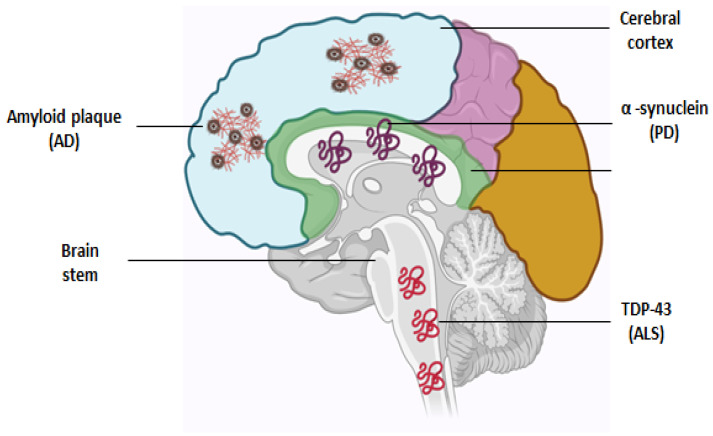
“while PD and ALS are characterized by the accumulation of α-synuclein [5] and TDP43 [6], respectively”
§ Unraveling the Genetic Landscape of Neurological Disorders: Insights into Pathogenesis, Techniques for Variant Identification, and Therapeutic Approaches > 1. Introduction
What the sources say
- Not checked yetcites [5] Kovacs G.G. Botond G. Budka H. Protein coding of neurodegenerative dementias: The neuropathological basis of biomarker diagnostics Acta Neuropathol. 2010 119 389 408 10.1007/s00401-010-0658-1 20198481 source
plainstates an association- Asserted: passes — The authors put it forward as true.
- Checkable: passes — It can be checked against evidence.
- Load-bearing: unclear — It is unclear whether the paper’s conclusions depend on it.
- Based: passes — The paper gives a reason why it holds.
In the paper
“Many neurological disorders are known to have substantial genetic factors contributing to their development [13].”
§ Unraveling the Genetic Landscape of Neurological Disorders: Insights into Pathogenesis, Techniques for Variant Identification, and Therapeutic Approaches > 2. Genetic Techniques in Addressing Neurodegenerative Disorders
What the sources say
- Not checked yetcites [13] Koretsky M.J. Alvarado C. Makarious M.B. Vitale D. Levine K. Bandres-Ciga S. Dadu A. Scholz S.W. Sargent L. Faghri F. Genetic risk factor clustering within and across neurodegenerative diseases Brain 2023 146 4486 4494 10.1093/brain/awad161 37192343 PMC10629980 source
boostedstates an association- Asserted: passes — The authors put it forward as true.
- Checkable: passes — It can be checked against evidence.
- Load-bearing: passes — The paper’s conclusions depend on it.
- Based: passes — The paper gives a reason why it holds.
In the paper
“The current experience with GWASs strongly suggests that rarer variants that are hard to detect with GWASs may account for the ‘missing’ heritability [19].”
§ Unraveling the Genetic Landscape of Neurological Disorders: Insights into Pathogenesis, Techniques for Variant Identification, and Therapeutic Approaches > 2. Genetic Techniques in Addressing Neurodegenerative Disorders
What the sources say
- Not checked yetcites [19] Young A.I. Solving the missing heritability problem PLoS Genet. 2019 15 e1008222 10.1371/journal.pgen.1008222 31233496 PMC6611648 source
hedgedstates a possible cause- Asserted: passes — The authors put it forward as true.
- Checkable: passes — It can be checked against evidence.
- Load-bearing: passes — The paper’s conclusions depend on it.
- Based: passes — The paper gives a reason why it holds.
In the paper
“These findings bear significant implications for risk prediction, diagnosis, and the treatment of neurological diseases [14].”
§ Unraveling the Genetic Landscape of Neurological Disorders: Insights into Pathogenesis, Techniques for Variant Identification, and Therapeutic Approaches > 2. Genetic Techniques in Addressing Neurodegenerative Disorders
What the sources say
- Not checked yetcites [14] Jiang T. Tan M.-S. Tan L. Yu J.-T. Application of next-generation sequencing technologies in Neurology Ann. Transl. Med. 2014 2 125 10.3978/j.issn.2305-5839.2014.11.11 25568878 PMC4260045 doi:10.3978/j.issn.2305-5839.2014.11.11
plainstates an association- Asserted: passes — The authors put it forward as true.
- Checkable: passes — It can be checked against evidence.
- Load-bearing: passes — The paper’s conclusions depend on it.
- Based: passes — The paper gives a reason why it holds.
In the paper
“Most common neurological diseases like AD, PD, and ALS can be studied using both approaches.”
§ Unraveling the Genetic Landscape of Neurological Disorders: Insights into Pathogenesis, Techniques for Variant Identification, and Therapeutic Approaches > 2. Genetic Techniques in Addressing Neurodegenerative Disorders
What the sources say
- Not checked yetcites [16] Craig J. Complex Diseases: Research and Applications Nat. Educ. 2008 1 184
plain- Asserted: passes — The authors put it forward as true.
- Checkable: passes — It can be checked against evidence.
- Load-bearing: unclear — It is unclear whether the paper’s conclusions depend on it.
- Based: passes — The paper gives a reason why it holds.
125 more claims
Create a free account to see all 313 claims and to verify the 294 references still open.
- It may state two separate claims as one. 146
- Probably not a substantial claim. 70
Self-check
Percentages, sums and reported differences re-computed from the paper’s own numbers.
Each contradiction between two passages listed here was confirmed by an independent check.
Rated minor: it would not touch a result — a value no result rests on, a p-value that stays on the same side of the significance level, or a conflict that is clerical, resolved elsewhere in the paper, or outside its own findings.
In the paper
§ Unraveling the Genetic Landscape of Neurological Disorders: Insights into Pathogenesis, Techniques for Variant Identification, and Therapeutic Approaches > 3. Genetic Mutations and Corresponding Cellular Alterations in Neurodegenerative Disorders > 3.1. Amyotrophic Lateral Sclerosis (ALS)
“the standardized global incidence of ALS is only 168 per 100,000 person-years of follow-up”
§ Unraveling the Genetic Landscape of Neurological Disorders: Insights into Pathogenesis, Techniques for Variant Identification, and Therapeutic Approaches > 3. Genetic Mutations and Corresponding Cellular Alterations in Neurodegenerative Disorders > 3.1. Amyotrophic Lateral Sclerosis (ALS)
“Oceania universally has the highest incidence (2.25 per 100,000)”
Cited works that were retracted
Works this paper cites that were later retracted, from the retraction notices publishers deposit. Major when the notice came out before this paper was published.
Rated major: it would touch a result — a value a result rests on, reported and recomputed p-values on opposite sides of the significance level, two passages that conflict with no sign which is right, or a cited work retracted before this paper was published.
In the paper
“Pervez, M.T., Hasnain, M.J.U., Abbas, S.H., Moustafa, M.F., Aslam, N., and Shah, S.S.M. (2022). A comprehensive review of performance of next-generation sequencing platforms. BioMed Res. Int., 2022.”
Cited work 10.1155/2022/3457806 · retracted 2024-01-09 · notice 10.1155/2024/9837802 · this paper published 2024-02-15
Rated major: it would touch a result — a value a result rests on, reported and recomputed p-values on opposite sides of the significance level, two passages that conflict with no sign which is right, or a cited work retracted before this paper was published.
In the paper
“Liu X. Yin L. Li T. Lin L. Zhang J. Li Y. Reduction of WDR81 impairs autophagic clearance of aggregated proteins and cell viability in neurodegenerative phenotypes PLoS Genet. 2021 17 e1009415 10.1371/journal.pgen.1009415 33730050 PMC7968681”
Cited work 10.1371/journal.pgen.1009415 · retracted 2021-08-17 · notice 10.1371/journal.pgen.1009746 · this paper published 2024-02-15
Citations
Cites
2 retracted
[Retracted] A Comprehensive Review of Performance of Next‐Generation Sequencing Platforms
Pervez, M. T., Hasnain, M. J. U., Abbas, S. H., Moustafa, M. F., Aslam, N., & Shah, S. S. M. (2022) · BioMed Research International · doi:10.1155/2022/3457806 · Cited by 141
RetractedLiu, X., Yin, L., Li, T., Lin, L., Zhang, J., & Li, Y. (2021) · PLoS Genetics · doi:10.1371/journal.pgen.1009415 · Cited by 6
RetractedKok, J. S., Berg, I. J., & Scherder, E. J. A. (2013) · Dementia and Geriatric Cognitive Disorders Extra · doi:10.1159/000353441 · Cited by 20,589
Corder, E. H., Saunders, A. M., Strittmatter, W. J., Schmechel, D. E., Gaskell, P. C., Small, G. W., Roses, A. D., Haines, J. L., & Pericak-Vance, M. A. (1993) · Science · doi:10.1126/science.8346443 · Cited by 9,429
Finding the missing heritability of complex diseases
Manolio, T. A., Collins, F. S., Cox, N. J., Goldstein, D. B., Hindorff, L. A., Hunter, D. J., McCarthy, M. I., Ramos, E. M., Cardon, L. R., Chakravarti, A., et al. (2009) · Nature · doi:10.1038/nature08494 · Cited by 8,336
Mutation in the α-Synuclein Gene Identified in Families with Parkinson's Disease
Polymeropoulos, M. H., Lavedan, C., Leroy, E., Ide, S. E., Dehejia, A., Dutra, A., Pike, B., Root, H., Rubenstein, J., Boyer, R., et al. (1997) · Science · doi:10.1126/science.276.5321.2045 · Cited by 8,240
Rosen, D. R., Siddique, T., Patterson, D., Figlewicz, D. A., Sapp, P., Hentati, A., Donaldson, D., Goto, J., O'Regan, J. P., Deng, H.-X., et al. (1993) · Nature · doi:10.1038/362059a0 · Cited by 7,062
Nichols, E., Steinmetz, J. D., Vollset, S. E., Fukutaki, K., Chalek, J., Abd-Allah, F., Abdoli, A., Abualhasan, A., Abu-Gharbieh, E., Akram, T. T., et al. (2022) · The Lancet Public Health · doi:10.1016/s2468-2667(21)00249-8 · Cited by 5,575
Programmable editing of a target base in genomic DNA without double-stranded DNA cleavage
Komor, A. C., Kim, Y. B., Packer, M. S., Zuris, J. A., & Liu, D. R. (2016) · Nature · doi:10.1038/nature17946 · Cited by 5,437
Poewe, W., Seppi, K., Tanner, C. M., Halliday, G. M., Brundin, P., Volkmann, J., Schrag, A.-E., & Lang, A. E. (2017) · Nature Reviews Disease Primers · doi:10.1038/nrdp.2017.13 · Cited by 5,415
DeJesus-Hernandez, M., Mackenzie, I. R., Boeve, B. F., Boxer, A. L., Baker, M., Rutherford, N. J., Nicholson, A. M., Finch, N. A., Flynn, H., Adamson, J., et al. (2011) · Neuron · doi:10.1016/j.neuron.2011.09.011 · Cited by 4,936
Search-and-replace genome editing without double-strand breaks or donor DNA
Anzalone, A. V., Randolph, P. B., Davis, J. R., Sousa, A. A., Koblan, L. W., Levy, J. M., Chen, P. J., Wilson, C., Newby, G. A., Raguram, A., et al. (2019) · Nature · doi:10.1038/s41586-019-1711-4 · Cited by 4,767
Goate, A., Chartier-Harlin, M.-C., Mullan, M., Brown, J., Crawford, F., Fidani, L., Giuffra, L., Haynes, A., Irving, N., James, L., et al. (1991) · Nature · doi:10.1038/349704a0 · Cited by 4,659
α-Synuclein Locus Triplication Causes Parkinson's Disease
Singleton, A. B., Farrer, M., Johnson, J., Singleton, A., Hague, S., Kachergus, J., Hulihan, M., Peuralinna, T., Dutra, A., Nussbaum, R., et al. (2003) · Science · doi:10.1126/science.1090278 · Cited by 4,383
Meta-Analysis of 74,046 Individuals Identifies 11 New Susceptibility Loci for Alzheimer’s Disease
(EADI), E. A. D. I., Lambert, J.-C., (GERAD), G. A. E. R. I. A. D., Alzheimer's Disease Genetic Consortium (ADGC), (CHARGE), C. F. H. A. A. R. I. G. E., Ibrahim-Verbaas, C. A., Harold, D., Naj, A. C., Sims, R., Bellenguez, C., et al. (2013) · Nature Genetics · doi:10.1038/ng.2802 · Cited by 4,336
Strittmatter, W. J., Saunders, A. M., Schmechel, D., Pericak-Vance, M., Enghild, J., Salvesen, G. S., & Roses, A. D. (1993) · Proceedings of the National Academy of Sciences · doi:10.1073/pnas.90.5.1977 · Cited by 4,268
Programmable base editing of A•T to G•C in genomic DNA without DNA cleavage
Gaudelli, N. M., Komor, A. C., Rees, H. A., Packer, M. S., Badran, A. H., Bryson, D. I., & Liu, D. R. (2017) · Nature · doi:10.1038/nature24644 · Cited by 4,184
Cloning of a gene bearing missense mutations in early-onset familial Alzheimer's disease
Sherrington, R., Rogaev, E. I., Liang, Y., Rogaeva, E. A., Levesque, G., Ikeda, M., Chi, H., Lin, C., Li, G., Holman, K., et al. (1995) · Nature · doi:10.1038/375754a0 · Cited by 4,051
Real-Time DNA Sequencing from Single Polymerase Molecules
Eid, J., Fehr, A., Gray, J., Luong, K., Lyle, J., Otto, G., Peluso, P., Rank, D., Baybayan, P., Bettman, B., et al. (2009) · Science · doi:10.1126/science.1162986 · Cited by 3,732
ClinVar: public archive of relationships among sequence variation and human phenotype
Landrum, M. J., Lee, J. M., Riley, G. R., Jang, W., Rubinstein, W. S., Church, D. M., & Maglott, D. R. (2014) · Nucleic Acids Research · doi:10.1093/nar/gkt1113 · Cited by 3,516 · cited 1×
“The prevalent genetic disorders in human pathologies, encompassing inherited neurodegenerative diseases, are a tt ributed to single-base pair point mutations [360].”
BackgroundDefining the clinical course of multiple sclerosis: The 2013 revisions
Lublin, F. D., Reingold, S. C., Cohen, J. A., Cutter, G. R., Sørensen, P. S., Thompson, A. J., Wolinsky, J. S., Balcer, L. J., Banwell, B., Barkhof, F., et al. (2014) · Neurology · doi:10.1212/wnl.0000000000000560 · Cited by 3,177
The complete sequence of a human genome
Nurk, S., Koren, S., Rhie, A., Rautiainen, M., Bzikadze, A. V., Mikheenko, A., Vollger, M. R., Altemose, N., Uralsky, L., Gershman, A., et al. (2022) · Science · doi:10.1126/science.abj6987 · Cited by 3,136 · cited 3×
“…centromeres [31,32]. initiative commenced with the aim of constructing a human reference genome devoid of any gaps; thus, researchers utilized both PacBio and ONT technologies to meticulously sequence every facet of the genome, including the historically elusive telomeres and centromeres [31,32].”
BackgroundMethodTREM2 Variants in Alzheimer's Disease
Guerreiro, R., Wojtas, A., Bras, J., Carrasquillo, M., Rogaeva, E., Majounie, E., Cruchaga, C., Sassi, C., Kauwe, J. S. K., Younkin, S., et al. (2013) · New England Journal of Medicine · doi:10.1056/nejmoa1211851 · Cited by 3,020
Alzheimer Disease Genetics Consortium (ADGC), Kunkle, B. W., The European Alzheimer’s Disease Initiative (EADI), Cohorts for Heart and Aging Research in Genomic Epidemiology Consortium (CHARGE), Genetic and Environmental Risk in AD/Defining Genetic, P. A. E. R. F. A. D. C. (., Grenier-Boley, B., Sims, R., Bis, J. C., Damotte, V., Naj, A. C., et al. (2019) · Nature Genetics · doi:10.1038/s41588-019-0358-2 · Cited by 2,946
Montine, T. J., Phelps, C. H., Beach, T. G., Bigio, E. H., Cairns, N. J., Dickson, D. W., Duyckaerts, C., Frosch, M. P., Masliah, E., Mirra, S. S., et al. (2012) · Acta Neuropathologica · doi:10.1007/s00401-011-0910-3 · Cited by 2,894 · cited 1×
“A neuropathologic diagnosis of AD requires the presence of both amyloid beta (A β ) plaques outside neuronal cell, and neurofibrillary tangles (NFTs) inside the neurons, which can now be easily identified using immunohistochemical stains such as A β and tau, respectively [111].”
BackgroundSpillantini, M. G., Crowther, R. A., Jakes, R., Hasegawa, M., & Goedert, M. (1998) · Proceedings of the National Academy of Sciences · doi:10.1073/pnas.95.11.6469 · Cited by 2,868
Dorsey, E. R., Elbaz, A., Nichols, E., Abbasi, N., Abd-Allah, F., Abdelalim, A., Adsuar, J. C., Ansha, M. G., Brayne, C., Choi, J.-Y. J., et al. (2018) · The Lancet Neurology · doi:10.1016/s1474-4422(18)30295-3 · Cited by 2,816 · cited 1×
“The prevalence of PD is anticipated to rise sharply as the world’s population ages, doubling in the following two decades [232].”
BackgroundRising prevalence of multiple sclerosis worldwide: Insights from the Atlas of MS, third edition
Walton, C., King, R., Rechtman, L., Kaye, W., Leray, E., Marrie, R. A., Robertson, N., La Rocca, N., Uitdehaag, B., van der Mei, I., et al. (2020) · Multiple Sclerosis Journal · doi:10.1177/1352458520970841 · Cited by 2,653
Candidate gene for the chromosome 1 familial Alzheimer’s disease locus
Levy-Lahad, E., Wasco, W., Poorkaj, P., Romano, D. M., Oshima, J., Pettingell, W. H., Yu, C.-E., Jondro, P. D., Schmidt, S. D., Wang, K., et al. (1995) · Science · doi:10.1126/science.7638622 · Cited by 2,577 · cited 1×
“Rogaev et al. [126] discovered two different mutations that were associated with familial AD namely M239V in Italian kindred and N141I in a Volga German pedigree, while Levy-Lahad et al. [127] also discovered the N141I mutation in Volga German kindred.”
BackgroundMutations in the FUS/TLS Gene on Chromosome 16 Cause Familial Amyotrophic Lateral Sclerosis
Kwiatkowski, T. J., Bosco, D. A., LeClerc, A. L., Tamrazian, E., Vanderburg, C. R., Russ, C., Davis, A., Gilchrist, J., Kasarskis, E. J., Munsat, T., et al. (2009) · Science · doi:10.1126/science.1166066 · Cited by 2,553
New insights into the genetic etiology of Alzheimer’s disease and related dementias
Bellenguez, C., Küçükali, F., Jansen, I. E., Kleineidam, L., Moreno-Grau, S., Amin, N., Naj, A. C., Campos-Martin, R., Grenier-Boley, B., Andrade, V., et al. (2022) · Nature Genetics · doi:10.1038/s41588-022-01024-z · Cited by 2,498
2019 Alzheimer’s disease facts and figures.
Alzheimer's Association (2019) · Alzheimer's & Dementia · doi:10.1016/j.jalz.2019.01.010 · Cited by 2,461 · cited 4×
“Currently, the disease affects one in nine people over the age of 65 and one in three people over the age of 85 [116].”
BackgroundInfluentialNalls, M. A., Blauwendraat, C., Vallerga, C. L., Heilbron, K., Bandres-Ciga, S., Chang, D., Tan, M., Kia, D. A., Noyce, A. J., Xue, A., et al. (2019) · The Lancet Neurology · doi:10.1016/s1474-4422(19)30320-5 · Cited by 2,454
Single-Dose Gene-Replacement Therapy for Spinal Muscular Atrophy
Mendell, J. R., Al-Zaidy, S., Shell, R., Arnold, W. D., Rodino-Klapac, L. R., Prior, T. W., Lowes, L., Alfano, L., Berry, K., Church, K., et al. (2017) · New England Journal of Medicine · doi:10.1056/nejmoa1706198 · Cited by 2,381 · cited 2×
“In neurodegenerative diseases, spinal muscular atrophy (SMA) was the first to be cured with the exogenous introduction of SMN1 gene to children under two years of age [352].”
BackgroundRogaev, E. I., Sherrington, R., Rogaeva, E. A., Levesque, G., Ikeda, M., Liang, Y., Chi, H., Lin, C., Holman, K., Tsuda, T., et al. (1995) · Nature · doi:10.1038/376775a0 · Cited by 2,052 · cited 1×
“Rogaev et al. [126] discovered two different mutations that were associated with familial AD namely M239V in Italian kindred and N141I in a Volga German pedigree, while Levy-Lahad et al. [127] also discovered the N141I mutation in Volga German kindred.”
BackgroundThe Amyloid-β Pathway in Alzheimer’s Disease
Hampel, H., Hardy, J., Blennow, K., Chen, C., Perry, G., Kim, S. H., Villemagne, V. L., Aisen, P., Vendruscolo, M., Iwatsubo, T., et al. (2021) · Molecular Psychiatry · doi:10.1038/s41380-021-01249-0 · Cited by 1,952
International Parkinson's Disease Genomics Consortium (IPDGC), Nalls, M. A., Parkinson's Study Group (PSG) Parkinson's Research: The Organized GENetics Initiative (PROGENI), 23andMe, GenePD, NeuroGenetics Research Consortium (NGRC), Hussman Institute of Human Genomics (HIHG), Investigator, T. A. J. D., (CHARGE), C. F. H. A. A. R. I. G. E., North American Brain Expression Consortium (NABEC), et al. (2014) · Nature Genetics · doi:10.1038/ng.3043 · Cited by 1,895 · cited 1×
“Similarly, while genome-wide association studies (GWASs) have made notable progress in identifying common GWAS-SNPs in cohort with neurodegenerative disease, despite the advancement, these variants account for only a small portion of heritable risk [328,329].”
BackgroundSystematic meta-analyses of Alzheimer disease genetic association studies: the AlzGene database
Bertram, L., McQueen, M. B., Mullin, K., Blacker, D., & Tanzi, R. E. (2007) · Nature Genetics · doi:10.1038/ng1934 · Cited by 1,857 · cited 2×
“According to the GWASs, the top 10 genes that are most strongly linked to the risk of LOAD are APOE , BIN1 , CLU , ABCA7 , CR1 , PICALM , MS4A6A , CD33 , MS4AE , and CD2AP [155].”
BackgroundMultiple sclerosis genomic map implicates peripheral immune cells and microglia in susceptibility
International Multiple Sclerosis Genetics Consortium, Patsopoulos, N. A., Baranzini, S. E., Santaniello, A., Shoostari, P., Cotsapas, C., Wong, G., Beecham, A. H., James, T., Replogle, J., et al. (2019) · Science · doi:10.1126/science.aav7188 · Cited by 1,818
Continuous base identification for single-molecule nanopore DNA sequencing
Clarke, J., Wu, H.-C., Jayasinghe, L., Patel, A., Reid, S., & Bayley, H. (2009) · Nature Nanotechnology · doi:10.1038/nnano.2009.12 · Cited by 1,810
Genome-wide association study reveals genetic risk underlying Parkinson's disease
Simón-Sánchez, J., Schulte, C., Bras, J. M., Sharma, M., Gibbs, J. R., Berg, D., Paisan-Ruiz, C., Lichtner, P., Scholz, S. W., Hernandez, D. G., et al. (2009) · Nature Genetics · doi:10.1038/ng.487 · Cited by 1,751
Parkinson, J. (2002) · The Journal of Neuropsychiatry and Clinical Neurosciences · doi:10.1176/jnp.14.2.223 · Cited by 1,628
TARDBP mutations in individuals with sporadic and familial amyotrophic lateral sclerosis
Kabashi, E., Valdmanis, P. N., Dion, P., Spiegelman, D., McConkey, B. J., Velde, C. V., Bouchard, J.-P., Lacomblez, L., Pochigaeva, K., Salachas, F., et al. (2008) · Nature Genetics · doi:10.1038/ng.132 · Cited by 1,544 · cited 1×
“In 2008, TARDBP (encoding TDP-43) was recognized as a causative gene of ALS [80].”
BackgroundUber eine eigenartige Erkrankung der Hirnrinde
Alzheimer, A. (1907) · Medical Entomology and Zoology · Cited by 1,503
The next generation of CRISPR–Cas technologies and applications
Pickar-Oliver, A., & Gersbach, C. A. (2019) · Nature Reviews Molecular Cell Biology · doi:10.1038/s41580-019-0131-5 · Cited by 1,459
Behavioral and psychological symptoms of dementia
Cerejeira, J., Lagarto, L., & Mukaetova-Ladinska, E. B. (2012) · Frontiers in Neurology · doi:10.3389/fneur.2012.00073 · Cited by 1,425
Apolipoprotein E and Alzheimer disease: pathobiology and targeting strategies
Yamazaki, Y., Zhao, N., Caulfield, T. R., Liu, C.-C., & Bu, G. (2019) · Nature Reviews Neurology · doi:10.1038/s41582-019-0228-7 · Cited by 1,425 · cited 1×
“In an alternate study, antisense oligonucleotides (ASOs) were employed to omit the penultimate exon (exon 17) of APP [382].”
BackgroundHealy, D. G., Falchi, M., O'Sullivan, S. S., Bonifati, V., Durr, A., Bressman, S., Brice, A., Aasly, J., Zabetian, C. P., Goldwurm, S., et al. (2008) · The Lancet Neurology · doi:10.1016/s1474-4422(08)70117-0 · Cited by 1,425
Viral vector platforms within the gene therapy landscape
Bulcha, J. T., Wang, Y., Ma, H., Tai, P. W. L., & Gao, G. (2021) · Signal Transduction and Targeted Therapy · doi:10.1038/s41392-021-00487-6 · Cited by 1,404
Chartier-Harlin, M.-C., Crawford, F., Houlden, H., Warren, A., Hughes, D., Fidani, L., Goate, A., Rossor, M., Roques, P., Hardy, J., et al. (1991) · Nature · doi:10.1038/353844a0 · Cited by 1,214 · cited 1×
“Following this initial finding, Chartier-Harlin et al. and Murrell et al. discovered different mutations (V717G and V717F, respectively) in the same amino acid in additional families with AD [118,119].”
ResultThe neuronal sortilin-related receptor SORL1 is genetically associated with Alzheimer disease
Rogaeva, E., Meng, Y., Lee, J. H., Gu, Y., Kawarai, T., Zou, F., Katayama, T., Baldwin, C. T., Cheng, R., Hasegawa, H., et al. (2007) · Nature Genetics · doi:10.1038/ng1943 · Cited by 1,167 · cited 1×
“Six SNPs were found by Rogaeva et al. to be significantly associated with AD in two different regions of the SORL1 gene using previously identified SNPs in these pathways [136].”
MethodNamba, Y., Tomonaga, M., Kawasaki, H., Otomo, E., & Ikeda, K. (1991) · Brain Research · doi:10.1016/0006-8993(91)91092-f · Cited by 1,157 · cited 1×
“Simultaneously, Namba et al. found that apoE was localized to NFTs and A β deposits in the brain of AD patients [131].”
BackgroundFeldman, E. L., Goutman, S. A., Petri, S., Mazzini, L., Savelieff, M. G., Shaw, P. J., & Sobue, G. (2022) · The Lancet · doi:10.1016/s0140-6736(22)01272-7 · Cited by 1,129
A mutation in the Amyloid Precursor Protein Associated with Hereditary Alzheimer's Disease
Murrell, J., Farlow, M., Ghetti, B., & Benson, M. D. (1991) · Science · doi:10.1126/science.1925564 · Cited by 1,127 · cited 1×
“Following this initial finding, Chartier-Harlin et al. and Murrell et al. discovered different mutations (V717G and V717F, respectively) in the same amino acid in additional families with AD [118,119].”
ResultLin, Y.-T., Seo, J., Gao, F., Feldman, H. M., Wen, H.-L., Penney, J., Cam, H. P., Gjoneska, E., Raja, W. K., Cheng, J., et al. (2018) · Neuron · doi:10.1016/j.neuron.2018.05.008 · Cited by 1,125
Parkinson Disease Epidemiology, Pathology, Genetics, and Pathophysiology
Simon, D. K., Tanner, C. M., & Brundin, P. (2020) · Clinics in Geriatric Medicine · doi:10.1016/j.cger.2019.08.002 · Cited by 1,114 · cited 2×
“Simon et al. (2020) compared the prevalence rate in monozygotic and dizygotic twins and found that the heritability of PD is only 30%, implying that most of the PD risk is related to environmental and behavioral factors [233].”
BackgroundThe genetic architecture of Parkinson's disease
Blauwendraat, C., Nalls, M. A., & Singleton, A. B. (2020) · The Lancet Neurology · doi:10.1016/s1474-4422(19)30287-x · Cited by 1,114
Prevalence of Parkinson’s disease across North America
Marras, C., Beck, J. C., Bower, J. H., Roberts, E., Ritz, B., Ross, G. W., Abbott, R. D., Savica, R., Van Den Eeden, S. K., Willis, A. W., et al. (2018) · npj Parkinson's Disease · doi:10.1038/s41531-018-0058-0 · Cited by 968
Saudou, F., & Humbert, S. (2016) · Neuron · doi:10.1016/j.neuron.2016.02.003 · Cited by 951
Stress granules as crucibles of ALS pathogenesis
Li, Y. R., King, O. D., Shorter, J., & Gitler, A. D. (2013) · Journal of Cell Biology · doi:10.1083/jcb.201302044 · Cited by 922
2011 Alzheimer's disease facts and figures
Alzheimer's Association (2011) · Alzheimer's & Dementia · doi:10.1016/j.jalz.2011.02.004 · Cited by 908
The genetic landscape of Alzheimer disease: clinical implications and perspectives
Van Cauwenberghe, C., Van Broeckhoven, C., & Sleegers, K. (2016) · Genetics in Medicine · doi:10.1038/gim.2015.117 · Cited by 863 · cited 1×
“Furthermore, known mutations in these three genes, APP , PSEN1 , and PSEN2 , account for only about 1% of autosomal dominantly inherited AD [129], but their identification has resulted in a significant advancement in understanding of the pathophysiology of AD.”
BackgroundA Mutation in VPS35, Encoding a Subunit of the Retromer Complex, Causes Late-Onset Parkinson Disease
Zimprich, A., Benet-Pagès, A., Struhal, W., Graf, E., Eck, S. H., Offman, M. N., Haubenberger, D., Spielberger, S., Schulte, E. C., Lichtner, P., et al. (2011) · The American Journal of Human Genetics · doi:10.1016/j.ajhg.2011.06.008 · Cited by 816
COPPER-ZINC SUPEROXIDE DISMUTASE AND AMYOTROPHIC LATERAL SCLEROSIS
Valentine, J. S., Doucette, P. A., & Zittin Potter, S. (2005) · Annual Review of Biochemistry · doi:10.1146/annurev.biochem.72.121801.161647 · Cited by 785
Resolving the complexity of the human genome using single-molecule sequencing
Chaisson, M. J. P., Huddleston, J., Dennis, M. Y., Sudmant, P. H., Malig, M., Hormozdiari, F., Antonacci, F., Surti, U., Sandstrom, R., Boitano, M., et al. (2015) · Nature · doi:10.1038/nature13907 · Cited by 783
Association of an Extended Haplotype in the Tau Gene with Progressive Supranuclear Palsy
Baker, M., Litvan, I., Houlden, H., Adamson, J., Dickson, D., Perez-Tur, J., Hardy, J., Lynch, T., Bigio, E., & Hutton, M. (1999) · Human Molecular Genetics · doi:10.1093/hmg/8.4.711 · Cited by 781 · cited 1×
“Baker et al. sequenced the MAPT gene to look for an association between MAPT and progressive supranuclear palsy (PSP) [140].”
BackgroundTransplantation Outcomes for Severe Combined Immunodeficiency, 2000–2009
Pai, S.-Y., Logan, B. R., Griffith, L. M., Buckley, R. H., Parrott, R. E., Dvorak, C. C., Kapoor, N., Hanson, I. C., Filipovich, A. H., Jyonouchi, S., et al. (2014) · New England Journal of Medicine · doi:10.1056/nejmoa1401177 · Cited by 780
Telomere-to-telomere assembly of a complete human X chromosome
Miga, K. H., Koren, S., Rhie, A., Vollger, M. R., Gershman, A., Bzikadze, A., Brooks, S., Howe, E., Porubsky, D., Logsdon, G. A., et al. (2020) · Nature · doi:10.1038/s41586-020-2547-7 · Cited by 765
Non Viral Vectors in Gene Therapy- An Overview
Ramamoorth, M. (2015) · JOURNAL OF CLINICAL AND DIAGNOSTIC RESEARCH · doi:10.7860/jcdr/2015/10443.5394 · Cited by 761
Linkage studies in familial Alzheimer disease: evidence for chromosome 19 linkage.
(1991) · Europe PMC (PubMed Central) · Cited by 758
Kim, Y. B., Komor, A. C., Levy, J. M., Packer, M. S., Zhao, K. T., & Liu, D. R. (2017) · Nature Biotechnology · doi:10.1038/nbt.3803 · Cited by 758
A new subtype of frontotemporal lobar degeneration with FUS pathology
Neumann, M., Rademakers, R., Roeber, S., Baker, M., Kretzschmar, H. A., & Mackenzie, I. R. A. (2009) · Brain · doi:10.1093/brain/awp214 · Cited by 722
The Natural History of Mental Disorder in Old Age
Roth, M. (1955) · Journal of Mental Science · doi:10.1192/bjp.101.423.281 · Cited by 722
Haplotype-resolved diverse human genomes and integrated analysis of structural variation
Ebert, P., Audano, P. A., Zhu, Q., Rodriguez-Martin, B., Porubsky, D., Bonder, M. J., Sulovari, A., Ebler, J., Zhou, W., Serra Mari, R., et al. (2021) · Science · doi:10.1126/science.abf7117 · Cited by 702 · cited 4×
“…the identi fi cation of structural variations like insertions, deletions, inversions, translocations, expansions, and copy number variations [33,34]. whole-genome sequencing (WGS) stands out for its capability of navigating through intricate genomic regions, facilitating the identification of…”
BackgroundInfluentialTREMs in the immune system and beyond
Colonna, M. (2003) · Nature Reviews Immunology · doi:10.1038/nri1106 · Cited by 701
Filipello, F., Morini, R., Corradini, I., Zerbi, V., Canzi, A., Michalski, B., Erreni, M., Markicevic, M., Starvaggi-Cucuzza, C., Otero, K., et al. (2018) · Immunity · doi:10.1016/j.immuni.2018.04.016 · Cited by 695 · cited 1×
“Triggering receptor expressed on myeloid cells 2 ( TREM2 ) is a receptor of the innate immune system expressed on microglia, macrophages, dendritic cells, and encoded by TREM2 [144].”
BackgroundGenome-wide changes in lncRNA, splicing, and regional gene expression patterns in autism
Parikshak, N. N., Swarup, V., Belgard, T. G., Irimia, M., Ramaswami, G., Gandal, M. J., Hartl, C., Leppa, V., Ubieta, L. D. L. T., Huang, J., et al. (2016) · Nature · doi:10.1038/nature20612 · Cited by 685
Genome-wide Analyses Identify KIF5A as a Novel ALS Gene
Nicolas, A., Kenna, K. P., Renton, A. E., Ticozzi, N., Faghri, F., Chia, R., Dominov, J. A., Kenna, B. J., Nalls, M. A., Keagle, P., et al. (2018) · Neuron · doi:10.1016/j.neuron.2018.02.027 · Cited by 678
A new locus for Parkinson's disease (PARK8) maps to chromosome 12p11.2–q13.1
Funayama, M., Hasegawa, K., Kowa, H., Saito, M., Tsuji, S., & Obata, F. (2002) · Annals of Neurology · doi:10.1002/ana.10113 · Cited by 667
Transcriptome-wide off-target RNA editing induced by CRISPR-guided DNA base editors
Grünewald, J., Zhou, R., Garcia, S. P., Iyer, S., Lareau, C. A., Aryee, M. J., & Joung, J. K. (2019) · Nature · doi:10.1038/s41586-019-1161-z · Cited by 663
Systematic review of incidence studies of Parkinson's disease
Twelves, D., Perkins, K. S. M., & Counsell, C. (2003) · Movement Disorders · doi:10.1002/mds.10305 · Cited by 622
Molecular genetics of early-onset Alzheimer’s disease revisited
Cacace, R., Sleegers, K., & Van Broeckhoven, C. (2016) · Alzheimer's & Dementia · doi:10.1016/j.jalz.2016.01.012 · Cited by 617 · cited 1×
“Since then, numerous additional PSEN1 mutations have been identified [124].”
BackgroundMiller, T. M., Pestronk, A., David, W., Rothstein, J., Simpson, E., Appel, S. H., Andres, P. L., Mahoney, K., Allred, P., Alexander, K., et al. (2013) · The Lancet Neurology · doi:10.1016/s1474-4422(13)70061-9 · Cited by 617 · cited 1×
“It is possible (and likely) that a significant proportion of cases that were previously thought to be sporadic and nonfamilial will ultimately be found to result from disease-causing mutations or genetic risk factors (like APOE-ε 4 in AD).”
Arboleda-Velasquez, J. F., Lopera, F., O’Hare, M., Delgado-Tirado, S., Marino, C., Chmielewska, N., Saez-Torres, K. L., Amarnani, D., Schultz, A. P., Sperling, R. A., et al. (2019) · Nature Medicine · doi:10.1038/s41591-019-0611-3 · Cited by 598
The link between the GBA gene and parkinsonism
Sidransky, E., & Lopez, G. (2012) · The Lancet Neurology · doi:10.1016/s1474-4422(12)70190-4 · Cited by 583
Cell Biology and Pathophysiology of α-Synuclein
Burré, J., Sharma, M., & Südhof, T. C. (2018) · Cold Spring Harbor Perspectives in Medicine · doi:10.1101/cshperspect.a024091 · Cited by 579
Novel genes associated with amyotrophic lateral sclerosis: diagnostic and clinical implications
Chia, R., Chiò, A., & Traynor, B. J. (2018) · The Lancet Neurology · doi:10.1016/s1474-4422(17)30401-5 · Cited by 573
Phase 1–2 Trial of Antisense Oligonucleotide Tofersen for SOD1 ALS
Miller, T., Cudkowicz, M., Shaw, P. J., Andersen, P. M., Atassi, N., Bucelli, R. C., Genge, A., Glass, J., Ladha, S., Ludolph, A. L., et al. (2020) · New England Journal of Medicine · doi:10.1056/nejmoa2003715 · Cited by 565 · cited 1×
“It is possible (and likely) that a significant proportion of cases that were previously thought to be sporadic and nonfamilial will ultimately be found to result from disease-causing mutations or genetic risk factors (like APOE-ε 4 in AD).”
BackgroundGWAS on family history of Alzheimer’s disease
Marioni, R. E., Harris, S. E., Zhang, Q., McRae, A. F., Hagenaars, S. P., Hill, W. D., Davies, G., Ritchie, C. W., Gale, C. R., Starr, J. M., et al. (2018) · Translational Psychiatry · doi:10.1038/s41398-018-0150-6 · Cited by 564 · cited 1×
“They confirmed the findings of Marioni et al. that the genetic architecture of LOAD is more strongly associated with a maternal family history of AD than with a paternal family history of AD [226].”
ResultLRRK2 activation in idiopathic Parkinson’s disease
Di Maio, R., Hoffman, E. K., Rocha, E. M., Keeney, M. T., Sanders, L. H., De Miranda, B. R., Zharikov, A., Van Laar, A., Stepan, A. F., Lanz, T. A., et al. (2018) · Science Translational Medicine · doi:10.1126/scitranslmed.aar5429 · Cited by 564
van Rheenen, W., van der Spek, R. A. A., Bakker, M. K., van Vugt, J. J. F. A., Hop, P. J., Zwamborn, R. A. J., de Klein, N., Westra, H.-J., Bakker, O. B., Deelen, P., et al. (2021) · Nature Genetics · doi:10.1038/s41588-021-00973-1 · Cited by 542 · cited 1×
“A recently published GWAS, including 29,612 patients with ALS and 122,656 controls, identified 15 risk loci (Table 2) [93].”
BackgroundGenetic epidemiology of amyotrophic lateral sclerosis: a systematic review and meta-analysis
Zou, Z.-Y., Zhou, Z.-R., Che, C.-H., Liu, C.-Y., He, R.-L., & Huang, H.-P. (2017) · Journal of Neurology, Neurosurgery & Psychiatry · doi:10.1136/jnnp-2016-315018 · Cited by 540
CAG Repeat Not Polyglutamine Length Determines Timing of Huntington’s Disease Onset
Lee, J.-M., Correia, K., Loupe, J., Kim, K.-H., Barker, D., Hong, E. P., Chao, M. J., Long, J. D., Lucente, D., Vonsattel, J. P. G., et al. (2019) · Cell · doi:10.1016/j.cell.2019.06.036 · Cited by 538
Jiang, J., Zhu, Q., Gendron, T. F., Saberi, S., McAlonis-Downes, M., Seelman, A., Stauffer, J. E., Jafar-nejad, P., Drenner, K., Schulte, D., et al. (2016) · Neuron · doi:10.1016/j.neuron.2016.04.006 · Cited by 536 · cited 1×
“In the past, tackling the pervasive pathology of neurodegenerative diseases through gene therapy was deemed challenging.”
BackgroundAmyotrophic lateral sclerosis—a model of corticofugal axonal spread
Braak, H., Brettschneider, J., Ludolph, A. C., Lee, V. M., Trojanowski, J. Q., & Tredici, K. D. (2013) · Nature Reviews Neurology · doi:10.1038/nrneurol.2013.221 · Cited by 527
DeVos, S. L., Miller, R. L., Schoch, K. M., Holmes, B. B., Kebodeaux, C. S., Wegener, A. J., Chen, G., Shen, T., Tran, H., Nichols, B., et al. (2017) · Science Translational Medicine · doi:10.1126/scitranslmed.aag0481 · Cited by 516 · cited 2×
“Indeed, expressing APOE2 through viral vectors attenuates A β pathology in a mouse model that relies on amyloid [378].”
BackgroundParkinson-associated risk variant in distal enhancer of α-synuclein modulates target gene expression
Soldner, F., Stelzer, Y., Shivalila, C. S., Abraham, B. J., Latourelle, J. C., Barrasa, M. I., Goldmann, J., Myers, R. H., Young, R. A., & Jaenisch, R. (2016) · Nature · doi:10.1038/nature17939 · Cited by 500
Lee, Y.-B., Chen, H.-J., Peres, J. N., Gomez-Deza, J., Attig, J., Štalekar, M., Troakes, C., Nishimura, A. L., Scotter, E. L., Vance, C., et al. (2013) · Cell Reports · doi:10.1016/j.celrep.2013.10.049 · Cited by 496
Recent advances in the diagnosis and prognosis of amyotrophic lateral sclerosis
Goutman, S. A., Hardiman, O., Al-Chalabi, A., Chió, A., Savelieff, M. G., Kiernan, M. C., & Feldman, E. L. (2022) · The Lancet Neurology · doi:10.1016/s1474-4422(21)00465-8 · Cited by 493
Levy, J. M., Yeh, W.-H., Pendse, N., Davis, J. R., Hennessey, E., Butcher, R., Koblan, L. W., Comander, J., Liu, Q., & Liu, D. R. (2020) · Nature Biomedical Engineering · doi:10.1038/s41551-019-0501-5 · Cited by 477
Reiman, E. M., Arboleda-Velasquez, J. F., Quiroz, Y. T., Huentelman, M. J., Beach, T. G., Caselli, R. J., Chen, Y., Su, Y., Myers, A. J., Hardy, J., et al. (2020) · Nature Communications · doi:10.1038/s41467-019-14279-8 · Cited by 473 · cited 1×
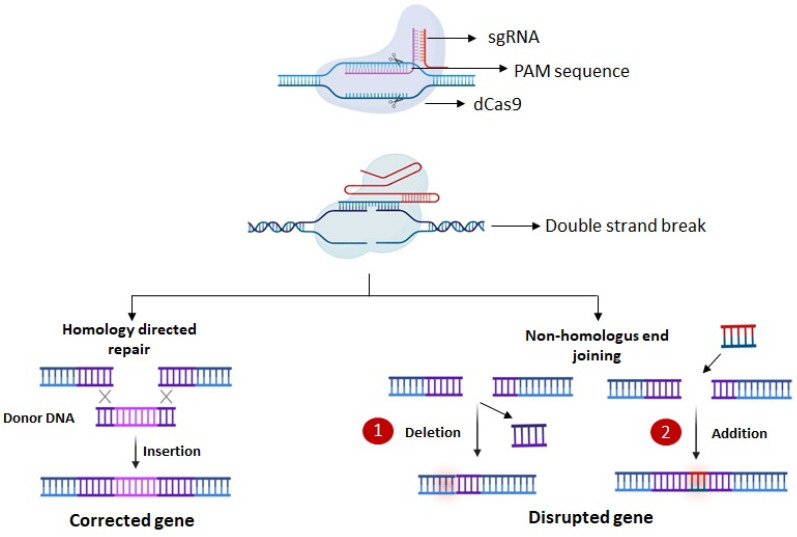
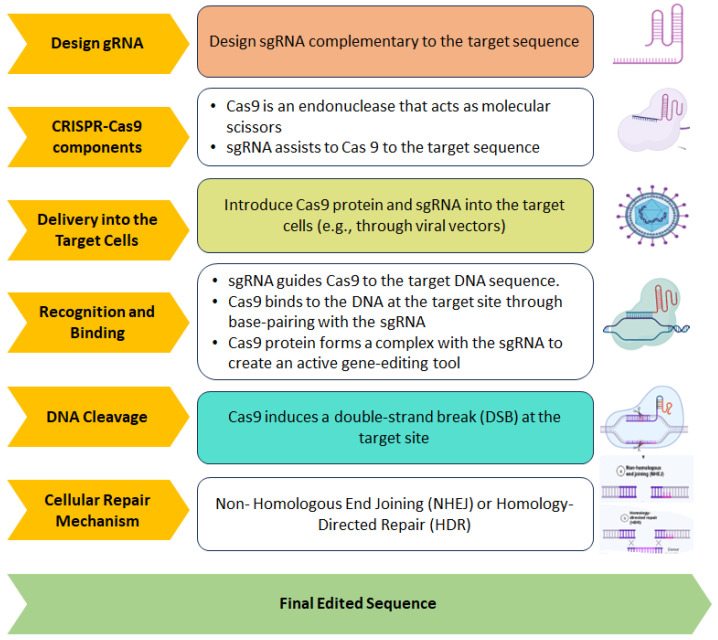
“Employing CRISPR– Cas9 technology, a recent investigation selectively deactivated mutant familial APP Swedish alleles in both cellular and in vivo settings, without impacting the corresponding wild-type alleles [381].”
BackgroundPalfi, S., Gurruchaga, J. M., Ralph, G. S., Lepetit, H., Lavisse, S., Buttery, P. C., Watts, C., Miskin, J., Kelleher, M., Deeley, S., et al. (2014) · The Lancet · doi:10.1016/s0140-6736(13)61939-x · Cited by 450
Genetics in Parkinson disease: Mendelian versus non‐Mendelian inheritance
Hernandez, D. G., Reed, X., & Singleton, A. B. (2016) · Journal of Neurochemistry · doi:10.1111/jnc.13593 · Cited by 448 · cited 1×
“These missense mutations are all found in the membrane-binding region of α -synuclein [238].”
BackgroundTau association with synaptic vesicles causes presynaptic dysfunction
Zhou, L., McInnes, J., Wierda, K., Holt, M., Herrmann, A. G., Jackson, R. J., Wang, Y.-C., Swerts, J., Beyens, J., Miskiewicz, K., et al. (2017) · Nature Communications · doi:10.1038/ncomms15295 · Cited by 434 · cited 1×
“Human APOE4 and APOE3 exhibit a distinction in only one amino acid residue at position 112 [379].”
BackgroundLesage, S., Drouet, V., Majounie, E., Deramecourt, V., Jacoupy, M., Nicolas, A., Cormier-Dequaire, F., Hassoun, S. M., Pujol, C., Ciura, S., et al. (2016) · The American Journal of Human Genetics · doi:10.1016/j.ajhg.2016.01.014 · Cited by 434
Interactions of pathological proteins in neurodegenerative diseases
Spires-Jones, T. L., Attems, J., & Thal, D. R. (2017) · Acta Neuropathologica · doi:10.1007/s00401-017-1709-7 · Cited by 429
MAPT mutations, tauopathy, and mechanisms of neurodegeneration
Strang, K. H., Golde, T. E., & Giasson, B. I. (2019) · Laboratory Investigation · doi:10.1038/s41374-019-0197-x · Cited by 424
Jun, G. (2010) · Archives of Neurology · doi:10.1001/archneurol.2010.201 · Cited by 422
Olney, N. T., Spina, S., & Miller, B. L. (2017) · Neurologic Clinics · doi:10.1016/j.ncl.2017.01.008 · Cited by 419
TREM2 variants: new keys to decipher Alzheimer disease pathogenesis
Colonna, M., & Wang, Y. (2016) · Nature Reviews Neuroscience · doi:10.1038/nrn.2016.7 · Cited by 418 · cited 1×
“Additionally, TREM2 variants have been linked to ALS, PD, and FTD indicating that altered TREM2 function may indirectly increase the risk of neurodegeneration, possibly through dysfunctional microglia [149].”
BackgroundRaj, T., Li, Y. I., Wong, G., Humphrey, J., Wang, M., Ramdhani, S., Wang, Y.-C., Ng, B., Gupta, I., Haroutunian, V., et al. (2018) · Nature Genetics · doi:10.1038/s41588-018-0238-1 · Cited by 410
Kim, T., Vidal, G. S., Djurisic, M., William, C. M., Birnbaum, M. E., Garcia, K. C., Hyman, B. T., & Shatz, C. J. (2013) · Science · doi:10.1126/science.1242077 · Cited by 410
Auguste D and Alzheimer's disease
Maurer, K., Volk, S., & Gerbaldo, H. (1997) · The Lancet · doi:10.1016/s0140-6736(96)10203-8 · Cited by 410
Emerging insights into the complex genetics and pathophysiology of amyotrophic lateral sclerosis
Goutman, S. A., Hardiman, O., Al-Chalabi, A., Chió, A., Savelieff, M. G., Kiernan, M. C., & Feldman, E. L. (2022) · The Lancet Neurology · doi:10.1016/s1474-4422(21)00414-2 · Cited by 401
Apolipoprotein E in Alzheimer's Disease: An Update
Yu, J.-T., Tan, L., & Hardy, J. (2014) · Annual Review of Neuroscience · doi:10.1146/annurev-neuro-071013-014300 · Cited by 394 · cited 1×
“Nonetheless, the elimination of the membrane-anchoring segment of APP is anticipated to result in the loss of its physiological functions.”
BackgroundThe complex genetic architecture of Alzheimer's disease: novel insights and future directions
Andrews, S. J., Renton, A. E., Fulton-Howard, B., Podlesny-Drabiniok, A., Marcora, E., & Goate, A. M. (2023) · eBioMedicine · doi:10.1016/j.ebiom.2023.104511 · Cited by 377
The Seeds of Neurodegeneration: Prion-like Spreading in ALS
Polymenidou, M., & Cleveland, D. W. (2011) · Cell · doi:10.1016/j.cell.2011.10.011 · Cited by 376
Herzig, M. C., Kolly, C., Persohn, E., Theil, D., Schweizer, T., Hafner, T., Stemmelen, C., Troxler, T. J., Schmid, P., Danner, S., et al. (2011) · Human Molecular Genetics · doi:10.1093/hmg/ddr348 · Cited by 360
Effect of selective LRRK2 kinase inhibition on nonhuman primate lung
Fuji, R. N., Flagella, M., Baca, M., S. Baptista, M. A., Brodbeck, J., Chan, B. K., Fiske, B. K., Honigberg, L., Jubb, A. M., Katavolos, P., et al. (2015) · Science Translational Medicine · doi:10.1126/scitranslmed.aaa3634 · Cited by 352
Rab29 activation of the Parkinson's disease‐associated LRRK2 kinase
Purlyte, E., Dhekne, H. S., Sarhan, A. R., Gomez, R., Lis, P., Wightman, M., Martinez, T. N., Tonelli, F., Pfeffer, S. R., & Alessi, D. R. (2018) · The EMBO Journal · doi:10.15252/embj.201798099 · Cited by 336
The neuroimmune axis of Alzheimer’s disease
Jorfi, M., Maaser-Hecker, A., & Tanzi, R. E. (2023) · Genome Medicine · doi:10.1186/s13073-023-01155-w · Cited by 333
Alzheimer’s disease: analyzing the missing heritability
Ridge, P. G., Mukherjee, S., Crane, P. K., Kauwe, J. S. K., & Alzheimer’s Disease Genetics Consortium (2013) · PLoS ONE · doi:10.1371/journal.pone.0079771 · Cited by 328 · cited 1×
“Even after combining the effect of both Mendelian large-effect rare mutations and common disease-associated SNPs, a considerable portion of heritability across NDDs remains unexplained [330,331], suggesting its multifactorial nature and the involvement of environmental factors.”
BackgroundVariation in worldwide incidence of amyotrophic lateral sclerosis: a meta-analysis
Marin, B., Boumédiene, F., Logroscino, G., Couratier, P., Babron, M.-C., Leutenegger, A. L., Copetti, M., Preux, P.-M., & Beghi, E. (2016) · International Journal of Epidemiology · doi:10.1093/ije/dyw061 · Cited by 325
TBK1: a new player in ALS linking autophagy and neuroinflammation
Oakes, J. A., Davies, M. C., & Collins, M. O. (2017) · Molecular Brain · doi:10.1186/s13041-017-0287-x · Cited by 319
Loss of apolipoprotein E receptor LR11 in Alzheimer disease
Scherzer, C. R., Offe, K., Gearing, M., Rees, H. D., Fang, G., Heilman, C. J., Schaller, C., Bujo, H., Levey, A. I., & Lah, J. J. (2004) · Archives of Neurology · doi:10.1001/archneur.61.8.1200 · Cited by 316 · cited 2×
“Scherzer et al. discovered six genes that exhibited differential expression in AD patients using a DNA microarray screen [135].”
MethodResultGenes associated with Alzheimer's disease: an overview and current status
Giri, M., Lü, Y., & Zhang, M. (2016) · Clinical Interventions in Aging · doi:10.2147/cia.s105769 · Cited by 311
ALS Genes in the Genomic Era and their Implications for FTD
Nguyen, H. P., Van Broeckhoven, C., & van der Zee, J. (2018) · Trends in Genetics · doi:10.1016/j.tig.2018.03.001 · Cited by 307
Mitra, J., Guerrero, E. N., Hegde, P. M., Liachko, N. F., Wang, H., Vasquez, V., Gao, J., Pandey, A., Taylor, J. P., Kraemer, B. C., et al. (2019) · Proceedings of the National Academy of Sciences · doi:10.1073/pnas.1818415116 · Cited by 305 · cited 2×
“The abnormal translation of C9ORF72 transcript expansions produces toxic dipeptide repeats, e.g., poly proline-arginine repeats (poly-PRs) and poly glycine-arginine repeats (poly-GRs) [79].”
BackgroundLong-Term Evaluation of a Phase 1 Study of AADC Gene Therapy for Parkinson's Disease
Mittermeyer, G., Christine, C. W., Rosenbluth, K. H., Baker, S. L., Starr, P., Larson, P., Kaplan, P. L., Forsayeth, J., Aminoff, M. J., & Bankiewicz, K. S. (2012) · Human Gene Therapy · doi:10.1089/hum.2011.220 · Cited by 298
Nerve Growth Factor Gene Therapy: Activation of Neuronal Responses in Alzheimer Disease
Tuszynski, M. H., Yang, J. H., Barba, D., U, H.-S., Bakay, R. A. E., Pay, M. M., Masliah, E., Conner, J. M., Kobalka, P., Roy, S., et al. (2015) · JAMA Neurology · doi:10.1001/jamaneurol.2015.1807 · Cited by 287
Effects of GC Bias in Next-Generation-Sequencing Data on De Novo Genome Assembly
Chen, Y.-C., Liu, T., Yu, C.-H., Chiang, T.-Y., & Hwang, C.-C. (2013) · PLoS ONE · doi:10.1371/journal.pone.0062856 · Cited by 285 · cited 1×
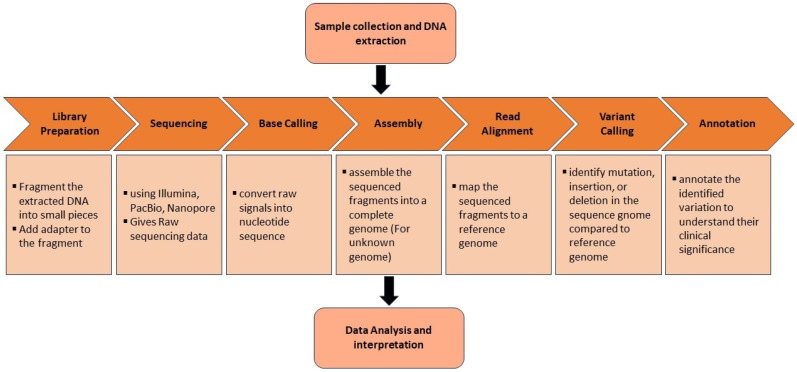
“Despite the vast array of mutations identified through next-generation sequencing (NGS), its short-read lengths (150–300 bp) and limited representation in GC-rich/poor areas poses challenges in resolving expansions beyond several kilobases [25].”
BackgroundGene Therapies for Cancer: Strategies, Challenges and Successes
Das, S. K., Menezes, M. E., Bhatia, S., Wang, X., Emdad, L., Sarkar, D., & Fisher, P. B. (2015) · Journal of Cellular Physiology · doi:10.1002/jcp.24791 · Cited by 284
Cardiolipin, Mitochondria, and Neurological Disease
Falabella, M., Vernon, H. J., Hanna, M. G., Claypool, S. M., & Pitceathly, R. D. S. (2021) · Trends in Endocrinology & Metabolism · doi:10.1016/j.tem.2021.01.006 · Cited by 282
Antisense oligonucleotides extend survival and reverse decrement in muscle response in ALS models
McCampbell, A., Cole, T., Wegener, A. J., Tomassy, G. S., Setnicka, A., Farley, B. J., Schoch, K. M., Hoye, M. L., Shabsovich, M., Sun, L., et al. (2018) · Journal of Clinical Investigation · doi:10.1172/jci99081 · Cited by 279 · cited 1×
“First, they all have an etiologic dichotomy, with more common late-onset forms and less common familial forms.”
BackgroundMutations of the presenilin I gene in families with early-onset Alzheimer's disease
Campion, D., Flaman, J.-M., Brice, A., Hannequin, D., Dubois, B., Martin, C., Moreau, V., Charbonnier, F., Didierjean, O., Tardieu, S., et al. (1995) · Human Molecular Genetics · doi:10.1093/hmg/4.12.2373 · Cited by 277
GBA, Gaucher Disease, and Parkinson’s Disease: From Genetic to Clinic to New Therapeutic Approaches
Riboldi, G. M., & Di Fonzo, A. B. (2019) · Cells · doi:10.3390/cells8040364 · Cited by 274 · cited 2×
“The brains of these patients show typical neuropathological features of PD, such as nigral degeneration and LB deposition throughout the brain [257].”
BackgroundC 9orf72 ablation in mice does not cause motor neuron degeneration or motor deficits
Koppers, M., Blokhuis, A. M., Westeneng, H., Terpstra, M. L., Zundel, C. A. C., Vieira de Sá, R., Schellevis, R. D., Waite, A. J., Blake, D. J., Veldink, J. H., et al. (2015) · Annals of Neurology · doi:10.1002/ana.24453 · Cited by 269
SOD1 Suppression with Adeno-Associated Virus and MicroRNA in Familial ALS
Mueller, C., Berry, J. D., McKenna-Yasek, D. M., Gernoux, G., Owegi, M. A., Pothier, L. M., Douthwright, C. L., Gelevski, D., Luppino, S. D., Blackwood, M., et al. (2020) · New England Journal of Medicine · doi:10.1056/nejmoa2005056 · Cited by 264 · cited 1×
“Overcoming the constraints of GWAS, NGS platforms like WGS and WES have revealed a plethora of rare variants that are pivotal in understanding complex neurological diseases and Mendelian neurological conditions.”
BackgroundMUTATIONS IN GBA ARE ASSOCIATED WITH FAMILIAL PARKINSON DISEASE SUSCEPTIBILITY AND AGE AT ONSET
Sidransky, E., Samaddar, T., & Tayebi, N. (2009) · Neurology · doi:10.1212/wnl.0b013e3181b28601 · Cited by 259
Parkinson’s disease-risk protein TMEM175 is a proton-activated proton channel in lysosomes
Hu, M., Li, P., Wang, C., Feng, X., Geng, Q., Chen, W., Marthi, M., Zhang, W., Gao, C., Reid, W., et al. (2022) · Cell · doi:10.1016/j.cell.2022.05.021 · Cited by 254
Genome Editing with mRNA Encoding ZFN, TALEN, and Cas9
Zhang, H.-X., Zhang, Y., & Yin, H. (2019) · Molecular Therapy · doi:10.1016/j.ymthe.2019.01.014 · Cited by 248
The role of TREM2 in Alzheimer's disease and other neurodegenerative disorders
Carmona, S., Zahs, K., Wu, E., Dakin, K., Bras, J., & Guerreiro, R. (2018) · The Lancet Neurology · doi:10.1016/s1474-4422(18)30232-1 · Cited by 244 · cited 1×
“Within each population, these variants cause a roughly 2–4-fold increase in the risk of developing LOAD [148].”
BackgroundThe overlapping genetics of amyotrophic lateral sclerosis and frontotemporal dementia
Abramzon, Y. A., Fratta, P., Traynor, B. J., & Chia, R. (2020) · Frontiers in Neuroscience · doi:10.3389/fnins.2020.00042 · Cited by 244 · cited 1×
“Despite the heterogeneous clinical phenotypes observed in FTD and ALS, implying potentially divergent underlying biological mechanisms, it is widely acknowledged that these diseases share significant clinical, genetic, and neuropathological similarities [39].”
BackgroundMicroglia in Alzheimer's Disease: Exploring How Genetics and Phenotype Influence Risk
McQuade, A., & Blurton-Jones, M. (2019) · Journal of Molecular Biology · doi:10.1016/j.jmb.2019.01.045 · Cited by 244
Lifetime Risk and Heritability of Amyotrophic Lateral Sclerosis
Ryan, M., Heverin, M., McLaughlin, R. L., & Hardiman, O. (2019) · JAMA Neurology · doi:10.1001/jamaneurol.2019.2044 · Cited by 244 · cited 1×
“Only 10–15% of individuals have Mendelian ALS, though it has incomplete penetrance in most families [49].”
BackgroundNerve Growth Factor: Early Studies and Recent Clinical Trials
Rocco, M. L., Soligo, M., Manni, L., & Aloe, L. (2018) · Current Neuropharmacology · doi:10.2174/1570159x16666180412092859 · Cited by 242
Solving the missing heritability problem
Young, A. I. (2019) · PLOS Genetics · doi:10.1371/journal.pgen.1008222 · Cited by 234
Parkinson's Disease Genetics and Pathophysiology
Vázquez-Vélez, G. E., & Zoghbi, H. Y. (2021) · Annual Review of Neuroscience · doi:10.1146/annurev-neuro-100720-034518 · Cited by 232
Clinical development of gene therapy: results and lessons from recent successes
Kumar, S. R., Markusic, D. M., Biswas, M., High, K. A., & Herzog, R. W. (2016) · Molecular Therapy - Methods & Clinical Development · doi:10.1038/mtm.2016.34 · Cited by 232
Brouwers, N., Van Cauwenberghe, C., Engelborghs, S., Lambert, J.-C., Bettens, K., Le Bastard, N., Pasquier, F., Montoya, A. G., Peeters, K., Mattheijssens, M., et al. (2012) · Molecular Psychiatry · doi:10.1038/mp.2011.24 · Cited by 227
A phase1 study of stereotactic gene delivery of AAV2-NGF for Alzheimer’s disease
Rafii, M. S., Baumann, T. L., Bakay, R. A. E., Ostrove, J. M., Siffert, J., Fleisher, A. S., Herzog, C. D., Barba, D., Pay, M., Salmon, D. P., et al. (2014) · Alzheimer's & Dementia · doi:10.1016/j.jalz.2013.09.004 · Cited by 223
Rafii, M. S., Tuszynski, M. H., Thomas, R. G., Barba, D., Brewer, J. B., Rissman, R. A., Siffert, J., Aisen, P. S., & for the AAV2-NGF Study Team (2018) · JAMA Neurology · doi:10.1001/jamaneurol.2018.0233 · Cited by 219 · cited 2×
“…of AAV2–NGF observed in Phase 1/2 clinical trials for mild-to-moderate AD, there was no obvious improvement in cognitive function [370]. and sustained expression of AAV2–NGF observed in Phase 1/2 clinical trials for mild-to-moderate AD, there was no obvious improvement in cognitive function [370].”
BackgroundA Review of the Catalytic Mechanism of Human Manganese Superoxide Dismutase
Azadmanesh, J., & Borgstahl, G. (2018) · Antioxidants · doi:10.3390/antiox7020025 · Cited by 213
Zhao, H. T., John, N., Delic, V., Ikeda-Lee, K., Kim, A., Weihofen, A., Swayze, E. E., Kordasiewicz, H. B., West, A. B., & Volpicelli-Daley, L. A. (2017) · Molecular Therapy - Nucleic Acids · doi:10.1016/j.omtn.2017.08.002 · Cited by 212
Autosomal dominant Parkinson's disease caused by SNCA duplications
Konno, T., Ross, O. A., Puschmann, A., Dickson, D. W., & Wszolek, Z. K. (2016) · Parkinsonism & Related Disorders · doi:10.1016/j.parkreldis.2015.09.007 · Cited by 210
Systemic Exosomal Delivery of shRNA Minicircles Prevents Parkinsonian Pathology
Izco, M., Blesa, J., Schleef, M., Schmeer, M., Porcari, R., Al-Shawi, R., Ellmerich, S., de Toro, M., Gardiner, C., Seow, Y., et al. (2019) · Molecular Therapy · doi:10.1016/j.ymthe.2019.08.010 · Cited by 206
Selvaraj, B. T., Livesey, M. R., Zhao, C., Gregory, J. M., James, O. T., Cleary, E. M., Chouhan, A. K., Gane, A. B., Perkins, E. M., Dando, O., et al. (2018) · Nature Communications · doi:10.1038/s41467-017-02729-0 · Cited by 202
The Role of LRRK2 in Neurodegeneration of Parkinson Disease
Rui, Q., Ni, H., Li, D., Gao, R., & Chen, G. (2018) · Current Neuropharmacology · doi:10.2174/1570159x16666180222165418 · Cited by 196
Finckh, U., Müller-Thomsen, T., Mann, U., Eggers, C., Marksteiner, J., Meins, W., Binetti, G., Alberici, A., Hock, C., Nitsch, R. M., et al. (2000) · The American Journal of Human Genetics · doi:10.1086/302702 · Cited by 194
György, B., Lööv, C., Zaborowski, M. P., Takeda, S., Kleinstiver, B. P., Commins, C., Kastanenka, K., Mu, D., Volak, A., Giedraitis, V., et al. (2018) · Molecular Therapy Nucleic Acids · doi:10.1016/j.omtn.2018.03.007 · Cited by 190
The RING finger protein family in health and disease
Cai, C., Tang, Y.-D., Zhai, J., & Zheng, C. (2022) · Signal Transduction and Targeted Therapy · doi:10.1038/s41392-022-01152-2 · Cited by 190
Gene-based therapies for neurodegenerative diseases
Sun, J., & Roy, S. (2021) · Nature Neuroscience · doi:10.1038/s41593-020-00778-1 · Cited by 187
The application of long-read sequencing in clinical settings
Oehler, J. B., Wright, H., Stark, Z., Mallett, A. J., & Schmitz, U. (2023) · Human Genomics · doi:10.1186/s40246-023-00522-3 · Cited by 185
SOD1 mutations associated with amyotrophic lateral sclerosis analysis of variant severity
Berdyński, M., Miszta, P., Safranow, K., Andersen, P. M., Morita, M., Filipek, S., Żekanowski, C., & Kuźma-Kozakiewicz, M. (2022) · Scientific Reports · doi:10.1038/s41598-021-03891-8 · Cited by 182
The Parkinson Disease gene SNCA: Evolutionary and structural insights with pathological implication
Siddiqui, I. J., Pervaiz, N., & Abbasi, A. A. (2016) · Scientific Reports · doi:10.1038/srep24475 · Cited by 182
Loss of SATB1 Induces p21-Dependent Cellular Senescence in Post-mitotic Dopaminergic Neurons
Riessland, M., Kolisnyk, B., Kim, T. W., Cheng, J., Ni, J., Pearson, J. A., Park, E. J., Dam, K., Acehan, D., Ramos-Espiritu, L. S., et al. (2019) · Cell Stem Cell · doi:10.1016/j.stem.2019.08.013 · Cited by 180
Zuo, E., Sun, Y., Yuan, T., He, B., Zhou, C., Ying, W., Liu, J., Wu, W., Zeng, R., Li, Y., et al. (2020) · Nature Methods · doi:10.1038/s41592-020-0832-x · Cited by 176
Hook, V., Yoon, M., Mosier, C., Ito, G., Podvin, S., Head, B. P., Rissman, R., O'Donoghue, A. J., & Hook, G. (2020) · Biochimica et Biophysica Acta (BBA) - Proteins and Proteomics · doi:10.1016/j.bbapap.2020.140428 · Cited by 173
VPS35, the Retromer Complex and Parkinson’s Disease
Williams, E. T., Chen, X., & Moore, D. J. (2017) · Journal of Parkinson’s Disease · doi:10.3233/jpd-161020 · Cited by 173
Mass spectrometric analysis of accumulated TDP-43 in amyotrophic lateral sclerosis brains
Kametani, F., Obi, T., Shishido, T., Akatsu, H., Murayama, S., Saito, Y., Yoshida, M., & Hasegawa, M. (2016) · Scientific Reports · doi:10.1038/srep23281 · Cited by 172
Willems, J., de Jong, A. P. H., Scheefhals, N., Mertens, E., Catsburg, L. A. E., Poorthuis, R. B., de Winter, F., Verhaagen, J., Meye, F. J., & MacGillavry, H. D. (2020) · PLOS Biology · doi:10.1371/journal.pbio.3000665 · Cited by 170
Neurodegeneration in multiple sclerosis
Mey, G. M., Mahajan, K. R., & DeSilva, T. M. (2023) · WIREs Mechanisms of Disease · doi:10.1002/wsbm.1583 · Cited by 169
Late-onset vs nonmendelian early-onset Alzheimer disease: A distinction without a difference?
Reitz, C., Rogaeva, E., & Beecham, G. W. (2020) · Neurology Genetics · doi:10.1212/nxg.0000000000000512 · Cited by 168
(2009) · PubMed Central · Cited by 165
The importance of ongoing international surveillance for Creutzfeldt–Jakob disease
Watson, N., Brandel, J.-P., Green, A., Hermann, P., Ladogana, A., Lindsay, T., Mackenzie, J., Pocchiari, M., Smith, C., Zerr, I., et al. (2021) · Nature Reviews Neurology · doi:10.1038/s41582-021-00488-7 · Cited by 161
Glucocerebrosidase gene therapy prevents α-synucleinopathy of midbrain dopamine neurons
Rocha, E. M., Smith, G. A., Park, E., Cao, H., Brown, E., Hayes, M. A., Beagan, J., McLean, J. R., Izen, S. C., Perez-Torres, E., et al. (2015) · Neurobiology of Disease · doi:10.1016/j.nbd.2015.09.009 · Cited by 160
Wang, D., El-Amouri, S. S., Dai, M., Kuan, C.-Y., Hui, D. Y., Brady, R. O., & Pan, D. (2013) · Proceedings of the National Academy of Sciences · doi:10.1073/pnas.1222742110 · Cited by 159
An Update on Sec61 Channel Functions, Mechanisms, and Related Diseases
Lang, S., Pfeffer, S., Lee, P.-H., Cavalié, A., Helms, V., Förster, F., & Zimmermann, R. (2017) · Frontiers in Physiology · doi:10.3389/fphys.2017.00887 · Cited by 159
GPNMB confers risk for Parkinson’s disease through interaction with α-synuclein
Diaz-Ortiz, M. E., Seo, Y., Posavi, M., Carceles Cordon, M., Clark, E., Jain, N., Charan, R., Gallagher, M. D., Unger, T. L., Amari, N., et al. (2022) · Science · doi:10.1126/science.abk0637 · Cited by 158
PU.1 regulates Alzheimer’s disease-associated genes in primary human microglia
Rustenhoven, J., Smith, A. M., Smyth, L. C., Jansson, D., Scotter, E. L., Swanson, M. E. V., Aalderink, M., Coppieters, N., Narayan, P., Handley, R., et al. (2018) · Molecular Neurodegeneration · doi:10.1186/s13024-018-0277-1 · Cited by 155
Hardy, J. (2017) · The FEBS Journal · doi:10.1111/febs.14004 · Cited by 153 · cited 1×
“Since then, numerous additional APP mutations have been found, directing research towards the APP processing pathways [121].”
BackgroundUBAP1 Is a Component of an Endosome-Specific ESCRT-I Complex that Is Essential for MVB Sorting
Stefani, F., Zhang, L., Taylor, S., Donovan, J., Rollinson, S. J., Doyotte, A., Brownhill, K., Callister, J. B., Pickering-Brown, S. M., & Woodman, P. G. (2011) · Current Biology · doi:10.1016/j.cub.2011.06.028 · Cited by 153
Lamanauskas, N., & Nistri, A. (2008) · European Journal of Neuroscience · doi:10.1111/j.1460-9568.2008.06211.x · Cited by 152
Dissecting the clinical heterogeneity of early-onset Alzheimer’s disease
Sirkis, D. W., Bonham, L. W., Johnson, T. P., La Joie, R., & Yokoyama, J. S. (2022) · Molecular Psychiatry · doi:10.1038/s41380-022-01531-9 · Cited by 151
A Computational Model of Motor Neuron Degeneration
Le Masson, G., Przedborski, S., & Abbott, L. F. (2014) · Neuron · doi:10.1016/j.neuron.2014.07.001 · Cited by 151
SOD1 in neurotoxicity and its controversial roles in SOD1 mutation-negative ALS
Hayashi, Y., Homma, K., & Ichijo, H. (2016) · Advances in Biological Regulation · doi:10.1016/j.jbior.2015.10.006 · Cited by 150
Genetic risk of Parkinson disease and progression: An analysis of 13 longitudinal cohorts
Iwaki, H., Blauwendraat, C., Leonard, H. L., Liu, G., Maple-Grødem, J., Corvol, J.-C., Pihlstrøm, L., van Nimwegen, M., Hutten, S. J., Nguyen, K.-D. H., et al. (2019) · Neurology Genetics · doi:10.1212/nxg.0000000000000348 · Cited by 150
The clinical spectrum of sporadic and familial forms of frontotemporal dementia
Woollacott, I. O. C., & Rohrer, J. D. (2016) · Journal of Neurochemistry · doi:10.1111/jnc.13654 · Cited by 149
Ayers, J. I., Fromholt, S. E., O’Neal, V. M., Diamond, J. H., & Borchelt, D. R. (2016) · Acta Neuropathologica · doi:10.1007/s00401-015-1514-0 · Cited by 149
Abnormal RNA stability in amyotrophic lateral sclerosis
Tank, E. M., Figueroa-Romero, C., Hinder, L. M., Bedi, K., Archbold, H. C., Li, X., Weskamp, K., Safren, N., Paez-Colasante, X., Pacut, C., et al. (2018) · Nature Communications · doi:10.1038/s41467-018-05049-z · Cited by 148
Self-citationABCA7 Deficiency Accelerates Amyloid-β Generation and Alzheimer's Neuronal Pathology
Sakae, N., Liu, C.-C., Shinohara, M., Frisch-Daiello, J., Ma, L., Yamazaki, Y., Tachibana, M., Younkin, L., Kurti, A., Carrasquillo, M. M., et al. (2016) · The Journal of Neuroscience · doi:10.1523/jneurosci.3757-15.2016 · Cited by 147
Duran, R., Mencacci, N. E., Angeli, A. V., Shoai, M., Deas, E., Houlden, H., Mehta, A., Hughes, D., Cox, T. M., Deegan, P., et al. (2013) · Movement Disorders · doi:10.1002/mds.25248 · Cited by 146
Bertrand, A., Wen, J., Rinaldi, D., Houot, M., Sayah, S., Camuzat, A., Fournier, C., Fontanella, S., Routier, A., Couratier, P., et al. (2018) · JAMA Neurology · doi:10.1001/jamaneurol.2017.4266 · Cited by 145
The E3 Ubiquitin Ligase TRIM40 Attenuates Antiviral Immune Responses by Targeting MDA5 and RIG-I
Zhao, C., Jia, M., Song, H., Yu, Z., Wang, W., Li, Q., Zhang, L., Zhao, W., & Cao, X. (2017) · Cell Reports · doi:10.1016/j.celrep.2017.10.020 · Cited by 143
Genetics of amyotrophic lateral sclerosis: Seeking therapeutic targets in the era of gene therapy
Suzuki, N., Nishiyama, A., Warita, H., & Aoki, M. (2023) · Journal of Human Genetics · doi:10.1038/s10038-022-01055-8 · Cited by 137
Emborg, M. E., Carbon, M., Holden, J. E., During, M. J., Ma, Y., Tang, C., Moirano, J., Fitzsimons, H., Roitberg, B. Z., Tuccar, E., et al. (2007) · Journal of Cerebral Blood Flow & Metabolism · doi:10.1038/sj.jcbfm.9600364 · Cited by 134
TREM2: Potential therapeutic targeting of microglia for Alzheimer's disease
Li, Y., Xu, H., Wang, H., Yang, K., Luan, J., & Wang, S. (2023) · Biomedicine & Pharmacotherapy · doi:10.1016/j.biopha.2023.115218 · Cited by 126
Morabito, G., Giannelli, S. G., Ordazzo, G., Bido, S., Castoldi, V., Indrigo, M., Cabassi, T., Cattaneo, S., Luoni, M., Cancellieri, C., et al. (2017) · Molecular Therapy · doi:10.1016/j.ymthe.2017.08.004 · Cited by 126
The Alzheimer’s gene SORL1 is a regulator of endosomal traffic and recycling in human neurons
Mishra, S., Knupp, A., Szabo, M. P., Williams, C. A., Kinoshita, C., Hailey, D. W., Wang, Y., Andersen, O. M., & Young, J. E. (2022) · Cellular and Molecular Life Sciences · doi:10.1007/s00018-022-04182-9 · Cited by 126
Disease Penetrance of Late-Onset Parkinsonism: A Meta-analysis
Trinh, J., Guella, I., & Farrer, M. J. (2014) · JAMA Neurology · doi:10.1001/jamaneurol.2014.1909 · Cited by 125
Research works printed but not linked: 2
- Craig J. Complex Diseases: Research and Applications Nat. Educ. 2008 1 184
- De Farias A.-R.M. Saha O. Lambert J.-C. Costa M.R. Role of the late-onset Alzheimer’s disease risk genes bin1 and ptk2b in the hyperexcitability of hiPSC-derived neurons Alzheimer’s Dement. 2021 17 e053632 10.1002/alz.053632 · doi:10.1002/alz.053632
Cited by
Alzheimer’s disease as type 3 diabetes: understanding the link and implications
Kciuk, M., Kruczkowska, W., Gałęziewska, J., Wanke, K., Kałuzińska-Kołat, Ż., Aleksandrowicz, M., & Kontek, R. (2024) · International Journal of Molecular Sciences · doi:10.3390/ijms252211955 · Cited by 98
“In general, patients with EOAD tend to have a longer survival time after diagnosis compared to those with LOAD [28].”
Stimuli‐Responsive Nano Drug Delivery Systems for the Treatment of Neurological Diseases
Dai, X., Li, W., Xie, D., Liu, B., Gong, L., & Han, H. (2025) · Small · doi:10.1002/smll.202410030 · Cited by 51
Nezameslami, R., Nezameslami, A., Mehdikhani, B., Jarrahi, S. A. M., Shahbazi, A., Rahmani, A., Masoudi, A., Yeganegi, M., Akhondzardaini, R., Bahrami, M. A., et al. (2025) · Asian Pacific Journal of Cancer Prevention · doi:10.31557/apjcp.2025.26.5.1641 · Cited by 41
Firdaus, Z., & Li, X. (2024) · International Journal of Molecular Sciences · doi:10.3390/ijms252111658 · Cited by 27
Self-citationGenetic risk for neurodegenerative conditions is linked to disease-specific microglial pathways
Askarova, A., Yaa, R. M., Marzi, S. J., & Nott, A. (2025) · PLoS Genetics · doi:10.1371/journal.pgen.1011407 · Cited by 21
Metadata
- Authors
- Firdaus, Z., & Li, X.
- Affiliations
- Mayo Clinic (US)
- Corresponding author
- Li, Xiaogang
- Venue
- International Journal of Molecular Sciences
- Publisher
- MDPI AG
- Published
- 2024-02-15
- Volume
- 25
- Issue
- 4
- Pages
- 2320
- ISSN
- 1422-0067 (ISSN-L)
- PMC
- PMC10889342
- OpenAlex
- W4391872714
- Cited by
- 51
- References
- 404
- Citations by year
- 2026: 14 · 2025: 29 · 2024: 8
- FWCI
- 2.51
- Type
- journal article
- Language
- en
- Open access
- gold
- doi.org
- Licence
- Locations
- International Journal of Molecular Sciences (publishedVersion, cc-by)
- PubMed Central (publishedVersion, cc-by)
- PubMed (publishedVersion)
- Funders
- National Institutes of Health (R01 DK129241, DK126662)
- Topics
- Life Sciences › Biochemistry, Genetics and Molecular Biology › Genetics › Genomics and Rare Diseases
- Life Sciences › Neuroscience › Cellular and Molecular Neuroscience › Alzheimer's disease research and treatments
- Life Sciences › Neuroscience › Cellular and Molecular Neuroscience › Hereditary Neurological Disorders
- Keywords
- neurodegenerative diseases, genetic variants, rare variants, genetic epidemiology, amyotrophic lateral sclerosis, Alzheimer's disease, Parkinson's disease, gene therapy, next-generation sequencing, whole genome sequencing, exome sequencing, monogenic disorders, pathogenesis
- MeSH terms
- Alzheimer Disease, Amyotrophic Lateral Sclerosis, Humans, Parkinson Disease, Neurodegenerative Diseases
About these checks
Registry, retraction, Cites and statistics results are computed, not judged, with one exception: a printed reference that no index lists is read once by a model before it counts as a citation error. Claims are extracted by a model and kept only when their quote appears verbatim in the text; each cited source is then checked, with a model’s help, for whether it says what the claim relies on. Those verdicts can be wrong — read the claim’s quote and the cited source before relying on one.
A language model drew the claims from the paper on 2026-11-26, under version 3 of the claim definition (model deepseek-v4.1-flash, prompt extract-v3).
A second model labelled each claim on 2026-11-26 (model jev-1.13-20260917, definition revision gold-guideline-v0.2).
Statistics and arithmetic are recomputed, not judged.
Confidence bands are shown only for fields calibrated on our annotated test set. None is calibrated yet, so no band is shown.
What counts as a claim ›How we measure confidence ›How we check this ›
Are you an author, or do you see a problem with this page? Request a review
Data sources
Bibliographic data: Semantic Scholar, OpenAlex, Crossref.
Contains information from the Semantic Scholar Academic Graph Datasets, made available under the ODC Attribution License (ODC-BY 1.0).
Semantic Scholar’s data is described in: Kinney, R., et al. (2023). The Semantic Scholar Open Data Platform. arXiv:2301.10140.
