

SAGA Complex Subunit Hfi1 Is Important in the Stress Response and Pathogenesis of Cryptococcus neoformans
Open accessThe DOI matches its Crossref record; 72 of the 74 references it cites were found in a registry or an index.
Abstract
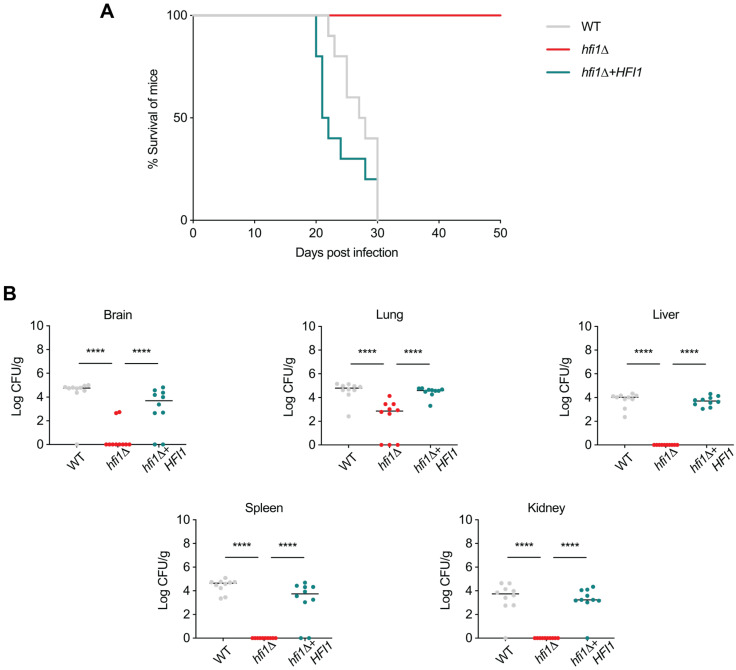
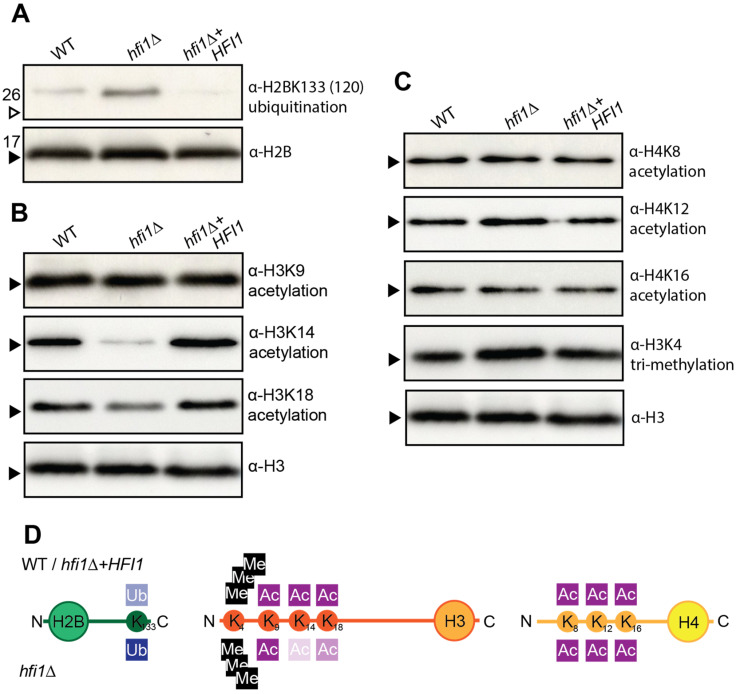
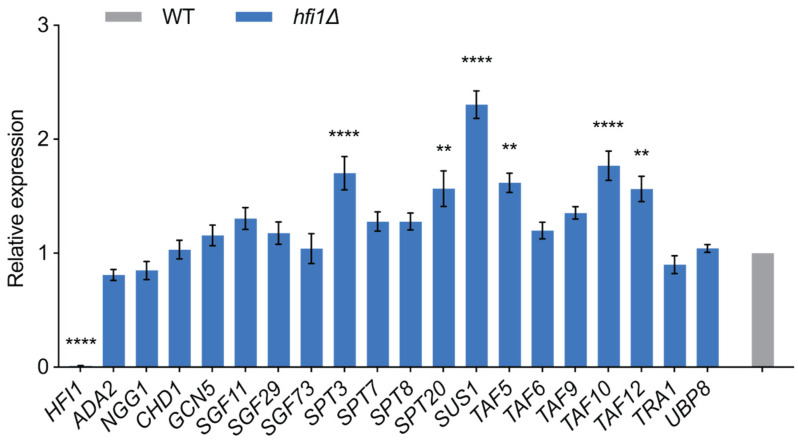
The Spt-Ada-Gcn Acetyltransferase (SAGA) complex is a highly conserved co-activator found across eukaryotes. It is composed of a number of modules which can vary between species, but all contain the core module. Hfi1 (known as TADA1 in Homo sapiens) is one of the proteins that forms the core module, and has been shown to play an important role in maintaining complex structural integrity in both brewer’s yeast and humans. In this study we successfully identified the gene encoding this protein in the important fungal pathogen, Cryptococcus neoformans, and named it HFI1. The hfi1Δ mutant is highly pleiotropic in vitro, influencing phenotypes, ranging from temperature sensitivity and melanin production to caffeine resistance and titan cell morphogenesis. In the absence of Hfi1, the transcription of several other SAGA genes is impacted, as is the acetylation and deubiquination of several histone residues. Importantly, loss of the gene significantly impacts virulence in a murine inhalation model of cryptococcosis. In summary, we have established that Hfi1 modulates multiple pathways that directly affect virulence and survival in C. neoformans, and provided deeper insight into the importance of the non-enzymatic components of the SAGA complex.
Overview
The claims and statistics of this paper haven’t been checked yet.
Free: it reads the open-access text and checks the first 5 claims that cite a source we can check. Create a free account to check every claim.
Integrity signals
Registry
Cites
Statistics
Figures
Verification
Claims the paper makes
The claims and statistics of this paper haven’t been checked yet.
Free: it reads the open-access text and checks the first 5 claims that cite a source we can check. Create a free account to check every claim.
Claims other papers make about this one
Each is checked against this paper’s own text: does it say what the citing paper says it does?
The source backs part of the claim, not all of it — or backs it for a different population, condition or comparison.
In the citing paper
“Disrupting the gene encoding the acetyltransferase catalytic subunit Gcn5 results in significant defects in the pathogenicity and drug resistance of C. albicans and N. glabratus, as well as reduced pathogenicity in C. neoformans and multiple virulence-related phenotypes in A. fumigatus.”
From Targeting epigenetic regulators to overcome drug resistance in the emerging human fungal pathogen Candida auris (2025) · cites this paper as [27]
Experimental — accuracy not yet measuredThe source backs part of the claim, not all of it — or backs it for a different population, condition or comparison.
In the citing paper
“Recent studies have demonstrated the critical role of histone H3 PTMs, such as methylation and acetylation, in driving both drug resistance and pathogenicity in human fungal pathogens.”
From Targeting epigenetic regulators to overcome drug resistance in the emerging human fungal pathogen Candida auris (2025) · cites this paper as [27]
Experimental — accuracy not yet measured
Self-check
Percentages, sums and reported differences re-computed from the paper’s own numbers.
The self-check needs the paper’s full text.
Citations
Cites
Analysis of Relative Gene Expression Data Using Real-Time Quantitative PCR and the 2−ΔΔCT Method
Livak, K. J., & Schmittgen, T. D. (2001) · Methods · doi:10.1006/meth.2001.1262 · Cited by 180,860
Regulation of chromatin by histone modifications
Bannister, A. J., & Kouzarides, T. (2011) · Cell Research · doi:10.1038/cr.2011.22 · Cited by 6,012 · cited 1×
“Interactions among different PTMs can be complex, as the enzymes associated with these changes may compete for the same site, or their activity may be influenced by adjacent modifications [4,5].”
BackgroundMutation of the mouse klotho gene leads to a syndrome resembling ageing
Kuro-o, M., Matsumura, Y., Aizawa, H., Kawaguchi, H., Suga, T., Utsugi, T., Ohyama, Y., Kurabayashi, M., Kaname, T., Kume, E., et al. (1997) · Nature · doi:10.1038/36285 · Cited by 3,837
Chromatin modification and epigenetic reprogramming in mammalian development
Li, E. (2002) · Nature Reviews Genetics · doi:10.1038/nrg887 · Cited by 1,900 · cited 1×
“Epigenetic modifications can also occur on the proteins that package DNA, particularly histones, in the form of post-translational modifications (PTMs) [3].”
BackgroundEpigenetics and gene expression
Gibney, E. R., & Nolan, C. M. (2010) · Heredity · doi:10.1038/hdy.2010.54 · Cited by 1,109 · cited 1×
“A widely studied epigenetic modification is the addition of a methyl group to C 5 of cytosine in DNA, which inhibits DNA-binding proteins and plays a role in transcriptional regulation [1,2].”
BackgroundTHE QUANTITATIVE SEPARATION OF PURINES, PYRIMIDINES, AND NUCLEOSIDES BY PAPER CHROMATOGRAPHY
Hotchkiss, R. D. (1948) · Journal of Biological Chemistry · doi:10.1016/s0021-9258(18)57261-6 · Cited by 766
Christensen, W. B. (1946) · Journal of Bacteriology · doi:10.1128/jb.52.4.461-466.1946 · Cited by 726 · cited 1×
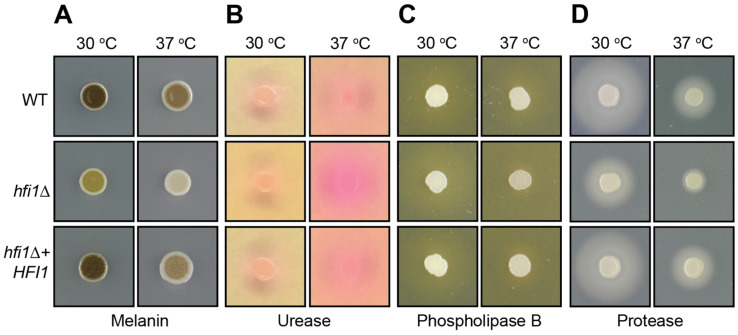
“For observation of virulence trait production, 3 µ L of 10 − 1 dilution suspension was spotted on the media of interest (Christensen’s urea agar [53], L -DOPA agar [54], or egg yolk agar [55]).”
MethodHenry, K. W., Wyce, A., Lo, W.-S., Duggan, L. J., Emre, N. C. T., Kao, C.-F., Pillus, L., Shilatifard, A., Osley, M. A., & Berger, S. L. (2003) · Genes & Development · doi:10.1101/gad.1144003 · Cited by 714 · cited 1×
“In S. cerevisiae , Gcn5 acetylates histone lysine residues, H3K9, H3K14, H3K18, H4K8, H4K12, and H4K16, Sgf29 recognizes H3K4 tri-and di-methylation, and Ubp8 deubiq-uitinates histone lysine residue, H2BK123 [14,60,70].”
The Language of Histone Crosstalk
Lee, J.-S., Smith, E., & Shilatifard, A. (2010) · Cell · doi:10.1016/j.cell.2010.08.011 · Cited by 597 · cited 1×
“Interactions among different PTMs can be complex, as the enzymes associated with these changes may compete for the same site, or their activity may be influenced by adjacent modifications [4,5].”
BackgroundTranscription-linked acetylation by Gcn5p of histones H3 and H4 at specific lysines
Kuo, M.-H., Brownell, J. E., Sobel, R. E., Ranalli, T. A., Cook, R. G., Edmondson, D. G., Roth, S. Y., & Allis, C. D. (1996) · Nature · doi:10.1038/383269a0 · Cited by 596 · cited 2×
“In S. cerevisiae , Gcn5 acetylates histone lysine residues, H3K9, H3K14, H3K18, H4K8, H4K12, and H4K16, Sgf29 recognizes H3K4 tri-and di-methylation, and Ubp8 deubiq-uitinates histone lysine residue, H2BK123 [14,60,70].”
BackgroundRodrigues, M. L., Nakayasu, E. S., Oliveira, D. L., Nimrichter, L., Nosanchuk, J. D., Almeida, I. C., & Casadevall, A. (2008) · Eukaryotic Cell · doi:10.1128/ec.00370-07 · Cited by 558
Urease as a Virulence Factor in Experimental Cryptococcosis
Cox, G. M., Mukherjee, J., Cole, G. T., Casadevall, A., & Perfect, J. R. (2000) · Infection and Immunity · doi:10.1128/iai.68.2.443-448.2000 · Cited by 522 · cited 1×
“For murine infection assays, 6-week-old female BALB/c mice (Ozgene) were infected by nasal inhalation [56].”
MethodGrant, P. A., Schieltz, D., Pray-Grant, M. G., Steger, D. J., Reese, J. C., Yates, J. R., & Workman, J. L. (1998) · Cell · doi:10.1016/s0092-8674(00)81220-9 · Cited by 427 · cited 1×
“When in ScSAGA, these five Tafs contribute to structural integrity, interacting with basal transcription machinery and transcriptional activators [22,24].”
BackgroundZhang, X.-Y., Varthi, M., Sykes, S. M., Phillips, C., Warzecha, C., Zhu, W., Wyce, A., Thorne, A. W., Berger, S. L., & McMahon, S. B. (2008) · Molecular Cell · doi:10.1016/j.molcel.2007.12.015 · Cited by 427 · cited 1×
“ScSAGA and HsSAGA also mediate the de-ubiquitination of H2B lysine residue, K120 for human or K123 for the brewer’s yeast [67,68].”
BackgroundNagy, Z., & Tora, L. (2007) · Oncogene · doi:10.1038/sj.onc.1210604 · Cited by 417 · cited 1×
“In animals it consists of five modules: HAT (histone acetyl-J transferase), DUB (deubiquitinase), TF-binding (transcription factor-binding), splicing, and core [6–8].”
BackgroundRodrı́guez-Navarro, S., Fischer, T., Luo, M.-J., Antúnez, O., Brettschneider, S., Lechner, J., Pérez-Ortı́n, J. E., Reed, R., & Hurt, E. (2004) · Cell · doi:10.1016/s0092-8674(03)01025-0 · Cited by 385 · cited 1×
“…module also includes four proteins, namely the histone deubiquitinase Ubp8 (an eraser) which deubiquitinates histone H2B, Sus1 which contributes to Ubp8 function and links SAGA to mRNA export, Sgf73 which maintains Ubp8 conformation, and Sgf11 which is required for Ubp8 connection to SAGA [16–20].”
BackgroundExpanded Lysine Acetylation Specificity of Gcn5 in Native Complexes
Grant, P. A., Eberharter, A., John, S., Cook, R. G., Turner, B. M., & Workman, J. L. (1999) · Journal of Biological Chemistry · doi:10.1074/jbc.274.9.5895 · Cited by 382
Recruitment of HAT Complexes by Direct Activator Interactions with the ATM-Related Tra1 Subunit
Brown, C. E., Howe, L., Sousa, K., Alley, S. C., Carrozza, M. J., Tan, S., & Workman, J. L. (2001) · Science · doi:10.1126/science.1060214 · Cited by 371 · cited 1×
“The TF-binding module of ScSAGA comprises only one protein (Tra1), which interacts with multiple transcription factors such as Gal4, Gcn4, and Hap4 to enable recruitment of the complex [11].”
BackgroundJanbon, G., Ormerod, K. L., Paulet, D., Byrnes, E. J., Yadav, V., Chatterjee, G., Mullapudi, N., Hon, C.-C., Billmyre, R. B., Brunel, F., et al. (2014) · PLoS Genetics · doi:10.1371/journal.pgen.1004261 · Cited by 371 · cited 1×
“The protein sequence of TADA1 from H. sapiens was used to identify the HFI1 gene in C. neoformans strain H99O using tBLASTn analysis [47].”
MethodSelf-citationSterner, D. E., Grant, P. A., Roberts, S. M., Duggan, L. J., Belotserkovskaya, R., Pacella, L. A., Winston, F., Workman, J. L., & Berger, S. L. (1999) · Molecular and Cellular Biology · doi:10.1128/mcb.19.1.86 · Cited by 364 · cited 4×
“In comparison, the structure of ScSAGA is maintained in the absence of Spt3 or Spt8, two other proteins from this module [35].”
BackgroundInfluentialCryptococcal cell morphology affects host cell interactions and pathogenicity
Okagaki, L. H., Strain, A. K., Nielsen, J. N., Charlier, C., Baltes, N. J., Chrétien, F., Heitman, J., Dromer, F., & Nielsen, K. (2010) · PLoS Pathogens · doi:10.1371/journal.ppat.1000953 · Cited by 345
Fraser, J. A., Subaran, R. L., Nichols, C. B., & Heitman, J. (2003) · Eukaryotic Cell · doi:10.1128/ec.2.5.1036-1045.2003 · Cited by 292 · cited 2×
“To amplify the 5’ and 3’ regions of HFI1 , C. neoformans H99O genomic DNA was used as the template, while NEO was amplified from pJAF1 [48].”
MethodSelf-citationBian, C., Xu, C., Ruan, J., Lee, K. K., Burke, T. L., Tempel, W., Barsyte, D., Li, J., Wu, M., Zhou, B. O., et al. (2011) · The EMBO Journal · doi:10.1038/emboj.2011.193 · Cited by 281 · cited 1×
“In S. cerevisiae , Gcn5 acetylates histone lysine residues, H3K9, H3K14, H3K18, H4K8, H4K12, and H4K16, Sgf29 recognizes H3K4 tri-and di-methylation, and Ubp8 deubiq-uitinates histone lysine residue, H2BK123 [14,60,70].”
Pitkin, J. W., Panaccione, D. G., & Walton, J. D. (1996) · Microbiology · doi:10.1099/13500872-142-6-1557 · Cited by 264
Multiple faces of the SAGA complex
Koutelou, E., Hirsch, C. L., & Dent, S. Y. (2010) · Current Opinion in Cell Biology · doi:10.1016/j.ceb.2010.03.005 · Cited by 261 · cited 1×
“Likewise, fungi are also missing one of the modules present in animals, only in this case, it is the proteins of the splicing module that are not associated with the complex [9,10].”
BackgroundStructural basis for histone H2B deubiquitination by the SAGA DUB module
Morgan, M. T., Haj-Yahya, M., Ringel, A. E., Bandi, P., Brik, A., & Wolberger, C. (2016) · Science · doi:10.1126/science.aac5681 · Cited by 238 · cited 1×
“Ubp8 (DUB module) de-ubiquitylates histone H2B K123, triggering a cascade of events that sets RNA pol II elongation in motion [25].”
BackgroundRole of the Ada2 and Ada3 transcriptional coactivators in histone acetylation.
Balasubramanian, R., Pray-Grant, M. G., Selleck, W., Grant, P. A., & Tan, S. (2002) · Journal of Biological Chemistry · doi:10.1074/jbc.m110849200 · Cited by 233 · cited 1×
“HAT consists of four proteins, namely the histone acetyltransferase Gcn5 (a writer) which acetylates lysine in histones H3 and H2B, Ada2 and Ada3 which promote Gcn5 activity, and Sgf29 (a reader) which recognizes di-and tri-methylated H3K4 to direct HAT activity [12–15].”
BackgroundSouthern, E. (2006) · Nature Protocols · doi:10.1038/nprot.2006.73 · Cited by 230 · cited 1×
“%) overnight at 24 V, and Southern blotted onto Hybond-XL membrane (GE Healthcare, Chicago, IL, USA) [52].”
The SAGA continues: expanding the cellular role of a transcriptional co-activator complex
Baker, S. P., & Grant, P. A. (2007) · Oncogene · doi:10.1038/sj.onc.1210603 · Cited by 214
Dambuza, I. M., Drake, T., Chapuis, A., Zhou, X., Correia, J., Taylor-Smith, L., LeGrave, N., Rasmussen, T., Fisher, M. C., Bicanic, T., et al. (2018) · PLoS Pathogens · doi:10.1371/journal.ppat.1006978 · Cited by 182 · cited 1×
“To prevent phagocytic engulfment, C. neoformans cells can increase their physical size to create titan cells while in the host lung [58], an unusual morphotype that allows C. neo-formans to change the host immune response and increases antifungal drug resistance [59].”
BackgroundHelmlinger, D., & Tora, L. (2017) · Trends in Biochemical Sciences · doi:10.1016/j.tibs.2017.09.001 · Cited by 173 · cited 2×
“…, while the molecular functions of each protein in SAGA have not been fully characterized, the complex is known to contain 20 proteins forming five modules; with the exception of the core protein, Spt8, all ScSAGA proteins have homologs that can be found in the human SAGA (HsSAGA) complex [9].”
BackgroundMolecular Architecture of the S. cerevisiae SAGA Complex
Wu, P.-Y. J., Ruhlmann, C., Winston, F., & Schultz, P. (2004) · Molecular Cell · doi:10.1016/j.molcel.2004.06.005 · Cited by 167 · cited 1×
“Hfi1 is crucial for maintaining the structural integrity of ScSAGA; in the absence of Hfi1, ScSAGA lacks Taf12, Spt3, Tra1, and the entire HAT module (Gcn5, Ada2, Ada3, and Sgf29) [34].”
BackgroundLee, K. K., Florens, L., Swanson, S. K., Washburn, M. P., & Workman, J. L. (2005) · Molecular and Cellular Biology · doi:10.1128/mcb.25.3.1173-1182.2005 · Cited by 165
Hommel, B., Mukaremera, L., Cordero, R. J. B., Coelho, C., Desjardins, C. A., Sturny-Leclère, A., Janbon, G., Perfect, J. R., Fraser, J. A., Casadevall, A., et al. (2018) · PLoS Pathogens · doi:10.1371/journal.ppat.1006982 · Cited by 143 · cited 2×
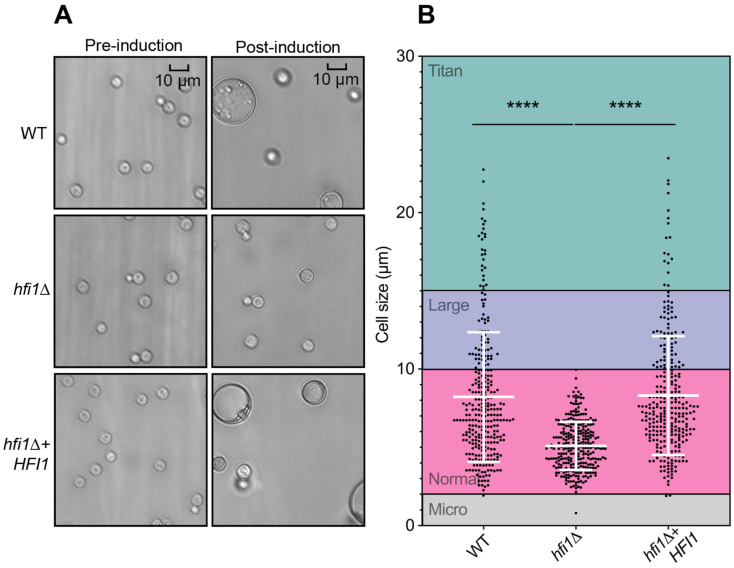
“( B ) The titan cell phenotype is detectable in vitro following incubation of the pathogen in minimal medium at 30 ◦ C for five days [58]. in minimal medium at 30 °C for five days [ One distinctive characteristic of Cryptococcus among fungal pathogens lies in its polysaccharide capsule, which plays…”
BackgroundSelf-citationVirulence-Associated Enzymes of Cryptococcus neoformans
Almeida, F., Wolf, J. M., & Casadevall, A. (2015) · Eukaryotic Cell · doi:10.1128/ec.00103-15 · Cited by 141
Architecture of the Saccharomyces cerevisiae SAGA transcription coactivator complex
Han, Y., Luo, J., Ranish, J. A., & Hahn, S. (2014) · The EMBO Journal · doi:10.15252/embj.201488638 · Cited by 133 · cited 1×
“The largest module within ScSAGA is the core, located at the center of the complex [21,22].”
BackgroundPascual‐García, P., Govind, C. K., Queralt, E., Cuenca-Bono, B., Llopis, A., Chávez, S., Hinnebusch, A. G., & Rodríguez‐Navarro, S. (2008) · Genes & Development · doi:10.1101/gad.483308 · Cited by 122 · cited 1×
“ScSAGA also recruits TBP to the GAL1 TATA box via Spt3 and Spt8 (core module) and interacts with the mRNA export apparatus via Sus1 (DUB module) [26].”
BackgroundChen, S. C., Wright, L. C., Santangelo, R. T., Muller, M., Moran, V. R., Kuchel, P. W., & Sorrell, T. C. (1997) · Infection and Immunity · doi:10.1128/iai.65.2.405-411.1997 · Cited by 121 · cited 1×
“For observation of virulence trait production, 3 µ L of 10 − 1 dilution suspension was spotted on the media of interest (Christensen’s urea agar [53], L -DOPA agar [54], or egg yolk agar [55]).”
MethodChaskes, S., & Tyndall, R. L. (1975) · Journal of Clinical Microbiology · doi:10.1128/jcm.1.6.509-514.1975 · Cited by 120 · cited 1×
“For observation of virulence trait production, 3 µ L of 10 − 1 dilution suspension was spotted on the media of interest (Christensen’s urea agar [53], L -DOPA agar [54], or egg yolk agar [55]).”
MethodADA1, a Novel Component of the ADA/GCN5 Complex, Has Broader Effects than GCN5, ADA2, or ADA3
Horiuchi, J., Silverman, N., Piña, B., Marcus, G. A., & Guarente, L. (1997) · Molecular and Cellular Biology · doi:10.1128/mcb.17.6.3220 · Cited by 106 · cited 1×
“Loss of Hfi1 results in transcriptional defects in a range of genes, and its phenotypic abnormalities are more extensive than occur when the HAT proteins, Ada2, Ngg1/Ada3, or Gcn5, are absent [36].”
BackgroundA Genomic Safe Haven for Mutant Complementation in Cryptococcus neoformans
Arras, S. D. M., Chitty, J. L., Blake, K. L., Schulz, B. L., & Fraser, J. A. (2015) · PLOS ONE · doi:10.1371/journal.pone.0122916 · Cited by 105 · cited 2×
“Following validation by Southern blot, the mutant was complemented by the insertion of a wild-type allele at Safe Haven 1, a well-characterized gene-free neutral site on chromosome 1 [49].”
MethodSelf-citationToward an Integrated Model of Capsule Regulation in Cryptococcus neoformans
Haynes, B. C., Skowyra, M. L., Spencer, S. J., Gish, S. R., Williams, M., Held, E. P., Brent, M. R., & Doering, T. L. (2011) · PLoS Pathogens · doi:10.1371/journal.ppat.1002411 · Cited by 103 · cited 3×
“In contrast, deletion of SGF29 results in hypervirulence [27,45,46].”
BackgroundCryptococcus neoformans Histone Acetyltransferase Gcn5 Regulates Fungal Adaptation to the Host
O'Meara, T. R., Hay, C., Price, M. S., Giles, S., & Alspaugh, J. A. (2010) · Eukaryotic Cell · doi:10.1128/ec.00098-10 · Cited by 88 · cited 5×
“The role of HAT (Histone Acetyltransferase) in the regulation of hyper-and hypoviru-lence in C. neoformans is well established [27,45,46].”
BackgroundInfluentialChatterjee, S., Prados-Rosales, R., Itin, B., Casadevall, A., & Stark, R. E. (2015) · Journal of Biological Chemistry · doi:10.1074/jbc.m114.618389 · Cited by 84 · cited 1×
“…[40], infectious particles of C. neoformans are inhaled, lodge in the alveoli, and disseminate to and penetrate the blood-brain barrier with the aid of diverse mechanisms such as a polysaccharide capsule, the production of melanin, titan cell formation, and extracellular enzyme secretion [41–44].”
BackgroundLi, B., Sun, J., Dong, Z., Xue, P., He, X., Liao, L., Yuan, L., & Jin, Y. (2016) · Scientific Reports · doi:10.1038/srep26542 · Cited by 80
Structure of the human SAGA coactivator complex
Herbst, D. A., Esbin, M. N., Louder, R. K., Dugast‐Darzacq, C., Dailey, G. M., Fang, Q., Darzacq, X., Tjian, R., & Nogales, E. (2021) · Nature Structural & Molecular Biology · doi:10.1038/s41594-021-00682-7 · Cited by 79 · cited 2×
“In HsSAGA, TADA1, which is the homolog of Hfi1, also plays an important role in regard to structure [8].”
BackgroundRecent insights into the structure of TFIID, its assembly, and its binding to core promoter
Patel, A. B., Greber, B. J., & Nogales, E. (2019) · Current Opinion in Structural Biology · doi:10.1016/j.sbi.2019.10.001 · Cited by 74 · cited 1×
“…module has five TBP-associated factors (Taf5, Taf6, Taf9, Taf10 and Taf12) that are also components of transcription factor II D (TFIID); formed by these five proteins, eight more Tafs, and TBP in S. cerevisiae , TFIID is a multi-protein component of the RNA polymerase II pre-initiation complex [23].”
BackgroundCorrection: Cryptococcal Cell Morphology Affects Host Cell Interactions and Pathogenicity
Okagaki, L. H., Strain, A. K., Nielsen, J. N., Charlier, C., Baltes, N. J., Chrétien, F., Heitman, J., Dromer, F., & Nielsen, K. (2010) · PLoS Pathogens · doi:10.1371/annotation/1b59fd9e-9ac9-4ea8-a083-14c413c80b03 · Cited by 71
Protein modifications in transcription elongation
Fuchs, S. M., Laribee, R. N., & Strahl, B. D. (2009) · Biochimica et Biophysica Acta (BBA) - Gene Regulatory Mechanisms · doi:10.1016/j.bbagrm.2008.07.008 · Cited by 66
Ciurciu, A., Komonyi, O., Pankotai, T., & Boros, I. (2006) · Molecular and Cellular Biology · doi:10.1128/mcb.01401-06 · Cited by 65 · cited 1×
“A fundamental role shown for both ScSAGA and HsSAGA is the acetylation of various lysine residues on histones, such as H3K9, H3K14, H3K18, and other lysines present in H4, such as H4K8, H4K12, and H4K16 [60–64].”
BackgroundThe SAGA complex in the rice pathogen Fusarium fujikuroi: structure and functional characterization
Rösler, S. M., Kramer, K., Finkemeier, I., Humpf, H., & Tudzynski, B. (2016) · Molecular Microbiology · doi:10.1111/mmi.13528 · Cited by 62
Riss, A., Scheer, E., Joint, M., Trowitzsch, S., Berger, I., & Tora, L. (2015) · Journal of Biological Chemistry · doi:10.1074/jbc.m115.668533 · Cited by 58
Structural basis for activation of SAGA histone acetyltransferase Gcn5 by partner subunit Ada2
Sun, J., Paduch, M., Kim, S.-A., Kramer, R. M., Barrios, A. F., Lu, V., Luke, J., Usatyuk, S., Kossiakoff, A. A., & Tan, S. (2018) · Proceedings of the National Academy of Sciences · doi:10.1073/pnas.1805343115 · Cited by 57 · cited 1×
“HAT consists of four proteins, namely the histone acetyltransferase Gcn5 (a writer) which acetylates lysine in histones H3 and H2B, Ada2 and Ada3 which promote Gcn5 activity, and Sgf29 (a reader) which recognizes di-and tri-methylated H3K4 to direct HAT activity [12–15].”
BackgroundWu, C., Liu, Z., Wei, L., Zhou, J., Cai, X., Su, Y., Li, L., Chen, S., & He, X. (2021) · Molecular Plant · doi:10.1016/j.molp.2021.03.014 · Cited by 51 · cited 1×
“In plants, the proteins of the DUB module exist, but are not associated with SAGA [7].”
BackgroundSchram, A. W., Baas, R., Jansen, P. W. T. C., Riss, A., Tora, L., Vermeulen, M., & Timmers, H. T. M. (2013) · PLoS ONE · doi:10.1371/journal.pone.0070035 · Cited by 48 · cited 1×
“These acetylation activities are influenced by the tri-methylation of H3K4, which is recognized by HAT module protein, Sgf29 [65,66].”
BackgroundConvergent microevolution of Cryptococcus neoformans hypervirulence in the laboratory and the clinic
Arras, S. D. M., Ormerod, K. L., Erpf, P. E., Espinosa, M. I., Carpenter, A. C., Blundell, R. D., Stowasser, S. R., Schulz, B. L., Tanurdzic, M., & Fraser, J. A. (2017) · Scientific Reports · doi:10.1038/s41598-017-18106-2 · Cited by 44 · cited 3×
“In contrast, deletion of SGF29 results in hypervirulence [27,45,46].”
BackgroundSelf-citationGu, Q., Wang, Y., Zhao, X., Yuan, B., Zhang, M., Tan, Z. H., Zhang, X., Chen, Y., Wu, H., Luo, Y., et al. (2022) · Nucleic Acids Research · doi:10.1093/nar/gkac498 · Cited by 42
Arras, S. D. M., & Fraser, J. A. (2016) · PLOS ONE · doi:10.1371/journal.pone.0163049 · Cited by 36 · cited 1×
“Biolistic transformation was performed using the W7 hydrochloride modification described by Arras and colleagues [50].”
MethodSelf-citationHuang, J., Dai, W., Xiao, D., Xiong, Q., Liu, C., Hu, J., Ge, F., Yu, X., & Li, S. (2022) · Nature Structural & Molecular Biology · doi:10.1038/s41594-022-00736-4 · Cited by 35
Global role for coactivator complexes in RNA polymerase II transcription
Fischer, V., Schumacher, K., Tora, L., & Devys, D. (2018) · Transcription · doi:10.1080/21541264.2018.1521214 · Cited by 27 · cited 1×
“ScSAGA and HsSAGA also mediate the de-ubiquitination of H2B lysine residue, K120 for human or K123 for the brewer’s yeast [67,68].”
BackgroundZhu, W., Fan, X., Zhao, Q., Xu, Y., Wang, X., & Chen, J. (2020) · Molecular Microbiology · doi:10.1111/mmi.14619 · Cited by 27
Yang, J., Chen, D., Matar, K. A. O., Zheng, T., Zhao, Q., Xie, Y., Gao, X., Li, M., Wang, B., & Lu, G. (2020) · Applied Microbiology and Biotechnology · doi:10.1007/s00253-020-10572-5 · Cited by 25 · cited 1×
“The DUB protein, Ubp8, regulates pleiomorphism in the human pathogen, Candida albicans and carbon catabolite repression in the rice pathogen, Magnaporthe oryzae [27–31].”
BackgroundThe SAGA/TREX-2 subunit Sus1 binds widely to transcribed genes and affects mRNA turnover globally
García-Molinero, V., García‐Martínez, J., Reja, R., Furió‐Tarí, P., Antúnez, O., Vinayachandran, V., Conesa, A., Pugh, B. F., Pérez-Ortín, J. E., & Rodríguez‐Navarro, S. (2018) · Epigenetics & Chromatin · doi:10.1186/s13072-018-0184-2 · Cited by 24 · cited 1×
“…module also includes four proteins, namely the histone deubiquitinase Ubp8 (an eraser) which deubiquitinates histone H2B, Sus1 which contributes to Ubp8 function and links SAGA to mRNA export, Sgf73 which maintains Ubp8 conformation, and Sgf11 which is required for Ubp8 connection to SAGA [16–20].”
BackgroundArchitecture of Saccharomyces cerevisiae SAGA complex
Liu, G., Zheng, X., Guan, H., Cao, Y., Qu, H., Kang, J., Ren, X., Lei, J., Dong, M., Li, X., et al. (2019) · Cell Discovery · doi:10.1038/s41421-019-0094-x · Cited by 23 · cited 3×
“When in ScSAGA, these five Tafs contribute to structural integrity, interacting with basal transcription machinery and transcriptional activators [22,24].”
BackgroundEnvironmental Status of Cryptococcus neoformans and Cryptococcus gattii in Colombia
Briggith-Nathalia, S.-E., Sanabria, D. G., Forero‐Castro, M., Escandón, P., & Sánchez-Quitian, Z. A. (2021) · Journal of Fungi · doi:10.3390/jof7060410 · Cited by 23 · cited 1×
“Commonly found in avian guano, soil, flowers, air, water, and certain tree species [40], infectious particles of C. neoformans are inhaled, lodge in the alveoli, and disseminate to and penetrate the blood-brain barrier with the aid of diverse mechanisms such as a polysaccharide capsule, the…”
BackgroundGeng, Q., Li, H., Wang, D., Sheng, R., Zhu, H., Klosterman, S. J., Subbarao, K. V., Chen, J., Chen, F., & Zhang, D. (2022) · Frontiers in Microbiology · doi:10.3389/fmicb.2022.852571 · Cited by 21
Uncovering the Role of Sgf73 in Maintaining SAGA Deubiquitinating Module Structure and Activity
Yan, M., & Wolberger, C. (2014) · Journal of Molecular Biology · doi:10.1016/j.jmb.2014.12.004 · Cited by 20
Sánchez-Gaya, V., Casaní-Galdón, S., Ugidos, M., Kuang, Z., Mellor, J., Conesa, A., & Tarazona, S. (2018) · Frontiers in Genetics · doi:10.3389/fgene.2018.00578 · Cited by 16 · cited 1×
“With the help of Spt7 and Spt20, Hfi1 contributes to the association of DUB with chromatin [37,38].”
BackgroundRashid, S., Correia-Mesquita, T. O., Godoy, P., Omran, R. P., & Whiteway, M. (2022) · Frontiers in Cellular and Infection Microbiology · doi:10.3389/fcimb.2022.764711 · Cited by 15 · cited 1×
“Studies focusing on the core module are fewer in number, but have shown roles of the core protein, Spt20, in regulating infectious particle formation in Aspergillus fumigatus , and Spt7 and Spt8 in invasions by C. albicans [32,33].”
BackgroundChen, M., Liu, Y., Liu, Z., Su, L., Yan, L., Huang, Y., Huang, Y., Zhang, W., Xu, X., & Zheng, F. (2023) · mSphere · doi:10.1128/msphere.00299-23 · Cited by 15 · cited 1×
“In C. neoformans , the gcn5 ∆ mutant has been shown to exhibit a reduced acetylation level of H3K9, K14, K18, and K27 [71].”
BackgroundChen, Y., Stewart, J. I. P., Liu, S., Sheppard, D. C., Lu, L., & Zhang, S. (2022) · Applied and Environmental Microbiology · doi:10.1128/aem.01535-21 · Cited by 14 · cited 1×
“Studies focusing on the core module are fewer in number, but have shown roles of the core protein, Spt20, in regulating infectious particle formation in Aspergillus fumigatus , and Spt7 and Spt8 in invasions by C. albicans [32,33].”
BackgroundNuño‐Cabanes, C., García-Molinero, V., Martín‐Expósito, M., Gas, M.-E., Oliete‐Calvo, P., García-Oliver, E., de la Iglesia-Vayá, M., & Rodríguez‐Navarro, S. (2020) · Epigenetics & Chromatin · doi:10.1186/s13072-020-00367-3 · Cited by 5 · cited 1×
“With the help of Spt7 and Spt20, Hfi1 contributes to the association of DUB with chromatin [37,38].”
Background
Cited by
Zhang, Y., Zeng, L., Huang, X., Wang, Y., Chen, G., Moses, M., Zou, Y., Xiong, S., Xue, W., Dong, Y., et al. (2025) · Nature Communications · doi:10.1038/s41467-025-59898-6 · Cited by 33
Yu, C. K., Stephenson, C. J., Villamor, T. C., Dyba, T. G., Schulz, B. L., & Fraser, J. A. (2025) · Life Sciences · doi:10.1016/j.lfs.2025.123509 · Cited by 2
Self-citationSpt7 Deletion Reveals Vulnerabilities in Cryptococcus neoformans Stress Adaptation and Virulence
Yu, C. K., Stephenson, C. J., Schulz, B. L., & Fraser, J. A. (2026) · Microorganisms · doi:10.3390/microorganisms14010095
“RNA extraction and RT-qPCR analyses were performed as previously described in our related studies [28,29], with primers targeting SAGA-related genes listed in Supplementary Table S2.”
InfluentialSelf-citationPoonia, P., Srivastav, M. K., Nagar, P., & Natarajan, K. (2026) · bioRxiv (Cold Spring Harbor Laboratory) · doi:10.64898/2026.02.06.704420
“While ADA1 is nonessential in S. cerevisiae and C. neoformans (36), a study reported it essential in C. glabrata (37), suggesting possible Candida - specific roles.”
Metadata
- Authors
- Yu, C. K., Stephenson, C. J., Villamor, T. C., Dyba, T. G., Schulz, B. L., & Fraser, J. A.
- Affiliations
- The University of Queensland (AU)
- Corresponding author
- Fraser, James A.
- Venue
- Journal of Fungi
- Publisher
- MDPI AG
- Published
- 2023-12-15
- Volume
- 9
- Issue
- 12
- Pages
- 1198
- ISSN
- 2309-608X (ISSN-L)
- PMC
- PMC10744473
- OpenAlex
- W4389819333
- Cited by
- 4
- References
- 74
- Citations by year
- 2026: 2 · 2025: 2
- FWCI
- 0.80
- Type
- journal article
- Language
- en
- Open access
- gold
- doi.org
- Licence
- Locations
- Journal of Fungi (publishedVersion, cc-by)
- PubMed Central (publishedVersion, cc-by)
- PubMed (publishedVersion)
- DOAJ (DOAJ: Directory of Open Access Journals) (submittedVersion, cc-by-sa)
- Funders
- National Health and Medical Research Council (APP1130192)
- Topics
- Health Sciences › Medicine › Infectious Diseases › Fungal Infections and Studies
- Life Sciences › Biochemistry, Genetics and Molecular Biology › Molecular Biology › Fungal and yeast genetics research
- Life Sciences › Biochemistry, Genetics and Molecular Biology › Molecular Biology › Genomics and Chromatin Dynamics
- Keywords
- SAGA complex, Cryptococcus neoformans, histone acetylation, transcriptional coactivator, virulence, cryptococcosis, stress response, melanogenesis, temperature sensitivity, caffeine resistance, titan cells, cell morphogenesis, pleiotropic mutants
About these checks
Registry, retraction, Cites and statistics results are computed, not judged, with one exception: a printed reference that no index lists is read once by a model before it counts as a citation error. Claims are extracted by a model and kept only when their quote appears verbatim in the text; each cited source is then checked, with a model’s help, for whether it says what the claim relies on. Those verdicts can be wrong — read the claim’s quote and the cited source before relying on one.
Statistics and arithmetic are recomputed, not judged.
Confidence bands are shown only for fields calibrated on our annotated test set. None is calibrated yet, so no band is shown.
What counts as a claim ›How we measure confidence ›How we check this ›
Are you an author, or do you see a problem with this page? Request a review
Data sources
Bibliographic data: Semantic Scholar, OpenAlex, Crossref.
Contains information from the Semantic Scholar Academic Graph Datasets, made available under the ODC Attribution License (ODC-BY 1.0).
Semantic Scholar’s data is described in: Kinney, R., et al. (2023). The Semantic Scholar Open Data Platform. arXiv:2301.10140.
