

Polyesters as a Model System for Building Primitive Biologies from Non-Biological Prebiotic Chemistry
Open accessThe DOI matches its Crossref record; 99 of the 104 references it cites were found in a registry or an index; 6 of the 82 sources its claims cite were checked for support.
Abstract
A variety of organic chemicals were likely available on prebiotic Earth. These derived from diverse processes including atmospheric and geochemical synthesis and extraterrestrial input, and were delivered to environments including oceans, lakes, and subaerial hot springs. Prebiotic chemistry generates both molecules used by modern organisms, such as proteinaceous amino acids, as well as many molecule types not used in biochemistry. As prebiotic chemical diversity was likely high, and the core of biochemistry uses a rather small set of common building blocks, the majority of prebiotically available organic compounds may not have been those used in modern biochemistry. Chemical evolution was unlikely to have been able to discriminate which molecules would eventually be used in biology, and instead, interactions among compounds were governed simply by abundance and chemical reactivity. Previous work has shown that likely prebiotically available α-hydroxy acids can combinatorially polymerize into polyesters that self-assemble to create new phases which are able to compartmentalize other molecule types. The unexpectedly rich complexity of hydroxy acid chemistry and the likely enormous structural diversity of prebiotic organic chemistry suggests chemical evolution could have been heavily influenced by molecules not used in contemporary biochemistry, and that there is a considerable amount of prebiotic chemistry which remains unexplored.
Overview
CoChat Summary
TL;DR
This review argues that prebiotic chemical diversity was likely dominated by non-biomolecules and that polyesters from α-hydroxy acids offer a tractable model for primitive chemical evolution. It synthesizes prior work showing that αHAs polymerize via wet-dry cycling into diverse libraries and self-assemble into membraneless microdroplets that can compartmentalize molecules and scaffold lipid assembly.
Key findings
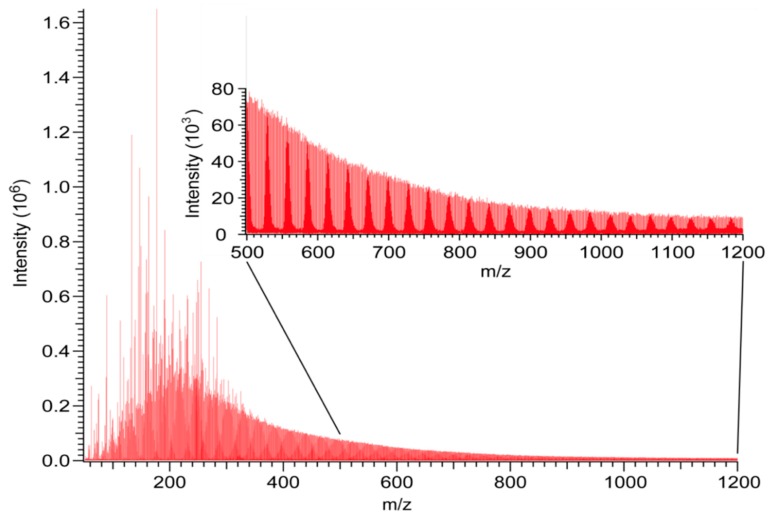
- Prebiotic environments were likely chemically diverse and dominated by non-biomolecules; a methanolic extract of the Murchison meteorite yielded 14,000–50,000 unique molecular formula compounds, estimated to represent millions of unique structural isomers.
- α-Hydroxy acids can polymerize into polyesters under wet-dry cycling; using 5 different αHA monomer types generated vast, likely sequence-complete oligomer libraries, and L-malic acid polymerizes during drying and partially hydrolyzes during rehydration, allowing carryover of stable products.
- Polyester bond formation has a much lower free energy (~0 kcal mol−1) than peptide bond formation (~+3.5 kcal mol−1), and reversible esterification offers facile access to polymer sequence space; depsipeptide intermediates can enrich in peptide bonds over time.
- Drying mixed αHAs at 80 °C produces oligomers that, upon rehydration, form gels and self-assemble into membraneless droplets that differentially segregate hydrophobic dyes and fluorescently labeled nucleic acids, and can scaffold lipid assembly.
Methods
- This is a review/perspective article, not a primary experimental report; it synthesizes prior work on prebiotic polyester chemistry, αHA polymerization, wet-dry cycling, and microdroplet assembly.
- It draws on cited experiments including Murchison meteorite analyses, L-malic acid wet-dry cycling, combinatorial polymerization of 5 αHAs, and polyester microdroplet segregation studies.
- Main analysis is conceptual synthesis and hypothesis generation about non-biomolecular chemical evolution, primitive compartments, and possible transitions to biochemistry.
Limitations
- The paper states that identifying every compound in messy prebiotic systems is beyond contemporary analytical chemistry, and that the combinatorial hydroxy acid systems discussed are likely compositionally simple compared to real environmental settings.
- The paper states that the microdroplet study included only a small number of αHAs chosen for analytical tractability, formed only linear polymers, was a proof-of-principle investigation, and did not explore greater molecular diversity; it also states that no functional searches for catalytic behavior within the droplets were performed.
- Evident from the text: this is a review/prospective with no new experimental data, and many proposed scenarios—such as droplet sinks for deactivated monomers, catalytic systems, and geological pruning of chemical diversity—are hypothetical or targets for future work.
Model-written summary. Check it against the paper before relying on it.
Integrity signals
Registry
Cites
Statistics
Figures



Verification
Claims the paper makes
3 Valid · 0 Not valid · 52 Not checked · 27 Own results and interpretations
Every source the paper cites for this claim was checked and supports it.
In the paper
“In light of this, it seems plausible that a similarly complex compound suite was provided to primitive Earth (or existed on another planet [19]) from one or more sources (e.g., [20,21,22])”
§ Polyesters as a Model System for Building Primitive Biologies from Non-Biological Prebiotic Chemistry > 1. Introduction
What the sources say
- Supportedcites [19] Kahana A. Schmitt-Kopplin P. Lancet D. Enceladus: First observed primordial soup could arbitrate origin-of-life debate Astrobiology 2019 19 1263 1278 10.1089/ast.2019.2029 31328961 PMC6785169 source
The citation is attached specifically to the possibility of a complex organic suite on another world. The Abstract describes Enceladus as an extraterrestrial organics-rich water body, while §2 discusses organic inputs to early Earth from dust, meteorites, and comets. Together with the molecular diversity described in §7, these passages support the sentence’s cautious framing; the paper does not establish the exact composition of Earth’s early supply. (LLM, conf=0.87)
- Supportedcites [20] Wollrab E. Scherer S. Aubriet F. Carré V. Carlomagno T. Codutti L. Ott A. Chemical analysis of a “Miller-type” complex prebiotic broth: Part I: Chemical diversity, oxygen and nitrogen based polymers Orig. Life Evol. Biosph. 2016 46 149 169 10.1007/s11084-015-9468-8 26508401 source
The paper reports a chemically diverse mixture from a Miller-type experiment (Discussion, p. 16) and suggests that some compounds could have formed endogenously under a sufficiently reducing atmosphere (Discussion, p. 17). This supports citing it as an example of a plausible source of a complex prebiotic compound suite, without establishing that such a suite actually existed on primitive Earth. (LLM, conf=0.84)
- Supportedcites [21] Jiang L. Dziedzic P. Spacil Z. Zhao G.-L. Nilsson L. Ilag L.L. Córdova A. Abiotic synthesis of amino acids and self-crystallization under prebiotic conditions Sci. Rep. 2014 4 6769 10.1038/srep06769 25346284 PMC4209460 source
The Results report numerous organic molecules and amino acids produced in a spark-discharge experiment simulating early Earth conditions. The Discussion describes the resulting mixture as a plethora of organic compounds, while the Abstract also identifies meteorites and hydrothermal systems as possible sources of amino acids. Together, these passages support the citing sentence’s qualified claim that a complex compound suite could plausibly have come from one or more sources. (LLM, conf=0.86)
hedged- Asserted: passes — The authors put it forward as true.
- Checkable: passes — It can be checked against evidence.
- Load-bearing: passes — The paper’s conclusions depend on it.
- Based: passes — The paper gives a reason why it holds.
- Rests on an assumption not shown here.
- Supported
Every source the paper cites for this claim was checked and supports it.
In the paper
“These informational materials may not be limited to nucleic acid-based materials, but also could be composed of other types of genetic information, such as those based on the composome model [29].”
§ Polyesters as a Model System for Building Primitive Biologies from Non-Biological Prebiotic Chemistry > 1. Introduction
What the sources say
- Supportedcites [29] Lancet D. Zidovetzki R. Markovitch O. Systems protobiology: Origin of life in lipid catalytic networks J. R. Soc. Interface 2018 15 20180159 10.1098/rsif.2018.0159 30045888 PMC6073634 source
The “Compositional information” section describes a composome’s composition as a ‘compositional genome,’ analogous to an RNA sequence. The “Compositional homeostasis” section explicitly presents copying compositional information as an alternative to copying sequence information in templating biopolymers. (LLM, conf=0.94)
hedged- Asserted: passes — The authors put it forward as true.
- Checkable: passes — It can be checked against evidence.
- Load-bearing: unclear — It is unclear whether the paper’s conclusions depend on it.
- Based: passes — The paper gives a reason why it holds.
- Rests on an assumption not shown here.
- Supported
In the paper
“Most of these classes are dominated by compounds not used in present-day biology [18].”
§ Polyesters as a Model System for Building Primitive Biologies from Non-Biological Prebiotic Chemistry > 1. Introduction
What the sources say
- Not checked yetcites [18] Sephton M.A. Organic compounds in carbonaceous meteorites Nat. Prod. Rep. 2002 19 292 311 10.1039/b103775g 12137279 source
plain- Asserted: passes — The authors put it forward as true.
- Checkable: passes — It can be checked against evidence.
- Load-bearing: passes — The paper’s conclusions depend on it.
- Based: passes — The paper gives a reason why it holds.
In the paper
“Contemporary biochemistry uses a relatively small set of building blocks, e.g., only 20 coded amino acids, four ribonucleotides, four deoxyribonucleotides, etc., out of a large number of possibilities [4].”
§ Polyesters as a Model System for Building Primitive Biologies from Non-Biological Prebiotic Chemistry > 1. Introduction
What the sources say
- Not checked yetcites [4] Meringer M. Cleaves H.J. Exploring astrobiology using in silico molecular structure generation Philos. Trans. A Math. Phys. Eng. Sci. 2017 375 20160344 10.1098/rsta.2016.0344 29133444 PMC5686402
plain- Asserted: passes — The authors put it forward as true.
- Checkable: passes — It can be checked against evidence.
- Load-bearing: passes — The paper’s conclusions depend on it.
- Based: passes — The paper gives a reason why it holds.
In the paper
“As prebiotic chemical diversity was likely high, and the core of biochemistry uses a rather small set of common building blocks, the majority of prebiotically available organic compounds may not have been those used in modern biochemistry.”
§ Polyesters as a Model System for Building Primitive Biologies from Non-Biological Prebiotic Chemistry > Abstract
What the sources say
- Not checked yetcites [18] Sephton M.A. Organic compounds in carbonaceous meteorites Nat. Prod. Rep. 2002 19 292 311 10.1039/b103775g 12137279 source
hedged- Asserted: passes — The authors put it forward as true.
- Checkable: passes — It can be checked against evidence.
- Load-bearing: passes — The paper’s conclusions depend on it.
- Based: passes — The paper gives a reason why it holds.
25 more claims
Create a free account to see all 82 claims and to verify the 76 references still open.
- Probably not a substantial claim. 30
- It may state two separate claims as one. 28
Claims other papers make about this one
Each is checked against this paper’s own text: does it say what the citing paper says it does?
The cited source says what the claim attributes to it.
In the citing paper
“If one considers that the accumulation of biomolecules is a biological invention, optimizing for certain geochemical and/or biochemical properties [119], then compounds such as aHAs may have played a role in some form of nascent biology not conserved in modern biology [142].”
From The Future of Origin of Life Research: Bridging Decades-Old Divisions (2020) · cites this paper as [142]
Citations
Cites
Enzyme promiscuity: A mechanistic and evolutionary perspective
Tawfik, O. K. A. D. S. (2010) · Annual Review of Biochemistry · doi:10.1146/annurev-biochem-030409-143718 · Cited by 1,355 · cited 1×
“Such environmental or geological changes could also have led to innovation of increasingly specific and functional catalysts from the initially diverse and chaotic prebiotic milieu [91,92].”
BackgroundExploring the sequence space for (tri-)peptide self-assembly to design and discover new hydrogels
Frederix, P. W. J. M., Scott, G. G., Abul-Haija, Y. M., Kalafatovic, D., Pappas, C. G., Javid, N., Hunt, N. T., Ulijn, R. V., & Tuttle, T. (2015) · Nature Chemistry · doi:10.1038/nchem.2122 · Cited by 774 · cited 1×
“Such assembly or accumulation mechanisms could be extended to other possibly important early self-assembly chemistries [71].”
BackgroundWoese, C. R. (2002) · Proceedings of the National Academy of Sciences · doi:10.1073/pnas.132266999 · Cited by 762 · cited 4×
“LUCA, a community of progenotes [45], as in primitive entities in the process of (but prior to) establishing the genotype-phenotype relationship, could have dominated the prebiotic world while allowing for genetic information transfer amongst themselves and the surrounding environment.”
BackgroundMethodInfluentialOrganic compounds in carbonaceous meteorites
Sephton, M. A. (2002) · Natural Product Reports · doi:10.1039/b103775g · Cited by 704 · cited 2×
“Most of these classes are dominated by compounds not used in present-day biology [18].”
BackgroundRNA evolution and the origins of life
Joyce, G. F. (1989) · Nature · doi:10.1038/338217a0 · Cited by 658
The RNA World: molecular cooperation at the origins of life
Higgs, P. G., & Lehman, N. (2015) · Nature Reviews Genetics · doi:10.1038/nrg3841 · Cited by 604 · cited 1×
“One such assumption is the direct continuity between biochemistry and prebiotic chemistry, which has given rise to OoL models variously focused on the primary roles of lipids [5], nucleic acids [6], metabolism [7], or proteins [8].”
BackgroundSchmitt-Kopplin, P., Gabelica, Z., Gougeon, R. D., Fekete, A., Kanawati, B., Harir, M., Gebefuegi, I., Eckel, G., & Hertkorn, N. (2010) · Proceedings of the National Academy of Sciences · doi:10.1073/pnas.0912157107 · Cited by 594 · cited 2×
“The soluble fraction is ften incredibly diverse, for example 14,000–50,000 unique molecular formul com ounds were identified in a methanolic extract of the Murchison meteorite, which it was estimated may represent millions of unique structural isomers [12] (Figure 1).”
BackgroundPoirier, Y., Nawrath, C., & Somerville, C. (1995) · Nature Biotechnology · doi:10.1038/nbt0295-142 · Cited by 480 · cited 1×
“Polyhydroxyalkanoates are also produced by various bacteria as energy-storage molecules [60], and pores assembled from polyphosphate associations with β-hydroxy acid polymers have been isolated from E.”
BackgroundModern metabolism as a palimpsest of the RNA world
Benner, S. A., Ellington, A. D., & Tauer, A. (1989) · Proceedings of the National Academy of Sciences · doi:10.1073/pnas.86.18.7054 · Cited by 478 · cited 1×
“While the promiscuity of the ribosome and other examples from biochemistry may be interpreted as vestigial [86], it is possible many, if not most, transitional mechanisms in the evolution of biochemistry have left no easily discernible trace in modern biology.”
BackgroundGrowth and division of active droplets provides a model for protocells
Zwicker, D., Seyboldt, R., Weber, C. A., Hyman, A. A., & Jülicher, F. (2017) · Nature Physics · doi:10.1038/nphys3984 · Cited by 464 · cited 1×
“Primitive cells can, perhaps over-simplistically, be conceived of as molecularly crowded droplets containing genetic or functional polymers encased by a lipid boundary [79].”
BackgroundThis Is Biology: The Science of the Living World
Mayr, E. (1997) · DigitalGeorgetown (Georgetown University Library) · Cited by 454
Carbonyl Sulfide-Mediated Prebiotic Formation of Peptides
Leman, L., Orgel, L., & Ghadiri, M. R. (2004) · Science · doi:10.1126/science.1102722 · Cited by 428
Fatty acid membrane assembly on coacervate microdroplets as a step towards a hybrid protocell model
Dora Tang, T.-Y., Rohaida Che Hak, C., Thompson, A. J., Kuimova, M. K., Williams, D. S., Perriman, A. W., & Mann, S. (2014) · Nature Chemistry · doi:10.1038/nchem.1921 · Cited by 420
Universality in intermediary metabolism
Smith, E., & Morowitz, H. J. (2004) · Proceedings of the National Academy of Sciences · doi:10.1073/pnas.0404922101 · Cited by 408 · cited 1×
“One such assumption is the direct continuity between biochemistry and prebiotic chemistry, which has given rise to OoL models variously focused on the primary roles of lipids [5], nucleic acids [6], metabolism [7], or proteins [8].”
BackgroundHazen, R. M., Filley, T. R., & Goodfriend, G. A. (2001) · Proceedings of the National Academy of Sciences · doi:10.1073/pnas.101085998 · Cited by 399
Self‐assembling amphiphilic peptides
Dehsorkhi, A., Castelletto, V., & Hamley, I. W. (2014) · Journal of Peptide Science · doi:10.1002/psc.2633 · Cited by 392 · cited 1×
“Encapsulating layers could also be composed of fatty acids, phospholipids, or even other molecules such as detergents [75], amphiphilic peptides [76], DNA liquid crystals [77], or even mineral particles [78].”
BackgroundThe case for an ancestral genetic system involving simple analogues of the nucleotides.
Joyce, G. F., Schwartz, A. W., Miller, S. L., & Orgel, L. E. (1987) · Proceedings of the National Academy of Sciences · doi:10.1073/pnas.84.13.4398 · Cited by 387
The geologic history of seawater pH
Halevy, I., & Bachan, A. (2017) · Science · doi:10.1126/science.aal4151 · Cited by 376 · cited 1×
“As an example, one reasonable possibility is that early in Earth’s history, there was a much higher pCO2 atmosphere which would have resulted in considerably more acidic surface waters [90].”
BackgroundThe eightfold path to non-enzymatic RNA replication
Szostak, J. W. (2012) · Journal of Systems Chemistry · doi:10.1186/1759-2208-3-2 · Cited by 359 · cited 1×
“Removal or reactivation of these oligomerization inhibitors is an important unresolved problem [74].”
BackgroundAumiller, W. M., Pir Cakmak, F., Davis, B. W., & Keating, C. D. (2016) · Langmuir · doi:10.1021/acs.langmuir.6b02499 · Cited by 325 · cited 1×
“Assembly of such a lipid encapsulated condensed-phases has been demonstrated with various membraneless droplet systems such as coacervates [63,64].”
BackgroundForsythe, J. G., Yu, S., Mamajanov, I., Grover, M. A., Krishnamurthy, R., Fernández, F. M., & Hud, N. V. (2015) · Angewandte Chemie International Edition · doi:10.1002/anie.201503792 · Cited by 324 · cited 5×
“For example, the abiotic reactions betw en αHA and α-amino acid monomers have been stud ed in odel we -dry cycling experiments [44].”
BackgroundMethodSelf-citationHydrogen bonding stabilizes globular proteins
Myers, J. K., & Pace, C. N. (1996) · Biophysical Journal · doi:10.1016/s0006-3495(96)79401-8 · Cited by 308 · cited 1×
“Polyester systems can interact due to hydrophilic, hydrophobic, and electrostatic interactions such as dipole-dipole interactions [41], but they lack the ability to form regular repeating intramolecular hydrogen bonding motifs of the sort that facilitate protein folding [42,43].”
BackgroundUnified Prebiotically Plausible Synthesis of Pyrimidine and Purine RNA Ribonucleotides
Becker, S., Feldmann, J., Wiedemann, S., Okamura, H., Schneider, C., Iwan, K., Crisp, A., Rossa, M., Amatov, T., & Carell, T. (2019) · Science · doi:10.1126/science.aax2747 · Cited by 306 · cited 1×
“Indeed, it is known that biomolecules represent a minute fraction of the molecular diversity produced by prebiotic chemistry (as mentioned above) and this would tend to lower the probability that chemical bonds formed exclusively among biomolecules particularly in a one-pot prebiotic synthesis [3,24,28].”
BackgroundChallenges in evidencing the earliest traces of life
Javaux, E. J. (2019) · Nature · doi:10.1038/s41586-019-1436-4 · Cited by 297 · cited 1×
“This is especially true when the up to one billion years [87] available for the origins of life is considered.”
BackgroundThe Organic Composition of Carbonaceous Meteorites: The Evolutionary Story Ahead of Biochemistry
Pizzarello, S., & Shock, E. (2010) · Cold Spring Harbor Perspectives in Biology · doi:10.1101/cshperspect.a002105 · Cited by 285 · cited 1×
“For example, researchers often consider carbonaceous chondrite meteorites to be proxies that validate laboratory prebiotic chemistry simulations [10,11].”
BackgroundThe Role of Lipid Membranes in Life’s Origin
Deamer, D. (2017) · Life · doi:10.3390/life7010005 · Cited by 261 · cited 2×
“One such assumption is the direct continuity between biochemistry and prebiotic chemistry, which has given rise to OoL models variously focused on the primary roles of lipids [5], nucleic acids [6], metabolism [7], or proteins [8].”
BackgroundDynamic peptide libraries for the discovery of supramolecular nanomaterials
Pappas, C. G., Shafi, R., Sasselli, I. R., Siccardi, H., Wang, T., Narang, V., Abzalimov, R., Wijerathne, N., & Ulijn, R. V. (2016) · Nature Nanotechnology · doi:10.1038/nnano.2016.169 · Cited by 240
Coevolution theory of the genetic code at age thirty
Wong, J. T.-F. (2005) · BioEssays · doi:10.1002/bies.20208 · Cited by 219
The Origin of RNA and “My Grandfather’s Axe”
Hud, N. V., Cafferty, B. J., Krishnamurthy, R., & Williams, L. D. (2013) · Chemistry & Biology · doi:10.1016/j.chembiol.2013.03.012 · Cited by 210
New insights into prebiotic chemistry from Stanley Miller's spark discharge experiments
Bada, J. L. (2013) · Chemical Society Reviews · doi:10.1039/c3cs35433d · Cited by 209 · cited 1×
“Hydroxy acids are equally as prebiotically plausible as amino acids, as hydroxy acids may be produced in the same model prebiotic reactions that produce amino acids [56,57], and are also common in meteorites [58].”
BackgroundRedox and pH gradients drive amino acid synthesis in iron oxyhydroxide mineral systems
Barge, L. M., Flores, E., Baum, M. M., VanderVelde, D. G., & Russell, M. J. (2019) · Proceedings of the National Academy of Sciences · doi:10.1073/pnas.1812098116 · Cited by 203 · cited 1×
“Hydroxy acids are equally as prebiotically plausible as amino acids, as hydroxy acids may be produced in the same model prebiotic reactions that produce amino acids [56,57], and are also common in meteorites [58].”
BackgroundPathways for the formation and evolution of peptides in prebiotic environments
Danger, G., Plasson, R., & Pascal, R. (2012) · Chemical Society Reviews · doi:10.1039/c2cs35064e · Cited by 203
Wolman, Y., Haverland, W. J., & Miller, S. L. (1972) · Proceedings of the National Academy of Sciences · doi:10.1073/pnas.69.4.809 · Cited by 198 · cited 1×
“For example, researchers often consider carbonaceous chondrite meteorites to be proxies that validate laboratory prebiotic chemistry simulations [10,11].”
BackgroundFormation of oligopeptides in high yield under simple programmable conditions
Rodriguez-Garcia, M., Surman, A. J., Cooper, G. J. T., Suárez-Marina, I., Hosni, Z., Lee, M. P., & Cronin, L. (2015) · Nature Communications · doi:10.1038/ncomms9385 · Cited by 197
Self-selection of dissipative assemblies driven by primitive chemical reaction networks
Tena-Solsona, M., Wanzke, C., Riess, B., Bausch, A. R., & Boekhoven, J. (2018) · Nature Communications · doi:10.1038/s41467-018-04488-y · Cited by 196
Systems protobiology: origin of life in lipid catalytic networks
Lancet, D., Zidovetzki, R., & Markovitch, O. (2018) · Journal of The Royal Society Interface · doi:10.1098/rsif.2018.0159 · Cited by 182 · cited 3×
“These informational materials may not be limited to nucleic acid-based materials, but also could be composed of other types of genetic information, such as those based on the composome model [29].”
BackgroundA new family of extraterrestrial amino acids in the Murchison meteorite
Koga, T., & Naraoka, H. (2017) · Scientific Reports · doi:10.1038/s41598-017-00693-9 · Cited by 171 · cited 1×
“The classes of molecules identified to date in the Murchison meteorite include amino acids [14], hydroxy acids [15], carboxylic acids [16], and nitrogen heterocycles [17].”
BackgroundDynamic Combinatorial Chemistry
(2010) · Wiley eBooks · doi:10.1002/9783527629701 · Cited by 168
The Molecular Origins of Life: Assembling Pieces of the Puzzle
(1998) · Cambridge University Press eBooks · doi:10.1017/cbo9780511626180 · Cited by 152
Prebiotic condensation reactions in an aqueous medium: A review of condensing agents
Hulshof, J., & Ponnamperuma, C. (1976) · Origins of Life and Evolution of Biospheres · doi:10.1007/bf00926938 · Cited by 151
Soares, C. M., Teixeira, V. H., & Baptista, A. M. (2003) · Biophysical Journal · doi:10.1016/s0006-3495(03)74972-8 · Cited by 149 · cited 1×
“As another example, the structures of proteins change depending on solvent polarity, and would be expected to change within polyester droplets compared to polar solvents [67,68].”
BackgroundPrywes, N., Blain, J. C., Del Frate, F., & Szostak, J. W. (2016) · eLife · doi:10.7554/elife.17756 · Cited by 141 · cited 2×
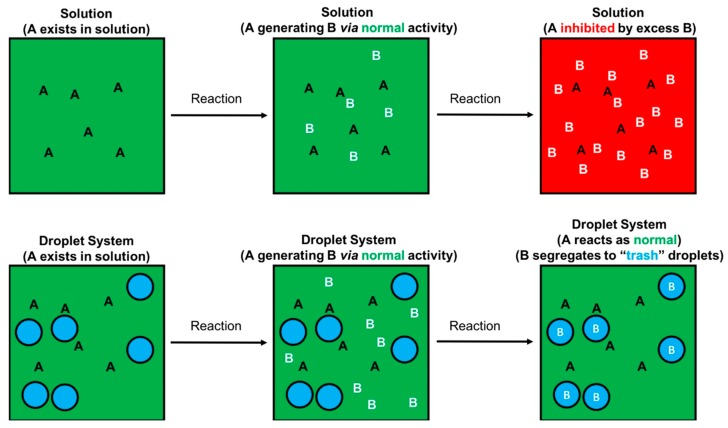
“As a hypothetical example, during template-directed non-enzymatic RNA polymerization in solution using activated nucleotide monomers [72,73], hydrolyzed, deactivated monomers accumulate over time, and these hinder template-directed polymerization by competitively occupying the complementary sites on the template stran…”
BackgroundMembraneless polyester microdroplets as primordial compartments at the origins of life
Jia, T. Z., Chandru, K., Hongo, Y., Afrin, R., Usui, T., Myojo, K., & Cleaves, H. J. (2019) · Proceedings of the National Academy of Sciences · doi:10.1073/pnas.1902336116 · Cited by 132 · cited 7×
“The interfaces between different polarity phases, such as those between polyester microdroplets or supercritical carbon dioxide droplets [69] and water, have also been shown to facilitate lipid assembly [40,70] and accumulation of amphiphilic peptides [70].”
BackgroundSelf-citationLipid-like Self-Assembling Peptides
Zhang, S. (2012) · Accounts of Chemical Research · doi:10.1021/ar300034v · Cited by 132 · cited 1×
“More nuanced examples of primitive non-biomolecular systems, include those incorporating purely in vitro-produced polymers (themselves produced from biomolecular components such as amino acids) which do not participate in modern biology, have also been explored including self-assemblies of lipid-like peptides [31].”
BackgroundFrenkel-Pinter, M., Haynes, J. W., C, M., Petrov, A. S., Burcar, B. T., Krishnamurthy, R., Hud, N. V., Leman, L. J., & Williams, L. D. (2019) · Proceedings of the National Academy of Sciences · doi:10.1073/pnas.1904849116 · Cited by 128
Rapid RNA Exchange in Aqueous Two-Phase System and Coacervate Droplets
Jia, T. Z., Hentrich, C., & Szostak, J. W. (2014) · Origins of Life and Evolution of Biospheres · doi:10.1007/s11084-014-9355-8 · Cited by 125
Self-citationSome consequences of the RNA world hypothesis
Orgel, L. E. (2003) · Origins of life and evolution of the biosphere · doi:10.1023/a:1024616317965 · Cited by 124 · cited 1×
“Alternatively, polyesters, which have a considerably lower energy for bond formation (~0 kcal mol−1 [54]), have been considered as possible ancestral precursors of peptides [36,55].”
BackgroundCronin, J. R., Pizzarello, S., Epstein, S., & Krishnamurthy, R. V. (1993) · Geochimica et Cosmochimica Acta · doi:10.1016/0016-7037(93)90197-5 · Cited by 121 · cited 1×
“In fact, by increasing the diversity of ester-bond forming monomers [18,80], a wider variety of higher-order chemistries could be obtained from droplets of this type.”
BackgroundMamajanov, I., MacDonald, P. J., Ying, J., Duncanson, D. M., Dowdy, G. R., Walker, C. A., Engelhart, A. E., Fernández, F. M., Grover, M. A., Hud, N. V., et al. (2014) · Macromolecules · doi:10.1021/ma402256d · Cited by 115 · cited 2×
“We have previously characterized the polymerization of L-mali aci , a dicarboxylicαHA, by wet-dry cycling sim lating various geological settings that dry intermittently [37].”
BackgroundSelf-citationDas, S., Lengweiler, U. D., Seebach, D., & Reusch, R. N. (1997) · Proceedings of the National Academy of Sciences · doi:10.1073/pnas.94.17.9075 · Cited by 115
The energetics of organic synthesis inside and outside the cell
Amend, J. P., LaRowe, D. E., McCollom, T. M., & Shock, E. L. (2013) · Philosophical Transactions of the Royal Society B: Biological Sciences · doi:10.1098/rstb.2012.0255 · Cited by 103
Polymerization on the Rocks: Negatively-Charged α-amino acids
Hill, A. R., Böhler, C., & Orgel, L. E. (1998) · Origins of Life and Evolution of Biospheres · doi:10.1023/a:1006572112311 · Cited by 91
The role of sugar-backbone heterogeneity and chimeras in the simultaneous emergence of RNA and DNA
Bhowmik, S., & Krishnamurthy, R. (2019) · Nature Chemistry · doi:10.1038/s41557-019-0322-x · Cited by 89 · cited 1×
“There are a few laboratory simulations of such stepwise increases in chemical diversity (examples include recent work with depsipeptides [44] and DNA/RNA chimeras [81]) but these studies are just the first step towards laboratory simulations of truly complex chemical systems that rival the actual complexity of the pre…”
BackgroundOrigins of specificity and promiscuity in metabolic networks
Carbonell, P., Lecointre, G., & Faulon, J.-L. (2011) · Journal of Biological Chemistry · doi:10.1074/jbc.m111.274050 · Cited by 87 · cited 1×
“Such environmental or geological changes could also have led to innovation of increasingly specific and functional catalysts from the initially diverse and chaotic prebiotic milieu [91,92].”
BackgroundModern diversification of the amino acid repertoire driven by oxygen
Granold, M., Hajieva, P., Toşa, M. I., Irimie, F.-D., & Moosmann, B. (2018) · Proceedings of the National Academy of Sciences · doi:10.1073/pnas.1717100115 · Cited by 85
The Nitrogen Heterocycle Content of Meteorites and Their Significance for the Origin of Life
Martins, Z. (2018) · Life · doi:10.3390/life8030028 · Cited by 76 · cited 1×
“The classes of molecules identified to date in the Murchison meteorite include amino acids [14], hydroxy acids [15], carboxylic acids [16], and nitrogen heterocycles [17].”
BackgroundA comparative study of the hydroxy acids from the Murchison, GRA 95229 and LAP 02342 meteorites
Pizzarello, S., Wang, Y., & Chaban, G. M. (2010) · Geochimica et Cosmochimica Acta · doi:10.1016/j.gca.2010.08.013 · Cited by 75 · cited 2×
“The classes of molecules identified to date in the Murchison meteorite include amino acids [14], hydroxy acids [15], carboxylic acids [16], and nitrogen heterocycles [17].”
BackgroundApproaches to the Origin of Life on Earth
Kauffman, S. A. (2011) · Life · doi:10.3390/life1010034 · Cited by 74 · cited 3×
“Such a character could have arisen among such systems, and then spread throughout them, co-opting and replacing their more primitive modes of reproduction, such as autocatalytic chemical sets proposed by Kaufman [30], potentially eventually leading to systems with established genotype-phenotype relationships that coul…”
BackgroundInfluentialBordo, D., & Argos, P. (1994) · Journal of Molecular Biology · doi:10.1006/jmbi.1994.1676 · Cited by 73 · cited 1×
“Polyester systems can interact due to hydrophilic, hydrophobic, and electrostatic interactions such as dipole-dipole interactions [41], but they lack the ability to form regular repeating intramolecular hydrogen bonding motifs of the sort that facilitate protein folding [42,43].”
BackgroundExtraordinarily Adaptive Properties of the Genetically Encoded Amino Acids
Ilardo, M., Meringer, M., Freeland, S., Rasulev, B., & Cleaves II, H. J. (2015) · Scientific Reports · doi:10.1038/srep09414 · Cited by 68
Self-citationBulk measurements of messy chemistries are needed for a theory of the origins of life
Guttenberg, N., Virgo, N., Chandru, K., Scharf, C., & Mamajanov, I. (2017) · Philosophical Transactions of the Royal Society A: Mathematical, Physical and Engineering Sciences · doi:10.1098/rsta.2016.0347 · Cited by 67 · cited 2×
“However, relatively little effort has been expended towards understanding the identities or reactivity of the non-biomolecules generated in prebiotic syntheses [24], or the processes or novel chemical phenomena they might enable.”
BackgroundSelf-citationProtein Domain Structure Uncovers the Origin of Aerobic Metabolism and the Rise of Planetary Oxygen
Kim, K. M., Qin, T., Jiang, Y.-Y., Chen, L., Xiong, M., Caetano-Anollés, D., Zhang, H. Y., & Caetano‐Anollés, G. (2012) · Structure · doi:10.1016/j.str.2011.11.003 · Cited by 67
A Strategy for Origins of Life Research
Scharf, C., Virgo, N., Cleaves, H. J., Aono, M., Aubert-Kato, N., Aydinoglu, A., Barahona, A., Barge, L. M., Benner, S. A., Biehl, M., et al. (2015) · Astrobiology · doi:10.1089/ast.2015.1113 · Cited by 65
Self-citation(2019) · doi:10.1073/pnas.1813987116 · Cited by 64
polymerization on the Rocks: β-amino Acids and Arginine
Liu, R., & Orgel, L. E. (1998) · Origins of Life and Evolution of Biospheres · doi:10.1023/a:1006576213220 · Cited by 64
Vincent, L., Berg, M., Krismer, M., Saghafi, S. T., Cosby, J., Sankari, T., Vetsigian, K., Cleaves, H. J., & Baum, D. A. (2019) · Life · doi:10.3390/life9040080 · Cited by 62
Self-citationOrganic matter in carbonaceous meteorites: past, present and future research
Sephton, M. A. (2005) · Philosophical Transactions of the Royal Society A: Mathematical, Physical and Engineering Sciences · doi:10.1098/rsta.2005.1670 · Cited by 61 · cited 1×
“Hydroxy acids are equally as prebiotically plausible as amino acids, as hydroxy acids may be produced in the same model prebiotic reactions that produce amino acids [56,57], and are also common in meteorites [58].”
BackgroundSystems chemical analytics: introduction to the challenges of chemical complexity analysis
Schmitt-Kopplin, P., Hemmler, D., Moritz, F., Gougeon, R. D., Lucio, M., Meringer, M., Müller, C., Harir, M., & Hertkorn, N. (2019) · Faraday Discussions · doi:10.1039/c9fd00078j · Cited by 60 · cited 2×
“In fact, the number and diversity of compounds in the Murchison meteorite can only be crudely estimated due to analytical challenges [13], suggesting that the actual organic complexity may be far greater.”
BackgroundLinear and Branched Poly(ω-hydroxyacid) Esters in Plant Cutins
Graça, J., & Lamosa, P. (2010) · Journal of Agricultural and Food Chemistry · doi:10.1021/jf1015297 · Cited by 57 · cited 2×
“Another example is cutin, a polyester synthesized from ωhydroxy acids that is the main component of the cuticle that covers plant aerial surfaces [59].”
BackgroundFree dicarboxylic and aromatic acids in the carbonaceous chondrites Murchison and Orgueil
Martins, Z., Watson, J. S., Sephton, M. A., Botta, O., Ehrenfreund, P., & Gilmour, I. (2006) · Meteoritics and Planetary Science · doi:10.1111/j.1945-5100.2006.tb00505.x · Cited by 53 · cited 1×
“The classes of molecules identified to date in the Murchison meteorite include amino acids [14], hydroxy acids [15], carboxylic acids [16], and nitrogen heterocycles [17].”
BackgroundSimple prebiotic synthesis of high diversity dynamic combinatorial polyester libraries
Chandru, K., Guttenberg, N., Giri, C., Hongo, Y., Butch, C., Mamajanov, I., & Cleaves, H. J. (2018) · Communications Chemistry · doi:10.1038/s42004-018-0031-1 · Cited by 52 · cited 4×
“, proteins and nucleic acids, are linear polymers (as was the model polyester system studied in [38], for purely analytical tractability purposes), some biopolymers, i.”
BackgroundSelf-citationCakmak, F. P., & Keating, C. D. (2017) · Scientific Reports · doi:10.1038/s41598-017-03033-z · Cited by 52
Ester formation and hydrolysis, and related reactions
Bamford, C. H., & Tipper, C. F. H. (1972) · Medical Entomology and Zoology · Cited by 51
Wollrab, E., Scherer, S., Aubriet, F., Carré, V., Carlomagno, T., Codutti, L., & Ott, A. (2016) · Origins of Life and Evolution of Biospheres · doi:10.1007/s11084-015-9468-8 · Cited by 47
András, P., & András, C. D. (2005) · Medical Hypotheses · doi:10.1016/j.mehy.2004.11.029 · Cited by 45 · cited 1×
“One such assumption is the direct continuity between biochemistry and prebiotic chemistry, which has given rise to OoL models variously focused on the primary roles of lipids [5], nucleic acids [6], metabolism [7], or proteins [8].”
BackgroundRe-conceptualizing the origins of life
Walker, S. I., Packard, N., & Cody, G. D. (2017) · Philosophical Transactions of the Royal Society A: Mathematical, Physical and Engineering Sciences · doi:10.1098/rsta.2016.0337 · Cited by 44 · cited 1×
“Indeed, it is known that biomolecules represent a minute fraction of the molecular diversity produced by prebiotic chemistry (as mentioned above) and this would tend to lower the probability that chemical bonds formed exclusively among biomolecules particularly in a one-pot prebiotic synthesis [3,24,28].”
BackgroundPeriodic vesicle formation in tectonic fault zones: An ideal scenario for molecular evolution
Mayer, C., Schreiber, U., & Dávila, M. J. (2015) · Origins of Life and Evolution of Biospheres · doi:10.1007/s11084-015-9411-z · Cited by 42 · cited 1×
“The interfaces between different polarity phases, such as those between polyester microdroplets or supercritical carbon dioxide droplets [69] and water, have also been shown to facilitate lipid assembly [40,70] and accumulation of amphiphilic peptides [70].”
BackgroundAbiotic synthesis of amino acids and self-crystallization under prebiotic conditions
Jiang, L., Dziedzic, P., Spacil, Z., Zhao, G.-L., Nilsson, L., Ilag, L. L., & Córdova, A. (2014) · Scientific Reports · doi:10.1038/srep06769 · Cited by 41
Enceladus: First Observed Primordial Soup Could Arbitrate Origin-of-Life Debate
Kahana, A., Schmitt-Kopplin, P., & Lancet, D. (2019) · Astrobiology · doi:10.1089/ast.2019.2029 · Cited by 40 · cited 2×
“In light of this, it seems plausible that a similarly complex compound suite was provided to primitive Earth (or existed on another planet [19]) from one or more sources (e.”
BackgroundParker, E. T., Cleaves, H. J., Bada, J. L., & Fernández, F. M. (2016) · Rapid Communications in Mass Spectrometry · doi:10.1002/rcm.7684 · Cited by 39 · cited 1×
“, [20–22]), and indeed various prebiotic chemistry simulations similarly produce a complex array of organic products (Figure 2) [23].”
BackgroundSelf-citationSelection of Prebiotic Molecules in Amphiphilic Environments
Mayer, C., Schreiber, U., & Dávila, M. (2017) · Life · doi:10.3390/life7010003 · Cited by 39 · cited 1×
“The interfaces between different polarity phases, such as those between polyester microdroplets or supercritical carbon dioxide droplets [69] and water, have also been shown to facilitate lipid assembly [40,70] and accumulation of amphiphilic peptides [70].”
BackgroundStructural stability of proteins in aqueous and nonpolar environments
Yasuda, S., Oshima, H., & Kinoshita, M. (2012) · The Journal of Chemical Physics · doi:10.1063/1.4755755 · Cited by 37 · cited 1×
“As another example, the structures of proteins change depending on solvent polarity, and would be expected to change within polyester droplets compared to polar solvents [67,68].”
BackgroundHidden Concepts in the History and Philosophy of Origins-of-Life Studies: A Workshop Report
Mariscal, C., Barahona, A., Aubert-Kato, N., Aydinoglu, A. U., Bartlett, S., Cárdenas, M. L., Chandru, K., Cleland, C., Cocanougher, B. T., Comfort, N., et al. (2019) · Origins of Life and Evolution of Biospheres · doi:10.1007/s11084-019-09580-x · Cited by 36
Self-citationAdaptive Properties of the Genetically Encoded Amino Acid Alphabet Are Inherited from Its Subsets
Ilardo, M. A., Bose, R., Meringer, M., Rasulev, B., Grefenstette, N. M., Stephenson, J. D., Freeland, S. J., Gillams, R. J., Butch, C. J., & Cleaves, H. J. (2019) · Scientific Reports · doi:10.1038/s41598-019-47574-x · Cited by 35
Self-citationEnzyme-free genetic copying of DNA and RNA sequences
Sosson, M., & Richert, C. (2018) · Beilstein Journal of Organic Chemistry · doi:10.3762/bjoc.14.47 · Cited by 33 · cited 2×
“As a hypothetical example, during template-directed non-enzymatic RNA polymerization in solution using activated nucleotide monomers [72,73], hydrolyzed, deactivated monomers accumulate over time, and these hinder template-directed polymerization by competitively occupying the complementary sites on the template stran…”
BackgroundThe free energy of formation of the amide bond in polyamides
Meggy, A. B. (1954) · Journal of Applied Chemistry · doi:10.1002/jctb.5010040402 · Cited by 31 · cited 1×
“5 kcal mol−1 under physiological conditions [46].”
Dipole-dipole interactions in simple esters and in liquid-crystal polyesters
Galbiati, E., Zoppo, M. D., Tieghi, G., & Zerbi, G. (1993) · Polymer · doi:10.1016/0032-3861(93)90420-f · Cited by 26 · cited 1×
“Polyester systems can interact due to hydrophilic, hydrophobic, and electrostatic interactions such as dipole-dipole interactions [41], but they lack the ability to form regular repeating intramolecular hydrogen bonding motifs of the sort that facilitate protein folding [42,43].”
BackgroundExploring astrobiology using in silico molecular structure generation
Meringer, M., & Cleaves, H. J. (2017) · Philosophical Transactions of the Royal Society A: Mathematical, Physical and Engineering Sciences · doi:10.1098/rsta.2016.0344 · Cited by 26
Self-citationProtoenzymes: the case of hyperbranched polyesters
Mamajanov, I., & Cody, G. D. (2017) · Philosophical Transactions of the Royal Society A Mathematical Physical and Engineering Sciences · doi:10.1098/rsta.2016.0357 · Cited by 25 · cited 2×
“While we did not perform any functional searches for catalytic behavior within the droplets, incorporating hyperbranched structures [39], additional functional groups (e.”
BackgroundMethodSelf-citationGenesis - In The Beginning: Precursors of Life, Chemical Models and Early Biological Evolution
Seckbach, J. (2012) · Cellular origin and life in extreme habitats · doi:10.1007/978-94-007-2941-4 · Cited by 24
Peptide Bond Formation in Water Mediated by Carbon Disulfide
Leman, L. J., Huang, Z., & Ghadiri, M. R. (2015) · Astrobiology · doi:10.1089/ast.2015.1314 · Cited by 23
Wet-Dry Cycling Delays the Gelation of Hyperbranched Polyesters: Implications to the Origin of Life
Mamajanov, I. (2019) · Life · doi:10.3390/life9030056 · Cited by 23 · cited 2×
“Continuous drying, on the other hand, favors the production of insoluble high molecular weight crosslinked polyester structures [62].”
BackgroundSelf-citationEnvironmental risk assessment of hydrofluoropolyethers (HFPEs)
Tsai, W. (2006) · Journal of Hazardous Materials · doi:10.1016/j.jhazmat.2006.10.025 · Cited by 22 · cited 1×
“The ratio of the amount of molecule that dissolves in one phase versus the other is known as the partition coefficient [66].”
BackgroundWet-dry Cycling Delays the Gelation of Hyperbranched Polyesters: Implications to the Origin of Life
Mamajanov, I. (2019) · doi:10.20944/preprints201904.0297.v1 · Cited by 22
Self-citationPrebiotic alternatives to proteins: Structure and function of hyperbranched polyesters
Mamajanov, I., Callahan, M. P., Dworkin, J. P., & Cody, G. D. (2015) · Origins of Life and Evolution of Biospheres · doi:10.1007/s11084-015-9430-9 · Cited by 17 · cited 2×
“Earlier examples of non-biomolecule-based OoL models include the so-called pre-RNA world [32–35] and polyester-based origins of life models [36].”
BackgroundSelf-citationLeo, S. D., Todisco, M., Bellini, T., et al. (2018) · Liquid Crystals · doi:10.1080/02678292.2018.1519123 · Cited by 15
The Prebiotic Chemistry of Alternative Nucleic Acids
Cleaves, H. J., & Bada, J. L. (2012) · Cellular origin and life in extreme habitats · doi:10.1007/978-94-007-2941-4_1 · Cited by 12
Self-citationThe origin of life and the potential role of soaps
Hanczyc, M. M., & Monnard, P. (2016) · Lipid Technology · doi:10.1002/lite.201600027 · Cited by 7 · cited 1×
“Encapsulating layers could also be composed of fatty acids, phospholipids, or even other molecules such as detergents [75], amphiphilic peptides [76], DNA liquid crystals [77], or even mineral particles [78].”
Background[47] Assay of ester and polyester formation by the ribosomal peptidyltransferase
Fahnestock, S., Neumann, H., & Rich, A. (1974) · Methods in Enzymology · doi:10.1016/0076-6879(74)30049-3 · Cited by 5 · cited 1×
“For example, ribosomes are also able to catalyze polyester formation using tRNAs charged with αHAs instead of α-amino acids, suggesting that biological translation machinery is compatible with such non-biomolecule monomer substrates [85].”
Background
Cited by
The Future of Origin of Life Research: Bridging Decades-Old Divisions
Preiner, M., Asche, S., Becker, S., Betts, H. C., Boniface, A., Camprubi, E., Chandru, K., Erastova, V., Garg, S. G., Khawaja, N., et al. (2020) · Life · doi:10.3390/life10030020 · Cited by 140
“If one considers that the accumulation of biomolecules is a biological invention, optimizing for certain geochemical and/or biochemical properties [119], then compounds such as aHAs may have played a role in some form of nascent biology not conserved in modern biology [142].”
BackgroundSelf-citationProtocells: Milestones and Recent Advances
Gözen, İ., Köksal, E. S., Põldsalu, I., Xue, L., Spustová, K., Pedrueza‐Villalmanzo, E., Ryskulov, R., Meng, F., & Jesorka, A. (2022) · Small · doi:10.1002/smll.202106624 · Cited by 157
Determining the “Biosignature Threshold” for Life Detection on Biotic, Abiotic, or Prebiotic Worlds
Barge, L. M., Rodriguez, L. E., Weber, J. M., & Theiling, B. (2021) · Astrobiology · doi:10.1089/ast.2021.0079 · Cited by 61
“For example, solutions involving hydroxy acids or nucleotides generate diverse polymer sequence ‘‘libraries’’ (Chandru et al. , 2018, 2020) or supramolecular polymers 1000s of units long within hours or days, respectively (Cafferty et al. , 2013, 2016; Li et al. , 2016); it remains to be seen how…”
BackgroundPrebiotic oligomerization and self-assembly of structurally diverse xenobiological monomers
Chandru, K., Jia, T. Z., Mamajanov, I., Bapat, N. V., & Cleaves, H. J. (2020) · Scientific Reports · doi:10.1038/s41598-020-74223-5 · Cited by 35
Self-citationJia, T. Z., Bapat, N. V., Verma, A., Mamajanov, I., Cleaves, H. J., & Chandru, K. (2021) · Biomacromolecules · doi:10.1021/acs.biomac.0c01697 · Cited by 26
Self-citation
Metadata
- Authors
- Chandru, K., Mamajanov, I., Cleaves, H. J., & Jia, T. Z.
- Affiliations
- National Space Agency (MY)
- Tokyo Institute of Technology (JP)
- Corresponding author
- Chandru, Kuhan
- Jia, Tony Z.
- Venue
- Life
- Publisher
- MDPI AG
- Published
- 2020-01-19
- Volume
- 10
- Issue
- 1
- Pages
- 6
- ISSN
- 2075-1729 (ISSN-L)
- PMC
- PMC7175156
- OpenAlex
- W2999144455
- Semantic Scholar
- 8770f46437611cac5f025d932cb55f6d51abc46d
- Cited by
- 47
- References
- 104
- Citations by year
- 2026: 2 · 2025: 6 · 2024: 7 · 2023: 8 · 2022: 12 · 2021: 8 · 2020: 4
- FWCI
- 3.57
- Type
- journal article
- Language
- en
- Open access
- gold
- dx.doi.org
- Licence
- Locations
- Life (publishedVersion, cc-by)
- PubMed Central (publishedVersion, cc-by)
- PubMed (publishedVersion)
- DOAJ (DOAJ: Directory of Open Access Journals) (submittedVersion, cc-by-sa)
- Institutional Repositories DataBase (IRDB) (submittedVersion)
- Funders
- Japan Society for the Promotion of Science (JP18K14354, JP17K01943)
- Japan Astrobiology Center (AB311021)
- French Embassy in Japan (Programme Exploration France)
- Research Development Fund UKM (DPP-2018-004)
- European Structural and Investment Funds Operational Programme “Research, Development and Education”-funded project “ChemJets” (CZ 02.2.69/0.0/0.0/16_027/0008351)
- Topics
- Physical Sciences › Physics and Astronomy › Astronomy and Astrophysics › Origins and Evolution of Life
- Life Sciences › Biochemistry, Genetics and Molecular Biology › Molecular Biology › RNA and protein synthesis mechanisms
- Life Sciences › Biochemistry, Genetics and Molecular Biology › Genetics › Evolution and Genetic Dynamics
- Keywords
- polyesters, prebiotic chemistry, chemical evolution, α-hydroxy acids, self-assembly, compartmentalization, origin of life
About these checks
Registry, retraction, Cites and statistics results are computed, not judged, with one exception: a printed reference that no index lists is read once by a model before it counts as a citation error. Claims are extracted by a model and kept only when their quote appears verbatim in the text; each cited source is then checked, with a model’s help, for whether it says what the claim relies on. Those verdicts can be wrong — read the claim’s quote and the cited source before relying on one.
The claim verdicts this report counts are experimental: their accuracy is not yet measured.
A language model drew the claims from the paper on 2026-10-04, under version 3 of the claim definition (model deepseek-v4.1-flash, prompt extract-v3).
A second model labelled each claim on 2026-10-04 (model jev-1.13-20260917, definition revision gold-guideline-v0.2).
Cited sources are checked with a language model’s help (gpt-6-sol).
Statistics and arithmetic are recomputed, not judged.
Confidence bands are shown only for fields calibrated on our annotated test set. None is calibrated yet, so no band is shown.
What counts as a claim ›How we measure confidence ›How we check this ›
Are you an author, or do you see a problem with this page? Request a review
Data sources
Bibliographic data: Semantic Scholar, OpenAlex, Crossref.
Contains information from the Semantic Scholar Academic Graph Datasets, made available under the ODC Attribution License (ODC-BY 1.0).
Semantic Scholar’s data is described in: Kinney, R., et al. (2023). The Semantic Scholar Open Data Platform. arXiv:2301.10140.
