

The DOI matches its Crossref record; 50 of the 50 references it cites were found in a registry or an index.
Preparation and Identification of ACE Inhibitory Peptides from the Marine Macroalga Ulva intestinalis
Open accessAbstract
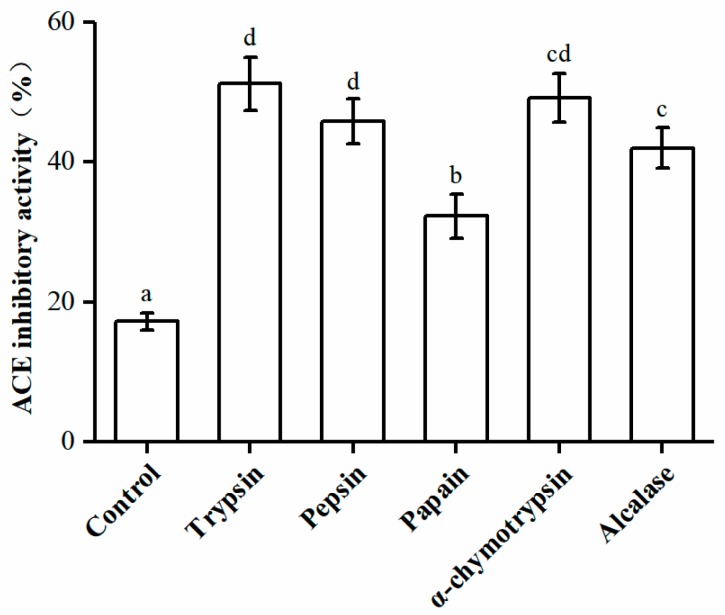
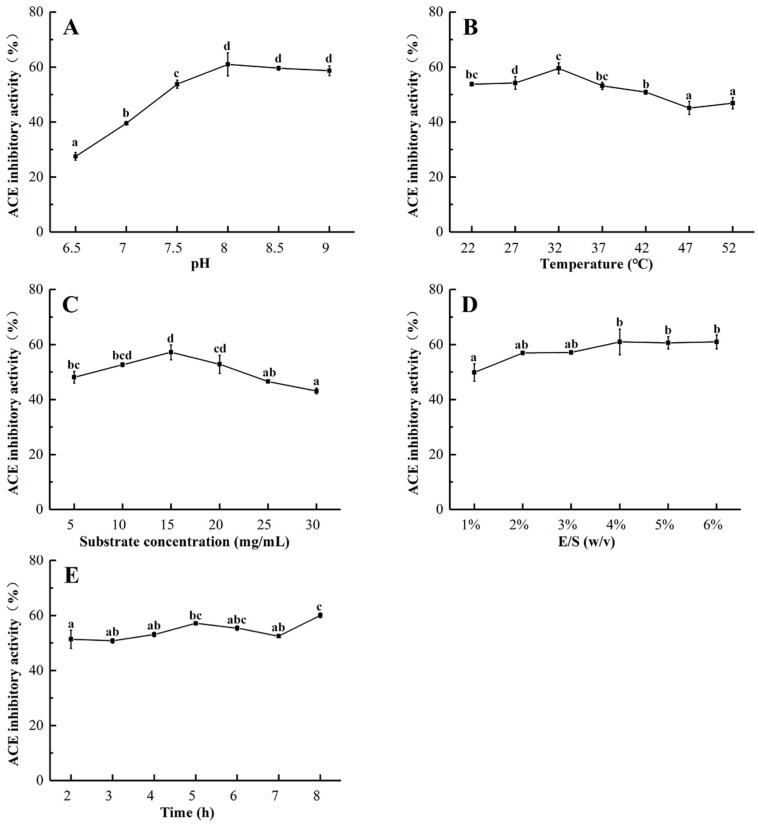
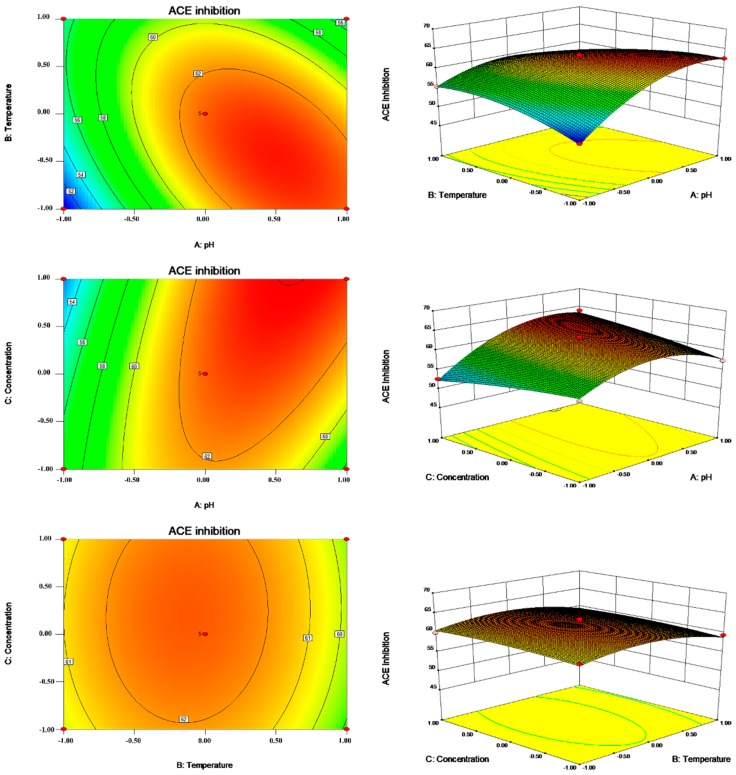
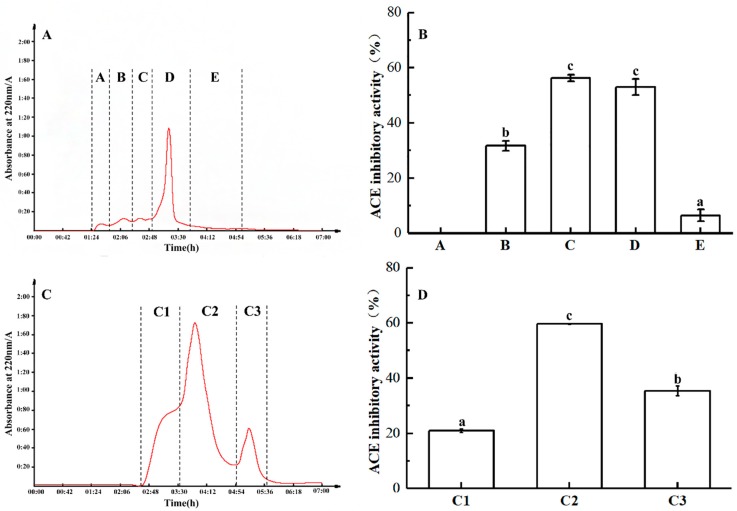
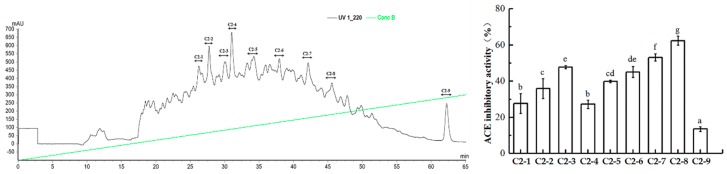
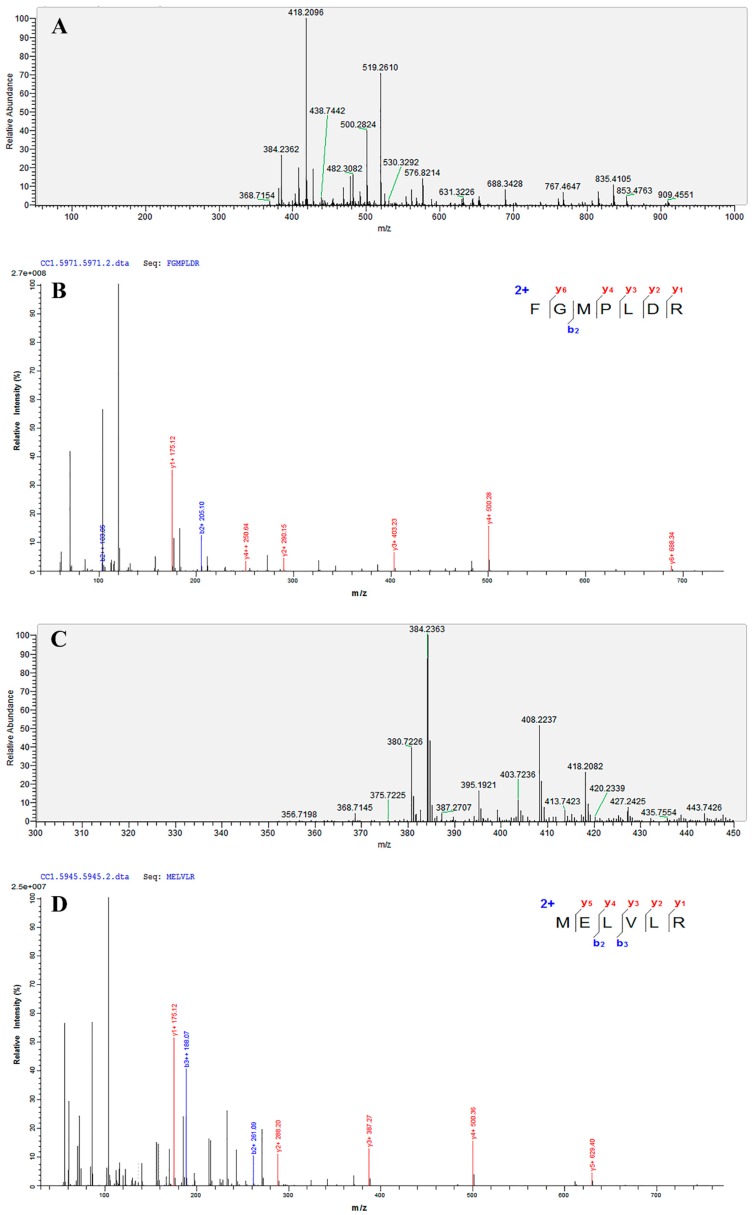
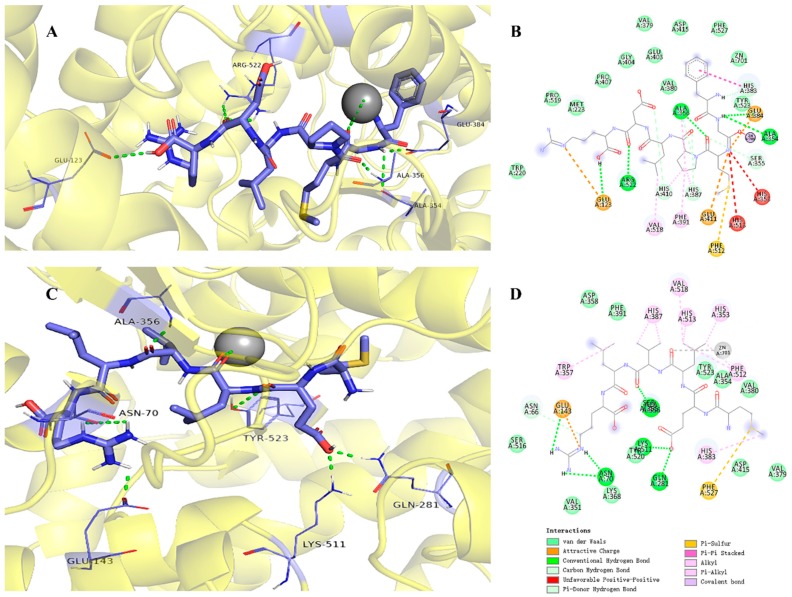
Angiotensin I-converting enzyme (ACE) inhibitory peptides derived from seaweed represent a potential source of new antihypertensive. The aim of this study was to isolate and purify ACE inhibitory peptides (ACEIPs) from the protein hydrolysate of the marine macroalga Ulva intestinalis. U. intestinalis protein was hydrolyzed by five different proteases (trypsin, pepsin, papain, α-chymotrypsin, alcalase) to prepare peptides; compared with other hydrolysates, the trypsin hydrolysates exhibited the highest ACE inhibitory activity. The hydrolysis conditions were further optimized by response surface methodology (RSM), and the optimum conditions were as follows: pH 8.4, temperature 28.5 °C, enzyme/protein ratio (E/S) 4.0%, substrate concentration 15 mg/mL, and enzymolysis time 5.0 h. After fractionation and purification by ultrafiltration, gel exclusion chromatography and reverse-phase high-performance liquid chromatography, two novel purified ACE inhibitors with IC50 values of 219.35 μM (0.183 mg/mL) and 236.85 μM (0.179 mg/mL) were obtained. The molecular mass and amino acid sequence of the ACE inhibitory peptides were identified as Phe-Gly-Met-Pro-Leu-Asp-Arg (FGMPLDR; MW 834.41 Da) and Met-Glu-Leu-Val-Leu-Arg (MELVLR; MW 759.43 Da) by ultra-performance liquid chromatography-tandem mass spectrometry. A molecular docking study revealed that the ACE inhibitory activities of the peptides were mainly attributable to the hydrogen bond and Zn(II) interactions between the peptides and ACE. The results of this study provide a theoretical basis for the high-valued application of U. intestinalis and the development of food-derived ACE inhibitory peptides.
Overview
The claims and statistics of this paper haven’t been checked yet.
Run the check — free, no account needed. It reads the open-access text and checks the sources it cites.
Integrity signals
Registry
Cites
Statistics
Figures
Verification
Claims the paper makes
The claims and statistics of this paper haven’t been checked yet.
Run the check — free, no account needed. It reads the open-access text and checks the sources it cites.
Claims other papers make about this one
Each is checked against this paper’s own text: does it say what the citing paper says it does?
The source backs part of the claim, not all of it — or backs it for a different population, condition or comparison.
In the citing paper
“Other promising peptides have been identified from Gracilariopsis lemaneiformis, Mazzaella japonica (Rhodophyta), and Ulva intestinalis (Chlorophyta), each contributing to ACE inhibition and cardiovascular health [58–60].”
From Navigating the potential of algal peptides: health effects, market applications, and scientific challenges (2026) · cites this paper as [60]
Experimental — accuracy not yet measured
Self-check
Percentages, sums and reported differences re-computed from the paper’s own numbers.
The self-check needs the paper’s full text.
Citations
Cites
Fish Protein Hydrolysates: Production, Biochemical, and Functional Properties
Kristinsson, H. G., & Rasco, B. A. (2000) · Critical Reviews in Food Science and Nutrition · doi:10.1080/10408690091189266 · Cited by 1,243 · cited 1×
“Different proteases affect the composition and size of the polypeptides produced, which can affect their biological activities [26].”
BackgroundHypotensive Peptides from Milk Proteins
Fitzgerald, R. J., Murray, B. A., & Walsh, D. J. (2004) · Journal of Nutrition · doi:10.1093/jn/134.4.980s · Cited by 725 · cited 1×
“captopril, and lisinopril, are widely used in hypertension treatments, synthetic ACEIs have a series of negative effects, including hypotension, cough, increased potassium levels and, angioedema [5,6].”
BackgroundBioactive Peptides from Muscle Sources: Meat and Fish
Ryan, J. T., Ross, R., Bolton, D., Fitzgerald, G., & Stanton, C. (2011) · Nutrients · doi:10.3390/nu3090765 · Cited by 493 · cited 2×
“According to previous studies, most ACEIPs are small peptides of 2–12 residues and molecular weights less than 3000 Da [33], which may more easily fit in the ACE active site and thus assert inhibitory activity [34].”
BackgroundLópez‐Fandiño, R., Otte, J., & Camp, J. V. (2006) · International Dairy Journal · doi:10.1016/j.idairyj.2006.06.004 · Cited by 389 · cited 1×
“To date, ACEIPs derived from a variety of products such as milk [7], bovine collagen [8], mushrooms [9], rice [10], and marine sources including fish, shellfish, and macroalgae [11,12], have been reported.”
BackgroundWu, J., & Ding, X. (2002) · Food Research International · doi:10.1016/s0963-9969(01)00131-4 · Cited by 344 · cited 1×
“After gastrointestinal digestion, some food-derived ACEIPs do not exhibit (or exhibit fewer than) the expected hypotensive effects [38,39].”
BackgroundHealth benefits of marine foods and ingredients
Larsen, R., Eilertsen, K., & Elvevoll, E. O. (2011) · Biotechnology Advances · doi:10.1016/j.biotechadv.2011.05.017 · Cited by 302 · cited 1×
“According to previous studies, many unique bioactive compounds, including peptides, fats, and carbohydrates, have been isolated from macroalgae [13,14].”
BackgroundSheih, I.-C., Fang, T. J., & Wu, T.-K. (2009) · Food Chemistry · doi:10.1016/j.foodchem.2008.12.019 · Cited by 280 · cited 1×
“Proteases are necessary to release ACEIPs from inactive forms [25].”
BackgroundSuetsuna, K., Maekawa, K., & Chen, J.-R. (2004) · The Journal of Nutritional Biochemistry · doi:10.1016/j.jnutbio.2003.11.004 · Cited by 249 · cited 1×
“5 μM), and Tyr-Asn-Lys-Leu (IC50 = 21 μM) from Undaria pinnatifida [15] and Ile-Tyr (IC50 = 2.”
Wang, J., Hu, J., Cui, J., Bai, X., Du, Y., Miyaguchi, Y., & Lin, B. (2008) · Food Chemistry · doi:10.1016/j.foodchem.2008.03.059 · Cited by 212 · cited 1×
“Hypertension seriously affects human health and is a causative factor of cardiovascular diseases, stroke, and renal diseases, among others [1,2].”
BackgroundWu, Q., Jia, J., Yan, H. H., Du, J., & Gui, Z. (2014) · Peptides · doi:10.1016/j.peptides.2014.07.026 · Cited by 193
Cited by
Sorted by citations
Seaweeds as a Source of Functional Proteins
Thiviya, P., Gamage, A., Gama-Arachchige, N. S., Merah, O., & Madhujith, T. (2022) · Phycology · doi:10.3390/phycology2020012 · Cited by 179
Seaweed Protein Hydrolysates and Bioactive Peptides: Extraction, Purification, and Applications
Echave, J., Fraga‐Corral, M., García-Pérez, P., Popović‐Djordjević, J. B., Avdović, E., Radulović, M. Đ., Xiao, J., Prieto, M. A., & Simal‐Gándara, J. (2021) · Marine Drugs · doi:10.3390/md19090500 · Cited by 154
“5 ◦C FGMPLDR, MELVLR ACE inhibition [84]”
Etemadian, Y., Ghaemi, V., Shaviklo, A. R., Pourashouri, P., Mahoonak, A. S., & Rafipour, F. (2020) · Journal of Cleaner Production · doi:10.1016/j.jclepro.2020.123219 · Cited by 148
Seaweed-Derived Proteins and Peptides: Promising Marine Bioactives
Echave, J., Otero, P., Garcia‐Oliveira, P., Munekata, P. E. S., Pateiro, M., Lorenzo, J. M., Simal‐Gándara, J., & Prieto, M. A. (2022) · Antioxidants · doi:10.3390/antiox11010176 · Cited by 143
“Again, trypsin produced the extract with the highest ACE inhibitory activity, and two peptides were indicated as the most active (FGMPLDR and MELVLR) [53].”
BackgroundInfluentialCermeño, M., Kleekayai, T., Amigo‐Benavent, M., Harnedy‐Rothwell, P. A., & Fitzgerald, R. J. (2020) · Electrophoresis · doi:10.1002/elps.202000153 · Cited by 139
Suo, S., Zhao, Y., Wang, Y., Pan, X.-Y., Chi, C., & Wang, B. (2022) · Food & Function · doi:10.1039/d2fo00275b · Cited by 134
Chen, J., Yu, X., Chen, Q., Wu, Q., & He, Q. (2021) · Food Chemistry · doi:10.1016/j.foodchem.2021.131070 · Cited by 124
Bioactivity of Marine-Derived Peptides and Proteins: A Review
Shahidi, F., & Saeid, A. (2025) · Marine Drugs · doi:10.3390/md23040157 · Cited by 112
Leong, Y. K., & Chang, J.-S. (2024) · Trends in Food Science & Technology · doi:10.1016/j.tifs.2024.104352 · Cited by 109
Cadâr, E., Popescu, A., Dragan, A.-M.-L., Pesterau, A.-M., Pascale, C., Anuța, V., Prasacu, I., Velescu, B. Ș., Tomescu, C. L., Bogdan-Andreescu, C. F., et al. (2025) · Marine Drugs · doi:10.3390/md23040152 · Cited by 129
Brien, R. O. O., Hayes, M., Sheldrake, G. N., Tiwari, B. K., & Walsh, P. J. (2022) · Foods · doi:10.3390/foods11040571 · Cited by 104
Pimentel, F. B., Alves, R. C., Harnedy, P. A., FitzGerald, R. J., & Oliveira, M. B. P. P. (2019) · Trends in Food Science & Technology · doi:10.1016/j.tifs.2019.09.006 · Cited by 81
O’Connor, J., Garcia-Vaquero, M., Meaney, S., & Tiwari, B. K. (2022) · Marine Drugs · doi:10.3390/md20050317 · Cited by 81
Zheng, S.-L., Luo, Q.-B., Suo, S., Zhao, Y., Chi, C., & Wang, B. (2022) · Marine Drugs · doi:10.3390/md20030176 · Cited by 79
“Molecular size and amino acid sequence are two critical factors influencing the ACEi ability of antihypertensive peptides [49,50].”
BackgroundA Review on Nutrients, Phytochemicals, and Health Benefits of Green Seaweed, Caulerpa lentillifera
Syakilla, N., George, R., Chye, F. Y., Pindi, W., Mantihal, S., Wahab, N. A., Fadzwi, F. M., Gu, P. H., & Matanjun, P. (2022) · Foods · doi:10.3390/foods11182832 · Cited by 88
Understanding the Mechanism for the Structure-Activity Relationship of Food-Derived ACEI Peptides
Ding, Q., Sheikh, A. R., Chen, Q., Hu, Y., Sun, N., Su, X., Luo, L., Ma, H., & He, R. (2021) · Food Reviews International · doi:10.1080/87559129.2021.1936005 · Cited by 72
Nguyễn, T. T., Heimann, K., & Zhang, W. Y. (2020) · Marine Drugs · doi:10.3390/md18080391 · Cited by 73
Bioactive peptides in fermented foods and their application: a critical review
Chourasia, R., Phukon, L. C., Abedin, M. M., Padhi, S., Singh, S. P., & Kumar, A. (2022) · Systems Microbiology and Biomanufacturing · doi:10.1007/s43393-022-00125-4 · Cited by 69
Li, J., Chen, G., Wang, Z., Gao, R., Ren, J., Zhou, X., Wang, H., Xu, H. J., Xiao, F., Cao, Y., et al. (2019) · Marine Drugs · doi:10.3390/md17060341 · Cited by 64
“pH can affect the binding efficiency of enzyme molecules and substrates [20].”
BackgroundConsiderations for Docking of Selective Angiotensin-Converting Enzyme Inhibitors
Caballero, J. (2020) · Molecules · doi:10.3390/molecules25020295 · Cited by 66
Zheng, Y., Zhang, Y., & San, S. (2020) · Nutrients · doi:10.3390/nu12030653 · Cited by 63
“35 μM) isolated from the marine macroalga Ulva intestinalis [8,38]; but higher than that of peptides QAGLSPVR (63.”
Olalere, O. A., Yap, P., & Gan, C. (2023) · Journal of Proteins and Proteomics · doi:10.1007/s42485-023-00106-8 · Cited by 61
Klongklaew, N., Praiboon, J., Tamtin, M., & Srisapoome, P. (2021) · Fish & Shellfish Immunology · doi:10.1016/j.fsi.2021.02.004 · Cited by 53
Mao, Z., Jiang, H., Sun, J., Zhao, Y., Gao, X., & Mao, X. (2024) · Trends in Food Science & Technology · doi:10.1016/j.tifs.2024.104443 · Cited by 53
Chourasia, R., Phukon, L. C., Abedin, M. M., Sahoo, D., & Rai, A. K. (2022) · Food Chemistry · doi:10.1016/j.foodchem.2022.132889 · Cited by 50
Bhowmick, G. D., & Hayes, M. (2023) · Global Challenges · doi:10.1002/gch2.202200145 · Cited by 52
Therapeutic Potential of Seaweed-Derived Bioactive Compounds for Cardiovascular Disease Treatment
Cho, C. H., Lu, Y., Kim, M., Jeon, Y., & Lee, S. (2022) · Applied Sciences · doi:10.3390/app12031025 · Cited by 46
Zhang, W., Abubaker, M. A., Li, Z., He, Y., Qin, S., Li, L., & Liu, Y. (2025) · International Journal of Biological Macromolecules · doi:10.1016/j.ijbiomac.2025.140286 · Cited by 43
Gao, J., Liu, Q., Zhao, L., Yu, J., Wang, S., Cao, T., Gao, X., & Wei, Y. (2020) · Journal of Agricultural and Food Chemistry · doi:10.1021/acs.jafc.0c04232 · Cited by 42
Characterization of ACE Inhibitory Peptides Prepared from Pyropia pseudolinearis Protein
Kumagai, Y., Toji, K., Katsukura, S., Morikawa, R., Uji, T., Yasui, H., Shimizu, T., & Kishimura, H. (2021) · Marine Drugs · doi:10.3390/md19040200 · Cited by 42
Monti, A., Vitagliano, L., Caporale, A., Ruvo, M., & Doti, N. (2023) · International Journal of Molecular Sciences · doi:10.3390/ijms24097842 · Cited by 43
“As an example, Sun et al. (2019) identified new small inhibitory peptides of the Angiotensin I-converting enzyme (ACE), a prominent target for treating hypertension and cardiovascular diseases, from the hydrolysate of proteins obtained from the Marine Macroalga Ulva intestinalis [134].”
BackgroundInfluentialJo, D., Khan, F., Park, S., Ko, S., Kim, K. W., Yang, D., Kim, J.-Y., Oh, G., Choi, G., Lee, D.-S., et al. (2024) · Marine Drugs · doi:10.3390/md22100449 · Cited by 42
Chen, J., Yu, X., Huang, W., Wang, C., & He, Q. (2021) · Food & Function · doi:10.1039/d1fo02830h · Cited by 37
A Novel Angiotensin-I-Converting Enzyme (ACE) Inhibitory Peptide from Takifugu flavidus
Su, Y., Chen, S., Cai, S., Liu, S., Pan, N., Su, J., Qiao, K., Xu, M., Chen, B., Yang, S., et al. (2021) · Marine Drugs · doi:10.3390/md19120651 · Cited by 37
“Different types of proteases yield polypeptides of different compositions and sizes, which can affect their biological activities [21].”
Begum, N., Qi, F., Yang, F., Khan, Q. U., Faizan, Fu, Q., Li, J., Xiu, W., Wang, X., Wang, J., et al. (2024) · Processes · doi:10.3390/pr12112608 · Cited by 41
“…residues (Leu, Ile, Ala, and Met) inhibit ACE by competitive effect, while peptides with positively charged residues (His, Arg, and Lys) and branched side chain (Leu, Ile, and Val), or with aromatic amino acids at c-terminal (Trp, Tyr, Pro, and Phe), inhibit ACE in a non-competitive manner [85,86].”
Zhang, N., Li, F., Zhang, T., Li, C., Zhu, L., & Yan, S. (2022) · European Food Research and Technology · doi:10.1007/s00217-021-03949-x · Cited by 36
Kaewsahnguan, T., Noitang, S., Sangtanoo, P., Srimongkol, P., Saisavoey, T., Reamtong, O., Choowongkomon, K., & Karnchanatat, A. (2021) · PLoS ONE · doi:10.1371/journal.pone.0256595 · Cited by 35
“[61] determined the most potent amino sequences for ACEinhibitory peptides derived from the marine macroalga, Ulva intestinalis, to be Phe-Gly-MetPro-Leu-Asp-Arg (834.”
BackgroundSeaweed Proteins as a Source of Bioactive Peptides
Alboofetileh, M., Hamzeh, A., & Abdollahi, M. (2021) · Current Pharmaceutical Design · doi:10.2174/1381612827666210208153249 · Cited by 34
Green seaweed Ulva lactuca, a potential source of bioactive peptides revealed by in silico analysis
Amin, M. A., Chondra, U., Mostafa, E., & Alam, M. M. (2022) · Informatics in Medicine Unlocked · doi:10.1016/j.imu.2022.101099 · Cited by 33
Microalgae-Derived Peptides: Exploring Bioactivities and Functional Food Innovations
Ashraf, A., Guo, Y., Yang, T., ud Din, A. S., Ahmad, K., Li, W., & Hou, H. (2025) · Journal of Agricultural and Food Chemistry · doi:10.1021/acs.jafc.4c06800 · Cited by 32
Marine-Derived Compounds Applied in Cardiovascular Diseases: Submerged Medicinal Industry
Akram, W., Rihan, M., Ahmed, S., Arora, S., Ahmad, S., & Vashishth, R. (2023) · Marine Drugs · doi:10.3390/md21030193 · Cited by 34
Xu, B., Ye, L., Tang, Y., Zheng, J., Tian, X., Yang, Y., & Yang, Z. (2020) · Process Biochemistry · doi:10.1016/j.procbio.2020.08.011 · Cited by 30
Purcell, D., Packer, M. A., & Hayes, M. (2022) · Foods · doi:10.3390/foods11121792 · Cited by 30
“179 mg/mL when assessed previously [32].”
BackgroundWongngam, W., Hamzeh, A., Tian, F., Roytrakul, S., & Yongsawatdigul, J. (2023) · Process Biochemistry · doi:10.1016/j.procbio.2023.03.006 · Cited by 29
Du, J., Xiao, M., Sudo, N., & Liu, Q. (2024) · Food Science & Nutrition · doi:10.1002/fsn3.4183 · Cited by 27
“…Palmaria palmata , the microalga Chlorella vulgaris , Ulva intestinalis , and Gracilariopsis lemaneiformis all showed in vitro ACE inhibitory activity (Deng et al., 2018; Fitzgerald et al., 2012; Sheih, Fang, et al., 2009; Sheih, Wu, et al., 2009; Suetsuna & Nakano, 2000; Sun et al., 2019).”
BackgroundWu, Q., Luo, F., Wang, X., Lin, Q., & Liu, G. (2021) · Critical Reviews in Biotechnology · doi:10.1080/07388551.2021.1948816 · Cited by 25
“FGMPLDR and MELVLR obtained from the marine macroalga Ulva intestinalis are bound to the active center of ACE via hydrogen bond and Zn(II) interactions [64].”
Bull, C. F., Belobrajdic, D. P., Hamzelou, S., Jones, D., Leifert, W. R., Reyes, R. P., Terefe, N. S., Williams, G., & Colgrave, M. L. (2022) · Foods · doi:10.3390/foods11040528 · Cited by 26
“The identification of angiotensin Iconverting enzyme (ACE) inhibitory peptides in the protein hydrolysate of the macroalga Ulva intestinalis, which are stable during gastrointestinal digestion [9], as well as the ACE inhibitory properties of Ulva compressa and Ulva rigida [10] make Ulva sp.”
BackgroundChen, D., XueXiang, S., Chen, W., Wu, D., Zhang, Z., Liu, P., Liu, Y., Li, W., & Yang, Y. (2024) · Journal of Future Foods · doi:10.1016/j.jfutfo.2024.07.017 · Cited by 23
Meriño‐Cabrera, Y., Castro, J. S., Díez, J. D. R., Macedo, M. L. R., Mendes, T. A. D. O., & Oliveira, M. G. D. A. (2020) · Insect Biochemistry and Molecular Biology · doi:10.1016/j.ibmb.2020.103390 · Cited by 22
Li, W., Guan, Y., Shi, L., Chen, Y., Huang, H., Zhen, H., Wu, P., Wang, C., Wu, Q., & Li, W. (2024) · Food Frontiers · doi:10.1002/fft2.352 · Cited by 22
Htoo, N. Y. M., Kraseasintra, O., Buncharoen, W., Kaewkod, T., Pekkoh, J., Tragoolpua, Y., Khoo, K. S., Chaipoot, S., Srinuanpan, S., & Pumas, C. (2024) · Frontiers in Marine Science · doi:10.3389/fmars.2024.1303025 · Cited by 23
An update on the effects of food-derived active peptides on the intestinal microecology
Mu, J., Lin, Q., & Liang, Y. (2022) · Critical Reviews in Food Science and Nutrition · doi:10.1080/10408398.2022.2094889 · Cited by 21
“…FDAPs, most of them focused on the acquisition of FDAPs and their physiological functions in the nervous system, digestive system, immune sys-tem, or other organ systems (Chalamaiah, Yu, and Wu 2018; Cheng et al. 2019; Liu and Udenigwe 2019; Panya et al. 2019; Sun et al. 2019; Xiang et al. 2021).”
BackgroundHeo, S., Kang, N., Kim, E.-A. L., Kim, J., Lee, S., Ahn, G., Oh, J. H., Shin, A. Y., Kim, D., & Heo, S. (2023) · Marine Drugs · doi:10.3390/md21080458 · Cited by 21
Chen, Q., Nie, X., Huang, W., Wang, C., Lai, R., Lu, Q., He, Q., & Yu, X. (2024) · International Journal of Biological Macromolecules · doi:10.1016/j.ijbiomac.2024.132833 · Cited by 21
Eco-friendly nutrient from ocean: Exploring Ulva seaweed potential as a sustainable food source
Khan, N., Sudhakar, K., & Mamat, R. (2024) · Journal of Agriculture and Food Research · doi:10.1016/j.jafr.2024.101239 · Cited by 33
MubarakAli, D., Akshaya, T., Raghunathan, S., & Navabshan, I. (2021) · Applied Biochemistry and Biotechnology · doi:10.1007/s12010-021-03716-4 · Cited by 21
Hong, Z., Xie, J., Tao, L., Dai, J., Li, T., Zhang, L., Bai, Y., Hu, X., Chen, J., Sheng, J., et al. (2024) · Food Science and Human Wellness · doi:10.26599/fshw.2022.9250143 · Cited by 20
Song, C., Qiao, B., Zhang, Q., Wang, C., Fu, Y., & Zhu, B. (2021) · Journal of Food Biochemistry · doi:10.1111/jfbc.13779 · Cited by 20
Enhancing microalgal proteins for nutraceutical and functional food applications
Kaur, M., Bhatia, S., Bagchi, D., Tak, Y., Kaur, G., Kaur, C., Kaur, A., & Sharma, N. (2025) · Future Foods · doi:10.1016/j.fufo.2025.100564 · Cited by 19
Wongngam, W., Roytrakul, S., Mitani, T., Katayama, S., Nakamura, S., & Yongsawatdigul, J. (2022) · Process Biochemistry · doi:10.1016/j.procbio.2022.02.011 · Cited by 19
Dhaouafi, J., Romdhani, M., Deracinois, B., Flahaut, C., Nedjar, N., & Balti, R. (2024) · Biocatalysis and Agricultural Biotechnology · doi:10.1016/j.bcab.2024.103211 · Cited by 18
Algae as a source of peptides inhibitors of the angiotensin-converting enzyme: a systematic review
de Amorim, A. P., SILVA, G. H. D., Costa, R. M. P. B., Porto, A. L. F., & Bezerra, R. P. (2022) · Anais da Academia Brasileira de Ciências · doi:10.1590/0001-3765202220201636 · Cited by 20
“With the purpose to separate the peptides based on their molecular weight, one of the methods to fractionation is the UF, which consists to separate the peptide according to its size using membrane with different cut-off (Cao et al. 2017, Sun et al. 2019).”
MethodWindarto, S., Lee, M., Nursyam, H., & Hsu, J. (2022) · Marine Biotechnology · doi:10.1007/s10126-022-10152-w · Cited by 20
“2018), Ulva intestinalis (Sun et al. 2019), and Pyropia pseudolinearis (Kumagai et al.”
BackgroundThe Ocean’s Pharmacy: Health Discoveries in Marine Algae
Silva, M., Avni, D., Varela, J. C. S., & Barreira, L. A. (2024) · Molecules · doi:10.3390/molecules29081900 · Cited by 19
Marine Natural Products in Inflammation‐Related Diseases: Opportunities and Challenges
Zhang, T., Ouyang, Z., Zhang, Y., Sun, H., Kong, L., Xu, Q., Qu, J., & Sun, Y. (2025) · Medicinal Research Reviews · doi:10.1002/med.22109 · Cited by 19
Lin, L., Yuan, W., Xiao, J., Jia, J., Xie, Y., Cai, Q., Dai, C., Li, Q., & Wang, B. (2025) · Food Chemistry · doi:10.1016/j.foodchem.2025.145073 · Cited by 18
Su, Y., Chen, S., Shen, J., Yi, Z., Liu, S., Cai, S., Pan, N., Qiao, K., Chen, X., Chen, B., et al. (2022) · International Journal of Molecular Sciences · doi:10.3390/ijms232314850 · Cited by 17
“isolated ACE-inhibitory peptides from the marine macroalga Ulva intestinalis by ultra-filtration, gel chromatography, and HPLC methods [16].”
MethodSelf-citationDiscovery of ACE Inhibitory Peptides Derived from Green Coffee Using In Silico and In Vitro Methods
Dai, H., He, M., Hu, G., Li, Z., Al-Romaima, A., Wu, Z., Liu, X., & Qiu, M. (2023) · Foods · doi:10.3390/foods12183480 · Cited by 17
“Moreover, a variety of bioactive peptides obtained from the protein of marine organisms including fish [8], mollusks [9,10], seaweed [11,12], and microbial fermentation products [13,14] have been confirmed to have an ACE inhibitory function.”
BackgroundMeriño‐Cabrera, Y., Mendes, T. A. D. O., Castro, J. S., Barbosa, S. L., Macedo, M. L. R., & Oliveira, M. G. D. A. (2020) · Archives of Insect Biochemistry and Physiology · doi:10.1002/arch.21687 · Cited by 16
Kim, B., Oh, S. J., Hwang, J. H., Kim, H., Shin, N., Joo, J. C., Choi, K., Park, S., Park, K., Bhatia, S. K., et al. (2023) · Enzyme and Microbial Technology · doi:10.1016/j.enzmictec.2023.110305 · Cited by 16
Meng, L., Song, Y., Zheng, B., Zhao, Y., Hong, B. S., Ma, M., Wen, Z., Miao, W., & Xu, Y. (2023) · Food & Function · doi:10.1039/d3fo02948d · Cited by 15
Wang, Y., Chen, S., Shi, W., Liu, S., Chen, X., Pan, N., Wang, X., Su, Y., & Liu, Z. (2024) · Marine Drugs · doi:10.3390/md22020090 · Cited by 15
“Its two novel ACE inhibitors, FGMPLDR and MELVLR, which were prepared in Ulva intestinalis , also had low IC values of 219.4 µ M and 236.9 µ M, respectively [32].”
BackgroundInfluentialSelf-citationXiang, H., Huang, H., Shao, Y., Hao, S., Li, L., Wei, Y., Chen, S., & Zhao, Y. (2024) · Frontiers in Nutrition · doi:10.3389/fnut.2024.1462656 · Cited by 15
Penggalih, M. H. S. T., Praditya, G. N., Rizqiansyah, C. Y., Setyawardani, A., Purnomo, A. F., Maulana, R. A., Gunawan, W. B., Subali, D., Kurniawan, R., Mayulu, N., et al. (2023) · Frontiers in Sports and Active Living · doi:10.3389/fspor.2023.1281397 · Cited by 14
Kurniawan, R., Taslim, N. A., Hardinsyah, H., Syauki, A. Y., Idris, I., Aman, A. M., Permatasari, H. K., Wiyarta, E., Surya, R., Mayulu, N., et al. (2024) · Future Foods · doi:10.1016/j.fufo.2024.100354 · Cited by 14
Al-Taisan, W. A., Alabdallah, N. M., & Almuqadam, L. (2022) · Scientific Reports · doi:10.1038/s41598-022-18481-5 · Cited by 14
Concentration and purification of seaweed extracts using membrane technologies
Díaz-Reinoso, B. (2020) · Elsevier eBooks · doi:10.1016/b978-0-12-817943-7.00014-7 · Cited by 14
Shannon, E., Conlon, M. A., & Hayes, M. (2023) · Journal of Applied Phycology · doi:10.1007/s10811-022-02900-1 · Cited by 12
Shukla, P., Sakure, A. A., Basaiawmoit, B., Khakhariya, R., Maurya, R., Bishnoi, M., Kondepudi, K. K., Liu, Z., Padhi, S., Rai, A. K., et al. (2023) · Amino Acids · doi:10.1007/s00726-023-03335-9 · Cited by 12
“Sun et al. (2019) investigated the peptides with molecular weights below 3 kDa can effectively stop the ACE activity.”
BackgroundShannon, E., & Hayes, M. (2025) · Foods · doi:10.3390/foods14020284 · Cited by 12
“Other mechanisms have been attributed to zinc and hydrogen bond interactions [16].”
Molecular modeling in cardiovascular pharmacology: Current state of the art and perspectives
Lagoutte‐Renosi, J., Allemand, F., Ramseyer, C., Yesylevskyy, S. O., & Davani, S. (2021) · Drug Discovery Today · doi:10.1016/j.drudis.2021.11.026 · Cited by 12
Ghelichi, S., Hajfathalian, M., Helalat, S. H., Svensson, B., & Jacobsen, C. (2025) · Marine Drugs · doi:10.3390/md23100392 · Cited by 13
“Several studies have supported its use for producing protein hydrolysates with high yields and desirable functional properties from various seaweed biomasses [24–27].”
Vásquez, V., Martínez, R., Rodríguez-Núñez, K., & Bernal, C. (2024) · Algal Research · doi:10.1016/j.algal.2024.103575 · Cited by 10
Guerra-Fajardo, L. D., Pavón-Pérez, J., Vallejos‐Almirall, A., & Jorquera-Pereira, D. (2022) · Food Chemistry · doi:10.1016/j.foodchem.2022.133784 · Cited by 11
Mousaie, M., Khodadadi, M., & Tadayoni, M. (2022) · Journal of Food Processing and Preservation · doi:10.1111/jfpp.17020 · Cited by 10
Nong, N. T. P., Sutopo, C. C. Y., Hung, W., Wu, P., & Hsu, J. (2022) · Applied Sciences · doi:10.3390/app122312340 · Cited by 10
Ameliorative effect of mussel-derived ACE inhibitory peptides on spontaneous hypertension rats
You, Q., Sun, X., Chen, J., Yu, J., & Wei, Y. (2023) · European Journal of Nutrition · doi:10.1007/s00394-023-03222-9 · Cited by 10
Self-citationŞensu, E., Ayar, E. N., Okudan, E. Ş., Özçelik, B., & Yücetepe, A. (2023) · ACS Omega · doi:10.1021/acsomega.3c05041 · Cited by 10
Mirdhayati, I., Zain, W. N. H., Fatah, A., Yokoyama, I., & Arihara, K. (2024) · Animal Bioscience · doi:10.5713/ab.23.0433 · Cited by 10
“Factors determining ACE-inhibitory activity are amino acid composition, propensity to bind hydrophobic amino acids, small peptides, and molecular weights 3,000 Da [24].”
BackgroundYang, S., Wang, H., Bai, W., Zhao, W., Liu, G., & Liu, X. (2024) · Food and Bioproducts Processing · doi:10.1016/j.fbp.2024.05.010 · Cited by 9
Iwamoto, N., Sasaki, A., Maizawa, T., & Hamada‐Sato, N. (2023) · Nutrients · doi:10.3390/nu15040947 · Cited by 9
Hamit, C. S., Nam, K., & Abeyrathne, E. D. N. S. (2022) · Applied Phycology · doi:10.1080/26388081.2022.2063758 · Cited by 9
“…antihypertensive, anticoagulant, anti-diabetic, and anti-HIV, depending on their structural properties (Admassu et al., 2018; Bondu et al., 2015; Cian, Garzón, Ancona, Guerrero, & Drago, 2016; Harnedy & FitzGerald, 2011, 2013; Sarmadi & Ismail, 2010; Sun et al., 2019; tePimentel et al., 2019).”
Veettil, R. P., Rabia, R., Kumar, M. D., Gondi, R., Sankarapandian, K., Kannan, M., Kumar, G., Al-Qaradawi, S. Y., & Jeyakumar, R. B. (2023) · Fermentation · doi:10.3390/fermentation9010055 · Cited by 9
Hsieh, L., Hsu, Y.-C., & Chiang, W. (2023) · Journal of Functional Foods · doi:10.1016/j.jff.2023.105755 · Cited by 8
Ahmad, S., Schaduangrat, N., Chumnanpuen, P., & Shoombuatong, W. (2025) · Protein Science · doi:10.1002/pro.70026 · Cited by 9
“Similarly, glutamic acid (E) shows a marked contrast, being present in 5.35% of active peptides versus only 1.15% in inactive ones, underscoring its beneficial effect on inhibitory activity (Sun et al., 2019; Wang et al., 2021).”
InfluentialQi, Y., Tang, X., Liu, H., Lin, Q., Lu, Y., & Luo, H. (2021) · International Journal of Peptide Research and Therapeutics · doi:10.1007/s10989-021-10328-3 · Cited by 8
A Perspective on Enzyme Inhibitors from Marine Organisms
Tischler, D. (2020) · Marine Drugs · doi:10.3390/md18090431 · Cited by 8
“For example, the algae Ulva intestinalis was used to generate a protein hydrolysate containing potential bioactives [11].”
MethodŞensu, E., Koku, H., Demircan, E., Şişman, S., Gülseren, İ., Karaduman, T., Çakır, B., Okudan, E. Ş., Duruksu, G., Özçelik, B., et al. (2025) · ACS Omega · doi:10.1021/acsomega.5c00780 · Cited by 7
Das, S., Behera, M., Das, S. R., Behera, K. C., & Singh, L. (2024) · Chemistry & Biodiversity · doi:10.1002/cbdv.202401695 · Cited by 7
Mojumder, M. N., Mahmud, Z., Khan, I. M., Tamanna, S., Rahman, M. A., Ferdous, N., Alauddin, M., & Howlader, M. Z. H. (2024) · Discover Applied Sciences · doi:10.1007/s42452-024-06304-3 · Cited by 7
“[58].”
Metadata
- Authors
- Sun, S., Xu, X., Sun, X., Zhang, X., Chen, X., & Xu, N.
- Affiliations
- Ningbo University (CN)
- Vanderbilt University Medical Center (US)
- Corresponding author
- Xu, Nianjun
- Venue
- Marine Drugs
- Publisher
- MDPI AG
- Published
- 2019-03-19
- Volume
- 17
- Issue
- 3
- Pages
- 179
- ISSN
- 1660-3397 (ISSN-L)
- PMC
- PMC6471128
- OpenAlex
- W2922600776
- Cited by
- 140
- References
- 50
- Citations by year
- 2026: 9 · 2025: 21 · 2024: 29 · 2023: 22 · 2022: 27 · 2021: 15 · 2020: 14 · 2019: 3
- FWCI
- 4.88
- Type
- journal article
- Language
- en
- Open access
- gold
- dx.doi.org
- Licence
- Locations
- Marine Drugs (publishedVersion, cc-by)
- Europe PMC (PubMed Central) (publishedVersion, cc-by)
- PubMed Central (publishedVersion, cc-by)
- PubMed (publishedVersion)
- Discover Archive (Vanderbilt University) (submittedVersion, cc-by)
- DOAJ (DOAJ: Directory of Open Access Journals) (submittedVersion)
- Funders
- Natural Science Foundation of Zhejiang Province (LZ17D060001)
- Ningbo International Cooperation Program (2017D10019)
- Ningbo Municipal Bureau of Science and Technology (2016C10034)
- Topics
- Life Sciences › Agricultural and Biological Sciences › Food Science › Protein Hydrolysis and Bioactive Peptides
- Life Sciences › Agricultural and Biological Sciences › Aquatic Science › Seaweed-derived Bioactive Compounds
- Life Sciences › Biochemistry, Genetics and Molecular Biology › Biochemistry › Peptidase Inhibition and Analysis
- Keywords
- ACE inhibitory peptides, Ulva intestinalis, seaweed, protein hydrolysates, trypsin hydrolysis, enzymatic hydrolysis optimization, peptide purification, antihypertensive peptides, food-derived bioactive peptides, zinc binding
- MeSH terms
- Angiotensin-Converting Enzyme Inhibitors, Antihypertensive Agents, Drug Stability, Hydrolysis, Hypertension, Peptidyl-Dipeptidase A, Peptide Hydrolases, Peptides, Protein Hydrolysates, Seaweed, Inhibitory Concentration 50, Ulva, Enzyme Assays, Molecular Docking Simulation
About these checks
Registry, retraction, Cites and statistics results are computed, not judged, with one exception: a printed reference that no index lists is read once by a model before it counts as a citation error. Claims are extracted by a model and kept only when their quote appears verbatim in the text; each cited source is then checked, with a model’s help, for whether it says what the claim relies on. Those verdicts can be wrong — read the claim’s quote and the cited source before relying on one.
Statistics and arithmetic are recomputed, not judged.
Confidence bands are shown only for fields calibrated on our annotated test set. None is calibrated yet, so no band is shown.
What counts as a claim ›How we measure confidence ›How we check this ›
Are you an author, or do you see a problem with this page? Request a review
