

The Utility of Body Composition Assessment in Nutrition and Clinical Practice: An Overview of Current Methodology
Open accessThe DOI matches its Crossref record; 71 of the 71 references it cites were found in a registry or an index; 20 of the 86 sources its claims cite were checked for support.
Abstract
Body composition is a key component for maintaining good general health and longevity. It can be influenced by a variety of factors, including genetics, environment, and lifestyle choices. The assessment of body composition is an essential tool for nutrition specialists to effectively evaluate nutritional status and monitor progression during dietary interventions. As humans age, there is a natural increase in fat mass coupled with a gradual decline in lean mass, specifically in bone and muscle mass. Individuals with a high body fat percentage are at a greater risk of cardiovascular diseases, type 2 diabetes, several types of cancer, and early mortality. Significant decreases in bone mineral density signify osteopenia and osteoporosis, while reductions in skeletal muscle mass increase the risk of developing sarcopenia. Moreover, undernutrition exacerbates the effects of many medical conditions and is important to address. Though weight tracking and calculation of BMI are used commonly by clinicians and dietitians, these measures do not provide insight on the relative contributions of fat mass and fat-free mass or the changes in these compartments that may reflect disease risk. Therefore, it is important that healthcare professionals have a critical understanding of body composition assessment and the strengths and limitations of the methods available.
Overview
CoChat Summary
TL;DR
This narrative review summarizes body composition assessment methods relevant to nutrition and clinical practice, emphasizing that BMI and circumference measures do not distinguish fat mass from fat-free mass. It concludes that method choice should match the tissue or condition of interest, while accounting for each technique’s assumptions, accuracy, accessibility, and cost.
Key findings
- BMI is widely used and inexpensive but does not distinguish FM from FFM, so it may misclassify older adults with increased FM/decreased FFM as healthy weight and athletes with high muscle mass as overweight.
- The review reports substantial nutrition-related disease burdens: >70% of U.S. adults are overweight or obese by BMI, with >$100 billion spent annually on obesity-related medical costs; a meta-analysis of 240 studies found malnutrition in 3.0% of community-dwelling older adults, 6.0% of outpatients, 8.7% of home-care recipients, 22.0% of in-hospital patients, 17.5% of nursing-home residents, and 29.4% of rehabilitation/sub-acute care patients.
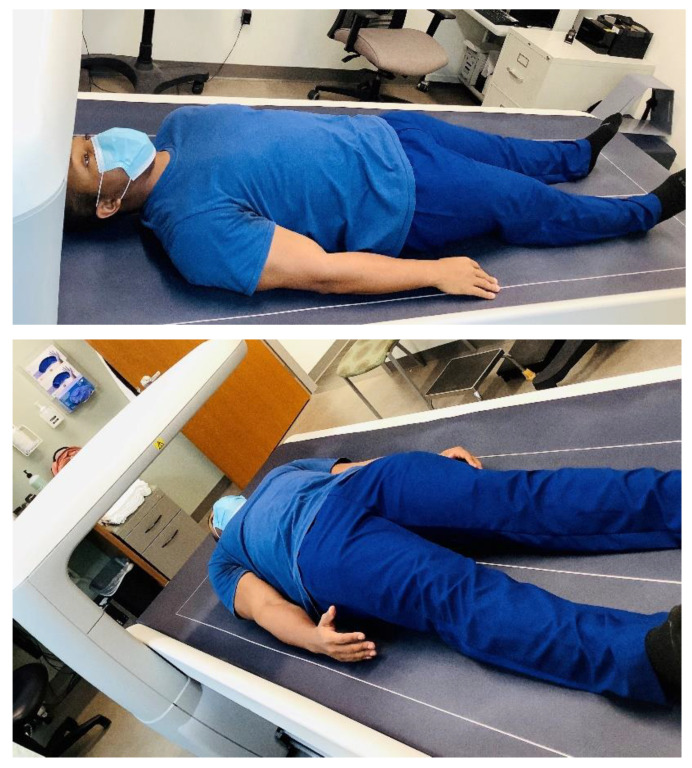
- DXA is described as the preferred criterion measure because it provides a multi-compartment assessment including bone mineral content; its major limitation is low-dose radiation exposure, and it cannot assess total body water, assuming constant FFM hydration.
- Practical thresholds and comparisons include waist circumference >80/>88 cm in women and >94/>102 cm in men for increased/substantially increased metabolic risk, WHR ≥0.85 in women or ≥0.90 in men, WHtR ≥0.50, and radiation doses of 0.001 mSv for DXA bone density versus 6 mSv for CT of the spine or pelvis.
Methods
- Narrative review of commonly used body composition assessment methods, including BMI, waist/hip circumferences, skinfolds, BIA, digital image analysis, ADP, DXA, CT, MRI, and hydrostatic weighing.
- No primary sample, systematic search strategy, or formal quantitative synthesis is reported; the paper describes methods, equipment, assessment time, pros and cons, and clinical applications.
- Main analysis is descriptive and comparative, with tables summarizing method requirements and advantages/limitations, plus recommendations for matching methods to conditions such as obesity, undernutrition, osteoporosis, sarcopenia, cachexia, and lymphedema.
Limitations
- The paper states that there is no universally accepted best method for nutritional status assessment, that all methods provide estimates dependent on assumptions, and that each has limitations.
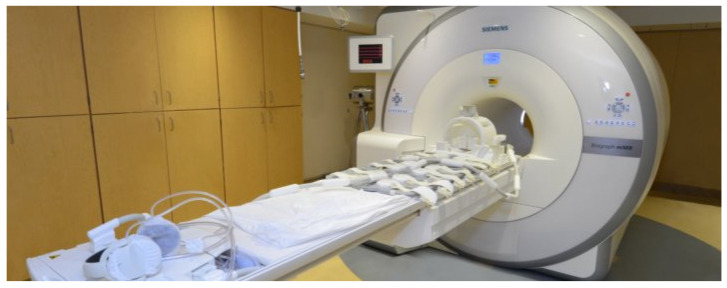
- It notes specific method limitations, including variable BIA accuracy and general manufacturer equations, DXA radiation and hydration assumptions, higher CT radiation, MRI motion/claustrophobia burden, and the need for more validation of 3D optical scanners and smartphone applications.
- Evident from the text: as a narrative overview, it does not report a systematic literature search, risk-of-bias assessment, or meta-analysis, so method comparisons are descriptive rather than quantitatively synthesized.
Model-written summary. Check it against the paper before relying on it.
Integrity signals
Registry
Cites
Statistics
Figures
Verification
Claims the paper makes
19 Valid · 0 Not valid · 34 Not checked · 17 Own results and interpretations
Every source the paper cites for this claim was checked and supports it.
In the paper
“Excess adiposity increases the risk of cardiovascular diseases [9], type 2 diabetes [10], several types of cancer [11], and early mortality [12].”
§ The Utility of Body Composition Assessment in Nutrition and Clinical Practice: An Overview of Current Methodology > 2. Clinical Relevance of Body Composition Assessment
What the sources say
- Supportedcites [10] 10. Gomez-Ambrosi J. Silva C. Galofré J.C. Escalada J. Santos S. Gil M.J. Valentí V. Rotellar F. Ramírez B. Salvador J. Body adiposity and type 2 diabetes: Increased risk with a high body fat percentage even having a normal BMI Obesity 2011 19 1439 1444 10.1038/oby.2011.36 21394093 source
The Discussion explicitly states that excess adiposity underlies the increased risk of type 2 diabetes observed in obesity. The supplied copy does not provide a page number for this passage. (LLM, conf=0.94)
plainstates a cause- Asserted: passes — The authors put it forward as true.
- Checkable: passes — It can be checked against evidence.
- Load-bearing: unclear — It is unclear whether the paper’s conclusions depend on it.
- Based: passes — The paper gives a reason why it holds.
- Supported
Every source the paper cites for this claim was checked and supports it.
In the paper
“Lymphedema is another condition most commonly observed during the treatment of cancer [36]; however, increasing evidence has shown the potential link between lymphedema and obesity [37].”
§ The Utility of Body Composition Assessment in Nutrition and Clinical Practice: An Overview of Current Methodology > 2. Clinical Relevance of Body Composition Assessment
What the sources say
- Supportedcites [37] 37. Mehrara B.J. Greene A.K. Lymphedema and obesity: Is there a link? Plast. Reconstr. Surg. 2014 134 154e 160e 10.1097/PRS.0000000000000268 25028830 PMC4393748 source
The Conclusions state that increasing evidence supports a reciprocal relationship between obesity and lymphedema. The clinical-evidence section also reports studies linking obesity to increased lymphedema risk. These passages support the cited claim of a potential link. (LLM, conf=0.95)
hedgedstates an association- Asserted: passes — The authors put it forward as true.
- Checkable: passes — It can be checked against evidence.
- Load-bearing: unclear — It is unclear whether the paper’s conclusions depend on it.
- Based: passes — The paper gives a reason why it holds.
- Supported
The cited sources support only part of this claim — read each source’s verdict below.
In the paper
“With DXA, practitioners can quantify FM, bone mineral content, and non-bone, fat-free tissue mass, thereby reducing the assumptions being relied on with SKF, ADP, and HW methods [68].”
§ The Utility of Body Composition Assessment in Nutrition and Clinical Practice: An Overview of Current Methodology > 3. Methods for Estimating and Quantifying Body Composition > 3.7. Dual-Energy X-ray Absorptiometry (DXA)
What the sources say
- Partly supportedcites [68] 68. Liao Y.-S. Li H.-C. Lu H.-K. Lai C.-L. Wang Y.-S. Hsieh K.-C. Comparison of bioelectrical impedance analysis and dual energy x-ray absorptiometry for total and segmental bone mineral content with a three-compartment model Int. J. Environ. Res. Public Health 2020 17 2595 10.3390/ijerph17072595 32290133 PMC7177846 sourceExperimental — accuracy not yet measured
The Introduction (page not provided) describes DXA as partitioning the body into fat, lean, and bone components, and Methods §2.3 reports DXA measurements of fat mass, lean body mass, and bone mineral content. The paper does not establish that DXA reduces reliance on assumptions compared with skinfold, air-displacement plethysmography, or hydrostatic-weighing methods; it says DXA itself uses a soft-tissue assumption. (LLM, conf=0.86)
plainstates a cause- Asserted: passes — The authors put it forward as true.
- Checkable: passes — It can be checked against evidence.
- Load-bearing: passes — The paper’s conclusions depend on it.
- Based: passes — The paper gives a reason why it holds.
- Partly supported
The cited sources support only part of this claim — read each source’s verdict below.
In the paper
“With further progression, computer tomography (CT) is used for more in-depth analysis of body composition changes [35].”
§ The Utility of Body Composition Assessment in Nutrition and Clinical Practice: An Overview of Current Methodology > 2. Clinical Relevance of Body Composition Assessment
What the sources say
- Partly supportedcites [35] 35. Naumann P. Eberlein J. Farnia B. Liermann J. Hackert T. Debus J. Combs S.E. Cachectic body composition and inflammatory markers portend a poor prognosis in patients with locally advanced pancreatic cancer treated with chemoradiation Cancers 2019 11 1655 10.3390/cancers11111655 PMC6895786 31717736 sourceExperimental — accuracy not yet measured
Results §2.1 and Methods §4.2 describe using CT scans before and after chemoradiation to measure changes in fat and skeletal muscle. They support CT-based analysis of body composition, but do not say that further disease progression prompts that analysis; the second scan was taken at the first post-treatment follow-up. (LLM, conf=0.82)
plainstates a cause- Asserted: passes — The authors put it forward as true.
- Checkable: passes — It can be checked against evidence.
- Load-bearing: unclear — It is unclear whether the paper’s conclusions depend on it.
- Based: passes — The paper gives a reason why it holds.
- Partly supported
The cited sources support only part of this claim — read each source’s verdict below.
In the paper
“The combination of low muscle mass and excess adiposity in an older adult poses significant adverse consequences on functional capacity, resulting in diminished cardiorespiratory fitness and declining health status [30].”
§ The Utility of Body Composition Assessment in Nutrition and Clinical Practice: An Overview of Current Methodology > 2. Clinical Relevance of Body Composition Assessment
What the sources say
- Partly supportedcites [30] 30. Hsu K.J. Liao C.D. Tsai M.W. Chen C.N. Effects of exercise and nutritional intervention on body composition, metabolic health, and physical performance in adults with sarcopenic obesity: A meta-analysis Nutrients 2019 11 2163 10.3390/nu11092163 PMC6770949 31505890 sourceExperimental — accuracy not yet measured
The Introduction (page unavailable) defines sarcopenic obesity as low muscle mass plus high body fat and reports reduced physical performance and greater risks of metabolic disorders, cardiovascular disease, and mortality. This supports the functional and broader health concerns, but the paper does not establish the claimed decline in cardiorespiratory fitness. (LLM, conf=0.86)
plainstates a cause- Asserted: passes — The authors put it forward as true.
- Checkable: passes — It can be checked against evidence.
- Load-bearing: passes — The paper’s conclusions depend on it.
- Based: passes — The paper gives a reason why it holds.
- Partly supported
24 more claims · 3 with their cited sources checked
Create a free account to see all 70 claims and to verify the 9 references still open.
- Probably not a substantial claim. 21
- It may state two separate claims as one. 28
Claims other papers make about this one
Each is checked against this paper’s own text: does it say what the citing paper says it does?
The source backs part of the claim, not all of it — or backs it for a different population, condition or comparison.
In the citing paper
“Skinfold thickness is considered a valuable tool but requires considerable technical skill and experience to be measured accurately.”
From Advantages and Limitations of the Body Mass Index (BMI) to Assess Adult Obesity (2024) · cites this paper as [61]
Experimental — accuracy not yet measuredThe source backs part of the claim, not all of it — or backs it for a different population, condition or comparison.
In the citing paper
“Combining advanced body composition analysis with comprehensive blood variables offers a promising strategy for improving obesity assessment at the population level and advancing personalized healthcare approaches to combat obesity and its related health consequences [61,67].”
From Advantages and Limitations of the Body Mass Index (BMI) to Assess Adult Obesity (2024) · cites this paper as [61]
Experimental — accuracy not yet measuredThe cited source says what the claim attributes to it.
In the citing paper
“The body composition of fat mass and lean mass is influenced by sex and aging, and fat mass is a standard component when assessing body composition.”
From Body composition changes during weight reduction with tirzepatide in the SURMOUNT ‐1 study of adults with obesity or overweight (2025) · cites this paper as [12]
The cited source says what the claim attributes to it.
In the citing paper
“The assessment of total body fat requires the integration of skinfold thickness measurements at different body sites. The integration of data considers the number of sites and their locations, with sex-specific adjustments [61].”
From Advantages and Limitations of the Body Mass Index (BMI) to Assess Adult Obesity (2024) · cites this paper as [61]
Citations
Cites
Prado, C. M., Lieffers, J. R., McCargar, L. J., Reiman, T., Sawyer, M. B., Martin, L., & Baracos, V. E. (2008) · The Lancet Oncology · doi:10.1016/s1470-2045(08)70153-0 · Cited by 3,238 · cited 1×
“Both sarcopenia and sarcopenic obesity, in which reduced FFM is combined with increased FM, are recognized as important nutritional problems that place older adults at higher risk of morbidity and mortality [2,29].”
BackgroundGeneralized equations for predicting body density of men
Jackson, A. S., & Pollock, M. L. (1978) · British Journal of Nutrition · doi:10.1079/bjn19780152 · Cited by 3,201
ESPEN Guidelines for Nutrition Screening 2002
Kondrup, J. (2003) · Clinical Nutrition · doi:10.1016/s0261-5614(03)00098-0 · Cited by 3,159
Finkelstein, E. A., Trogdon, J. G., Cohen, J. W., & Dietz, W. (2009) · Health Affairs · doi:10.1377/hlthaff.28.5.w822 · Cited by 2,957
Body composition from fluid spaces and density: analysis of methods. 1961.
Siri, W. E. (1993) · PubMed · Cited by 2,573
Bioelectrical impedance analysis—part II: utilization in clinical practice
Kyle, U. G., Bosaeus, I., De Lorenzo, A. D., Deurenberg, P., Elia, M., Manuel Gómez, J., Lilienthal Heitmann, B., Kent-Smith, L., Melchior, J.-C., Pirlich, M., et al. (2004) · Clinical Nutrition · doi:10.1016/j.clnu.2004.09.012 · Cited by 2,350 · cited 1×
“Finally, many BIA instruments are portable, while the more sophisticated models designed for clinical and research settings are less portable [62].”
BackgroundAn overview and management of osteoporosis
Sözen, T., Özışık, L., & Çalık Başaran, N. (2019) · European Journal of Rheumatology · doi:10.5152/eurjrheum.2016.048 · Cited by 2,262
Generalized equations for predicting body density of women
JACKSON, A. S., POLLOCK, M. L., & WARD, A. (1980) · Medicine & Science in Sports & Exercise · doi:10.1249/00005768-198023000-00009 · Cited by 1,847
DENSITOMETRIC ANALYSIS OF BODY COMPOSITION: REVISION OF SOME QUANTITATIVE ASSUMPTIONS*
Brožek, J., Grande, F., Anderson, J. T., & Keys, A. (1963) · Annals of the New York Academy of Sciences · doi:10.1111/j.1749-6632.1963.tb17079.x · Cited by 1,531
Obesity in adults: a clinical practice guideline
Wharton, S., Lau, D. C. W., Vallis, M., Sharma, A. M., Biertho, L., Campbell-Scherer, D., Adamo, K., Alberga, A., Bell, R., Boulé, N., et al. (2020) · Canadian Medical Association Journal · doi:10.1503/cmaj.191707 · Cited by 1,506 · cited 1×
“Clinicians and dieticians most commonly use recent weight loss, current body mass, recent food intake, and medical history questionnaires during daily routine assessments [3,4].”
Background
Cited by
Advantages and Limitations of the Body Mass Index (BMI) to Assess Adult Obesity
Wu, Y., Li, D., & Vermund, S. H. (2024) · International Journal of Environmental Research and Public Health · doi:10.3390/ijerph21060757 · Cited by 332
“The integration of data considers the number of sites and their locations, with sex-specific adjustments [61].”
BackgroundLook, M., Dunn, J. P., Kushner, R. F., Cao, D., Harris, C., Gibble, T. H., Stefanski, A., & Griffin, R. (2025) · Diabetes, Obesity and Metabolism · doi:10.1111/dom.16275 · Cited by 181
“As humans age, there is an increase in fat mass coupled with a gradual decline in lean mass, specifically muscle mass. 11,12 While this change is a natural component of aging, it can lead to pathology, such as an increased risk of developing sarcopenia.”
Relevance of body composition in phenotyping the obesities
Salmón-Gómez, L., Catalán, V., Frühbeck, G., & Gómez-Ambrosi, J. (2023) · Reviews in Endocrine and Metabolic Disorders · doi:10.1007/s11154-023-09796-3 · Cited by 158
ACG Clinical Guideline: Malnutrition and Nutritional Recommendations in Liver Disease
Singal, A. K., Wong, R. J., Dasarathy, S., Abdelmalek, M. F., Neuschwander‐Tetri, B. A., Limketkai, B. N., Petrey, J., & McClain, C. J. (2025) · The American Journal of Gastroenterology · doi:10.14309/ajg.0000000000003379 · Cited by 104
“However, BMIcan beconfoundedbyincreasedlean body mass, which is metabolically bene fi cial, and current data suggest that this simple measure should be reconsidered (27).”
InfluentialBianchetti, G., Maio, F. D., Abeltino, A., Serantoni, C., Riente, A., Santarelli, G., Sanguinetti, M., Delogu, G., Martinoli, R., Barbaresi, S., et al. (2023) · Nutrients · doi:10.3390/nu15183931 · Cited by 91
“Although these interesting results pave the way for the integration of nutritional approaches in the modulation of gut health, further research is needed to understand the underlying mechanisms and long-term implications.”
BackgroundCiancarelli, I., Morone, G., Iosa, M., Cerasa, A., Calabrò, R. S., Iolascon, G., Gimigliano, F., Tonin, P., & Ciancarelli, M. G. T. (2022) · Nutrients · doi:10.3390/nu15010108 · Cited by 80
“tients remains complex but necessary in clinical practice [27,28].”
BackgroundYi, Y., Baek, J. Y., Lee, E., Jung, H., & Jang, I. (2022) · Life · doi:10.3390/life12070994 · Cited by 84
“However, BIA has been favored be‐ cause of its easy application and cost‐effectiveness relative to more sophisticated imaging techniques such as CT and MRI [6].”
BackgroundInfluentialSbrignadello, S., Göbl, C., & Tura, A. (2022) · Nutrients · doi:10.3390/nu14091864 · Cited by 68
“context, the analysis of body composition is a relevant approach, as it helps to assess the overall nutritional status [13,14].”
BackgroundMethodResultInfluentialBishop, D. J., Beck, B. R., Biddle, S., Denay, K. L., Ferri, A., Gibala, M. J., Headley, S., JONES, A. M., Jung, M. E., Lee, M. J.-C., et al. (2025) · Medicine & Science in Sports & Exercise · doi:10.1249/mss.0000000000003795 · Cited by 86
Ozeki, Y., Masaki, T., Kamata, A., Miyamoto, S., Yoshida, Y., Okamoto, M., Gotoh, K., & Shibata, H. (2022) · Medicines · doi:10.3390/medicines9090047 · Cited by 53
“Although the interventions were different, the results of this and our previous study suggest that sustained MM in patients with obesity and T2DM after semaglutide treatment is closely related to FPG and HbA1c levels.”
BackgroundInfluentialStoian, M., Andone, A., Bândilă, S. R., Onișor, D. M., Babă, D.-F., Niculescu, R., Stoian, A., & Azamfirei, L. (2025) · Nutrients · doi:10.3390/nu17101659 · Cited by 57
“The lack of necessary equipment for accurately monitoring body composition and logistics, such as computerized programs for calculating nutritional needs and intakes, contributes to a more generalized approach [123,124].”
Conforto, R., Rizzo, V., Russo, R., Mazza, E., Maurotti, S., Pujia, C., Succurro, E., Arturi, F., Ferro, Y., Sciacqua, A., et al. (2024) · Metabolism · doi:10.1016/j.metabol.2024.156052 · Cited by 48
Donovan, S. M., Abrahams, M., Anthony, J. C., Bao, Y., Barragán, M., Bermingham, K. M., Blander, G., Keck, A.-S., Lee, B. Y., Nieman, K. M., et al. (2025) · Critical Reviews in Food Science and Nutrition · doi:10.1080/10408398.2025.2461237 · Cited by 64
“(Holmes and Racette 2021; World Health Organization 2008).”
The Role of Mobile Apps in Obesity Management: Systematic Review and Meta-Analysis
Pujia, C., Ferro, Y., Mazza, E., Maurotti, S., Montalcini, T., & Pujia, A. (2025) · Journal of Medical Internet Research · doi:10.2196/66887 · Cited by 54
“It is known that body weight, BMI, waist circumference (WC), and body fat percentage—all key indicators of obesity and general health status [6]—can differ significantly by age and between ethnicities [6-8].”
Assessment of body composition by whole-body densitometry: what radiologists should know
Chaves, L. G. C. D. M., Gonçalves, T. J. M., Bitencourt, A. G. V., Rstom, R. A., Pereira, T. R., & Velludo, S. F. (2022) · Radiologia Brasileira · doi:10.1590/0100-3984.2021.0155-en · Cited by 72
“fold thickness—have been used for the indirect assessment of body composition in clinical practice, although those measures have limitations, especially in patients who are elderly or obese((2,3)).”
MethodShah, U. A., Ballinger, T. J., Bhandari, R., Dieli-Conwright, C. M., Guertin, K. A., Hibler, E. A., Kalam, F., Lohmann, A. E., & Ippolito, J. E. (2023) · JNCI Monographs · doi:10.1093/jncimonographs/lgad001 · Cited by 49
Baglietto, N., Vaquero‐Cristóbal, R., Albaladejo-Saura, M., Mecherques-Carini, M., & Esparza-Ros, F. (2024) · Frontiers in Nutrition · doi:10.3389/fnut.2024.1445892 · Cited by 45
“On the other hand, LBM refers to the total weight of all non-fat components of the body (9, 10).”
BackgroundNie, T., Wu, F., Heng, Y., Cai, W., Liu, Z., Qin, L., Cao, Y., & Zheng, C. (2024) · Journal of Cachexia, Sarcopenia and Muscle · doi:10.1002/jcsm.13424 · Cited by 37
“6,7 In the past, weight and body mass index (BMI, weight [kg]/height [m 2 ]) were the most commonly used indicators for measuring overall body composition.”
MethodDietary Modulation of Metabolic Health: From Bioactive Compounds to Personalized Nutrition
Leziak, A., Lipina, J., Reclik, M., & Kocełak, P. (2025) · Metabolites · doi:10.3390/metabo15090624 · Cited by 44
“Accurate assessment of body composition allows healthcare professionals to evaluate nutritional status and monitor physiological responses to dietary or therapeutic interventions [36].”
Skeletal muscle estimation: A review of techniques and their applications
Rodriguez, C., Mota, J. D., Palmer, T. B., Heymsfield, S. B., & Tinsley, G. M. (2024) · Clinical Physiology and Functional Imaging · doi:10.1111/cpf.12874 · Cited by 32
“…typically about 500 – 800 milliamps (0.5 – 0.8 amps), that passes through an individual's body while impedance, or opposition to the flow of the current, is measured alongside related bioelectrical parameters such as resistance and reactance (Ceniccola et al., 2019; Holmes & Racette, 2021).”
BackgroundMethodInfluentialArtificial intelligence and body composition
Santhanam, P., Nath, T., Peng, C. Y., Bai, H. X., Zhang, H., Ahima, R. S., & Chellappa, R. (2023) · Diabetes & Metabolic Syndrome Clinical Research & Reviews · doi:10.1016/j.dsx.2023.102732 · Cited by 39
Sun, L., Fu, J., Mu, Z., Duan, X., Chan, P., & Xiu, S. (2023) · Frontiers in Endocrinology · doi:10.3389/fendo.2023.1094075 · Cited by 37
Messina, C., Fusco, S., Gazzotti, S., Albano, D., Bonaccorsi, G., Guglielmi, G., & Bazzocchi, A. (2024) · La radiologia medica · doi:10.1007/s11547-024-01843-6 · Cited by 31
“Body composition analysis refers to the description and quantification of the different components that constitute the human body [41].”
BackgroundPrado, C. M. M., Gonzalez, M. C., Norman, K., Orsso, C. E., Barazzoni, R., Cederholm, T., Compher, C. W., Jensen, G. L., Abe, T., Barbosa-Silva, T. G., et al. (2026) · American Journal of Clinical Nutrition · doi:10.1016/j.ajcnut.2026.101283 · Cited by 39
“Evaluating body composition provides information on nutrition and health status, supports personalized nutrition interventions, in-forms treatment decisions, and quantifies predictors of functional decline, disease progression, and adverse clinical outcomes [5,6].”
Singh, V., Sun, J. M., Cheng, S. C., Kwan, A. C., & Velazquez, A. (2025) · Advances in Therapy · doi:10.1007/s12325-025-03352-y · Cited by 37
“Twin, family, and adoption studies estimate that obesity is 40–70% hereditary [13, 19, 20].”
Evaluation and management of body composition changes in cancer patients
Wang, J., Tan, S., Gianotti, L. V., & Wu, G. (2023) · Nutrition · doi:10.1016/j.nut.2023.112132 · Cited by 35
Impact of Malnutrition on the Outcomes in Patients Admitted with Heart Failure
Bansal, N. R., Alharbi, A., Shah, M., Altorok, I., Assaly, R., & Altorok, N. (2024) · Journal of Clinical Medicine · doi:10.3390/jcm13144215 · Cited by 27
“Informed Consent Statement: Informed consent was waived because the study used the National Inpatient Sample (NIS) database, which contains de-identified data, ensuring patient privacy and making it impractical to obtain individual consent.”
MethodCardiometabolic Aspects of Congenital Adrenal Hyperplasia
Krysiak, R. G., der Grinten, H. L. C., Reisch, N., Touraine, P. A., & Falhammar, H. (2024) · Endocrine Reviews · doi:10.1210/endrev/bnae026 · Cited by 26
Malnutrition in patients with obesity: An overview perspective
Cristancho, C., Mogensen, K. M., & Robinson, M. K. (2024) · Nutrition in Clinical Practice · doi:10.1002/ncp.11228 · Cited by 31
Baranauskas, M., Kupčiūnaitė, I., Lieponienė, J., & Stukas, R. (2024) · Nutrients · doi:10.3390/nu16101493 · Cited by 32
“BIA as a widely-used [38] and rapid ( ≤ 5 min) third level of validity [35,39] method was applied to estimate the body composition of athletes.”
BackgroundMethodThe Longevity Protein Klotho: A Promising Tool to Monitor Lifestyle Improvements
Paquette, J., Rhéaume, C., Cordeau, P., Moulin, J.-A., Audet‐Walsh, É., Blanchette, V., Drouin‐Chartier, J., Toi, A. K., & Tremblay, A. (2023) · Metabolites · doi:10.3390/metabo13111157 · Cited by 22
“These measurements can also be used in the assessment of obesity-related cardiovascular risks [44].”
BackgroundPavlidou, E., Poulios, E., Papadopoulou, S. Κ., Fasoulas, A., Dakanalis, A., & Giaginis, C. (2024) · Medical Sciences · doi:10.3390/medsci12010011 · Cited by 29
“For this reason, one of the cornerstones of caring for these patients is to perform a thorough assessment of nutritional status (including food intake, anthropometrics, and body composition) [94].”
BackgroundHuayi, Z., Gang, X., Laiyuan, L., & He, H. (2023) · BMC Public Health · doi:10.1186/s12889-023-16459-0 · Cited by 20
“those with increased skeletal muscle mass and relatively low fat mass) [9].”
BackgroundNutritional Status of Vitamin E and Its Association with Metabolic Health in Adults
Szewczyk, K., Bryś, J., Brzezińska, R., & Górnicka, M. (2025) · Nutrients · doi:10.3390/nu17030408 · Cited by 22
“…under standardized conditions according to the manufacturer’s protocol: fasting for at least four hours, avoiding vigorous physical activity for at least 12 h before the study, abstaining from alcohol for 24 h and caffeine for four hours before the study, and voiding urine before BIA analysis [35].”
The Impact of Different Nutritional Approaches on Body Composition in People Living with Obesity
Galasso, M., Verde, L., Barrea, L., Savastano, S., Colao, A., Frühbeck, G., & Muscogiuri, G. (2025) · Current Obesity Reports · doi:10.1007/s13679-025-00636-w · Cited by 23
“The MD is recognized as a promising nutritional strategy for managing weight and body composition [9].”
InfluentialPescari, D., Mihuţa, M. S., Bena, A., & Stoian, D. (2024) · Nutrients · doi:10.3390/nu16193291 · Cited by 24
“This method was utilized to estimate total body water, fat mass percentage, muscle mass, and total body water [105,106].”
BackgroundMethodMontalva-Valenzuela, F., Castillo-Paredes, A., Farías‐Valenzuela, C., Andrades-Ramírez, O., Concha‐Cisternas, Y., & Guzmán-Muñoz, E. (2024) · AIMS Public Health · doi:10.3934/publichealth.2024029 · Cited by 31
“Therefore, it is important to continue working and studying this variable in this population since body composition is a good indicator of health [66] and quality of life [67].”
BackgroundPellegrinelli, A., Mancin, S., Brolese, A., Marcucci, S., Roat, O., Morenghi, E., Palomares, S. M., Cattani, D., Lopane, D., Dacomi, A., et al. (2024) · Nutrients · doi:10.3390/nu16121839 · Cited by 21
“…latter method allows for the study of body composition by analyzing the differential radiation absorption: the muscle mass is assessed by studying the cross-sectional area of muscles at the level of the third lumbar vertebra, while adipose tissue is evaluated at the same level of section [21,22].”
MethodBody composition as a marker of performance and health in military personnel
Cialdella-Kam, L. A., Bloedon, T. K., & Stone, M. S. (2023) · Frontiers in Sports and Active Living · doi:10.3389/fspor.2023.1223254 · Cited by 25
“The reliability and validity of these methods are beyond the scope of this review, and the reader is referred to (21, 22) for more information.”
Guan, Z., Minnetti, M., Heymsfield, S. B., Poggiogalle, E., Prado, C. M. M., Sim, M., Stephan, B. C. M., Wells, J. C. K., Donini, L. M., & Siervo, M. (2025) · Advances in Nutrition · doi:10.1016/j.advnut.2024.100364 · Cited by 21
Chapelon, J., Sourdet, S., Angioni, D., Steinmeyer, Z., Briand, M., Rolland, Y., & van Kan, G. A. (2025) · The Journal of Frailty & Aging · doi:10.1016/j.tjfa.2024.100003 · Cited by 19
“Nowadays, several techniques for the assessment of body composition exist, but it is generally agreed that Dual-energy X-ray absorptiometry (DXA) is the ” gold-standard ” when applied in everyday clinical practice and in research [ 7 , 8 ].”
Barrea, L., Annunziata, G., Verde, L., Galasso, M., Savastano, S., Colao, A. A. L., & Muscogiuri, G. (2025) · Current Obesity Reports · doi:10.1007/s13679-025-00667-3 · Cited by 26
“Preserving meta - bolically active tissues supports physical function, sustains resting energy expenditure, and reduces the risk of rapid weight regain, thereby enhancing the long-term success and cost-effectiveness of obesity treatments [ 8, 22–25 ].”
Zhao, Y., Gong, J.-X., Ji, Y., Zhao, X., He, L., Cai, S., & Yan, X. (2023) · BMC Pediatrics · doi:10.1186/s12887-023-04134-7 · Cited by 24
Khan, J., Chattopadhyay, A., & Shaw, S. (2023) · Scientific Reports · doi:10.1038/s41598-023-39167-6 · Cited by 25
“BMI is widely used as an anthropometric measure of body composition and a metric to identify nutritional status 55 .”
MethodRevisiting the beyond BMI paradigm in excess weight diagnosis and management: A call to action
Aguas‐Ayesa, M., Yárnoz‐Esquíroz, P., Perdomo, C. M., Olazarán, L., Vegas-Aguilar, I. M., García‐Almeida, J. M., Gómez‐Ambrosi, J., & Frühbeck, G. (2024) · European Journal of Clinical Investigation · doi:10.1111/eci.14218 · Cited by 21
“32,51,52 Figure 1 illustrates the powerful armamentarium of currently available equipment for the morphofunctional assessment of patients together with their progressive incorporation heralded by the technological development of new measuring devices.”
BackgroundEnhanced muscle and fat segmentation for CT-based body composition analysis: a comparative study
Hou, B., Mathai, T. S., Liu, J., Parnell, C., & Summers, R. M. (2024) · International Journal of Computer Assisted Radiology and Surgery · doi:10.1007/s11548-024-03167-2 · Cited by 21
“Similarly, understanding the balance between muscle and fat tissues is essential in evaluating nutritional status, which is particularly relevant in conditions like obesity, sarcopenia, and cachexia [1, 6, 7].”
Hata, A., Muraguchi, Y., Nakatsugawa, M., Wang, X., Song, J., Wada, N., Hino, T., Aoyagi, K., Kawagishi, M., Negishi, T., et al. (2024) · Scientific Reports · doi:10.1038/s41598-024-83897-0 · Cited by 19
Pontes, K. S. D. S., Guedes, M. R., Souza, P. G. D., Neves, M. F. T., & Klein, M. R. S. T. (2025) · Clinical Nutrition · doi:10.1016/j.clnu.2025.05.005 · Cited by 16
Schilling, R., Schmidt, S., Fiedler, J., & Wöll, A. (2023) · PLoS ONE · doi:10.1371/journal.pone.0293555 · Cited by 20
Body mass composition analysis as a predictor of overweight and obesity in children and adolescents
Aniśko, B., Siatkowski, I., & Wójcik, M. (2024) · Frontiers in Public Health · doi:10.3389/fpubh.2024.1371420 · Cited by 19
“Abnormal body mass composition is associated with cardiovascular disease, cancer, diabetes or osteoporosis (10, 11).”
BackgroundRemote assessment of physical fitness via videoconferencing: a systematic review
Klein, T., Worth, A., Niessner, C., & Hanssen‐Doose, A. (2025) · BMC Sports Science Medicine and Rehabilitation · doi:10.1186/s13102-024-01050-w · Cited by 18
American Society for Metabolic and Bariatric Surgery Review of Body Composition
Carter, J. T., Husain, F. A., Papasavas, P. K., Docimo, S., Albaugh, V. L., Aylward, L., Blalock, C. A., & Benson‐Davies, S. (2024) · Surgery for Obesity and Related Diseases · doi:10.1016/j.soard.2024.10.037 · Cited by 18
Preoperative Phase Angle as a Risk Indicator in Cardiac Surgery—A Prospective Observational Study
Ryz, S., Nixdorf, L., Puchinger, J., Lassnigg, A. M., Wiedemann, D., & Bernardi, M. H. (2022) · Nutrients · doi:10.3390/nu14122491 · Cited by 15
Koźlenia, D., Popowczak, M., Horička, P., Šimonek, J., & Domaradzki, J. (2024) · Scientific Reports · doi:10.1038/s41598-024-64190-6 · Cited by 14
Zahabi, G., Garcfa-Ramos, A., Ilić, V., Nedeljković, A., Štajer, V., Žugaj, N., & Pekas, D. (2024) · Journal of Health and Allied Sciences NU · doi:10.1055/s-0044-1788683 · Cited by 15
Body Composition and Survival in Patients With Heart Failure
Mendonça, D. D., da Silva, W. V. R., Souza, G. C., Rados, D. R. V., & Biolo, A. (2025) · JACC Heart Failure · doi:10.1016/j.jchf.2025.01.016 · Cited by 18
The Impact of Physical Activity at School on Body Fat Content in School-Aged Children
Ługowska, K., & Kolanowski, W. (2022) · International Journal of Environmental Research and Public Health · doi:10.3390/ijerph191912514 · Cited by 17
“Inter-population variation, lifestyle, level of physical activity (PA), body structure, ethnicity, age, and gender may account for the observed differences in body fat level [21].”
BackgroundExercise, Epigenetics, and Body Composition: Molecular Connections
Williams, A., Wadsworth, D. D., & Geetha, T. (2025) · Cells · doi:10.3390/cells14191553 · Cited by 14
“For men, a healthy FM range is 12–20%, while for women, it is 20–30% of total body weight [12].”
Kaczmarek, M., Durda, M., & Hanć, T. (2024) · European Journal of Pediatrics · doi:10.1007/s00431-024-05736-8 · Cited by 15
“…population [39]; the use of a large, randomly selected population-based sample; a sufficiently large number of participants across all adolescent age groups, which increases the reliability of our findings; comprehensive body composition measurements and adherence to relevant standards [40, 41].”
BackgroundMuscle Mass Index Decline as a Predictor of Lung Function Reduction in the General Population
Choi, J. Y., Rhee, C. K., Kim, S. H., & Jo, Y. S. (2024) · Journal of Cachexia Sarcopenia and Muscle · doi:10.1002/jcsm.13663 · Cited by 15
Farrell, M. S., Bongiovanni, T., Cuschieri, J., Egodage, T., Elkbuli, A., Gelbard, R. B., Jawa, R. S., Mitha, S., Nassar, A. K., Pathak, A. S., et al. (2025) · Trauma Surgery & Acute Care Open · doi:10.1136/tsaco-2024-001602 · Cited by 13
“62 63 Anthropometric measurements that estimate fat and lean tissue mass (eg, calf circumference) are useful adjuncts especially when measured serially over time.”
Bialkowska, A. B., Górnicka, M., Zielinska-Pukos, M. A., & Hamułka, J. (2023) · Nutrients · doi:10.3390/nu15102237 · Cited by 12
“Measurements were performed under standardized conditions following to the manufacturer’s protocol: fasting for at least 4 h, avoiding vigorous physical activity at least 12 h prior, not drinking alcohol for 24 h and caffeine for 4 h before the test and urinating before the BIA analysis [17].”
MethodKang, J., Wu, X., Li, Y., Zhao, S., Wang, S., & Yu, D. (2024) · Frontiers in Immunology · doi:10.3389/fimmu.2024.1425610 · Cited by 14
Thajer, A., Vasek, M., Schneider, S., Kautzky‐Willer, A., Kainberger, F. M., Durstberger, S., Kranzl, A., Horsak, B., & Greber‐Platzer, S. (2025) · Nutrients · doi:10.3390/nu17060971 · Cited by 15
“Body composition analysis can provide an overview of an individual’s nutrient supply by revealing acute and chronic forms of malnutrition, as well as overnutrition [1,2].”
Feng, L. B. (2025) · HORMONES · doi:10.1007/s42000-025-00661-3 · Cited by 17
“Most methods for assessing body composition are based on the two-compartment model that divides the body into fat and fat-free components, with several methods being used, each varying in accuracy, complexity, and accessibility [2].”
Identifying Malnutrition Risk in the Elderly: A Single- and Multi-Parameter Approach
Kujawowicz, K., Mirończuk-Chodakowska, I., Cyuńczyk, M., & Witkowska, A. M. (2024) · Nutrients · doi:10.3390/nu16152537 · Cited by 18
“This method offers several advantages, including ease, speed, precision of measurement, and overall effectiveness [28,29].”
MethodThe Role of Vitamin D Supplementation in Enhancing Muscle Strength Post-Surgery: A Systemic Review
Wang, J. D. J., Quak, G. S. W., Lee, H.-B., Foo, L.-X., Tay, P. W. L., Mah, S., Tong, C., & Koh, F. H.-X. (2025) · Nutrients · doi:10.3390/nu17091512 · Cited by 14
“The assessment of vitamin D status should therefore incorporate considerations of body composition, possibly through tools such as dual-energy X-ray absorptiometry (DEXA) or bioelectrical impedance analysis, to better inform personalised dosing strategies [43].”
The Genetic Blueprint of Obesity: From Pathogenesis to Novel Therapies
Tonin, G., Eržen, S., Mlinarič, Z., Jurišić‐Eržen, D., Horvat, S., Kunej, T., & Klen, J. (2025) · Obesity Reviews · doi:10.1111/obr.13978 · Cited by 18
Advances in the estimation of body fat percentage using an artificial intelligence 2D-photo method
Ferreira, T. J., Salvador, I. C., Pessanha, C. R., da Silva, R. R. M., Pereira, A. D., Horst, M. A., de Carvalho, D. P., Koury, J. C., & Pierucci, A. P. T. R. (2025) · npj Digital Medicine · doi:10.1038/s41746-024-01380-6 · Cited by 11
Advancing Nutritional Care Through Bioelectrical Impedance Analysis in Critical Patients
Dumitriu, A. S., Cobilinschi, C., Dumitriu, B., Vâlcea, S., Ungureanu, R., Popa, A., Ene, R., Ţincu, R. C., Grințescu, I. M., & Mirea, L. E. (2025) · Nutrients · doi:10.3390/nu17030380 · Cited by 12
“Moreover, BIA offers the advantage of real-time, repeated assessments, which are essential for monitoring muscle mass changes over the course of critical illness [9,11].”
Koşar, Ş. N., Güzel, Y., Köse, M. G., İŞLER, A. K., & Hazır, T. (2022) · Annals of Human Biology · doi:10.1080/03014460.2022.2088857 · Cited by 12
“…dietary manipulations, weight loss programs, and/or the effects of injury and subsequent rehabilitation (Cornier et al. 2011; Thibault et al. 2012; Thibault and Pichard 2012; Meyer et al. 2013; Andreoli et al. 2016; Gallagher et al. 2020; Holmes and Racette 2021; Lukaski and Raymond-Pope 2021).”
BackgroundJu, Y., Lin, X., Zhang, K. X., Yang, D., Cao, M., Jin, H., & Leng, J. (2024) · Frontiers in Nutrition · doi:10.3389/fnut.2023.1166361 · Cited by 11
Pelc, A., Walicka-Cupryś, K., Puszkarz, G., Styś, K., Chmiel, E., Wilk, S., Ludwikowski, G., & Placek, K. M. (2024) · Scientific Reports · doi:10.1038/s41598-024-60735-x · Cited by 9
Association of oral health with nutritional status of the older adults: a cross-sectional study
Gao, J., Fu, Y., Wang, Y., Chen, Y., Sun, Q. F., Li, L., Song, T., Zhong, F., Lu, S., & Gao, T. (2024) · European Journal of Nutrition · doi:10.1007/s00394-024-03521-9 · Cited by 11
“The quantification of fat, muscle, bone, and water are highly informative in the diagnosis, management, and treatment of several nutrition-related conditions [11].”
Stanković, M. N., Katanić, B., Govindasamy, K., Bădău, A., Bădău, D., Mašanović, B., & Bojić, I. (2025) · Applied Sciences · doi:10.3390/app15115846 · Cited by 10
Nutritional assessment team: body composition assessment protocol in hospitalized patients
de Andrade, G. K. P., Carvalho, J. B., do Nascimento, L. A., Rodrigues, A. L. C. C., & Severine, A. N. (2022) · Clinical Nutrition Open Science · doi:10.1016/j.nutos.2022.02.006 · Cited by 10
Graybeal, A. J., Swafford, S. H., Compton, A. T., Renna, M. E., Thorsen, T. A., & Stavres, J. (2024) · Journal of Clinical Densitometry · doi:10.1016/j.jocd.2024.101537 · Cited by 10
Barbão, K. E. G., Pavanello, A., de Oliveira, F. M., dos Santos, N. Q., Valdés-Badilla, P. A., Marchiori, L. L. D. M., Franchini, É., & Branco, B. H. M. (2025) · Nutrients · doi:10.3390/nu17091435 · Cited by 11
Sinha, R. K., Kumar, P., Daniel, A. E., Shah, H., Sriswan, R., Kokane, A. M., Mohapatra, A., Kashyap, V., Goel, A. K., Kumar, V., et al. (2022) · BMC Nutrition · doi:10.1186/s40795-022-00551-6 · Cited by 9
“Depleted muscle mass is a risk factor of mortality [4, 5].”
BackgroundInfluentialDobbie, L. J., Tolvanen, L., Alves, D., Baker, J. L., Bez, N. S., Birney, S., Bogl, L. H., Brown, A., Bullo, M., Clare, K., et al. (2026) · The Lancet Diabetes & Endocrinology · doi:10.1016/s2213-8587(26)00122-1 · Cited by 8
Determinants of Resting Energy Expenditure in Very Old Nursing Home Residents
Lahaye, C., Derumeaux-Burel, H., Guillet, C., Pereira, B., & Boirie, Y. (2022) · The journal of nutrition health & aging · doi:10.1007/s12603-022-1837-1 · Cited by 10
Body composition parameters in systemic sclerosis—a systematic review and meta-analysis
Radić, M., Kolak, E., Đogaš, H., Gelemanović, A., Nenadić, D. B., Vučković, M., & Radić, J. (2023) · Rheumatology · doi:10.1093/rheumatology/kead418 · Cited by 10
Qadah, R. M., Al‐Sharman, A., Shalash, R. J., & Arumugam, A. (2024) · doi:10.56984/8zg5608zd5 · Cited by 9
Frąckiewicz, J., & Szewczyk, K. (2025) · Nutrients · doi:10.3390/nu17060952 · Cited by 8
“Preparation for measurement included being fasted or at least 4 h after a meal, avoiding coffee at least 4 h before the measurement, avoiding alcohol 48 h before the test and physical exercise at least 12–24 h before the measurement [20].”
Ji, W., Liu, X., Zhang, Y., Zhao, Y., He, Y., Cui, J., & Li, W. (2022) · Frontiers in Nutrition · doi:10.3389/fnut.2022.910771 · Cited by 11
Hernández-Martínez, J., Cerda, M. A. C., Vera-Assaoka, T. F., Carter-Thuillier, B. I., Herrera-Valenzuela, T., Guzmán-Muñoz, E., Branco, B. H. M., Jofré‐Saldía, E., & Valdés-Badilla, P. A. (2022) · International Journal of Environmental Research and Public Health · doi:10.3390/ijerph192013335 · Cited by 9
“This stands in contrast to the body mass index, which does not provide information on the percentage of body fat, which is a relevant element in clinical practice to assessment older people [16].”
BackgroundŚcisło, L., Walewska, E., Bodys-Cupak, I. E., Skorus, U., Richter, P., & Szczepanik, A. (2022) · In Vivo · doi:10.21873/invivo.13036 · Cited by 9
Nescolarde, L., Orlandi, C., Farina, G. L., Gori, N., & Lukaski, H. C. (2023) · Nutrients · doi:10.3390/nu15214638 · Cited by 11
“Because BMI is an insensitive indicator of body composition, it poorly predicts the adiposity of individuals with increased fat-free mass (FFM) [11,12].”
BackgroundShimizu, R., Nakanishi, N., Ishihara, M., Oto, J., & Kotani, J. (2024) · Diseases · doi:10.3390/diseases12020030 · Cited by 9
“These methods have pros and cons in terms of their utility [37].”
MethodBoas, F. V., Rizzo, G. E. M., de Ponthaud, C., Robinson, S. M., Gaujoux, S., Capurso, G., Vanella, G., & Bozkirli, B. O. (2024) · World Journal of Gastrointestinal Endoscopy · doi:10.4253/wjge.v16.i8.451 · Cited by 8
Tamer, F. (2024) · Archives of Dermatological Research · doi:10.1007/s00403-024-03354-w · Cited by 11
“Body composition is an important indicator of overall health and nutritional status [16].”
Smolik, R., Gaweł, M., Kliszczyk, D., Sasin, N., Szewczyk, K., & Górnicka, M. (2025) · Applied Sciences · doi:10.3390/app15073480 · Cited by 9
Holmes, C. J., Racette, S. B., Symonds, L., Arbeláez, A. M., Cao, C., & Granados, A. (2022) · International Journal of Environmental Research and Public Health · doi:10.3390/ijerph19074037 · Cited by 9
“When assessing body composition, dual-energy X-ray absorptiometry (DXA) is the gold standard method for evaluating bone mass and is the most frequently used method for assessing percent body fat (%Fat), fat mass (FM), and fat-free mass (FFM) in both clinical and research settings [19].”
Self-citationBungău, A. F., Ţiţ, D. M., Stoicescu, M., Moleriu, L. C., Muresan, M. E., Radu, A.-F., Brisc, M. C., & Ghitea, T. C. (2024) · Medicina · doi:10.3390/medicina60030513 · Cited by 7
“BMI values between 25 and 29.9 kg/m 2 were considered overweight, while a BMI greater than 30 kg/m 2 indicated obesity [25].”
BackgroundInfluentialMehta, S., Allen, L. H., Bailey, R. L., Boushey, C. J., Duggan, C., Crouter, S. E., Engle‐Stone, R., Fahim, S. M., Gibbs, K., Hernández, E., et al. (2025) · Journal of Nutrition · doi:10.1016/j.tjnut.2025.10.030 · Cited by 9
da Silva, E. P., Avelino, R. R. D. S., Diniz, R. V. Z., de Lira, N. R. D., Queiroz, S. I. M. L., Lopes, M. M. G. D., & Sena‐Evangelista, K. C. M. (2023) · Clinical Nutrition ESPEN · doi:10.1016/j.clnesp.2023.04.029 · Cited by 7
Dijital Çağda Sporcu Beslenmesi ve Yapay Zeka
Gençoğlu, C., & Asan, S. (2023) · Özgür Yayınları eBooks · doi:10.58830/ozgur.pub222.c955 · Cited by 10
Kegiatan Deteksi Dini Pemeriksaan Komposisi Tubuh pada Populasi Usia Produktif
Ruslim, D., Destra, E., Gunaidi, F. C., & Yulishaputra, M. D. A. (2024) · Jurnal Suara Pengabdian 45 · doi:10.56444/pengabdian45.v3i3.1941 · Cited by 7
“(Holmes & Racette, 2021; Liang et al., 2018) Terdapat sebuah studi yang menunjukkan bahwa seiring bertambahnya usia, dapat terjadi peningkatan berat badan yang ditandai dengan persentase lemak tubuh yang lebih tinggi dan sering dikaitkan dengan penurunan aktivitas fisik.”
BackgroundOrsso, C. E., Ghomashchi, H., Caretero, A., Atkins, M., Barbosa-Silva, T. G., Basualdo‐Hammond, C., Cárdenas, D., Chevalier, S., González, M. C., Gramlich, L. M., et al. (2025) · Clinical Nutrition ESPEN · doi:10.1016/j.clnesp.2025.07.014 · Cited by 6
Mateos, I. C., Morales, C., & Aguilera, B. G. (2025) · Journal of Clinical Medicine · doi:10.3390/jcm14155434 · Cited by 12
“This is an accessible, noninvasive, reliable, and accurate technique [42,43] that has been shown to be an optimal and valid alternative to DXA in studies evaluating body composition changes in large groups of patients diagnosed with T2D [44,45].”
Metadata
- Authors
- Holmes, C. J., & Racette, S. B.
- Affiliations
- Washington University in St. Louis (US)
- Corresponding author
- Holmes, Clifton J.
- Venue
- Nutrients
- Publisher
- MDPI AG
- Published
- 2021-07-22
- Volume
- 13
- Issue
- 8
- Pages
- 2493
- ISSN
- 2072-6643 (ISSN-L)
- PMC
- PMC8399582
- OpenAlex
- W3183536116
- Cited by
- 473
- References
- 71
- Citations by year
- 2026: 115 · 2025: 164 · 2024: 105 · 2023: 61 · 2022: 26 · 2021: 2
- FWCI
- 6.43
- Type
- journal article
- Language
- en
- Open access
- gold
- doi.org
- Licence
- Locations
- Nutrients (publishedVersion, cc-by)
- PubMed Central (publishedVersion, cc-by)
- PubMed (publishedVersion)
- Digital Commons@Becker (Washington University School of Medicine) (submittedVersion)
- DOAJ (DOAJ: Directory of Open Access Journals) (submittedVersion, cc-by-sa)
- Funders
- National Institutes of Health (T32 HD007434)
- National Center for Medical Rehabilitation Research (T32 HD007434)
- Topics
- Health Sciences › Medicine › Physiology (medical) › Body Composition Measurement Techniques
- Health Sciences › Medicine › Physiology (medical) › Nutrition and Health in Aging
- Health Sciences › Medicine › Orthopedics and Sports Medicine › Bone health and osteoporosis research
- Keywords
- body composition assessment, fat mass, fat-free mass, lean body mass, bone mineral density, sarcopenia, osteoporosis, malnutrition, nutritional assessment, body mass index limitations, disease risk
- MeSH terms
- Anthropometry, Body Composition, Diagnostic Imaging, Humans, Magnetic Resonance Imaging, Nutritional Status, Plethysmography, Whole Body, Predictive Value of Tests, Tomography, X-Ray Computed, Reproducibility of Results, Absorptiometry, Photon, Electric Impedance
About these checks
Registry, retraction, Cites and statistics results are computed, not judged, with one exception: a printed reference that no index lists is read once by a model before it counts as a citation error. Claims are extracted by a model and kept only when their quote appears verbatim in the text; each cited source is then checked, with a model’s help, for whether it says what the claim relies on. Those verdicts can be wrong — read the claim’s quote and the cited source before relying on one.
The claim verdicts this report counts are experimental: their accuracy is not yet measured.
A language model drew the claims from the paper on 2026-10-20, under version 3 of the claim definition (model deepseek-v4.1-flash, prompt extract-v3).
A second model labelled each claim on 2026-10-20 (model jev-1.13-20260917, definition revision gold-guideline-v0.2).
Cited sources are checked with a language model’s help (gpt-6-sol).
Statistics and arithmetic are recomputed, not judged.
Confidence bands are shown only for fields calibrated on our annotated test set. None is calibrated yet, so no band is shown.
What counts as a claim ›How we measure confidence ›How we check this ›
Are you an author, or do you see a problem with this page? Request a review
Data sources
Bibliographic data: Semantic Scholar, OpenAlex, Crossref.
Contains information from the Semantic Scholar Academic Graph Datasets, made available under the ODC Attribution License (ODC-BY 1.0).
Semantic Scholar’s data is described in: Kinney, R., et al. (2023). The Semantic Scholar Open Data Platform. arXiv:2301.10140.
