

The Utility of Body Composition Assessment in Nutrition and Clinical Practice: An Overview of Current Methodology
Open accessThe DOI matches its Crossref record; 71 of the 71 references it cites were found in a registry or an index; 20 of the 86 sources its claims cite were checked for support.
Abstract
Body composition is a key component for maintaining good general health and longevity. It can be influenced by a variety of factors, including genetics, environment, and lifestyle choices. The assessment of body composition is an essential tool for nutrition specialists to effectively evaluate nutritional status and monitor progression during dietary interventions. As humans age, there is a natural increase in fat mass coupled with a gradual decline in lean mass, specifically in bone and muscle mass. Individuals with a high body fat percentage are at a greater risk of cardiovascular diseases, type 2 diabetes, several types of cancer, and early mortality. Significant decreases in bone mineral density signify osteopenia and osteoporosis, while reductions in skeletal muscle mass increase the risk of developing sarcopenia. Moreover, undernutrition exacerbates the effects of many medical conditions and is important to address. Though weight tracking and calculation of BMI are used commonly by clinicians and dietitians, these measures do not provide insight on the relative contributions of fat mass and fat-free mass or the changes in these compartments that may reflect disease risk. Therefore, it is important that healthcare professionals have a critical understanding of body composition assessment and the strengths and limitations of the methods available.
Overview
CoChat Summary
TL;DR
This narrative review summarizes body composition assessment methods relevant to nutrition and clinical practice, emphasizing that BMI and circumference measures do not distinguish fat mass from fat-free mass. It concludes that method choice should match the tissue or condition of interest, while accounting for each technique’s assumptions, accuracy, accessibility, and cost.
Key findings
- BMI is widely used and inexpensive but does not distinguish FM from FFM, so it may misclassify older adults with increased FM/decreased FFM as healthy weight and athletes with high muscle mass as overweight.
- The review reports substantial nutrition-related disease burdens: >70% of U.S. adults are overweight or obese by BMI, with >$100 billion spent annually on obesity-related medical costs; a meta-analysis of 240 studies found malnutrition in 3.0% of community-dwelling older adults, 6.0% of outpatients, 8.7% of home-care recipients, 22.0% of in-hospital patients, 17.5% of nursing-home residents, and 29.4% of rehabilitation/sub-acute care patients.
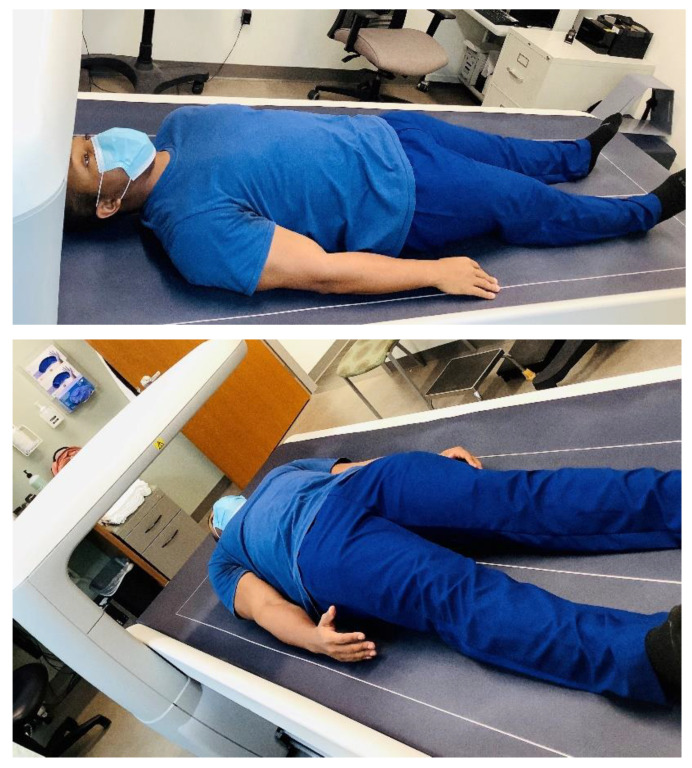
- DXA is described as the preferred criterion measure because it provides a multi-compartment assessment including bone mineral content; its major limitation is low-dose radiation exposure, and it cannot assess total body water, assuming constant FFM hydration.
- Practical thresholds and comparisons include waist circumference >80/>88 cm in women and >94/>102 cm in men for increased/substantially increased metabolic risk, WHR ≥0.85 in women or ≥0.90 in men, WHtR ≥0.50, and radiation doses of 0.001 mSv for DXA bone density versus 6 mSv for CT of the spine or pelvis.
Methods
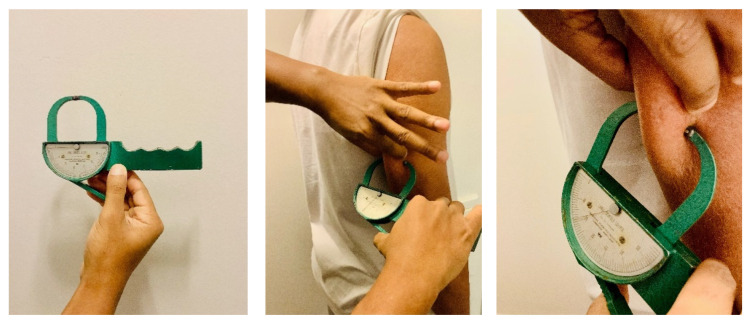
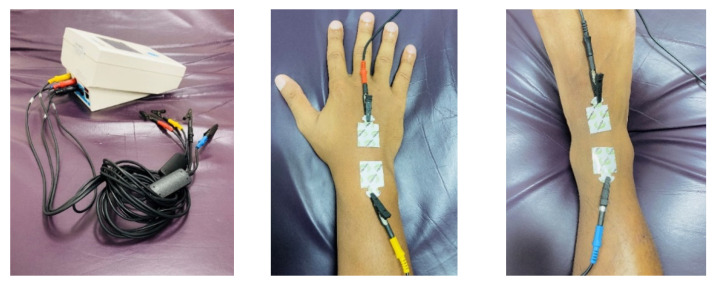
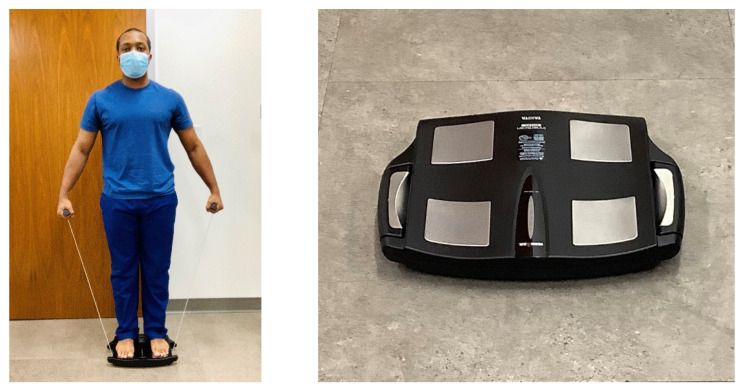
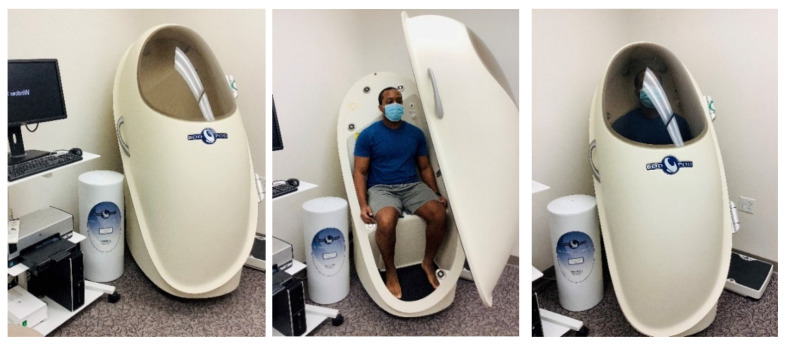
- Narrative review of commonly used body composition assessment methods, including BMI, waist/hip circumferences, skinfolds, BIA, digital image analysis, ADP, DXA, CT, MRI, and hydrostatic weighing.
- No primary sample, systematic search strategy, or formal quantitative synthesis is reported; the paper describes methods, equipment, assessment time, pros and cons, and clinical applications.
- Main analysis is descriptive and comparative, with tables summarizing method requirements and advantages/limitations, plus recommendations for matching methods to conditions such as obesity, undernutrition, osteoporosis, sarcopenia, cachexia, and lymphedema.
Limitations
- The paper states that there is no universally accepted best method for nutritional status assessment, that all methods provide estimates dependent on assumptions, and that each has limitations.
- It notes specific method limitations, including variable BIA accuracy and general manufacturer equations, DXA radiation and hydration assumptions, higher CT radiation, MRI motion/claustrophobia burden, and the need for more validation of 3D optical scanners and smartphone applications.
- Evident from the text: as a narrative overview, it does not report a systematic literature search, risk-of-bias assessment, or meta-analysis, so method comparisons are descriptive rather than quantitatively synthesized.
Model-written summary. Check it against the paper before relying on it.
Integrity signals
Registry
Cites
Statistics
Figures
Verification
Claims the paper makes
19 Valid · 0 Not valid · 34 Not checked · 17 Own results and interpretations
Every source the paper cites for this claim was checked and supports it.
In the paper
“Excess adiposity increases the risk of cardiovascular diseases [9], type 2 diabetes [10], several types of cancer [11], and early mortality [12].”
§ The Utility of Body Composition Assessment in Nutrition and Clinical Practice: An Overview of Current Methodology > 2. Clinical Relevance of Body Composition Assessment
What the sources say
- Supportedcites [10] 10. Gomez-Ambrosi J. Silva C. Galofré J.C. Escalada J. Santos S. Gil M.J. Valentí V. Rotellar F. Ramírez B. Salvador J. Body adiposity and type 2 diabetes: Increased risk with a high body fat percentage even having a normal BMI Obesity 2011 19 1439 1444 10.1038/oby.2011.36 21394093 source
The Discussion explicitly states that excess adiposity underlies the increased risk of type 2 diabetes observed in obesity. The supplied copy does not provide a page number for this passage. (LLM, conf=0.94)
plainstates a cause- Asserted: passes — The authors put it forward as true.
- Checkable: passes — It can be checked against evidence.
- Load-bearing: unclear — It is unclear whether the paper’s conclusions depend on it.
- Based: passes — The paper gives a reason why it holds.
- Supported
Every source the paper cites for this claim was checked and supports it.
In the paper
“Lymphedema is another condition most commonly observed during the treatment of cancer [36]; however, increasing evidence has shown the potential link between lymphedema and obesity [37].”
§ The Utility of Body Composition Assessment in Nutrition and Clinical Practice: An Overview of Current Methodology > 2. Clinical Relevance of Body Composition Assessment
What the sources say
- Supportedcites [37] 37. Mehrara B.J. Greene A.K. Lymphedema and obesity: Is there a link? Plast. Reconstr. Surg. 2014 134 154e 160e 10.1097/PRS.0000000000000268 25028830 PMC4393748 source
The Conclusions state that increasing evidence supports a reciprocal relationship between obesity and lymphedema. The clinical-evidence section also reports studies linking obesity to increased lymphedema risk. These passages support the cited claim of a potential link. (LLM, conf=0.95)
hedgedstates an association- Asserted: passes — The authors put it forward as true.
- Checkable: passes — It can be checked against evidence.
- Load-bearing: unclear — It is unclear whether the paper’s conclusions depend on it.
- Based: passes — The paper gives a reason why it holds.
- Supported
The cited sources support only part of this claim — read each source’s verdict below.
In the paper
“With DXA, practitioners can quantify FM, bone mineral content, and non-bone, fat-free tissue mass, thereby reducing the assumptions being relied on with SKF, ADP, and HW methods [68].”
§ The Utility of Body Composition Assessment in Nutrition and Clinical Practice: An Overview of Current Methodology > 3. Methods for Estimating and Quantifying Body Composition > 3.7. Dual-Energy X-ray Absorptiometry (DXA)
What the sources say
- Partly supportedcites [68] 68. Liao Y.-S. Li H.-C. Lu H.-K. Lai C.-L. Wang Y.-S. Hsieh K.-C. Comparison of bioelectrical impedance analysis and dual energy x-ray absorptiometry for total and segmental bone mineral content with a three-compartment model Int. J. Environ. Res. Public Health 2020 17 2595 10.3390/ijerph17072595 32290133 PMC7177846 sourceExperimental — accuracy not yet measured
The Introduction (page not provided) describes DXA as partitioning the body into fat, lean, and bone components, and Methods §2.3 reports DXA measurements of fat mass, lean body mass, and bone mineral content. The paper does not establish that DXA reduces reliance on assumptions compared with skinfold, air-displacement plethysmography, or hydrostatic-weighing methods; it says DXA itself uses a soft-tissue assumption. (LLM, conf=0.86)
plainstates a cause- Asserted: passes — The authors put it forward as true.
- Checkable: passes — It can be checked against evidence.
- Load-bearing: passes — The paper’s conclusions depend on it.
- Based: passes — The paper gives a reason why it holds.
- Partly supported
The cited sources support only part of this claim — read each source’s verdict below.
In the paper
“With further progression, computer tomography (CT) is used for more in-depth analysis of body composition changes [35].”
§ The Utility of Body Composition Assessment in Nutrition and Clinical Practice: An Overview of Current Methodology > 2. Clinical Relevance of Body Composition Assessment
What the sources say
- Partly supportedcites [35] 35. Naumann P. Eberlein J. Farnia B. Liermann J. Hackert T. Debus J. Combs S.E. Cachectic body composition and inflammatory markers portend a poor prognosis in patients with locally advanced pancreatic cancer treated with chemoradiation Cancers 2019 11 1655 10.3390/cancers11111655 PMC6895786 31717736 sourceExperimental — accuracy not yet measured
Results §2.1 and Methods §4.2 describe using CT scans before and after chemoradiation to measure changes in fat and skeletal muscle. They support CT-based analysis of body composition, but do not say that further disease progression prompts that analysis; the second scan was taken at the first post-treatment follow-up. (LLM, conf=0.82)
plainstates a cause- Asserted: passes — The authors put it forward as true.
- Checkable: passes — It can be checked against evidence.
- Load-bearing: unclear — It is unclear whether the paper’s conclusions depend on it.
- Based: passes — The paper gives a reason why it holds.
- Partly supported
The cited sources support only part of this claim — read each source’s verdict below.
In the paper
“The combination of low muscle mass and excess adiposity in an older adult poses significant adverse consequences on functional capacity, resulting in diminished cardiorespiratory fitness and declining health status [30].”
§ The Utility of Body Composition Assessment in Nutrition and Clinical Practice: An Overview of Current Methodology > 2. Clinical Relevance of Body Composition Assessment
What the sources say
- Partly supportedcites [30] 30. Hsu K.J. Liao C.D. Tsai M.W. Chen C.N. Effects of exercise and nutritional intervention on body composition, metabolic health, and physical performance in adults with sarcopenic obesity: A meta-analysis Nutrients 2019 11 2163 10.3390/nu11092163 PMC6770949 31505890 sourceExperimental — accuracy not yet measured
The Introduction (page unavailable) defines sarcopenic obesity as low muscle mass plus high body fat and reports reduced physical performance and greater risks of metabolic disorders, cardiovascular disease, and mortality. This supports the functional and broader health concerns, but the paper does not establish the claimed decline in cardiorespiratory fitness. (LLM, conf=0.86)
plainstates a cause- Asserted: passes — The authors put it forward as true.
- Checkable: passes — It can be checked against evidence.
- Load-bearing: passes — The paper’s conclusions depend on it.
- Based: passes — The paper gives a reason why it holds.
- Partly supported
24 more claims · 3 with their cited sources checked
Create a free account to see all 70 claims and to verify the 9 references still open.
- Probably not a substantial claim. 21
- It may state two separate claims as one. 28
Claims other papers make about this one
Each is checked against this paper’s own text: does it say what the citing paper says it does?
The source backs part of the claim, not all of it — or backs it for a different population, condition or comparison.
In the citing paper
“Skinfold thickness is considered a valuable tool but requires considerable technical skill and experience to be measured accurately.”
From Advantages and Limitations of the Body Mass Index (BMI) to Assess Adult Obesity (2024) · cites this paper as [61]
Experimental — accuracy not yet measuredThe source backs part of the claim, not all of it — or backs it for a different population, condition or comparison.
In the citing paper
“Combining advanced body composition analysis with comprehensive blood variables offers a promising strategy for improving obesity assessment at the population level and advancing personalized healthcare approaches to combat obesity and its related health consequences [61,67].”
From Advantages and Limitations of the Body Mass Index (BMI) to Assess Adult Obesity (2024) · cites this paper as [61]
Experimental — accuracy not yet measuredThe cited source says what the claim attributes to it.
In the citing paper
“The body composition of fat mass and lean mass is influenced by sex and aging, and fat mass is a standard component when assessing body composition.”
From Body composition changes during weight reduction with tirzepatide in the SURMOUNT ‐1 study of adults with obesity or overweight (2025) · cites this paper as [12]
The cited source says what the claim attributes to it.
In the citing paper
“The assessment of total body fat requires the integration of skinfold thickness measurements at different body sites. The integration of data considers the number of sites and their locations, with sex-specific adjustments [61].”
From Advantages and Limitations of the Body Mass Index (BMI) to Assess Adult Obesity (2024) · cites this paper as [61]
Citations
Cites
Prado, C. M., Lieffers, J. R., McCargar, L. J., Reiman, T., Sawyer, M. B., Martin, L., & Baracos, V. E. (2008) · The Lancet Oncology · doi:10.1016/s1470-2045(08)70153-0 · Cited by 3,238 · cited 1×
“Both sarcopenia and sarcopenic obesity, in which reduced FFM is combined with increased FM, are recognized as important nutritional problems that place older adults at higher risk of morbidity and mortality [2,29].”
BackgroundGeneralized equations for predicting body density of men
Jackson, A. S., & Pollock, M. L. (1978) · British Journal of Nutrition · doi:10.1079/bjn19780152 · Cited by 3,201
ESPEN Guidelines for Nutrition Screening 2002
Kondrup, J. (2003) · Clinical Nutrition · doi:10.1016/s0261-5614(03)00098-0 · Cited by 3,159
Finkelstein, E. A., Trogdon, J. G., Cohen, J. W., & Dietz, W. (2009) · Health Affairs · doi:10.1377/hlthaff.28.5.w822 · Cited by 2,957
Body composition from fluid spaces and density: analysis of methods. 1961.
Siri, W. E. (1993) · PubMed · Cited by 2,573
Bioelectrical impedance analysis—part II: utilization in clinical practice
Kyle, U. G., Bosaeus, I., De Lorenzo, A. D., Deurenberg, P., Elia, M., Manuel Gómez, J., Lilienthal Heitmann, B., Kent-Smith, L., Melchior, J.-C., Pirlich, M., et al. (2004) · Clinical Nutrition · doi:10.1016/j.clnu.2004.09.012 · Cited by 2,350 · cited 1×
“Finally, many BIA instruments are portable, while the more sophisticated models designed for clinical and research settings are less portable [62].”
BackgroundAn overview and management of osteoporosis
Sözen, T., Özışık, L., & Çalık Başaran, N. (2019) · European Journal of Rheumatology · doi:10.5152/eurjrheum.2016.048 · Cited by 2,262
Generalized equations for predicting body density of women
JACKSON, A. S., POLLOCK, M. L., & WARD, A. (1980) · Medicine & Science in Sports & Exercise · doi:10.1249/00005768-198023000-00009 · Cited by 1,847
DENSITOMETRIC ANALYSIS OF BODY COMPOSITION: REVISION OF SOME QUANTITATIVE ASSUMPTIONS*
Brožek, J., Grande, F., Anderson, J. T., & Keys, A. (1963) · Annals of the New York Academy of Sciences · doi:10.1111/j.1749-6632.1963.tb17079.x · Cited by 1,531
Obesity in adults: a clinical practice guideline
Wharton, S., Lau, D. C. W., Vallis, M., Sharma, A. M., Biertho, L., Campbell-Scherer, D., Adamo, K., Alberga, A., Bell, R., Boulé, N., et al. (2020) · Canadian Medical Association Journal · doi:10.1503/cmaj.191707 · Cited by 1,506 · cited 1×
“Clinicians and dieticians most commonly use recent weight loss, current body mass, recent food intake, and medical history questionnaires during daily routine assessments [3,4].”
Background
Cited by
Items 301–400 of 440
Erfassung des individuellen Ernährungsstatus
Stehle, P., & Ellinger, S. (2024) · Springer eBooks · doi:10.1007/978-3-662-68399-6_16
Aleksyeyenko, N. S., Andriychuk, V. M., Radoha, R. V., Danylevych, V. P., & Kachula, S. O. (2024) · Reports of Vinnytsia National Medical University · doi:10.31393/reports-vnmedical-2024-28(2)-01
Santoso, A. H., Kurniawan, J., Gaofman, B. A., Lumintang, V. G., Jaya, I. M. S. P., & Rayhan, N. (2024) · Journal of Human and Education (JAHE) · doi:10.31004/jh.v4i4.1301 · Cited by 1
“(Borga et al., 2018; Holmes & Racette, 2021) Individu dengan persentase lemak tubuh yang tinggi mempunyai risiko yang lebih besar terkena penyakit kardiovaskular, obesitas, diabetes tipe 2, beberapa jenis kanker hingga kematian dini.”
BackgroundA paired-match study: Equine athletes’ nutritional habits, anthropometric measurements, and postures
Dayı, T., Madencioğlu, S., Karavelioğlu, B., & Bağkur, M. (2024) · Journal of Basic and Clinical Health Sciences · doi:10.30621/jbachs.1518989
Concept and definition: Body composition assessment
Córdoba-Rodríguez, D. P., Rodríguez, G., & Moreno, L. A. (2024) · Elsevier eBooks · doi:10.1016/b978-0-443-21975-7.00001-0
Alcañiz-Martín, F., Arenal-Ferreira, E., Martínez-Martínez, V., Gómez-Paredes, L., Muñoz-Gutiérrez, J., & Pérez-Herreras, M. C. (2024) · Enfermería del trabajo. · doi:10.70324/ejohn.v3i1.39
Rudnev, S. G., Ivanova, A., Зиновьевна, Г. Е., Зубко, А. В., & Стародубов, В. И. (2024) · City Healthcare · doi:10.47619/2713-2617.zm.2024.v.5i4p2;272-281 · Cited by 2
Perazza, F., & Ravaioli, F. (2025) · World Journal of Hepatology · doi:10.4254/wjh.v17.i1.101195
“Body composition is a crucial tool in indirectly assessing the nutritional state since it allows the evaluation of fat and muscle mass, thus indirectly evaluating the presence of sarcopenia[19].”
Wang, X., Zhao, Y.-R., Yu, Y., Mao, Z., Tan, S.-X., & Yu, S. (2025) · World Journal of Psychiatry · doi:10.5498/wjp.v15.i2.99008
Low Birthweight, Body Composition and Cardiometabolic Risk: Nature Versus Nurture?
Cheong, J. L. Y. (2025) · Paediatric and Perinatal Epidemiology · doi:10.1111/ppe.13171
Rawat, S., & Shaw, D. (2025) · International Journal of Yogic Human Movement and Sports Sciences · doi:10.22271/yogic.2025.v10.i1a.1693
Physical Exercise and Metabolic Health in Children and Adolescents
Gonzalez-Galvez, N., Filippo, G. D., & Popovic, S. (2025) · Frontiers research topics · doi:10.3389/978-2-8325-5988-8
Socha, M., Ćwieląg, P., & Andrzejewski, W. (2025) · Frontiers in Physiology · doi:10.3389/fphys.2025.1540983
Body Fat and Visceral Fat Values in Spanish Healthcare Workers: Associated Variables
Marcos, P. J. T., López-González, Á., Rifá, E. M.-A., Paublini-Oliveira, H., Sánchez, C. M., López, P. T., & Ramírez-Manent, J. I. (2025) · Nutrients · doi:10.3390/nu17040649
“Additionally, as a non-invasive method, it is ideal for repeated use in medical follow-ups, contributing to the monitoring and management of conditions related to excess body fat [28,29].”
Zhang, L., Long, J., Wang, L., Zhang, L., Yang, Y., & Patil, S. (2025) · European journal of medical research · doi:10.1186/s40001-025-02392-y · Cited by 1
“Due to specific limitations, traditional nutritional assessment methods are unable to precisely identify nuanced shifts in nutritional status or accurately detect changes in specific body tissues, such as fat-free mass (FFM), soft lean mass (SLM), and skeletal muscle mass (SMM) [3].”
Moris, J. M., Paidisetty, V. K., Turner, H. A., Allen, K., Arnold, B. W., & Koh, Y. (2025) · Medicine Plus · doi:10.1016/j.medp.2025.100075
Gong, R., Tang, W., & Wang, X. (2025) · Journal of Biosciences and Medicines · doi:10.4236/jbm.2025.133007
Barakat, I., Barkat, K., Baha, I., Boujguenna, H., Chaoui, A., & Boutahar, K. (2025) · IGI Global eBooks · doi:10.4018/979-8-3693-6730-8.ch002
Schumacher, C., Lunow, A., Mokanarajah, N., & Kutschenko, A. (2025) · Clinical Nutrition ESPEN · doi:10.1016/j.clnesp.2025.04.020
Li, Z., Li, Y., Zhao, X., Lan, L., Su, Q., Zheng, R., Wen, E., Xuan, P., Xiong, J., & Su, Z. (2025) · Research Square · doi:10.21203/rs.3.rs-6117198/v1
Issarapu, P., Arumalla, M., Antoun, E., Gravio, C. D., Ward, K. A., Fall, C. H. D., Prentice, A. M., Chandak, G. R., Silver, M. J., the EMPHASIS Study Group, et al. (2026) · Clinical Epigenetics · doi:10.1186/s13148-026-02172-3
“The three-compartment model, which evaluates fat mass (FM), fat-free mass or lean mass (LM), and bone mineral content (BMC), is used to estimate the body’s total functional capacity and overall health status [3].”
Chuang, F., Jones, A., & Wagels, M. (2025) · Journal of Cranio-Maxillofacial Surgery · doi:10.1016/j.jcms.2025.04.015
Equations for Assessing Body Composition by Ultrasound in Older Adults: A Narrative Review
Fernandes, L. V., de Oliveira, G. B., Vasques, A. C. J., & Corona, L. P. (2025) · Healthcare · doi:10.3390/healthcare13111295 · Cited by 3
“Understanding the most accurate techniques and protocols for assessing body composition enables healthcare professionals to effectively perform these functions in clinical settings [36].”
Onuselogu, J. C., Agbewu, E., Baah, E. K., Deku, P. D.-G., Brown, E. K. M., Adedugbe, B. O., & Moses, M. O. (2025) · International Journal of Kinanthropometry · doi:10.34256/ijk2513 · Cited by 1
“The purpose of body composition measurements is to identify purposeful measurements of body composition, notably fat and lean muscles masses and determine their impacts on the health and performance of resistance trainers (Holmes and Racette, 2021).”
Ramli, S. S. M., Nazib, A. S., Rahim, N. M. F. H. A., Sha'ari, S. N. K., Goh, X. Q., Chin, K., Ahmad, F., & Wong, S. K. (2025) · Archives of Medical Science · doi:10.5114/aoms/203758 · Cited by 1
Fransisco, C., Kinabo, J., & Pacific, R. (2025) · Journal of Food and Nutrition Sciences · doi:10.11648/j.jfns.20251304.11
Tachibana, Y., Kasuya, M., Haito, Y., Maeno, M., Banba, K., Miyawaki, T., & Komenami, N. (2025) · Nutrients · doi:10.3390/nu17142313
Salazar, P. C. V., Mallqui, J. L. G., Barrón, C. C. N., & Aguilar, P. S. T. (2025) · Nutrición clínica y dietética hospitalaria/Nutrición clínica, dietética hospitalaria · doi:10.12873/452vega
López-Espinoza, M. Á., Cavieres, P., Sobarzo, K. A. L., Mejías, J. T., & Jiménez, I. L. (2025) · Nutrición clínica y dietética hospitalaria/Nutrición clínica, dietética hospitalaria · doi:10.12873/452espino
Priyana, A., Santoso, A. H., Gunaidi, F. C., Harsono, A., & Evelyn, E. (2025) · Science and Technology · doi:10.69930/scitec.v2i3.467
Herdiman, J., Santoso, A. H., Gunaidi, F. C., Pranata, C. C., & Soebrata, L. (2025) · Science and Technology · doi:10.69930/scitec.v2i3.472
Song, K., Lee, E., Lee, H. S., Lee, H. C., Kim, J. Y., Choi, Y., & Chae, H. W. (2025) · Endocrine · doi:10.1007/s12020-025-04336-2 · Cited by 2
“DXA estimates body composition by measuring the differential attenuation of X-ray beams, allowing for the quanti fi cation of fat mass and fat-free mass (FFM) [13, 16].”
Bore, M. G., Perry, L., Xu, X., Biratu, A. K., & Cruickshank, M. (2026) · PLOS Global Public Health · doi:10.1371/journal.pgph.0005003 · Cited by 1
Yamamoto, T., Neufeld, E. V., Cho, D., Mardirossian, A., Bright, J. M., & Dolezal, B. A. (2025) · Scientific Journal of Sport and Performance · doi:10.55860/mxok4379
Goga, A., Ahmed, T., Mostafa, I., Sazawal, S., Nasrin, D., Keita, A. M., Sow, S. O., Qamar, F. N., Yousafzai, M. T., Manji, K. P., et al. (2025) · doi:10.12688/verixiv.1109.1
Shaw, K. A., Zello, G. A., & Crizzle, A. M. (2025) · Applied Physiology, Nutrition, and Metabolism · doi:10.1139/apnm-2025-0188 · Cited by 2
Flores, L., Brito, S., Lares, M., Huérfano, T., García, E., & Herrera, H. (2025) · Diabetes actual · doi:10.61156/2025.3.1.002
Multiple anthropometric characteristics and Brugada syndrome: A Mendelian randomization study
Liu, S., Shang, J., Liu, H., Xing, W., Liu, W., Qiu, S., Lai, X., Li, M., & Wang, S. L. (2025) · Medicine · doi:10.1097/md.0000000000044990
“[59] BMR, which is positively correlated with feeding rate, is a major component of daily energy expenditure and is closely linked to fat-free mass. [60,61] MR analyses showed that genetically predicted WBFFM, BMR, and WBWM were inversely associated with BrS risk, whereas fat mass showed no…”
Li, Y., Xie, X., Liu, Y., Gong, Z., Bi, M., & Li, Y. (2025) · PLoS ONE · doi:10.1371/journal.pone.0334913
“Specifically, lower BMI may be correlated with an increased risk of mortality among osteoporosis patients, a finding that is consistent with several observations in the existing literature [48].”
Green, N. (2025) · Elsevier eBooks · doi:10.1016/b978-0-443-22358-7.00015-0
Plaza, B. L., Larrad-Sáinz, A., Valerio, J., Martín-O’Connor, R., del Valle, L., Ramos-Levi, A. M., Barabash, A., Marcuello, C., Jiménez, I., Rubio, M. Á., et al. (2025) · Frontiers in Nutrition · doi:10.3389/fnut.2025.1689658 · Cited by 2
Hanout, H. A. A. A. H., Mobark, A., Mansour, T. F., Elshamy, A. M., El-Saied, D. G., & Hassan, M. A. (2025) · Tanta Medical Journal · doi:10.4103/tmj.tmj_11_25
Interventions to improve food intake for persons with dementia in nursing homes. A systematic review
Bruvik, F. K., Tangvik, R. J., Hunskår, I., Kyte, K., & Drageset, J. (2025) · Geriatric Nursing · doi:10.1016/j.gerinurse.2025.103717
Lee, J.-B., Jeon, S., Kim, H., & Park, D. (2025) · Asia-pacific Journal of Convergent Research Interchange · doi:10.47116/apjcri.2025.11.53
Machine Learning-Based Risk Assessment and Prevention of Type 2 Diabetes Using Biometric Indicators
Enache, S.-E., & Alboaie, L. (2025) · International Conference on Innovations in Intelligent Systems and Applications (INISTA) · doi:10.1109/inista68122.2025.11249609
“The scientific literature shows that obesity, poor physical activity, unhealthy eating, and high blood pressure serve as primary factors that increase the risk of diabetes [10] [11] [12].”
Hansen, M. C., Uhrenfeldt, L., Ingstad, K., & Pedersen, P. U. (2025) · Pilot and Feasibility Studies · doi:10.1186/s40814-025-01745-y · Cited by 3
“Anthropological and body composition assessments are valuable tools for detecting nutritional challenges and effectively evaluating nutritional status during dietary interventions, including undernutrition and obesity [17].”
Body composition analysis in the study of aging
Matrenina, P. V., KABALYK, M. A., Ivaniuk, M. M., Плехова, Н. Г., & Ageeva, O. Y. (2025) · Pacific Medical Journal · doi:10.34215/1609-1175-2025-3-21-26
Zhao, Y., Gong, J.-X., Ji, Y.-T., Zhao, X.-Y., He, L., Cai, S., & Yan, X.-M. (2024) · Figshare · doi:10.6084/m9.figshare.26603938
Huayi, Z., Gang, X., Laiyuan, L., & Hui, H. (2023) · Figshare · doi:10.6084/m9.figshare.23930233
Soom, T. V., Tjalma, W., Daele, U. V., Gebruers, N., & van Breda, E. (2024) · Figshare · doi:10.6084/m9.figshare.25210514
Zhao, Y., Gong, J.-X., Ji, Y.-T., Zhao, X.-Y., He, L., Cai, S., & Yan, X.-M. (2024) · Figshare · doi:10.6084/m9.figshare.26603932
Qian, D., Shen, P., Zhu, J., Ji, S., & Kong, Y. (2024) · Figshare · doi:10.6084/m9.figshare.26684169
Zhao, Y., Gong, J.-X., Ji, Y.-T., Zhao, X.-Y., He, L., Cai, S., & Yan, X.-M. (2024) · Figshare · doi:10.6084/m9.figshare.26603941
Zhao, Y., Gong, J.-X., Ji, Y.-T., Zhao, X.-Y., He, L., Cai, S., & Yan, X.-M. (2024) · Figshare · doi:10.6084/m9.figshare.26603935
Cuevas, A. S., Cabrera, I. R., Marrero, O. N. R., Lugo, M. L., Cabeza, M. B., Reyes, R. M. O., Toirac, R. D. J. R., & Soriano, D. M. (2025) · Journal of Cancer Therapy · doi:10.4236/jct.2025.169025
Relationship of Physical Activity With Obesity
Prayudho, S., & Nasrulloh, A. (2023) · Спортске науке и здравље - АПЕИРОН · doi:10.7251/ssh2302245p
Bhadra, R., Gach, D., van Osch, F., van den Bergh, J. P., Sambashivaiah, S., Schols, A. M. W. J., & Beijers, R. J. H. C. G. (2025) · JCSM Communications · doi:10.1002/rco2.70022 · Cited by 1
“…X-ray absorptiometry ( DXA ) , initially developed for diagnosing osteoporosis, is currently the most preferred method for body composition assessment focusing on sarcopenia as it additionally allows assessment of whole body and regional muscle and fat mass with minimum radiation exposure [13].”
Gómez, M. P. A., Petrera, M. R., Santoro, A., Petroni, M. L., Gasperini, C., Franceschi, C., Marchesini, G., Guglielmi, G., & Bazzocchi, A. (2025) · Digital Diagnostics · doi:10.17816/dd641570
Purcell, S. A., Bennett, J. P., Stoklossa, C. J., Siervo, M., & Prado, C. M. M. (2026) · Obesity Surgery · doi:10.1007/s11695-025-08465-5 · Cited by 1
Ji, S., Kim, K., Cho, K., Jang, I., Baek, J. Y., Kim, N., Kim, H.-K., & Jang, M. (2026) · medRxiv · doi:10.64898/2026.01.13.26343990
Validity of A-mode ultrasound for muscle assessments: Comparisons with magnetic resonance imagingPreprint
Fayh, A. P. T., Rüegg, R. A. B., Pereira, J. P. D. C., Bennemann, N. A., de Medeiros, G. O. C., de Araújo, J. O., & do Nascimento, M. K. (2026) · Research Square · doi:10.21203/rs.3.rs-8398687/v1
Tarkwen, P., Konyole, S., & Oiye, S. O. (2026) · African Journal of Food Agriculture Nutrition and Development · doi:10.18697/ajfand.148.26205
Onishchenko, D., Baltin, M. E., Bravyy, Y. R., Okuneva, A., Kirsanov, A., & Rudnev, S. (2026) · Research Square · doi:10.21203/rs.3.rs-8619225/v1
Orsso, C. E., Caretero, A., Ghomashchi, H., Atkins, M., Barbosa-Silva, T. G., Basualdo‐Hammond, C., Cardenas, D., Chevalier, S., Gonzalez, M. C., Gramlich, L. M., et al. (2026) · Nutrition in Clinical Practice · doi:10.1002/ncp.70092
“5,6 Nevertheless, barriers such as equipment costs, portability, patient compatibility, and training requirements 12,15,29 may limit their accessibility and uptake in clinical settings.”
Martins, M. S., Santos, G. J., de Almeida, C. D. J., Duran, P. C., Couto, G., Morais, T., Santana, G. O., & Rocha, R. (2026) · Revista de Gastroenterología de México · doi:10.1016/j.rgmx.2025.11.004
Indriati, A. A., Widjaja, N. A., Ardiana, M., & Hanindita, M. H. (2025) · Journal La Medihealtico · doi:10.37899/journallamedihealtico.v6i6.2831
“WC provides a simple estimate of central obesity and correlates strongly with cardiometabolic risk, while BIA offers an indirect yet effective assessment of visceral adipose tissue through body composition analysis (Holmes & Racette, 2021; Bennett et al., 2025).”
Teja, V. N., Rajalakshmi, R., Prakash, P., Ramesh, A. S., & Sharma, D. (2026) · Cureus · doi:10.7759/cureus.103765
“Unlike BMI, body composition assessment offers a clinically meaningful perspective by distinguishing between adiposity and lean tissue [8].”
Okwudili, M. N., Ede, A. O., Obiakor-Okeke, P. N., Benneth-Ugochukwu, I. C., Ali-Okoro, C. C., Mercy, O. S., Nwankwo, C. J., Okereke, J. C., Onyeje, B. T., Nwaokoro, J. C., et al. (2026) · Journal of Contemporary Studies in Epidemiology and Public Health · doi:10.29333/jconseph/18116
“It also indicate if there is a significant risk of developing certain health conditions among populace [4].”
Voxel-based Deep Regression for Enhanced Body Composition Estimation from 3D Body Scans
Feng, B., Cheng, R., Zheng, Y., Feng, S., Bai, N., Vaziri, K., & Hahn, J. K. (2026) · SN Computer Science · doi:10.1007/s42979-026-04864-2 · Cited by 4
“These characteristics limit accessibility, particularly in resource-constrained settings or for routine monitoring applications [25, 26].”
Liu, S., Lü, Y., Chen, S., Pan, Y., Qian, L., Wu, Y., Fang, L., Li, Q. A., Xu, Y., Zhang, C., et al. (2026) · Kidney Diseases · doi:10.1159/000551785
“Body composition analysis, commonly performed using bioelectrical impedance, quantifies fat mass, muscle mass, and body water and is increasingly applied in metabolic assessment and prognostic evaluation [7].”
Leveraging Multiomic Signatures to Predict Body Composition
Devarakonda, S. L. S., Hughes, D. A., Rodriguez, C., Goncalves, M. D., & Heymsfield, S. B. (2026) · Advances in Nutrition · doi:10.1016/j.advnut.2026.100626 · Cited by 2
“Evaluation of body composition is increasingly a focus of patient diagnosis, treatment, and monitoring [1,2].”
Aljanahi, A., Dalrymple, K. V., Dimidi, E., & Sullivan, E. S. (2026) · Systematic Reviews · doi:10.1186/s13643-026-03096-y
“Accurate body composition assessment (BCA) is therefore essential for identifying and managing nutritional concerns across both clinical and public health contexts [5].”
Onyilo, J., Nakimbugwe, D., Ndagire, C. T., & Isabirye, D. (2026) · SCIREA Journal of Clinical Medicine · doi:10.54647/cm321467
Dietary Protein Intake and Body Composition in Pre- and Post-Surgery Focused on Cancer Surgery
Giaginis, C., Papadopoulou, S. Κ., & Deligiannidou, G.-E. (2025) · Springer eBooks · doi:10.1007/978-3-031-32047-7_205-1
Perfil antropométrico de estudiantes universitarios de Entrenamiento Deportivo
Portilla, W. M. M., Illescas, J. U. A., & Catuto, L. G. B. (2026) · doi:10.22533/at.ed.878112623015
Body Composition and Its Determinants among Nepali Speaking Adult Males of West Bengal, India
Khatun, A., Chhetri, S., & Biswas, A. (2025) · International Journal of Kinanthropometry · doi:10.34256/ijk2532
“As a result, anthropometric measurements and BIA remain the most commonly used methods in research and clinical settings (Sinha et al., 2018; Holmes and Racette 2021).”
Influential3D Body Silhouette Modeling System for Morphological Analysis: Proof of Concept
Gabriela, C.-F., Ernesto, S.-T., Alfonso, G., & Sanchez-Perez, C. A. (2026) · International Conference on Artificial Intelligence, Computer, Data Sciences and Applications (ACDSA) · doi:10.1109/acdsa67686.2026.11467925
“Other methods, including ultrasound, air displacement plethysmography, computed tomography, and magnetic resonance imaging, provide varying degrees of accuracy but are limited by operator dependency, cost, radiation exposure, or technical complexity [10, 13–15].”
Acute Jump Performance Responses Following Isometric Squats Performed at Full and Half Squat Depths
Koźlenia, D., POCZTA, P., Gepfert, M., & Jarosz, J. (2026) · Applied Sciences · doi:10.3390/app16083857
IOT-BASED AUTOMATIC BMI MONITORING SYSTEM WITH RFID AND TRL EVALUATION
Rohmah, R. N., Aprilianto, C. P., Budiman, A., Mubin, M. N., Wicaksono, M. A., & Nurokhim, N. (2026) · Jurnal Ilmiah Ilmu Terapan Universitas Jambi|JIITUJ| · doi:10.22437/jiituj.v10i1.53197
Body Composition and Its Impact on Physical Fitness, and Cardiovascular Risk: A Literature Review
martins, S., Nadhiroh, S. R., Amaral, P., Mau-Buti, D., Alexander, Y. Y., Ristianita, P. V., & Rahmi, A. S. (2025) · PROFESSIONAL HEALTH JOURNAL · doi:10.54832/phj.v7i2.1321
“…in assessment methods, including DXA, MRI, and bioelectrical impedance analysis (BIA), clinicians and researchers are now able to evaluate body composition with greater accuracy, reinforcing its clinical utility in cardiovascular risk assessment (Chaves et al., 2022; Holmes & Racette, 2021).”
Tang, H., Vo, N. H. T., Tran, C. Q., & Ha, A. V. V. (2026) · Journal of Clinical Densitometry · doi:10.1016/j.jocd.2026.101713 · Cited by 1
Ciftci, S. N., Kurban, M. Ü., Baytaroğlu, A., & Hür, E. (2026) · Research Square · doi:10.21203/rs.3.rs-9131102/v1
Dao, T. V., Do, B. N., Pham, M. D., Cap, D. M., Nguyen, K. T., & Duong, T. V. (2026) · Pathogens · doi:10.3390/pathogens15050501
“Bioelectrical impedance analysis (BIA) has gained recognition as a noninvasive tool for assessing body water, showing good agreement with reference methods [13,14].”
Wang, X., Zhan, D., Zhang, J. Q., Wang, H., Pei, X., Chen, M., & Zhang, Y. (2026) · Journal of Eating Disorders · doi:10.1186/s40337-026-01628-4
“Body‑com‑ position assessment provides information beyond BMI by characterizing fat mass, lean mass, and adipose‑tissue distribution, and may add value to metabolic risk assess‑ ment and individualized evaluation [22, 31].”
CT assessment of body composition and liver fat fraction predicts prognosis in gastric cancer
Xiao, G.-L., Huang, Z.-N., Wang, Y., Wu, D.-Z., Liu, R., Luo, S.-K., Tu, R., Lin, G., Lin, M., Xie, J.-W., et al. (2026) · European Journal of Surgical Oncology · doi:10.1016/j.ejso.2026.111855
Fashafsheh, N., Fashafsheh, I., Miqdadi, A. I., Alhadidi, M., & Elhaty, I. A. (2026) · Studies in systems, decision and control · doi:10.1007/978-3-032-15739-3_30
Composição corporal, limitações funcionais e dor em portadores de osteoartrite de joelho e lombalgia
David, S. V., da Silva, K. D. R., de Oliveira, N. C., & Alfieri, F. M. (2025) · Acta Fisiátrica · doi:10.11606/issn.2317-0190.v32i3a240496
Zerunian, M., Masci, B., Nardacci, S., Perconti, F., Nardoni, L., Solimene, V., Polici, M., Pucciarelli, F., Polidori, T., Santis, D. D., et al. (2026) · Journal of Cachexia Sarcopenia and Muscle · doi:10.1002/jcsm.70218
葛益众, Liu, C., Zhang, Q., Liu, T., Deng, L., Song, M., Ruan, G., Song, C.-H., Yao, Q.-H., Shen, X., et al. (2026) · Supportive Care in Cancer · doi:10.1007/s00520-026-10638-6 · Cited by 1
“Conventional indices, such as body weight and body mass index (BMI) fail to distinguish between fat mass and fat-free mass and therefore provide limited insight into tissue-specific contributions to prognosis [5].”
Bueno, K. J. P., Agreda, L. Á. F., & Villarreal, D. (2026) · Atlas Research Journal · doi:10.65305/arj.v4n1.2026.66
Adhikari, A., Karki, R., & Samu, G. C. (2026) · BMC Nutrition · doi:10.1186/s40795-026-01378-1
“It could enhance the risk of determining the disease at a higher priority level especially in people with obesity and could help formulate more preventive measures to combat morbidity and mortality [10].”
Effects of prolonged physical training on skeletal muscle mass accrual throughout the life span
Ledergerber, R., Kotikangas, J., Cadore, E. L., Feuerbacher, J. F., & Schumann, M. (2026) · Best Practice & Research Clinical Endocrinology & Metabolism · doi:10.1016/j.beem.2026.102132
BodyMAE: A Surface Area-Aware Masked Autoencoder for Body Composition Estimation from 3D Body Scans
Zheng, Y., Feng, B., Cheng, R., Qiu, C., Long, Z., Vaziri, K., & Hahn, J. (2026) · ACM Transactions on Computing for Healthcare · doi:10.64898/2026.06.04.26354925
“Therefore, evaluating body composition has direct clinical utility by refining risk stratification through quantifying fat mass, lean mass and bone health, which in turn guides prevention, pharmacotherapy, and treatment monitoring [9].”
Body Mass Index Versus Body Composition for Risk Stratification in Craniofacial Surgery
Munkwitz, S. E., Sandino, A. I., Patel, J., Coelho, P. G., & Thaller, S. R. (2026) · Journal of Craniofacial Surgery · doi:10.1097/scs.0000000000013024
Bheda, A., Sharma, M., Jokare, N., Kapoor, S., & Chouksey, J. (2026) · medRxiv · doi:10.64898/2026.05.24.26353564
Lahlou, Y., Aboukhalaf, A., BOURAQ, M., Oualili, H., JADOUMI, Y. E., Filali, A., Bouqadida, M., Hafid, A., Arifi, K., Makroum, K., et al. (2026) · Research Square · doi:10.21203/rs.3.rs-9972847/v1
Gershuni, V. M., Damani, R. A., Vasisht, S., Sharma, R., Rowe, J., Compher, C. W., Duda, J., Sagreiya, H., Kelz, R. R., Lee, H., et al. (2026) · medRxiv · doi:10.64898/2026.06.08.26355187
Chen, L., Li, A., Chen, W., & Zhou, J. (2026) · Frontiers in Nutrition · doi:10.3389/fnut.2026.1768569
Joglekar, A. A., Vyas, M. K., Bhojani, M. K., Kumar, A., & Kumar, K. (2026) · Journal of Ayurveda · doi:10.4103/joa.joa_72_24
Metadata
- Authors
- Holmes, C. J., & Racette, S. B.
- Affiliations
- Washington University in St. Louis (US)
- Corresponding author
- Holmes, Clifton J.
- Venue
- Nutrients
- Publisher
- MDPI AG
- Published
- 2021-07-22
- Volume
- 13
- Issue
- 8
- Pages
- 2493
- ISSN
- 2072-6643 (ISSN-L)
- PMC
- PMC8399582
- OpenAlex
- W3183536116
- Cited by
- 473
- References
- 71
- Citations by year
- 2026: 115 · 2025: 164 · 2024: 105 · 2023: 61 · 2022: 26 · 2021: 2
- FWCI
- 6.43
- Type
- journal article
- Language
- en
- Open access
- gold
- doi.org
- Licence
- Locations
- Nutrients (publishedVersion, cc-by)
- PubMed Central (publishedVersion, cc-by)
- PubMed (publishedVersion)
- Digital Commons@Becker (Washington University School of Medicine) (submittedVersion)
- DOAJ (DOAJ: Directory of Open Access Journals) (submittedVersion, cc-by-sa)
- Funders
- National Institutes of Health (T32 HD007434)
- National Center for Medical Rehabilitation Research (T32 HD007434)
- Topics
- Health Sciences › Medicine › Physiology (medical) › Body Composition Measurement Techniques
- Health Sciences › Medicine › Physiology (medical) › Nutrition and Health in Aging
- Health Sciences › Medicine › Orthopedics and Sports Medicine › Bone health and osteoporosis research
- Keywords
- body composition assessment, fat mass, fat-free mass, lean body mass, bone mineral density, sarcopenia, osteoporosis, malnutrition, nutritional assessment, body mass index limitations, disease risk
- MeSH terms
- Anthropometry, Body Composition, Diagnostic Imaging, Humans, Magnetic Resonance Imaging, Nutritional Status, Plethysmography, Whole Body, Predictive Value of Tests, Tomography, X-Ray Computed, Reproducibility of Results, Absorptiometry, Photon, Electric Impedance
About these checks
Registry, retraction, Cites and statistics results are computed, not judged, with one exception: a printed reference that no index lists is read once by a model before it counts as a citation error. Claims are extracted by a model and kept only when their quote appears verbatim in the text; each cited source is then checked, with a model’s help, for whether it says what the claim relies on. Those verdicts can be wrong — read the claim’s quote and the cited source before relying on one.
The claim verdicts this report counts are experimental: their accuracy is not yet measured.
A language model drew the claims from the paper on 2026-10-20, under version 3 of the claim definition (model deepseek-v4.1-flash, prompt extract-v3).
A second model labelled each claim on 2026-10-20 (model jev-1.13-20260917, definition revision gold-guideline-v0.2).
Cited sources are checked with a language model’s help (gpt-6-sol).
Statistics and arithmetic are recomputed, not judged.
Confidence bands are shown only for fields calibrated on our annotated test set. None is calibrated yet, so no band is shown.
What counts as a claim ›How we measure confidence ›How we check this ›
Are you an author, or do you see a problem with this page? Request a review
Data sources
Bibliographic data: Semantic Scholar, OpenAlex, Crossref.
Contains information from the Semantic Scholar Academic Graph Datasets, made available under the ODC Attribution License (ODC-BY 1.0).
Semantic Scholar’s data is described in: Kinney, R., et al. (2023). The Semantic Scholar Open Data Platform. arXiv:2301.10140.
