

The Utility of Body Composition Assessment in Nutrition and Clinical Practice: An Overview of Current Methodology
Open accessThe DOI matches its Crossref record; 71 of the 71 references it cites were found in a registry or an index; 20 of the 86 sources its claims cite were checked for support.
Abstract
Body composition is a key component for maintaining good general health and longevity. It can be influenced by a variety of factors, including genetics, environment, and lifestyle choices. The assessment of body composition is an essential tool for nutrition specialists to effectively evaluate nutritional status and monitor progression during dietary interventions. As humans age, there is a natural increase in fat mass coupled with a gradual decline in lean mass, specifically in bone and muscle mass. Individuals with a high body fat percentage are at a greater risk of cardiovascular diseases, type 2 diabetes, several types of cancer, and early mortality. Significant decreases in bone mineral density signify osteopenia and osteoporosis, while reductions in skeletal muscle mass increase the risk of developing sarcopenia. Moreover, undernutrition exacerbates the effects of many medical conditions and is important to address. Though weight tracking and calculation of BMI are used commonly by clinicians and dietitians, these measures do not provide insight on the relative contributions of fat mass and fat-free mass or the changes in these compartments that may reflect disease risk. Therefore, it is important that healthcare professionals have a critical understanding of body composition assessment and the strengths and limitations of the methods available.
Overview
CoChat Summary
TL;DR
This narrative review summarizes body composition assessment methods relevant to nutrition and clinical practice, emphasizing that BMI and circumference measures do not distinguish fat mass from fat-free mass. It concludes that method choice should match the tissue or condition of interest, while accounting for each technique’s assumptions, accuracy, accessibility, and cost.
Key findings
- BMI is widely used and inexpensive but does not distinguish FM from FFM, so it may misclassify older adults with increased FM/decreased FFM as healthy weight and athletes with high muscle mass as overweight.
- The review reports substantial nutrition-related disease burdens: >70% of U.S. adults are overweight or obese by BMI, with >$100 billion spent annually on obesity-related medical costs; a meta-analysis of 240 studies found malnutrition in 3.0% of community-dwelling older adults, 6.0% of outpatients, 8.7% of home-care recipients, 22.0% of in-hospital patients, 17.5% of nursing-home residents, and 29.4% of rehabilitation/sub-acute care patients.
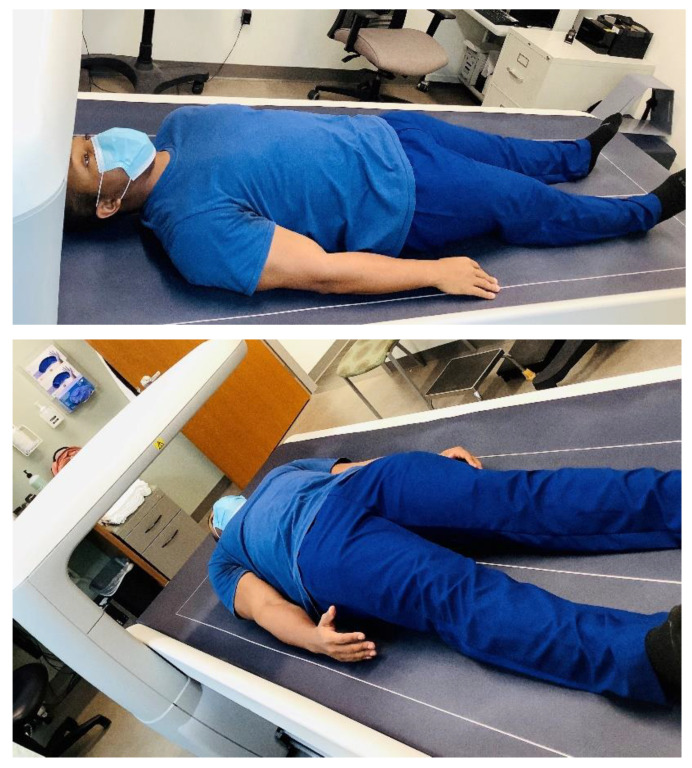
- DXA is described as the preferred criterion measure because it provides a multi-compartment assessment including bone mineral content; its major limitation is low-dose radiation exposure, and it cannot assess total body water, assuming constant FFM hydration.
- Practical thresholds and comparisons include waist circumference >80/>88 cm in women and >94/>102 cm in men for increased/substantially increased metabolic risk, WHR ≥0.85 in women or ≥0.90 in men, WHtR ≥0.50, and radiation doses of 0.001 mSv for DXA bone density versus 6 mSv for CT of the spine or pelvis.
Methods
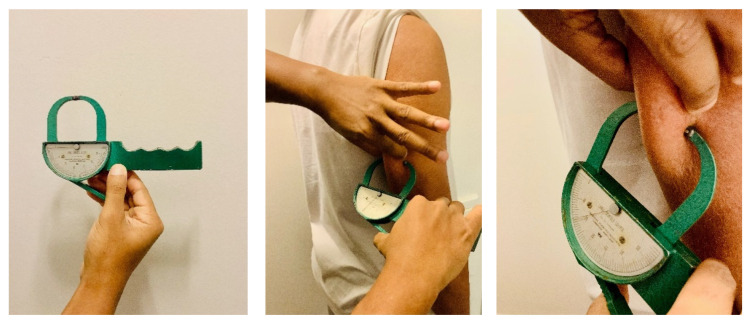
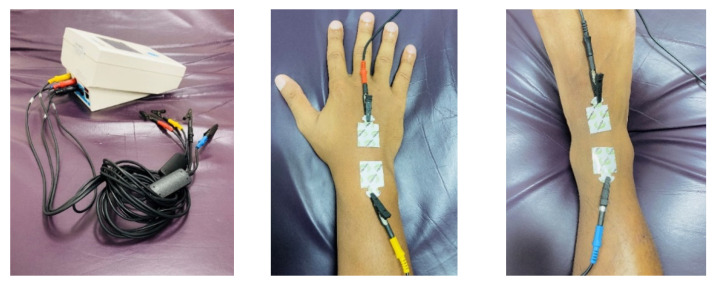
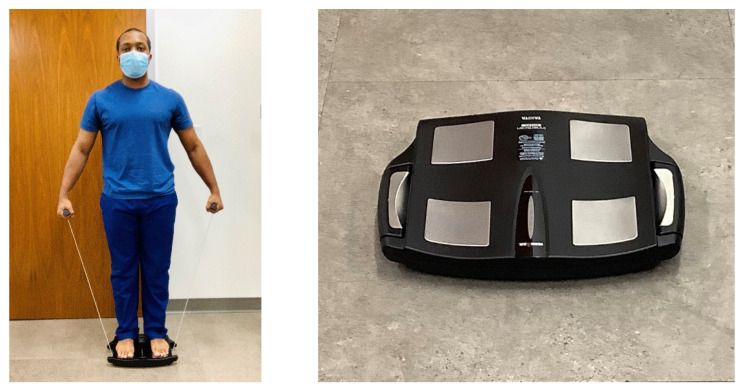
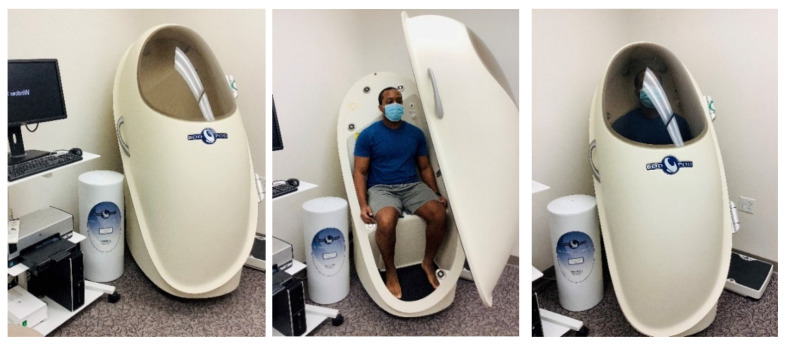
- Narrative review of commonly used body composition assessment methods, including BMI, waist/hip circumferences, skinfolds, BIA, digital image analysis, ADP, DXA, CT, MRI, and hydrostatic weighing.
- No primary sample, systematic search strategy, or formal quantitative synthesis is reported; the paper describes methods, equipment, assessment time, pros and cons, and clinical applications.
- Main analysis is descriptive and comparative, with tables summarizing method requirements and advantages/limitations, plus recommendations for matching methods to conditions such as obesity, undernutrition, osteoporosis, sarcopenia, cachexia, and lymphedema.
Limitations
- The paper states that there is no universally accepted best method for nutritional status assessment, that all methods provide estimates dependent on assumptions, and that each has limitations.
- It notes specific method limitations, including variable BIA accuracy and general manufacturer equations, DXA radiation and hydration assumptions, higher CT radiation, MRI motion/claustrophobia burden, and the need for more validation of 3D optical scanners and smartphone applications.
- Evident from the text: as a narrative overview, it does not report a systematic literature search, risk-of-bias assessment, or meta-analysis, so method comparisons are descriptive rather than quantitatively synthesized.
Model-written summary. Check it against the paper before relying on it.
Integrity signals
Registry
Cites
Statistics
Figures
Verification
Claims the paper makes
19 Valid · 0 Not valid · 34 Not checked · 17 Own results and interpretations
Every source the paper cites for this claim was checked and supports it.
In the paper
“Excess adiposity increases the risk of cardiovascular diseases [9], type 2 diabetes [10], several types of cancer [11], and early mortality [12].”
§ The Utility of Body Composition Assessment in Nutrition and Clinical Practice: An Overview of Current Methodology > 2. Clinical Relevance of Body Composition Assessment
What the sources say
- Supportedcites [10] 10. Gomez-Ambrosi J. Silva C. Galofré J.C. Escalada J. Santos S. Gil M.J. Valentí V. Rotellar F. Ramírez B. Salvador J. Body adiposity and type 2 diabetes: Increased risk with a high body fat percentage even having a normal BMI Obesity 2011 19 1439 1444 10.1038/oby.2011.36 21394093 source
The Discussion explicitly states that excess adiposity underlies the increased risk of type 2 diabetes observed in obesity. The supplied copy does not provide a page number for this passage. (LLM, conf=0.94)
plainstates a cause- Asserted: passes — The authors put it forward as true.
- Checkable: passes — It can be checked against evidence.
- Load-bearing: unclear — It is unclear whether the paper’s conclusions depend on it.
- Based: passes — The paper gives a reason why it holds.
- Supported
Every source the paper cites for this claim was checked and supports it.
In the paper
“Lymphedema is another condition most commonly observed during the treatment of cancer [36]; however, increasing evidence has shown the potential link between lymphedema and obesity [37].”
§ The Utility of Body Composition Assessment in Nutrition and Clinical Practice: An Overview of Current Methodology > 2. Clinical Relevance of Body Composition Assessment
What the sources say
- Supportedcites [37] 37. Mehrara B.J. Greene A.K. Lymphedema and obesity: Is there a link? Plast. Reconstr. Surg. 2014 134 154e 160e 10.1097/PRS.0000000000000268 25028830 PMC4393748 source
The Conclusions state that increasing evidence supports a reciprocal relationship between obesity and lymphedema. The clinical-evidence section also reports studies linking obesity to increased lymphedema risk. These passages support the cited claim of a potential link. (LLM, conf=0.95)
hedgedstates an association- Asserted: passes — The authors put it forward as true.
- Checkable: passes — It can be checked against evidence.
- Load-bearing: unclear — It is unclear whether the paper’s conclusions depend on it.
- Based: passes — The paper gives a reason why it holds.
- Supported
The cited sources support only part of this claim — read each source’s verdict below.
In the paper
“With DXA, practitioners can quantify FM, bone mineral content, and non-bone, fat-free tissue mass, thereby reducing the assumptions being relied on with SKF, ADP, and HW methods [68].”
§ The Utility of Body Composition Assessment in Nutrition and Clinical Practice: An Overview of Current Methodology > 3. Methods for Estimating and Quantifying Body Composition > 3.7. Dual-Energy X-ray Absorptiometry (DXA)
What the sources say
- Partly supportedcites [68] 68. Liao Y.-S. Li H.-C. Lu H.-K. Lai C.-L. Wang Y.-S. Hsieh K.-C. Comparison of bioelectrical impedance analysis and dual energy x-ray absorptiometry for total and segmental bone mineral content with a three-compartment model Int. J. Environ. Res. Public Health 2020 17 2595 10.3390/ijerph17072595 32290133 PMC7177846 sourceExperimental — accuracy not yet measured
The Introduction (page not provided) describes DXA as partitioning the body into fat, lean, and bone components, and Methods §2.3 reports DXA measurements of fat mass, lean body mass, and bone mineral content. The paper does not establish that DXA reduces reliance on assumptions compared with skinfold, air-displacement plethysmography, or hydrostatic-weighing methods; it says DXA itself uses a soft-tissue assumption. (LLM, conf=0.86)
plainstates a cause- Asserted: passes — The authors put it forward as true.
- Checkable: passes — It can be checked against evidence.
- Load-bearing: passes — The paper’s conclusions depend on it.
- Based: passes — The paper gives a reason why it holds.
- Partly supported
The cited sources support only part of this claim — read each source’s verdict below.
In the paper
“With further progression, computer tomography (CT) is used for more in-depth analysis of body composition changes [35].”
§ The Utility of Body Composition Assessment in Nutrition and Clinical Practice: An Overview of Current Methodology > 2. Clinical Relevance of Body Composition Assessment
What the sources say
- Partly supportedcites [35] 35. Naumann P. Eberlein J. Farnia B. Liermann J. Hackert T. Debus J. Combs S.E. Cachectic body composition and inflammatory markers portend a poor prognosis in patients with locally advanced pancreatic cancer treated with chemoradiation Cancers 2019 11 1655 10.3390/cancers11111655 PMC6895786 31717736 sourceExperimental — accuracy not yet measured
Results §2.1 and Methods §4.2 describe using CT scans before and after chemoradiation to measure changes in fat and skeletal muscle. They support CT-based analysis of body composition, but do not say that further disease progression prompts that analysis; the second scan was taken at the first post-treatment follow-up. (LLM, conf=0.82)
plainstates a cause- Asserted: passes — The authors put it forward as true.
- Checkable: passes — It can be checked against evidence.
- Load-bearing: unclear — It is unclear whether the paper’s conclusions depend on it.
- Based: passes — The paper gives a reason why it holds.
- Partly supported
The cited sources support only part of this claim — read each source’s verdict below.
In the paper
“The combination of low muscle mass and excess adiposity in an older adult poses significant adverse consequences on functional capacity, resulting in diminished cardiorespiratory fitness and declining health status [30].”
§ The Utility of Body Composition Assessment in Nutrition and Clinical Practice: An Overview of Current Methodology > 2. Clinical Relevance of Body Composition Assessment
What the sources say
- Partly supportedcites [30] 30. Hsu K.J. Liao C.D. Tsai M.W. Chen C.N. Effects of exercise and nutritional intervention on body composition, metabolic health, and physical performance in adults with sarcopenic obesity: A meta-analysis Nutrients 2019 11 2163 10.3390/nu11092163 PMC6770949 31505890 sourceExperimental — accuracy not yet measured
The Introduction (page unavailable) defines sarcopenic obesity as low muscle mass plus high body fat and reports reduced physical performance and greater risks of metabolic disorders, cardiovascular disease, and mortality. This supports the functional and broader health concerns, but the paper does not establish the claimed decline in cardiorespiratory fitness. (LLM, conf=0.86)
plainstates a cause- Asserted: passes — The authors put it forward as true.
- Checkable: passes — It can be checked against evidence.
- Load-bearing: passes — The paper’s conclusions depend on it.
- Based: passes — The paper gives a reason why it holds.
- Partly supported
24 more claims · 3 with their cited sources checked
Create a free account to see all 70 claims and to verify the 9 references still open.
- Probably not a substantial claim. 21
- It may state two separate claims as one. 28
Claims other papers make about this one
Each is checked against this paper’s own text: does it say what the citing paper says it does?
The source backs part of the claim, not all of it — or backs it for a different population, condition or comparison.
In the citing paper
“Skinfold thickness is considered a valuable tool but requires considerable technical skill and experience to be measured accurately.”
From Advantages and Limitations of the Body Mass Index (BMI) to Assess Adult Obesity (2024) · cites this paper as [61]
Experimental — accuracy not yet measuredThe source backs part of the claim, not all of it — or backs it for a different population, condition or comparison.
In the citing paper
“Combining advanced body composition analysis with comprehensive blood variables offers a promising strategy for improving obesity assessment at the population level and advancing personalized healthcare approaches to combat obesity and its related health consequences [61,67].”
From Advantages and Limitations of the Body Mass Index (BMI) to Assess Adult Obesity (2024) · cites this paper as [61]
Experimental — accuracy not yet measuredThe cited source says what the claim attributes to it.
In the citing paper
“The body composition of fat mass and lean mass is influenced by sex and aging, and fat mass is a standard component when assessing body composition.”
From Body composition changes during weight reduction with tirzepatide in the SURMOUNT ‐1 study of adults with obesity or overweight (2025) · cites this paper as [12]
The cited source says what the claim attributes to it.
In the citing paper
“The assessment of total body fat requires the integration of skinfold thickness measurements at different body sites. The integration of data considers the number of sites and their locations, with sex-specific adjustments [61].”
From Advantages and Limitations of the Body Mass Index (BMI) to Assess Adult Obesity (2024) · cites this paper as [61]
Citations
Cites
Prado, C. M., Lieffers, J. R., McCargar, L. J., Reiman, T., Sawyer, M. B., Martin, L., & Baracos, V. E. (2008) · The Lancet Oncology · doi:10.1016/s1470-2045(08)70153-0 · Cited by 3,238 · cited 1×
“Both sarcopenia and sarcopenic obesity, in which reduced FFM is combined with increased FM, are recognized as important nutritional problems that place older adults at higher risk of morbidity and mortality [2,29].”
BackgroundGeneralized equations for predicting body density of men
Jackson, A. S., & Pollock, M. L. (1978) · British Journal of Nutrition · doi:10.1079/bjn19780152 · Cited by 3,201
ESPEN Guidelines for Nutrition Screening 2002
Kondrup, J. (2003) · Clinical Nutrition · doi:10.1016/s0261-5614(03)00098-0 · Cited by 3,159
Finkelstein, E. A., Trogdon, J. G., Cohen, J. W., & Dietz, W. (2009) · Health Affairs · doi:10.1377/hlthaff.28.5.w822 · Cited by 2,957
Body composition from fluid spaces and density: analysis of methods. 1961.
Siri, W. E. (1993) · PubMed · Cited by 2,573
Bioelectrical impedance analysis—part II: utilization in clinical practice
Kyle, U. G., Bosaeus, I., De Lorenzo, A. D., Deurenberg, P., Elia, M., Manuel Gómez, J., Lilienthal Heitmann, B., Kent-Smith, L., Melchior, J.-C., Pirlich, M., et al. (2004) · Clinical Nutrition · doi:10.1016/j.clnu.2004.09.012 · Cited by 2,350 · cited 1×
“Finally, many BIA instruments are portable, while the more sophisticated models designed for clinical and research settings are less portable [62].”
BackgroundAn overview and management of osteoporosis
Sözen, T., Özışık, L., & Çalık Başaran, N. (2019) · European Journal of Rheumatology · doi:10.5152/eurjrheum.2016.048 · Cited by 2,262
Generalized equations for predicting body density of women
JACKSON, A. S., POLLOCK, M. L., & WARD, A. (1980) · Medicine & Science in Sports & Exercise · doi:10.1249/00005768-198023000-00009 · Cited by 1,847
DENSITOMETRIC ANALYSIS OF BODY COMPOSITION: REVISION OF SOME QUANTITATIVE ASSUMPTIONS*
Brožek, J., Grande, F., Anderson, J. T., & Keys, A. (1963) · Annals of the New York Academy of Sciences · doi:10.1111/j.1749-6632.1963.tb17079.x · Cited by 1,531
Obesity in adults: a clinical practice guideline
Wharton, S., Lau, D. C. W., Vallis, M., Sharma, A. M., Biertho, L., Campbell-Scherer, D., Adamo, K., Alberga, A., Bell, R., Boulé, N., et al. (2020) · Canadian Medical Association Journal · doi:10.1503/cmaj.191707 · Cited by 1,506 · cited 1×
“Clinicians and dieticians most commonly use recent weight loss, current body mass, recent food intake, and medical history questionnaires during daily routine assessments [3,4].”
Background
Cited by
Items 101–200 of 440
Zaplatosch, M. E., Meireles, J. F. F., Amason, J. S., Dabeer, S., Kliszczewicz, B. M., Mangine, G. T., Barry, V. G., Gower, B. A., & Ingram, K. H. (2025) · Sensors · doi:10.3390/s25165037 · Cited by 10
“An extensive body of literature has focused on the development and validation of body composition assessments [1,2].”
Sun, Y., Liu, Y., Ye, W., Lebaka, V. R., Venkatrayulu, C., Li, W., & Korivi, M. (2025) · International Journal of Behavioral Nutrition and Physical Activity · doi:10.1186/s12966-025-01812-w · Cited by 6
“Proper intake and expenditure of food, referred to as ‘energy balance’, is directly involved in the management of body weight, and ‘energy imbal-ance’ leads to change in body composition [2, 3].”
Carrier, B., Melvin, A. C., Outwin, J. R., Wasserman, M. G., Audet, A. P., Soldes, K. C., Kozloff, K. M., & Lepley, A. S. (2025) · Frontiers in Sports and Active Living · doi:10.3389/fspor.2025.1644082 · Cited by 6
Cvijetić, S., Boschiero, D., Shin, H., Reilly, A. S., Noorani, S. T., Vasiljević, N., & Ilich, J. Z. (2026) · Metabolites · doi:10.3390/metabo16010040 · Cited by 7
Koźlenia, D., & Domaradzki, J. (2024) · Applied Sciences · doi:10.3390/app14156618 · Cited by 7
Nandula, S. R., Jain, A., & Sen, S. (2025) · Stem Cell Research & Therapy · doi:10.1186/s13287-025-04130-x · Cited by 6
“As expected, given short duration of the treat-ment the subjects were asked to maintain activity level as advised by American Diabetic Association (ADA) for healthy living [21].”
Body Composition and Its Outcomes and Management in Multiple Sclerosis: Narrative Review
Kidwell-Chandler, A. L., Jackson, J., Jeng, B., Silveira, S. L., Pilutti, L. A., Hibbing, P. R., & Motl, R. W. (2025) · Nutrients · doi:10.3390/nu17061021 · Cited by 8
Exploring the Science of Shape: How Physical Activity, Sleep, and Stress Affect Body Composition
Maruszczak, K., Kasperek, W., Kustra, K., Baran, J., & Kochman, M. T. (2025) · Healthcare · doi:10.3390/healthcare13080949 · Cited by 8
“Key factors—including genetics, age, gender, physical activity, sleep, diet, and stress—significantly impact body fat distribution, muscle mass, and bone density [50] (Figure 2).”
de Lira, C. R. N., Akutsu, R. D. C. C. D. A., Coelho, L. G., Zandonadi, R. P., & Costa, P. R. D. F. (2023) · International Journal of Environmental Research and Public Health · doi:10.3390/ijerph20032166 · Cited by 12
“Among the outcomes related to the workers’ health within these complex workspace dynamics, body composition is an important factor for attention, as it is a vital component of an individual’s health and results from the interaction between genetic and environmental factors [10].”
BackgroundBeyond Sex Differences: Body Composition and Dietary Behaviors
Evans, C., Tartar, J. L., Banks, J., Austin, J., & António, J. (2025) · Muscles · doi:10.3390/muscles4030038 · Cited by 6
“The preservation of LBM is especially relevant in the context of sarcopenia, aging, and chronic disease risk, where declines in muscle mass are linked to poorer health outcomes [7].”
Poltronieri, T. S., da Silva, B. R., Bennett, J., Heymsfield, S. B., Shepherd, J., & Prado, C. M. (2026) · Clinical Nutrition ESPEN · doi:10.1016/j.clnesp.2026.103105 · Cited by 6
Zyoud, S. H., Shakhshir, M. H., Abushanab, A. S., Koni, A. A., Shahwan, M. J., Jairoun, A. A., Taha, A. A., Abushamma, F., & Al‐Jabi, S. W. (2024) · Translational Medicine Communications · doi:10.1186/s41231-024-00165-z · Cited by 6
“Moreover, substantial evidence supports the notion that consistent engagement in moderate-intensity exercise and/or dietary interventions can lead to significant reductions in waist circumference, which are clinically meaningful [65–67].”
BackgroundLu, A. K.-M., Tsai, S.-Y., Lin, C., & Hsieh, J. (2024) · BMC Nursing · doi:10.1186/s12912-024-01969-y · Cited by 8
“Body composition is a term that refers to the relative proportions of different tissues in the body, including fat, muscle, water, and others [1].”
BackgroundFeng, Y., Chen, P., Li, T., Wan, P., & Shi, R. (2024) · Frontiers in Nutrition · doi:10.3389/fnut.2024.1460133 · Cited by 6
“Fat-free mass, BMI, and fat mass are indicators to assess body composition in patients with sarcopenia (31, 32).”
BackgroundTseng, C., Hung, K.-Y., Chang, H., Huang, K., Wang, C., Chen, Y., Lin, C.-Y., Lin, M., & Fang, W. (2024) · BMC Pulmonary Medicine · doi:10.1186/s12890-024-03302-4 · Cited by 5
“Clinicians assess nutritional status through recent weight loss, body mass, and daily food intake [14–16], crucial for evaluating clinical prognosis in severe pneumonia.”
BackgroundPilutti, L. A., Silveira, S. L., Herring, M. P., Jeng, B., Edwards, T., Cederberg, K. L. J., Fournier, K., & Motl, R. W. (2025) · Multiple Sclerosis and Related Disorders · doi:10.1016/j.msard.2025.106553 · Cited by 8
Oladipo, G. S., Jaiyeoba-Ojigho, J. E., Adheke, O. M., & Josephine Onyinyechi, M. B. A. M. (2023) · International Archives of Medical Research · doi:10.56484/iamr.1375753 · Cited by 5
Indeks Massa Tubuh (IMT) Sebagai Prediktor Hipertensi: Perbandingan Standar WHO dan Asia-Pasifik
Mulyasari, I., Afiatna, P., Maryanto, S., & Aryani, A. N. (2023) · Amerta Nutrition · doi:10.20473/amnt.v7i2sp.2023.247-251 · Cited by 21
Chen, Y.-H., Yin, M.-Q., Fan, L., Jiang, X.-C., Xu, H.-F., Zhu, X., & Zhang, T. (2024) · Heliyon · doi:10.1016/j.heliyon.2024.e28619 · Cited by 6
“Body composition assessment has been shown to be useful in evaluating the nutritional status of patients in nutritional assessments [32,33].”
BackgroundKorzilius, J. W., van Asseldonk, M. J. M. D., Wanten, G., & van Essen, H. E. E. Z. (2024) · Journal of Parenteral and Enteral Nutrition · doi:10.1002/jpen.2658 · Cited by 6
Xu, K., Shen, Y., Shi, L., Chen, F., Zhang, B., He, Y., Wang, Y., Liu, Y., Shi, G., Mi, B., et al. (2024) · Clinical Nutrition · doi:10.1016/j.clnu.2024.09.020 · Cited by 5
Bioelectrical impedance analysis for assessing body composition
Quist, J. R., Isidor, S., Hvas, C. L., Ivarsen, P. R., Jødal, L., Rud, C. L., & Brantlov, S. (2025) · Ugeskrift for Læger · doi:10.61409/v04240287 · Cited by 8
Darmochwal, S., Bischoff, C., Thieme, R., Gockel, I., Tegtbur, U., Hillemanns, P., Schulze, A., Voß, J., Falz, R., & Busse, M. W. (2023) · Frontiers in Nutrition · doi:10.3389/fnut.2023.1152218 · Cited by 5
“Fatty tissue triggers strong impedance and structures, whereas tissue with aqueous content reveals low impedance (42).”
BackgroundThe imprecision of micronutrient requirement values: the example of vitamin D
Fernandes, T. H., & Bell, V. (2023) · Journal of Food Science · doi:10.1111/1750-3841.16889 · Cited by 6
Mela, V., Agüera, Z., Alvarez-Bermudez, M. D., Martín‐Reyes, F., Granero, R., García, A. M. S., Oliva‐Olivera, W., Tomé, M., Moreno‐Ruiz, F. J., Soler-Humanes, R., et al. (2023) · Nutrients · doi:10.3390/nu15194109 · Cited by 6
“…hand, recent studies show that the information provided by body composition techniques for determining body fat percentage, such as bioelectrical impedance analysis, dual-energy X-ray absorptiometry, plethysmography or magnetic resonance imaging [68], may be more relevant than that provided by BMI.”
BackgroundIseme, R. A., Mwangi, E. M., Riang’a, R. M., Agoi, F., Khatievi, N., Orwa, J., Karisa, B. K., Bakari, B. A., Ogero, M. O., Mabruki, M. A., et al. (2024) · Nutrition Bulletin · doi:10.1111/nbu.12718 · Cited by 4
Fumagalli, D., Vitis, L. A. D., Sonik, R., Jatoi, A., & Kumar, A. (2024) · International Journal of Gynecological Cancer · doi:10.1016/j.ijgc.2024.100036 · Cited by 5
Xiong, A., Huang, Y., Ke, J., Luo, S., Tong, Y., Zhao, L., Luo, B., & Liao, S. (2025) · BMC Pregnancy and Childbirth · doi:10.1186/s12884-025-07643-8 · Cited by 5
“Waist circumference (WC) provides a simpler alternative for assessing central obesity [23, 24], but its relationship with CS risk remains underexplored.”
Clinical risk factors for body composition deficits in children with inflammatory bowel disease
Alexander, E. R., Stein, R. E., Rudra, S., Albenberg, L. G., & Zemel, B. S. (2025) · Journal of Pediatric Gastroenterology and Nutrition · doi:10.1002/jpn3.70075 · Cited by 4
Pham, D. M., Dao, T. V., Vu, A. T., Bui, H. T. Q., Nguyen, B., Nguyen, A. T. T., Ta, T. T. T., Cap, D. M., Le, T. D., Phan, P. H., et al. (2025) · Medicina · doi:10.3390/medicina61081396 · Cited by 4
“A body composition assessment is a valuable supportive tool in evaluating the nutritional status, diagnosing malnutrition, and monitoring the effectiveness of nutritional interventions in CKD and across a wide range of other medical conditions [8].”
Baglietto, N., Albaladejo-Saura, M., Esparza-Ros, F., Mecherques-Carini, M., & Vaquero‐Cristóbal, R. (2025) · Journal of the International Society of Sports Nutrition · doi:10.1080/15502783.2025.2542368 · Cited by 5
Overweight and obesity in metabolic syndrome
Nedogoda, S. V., & Васильевна, Ц. О. (2025) · Russian Journal of Cardiology · doi:10.15829/1560-4071-2025-6535 · Cited by 5
Bagheri, N., Kargarfard, M., Bagheri, R., & Dutheil, F. (2025) · Nutrients · doi:10.3390/nu17243959 · Cited by 5
“Among the most notable changes are physiological alterations and shifts in body composition, where muscle mass decreases and fat tissue increases, even when body mass remains stable [4,5].”
Pattwell, M., Gibbs, M. A., Eochagáin, C. M., Crewe, E., Barrell, A., Sullivan, E. S., Furness, H., de Brito-Ashurst, I., Cruickshank, S., & Battisti, N. M. L. (2026) · Journal of Geriatric Oncology · doi:10.1016/j.jgo.2026.102850 · Cited by 5
Ahmed, I. S., Tapponi, S. L., Manaa, H. M., Soltani, A., Hussein, E. S., Parvaresh, F. A., & Hussain, Z. (2026) · Journal of Obesity · doi:10.1155/jobe/6556057 · Cited by 5
Dijital Teknoloji ve Spor Eğitim Programları
Alaeddinoğlu, M. F., Sivrikaya, M. H., & Alaeddinoğlu, V. (2023) · Özgür Yayınları eBooks · doi:10.58830/ozgur.pub222.c952 · Cited by 12
Celenay, S. T., Seçer, E., & Kaya, D. O. (2024) · The Journal of Sports Medicine and Physical Fitness · doi:10.23736/s0022-4707.24.15707-6 · Cited by 4
Visser, W. J., de Geus, M., van Ruijven, I. M., Mik, A. V. E.-D., van Venrooij, L. M., Minnee, R., Moeskops, P., Oei, E. H. G., Dam, M., & Severs, D. (2024) · Journal of Renal Nutrition · doi:10.1053/j.jrn.2024.05.011 · Cited by 4
Gao, H., Cheng, X., Zuo, X., & Huang, Z. (2024) · International Journal of COPD · doi:10.2147/copd.s450209 · Cited by 4
Usefulness of the ECORE-BF Scale to Determine Atherogenic Risk in 386,924 Spanish Workers
Arroyo, M. M., Gallegos, I. R., López‐González, Á. A., Herrero, M. T. V., Vallejos, D., Sastre-Alzamora, T., & Ramírez‐Manent, J. I. (2024) · Nutrients · doi:10.3390/nu16152434 · Cited by 4
“Measuring body weight and volume enables the calculation of body density and estimation of the percentage of fat and fat-free mass [14,15].”
BackgroundAnthropometry Indices and Body Composition in Adolescent Girls with Anemia: A Scoping Review
Yunita, S., Adnani, Q. E. S., Zuhairini, Y., Dhamayanti, M., Rahmatika, N. S., Anwar, R., & Ghozali, M. (2024) · Journal of Multidisciplinary Healthcare · doi:10.2147/jmdh.s481134 · Cited by 6
“15 Incorporating body composition assessment into a nutritional evaluation is advised to determine the ratio of fat mass to fat-free mass, which includes skeletal muscle, bones, organs, ligaments, and water that could not be measured by anthropometry assessment.”
BackgroundLatin American Study on parenteral and enteral nutritional therapy—ELANPE Study ELANPE Group
Heyn, A. F., Riveros, C. B., Martinez, M. A. Z., Serra, L. E., Samudio, L., Aguilar-Rabito, A., Martinetti, M. E. G., Campos, A. C., Kliger, G., de la Torre, A. M., et al. (2024) · Nutrition · doi:10.1016/j.nut.2024.112590 · Cited by 5
Association between Clinical Characteristics and Sarcopenia or Sarcopenic Obesity in Crohn's Disease
Naruse, T., Sato, H., Takahashi, K., Sato, C., Kojima, Y., Kawata, Y., Tominaga, K., Mizuno, K., & Terai, S. (2024) · Internal Medicine · doi:10.2169/internalmedicine.4420-24 · Cited by 5
“Traditionally, radiography or computed tomography has been employed to measure body composition; however, these methods involve radiation exposure (16, 17).”
Peñaloza-Talavera, M. F., González-Correa, C. H., Narváez-Solarte, W. V., Pereira, I. C. G. S., & Díaz-Vallejo, J. A. (2025) · Journal of Electrical Bioimpedance · doi:10.2478/joeb-2025-0008 · Cited by 4
“It is a fundamental aspect of health assessment because it provides more detailed information than traditional metrics such as body weight or body mass index (BMI), which do not differentiate between fat mass and lean mass [1].”
Morphology of male world cup and elite bouldering athletes
Draga, P., Trybek, P., Baran, P., Pandurević, D., Sutor, A., & Grønhaug, G. (2025) · Frontiers in Sports and Active Living · doi:10.3389/fspor.2025.1588414 · Cited by 4
“Body density, de fi ned as the ratio of body mass to volume, is another parameter used to estimate body composition (54).”
The Role of Rehabilitation Program in Managing the Triad of Sarcopenia, Obesity, and Chronic Pain
Vladutu, B. M., Matei, D. V., Genunche-Dumitrescu, A. V., Kamal, C., & Trăistaru, M. R. (2025) · Life · doi:10.3390/life15081174 · Cited by 5
“The measurements were performed by the same evaluator, and results were interpreted using standardized values adjusted for age and sex [32]; - Pathological values were defined as SMM < 24% of body weight or SMMI < 7 kg/m 2 for men and <5.7 kg/m 2 for women [33]; - Obesity was defined as body fat >…”
InfluentialSpor ve Teknoloji: Etkileşim ve Dönüşümün Yolculuğu
., O. G., Alaeddinoğlu, M. F., Sivrikaya, H., Alaeddinoğlu, V., Savaş, B. Ç., Yılmaz, H. H., Gençoğlu, C., Asan, S., Mavibaş, M., Atasever, G., et al. (2023) · Özgür Yayınları eBooks · doi:10.58830/ozgur.pub222.c951 · Cited by 4
Xu, T., Tao, Y., Chen, R., Strachan, G., Cai, X., & Liu, C. (2023) · BMJ Open · doi:10.1136/bmjopen-2023-076123 · Cited by 4
Soom, T. V., Tjalma, W. A. A., Daele, U. V., Gebruers, N., & van Breda, E. (2024) · BMC Women s Health · doi:10.1186/s12905-024-02900-y · Cited by 4
“In this regard, repeated measurements of REE in combination with body composition analysis over the course of different illness trajectories have provided more insight in metabolic alterations, as dynamic patterns were unraveled suggested to correspond with illness progression or resolution [13–16].”
BackgroundOccupational stress and body composition of hospital workers: a follow-up study
de Lira, C. R. N., Akutsu, R. D. C. C. D. A., Coelho, L. G., Zandonadi, R. P., & Costa, P. R. D. F. (2024) · Frontiers in Public Health · doi:10.3389/fpubh.2024.1459809 · Cited by 8
Antrenman ve Müsabaka Sırasında Performans Takibi: GPS ve Kalp Atım Sayısı Monitörü
Yılmaz, H. H. (2023) · Özgür Yayınları eBooks · doi:10.58830/ozgur.pub222.c954 · Cited by 10
Stein, W., Sauer, H., Oberänder, N., Weimann, A., & Fischer, M. (2024) · Nutrients · doi:10.3390/nu16060864 · Cited by 4
“…muscle mass. Compared to other methods such as dual-energy X-ray absorptiometry (DXA), total body water estimates, computed tomography and magnetic resonance imaging (MRI), it requires little time, is simple to apply, relatively inexpensive and can be very accurate depending on the device used [9].”
MethodThe endocrine manifestations of adults with spinal muscular atrophy
Rakuša, M., Koritnik, B., Leonardis, L., Goričar, K., Rudolf, T., Firbas, D., Snoj, Ž., & Jensterle, M. (2024) · Muscle & Nerve · doi:10.1002/mus.28275 · Cited by 3
“%) is calculated from total body mass and FFM. 31 Intramuscular fat cannot be evaluated by BIA.”
Arvanitidou, E.-I., Tsofliou, F., Wood, J., & Tsatsani, I. (2024) · Nutrition and Health · doi:10.1177/02601060241291123 · Cited by 3
“Instead, body composition assessment can provide a better alternative for future interventions, recognizing that all assessment methods have their own advantages and disadvantages (Holmes and Racette, 2021; Prentice and Jebb, 2001).”
Tavassoli, M., Shahidi, S., Askari, G., Tavakoli, N., Clark, C. C. T., & Rouhani, M. H. (2024) · International Journal of Preventive Medicine · doi:10.4103/ijpvm.ijpvm_206_23 · Cited by 3
Wandrychowska, D., & Koźlenia, D. (2025) · Health sport rehabilitation · doi:10.58962/hsr.2025.11.1.18-28 · Cited by 3
“The protocols established by Holmes et al. [38] were adhered to in order to ensure consistent conditions for bio-impedance measurements.”
Update on antiobesity pharmacotherapy in adults: Current and emerging options
Ziyadeh, F., Saliba, S., Bacha, D. S., Mauer, Y., Griebeler, M. L., & Burguera, B. G. (2026) · Cleveland Clinic Journal of Medicine · doi:10.3949/ccjm.93a.24112 · Cited by 3
Fernandes, C. F., Machado, K. P., Bertoldi, A. D., Tomasi, E., Demarco, F. F., Gonzalez, M. C., & Bielemann, R. M. (2026) · Nutrients · doi:10.3390/nu18020218 · Cited by 5
“Although it does not detect changes in body composition or exclude the presence of excess fat, undernutrition, or sarcopenia [6], BMI remains extensively used in population-based studies, where direct assessment of body composition is more challenging [7].”
Gomwe, H., Phiri, L., Marange, C. S., Matsha, T. E., & Kgoele, M. (2026) · International Journal of Environmental Research and Public Health · doi:10.3390/ijerph23030385 · Cited by 3
“Assessing health risks using anthropometric measurements involves using simple physical measurements like height, weight, and body circumference to check a person’s body composition and possible health problems [1,2].”
Chaves, L. G. C. D. M., Gonçalves, T. J. M., Bitencourt, A. G. V., Rstom, R. A., Pereira, T. R., & Velludo, S. F. (2022) · Radiologia Brasileira · doi:10.1590/0100-3984.2021.0155 · Cited by 12
Zeng, W., Weng, C., Yuan, D., Wang, T., Huang, B., Zhao, J., Xia, C., Li, Z., & Wang, J. (2024) · BMJ Open · doi:10.1136/bmjopen-2023-080073 · Cited by 3
Prevalence of Malnutrition and Micronutrient Deficiencies in Older Adults with Ulcerative Colitis
Memel, Z. N., Thiemann, A., Dort, C., Mahadevan, U., & Beck, K. R. (2024) · Digestive Diseases and Sciences · doi:10.1007/s10620-024-08650-z · Cited by 4
Rudnev, S. G., Ivanova, A., Зиновьевна, Г. Е., Зубко, А. В., & Стародубов, В. И. (2024) · City Healthcare · doi:10.47619/2713-2617.zm.2024.v.5i4p2;259-271 · Cited by 3
Liao, S., Xiong, A., Xiong, S., Zuo, Y., Wang, Y., & Luo, B. (2025) · BMC Pregnancy and Childbirth · doi:10.1186/s12884-025-07334-4 · Cited by 3
“In this context, body composition analysis has gained prominence for its ability to measure key components such as fat mass, water content, muscle mass, and bone mass, offering health professionals a more detailed and comprehensive understanding of an individual’s nutritional status [13].”
Chen, X., Lu, F., Wang, Y., Zhang, L., Li, S. Q., Lin, Y. N., Yan, Y. R., Ding, Y. J., Li, N., Zhou, J. P., et al. (2025) · Nutrition & Metabolism · doi:10.1186/s12986-025-00915-2 · Cited by 3
“…is defined as the quantification of fat mass and fat-free mass, as well as the proportions of whole-body mass consisting of fat mass and fat-free mass, such as body fat percentage (BF%), visceral adipose tissue (VAT) mass, whole-body fat mass (WBFM), and whole-body fat-free mass (WBFFM) [15].”
Kegiatan Pengukuran Komposisi Tubuh Dalam Rangka Deteksi Dini Obesitas Pada Populasi Lanjut Usia
Limas, P. I., Santoso, A. H., Warsito, J. H., & Lumintang, V. G. (2024) · Perigel Jurnal Penyuluhan Masyarakat Indonesia · doi:10.56444/perigel.v3i2.1715 · Cited by 3
“(Holmes & Racette, 2021; Liang et al., 2018) Penyebab mendasar terjadinya obesitas dan kelebihan berat badan adalah ketidakseimbangan energi antara kalori yang dikonsumsi dan kalori yang dikeluarkan.”
Diagnostics of the body composition of an elderly person to assess the prognosis of his health
Bulgakova, S. V., Kurmaev, D. P., & Treneva, E. V. (2024) · Экспериментальная и клиническая гастроэнтерология · doi:10.31146/1682-8658-ecg-222-2-89-100 · Cited by 4
Identification of cachexia in lung cancer patients with an ensemble learning approach
Jia, P., Zhao, Q., Wu, X., Shen, F., Sun, K., & Wang, X. (2024) · Frontiers in Nutrition · doi:10.3389/fnut.2024.1380949 · Cited by 3
“In the context of cancer, because of the complexity of body composition, some researchers suggested that measurements of specific body compartments using methods such as computed tomography should outweigh the role of weight loss in evaluating cachexia test results (41).”
MethodTamura, Y., Saeki, C., Kanai, T., Kiryu, S., Nakano, M., Oikawa, T., Torisu, Y., Saruta, M., & Tsubota, A. (2024) · Journal of Gastroenterology and Hepatology · doi:10.1111/jgh.16806 · Cited by 5
“8,25,26 Therefore, BIA is suitable for large-scale sarcopenia screening.”
Han, X., Li, L., Chen, J., Xu, W., Trybulski, R., & Clemente, F. M. (2025) · Journal of Sports Science and Medicine · doi:10.52082/jssm.2025.142 · Cited by 3
“Furthermore, the study focused solely on aspects of body composition when assessing health-related physical components, leaving it unclear whether the observed improvements were also influenced by changes in muscle mass or neural adaptations (Holmes and Racette, 2021).”
Łuszczki, E., Zielińska, M., Oleksy, Ł., Stolarczyk, A., & Dereń, K. (2025) · Diabetes Metabolic Syndrome and Obesity · doi:10.2147/dmso.s520553 · Cited by 4
“19,20 This is important, because the world’s population is ageing rapidly, posing significant challenges to societies around the world.”
Giugni, F., Yang, Y., Claggett, B. L., Lamberson, V., Solomon, S. D., Lutsey, P. L., Kitzman, D. W., Ndumele, C. E., Mosley, T. H., Chang, P. P., et al. (2025) · JACC Heart Failure · doi:10.1016/j.jchf.2025.02.029 · Cited by 3
Ronny, Kusuma, N. A. T., & Simarmata, V. P. A. (2023) · World Journal of Biology Pharmacy and Health Sciences · doi:10.30574/wjbphs.2023.14.2.0184 · Cited by 3
“Body Mass Index is calculated using the formula: [11; 12] BMI classification can refer to the classification according to the World Health Organization (WHO), which is presented in Table II.1, and the threshold according to the Ministry of Health of the Republic of Indonesia (MOH RI) which is…”
MethodGyergyek, A., Kozjek, N. R., & Klen, J. (2023) · Radiology and Oncology · doi:10.2478/raon-2023-0028 · Cited by 3
Influence of Occupational Stress on the Body Mass Index of Hospital Workers: A Systematic Review
de Lira, C. R. N., Akutsu, R. D. C. C. D. A., Coelho, L. G., da Silva, K. B. B., Pitangueira, J. C. D., Zandonadi, R. P., & Costa, P. R. D. F. (2023) · Nutrients · doi:10.3390/nu15183944 · Cited by 8
“…is understood as the total body mass of an individual, and its evaluation is established by dividing the components that make up the human body into proportions, that is, fat mass (visceral fat and subcutaneous fat) and fat-free mass (muscles, bones, organs, ligaments, tendons and water) [48].”
Nutritional Strategies for Patients With Upper Gastrointestinal Cancers
Kim, S. H. (2023) · The Korean Journal of Helicobacter and Upper Gastrointestinal Research · doi:10.7704/kjhugr.2023.0056 · Cited by 3
“11 The electrical current flows readily through regions abundant in water and electrolytes, such as through blood and muscle and less so through fat, air, and bone; therefore, BIA is a valuable assessment tool.”
BackgroundKwok, Z. C. M., Tam, H. L., Zee, B. C.-Y., Lo, S. W. S., Tang, F. W. K., Tao, A., & Chan, H. Y. L. (2025) · BMC Public Health · doi:10.1186/s12889-025-22238-w · Cited by 3
“The discrepancy of these two results highlighted the use of reliable evaluation of body composition, such as bioelectrical impedance analysis [58].”
Morrin, E., Donnelly, S., McGuinness, A., Ford, K. L., & Griffin, A. (2025) · Journal of Human Nutrition and Dietetics · doi:10.1111/jhn.70046 · Cited by 1
“In addition, BMI and body weight measurement were included as responses throughout the survey to allow for a comparison to known established physical assessments completed by dietitians routinely [33, 37].”
InfluentialBody mass index and prognosis of infective endocarditis
Frías-García, R., Muñóz, P., Machado-Vílchez, M., Caballero, G. C., Rodríguez-García, R., Esteban, Á. R., Fariñas, M. C., Meda, J. M. M., Villanueva, A. G., Burgos, G. O., et al. (2025) · Scandinavian Journal of Infectious Diseases · doi:10.1080/23744235.2025.2481914 · Cited by 2
“Nutritional status can be estimated using body mass index (BMI), an accessible, quick, simple, and inexpensive tool [17].”
Yan, Y., Zou, X., Zhou, D., Zhu, D., Feng, Y., Yu, Y., Jin, J., Long, Q., Chen, Y., Chen, F., et al. (2025) · Muscle & Nerve · doi:10.1002/mus.28439 · Cited by 3
Whaikid, P., & Piaseu, N. (2025) · Nutrients · doi:10.3390/nu17111776 · Cited by 2
“Inadequate nutrient intake and poor dietary quality can accelerate the loss of muscle mass, particularly skeletal muscle, while increasing fat mass [41].”
Dhahri, R., Ayed, H. B., Dergaa, I., Ceylan, H. İ., Tazaghdanti, A., Kochkar, R., Ghazouani, E., Fenniche, I., Ammar, L. B., Jebri, R., et al. (2025) · Journal of Clinical Medicine · doi:10.3390/jcm14113761 · Cited by 2
“All patients underwent a BMI and body composition assessment using an impedance meter, including muscle mass, fat mass, and body water [22].”
Cerullo, G., Franchi, M. V., Sampieri, A., Campa, F., & Paoli, A. (2025) · Nutrients · doi:10.3390/nu17111881 · Cited by 4
“The assessment of body composition is widely recognized as a fundamental component of the evaluation of nutritional status, providing information that supports the identification, diagnosis, and management of many conditions requiring personalized nutritional interventions [1,2].”
Moetaz, I., AbuMweis, S. S., Alqadi, S., & Abughoush, M. H. (2025) · Clinical Obesity · doi:10.1111/cob.70030 · Cited by 2
Development of an anthropometric equation to estimate muscle mass in healthy Brazilian adults
Amstalden, B. T., de Abreu, L. R. S., Chiarello, P. G., Jordão, A. A., & Mialich, M. S. (2025) · Nutrición Hospitalaria · doi:10.20960/nh.05666 · Cited by 2
Santoso, A. H., Gunaidi, F. C., Alvianto, F., & Pratama, A. (2025) · Health Community Service · doi:10.47709/hcs.v3i1.6283 · Cited by 2
Miura, M., Owada, S., Ito, O., & Kohzuki, M. (2025) · Frontiers in Rehabilitation Sciences · doi:10.3389/fresc.2025.1559077 · Cited by 2
Yang, Q., Qin, C., Lang, Y., Yang, W., Yang, F., Yang, J., Liu, K., Yuan, J., Zou, Y., & Liu, F. (2025) · Diabetes Metabolic Syndrome and Obesity · doi:10.2147/dmso.s531413 · Cited by 5
Zhou, C., Sun, Y., Liu, T., van Dijk, D. P. J., Xi, W., Jiang, J., Guo, L., Qi, F., Zhang, X., Jia, M., et al. (2025) · Frontiers in Immunology · doi:10.3389/fimmu.2025.1685592 · Cited by 2
“Based on images of computed tomography (CT), a routine examination for cancer patients, body composition parameters can be objectively analyzed without signi fi cantly increasing costs (18).”
Rivas‐González, N., Castro, M. J., Albertos, I., López, M., Martín‐Gil, B., Rodríguez-Gabella, E., Fernández‐Castro, M., & Román, J. A. S. (2025) · Healthcare · doi:10.3390/healthcare13212816 · Cited by 3
Oh, J., Park, C. J., Kang, Y., & Ra, S. W. (2025) · Respiratory Research · doi:10.1186/s12931-025-03357-9 · Cited by 2
“Body composition refers to the distribution and proportion of tissues in the body, including skeletal elements, muscles, and adipose tissue [8, 9].”
Montenegro, J., Bennett, J. P., Oliveira, C. L. P., Berg, A., Sharma, A. M., Mereu, L., Shepherd, J., Siervo, M., Walter, J., & Prado, C. M. M. (2025) · Nutrition · doi:10.1016/j.nut.2025.113033 · Cited by 4
Chand, S. K., Plank, L. D., Lambell, K., Windsor, J. A., Earthman, C. P., Vaughan, W., & Braakhuis, A. J. (2025) · Nutrition · doi:10.1016/j.nut.2025.113068 · Cited by 2
Liu, C., Lu, G., Tian, P., Liu, J., Liu, Y., Li, M., Liu, J., Zhang, Z. T., & ZHANG, P. (2026) · Surgery for Obesity and Related Diseases · doi:10.1016/j.soard.2026.02.020 · Cited by 3
Damani, R. A., Vasisht, S., Luks, V. L., Vargas, G. M., Compher, C. W., Titchenell, P. M., Tasian, G. E., Li, H., Wu, G. D., Witschey, W. R., et al. (2026) · Nutrients · doi:10.3390/nu18050839 · Cited by 2
“Body composition analysis using clinically obtained computed tomography (CT) scans provide detailed measurements of both skeletal muscle and fat stores, offering an objective method to assess nutritional status [19–21].”
Smith‐Ryan, A. E., Moore, S. R., Arent, M. A., Cantù, E., Cornejo, L., Hackney, A. C., Ihalainen, J. K., Taipale, R. S., & Bruinvels, G. (2026) · Sports Medicine · doi:10.1007/s40279-026-02413-8 · Cited by 2
“Changes in body fat and fat-free mass (FFM) can serve as early markers of low energy availability (LEA), often preceding more serious consequences such as hormonal disruptions, impaired recovery, and bone health deterioration [12, 13].”
Rashid, A., Hauge, S. C., Nielsen, B. R., Zerahn, B., Jørgensen, A. S. F., Nagarajah, S., Nielsen, M. C., Mace, M. L., Nordholm, A., Suetta, C., et al. (2026) · Osteoporosis International · doi:10.1007/s00198-026-08008-3 · Cited by 3
Evans, C., Tartar, J. L., Banks, J., Austin, J., & António, J. (2026) · Nutrients · doi:10.3390/nu18101561 · Cited by 2
“An estimated 70% of the US population is overweight or obese based on BMI standards [3].”
Ho, V. N. A., Pham, T. D., Nguyen, N. T., Tran, L. T. H., Ho, T. M., Tran, V. T. T., Le, H. L., Tran, M. T. N., Tran, H. K., Truong, D. H., et al. (2026) · Fertility and Sterility · doi:10.1016/j.fertnstert.2026.05.165 · Cited by 3
Vladutu, B. M., Matei, D. V., Amzolini, A. M., Kamal, C., & Trăistaru, M. R. (2025) · Life · doi:10.3390/life15040609 · Cited by 4
“Among the available tools, BIA has emerged as a practical and cost-effective option, particularly suitable for outpatient settings, with results correlating well with those obtained from MRI [26,27].”
Metadata
- Authors
- Holmes, C. J., & Racette, S. B.
- Affiliations
- Washington University in St. Louis (US)
- Corresponding author
- Holmes, Clifton J.
- Venue
- Nutrients
- Publisher
- MDPI AG
- Published
- 2021-07-22
- Volume
- 13
- Issue
- 8
- Pages
- 2493
- ISSN
- 2072-6643 (ISSN-L)
- PMC
- PMC8399582
- OpenAlex
- W3183536116
- Cited by
- 473
- References
- 71
- Citations by year
- 2026: 115 · 2025: 164 · 2024: 105 · 2023: 61 · 2022: 26 · 2021: 2
- FWCI
- 6.43
- Type
- journal article
- Language
- en
- Open access
- gold
- doi.org
- Licence
- Locations
- Nutrients (publishedVersion, cc-by)
- PubMed Central (publishedVersion, cc-by)
- PubMed (publishedVersion)
- Digital Commons@Becker (Washington University School of Medicine) (submittedVersion)
- DOAJ (DOAJ: Directory of Open Access Journals) (submittedVersion, cc-by-sa)
- Funders
- National Institutes of Health (T32 HD007434)
- National Center for Medical Rehabilitation Research (T32 HD007434)
- Topics
- Health Sciences › Medicine › Physiology (medical) › Body Composition Measurement Techniques
- Health Sciences › Medicine › Physiology (medical) › Nutrition and Health in Aging
- Health Sciences › Medicine › Orthopedics and Sports Medicine › Bone health and osteoporosis research
- Keywords
- body composition assessment, fat mass, fat-free mass, lean body mass, bone mineral density, sarcopenia, osteoporosis, malnutrition, nutritional assessment, body mass index limitations, disease risk
- MeSH terms
- Anthropometry, Body Composition, Diagnostic Imaging, Humans, Magnetic Resonance Imaging, Nutritional Status, Plethysmography, Whole Body, Predictive Value of Tests, Tomography, X-Ray Computed, Reproducibility of Results, Absorptiometry, Photon, Electric Impedance
About these checks
Registry, retraction, Cites and statistics results are computed, not judged, with one exception: a printed reference that no index lists is read once by a model before it counts as a citation error. Claims are extracted by a model and kept only when their quote appears verbatim in the text; each cited source is then checked, with a model’s help, for whether it says what the claim relies on. Those verdicts can be wrong — read the claim’s quote and the cited source before relying on one.
The claim verdicts this report counts are experimental: their accuracy is not yet measured.
A language model drew the claims from the paper on 2026-10-20, under version 3 of the claim definition (model deepseek-v4.1-flash, prompt extract-v3).
A second model labelled each claim on 2026-10-20 (model jev-1.13-20260917, definition revision gold-guideline-v0.2).
Cited sources are checked with a language model’s help (gpt-6-sol).
Statistics and arithmetic are recomputed, not judged.
Confidence bands are shown only for fields calibrated on our annotated test set. None is calibrated yet, so no band is shown.
What counts as a claim ›How we measure confidence ›How we check this ›
Are you an author, or do you see a problem with this page? Request a review
Data sources
Bibliographic data: Semantic Scholar, OpenAlex, Crossref.
Contains information from the Semantic Scholar Academic Graph Datasets, made available under the ODC Attribution License (ODC-BY 1.0).
Semantic Scholar’s data is described in: Kinney, R., et al. (2023). The Semantic Scholar Open Data Platform. arXiv:2301.10140.
