

The Role of Snake Venom Proteins in Inducing Inflammation Post-Envenomation: An Overview on Mechanistic Insights and Treatment Strategies
Open accessThe DOI matches its Crossref record; 218 of the 218 references it cites were found in a registry or an index.
Abstract
The intricate combination of organic and inorganic compounds found in snake venom includes proteins, peptides, lipids, carbohydrates, nucleotides, and metal ions. These components work together to immobilise and consume prey through processes such as paralysis and hypotension. Proteins, both enzymatic and non-enzymatic, form the primary components of the venom. Based on the effects they produce, venom can be classified as neurotoxic, hemotoxic, and cytotoxic. Studies have shown that, after envenomation, proteins in snake venom also contribute significantly to the induction of inflammatory responses which can either have systemic or localized consequences. This review delves into the mechanisms by which snake venom proteins trigger inflammatory responses, focusing on key families such as phospholipase A2, metalloproteinases, serine proteases, C-type lectins, cysteine-rich secretory proteins, and L-amino acid oxidase. In addition, the role of venom proteins in activating various inflammatory pathways, including the complement system, inflammasomes, and sterile inflammation are also summarized. The available therapeutic options are examined, with a focus on antivenom therapy and its side effects. In general, this review offers a comprehensive understanding of the inflammatory mechanisms that are triggered by snake venom proteins and the side effects of antivenom treatment. All these emphasize the need for effective strategies to mitigate these detrimental effects.
Overview
The claims and statistics of this paper haven’t been checked yet.
Free: it reads the open-access text and checks the first 5 claims that cite a source we can check. Create a free account to check every claim.
Integrity signals
Registry
Cites
Statistics
Figures
Verification
Claims the paper makes
The claims and statistics of this paper haven’t been checked yet.
Free: it reads the open-access text and checks the first 5 claims that cite a source we can check. Create a free account to check every claim.
Claims other papers make about this one
Each is checked against this paper’s own text: does it say what the citing paper says it does?
The source backs part of the claim, not all of it — or backs it for a different population, condition or comparison.
In the citing paper
“Local tissue damage due to envenomation can be caused by a secondary sterile inflammatory pathway [29] that leads to the breakdown of cellular components, triggering the release of DAMPs into the microenvironment [30].”
From Role of Regulated Cell Death Pathways in Snakebite Envenomation: Mechanisms, Crosstalk, and Therapeutic Opportunities (2026) · cites this paper as [29]
Experimental — accuracy not yet measured
Self-check
Percentages, sums and reported differences re-computed from the paper’s own numbers.
The self-check needs the paper’s full text.
Citations
Cites
Origin and physiological roles of inflammation
Medzhitov, R. (2008) · Nature · doi:10.1038/nature07201 · Cited by 6,618 · cited 1×
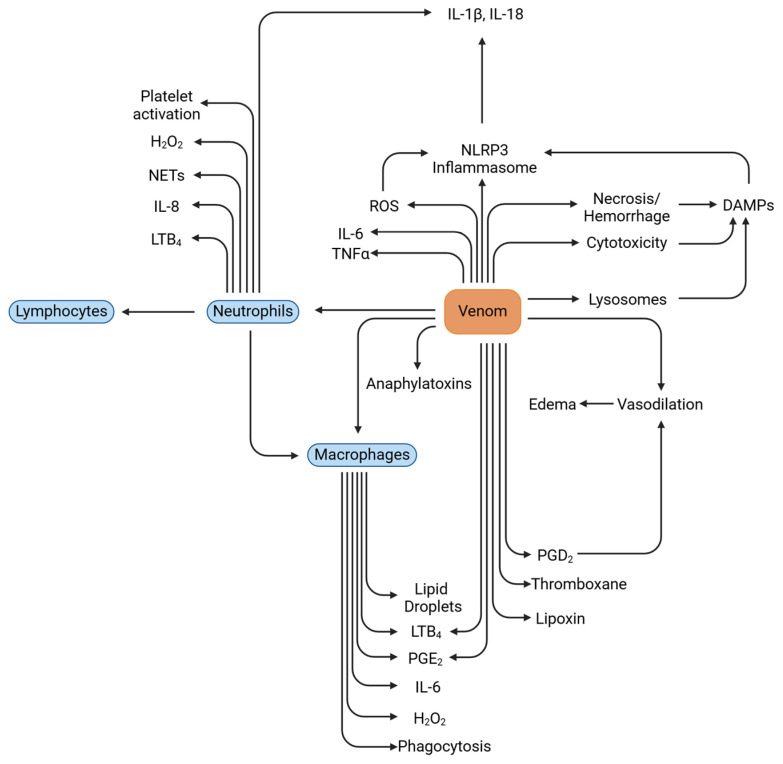
“Other mediators of inflammation are pro-and anti-inflammatory cytokines, chemokines, anaphylatoxins, vasoactive amines (histamines and serotonins), eicosanoids (leukotrienes, thromboxanes, prostaglandins), peptides such as bradykinin, and free radicals of oxygen and nitrogen, to name a few [8].”
Prostaglandins and Inflammation
Ricciotti, E., & FitzGerald, G. A. (2011) · Arteriosclerosis, Thrombosis, and Vascular Biology · doi:10.1161/atvbaha.110.207449 · Cited by 3,803 · cited 1×
“This release of chemicals like leukotrienes and prostaglandins causes vasodilation, increased permeability, muscle contractions, and increased gland function [199].”
Complement: a key system for immune surveillance and homeostasis
Ricklin, D., Hajishengallis, G., Yang, K., & Lambris, J. D. (2010) · Nature Immunology · doi:10.1038/ni.1923 · Cited by 3,654 · cited 1×
“Its initiation can occur via one of three major pathways— classical, alternative, and lectin pathways, that all converge at the formation of C3 conver-tase [154,155].”
Mechanisms and Functions of Inflammasomes
Lamkanfi, M., & Dixit, V. M. (2014) · Cell · doi:10.1016/j.cell.2014.04.007 · Cited by 2,503 · cited 1×
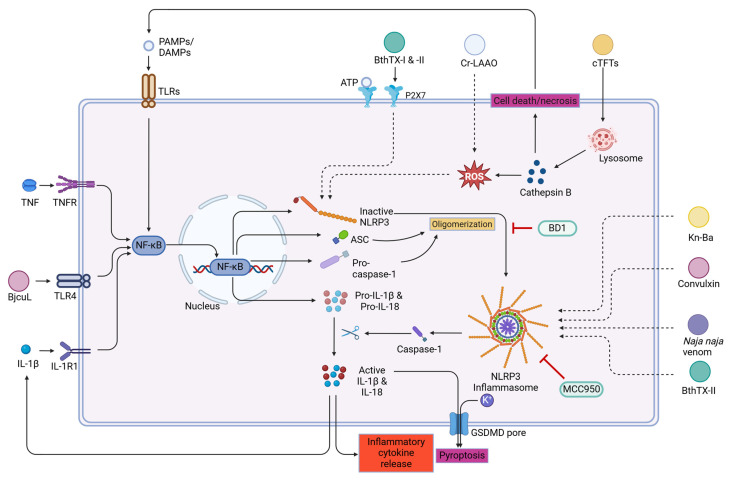
“Since ATP is a DAMP, the involvement of NLRP3 inflammasomes is highly likely, thus resulting in the surge of caspase-1, IL-1 β , and IL-18 levels [34,146,147].”
Marschallinger, J., Iram, T., Zardeneta, M., Lee, S. E., Lehallier, B., Haney, M. S., Pluvinage, J. V., Mathur, V., Hahn, O., Morgens, D. W., et al. (2020) · Nature Neuroscience · doi:10.1038/s41593-019-0566-1 · Cited by 1,586 · cited 1×
“In addition, LD formation is also associated with inflammation [55–57] and their accumulation in immunocompetent cells [58,59].”
MEROPS: the database of proteolytic enzymes, their substrates and inhibitors
Rawlings, N. D., Barrett, A. J., & Bateman, A. (2012) · Nucleic Acids Research · doi:10.1093/nar/gkr987 · Cited by 1,544 · cited 1×
“Most abundantly found in viperid venoms, SVSPs are monomeric glycoproteins weighing about 26–76 kDa and are categorized under the proteolytic class of enzymes [98].”
Cholesterol, inflammation and innate immunity.
Tall, A. R., & Yvan-Charvet, L. (2015) · Nature Reviews Immunology · doi:10.1038/nri3793 · Cited by 1,479 · cited 1×
“In addition, LD formation is also associated with inflammation [55–57] and their accumulation in immunocompetent cells [58,59].”
Marschallinger, J., Iram, T., Zardeneta, M., Lee, S. E., Lehallier, B., Haney, M. S., Pluvinage, J. V., Mathur, V., Hahn, O., Morgens, D. W., et al. (2019) · doi:10.1101/722827 · Cited by 1,414
Neutrophil migration in infection and wound repair: going forward in reverse
de Oliveira, S., Rosowski, E. E., & Huttenlocher, A. (2016) · Nature Reviews Immunology · doi:10.1038/nri.2016.49 · Cited by 1,058 · cited 2×
“Bbil-TX from Bothropsis bilineata stimulated the production of IL-6 in mice models [31], and BmatTX-I and BmatTX-II were shown to upregulate the secretion of IL-1 β in mice neutrophil cell cultures [32].”
Mass Spectrometry Imaging: A Review of Emerging Advancements and Future Insights
Buchberger, A. R., DeLaney, K., Johnson, J., & Li, L. (2018) · Analytical Chemistry · doi:10.1021/acs.analchem.7b04733 · Cited by 1,029 · cited 1×
“A highly promising tool, mass spectrometry imaging (MSI), aims to offer insights into the spatial expression of proteins by integrating protein data acquisition through mass spectrometry with visualization software [214].”
Sarma, J. V., & Ward, P. A. (2011) · Cell and Tissue Research · doi:10.1007/s00441-010-1034-0 · Cited by 974 · cited 2×
“Anaphylatoxins, such as C3a, C4a, and C5a, mediate local innate immune responses such as vasodilation via mast cells, leukocyte recruitment, the release of reactive oxidative species (ROS), and cytokine-release [155].”
Gutiérrez, J. M., Calvete, J. J., Habib, A. G., Harrison, R. A., Williams, D. J., & Warrell, D. A. (2017) · Nature Reviews Disease Primers · doi:10.1038/nrdp.2017.63 · Cited by 955
Inflammasomes and Their Roles in Health and Disease
Lamkanfi, M., & Dixit, V. M. (2012) · Annual Review of Cell and Developmental Biology · doi:10.1146/annurev-cellbio-101011-155745 · Cited by 935 · cited 1×
“Since ATP is a DAMP, the involvement of NLRP3 inflammasomes is highly likely, thus resulting in the surge of caspase-1, IL-1 β , and IL-18 levels [34,146,147].”
Mechanisms of foam cell formation in atherosclerosis
Chistiakov, D. A., Melnichenko, A. A., Myasoedova, V. A., Grechko, A. V., & Orekhov, A. N. (2017) · Journal of Molecular Medicine · doi:10.1007/s00109-017-1575-8 · Cited by 742 · cited 1×
“CD36 receptor expression is upregulated by MT-III via PPAR-β / δ which, in turn, recognizes the free fatty acids and induces LD accumulation [63,64].”
Complexity of Danger: The Diverse Nature of Damage-associated Molecular Patterns
Schaefer, L. (2014) · Journal of Biological Chemistry · doi:10.1074/jbc.r114.619304 · Cited by 622 · cited 1×
“The DAMPs are composed of motifs that are highly conserved [168].”
A Review and Database of Snake Venom Proteomes
Tasoulis, T., & Isbister, G. (2017) · Toxins · doi:10.3390/toxins9090290 · Cited by 616 · cited 1×
“The venom of snake species belonging to Viperidae is rich in hemotoxins and the Elapidae family has neurotoxins in abundance [2].”
Early evolution of the venom system in lizards and snakes
Fry, B. G., Vidal, N., Norman, J. A., Vonk, F. J., Scheib, H., Ramjan, S. F. R., Kuruppu, S., Fung, K., Blair Hedges, S., Richardson, M. K., et al. (2006) · Nature · doi:10.1038/nature04328 · Cited by 605
Mammalian lipid droplets are innate immune hubs integrating cell metabolism and host defense
Bosch, M., Sánchez-Álvarez, M., Fajardo, A., Kapetanovic, R., Steiner, B., Dutra, F., Moreira, L., López, J. A., Campo, R., Marí, M., et al. (2020) · Science · doi:10.1126/science.aay8085 · Cited by 480 · cited 1×
“In addition, LD formation is also associated with inflammation [55–57] and their accumulation in immunocompetent cells [58,59].”
Fox, J. W., & Serrano, S. M. T. (2008) · The FEBS Journal · doi:10.1111/j.1742-4658.2008.06466.x · Cited by 452 · cited 1×
“SVMPs have been shown to play a role in coagulopathies [77]; however, their involvement in hemorrhage is a complex relationship with MMPs. Capillary basement proteins and ECM are targeted by SVMPs to disrupt the hemostasis and cause capillary rupture [78–80].”
Report of a WHO workshop on the standardization and control of antivenoms
Theakston, R. D. G., Warrell, D. A., & Griffiths, E. (2003) · Toxicon · doi:10.1016/s0041-0101(02)00393-8 · Cited by 439
Perdomo, J., Leung, H. H. L., Ahmadi, Z., Yan, F., Chong, J. J. H., Passam, F. H., & Chong, B. H. (2019) · Nature Communications · doi:10.1038/s41467-019-09160-7 · Cited by 416 · cited 1×
“Some of their effects are the orchestration of coagulation, laying out neutrophil extracellular traps (NETs) [6], activating other immune cells including B cells and T cells, recruiting and activating monocytes and macrophages, and further promoting platelet production [5].”
Mechanisms of the inflammatory response
Sherwood, E. R., & Toliver-Kinsky, T. (2004) · Best Practice & Research Clinical Anaesthesiology · doi:10.1016/j.bpa.2003.12.002 · Cited by 408 · cited 3×
“Some of their effects are the orchestration of coagulation, laying out neutrophil extracellular traps (NETs) [6], activating other immune cells including B cells and T cells, recruiting and activating monocytes and macrophages, and further promoting platelet production [5].”
de Zoete, M. R., Palm, N. W., Zhu, S., & Flavell, R. A. (2014) · Cold Spring Harbor Perspectives in Biology · doi:10.1101/cshperspect.a016287 · Cited by 379 · cited 1×
“…responses through caspase-1-dependent mechanisms resulting in the production of proinflammatory cytokines IL-1 β and IL-18 and inducing pyroptosis [141]. sPLA 2 s of Viperidae venoms share structural and functional similarities with secretory PLA 2 s and are one of the most potent activators of…”
Snake venom serine proteinases: sequence homology vs. substrate specificity, a paradox to be solved
Serrano, S. M. T., & Maroun, R. C. (2005) · Toxicon · doi:10.1016/j.toxicon.2005.02.020 · Cited by 371 · cited 1×
“Their direct effects on the coagulation machinery make them a potent coagulator by inducing platelet aggregation and activation of coagulation factors [99,100].”
Paine, M. J., Desmond, H. P., Theakston, R. D., & Crampton, J. M. (1992) · Journal of Biological Chemistry · doi:10.1016/s0021-9258(18)50027-2 · Cited by 326 · cited 1×
“…domain; P-II SVMPs containing metalloproteinase and disintegrin domains, but also found with just the disintegrin domain; P-III SVMPs contain cysteine-rich domains in addition to disintegrins and metalloproteinase domains; and P-IV SVMPs contain all the P-III domains and a lectin-like domain [67].”
Lipid Droplets in Health and Disease
Onal, G., Kutlu, O., Gozuacik, D., & Dokmeci Emre, S. (2017) · Lipids in Health and Disease · doi:10.1186/s12944-017-0521-7 · Cited by 314 · cited 1×
“There has been a recent focus on understanding lipid metabolization and the consequent lipid droplet (LD) formation, which initiated an investigation as a marker for atherosclerosis and obesity [52–54].”
Snake venom proteins acting on hemostasis
Braud, S. (2000) · Biochimie · doi:10.1016/s0300-9084(00)01178-0 · Cited by 296 · cited 1×
“Their direct effects on the coagulation machinery make them a potent coagulator by inducing platelet aggregation and activation of coagulation factors [99,100].”
Structure and function of snake venom cysteine-rich secretory proteins
Yamazaki, Y., & Morita, T. (2004) · Toxicon · doi:10.1016/j.toxicon.2004.05.023 · Cited by 295 · cited 2×
“They are non-enzymatic proteins having a molecular mass of 20–30 kDa with all 16 cysteine residues strictly conserved [112].”
Adverse reactions to snake antivenom, and their prevention and treatment
de Silva, H. A., Ryan, N. M., & de Silva, H. J. (2016) · British Journal of Clinical Pharmacology · doi:10.1111/bcp.12739 · Cited by 271 · cited 3×
“Patients who do not respond to intramuscular adrenaline and fluid resuscitation may require intravenous administration of adrenaline [190].”
InfluentialAtherosclerosis: the interplay between lipids and immune cells
Schaftenaar, F., Frodermann, V., Kuiper, J., & Lutgens, E. (2016) · Current Opinion in Lipidology · doi:10.1097/mol.0000000000000302 · Cited by 268 · cited 1×
“In addition, LD formation is also associated with inflammation [55–57] and their accumulation in immunocompetent cells [58,59].”
Phospholipases A2: Unveiling the secrets of a functionally versatile group of snake venom toxins
Gutiérrez, J. M., & Lomonte, B. (2013) · Toxicon · doi:10.1016/j.toxicon.2012.09.006 · Cited by 260 · cited 1×
“On the contrary, the variant svPLA 2 has nearly no catalytic effect but has been shown to possess damaging capabilities on the membrane [12,16,17].”
Inflammatory effects of snake venom myotoxic phospholipases A2
Teixeira, C. F. P., Landucci, E. C. T., Antunes, E., Chacur, M., & Cury, Y. (2003) · Toxicon · doi:10.1016/j.toxicon.2003.11.006 · Cited by 260
Key events in microvascular damage induced by snake venom hemorrhagic metalloproteinases
Escalante, T., Rucavado, A., Fox, J. W., & Gutiérrez, J. M. (2011) · Journal of Proteomics · doi:10.1016/j.jprot.2011.03.026 · Cited by 245 · cited 1×
“SVMPs have been shown to play a role in coagulopathies [77]; however, their involvement in hemorrhage is a complex relationship with MMPs. Capillary basement proteins and ECM are targeted by SVMPs to disrupt the hemostasis and cause capillary rupture [78–80].”
Malasit, P., Warrell, D. A., Chanthavanich, P., Viravan, C., Mongkolsapaya, J., Singhthong, B., & Supich, C. (1986) · BMJ · doi:10.1136/bmj.292.6512.17 · Cited by 231 · cited 1×
“In more severe cases, some patients may experience anaphylactic reactions characterized by low blood pressure, swelling of the skin or mucous membranes, and constriction of the airways [195–197].”
Insights into the mechanism of haemorrhage caused by snake venom metalloproteinases
Kamiguti, A. S., Hay, C. R. M., Theakston, R. D. G., & Zuzel, M. (1996) · Toxicon · doi:10.1016/0041-0101(96)00017-7 · Cited by 226 · cited 1×
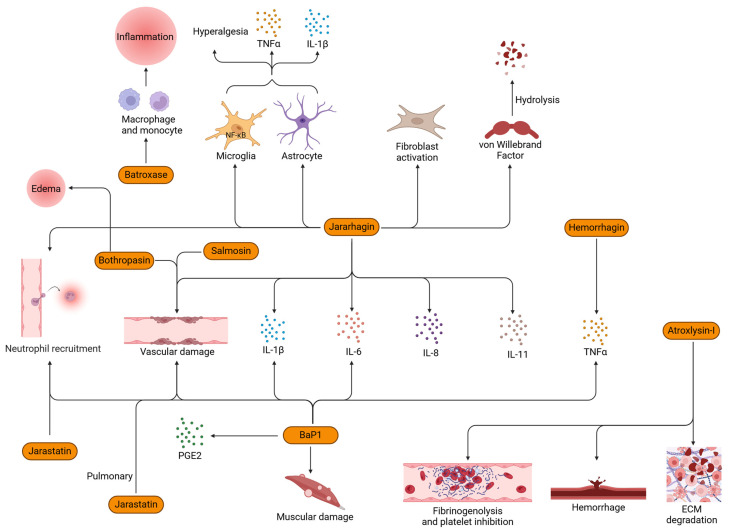
“In addition, jararhagin is also known to activate fibroblasts [87,95] and hydrolyze von Willebrand factor (vWF) [96].”
Intracellular complement − the complosome − in immune cell regulation
Arbore, G., Kemper, C., & Kolev, M. (2017) · Molecular Immunology · doi:10.1016/j.molimm.2017.05.012 · Cited by 210 · cited 1×
“Consisting of more than 40 interacting plasma and surface proteins, the complement system functions in sync with other immune defense systems to mediate inflammation and the clearance of antigens [153].”
Snake Venom L-Amino Acid Oxidases: Trends in Pharmacology and Biochemistry
Izidoro, L. F. M., Sobrinho, J. C., Mendes, M. M., Costa, T. R., Grabner, A. N., Rodrigues, V. M., da Silva, S. L., Zanchi, F. B., Zuliani, J. P., Fernandes, C. F. C., et al. (2014) · BioMed Research International · doi:10.1155/2014/196754 · Cited by 205 · cited 2×
“This has been supported by other studies where sequestration of H 2 O 2 decreased the apoptotic activity of svLAAO [122,127].”
C-Type Lectin-Like Receptors of the Dectin-1 Cluster: Ligands and Signaling Pathways
Plato, A., Willment, J. A., & Brown, G. D. (2013) · International Reviews of Immunology · doi:10.3109/08830185.2013.777065 · Cited by 200 · cited 1×
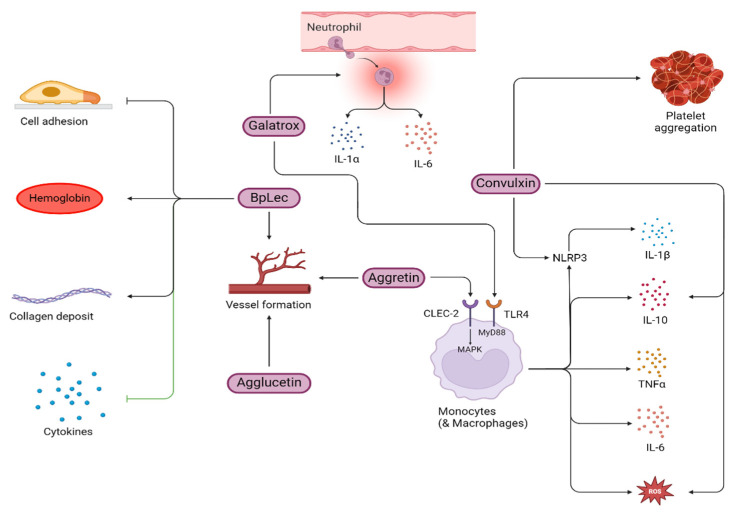
“Convulxin is also known to activate NF-κ B and release IL-2, all contributing to the inflammatory responses [148,149].”
Comprehensive Overview of Bottom-Up Proteomics Using Mass Spectrometry
Jiang, Y., Rex, D. A. B., Schuster, D., Neely, B. A., Rosano, G. L., Volkmar, N., Momenzadeh, A., Peters-Clarke, T. M., Egbert, S. B., Kreimer, S., et al. (2024) · ACS Measurement Science Au · doi:10.1021/acsmeasuresciau.3c00068 · Cited by 190 · cited 1×
“To stream-line necessary treatment strategies, a detailed characterization of snake venom components needs to be conducted through proteomics approaches [181].”
Self-citationde Silva, H. A., Pathmeswaran, A., Ranasinha, C. D., Jayamanne, S., Samarakoon, S. B., Hittharage, A., Kalupahana, R., Ratnatilaka, G. A., Uluwatthage, W., Aronson, J. K., et al. (2011) · PLoS Medicine · doi:10.1371/journal.pmed.1000435 · Cited by 184 · cited 1×
“Prophylactics such as hydrocortisone and antihistamines are generally given to patients before antivenom injections but were found to be ineffective in many studies, probably due to the time it takes to act on the body [185,186].”
Premawardhena, A. P., de Silva, C. E., Fonseka, M. M. D., Gunatilake, S. B., & de Silva, H. J. (1999) · BMJ · doi:10.1136/bmj.318.7190.1041 · Cited by 178 · cited 2×
“A study by Premawardhena et al. found reduced acute reactions in the serum when adrenaline was administered subcutaneously immediately prior to antivenom treatment [192].”
Past decade study of snake venom l-amino acid oxidase
Guo, C., Liu, S., Yao, Y., Zhang, Q., & Sun, M. (2012) · Toxicon · doi:10.1016/j.toxicon.2012.05.001 · Cited by 177 · cited 1×
“Like other components of snake venom, L-amino acid oxidase (svLAAO) is also involved in inducing inflammatory responses such as edema, hemolysis, and myotoxic-ity [122,123].”
Lipid-Droplet Formation Drives Pathogenic Group 2 Innate Lymphoid Cells in Airway Inflammation
Karagiannis, F., Masouleh, S. K., Wunderling, K., Surendar, J., Schmitt, V., Kazakov, A., Michla, M., Hölzel, M., Thiele, C., & Wilhelm, C. (2020) · Immunity · doi:10.1016/j.immuni.2020.03.003 · Cited by 173
Ownby, C. L., Bjarnason, J. B., & Tu, A. T. (1978) · PubMed · Cited by 168
León, G., Herrera, M., Segura, Á., Villalta, M., Vargas, M., & Gutiérrez, J. M. (2013) · Toxicon · doi:10.1016/j.toxicon.2013.09.010 · Cited by 157 · cited 1×
“These IgE antibodies bind to mast cells and basophils, triggering cell degranulation upon exposure to antivenom [198].”
Lalloo*, D. G., & Theakston, R. D. G. (2003) · Journal of Toxicology: Clinical Toxicology · doi:10.1081/clt-120021113 · Cited by 155 · cited 1×
“In more severe cases, some patients may experience anaphylactic reactions characterized by low blood pressure, swelling of the skin or mucous membranes, and constriction of the airways [195–197].”
Jovičić, E. J., Kump, A., Malavašič, P., Eichmann, T. O., Zimmermann, R., & Petan, T. (2017) · Biochimica et Biophysica Acta (BBA) - Molecular and Cell Biology of Lipids · doi:10.1016/j.bbalip.2017.12.006 · Cited by 151
Cytotoxicity of snake venom enzymatic toxins: phospholipase A2 and l -amino acid oxidase
Hiu, J. J., & Yap, M. K. K. (2020) · Biochemical Society Transactions · doi:10.1042/bst20200110 · Cited by 149 · cited 1×
“In addition to this, studies have also reported apoptotic activity of svLAAO through the generation of H 2 O 2 [126].”
Moura‐da‐Silva, A. M., Laing, G. D., Paine, M. J. I., Dennison, J. M. T. J., Politi, V., Crampton, J. M., & Theakston, R. D. G. (1996) · European Journal of Immunology · doi:10.1002/eji.1830260905 · Cited by 146 · cited 1×
“In addition to jararha-gin, hemorrhagin isolated from Echis pyramidum leakeyi venom activated TNF-α in mice models [89].”
Snake Venom: From Deadly Toxins to Life-saving Therapeutics
Waheed, H., Moin, S. F., & Choudhary, M. I. (2017) · Current Medicinal Chemistry · doi:10.2174/0929867324666170605091546 · Cited by 144
Snaclecs (snake C-type lectins) that inhibit or activate platelets by binding to receptors
Clemetson, K. J. (2010) · Toxicon · doi:10.1016/j.toxicon.2010.03.011 · Cited by 141 · cited 2×
“Hence, they are known to have platelet aggregation inhibitory activities [105].”
Inflammatory effects of snake venom metalloproteinases
Teixeira, C., Fernándes, C. M., Zuliani, J. P., & Zamuner, S. F. (2005) · Memórias do Instituto Oswaldo Cruz · doi:10.1590/s0074-02762005000900031 · Cited by 138 · cited 1×
“Edema, degranulation of mast cells, and leukocyte infiltration are the most commonly attributed effects of SVMPs [70–72].”
Rucavado, A., Lomonte, B., Ovadia, M., & Gutiérrez, J. M. (1995) · Experimental and Molecular Pathology · doi:10.1006/exmp.1995.1042 · Cited by 138 · cited 1×
“BaP1 from B. asper venom induced the production of IL-1 β , IL-6, and MMPs in vivo [90]; joint hypernociception through TNF-α and PGE2 [91]; neutrophil recruitment and cytokine release [92]; and local tissue damage in muscular and endothelial tissues [93].”
Yamazaki, Y., Hyodo, F., & Morita, T. (2003) · Archives of Biochemistry and Biophysics · doi:10.1016/s0003-9861(03)00028-6 · Cited by 138 · cited 1×
“They are widely seen in diverse organisms including various snake families such as the Elapids, Viperids, and the Colubrids and mediate a wide variety of biological functions [113,114].”
Zuliani, J. P., Fernándes, C. M., Zamunér, S. R., Gutiérrez, J. M., & Teixeira, C. (2005) · Toxicon · doi:10.1016/j.toxicon.2004.11.004 · Cited by 135 · cited 5×
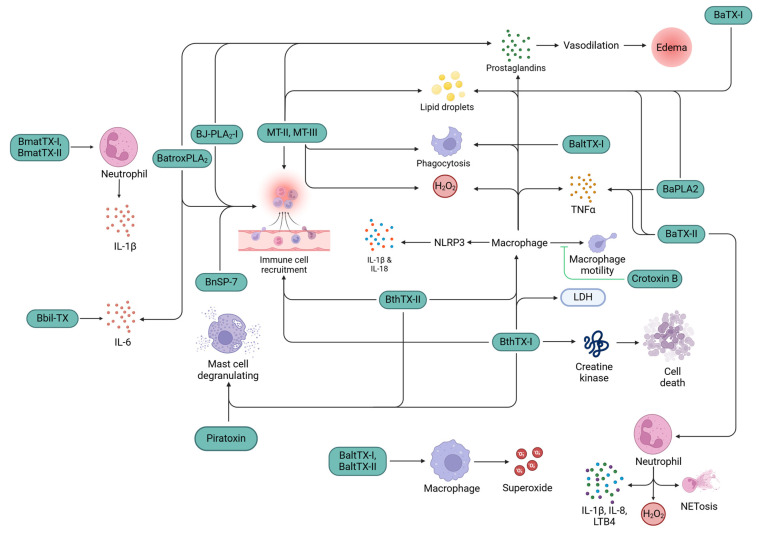
“I [25], BnSP-7 [26], and BatroxPLA 2 [27], from Bothrops species induced polymorphonuclear and mononuclear cells’ influx at the site of envenomation [18,28]. svPLA 2 s also induce the production of various cytokines and chemokines, such as LTB4, IL-1 β , IL-6, and tumor necrosis factor-alpha, TNF-α…”
InfluentialControl of the expression of inflammatory response genes
Saklatvala, J., Dean, J., & Clark, A. (2003) · Biochemical Society Symposia · doi:10.1042/bss0700095 · Cited by 131 · cited 1×
“Before we move ahead, it is a prerequisite to understand that metalloproteases (MPs) and matrix metalloproteinases (MMPs) are different but interact via key events such as inflammation [68,69].”
Gutiérrez, J., Escalante, T., Rucavado, A., Herrera, C., & Fox, J. (2016) · Toxins · doi:10.3390/toxins8100304 · Cited by 131 · cited 2×
“Another set of studies showed the hydrolysis of laminin, nidogen, entactin, type IV collagen, fibronectin, and proteoglycans [73] in addition to various other targets of SVMPs [76].”
Rucavado, A., Escalante, T., Teixeira, C. F. P., Fernándes, C. M., Díaz, C., & Gutiérrez, J. M. (2002) · Mediators of Inflammation · doi:10.1080/09629350220131980 · Cited by 129 · cited 1×
“BaP1 from B. asper venom induced the production of IL-1 β , IL-6, and MMPs in vivo [90]; joint hypernociception through TNF-α and PGE2 [91]; neutrophil recruitment and cytokine release [92]; and local tissue damage in muscular and endothelial tissues [93].”
Exploring the complex role of chemokines and chemoattractants in vivo on leukocyte dynamics
David, B. A., & Kubes, P. (2019) · Immunological Reviews · doi:10.1111/imr.12757 · Cited by 124
Regulatory Functions of Phospholipase A2
Murakami, M., Nakatani, Y., Atsumi, G.-I., Inoue, K., & Kudo, I. (2017) · Critical Reviews in Immunology · doi:10.1615/critrevimmunol.v37.i2-6.20 · Cited by 123 · cited 1×
“COX-2 and PGE2 production were positively regulated, via NF-κ B, because of PKC and P38MAPK stimulation by MT-III [49–51].”
Presynaptic enzymatic neurotoxins
Rossetto, O., Morbiato, L., Caccin, P., Rigoni, M., & Montecucco, C. (2006) · Journal of Neurochemistry · doi:10.1111/j.1471-4159.2006.03965.x · Cited by 121 · cited 1×
“…pro-inflammatory activities; however, a study conducted on Crotoxin B from Crotalus durissus terrificus has shown anti-inflammatory effects by inhibiting macrophage mobility and phagocytic capabilities [41,42]. svPLA 2 s are also involved in inducing edema through the release of prostaglandins.”
Díaz, C., Gutiérrez, J. M., Lomonte, B., & Gené, J. (1991) · Biochimica et Biophysica Acta (BBA) - Biomembranes · doi:10.1016/0005-2736(91)90086-n · Cited by 117
Guijas, C., Pérez-Chacón, G., Astudillo, A. M., Rubio, J. M., Gil‐de‐Gómez, L., Balboa, M. A., & Balsinde, J. (2012) · Journal of Lipid Research · doi:10.1194/jlr.m028423 · Cited by 115 · cited 1×
“There has been a recent focus on understanding lipid metabolization and the consequent lipid droplet (LD) formation, which initiated an investigation as a marker for atherosclerosis and obesity [52–54].”
Clissa, P. B., Laing, G. D., Theakston, R. D. G., Mota, I., Taylor, M. J., & Moura-da-Silva, A. M. (2001) · Toxicon · doi:10.1016/s0041-0101(01)00131-3 · Cited by 113 · cited 1×
“Clissa et al. showed that the SVMP jararhagin stimulated macrophages to mediate the release of inflammatory cytokines in addition to the recruitment of inflammatory cells, without directly influencing the chemotactic activity [94].”
Ali, S. A., Stoeva, S., Abbasi, A., Alam, J. M., Kayed, R., Faigle, M., Neumeister, B., & Voelter, W. (2000) · Archives of Biochemistry and Biophysics · doi:10.1006/abbi.2000.2130 · Cited by 109 · cited 1×
“Other studies have demonstrated that edema is induced in mice models when treated with svLAAO isolated from Cerastes cerastes [128– 130] and Bungarus fasciatus [131].”
KRIŽAJ, I., BIEBER, A. L., RITONJA, A., & GUBENšEK, F. (1991) · European Journal of Biochemistry · doi:10.1111/j.1432-1033.1991.tb16485.x · Cited by 109 · cited 1×
“The former contains an asparagine [Asp49] while the latter contains a lysine [Lys49] [15].”
Ariaratnam, C. A., Sjöström, L., Raziek, Z., Abeyasinghe, S., Kularatne, M., Arachchi, R. W. K. K., Sheriff, M. H. R., Theakston, R. D. G., & Warrell, D. A. (2001) · Transactions of the Royal Society of Tropical Medicine and Hygiene · doi:10.1016/s0035-9203(01)90339-6 · Cited by 108 · cited 1×
“Depending on the purification process utilized, the geographical area, and the precise type of antivenom used, the incidence rate of adverse reactions to antivenom varies [187,192,193].”
Landucci, E. C. T., de Castro, R. C., Pereira, M. F., Cintra, A. C. O., Giglio, J. R., Marangoni, S., Oliveira, B., Cirino, G., Antunes, E., & Nucci, G. D. (1998) · European Journal of Pharmacology · doi:10.1016/s0014-2999(97)01546-x · Cited by 107
Rucavado, A., Escalante, T., Kalogeropoulos, K., Camacho, E. T., Gutiérrez, J. M., & Fox, J. W. (2020) · Toxicon · doi:10.1016/j.toxicon.2020.07.025 · Cited by 105 · cited 1×
“This approach can also help identify differences in the effects of venoms that exhibit varying pathophysiological profiles [209].”
Phospholipases A2 from viperidae snake venoms: how do they induce skeletal muscle damage?
Lomonte, B., & Gutiérrez, J. M. (2011) · PubMed · Cited by 101
Recombinant snakebite antivenoms: A cost-competitive solution to a neglected tropical disease?
Laustsen, A. H., Johansen, K. H., Engmark, M., & Andersen, M. R. (2017) · PLoS neglected tropical diseases · doi:10.1371/journal.pntd.0005361 · Cited by 101 · cited 1×
“The need for a better understanding of snake venoms from a multi-omics perspective is paramount to enhance the efficiency of antivenoms and to minimize their side effects [204,205].”
Molecular evolution of myotoxic phospholipases A2 from snake venom
Ohno, M., Chijiwa, T., Oda‐Ueda, N., Ogawa, T., & Hattori, S. (2003) · Toxicon · doi:10.1016/j.toxicon.2003.11.003 · Cited by 101 · cited 1×
“It is known that group I and II PLA 2 s are commonly found in Elapid and viper venoms, respectively [9].”
Fernándes, C. M., Zamunér, S. R., Zuliani, J. P., Rucavado, A., Gutiérrez, J. M., & Teixeira, C. (2006) · Toxicon · doi:10.1016/j.toxicon.2006.01.009 · Cited by 97 · cited 1×
“BaP1 from B. asper venom induced the production of IL-1 β , IL-6, and MMPs in vivo [90]; joint hypernociception through TNF-α and PGE2 [91]; neutrophil recruitment and cytokine release [92]; and local tissue damage in muscular and endothelial tissues [93].”
Inflammation and oxidative stress in viper bite: An insight within and beyond
Sunitha, K. R., Hemshekhar, M., Thushara, R. M., Santhosh, M. S., Sundaram, M. S., Kemparaju, K., & Girish, K. S. (2015) · Toxicon · doi:10.1016/j.toxicon.2015.02.014 · Cited by 94
Gawarammana, I., Kularatne, S., Kumarasiri, R., Senanayake, N., Dissanayake, W. P., & Ariyasena, H. (2004) · The Medical Journal of Australia · doi:10.5694/j.1326-5377.2004.tb05768.x · Cited by 91 · cited 2×
“However, a study that supplemented hydrocortisone with chlorphenamine reduced the antivenom reactions [187].”
Sánchez, E. F., Schneider, F. S., Yarlequé, A., Borges, M. H., Richardson, M., de Figueiredo, S. G., Evangelista, K. S., & Eble, J. A. (2010) · Archives of Biochemistry and Biophysics · doi:10.1016/j.abb.2010.01.010 · Cited by 90 · cited 1×
“It also has the capability to cleave the ECM and inhibit platelet function [83].”
Wang, Y.-L., Kuo, J.-H., Lee, S.-C., Liu, J.-S., Hsieh, Y.-C., Shih, Y.-T., Chen, C.-J., Chiu, J.-J., & Wu, W.-G. (2010) · Journal of Biological Chemistry · doi:10.1074/jbc.m110.146290 · Cited by 90 · cited 1×
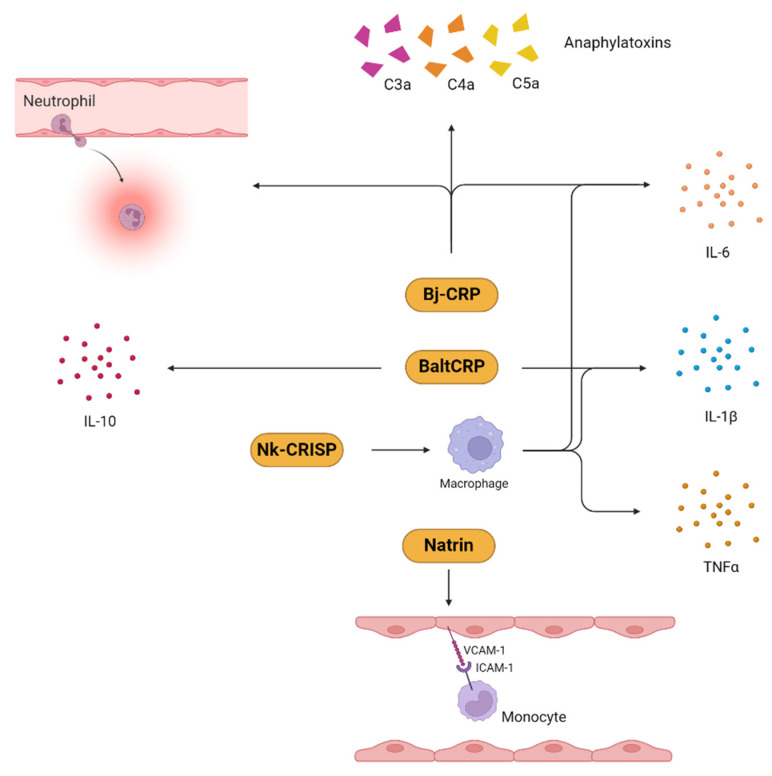
“The CRISP natrin, from Naja atra , mediated its inflammatory activity by inducing the expression of monocytic cell adhesion molecules such as the vascular cell adhesion molecule (VCAM-1), the intracellular adhesion molecule (ICAM-1), and E-selectin [120].”
Structural and functional analysis of natrin, a venom protein that targets various ion channels
Wang, F. Y., Li, H., Liu, M., Song, H., Han, H., Wang, Q., Yin, C., Zhou, Y.-C., Qi, Z., Shu, Y., et al. (2006) · Biochemical and Biophysical Research Communications · doi:10.1016/j.bbrc.2006.10.067 · Cited by 88
Phospholipases in biology and medicine
Kaiser, E., Chiba, P., & Zaky, K. (1990) · Clinical Biochemistry · doi:10.1016/0009-9120(90)90051-u · Cited by 85 · cited 1×
“…mechanisms resulting in the production of proinflammatory cytokines IL-1 β and IL-18 and inducing pyroptosis [141]. sPLA 2 s of Viperidae venoms share structural and functional similarities with secretory PLA 2 s and are one of the most potent activators of inflammasomes [142,143].”
Zuliani, J. P., Gutiérrez, J. M., Casais-e-Silva, L. L., Sampaio, S. C., Lomonte, B., & Teixeira, C. (2005) · Toxicon · doi:10.1016/j.toxicon.2005.06.017 · Cited by 84 · cited 2×
“H 2 O 2 was released by macrophages induced by MT-II and MT-III from Bothrops sp., where MT-III was more potent [39].”
Pharmacology of Peptides and Proteins in Snake Venoms
Jiménez‐Porras, J. M. (1968) · Annual Review of Pharmacology · doi:10.1146/annurev.pa.08.040168.001503 · Cited by 82 · cited 1×
“Proteins belonging to non-enzymatic and enzymatic families are the major components of snake venom [1].”
Antagonism of the myotoxic effects of Bothrops jararacussu venom and bothropstoxin by polyanions
Melo, P. A., Homsi-Brandeburgo, M. I., Giglio, J. R., & Suarez‐Kurtz, G. (1993) · Toxicon · doi:10.1016/0041-0101(93)90146-a · Cited by 80
Mamede, C. C. N., de Sousa, B. B., Pereira, D. F. D. C., Matias, M. S., de Queiroz, M. R., de Morais, N. C. G., Vieira, S. A. P. B., Stanziola, L., & de Oliveira, F. (2016) · Toxicon · doi:10.1016/j.toxicon.2016.03.006 · Cited by 79 · cited 1×
“Bothrops alternus and Bothrops moojeni venom demonstrated an increase in the levels of pain and edema in mouse models [103].”
Teixeira, C., Fernándes, C. M., Leiguez, E., & Chudzinski‐Tavassi, A. M. (2019) · Frontiers in Immunology · doi:10.3389/fimmu.2019.02082 · Cited by 79 · cited 3×
“In viper venom, hemostasis and inflammation are closely linked, with thromboinflammation being well-documented in these species [3].”
InfluentialOliveira, A. K., Leme, A. F. P., Asega, A. F., Camargo, A., Fox, J. W., & Serrano, S. M. T. (2010) · Thrombosis and Haemostasis · doi:10.1160/th09-12-0855 · Cited by 79
Wei, J., Yang, H., Wei, X., Qiao, L.-Y., Wang, W.-Y., & He, S. (2009) · Toxicon · doi:10.1016/j.toxicon.2009.04.017 · Cited by 78 · cited 2×
“Other studies have demonstrated that edema is induced in mice models when treated with svLAAO isolated from Cerastes cerastes [128– 130] and Bungarus fasciatus [131].”
Williams, D. J., Jensen, S. D., Nimorakiotakis, B., Müller, R., & Winkel, K. D. (2006) · Toxicon · doi:10.1016/j.toxicon.2006.11.026 · Cited by 78 · cited 1×
“Prophylactics such as hydrocortisone and antihistamines are generally given to patients before antivenom injections but were found to be ineffective in many studies, probably due to the time it takes to act on the body [185,186].”
Physiological and pathophysiological roles of eicosanoids in the microcirculation
Gerritsen, M. (1996) · Cardiovascular Research · doi:10.1016/0008-6363(96)00072-7 · Cited by 77 · cited 1×
“As a result of both sets of experiments, PGD2 and PGE2 showed signs of vasodilation that led to edema [46,47]. sPLA 2 s from B . asper induced thromboxane and leukotriene B4 (LTB4) release, in vivo [18].”
Muniz, J. R. C., Ambrosio, A. L. B., Selistre-de-Araújo, H. S., Cominetti, M. R., Moura-da-Silva, A. M., Oliva, G., Garratt, R. C., & de Souza, D. H. F. (2008) · Toxicon · doi:10.1016/j.toxicon.2008.08.021 · Cited by 77 · cited 1×
“Similarly, another P-III SVMP, bothropasin, from B. jararaca venom, was responsible for edema, hemorrhage, and necrosis [82].”
Rego, C. M. A., Francisco, A. F., Boeno, C. N., Paloschi, M. V., Lopes, J. A., Silva, M. D. S., Santana, H. M., Serrath, S. N., Rodrigues, J. E., Lemos, C. T. L., et al. (2022) · Scientific Reports · doi:10.1038/s41598-022-08735-7 · Cited by 71 · cited 4×
“Any component of the venom that causes cytotoxicity or cellular disruption, can lead to the activation of inflammasome [34,37,101,109,137–140].”
InfluentialCytotoxic and inflammatory potential of a phospholipase A2 from Bothrops jararaca snake venom
Cedro, R. C. A., Menaldo, D. L., Costa, T. R., Zoccal, K. F., Sartim, M. A., Santos-Filho, N. A., Faccioli, L. H., & Sampaio, S. V. (2018) · Journal of Venomous Animals and Toxins including Tropical Diseases · doi:10.1186/s40409-018-0170-y · Cited by 70 · cited 2×
“I [25] showed a sustained release of prostaglandin E2 (PGE2).”
Chaves, F., León, G., Alvarado, V. H., & Gutiérrez, J. M. (1998) · Toxicon · doi:10.1016/s0041-0101(98)00107-x · Cited by 70 · cited 1×
“Studies conducted on Bothrops sp. PLA 2 s have shown that they have myotoxic activity and also trigger the release of IL-1 and IL-6, which leads to the speculation of the involvement of inflammasomes [18,39,144].”
Gallagher, P., Bao, Y., Serrano, S. M. T., Laing, G. D., Theakston, R. D. G., Gutiérrez, J. M., Escalante, T., Zigrino, P., Moura-da-Silva, A. M., Nischt, R., et al. (2005) · Archives of Biochemistry and Biophysics · doi:10.1016/j.abb.2005.06.007 · Cited by 69 · cited 3×
“The upregulation of chemokines such as CXCL1 and CXCL2 by jararhagin may also explain the increased recruitment of neutrophils [87].”
Resiere, D., Mehdaoui, H., & Neviere, R. (2022) · Toxins · doi:10.3390/toxins14110802 · Cited by 69 · cited 2×
“These cellular damages would lead to the generation of DAMPs which would then result in a positive feedback loop of cytokine signaling, potentially leading to a cytokine storm [85].”
Latinović, Z., Leonardi, A., Koh, C. Y., Kini, R. M., Bakija, A. T., Pungerčar, J., & Križaj, I. (2020) · Toxins · doi:10.3390/toxins12060358 · Cited by 67
Risch, M., Georgieva, D., von Bergen, M., Jehmlich, N., Genov, N., Arni, R. K., & Betzel, C. (2009) · Journal of Proteomics · doi:10.1016/j.jprot.2009.01.006 · Cited by 65 · cited 1×
“The need for a better understanding of snake venoms from a multi-omics perspective is paramount to enhance the efficiency of antivenoms and to minimize their side effects [204,205].”
Turkish, A. R., & Sturley, S. L. (2006) · American Journal of Physiology-Gastrointestinal and Liver Physiology · doi:10.1152/ajpgi.00509.2006 · Cited by 64 · cited 1×
“MT-III has also been shown to activate diacylglycerol acyltransferase and acyl-CoA cholesterol acyltransferase to synthesize triacylglycerol and cholesterol, respectively, in both mice macrophages [65] and in human monocytes [66], eventually leading to LD accumulation.”
Zigrino, P., Kamiguti, A. S., Eble, J. A., Drescher, C., Nischt, R., Fox, J. W., & Mauch, C. (2002) · Journal of Biological Chemistry · doi:10.1074/jbc.m202049200 · Cited by 63 · cited 1×
“In addition, jararhagin is also known to activate fibroblasts [87,95] and hydrolyze von Willebrand factor (vWF) [96].”
Role of the inflammasome in defense against venoms
Palm, N. W., & Medzhitov, R. (2013) · Proceedings of the National Academy of Sciences · doi:10.1073/pnas.1221476110 · Cited by 62 · cited 1×
“The same study also suggests that inflammasomes protected the animals through the detoxification of venom components indicating the beneficial role of inflammasomes rather than their harmful effects [150].”
Coelho, A. L., de Freitas, M. S., Mariano-Oliveira, A., Rapozo, D. C. M., Pinto, L. F. R., Niewiarowski, S., Zingali, R. B., Marcinkiewicz, C., & Barja‐Fidalgo, C. (2003) · Experimental Cell Research · doi:10.1016/j.yexcr.2003.09.013 · Cited by 61 · cited 1×
“Jaras-tatin, a disintegrin isolated from B. jararaca venom, proved to be a strong chemoattractant of human neutrophils in vitro, signaling via PI3K and MAPK pathways [97].”
Cytokines in the rheumatic diseases
Arend, W. P., & Gabay, C. (2004) · Rheumatic Disease Clinics of North America · doi:10.1016/s0889-857x(03)00115-7 · Cited by 60 · cited 1×
“…and mononuclear cells’ influx at the site of envenomation [18,28]. svPLA 2 s also induce the production of various cytokines and chemokines, such as LTB4, IL-1 β , IL-6, and tumor necrosis factor-alpha, TNF-α [18], that further contribute significantly to the chemotaxis of leukocytes [29–31].”
Landucci, E. C. T., de Castro, R. C., Toyama, M. H., Giglio, J. R., Marangoni, S., Nucci, G. D., & Antunes, E. (2000) · Biochemical Pharmacology · doi:10.1016/s0006-2952(00)00248-3 · Cited by 58 · cited 1×
“…and variant svPLA 2 s, both have been shown to induce a range of inflammatory responses, that include severe local edema and leukocyte infiltration at the site of toxin entry [18–20]. svPLA 2 s have great tendencies to stimulate and/or recruit various immune cells either directly or indirectly.”
Molecular Mechanisms Regulating Matrix Metalloproteinases
Piperi, C., & Papavassiliou, A. G. (2012) · Current Topics in Medicinal Chemistry · doi:10.2174/1568026611208011095 · Cited by 57 · cited 1×
“Before we move ahead, it is a prerequisite to understand that metalloproteases (MPs) and matrix metalloproteinases (MMPs) are different but interact via key events such as inflammation [68,69].”
Pidde-Queiroz, G., Furtado, M. F., Filgueiras, C. F., Pessoa, L. A., Ferreira, M. S., van den Berg, C. W., & Tambourgi, D. V. (2010) · Molecular Immunology · doi:10.1016/j.molimm.2010.07.003 · Cited by 57 · cited 3×
“A study in Brazil conducted on 19 species of snake species demonstrated a significant increase in the complement components in the serum, predominantly through the classical pathway [157].”
Lectins as mitosis stimulating factors: Briefly reviewed
de Carvalho, E. V. M. M., de Oliveira, W. F., Coelho, L. C. B. B., & Correia, M. T. D. S. (2018) · Life Sciences · doi:10.1016/j.lfs.2018.06.003 · Cited by 57 · cited 1×
“Convulxin is also known to activate NF-κ B and release IL-2, all contributing to the inflammatory responses [148,149].”
Gambero, A., Landucci, E. C. T., Toyama, M. H., Marangoni, S., Giglio, J. R., Nader, H. B., Dietrich, C. P., Nucci, G. D., & Antunes, E. (2002) · Biochemical Pharmacology · doi:10.1016/s0006-2952(01)00841-3 · Cited by 57 · cited 1×
“In vitro experiments demonstrated that piratoxin-I and bothropstoxin-I stimulated the chemotaxis of neutrophils [23] by releasing leukotriene B4 (LTB4) and platelet-activating factor (PAF) upon binding to the surface heparan of neutrophils.”
Veronese, E. L. G., Esmeraldino, L. E., Trombone, A. P. F., Santana, Á. E., Bechara, G. H., Kettelhut, Í. D. C., Cintra, A. C. O., Giglio, J. R., & Sampaio, S. V. (2004) · Phytomedicine · doi:10.1016/j.phymed.2003.07.010 · Cited by 56 · cited 1×
“…via nucleotide-binding domain, leucine-rich-containing family, and pyrin domain-containing-3 (NLRP3) inflammasomes in mice upon injection with a Lys49-PLA 2 , BthTX-I, that also induced inflammation by lactate dehydrogenase and cellular damage by creatine kinase release into the plasma [34–36].”
Menaldo, D. L., Bernardes, C. P., Pereira, J. C., da Silveira, D. S. C., Mamede, C. C. N., Stanziola, L., de Oliveira, F., Pereira-Crott, L. S., Faccioli, L. H., & Sampaio, S. V. (2013) · International Immunopharmacology · doi:10.1016/j.intimp.2013.02.023 · Cited by 55 · cited 3×
“Other similar studies suggested the involvement of BpirLAAO-I, BjussuSP-I [160], BpirSP27, and BpirSP41 [102] in complement activation and the resulting inflammation from B. pirajai and B. jararacussu .”
Interventions for preventing reactions to snake antivenom
Nuchprayoon, I., & Garner, P. (1999) · Cochrane Database of Systematic Reviews · doi:10.1002/14651858.cd002153 · Cited by 55 · cited 3×
“Potential treatments for minimizing the occurrence and intensity of antivenom reactions include the administration of corticosteroids, adrenaline, and antihistamines [183,203].”
Peichoto, M. E., Mackessy, S. P., Teibler, P., Tavares, F. L., Burckhardt, P. L., Breno, M. C., Acosta, O., & Santoro, M. L. (2009) · Comparative Biochemistry and Physiology Part C Toxicology & Pharmacology · doi:10.1016/j.cbpc.2009.03.002 · Cited by 54 · cited 1×
“The ion channel blocking, myotoxic, and proinflammatory activities of snake venom CRISPs have been explored in detail by several groups [112,115–117].”
In Vitro Tests for Assessing the Neutralizing Ability of Snake Antivenoms: Toward the 3Rs Principles
Gutiérrez, J. M., Vargas, M., Segura, Á., Herrera, M., Villalta, M., Solano, G., Sánchez, A., Herrera, C., & León, G. (2021) · Frontiers in Immunology · doi:10.3389/fimmu.2020.617429 · Cited by 54 · cited 1×
“[173].”
de Toni, L. G. B., Menaldo, D. L., Cintra, A. C. O., Figueiredo, M. J., de Souza, A. R., Maximiano, W. M. A., Jamur, M. C., de Souza, G. E. P., & Sampaio, S. V. (2015) · International Immunopharmacology · doi:10.1016/j.intimp.2015.06.001 · Cited by 53 · cited 1×
“Edema, degranulation of mast cells, and leukocyte infiltration are the most commonly attributed effects of SVMPs [70–72].”
Chung, C., Wu, W., & Huang, T. (2003) · Blood · doi:10.1182/blood-2003-07-2483 · Cited by 52 · cited 1×
“In another study, aggretin also possessed pro-angiogenic activities by inducing the expression of VEGF, through the PI3K, Akt, and Erk1/2 pathways upon integrin α 2 β 1 activation [107].”
Moreira, V., Gutiérrez, J. M., Soares, A. M., Zamunér, S. R., Purgatto, E., & Teixeira, C. (2008) · Toxicon · doi:10.1016/j.toxicon.2008.06.012 · Cited by 49 · cited 1×
“Intraperitoneal injections of MT-II [43] and MT-III [44,45] into mice have demonstrated the release of prostaglandin D2 (PGD2).”
Hong, S.-Y., Lee, H., You, W., Chung, K.-H., Kim, D., & Song, K. (2003) · Biochemical and Biophysical Research Communications · doi:10.1016/s0006-291x(03)00213-4 · Cited by 49 · cited 1×
“Damage to endothelial cell integrity was reported in a study conducted on salmosin, a disintegrin isolated from Agkistrodon halys brevicaudus venom [84].”
Snake Bite Management: A Scoping Review of the Literature
Russell, J. J., Schoenbrunner, A. R., & Janis, J. E. (2021) · Plastic & Reconstructive Surgery Global Open · doi:10.1097/gox.0000000000003506 · Cited by 48 · cited 1×
“Depending on the severity of the antivenom reactions, either antihistamines or adrenaline is administered [188].”
de Moura, A. A., Kayano, A. M., de Oliveira, G. A., Setúbal, S. D. S., Ribeiro, J. G., Barros, N. B. D., Nicolete, R., Moura, L. A., Fuly, A. L., Nomizo, A., et al. (2014) · BioMed Research International · doi:10.1155/2014/195356 · Cited by 48 · cited 1×
“Bbil-TX from Bothropsis bilineata stimulated the production of IL-6 in mice models [31], and BmatTX-I and BmatTX-II were shown to upregulate the secretion of IL-1 β in mice neutrophil cell cultures [32].”
Yamamoto, C., Tsuru, D., Oda‐Ueda, N., Ohno, M., Hattori, S., & Kim, S. (2002) · Immunology · doi:10.1046/j.1365-2567.2002.01490.x · Cited by 47 · cited 1×
“Yamamoto et al. [163] demonstrated the C3-cleaving activity of Flavoxobin from Trimeresurus flavoviridis venom.”
Leiguez, E., Zuliani, J. P., Cianciarullo, A. M., Fernándes, C. M., Gutiérrez, J. M., & Teixeira, C. (2011) · Journal of Leukocyte Biology · doi:10.1189/jlb.0510263 · Cited by 46 · cited 1×
“MT-II and MT-III induced LD synthesis and accumulation via PI3K, PKC, p38, and ERK1/2 in murine macrophages [61]. svPLA 2 s also generate free fatty acids from membrane phospholipids.”
Lys49 myotoxin from the Brazilian lancehead pit viper elicits pain through regulated ATP release
Zhang, C., Medzihradszky, K. F., Sánchez, E. E., Basbaum, A. I., & Julius, D. (2017) · Proceedings of the National Academy of Sciences · doi:10.1073/pnas.1615484114 · Cited by 45 · cited 1×
“In a similar study conducted on sPLA 2 s from B. moojeni , the authors demonstrated an indirect trigger of inflammation by the release of ATP by somatosensorial neurons, which in turn activated P2X2 and P2X3 receptors [145].”
Micrurus snake venoms activate human complement system and generate anaphylatoxins
Tanaka, G. D., Pidde-Queiroz, G., Furtado, M. F., van den Berg, C. W., & Tambourgi, D. V. (2012) · BMC Immunology · doi:10.1186/1471-2172-13-4 · Cited by 45 · cited 1×
“Activation of the complement system was observed by Micrurus spp. which significantly increased the production of anaphylatoxins such as C3a, C4a, and C5a, for which, the proposed mediators were SVMPs and SVSPs [167].”
Chang, C., Chung, C., Hsu, C.-C., Huang, T.-C., & HUANG, T. ‐. (2010) · Journal of Thrombosis and Haemostasis · doi:10.1111/j.1538-7836.2010.04045.x · Cited by 45 · cited 2×
“The involvement of CLEC-2 receptors in inducing thromboinflammation is also explored in detail [106].”
Leucocyte recruitment induced by type II phospholipases A2 into the rat pleural cavity
de Castro, R. C., Landucci, E. C. T., Toyama, M. H., Giglio, J. R., Marangoni, S., Nucci, G. D., & Antunes, E. (2000) · Toxicon · doi:10.1016/s0041-0101(00)00107-0 · Cited by 45 · cited 2×
“Catalytic and non-catalytic secretory PLA 2 (sPLA 2 s), such as MT-II, MT-III, BthTX-I, BthTX-II [22], BJ-PLA 2 -”
Menaldo, D. L., Bernardes, C. P., Zoccal, K. F., Jacob‐Ferreira, A. L., Costa, T. R., Lama, M. P. F. M. D., Naal, R. M. Z. G., Frantz, F. G., Faccioli, L. H., & Sampaio, S. V. (2017) · Molecular Immunology · doi:10.1016/j.molimm.2017.03.008 · Cited by 44 · cited 5×
“I [25], BnSP-7 [26], and BatroxPLA 2 [27], from Bothrops species induced polymorphonuclear and mononuclear cells’ influx at the site of envenomation [18,28]. svPLA 2 s also induce the production of various cytokines and chemokines, such as LTB4, IL-1 β , IL-6, and tumor necrosis factor-alpha, TNF-α…”
InfluentialAntivenom therapy: efficacy of premedication for the prevention of adverse reactions
Morais, V. (2018) · The Journal of venomous animals and toxins including tropical diseases · doi:10.1186/s40409-018-0144-0 · Cited by 44 · cited 1×
“These immune complexes thereby can trigger the complement system and cause immune cells, particularly leukocytes, to infiltrate affected areas [202].”
Fernándes, C. M., Teixeira, C., Leite, A. C. R. M., Gutiérrez, J. M., & Rocha, F. A. C. (2007) · British Journal of Pharmacology · doi:10.1038/sj.bjp.0707351 · Cited by 43 · cited 1×
“BaP1 from B. asper venom induced the production of IL-1 β , IL-6, and MMPs in vivo [90]; joint hypernociception through TNF-α and PGE2 [91]; neutrophil recruitment and cytokine release [92]; and local tissue damage in muscular and endothelial tissues [93].”
Terra, A. L. C., Moreira-Dill, L. S., Simões‐Silva, R., Monteiro, J. R. D. N., Cavalcante, W. L. G., Gallacci, M., Barros, N. B. D., Nicolete, R., Teles, C. B. G., Medeiros, P. S. M., et al. (2015) · Toxicon · doi:10.1016/j.toxicon.2015.06.011 · Cited by 42
Leiguez, E., Giannotti, K. C., Moreira, V., Matsubara, M. H., Gutiérrez, J. M., Lomonte, B., Rodríguez, J. P., Balsinde, J., & Teixeira, C. (2014) · PLoS ONE · doi:10.1371/journal.pone.0093741 · Cited by 42 · cited 2×
“The process termed sterile inflammation is mediated by several molecules including HMGB1, HSPs, S100B, S100A8, S100A9, MyD88 [62], and IL-6 [169,170].”
Purification, cloning and characterization of a metalloproteinase from Naja atra venom
Sun, Q., & Bao, J. (2010) · Toxicon · doi:10.1016/j.toxicon.2010.08.013 · Cited by 42 · cited 1×
“A study on N. atra demonstrated the ability of a class-III SVMP, atrase B, to cleave C6, C7, C8, and Factor B which concluded their anti-hemolytic properties [164].”
Adverse drug reaction profile of anti-snake venom in a rural tertiary care teaching hospital
Deshpande, R. P., Motghare, V. M., Padwal, S. L., Pore, R., Bhamare, C., Deshmukh, V. S., & Pise, H. (2013) · Journal of Young Pharmacists · doi:10.1016/j.jyp.2013.02.003 · Cited by 42 · cited 1×
“Pyrogenic reactions usually develop 1–2 h after starting ASV therapy [201].”
Animal venoms/toxins and the complement system
Tambourgi, D. V., & van den Berg, C. W. (2014) · Molecular Immunology · doi:10.1016/j.molimm.2014.06.020 · Cited by 42 · cited 1×
“An increase in the C3 and C5 cleavage activity has been noted during snake bite envenomation [156].”
Oliveira, C. D. F., Lopes, D. S., Mendes, M. M., Homsi-Brandeburgo, M. I., Hamaguchi, A., Alcântara, T. M., Clissa, P. B., & Rodrigues, V. D. M. (2009) · Toxicon · doi:10.1016/j.toxicon.2008.12.025 · Cited by 41 · cited 1×
“I [25], BnSP-7 [26], and BatroxPLA 2 [27], from Bothrops species induced polymorphonuclear and mononuclear cells’ influx at the site of envenomation [18,28]. svPLA 2 s also induce the production of various cytokines and chemokines, such as LTB4, IL-1 β , IL-6, and tumor necrosis factor-alpha, TNF-α…”
Towards better antivenoms: navigating the road to new types of snakebite envenoming therapies
Thumtecho, S., Burlet, N. J., Ljungars, A., & Laustsen, A. H. (2023) · The Journal of venomous animals and toxins including tropical diseases · doi:10.1590/1678-9199-jvatitd-2023-0057 · Cited by 41 · cited 1×
“Since venoms are complex mixtures of various toxins with differing toxicity, abundance, and immunogenicity, not all medically important toxins trigger a strong immune response, limiting the antivenom’s ability to neutralize all toxins [176].”
Carregari, V. C., Floriano, R. S., Α, L. R.-S., Winck, F. V., Baldasso, P. A., Ponce-Soto, L. A., & Marangoni, S. (2012) · BioMed Research International · doi:10.1155/2013/612649 · Cited by 41
Dg, M., Moroz, C., VRIES, A. D., Csavossy, I., & Cruse, V. K. (1970) · PubMed · Cited by 41
Inflammasome Activation Induced by a Snake Venom Lys49-Phospholipase A2 Homologue
Boeno, C. N., Paloschi, M. V., Lopes, J. A., Pires, W. L., Setúbal, S. D. S., Evangelista, J. R., Soares, A. M., & Zuliani, J. P. (2019) · Toxins · doi:10.3390/toxins12010022 · Cited by 40 · cited 7×
“A study on BthTX-I, a Lys49-sPLA 2 from B. jararacussu , induced IL-1 β release in mice muscles, but not through P2X7 receptors (which signal for inflammasome activation and assembly) [34].”
InfluentialLodovicho, M. E., Costa, T. R., Bernardes, C. P., Menaldo, D. L., Zoccal, K. F., Carone, S. E. I., Rosa, J. C., Pucca, M. B., Cerni, F. A., Arantes, E. C., et al. (2016) · Toxicology Letters · doi:10.1016/j.toxlet.2016.12.003 · Cited by 40 · cited 1×
“A study conducted on a CRISP (Bj-CRP) isolated from B. jararaca revealed that it induced inflammation by promoting neutrophil recruitment and IL-6 production [118].”
Pidde-Queiroz, G., Magnoli, F. C., Portaro, F. C. V., Serrano, S. M. T., Lopes, A. S., Leme, A. F. P., van den Berg, C. W., & Tambourgi, D. V. (2013) · PLoS neglected tropical diseases · doi:10.1371/journal.pntd.0002519 · Cited by 39 · cited 2×
“C-SVMP, a P-I class SVMP isolated from B. pirajai possessed the ability to cleave C3, C4, and C5, which increased the levels of anaphylatox-ins [158].”
Activation of J77A.1 Macrophages by Three Phospholipases A2Isolated fromBothrops atroxSnake Venom
Furtado, J. L., de Oliveira, G. A., Pontes, A. S., Setúbal, S. D. S., Xavier, C. V., Lacouth-Silva, F., Lima, B. F., Zaqueo, K. D., Kayano, A. M., Calderón, L. A., et al. (2014) · BioMed Research International · doi:10.1155/2014/683123 · Cited by 38 · cited 2×
“BaPLA2 and BaTX-II triggered the release of TNF-α in macrophages [33].”
Wei, J., Wei, Q. L., Lu, Q., Tai, H., Jin, Y., Wang, W.-Y., & Xiong, Y. (2003) · PubMed · Cited by 38
Giannotti, K. C., Leiguez, E., Moreira, V., Nascimento, N. G., Lomonte, B., Gutiérrez, J. M., Melo, R. L. D., & Teixeira, C. (2012) · BioMed Research International · doi:10.1155/2013/807982 · Cited by 35
Perilipin 2 (PLIN2)-Deficiency Does Not Increase Cholesterol-Induced Toxicity in Macrophages
Son, S., Goo, Y., Chang, B. H., & Paul, A. (2012) · PLoS ONE · doi:10.1371/journal.pone.0033063 · Cited by 33 · cited 1×
“CD36 receptor expression is upregulated by MT-III via PPAR-β / δ which, in turn, recognizes the free fatty acids and induces LD accumulation [63,64].”
Moreira, V., Gutiérrez, J. M., Amaral, R. B., Zamunér, S. R., & Teixeira, C. (2009) · Prostaglandins Leukotrienes and Essential Fatty Acids · doi:10.1016/j.plefa.2008.11.009 · Cited by 33 · cited 2×
“Peritoneal leukocytes in murine models showed upregulated expression of COX-2 via NF-κ B upon injection of MT-II [43] and MT-III [45].”
Megale, Â. A. A., Magnoli, F. C., Kuniyoshi, A. K., Iwai, L. K., Tambourgi, D. V., Portaro, F. C. V., & da Silva, W. D. (2018) · The Journal of venomous animals and toxins including tropical diseases · doi:10.1186/s40409-018-0176-5 · Cited by 33
The Need for Next-Generation Antivenom for Snakebite Envenomation in India
Vanuopadath, M., Rajan, K., Alangode, A., Nair, S. S., & Nair, B. G. (2023) · Toxins · doi:10.3390/toxins15080510 · Cited by 33 · cited 4×
“Although the PAV produced is used as a mainstay treatment against snakebite envenoming, they are effective at neutralizing systemic toxins only, and their ability to neutralize local effects is limited, leading to complications from envenomation [175].”
InfluentialSelf-citationLazo, F., Vivas-Ruiz, D. E., Sandoval, G. A., Rodríguez, E., Kozlova, E. E. G., Costal-Oliveira, F., Chávez-Olórtegui, C., Severino, R., Yarlequé, A., & Sánchez, E. F. (2017) · Toxicon · doi:10.1016/j.toxicon.2017.10.001 · Cited by 32
Vanuopadath, M., Shaji, S. K., Raveendran, D., Nair, B. G., & Nair, S. S. (2020) · International Journal of Biological Macromolecules · doi:10.1016/j.ijbiomac.2020.01.226 · Cited by 32 · cited 1×
“Research has shown that not all venom proteins are recognized and bound to by antivenoms, and low molecular weight, less immunogenic proteins, even when highly lethal, do not provoke a robust immune response in the host animals which makes the antivenom less effective [179,182].”
Self-citationŞahin, M., Cingü, A. K., & Gözüm, N. (2013) · Journal of Ophthalmology · doi:10.1155/2013/376013 · Cited by 32 · cited 1×
“Although the specific roles of svLAAO are not clearly understood, crude venom from the Bothrops species has been shown to induce necrosis in dermal cells, also referred to as dermonecrosis [124,125].”
Action of two phospholipases A2 purified from Bothrops alternatus snake venom on macrophages
Setúbal, S. D. S., Pontes, A. S., Furtado, J., Xavier, C. V., Silva, F. L., Kayano, A. M., Izidoro, L. F. M., Soares, A. M., Calderón, L. A., Stábeli, R. G., et al. (2013) · Biochemistry (Moscow) · doi:10.1134/s0006297913020089 · Cited by 31 · cited 2×
“A study conducted on BaltTX-I and BaltTX-II from B. alternatus showed that BaltTX-II did not induce phagocytosis by macrophages; however, BaltTX-I induced phagocytosis in macrophages through complement receptors [38].”
Ferreira, B. A., Deconte, S. R., de Moura, F. B. R., Tomiosso, T. C., Clissa, P. B., Andrade, S. P., & Araújo, F. D. A. (2018) · International Journal of Biological Macromolecules · doi:10.1016/j.ijbiomac.2018.08.051 · Cited by 31 · cited 1×
“One of the most widely studied SVMPs, jararhagin, isolated from Bothrops jararaca , induced the release of inflammatory mediators such as IL-1 β , IL-6, IL-8, and IL-11 and damaged vascular tissue [86,87].”
Signalling pathways regulating human neutrophil migration induced by secretory phospholipases A2
Gambero, A., Thomazzi, S. M., Cintra, A. C. O., Landucci, E. C. T., Nucci, G. D., & Antunes, E. (2004) · Toxicon · doi:10.1016/j.toxicon.2004.06.004 · Cited by 31 · cited 1×
“Neutrophil migration was activated by G-protein-coupled receptors (GPCRs) via the protein kinase C (PKC) pathway [24].”
Moreira, V., Lomonte, B., Vinolo, M. A. R., Curi, R., Gutiérrez, J. M., & Teixeira, C. (2014) · Mediators of Inflammation · doi:10.1155/2014/105879 · Cited by 31 · cited 2×
“To support this evidence, COX-2 and PGE2 expression by MT-II and MT-III was inhibited by TPCK, an I κ B phosphorylation inhibitor [43,48].”
Ranéia e Silva, P. A., de Lima, D. S., Mesquita Luiz, J. P., Câmara, N. O. S., Alves-Filho, J. C. F., Pontillo, A., Bortoluci, K. R., & Faquim-Mauro, E. L. (2021) · Clinical Science · doi:10.1042/cs20201419 · Cited by 30 · cited 4×
“In another study, the secretion of IL-1 β was observed via NLRP3 inflammasome upon detecting the released ATP by P2X7 receptors and signaled through the caspase recruitment domain (ASC) and caspase 1/11 [37].”
InfluentialVanuopadath, M., Sajeev, N., Murali, A. R., Sudish, N., Kangosseri, N., Sebastian, I. R., Jain, N. D., Pal, A., Raveendran, D., Nair, B. G., et al. (2018) · International Journal of Biological Macromolecules · doi:10.1016/j.ijbiomac.2018.07.016 · Cited by 29 · cited 1×
“Several reports have demonstrated and highlighted the necessity for developing antivenoms that are region-specific to improve the treatment outcomes in snakebite envenomed victims [175,177–180].”
Self-citationde Souza, L. L., Stransky, S., Guerra-Duarte, C., Flor-Sá, A., Schneider, F. S., Kalapothakis, E., & Chávez-Olórtegui, C. (2015) · Toxicological Sciences · doi:10.1093/toxsci/kfv140 · Cited by 28 · cited 1×
“Although the specific roles of svLAAO are not clearly understood, crude venom from the Bothrops species has been shown to induce necrosis in dermal cells, also referred to as dermonecrosis [124,125].”
Giannotti, K. C., Weinert, S., Viana, M. N., Leiguez, E., Araujo, T. L. S., Laurindo, F. R. M., Lomonte, B., Braun-Dullaeus, R. C., & Teixeira, C. (2019) · Molecules · doi:10.3390/molecules24183244 · Cited by 28 · cited 1×
“Studies have demonstrated that exposure to MT-II [49], MT-III [60], BaTX-I, BaTX-II, and BaPLA 2 leads to an increase in LD formation within mouse macrophages [33].”
Polyvalent Snake Antivenoms: Production Strategy and Their Therapeutic Benefits
Ratanabanangkoon, K. (2023) · Toxins · doi:10.3390/toxins15090517 · Cited by 28 · cited 1×
“Large animals, such as horses or sheep, are immunized with snake venom to produce immunoglobulins, which can then be processed further using proteolytic enzymes to produce Fab or F (ab’)2 antibodies [172].”
Luchini, L. S. G., Pidde, G., Squaiella-Baptistão, C. C., & Tambourgi, D. V. (2019) · Frontiers in Immunology · doi:10.3389/fimmu.2019.01137 · Cited by 27 · cited 2×
“In addition to complement cleavage, C-SVMP also induced the secretion of a chemoattractant, CXCL9/MIG, in the blood, in addition to increasing the expression of CD11b, C3aR, CD14, C5aR1, TLR2, and TLR4 in leukocytes [159].”
Ferraz, C. R., de Carvalho, T. T., Fattori, V., Saraiva‐Santos, T., Pinho-Ribeiro, F. A., Borghi, S. M., Manchope, M. F., Zaninelli, T. H., Cunha, T. M., Casagrande, R., et al. (2021) · International Journal of Biological Macromolecules · doi:10.1016/j.ijbiomac.2021.02.178 · Cited by 27 · cited 1×
“…study on jararhagin also induced the production and release of IL-1 β and TNF-α and activated glial cells in the spinal cord via the NF-κ B pathway, resulting in the first-ever observation of the involvement of spinal cord glial cells and astrocytes in venom-induced mechanical hyperalgesia [88].”
Willard, N. K., Salazar, E., Oyervides, F. A., Wiebe, C. S., Ocheltree, J. S., Cortez, M., Perez, R. P., Markowitz, H., Iliuk, A. B., Sanchez, E. E., et al. (2021) · Toxins · doi:10.3390/toxins13090654 · Cited by 27 · cited 1×
“However, isolating extracellular vesicles has shown promise, offering insights into tracking venom effects and assessing antivenom effectiveness, providing a comprehensive overview of snakebite and treatment responses [206].”
Cavalcante, J. S., Brito, I. M. D. C., de Oliveira, L. A., de Barros, L. C., de Almeida, C. A. S., Rossini, B. C., de Sousa, D. L., Alves, R. D. S., Jorge, R. J. B., & dos Santos, L. D. (2022) · Toxins · doi:10.3390/toxins14090613 · Cited by 27 · cited 1×
“This research employed hematologic, lipidomic, and shotgun proteomic analyses to provide insights into the venom’s effects on the body’s systems [207].”
Macêdo, J. K. A., Joseph, J. K., Menon, J. C., Escalante, T., Rucavado, A., Gutiérrez, J. M., & Fox, J. W. (2019) · Toxins · doi:10.3390/toxins11050246 · Cited by 27 · cited 1×
“It offers important insights into the pathological and inflammatory processes occurring in venom-affected tissues [208].”
Paloschi, M. V., Boeno, C. N., Lopes, J. A., Rego, C. M. A., Silva, M. D. S., Santana, H. M., Serrath, S. N., Ikenohuchi, Y. J., Farias, B. J. C., Felipin, K. P., et al. (2022) · Life Sciences · doi:10.1016/j.lfs.2022.120962 · Cited by 26 · cited 1×
“The first ROS-dependent NLRP3 activation was reported by a study conducted on Cr-LAAO isolated from C. rhodos-toma [138].”
Sartim, M. A., Riul, T. B., Andrade, C. D. C., Stowell, S. R., Arthur, C. M., Sorgi, C. A., Faccioli, L. H., Cummings, R. D., Dias‐Baruffi, M., & Sampaio, S. V. (2014) · Glycobiology · doi:10.1093/glycob/cwu061 · Cited by 26 · cited 1×
“Additionally, it also stimulates macrophages to produce pro-inflammatory mediators through the TLR4-MyD88 signaling pathway suggesting its role in mediating the toxicity of B. atrox venom [110].”
Chakrabartty, S., Alam, I., Bhagat, S., Alam, A., Dhyani, N., Khan, G. A., & Alam, M. S. (2019) · Scientific Reports · doi:10.1038/s41598-019-47557-y · Cited by 26 · cited 2×
“The process termed sterile inflammation is mediated by several molecules including HMGB1, HSPs, S100B, S100A8, S100A9, MyD88 [62], and IL-6 [169,170].”
Alomran, N., Blundell, P. A., Alsolaiss, J., Crittenden, E., Ainsworth, S., Dawson, C. A., Edge, R. J., Hall, S. R., Harrison, R. A., Wilkinson, M. C., et al. (2022) · Toxins · doi:10.3390/toxins14070443 · Cited by 26
Venomics and antivenomics of Indian spectacled cobra (Naja naja) from the Western Ghats
Vanuopadath, M., Raveendran, D., Nair, B. G., & Nair, S. S. (2022) · Acta Tropica · doi:10.1016/j.actatropica.2022.106324 · Cited by 25 · cited 1×
“Several reports have demonstrated and highlighted the necessity for developing antivenoms that are region-specific to improve the treatment outcomes in snakebite envenomed victims [175,177–180].”
Self-citationKamiguti, A. S., Laing, G. D., Lowe, G. M., Zuzel, M., Warrell, D. A., & Theakston, R. D. G. (1994) · Toxicon · doi:10.1016/0041-0101(94)90370-0 · Cited by 25 · cited 1×
“Reports indicate that snake venom PLA 2 s (svPLA 2 ) induce several pharmacological effects such as hemorrhage, edema, myotoxicity, neurotoxicity, cardiotoxicity, and tissue damage [10–13].”
Ayres, L. R., Récio, Á. D. R., Burin, S. M., Pereira, J. C., Martins, A. C., Sampaio, S. V., de Castro, F. A., & Pereira-Crott, L. S. (2015) · The Journal of venomous animals and toxins including tropical diseases · doi:10.1186/s40409-015-0026-7 · Cited by 25 · cited 1×
“Other similar studies suggested the involvement of BpirLAAO-I, BjussuSP-I [160], BpirSP27, and BpirSP41 [102] in complement activation and the resulting inflammation from B. pirajai and B. jararacussu .”
Zelanis, A., Oliveira, A. K., Prudova, A., Huesgen, P. F., Tashima, A. K., Kizhakkedathu, J. N., Overall, C. M., & Serrano, S. M. T. (2019) · Journal of Proteome Research · doi:10.1021/acs.jproteome.9b00325 · Cited by 25 · cited 1×
“Another set of studies showed the hydrolysis of laminin, nidogen, entactin, type IV collagen, fibronectin, and proteoglycans [73] in addition to various other targets of SVMPs [76].”
Boeno, C. N., Paloschi, M. V., Lopes, J. A., Souza Silva, M. D., Evangelista, J. R., dos Reis, V. P., da S. Setúbal, S., Soares, A. M., & Zuliani, J. P. (2022) · International Immunopharmacology · doi:10.1016/j.intimp.2022.109194 · Cited by 24 · cited 3×
“In an in vitro study on macrophages, both BthTX-I and BthTX-II induced the release of IL-1 β and IL-18 via ASC, NLRP3, and caspase-1 [137].”
Silva, M. D. S., Lopes, J. A., Paloschi, M. V., Boeno, C. N., Rego, C. M. A., de Oliveira Sousa, O., Santana, H. M., dos Reis, V. P., Serrath, S. N., da S. Setúbal, S., et al. (2022) · International Journal of Biological Macromolecules · doi:10.1016/j.ijbiomac.2022.01.107 · Cited by 24
Bernardes, C. P., Menaldo, D. L., Zoccal, K. F., Boldrini-França, J., Peigneur, S., Arantes, E. C., Rosa, J. C., Faccioli, L. H., Tytgat, J., & Sampaio, S. V. (2019) · International Journal of Biological Macromolecules · doi:10.1016/j.ijbiomac.2019.08.108 · Cited by 24 · cited 1×
“In line with this, another study demonstrated that a CRISP (BaltCRP) isolated from Bothrops alternatus induced the expression of IL-1 β and IL-10, in addition to IL-6 [119].”
Delafontaine, M., Villas-Boas, I. M., Pidde, G., van den Berg, C. W., Mathieu, L., Blomet, J., & Tambourgi, D. V. (2018) · Journal of Immunology Research · doi:10.1155/2018/3462136 · Cited by 24 · cited 1×
“B. lanceolatus triggered an increased expression of C4a and C5a, but not C3a, which was similarly observed in another study on B. brazili venom [157,161].”
Affected inflammation-related signaling pathways in snake envenomation: A recent insight
Luo, P., Ji, Y., Liu, X., Zhang, W., Cheng, R., Zhang, S., Qian, X., & Huang, C. (2023) · Toxicon · doi:10.1016/j.toxicon.2023.107288 · Cited by 23 · cited 2×
“Several reports indicate that snakebite envenomation also results in inducing sterile inflammation in the host [7,14,85].”
Hempel, B.-F., Damm, M., Petras, D., Kazandjian, T. D., Szentiks, C. A., Fritsch, G., Nebrich, G., Casewell, N. R., Klein, O., & Süßmuth, R. D. (2022) · Journal of Proteome Research · doi:10.1021/acs.jproteome.2c00424 · Cited by 23 · cited 2×
“This is especially true for the processes of toxin production, storage, and the specialized anatomical structures within venom-producing tissues that might affect venom composition [213].”
Megale, Â. A. A., Magnoli, F. C., Guidolin, F. R., de Godoi, K. S., Portaro, F. C. V., & da Silva, W. D. (2021) · Toxins · doi:10.3390/toxins13120906 · Cited by 23 · cited 5×
“KnBa also upregulated chemokines such as IL-8, RANTES, MCP-1, and IP-1; however, KnBa was not involved in PGE2 production [101].”
InfluentialDiverse effects of prostaglandin E2 on vascular contractility
Kida, T., Sawada, K. B., Kobayashi, K., Hori, M., Ozaki, H., & Murata, T. (2013) · Heart and Vessels · doi:10.1007/s00380-013-0374-6 · Cited by 21 · cited 1×
“As a result of both sets of experiments, PGD2 and PGE2 showed signs of vasodilation that led to edema [46,47]. sPLA 2 s from B . asper induced thromboxane and leukotriene B4 (LTB4) release, in vivo [18].”
Cavalcante, J. S., de Almeida, C. A. S., Clasen, M. A., da Silva, E. L., de Barros, L. C., Marinho, A. D., Rossini, B. C., Marino, C. L., Carvalho, P. C., Jorge, R. J. B., et al. (2021) · Journal of Proteomics · doi:10.1016/j.jprot.2021.104464 · Cited by 21 · cited 1×
“A detailed investigation of the plasma proteome of mice treated with crude Bothrops venom has shown that it is involved in inducing a cascade of inflammatory responses including thromboinflammation [210,211].”
Naja kaouthia venom protein, Nk-CRISP, upregulates inflammatory gene expression in human macrophages
Deka, A., Sharma, M., Mukhopadhyay, R., Devi, A., & Doley, R. (2020) · International Journal of Biological Macromolecules · doi:10.1016/j.ijbiomac.2020.05.169 · Cited by 21 · cited 1×
“The production of proinflammatory molecules, such as IL-6, TNF-α , and IL-1 β , by Nk-CRISP, a CRISP from Naja kaouthia , was suggested to be through the involvement of the toll-like receptors TLR-2 and TLR-4 [121].”
Ikenohuchi, Y. J., Silva, M. D. S., Rego, C. M. A., Francisco, A. F., da Silva Setúbal, S., Ferreira e Ferreira, A. A., Boeno, C. N., Santana, H. M., Felipin, K. P., de Lima, A. M., et al. (2023) · Cellular and Molecular Life Sciences · doi:10.1007/s00018-023-04839-z · Cited by 20 · cited 3×
“BjcuL also demonstrated the activation of NF-κ B in the process, resulting in the release of IL-1 β [140].”
Cavalcante, J. S., da Silva, W. R. G. B., de Oliveira, L. A., Brito, I. M. D. C., Muller, K. S., Vidal, I., dos Santos, L. D., Jorge, R. J. B., de Almeida, C. A. S., & Bicho, C. D. L. (2022) · Journal of Proteomics · doi:10.1016/j.jprot.2022.104742 · Cited by 20 · cited 1×
“A detailed investigation of the plasma proteome of mice treated with crude Bothrops venom has shown that it is involved in inducing a cascade of inflammatory responses including thromboinflammation [210,211].”
Zuliani, J. P., Gutiérrez, J. M., & Teixeira, C. (2018) · International Journal of Biological Macromolecules · doi:10.1016/j.ijbiomac.2018.02.158 · Cited by 20 · cited 2×
“…BnSP-7 [26], and BatroxPLA 2 [27], from Bothrops species induced polymorphonuclear and mononuclear cells’ influx at the site of envenomation [18,28]. svPLA 2 s also induce the production of various cytokines and chemokines, such as LTB4, IL-1 β , IL-6, and tumor necrosis factor-alpha, TNF-α…”
Moreira, V., Souto, P. C. M. D. C., Vinolo, M. A. R., Lomonte, B., Gutiérrez, J. M., Curi, R., & Teixeira, C. (2013) · European Journal of Pharmacology · doi:10.1016/j.ejphar.2013.01.061 · Cited by 20 · cited 4×
“To support this evidence, COX-2 and PGE2 expression by MT-II and MT-III was inhibited by TPCK, an I κ B phosphorylation inhibitor [43,48].”
InfluentialAngiogenenic effects of BpLec, a C-type lectin isolated from Bothrops pauloensis snake venom
Castanheira, L. E., Lopes, D. S., Gimenes, S. N. C., Deconte, S. R., Ferreira, B. A., Alves, P. T., Goulart, L. R., Tomiosso, T. C., Rodrigues, R. S., Yoneyama, K. A. G., et al. (2017) · International Journal of Biological Macromolecules · doi:10.1016/j.ijbiomac.2017.04.012 · Cited by 19 · cited 1×
“In addition, BpLec also inhibited cell adhesion and pro-inflammatory cytokines [111].”
CR-LAAO causes genotoxic damage in HepG2 tumor cells by oxidative stress
Costa, T. R., Amstalden, M. K., Ribeiro, D. L., Menaldo, D. L., Sartim, M. A., Aissa, A. F., Antunes, L. M. G., & Sampaio, S. V. (2018) · Toxicology · doi:10.1016/j.tox.2018.05.005 · Cited by 19 · cited 1×
“This has been supported by other studies where sequestration of H 2 O 2 decreased the apoptotic activity of svLAAO [122,127].”
Bon, C., Choumet, V., Délot, E. C., Faure, G., Robbe-Vincent, A., & SALIOU, B. (1994) · Annals of the New York Academy of Sciences · doi:10.1111/j.1749-6632.1994.tb26621.x · Cited by 19
Leiguez, E., Motta, P. S., Maia-Marques, R., Lomonte, B., Sampaio, S. V., & Teixeira, C. (2020) · Biomolecules · doi:10.3390/biom10121593 · Cited by 19
Rodríguez, J. P., Leiguez, E., Guijas, C., Lomonte, B., Gutiérrez, J. M., Teixeira, C., Balboa, M. A., & Balsinde, J. (2020) · Biomolecules · doi:10.3390/biom10060891 · Cited by 18 · cited 1×
“MT-III has also been shown to activate diacylglycerol acyltransferase and acyl-CoA cholesterol acyltransferase to synthesize triacylglycerol and cholesterol, respectively, in both mice macrophages [65] and in human monocytes [66], eventually leading to LD accumulation.”
Sanchez-Castro, E. E., Pajuelo-Reyes, C., Tejedo, R., Soria-Juan, B., Tapia‐Limonchi, R., Andreu, E., Hitos, A. B., Martín, F., Cahuana, G. M., Guerra-Duarte, C., et al. (2021) · Frontiers in Immunology · doi:10.3389/fimmu.2020.609961 · Cited by 18 · cited 1×
“This research seeks to harness the regenerative potential of MSCs to promote skeletal muscle regeneration, capitalizing on their established roles in immune modulation and angiogenesis promotion [212].”
Evaluating Antivenom Efficacy against Echis carinatus Venoms—Screening for In Vitro Alternatives
Bhatia, S., Blotra, A., & Vasudevan, K. (2022) · Toxins · doi:10.3390/toxins14070481 · Cited by 18 · cited 1×
“In India, the polyvalent antivenom (PAV) that is developed against the venom of “The Big Four”—the spectacled cobra, common krait, Russell’s viper, and saw-scaled viper—is utilized [174].”
Costa, C. R. D. C., Belchor, M. N., Rodrigues, C. F. B., Toyama, D. D. O., de Oliveira, M. A., Novaes, D. P., & Toyama, M. H. (2018) · International Journal of Molecular Sciences · doi:10.3390/ijms19082405 · Cited by 18 · cited 1×
“Cdtsp2, an SVSP purified from Crotalus durissus terrificus , capable of degrading fibrinogen, acts on a GPCR leading to inflammation, thrombosis, and disruption of homeostasis [104].”
Clinical course and outcome of snake envenomation at a hospital in Karachi.
Mahmood, K., Ih, N., Talib, A., Salkeen, S., Abbasi, B., Akhter, T., Iftikhar, N., & Ali, A. (2010) · PubMed · Cited by 18
Gopalakrishnan, M., Yadav, P., Mathur, R., Midha, N. K., & Garg, M. K. (2021) · Wilderness and Environmental Medicine · doi:10.1016/j.wem.2021.01.004 · Cited by 17 · cited 1×
“Research has shown that not all venom proteins are recognized and bound to by antivenoms, and low molecular weight, less immunogenic proteins, even when highly lethal, do not provoke a robust immune response in the host animals which makes the antivenom less effective [179,182].”
Physiological constraints dictate toxin spatial heterogeneity in snake venom glands
Kazandjian, T. D., Hamilton, B. R., Robinson, S. D., Hall, S. R., Bartlett, K. E., Rowley, P. D., Wilkinson, M. C., Casewell, N. R., & Undheim, E. A. B. (2022) · BMC Biology · doi:10.1186/s12915-022-01350-y · Cited by 17 · cited 1×
“MSI has been previously employed to study the spatial differentiation of snake venom glands [215,216].”
Adverse Reactions after Administration of Antivenom in Korea
Shim, J. S., Kang, H., Cho, Y., Shin, H., & Lee, H. (2020) · Toxins · doi:10.3390/toxins12080507 · Cited by 17 · cited 1×
“Two mechanisms are proposed to explain the non-IgE mediated anaphylactic reactions: antivenom anticomplementary activity (ACA) and the presence of heterophilic antibodies [200].”
Alarmins and inflammatory aspects related to snakebite envenomation
Zuliani, J. P. (2023) · Toxicon · doi:10.1016/j.toxicon.2023.107088 · Cited by 16 · cited 3×
“These inflammatory pathways are activated through alarm signals known as damage/danger-associated molecular patterns (DAMPs) [7].”
Wang, R., Qiu, P., Jiang, W., Cai, X., Ou, Y., Su, X., Cai, J., Chen, J., Yin, W. H., & Yan, G. (2008) · Biochemical Pharmacology · doi:10.1016/j.bcp.2008.05.033 · Cited by 16 · cited 1×
“Similarly, rFII, a recombinant fibrinogenase enzyme, sourced from Agkistrodon acutus cleaved C5, C6, and C9 components [165,166].”
Setúbal, S. D. S., Pontes, A. S., Nery, N. M., Rego, C. M. A., Santana, H. M., de Lima, A. M., Boeno, C. N., Paloschi, M. V., Soares, A. M., & Zuliani, J. P. (2020) · Toxicon: X · doi:10.1016/j.toxcx.2020.100032 · Cited by 15 · cited 1×
“H 2 O 2 release has also been noted in neutrophils upon induction with BaTX-II via the PI3K pathway, in addition to the secretion of cytokines such as IL-1 β , IL-8, LTB4, and neutrophil extracellular traps (NETs) [40].”
Castro-Castro, A. C., Escalante, T., Rucavado, A., & Gutiérrez, J. M. (2021) · Toxicon · doi:10.1016/j.toxicon.2021.04.012 · Cited by 15 · cited 3×
“A P-III SVMP promoted inflammation through the recruitment of neutrophils into the parenchyma of the lungs [81].”
Influential
Cited by
Rapon, C., Florentin, J., Radouani, F., Jalta, P., Negrello, F., Guèye, P., Pierre-Louis, O., Nevière, R., & Résière, D. (2025) · Frontiers in Immunology · doi:10.3389/fimmu.2025.1625165 · Cited by 9
Belo, C. A. D., Hyslop, S., & Carlini, C. R. (2025) · Toxins · doi:10.3390/toxins17100497 · Cited by 9
Silva, M. D. S., da Silva, C. P., de Araujo, V. F., de Araujo, E. C. S., Brilhante, L. M. V., Santana, H. M., Cordeiro Eulálio, M. D. M., Soares, A. M., da Silva, J. S., Setúbal, S. D. S., et al. (2026) · Journal of Innate Immunity · doi:10.1159/000551301 · Cited by 3
“Growing evidence indicates that venom components can act as danger signals capable of triggering inflammasome activation, thereby exacerbating inflammatory damage in envenomed tissues [19–21].”
Reghu, N., Rao, S., Raveendran, D., Nair, B. G., & Vanuopadath, M. (2025) · International Journal of Molecular Sciences · doi:10.3390/ijms26199734 · Cited by 4
“These challenges often require the use of large antivenom doses, which increase the possibility of adverse reactions [54].”
Self-citationSnake venom-induced tissue damage as a paradigm of redox imbalance, ferroptosis, and inflammaging
Dahiya, R., Singh, A. P., & Rawat, A. (2026) · Toxicology Letters · doi:10.1016/j.toxlet.2026.111894 · Cited by 3
Metadata
- Authors
- Rao, S., Reghu, N., Nair, B. G., & Vanuopadath, M.
- Affiliations
- University College Dublin (IE)
- Amrita Vishwa Vidyapeetham (IN)
- Corresponding author
- Nair, Bipin Gopalakrishnan
- Vanuopadath, Muralidharan
- Venue
- Toxins
- Publisher
- MDPI AG
- Published
- 2024-12-02
- Volume
- 16
- Issue
- 12
- Pages
- 519
- ISSN
- 2072-6651 (ISSN-L)
- PMC
- PMC11728808
- OpenAlex
- W4404970607
- Cited by
- 30
- References
- 217
- Citations by year
- 2026: 18 · 2025: 12
- FWCI
- 2.06
- Type
- journal article
- Language
- en
- Open access
- gold
- doi.org
- Licence
- Locations
- Toxins (publishedVersion, cc-by)
- PubMed Central (publishedVersion, cc-by)
- PubMed (publishedVersion)
- DOAJ (DOAJ: Directory of Open Access Journals) (submittedVersion)
- Funders
- Young Scientist Fellowship program provided by the Department of Health Research (No.R.12014/31/2022-HR, ASG2022195)
- Ministry of Health and Family Welfare (MoFHW), Indian Council of Medical Research, Government of India (No.R.12014/31/2022-HR, ASG2022195)
- Amrita Vishwa Vidyapeetham (No.R.12014/31/2022-HR, ASG2022195)
- Topics
- Life Sciences › Pharmacology, Toxicology and Pharmaceutics › Toxicology › Venomous Animal Envenomation and Studies
- Health Sciences › Medicine › Pharmacology (medical) › Healthcare and Venom Research
- Life Sciences › Agricultural and Biological Sciences › Ecology, Evolution, Behavior and Systematics › Amphibian and Reptile Biology
- Keywords
- snake venom proteins, envenomation, inflammation, phospholipase A2, metalloproteinases, serine protease, C-type lectin, cysteine-rich secretory proteins, L-amino acid oxidase, complement system, inflammasome, sterile inflammation, antivenom therapy
- MeSH terms
- Animals, Antivenins, Humans, Inflammation, Snake Bites, Snake Venoms
About these checks
Registry, retraction, Cites and statistics results are computed, not judged, with one exception: a printed reference that no index lists is read once by a model before it counts as a citation error. Claims are extracted by a model and kept only when their quote appears verbatim in the text; each cited source is then checked, with a model’s help, for whether it says what the claim relies on. Those verdicts can be wrong — read the claim’s quote and the cited source before relying on one.
Statistics and arithmetic are recomputed, not judged.
Confidence bands are shown only for fields calibrated on our annotated test set. None is calibrated yet, so no band is shown.
What counts as a claim ›How we measure confidence ›How we check this ›
Are you an author, or do you see a problem with this page? Request a review
Data sources
Bibliographic data: Semantic Scholar, OpenAlex, Crossref.
Contains information from the Semantic Scholar Academic Graph Datasets, made available under the ODC Attribution License (ODC-BY 1.0).
Semantic Scholar’s data is described in: Kinney, R., et al. (2023). The Semantic Scholar Open Data Platform. arXiv:2301.10140.
