

Immunological Evaluation of Recent MUC1 Glycopeptide Cancer Vaccines
Open accessThe DOI matches its Crossref record; 85 of the 88 references it cites were found in a registry or an index.
Abstract
Aberrantly glycosylated mucin 1 (MUC1) is a recognized tumor-specific antigen on epithelial cell tumors. A wide variety of MUC1 glycopeptide anti-cancer vaccines have been formulated by many research groups. Some researchers have used MUC1 alone as an immunogen whereas other groups used different antigenic carrier proteins such as bovine serum albumin or keyhole limpet hemocyanin for conjugation with MUC1 glycopeptide. A variety of adjuvants have been used with MUC1 glycopeptides to improve their immunogenicity. Fully synthetic multicomponent vaccines have been synthesized by incorporating different T helper cell epitopes and Toll-like receptor agonists. Some vaccine formulations utilized liposomes or nanoparticles as vaccine delivery systems. In this review, we discuss the immunological evaluation of different conjugate or synthetic MUC1 glycopeptide vaccines in different tumor or mouse models that have been published since 2012.
Overview
The claims and statistics of this paper haven’t been checked yet.
Free: it reads the open-access text and checks the first 5 claims that cite a source we can check. Create a free account to check every claim.
Integrity signals
Registry
Cites
Statistics
Figures
Verification
Claims the paper makes
The claims and statistics of this paper haven’t been checked yet.
Free: it reads the open-access text and checks the first 5 claims that cite a source we can check. Create a free account to check every claim.
Self-check
Percentages, sums and reported differences re-computed from the paper’s own numbers.
The self-check needs the paper’s full text.
Citations
Cites
Takeuchi, O., Hoshino, K., Kawai, T., Sanjo, H., Takada, H., Ogawa, T., Takeda, K., & Akira, S. (1999) · Immunity · doi:10.1016/s1074-7613(00)80119-3 · Cited by 3,362
Sakaguchi, S. (2005) · Nature Immunology · doi:10.1038/ni1178 · Cited by 2,669
Regulatory T cells, tumour immunity and immunotherapy
Zou, W. (2006) · Nature Reviews Immunology · doi:10.1038/nri1806 · Cited by 2,085
Cheever, M. A., Allison, J. P., Ferris, A. S., Finn, O. J., Hastings, B. M., Hecht, T. T., Mellman, I., Prindiville, S. A., Viner, J. L., Weiner, L. M., et al. (2009) · Clinical Cancer Research · doi:10.1158/1078-0432.ccr-09-0737 · Cited by 1,388 · cited 1×
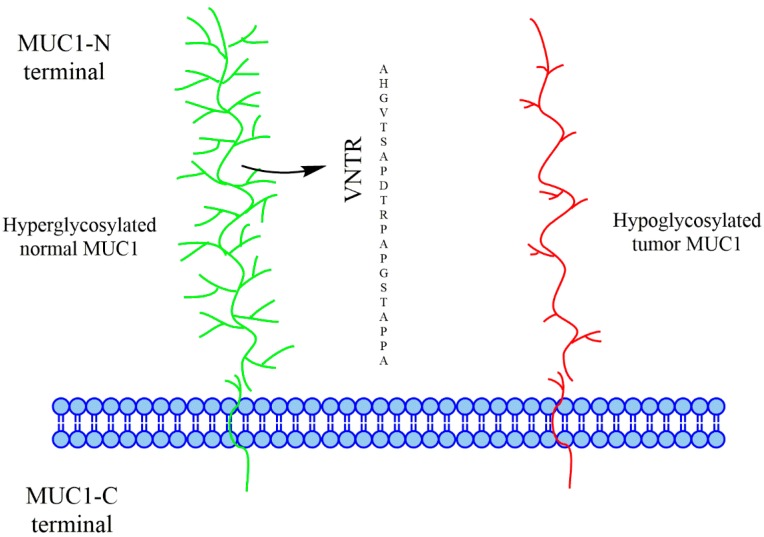
“That is why the National Cancer Institute has placed MUC1 as a second prioritized cancer antigen for translational research [1].”
BackgroundToll-like receptors and cancer
Rakoff-Nahoum, S., & Medzhitov, R. (2009) · Nature Reviews Cancer · doi:10.1038/nrc2541 · Cited by 925 · cited 8×
“The γ-PGA was included to stimulate APCs to produce cytokines.”
BackgroundInfluentialT Cell-Independent Antigens Type 2
Mond, J. J. (1995) · Annual Review of Immunology · doi:10.1146/annurev.immunol.13.1.655 · Cited by 824 · cited 5×
“Surprisingly they often found stronger immune responses to vaccines in buffer solution compared to vaccines in Freund’s adjuvant, particularly with regard to tumor binding antibodies and activation of complement dependent cytotoxicity (CDC).”
BackgroundInfluentialGhiringhelli, F., Puig, P. E., Roux, S., Parcellier, A., Schmitt, E., Solary, E., Kroemer, G., Martin, F., Chauffert, B., & Zitvogel, L. (2005) · The Journal of Experimental Medicine · doi:10.1084/jem.20050463 · Cited by 776
Ju, T., & Cummings, R. D. (2002) · Proceedings of the National Academy of Sciences · doi:10.1073/pnas.262438199 · Cited by 487 · cited 3×
“Tumors are deficient in core 1,3-galactosyl-transferase (T synthase) which causes the MUC1 to be aberrantly glycosylated and produce carbohydrate structures such as Tn (GalNAcα-Ser or -Thr), STn (Neu5Ac-α (2,6)-GalNAcα-Thr) and TF antigen (Gal-β (1,3)-GalNAcα-Thr) [3].”
BackgroundInfluentialBarnd, D. L., Lan, M. S., Metzgar, R. S., & Finn, O. J. (1989) · Proceedings of the National Academy of Sciences · doi:10.1073/pnas.86.18.7159 · Cited by 449 · cited 2×
“In order to generate an effective anti-cancer vaccine response, the vaccine candidate should produce both humoral and cellular immunity [22].”
BackgroundRegulatory T-cell inhibition versus depletion: the right choice in cancer immunotherapy
Colombo, M. P., & Piconese, S. (2007) · Nature Reviews Cancer · doi:10.1038/nrc2250 · Cited by 407
Carrier-induced epitopic suppression, a major issue for future synthetic vaccines.
Schutze, M. P., Leclerc, C., Jolivet, M., Audibert, F., & Chedid, L. (1985) · The Journal of Immunology · doi:10.4049/jimmunol.135.4.2319 · Cited by 304
Lakshminarayanan, V., Thompson, P., Wolfert, M. A., Buskas, T., Bradley, J. M., Pathangey, L. B., Madsen, C. S., Cohen, P. A., Gendler, S. J., & Boons, G.-J. (2012) · Proceedings of the National Academy of Sciences · doi:10.1073/pnas.1115166109 · Cited by 301 · cited 1×
“have reported that a three component vaccine containing aberrantly glycosylated MUC1 peptide, a T helper epitope peptide obtained from polio virus, and TLR-2 agonist Pam3CysSK4 elicited both humoral and cellular immunity [67].”
BackgroundGlycobiology of immune responses
Rabinovich, G. A., van Kooyk, Y., & Cobb, B. A. (2012) · Annals of the New York Academy of Sciences · doi:10.1111/j.1749-6632.2012.06492.x · Cited by 279 · cited 1×
“The immune system may generate central and peripheral tolerance against them even after initial production of high numbers of CD8+ T cells [13,14].”
BackgroundTaking toll: lipid A mimetics as adjuvants and immunomodulators
Persing, D. H., Coler, R. N., Lacy, M. J., Johnson, D. A., Baldridge, J. R., Hershberg, R. M., & Reed, S. G. (2002) · Trends in Microbiology · doi:10.1016/s0966-842x(02)02426-5 · Cited by 258
Aberrant glycosylation associated with enzymes as cancer biomarkers
Meany, D. L., & Chan, D. W. (2011) · Clinical Proteomics · doi:10.1186/1559-0275-8-7 · Cited by 247
Tumour-associated carbohydrate antigens in breast cancer
Cazet, A., Julien, S., Bobowski, M., Burchell, J., & Delannoy, P. (2010) · Breast Cancer Research · doi:10.1186/bcr2577 · Cited by 241 · cited 1×
“The most common tumor associated carbohydrate antigens (TACAs) are Tn, Thomsen-Friedenreich (TF), sialyl Tn and sialyl TF [2].”
Backgrounda Totally Synthetic, Self-Assembling, Adjuvant-Free MUC1 Glycopeptide Vaccine for Cancer Therapy
Huang, Z.-H., Shi, L., Ma, J.-W., Sun, Z.-Y., Cai, H., Chen, Y.-X., Zhao, Y.-F., & Li, Y.-M. (2012) · Journal of the American Chemical Society · doi:10.1021/ja211725s · Cited by 223 · cited 3×
“synthesized several self-adjuvant vaccine candidates containing full length MUC1-VNTR and a self-assembly peptide sequence Q11 domain [77].”
BackgroundInfluentialCarrier-priming leads to hapten-specific suppression
Herzenberg, L. A., Tokuhisa, T., & Herzenberg, L. A. (1980) · Nature · doi:10.1038/285664a0 · Cited by 220
The development of synthetic antitumour vaccines from mucin glycopeptide antigens
Gaidzik, N., Westerlind, U., & Kunz, H. (2013) · Chemical Society Reviews · doi:10.1039/c3cs35470a · Cited by 210 · cited 1×
“For example, to prepare an efficient vaccine, MUC1 glycopeptide antigen has been conjugated either to additional T helper cell peptide epitopes or Toll like receptor (TLR) ligands to form two component vaccines or a combination of both to prepare three component vaccines [23].”
BackgroundJulien, S., Adriaenssens, E., Ottenberg, K., Furlan, A., Courtand, G., Vercoutter-Edouart, A.-S., Hanisch, F.-G., Delannoy, P., & Le Bourhis, X. (2006) · Glycobiology · doi:10.1093/glycob/cwj033 · Cited by 204 · cited 1×
“Multiple sialyltransferases have been associated with breast and colorectal cancer, with enhanced tumorigenicity, and with effects on prognostic indicators [11,12].”
BackgroundGilewski, T. A., Adluri, S., Ragupathi, G., Zhang, S., Yao, T., Panageas, K., Moynahan, M. E., Houghton, A., Norton, L., & Livingston, P. O. (2000) · PubMed · Cited by 203
Graham, C. H., Forsdike, J., Fitzgerald, C. J., & Macdonald-Goodfellow, S. K. (1999) · International Journal of Cancer · doi:10.1002/(sici)1097-0215(19990209)80:4<595::aid-ijc18>3.0.co;2-b · Cited by 195 · cited 1×
“Previous studies have found that mice transgenic for human MUC1 (MUC1 transgenic mice) are more prone to show tolerance against human MUC1 in comparison to wild type mice [15,16].”
BackgroundThe adjuvant mechanism of cationic dimethyldioctadecylammonium liposomes
Smith Korsholm, K., Agger, E. M., Foged, C., Christensen, D., Dietrich, J., Andersen, C. S., Geisler, C., & Andersen, P. (2007) · Immunology · doi:10.1111/j.1365-2567.2007.02560.x · Cited by 187
Buskas, T., Li, Y., & Boons, G. (2004) · Chemistry – A European Journal · doi:10.1002/chem.200400074 · Cited by 172
A retrospective review of lesions associated with the use of Freund's adjuvant.
Broderson (1989) · PubMed · Cited by 161
Ragupathi, G., Koide, F., Livingston, P. O., Cho, Y. S., Endo, A., Wan, Q., Spassova, M. K., Keding, S. J., Allen, J., Ouerfelli, O., et al. (2006) · Journal of the American Chemical Society · doi:10.1021/ja057244+ · Cited by 151
Hoffmann‐Röder, A., Kaiser, A., Wagner, S., Gaidzik, N., Kowalczyk, D., Westerlind, U., Gerlitzki, B., Schmitt, E., & Kunz, H. (2010) · Angewandte Chemie International Edition · doi:10.1002/anie.201003810 · Cited by 150 · cited 1×
“Both TF and TF mimetics generated comparably strong immune reactions [38,83].”
BackgroundSoares, M., Mehta, V., & Finn, O. J. (2001) · The Journal of Immunology · doi:10.4049/jimmunol.166.11.6555 · Cited by 147
Zhang, Y., Luo, F., Cai, Y., Liu, N., Wang, L., Xu, D., & Chu, Y. (2011) · The Journal of Immunology · doi:10.4049/jimmunol.1002320 · Cited by 147 · cited 1×
“It has been found that a TLR1/2 agonist can reduce the suppressive function of Tregs and enhance cytotoxicity of tumor-specific CTL in vitro and in vivo [30].”
BackgroundKaiser, A., Gaidzik, N., Westerlind, U., Kowalczyk, D., Hobel, A., Schmitt, E., & Kunz, H. (2009) · Angewandte Chemie International Edition · doi:10.1002/anie.200902564 · Cited by 146 · cited 1×
“synthesized MUC1-STn conjugated to TTox which induced a strong immune response in all mice [52].”
von Mensdorff-Pouilly, S., Petrakou, E., Kenemans, P., van Uffelen, K., Verstraeten, A. A., Snijdewint, F. G. M., van Kamp, G. J., Schol, D. J., Reis, C. A., Price, M. R., et al. (2000) · International Journal of Cancer · doi:10.1002/(sici)1097-0215(20000601)86:5<702::aid-ijc16>3.0.co;2-1 · Cited by 137
Cai, H., Sun, Z., Chen, M., Zhao, Y., Kunz, H., & Li, Y. (2014) · Angewandte Chemie International Edition · doi:10.1002/anie.201308875 · Cited by 130 · cited 2×
“They have shown that more than 90 percent of MCF-7 cancer cells were killed when incubated with serum of mice given the tetravalent vaccine as compared to sera of those given other bi or tri-valent MUC1-sialyl-Tn antigen vaccines [58].”
BackgroundKim, S. K., Ragupathi, G., Musselli, C., Choi, S.-J., Park, Y. S., & Livingston, P. O. (1999) · Vaccine · doi:10.1016/s0264-410x(99)00316-3 · Cited by 128
Cai, H., Chen, M., Sun, Z., Zhao, Y., Kunz, H., & Li, Y. (2013) · Angewandte Chemie International Edition · doi:10.1002/anie.201300390 · Cited by 125 · cited 2×
“[47] 2013 MUC1 glycopeptide with T cell epitope from TTox MCF7, T47D, IgG1, IgG2a, IgG2b, IgG3, IgM”
BackgroundMethodRecent Development in Carbohydrate Based Anticancer Vaccines
Yin, Z., & Huang, X. (2012) · Journal of Carbohydrate Chemistry · doi:10.1080/07328303.2012.659364 · Cited by 124 · cited 1×
“synthesized 40 STn analogs and showed that some of the fluorine-containing STn analogs elicited better anti-STn IgG titers and could detect native STn antigen-expressing tumor cells [84,85]”
BackgroundHanderson, T., Camp, R., Harigopal, M., Rimm, D., & Pawelek, J. (2005) · Clinical Cancer Research · doi:10.1158/1078-0432.ccr-04-2211 · Cited by 116
Schneider, F., Kemmner, W., Haensch, W., Franke, G., Gretschel, S., Karsten, U. R., & Schlag, P. M. (2001) · PubMed · Cited by 113
Immunomodulators as adjuvants for vaccines and antimicrobial therapy
Nicholls, E. F., Madera, L., & Hancock, R. E. W. (2010) · Annals of the New York Academy of Sciences · doi:10.1111/j.1749-6632.2010.05787.x · Cited by 111
Kagan, E., Ragupathi, G., Yi, S. S., Reis, C. A., Gildersleeve, J. C., Kahne, D. E., Clausen, H., Danishefsky, S. J., & Livingston, P. O. (2004) · Cancer Immunology Immunotherapy · doi:10.1007/s00262-004-0584-y · Cited by 109
Cai, H., Huang, Z., Shi, L., Sun, Z., Zhao, Y., Kunz, H., & Li, Y. (2012) · Angewandte Chemie International Edition · doi:10.1002/anie.201106396 · Cited by 106 · cited 3×
“Kaiser et al. synthesized MUC1-STn conjugated to TTox which induced a strong immune response in all mice [52].”
Dziadek, S., Kowalczyk, D., & Kunz, H. (2005) · Angewandte Chemie International Edition · doi:10.1002/anie.200501593 · Cited by 105 · cited 2×
“Kaiser et al. synthesized MUC1-STn conjugated to TTox which induced a strong immune response in all mice [52].”
Yang, F., Zheng, X., Huo, C., Wang, Y., Zhang, Y., & Ye, X. (2011) · ACS Chemical Biology · doi:10.1021/cb100287q · Cited by 105 · cited 1×
“synthesized 40 STn analogs and showed that some of the fluorine-containing STn analogs elicited better anti-STn IgG titers and could detect native STn antigen-expressing tumor cells [84,85]”
BackgroundFrom Synthesis to Biologics: Preclinical Data on a Chemistry Derived Anticancer Vaccine
Zhu, J., Wan, Q., Lee, D., Yang, G., Spassova, M. K., Ouerfelli, O., Ragupathi, G., Damani, P., Livingston, P. O., & Danishefsky, S. J. (2009) · Journal of the American Chemical Society · doi:10.1021/ja901415s · Cited by 100 · cited 1×
“Immunological data showed both IgG and IgM responses capable of binding with MCF-7 breast cancer cell lines expressing those multivalent antigens [50,51].”
BackgroundMUC1 immunotherapy is here to stay
Kimura, T., & Finn, O. J. (2013) · Expert Opinion on Biological Therapy · doi:10.1517/14712598.2012.725719 · Cited by 96 · cited 1×
“Other techniques that have been exercised by researchers for MUC1 vaccines include liposome based cancer vaccines, targeting CD8+ T cells to stimulate CTL activity, dendritic cell vaccines loaded with peptide, and dendritic cell vaccines loaded with mRNA or transfected with cDNA [44].”
BackgroundNuhn, L., Hartmann, S., Palitzsch, B., Gerlitzki, B., Schmitt, E., Zentel, R., & Kunz, H. (2013) · Angewandte Chemie International Edition · doi:10.1002/anie.201304212 · Cited by 95 · cited 2×
“examined antitumor vaccines containing the water soluble multi-valent carrier polymer poly(N-(2-hydroxypropyl)methyl acrylamide) P(HPMA) that allowed additional structures to bind and help in aggregation, ensuring better interaction with the immune system [75].”
BackgroundAcres, B., Apostolopoulos, V., Balloul, J., Wreschner, D. H., Xing, P., Ali-Hadji, D., Bizouarne, N., Kiény, M. P., & McKenzie, I. F. C. (2000) · Cancer Immunology Immunotherapy · doi:10.1007/pl00006677 · Cited by 94
Richichi, B., Thomas, B., Fiore, M., Bosco, R., Qureshi, H., Nativi, C., Renaudet, O., & BenMohamed, L. (2014) · Angewandte Chemie International Edition · doi:10.1002/anie.201406897 · Cited by 92
Kim, S. K., Ragupathi, G., Cappello, S., Kagan, E., & Livingston, P. O. (2000) · Vaccine · doi:10.1016/s0264-410x(00)00195-x · Cited by 87
Borsutzky, S., Kretschmer, K., Becker, P. D., Mühlradt, P. F., Kirschning, C. J., Weiß, S., & Guzmán, C. A. (2005) · The Journal of Immunology · doi:10.4049/jimmunol.174.10.6308 · Cited by 86 · cited 1×
“MAPL2, as a stimulator of B cells, induces a specific antibody response without the help of an exogenous T helper cell epitope [60,61].”
BackgroundSarkar, S., Lombardo, S. A., Herner, D. N., Talan, R. S., Wall, K. A., & Sucheck, S. J. (2010) · Journal of the American Chemical Society · doi:10.1021/ja107029z · Cited by 75 · cited 1×
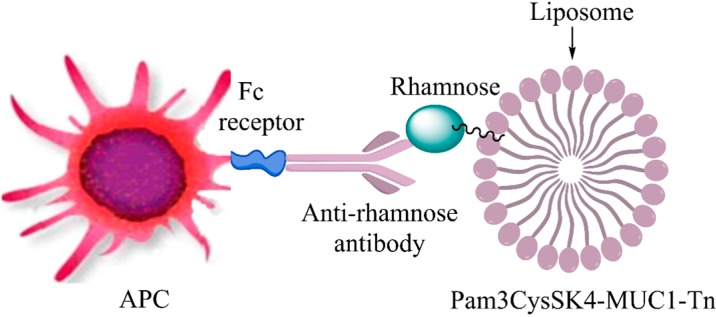
“This was done initially with Rha-YAF-Tn, where YAF is a known CD4 helper T cell epitope coupled to Tn-Thr [71].”
MethodSelf-citationMUC1 as a Potential Target in Anticancer Therapies
Pillai, K., Pourgholami, M. H., Chua, T. C., & Morris, D. L. (2013) · American Journal of Clinical Oncology · doi:10.1097/coc.0b013e31828f5a07 · Cited by 73 · cited 1×
“A DNA vaccine induces both cellular and humoral immune responses since it uses both extracellular and intracellular pathways for processing antigens [80].”
BackgroundTempero, R. M., VanLith, M. L., Morikane, K., Rowse, G. J., Gendler, S. J., & Hollingsworth, M. A. (1998) · The Journal of Immunology · doi:10.4049/jimmunol.161.10.5500 · Cited by 70 · cited 1×
“Previous studies have found that mice transgenic for human MUC1 (MUC1 transgenic mice) are more prone to show tolerance against human MUC1 in comparison to wild type mice [15,16].”
BackgroundAbdel-Aal, A.-B. M., Lakshminarayanan, V., Thompson, P., Supekar, N. T., Bradley, J. M., Wolfert, M. A., Cohen, P. A., Gendler, S. J., & Boons, G. (2014) · ChemBioChem · doi:10.1002/cbic.201402077 · Cited by 69 · cited 2×
“[68] 2014 MUC1 tripartite vaccine modified by TLR 2 or TLR 4 C57mg, EL4, MUC1 Tg mice (C57BL/6) IgG, IgM, CTL”
BackgroundGomes, J., Marcos, N. T., Berois, N., Osinaga, E., Magalhães, A., Pinto-de-Sousa, J., Almeida, R., Gärtner, F., & Reis, C. A. (2009) · Journal of Histochemistry & Cytochemistry · doi:10.1369/jhc.2008.952283 · Cited by 69
Hoffmann‐Röder, A., & Johannes, M. (2011) · Chemical Communications · doi:10.1039/c1cc13184b · Cited by 63 · cited 1×
“synthesized a MUC1 glycopeptide-BSA conjugate vaccine containing 3’-fluoro-TF antigen, which generated anti-MUC1 mouse antibodies with specific binding to TF antigen [37].”
BackgroundRagupathi, G., Cappello, S., Yi, S. S., Canter, D., Spassova, M. K., Bornmann, W. G., Danishefsky, S. J., & Livingston, P. O. (2002) · Vaccine · doi:10.1016/s0264-410x(01)00451-0 · Cited by 62
Synthesis of Tn/T Antigen MUC1 Glycopeptide BSA Conjugates and Their Evaluation as Vaccines
Cai, H., Huang, Z., Shi, L., Zou, P., Zhao, Y., Kunz, H., & Li, Y. (2011) · European Journal of Organic Chemistry · doi:10.1002/ejoc.201100304 · Cited by 62 · cited 1×
“synthesized MUC1 with T or Tn antigen conjugated to BSA and found enhancement in the anti-MUC1 immune response [45].”
Wu, C., Guo, X., Wang, W., Wang, Y., Shan, Y., Zhang, B., Song, W., Ma, S., Ge, J., Deng, H., et al. (2010) · BMC Cancer · doi:10.1186/1471-2407-10-123 · Cited by 62
O -Glycosylated Human MUC1 Repeats Are Processed In Vitro by Immunoproteasomes
Ninkovic, T., & Hanisch, F. (2007) · The Journal of Immunology · doi:10.4049/jimmunol.179.4.2380 · Cited by 61 · cited 1×
“Also, heavily glycosylated MUC1 was not effective as a vaccine candidate due to its impaired susceptibility during antigen processing [20].”
BackgroundPalitzsch, B., Gaidzik, N., Stergiou, N., Stahn, S., Hartmann, S., Gerlitzki, B., Teusch, N., Flemming, P., Schmitt, E., & Kunz, H. (2016) · Angewandte Chemie International Edition · doi:10.1002/anie.201509935 · Cited by 61 · cited 1×
“have recently reported synthesis of MUC1 glycopeptide vaccines with TTox as an immunogenic carrier [53].”
BackgroundThompson, P., Lakshminarayanan, V., Supekar, N. T., Bradley, J. M., Cohen, P. A., Wolfert, M. A., Gendler, S. J., & Boons, G.-J. (2015) · Chemical Communications · doi:10.1039/c5cc02199e · Cited by 60 · cited 7×
“Also, the Pam3CysSK4 containing vaccine reduced the tumor burden and generated both humoral and cellular immunity, neither of which was observed with the CpG-ODN-containing vaccine.”
MethodInfluentialPalitzsch, B., Hartmann, S., Stergiou, N., Glaffig, M., Schmitt, E., & Kunz, H. (2014) · Angewandte Chemie International Edition · doi:10.1002/anie.201406843 · Cited by 59 · cited 3×
“They are also necessary for efficient memory B cell production required for future action [24].”
BackgroundInfluentialLakshminarayanan, V., Supekar, N. T., Wei, J., McCurry, D., Dueck, A. C., Kosiorek, H., Trivedi, P. P., Bradley, J. M., Madsen, C. S., Pathangey, L. B., et al. (2016) · PLoS ONE · doi:10.1371/journal.pone.0145920 · Cited by 59 · cited 2×
“However, very recently it has been found that even nonglycosylated MUC1 peptide vaccines can produce CD8+ T cells in MUC1 transgenic mice that can recognize glycosylated MUC1 antigen [21].”
BackgroundMcDonald, D. M., Wilkinson, B. L., Corcilius, L., Thaysen-Andersen, M., Byrne, S. N., & Payne, R. J. (2014) · Chem. Commun. · doi:10.1039/c4cc03510k · Cited by 56
Sellers, T. A., Huang, Y., Cunningham, J. M., Goode, E. L., Sutphen, R., Vierkant, R. A., Kelemen, L. E., Fredericksen, Z. S., Liebow, M., Pankratz, V. S., et al. (2008) · Cancer Epidemiology Biomarkers & Prevention · doi:10.1158/1055-9965.epi-07-0565 · Cited by 56
Geraci, C., Consoli, G. M. L., Granata, G., Galante, E., Palmigiano, A., Pappalardo, M. S., Puma, S. D. D., & Spadaro, A. (2013) · Bioconjugate Chemistry · doi:10.1021/bc400242y · Cited by 55 · cited 2×
“used calixarenes as a platform to build a multicomponent self-adjuvant vaccine by conjugating it with multiple units of the PDTRP MUC1 sequence [59].”
BackgroundMethodKarmakar, P. S., Lee, K., Sarkar, S., Wall, K. A., & Sucheck, S. J. (2015) · Bioconjugate Chemistry · doi:10.1021/acs.bioconjchem.5b00528 · Cited by 55 · cited 2×
“synthesized liposomes bearing a Pam3Cys-modified MUC1 glycopeptide containing B, CD4+, and CD8+ epitopes that was formulated with Rha-tetra(ethylene glycol)-cholesterol [73].”
MethodSelf-citationPrognostic utility of glycosyltransferase expression in breast cancer.
Patani, N., Jiang, W. G., & Mokbel, K. (2008) · PubMed · Cited by 54
Hartmann, S., Nuhn, L., Palitzsch, B., Glaffig, M., Stergiou, N., Gerlitzki, B., Schmitt, E., Kunz, H., & Zentel, R. (2014) · Advanced Healthcare Materials · doi:10.1002/adhm.201400460 · Cited by 54 · cited 2×
“[74] 2015 CpG loaded nanohydrogel particles T47D, BALB/c Upregulation of CD40, CD80, CD86”
BackgroundMethodRyan, S. O., Turner, M. S., Gariépy, J., & Finn, O. J. (2010) · Cancer Research · doi:10.1158/0008-5472.can-09-4519 · Cited by 53 · cited 1×
“The immune system may generate central and peripheral tolerance against them even after initial production of high numbers of CD8+ T cells [13,14].”
BackgroundCai, H., Degliangeli, F., Palitzsch, B., Gerlitzki, B., Kunz, H., Schmitt, E., Fiammengo, R., & Westerlind, U. (2016) · Bioorganic & Medicinal Chemistry · doi:10.1016/j.bmc.2016.01.044 · Cited by 53 · cited 11×
“utilized gold nanoparticles (AuNP) as a carrier for a three component vaccine containing MUC1 glycopeptide with CD4+ T cell peptide epitopes (P-30) obtained from TTox [70].”
MethodInfluentialJohannes, M., Reindl, M., Gerlitzki, B., Schmitt, E., & Hoffmann‐Röder, A. (2015) · Beilstein Journal of Organic Chemistry · doi:10.3762/bjoc.11.15 · Cited by 51
Sarkar, S., Salyer, A. C. D., Wall, K. A., & Sucheck, S. J. (2013) · Bioconjugate Chemistry · doi:10.1021/bc300422a · Cited by 49 · cited 2×
“[72] 2013 MUC1 glycopeptide into L-Rhamnose displaying liposomes BALB/c IgG1, IgG2a, IgG2b, IgM”
BackgroundSelf-citationYang, M., Yan, Y., Fang, M., Wan, M., Wu, X., Zhang, X., Zhao, T., Wei, H., Song, D., Wang, L., et al. (2012) · International Immunopharmacology · doi:10.1016/j.intimp.2012.05.003 · Cited by 44 · cited 4×
“used C-type CpG oligodeoxynucleotide (YW002) along with MF59 as an adjuvant to boost the immunogenicity of recombinant fusion protein HSP65-MUC1 [66].”
BackgroundMethodInfluentialGlycopeptide Nanoconjugates Based on Multilayer Self-Assembly as an Antitumor Vaccine
Liu, Y., Sun, Z., Chen, P., Huang, Z., Gao, Y., Shi, L., Zhao, Y., Chen, Y., & Li, Y. (2015) · Bioconjugate Chemistry · doi:10.1021/acs.bioconjchem.5b00150 · Cited by 34 · cited 1×
“Another unique approach to synthesizing an anti-tumor vaccine used multilayer self-assembly of components, with the T helper cell epitope as the core of the assembly, the immunostimulant γ-polyglutamic acid (γ-PGA) as the inner layer, and MUC1 glycopeptide as the outer layer, based on interactions between positive and…”
BackgroundGlaffig, M., Palitzsch, B., Stergiou, N., Schüll, C., Straßburger, D., Schmitt, E., Frey, H., & Kunz, H. (2015) · Organic & Biomolecular Chemistry · doi:10.1039/c5ob01255d · Cited by 30 · cited 2×
“[76] 2015 MUC1-P2 conjugate on hyperbranched polymers T47D, BALB/c IgG1, IgG2a, IgG2b, IgM”
BackgroundRecent Progress in Antitumoral Synthetic Vaccines
Nativi, C., & Renaudet, O. (2014) · ACS Medicinal Chemistry Letters · doi:10.1021/ml5003794 · Cited by 28 · cited 1×
“Both TF and TF mimetics generated comparably strong immune reactions [38,83].”
BackgroundFANG, F., Ma, J., Ni, W., Wang, F., Sun, X., Li, Y., Li, Q., Xie, F., Wang, J., Zhai, R., et al. (2014) · Molecular Medicine Reports · doi:10.3892/mmr.2014.2306 · Cited by 24
Yuan, S., Shi, C., Ling, R., Wang, T., Wang, H., & Han, W. (2010) · Journal of Cancer Research and Clinical Oncology · doi:10.1007/s00432-010-0787-x · Cited by 23
Yuan, S., Shi, C., Liu, L., & Han, W. (2010) · Expert Opinion on Biological Therapy · doi:10.1517/14712598.2010.485185 · Cited by 22
Gathuru, J., Koide, F., Ragupathi, G., Adams, J. L., Kerns, R. T., Coleman, T. P., & Livingston, P. O. (2005) · Vaccine · doi:10.1016/j.vaccine.2005.05.007 · Cited by 20
Lu, W., Lingchong, Q., Yan, Z., Lin, Z., Cao, M., Hu, C., Wang, Z., Wang, J., Yu, Y., Cheng, X., et al. (2015) · Oncotarget · doi:10.18632/oncotarget.5307 · Cited by 15
Differential expression of the glycosylated forms of MUC1 during lung development.
Sakurai, J., Hattori, N., Nakajima, M., Moriya, T., Suzuki, T., Yokoyama, A., & Kohno, N. (2007) · PubMed · doi:10.4081/1130 · Cited by 14
Zhang, Y. (2012) · Oncology Reports · doi:10.3892/or.2012.1707 · Cited by 8 · cited 2×
“[81] 2012 MUC1-2-VNTR DNA vaccine BALB/c CTL”
BackgroundAntitumor effect of adenoviral vector prime protein boost immunity targeting the MUC1 VNTRs
Wang, Y., Liu, C., Qiu, X., Wang, P., Li, B., Lu, Z.-Z., Sun, J., Wu, H., Yu, B., Wu, J., et al. (2013) · Oncology Reports · doi:10.3892/or.2013.2950 · Cited by 6 · cited 3×
“Other vaccines employed a recombinant adenovirus vector expressing MUC1 VNTRs to prime CD8+ cells followed by boosts of recombinant VNTRs in dimethyldioctadecylammonium liposomes containing MPL (DDA/MPL) to stimulate humoral responses [42].”
BackgroundMethodInfluential
Cited by
MUC1: Structure, Function, and Clinic Application in Epithelial Cancers
Chen, W., Zhang, Z., Zhang, S., Zhu, P., Ko, J. K.-S., & Yung, K. K.-L. (2021) · International Journal of Molecular Sciences · doi:10.3390/ijms22126567 · Cited by 246
A review on development of MUC1-based cancer vaccine
Gao, T., Cen, Q., & Lei, H. (2020) · Biomedicine & Pharmacotherapy · doi:10.1016/j.biopha.2020.110888 · Cited by 151
Phage display as a tool for vaccine and immunotherapy development
Hess, K. L., & Jewell, C. M. (2020) · Bioengineering & Translational Medicine · doi:10.1002/btm2.10142 · Cited by 134
“MUC1 is expressed by many types of cancer cells and is therefore an interesting target for cancer immunotherapies.(101,102) By incubating phages expressing the various epitopes with sera from immunized mice, a region of interest (SAPDTRPAP) was discovered.”
BackgroundDevelopments in Carbohydrate-Based Cancer Therapeutics
Hossain, F., & Andreana, P. R. (2019) · Pharmaceuticals · doi:10.3390/ph12020084 · Cited by 134
Koltai, T., Reshkin, S. J., Carvalho, T. M. A., Molfetta, D. D., Greco, M. R., Alfarouk, K. O., & Cardone, R. A. (2022) · Cancers · doi:10.3390/cancers14102486 · Cited by 133
Metadata
- Authors
- Hossain, M., & Wall, K.
- Affiliations
- University of Toledo (US)
- Corresponding author
- Wall, Katherine
- Venue
- Vaccines
- Publisher
- MDPI AG
- Published
- 2016-07-26
- Volume
- 4
- Issue
- 3
- Pages
- 25
- ISSN
- 2076-393X (ISSN-L)
- PMC
- PMC5041019
- OpenAlex
- W2480252091
- Cited by
- 74
- References
- 88
- Citations by year
- 2026: 4 · 2025: 3 · 2024: 6 · 2023: 6 · 2022: 9 · 2021: 8 · 2020: 12 · 2019: 8 · 2018: 11 · 2017: 7
- FWCI
- 0.84
- Type
- journal article
- Language
- en
- Open access
- gold
- doi.org
- Licence
- Locations
- Vaccines (publishedVersion, cc-by)
- Europe PMC (PubMed Central) (publishedVersion, cc-by)
- PubMed Central (publishedVersion, cc-by)
- PubMed (publishedVersion)
- DOAJ (DOAJ: Directory of Open Access Journals) (submittedVersion, cc-by-sa)
- Funders
- National Institutes of Health (GM094734)
- Topics
- Life Sciences › Immunology and Microbiology › Immunology › Immunotherapy and Immune Responses
- Life Sciences › Biochemistry, Genetics and Molecular Biology › Molecular Biology › Glycosylation and Glycoproteins Research
- Physical Sciences › Chemistry › Organic Chemistry › Carbohydrate Chemistry and Synthesis
- Keywords
- MUC1 glycopeptide, cancer vaccines, tumor-specific antigens, mucin glycosylation, antigen conjugation, bovine serum albumin, keyhole limpet hemocyanin, vaccine adjuvants, helper T cell epitopes, TLR agonists, liposomes, nanoparticles, vaccine delivery systems, immunogenicity, tumor models
About these checks
Registry, retraction, Cites and statistics results are computed, not judged, with one exception: a printed reference that no index lists is read once by a model before it counts as a citation error. Claims are extracted by a model and kept only when their quote appears verbatim in the text; each cited source is then checked, with a model’s help, for whether it says what the claim relies on. Those verdicts can be wrong — read the claim’s quote and the cited source before relying on one.
Statistics and arithmetic are recomputed, not judged.
Confidence bands are shown only for fields calibrated on our annotated test set. None is calibrated yet, so no band is shown.
What counts as a claim ›How we measure confidence ›How we check this ›
Are you an author, or do you see a problem with this page? Request a review
Data sources
Bibliographic data: Semantic Scholar, OpenAlex, Crossref.
Contains information from the Semantic Scholar Academic Graph Datasets, made available under the ODC Attribution License (ODC-BY 1.0).
Semantic Scholar’s data is described in: Kinney, R., et al. (2023). The Semantic Scholar Open Data Platform. arXiv:2301.10140.
