

Historical (1850–2000) gridded anthropogenic and biomass burning emissions of reactive gases and aerosols: methodology and application
Open accessPublished version of a preprint
The DOI matches its Crossref record; 112 of the 113 references it cites were found in a registry or an index.
Abstract
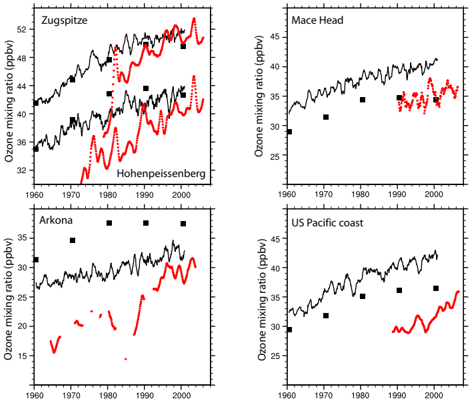
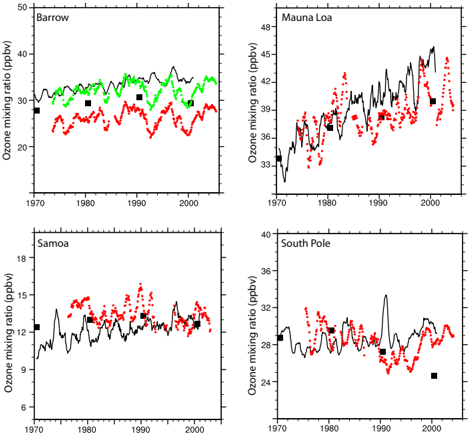
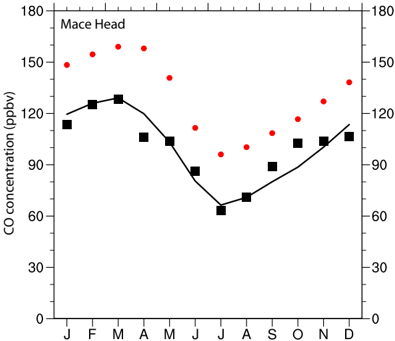
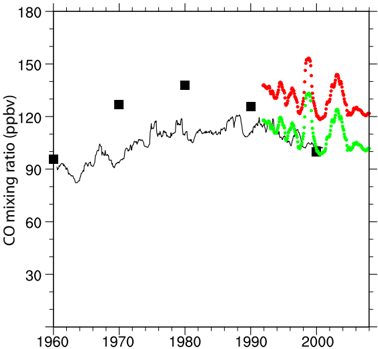
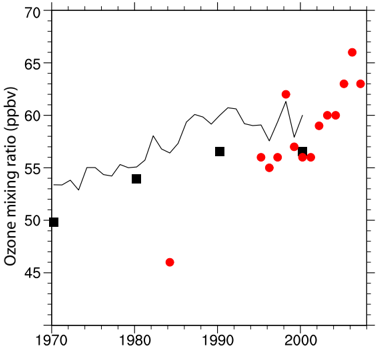
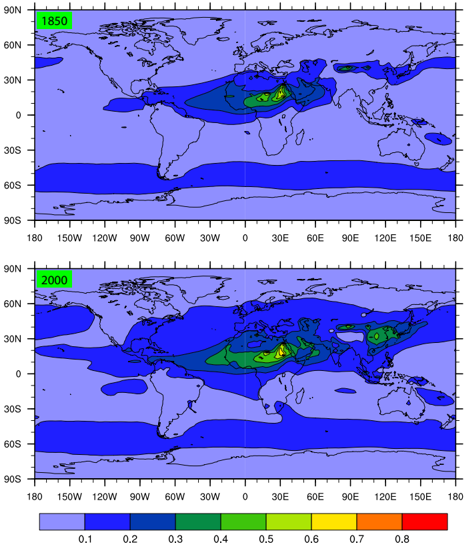
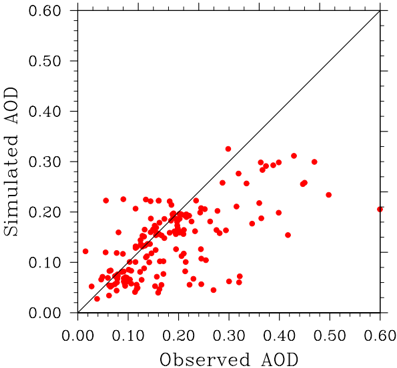
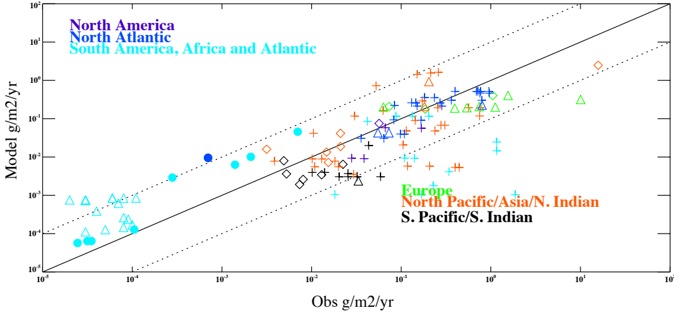
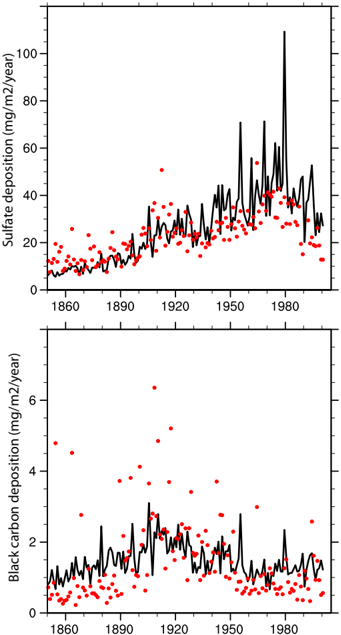
We present and discuss a new dataset of gridded emissions covering the historical period (1850–2000) in decadal increments at a horizontal resolution of 0.5° in latitude and longitude. The primary purpose of this inventory is to provide consistent gridded emissions of reactive gases and aerosols for use in chemistry model simulations needed by climate models for the Climate Model Intercomparison Program #5 (CMIP5) in support of the Intergovernmental Panel on Climate Change (IPCC) Fifth Assessment report (AR5). Our best estimate for the year 2000 inventory represents a combination of existing regional and global inventories to capture the best information available at this point; 40 regions and 12 sectors are used to combine the various sources. The historical reconstruction of each emitted compound, for each region and sector, is then forced to agree with our 2000 estimate, ensuring continuity between past and 2000 emissions. Simulations from two chemistry-climate models are used to test the ability of the emission dataset described here to capture long-term changes in atmospheric ozone, carbon monoxide and aerosol distributions. The simulated long-term change in the Northern mid-latitudes surface and mid-troposphere ozone is not quite as rapid as observed. However, stations outside this latitude band show much better agreement in both present-day and long-term trend. The model simulations indicate that the concentration of carbon monoxide is underestimated at the Mace Head station; however, the long-term trend over the limited observational period seems to be reasonably well captured. The simulated sulfate and black carbon deposition over Greenland is in very good agreement with the ice-core observations spanning the simulation period. Finally, aerosol optical depth and additional aerosol diagnostics are shown to be in good agreement with previously published estimates and observations.
Overview
The claims and statistics of this paper haven’t been checked yet.
Free: it reads the open-access text and checks the first 5 claims that cite a source we can check. Create a free account to check every claim.
Integrity signals
Registry
Cites
Statistics
Figures
Verification
Claims the paper makes
The claims and statistics of this paper haven’t been checked yet.
Free: it reads the open-access text and checks the first 5 claims that cite a source we can check. Create a free account to check every claim.
Claims other papers make about this one
Each is checked against this paper’s own text: does it say what the citing paper says it does?
The source backs part of the claim, not all of it — or backs it for a different population, condition or comparison.
In the citing paper
“No sulfur isotope analyses have been performed for the remaining part of the IAP, but sulfur concentrations in the Greenland ice cores frequently exceed typical levels which were prevalent for the first half of the 20th century during periods of intensive industrial activity and related sulfur emissions across the North Atlantic region 45 (Fig. 6a).”
From Decadal-to-centennial increases of volcanic aerosols from Iceland challenge the concept of a Medieval Quiet Period (2024) · cites this paper as [45]
Experimental — accuracy not yet measured
Self-check
Percentages, sums and reported differences re-computed from the paper’s own numbers.
The self-check needs the paper’s full text.
Citations
Cites
Rayner, N. A., Parker, D. E., Horton, E. B., Folland, C. K., Alexander, L. V., Rowell, D. P., Kent, E. C., & Kaplan, A. (2003) · Journal of Geophysical Research: Atmospheres · doi:10.1029/2002jd002670 · Cited by 10,991 · cited 1×
“Using two chemistry-climate models, we have performed 1850–2009 simulations (transient or time-slice experiments) in order to provide a first-order evaluation of the emissions.”
MethodAERONET—A Federated Instrument Network and Data Archive for Aerosol Characterization
Holben, B. N., Eck, T. F., Slutsker, I., Tanré, D., Buis, J. P., Setzer, A., Vermote, E., Reagan, J. A., Kaufman, Y. J., Nakajima, T., et al. (1998) · Remote Sensing of Environment · doi:10.1016/s0034-4257(98)00031-5 · Cited by 7,743 · cited 1×
“The observed values are based on annually averaged AERONET optical depths (Holben et al., 1998).”
BackgroundHow a century of ammonia synthesis changed the world
Erisman, J. W., Sutton, M. A., Galloway, J., Klimont, Z., & Winiwarter, W. (2008) · Nature Geoscience · doi:10.1038/ngeo325 · Cited by 4,607 · cited 8×
“To extend the non-CO 2 ship emissions backward in time, the 2000 emission totals from Eyring et al. (2010) are scaled with the historical CO2 emission time series from Buhaug et al. (2008) back to 1870.”
BackgroundMethodInfluentialSelf-citationEmission of trace gases and aerosols from biomass burning
Andreae, M. O., & Merlet, P. (2001) · Global Biogeochemical Cycles · doi:10.1029/2000gb001382 · Cited by 3,902 · cited 1×
“The emission factors for these classes were harmonized to those given by Andreae and Merlet (2001, with updates from M. O. Andreae, personal communication, 2008). Emissions from burning of soil organic matter, notably peat soil, which is ignited by fires in the overlying surface vegetation, may strongly influence emis…”
MethodMeehl, G. A., Stocker, T. F., Collins, W. D., Friedlingstein, P., Gaye, A. T., Gregory, J. M., Kitoh, A., Knutti, R., Murphy, J. M., Noda, A., et al. (n.d.) · Bern Open Repository and Information System (University of Bern) · doi:10.48350/25539 · Cited by 3,726
A technology‐based global inventory of black and organic carbon emissions from combustion
Bond, T. C., Streets, D. G., Yarber, K. F., Nelson, S. M., Woo, J., & Klimont, Z. (2004) · Journal of Geophysical Research: Atmospheres · doi:10.1029/2003jd003697 · Cited by 2,393
Self-citationAn inventory of gaseous and primary aerosol emissions in Asia in the year 2000
Streets, D. G., Bond, T. C., Carmichael, G. R., Fernandes, S. D., Fu, Q., He, D., Klimont, Z., Nelson, S. M., Tsai, N. Y., Wang, M. Q., et al. (2003) · Journal of Geophysical Research: Atmospheres · doi:10.1029/2002jd003093 · Cited by 2,038
Self-citationCouplings Between Changes in the Climate System and Biogeochemistry
Denman, K. L., Brasseur, G. P., Chidthaisong, A., Ciais, P., Cox, P. M., Dickinson, R. E., Hauglustaine, D. A., Heinze, C., Holland, E. A., Jacob, D. J., et al. (2007) · HAL · Cited by 2,031
Self-citationAsian emissions in 2006 for the NASA INTEX-B mission
Zhang, Q., Streets, D. G., Carmichael, G. R., He, K. B., Huo, H., Kannari, A., Klimont, Z., Park, I. S., Reddy, S., Fu, J. S., et al. (2009) · Atmospheric Chemistry and Physics · doi:10.5194/acp-9-5131-2009 · Cited by 1,950 · cited 4×
“Although additional information is available in the literature for several regions (e.g., Zhang et al., 2009; Streets et al., 2003, 2006; Klimont et al., 2009; Cofala15 et al., 2007; NARSTO, 2006; Garg et al., 2006), we did not attempt to include those as they were less complete than the…”
BackgroundInfluentialSelf-citationChemical Kinetics and Photochemical Data for Use in Atmospheric Studies, Evaluation Number 18
Burkholder, J. B., Sander, S. P., Abbatt, J. P. D., Barker, J. R., Huie, R. E., Kolb, C. E., Kurylo, M. J., Orkin, V. L., Wilmouth, D. M., & Wine, P. H. (2015) · doi:10.13140/rg.2.1.2504.2806 · Cited by 1,928
Research works printed but not linked: 3
- Chipperfield, M. P., Fioletov, V. E., Bregman, B., Burrows, J., Con- nor, B. J., Haigh, J. D., Harris, N. R. P., Hauchecorne, A., Hood, L. L., Kawa, S. R., Krzy'scin, J. W., Logan, J. A., Muthama, N. J., Polvani, L., Randel, W. J., Sasaki, T., Stähelin, J., Stolarski, R. S., Thomason, L. W., and Zawodny, J. M.: Global Ozone, 2007: Past and Present, Chapter 3 in Scientific Assessment of Ozone Depletion: 2006, World Meteorological Organization, Geneva, Switzerland, Global Ozone Research and Monitoring Project - Report No. 50, 572 pp., 2006.
- Smith, S. J., van Aardenne, J., Klimont, Z., Andres, R., Volke, A., and Delgado Arias, S.: Anthropogenic sulfur dioxide emis- sions: 18502005, Atmos. Chem. Phys. Discuss., 10, 16111- 16151, doi:10.5194/acpd-10-16111-2010, 2010. · DOI
- Vestreng, V., Adams, M., and Goodwin, J.: Inventory review 2004, EMEP Techincal Report MSC-W1/2004, 2004.
Cited by
Items 801–900 of 1,014
Goto, D., Ueda, K., Ng, C. F. S., Takami, A., Ariga, T., Matsuhashi, K., & Nakajima, T. (2016) · Atmospheric Environment · doi:10.1016/j.atmosenv.2016.06.015 · Cited by 49
Revisiting the climate impacts of cool roofs around the globe using an Earth system model
Zhang, J., Zhang, K., Liu, J., & Ban‐Weiss, G. (2016) · Environmental Research Letters · doi:10.1088/1748-9326/11/8/084014 · Cited by 50
“Emissions of anthropogenic aerosols and their precursors are fromCMIP5 and representative of the year 2000 (Lamarque et al 2010).”
Dong, B., Sutton, R. T., Shaffrey, L., & Klingaman, N. P. (2017) · Journal of Climate · doi:10.1175/jcli-d-16-0578.1 · Cited by 47
“The AA precursor emissions are from Lamarque et al. (2010, 2011).”
Campbell, P., Zhang, Y., Yan, F., Lü, Z., & Streets, D. G. (2018) · Environmental Pollution · doi:10.1016/j.envpol.2018.04.020 · Cited by 53
Can the Direct Effect of Aerosols Improve Subseasonal Predictability?
Benedetti, A., & Vitart, F. (2018) · Monthly Weather Review · doi:10.1175/mwr-d-17-0282.1 · Cited by 52
Hansen, E. M. Ø., Hauggaard‐Nielsen, H., Launay, M., Rose, P., & Mikkelsen, T. N. (2019) · Environmental and Experimental Botany · doi:10.1016/j.envexpbot.2019.103868 · Cited by 52
Lu, X. H., Zhang, L., Wu, T., Long, M. S., Wang, J., Jacob, D. J., Zhang, F., Zhang, J., Eastham, S. D., Hu, L., et al. (2020) · Geoscientific model development · doi:10.5194/gmd-13-3817-2020 · Cited by 50
“We also incorporate emissions from the Atmospheric Chemistry and Climate Model Intercomparison Project (ACCMIP) inventory (http://accent.aero.jussieu. fr/ACCMIP.php, last access: 14 June 2020; Lamarque et al., 2010) and from Wu et al. (2020) for emissions not included in the CEDS dataset.”
Liu, P. F., Kaplan, J. O., Mickley, L. J., Li, Y., Chellman, N. J., Arienzo, M. M., Kodros, J. K., Pierce, J. R., Sigl, M., Freitag, J., et al. (2021) · Science Advances · doi:10.1126/sciadv.abc1379 · Cited by 53
Self-citationTakemura, T. (2012) · Atmospheric chemistry and physics · doi:10.5194/acp-12-11555-2012 · Cited by 52
“The historical emissions database developed by Lamarque et al.(2010) and the RCPs for future emissions are used in the Coupled Model Intercomparison Project Phase 5 (CMIP5) in conjunction with the Fifth Assessment Report (AR5) of the IPCC.”
Wyant, M. C., Bretherton, C. S., Wood, R., Carmichael, G. R., Clarke, A. D., Fast, J. D., George, R. C., Gustafson, W. I., Hannay, C., Lauer, A., et al. (2015) · Atmospheric chemistry and physics · doi:10.5194/acp-15-153-2015 · Cited by 53
de Boer, G., Shupe, M. D., Caldwell, P., Bauer, S. E., Persson, O., Boyle, J. S., Kelley, M., Klein, S. A., & Tjernström, M. (2014) · Atmospheric chemistry and physics · doi:10.5194/acp-14-427-2014 · Cited by 54
“The aerosol scheme uses the CMIP5 emissions by Lamarque et al. (2010).”
Spatial and temporal analysis of black carbon aerosols in Istanbul megacity
Özdemir, H., Pozzoli, L., Kındap, T., Demir, G., Mertoğlu, B., Mihalopoulos, N., Theodosi, C., Kanakidou, M., İm, U., & Ünal, A. (2014) · The Science of The Total Environment · doi:10.1016/j.scitotenv.2013.11.102 · Cited by 47
Ocean mediation of tropospheric response to reflecting and absorbing aerosols
Xu, Y., & Xie, S. (2015) · Atmospheric chemistry and physics · doi:10.5194/acp-15-5827-2015 · Cited by 47
Shen, Z., Liu, J., Horowitz, L. W., Henze, D. K., Fan, S., H., L. I., Mauzerall, D. L., Lin, J., & Tao, S. (2014) · Atmospheric chemistry and physics · doi:10.5194/acp-14-6315-2014 · Cited by 49
The importance of snow albedo for ice sheet evolution over the last glacial cycle
Willeit, M., & Ganopolski, A. (2018) · Climate of the past · doi:10.5194/cp-14-697-2018 · Cited by 54
“…might play an important role in the present-day climate (Flanner et al., 2007; Hansen and Nazarenko, 2004; Yasunari et al., 2015), most of the black carbon which is deposited over the boreal region comes from sources related to industrial activities (Bauer et al., 2013; Lamarque et al., 2010).”
Long-term series and trends in surface solar radiation in Athens, Greece
Kazadzis, S., Founda, D., Psiloglou, Β. E., Kambezidis, H. D., Mihalopoulos, N., Sanchez‐Lorenzo, A., Meleti, C., Raptis, P. I., Pierros, F., & Nabat, P. (2018) · Atmospheric chemistry and physics · doi:10.5194/acp-18-2395-2018 · Cited by 51
Leaf area index identified as a major source of variability in modeled CO 2 fertilization
Li, Q., Lu, X., Wang, Y., Huang, X., Cox, P. M., & Luo, Y. (2018) · Biogeosciences · doi:10.5194/bg-15-6909-2018 · Cited by 53
Arctic Ocean biogeochemistry in the high resolution FESOM 1.4-REcoM2 model
Schourup‐Kristensen, V., Wekerle, C., Wolf-Gladrow, D. A., & Völker, C. (2018) · Progress In Oceanography · doi:10.1016/j.pocean.2018.09.006 · Cited by 55
“Important improvements include a change of the parameterization of the diapycnal mixing from the PacanowskiPhilander parameterization (PP, Pacanowski and Philander, 1981) to the k-profile parameterization (KPP, Large et al., 1994).”
Wang, L., Tai, A. P. K., Tam, C., Sadiq, M., Wang, P., & Cheung, K. K. W. (2020) · Atmospheric chemistry and physics · doi:10.5194/acp-20-11349-2020 · Cited by 50
Summertime low clouds mediate the impact of the large-scale circulation on Arctic sea ice
Huang, Y., Ding, Q., Dong, X., Xi, B., & Baxter, I. (2021) · Communications Earth & Environment · doi:10.1038/s43247-021-00114-w · Cited by 60
An Overview of the Isoprenoid Emissions From Tropical Plant Species
Mu, Z., Llusià, J., Zeng, J., Zhang, Y. L., Asensio, D., Yang, K., Yi, Z., Wang, X., & Peñuelas, J. (2022) · Frontiers in Plant Science · doi:10.3389/fpls.2022.833030 · Cited by 52
Hao, D., Bisht, G., Rittger, K. E., Bair, E. H., He, C., Huang, H., Dang, C., Stillinger, T., Gu, Y., Wang, H., et al. (2023) · Geoscientific model development · doi:10.5194/gmd-16-75-2023 · Cited by 52
Global reactive gases forecasts and reanalysis in the MACC project
Stein, O., Flemming, J., Inness, A., Kaiser, J. W., & Schultz, M. G. (2012) · Journal of Integrative Environmental Sciences · doi:10.1080/1943815x.2012.696545 · Cited by 44
“Based upon a review of existing historical and actual emission inventories, a consistent inventory for anthropogenic emissions has been set up for the base year 2000 (Lamarque et al. 2010; Granier et al. 2011).”
Self-citationZhang, K., Liu, X., Wang, M., Comstock, J. M., Mitchell, D. L., Mishra, S., & Mace, G. G. (2013) · Atmospheric chemistry and physics · doi:10.5194/acp-13-4963-2013 · Cited by 45
Wang, R., Balkanski, Y. J., Bopp, L., Aumont, O., Boucher, O., Ciais, P., Gehlen, M., Peñuelas, J., Éthé, C., Hauglustaine, D. A., et al. (2015) · Geophysical Research Letters · doi:10.1002/2015gl066753 · Cited by 51
Kukkonen, J., Kangas, L., Kauhaniemi, M., Sofiev, M. A., Aarnio, P., Jaakkola, J. J. K., Kousa, A., & Karppinen, A. (2018) · Atmospheric chemistry and physics · doi:10.5194/acp-18-8041-2018 · Cited by 49
Impacts of Saharan Dust on Atlantic Regional Climate and Implications for Tropical Cyclones
Pan, B., Wang, Y., Hu, J., Lin, Y., Hsieh, J., Logan, T., Feng, X., Jiang, J. H., Yung, Y. L., & Zhang, R. (2018) · Journal of Climate · doi:10.1175/jcli-d-16-0776.1 · Cited by 49
What caused the extreme CO concentrations during the 2017 high-pollution episode in India?
Dekker, I. N., Houweling, S., Pandey, S., Krol, M., Röckmann, T., Borsdorff, T., Landgraf, J., & Aben, I. (2019) · Atmospheric chemistry and physics · doi:10.5194/acp-19-3433-2019 · Cited by 45
Zare, A., Christensen, J., Gross, A., Irannejad, P., Glasius, M., & Brandt, J. (2013) · Atmospheric chemistry and physics · doi:10.5194/acp-14-2735-2014 · Cited by 49
“However, in this study, ammonia emissions from the anthropogenic sources are derived from the RCP database (Lamarque et al., 2010) to keep consistency.”
Global Climate Forcing by Criteria Air Pollutants
Unger, N. (2011) · Annual Review of Environment and Resources · doi:10.1146/annurev-environ-082310-100824 · Cited by 53
“This idea has received increasing attention since a landmark work that defined an alternative scenario to reduce the danger of dramatic climate change (21), which led to an IPCC AR4: Fourth Assessment Report of the Intergovernmental Panel on Climate Change IPCC AR5: Fifth Assessment Report of the Intergovernmental Pan…”
InfluentialVariation of radiative forcings and global warming potentials from regional aviation NO x emissions
Skowron, A., Lee, D. S., & De León, R. R. (2015) · Atmospheric Environment · doi:10.1016/j.atmosenv.2014.12.043 · Cited by 44
“120 121 The anthropogenic and biomass burning emissions are taken from Lamarque et al. (2010) and 122 represent year 2000, while the biogenic emissions are from POET (Granier et al., 2005).”
Self-citationSantra, S., Verma, S., Fujita, K., Chakraborty, I., Boucher, O., Takemura, T., Burkhart, J. F., Matt, F., & Sharma, M. (2019) · Atmospheric chemistry and physics · doi:10.5194/acp-19-2441-2019 · Cited by 49
Allen, R. J. (2015) · Journal of Geophysical Research Atmospheres · doi:10.1002/2015jd023623 · Cited by 52
Measurements of light-absorbing particles on the glaciers in the Cordillera Blanca, Peru
Schmitt, C. G., All, J. D., Schwarz, J. P., Arnott, W. P., Cole, R. J., Lapham, E., & Celestian, A. J. (2015) · The Cryosphere · doi:10.5194/tc-9-331-2015 · Cited by 56
“Amazonian burning has been estimated to account for approximately 50 % of the carbonaceous aerosols in the amazon region (Lamarque et al., 2010; Kaiser et al., 2012).”
Assessing the impacts of assimilating IASI and MOPITT CO retrievals using CESM‐CAM‐chem and DART
Barré, J., Gaubert, B., Arellano, A. F., Worden, H. M., Edwards, D. P., Deeter, M. N., Anderson, J. G., Raeder, K., Collins, N. S., Tilmes, S., et al. (2015) · Journal of Geophysical Research Atmospheres · doi:10.1002/2015jd023467 · Cited by 48
Oceanic Origins of Historical Southwest Asia Precipitation During the Boreal Cold Season
Hoell, A., Barlow, M., Cannon, F., & Xu, T. (2017) · Journal of Climate · doi:10.1175/jcli-d-16-0519.1 · Cited by 45
Stone, D. A., Risser, M. D., Angélil, O., Wehner, M. F., Cholia, S., Keen, N. D., Krishnan, H., O'Brien, T. A., & Collins, W. D. (2018) · Weather and Climate Extremes · doi:10.1016/j.wace.2017.12.003 · Cited by 45
Chen, W., & Dong, B. (2018) · Climate Dynamics · doi:10.1007/s00382-018-4342-9 · Cited by 47
“5194/acp-10-7017-2010 598 Lamarque JF et al (2011) Global and regional evolution of short-lived radiatively-active 599 gases and aerosols in the Representative Concentration Pathways. Climatic 600 Change 109:191–212. doi:10.1007/s10584-011-0155-0 601 Li CX, Zhao TB, Ying KR (2015) Effects of anthropogenic aerosols on…”
InfluentialThe South Asian Monsoon Response to Remote Aerosols: Global and Regional Mechanisms
Shawki, D., Voulgarakis, A., Chakraborty, A., Kasoar, M. R., & Srinivasan, J. (2018) · Journal of Geophysical Research Atmospheres · doi:10.1029/2018jd028623 · Cited by 44
Zou, Y., Wang, Y., Ke, Z., Tian, H., Yang, J., & Liu, Y. (2019) · Journal of Advances in Modeling Earth Systems · doi:10.1029/2018ms001368 · Cited by 49
Centennial-Scale Temperature Change in Last Millennium Simulations and Proxy-Based Reconstructions
Ljungqvist, F. C., Zhang, Q., Brattström, G., Krusic, P. J., Seim, A., Li, Q., Zhang, Q., & Moberg, A. (2019) · Journal of Climate · doi:10.1175/jcli-d-18-0525.1 · Cited by 46
Yang, J., Kang, S., & Ji, Z. (2019) · The Science of The Total Environment · doi:10.1016/j.scitotenv.2019.135923 · Cited by 44
Zhang, L., Fu, T., Tian, H., Ma, Y., Chen, J., Tsai, T., Tsai, I., Meng, Z., & Yang, X. (2020) · Geophysical Research Letters · doi:10.1029/2019gl086204 · Cited by 44
“…precipitation, Chinese anthropogenic emissions of aerosols and their precursors have approximately doubled between the late 1970s and the late 2000s (Lamarque et al., 2010), and surface aerosol extinction coefficients over Southern China have significantly increased (Li, Li, et al., 2016).”
Carbon pricing and planetary boundaries
Engström, G., Gars, J., Krishnamurthy, C. K. B., Spiro, D., Calel, R. A., Lindahl, T., & Narayanan, B. G. (2020) · Nature Communications · doi:10.1038/s41467-020-18342-7 · Cited by 55
Adachi, K., Oshima, N., Ohata, S., Yoshida, A., Moteki, N., & Koike, M. (2021) · Atmospheric chemistry and physics · doi:10.5194/acp-21-3607-2021 · Cited by 46
Mitigation potential of black carbon emissions from on-road vehicles in China
Zhang, S., Wu, X., Zheng, X., Wen, Y., & Wu, Y. (2021) · Environmental Pollution · doi:10.1016/j.envpol.2021.116746 · Cited by 45
Droplet activation parameterization: the population-splitting concept revisited
Morales, R., & Nenes, A. (2014) · Geoscientific model development · doi:10.5194/gmd-7-2345-2014 · Cited by 44
Lurton, T., Jégou, F., Berthet, G., Renard, J., Clarisse, L., Schmidt, A., Brogniez, C., & Roberts, T. (2018) · Atmospheric chemistry and physics · doi:10.5194/acp-18-3223-2018 · Cited by 45
“For SO2, NH3, black carbon, organic carbon, NOx , CH4, and CO emissions, the MACCity data set was used (van der Werf et al., 2006; Lamarque et al., 2010; Granier et al. 2011; Diehl et al., 2012).”
The value of satellite observations in the analysis and short-range prediction of Asian dust
Benedetti, A., Giuseppe, F. D., Jones, L., Peuch, V., Rémy, S., & Zhang, X. (2019) · Atmospheric chemistry and physics · doi:10.5194/acp-19-987-2019 · Cited by 43
“For all other 10 tropospheric aerosols (carbonaceous aerosols and sulfates), a bulk parameterization is used and emission sources are defined according to established inventories (Lamarque et al., 2010).”
Feinberg, A. I., Moustapha, M., Stenke, A., Sudret, B., Peter, T., & Winkel, L. H. E. (2020) · Atmospheric chemistry and physics · doi:10.5194/acp-20-1363-2020 · Cited by 52
Arctic black carbon during PAMARCMiP 2018 and previous aircraft experiments in spring
Ohata, S., Koike, M., Yoshida, A., Moteki, N., Adachi, K., Oshima, N., Matsui, H., Eppers, O., Bozem, H., Zanatta, M., et al. (2021) · Atmospheric chemistry and physics · doi:10.5194/acp-21-15861-2021 · Cited by 48
Terhaar, J., Frölicher, T. L., & Joos, F. (2023) · Environmental Research Letters · doi:10.1088/1748-9326/acaf91 · Cited by 46
“Non-CO 2 radiative forcing is based on the RCP database until 2000 [67–71] and from 2000 to 2025 on the most recent assessment from chapter 7 in the IPCC AR6 WG1 [72] report using SSP2-4.”
MethodEckhardt, S., Pisso, I., Evangeliou, N., Zwaaftink, C. G., Plach, A., McConnell, J. R., Sigl, M., Ruppel, M. M., Zdanowicz, C. M., Lim, S., et al. (2023) · Nature Communications · doi:10.1038/s41467-022-35660-0 · Cited by 55
“One is the historical gridded anthropogenic emission inventory 59 used for the Coupled Model Inter comparison Project (CMIP)5 60 ,andtheotherthemorerecentinventory 61 usedforCMIP6 62 .”
Self-citationMacDonald, C. G., Laughner, J. L., Hedelius, J. K., Nassar, R., Mastrogiacomo, J., & Wunch, D. (2023) · Atmospheric chemistry and physics · doi:10.5194/acp-23-3493-2023 · Cited by 48
Future Arctic temperature and ozone: The role of stratospheric composition changes
Langematz, U., Meul, S., Grunow, K., Romanowsky, E., Oberländer, S., Abalichin, J., & Kubin, A. (2014) · Journal of Geophysical Research: Atmospheres · doi:10.1002/2013jd021100 · Cited by 43
Gantt, B., Xu, J., Meskhidze, N., Zhang, Y., Nenes, A., Ghan, S. J., Liu, X., Easter, R., & Zaveri, R. A. (2012) · Atmospheric chemistry and physics · doi:10.5194/acp-12-6555-2012 · Cited by 48
Yver-Kwok, C., Pison, I., Fortems‐Cheiney, A., Schmidt, M., Chevallier, F., Ramonet, M., Jordan, A., Søvde, O. A., Engel, A., Fisher, R., et al. (2011) · Atmospheric chemistry and physics · doi:10.5194/acp-11-3375-2011 · Cited by 50
Impacts of Amazonia biomass burning aerosols assessed from short-range weather forecasts
Kolusu, S. R., Marsham, J. H., Mulcahy, J. P., Johnson, B. T. T., Dunning, C., Bush, M., & Spracklen, D. V. (2015) · Atmospheric chemistry and physics · doi:10.5194/acp-15-12251-2015 · Cited by 43
“They are the largest source of carbonaceous aerosols to the atmosphere, contributing 65 % of global total organic carbon (OC) emissions and 25 % of global black carbon (BC) emissions (Lamarque et al., 2010).”
BackgroundElguindi, N., Clark, H. L., Ordóñez, C., Thouret, V., Flemming, J., Stein, O., Huijnen, V., Moinat, P., Inness, A., Peuch, V., et al. (2010) · Geoscientific model development · doi:10.5194/gmd-3-501-2010 · Cited by 43
Self-citationEuropean summer surface ozone 1990–2100
Langner, J., Engardt, M., & Andersson, C. (2012) · Atmospheric chemistry and physics · doi:10.5194/acp-12-10097-2012 · Cited by 49
Seasonal cycles of O3 in the marine boundary layer: Observation and model simulation comparisons
Parrish, D. D., Galbally, I. E., Lamarque, J., Naïk, V., Horowitz, L. W., Shindell, D. T., Oltmans, S. J., Derwent, R. G., Tanimoto, H., Labuschagne, C. J., et al. (2015) · Journal of Geophysical Research Atmospheres · doi:10.1002/2015jd024101 · Cited by 43
Self-citationInterpreting space-based trends in carbon monoxide with multiple models
Strode, S. A., Worden, H. M., Damon, M., Douglass, A. R., Duncan, B. N., Emmons, L. K., Lamarque, J.-F., Manyin, M., Oman, L. D., Rodriguez, J. M., et al. (2016) · Atmospheric Chemistry and Physics · doi:10.5194/acp-16-7285-2016 · Cited by 43
Self-citationChemistry–climate interactions of aerosol nitrate from lightning
Tost, H. (2017) · Atmospheric chemistry and physics · doi:10.5194/acp-17-1125-2017 · Cited by 52
Xie, X., Wang, H., Liu, X., Li, J., Wang, Z., & Liu, Y. (2016) · Journal of Geophysical Research Atmospheres · doi:10.1002/2015jd024228 · Cited by 43
Comment on “Rethinking the Lower Bound on Aerosol Radiative Forcing”
Kretzschmar, J. G., Salzmann, M., Mülmenstädt, J., Boucher, O., & Quaas, J. (2017) · Journal of Climate · doi:10.1175/jcli-d-16-0668.1 · Cited by 47
On the Limits of CALIOP for Constraining Modeled Free Tropospheric Aerosol
Watson‐Parris, D., Schutgens, N. A. J., Winker, D. M. M., Burton, S. P., Ferrare, R. A., & Stier, P. (2018) · Geophysical Research Letters · doi:10.1029/2018gl078195 · Cited by 43
“0 is described by Zhang et al., 2012) run at T63L31 with Atmospheric Chemistry and Climate Model Intercomparison Project interpolated (Lamarque et al., 2010), and Global Fire Assimilation System wildfire emissions nudged to the 2008 meteorology using ERA-Interim reanalysis data (Dee et al., 2011).”
Singh, D., Bollasina, M. A., Ting, M., & Diffenbaugh, N. S. (2018) · Climate Dynamics · doi:10.1007/s00382-018-4512-9 · Cited by 45
Airborne measurements of isoprene and monoterpene emissions from southeastern U.S. forests
Yu, H., Guenther, A., Gu, D., Warneke, C., Geron, C. D., Goldstein, A. H., Graus, M., Karl, T., Kaser, L., Misztal, P. K., et al. (2017) · The Science of The Total Environment · doi:10.1016/j.scitotenv.2017.03.262 · Cited by 44
Anthropogenic Contributions to the Intensity of the 2017 United States Northern Great Plains Drought
Hoell, A., Perlwitz, J., Dewes, C. F., Wolter, K., Rangwala, I., Quan, X., & Eischeid, J. K. (2019) · Bulletin of the American Meteorological Society · doi:10.1175/bams-d-18-0127.1 · Cited by 44
Berndt, T., Chen, J., Møller, K. H., Hyttinen, N., Prisle, N. L., Tilgner, A., Hoffmann, E. H., Herrmann, H., & Kjaergaard, H. G. (2020) · Chemical Communications · doi:10.1039/d0cc05783e · Cited by 42
Addressing biases in Arctic–boreal carbon cycling in the Community Land Model Version 5
Birch, L., Schwalm, C. R., Natali, S., Lombardozzi, D., Keppel‐Aleks, G., Watts, J. D., Lin, X., Zona, D., Oechel, W. C., Sachs, T., et al. (2021) · Geoscientific model development · doi:10.5194/gmd-14-3361-2021 · Cited by 48
Mao, J., Horowitz, L. W., Naïk, V., Fan, S., Liu, J., & Fiore, A. M. (2013) · Geophysical Research Letters · doi:10.1002/grl.50210 · Cited by 53
On-road black carbon instrument intercomparison and aerosol characteristics by driving environment
Holder, A. L., Hagler, G. S. W., Yelverton, T. L. B., & Hays, M. D. (2014) · Atmospheric Environment · doi:10.1016/j.atmosenv.2014.01.021 · Cited by 42
“The transportation sector is currently the dominant source of black carbon (BC) emissions in the United States, contributing 52% : þ1 919 541 0554. er), hagler.gayle@epa.gov (G. rton), hays.michael@epa.gov Ltd. to the total mass emissions (Lamarque et al., 2010).”
Wang, Z., Chappellaz, J., Martinerie, P., Park, K., Petrenko, V., Witrant, E., Emmons, L. K., Blunier, T., Brenninkmeijer, C. A. M., & Mak, J. E. (2012) · Atmospheric Chemistry and Physics · doi:10.5194/acp-12-4365-2012 · Cited by 42
Top-down estimates of benzene and toluene emissions in the Pearl River Delta and Hong Kong, China
Fang, X., Shao, M., Stohl, A., Zhang, Q., Zheng, J., Guo, H., Wang, C., Wang, M., Ou, J., Thompson, R. L., et al. (2016) · Atmospheric chemistry and physics · doi:10.5194/acp-16-3369-2016 · Cited by 46
Alexandri, G., Georgoulias, A. K., Zanis, P., Katragkou, E., Tsikerdekis, A., Kourtidis, K., & Meleti, C. (2015) · Atmospheric chemistry and physics · doi:10.5194/acp-15-13195-2015 · Cited by 44
“The emissions of these anthropogenic aerosols are based on monthly, time-dependent, historical emissions from the Coupled Model Intercomparison Project Phase 5 (CMIP5) (Lamarque et al., 2010) with a 1-year spin-up time (1999).”
Hess, P., Kinnison, D., & Tang, Q. (2015) · Atmospheric Chemistry and Physics · doi:10.5194/acp-15-2341-2015 · Cited by 42
Sekiya, T., Sudo, K., & Nagai, T. (2016) · Journal of Geophysical Research Atmospheres · doi:10.1002/2015jd024313 · Cited by 52
Tiwari, S., Dumka, U. C., Hopke, P. K., Tunved, P., Srivastava, A. K., Bisht, D. S., & Chakrabarty, R. K. (2016) · Atmospheric Research · doi:10.1016/j.atmosres.2016.04.008 · Cited by 42
Emissions of Primary Particulate Matter
Guevara, M. (2016) · Royal Society of Chemistry eBooks · doi:10.1039/9781782626589-00001 · Cited by 55
Wu, C., Liu, X., Lin, Z., Rahimi, S., & Lu, Z. (2018) · Atmospheric chemistry and physics · doi:10.5194/acp-18-511-2018 · Cited by 45
Vittorio, A. D., Mao, J., Shi, X., Chini, L. P., HURTT, G. C., & Collins, W. D. (2018) · Geophysical Research Letters · doi:10.1002/2017gl075124 · Cited by 49
Marelle, L., Raut, J., Law, K. S., & Duclaux, O. (2018) · Journal of Geophysical Research Atmospheres · doi:10.1029/2018jd028863 · Cited by 46
“…in AOD is unlikely to be due to differences in emissions since summertime anthropogenic and biomass burning emissions from AeroCom Phase II (Lamarque et al., 2010) for BC, SO2, and organic carbon in domain d1 are 20%, 17%, and 19% higher than in the present study, while only NOx emissions…”
Seasonality in anthropogenic aerosol effects on East Asian climate simulated with CAM5
Jiang, Y., Yang, X., & Liu, X. (2015) · Journal of Geophysical Research Atmospheres · doi:10.1002/2015jd023451 · Cited by 42
Ensemble-based analysis of the pollutant spreading intensity induced by climate change
Haszpra, T., & Herein, M. (2019) · Scientific Reports · doi:10.1038/s41598-019-40451-7 · Cited by 41
Lin, C., Cohen, J. B., Wang, S., Lan, R., & Deng, W. (2020) · Environmental Research Letters · doi:10.1088/1748-9326/abaa7a · Cited by 48
Jerez, S., Palacios-Peña, L., Gutiérrez, C., Jiménez‐Guerrero, P., López‐Romero, J. M., Pravia-Sarabia, E., & Montávez, J. P. (2021) · Geoscientific model development · doi:10.5194/gmd-14-1533-2021 · Cited by 44
Chandra, N., Patra, P. K., Fujita, R., Höglund-Isaksson, L., Umezawa, T., Goto, D., Morimoto, S., Vaughn, B. H., & Röckmann, T. (2024) · Communications Earth & Environment · doi:10.1038/s43247-024-01286-x · Cited by 52
Ruppel, M. M., Isaksson, E., Ström, J., Beaudon, É., Svensson, J., Pedersen, C. A., & Korhola, A. A. (2014) · Atmospheric chemistry and physics · doi:10.5194/acp-14-11447-2014 · Cited by 46
“4; Lamarque et al., 2010; Smith and Bond, 2014).”
Zeng, G., Williams, J. E., Fisher, J. A., Emmons, L. K., Jones, N., Morgenstern, O., Robinson, J., Smale, D., Paton‐Walsh, C., & GRIFFITH, D. W. T. (2015) · Atmospheric chemistry and physics · doi:10.5194/acp-15-7217-2015 · Cited by 43
Megacity ozone air quality under four alternative future scenarios
Butler, T. M., Stock, Z. S., Russo, M. R., van der Gon, H. D., & Lawrence, M. G. (2012) · Atmospheric chemistry and physics · doi:10.5194/acp-12-4413-2012 · Cited by 40
“In the cases of CO, NO, and NMVOC, the historical anthropogenic emissions are taken from the gridded files described by Lamarque et al.(2010).”
Strada, S., & Unger, N. (2016) · Atmospheric chemistry and physics · doi:10.5194/acp-16-4213-2016 · Cited by 43
Interactive nature of climate change and aerosol forcing
Nazarenko, L., Rind, D. H., Tsigaridis, K., Genio, A. D. D., Kelley, M., & Tausnev, N. (2017) · Journal of Geophysical Research Atmospheres · doi:10.1002/2016jd025809 · Cited by 48
Wu, M., Schurgers, G., Ahlström, A., Rummukainen, M., Miller, P., Smith, B., & May, W. (2017) · Environmental Research Letters · doi:10.1088/1748-9326/aa6fd6 · Cited by 47
“Fire disturbance (Thonicke et al 2001) and nitrogen (N) limitation (Smith et al 2014) were included, applying N deposition following Lamarque et al (2010).”
Visioni, D., Pitari, G., Aquila, V., Tilmes, S., Cionni, I., Di Genova, G., & Mancini, E. (2017) · Atmospheric Chemistry and Physics · doi:10.5194/acp-17-11209-2017 · Cited by 41
China's black carbon emission from fossil fuel consumption in 2015, 2020, and 2030
Lu, Y. Z., Wang, Q., Zhang, X., Yu, Q., & Qian, X. (2019) · Atmospheric Environment · doi:10.1016/j.atmosenv.2019.04.032 · Cited by 42
Thera, B. T. P., Dominutti, P., Öztürk, F., Salameh, T., Sauvage, S., Afif, C., Çetin, B., Gaimoz, C., Keleş, M., Evan, S., et al. (2019) · Atmospheric chemistry and physics · doi:10.5194/acp-19-15131-2019 · Cited by 48
Liao, T., Gui, K., Li, Y., Wang, X., & Sun, Y. (2020) · Atmospheric Environment · doi:10.1016/j.atmosenv.2020.118145 · Cited by 42
Stable Carbon Isotopes Suggest Large Terrestrial Carbon Inputs to the Global Ocean
Kwon, E. Y., DeVries, T., Galbraith, E. D., Hwang, J., Kim, G., & Timmermann, A. (2021) · Global Biogeochemical Cycles · doi:10.1029/2020gb006684 · Cited by 52
Zhang, K., Zhang, W., Wan, H., Rasch, P. J., Ghan, S. J., Easter, R. C., Shi, X., Wang, Y., Wang, H., Ma, P., et al. (2022) · Atmospheric chemistry and physics · doi:10.5194/acp-22-9129-2022 · Cited by 50
Metadata
- Authors
- Lamarque, J.-F., Bond, T. C., Eyring, V., Granier, C., Heil, A., Klimont, Z., Lee, D., Liousse, C., Mieville, A., Owen, B., Schultz, M. G., Shindell, D., Smith, S. J., Stehfest, E., Van Aardenne, J., Cooper, O. R., Kainuma, M., Mahowald, N., McConnell, J. R., Naik, V., Riahi, K., & van Vuuren, D. P.
- Affiliations
- NSF National Center for Atmospheric Research (US)
- University of Illinois Urbana-Champaign (US)
- Deutsches Zentrum für Luft- und Raumfahrt e. V. (DLR) (DE)
- Centre National de la Recherche Scientifique (FR)
- Forschungszentrum Jülich (DE)
- International Institute for Applied Systems Analysis (AT)
- Manchester Metropolitan University (GB)
- Laboratoire d'Aérologie (FR)
- Goddard Institute for Space Studies (US)
- Joint Global Change Research Institute (US)
- Netherlands Environmental Assessment Agency (NL)
- NOAA Earth System Research Laboratory (US)
- National Institute for Environmental Studies (JP)
- Cornell University (US)
- Desert Research Institute (US)
- ORCID
- Venue
- Atmospheric Chemistry and Physics
- Publisher
- Copernicus GmbH
- Published
- 2010-08-03
- Volume
- 10
- Issue
- 15
- Pages
- 7017-7039
- ISSN
- 1680-7316 (ISSN-L)
- 1680-7324
- OpenAlex
- W2106963750
- Cited by
- 2,105
- References
- 113
- Citations by year
- 2026: 28 · 2025: 60 · 2024: 77 · 2023: 128 · 2022: 137 · 2021: 190 · 2020: 162 · 2019: 143 · 2018: 192 · 2017: 150 · 2016: 166 · 2015: 172 · 2014: 167 · 2013: 139 · 2012: 109
- FWCI
- 70.46
- Type
- journal article
- Language
- en
- Open access
- gold
- doi.org
- Licence
- Locations
- Atmospheric chemistry and physics (publishedVersion, cc-by)
- IIASA PURE (International Institute of Applied Systems Analysis) (submittedVersion, other-oa)
- HAL (submittedVersion, other-oa)
- DOAJ (DOAJ: Directory of Open Access Journals) (submittedVersion, cc-by-sa)
- elib (German Aerospace Center) (submittedVersion)
- JuSER (Forschungszentrum Jülich) (submittedVersion, cc-by)
- JuSER (Forschungszentrum Jülich) (submittedVersion, other-oa)
- Funders
- National Science Foundation
- National Center for Atmospheric Research
- University Corporation for Atmospheric Research
- European Commission
- Topics
- Physical Sciences › Earth and Planetary Sciences › Atmospheric Science › Atmospheric chemistry and aerosols
- Physical Sciences › Environmental Science › Global and Planetary Change › Atmospheric aerosols and clouds
- Physical Sciences › Earth and Planetary Sciences › Atmospheric Science › Atmospheric Ozone and Climate
- Keywords
- anthropogenic emissions, biomass burning emissions, gridded emission inventory, reactive gases, atmospheric aerosols, ozone trends, carbon monoxide, sulfate deposition, black carbon deposition, Greenland ice cores, aerosol optical depth, chemistry-climate model simulations, CMIP5, IPCC AR5
About these checks
Registry, retraction, Cites and statistics results are computed, not judged, with one exception: a printed reference that no index lists is read once by a model before it counts as a citation error. Claims are extracted by a model and kept only when their quote appears verbatim in the text; each cited source is then checked, with a model’s help, for whether it says what the claim relies on. Those verdicts can be wrong — read the claim’s quote and the cited source before relying on one.
Statistics and arithmetic are recomputed, not judged.
Confidence bands are shown only for fields calibrated on our annotated test set. None is calibrated yet, so no band is shown.
What counts as a claim ›How we measure confidence ›How we check this ›
Are you an author, or do you see a problem with this page? Request a review
Data sources
Bibliographic data: Semantic Scholar, OpenAlex, Crossref.
Contains information from the Semantic Scholar Academic Graph Datasets, made available under the ODC Attribution License (ODC-BY 1.0).
Semantic Scholar’s data is described in: Kinney, R., et al. (2023). The Semantic Scholar Open Data Platform. arXiv:2301.10140.
